Photo credit: C_DOES/YouTube
A new shooter usually does not need the smallest pistol, the hardest-hitting rifle, or the gun with the most features. They need something they can actually learn on without fighting recoil, bad ergonomics, expensive ammunition, or a complicated manual of arms every time they go to the range.
That sounds obvious, but a lot of first-time buyers still get steered toward guns that are harder to shoot than they need to be. Tiny carry pistols get recommended because they conceal well. Heavy magnums get bought because someone wants one gun to do everything. Cheap rifles get chosen because they are cheap, even if the trigger and stock make learning harder. If a new shooter promised to actually listen, these are the guns I would put in front of them first.
Ruger Mark IV 22/45
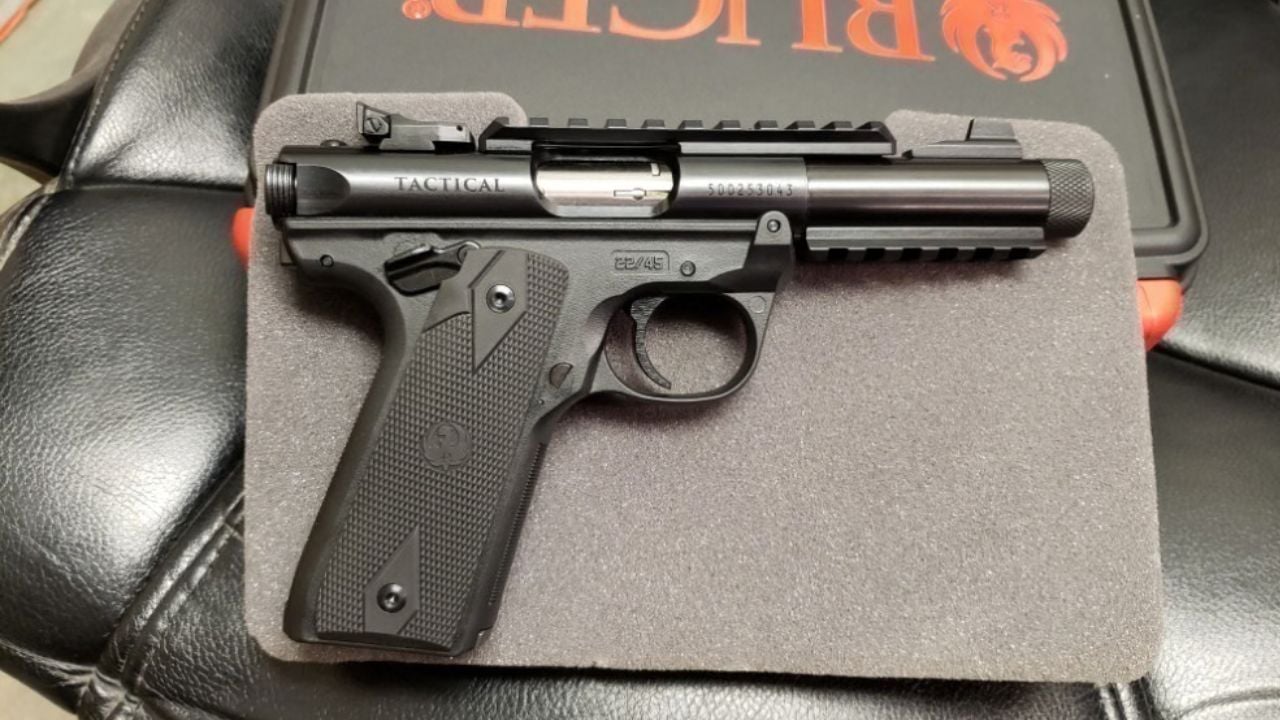
If someone has never spent much time with a handgun, I would rather start them on a good .22 than immediately hand them a compact 9mm and tell them to deal with the recoil. The Mark IV 22/45 gives a new shooter a stable pistol with almost no recoil, inexpensive ammunition, clear sights, and a grip angle that feels familiar to many centerfire pistol shooters. The fixed-barrel design is capable of excellent accuracy, which lets a beginner concentrate on sight alignment, trigger control, and follow-through without wondering whether every bad shot came from the gun or from them.
The real advantage is repetition. A new shooter can fire hundreds of rounds without fatigue becoming the main event. That kind of practice builds good habits much faster than struggling through a box of defensive ammunition in a tiny pistol.
Browning Buck Mark Plus
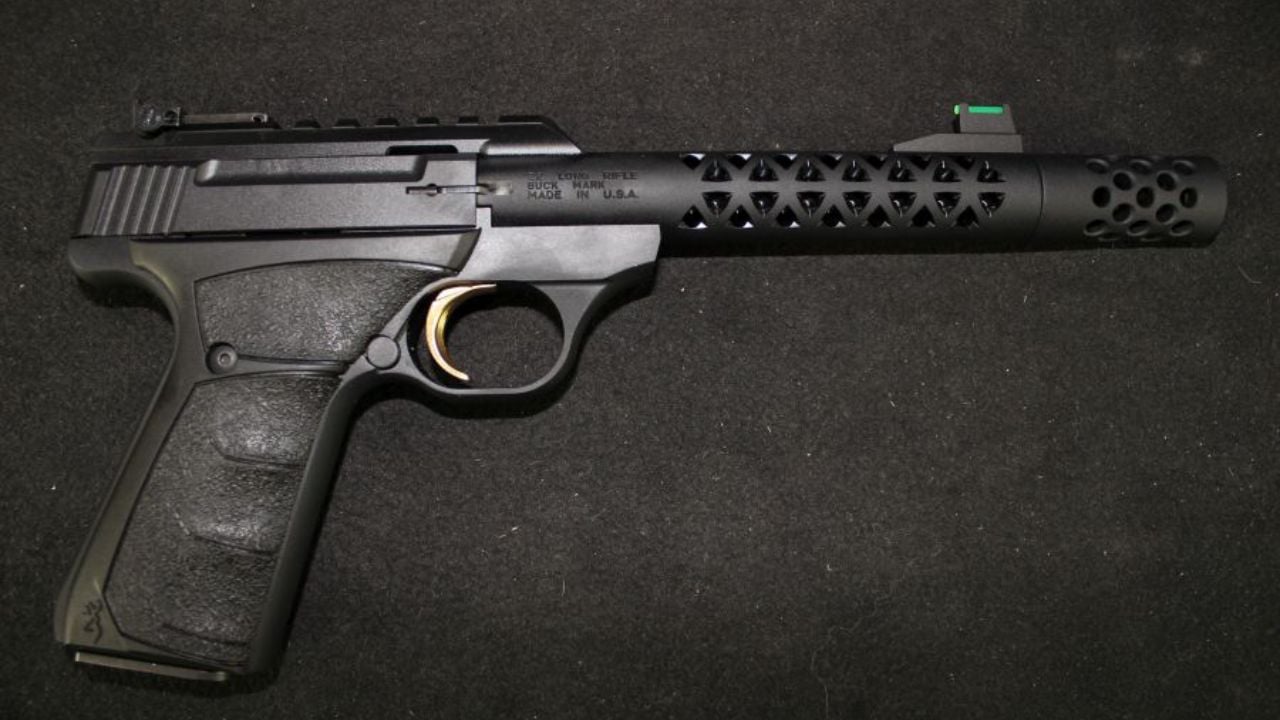
The Buck Mark is another .22 pistol I would put in front of a beginner because it makes accurate shooting feel achievable early. The grip is comfortable, the pistol has enough weight to stay stable, and the trigger is usually far better than what beginners experience on inexpensive centerfire handguns. When a new shooter can see their groups tightening during the first few range sessions, confidence improves quickly.
That matters more than people think. A beginner who enjoys shooting is far more likely to keep practicing. The Buck Mark removes much of the punishment and frustration that can make someone decide shooting simply is not for them.
Smith & Wesson M&P22 Compact
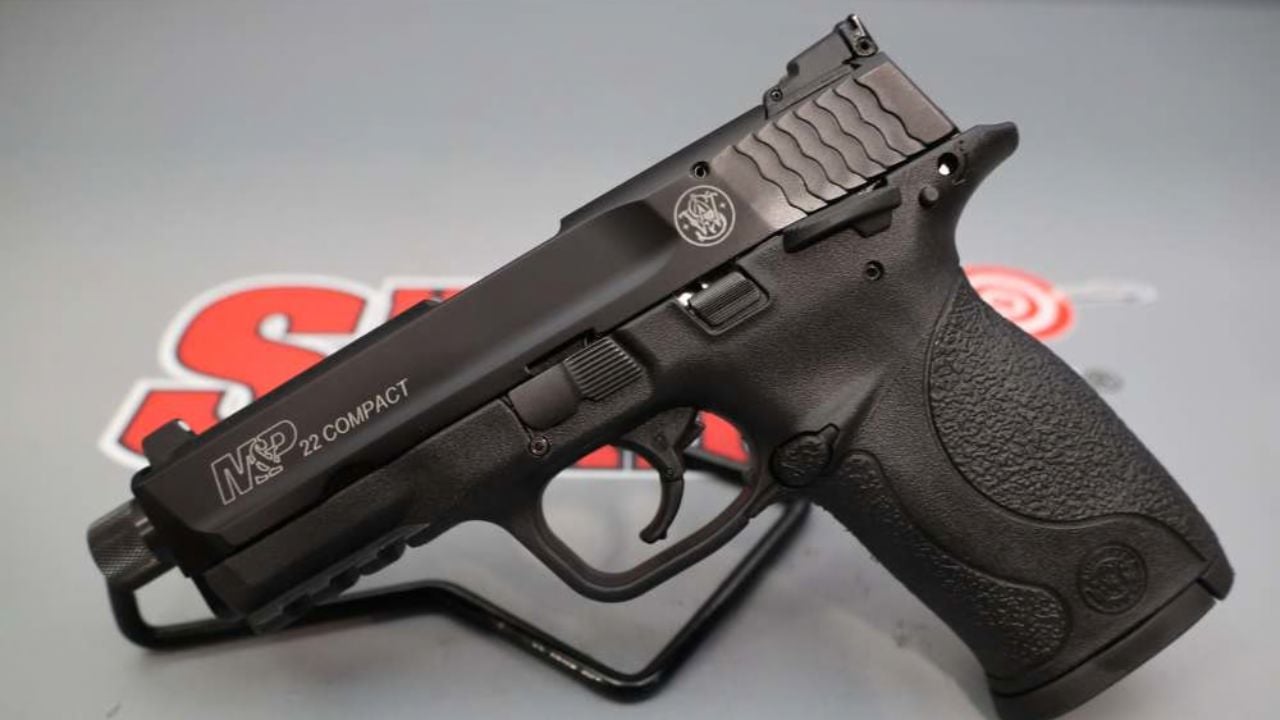
The M&P22 Compact makes sense for somebody who eventually wants a defensive semiautomatic because the controls and overall feel are much closer to a centerfire carry pistol than most traditional rimfires. It has a familiar slide, magazine release, sights, and grip shape, but recoil remains extremely mild. That lets the shooter learn loading, unloading, trigger discipline, magazine changes, and basic malfunction handling without simultaneously dealing with a full-power cartridge.
I would particularly like it as a transition gun. Learn fundamentals with the .22, then move to a larger 9mm once those movements become natural. That is a much better progression than starting with something snappy and developing a flinch.
Taurus TX22 Compact
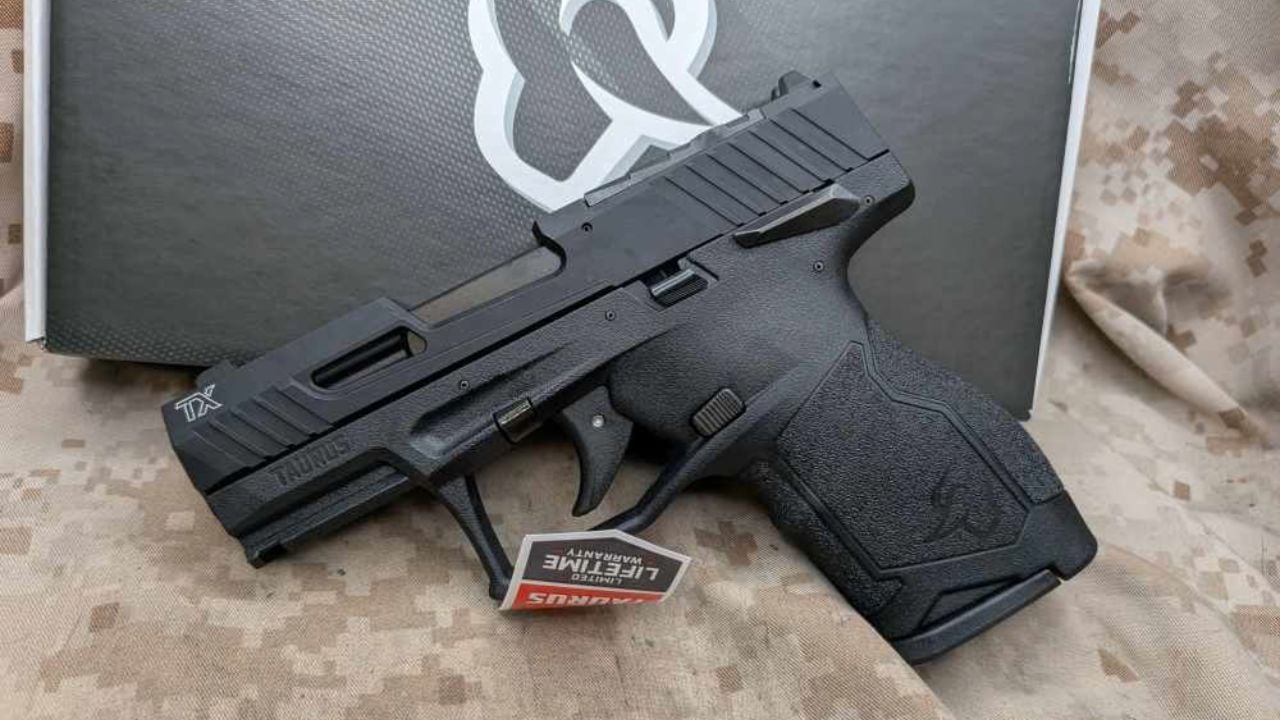
The TX22 Compact gives beginners something a lot of older .22 pistols do not: the feel of a modern defensive pistol without the recoil of one. The grip is comfortable, magazine capacity is useful for long practice strings, and the controls are intuitive enough that the shooter can focus on the basics rather than figuring out a strange target-pistol layout. It also gives someone an inexpensive way to practice the same kinds of drills they may later run with a centerfire handgun.
A new shooter does not need to prove anything by starting with more recoil. If the goal is to become competent, shooting more rounds with good form beats fighting through a pistol that makes every trigger press unpleasant.
Glock 17 Gen5
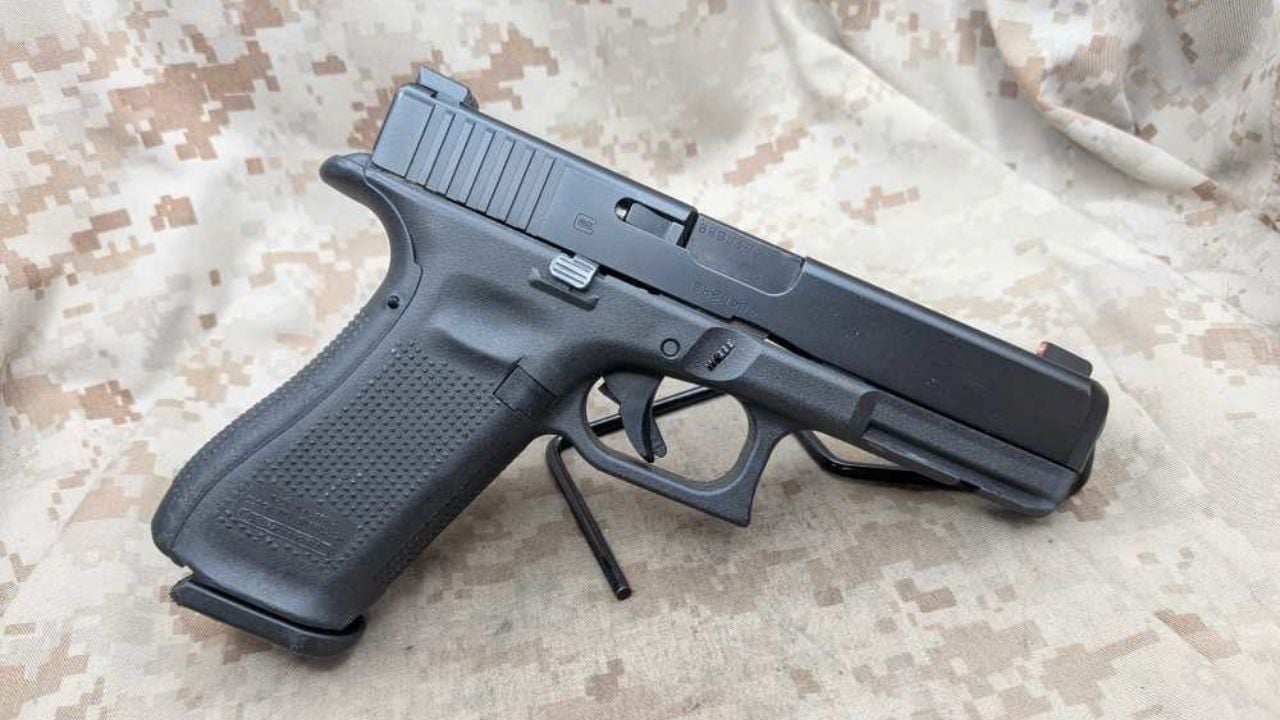
Once a new shooter is ready for 9mm, I would generally rather put them behind a full-size pistol than a micro-compact. The Glock 17 has enough grip for both hands, enough slide and frame mass to keep recoil manageable, and controls that are straightforward without requiring a complicated sequence. The trigger is consistent from shot to shot, magazines and holsters are everywhere, and the pistol is common enough that finding instruction or replacement parts is never difficult.
The biggest reason I recommend a gun this size is control. New shooters usually shoot full-size pistols better. Concealment can come later. Learning to press the trigger without disturbing the sights is much easier when the gun is not jumping around in your hands.
Smith & Wesson M&P9 M2.0 Full Size
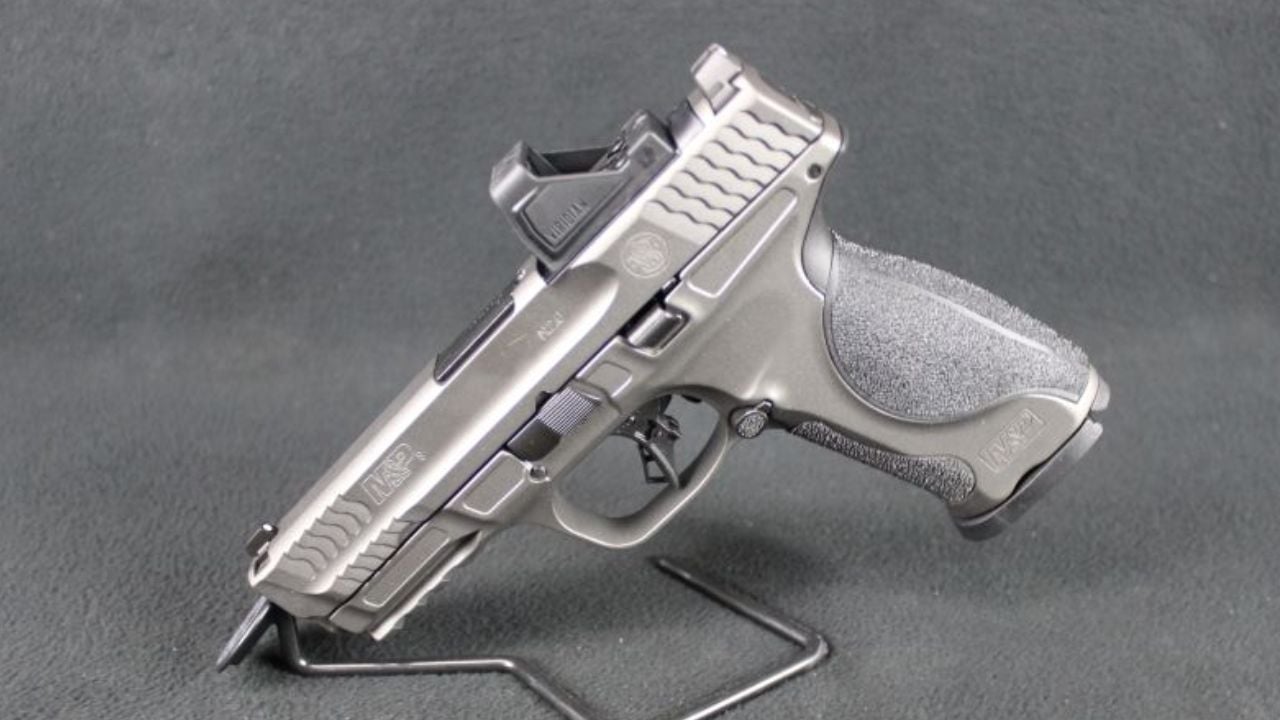
The full-size M&P9 M2.0 is another excellent first centerfire handgun because the grip geometry works for a wide range of hands and the interchangeable backstraps allow some adjustment. The aggressive texture gives the shooter plenty of control, while the frame size and weight make ordinary 9mm recoil very manageable. It also has enough aftermarket and holster support that a new owner is unlikely to outgrow the platform quickly.
That last part matters. A first pistol should not feel like something you need to replace in six months. The M&P can start as a range gun and later serve defensive, training, or competition roles without becoming obsolete.
CZ P-10 F
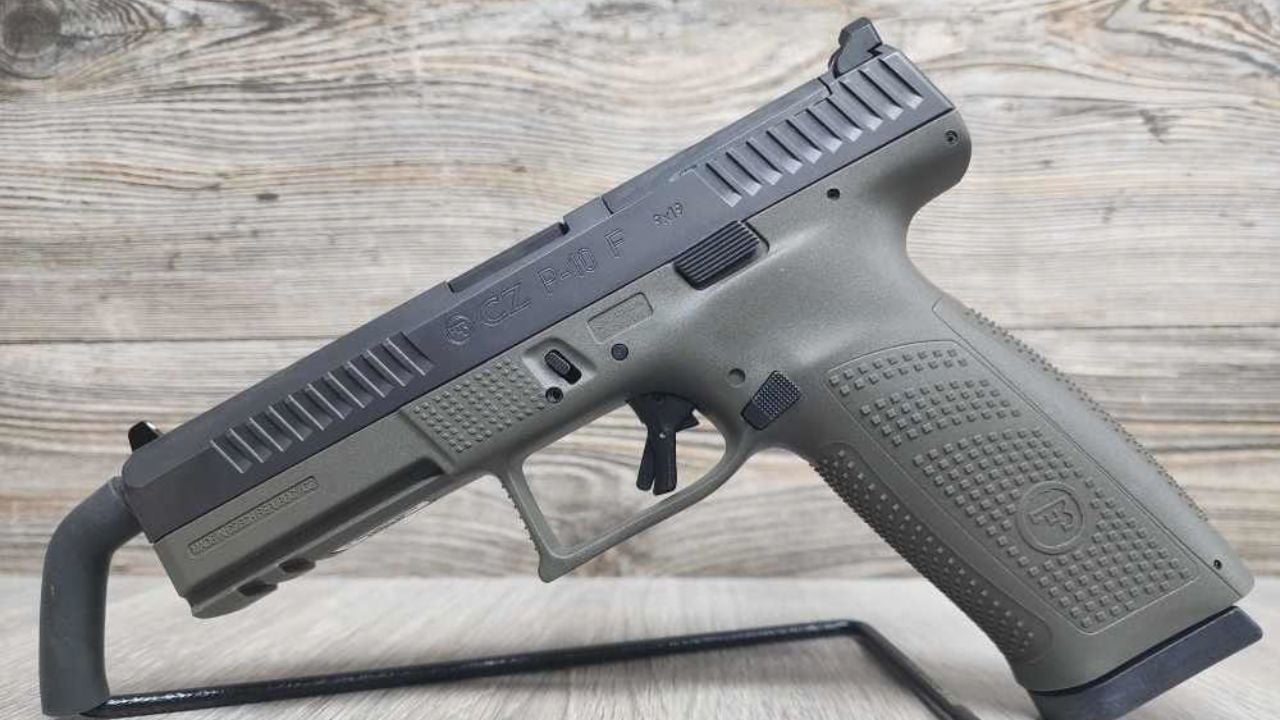
The P-10 F gives a beginner a large grip, good trigger, and low enough recoil that learning becomes much easier than it would be with a tiny carry pistol. The full-size frame helps control the gun during rapid strings, while the striker-fired action keeps the trigger pull consistent. It also tends to point naturally for a lot of shooters, which helps new owners build confidence before they start obsessing over upgrades.
I would choose the full-size version first because the goal is learning, not hiding the pistol under a T-shirt. Once someone can shoot well, they can decide how much size they are willing to give up for easier carry.
Beretta PX4 Storm Full Size
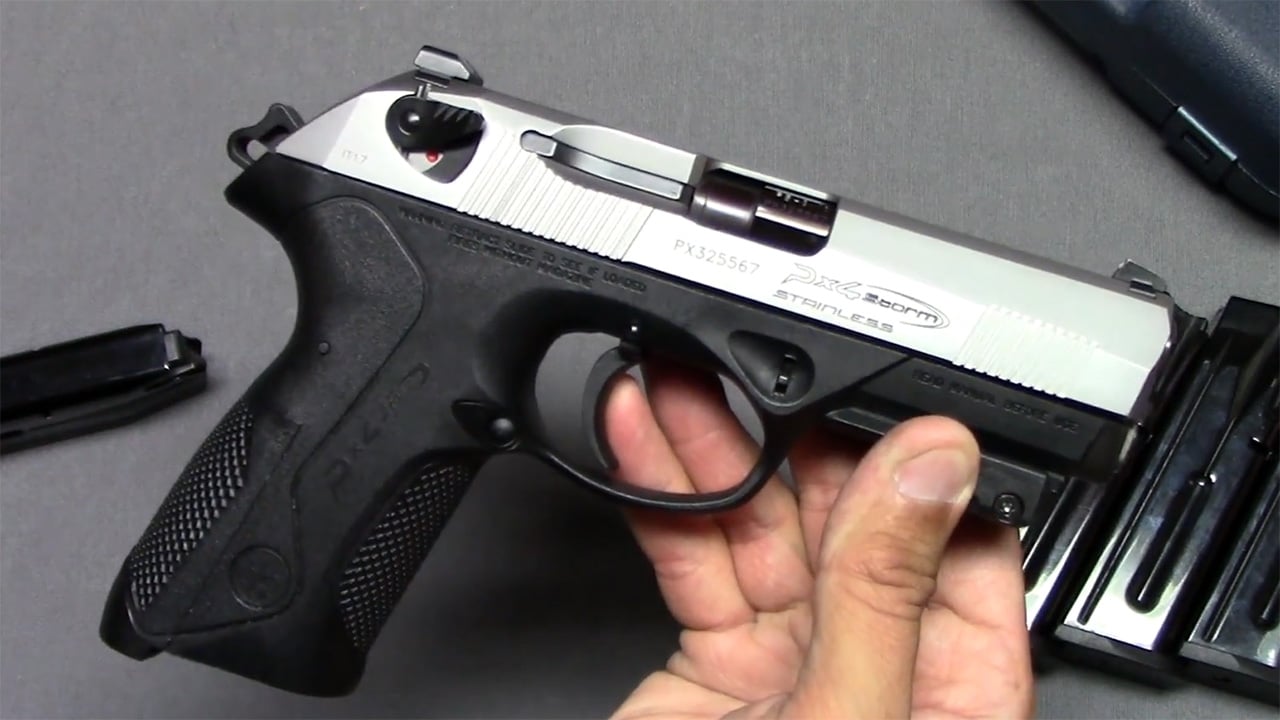
The PX4 is a particularly good choice for someone who wants a hammer-fired pistol but does not need to start with a heavy steel gun. The rotating-barrel system gives it a soft, smooth recoil impulse, and the full-size grip provides plenty of room to establish proper hand placement. The DA/SA trigger also teaches a new shooter how to manage two different trigger pulls, which can be valuable if they intend to stay with traditional hammer-fired pistols.
It takes a little more training than a striker-fired design, but the gun rewards that effort. For someone willing to learn the system properly, the PX4 is one of the easier service-size pistols to shoot well.
HK VP9

The VP9 is a good beginner pistol largely because of ergonomics. The interchangeable side panels and backstraps let the grip be adjusted much more than many competitors, which is helpful when you do not yet know exactly what grip shape works best for you. The trigger is predictable, the sights are easy to use, and the full-size format keeps recoil well within reason.
A new shooter benefits from a gun that fits rather than one they have to force themselves to like. The VP9 gives you enough adjustment that finding that fit is easier, especially if multiple family members may use the same pistol.
Walther PDP Full Size

The PDP has one of the better factory striker triggers in the service-pistol category, which makes it easier for a new shooter to understand what a clean trigger press should feel like. The full-size grip gives plenty of control, the slide is easy to manipulate, and the optics-ready design means the gun can grow with the owner if they eventually want a red dot.
It is a little more lively under recoil than some heavier pistols, but the overall package remains very easy to learn. I would rather a beginner start with something like this and grow into it than buy a tiny pistol that immediately makes shooting feel harder than necessary.
Ruger Security-380
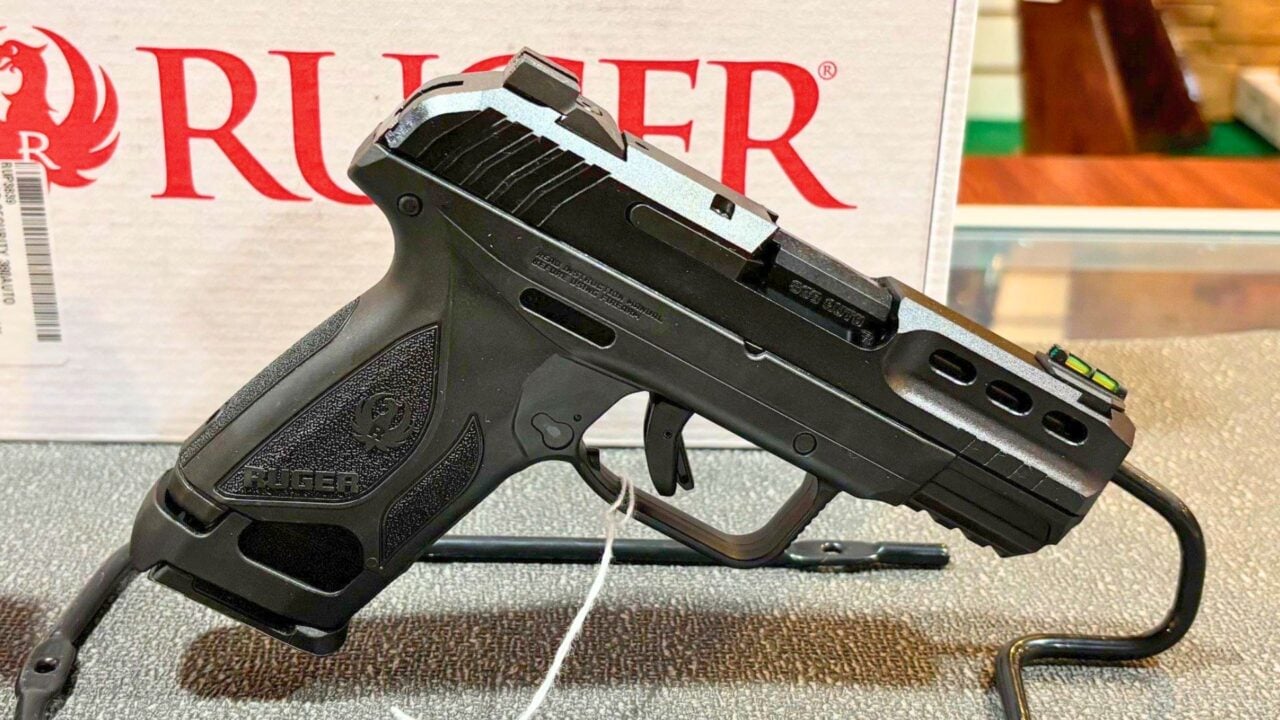
For a shooter who is genuinely recoil sensitive, the Security-380 is one of the better places to start if they want something more defensive than a .22. The .380 ACP chambering produces less recoil than comparable 9mm pistols, while Ruger’s Lite Rack system makes the slide easier to manipulate for people with limited hand strength. The grip is also large enough that the pistol does not feel like a tiny pocket gun.
That combination matters for older shooters, smaller shooters, or anyone who struggles with slide manipulation. The best first gun is the one the owner can safely load, unload, and shoot without needing someone else to do it for them.
Ruger 10/22 Carbine
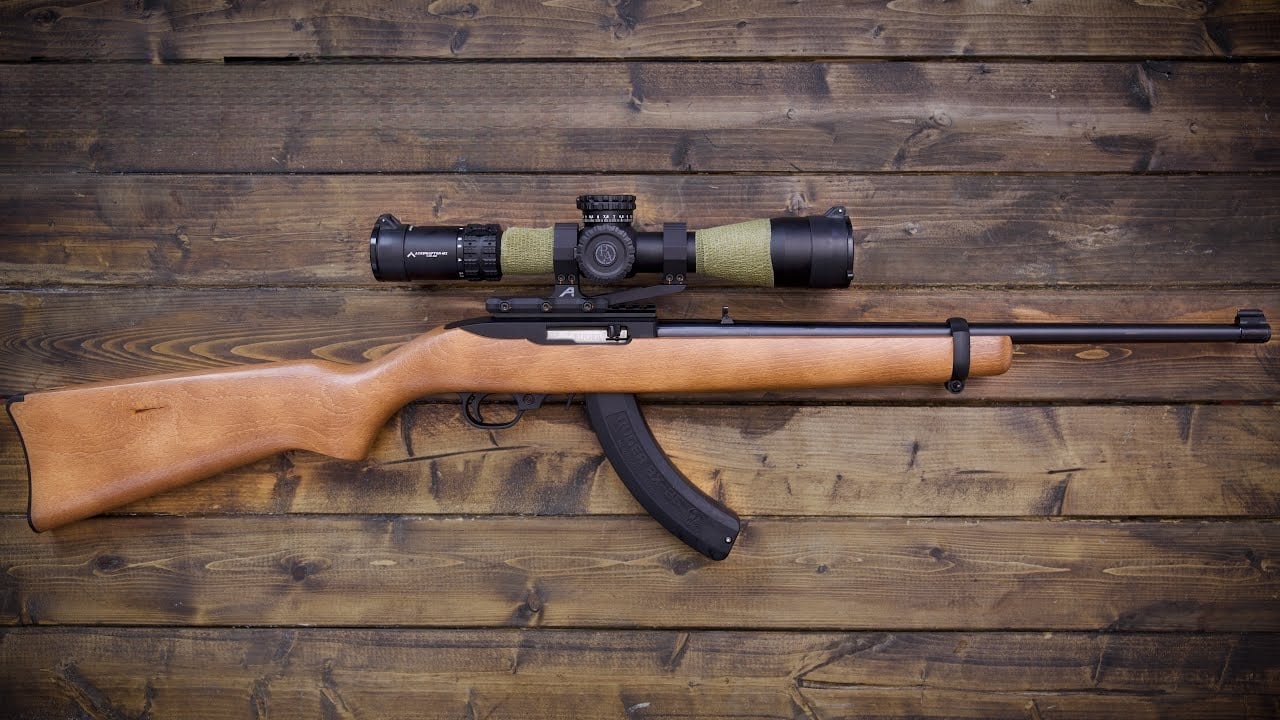
If someone wants to learn rifle shooting, I would have a hard time recommending anything before a 10/22. Recoil is almost nonexistent, ammunition is inexpensive, and the rifle is accurate enough to teach sight picture, trigger control, breathing, and field positions without intimidating the shooter. The semiautomatic action also lets a beginner spend more time shooting and less time manipulating the firearm between every shot.
The rifle can stay useful for the rest of their life. Even after they move into centerfires, the 10/22 remains valuable for small game, practice, and introducing the next new shooter.
CZ 457 Scout
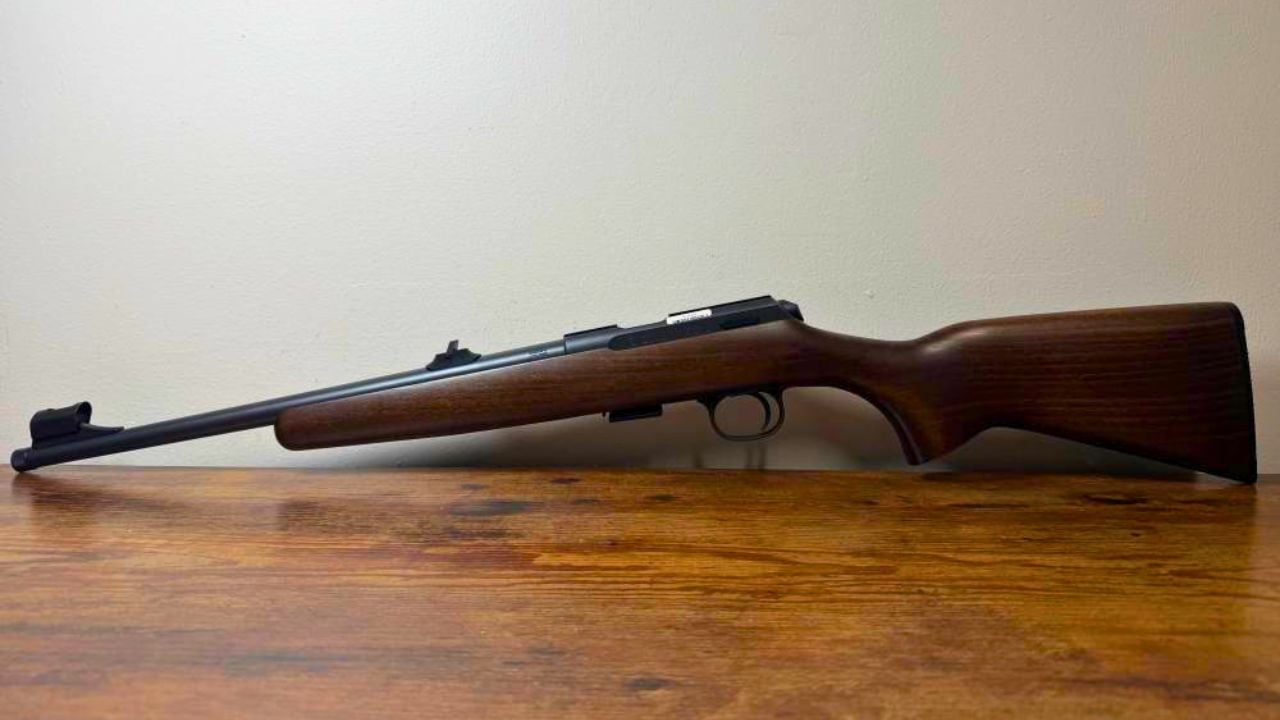
The 457 Scout is particularly good for younger or smaller shooters because the shorter stock makes proper positioning much easier. A beginner should not have to stretch unnaturally just to reach the trigger. The bolt action also forces them to slow down between shots, which can be a huge advantage when the goal is building deliberate habits rather than seeing how quickly a magazine disappears.
The rifle is accurate enough that the shooter receives immediate feedback. If they do everything correctly, the shot lands where expected. That teaches more than a rifle that sprays ammunition faster than the beginner can process what happened.
Savage Mark II FV
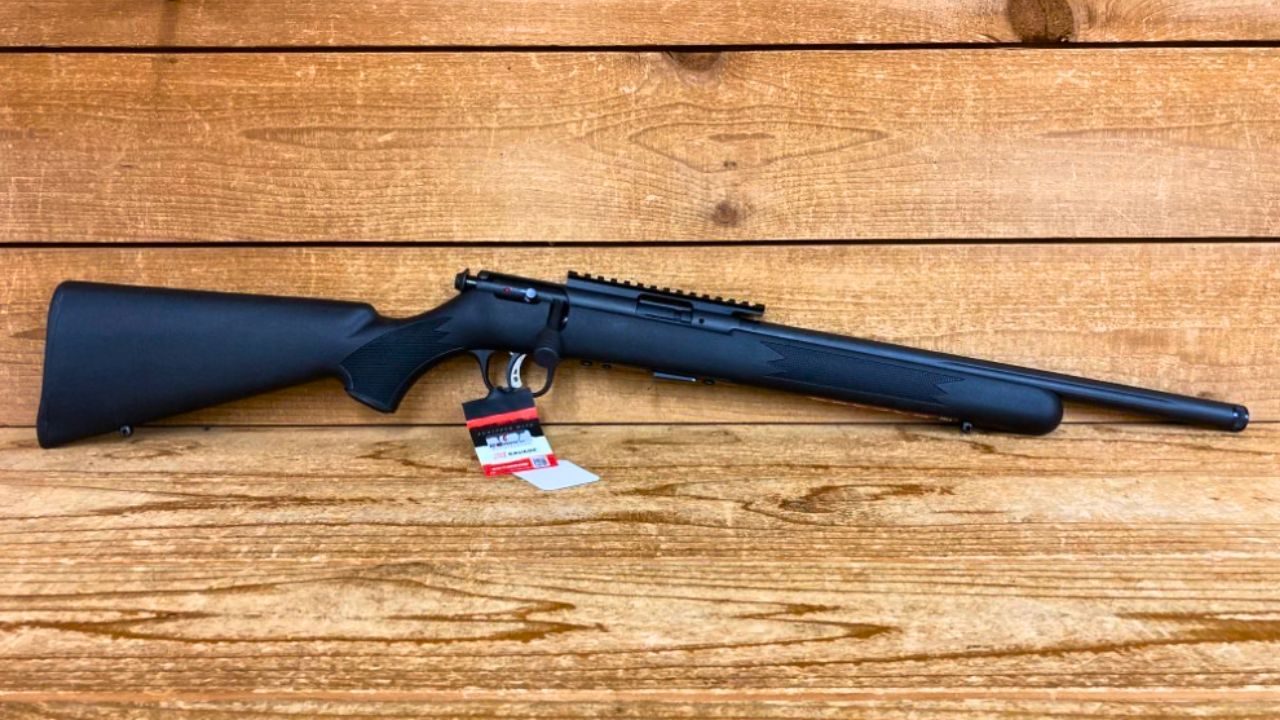
The Mark II FV is a straightforward bolt-action .22 that gives a new shooter a stable platform without spending a lot of money. The heavier barrel makes the rifle steady from a rest, and the bolt action encourages the shooter to treat every shot as a separate event. That is ideal for learning because each trigger press gets attention rather than becoming part of a fast string.
A rifle like this can also become a surprisingly capable small-game or informal target gun later. The beginner is not buying something they will immediately outgrow once the fundamentals are established.
Ruger American Rimfire
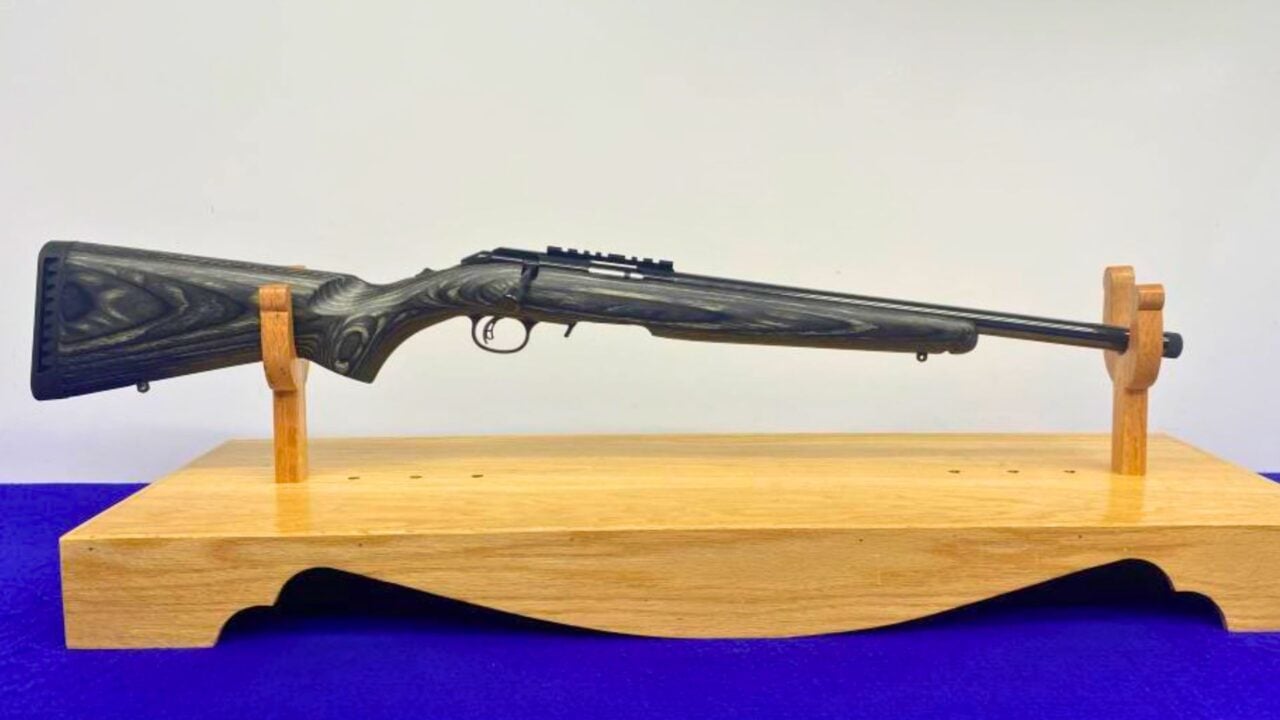
The American Rimfire is a smart first rifle because it feels more like a conventional centerfire hunting rifle than many youth-oriented .22s. The stock is practical, the bolt operation is straightforward, and the rifle gives a beginner a chance to learn the same basic movements they will eventually use on a deer rifle. It also shares magazine compatibility with common Ruger rimfire magazines in many versions, which makes ownership easier.
That makes it an excellent bridge. A shooter can learn on inexpensive .22 LR and later move to a centerfire bolt rifle without feeling like they are starting over mechanically.
Howa Mini Action .223 Remington
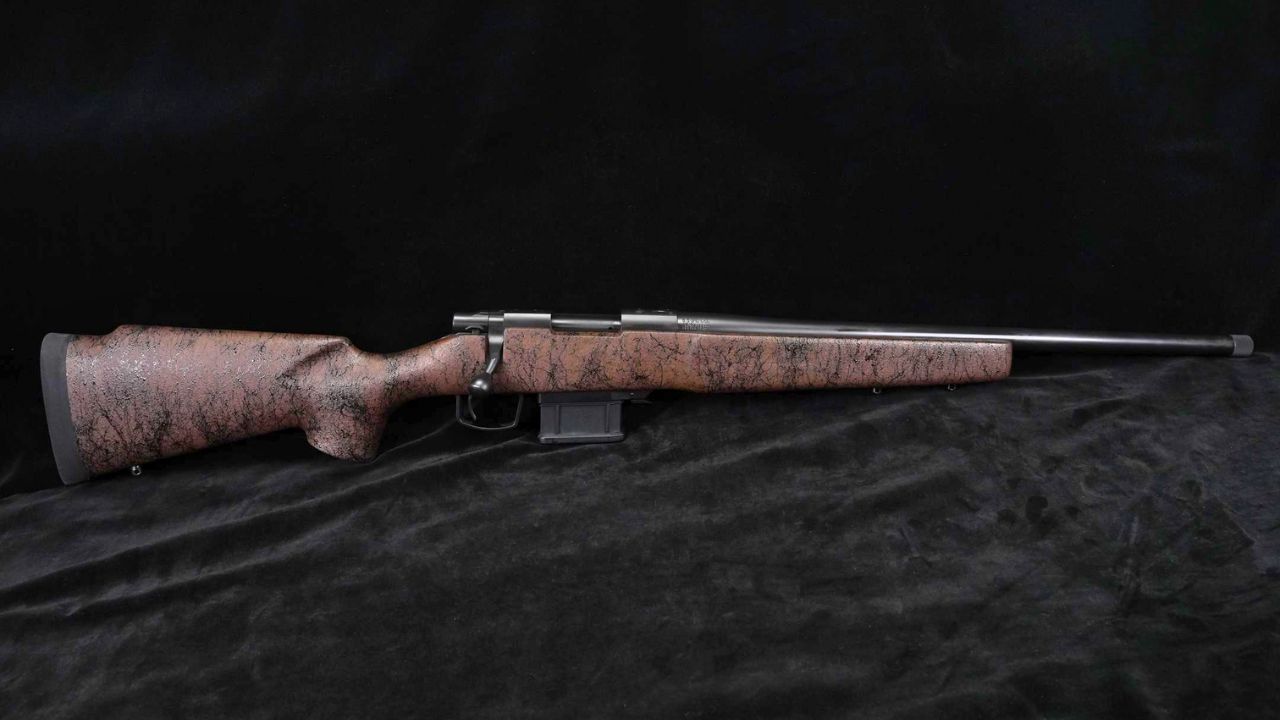
When a shooter is ready to move beyond rimfire, a bolt-action .223 is one of the smartest centerfire starting points. The Howa Mini Action is compact, light enough to carry easily, and chambered in a cartridge with very mild recoil. The .223 also gives beginners inexpensive centerfire practice compared with larger hunting cartridges and is useful for varmints and predators where legal.
I would rather someone fire several hundred accurate rounds through a .223 than develop a flinch after twenty rounds of a hard-kicking rifle. Recoil tolerance can be built gradually. Bad habits are much harder to unlearn.
Ruger American Ranch .223 Remington
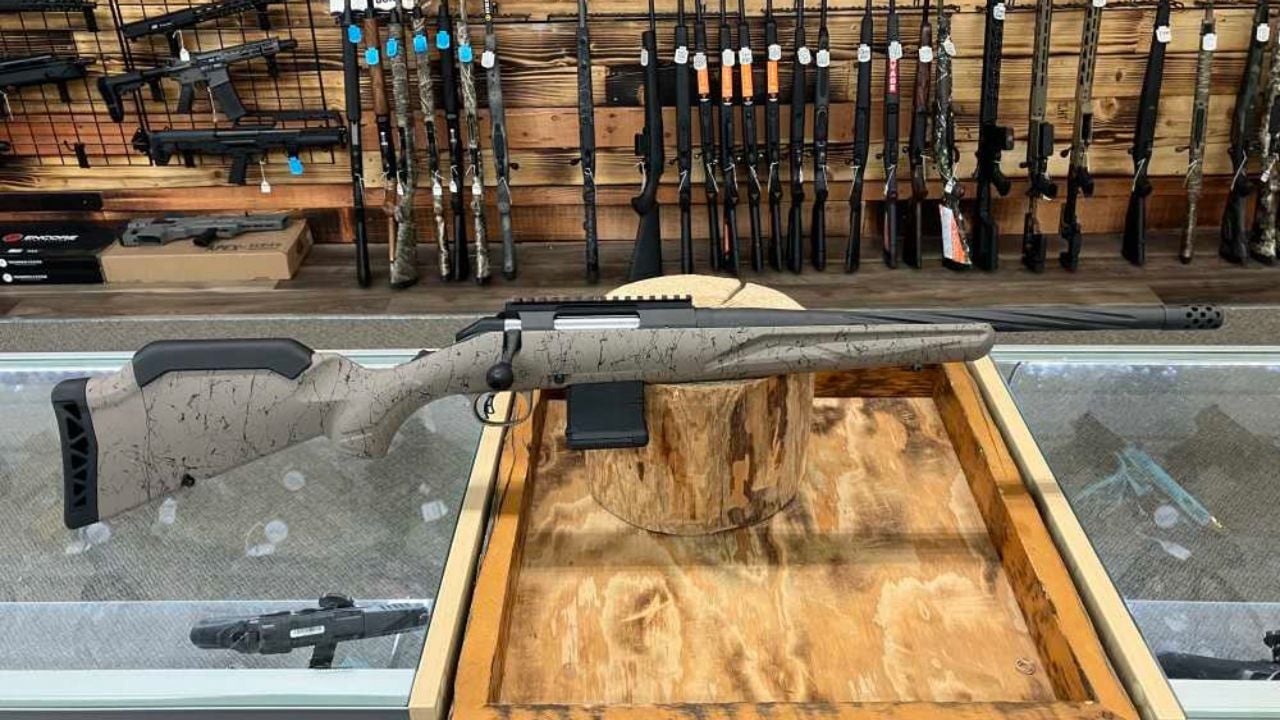
The Ruger American Ranch in .223 follows the same logic but adds an especially handy overall package. The shorter barrel makes it easy to manage in a blind, truck, or range bay, while the bolt action remains straightforward. Recoil is light enough that beginners can actually watch what the rifle is doing instead of closing their eyes and bracing for impact.
For someone who wants a first centerfire rifle they can keep using around rural property or for predator hunting, this is a much better starting point than jumping immediately into a heavy deer cartridge.
Weatherby Vanguard Compact .243 Winchester
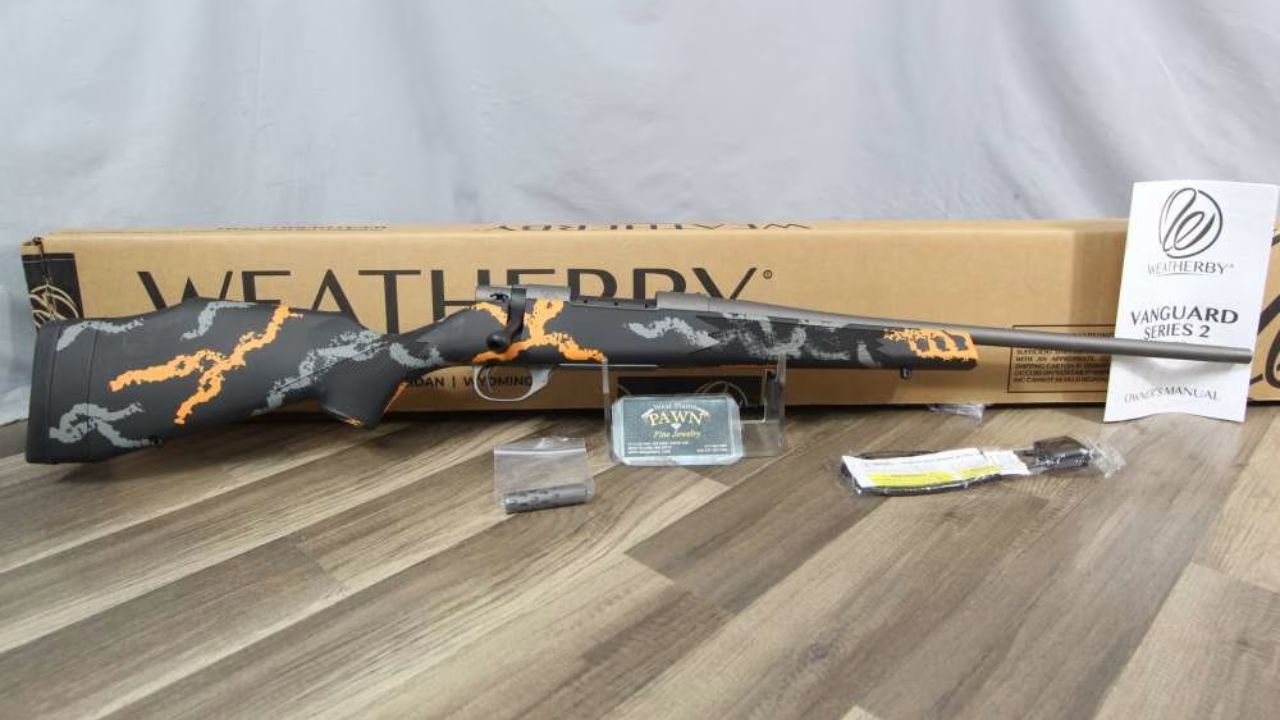
A new hunter who is ready for deer does not automatically need a .30-06. The Vanguard Compact in .243 Winchester gives the shooter a real centerfire hunting rifle with noticeably less recoil, which makes practice far more productive. The stock dimensions are also friendlier to smaller shooters, and the rifle has enough weight that it does not punish them at the bench.
The .243 has taken plenty of deer when used with appropriate ammunition and good shot placement. I would much rather see a beginner shoot a mild rifle accurately than carry more cartridge than they can confidently control.
Mossberg Maverick 88 Field 12 Gauge
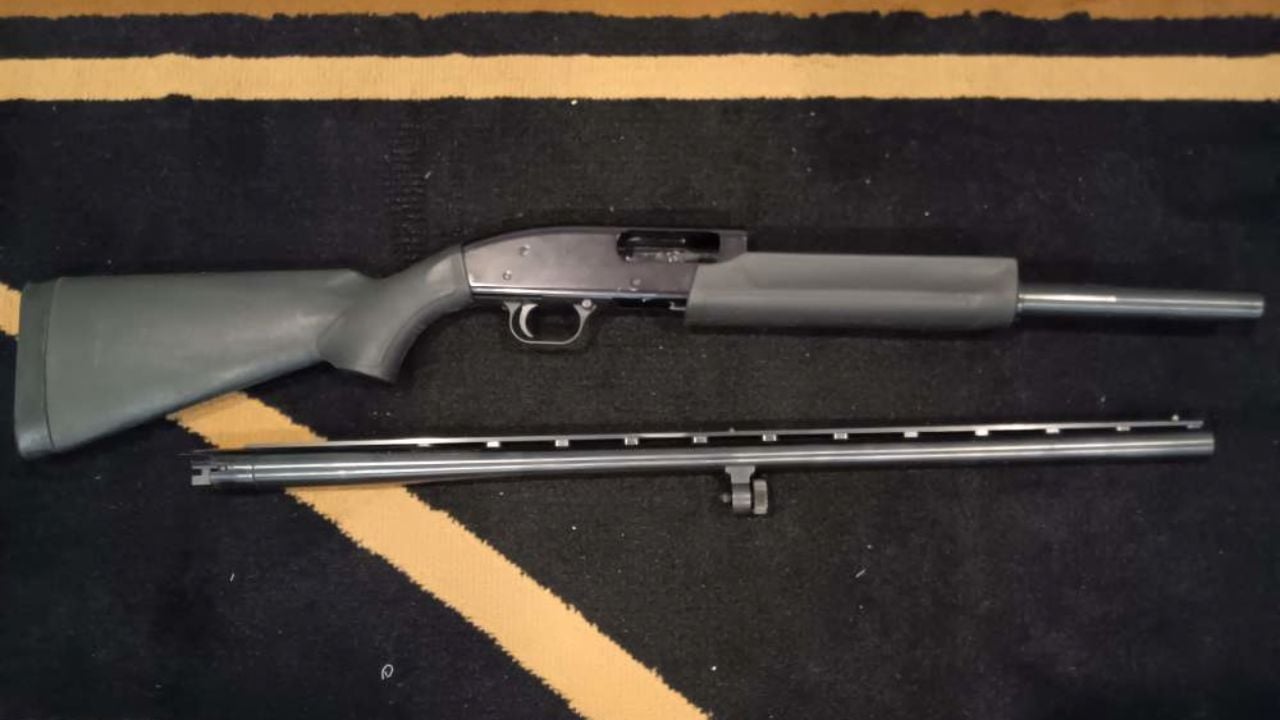
For a first shotgun, the Maverick 88 makes sense because it is straightforward, affordable, and based on a proven pump-action design. The controls are not complicated, maintenance is easy, and the gun can serve for birds, clays, and general field use. It is also inexpensive enough that a new shooter does not feel like every scratch is a disaster.
I would be careful with 12-gauge ammunition at first, though. Starting with lighter target loads is far smarter than handing a beginner heavy shells and creating a recoil problem before they have even learned how to mount the gun properly.
Mossberg SA-20

For someone who is smaller, younger, or particularly recoil sensitive, I would strongly consider a 20-gauge semiautomatic like the SA-20 instead of insisting they start with a 12-gauge pump. The gas-operated action helps reduce felt recoil, the gun is lighter and easier to handle, and the 20 gauge still gives plenty of capability for clays, upland birds, and many hunting applications.
New shooters usually learn faster when they are not afraid of pulling the trigger. A softer-shooting shotgun keeps attention on stance, mount, swing, and follow-through instead of recoil anticipation. That is exactly what a first shotgun should do.
Like The Avid Outdoorsman’s content? Subscribe to our newsletter so you never miss an article.
Here’s more from us: