Photo credit: Mr.Nevada/Youtube
Before “vintage” was a sales pitch, a farm rifle was just another tool leaning in the corner. It rode in a truck rack, got dusted with chaff, and lived through rain you didn’t plan on. The job was simple: keep coyotes honest, put down a sick calf when you had to, thin out groundhogs, and maybe fill a freezer if the season lined up with the work.
Most of these rifles weren’t babied. They were used hard because they were trusted. And now, the same guns that wore wire-brush bluing and tractor-seat scratches are sitting behind glass with price tags that make a guy say, “You’ve got to be kidding me.” Here are 20 rifles that used to be standard farm equipment—back when nobody cared what year they were made.
1. Winchester Model 94
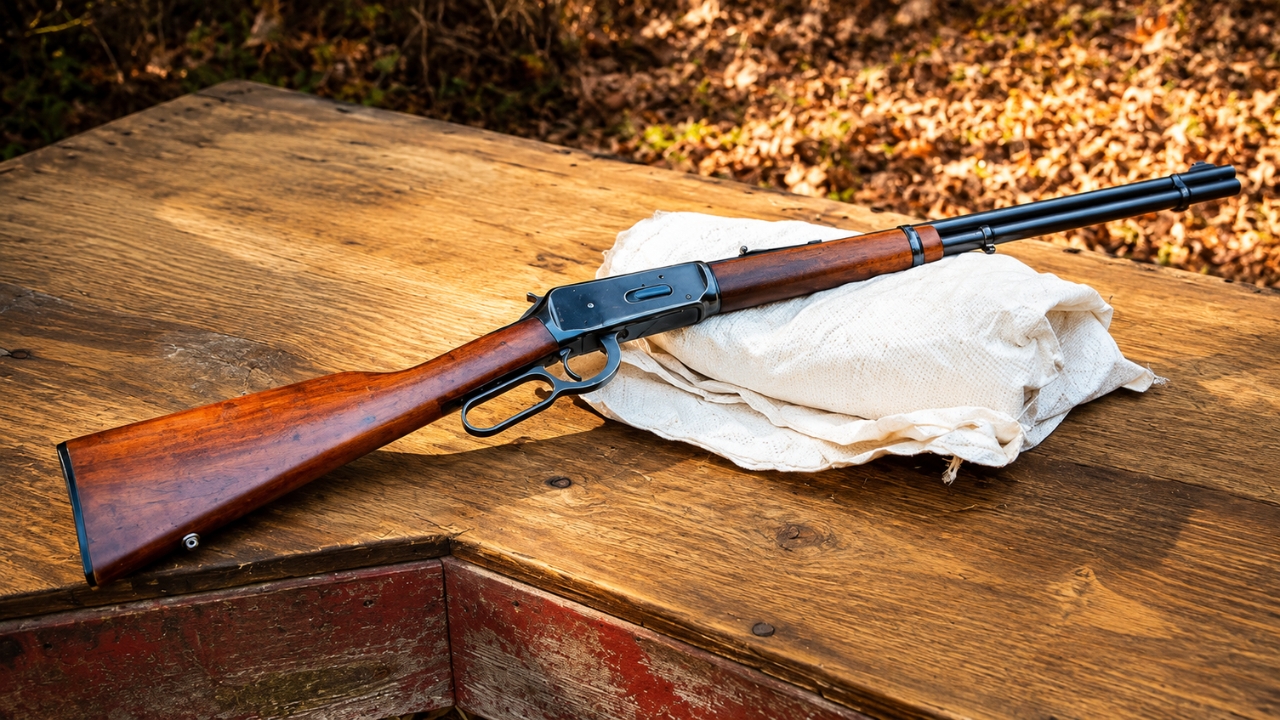
There might not be a more “farm rifle” shape than a worn Model 94. It carried flat against your leg, didn’t snag much, and it pointed quick when a coyote cut across the pasture like it owned the place.
In .30-30, it wasn’t fancy and it wasn’t meant for long-range anything. But inside 150 yards it hit hard enough, fed reliably, and it kept going even when the wood got slick from rain and sweaty hands.
2. Marlin Model 336

The Marlin 336 always felt like the Winchester’s slightly heavier, slightly more modern cousin. A lot of farmers liked the side-eject design because it played nicer with a scope when eyes started aging out of iron sights.
They’re accurate enough for real work, and the action has a solid feel when it’s been run a few thousand times. If you grew up seeing one behind a kitchen door, you understand why folks still chase them.
3. Savage Model 99

The Savage 99 was the “nice” rifle some farms had—usually because Grandpa had taste, or because someone came home from town with a little extra money once. That rotary magazine and sleek lines made it feel a step above.
Plenty were chambered in .300 Savage or .308, and they killed a lot of deer that were technically “crop damage” until they were hanging in a shed. They’re smooth, different, and now they’re priced like everyone suddenly remembered that.
4. Remington Model 700 (ADL/BDL)

When the 700 took over, it wasn’t because it was trendy. It was because it worked, shot straight, and it didn’t take a second mortgage to get a rifle that could do deer season and farm chores.
An old ADL with a plain stock and a basic 3-9x scope is about as honest as it gets. The downside is a lot of them got “upgraded” into something they never needed to be, and the un-messed-with ones are getting harder to find.
5. Remington Model 721/722

Before the 700 was the 700, the 721/722 were doing the same kind of work—quietly and without drama. You still run into them with old steel scopes and sling swivels polished smooth from years of carry.
They aren’t glamorous and the stocks can look plain, but they tend to shoot better than they have any right to. If you find one that hasn’t been drilled, tapped, and re-drilled by three different owners, pay attention.
6. Winchester Model 70 (pre-64 and later)

Plenty of Model 70s lived on farms because someone wanted “the good bolt gun” and then proceeded to treat it like any other tool. Fence staples in the stock, finish worn off the floorplate, the whole deal.
Controlled-round feed matters less for farm work than it does in campfire arguments, but the Model 70’s reputation didn’t come from nothing. Even the later rifles have a practical feel that makes sense when gloves and cold fingers are part of life.
7. Ruger M77
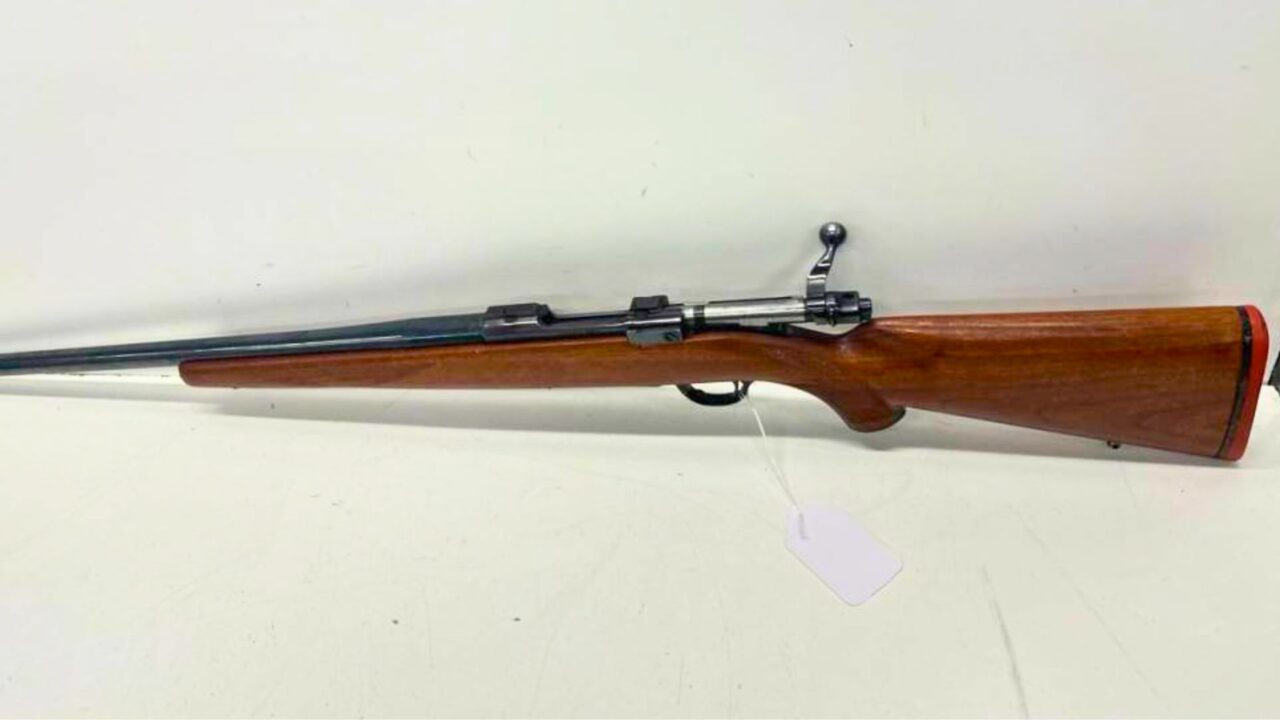
The Ruger M77 has that tough, no-nonsense personality that fits a working place. It’s not the lightest, not the slickest, but it’s the kind of rifle you don’t worry about when it rides behind a pickup seat.
Farmers liked them in .243, .270, and .30-06 because ammo was everywhere and the rifles didn’t need coddling. The tang safety models especially have a following now, which makes sense if you’ve ever run one with cold hands.
8. Savage Model 110

The Savage 110 was never a show pony. It was the rifle you bought because you wanted accuracy and reliability without paying extra for someone’s idea of pretty.
On farms, they showed up as “the coyote rifle” more than anything, often in .22-250 or .243. You still see them with beat-up matte scopes that should’ve died years ago, and somehow the rifle keeps stacking bullets where it should.
9. Mossberg 144 (and other Mossberg .22 bolt guns)
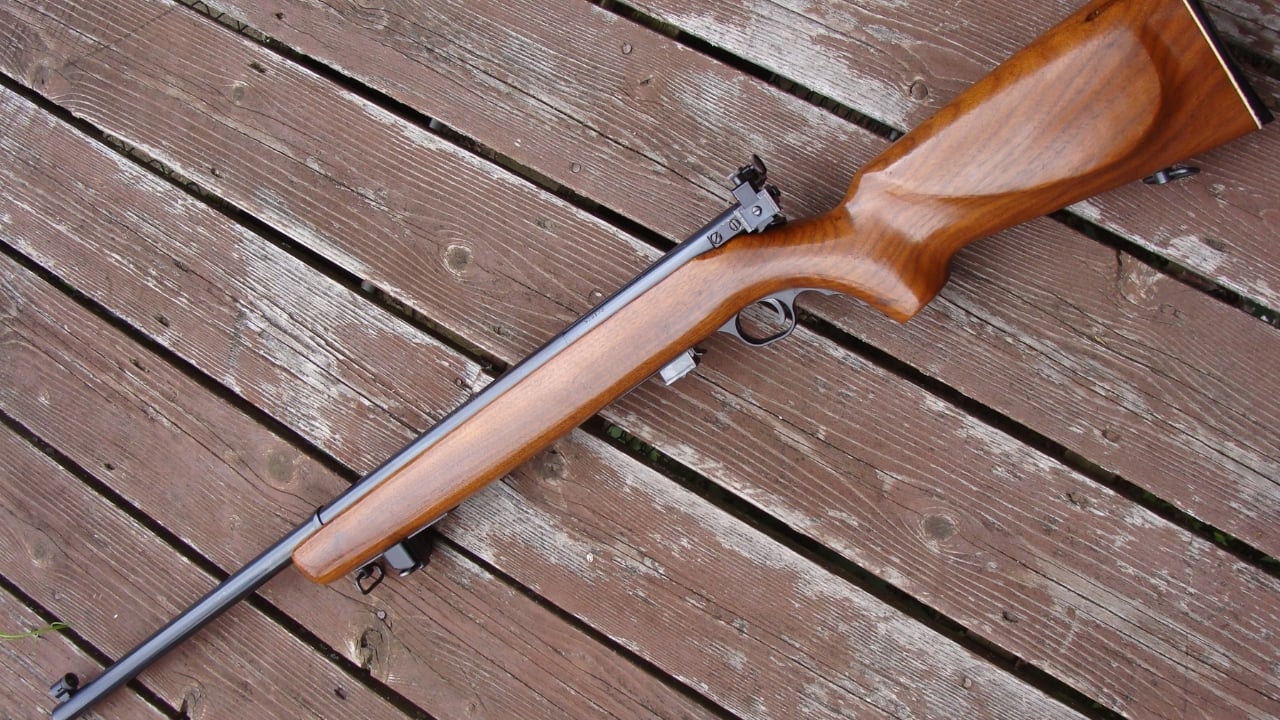
Every farm needed a .22, and a lot of them had a Mossberg that looked like it had been dragged behind a four-wheeler. The 144 series in particular was common: accurate, simple, and not too precious to get scratched.
They taught kids to shoot, they knocked pests off fence posts, and they didn’t complain. These days, clean examples surprise folks with how good the triggers and barrels can be.
10. Marlin Model 60

If there’s a .22 that screams “farm life,” it’s a tube-fed Marlin 60. You didn’t need a pile of magazines, you didn’t need a manual, and it ran as long as you didn’t treat it like a shovel.
They’re handy for walking a creek line or checking a barn at dusk. A lot of them got shot loose, to be honest, but a good one still makes sense if you want simple and quiet utility.
11. Ruger 10/22
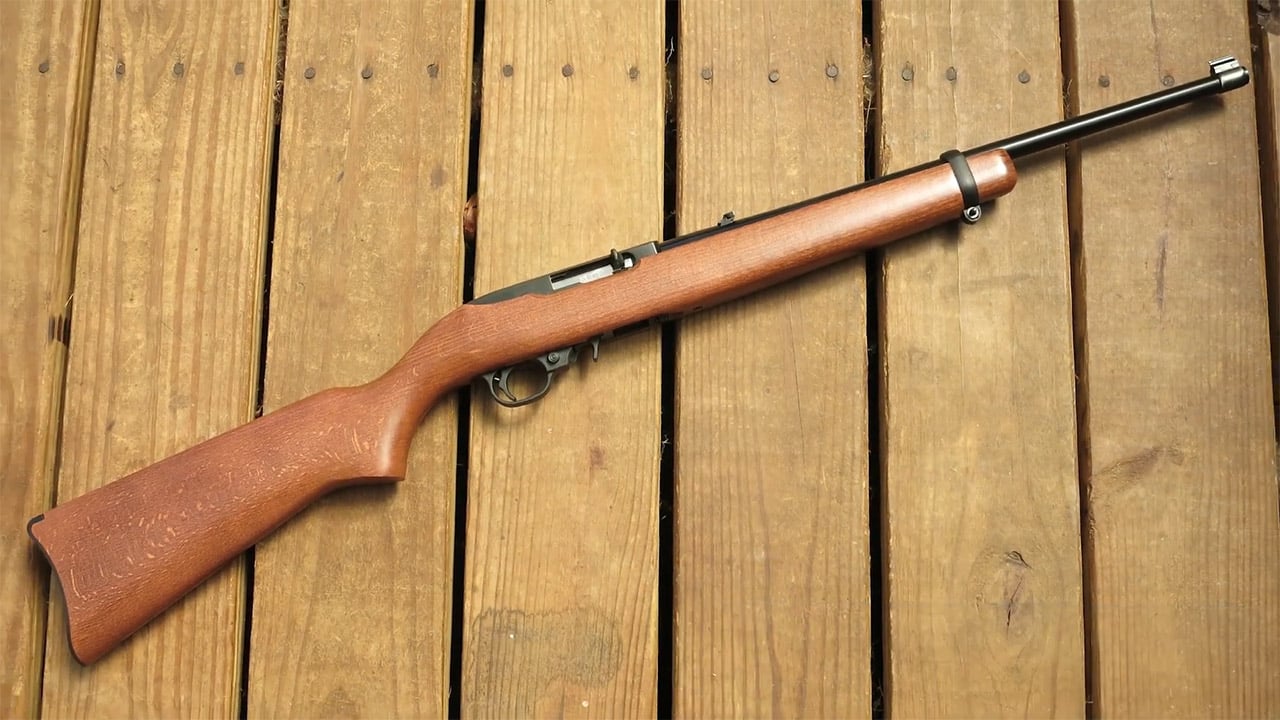
The 10/22 is everywhere now, but it earned that the old-fashioned way: by working. Farms liked them because they were quick, light, and easy for different shooters in the family to run.
The funny part is how many “plain” 10/22s became expensive projects later. The original, unmodified rifles with honest wear are the ones that remind you what they were for—rabbits, cans, and keeping critters out of feed.
12. Winchester Model 190/290
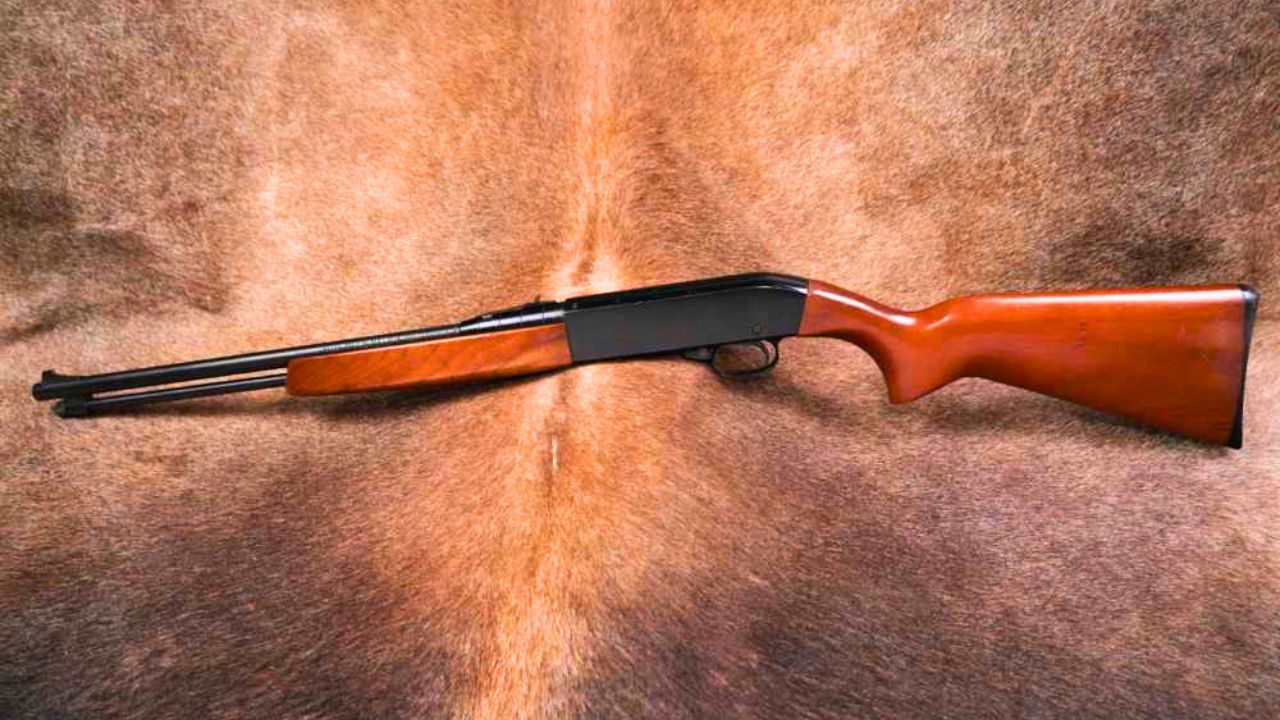
These semi-auto .22s don’t get the love they deserve because they aren’t flashy. But on farms, they were common because they were affordable and they handled chores just fine.
They’re also a reminder that “reliable” sometimes means “keep it reasonably clean and don’t use the worst ammo you can find.” Treat them right and they’ll still do what they did in 1975: put a .22 where you point it.
13. Remington Nylon 66
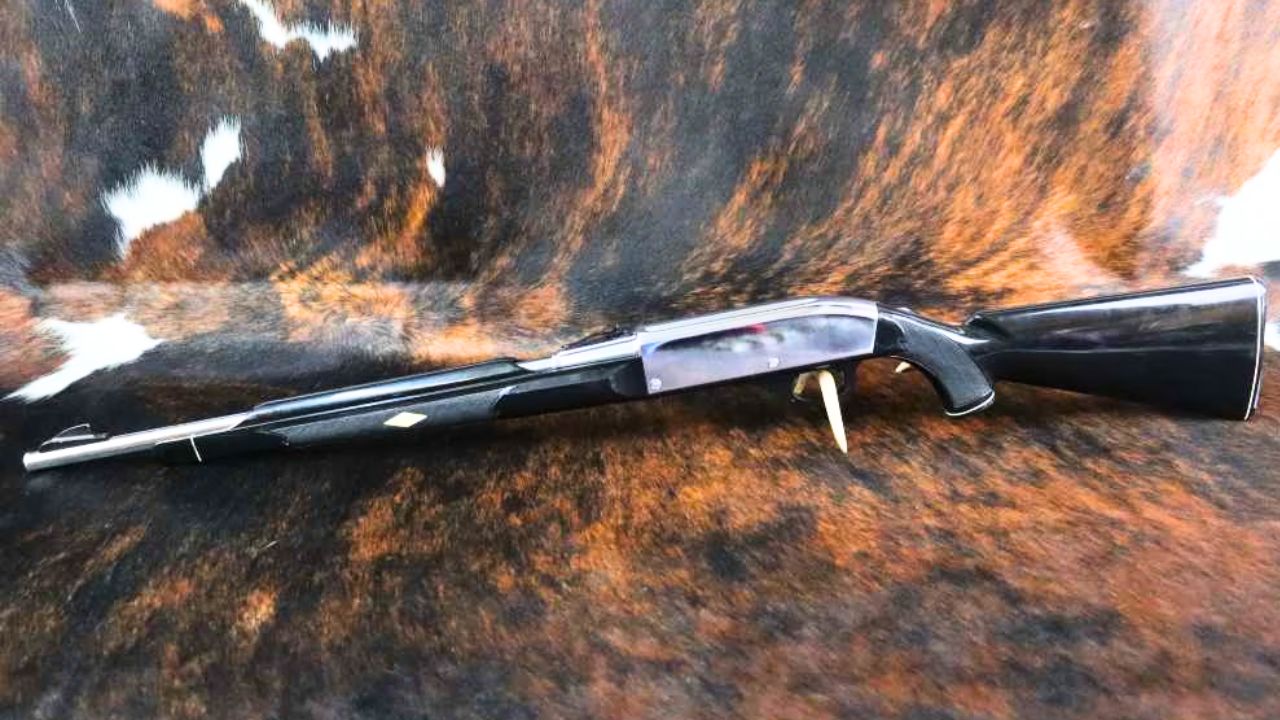
A plastic-stock .22 used to sound like a gimmick, but the Nylon 66 proved a point. Light, weather-resistant, and hard to kill—those are farm-rifle qualities even if the looks take some getting used to.
You still hear stories about one living behind a truck seat for a decade. They’re not the easiest rifle to “tune,” and that’s okay. They were built to be used, not tinkered with.
14. CZ 452 (and early CZ rimfires)
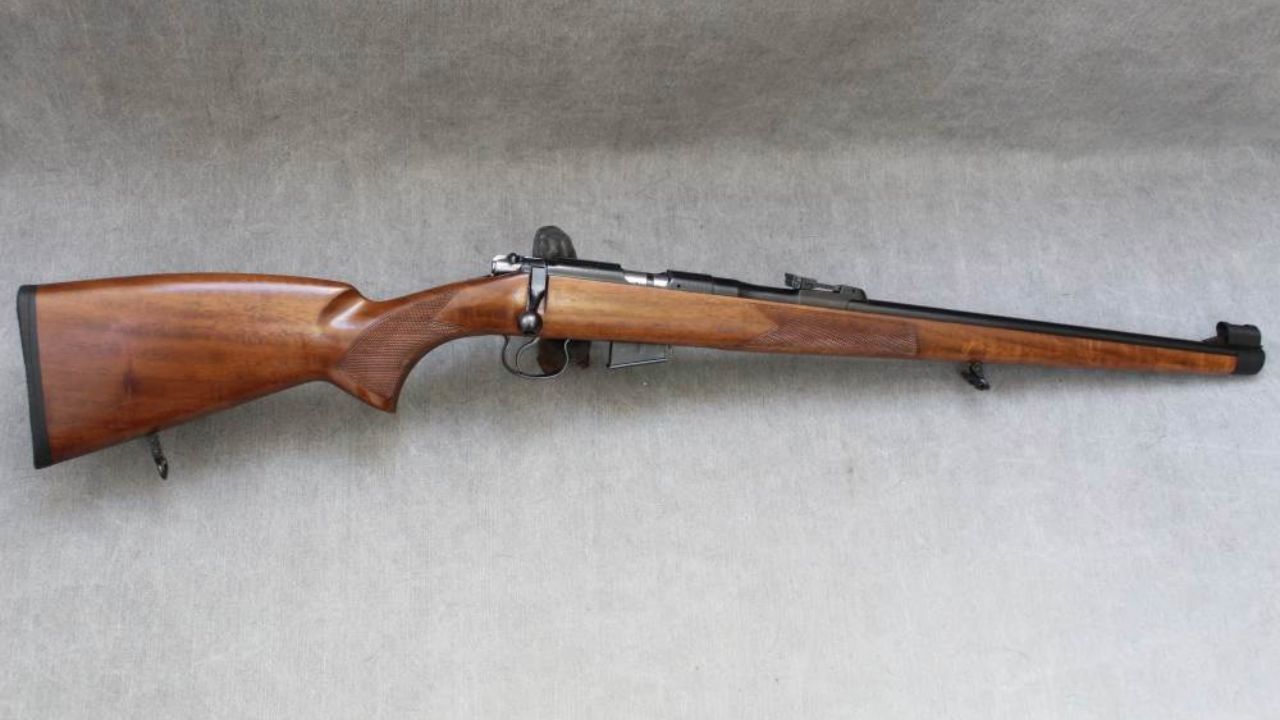
Not every farm rifle was American, especially once folks realized how well CZ rimfires shot for the money. A CZ 452 with a simple fixed-power scope is a groundhog problem-solver.
The actions are smooth and the barrels tend to be excellent. They weren’t always thought of as collectibles—just “that accurate .22”—until people tried replacing them and realized prices don’t go backward.
15. Springfield Armory M1 Garand (surplus)
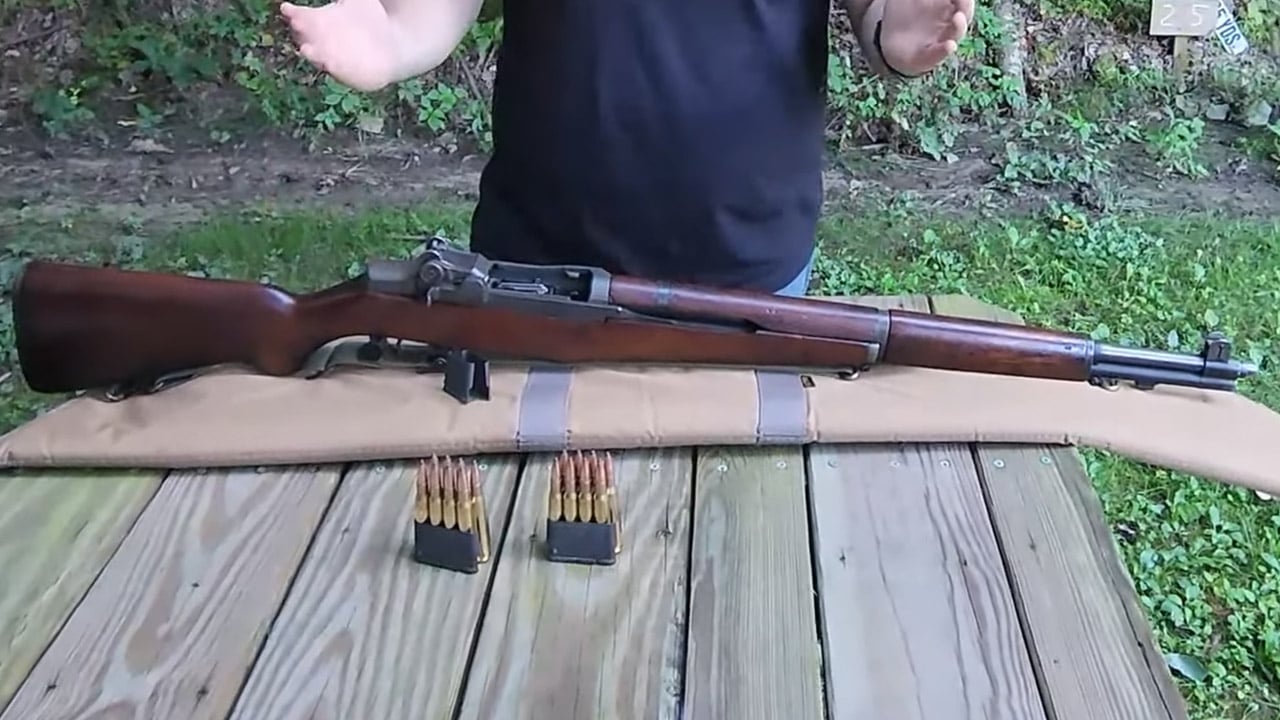
It sounds strange if you didn’t grow up around it, but some farms absolutely had a Garand. Surplus rifles came home with veterans, and “what you have” becomes “what you use” when predators start hitting livestock.
They’re heavy for daily carry and not what I’d call convenient. Still, they’re rugged, and the ones that lived rural lives often show it—dings, worn park, and stories nobody wrote down.
16. Lee-Enfield No. 4 Mk I (surplus)

The Enfield might be the king of “farm surplus.” Fast bolt, generous magazine, and tough enough to live in a damp shed without instantly turning into orange dust.
Chambered in .303 British, it wasn’t always the cheapest thing to feed, but it hit hard and it handled rough use well. A lot of them got sporterized, which made sense then. It just stings a little now when you see what original ones cost.
17. Mosin-Nagant 91/30
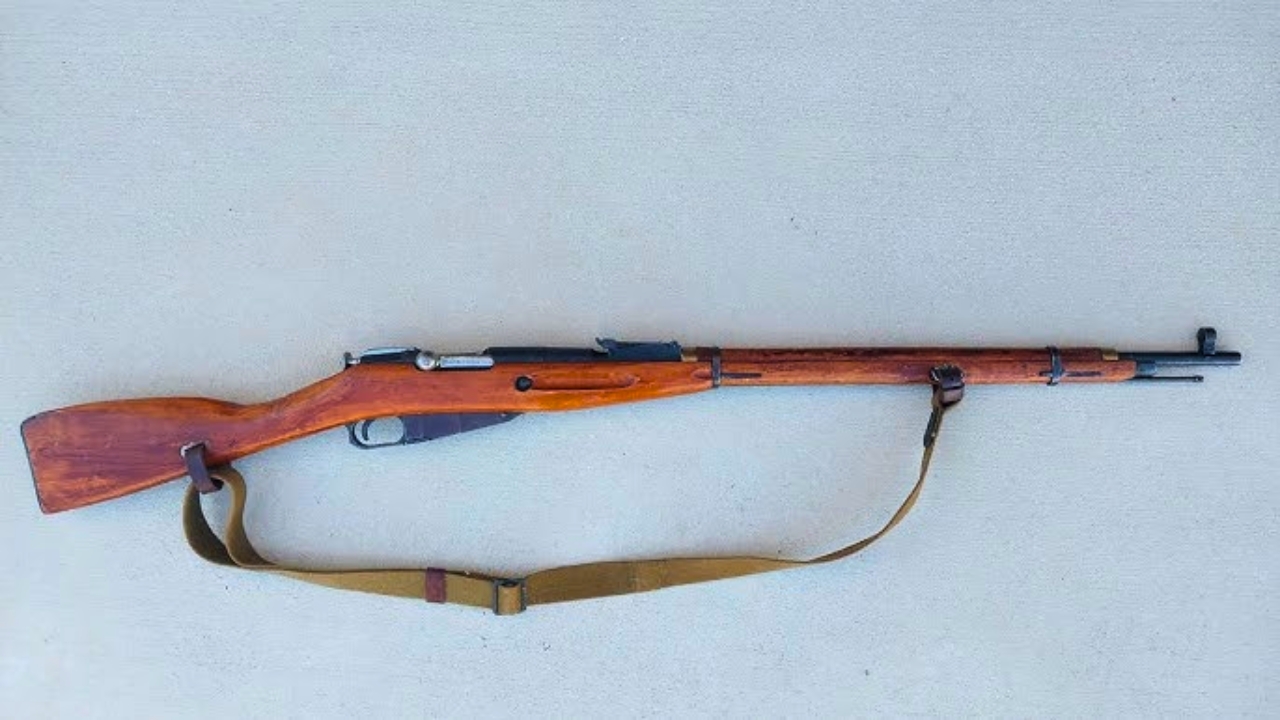
There was a time you could buy a Mosin for the price of a tank of gas and a handshake. Farms grabbed them because they were cheap, loud, and powerful enough for any reasonable rural task.
They aren’t smooth, they aren’t refined, and the recoil can be sharp with full-power ammo. But they do work, and they shrug off neglect better than many rifles that cost twice as much.
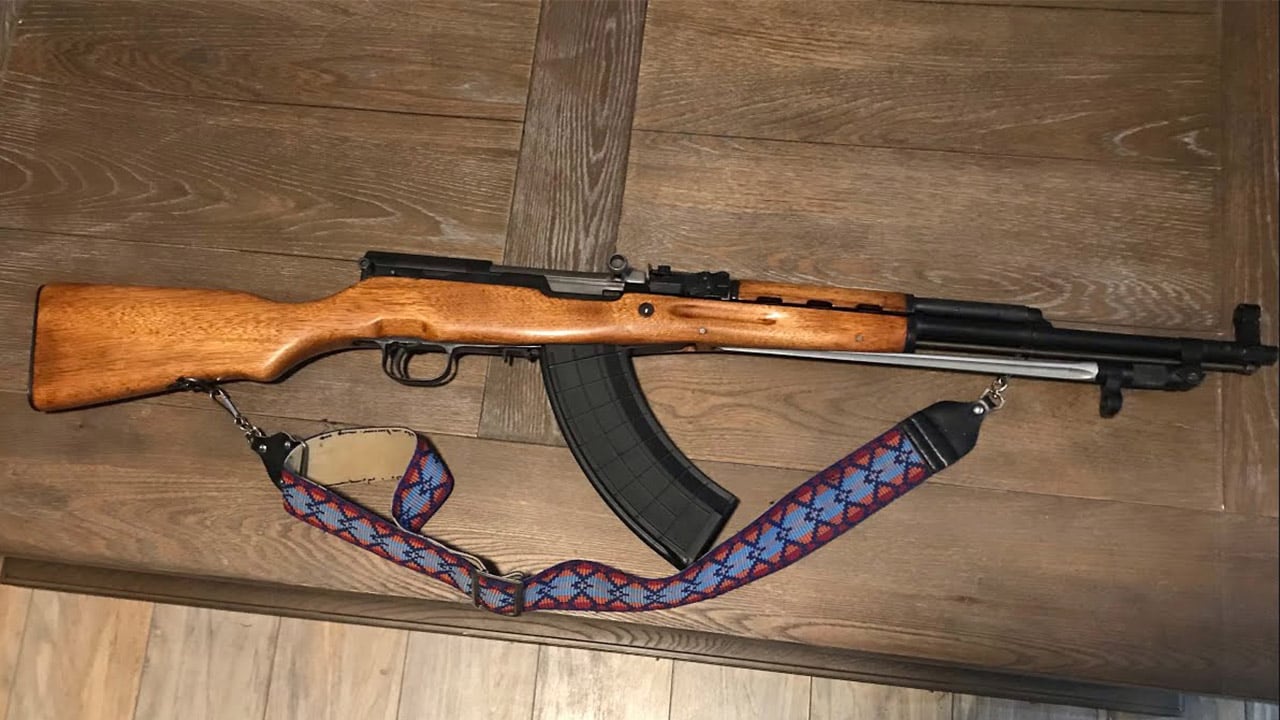
18. SKS (Norinco and others)
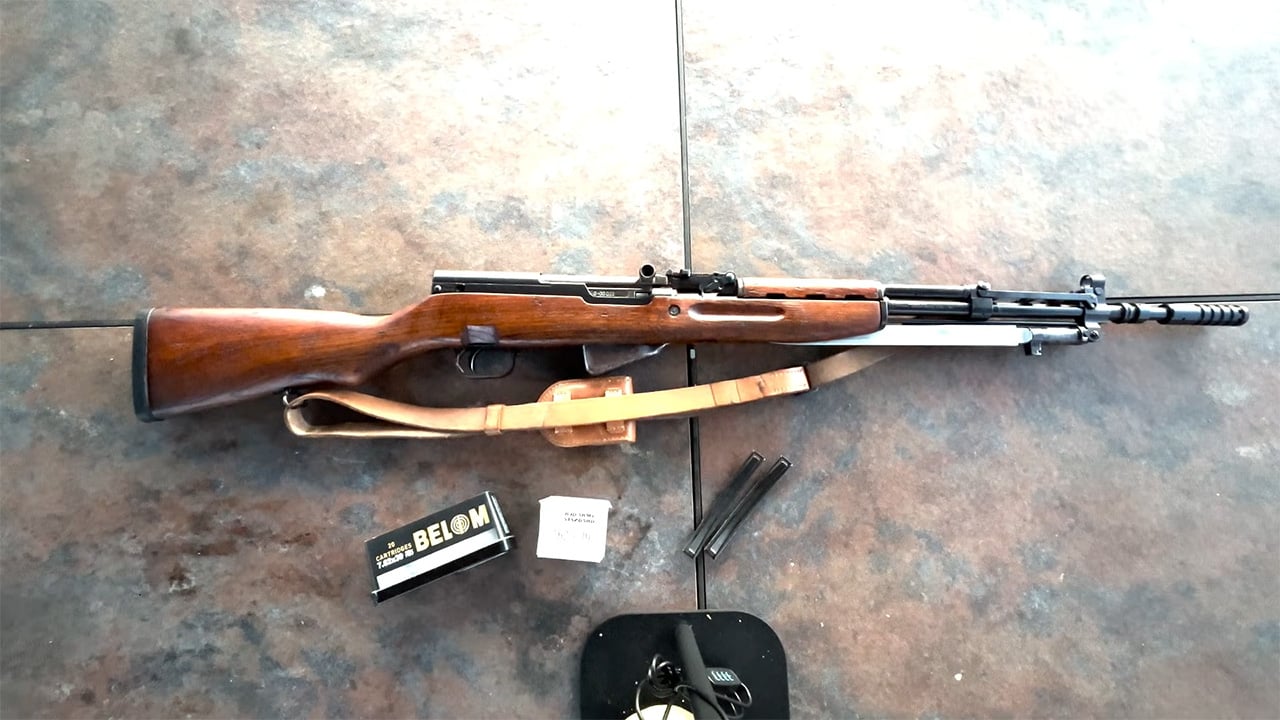
The SKS was a working-class rifle that slid into rural America in a big way. Semi-auto, mild recoil, decent iron sights, and cheap ammo back when “cheap ammo” was a real thing.
On farms, they often filled the role of a handy truck rifle for coyotes and general pest duty. They’re not as slick as modern options, and they’re longer than folks expect, but they balance well and they just keep running.
19. Ruger Mini-14

The Mini-14 showed up on plenty of farms because it was a practical semi-auto in a familiar caliber. It wasn’t trying to be anything else, and in some areas it was simply more socially acceptable than black rifles long before anybody argued online about it.
Early thin-barrel rifles can walk shots when they heat up, so no, it’s not a prairie-dog laser. But for a few quick shots at a coyote slipping the fence line, it’s handy, reliable, and magazines are still around if you stick to the good ones.
20. Browning BAR (hunting models)

When a farm had a Browning BAR, it was usually the “don’t touch that” rifle—until it wasn’t. Semi-auto follow-ups for deer, heavier bullets, and a soft shooting feel made them popular where deer season overlapped with real work.
They’re heavier than most bolt guns and not as easy to tear down at the kitchen table. Still, they flat-out shoot, and they’re the kind of rifle you notice missing when it’s gone because nothing else quite fills that niche the same way.
The common thread with all of these isn’t polish or rarity. It’s usefulness. They were carried because they solved problems and didn’t ask for much in return. If you’ve got one with honest wear, keep it running, keep it stored safe, and don’t be too quick to trade it off for the newest thing on the rack. A good farm rifle doesn’t care what decade it’s in.
Like The Avid Outdoorsman’s content? Subscribe to our newsletter so you never miss an article.
Here’s more from us: