Photo credit: Guns and Outdoors Channel/Youtube
Gun counter decisions are easy when the lights are bright, your hands are clean, and you’ve got a YouTube review playing in your head. Everything feels balanced. Everything feels “proven.” Then you start actually carrying it in August heat, or you take it to a cold, wet range day with stiff fingers, or you run a couple hundred rounds through it without babying it, and the cracks show up fast.
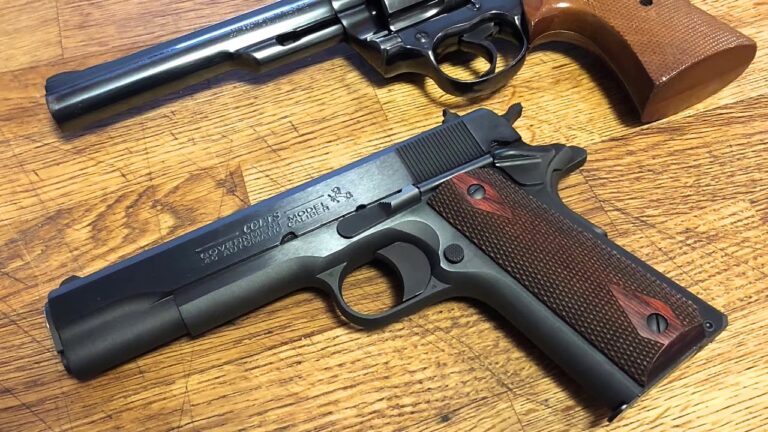
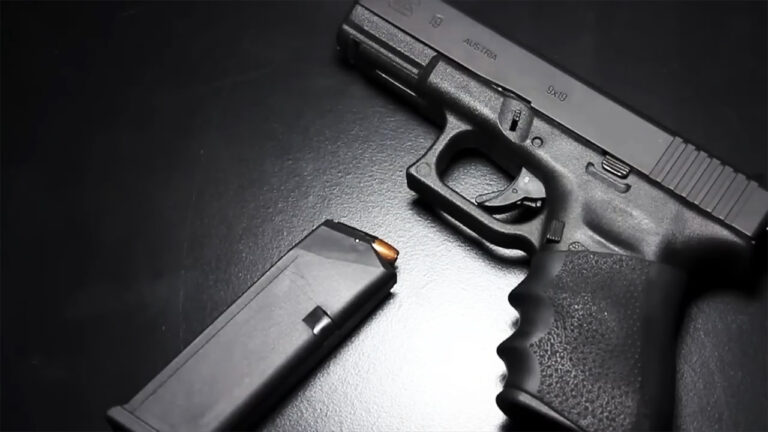
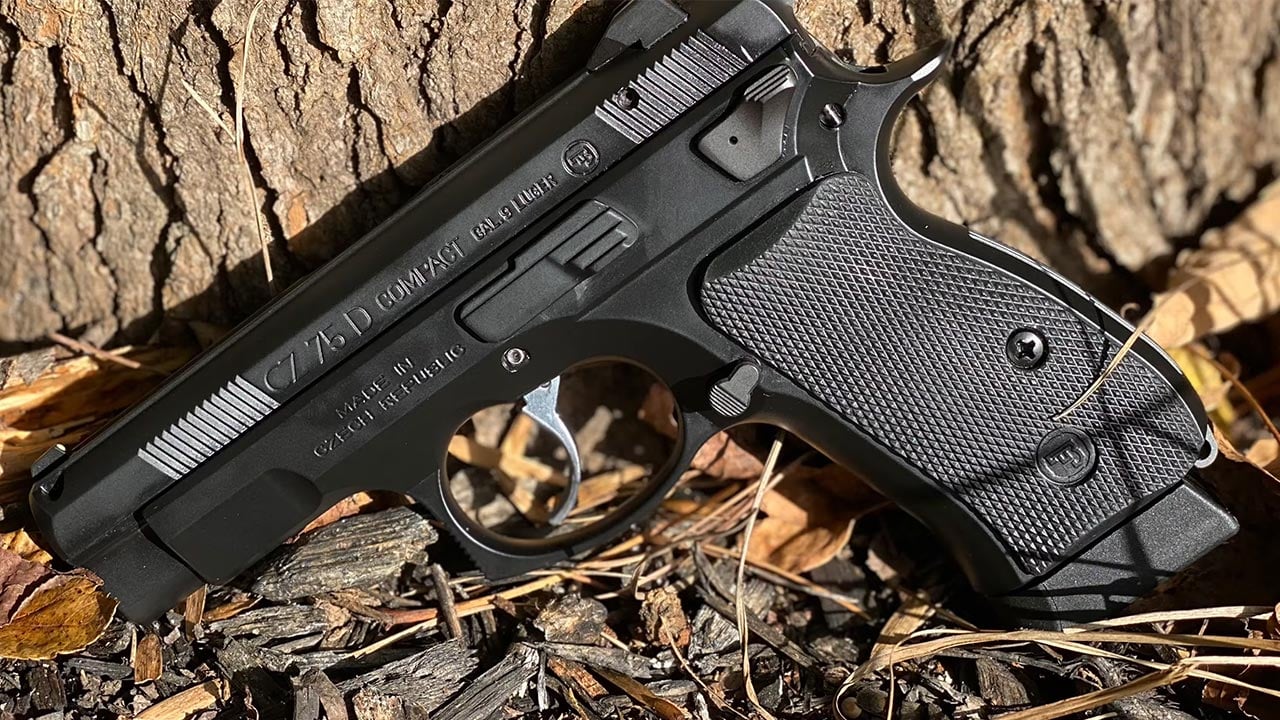
This isn’t about dunking on anybody’s favorite pistol. It’s about the handguns that check all the boxes on paper—capacity, size, price, features—and then frustrate you the moment conditions get real: grit, sweat, rain, gloves, odd angles, weird ammo, rusty mags, or just the simple fact that you’re tired and trying to run the gun with one hand. Here are 20 popular models that have a way of looking better in the brochure than they feel in hard use.
1. Kimber Ultra Carry II

A short 1911 looks like the perfect answer: slim, classy, familiar controls, and it carries flat. The problem is the little 1911s can be picky when you’re not treating them like range toys. Shortened slide travel and timing changes mean you can see more sensitivity to magazines, recoil springs, and ammo.
If you’re the guy who cleans and lubes on a schedule and tests your carry load, you can make one run. But when it’s been riding against sweaty skin all summer and you’re overdue on spring changes, that compact 1911 magic can turn into “why did it nose-dive that round” at the worst time.
2. Springfield Armory 1911 EMP (9mm)
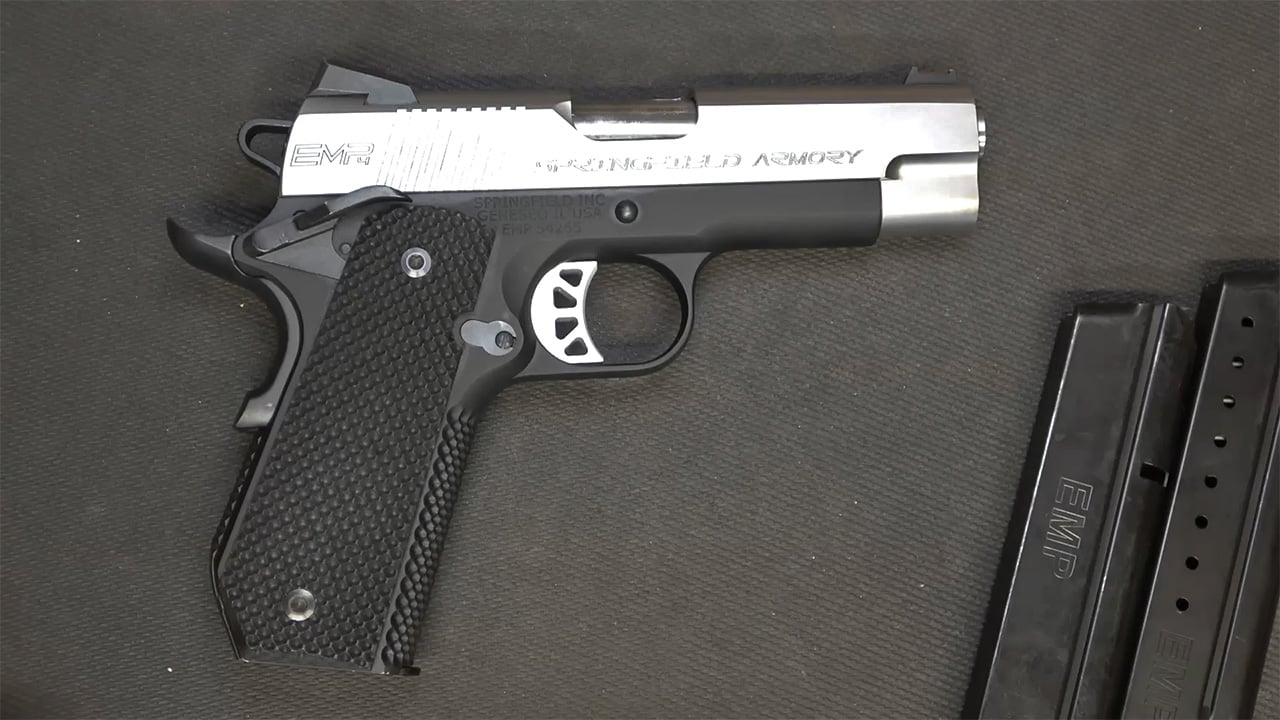
The EMP is a sweet-handling pistol and it points naturally for a lot of shooters. It also tempts folks into thinking they’re getting 1911 comfort with modern 9mm forgiveness. In reality, the smaller 1911 format can still be a maintenance-and-magazine game, especially once you mix in lint, dust, and less-than-perfect grip under stress.
Another issue is that many people carry these because they love the trigger, then realize the manual safety and cocked-and-locked routine demands consistent reps. When you’re cold, rushed, or wearing gloves, “consistent reps” is either there or it’s not.
3. SIG Sauer P238
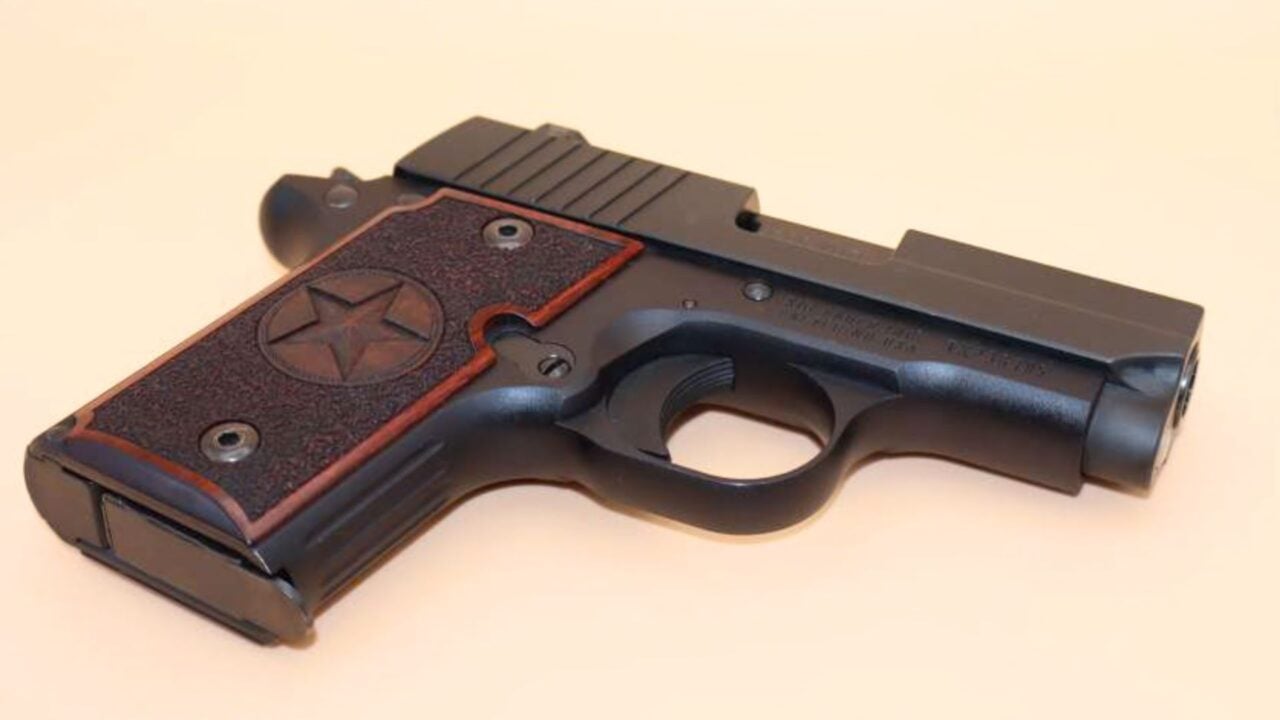
On paper it’s easy: tiny .380, real sights, pleasant recoil, and it looks like a miniature grown-up pistol. Then you actually carry it and learn the truth about micro-guns—tiny controls, tiny grip, and not much room for error when your hands are wet or you’re trying to run it one-handed.
The P238 can be a good gun, but it’s not forgiving. The combination of small frame and single-action manual of arms is great when you’re deliberate and terrible when you’re not.
4. SIG Sauer P365 (early-production reputation still lingers)

The P365 changed the market, no doubt. A lot of folks bought in because the size-to-capacity ratio looked like a cheat code. In real life, small, high-capacity pistols can run hot, get snappy fast, and show you every weakness in grip and follow-through.
Even with later guns smoothing out, the “pocket wonder” idea still disappoints some owners once they realize they can’t shoot it as comfortably as a slightly bigger compact. It’s a great concept, but hard conditions expose how much you’re asking a tiny platform to do.
5. Glock 43

The Glock 43 is simple and it carries like nothing. That’s why it sold like crazy. Then the first long practice session happens and you realize a thin, light 9mm can be a chore to run quickly, especially for newer shooters.
It’s not that it’s unreliable—it’s that it’s easy to shoot “okay” and hard to shoot well when you’re moving, tired, or your hands are numb. Under pressure, that matters more than what the spec sheet says.
6. Smith & Wesson M&P Shield .40
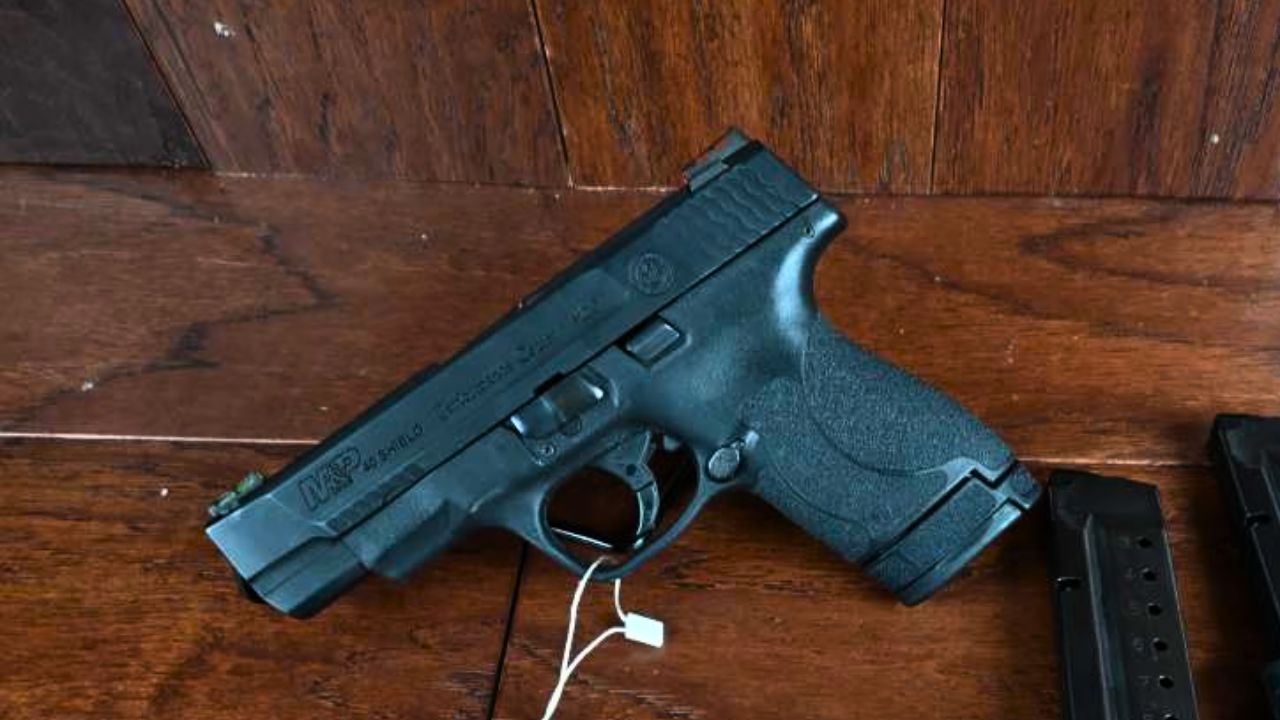
The Shield is a solid design, but the .40 version in a slim, light pistol is where the honeymoon ends. The cartridge isn’t “too powerful,” but the recoil impulse in that package beats up shooters and slows down follow-up shots.
If you live where heavy clothing is part of the year, you might justify it. Most folks eventually admit a 9mm Shield is easier to carry, easier to shoot, and easier to practice with when conditions are less than comfortable.
7. Glock 27 (.40 subcompact)
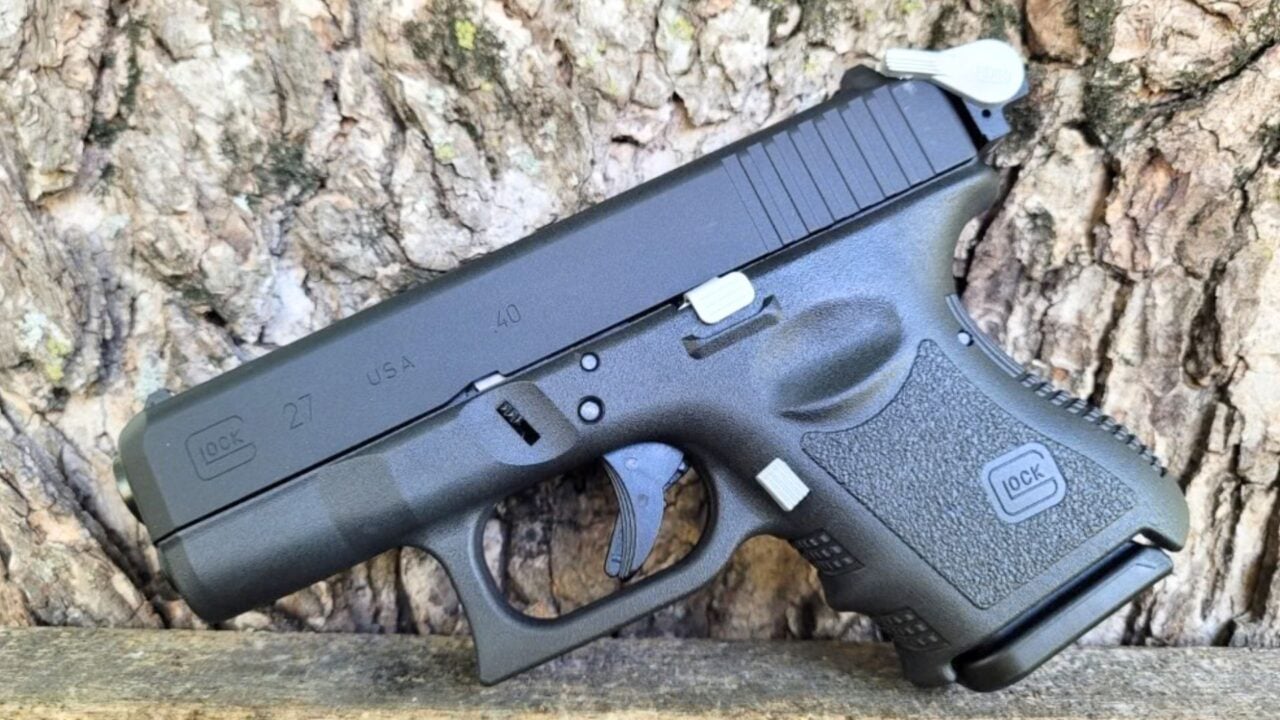
There’s a whole generation that trusted the baby Glock in .40 because it was the “serious” choice. It’s also one of the quickest ways to learn that a subcompact .40 is not fun in real life. Short grip, sharp recoil, and muzzle flip can turn range time into a flinch factory.
When you’re sweaty and your grip is less than perfect, the little .40 Glocks can feel like they’re trying to jump out of your hand. That’s not a moral failing. It’s physics.
8. Ruger LCP (original)
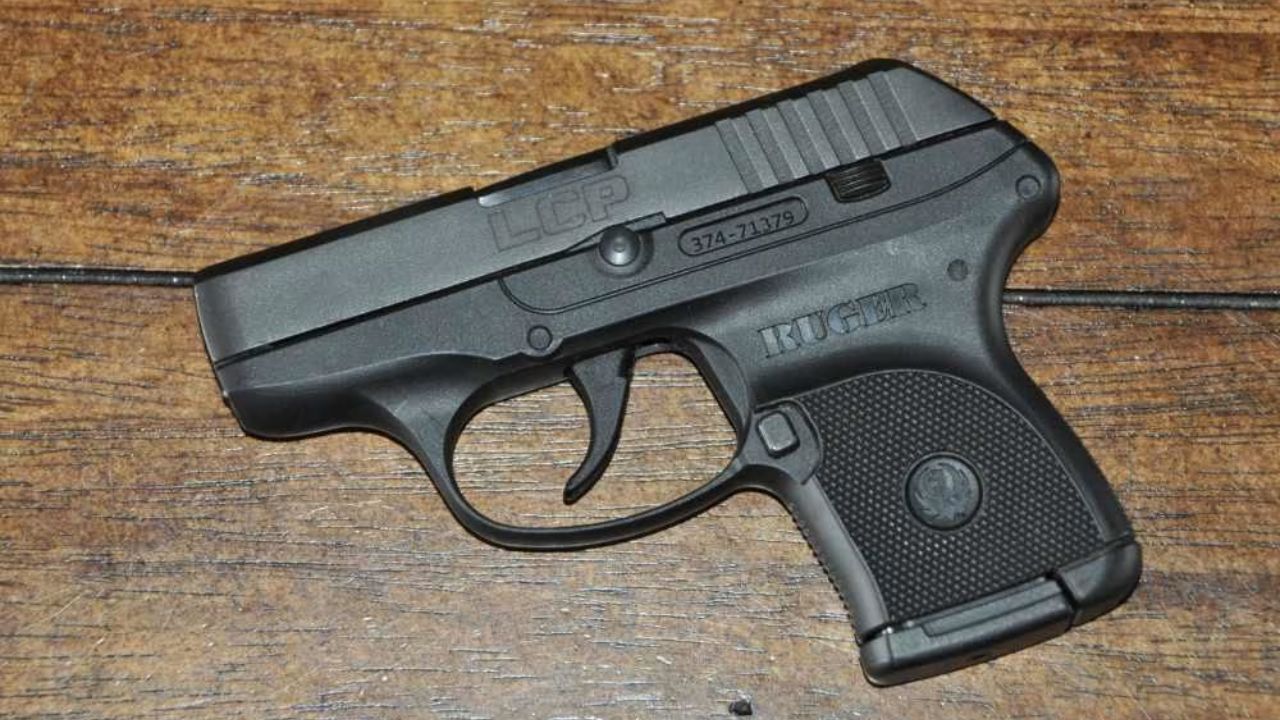
The original LCP is a legend for one reason: you’ll actually carry it. But the first time you try to shoot it well past “bad breath distance,” you find out what ultra-light .380s are all about—tiny sights, long trigger, and a grip that disappears in your hand.
Hard conditions make it worse. Cold fingers and that trigger pull are not friends. It’s a tool, not a pleasure gun, and plenty of owners buy it expecting both.
9. Ruger LCR .357 Magnum

The LCR is a smart revolver design, and in .38 it’s a sweetheart. In .357, it looks like the best of both worlds: light carry, heavy punch. Then you touch off full-house magnums and remember why steel revolvers existed in the first place.
When it’s cold out and your hands are stiff, that recoil becomes a real problem for control. Many end up carrying .38 anyway, and then wonder why they didn’t just buy the .38 model to start with.
10. Smith & Wesson Airweight 642
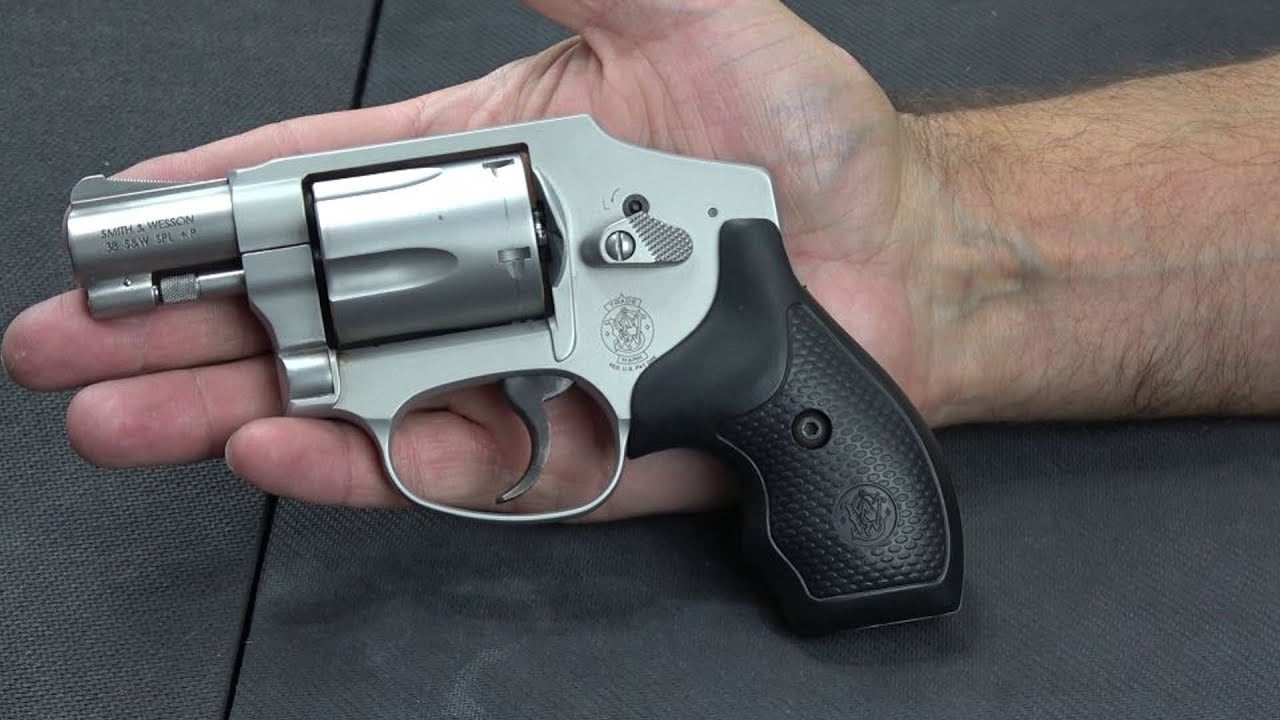
An Airweight J-frame is a classic “always gun.” It’s also a gun that makes folks feel under-gunned the first time they have to shoot it fast. The heavy trigger and minimal sights are manageable with practice, but practice is exactly what most owners don’t do enough of.
Put gloves into the mix, or shoot in rain with a slick grip, and you’ll understand why a lot of experienced carriers love J-frames but don’t recommend them as a first defensive handgun.
11. Taurus Judge
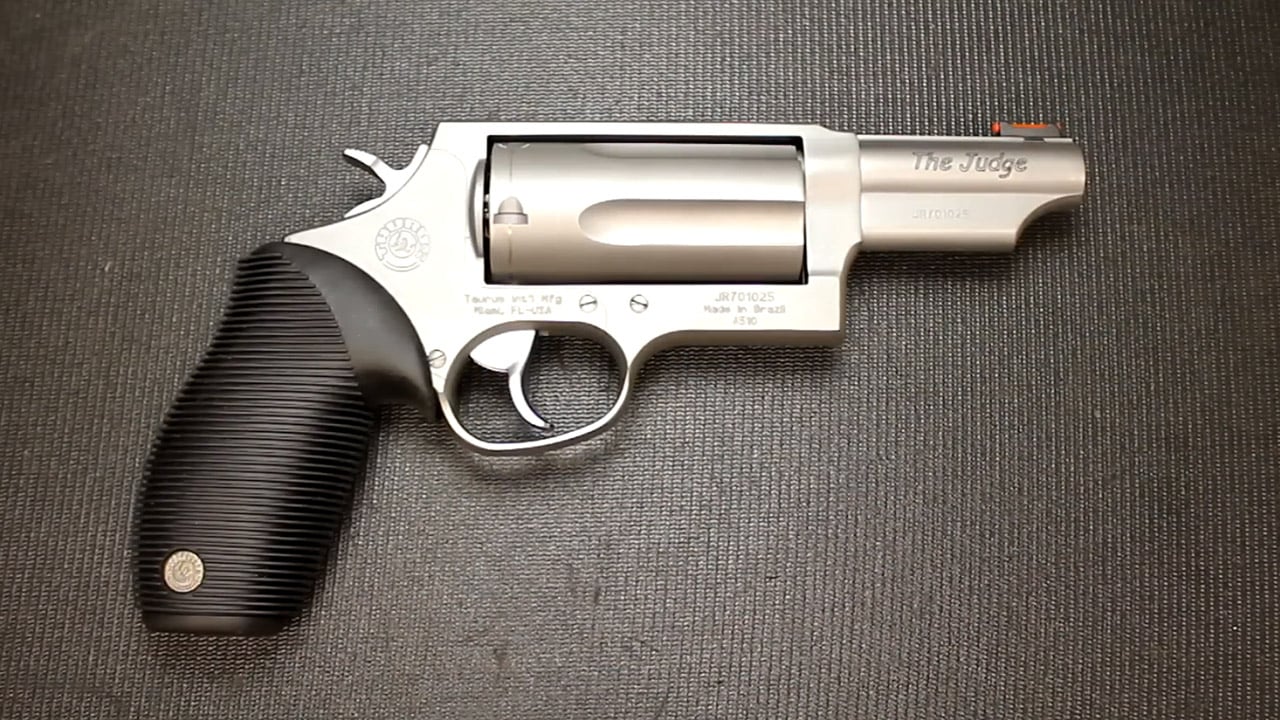
The Judge looks like the ultimate trail revolver on paper: .410 shotshells and .45 Colt in one cylinder. In real use it often becomes a compromise that doesn’t satisfy anyone. The .410 defensive loads are loud and flashy with limited pattern control from a short barrel, and the gun is bulkier than many expect.
It also tends to ride awkwardly on the belt. For a lot of outdoorsmen, “easy to carry” beats “neat concept,” especially when you’re climbing in and out of a truck or on an ATV all day.
12. Bond Arms Derringer (various models)
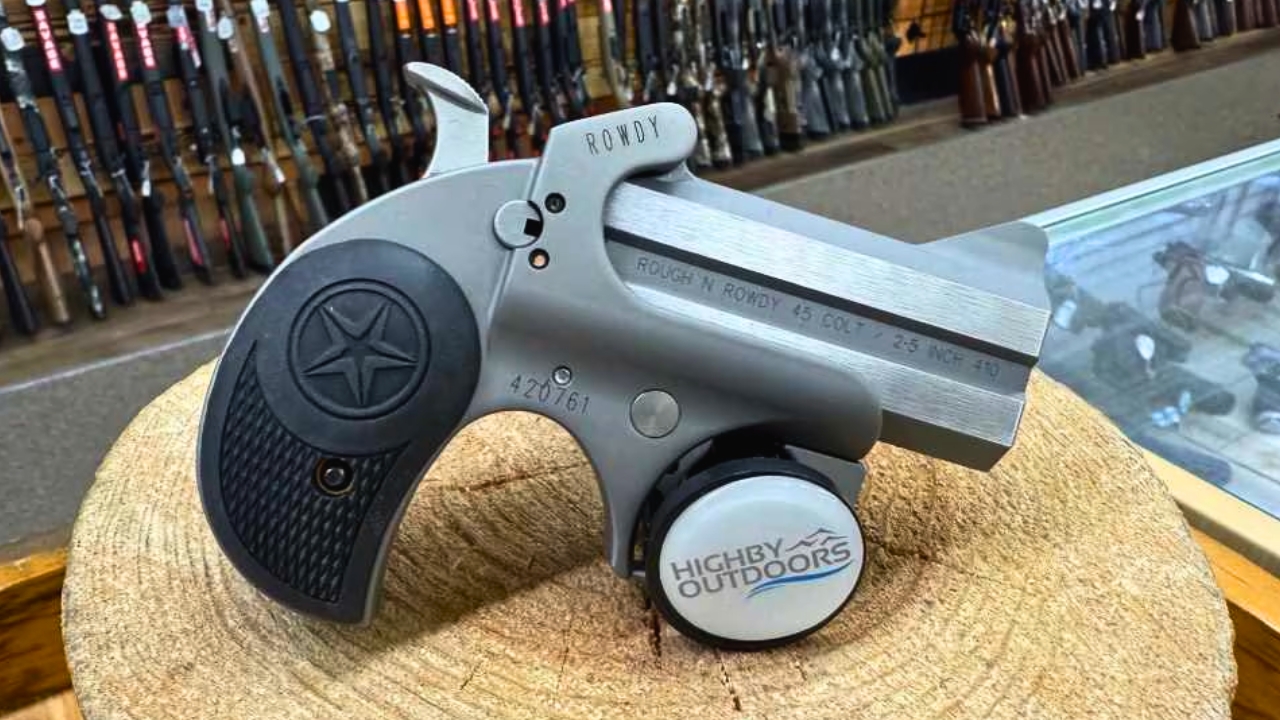
These little derringers are built like a bank vault, and they look tough as nails. The disappointment comes when you actually shoot one. Heavy trigger, tiny grip, and brisk recoil make them slow and unpleasant for most people.
They also encourage a bad mindset: “I’ve got a gun, so I’m covered.” In hard conditions, you want something you can shoot accurately and reload realistically, not just something that technically goes bang twice.
13. Beretta 92FS
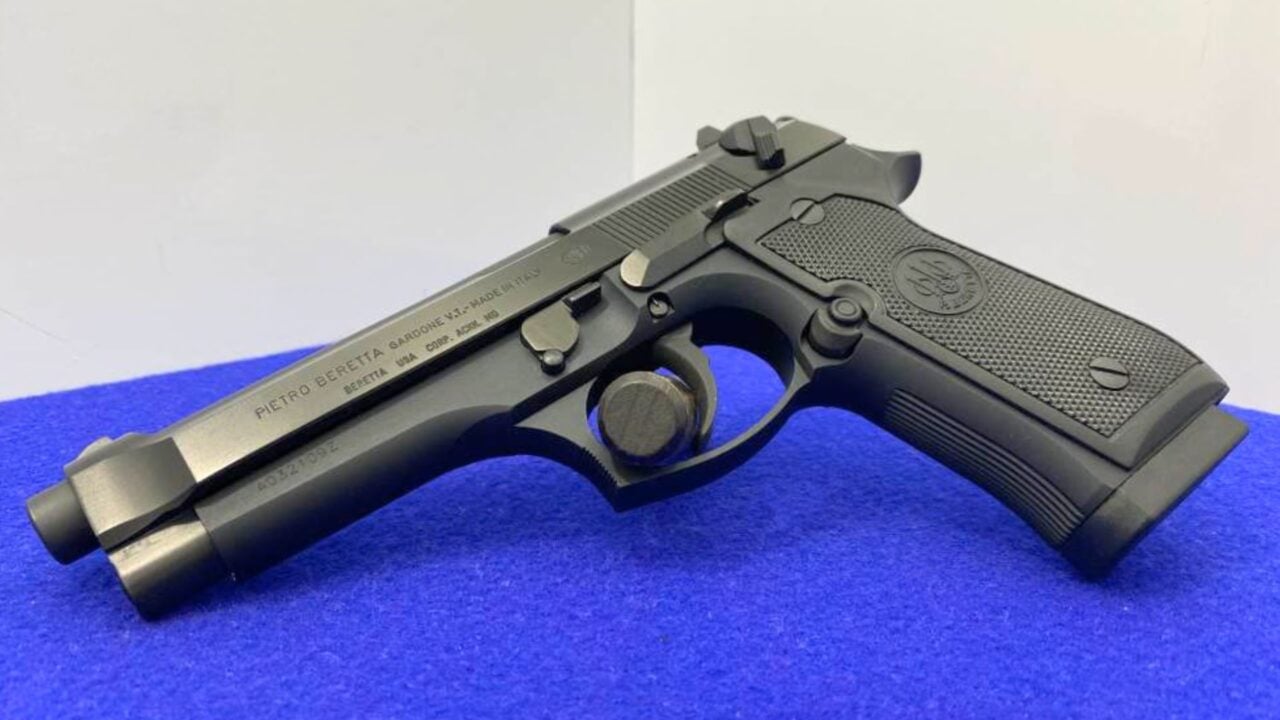
I like a 92 for what it is: smooth, accurate, reliable with good magazines. The “paper” problem is that it looks like a do-it-all pistol, and then you try to carry it all day. It’s big, it’s wide, and that open slide design still doesn’t magically make it a comfortable concealed carry gun.
When the weather’s hot and you’re wearing light clothes, a full-size 92 can print like a signboard. Add the slide-mounted safety/decocker that some folks fight under stress, and it’s easy to see why the romance fades for carry use.
14. FN Five-seveN
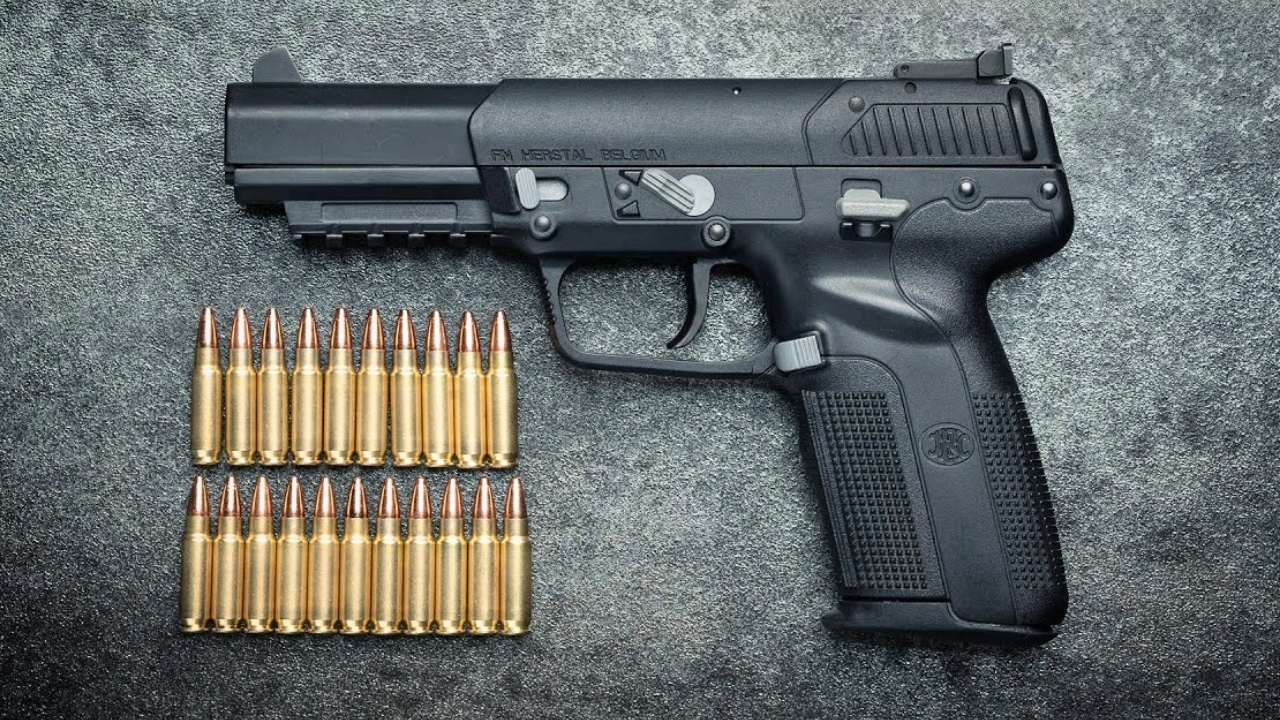
This one is the king of “sounds amazing online.” Lightweight, high capacity, flat shooting. Then you look at ammo cost and availability, and real-world training goes out the window for most owners. A pistol you don’t practice with is a pistol you don’t really own.
Hard conditions also mean “what can I find locally when shelves are thin?” 5.7 can be tough to source at normal shops, and that matters when you’re trying to stay stocked without making it a whole lifestyle.
15. Desert Eagle Mark XIX
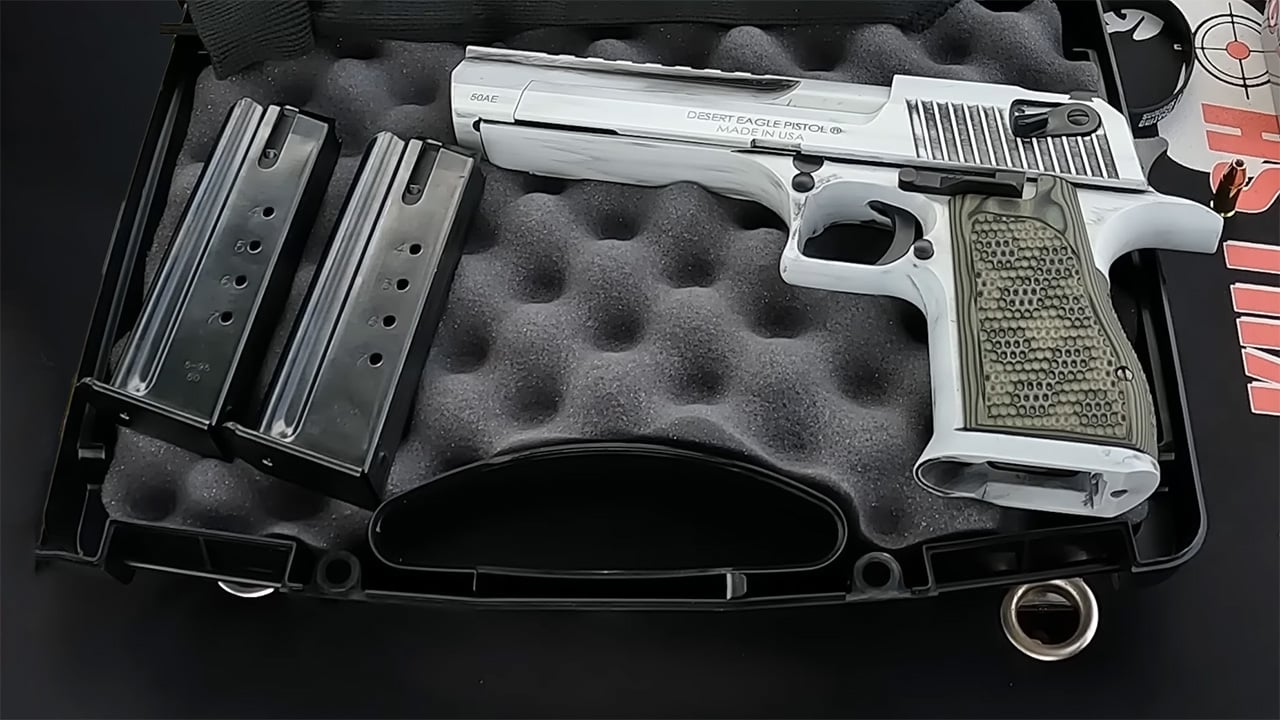
Everybody wants to shoot one. Not everybody wants to live with one. The Desert Eagle is heavy, expensive to feed, and it’s not the kind of gun that shrugs off neglect the way a simple duty pistol does.
Take it out on a dusty day, shoot it a bunch, then try to keep it running like a normal working handgun. It’s a specialty gun, and conditions remind you of that fast.
16. Walther PPK/S

The PPK vibe is strong. It’s iconic, it’s slim, and it feels like it should be the perfect classy carry piece. Then you run a few boxes through it and remember: blowback .380s can be snappy, and the ergonomics are dated.
Slide bite is real for some hands, and the long double-action first pull surprises shooters who expected a range-friendly trigger. It’s cool, but cool doesn’t always equal comfortable when you’re cold, wet, and trying to shoot well.
17. Heckler & Koch P30SK
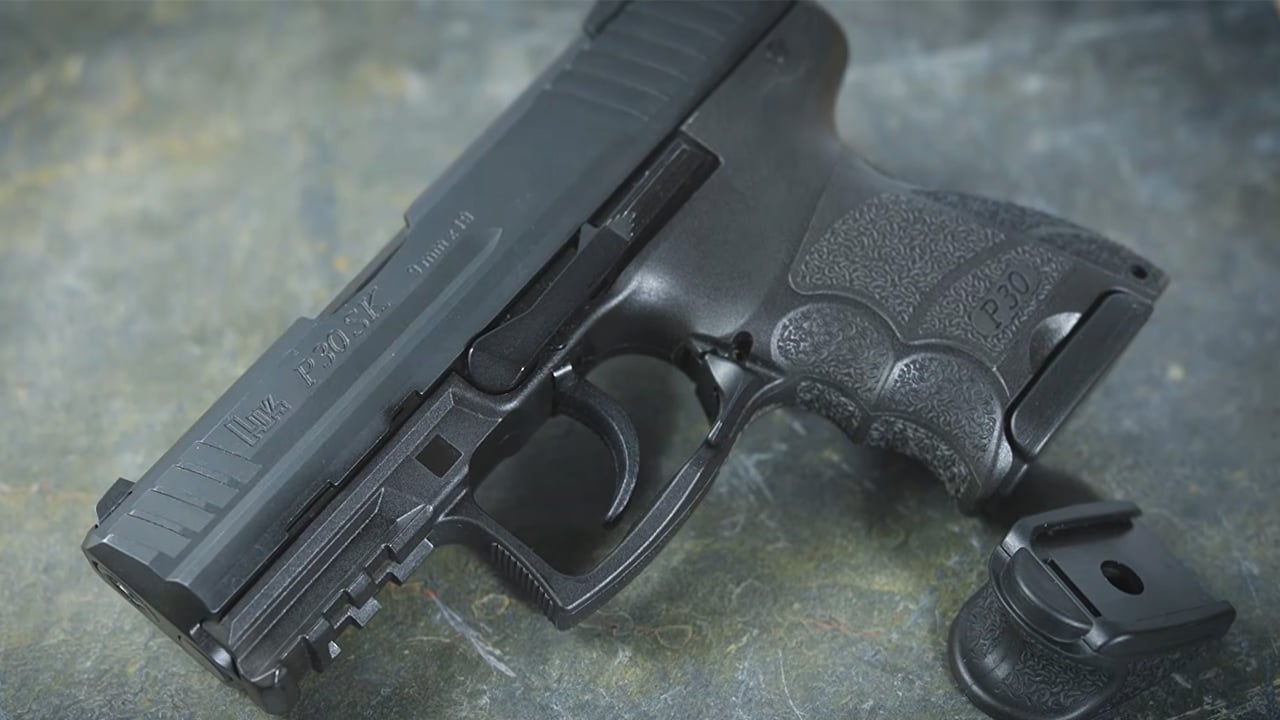
The P30SK looks like a “do everything” subcompact, especially with HK’s reputation. In reality, a lot of buyers discover they don’t love the trigger system they chose (DA/SA or LEM) once they start shooting under time. That first shot can be a whole different event than the rest.
It’s also not a tiny gun in the holster the way the photos make it seem. Great pistol, but when conditions get hard, simplicity and familiarity often beat “I’ll get used to it.”
18. CZ 75 PCR
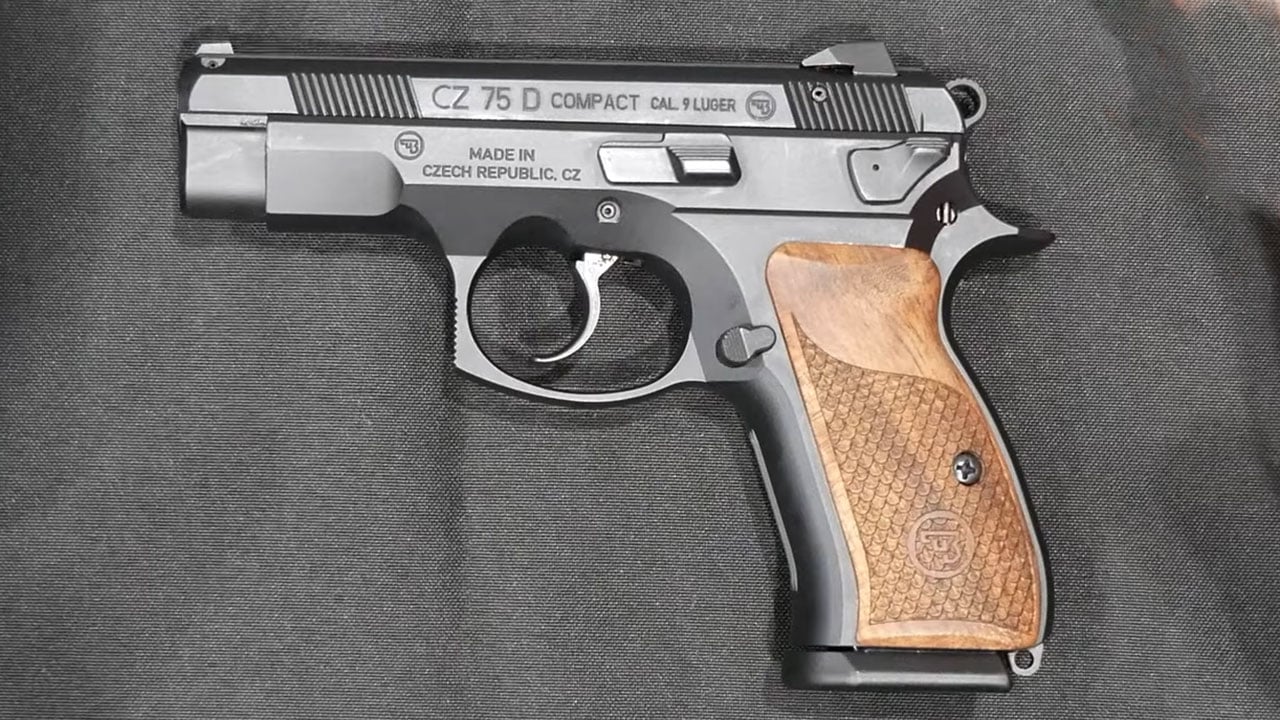
The PCR carries well for a metal gun, points naturally, and shoots soft. On paper it’s about perfect. Where it disappoints some folks is the reality of running a DA/SA decocker gun if you don’t train with it. The double-action first shot is a skill, not an assumption.
Also, when you start adding sweat, lint, and daily carry grime, you find out which designs you’ll actually keep maintained. A steel/aluminum classic can take it, but owners don’t always keep up with springs and mags the way they should.
19. Remington R51 (Gen 1 and the reputation that followed)
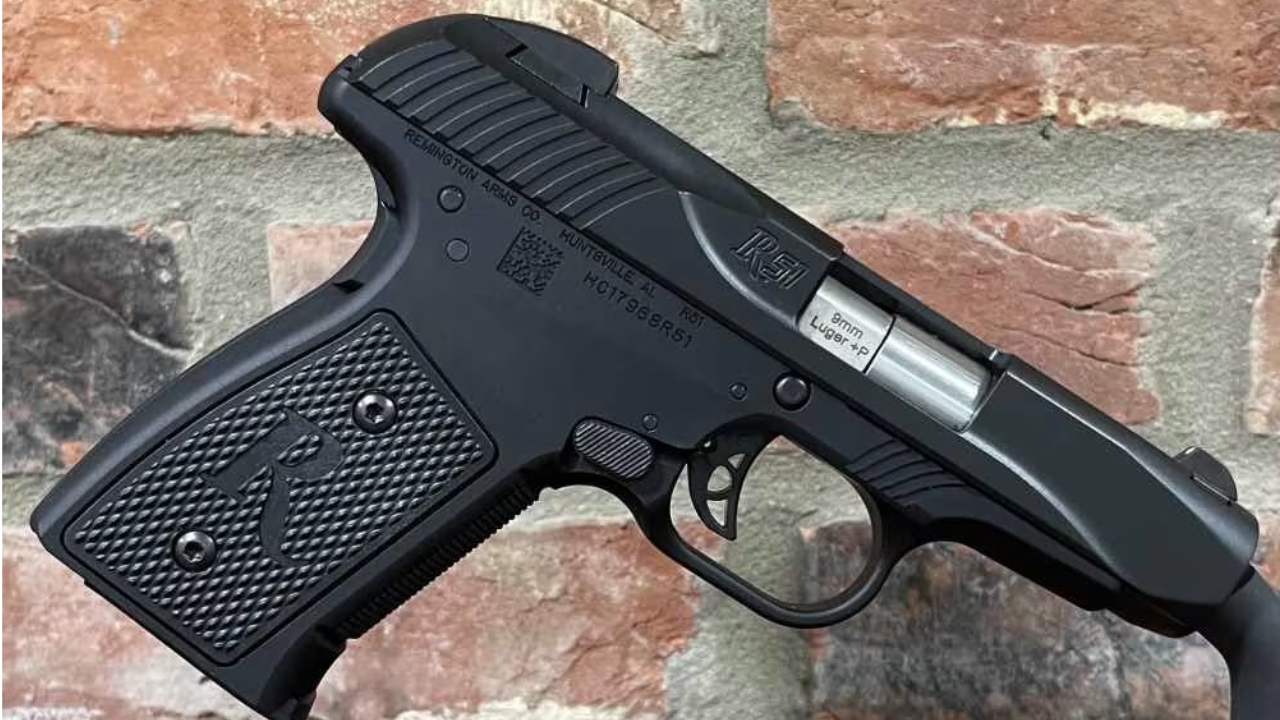
The R51 was supposed to be the comeback story: slim 9mm, neat operating system, great carry dimensions. Then the real world showed up. Early guns had enough functional issues that many shooters lost trust, and trust is hard to rebuild once you’ve had stoppages you can’t explain.
Even when later versions improved, the bad taste stayed. In hard conditions, confidence matters, and this one burned a lot of it.
20. SCCY CPX-2
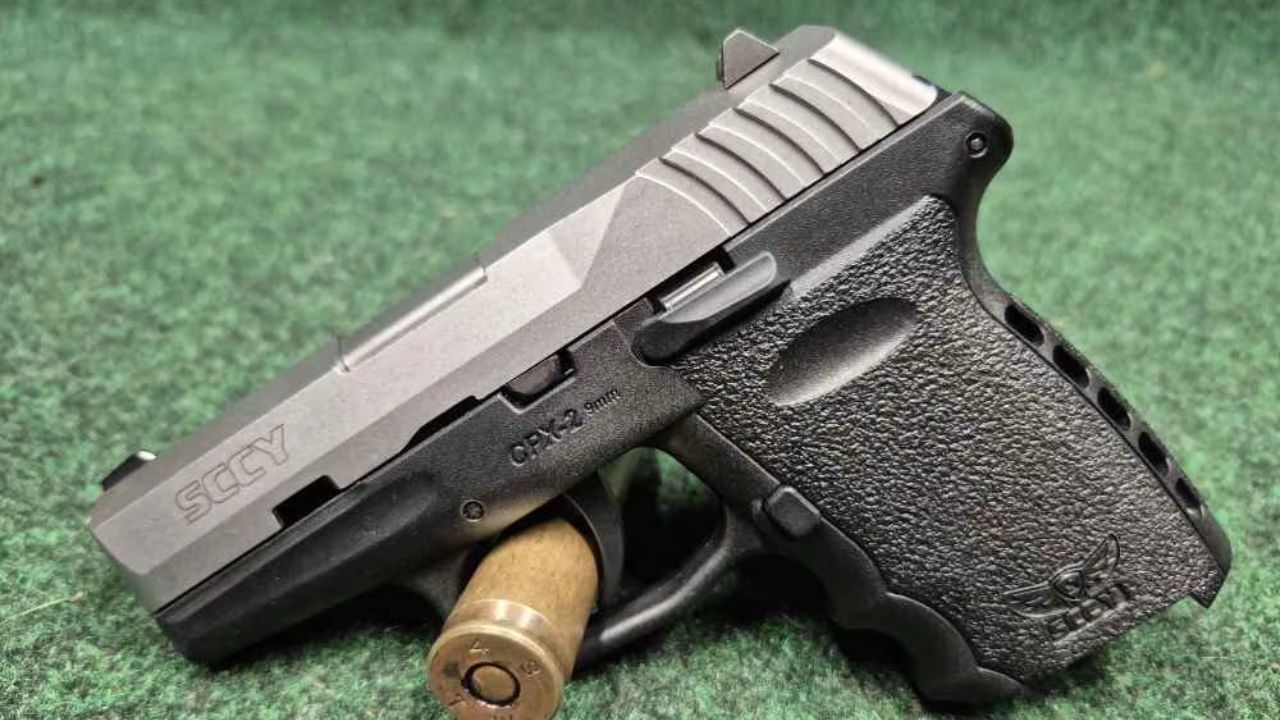
A budget pistol that holds decent capacity and feels fine at the counter is a tempting buy, especially for a glovebox or tackle-box role. The CPX-2 can work, but the heavy, long trigger and the general “rough around the edges” feel wear on you when you start pushing pace or shooting in awkward positions.
Cheap guns often cost you in time. Time diagnosing little issues, time hunting magazines, time trying to shoot around a trigger you don’t enjoy. When conditions get hard, you want fewer variables, not more.
The lesson in all this isn’t “never buy X.” It’s to stop shopping like you’re building a spreadsheet and start shopping like you’re planning a miserable day outside. If a handgun still feels controllable when you’re tired, still runs when it’s dirty, and still carries without making you leave it at home, that’s the one that will earn its keep.
Like The Avid Outdoorsman’s content? Subscribe to our newsletter so you never miss an article.
Here’s more from us: