Photo credit: Misha’s Guns/YouTube
Some shotguns are built to be light, sleek, and pleasant to carry. Others seem happiest after being dragged through a duck marsh, thrown behind a truck seat, fired for thousands of rounds, and handed down to another generation. Those are the guns that earn reputations far beyond whatever the manufacturer originally printed in the catalog.
Nothing mechanical is literally impossible to wear out. Springs weaken, extractors break, firing pins eventually need replacement, and even the toughest action benefits from basic maintenance. But certain shotgun designs have demonstrated that their receivers, bolts, barrels, and core operating systems can survive extraordinary amounts of use. If I wanted a shotgun that could spend decades hunting, shooting clays, and generally being treated like equipment rather than a display piece, these are 20 models I would trust more than most.
Mossberg 500

The Mossberg 500 earned its reputation the old-fashioned way. Millions of them have been used as hunting guns, utility guns, police guns, and everything in between, often with very little attention beyond an occasional cleaning. The aluminum receiver keeps weight reasonable, while the steel locking block engages the barrel extension rather than relying on the receiver itself to contain firing forces. That arrangement has helped the basic design survive enormous numbers of shells without requiring an excessively heavy receiver.
The 500 also benefits from being mechanically straightforward. Parts are widely available, barrels swap easily, and there is very little about the gun that requires a specialist to understand. An abused 500 may look terrible while continuing to cycle perfectly. If I found an older one with a smooth action and sound barrel, cosmetic wear would bother me very little. These guns tend to wear cosmetically long before the underlying design is anywhere near finished.
Remington 870 Wingmaster
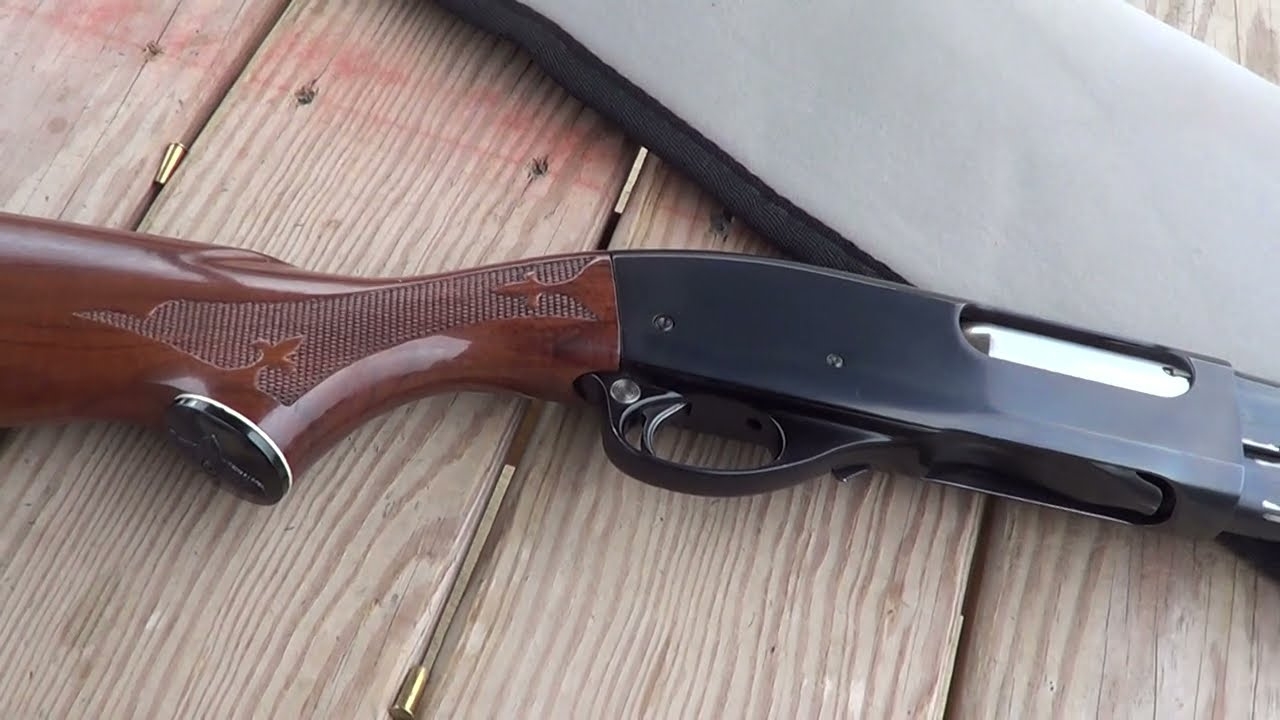
A well-used Wingmaster can feel like the pump action has been running on ball bearings for thirty years. The more these guns are cycled, the smoother many of them seem to become. The steel receiver, dual action bars on later production, and extremely straightforward locking system created a shotgun that could handle everything from casual bird hunting to enormous volumes of clay shooting.
Older Wingmasters were also built at a time when the 870 was expected to be a lifetime shotgun rather than merely an inexpensive entry point. Plenty have gone through multiple owners without needing anything more serious than springs, an extractor, or other ordinary wear components. I would be much more concerned about rust from neglect than about somebody having shot one too much. If the receiver and barrel remain sound, an old Wingmaster can have an astonishing amount of useful life left.
Ithaca Model 37
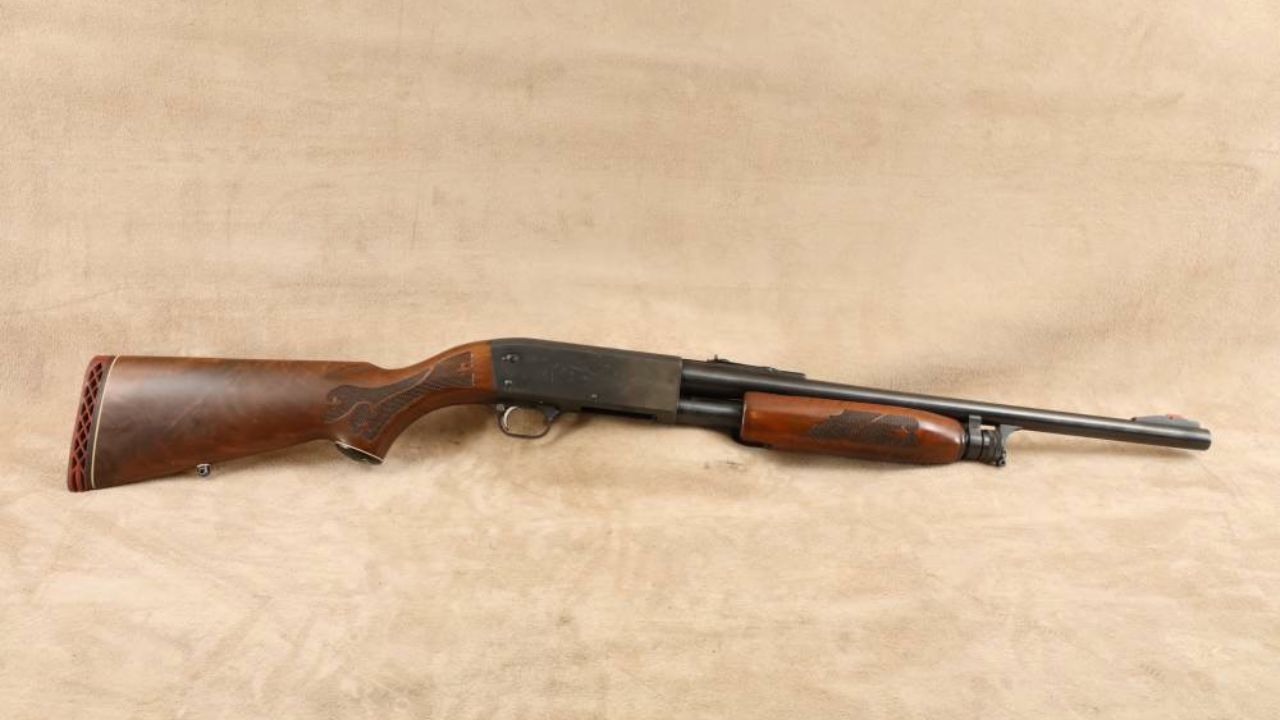
The Model 37 feels almost delicate because the receiver is narrow and the gun carries so easily, but that appearance is misleading. Its Browning-derived action has been proving itself since before World War II, and countless examples have spent decades in police service, hunting camps, and upland fields.
Bottom loading and bottom ejection also keep the sides of the receiver closed, which helps give the shotgun its distinctive clean profile. More importantly, the operating system has relatively few parts doing complicated jobs. Older Model 37s frequently develop remarkably slick actions after years of use rather than simply becoming worn out.
The biggest challenge with an old Ithaca is often finding one that has not been neglected or altered. Mechanically, a sound Model 37 can keep going for an extremely long time. I would gladly trust one that already had several decades behind it if the action still locked correctly.
Browning BPS
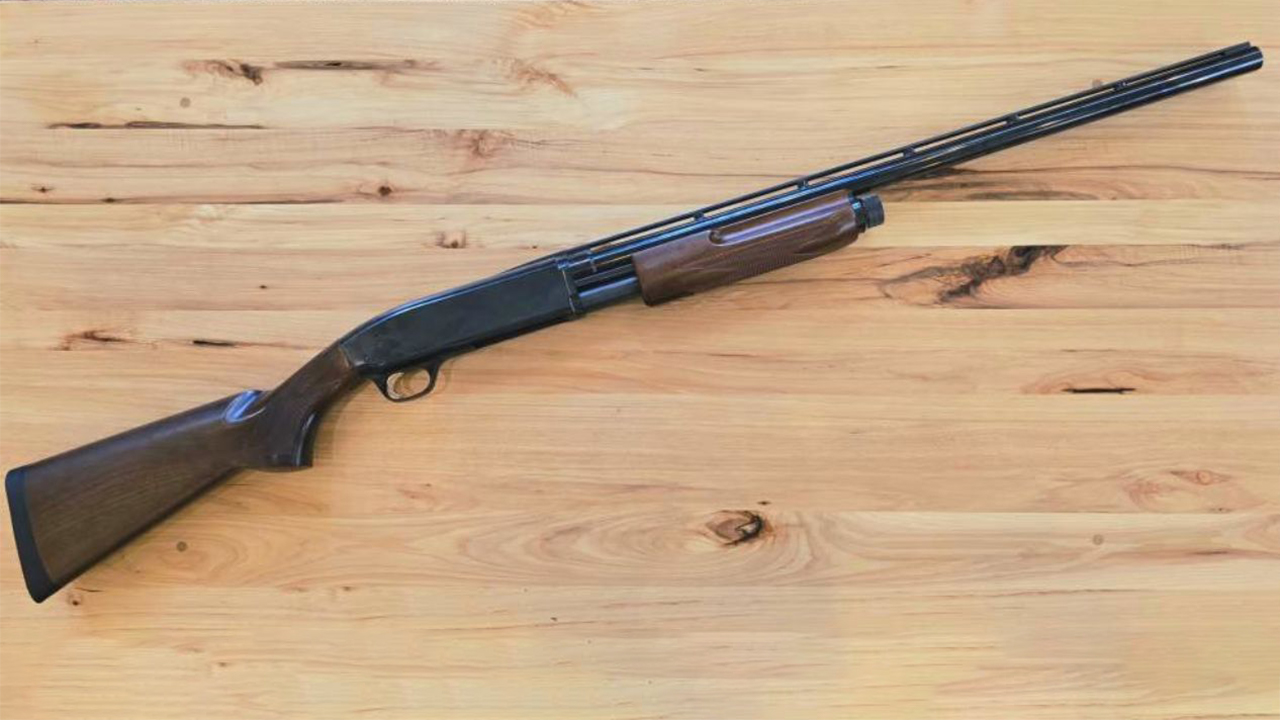
The BPS takes many of the qualities that make the Ithaca Model 37 appealing and packages them in a heavier, extremely solid Browning pump. The gun loads and ejects from the bottom, uses a steel receiver, and has always felt more substantial than many competing field pumps.
That extra weight is not everyone’s favorite feature when walking all day, but it contributes to the impression that very little is going to bother the gun. BPS shotguns have been used heavily by waterfowl hunters, trap shooters, and anyone else who wanted a pump that could live around mud and moisture without feeling flimsy.
A BPS can eventually need replacement wear parts like anything else, but I would not hesitate because a used example had seen a lot of shells. If it has been maintained and the action is still tight, high mileage alone would not scare me. These were not built to be disposable shotguns.
Winchester Model 12
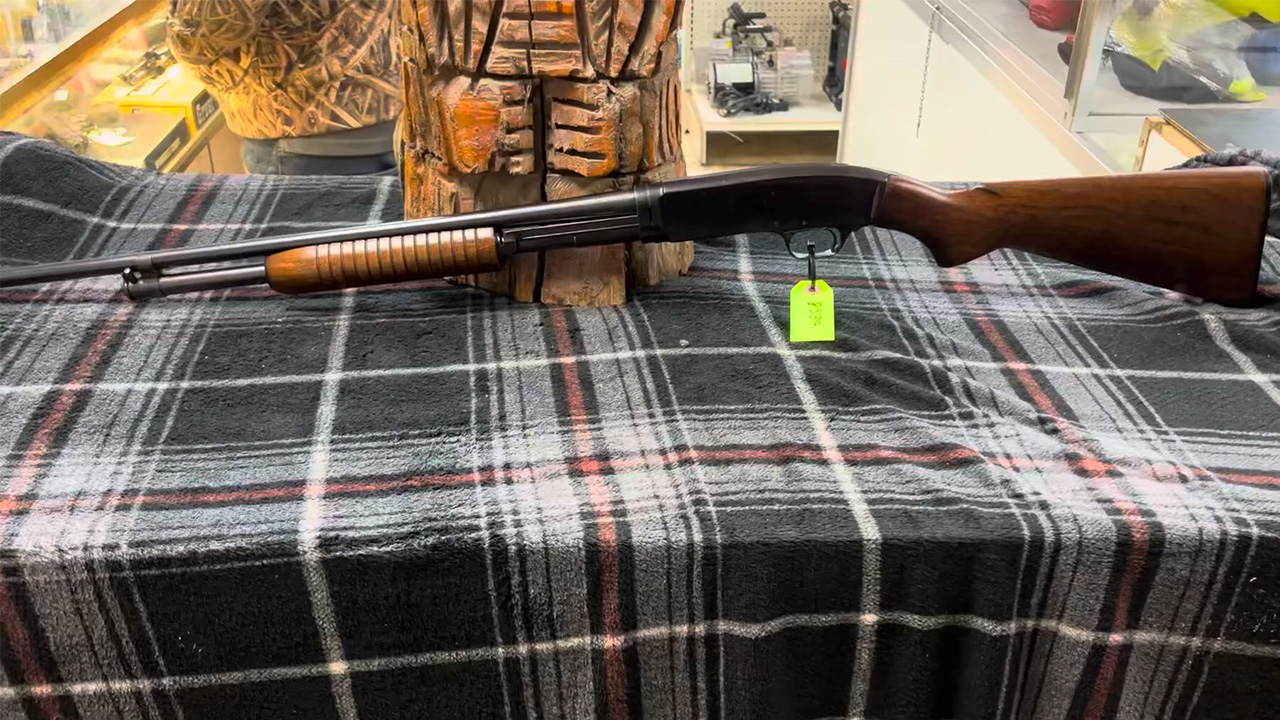
The Model 12 gained the nickname “Perfect Repeater” for a reason. It is an all-steel pump from an era when manufacturing a shotgun required an extraordinary amount of machining compared with what companies generally tolerate today. That made it expensive to build, but it also created a shotgun capable of surviving tremendous use.
Target shooters put staggering round counts through Model 12 trap and skeet guns, while field guns spent generations hunting. Many examples that are more than half a century old still operate with a smoothness that makes much newer pumps feel rough by comparison.
Parts and knowledgeable gunsmiths are obviously more important now because Winchester stopped normal production long ago. Still, wearing out a properly maintained Model 12 through ordinary hunting use would take serious dedication. Most owners are far more likely to pass one down than shoot one until the action is truly finished.
Mossberg 590A1
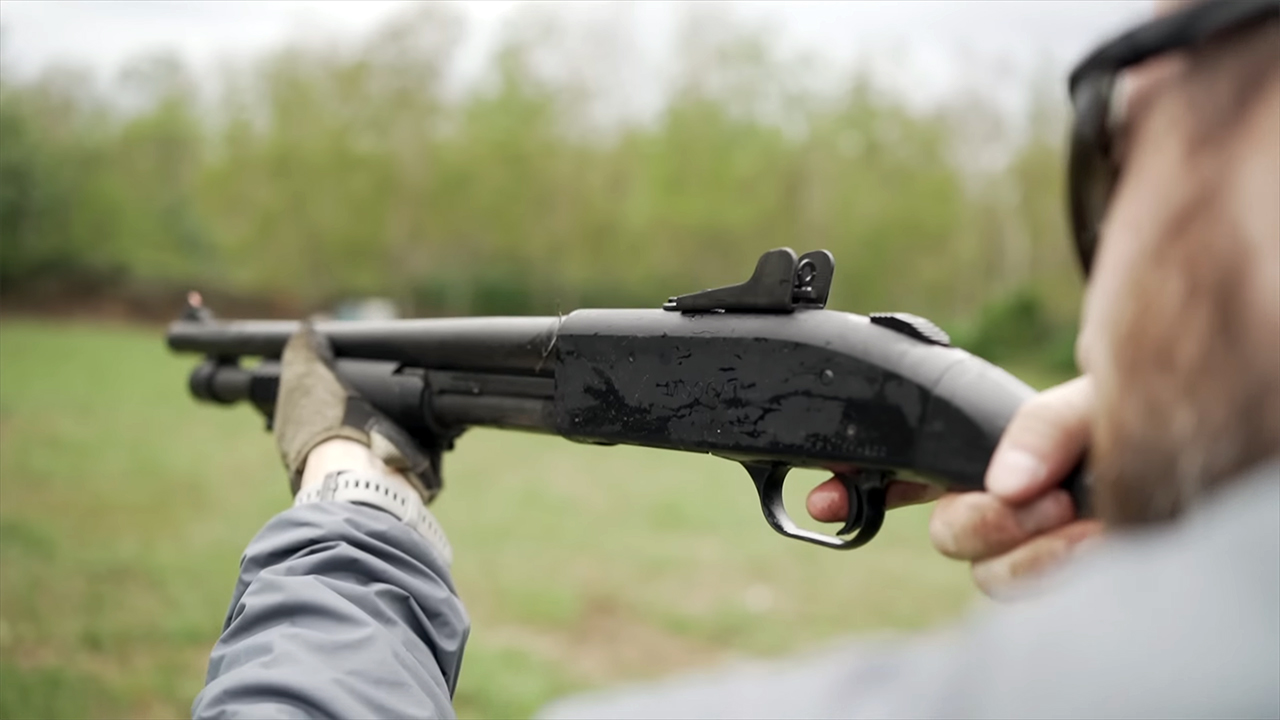
The 590A1 is what happens when Mossberg takes the already durable 500 family and builds a version around hard institutional use. Heavy barrels, metal trigger components on traditional configurations, and a straightforward pump action give it the kind of construction that makes cosmetic concerns feel almost irrelevant.
It is not the shotgun I would choose for carrying eight miles behind bird dogs. The weight and dimensions are better suited to a gun that prioritizes ruggedness over elegance. That is exactly why it belongs here.
A 590A1 can accumulate scratches, worn finish, and other signs of hard use without those things telling you much about the mechanical life remaining. Keeping rust under control and replacing ordinary springs or small parts when needed can keep one running for an extremely long time. It is one of the few shotguns where being overbuilt is basically part of the identity.
Benelli Nova
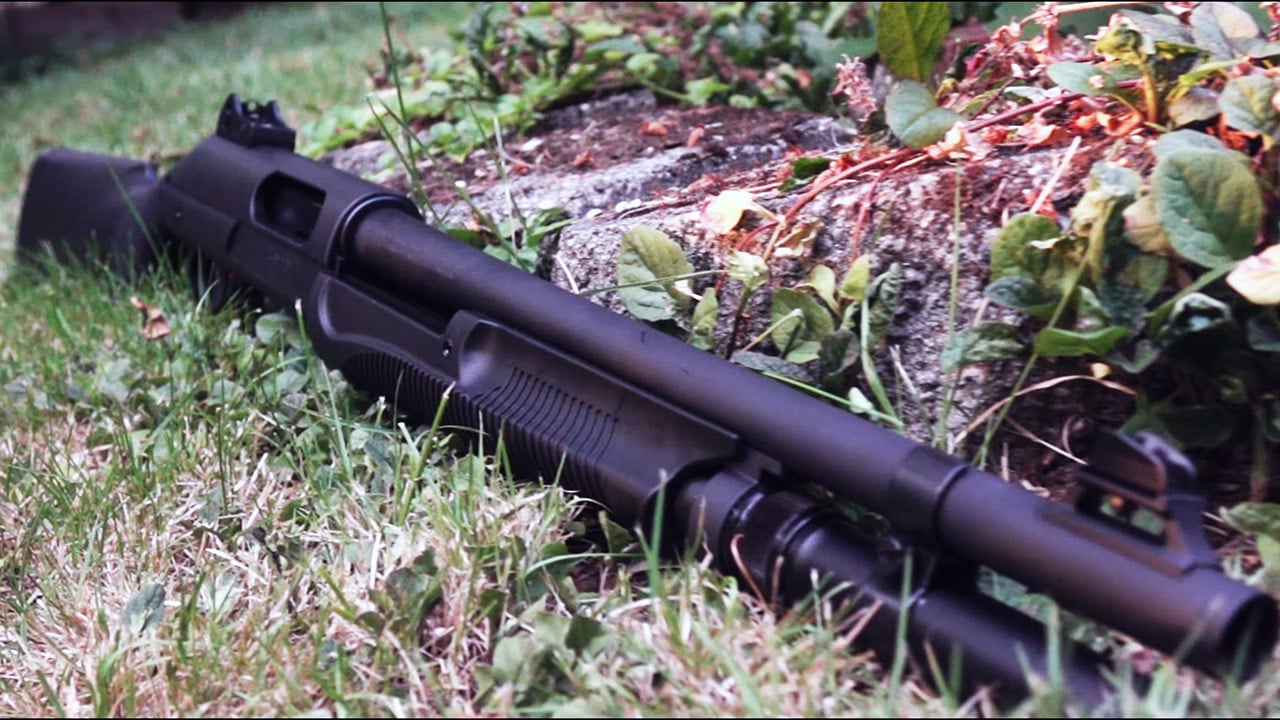
The Nova looks unconventional because Benelli molded much of the stock and receiver exterior as an integrated synthetic structure around a steel framework. That design initially turned off hunters who were accustomed to walnut and conventional receivers, but it created an incredibly rugged pump.
Water, mud, and rough handling do not give the Nova much to worry about. There is no fancy wood to swell or crack, the finish is intended for field use, and the rotating-bolt action locks securely into the barrel extension. The gun also tolerates powerful hunting loads that would make shooting an entire afternoon deeply unpleasant for the person behind it.
I have a hard time imagining an ordinary hunter wearing out a Nova mechanically. A person may eventually destroy a recoil pad or lose finish from metal components, but the basic shotgun is brutally durable. It was built for people who are not interested in babying equipment.
Winchester Model 1300
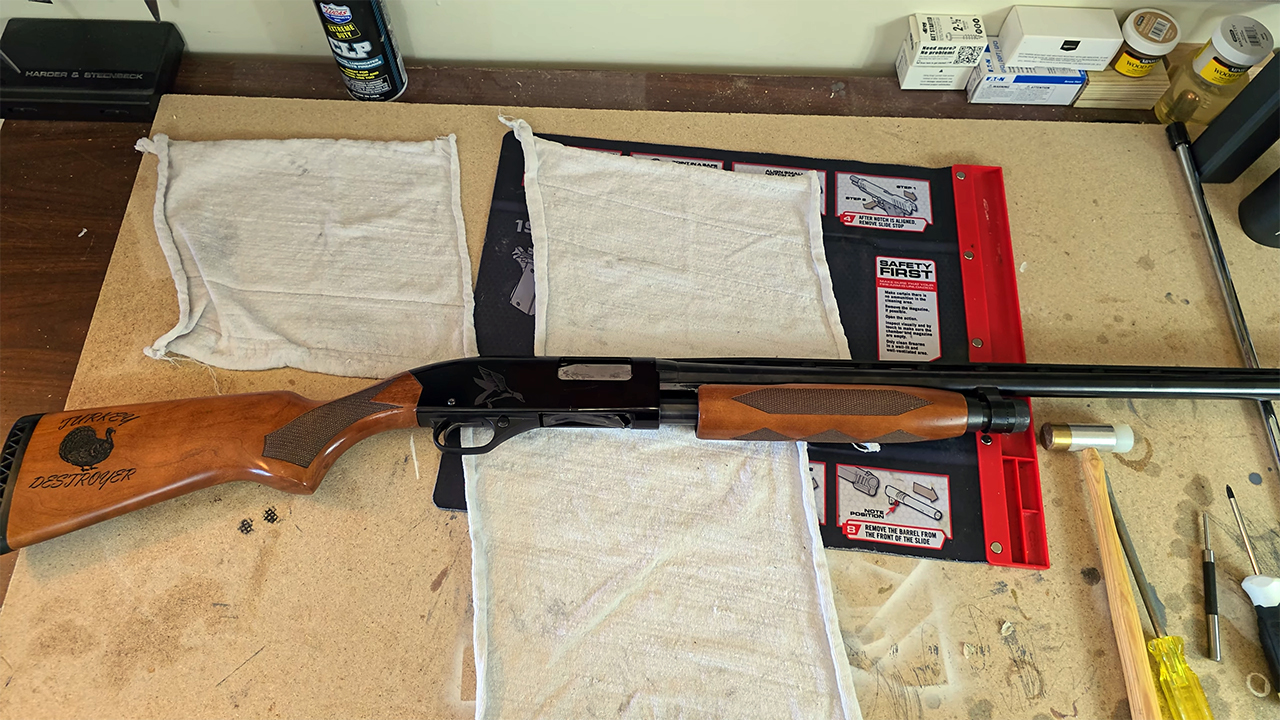
The Model 1300 never achieved the cultural status of the 870 or 500, but its rotating-bolt action is one of the reasons owners tend to hang onto them. Winchester marketed the design around fast cycling, and a properly broken-in 1300 can feel almost eager to open as recoil starts moving everything.
Speed would not matter if the gun were fragile, but plenty of 1300s spent decades as hunting and utility shotguns without major problems. The basic action is strong, relatively uncomplicated, and capable of handling heavy field use.
Because original Winchester production is over, I would be more thoughtful about parts today than I would have been twenty years ago. That does not make the gun fragile. A sound 1300 can still have an enormous service life ahead of it, particularly for a hunter firing a few boxes rather than tens of thousands of shells every year.
Browning Auto-5

The Auto-5 is one of the clearest demonstrations that an old semiautomatic design can survive almost indefinitely when it is maintained correctly. John Browning’s long-recoil system looks strange to shooters accustomed to modern gas and inertia guns because the entire barrel moves during cycling, but the design proved itself for nearly a century.
The key is setting the friction components correctly for the ammunition being used. Owners who ignored that could make the gun beat itself unnecessarily hard. Owners who understood the system often ended up with shotguns that outlived them.
There are Auto-5s still hunting today that were already old when their current owners were born. Springs and friction pieces can be replaced, but the basic receiver and action are extraordinarily durable. Belgian examples especially remind you how heavily these guns were built. They may wear finish, but mechanically they are incredibly persistent.
Franchi AL-48
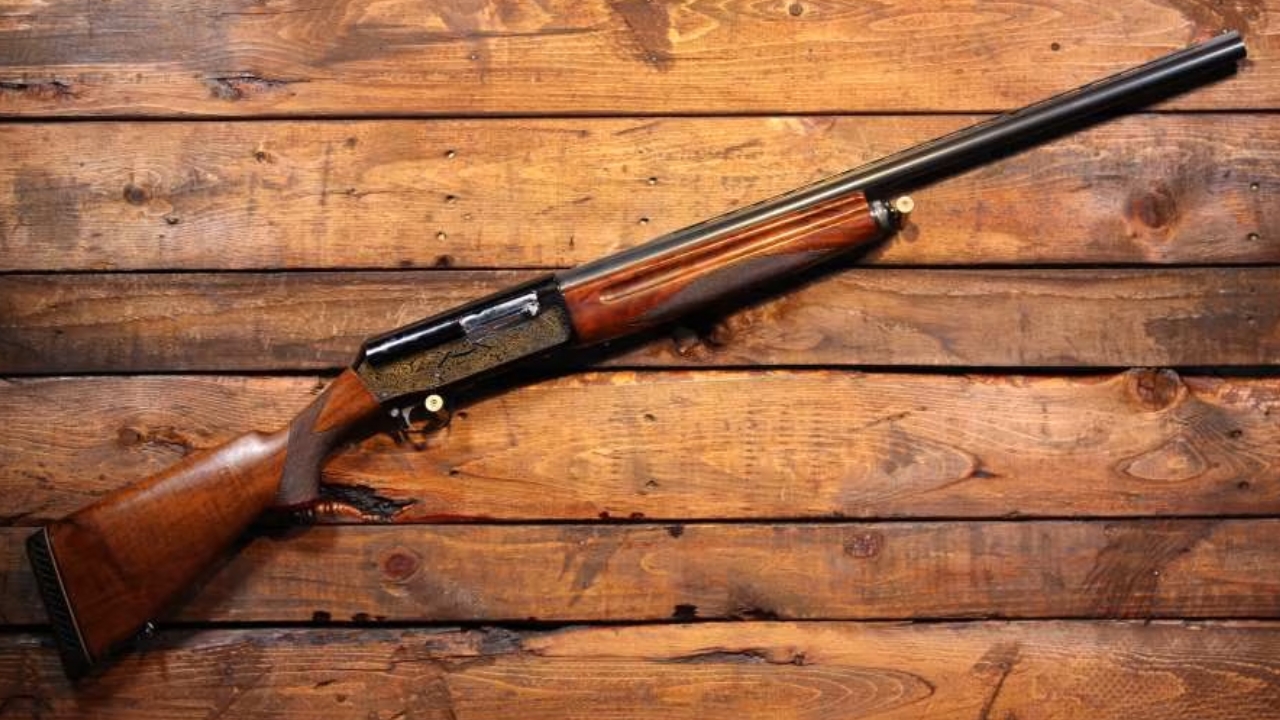
The AL-48 took the long-recoil operating concept associated with the Auto-5 and placed it into a noticeably lighter Italian shotgun. That lighter construction made the Franchi especially popular with upland hunters, who wanted semiautomatic operation without carrying a heavy gun all day.
Lightweight does not necessarily mean short-lived. The AL-48 remained in production for generations because the basic system worked. It is mechanically straightforward, and the recoil-operated design avoids much of the carbon fouling associated with gas systems.
An AL-48 can certainly show evidence of decades of hunting, particularly in the wood and finish, but well-maintained examples often keep functioning long after their appearance suggests retirement. I would pay attention to springs, friction components, and stock condition, but I would not be concerned simply because an older gun had been shot a lot. These were built to hunt.
Remington 1100

Few semiautomatic shotguns have been subjected to more collective shooting than the Remington 1100. Hunters used them heavily, but target shooters are where the design really proved itself. Trap and skeet guns routinely accumulated shell counts that ordinary hunters would need several lifetimes to match.
The 1100 is not maintenance-free. O-rings, action springs, and other wear parts eventually require attention, and the gas system needs to be kept reasonably clean. That is very different from saying the shotgun wears out quickly. Those inexpensive service parts allow the core gun to continue operating through enormous amounts of shooting.
A well-maintained 1100 can become almost like an old pickup with half a million miles that still runs because everything that needed replacing was replaced along the way. I would much rather buy a cared-for high-round-count 1100 than a low-round-count gun that spent thirty years rusting in a damp case.
Remington 11-87
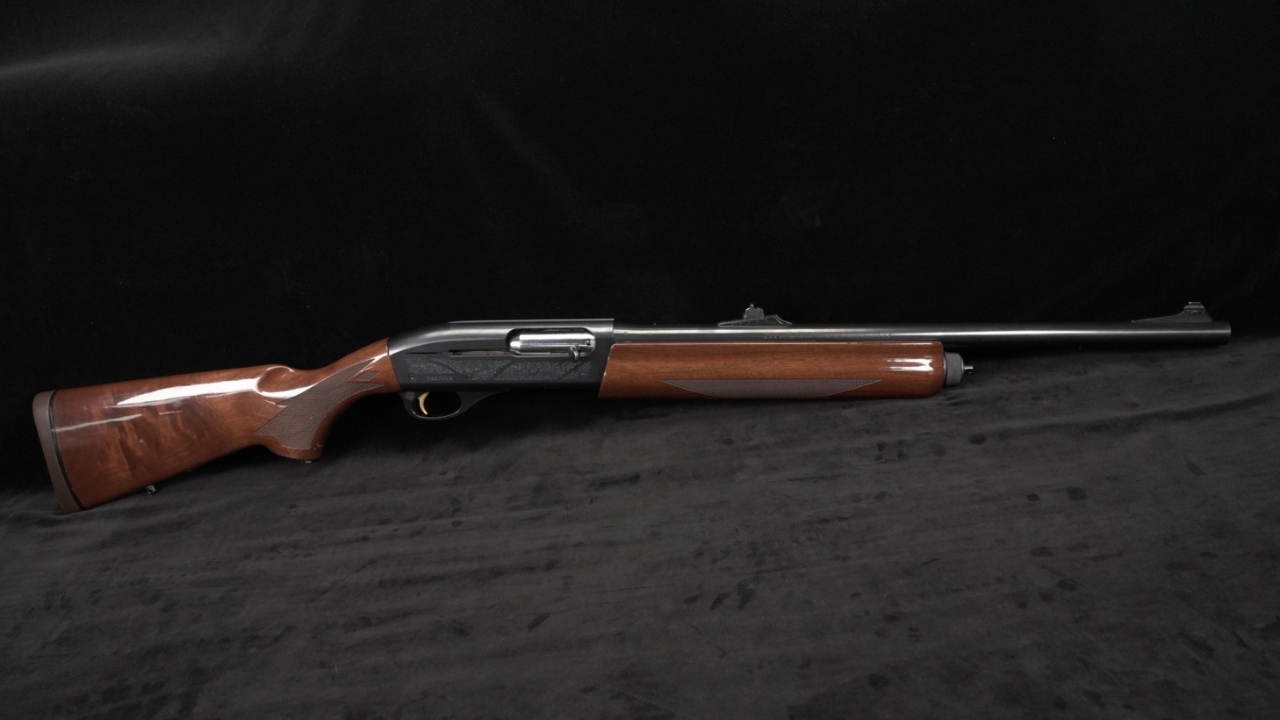
The 11-87 built on the 1100 and expanded its ability to handle a broader range of loads automatically. That gave hunters a semiautomatic capable of moving between different types of ammunition without as much attention to setup.
Like the 1100, the 11-87 rewards basic maintenance. Gas components need cleaning, O-rings are wear items, and action springs should not be expected to last forever. Those parts are inexpensive relative to the life of the shotgun itself.
Plenty of 11-87s spent years in duck blinds, turkey woods, and deer camps where conditions were far from gentle. The good ones simply kept working. I would not call the design elegant compared with some newer semiautomatics, but elegance is not the point. A mechanically sound 11-87 can absorb decades of ordinary hunting use without approaching the end of its useful life.
Beretta AL390
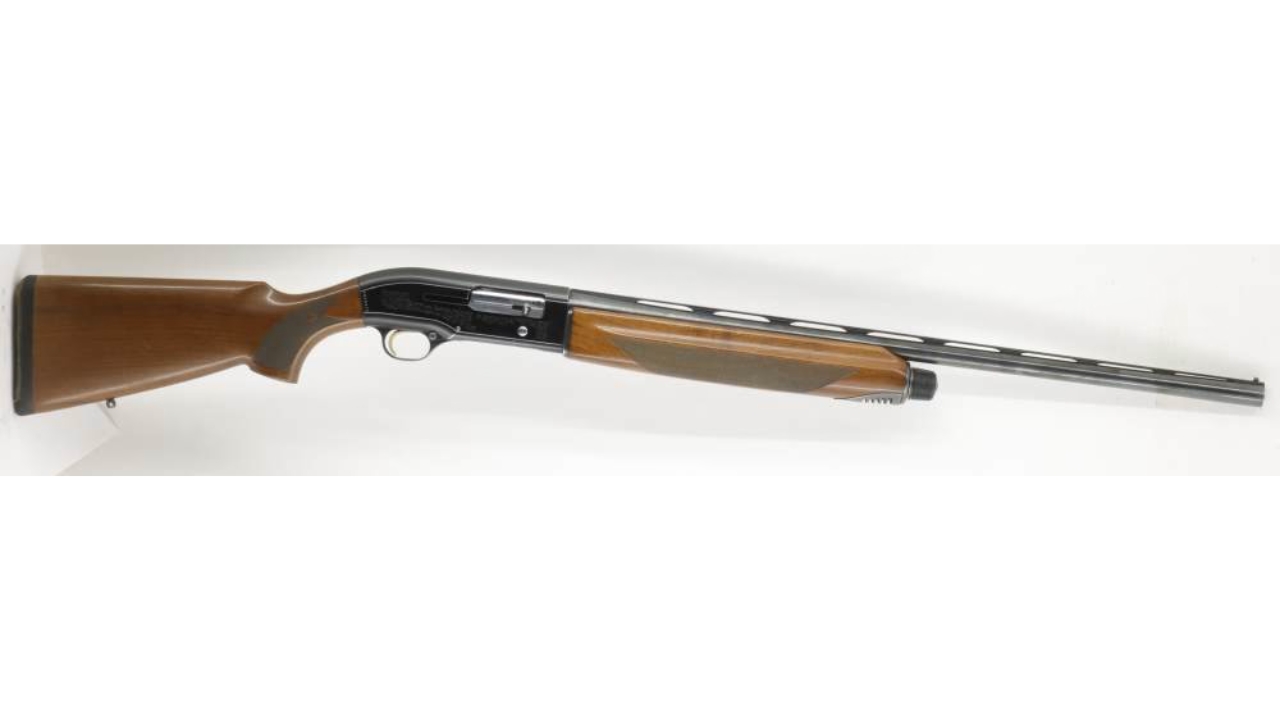
The AL390 has become one of those semiautomatics experienced shooters talk about with a slightly nostalgic tone. It came from a period when Beretta was perfecting gas-operated field guns that could shoot huge quantities of ammunition while remaining soft enough for clay shooting.
A well-maintained 390 can absorb round counts that would intimidate the average hunter. The gas system gets dirty, but it is straightforward to service, and the core action is robust. Target shooters demonstrated that repeatedly because many of these guns were used far harder than a typical field gun ever will be.
What I like about the AL390 is that it does not need to feel overbuilt to be durable. It is balanced, comfortable, and pleasant to shoot. If I found one with honest finish wear but a mechanically healthy action, I would view the worn exterior as proof that somebody already figured out how hard the gun is to kill.
Benelli M2
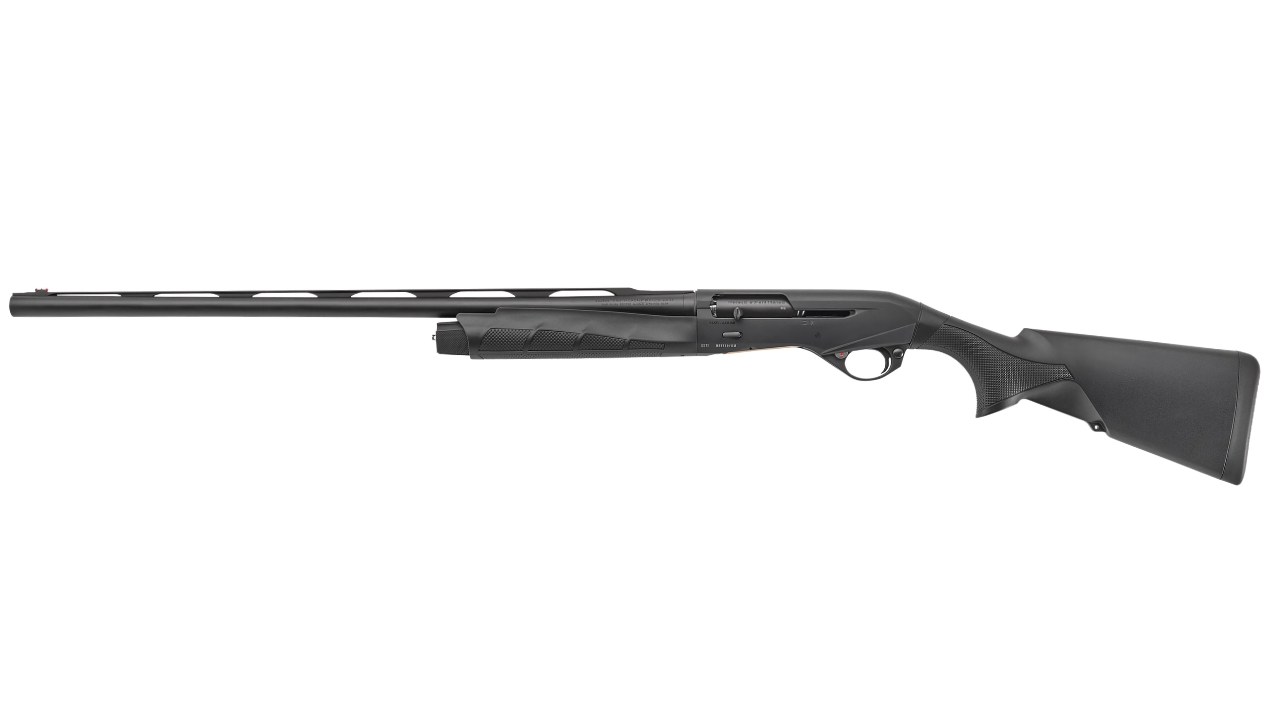
The M2’s inertia-driven system is one of the biggest reasons the shotgun has developed such a strong durability reputation. There are no gas ports or pistons hanging underneath the barrel. The operating system uses recoil energy and a rotating bolt, which keeps the number of heavily fouled moving components relatively low.
That matters in high-volume and dirty environments. The M2 has been used extensively for hunting, competition, and defensive roles because it combines manageable weight with an action that does not require constant cleaning to remain functional.
Recoil springs eventually need attention, and no semiautomatic should be treated as maintenance-free forever. But the M2’s basic design is exceptionally durable. I would be much more worried about an owner neglecting a gun for years than about one simply having a large round count. Properly maintained, an M2 can digest an extraordinary amount of ammunition.
Benelli Super Black Eagle II
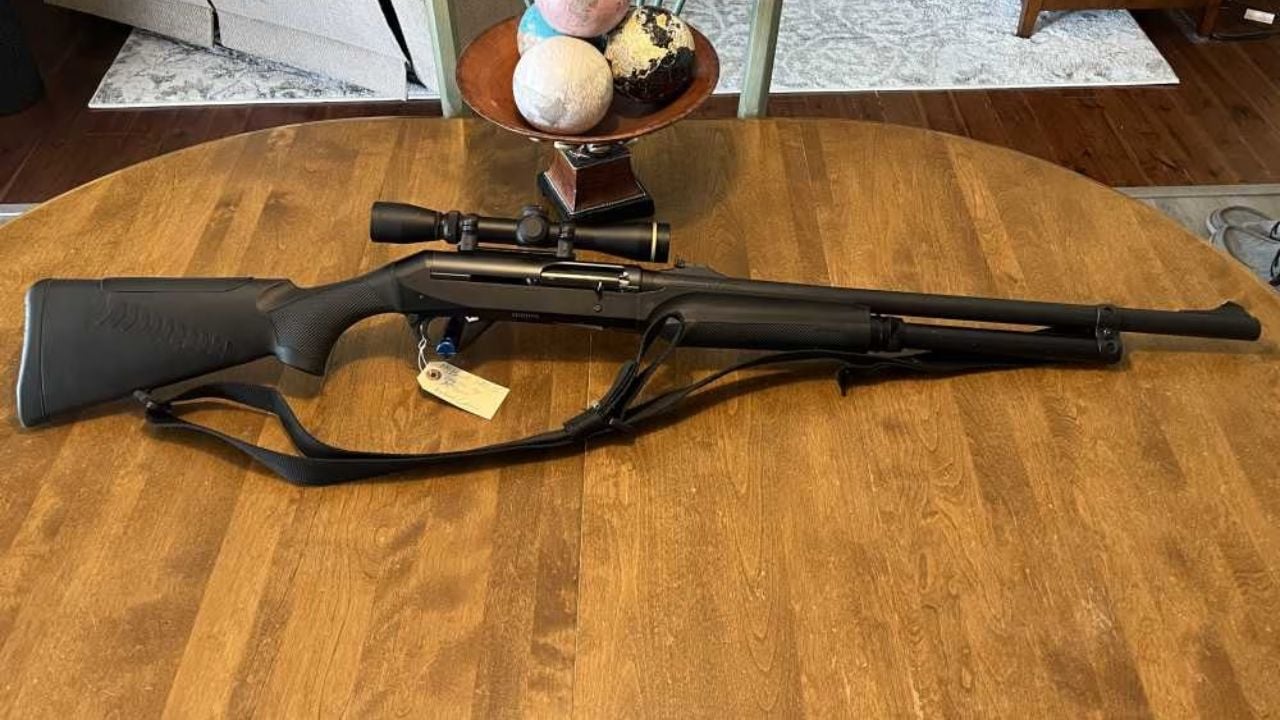
The Super Black Eagle II built its reputation in one of the worst possible environments for a shotgun: waterfowl hunting. Mud, freezing temperatures, wet boats, abrasive vegetation, and powerful magnum loads make duck hunting an excellent way to discover weaknesses in equipment.
The SBE II became popular because its inertia system could tolerate those conditions without relying on a gas system that needed more frequent cleaning. It also handled 3½-inch shells for hunters who wanted maximum payload.
Plenty of SBE IIs look absolutely terrible after years of marsh use while continuing to function mechanically. That may be the greatest compliment you can give one. I would never assume a scarred stock or worn camouflage finish meant the shotgun was approaching retirement. Check the springs, bolt, and barrel, maintain it properly, and the action itself can remain useful long after the gun stops looking new.
Winchester Super X Model 1
The Super X Model 1 has an almost legendary reputation among shooters who appreciate heavily built gas-operated semiautomatics. Winchester reportedly spent enough on manufacturing that the shotgun ultimately became difficult to justify commercially, but the resulting construction is exactly why surviving examples have such a devoted following.
These guns were used heavily on trap and skeet fields, where durability gets tested far more severely than it does during a typical hunting season. The action is smooth, the receiver substantial, and the entire shotgun feels like it came from an era when nobody had yet told the engineers to remove every expensive ounce.
Certain parts deserve attention simply because the model has been discontinued for decades. Mechanically, though, the Super X1 is the kind of shotgun people buy after already knowing exactly what it is. A good one can absorb a tremendous amount of shooting.
Browning Citori

An over-under does not need an action cycling back and forth, but high-volume clay shooting can still destroy poorly built doubles. The Citori earned its reputation because shooters have put enormous numbers of rounds through them without turning the guns into loose collections of parts.
Locking surfaces eventually wear and a heavily used gun can require service, but that is normal for a double that may see tens of thousands or even hundreds of thousands of shells. The important part is that a Citori can be tightened and serviced rather than simply discarded.
For a hunter, the durability is almost excessive. Someone firing a few hundred hunting shells per year may never come close to using the mechanical life available in a good Citori. That is one reason these guns move so easily between generations. They are built around round counts most hunters will never approach.
Beretta 686 Silver Pigeon
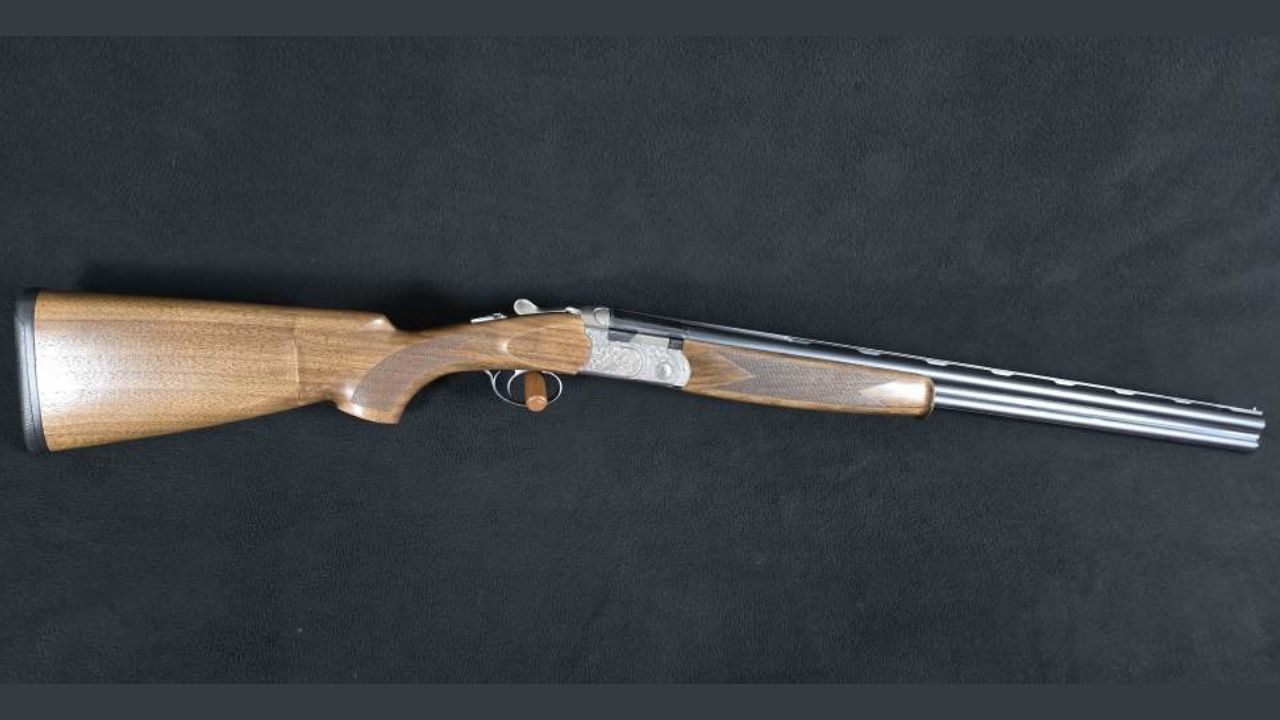
The 686 has one of the best reputations in the over-under world for combining relatively trim handling with extremely durable lockwork. Beretta’s low-profile action does not look massive, but countless field and competition guns have demonstrated how much shooting the design can absorb.
Wear eventually occurs where it should, and Beretta designed the action so important locking components can be serviced as the gun ages. That is what I want in something intended to last. A shotgun does not need to remain dimensionally untouched forever. It needs to be designed so predictable wear can be addressed.
For normal hunting use, I would have almost no concern about exhausting the useful life of a 686. Stock damage, rust, or neglect are more realistic threats. Keep the action maintained and the gun dry, and a Silver Pigeon can easily become somebody else’s hunting shotgun decades later.
Winchester Model 101
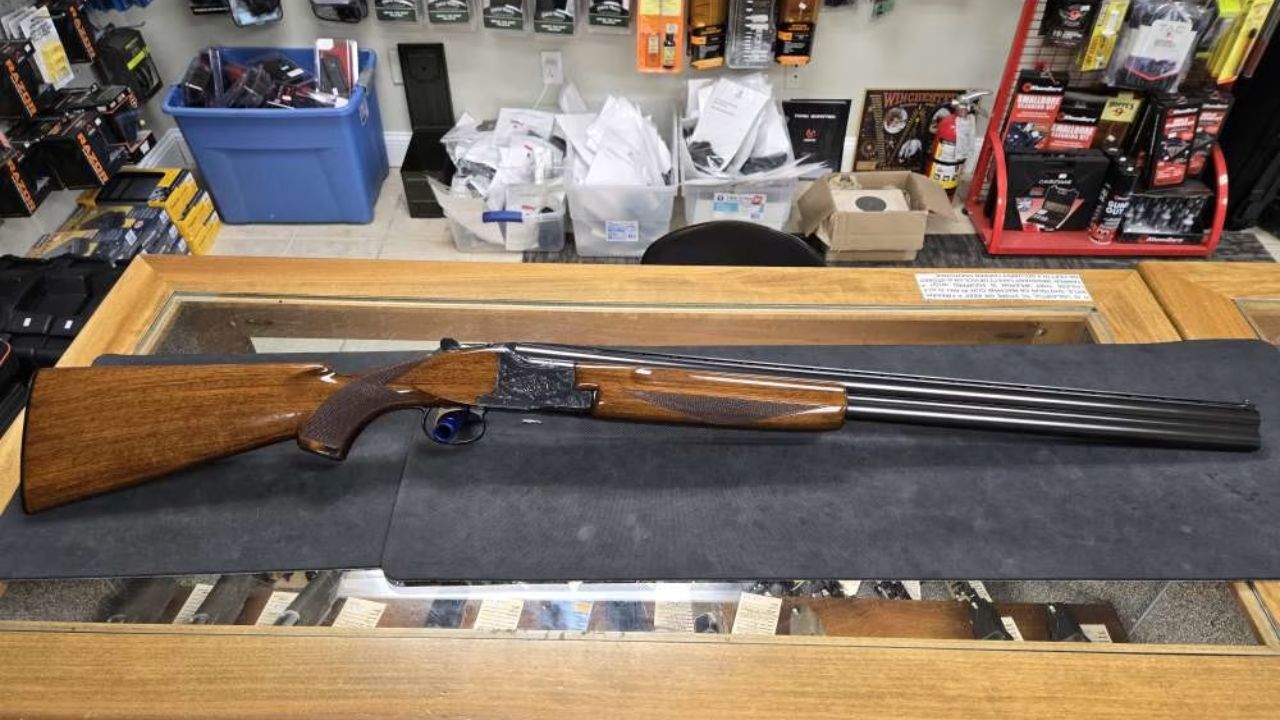
The classic Japanese-made Model 101 earned a reputation for being an extremely solid over-under at a price that once made it an alternative to much more expensive European doubles. Target versions in particular proved that the action could handle serious use.
A shotgun like the 101 may eventually develop the normal wear associated with any break-action gun, but that generally happens after far more shooting than an ordinary hunter will ever accomplish. Lockup condition matters when buying a used example because some target guns were genuinely shot hard.
I would not automatically fear one showing external wear. A well-used 101 may have spent decades doing exactly what it was built to do while remaining mechanically sound. These shotguns were never delicate. Give me tight lockup and clean bores, and I would be much more interested in mechanical condition than a few scratches in the walnut.
Ruger Red Label
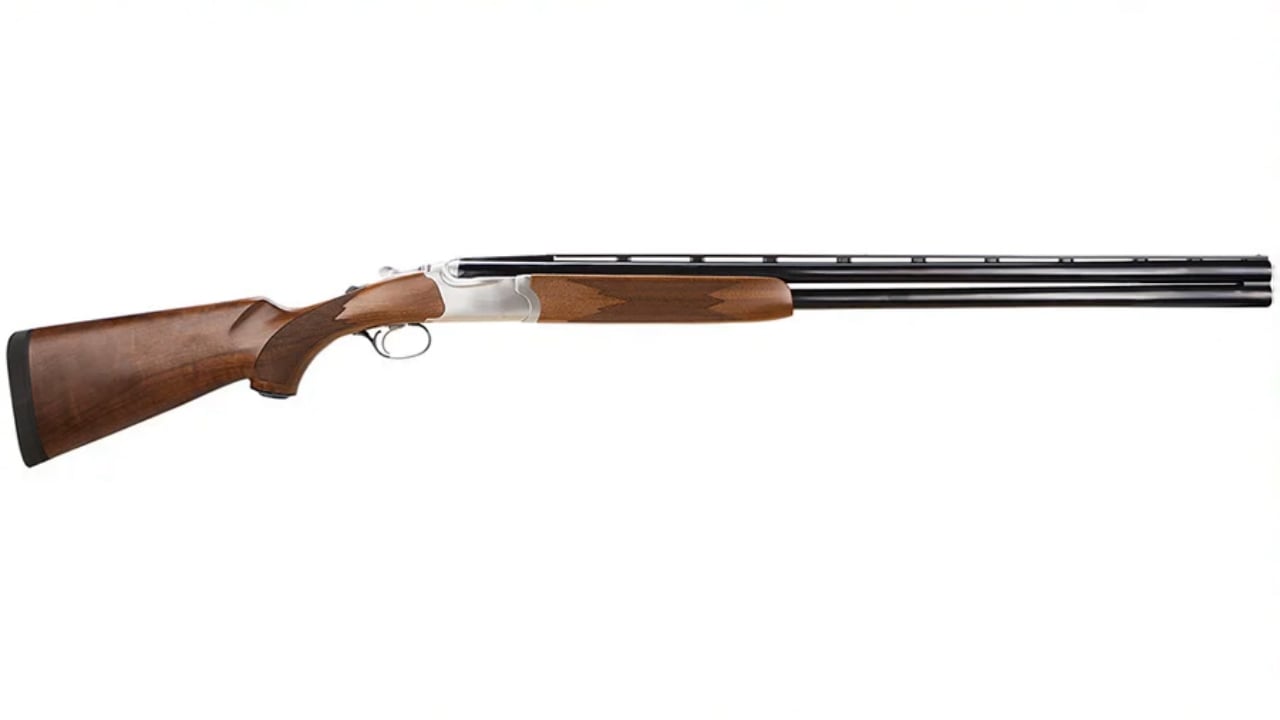
The Red Label was Ruger’s answer to hunters who wanted an American-designed over-under without treating the shotgun like fragile artwork. It has the substantial construction you would expect from Ruger, and many early guns feel almost overbuilt compared with sleek European field doubles.
That can make them heavier than some competitors, but extra material is rarely a problem when durability is the topic. Red Labels have spent decades breaking clays and hunting birds while maintaining the kind of straightforward mechanical reputation Ruger owners tend to appreciate.
As with any discontinued double, parts availability deserves consideration. I would still be comfortable with a sound example that locks tightly and shows no signs of abuse. For the amount of shooting most hunters actually do, wearing one out through normal use would be a serious accomplishment. It is far more likely to acquire another generation of scratches before the basic action gives up.
Like The Avid Outdoorsman’s content? Be sure to follow us.
Here’s more from us: