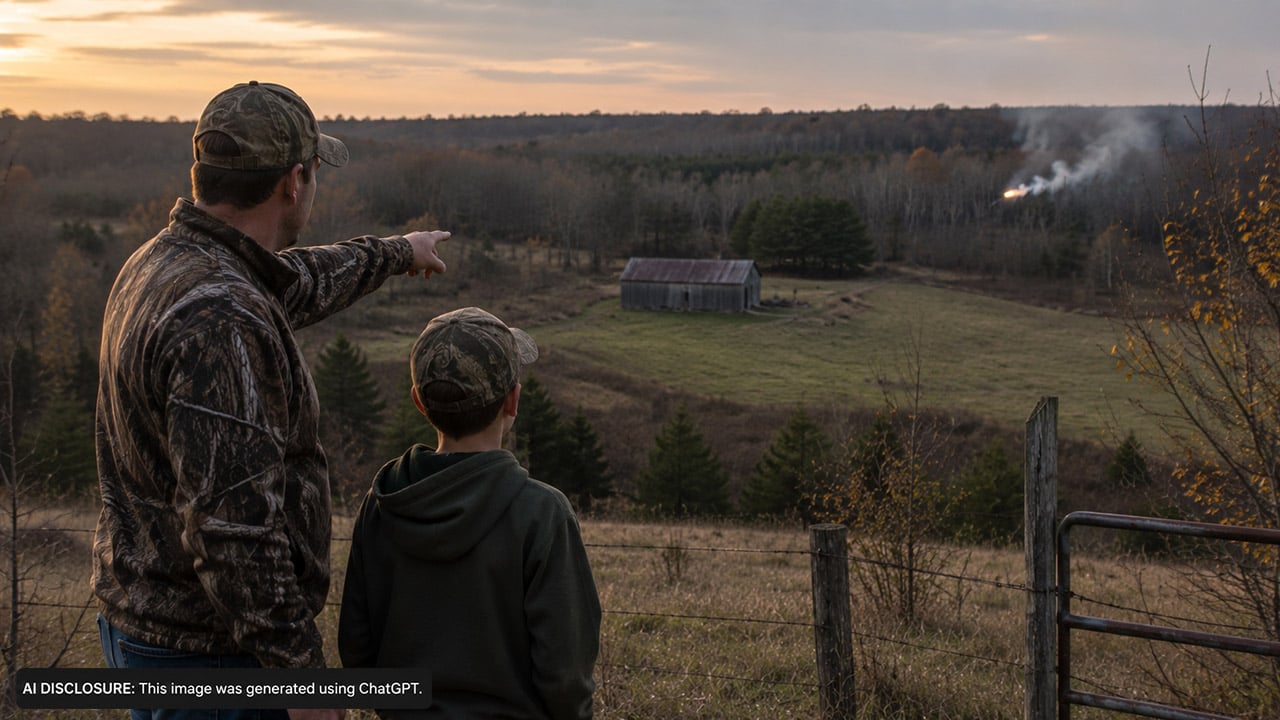
Photo credit: AI-generated image created using ChatGPT. Illustrative only
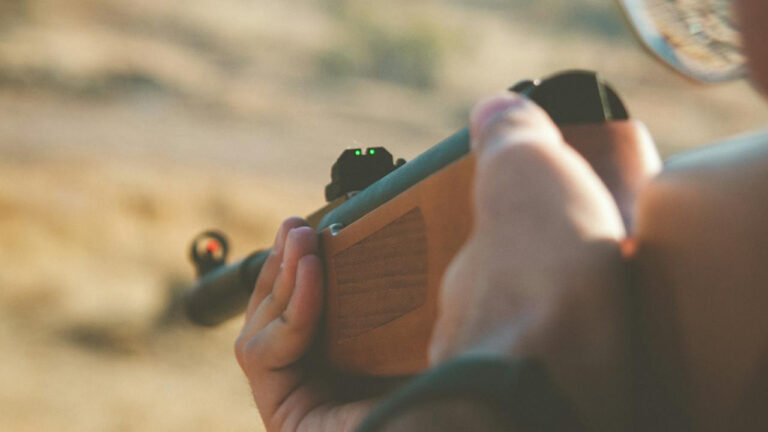
You don’t forget the sound of opening morning with your kid beside you—boots on crunchy leaves, that quiet hope that maybe this is the year everything clicks. That’s why one dad’s complaint hit a nerve: he says that for the second youth hunt in a row, he can’t even settle in because the neighbor waits until he sees them head into the woods, then moves as close as he can to the property line and starts firing. The full description came from the original post, and it reads like the kind of rural feud that ruins traditions fast.
According to the dad, the neighbor “does not shoot a single round out of season,” but lights off “all of his guns” specifically when someone goes out expecting to hunt on the family’s land. The father’s question was plain: is there anything legal he can do? He even admitted he was “pretty sure there is not,” but wanted to ask anyway.
A youth weekend hunt turned into a yearly problem
Youth hunts are short windows, and they’re supposed to be about building confidence—getting a kid steady on the basics and, ideally, putting them on a deer without a pile of pressure. Instead, this dad says the moment they head into the woods, the neighbor is watching and reacts immediately.
That timing matters. Random target practice on a Saturday is one thing. Waiting until hunters step out, then crowding the line and dumping magazines just to blow up the sit is something else entirely—and it’s exactly what the dad believes is happening.
The neighbor stays on his side of the line, and that’s the whole trick
The most frustrating detail is also the most important: the neighbor “goes as close as he can to us while staying on his side of the property line.” In rural America, property lines aren’t just maps—they’re how a lot of conflicts get decided in real time.
If a guy is on his own ground, shooting in a lawful manner, and following whatever local rules exist (distance from roads/houses, safe backstop, no intoxication, allowed hours, no banned discharge areas), then being obnoxious is often not the same thing as being illegal. That’s a hard lesson for people who assume “harassment” is always a crime when it happens outdoors.
Legal doesn’t always mean safe—or smart
Even if the neighbor’s conduct is technically lawful, it can still create a safety cloud over the whole situation. Gunfire close to a property line when you know people are in the woods raises obvious questions: where are the rounds going, what’s the backstop, and is anybody shooting in a direction that could cross onto the other property?
The dad didn’t claim rounds were crossing the line or that shots were impacting on his side. But the way he described it—“as close as he can”—is exactly the kind of thing that makes a parent decide the hunt isn’t worth the risk. No deer is worth putting a kid in a spot where you’re wondering if the other guy is being reckless.
It also messes with judgment. When somebody is pushing your buttons, it’s easy to start thinking in terms of confrontation. That’s a bad road around firearms, and it’s especially bad with kids present.
What options usually matter in a situation like this
The dad asked what he can do legally, and the reality in many places is that options depend on the details that separate “annoying” from “actionable.” If the neighbor is simply target shooting on his own land during lawful times and doing it safely, there may be no clean lever to pull just because it ruins a hunt.
But a few practical angles tend to matter in these neighbor line shooting disputes. One is whether there are local ordinances about discharging firearms—some counties have them, some don’t, and the rules can change fast when you get near subdivisions, school zones, or certain roadways. Another is whether any shot is actually being fired toward occupied areas, trails, houses, or known activity. That’s when “he’s being a jerk” can start turning into “this is unsafe.”
And then there’s documentation. If a pattern truly exists—“second year in a row” and only when hunters appear—then having dates, times, and video from legal placements (like cameras on your property aimed at your side of the line) can help if you end up needing to talk to local law enforcement or a game warden about safety concerns. It doesn’t prove intent by itself, but it can show the frequency and timing.
The bigger takeaway: you can’t control a neighbor, but you can control your setup
This is the part nobody wants to hear when they’re mad: sometimes the cleanest “fix” is adjusting your plan. If a neighbor is hugging the line, it may be time to hunt deeper, change access routes so you aren’t visible, or set stands so normal shooting noise from that direction won’t blow the whole morning. That’s not “letting him win.” It’s just adapting like hunters always have.
For youth weekend specifically, it may also mean shifting the goal. If you can’t get a calm sit on the edge because you’re dealing with noise and nerves, then focus on scouting, range time, tracking practice, or a short evening hunt where you can call it early if things get weird. A kid remembers the experience more than the antlers, and you can still make it a good one even when the neighbor is trying to spoil it.
If the neighbor’s shooting ever crosses from annoying into dangerous—rounds cracking overhead, impacts on your side, firing toward houses, or behavior that suggests negligence—then it’s no longer about hunting success. It’s about safety, and that’s when involving the proper local authorities becomes less optional.
In the end, the hard truth is the one the dad already suspected: if the neighbor stays on his own land and shoots legally, there may not be a simple legal hammer for “ruining the hunt.” That doesn’t make it right. It just means the best move is staying calm, staying safe, and stacking the odds for your kid in ways the neighbor can’t so easily touch.
Like The Avid Outdoorsman’s content? Subscribe to our newsletter so you never miss an article.
Here’s more from us: