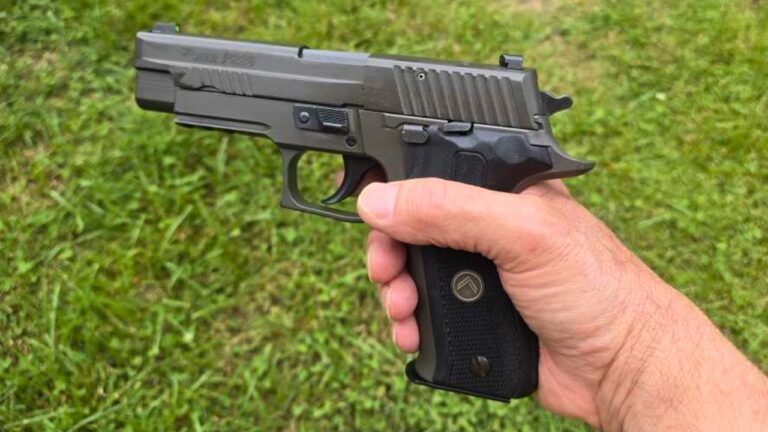
Photo credit: Wyoming Gun Project/Youtube
Gun counters are full of quiet little swaps nobody brags about. A guy trades the pistol he actually shoots well for the new hotness, carries it for a month, then it starts living in the safe while the old holster gathers dust. Nobody wants to admit the “upgrade” was a downgrade, especially after they posted the picture and told their buddies it was the next best thing.
This isn’t about bashing new guns. New designs can be better. But a surprising number of solid pistols got pushed aside by replacements that looked cooler, felt slimmer, or promised more capacity… and ended up being fussier, snappier, harder to run, or just less trustworthy when it mattered. Here are 20 swaps I’ve watched happen more than once.
1. Glock 19 Gen3 (replaced by Glock 19X for “one gun” duty)
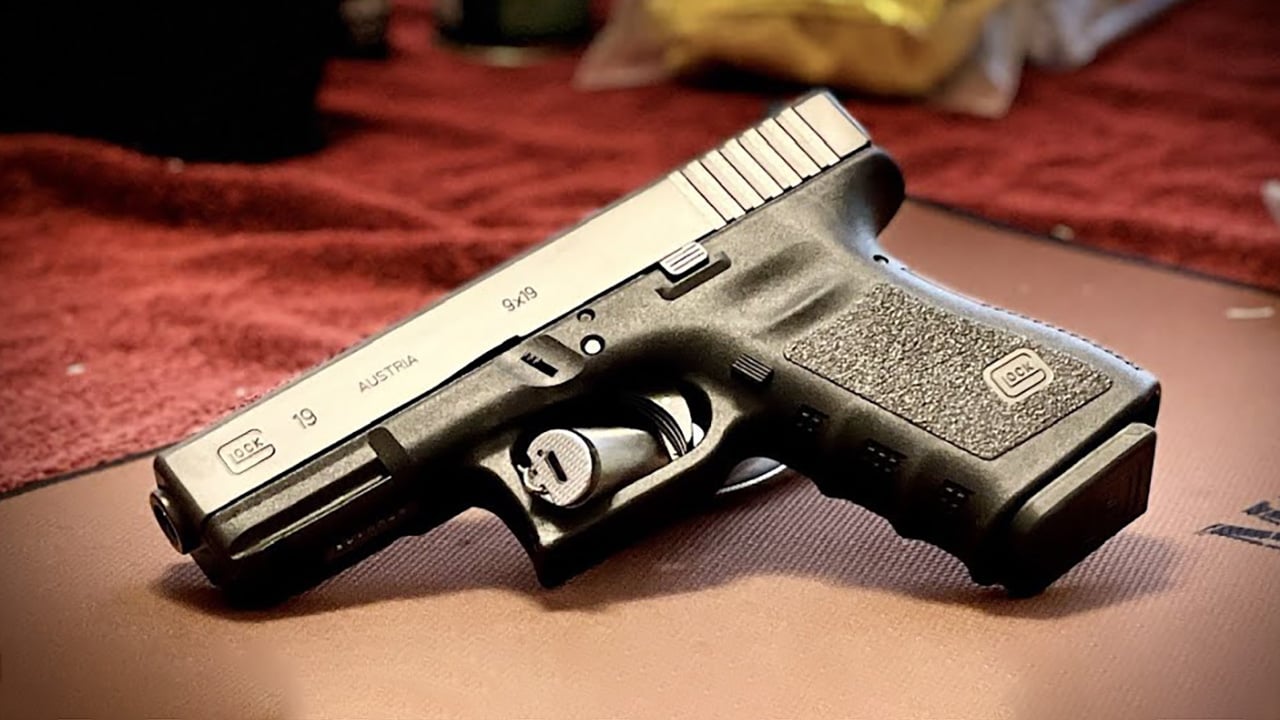
The Gen3 Glock 19 is boring in the best way. It points the same every time, it runs with almost any decent magazine, and everybody makes parts, holsters, and sights for it. It’s the pistol a lot of outdoorsmen quietly shoot better than they admit.
Then comes the 19X idea: longer grip, shorter slide, “best of both.” What often happens is the longer grip prints more under a jacket and digs into a seat belt, and the shorter slide doesn’t buy you anything if you’re not already struggling with concealment. That extra half inch of grip is the difference between “carry it” and “leave it.” Ask me how I know.
2. Smith & Wesson M&P9 2.0 Compact (replaced by SIG Sauer P365 for max concealment)
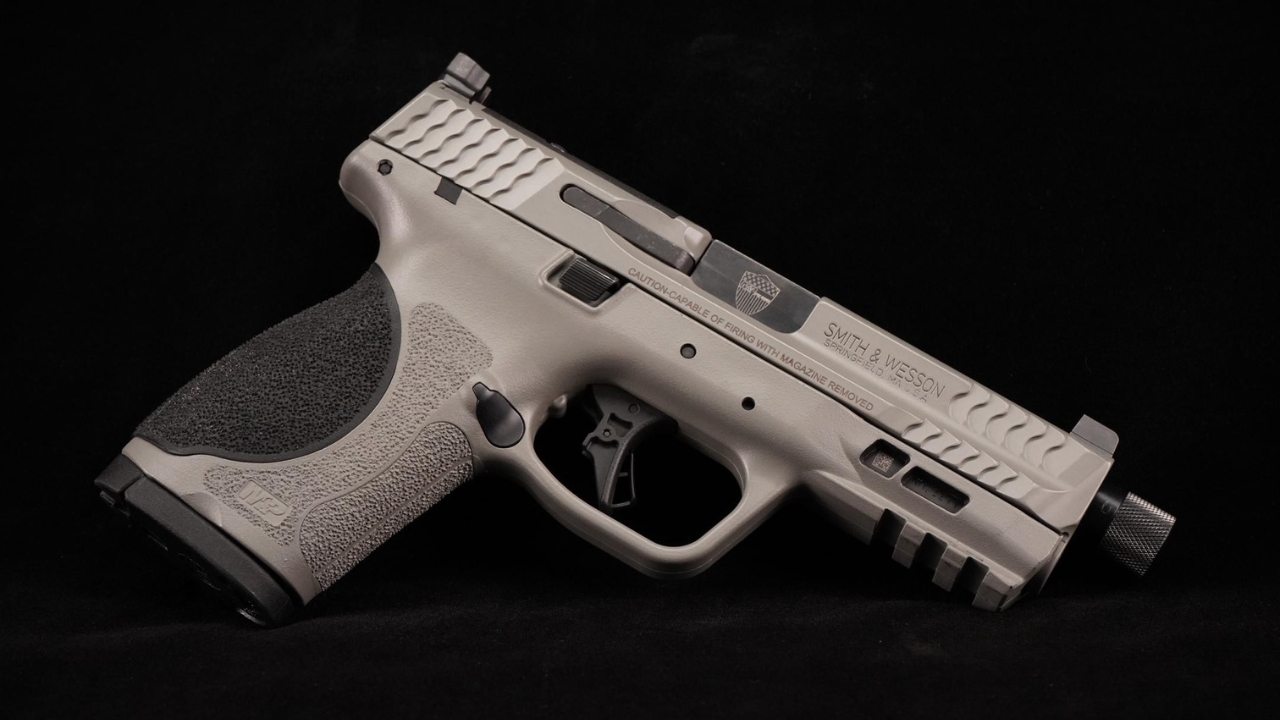
The M&P 2.0 Compact is one of those do-it-all pistols that actually does it all. Good texture, good trigger (especially newer ones), and it soaks up recoil in a way that keeps your practice honest. It’s a pistol you can run hard in the summer heat with sweaty hands and still keep control.
A lot of folks jump to the P365 because it disappears. The downside is the smaller gun pushes back harder, and plenty of shooters start “dipping” shots low left when they get tired or cold. If you don’t put real range time into it, the tiny carry gun becomes a talisman instead of a tool.
3. Ruger SP101 (replaced by Ruger LCR for lighter pocket carry)
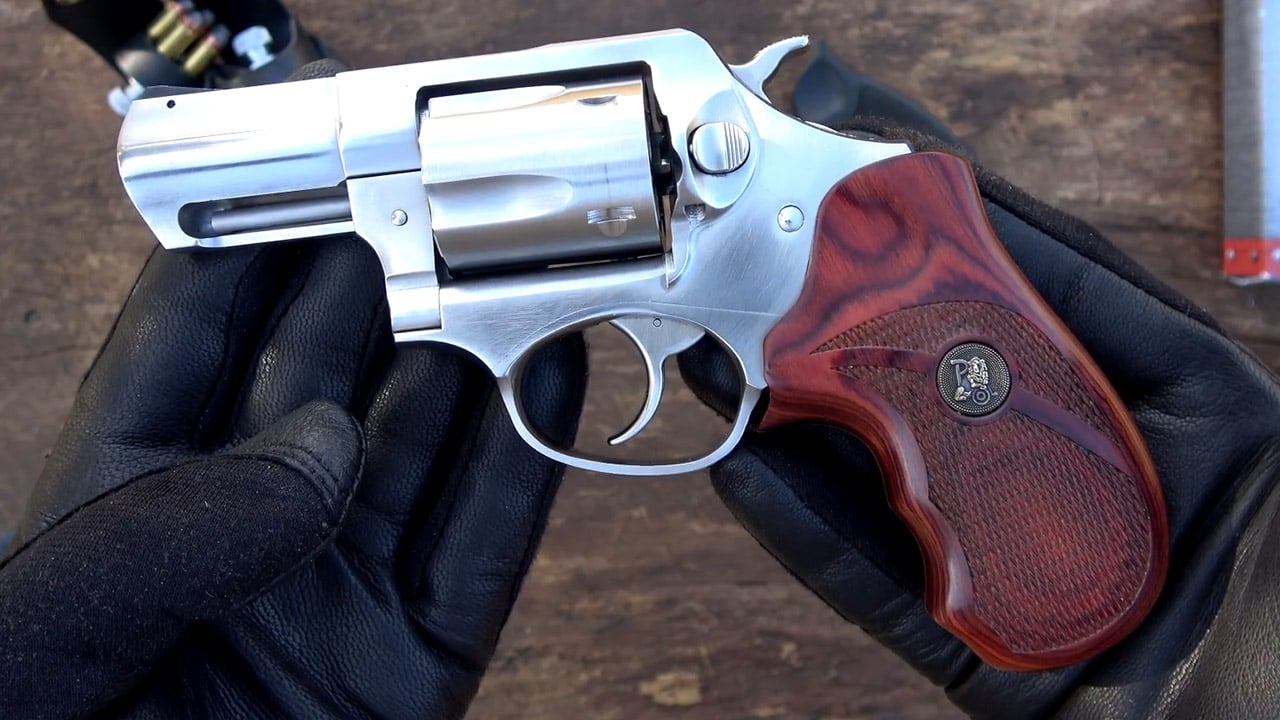
SP101s aren’t light, and that’s exactly why they shoot well. In .357 or even hot .38 +P, the weight tames recoil and keeps follow-up shots from getting sloppy. It’s also built like it’s supposed to ride in a tackle box, a truck console, or a wet coat pocket without drama.
The LCR is a slick little revolver, but the light weight turns recoil into a personality trait. A lot of guys find they practice less with it, especially with defensive loads, and then they’re carrying a gun they don’t truly enjoy shooting. Lighter isn’t always better when it means you stop training.
4. Beretta 92FS (replaced by Beretta APX for “modern striker” simplicity)
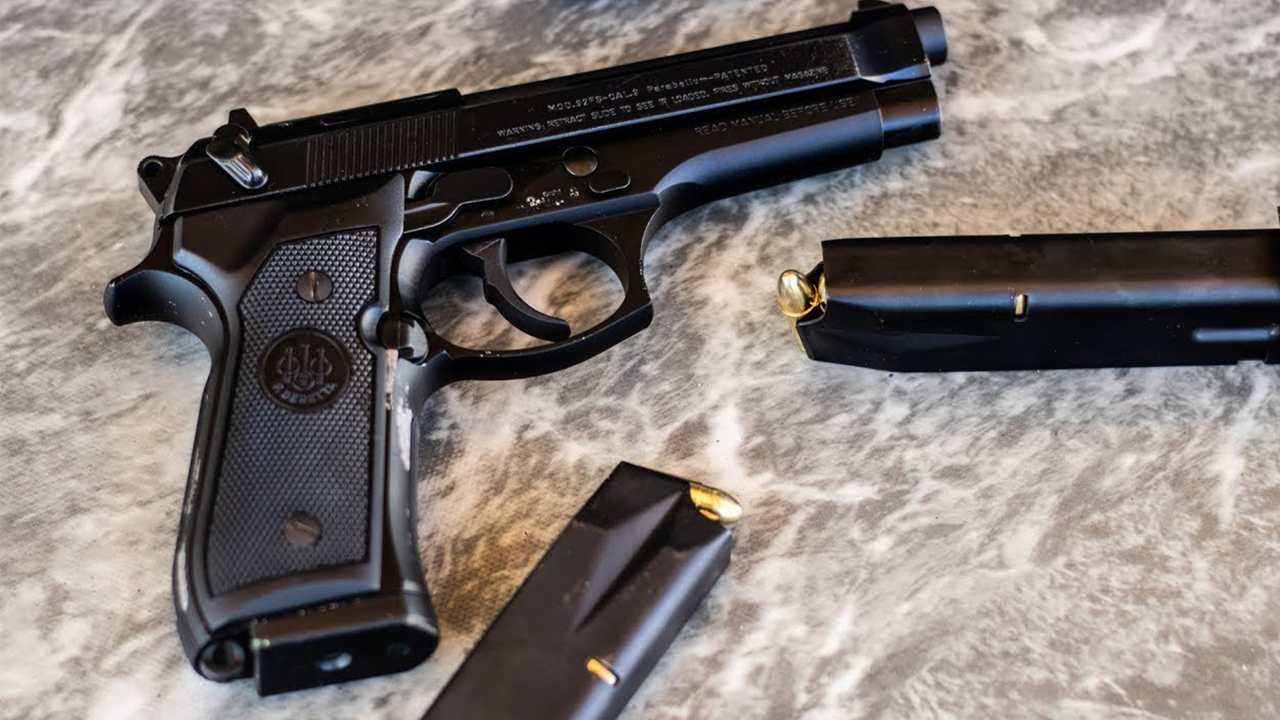
The 92FS is big, sure, but it’s also easy to shoot well. The weight and the smooth cycling make it forgiving, and the reliability reputation didn’t come from internet comments. If you grew up around them, the slide feels like it’s on rails.
The APX never really took over the way Beretta probably hoped, and the aftermarket support shows it. Holsters exist, but they’re not everywhere like Glock or M&P. When a pistol is supposed to be your “simple modern replacement” and you can’t find what you need locally, it’s not simpler.
5. CZ 75B (replaced by CZ P-10 C because “same brand, newer design”)
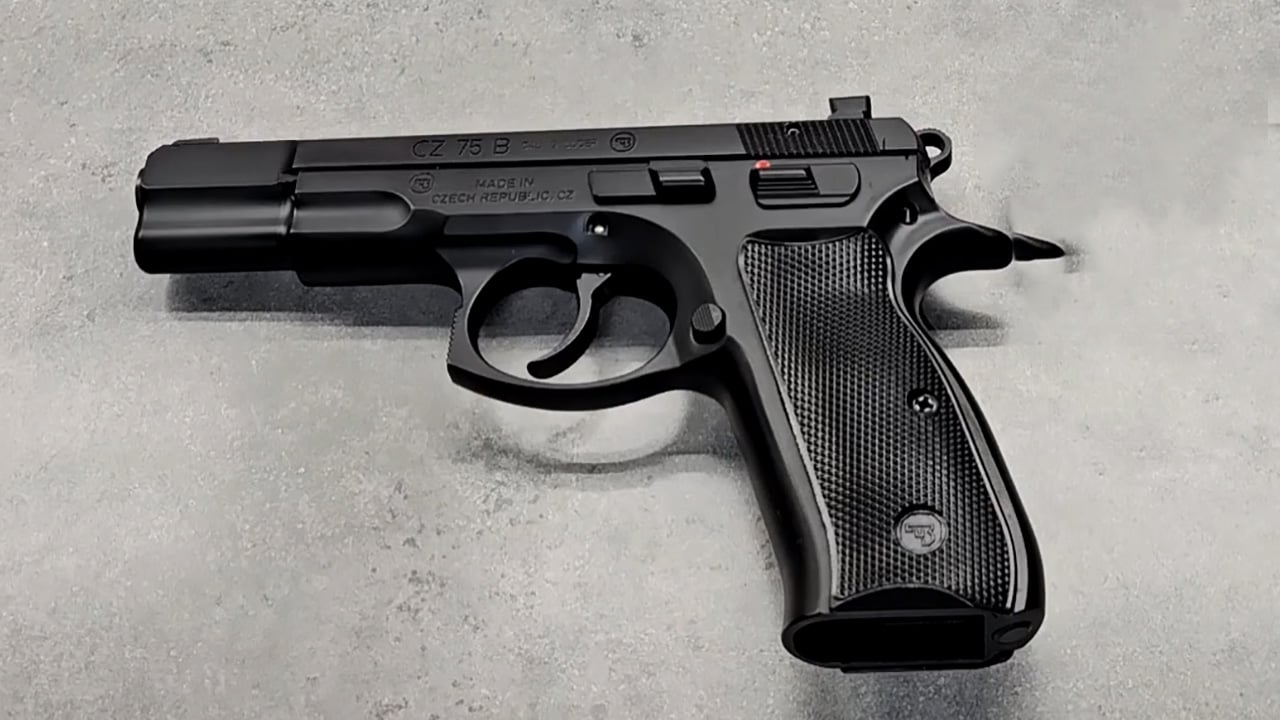
A CZ 75B has a feel that’s hard to explain until you shoot one. The grip shape just works for a lot of hands, and that weight makes 9mm feel like a soft push. It’s the kind of pistol that makes average shooters look better than they are.
The P-10 C is a good striker gun, but plenty of folks never shoot it as well as their old metal CZ. And when the novelty wears off, they realize they traded a pistol with character and easy accuracy for another polymer striker that blends into the crowd. Not a disaster, just a quiet downgrade.
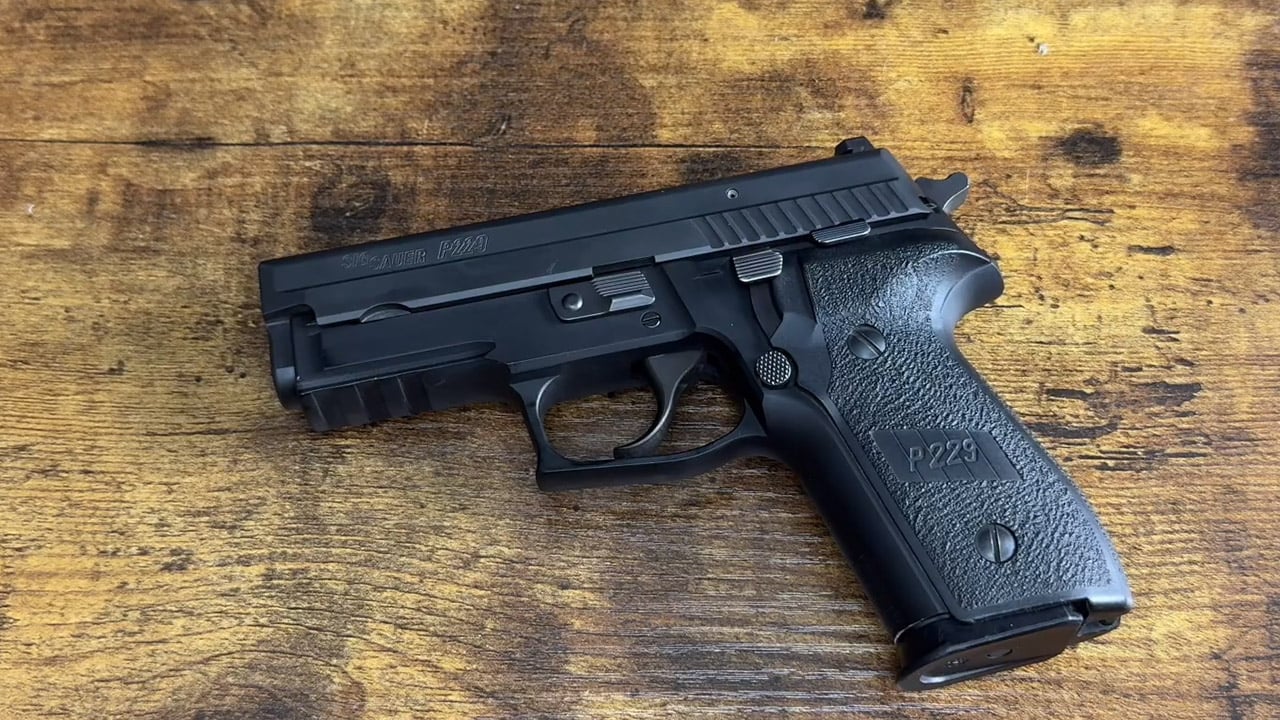
6. SIG Sauer P229 (replaced by SIG Sauer P320 Compact for modularity)

The P229 is heavy, dependable, and shoots flat. In a world of lightweight compacts, it feels like a real service pistol because it is one. DA/SA isn’t for everybody, but once you learn it, it’s consistent and safe in the field.
The P320’s big selling point is modularity. Most outdoorsmen don’t actually swap frames and slides every week, though. What they do notice is the P229’s balance and the way it tracks under recoil, and they miss it after they’ve convinced themselves “lighter” equals “better.”
7. Glock 26 (replaced by Glock 43X for a thinner profile)
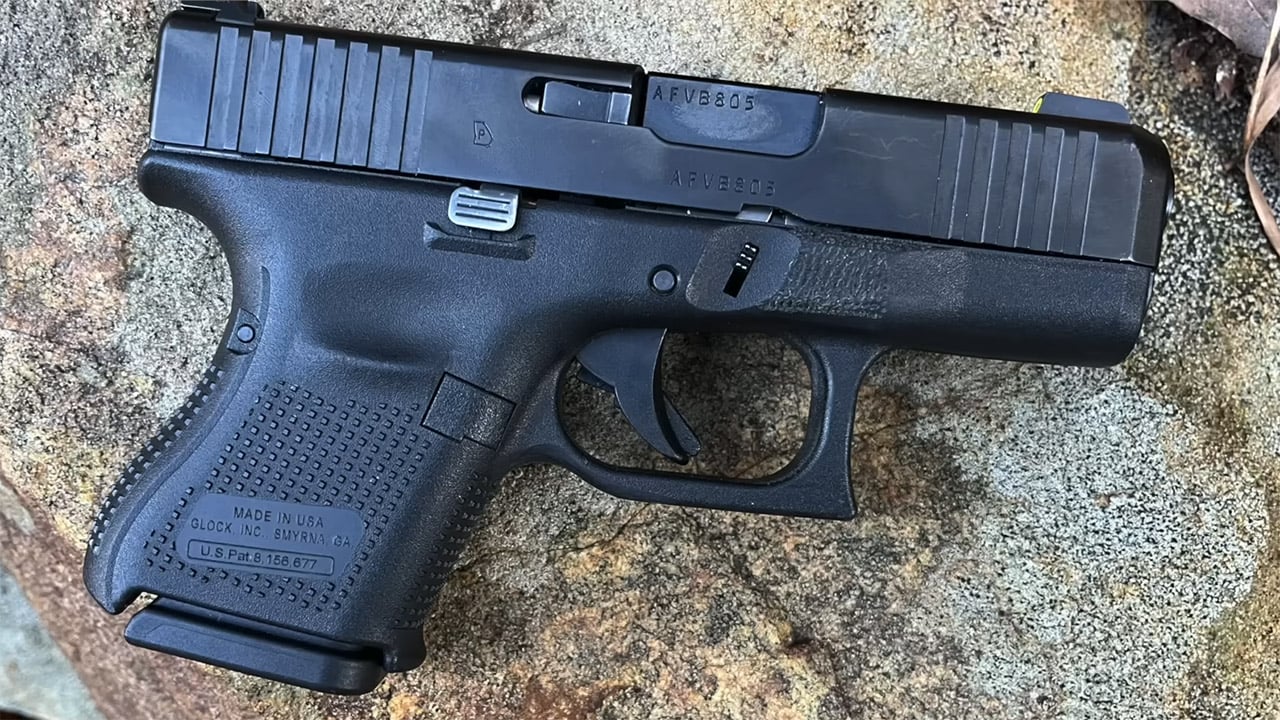
The Glock 26 is thick, kind of brick-like, and it still carries surprisingly well in the right holster. The real trick is it shoots like a bigger gun and takes bigger magazines. For a lot of people, it’s the most confidence-inspiring “small” 9mm Glock ever made.
The 43X feels great in the hand and rides flatter, but some shooters never get the same control during fast strings. Thinner can mean more torque in recoil, especially if your grip isn’t perfect. On paper the 43X wins. On the timer, the 26 often does.
8. Springfield Armory XD Service Model (replaced by XD-S for single-stack carry)

The old XD Service pistols are not trendy, but they’re generally dependable and easy to run. The grip safety bothers some people, but others like the extra layer when they’re climbing in and out of equipment or wearing heavy winter gear.
The XD-S made sense when single-stacks were the answer. The problem is it’s snappier, pickier about grip, and less forgiving when your hands are cold or wet. A lot of guys “upgraded” for concealment and ended up with a pistol they shot worse and trusted less.
9. Colt Government Model 1911 (replaced by a budget 1911 clone to “save wear”)
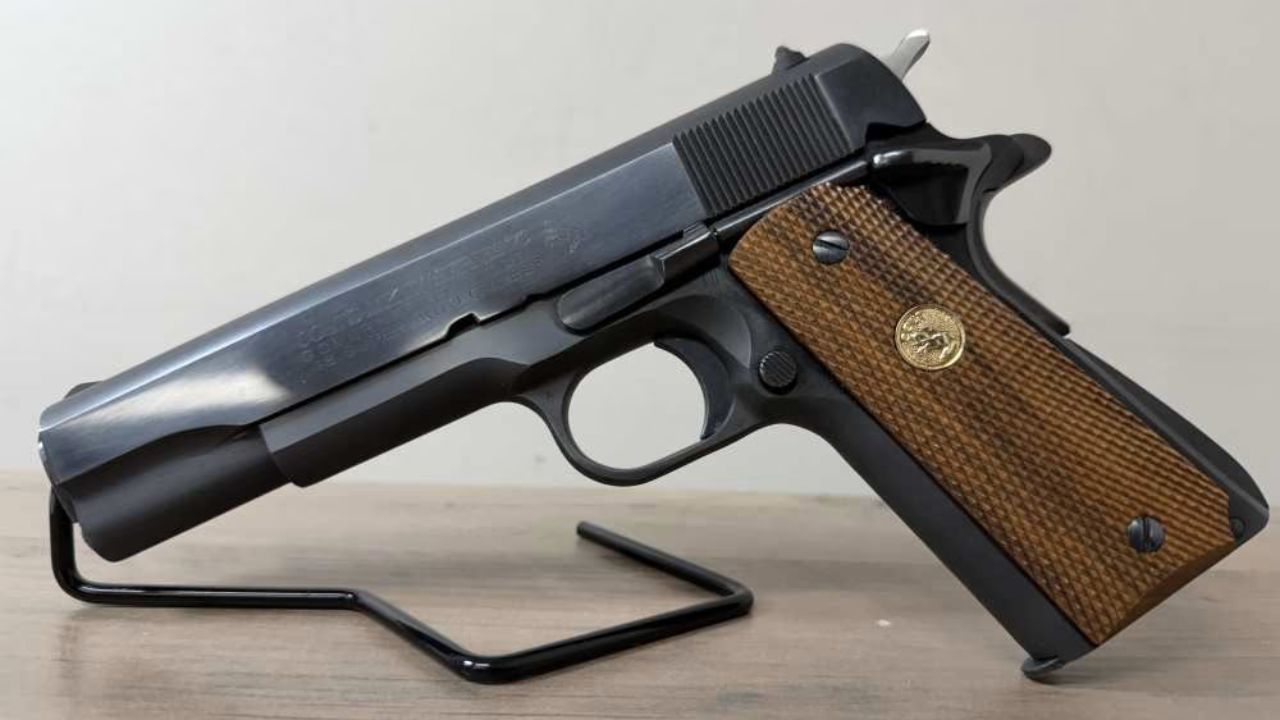
There’s a reason old Colts keep a hold on people. Even with plain sights and a little rattle, a decent Government Model points naturally and carries flat. When it’s set up right, it’s a joy to shoot.
Then someone buys a cheaper clone to keep the Colt “nice.” Sometimes that clone runs fine. Sometimes it’s a jam-o-matic with sloppy parts fit and magazines that act different every range day. The original ends up sitting anyway, and the replacement becomes a project nobody asked for.
10. Browning Hi-Power (replaced by a modern high-cap 9mm for capacity)
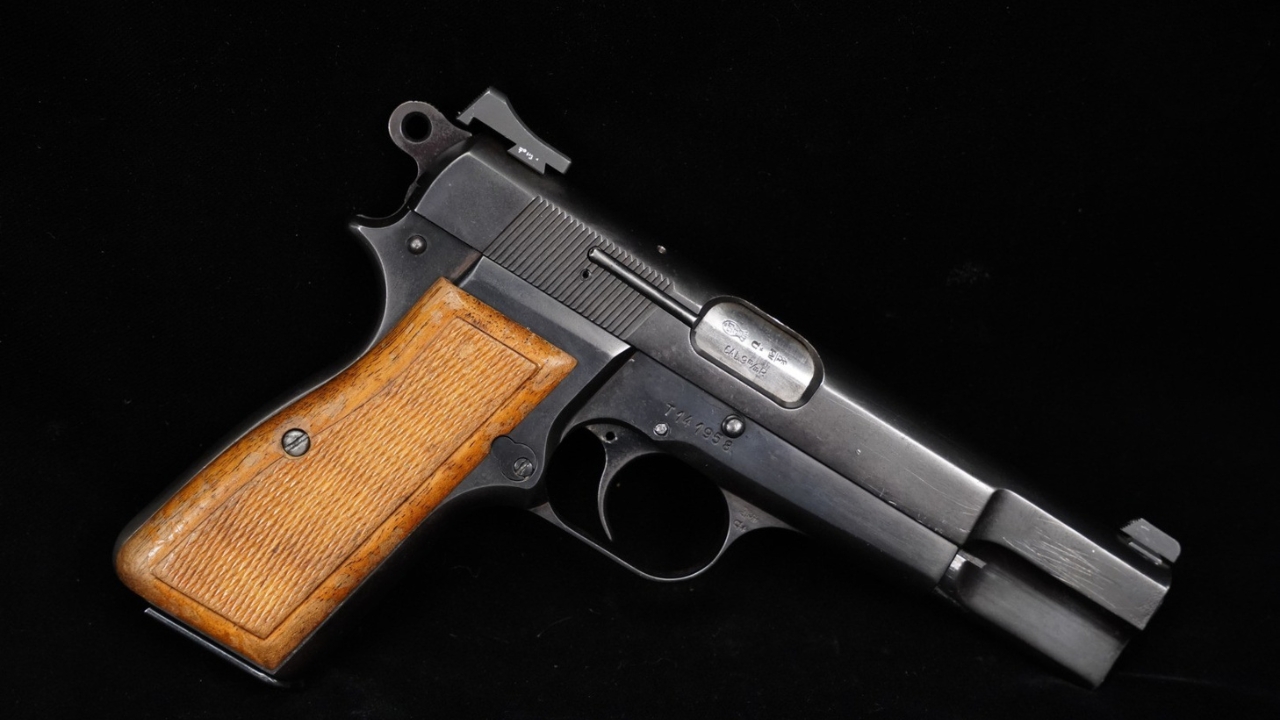
The Hi-Power is slim, balanced, and still one of the best-feeling pistols ever made in the hand. It carries like it was designed by someone who actually carried a pistol all day. There’s nothing fancy about it, and that is kind of the point.
Capacity arguments are real, but most modern double-stacks are thicker and blockier. Plenty of shooters can carry a Hi-Power comfortably in places they won’t tolerate a chunky polymer. The “replacement” often stays home more than the old classic ever did.
11. Ruger Mark II (replaced by Ruger Mark IV for easier takedown)
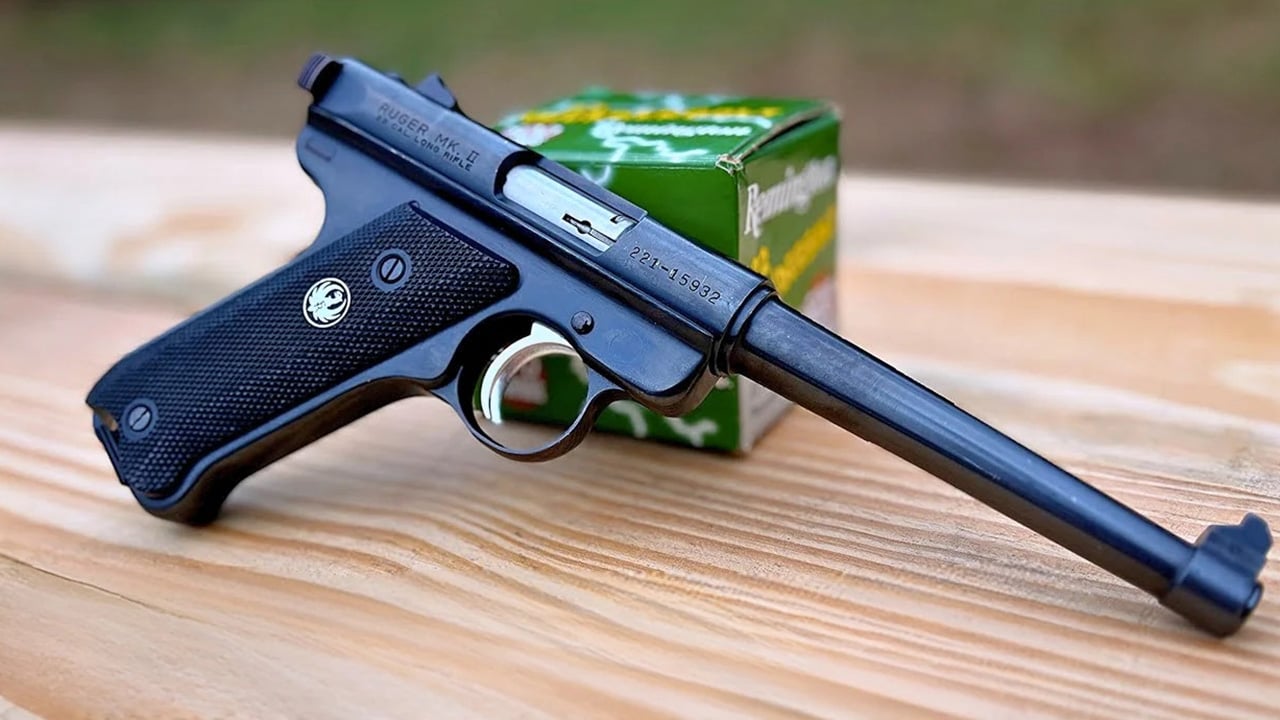
I get why the Mark IV sold like it did. The button takedown is nice. Still, the Mark II was the workhorse .22 pistol for a long time for a reason. Once you learned the takedown, it just ran and ran, and the trigger on many of them is excellent.
Some Mark IV owners end up chasing little issues they never dealt with on their older pistol, and they baby it more than they should. Meanwhile, the Mark II was the pistol you tossed in a range bag with a brick of ammo and didn’t think twice about. Convenience is real, but so is old-school ruggedness.
12. Smith & Wesson Model 19 (replaced by a lightweight .357 snub for “carry more, weigh less”)

A Model 19 is a sweet spot revolver. It carries well in a belt holster, points fast, and with .38s it’s almost relaxing. With sensible .357 loads, it’s still controllable and accurate.
Replace it with a featherweight snub and you’ll start flinching if you’re honest with yourself. Those little .357s can feel like they’re trying to leave your hand. A gun you hate practicing with is not a step forward, no matter how good it looks in a pocket.
13. Walther PPQ (replaced by Walther PDP because “new flagship”)
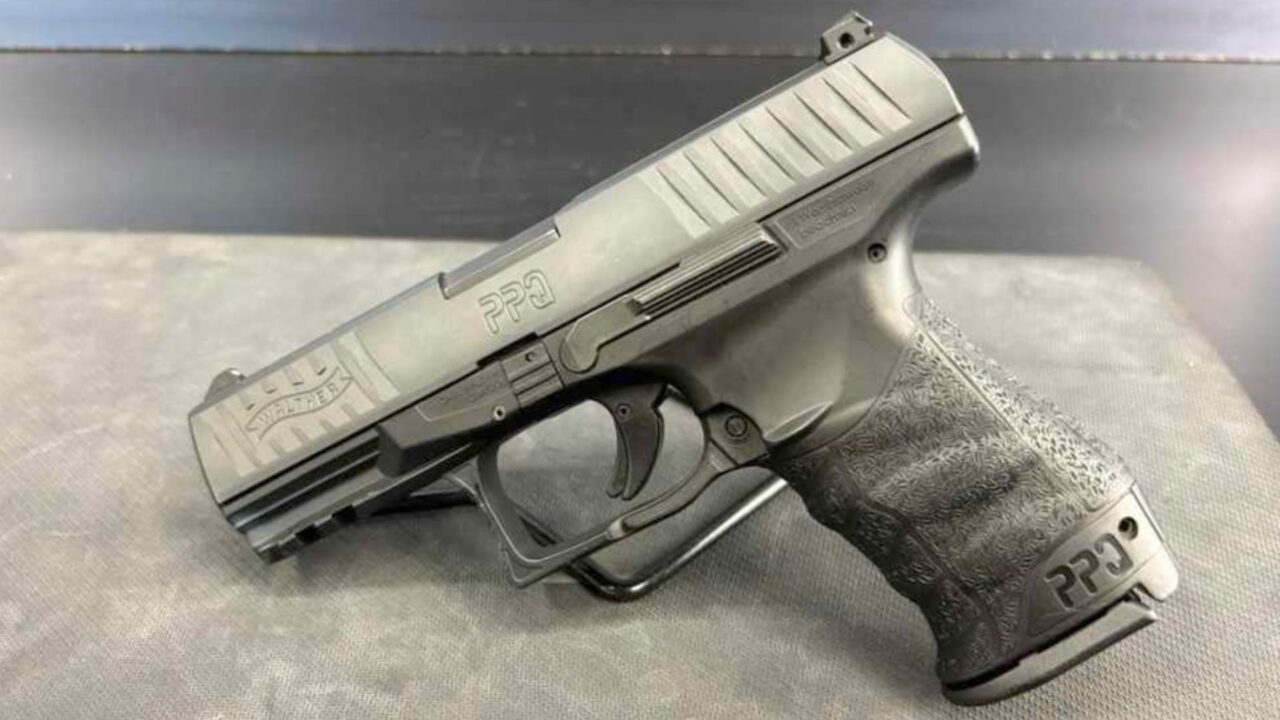
The PPQ trigger set a standard for striker guns for a while. It’s crisp, it resets like it means it, and the pistol just feels lively without being jumpy. If you’re a “shooting guy,” PPQs tend to stay loved.
The PDP is a solid pistol, but the bigger slide and different balance doesn’t click for everyone. Some shooters find they were faster and more accurate with the older gun. It’s hard to admit the previous model fit you better, especially when the new one is getting all the attention.
14. Heckler & Koch P30 (replaced by HK VP9 for a simpler trigger)
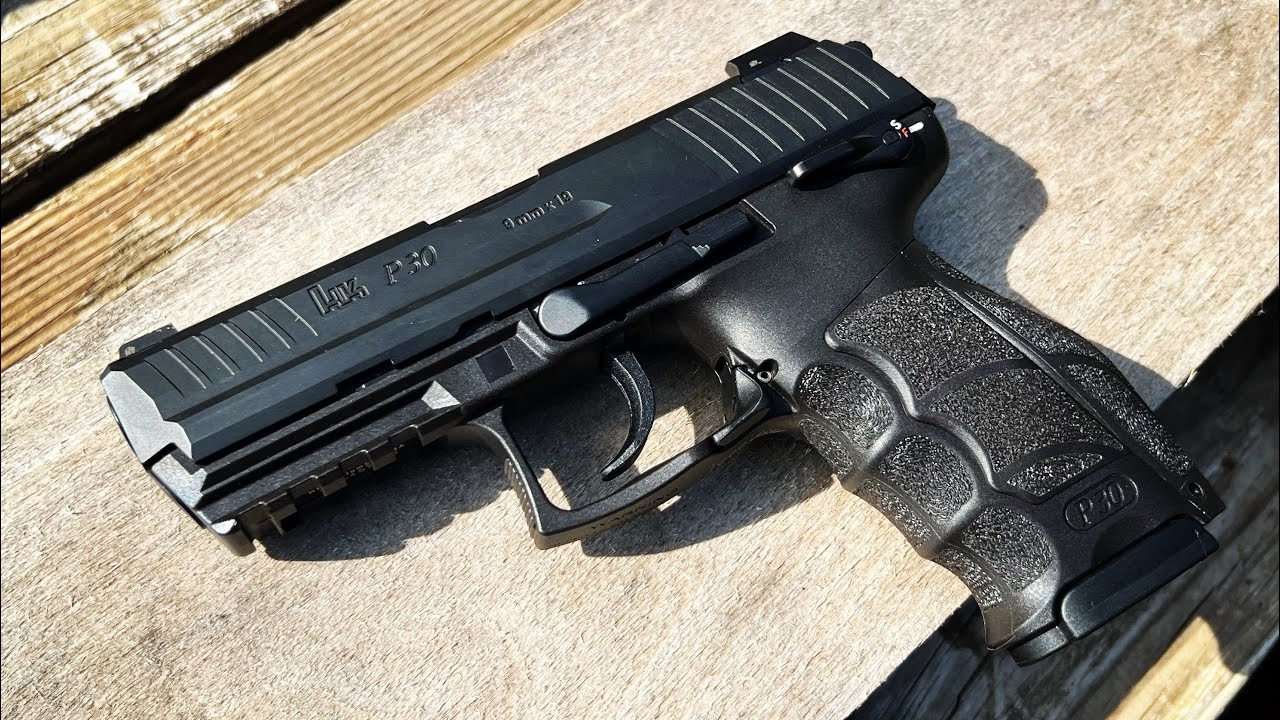
The P30 has ergonomics that feel custom even before you start swapping backstraps and side panels. In DA/SA, it gives you a deliberate first shot and a smooth run after that. It’s a pistol that rewards time.
The VP9 is easier for a lot of folks to shoot right away. But “easier today” can turn into “less confidence later” if you liked the DA/SA safety layer for field carry. Some outdoorsmen wind up missing that heavier first pull when they’re climbing into a stand or wrestling with layers.
15. Glock 17 (replaced by a compensated micro-compact chasing flat shooting)

A Glock 17 is a full-size hammer. It’s easy to shoot, easy to service, and magazines are everywhere from your buddy’s range bag to the back shelf of any gun shop. It’s not glamorous, but it’s steady.
The compensated micro-compacts are impressive… until you realize you’re carrying a tiny grip that still needs perfect fundamentals. Some run dirtier, some are louder, and some are pickier about ammo. If you replaced a simple full-size with a fussy little race gun, you didn’t really simplify your life.
16. Smith & Wesson 5906 (replaced by an early polymer striker because “metal is outdated”)
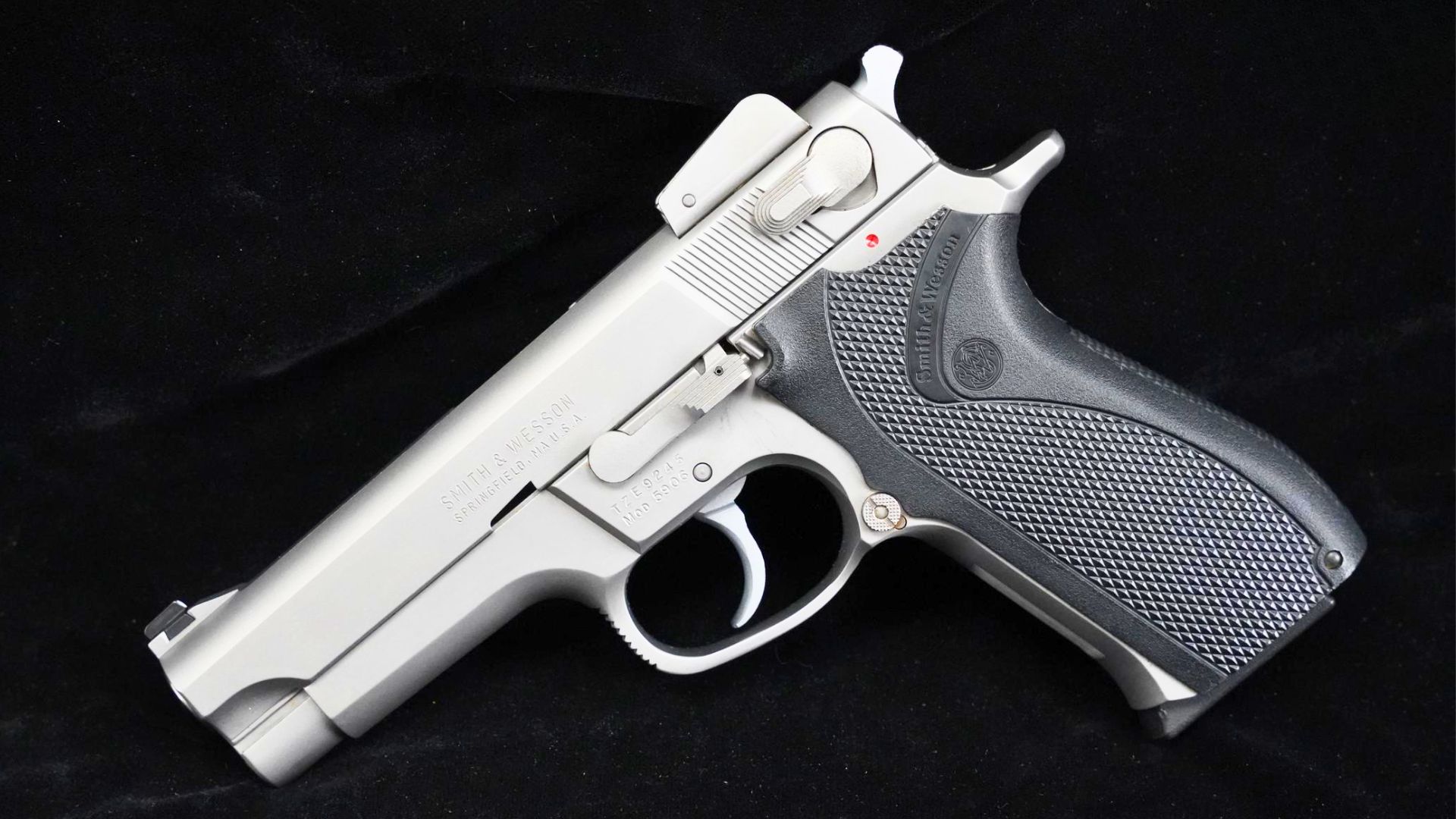
The 5906 is a tank. Heavy stainless, double-action first pull, and a reputation for feeding whatever you stuff in it. It’s not a hiking gun if you count ounces, but it’s comforting in a truck or on a nightstand.
Early polymer striker pistols were not all created equal. Plenty were fine, but plenty also had mushy triggers, odd ergonomics, or finicky magazines. Trading a proven steel service pistol for a first-generation “lightweight wonder” didn’t always work out, and you don’t hear many people bragging about that swap.
17. Ruger P95 (replaced by Ruger Security-9 to get something slimmer)
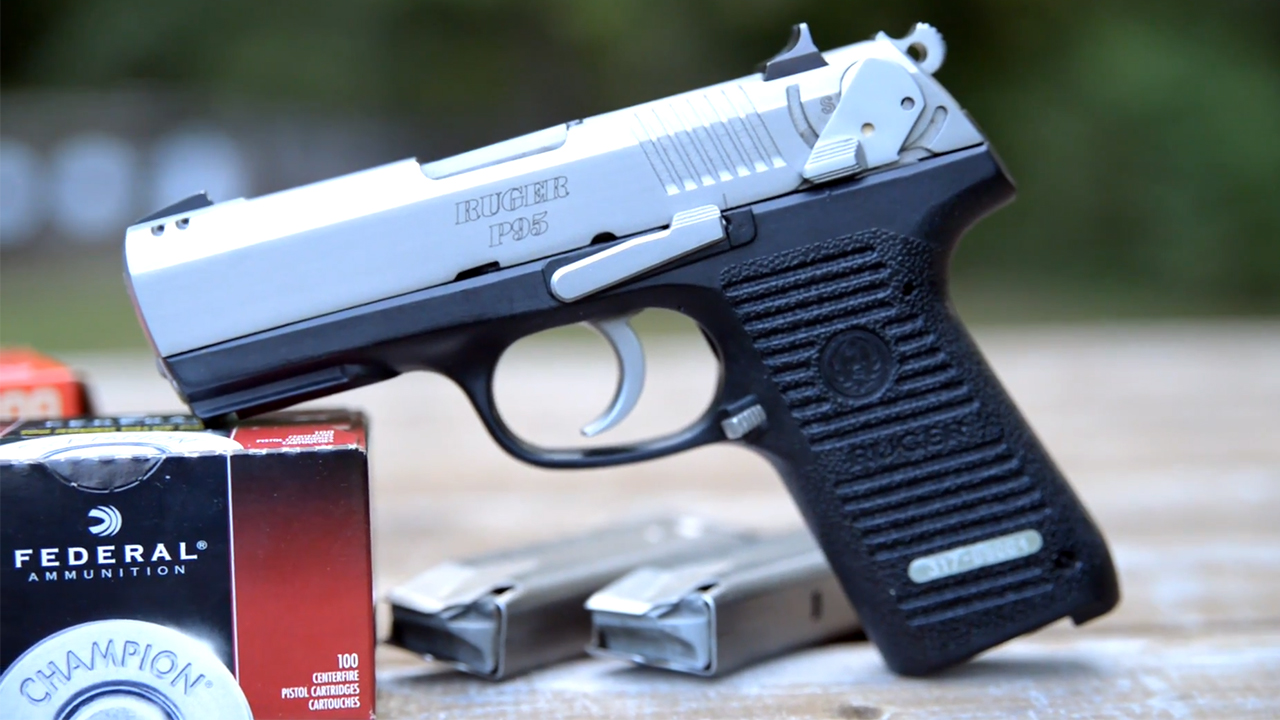
The P95 is ugly, chunky, and about as drama-free as a 9mm gets. It’s the pistol that rode under truck seats for years and still worked when somebody finally wiped the dust off. Not fancy, just dependable.
The Security-9 is lighter and handier, but it doesn’t have the same “I don’t care what you do to me” vibe. Some owners end up discovering they preferred the old overbuilt Ruger because it asked for nothing. The new one feels nicer… right up until it doesn’t.
18. Kimber Ultra Carry II (replaced by a tiny .380 because recoil got old)

Little 1911s are seductive. They carry flat, they look sharp, and when they run they’re accurate. The problem is “when they run” can be the key phrase with some short 1911 setups, depending on magazines and ammo.
Downsizing to a tiny .380 sounds smart until you actually shoot it enough. A lot of pocket .380s are snappy for their size, the sights are marginal, and the triggers can be rough. You traded one finicky small gun for another small gun that’s harder to shoot well.
19. SIG Sauer P239 (replaced by a modern slim 9mm for capacity)
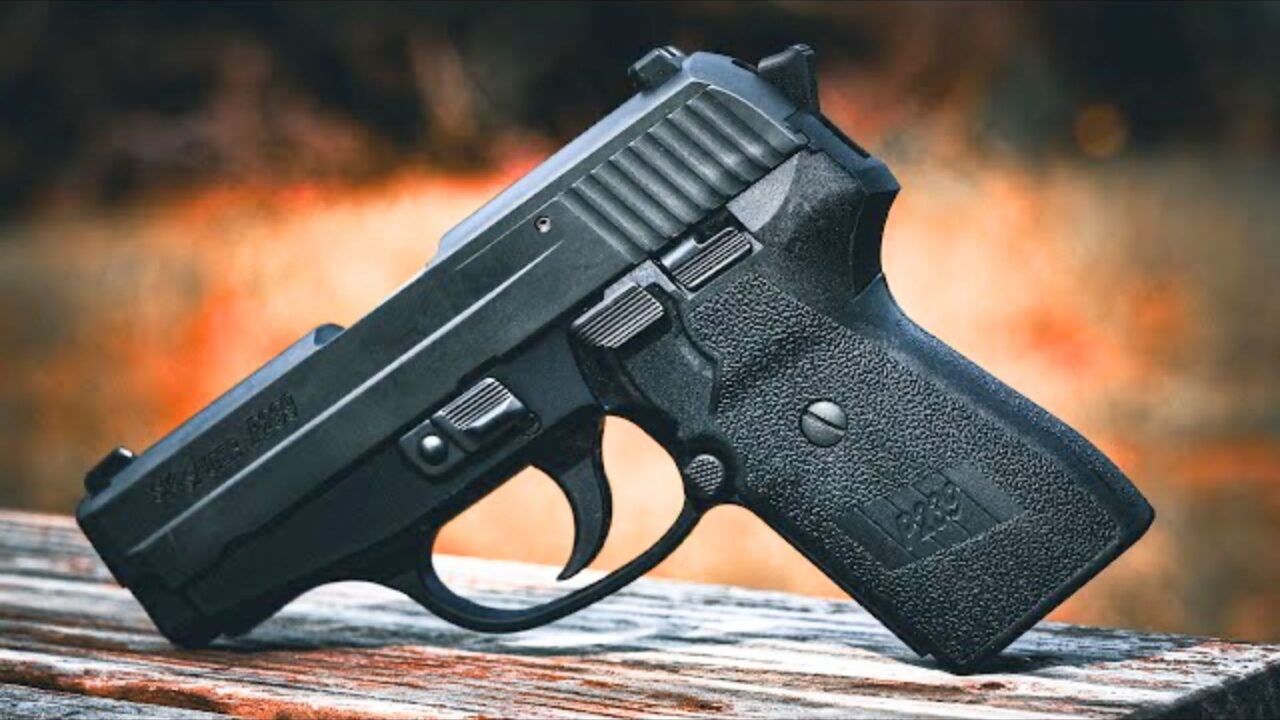
The P239 is one of those pistols that just carries right. Thin, smooth, and built like a proper SIG from the era when they felt like they were carved from a block. It’s not high capacity, but it’s easy to conceal and easy to control.
Replace it with a slim high-cap and you might gain rounds, but you can also lose that “dead steady” feeling. Some of the newer slim guns feel top-heavy or twitchy, especially in fast shooting. The P239 was calm. Calm counts.
20. Smith & Wesson Shield (1.0) (replaced by a super-light micro 9 chasing trends)
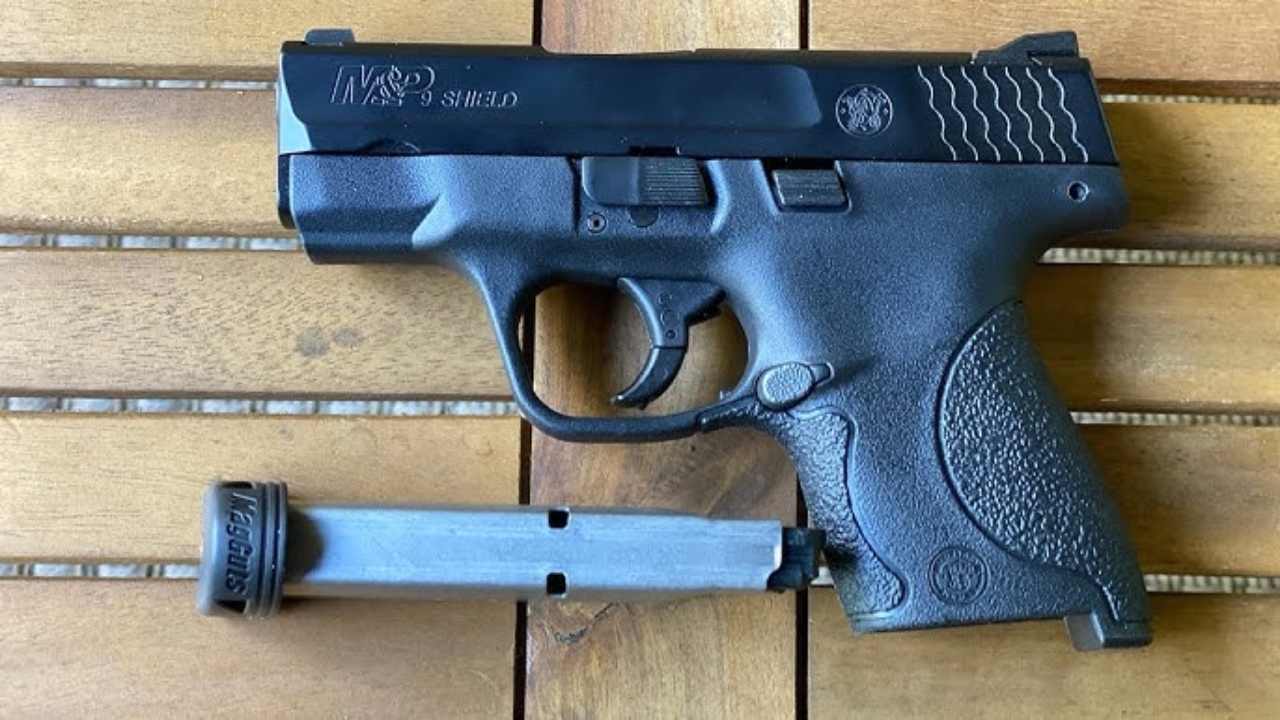
The original Shield was a working man’s carry gun. Not perfect, not the highest capacity, but it was thin, reliable, and easy to find magazines and holsters for. It carried well in real clothes, not just in internet outfits.
Super-light micro 9s promise the same thing with more rounds. Sometimes they deliver. Sometimes they turn into a cycle of recoil springs, magazine tuning, and “it only likes this one load.” The old Shield just ran, and it ran with enough shootability that you actually practiced.
The funny part about pistol “upgrades” is they usually start with good intentions: lighter carry, more capacity, newer features. None of that matters if the replacement makes you practice less, carry less, or trust it less. If you’ve got an older pistol that you shoot well and it’s been boringly reliable, don’t be too quick to trade it off just because the new one has a better marketing pitch.
Like The Avid Outdoorsman’s content? Subscribe to our newsletter so you never miss an article.
Here’s more from us: