Photo credit: AI-generated image created using ChatGPT. Illustrative only
Getting burglarized is bad enough. But for one Florida gun owner, the hard part wasn’t just replacing doors and taking the inventory—it was realizing that even when law enforcement recovers stolen firearms, getting them back can turn into a second headache.
In the original post, the owner said his home was hit more than a year ago and several guns were stolen. Months later, he was arrested on a misdemeanor marijuana possession case and entered a Pre-Trial Intervention (PTI) program—a 12-month probation-style diversion where he says he pleaded not guilty, completes the program, and the charge gets dropped.
A burglary, then a separate drug case that changed the stakes
Most outdoorsmen understand the first part of this story right down to the gut: you come home, something’s off, and then you see the safe area or closet has been picked clean. The post doesn’t list models or calibers, but it does make clear these were personal firearms taken in a residential burglary.
Then came the curveball. The owner said he was later arrested for misdemeanor pot possession—“wrong place wrong time,” in his words—and chose PTI rather than fighting the charge. That matters because many probation and diversion programs include restrictions that can touch firearms, even when you haven’t been convicted of a felony.
Police recovered two guns, but one landed in a pawn shop
Eventually, the good news showed up: two of the stolen firearms were recovered. One was recovered by a local agency, and another was located at a pawn shop in a neighboring county.
That pawn shop detail is where a lot of gun owners find out how messy “recovered” can be. A firearm might be identified as stolen, but the shop may have paid money for it in the normal course of business. Now there’s property law, evidence handling, and state pawn rules all tangled together.
“Recovered” didn’t mean “returned”—it meant “pay to redeem”
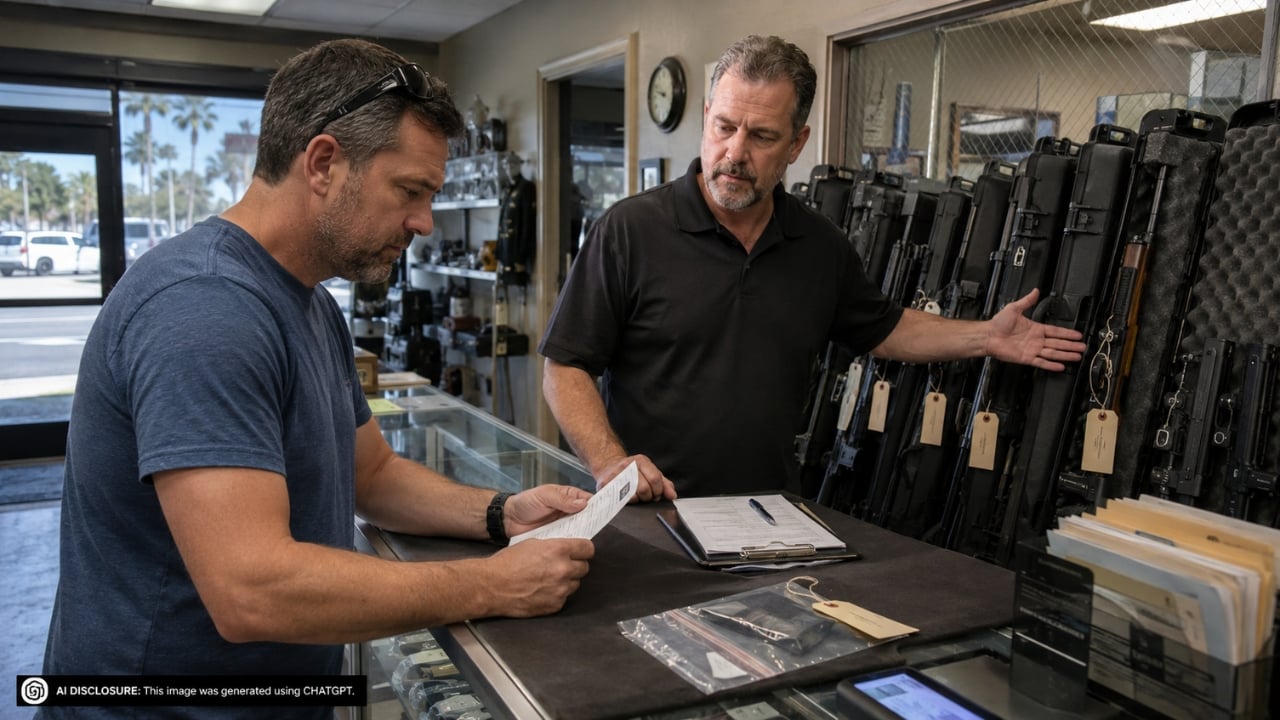
According to the post, to get the firearm back from the pawn shop, the owner was told he would have to buy it back for what the shop paid. That’s a tough pill to swallow: paying a few hundred dollars to retrieve your own property that was taken from your home.
In plain outdoor-guy terms, it feels backwards. But in a lot of places, pawn transactions have consumer-protection rules and procedures that can make a shop a “good-faith purchaser” until a claim is formally made and processed. Law enforcement may confirm a serial number hit and still tell you the path to possession runs through the pawn process, not a simple handoff across the counter.
Even when someone’s clearly the victim, the system often treats the gun like an item that has to be transferred correctly on paper. And if the shop has an invoice in it, they’re usually not eager to eat that cost without the exact process the county expects.
Probation-style PTI made him worry about touching the guns at all
The real tension in this story isn’t just the money. It’s the risk. The owner said the detective told him it would be okay for a friend or relative to pick up the firearm, as long as the detective knew who would be coming.
But the owner also said he hadn’t told the detective he was currently on PTI, and that’s what put him in a bind. He wasn’t trying to play games—he was trying not to step on a landmine. If PTI includes a “no firearms” condition (common in many supervision programs, even misdemeanor ones), taking possession—even briefly—could be viewed as a violation.
And the friend/relative option isn’t automatically clean either. If a person on supervision can’t possess firearms, having a buddy “pick it up for him” can look like a workaround if the gun is still effectively under his control. That’s the kind of thing that can bring trouble to two households instead of one.
What gun owners tend to overlook: “possession” is bigger than “ownership”
This is where a lot of otherwise careful people get tripped up. In day-to-day gun culture, we talk like ownership and possession are the same thing. Legally, they can be different animals.
You can own something and still be prohibited from possessing it under certain court conditions. And “possession” can include more than having it on your belt. It can mean having access, control, or the ability to direct where it goes—even if it’s sitting in a closet at your buddy’s house and you’ve got the key.
The owner’s instincts here were solid: he didn’t want to do something “simple” that turns into a probation violation. When your freedom and your record are on the line, you don’t rely on a casual green light unless it’s coming from the one person who can interpret your conditions in writing.
The practical options he hinted at: paperwork first, then decide if it’s worth it
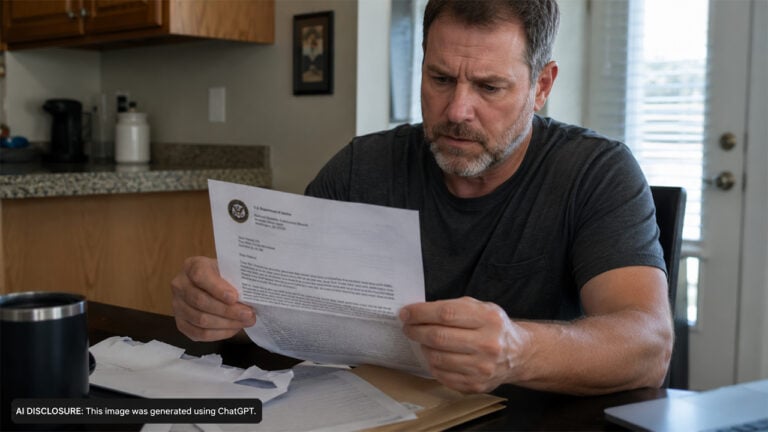
The post shows a guy trying to do the math. On one side: pay a few hundred dollars to recover a stolen gun. On the other: pay a lawyer even more to get an answer—or risk messing up PTI and turning a misdemeanor situation into something worse.
He asked whether a lawyer could explain the rules “without much of a payment,” and that’s a pretty common hope. The reality is that even a short consult costs money, but it can be cheaper than violating PTI conditions or accidentally arranging a transfer that creates new problems.
There are a few common-sense steps implied by his situation that don’t require anyone to get clever: get a copy of the PTI conditions in writing, confirm whether firearm possession is restricted, and ask the supervising authority (or a defense attorney) what is allowed for recovered property. If the program says “no possession,” then the question becomes whether the gun can be transferred or stored through a lawful third party in a way that doesn’t leave the owner with access or control.
And then there’s the hard choice outdoorsmen hate: sometimes the “right” answer is to wait. If PTI is truly 12 months and the goal is a clean record, it may be smarter to keep your head down, finish the program, and retrieve property later—assuming the system allows it.
Situations like this are a good reminder to document serial numbers, file reports fast, and store guns like you expect a thief to try. But it’s also a reminder that once court supervision enters the picture, even a stolen-gun recovery can come with strings. The owner in this case wasn’t asking how to bend rules—he was trying not to break them—and that’s exactly the mindset that keeps a bad year from turning into a lasting problem.
Like The Avid Outdoorsman’s content? Subscribe to our newsletter so you never miss an article.
Here’s more from us: