Photo credit: TheGunSnob/YouTube
I have stood at enough gun counters to know how this goes. A guy walks in with a case, a buddy behind him, and a plan in his head: trade the “old” semi-auto toward whatever is hot this month. The shop checks it in, the tag gets tied on, and the owner feels pretty good until about two seasons later when he realizes that plain, reliable gun he dumped was doing a job the new one won’t.
Semi-autos are especially easy to misjudge because the good ones can feel boring. They run. They carry. They just work, and they don’t always have that new-gun sparkle. Here are 20 semi-auto firearms I’ve seen traded off in a hurry—often by folks who didn’t realize what they were walking away from until it was too late.
1. Ruger 10/22 (older wood-stock carbines)

These are the rifles that teach kids to shoot and remind grown men what “fun” feels like on a slow afternoon. Folks trade them because they want a threaded barrel, a fancy chassis, or something that looks more “modern.” I get it. Still, the older wood-stock 10/22s point naturally and balance right, especially for plinking and squirrels.
What stings is the ecosystem you’re giving up. Magazines are everywhere, parts are everywhere, and every small town seems to have somebody who knows how to make one run slick. There’s nothing fancy about it, and that is kind of the point.
2. Glock 19 (Gen 3 and Gen 4)
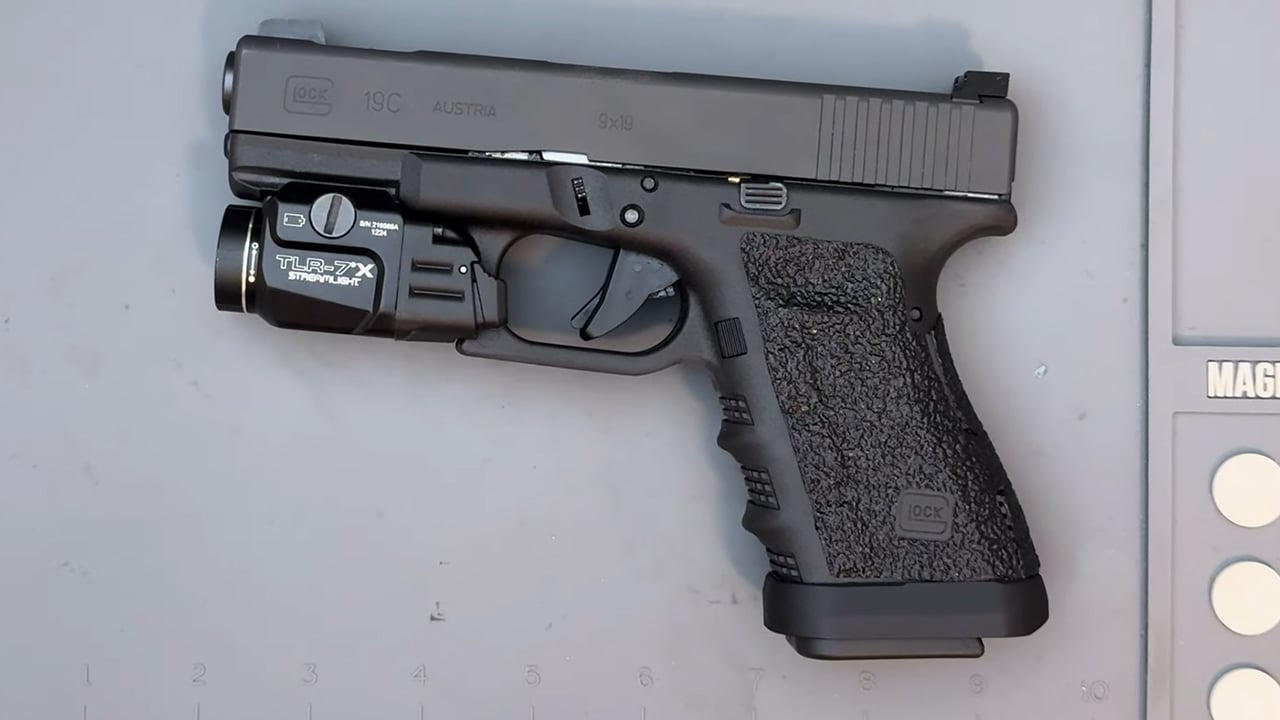
The Glock 19 is the classic “one gun” answer for a reason. It carries well, shoots easy, and it’ll run on just about any decent ammo you feed it. Guys trade them because they want a better trigger, better sights, better grip angle, better something.
Then the replacement gun starts doing replacement-gun things: picky mags, weird holster fit, hard-to-find parts, or a finish that looks tired after one summer of sweat. A 19 is not exciting, but it’s the pistol you can keep loaded, keep trained with, and keep going back to.
3. SIG Sauer P226 (West German and early U.S. guns)

These get traded when somebody decides they’re “too big” or “too heavy” compared to today’s polymer options. They are big and they are heavy. They’re also smooth, accurate, and built like the kind of tool you could pass down without feeling like you’re passing down a compromise.
A good P226 has that steady recoil pulse that makes fast follow-up shots feel natural. The downside is you don’t notice how good it was until you’re trying to buy it back and the price has wandered north.
4. Beretta 92FS / M9

I’ve watched more than one 92 go across a counter because the owner decided the grip is “too fat” or the slide-mounted safety is “backwards.” Fair complaints. But the 92 is a soft shooter that runs dirty and keeps going, and it’s one of those pistols that makes a new shooter look better than he is.
In the real world, it’s also hard to beat for range days, training classes, and bedside duty where concealment is not the main concern. When someone trades one, they usually miss how easy it was to hit with.
5. Heckler & Koch USP (full-size and Compact)
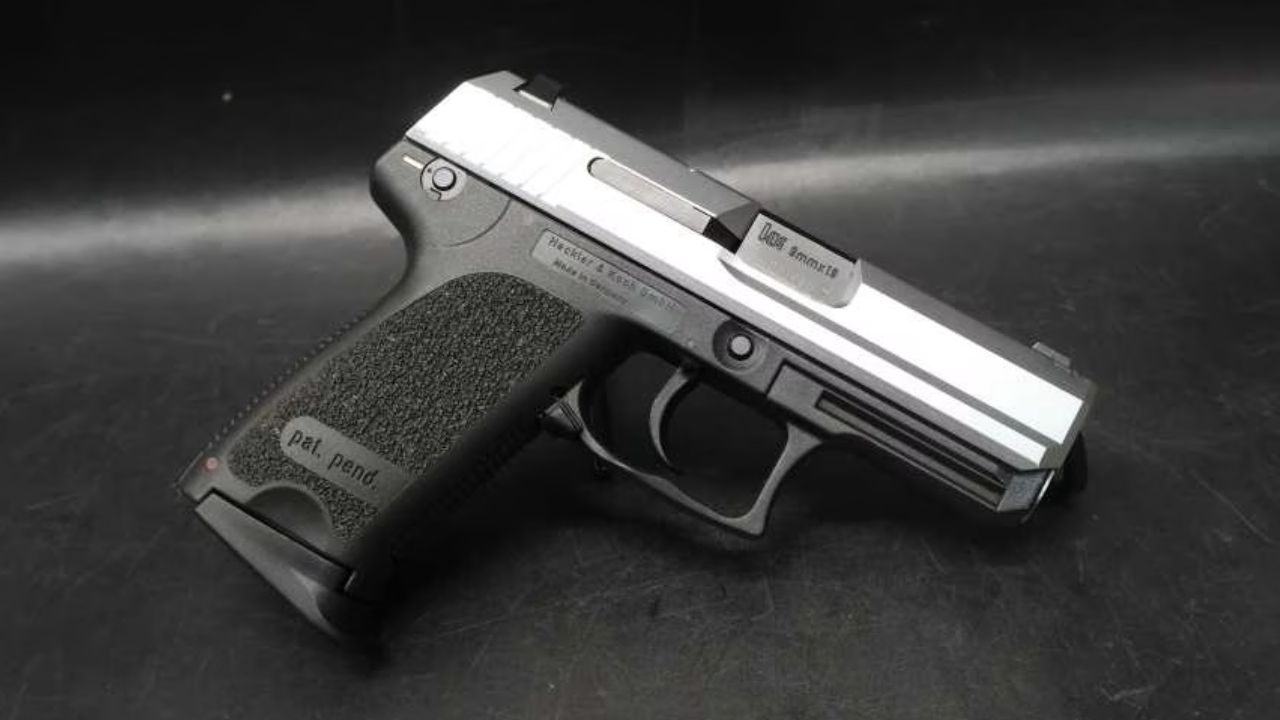
The USP is one of those guns that feels overbuilt the first time you rack it. People trade them because the trigger isn’t trendy, the grip texture feels dated, or they don’t want to pay H&K magazine prices. All true.
But the USP tends to be the pistol that just keeps its manners. It handles hot loads fine, it doesn’t mind neglect the way some tighter guns do, and it has a reputation for going the distance. If you’re the kind of shooter who values “boring reliable,” you don’t trade a USP lightly.
6. CZ 75B (and pre-B variants)

CZ 75s get traded by folks chasing lighter carry guns or striker-fired simplicity. Then they shoot a buddy’s CZ at the range and remember what a steel-framed 9mm feels like when it’s doing everything right.
These guns point well, soak recoil, and reward you for learning them. The downside is they’re not featherweight and they’re not “grab-and-go” if you don’t like DA/SA. But for a range pistol that can also pull home-defense duty, it’s hard to call a CZ 75 a mistake.
7. Browning Buck Mark
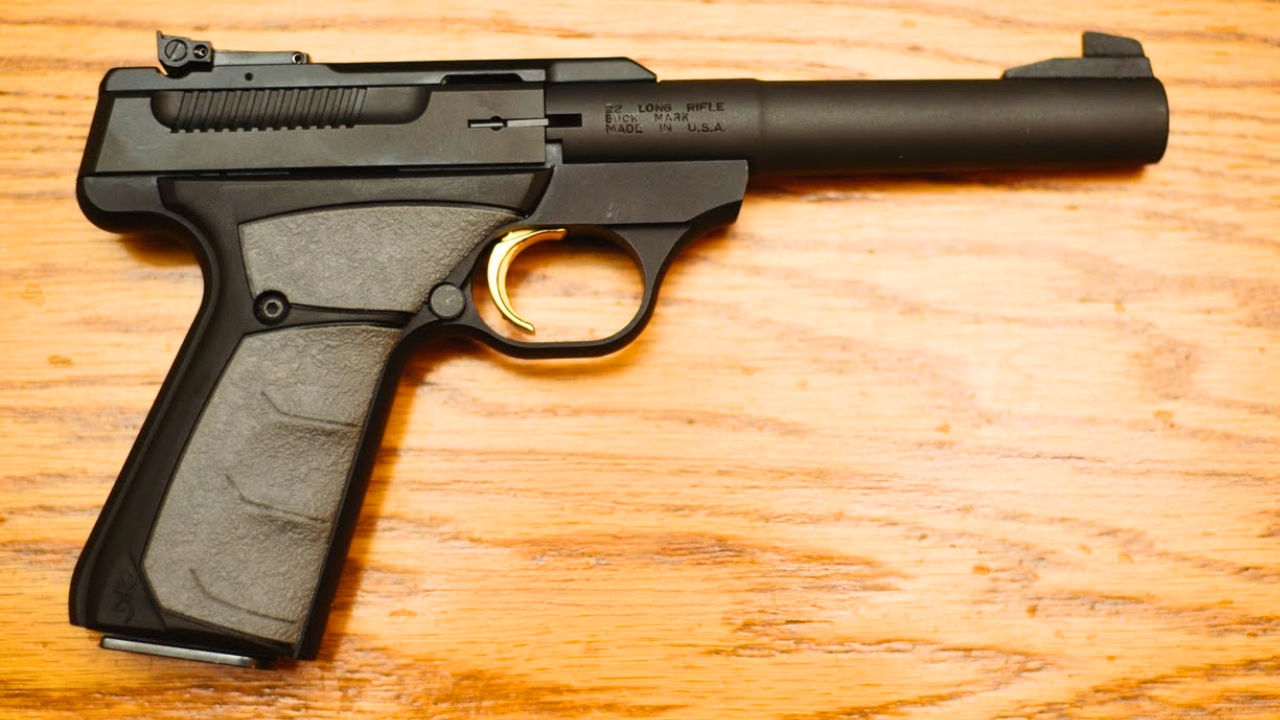
A Buck Mark will get traded when someone wants the latest compact .22 pistol or decides they don’t shoot .22 enough to justify owning it. Then they try to run a brick of ammo through a micro pistol and remember why full-size .22s exist.
The Buck Mark is easy to shoot well, and it’s the kind of pistol that makes practice feel like practice instead of punishment. If you have kids, grandkids, or buddies who “don’t really like recoil,” this one earns its safe space.
8. Ruger Mark II / Mark III

Yes, the takedown is a whole thing. That’s why some folks dump them. They want simple cleaning, simple parts, simple everything. I’m not going to pretend the older Ruger .22 pistols are as quick to strip as a modern duty gun.
But they shoot. They last. And the accuracy you get for the money is tough to match. Once you learn the rhythm of maintenance—or decide you’ll clean it when it starts acting up—you realize why so many of these live long, useful lives.
9. Remington 1100
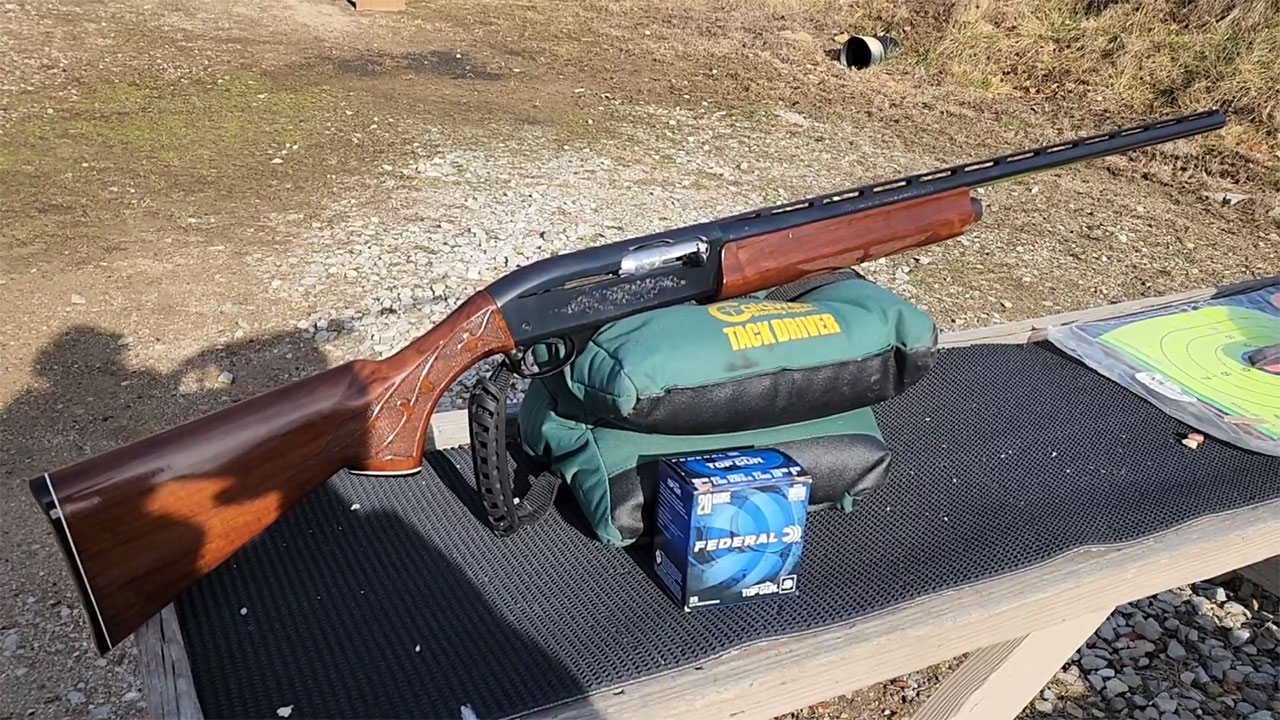
The 1100 gets traded when someone gets tired of O-rings, wants a lighter gun, or moves to a 3.5-inch do-everything model. I get why people move on. Still, a good 1100 is one of the softer-shooting shotguns ever made for clays and birds.
If you hunt doves or shoot skeet, the 1100 is the kind of semi-auto that keeps you fresh through a long day. When somebody trades it for a lighter, harder-kicking gun, they usually notice by the third box of shells.
10. Browning Auto-5 (Belgian and Japanese)
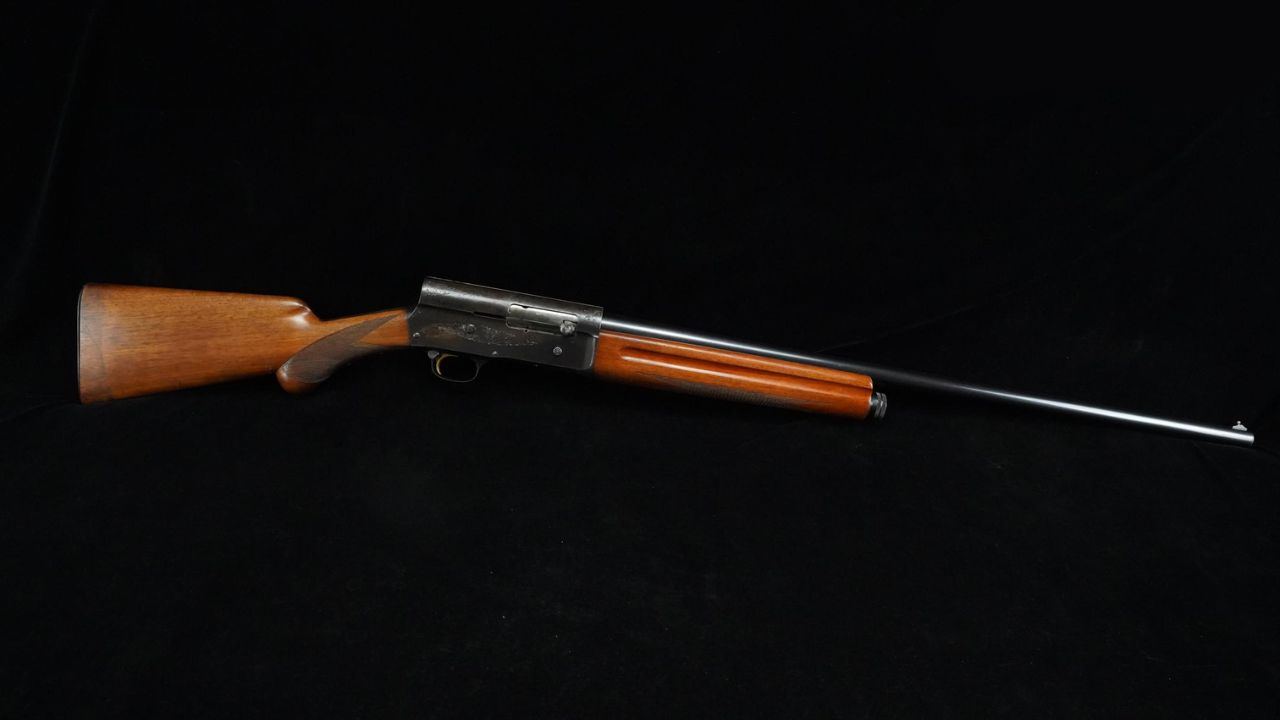
The humpback looks odd to guys raised on modern shotguns, and the long-recoil action is its own world. That’s exactly why they get traded—folks think they’re outdated or “too complicated.” Then they watch one cycle like a sewing machine for another fifty years.
An Auto-5 has personality. It also has a track record. If you’ve got one that runs and fits you, it’s a bird gun that deserves respect, even if it isn’t the newest thing in the marsh.
11. Benelli M1 Super 90
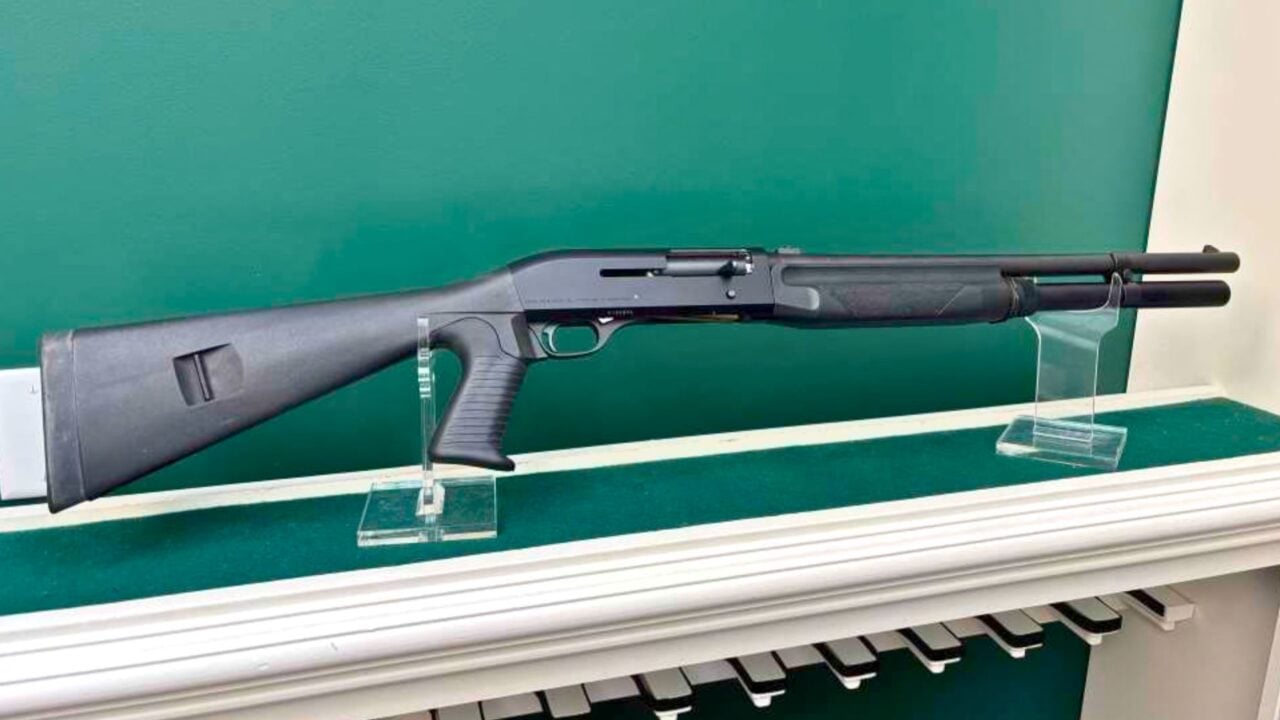
People trade M1s because they want an M2, an M4, or whatever is currently being talked up online. The M1 is older, and it doesn’t have every modern feature. What it does have is that classic Benelli inertia reliability and a feel that a lot of shooters actually prefer.
If you’re running it for waterfowl or as a hard-use shotgun, the M1 is the kind of gun you can trust when it’s cold, wet, and you’re tired. Upgrading can be fine. Trading an M1 just to chase a trend? That one hurts.
12. Ruger Mini-14 (older Ranch Rifles)
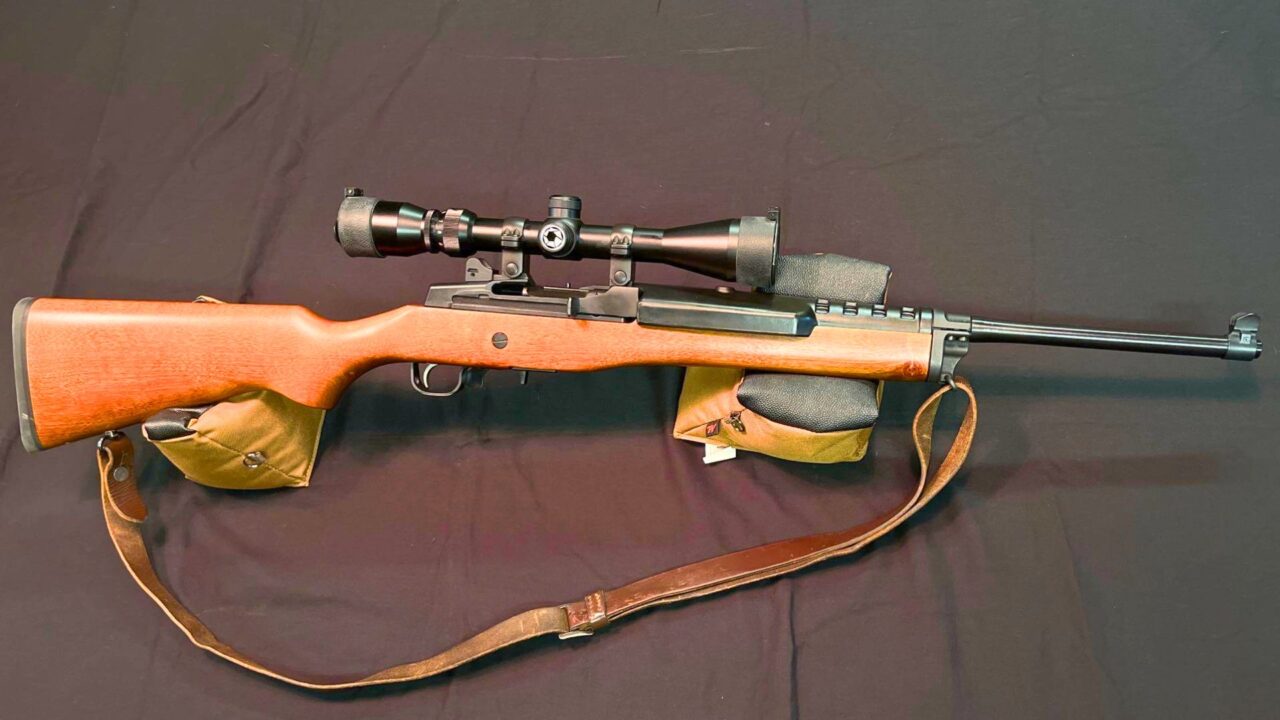
Mini-14s get traded because they aren’t as accurate as a good AR for the money, and that’s a fair knock. But the Mini carries well, handles like a light hunting rifle, and it’s handy around a farm or ranch where you may be dealing with coyotes, pests, or just wanting a simple rifle that doesn’t scream “tactical.”
When a guy sells a Mini, he usually misses the way it rides in a truck and comes to the shoulder fast. And if he had a stack of good mags, he misses those too.
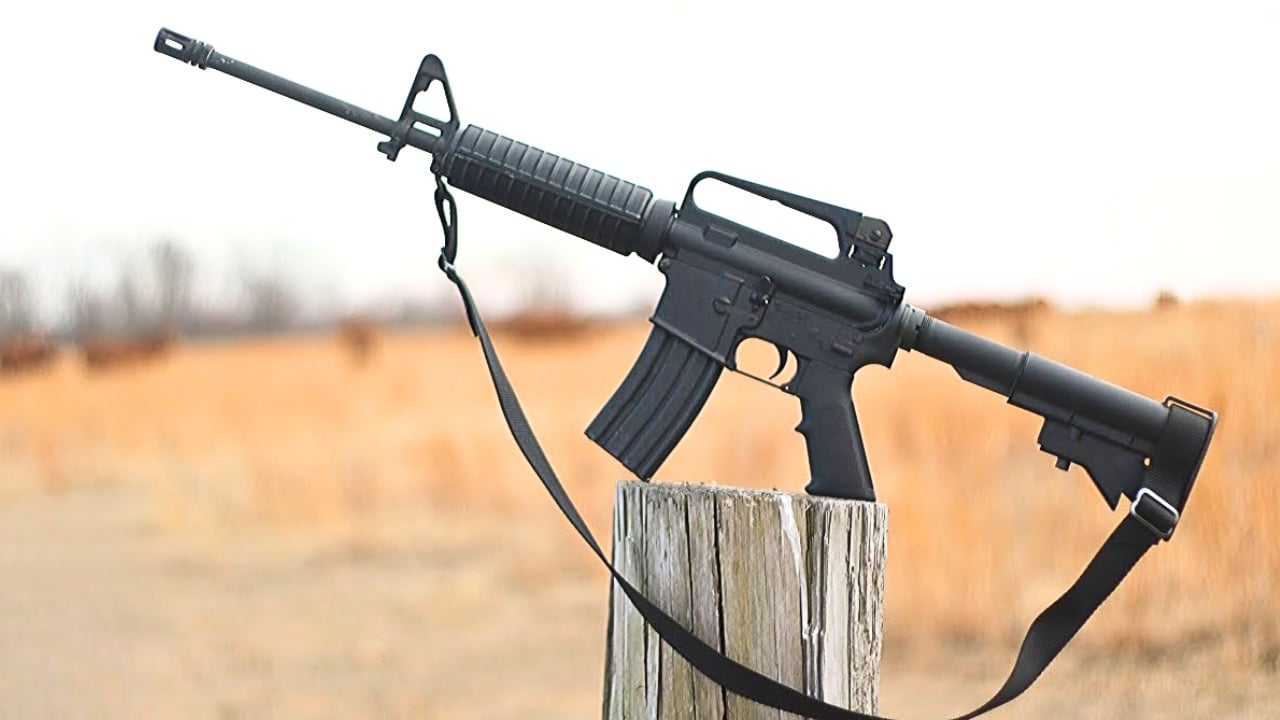
13. Colt AR-15A2 / Sporter (older production)
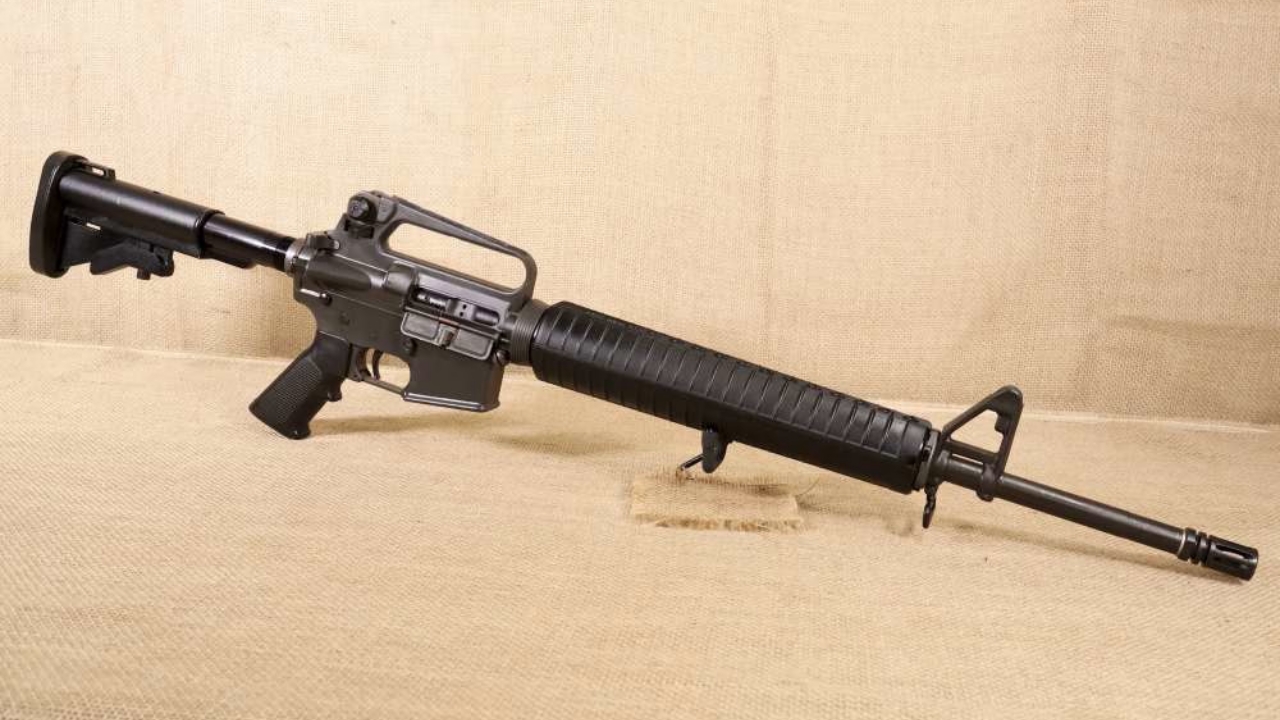
Old Colts get traded because somebody wants free-float rails and modern optics setups, or they think the fixed carry handle is useless. Then they realize how clean and solid those older rifles feel, especially the ones that were built when Colt was still Colt in everybody’s mind.
These rifles aren’t perfect, and I’m not pretending they’re magic. But a straight, honest A2-style Colt with a good barrel and decent trigger will still shoot, still train, and still hold a place in a safe without drama.
14. FN Herstal FNX-45

The FNX-45 gets traded because it’s big. That’s the main reason. It’s a lot of pistol, and it’s not for everyone’s hands. But it’s also one of the more practical .45 options if you want capacity, reliability, and a modern feature set without turning it into a finicky custom project.
In a home-defense role, it’s easy to live with. In the woods, it’s a comforting sidearm if you’re the kind of guy who likes a heavier bullet. Most folks don’t appreciate it until they try to replace “a big, reliable .45 that actually runs” with something smaller and moodier.
15. Smith & Wesson 5906 (3rd Gen metal-framed autos)
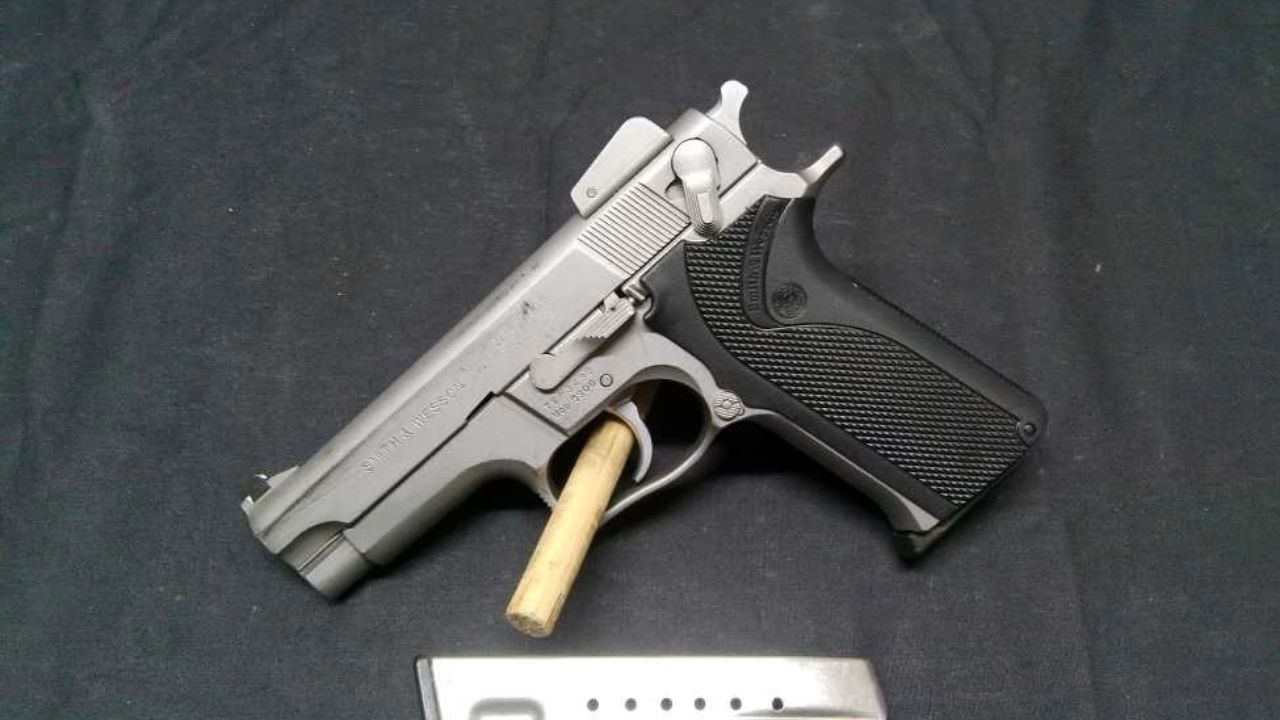
These old Smiths go cheap at times because they look like police trade-ins (because they often are). People trade them because they’re heavy and the trigger isn’t as crisp as a tuned 1911. True on both counts.
But the 5906 is a tank of a 9mm that can sit in a nightstand, a tackle box, or a truck safe and not be precious about it. The weight makes it shoot flat, and the all-metal build is reassuring if you’re hard on gear.
16. Walther PP / PPK (classic .32 ACP and .380)

These get traded when someone decides they want a modern micro 9mm and thinks the old Walther is just a movie gun. Then they carry a tiny, snappy pistol for a month and realize there’s a difference between “small” and “pleasant.”
The PPK isn’t perfect, and it can be ammo-sensitive depending on the gun and the load. But as a deep-carry option with real history and real craftsmanship, it’s one a lot of folks wish they’d kept, even if it only comes out on special days.
17. Ruger PC Carbine
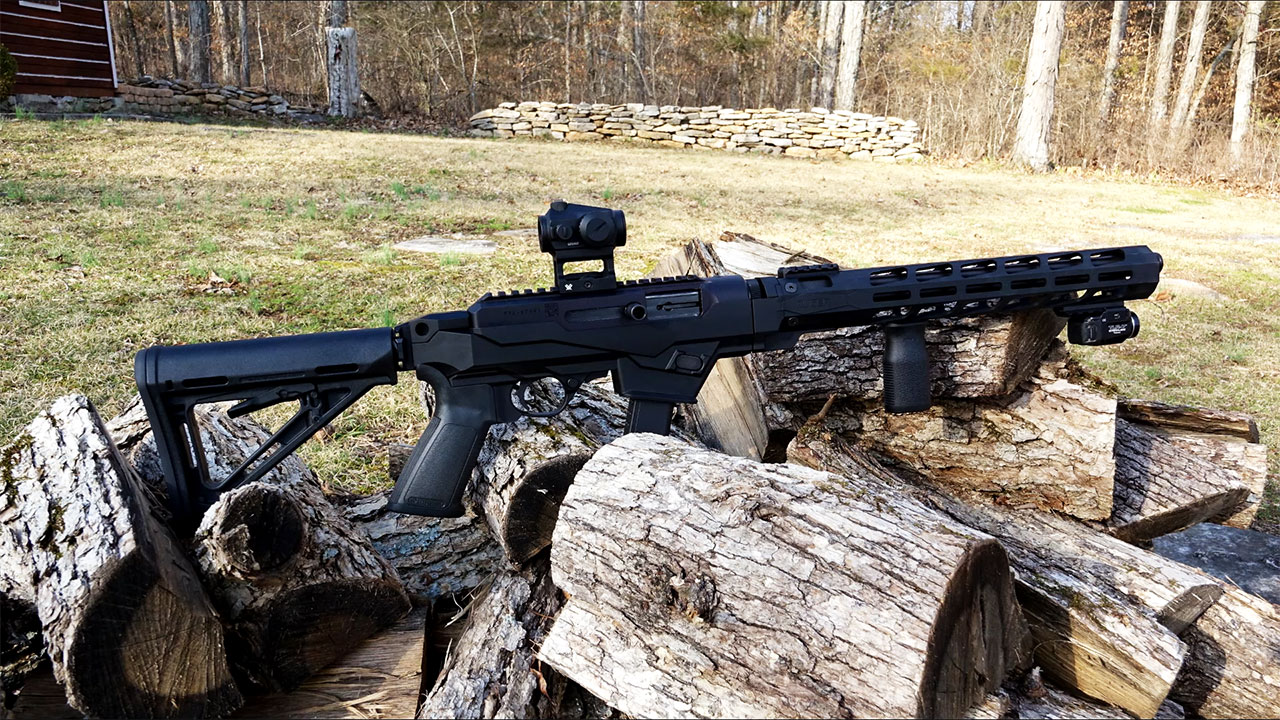
Guys trade these because they bought it on a whim, shot it twice, and decided it was “too heavy for a 9mm.” Fair. It’s not a featherweight. But a PC Carbine is one of the easiest rifles to actually use well, especially for new shooters or for folks who want a handy farm gun with mild recoil.
It also tends to be reliable and practical with common magazines, depending on the model and setup. When someone trades it away, they usually miss how it just flat works for steel targets, pests, and casual range time.
18. Marlin Model 60

Marlin 60s get traded because they’re tube-fed, they’re old, and they’re not as modular as a 10/22. Then a guy tries to find a clean one that hasn’t been neglected, and suddenly that “cheap .22” isn’t so easy to replace in the same condition.
For squirrel woods and knocking around the property, a Model 60 is simple, accurate enough, and easy to live with. It’s also one of those rifles that feels like childhood for a lot of outdoorsmen.
19. Savage Model 99 (semi-auto? No) — so let’s talk Remington Model 742 Woodsmaster instead
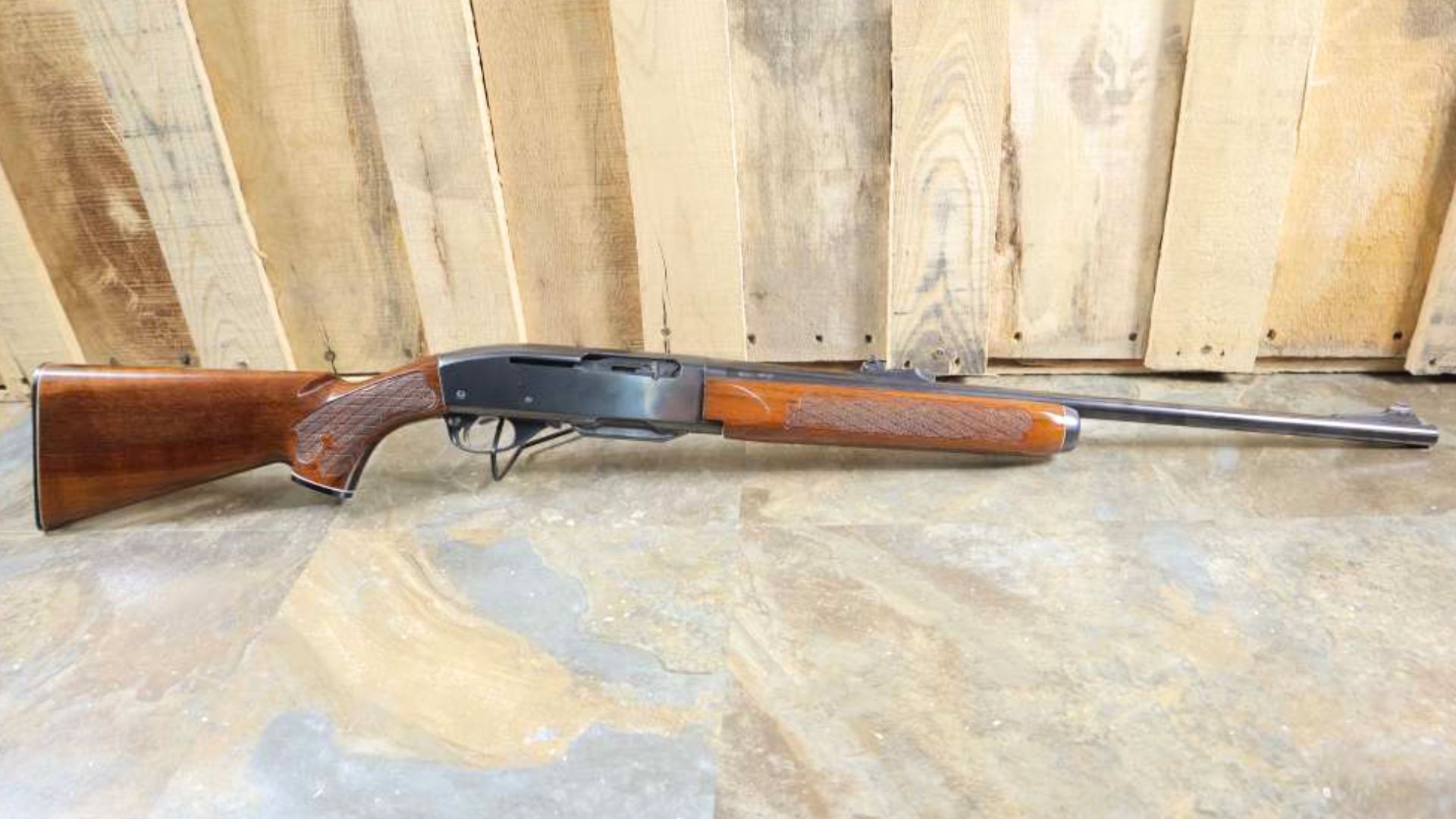
The 742 gets a bad reputation because plenty of them were shot hard, run dirty, and then blamed when they started having issues. That’s how they end up on a trade rack. But a 742 that’s been treated right can be a fast-handling deer rifle in thick timber, especially in .30-06 or .308.
I’m not telling you it’s an AR, and I’m not telling you to ignore wear. I’m saying a lot of hunters traded them off because they heard internet complaints and forgot that theirs had been killing deer for decades.
20. Browning BAR (hunting model, not the modern “tactical” version)

The hunting BAR is one of the most common “I sold it and now I’m mad about it” semi-autos I can think of. Folks trade them because they’re heavier than a bolt gun and they cost real money. Both of those are true, and neither one matters much when you’re sitting over a cut corn field with a cold wind in your face.
A good BAR cycles smooth, carries steady, and lets you stay on target for a quick second shot without feeling like you’re wrestling the rifle. If your BAR was accurate with your load and it fit you, trading it for something lighter can feel smart right up until you need that follow-up on a buck slipping the tree line.
I’m not saying you should never trade a gun. Some guns don’t fit, some don’t run, and some just don’t match your life anymore. But if you’re looking at the trade counter, slow down and be honest about what that semi-auto actually did for you. The new thing is fun. The old thing might have been useful.
Like The Avid Outdoorsman’s content? Be sure to follow us.
Here’s more from us: