Photo credit: Just dance/Shutterstock.com
If you hang around outfitters long enough, you start hearing the same quiet theme: everybody talks about the big-name states, but the best hunts for repeat clients aren’t always in the places that show up in every glossy list. Sometimes it’s because tags are easier to draw. Sometimes it’s because the pressure is lower. A lot of times it’s just because the state doesn’t need the publicity.
This isn’t about “secret” honey holes or acting like you’re the only guy who knows a thing. It’s about states that consistently kick out opportunity for hunters who are willing to read regulations, do the legwork on access, and hunt smart instead of chasing hype.
1. Nebraska

Nebraska is one of those states that just keeps producing, especially if you’re the kind of hunter who can be happy with a solid whitetail and a freezer plan. There’s enough agriculture to grow deer, enough river bottoms to hide them, and enough overlooked corners that you’re not always dealing with shoulder-to-shoulder opening mornings.
Access is the name of the game here. Patchwork parcels, walk-in areas, and permission on smaller farms can turn into a repeatable system if you handle it right. Get good at reading plat maps, and don’t be surprised if you start looking at Nebraska differently.
2. Kansas

Kansas gets talked about for big whitetails, but what guides like is the consistency when you’re not trying to hunt only the most famous counties. There are plenty of places with mature deer where the only real barrier is figuring out who owns what and getting a plan for wind and entry.
The catch is that access can be tough, and the “TV deer” reputation makes some landowners wary. Still, if you can line up a lease, a permission arrangement, or a buddy situation, Kansas can be the kind of place you go back to every other year.
3. Oklahoma

Oklahoma is sneaky good because it’s not one single thing. You’ve got prairie country, thick timber, river bottoms, and rugged hills. That variety spreads hunters out and gives you options when weather turns weird or pressure shifts deer into places you didn’t expect.
It’s also a state where being flexible pays off. If you’re willing to hunt weekdays, slip into less convenient access points, and treat it like a chess match instead of a parade, Oklahoma can surprise you in a hurry.
4. Arkansas

Arkansas is not for someone who wants everything easy. It’s thick, it’s humid, and it can feel like you’re hunting in a green tunnel. But that cover is exactly why there are good bucks that don’t get looked at all summer from a truck window.
Public land hunting here can be legit if you learn how to navigate pressure and water. Big woods deer don’t behave like field-edge deer, and that’s where a lot of hunters get frustrated. The guys who stay patient do fine.
5. Missouri

Missouri has strong whitetail culture, but it still gets overlooked because it’s not “new and shiny.” The truth is, there’s good habitat, a lot of deer, and plenty of room to hunt if you’re not stuck on one region.
What guides like is the ability to put clients on solid deer year after year without playing the tag lottery game. It’s also a good state for the hunter who wants to bring the family and still have real hunting, not just a vacation with a long drive to a lease.
6. Kentucky

Kentucky is one of those states where a serious deer hunter can build a long-term plan. It’s got ag, timber, and the kind of terrain that naturally creates travel corridors. You don’t need a giant farm to have a good setup.
Pressure exists, sure, but it’s manageable if you hunt smarter than the crowd. Guides pay attention to overlooked weekdays and the spots that take an extra 20 minutes of sweat to reach. That’s where things get quiet.
7. Tennessee

Tennessee doesn’t get the same national spotlight as some neighbors, but it offers a lot of opportunity across very different landscapes. From river bottoms to ridges, you can find a hunt that fits your style.
The big plus is that you can adapt as the season changes. Early patterns, rut movement, late-season food—Tennessee lets you play the whole calendar if you pay attention. It’s a great state for learning deer behavior instead of just waiting on a miracle.
8. Alabama
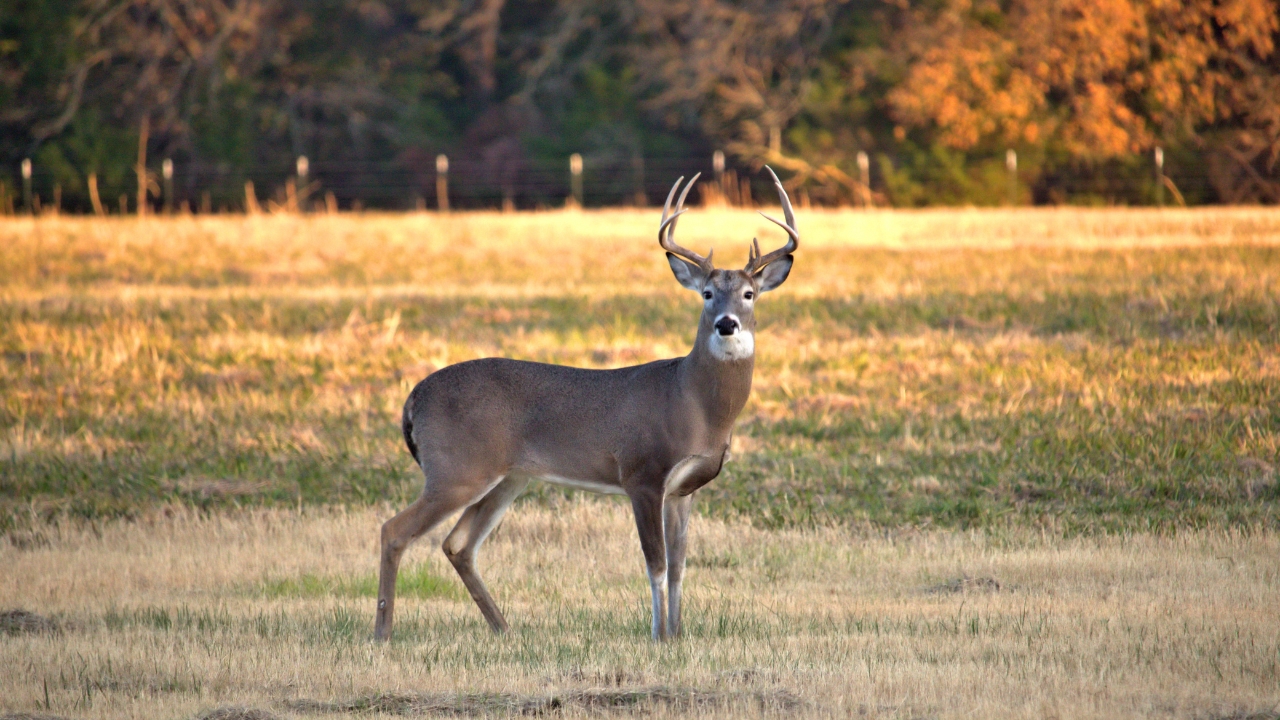
Alabama isn’t the first state most guys think of for a “destination” deer hunt, and that’s exactly why it’s on the quiet list. There are good deer, long seasons, and enough variety in habitat that you can hunt effectively in different ways.
The catch is you need to understand local differences. One part of the state might hunt completely different than another. Guides like clients who don’t show up with one rigid plan and then complain when the woods don’t match a podcast story.
9. Mississippi

Mississippi can grow a good deer, and it’s a state where timing and scouting matter more than fancy gear. When deer are on food or moving for the rut, it can be lights-out.
A lot of hunters skip it because they assume it’s all thick cover and mosquitos. Some of it is. But those same conditions also let bucks get older if pressure and access are handled right.
10. Louisiana
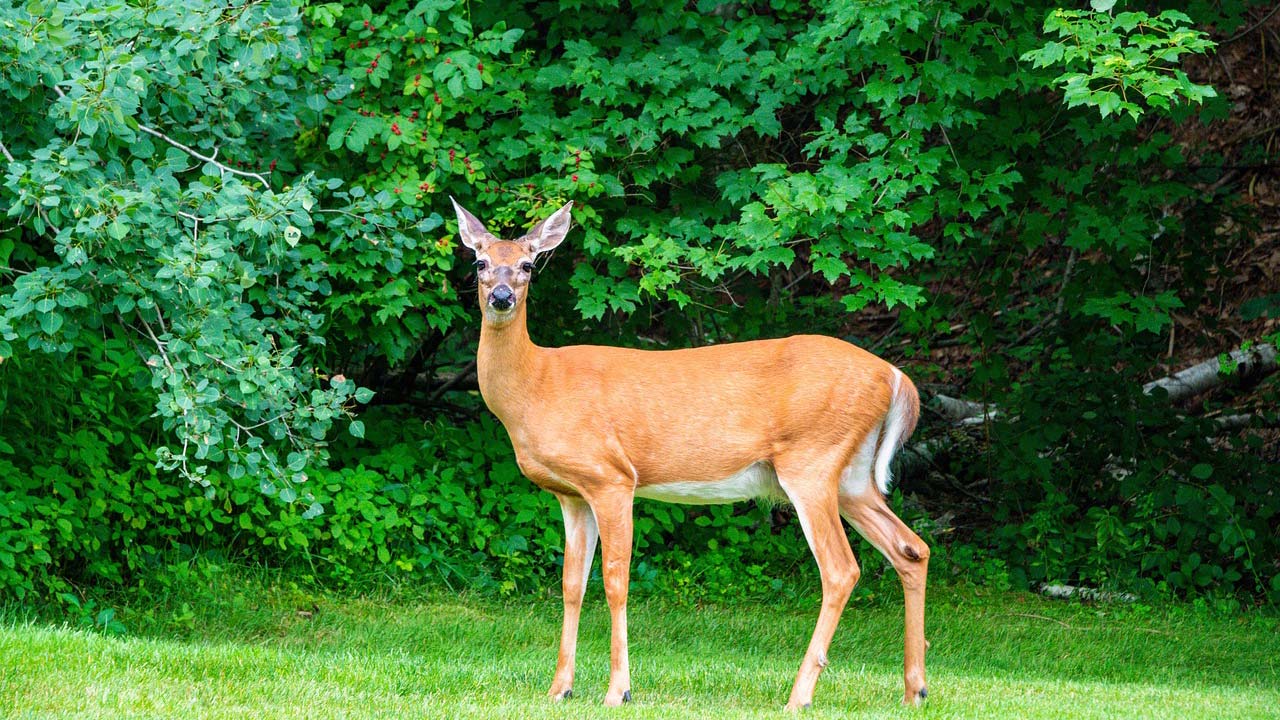
Louisiana is not a “sit on a field edge in a hoodie” kind of place most of the season. You’re dealing with swamps, thick cover, and weather that can test your patience and your scent control. That turns off a lot of folks.
But if you can hunt funnels, understand water levels, and accept that deer sightings might be fewer but better, it can be a real sleeper. Guides that work this type of ground tend to keep their client lists tight for a reason.
11. Texas (outside the famous ranch talk)

Everybody has heard about high-fence ranches, but Texas is bigger than that conversation. There are plenty of regular hunts, especially if you’re willing to focus on management-minded properties or areas that aren’t constantly featured online.
What makes Texas useful is the ability to tailor a hunt. Deer, hogs, exotics in some cases, long seasons, and lots of land. It’s not all cheap and it’s not all easy, but it’s a state where planning actually pays you back.
12. South Dakota
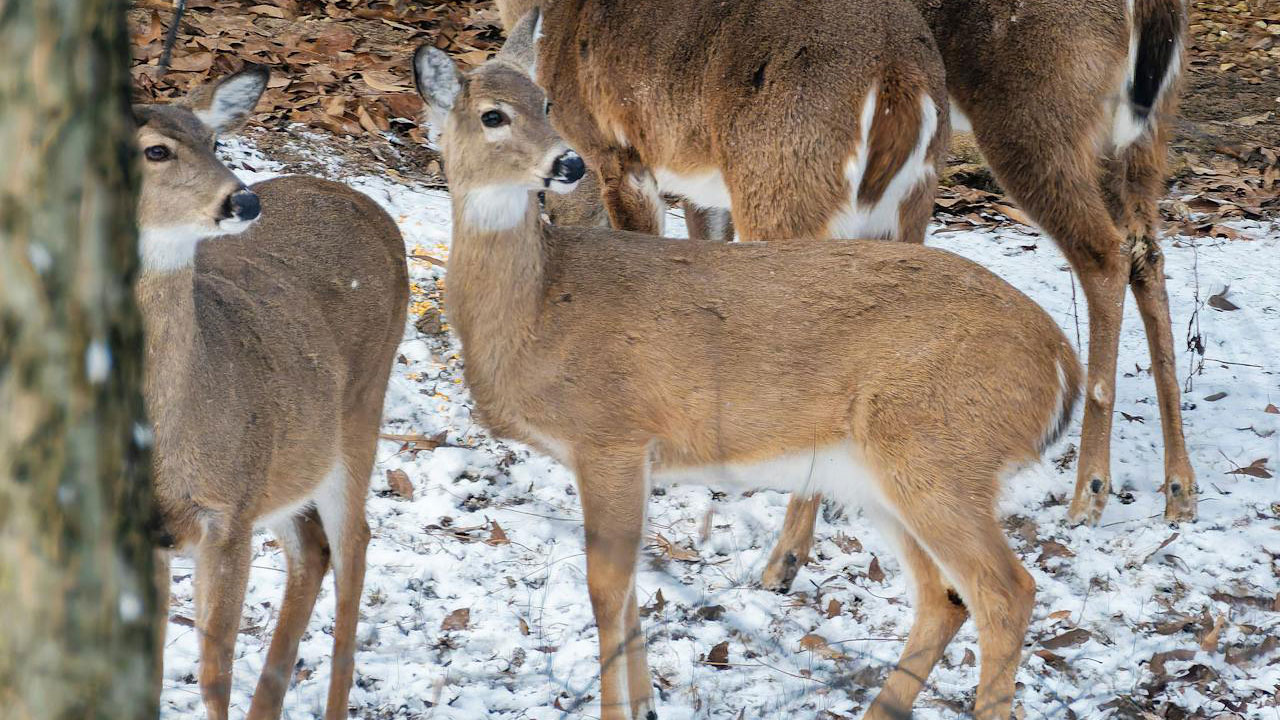
South Dakota gets plenty of attention for pheasants, but it also offers solid deer hunting and a style of access that can work for nonresidents who do their homework. The mix of prairie, shelterbelts, and river breaks creates great travel routes.
Weather can be a factor, and it’s not the place to show up unprepared. Still, for hunters who like to cover ground and glass, South Dakota can be the kind of trip you talk about all winter.
13. North Dakota

North Dakota is a “work for it” state in the best way. There’s room to roam, and the pressure dynamic is different than the over-marketed whitetail hubs. You can find pockets where deer get to be deer.
It helps if you can handle wind and wide-open country. If your whole plan depends on sitting in one treestand you hung the night before, you might struggle. If you can glass, walk, and adjust, it can be excellent.
14. Wyoming
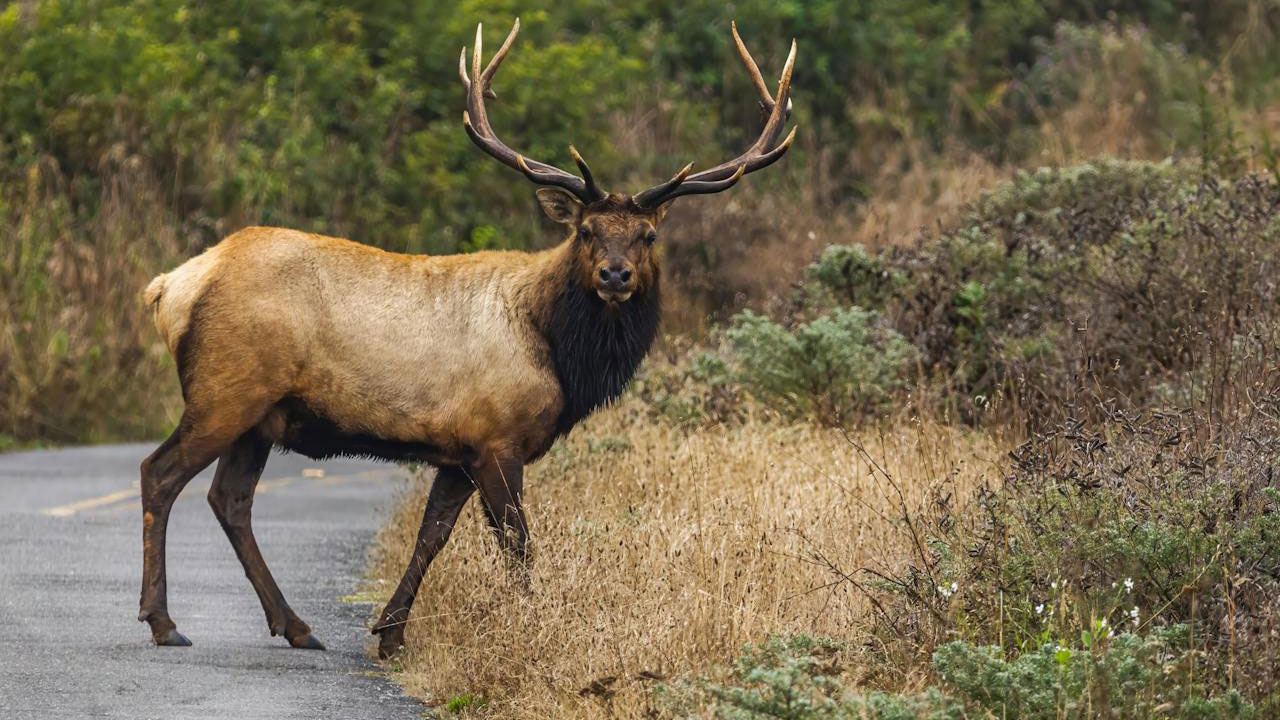
Wyoming is known for big country and big views, but a lot of hunters still only think of it as an “advanced” state. The reality is there are hunts here that are very doable if you manage expectations and prep for the elements.
Guides like Wyoming because you can often see what you’re hunting, not just hope it walks by. Wind, elevation, and long sight lines change how you gear up and how you shoot. It’s honest hunting, and it will show you where your weak spots are.
15. Idaho

Idaho has a reputation for being tough, and it can be. Steep, thick, and full of hunters who don’t mind burning boot leather. But it’s also one of the better states for the guy who wants an actual backcountry-style hunt without needing to win a tag lottery every time.
Elk and deer can be found, but you have to hunt like you mean it. If you’re willing to commit to a drainage, learn the terrain, and accept that success might come on day four instead of day one, Idaho starts making sense.
16. Nevada

Nevada isn’t a volume state, and that’s not the point. It’s a quality and experience state in a lot of areas, especially if you’re after mule deer and you can play the long game on tag strategy.
Guides talk about Nevada because when it’s good, it’s really good. Dry country also means glassing is king, and you can often hunt with your eyes instead of just hoping you’re sitting in the right brush pile.
17. New Mexico

New Mexico has a way of humbling you and rewarding you in the same trip. The terrain changes fast, the distances can be deceptive, and the weather can go from pleasant to rough in a hurry.
There’s also a lot of public ground to work with if you’re willing to plan. The best approach is to show up in shape, with good optics and realistic shooting practice. That “I’ll just wing it” attitude costs people animals out there.
18. Virginia

Virginia is one of those states that gets dismissed because it’s “back east” and not part of the modern destination-hunt bragging circuit. But there are plenty of deer, a long history of hunting, and a mix of habitats that can set up really well.
The key is understanding local pressure and not assuming every piece of public land is a zoo. Some areas are, some aren’t. If you’re willing to drive a little farther and hunt a little harder, Virginia can be consistent.
19. West Virginia
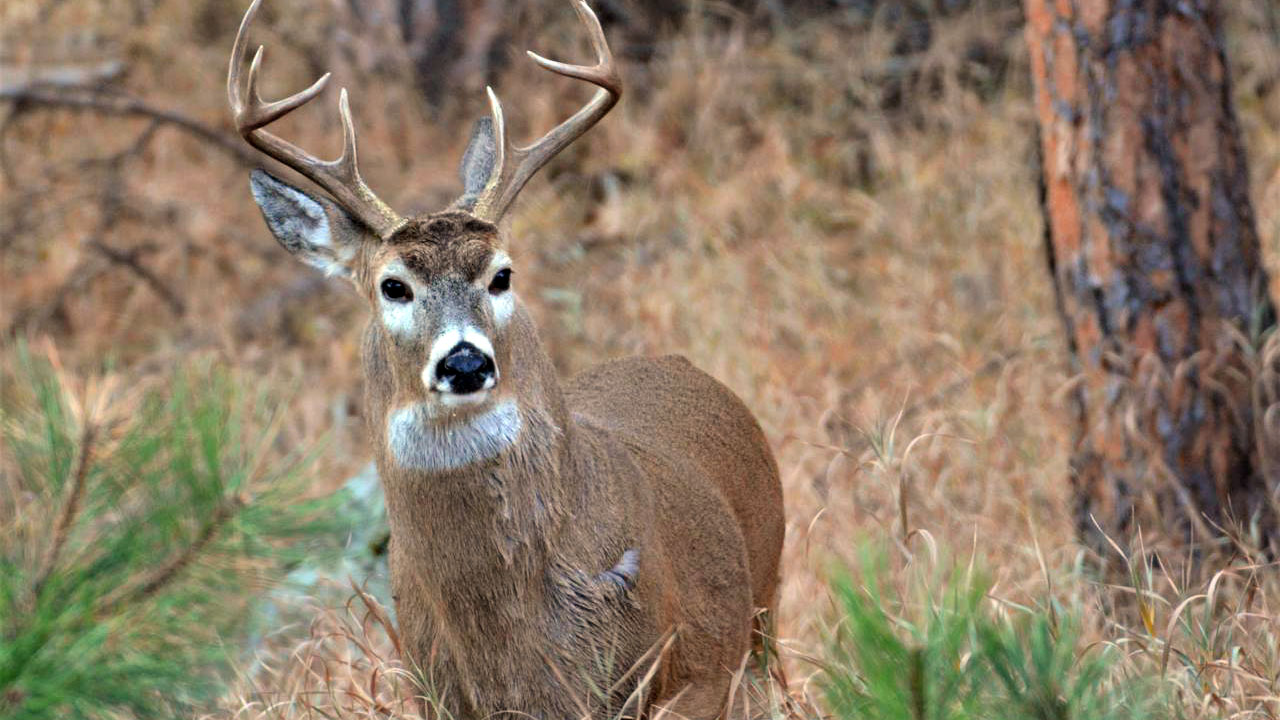
West Virginia is steep, thick, and not always friendly to the guy who wants easy access and big numbers. But it can be a fantastic place for a hunter who likes to track, still-hunt, and read sign like a book.
It’s also a state where woodsmanship matters. There’s nothing fancy about it, and that is kind of the point. If you grew up hunting ridges and hollers, it feels like home.
20. New York (the parts most people don’t picture)
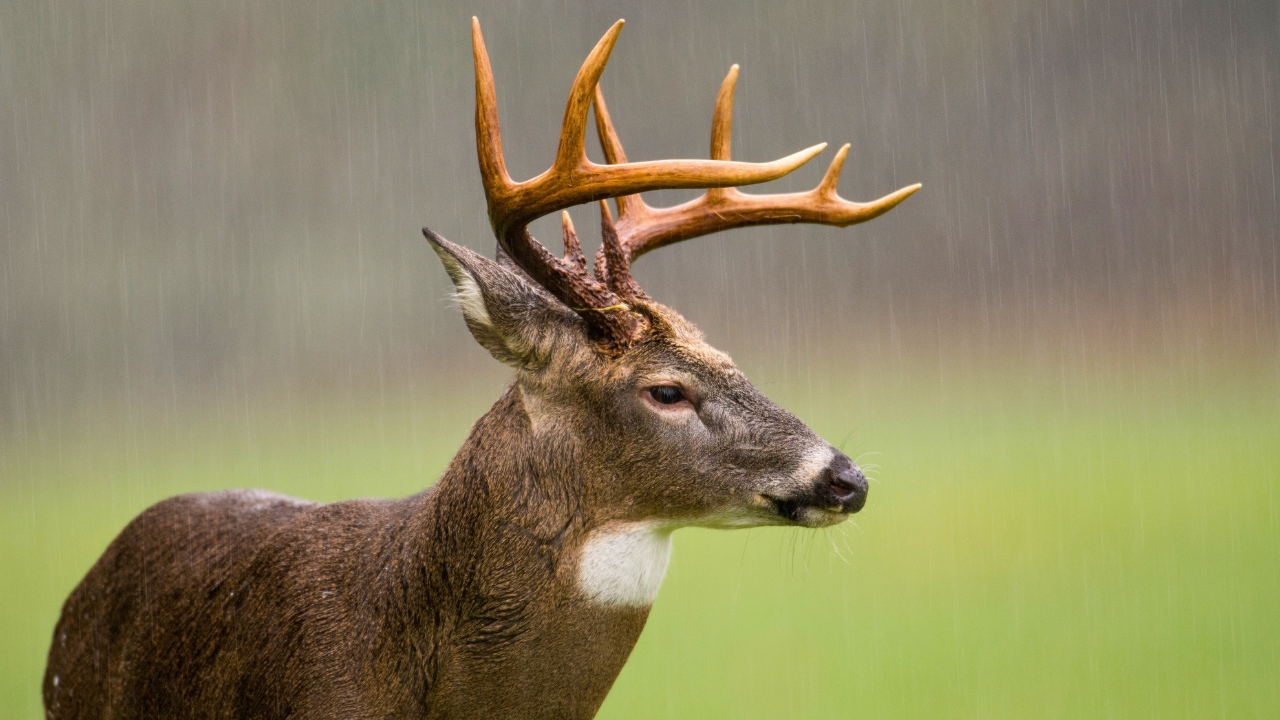
New York surprises outsiders because the mental image is usually cities and traffic. Upstate is a different world, and there’s real hunting culture there. Whitetails, black bears in the right places, and a lot of ground that can be hunted with a smart plan.
The biggest mistake is assuming it’s all crowded. Some areas are busy. Other areas are quiet enough that you can settle in, hunt a property for a few seasons, and actually see the results of learning the deer movement.
The common thread in all these states isn’t that they’re “better” than the famous ones. It’s that they reward hunters who act like hunters instead of consumers. Do your homework, respect access, don’t get wrapped around the axle chasing only rack size, and you’ll find out why the best trips aren’t always the ones everyone’s talking about.
Like The Avid Outdoorsman’s content? Be sure to follow us.
Here’s more from us: