Photo credit: Academy Sports
A caliber does not have to be worthless to let you down. Most cartridges can work when the range is short, the angle is perfect, the ammo is right, and the shooter does everything correctly. The problem is that real hunting and real self-defense do not always hand you perfect conditions.
Some calibers give people confidence they have not earned. Others work fine in one narrow role but get pushed into jobs they were never built to handle. When distance stretches, bone gets involved, adrenaline hits, or ammo choice turns out to be poor, these are the calibers that can leave shooters wishing they had brought something more forgiving.
.25 ACP
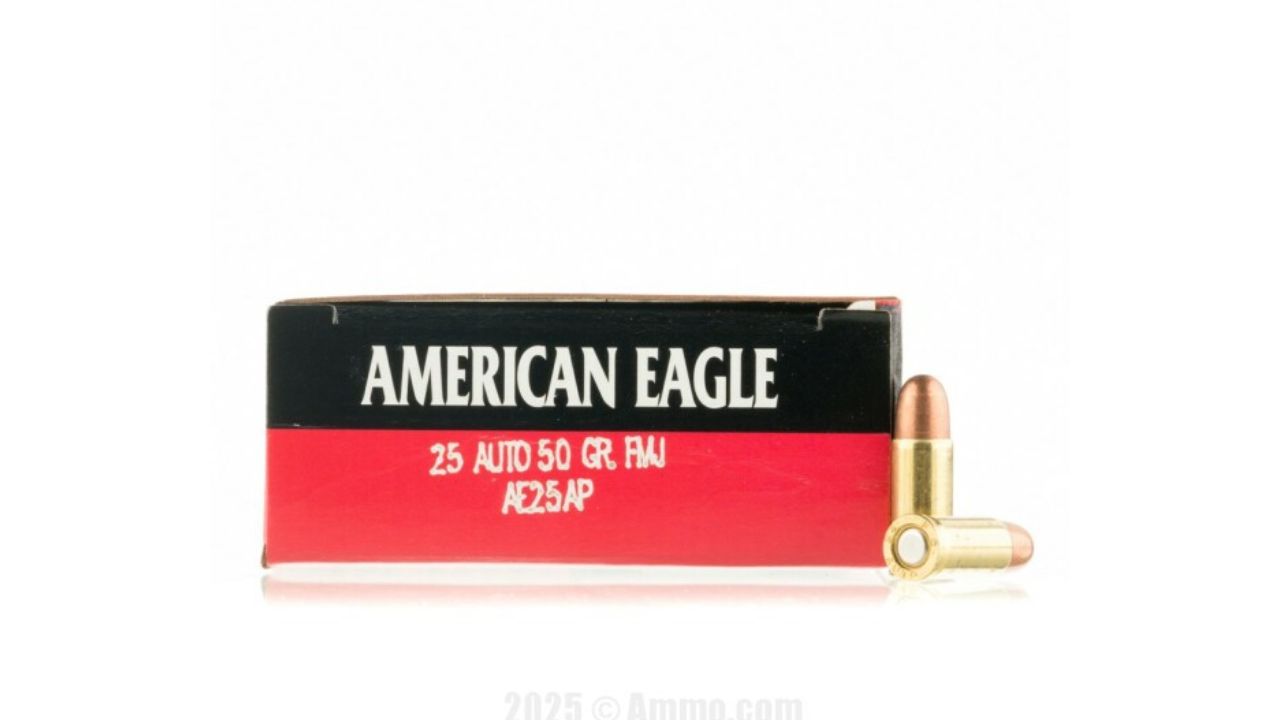
The .25 ACP is one of those calibers people carry because the pistol is easy to hide, not because the cartridge is strong. Tiny pocket guns chambered for it disappear into a pocket, purse, or drawer, and that convenience makes owners feel like they have solved the problem.
But when it matters, the .25 ACP gives very little margin. The bullets are small, penetration can be weak, and many of the guns chambered for it have poor sights and rough triggers. It is better than nothing, but that is not much of a compliment. Anyone who can carry a more capable centerfire pistol usually should.
.32 ACP

The .32 ACP is soft-shooting and pleasant, which makes it easy to like. It has a long history in pocket pistols and older European handguns, and it can be useful for someone who truly cannot handle much recoil. The trouble is that comfort can make it feel more capable than it really is.
In a defensive emergency, .32 ACP does not leave much room for poor shot placement, bad angles, or underperforming ammunition. It can work, but it asks the shooter to be realistic. If someone carries it because they believe it is basically a lighter 9mm, they are trusting a cartridge that may not give them enough help.
.380 ACP from tiny pocket pistols
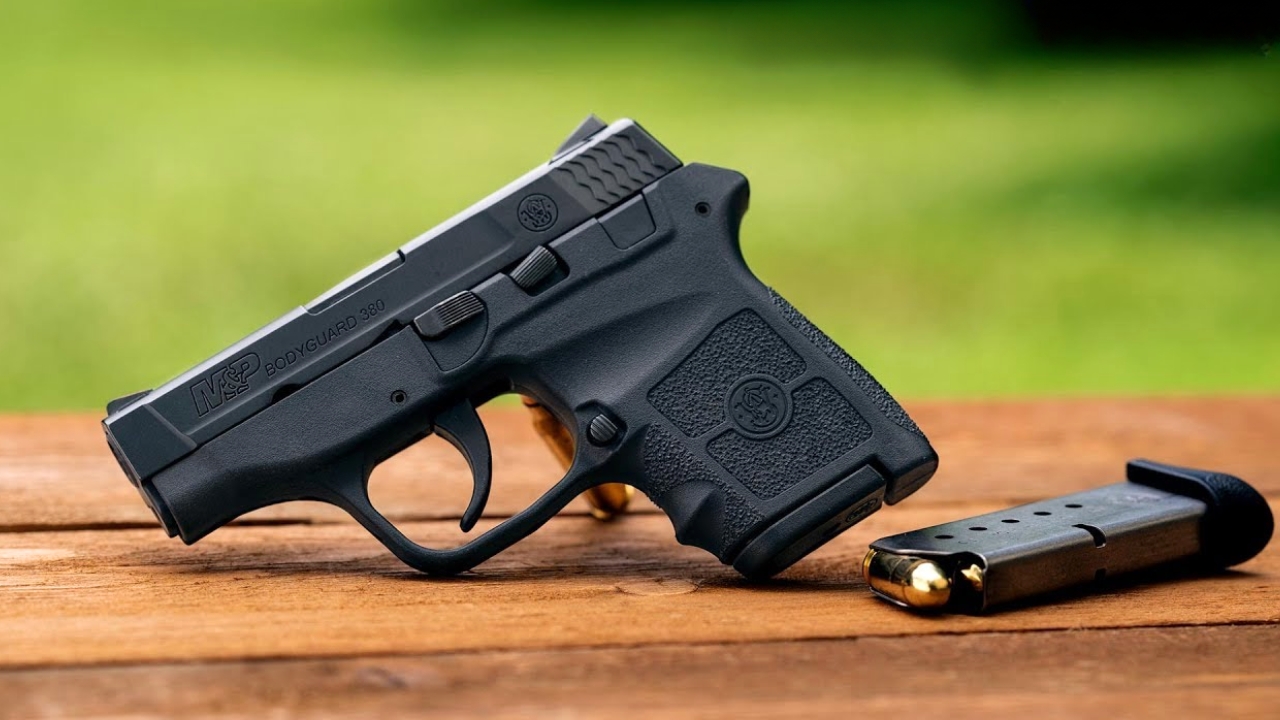
The .380 ACP can be a reasonable carry caliber in the right gun, but the tiny pocket pistols chambered for it often create false confidence. They are easy to carry but not always easy to shoot well. Short grips, rough triggers, small sights, and snappy recoil make good hits harder than people expect.
That is where the letdown comes from. The cartridge itself is already working with less power than 9mm, and the smallest guns make accuracy and control harder. A .380 that lives in your pocket is useful, but only if you have tested the ammo, practiced with the pistol, and accepted its limits.
.22 LR
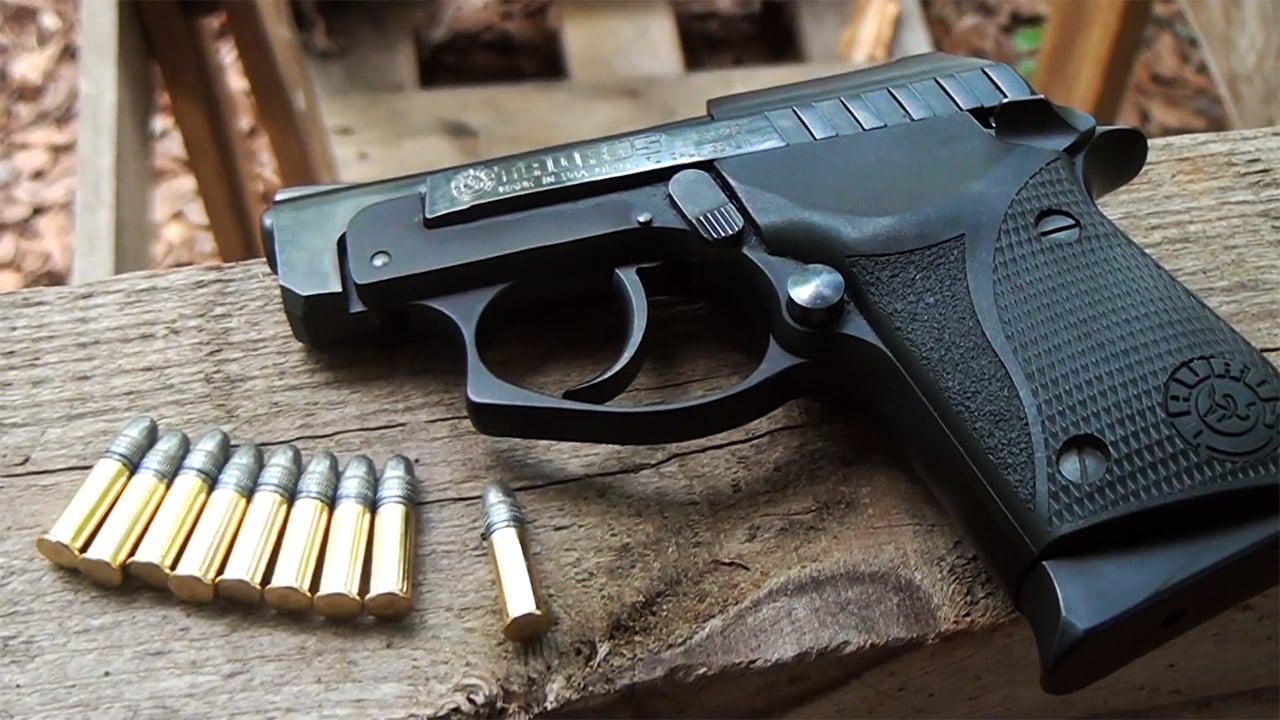
The .22 LR is easy to shoot, cheap to practice with, and far more dangerous than people sometimes admit. But as a defensive caliber, it brings problems that matter under stress. Rimfire ignition is less reassuring than centerfire ignition, and the cartridge does not offer much terminal margin.
A .22 pistol can be a choice for people with serious hand-strength or recoil limitations. For most carriers, though, it is a poor bet if better options are available. When a threat must be stopped quickly, easy shooting alone may not be enough.
.22 WMR
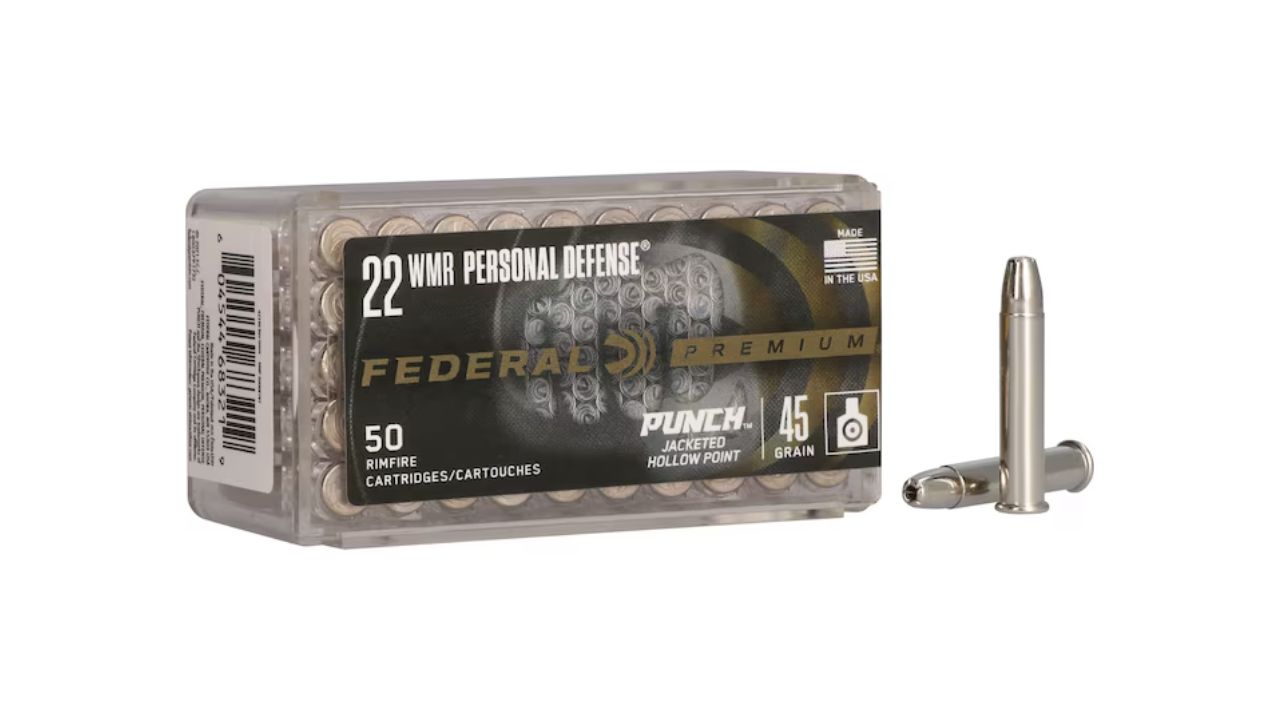
The .22 WMR sounds like a bigger answer than .22 LR, and in some ways it is. It is faster, louder, and more energetic, especially from longer barrels. From tiny defensive revolvers, though, it does not always deliver the impressive performance people expect from the name.
The rimfire concern still exists, and short barrels can waste a lot of the cartridge’s potential. It also produces sharp blast from small guns. The .22 Magnum is useful for pests, small game, and certain low-recoil carry needs, but it should not make anyone feel like they are carrying a full-power defensive handgun.
.410 shotshell handguns
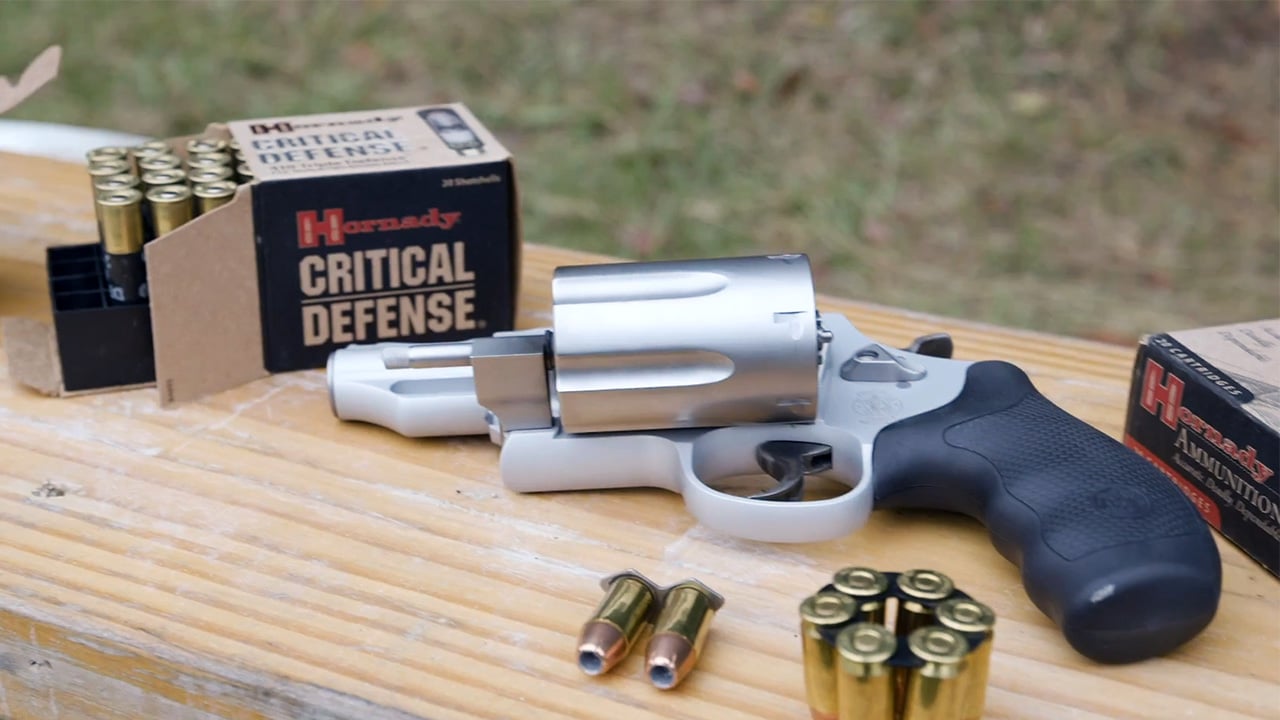
The .410 handgun idea sounds comforting because people imagine shotgun performance in a revolver. That is the trap. A short-barreled handgun does not turn a .410 shell into a real defensive shotgun. Patterns can spread unpredictably, and some loads do not penetrate the way people expect.
These guns look intimidating, but intimidation is not a performance standard. They are also bulky for what they deliver. When it matters, a shooter is usually better served by a reliable handgun caliber they can aim, control, and load with proven defensive ammunition.
.38 Special standard pressure from snubnose revolvers

The .38 Special has a serious defensive history, but standard-pressure loads from tiny snubnose revolvers are not as comforting as many people think. A small revolver may be reliable mechanically, but it is hard to shoot well under pressure. Heavy triggers, tiny sights, and short sight radius all work against the shooter.
The cartridge can still do the job with the right load and good hits. The problem is that many owners barely practice with snubs and assume the old reputation carries them. When the moment is ugly and fast, a mild .38 from a hard-to-shoot revolver can feel a lot less reassuring.
.357 Magnum from lightweight snubnose revolvers

The .357 Magnum has plenty of power, but power is not always the answer. In lightweight snubnose revolvers, full-power magnum loads can be brutal. Recoil, blast, flash, and slow recovery make the gun harder to use well when time matters.
This is one of the clearest examples of a caliber that can let people down by being too much in the wrong platform. Many owners buy the magnum for confidence and then avoid practicing because it hurts. A cartridge you do not train with is not helping you, no matter how impressive it looks on the box.
.40 S&W in subcompact pistols

The .40 S&W is not weak, but subcompact .40 pistols can be rough. The cartridge has a snappy recoil impulse even in service-size guns. Shrink the pistol, shorten the grip, and reduce the weight, and it becomes harder for many shooters to control.
That matters in defensive shooting. Fast, accurate follow-up shots count more than caliber pride. A compact 9mm that the shooter handles well is usually more useful than a small .40 that causes flinching or slow recovery. The .40 can work, but the tiny versions are often more trouble than confidence.
10mm Auto for everyday concealed carry
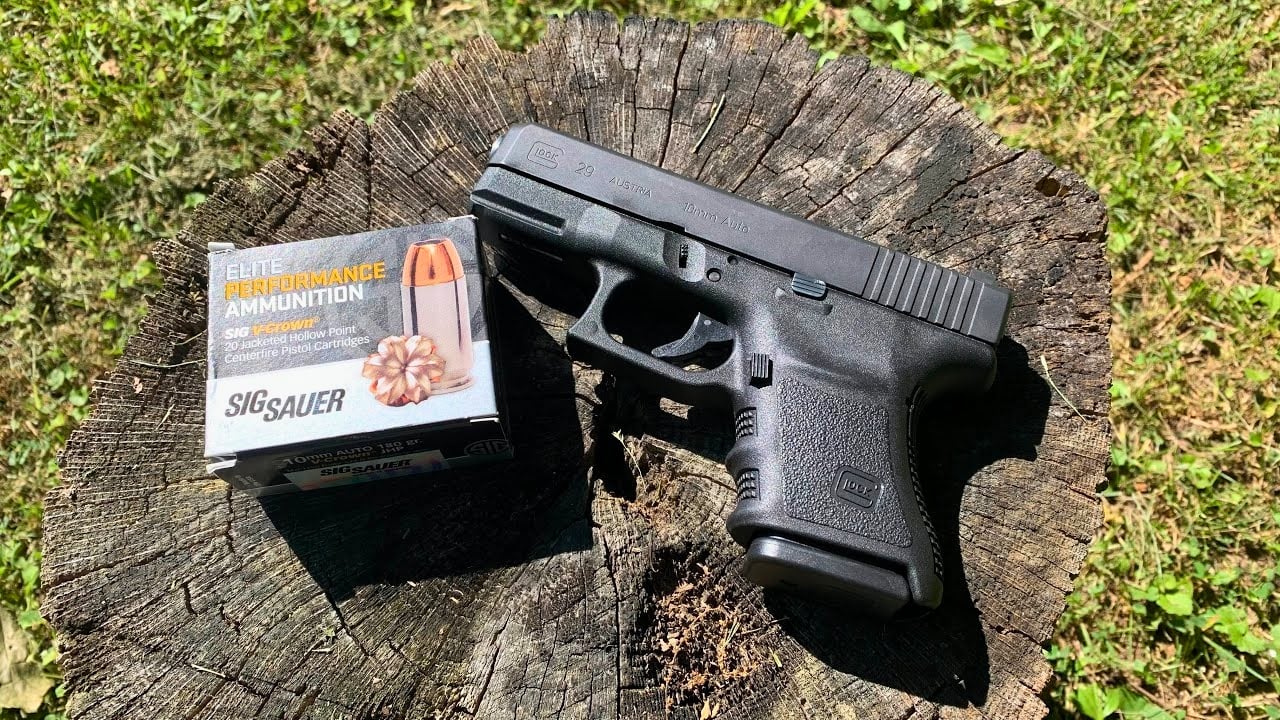
The 10mm Auto is powerful and useful in the right role. For woods carry, hogs, black bear, and animal-defense situations, it can make real sense. For everyday concealed carry against human threats, it often brings more recoil, blast, and pistol size than most people need.
The letdown comes when shooters assume power makes up for skill. A full-power 10mm is harder to shoot quickly than 9mm for many carriers. If the shooter avoids practice or gets slower under stress, the extra power may not matter. The cartridge is capable, but it is not a shortcut.
.44 Magnum for personal defense

The .44 Magnum is a serious hunting and woods-defense cartridge. It is not a practical everyday defensive caliber for most people. Large revolvers are harder to conceal, recoil is heavy, and muzzle blast can be extreme, especially indoors.
When it matters, the shooter has to control the gun, not just survive touching it off. A .44 Magnum may feel comforting because it is powerful, but power that slows the shooter down can become a liability. For normal personal defense, it is usually too much cartridge in too much gun.
.223 Remington for deer with poor bullets

The .223 Remington can work on deer where legal, but only with proper bullets and disciplined shot placement. The problem is that some hunters use varmint-style loads or assume any .223 soft point will behave like a real deer bullet. That is where things go wrong.
A fast little bullet can fragment too soon, fail to penetrate deeply, or leave a poor blood trail if the load is wrong. The .223 is excellent for varmints and predators, but deer hunting asks more from the bullet. When the shot is not perfect, this cartridge gives less forgiveness than more traditional deer rounds.
.22-250 Remington for big game
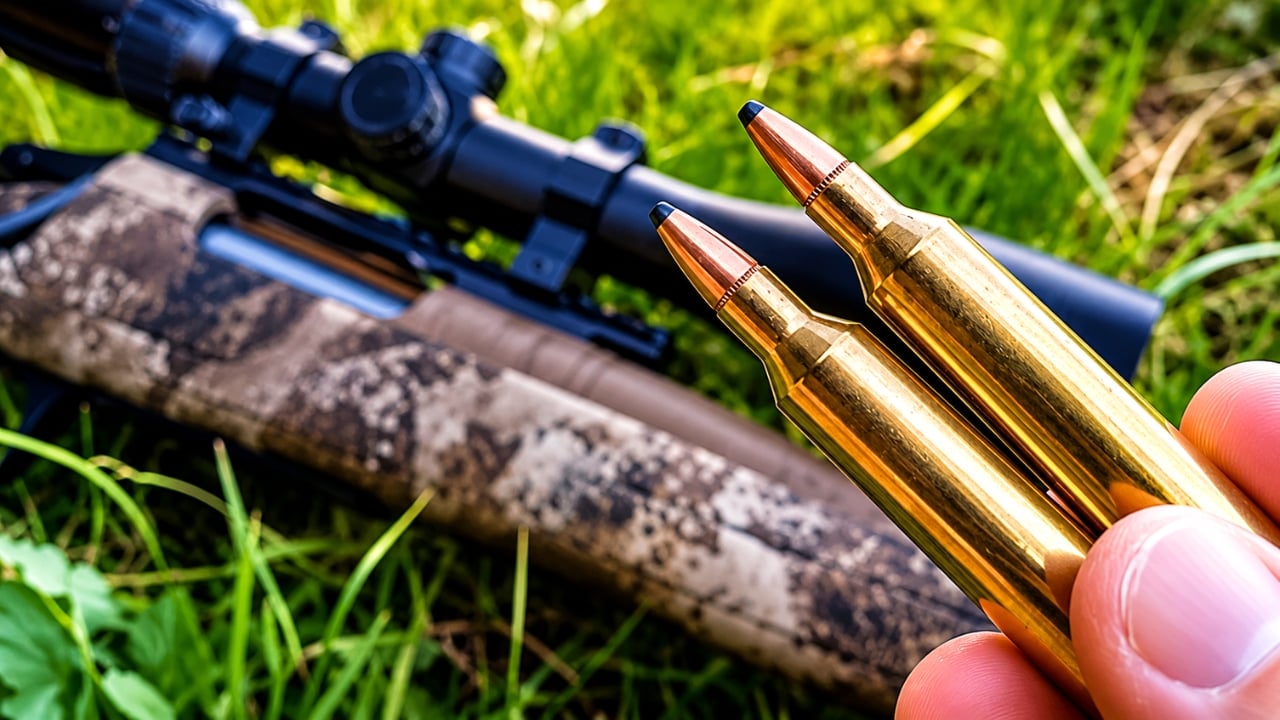
The .22-250 Remington is one of the great varmint cartridges. It shoots flat, hits fast, and handles coyotes beautifully. That performance can tempt hunters to stretch it into deer or antelope work because it seems so accurate and easy to place.
The trouble is that high speed and tiny bullets are not a substitute for penetration. With the right bullets, it can work where legal. But guides and experienced hunters often dislike the risk because a bad angle, shoulder hit, or wrong bullet can turn a clean opportunity into a long tracking job. It belongs in varmint country, not as a general big-game answer.
.243 Winchester on heavy game

The .243 Winchester has killed plenty of deer, and it remains a useful low-recoil hunting cartridge. For whitetails and antelope with proper bullets, it can be excellent. The letdown comes when hunters push it into heavy-bodied game or poor shot angles.
Elk, big hogs, black bear, and large mule deer demand more margin than the .243 always gives. It is not that the cartridge cannot kill. It is that it depends more heavily on bullet choice and careful placement. When the animal is big and the angle is ugly, many hunters wish they had more bullet.
6.5 Creedmoor on elk past sensible limits

The 6.5 Creedmoor is accurate, mild, and good for deer-sized game. It can take elk with the right bullet and a careful shooter inside reasonable distances. The problem is that its popularity convinced some hunters it is a long-range answer for everything.
That is where it can let people down. Elk are not steel targets. At longer distances or rough angles, a 6.5mm bullet may not give the same confidence as a larger cartridge with more weight and impact. The Creedmoor is good, but it is not a permission slip to ignore distance, wind, or shot angle.
.300 Blackout for general deer hunting

The .300 Blackout has a real hunting role in short-range, suppressed, and AR-platform setups. It can work on deer and hogs with proper supersonic hunting loads at close distances. But it is not a general-purpose deer cartridge, no matter how many people try to treat it like one.
The trajectory and energy limits show up fast. Subsonic loads are especially poor choices for most deer hunting unless the shooter has a very specific setup and understands the limits. If the shot stretches across a field, .300 Blackout can leave a hunter badly undergunned compared with normal rifle cartridges.
7.62x39mm with cheap FMJ or poor soft points

The 7.62x39mm can be useful for short-range deer and hogs when fired from a good rifle with proper hunting ammunition. The problem is that many people associate the caliber with cheap bulk ammo and old range habits. That does not belong in the deer woods.
Full metal jacket loads are a bad idea for hunting, and weak or poorly constructed soft points can disappoint. The cartridge already has limited range compared with common deer rounds. When ammo choice is poor, it becomes even less forgiving. It can work, but only when treated like a hunting cartridge, not bargain range ammo.
.30-30 Winchester beyond its real range
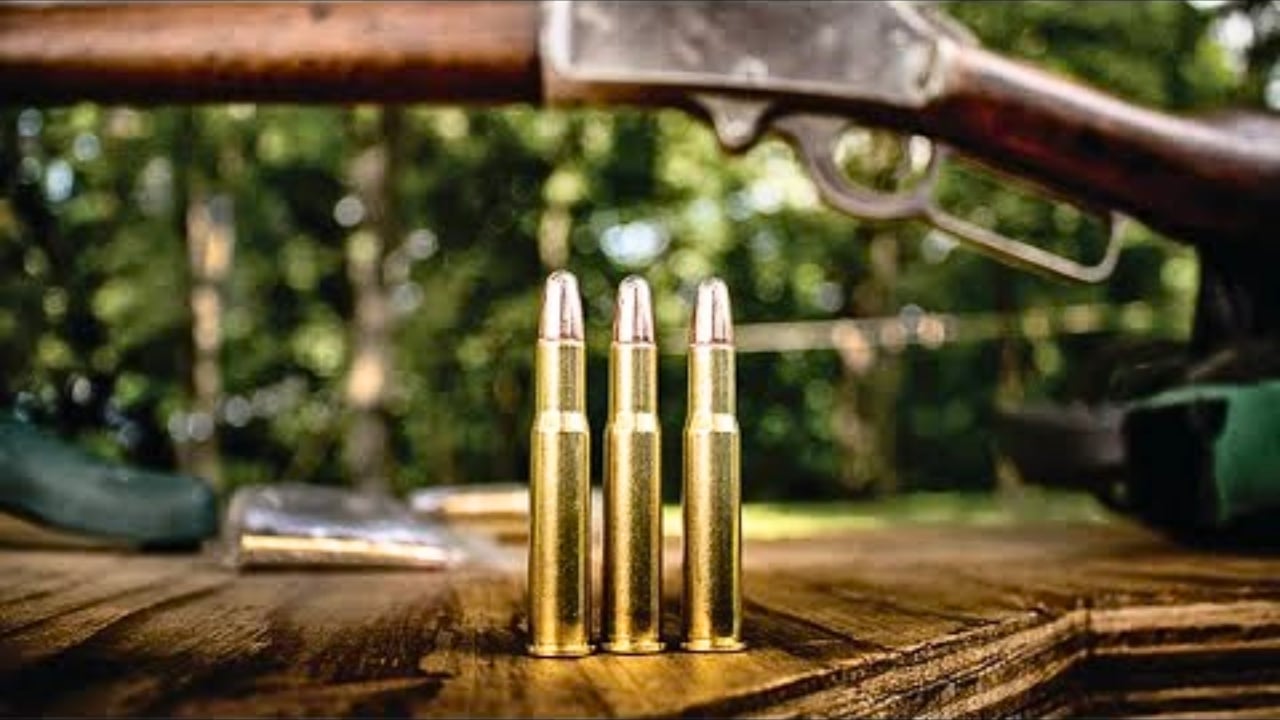
The .30-30 Winchester is one of the best deer cartridges ever made inside its lane. In thick woods, from a handy lever gun, at normal ranges, it still works beautifully. The letdown happens when hunters pretend it is something else.
Stretching a .30-30 too far is asking for trouble. Trajectory, retained energy, and sighting systems can all limit what the cartridge should be asked to do. A hunter who keeps shots reasonable is well armed. A hunter trying to use it like a flat-shooting western cartridge may find out the hard way where nostalgia ends.
.350 Legend at stretched distances
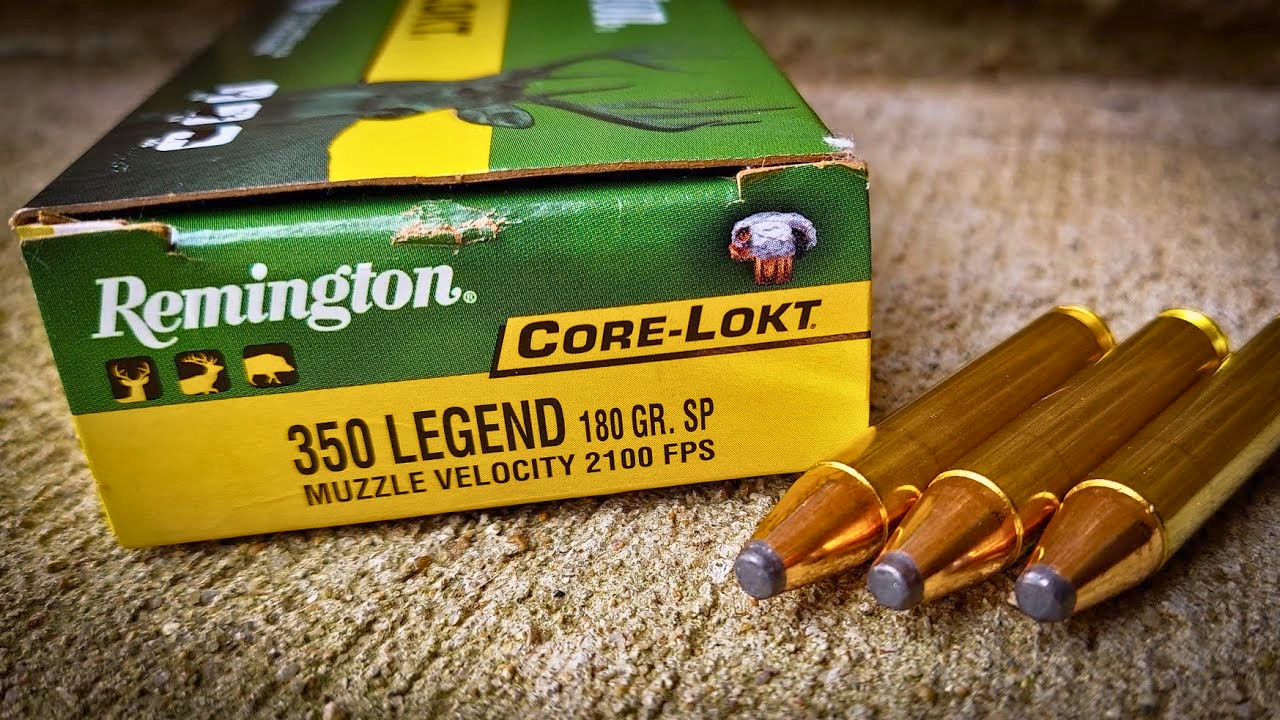
The .350 Legend made sense for straight-wall deer states, and it has helped a lot of hunters move away from slug guns. It is mild, affordable, and effective inside its intended range. But it is not a long-range cartridge.
When hunters stretch it too far, it can disappoint. The bullet slows, drop becomes more important, and energy fades compared with bottleneck rifle rounds. In the woods and from blinds at reasonable distances, it is useful. Across big fields or open country, it is easy to ask too much from it.
.450 Bushmaster for hunters who fear recoil

The .450 Bushmaster hits hard, especially at close to moderate ranges. In straight-wall states, it has become a popular deer and hog option. The issue is that it also kicks more than many new hunters expect, especially in lighter rifles.
That recoil can create bad habits fast. If the shooter flinches, closes their eyes, or avoids practice, the cartridge’s power becomes meaningless. The .450 Bushmaster can fill freezers, but it can also let down hunters who bought it for authority and then discovered they do not shoot it well.
.45-70 Government with the wrong load
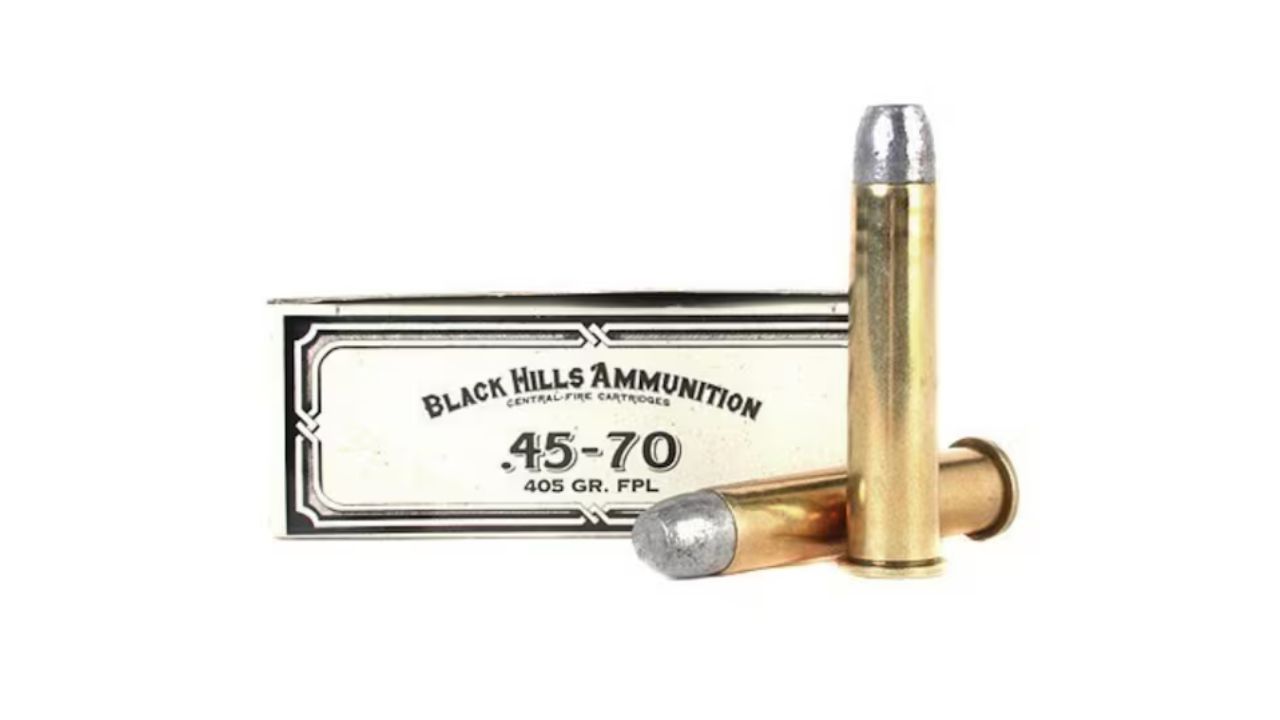
The .45-70 Government is a great cartridge, but load choice matters more than some hunters realize. Mild loads, old-style loads, modern heavy loads, and specialty hunting loads can be very different. A cartridge with this much history also comes with a lot of confusion.
Use a load too soft for the job, and penetration or trajectory may disappoint. Use a load too hot in a light rifle, and recoil may ruin practice. The .45-70 works best when the hunter matches the load to the rifle and the game. Treat it like all .45-70 ammo is the same, and it can let you down badly.
Like The Avid Outdoorsman’s content? Be sure to follow us.
Here’s more from us: