Photo credit: Pixabay/Pixabay.com
A good watchdog does not have to be a trained protection dog. In many homes, the more useful trait is simply a dog that notices something unusual, sounds the alarm, and makes it obvious when a stranger, vehicle, or animal has entered the property. That kind of awareness can come from guardian breeds, herding dogs, terriers, and even smaller companion breeds with strong alert instincts.
The best watchdogs tend to be observant, confident, vocal when something changes, and naturally tuned in to what happens around their home. Some will back that warning up with real protective ability, while others are mainly there to make sure nothing sneaks by unnoticed. Either way, a dog that reliably alerts can be extremely useful on a farm, acreage, or suburban property. These 20 breeds stand out for being especially good at noticing trouble before their owners do.
German Shepherd Dog

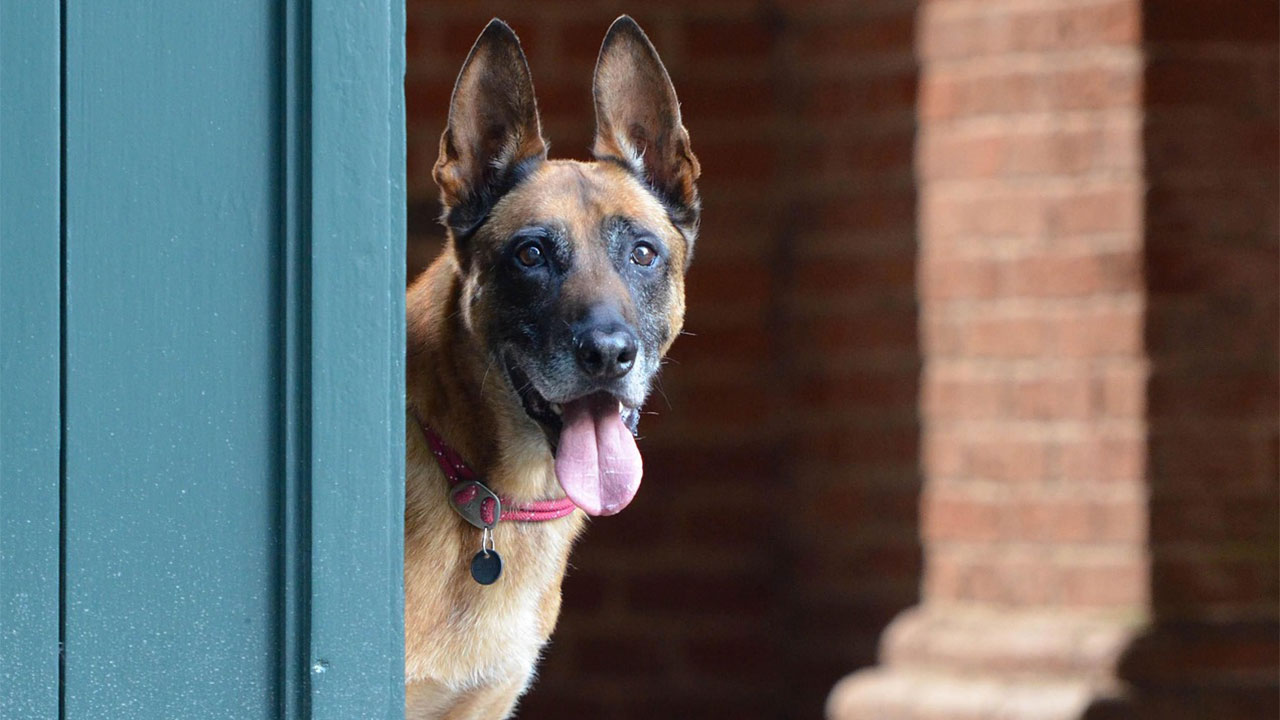
German Shepherds are excellent watchdogs because they combine awareness with a strong instinct to monitor their surroundings. They tend to notice changes quickly, whether that is a strange vehicle pulling in, a person approaching the house, or activity around the property that does not fit the normal routine. Their size and bark also make the warning hard to ignore.
What separates them from dogs that simply bark at everything is that a well-socialized Shepherd can learn what belongs and what does not. That makes the alerting more useful. They are also highly trainable, so owners can teach them when barking is appropriate and when to settle. Their protective reputation is well known, but even without formal protection work, a good German Shepherd is hard to beat as an early-warning dog around the home.
Great Pyrenees
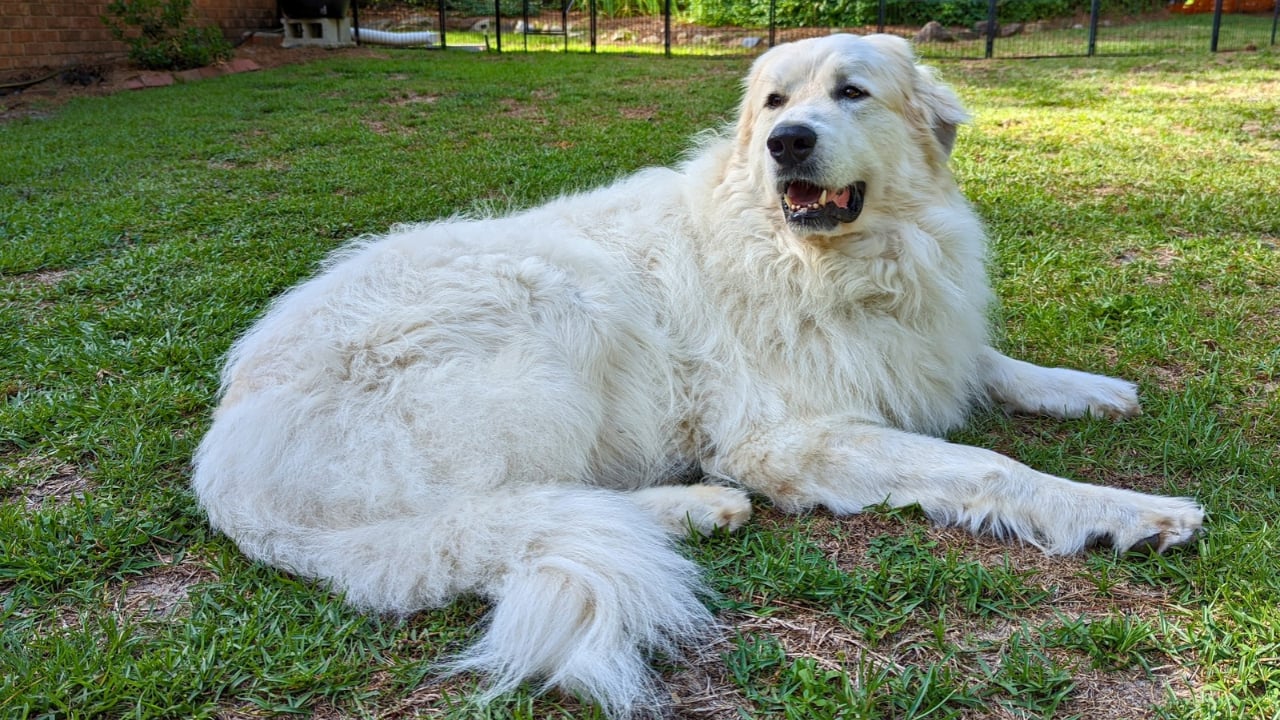
Great Pyrenees are natural sentries. They were bred to spend long periods watching livestock and reacting to anything unusual, especially at night. That instinct carries over strongly to homes and rural properties, where they often seem to know what is happening before anyone else does.
Their bark is one of their biggest watchdog tools. A Pyr does not need to chase every sound to make its presence known. Many will simply stand their ground and announce that something unfamiliar is nearby. The downside is that they can be extremely vocal, particularly after dark, and they are independent enough that you will not always convince them a noise is unimportant. On acreage or a farm, though, that constant awareness can be exactly what you want.
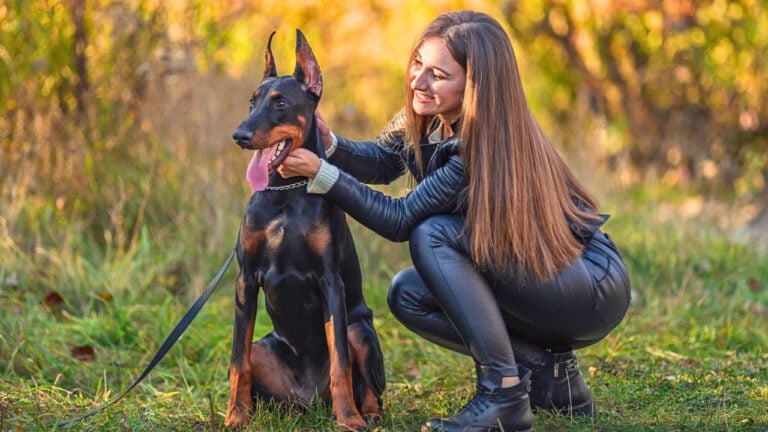
Doberman Pinscher

Dobermans are naturally alert and tend to stay very aware of where their people are and what is happening around them. Their close attachment to family makes them quick to notice when someone unfamiliar approaches.
They also have a strong physical presence, so the bark itself is often enough to discourage a stranger from coming closer. Unlike more independent guardian breeds, Dobermans are usually very handler-focused and easier to direct once they have alerted. That makes them particularly effective in homes where you want a dog that warns quickly but can also be called off and settled. Their short coat requires little maintenance, though they are not ideal for living outdoors full time in cold conditions.
Rottweiler
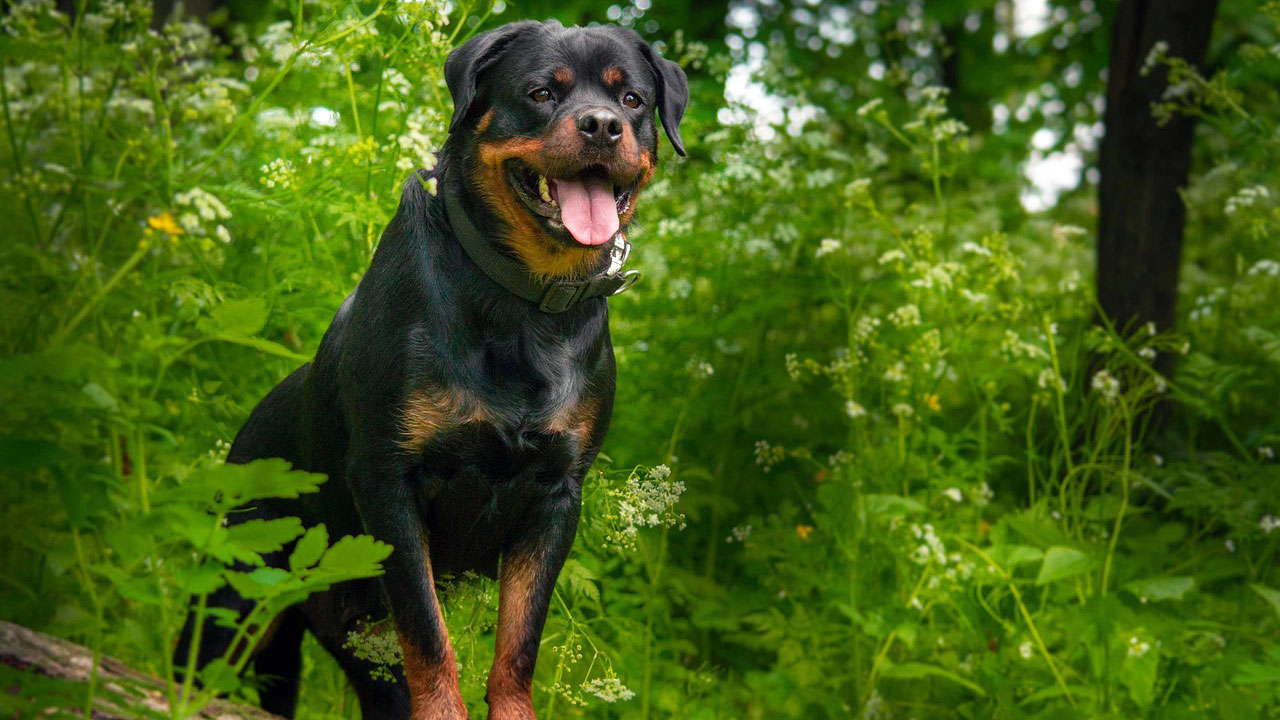
Rottweilers are often calm inside the home, but they tend to be very aware of anything unusual around the property. A well-bred Rottweiler does not necessarily need to bark constantly to be effective. When one does alert, people pay attention.
Their confidence is a major advantage. They are less likely than some nervous dogs to react wildly to every small sound, and many become very good at distinguishing normal household activity from something out of place. Their size and deep bark add real deterrent value. Proper socialization matters, though, because an under-socialized Rottweiler can become suspicious rather than simply watchful. With good training, they are excellent at being calm most of the time and serious when something actually changes.
Anatolian Shepherd
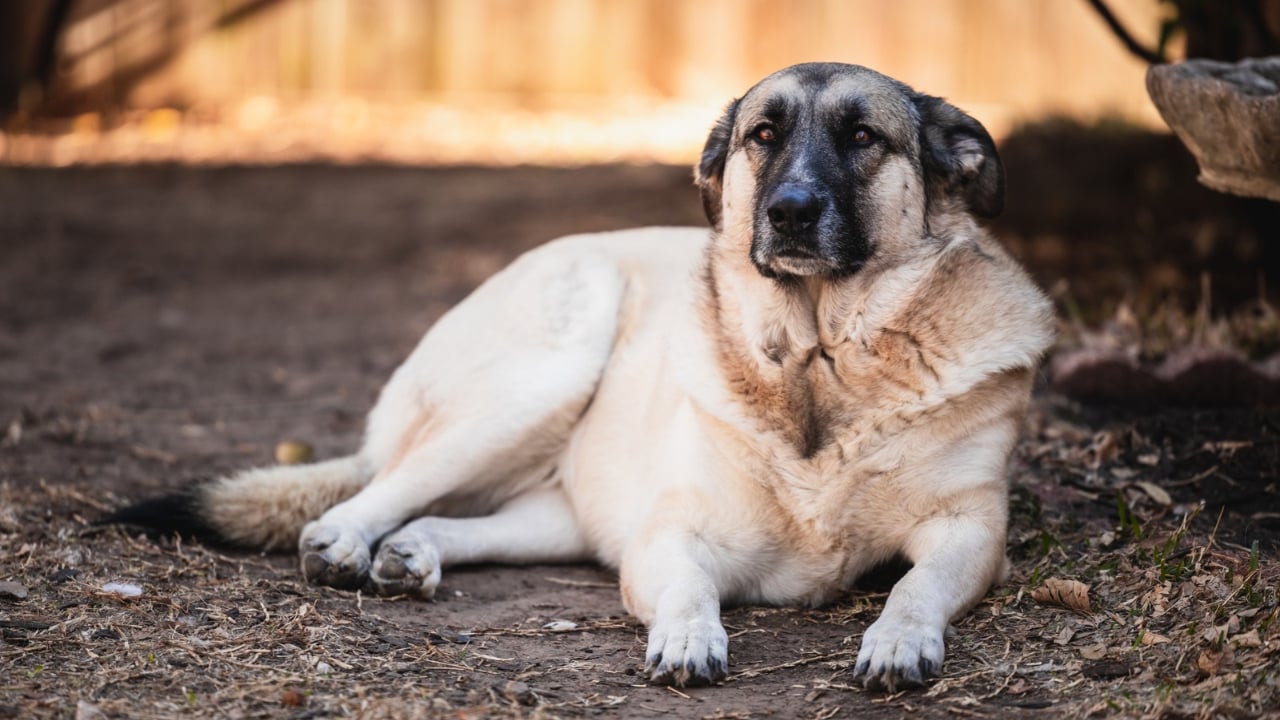
Anatolian Shepherds are built for watching large areas and making independent decisions about potential threats. That makes them extremely effective watchdogs on rural property, especially when there are livestock, barns, or open acreage to monitor.
They are not typically clingy house dogs that wait for constant direction. An Anatolian may patrol quietly, rest where it has a good view, and then react quickly when something unfamiliar appears. Their bark is deep, and their size alone can make strangers reconsider walking onto the property. The tradeoff is independence. They need owners who understand that these dogs were bred to think for themselves. For a farm or acreage, though, few breeds take the job of watching the property more seriously.
Belgian Malinois
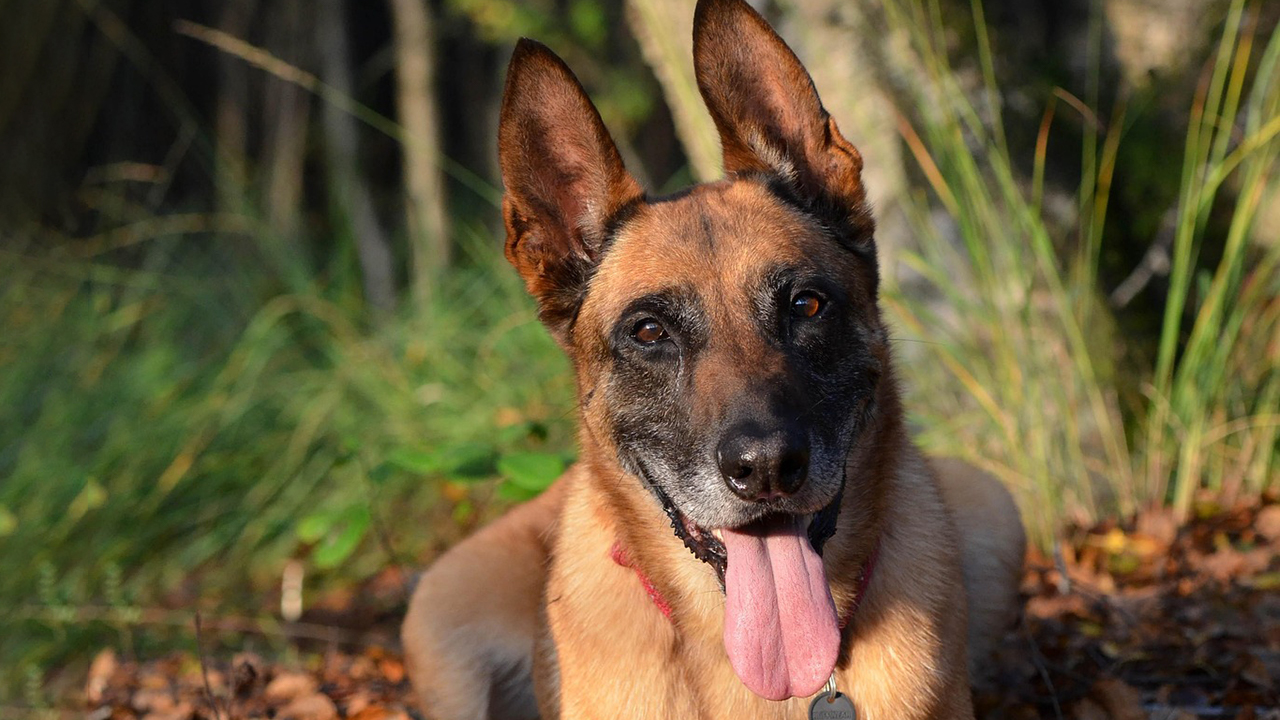
The Belgian Malinois is extremely alert, fast to react, and constantly aware of its environment. Those traits make it a very capable watchdog, but they also make it much more dog than most households need.
A Malinois can pick up on small changes that other dogs ignore, and its bark is usually immediate when something seems wrong. The breed is also highly trainable, so a skilled owner can shape that alertness into very controlled behavior. The problem is that the same intensity can become exhausting without enough work and structure. For an experienced handler who wants a serious, responsive watchdog, the Malinois is outstanding. For a casual pet owner, there are easier breeds that still provide plenty of warning.
Standard Schnauzer
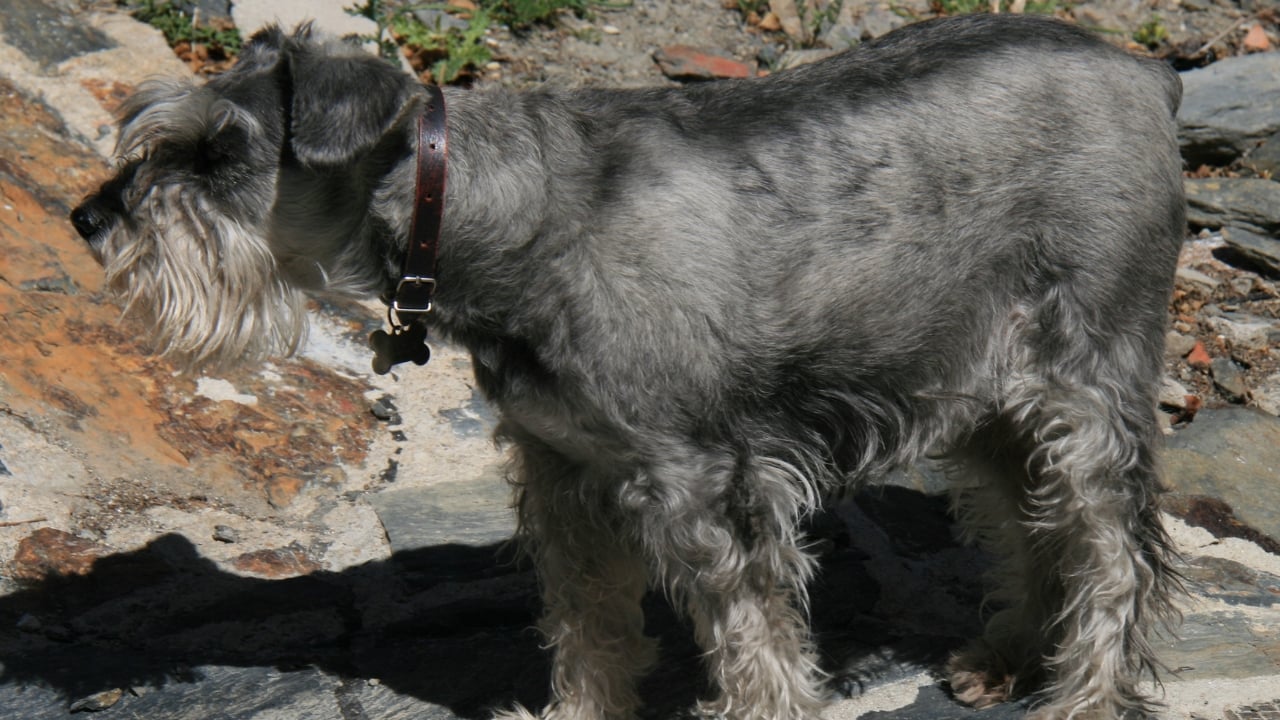
Standard Schnauzers are underrated watchdogs because they are naturally alert, territorial enough to care about the home, and vocal without being physically overwhelming. They tend to notice strangers quickly and are usually willing to announce them.
They are also smart enough to learn routines and recognize the difference between familiar visitors and someone they have never seen before. Their medium size makes them easier to handle than larger guardian breeds, while their confident personality gives them more presence than many dogs in the same weight range. They do require regular grooming, and they can be stubborn, but as a family dog that takes watching the house seriously, the Standard Schnauzer is a very strong choice.
Giant Schnauzer

The Giant Schnauzer takes many of the Standard Schnauzer’s watchdog qualities and adds significantly more size, power, and intensity. These dogs tend to be naturally suspicious of unfamiliar activity and very attentive to their surroundings.
Their bark carries, and their physical presence makes the warning much more convincing. They are also highly intelligent and capable of learning when to alert and when to stand down. The downside is that they need a lot of involvement. A bored Giant Schnauzer can become difficult quickly, and their protective instincts require thoughtful socialization. For experienced owners who want a dog that notices everything and has enough presence to make strangers think twice, they are excellent.
Australian Shepherd

Australian Shepherds are excellent watchdogs because they are observant, intelligent, and constantly tuned in to movement around the home or property. Their herding background makes them especially good at noticing when something enters or leaves an area they consider theirs.
They may not have the intimidation factor of a Rottweiler or Anatolian, but they often make up for it by being quick to alert. Aussies can be very vocal around unfamiliar visitors, vehicles, and animals. They are also highly trainable, which helps owners control unnecessary barking. Their energy level is the main challenge. A bored Aussie may start alerting to everything simply because it needs something to do. With enough exercise and work, they can be excellent family watchdogs.
Australian Cattle Dog

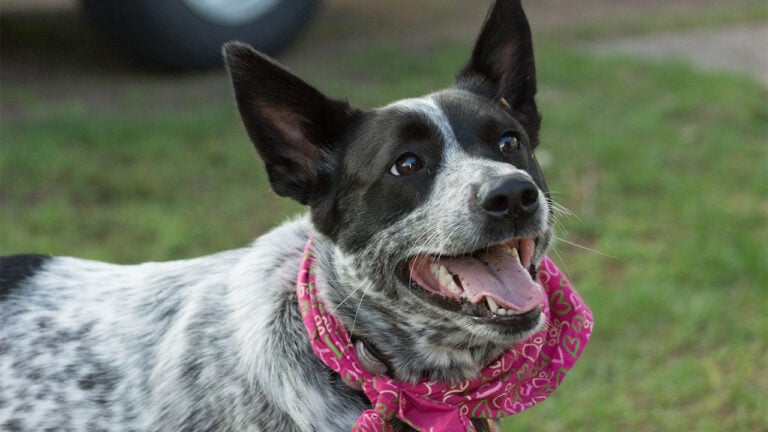
Heelers are naturally suspicious, highly observant, and extremely aware of changes in their environment. They often know someone is coming onto the property before the owner does.
They are not large dogs, but their confidence makes up for their size. A Cattle Dog is rarely shy about announcing a stranger, and many will position themselves between unfamiliar people and their family. Their loyalty can be intense, which is useful for watchdog work but also means socialization is important. Without it, they can become too wary. For active owners who want a compact farm or property dog that stays mentally engaged with everything around it, the Heeler is an excellent watchdog.
English Shepherd
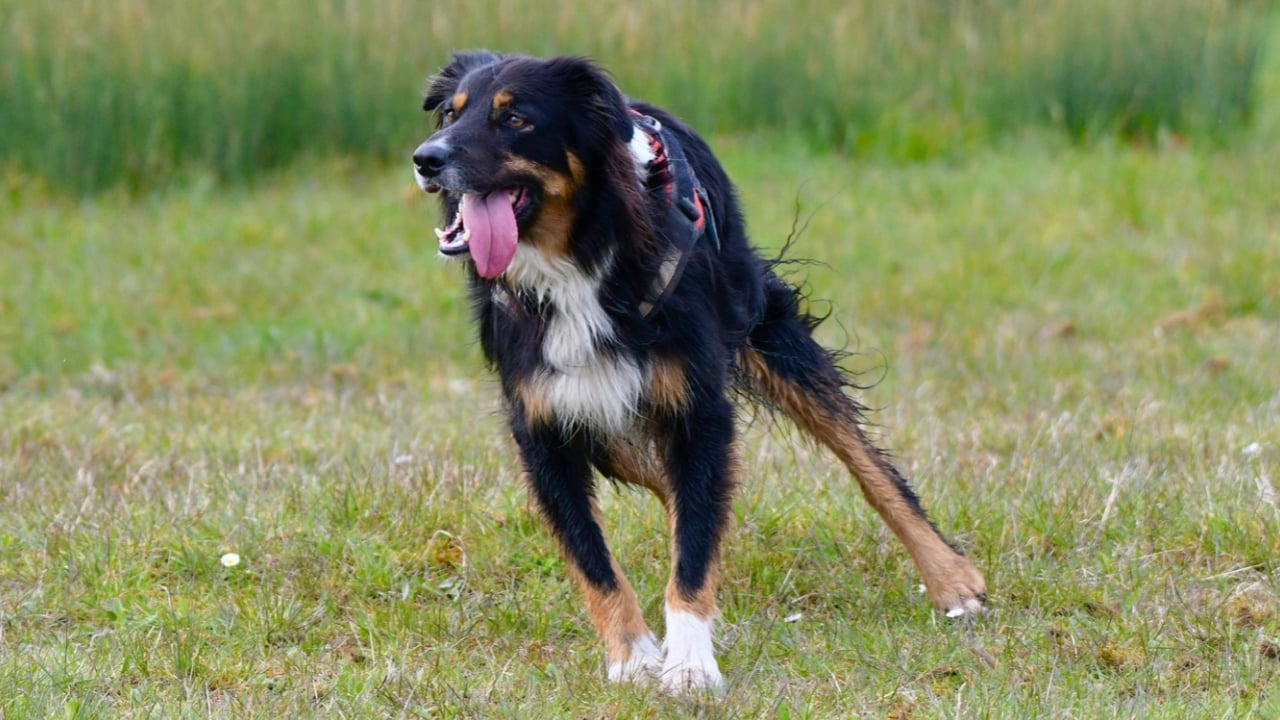
English Shepherds were developed as all-purpose farm dogs, and one of their traditional jobs was simply knowing what belonged on the property. That makes them very good at noticing unfamiliar people, animals, or vehicles.
They tend to be more moderate than some high-drive herding breeds, which makes them easier to live with for many families. A good English Shepherd can help around livestock, follow the family, settle when there is nothing to do, and still bark quickly when something unusual happens. They are often naturally reserved with strangers without being indiscriminately aggressive. That balance is what makes them particularly useful on small farms and acreages where you want a dog that watches everything but still fits naturally into family life.
Black Mouth Cur
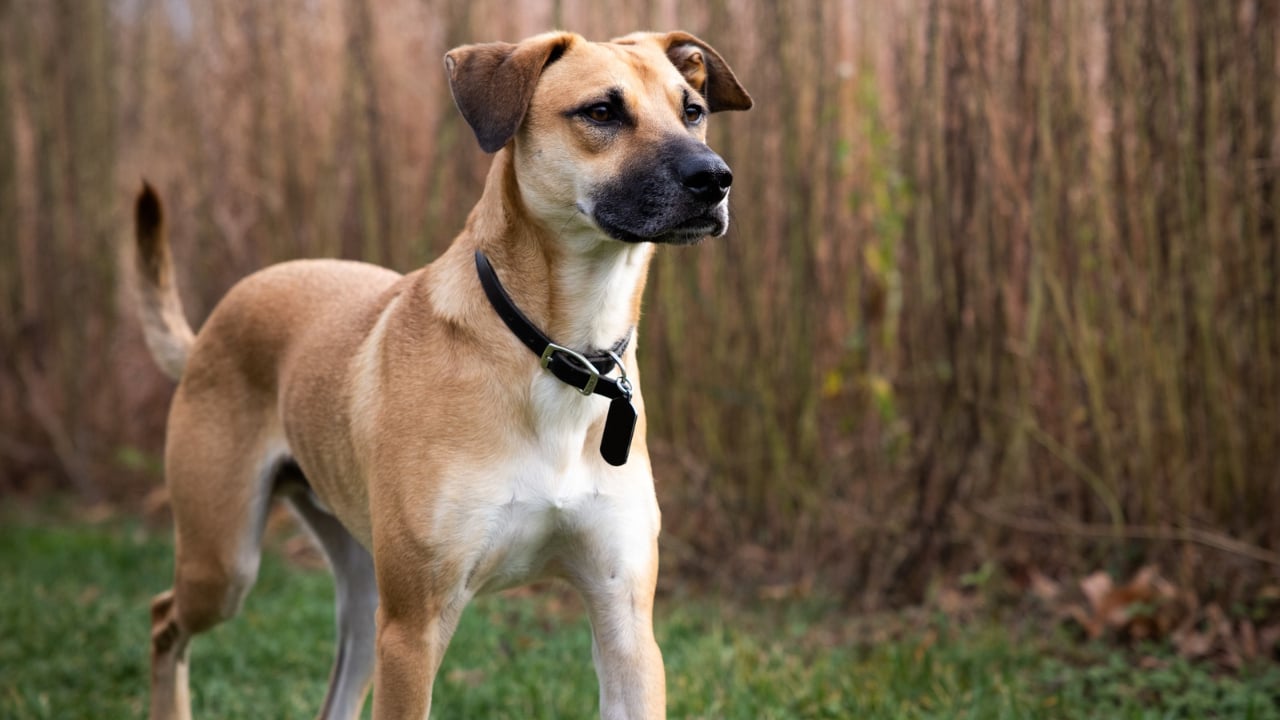
Black Mouth Curs are practical farm and hunting dogs with a strong tendency to watch their home territory. They are usually alert, confident, and quick to notice unfamiliar activity.
Their bark is substantial enough to get attention, and their size gives them more deterrent value than many smaller farm dogs. They also tend to bond strongly with their household, which makes them more likely to care about who is coming and going. Curs can be independent and energetic, so they need room and something to do. On rural property, though, they can serve as an excellent combination of companion, working dog, and watchdog without requiring the intensity of a specialized protection breed.
Catahoula Leopard Dog

Catahoulas are naturally watchful and territorial enough to take notice when something unfamiliar enters their space. Their background as working and hunting dogs gives them confidence and the willingness to investigate rather than simply hide and bark from a distance.
They can be very devoted to family while remaining reserved around strangers. That makes them useful watchdogs on larger properties where there is more ground to monitor. Their strong personality also means they are not always ideal for first-time dog owners. They need training, socialization, and enough work to keep them from becoming difficult. In the right hands, though, a Catahoula can be an excellent alert dog with enough size and presence to make the warning meaningful.
Miniature Schnauzer
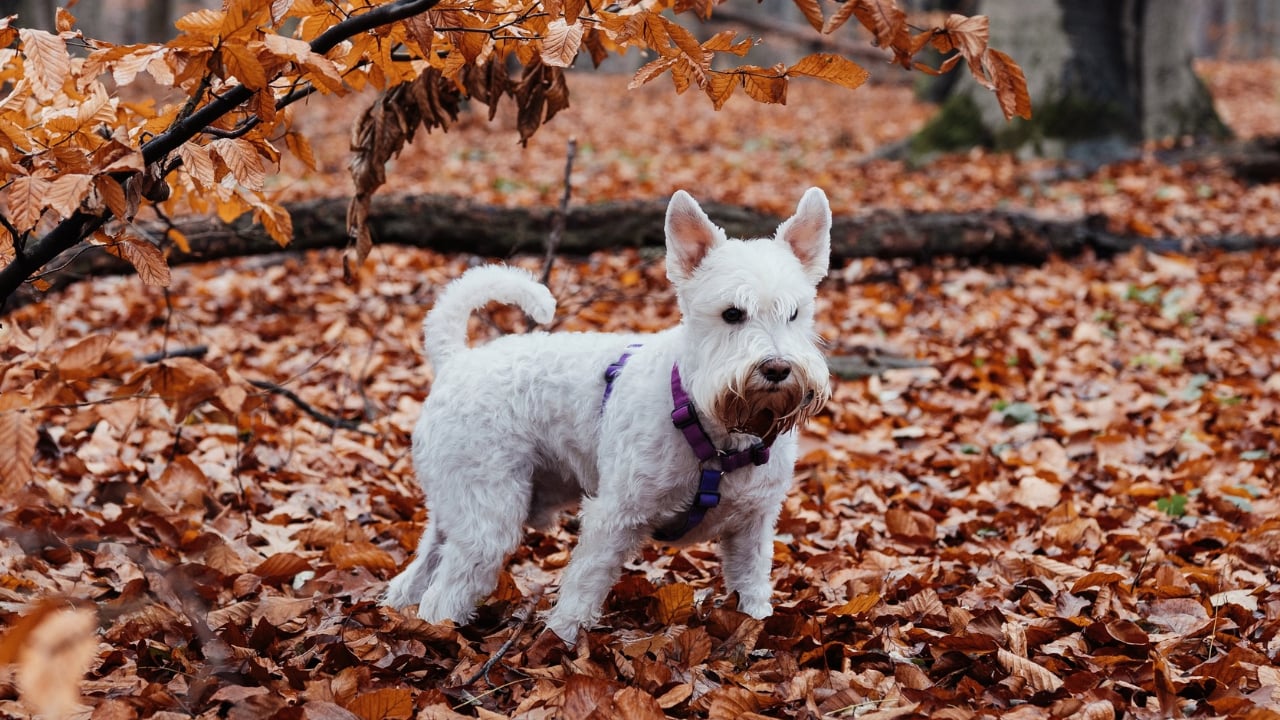
Miniature Schnauzers prove that a watchdog does not have to be large. They are extremely alert and usually very quick to bark when someone approaches the house.
Their small size obviously limits their ability to physically deter a determined intruder, but as an alarm system they are excellent. They tend to notice sounds, movement, and visitors immediately, and their bark is sharper and louder than many people expect. The main challenge is teaching them not to overdo it. Without boundaries, a Miniature Schnauzer may alert to every person walking past the window. With training, they can become very effective little watchdogs that are easy to keep in smaller homes.
Airedale Terrier
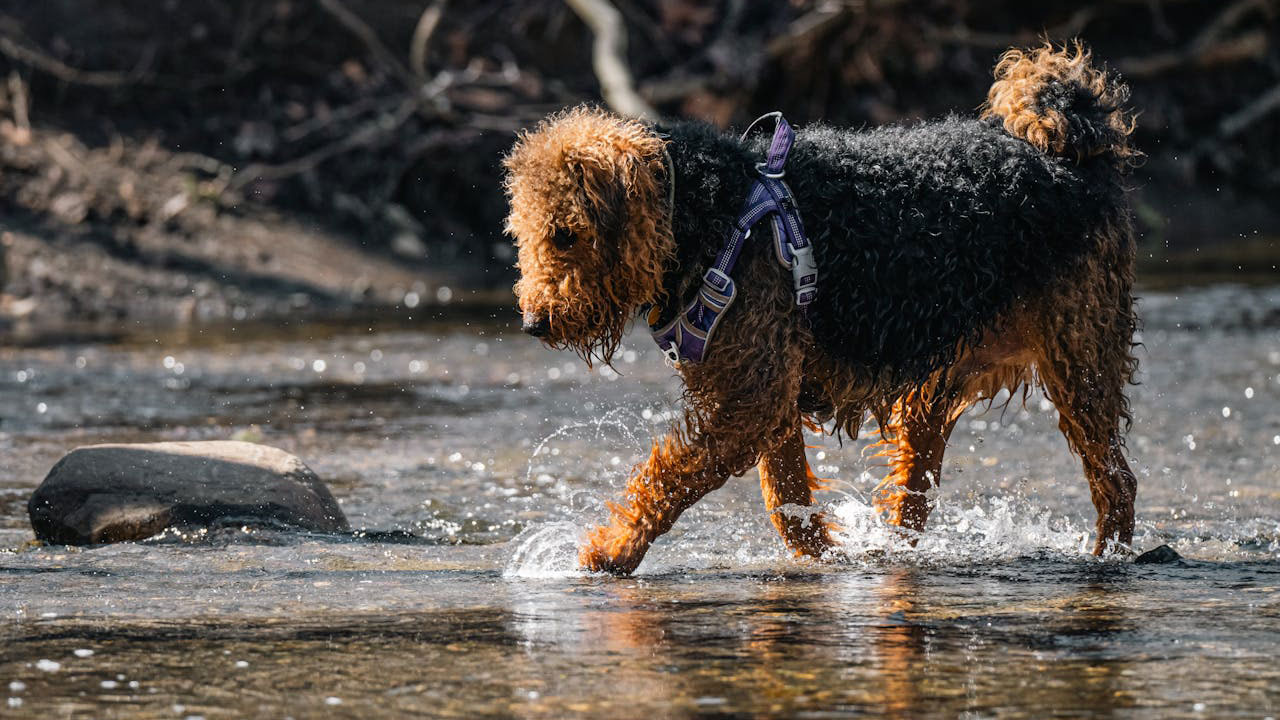
Airedales are confident, intelligent, and naturally aware of what is happening around them. Their terrier background gives them enough boldness to investigate unfamiliar activity instead of simply retreating.
They also have enough size to be taken seriously, which makes their bark more effective than that of many smaller terriers. Airedales can be independent and stubborn, so they need consistent training, but they are usually very devoted to their families. Their combination of alertness and confidence makes them a good choice for someone who wants a watchdog without moving into a traditional guardian breed. They are active dogs, though, and they need enough exercise to prevent boredom from turning into nuisance barking.
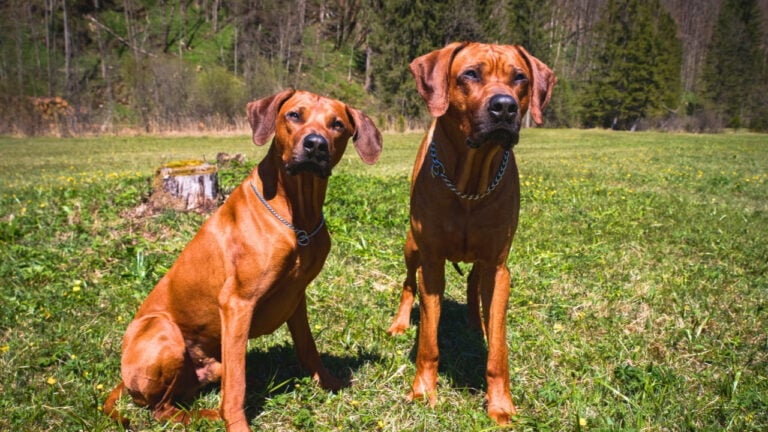
Rhodesian Ridgeback
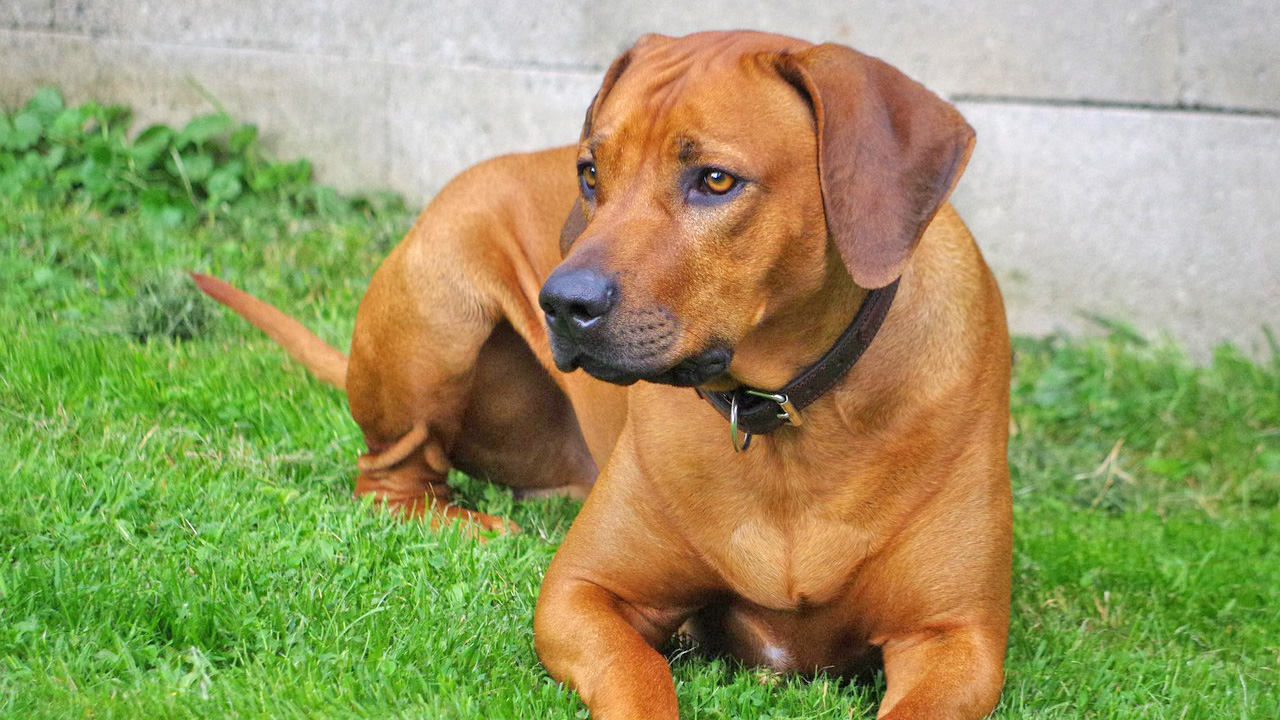
Rhodesian Ridgebacks are often quieter than the stereotypical watchdog, but that does not mean they are inattentive. They tend to be very aware of strangers and naturally reserved around people they do not know.
That calm confidence can actually make their alerts more meaningful. A Ridgeback that suddenly gets up, watches the door, and gives a deep bark usually has a reason. Their size and athletic build also create strong visual deterrence. They are independent dogs, which means owners need to establish clear expectations early. For someone who wants a dog that watches without barking constantly, the Ridgeback can be a better fit than breeds that announce every squirrel and passing truck.
Bullmastiff
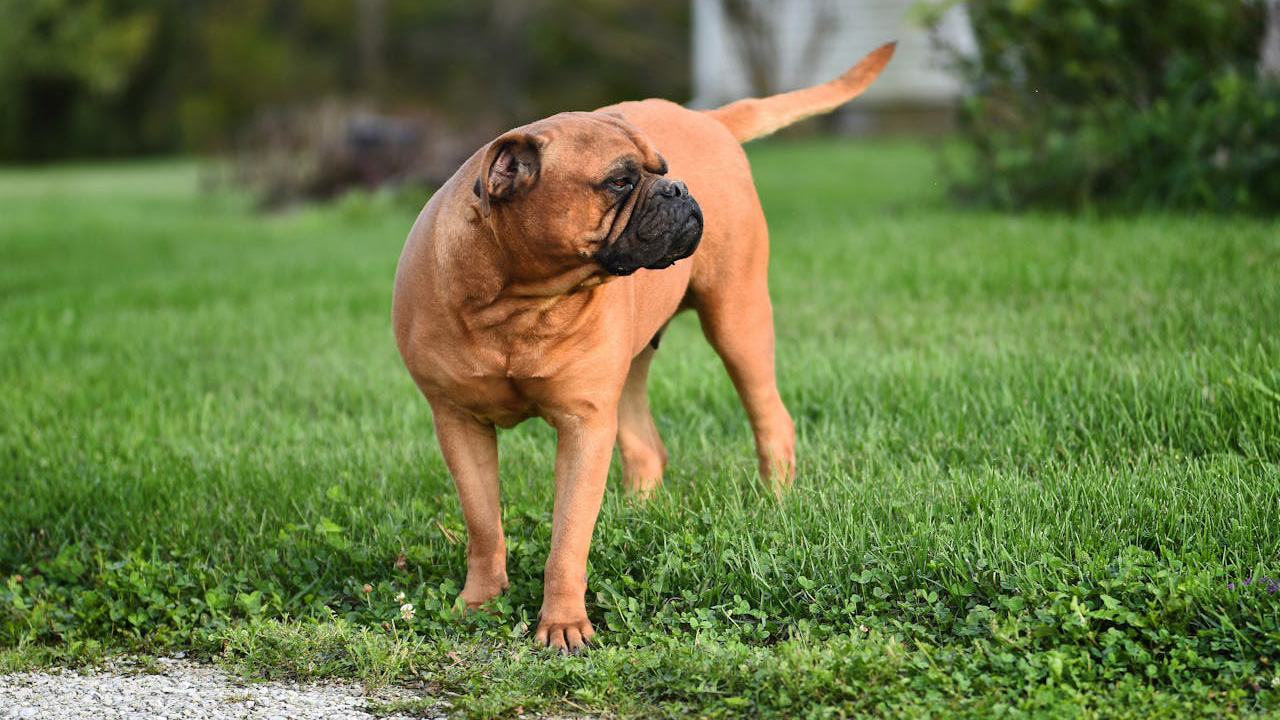
Bullmastiffs were developed to quietly watch property and confront intruders, so watchdog behavior is deeply rooted in the breed. They tend to be calm and observant rather than frantic.
Their physical presence does a lot of the work. A large Bullmastiff standing silently near the door can be more intimidating than a smaller dog barking nonstop. When they do bark, it is usually deep and difficult to ignore. They are not a breed that needs endless exercise, which can make them easier to live with than high-drive working dogs. Their size still requires good manners and early socialization, but for a household wanting a calm dog that takes the home seriously, the Bullmastiff is very effective.
Cane Corso

The Cane Corso is naturally watchful, territorial, and strongly attached to family. Those traits make it an excellent watchdog, but they also mean the breed requires an experienced owner.
A Corso tends to notice strangers quickly and has more than enough physical presence to make people respect the warning. The ideal dog is calm rather than reactive, observing first and responding when necessary. That temperament depends heavily on breeding and socialization. A poorly raised Corso can become suspicious of normal visitors instead of simply alert to them. In the right home, though, the breed is one of the most serious watchdogs available, combining awareness, confidence, and an intimidating presence without needing to bark constantly.
Akita

Akitas are naturally reserved with strangers and deeply loyal to their own household, which makes them strong watchdogs almost by default. They do not usually need to be taught to care when someone unfamiliar enters the property.
They are also relatively quiet compared with some breeds. An Akita may observe first and bark only when it decides something deserves attention. That can make the warning more meaningful, but it also means owners need to understand the breed’s independent personality. They are not eager-to-please dogs and may make their own decisions about unfamiliar people or animals. Careful socialization is essential. For experienced owners, though, their calm vigilance and natural suspicion make them excellent at watching a home.
Tibetan Mastiff

Tibetan Mastiffs were developed to guard homes, flocks, and property, often with very little direct supervision. That history created a dog that is naturally territorial and particularly alert at night.
Their bark is deep, loud, and difficult to ignore. They also tend to patrol and position themselves where they can monitor activity rather than constantly following their owners around. The challenge is that their independence can make them difficult to manage, especially for owners expecting traditional obedience. They are also powerful dogs that require strong socialization and secure property. In the right setting, however, they are exceptional watchdogs because vigilance is not something you have to teach. It is already deeply built into the breed.
Like The Avid Outdoorsman’s content? Subscribe to our newsletter so you never miss an article.
Here’s more from us: