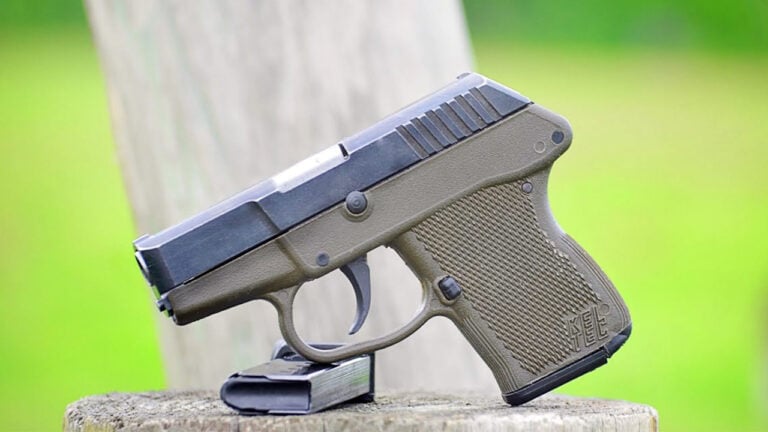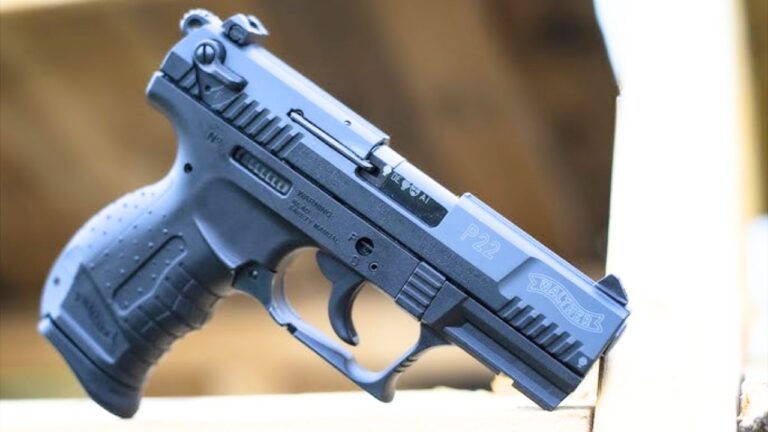
Photo credit: The Jimmini Show/Youtube
Gun prices don’t jump all at once. They creep, then they sprint. One day a rifle is just a used-gun-rack regular with a little honest wear, and the next day it’s “collectible” because a forum thread discovered it, a YouTube channel blessed it, or a ban rumor lit a fire under the market.
I’ve watched it happen enough times that I pay attention to the guns that used to be everywhere and cheap, the ones nobody bragged about. These are the firearms that sat in pawn shop cases, rode behind truck seats, and filled freezer tags long before anybody started treating them like rare baseball cards. Some of them deserve the attention. A few of them don’t. But all of them were easier to buy before the crowd showed up.
1. SKS (Norinco / Chinese Type 56)
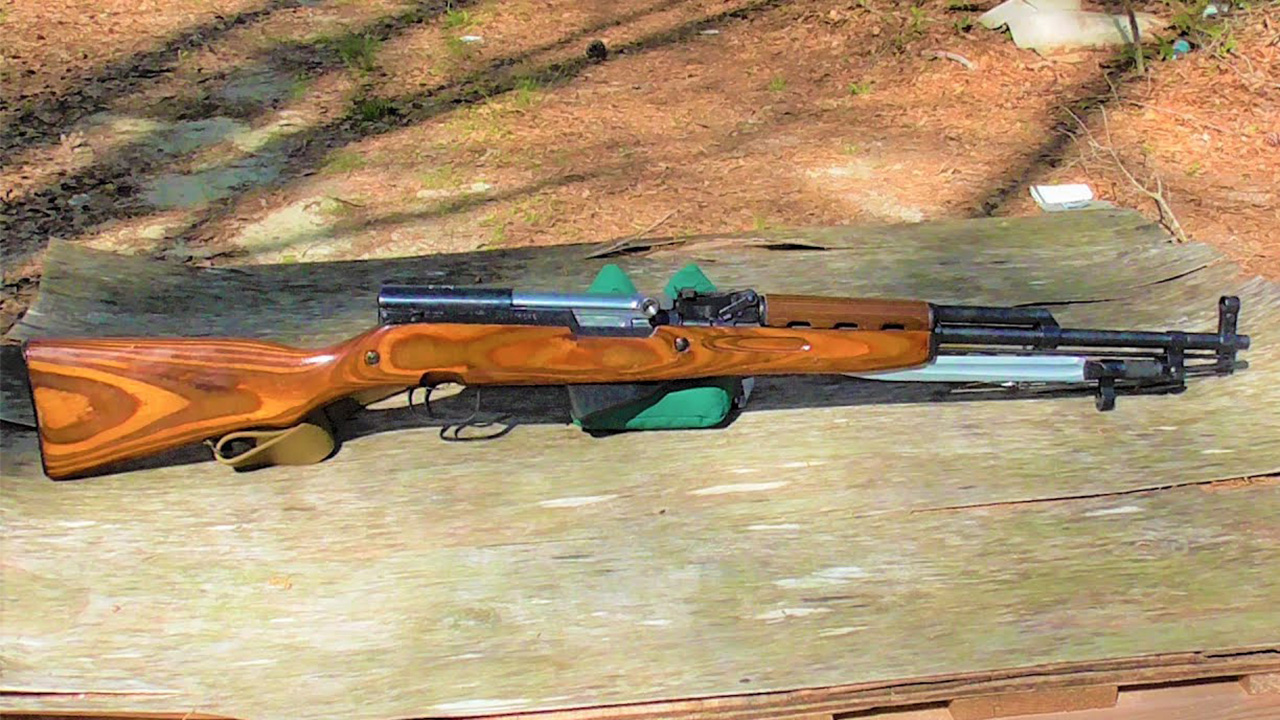
There was a time when the SKS was the “sure, why not” rifle. Cheap ammo, simple manual of arms, and it would run dirty. You’d see them with mismatched stocks and chipped handguards, and nobody cared because they just worked.
Now the same rifles get picked apart for matching numbers and import marks like it’s a museum piece. It’s still not a light rifle, and it’s not fast to reload compared to a detachable-mag gun, but as a rugged 7.62×39 woods rifle, it has always done the job.
2. Mosin-Nagant M91/30 (Izhevsk / Tula)
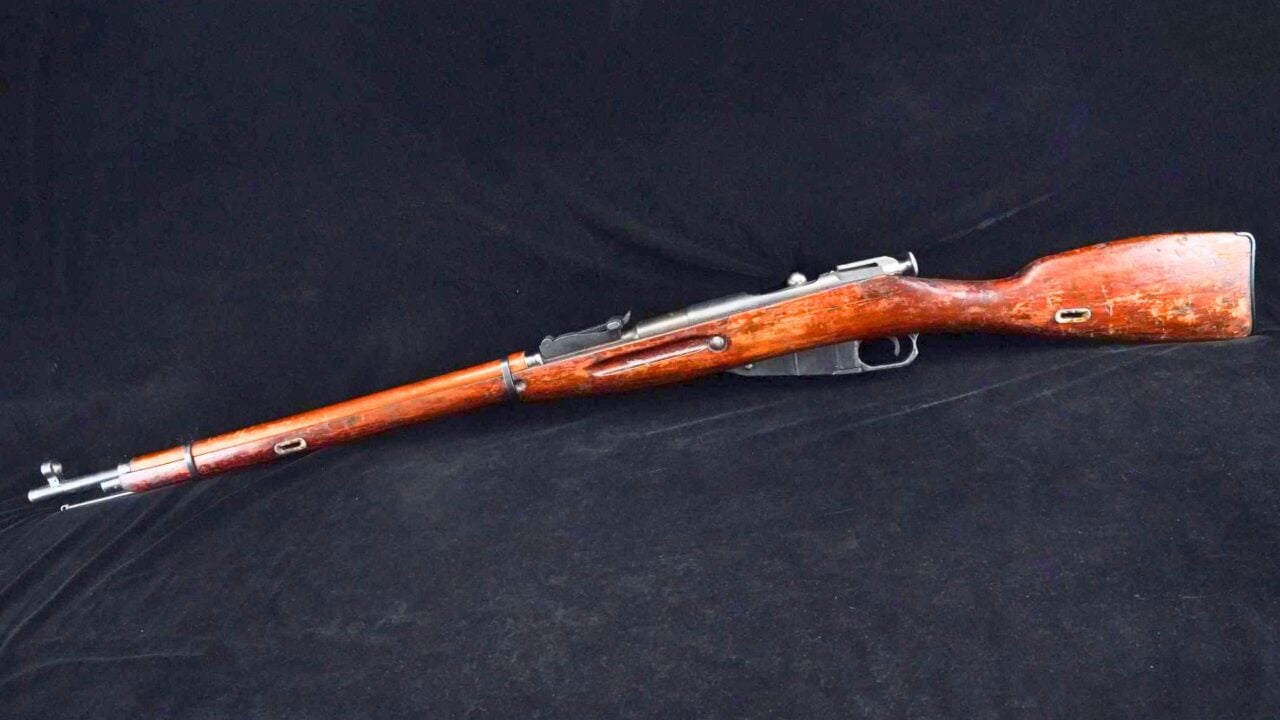
Crates of these came in like cordwood. Cosmoline, rough bores, stiff bolts, and a trigger that felt like it was connected to a screen door spring. We bought them anyway because they were cheap and they went bang every time.
Now, even average examples bring real money, and the “sniper” talk has inflated anything with a bent bolt. They’re still long and they still kick, but for a basic hunting rifle on a tight budget back then, it was hard to beat a $99 bolt gun that could reach out.
3. Ruger P89
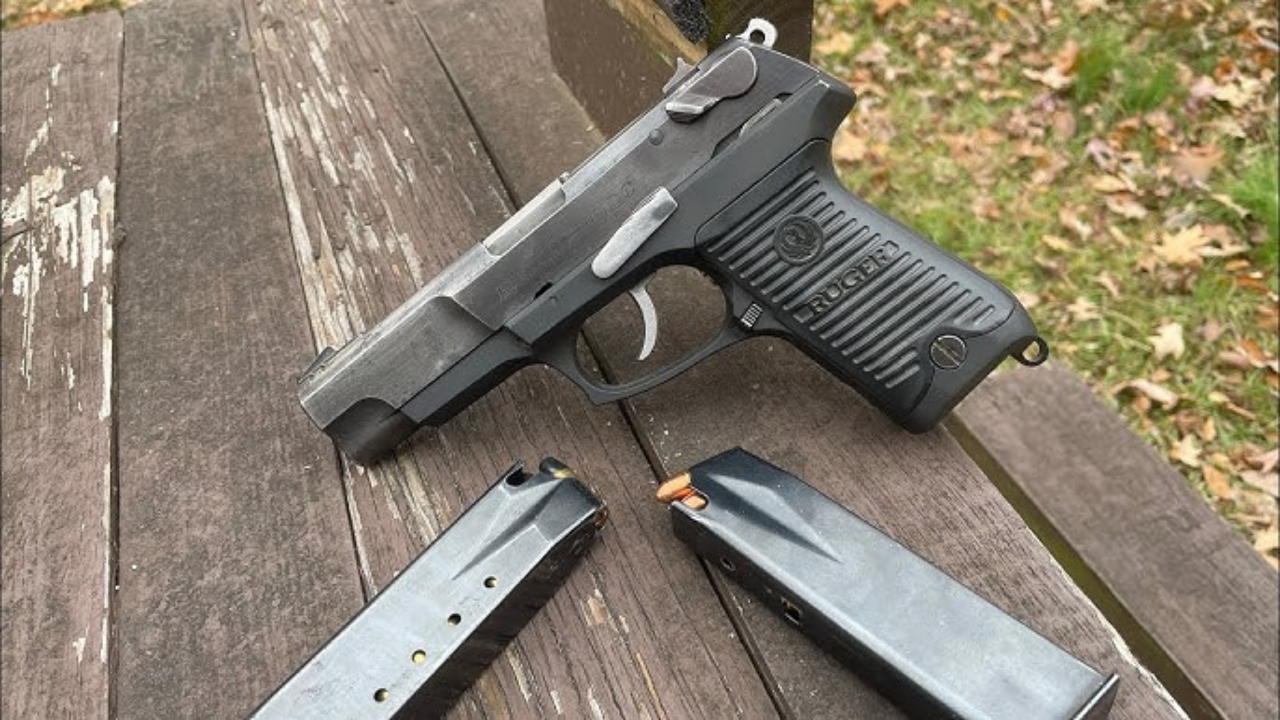
The P89 is about as graceful as a brick. Big slide, chunky grip, and it’s not winning any concealed-carry beauty contests. But it’s a dependable 9mm that digests a lot of ammo without drama.
Used ones used to be easy to snag for working-man money, often with extra mags because nobody was hoarding them. Nowadays, clean examples don’t sit long because folks have figured out that “boring and reliable” is a pretty good combination.
4. Smith & Wesson Model 10
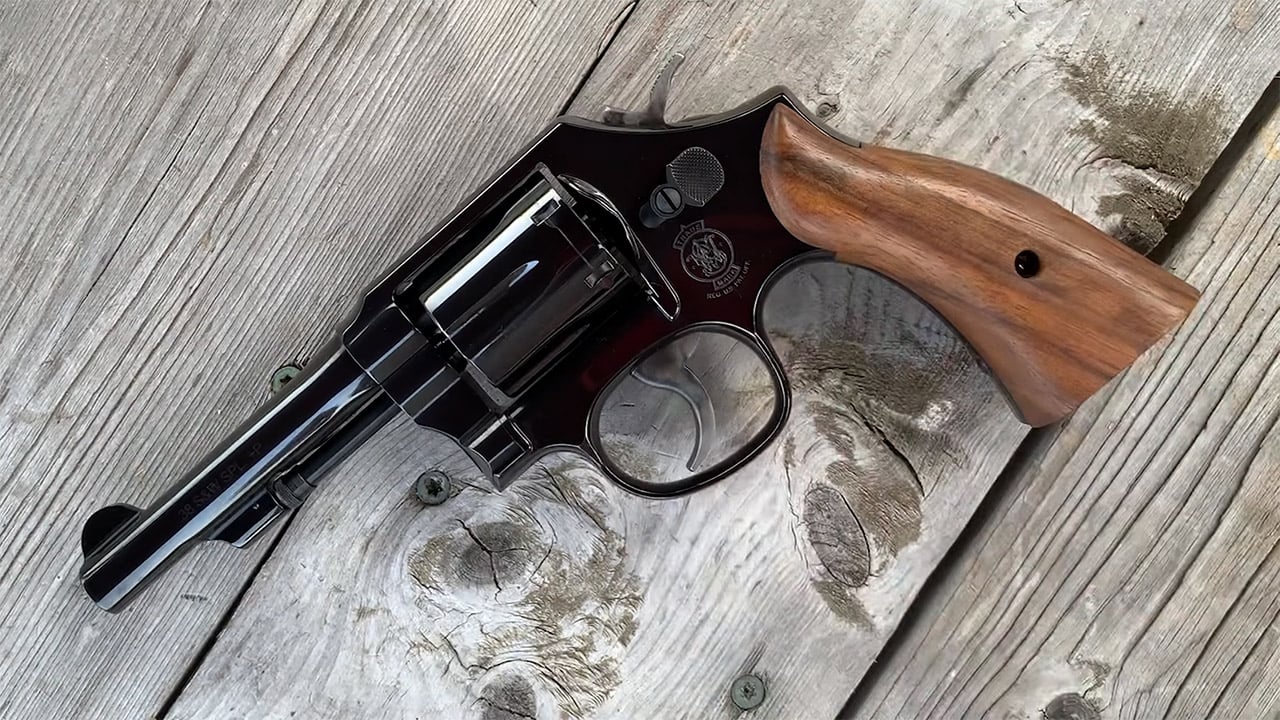
This is one of those revolvers that used to be everywhere because police trade-ins were everywhere. Fixed sights, pencil barrel on some, and a trigger that makes you understand why people still love double-action revolvers.
They aren’t flashy, and they aren’t light. But for a nightstand gun or a range revolver that’ll still be running when your grandkids are grown, it’s hard not to respect one.
5. Ruger Security-Six

Before the GP100 became the Ruger revolver everybody thinks of, the Security-Six was the working gun. Strong, simple, and it carries better than the heavier Ruger frames. I’ve handled plenty that were worn slick from holster time and still locked up tight.
They used to be under-the-radar bargains for a serious .357. Now, more shooters are hunting them specifically, and prices have followed.
6. Glock 19 (Gen 2 / Gen 3)
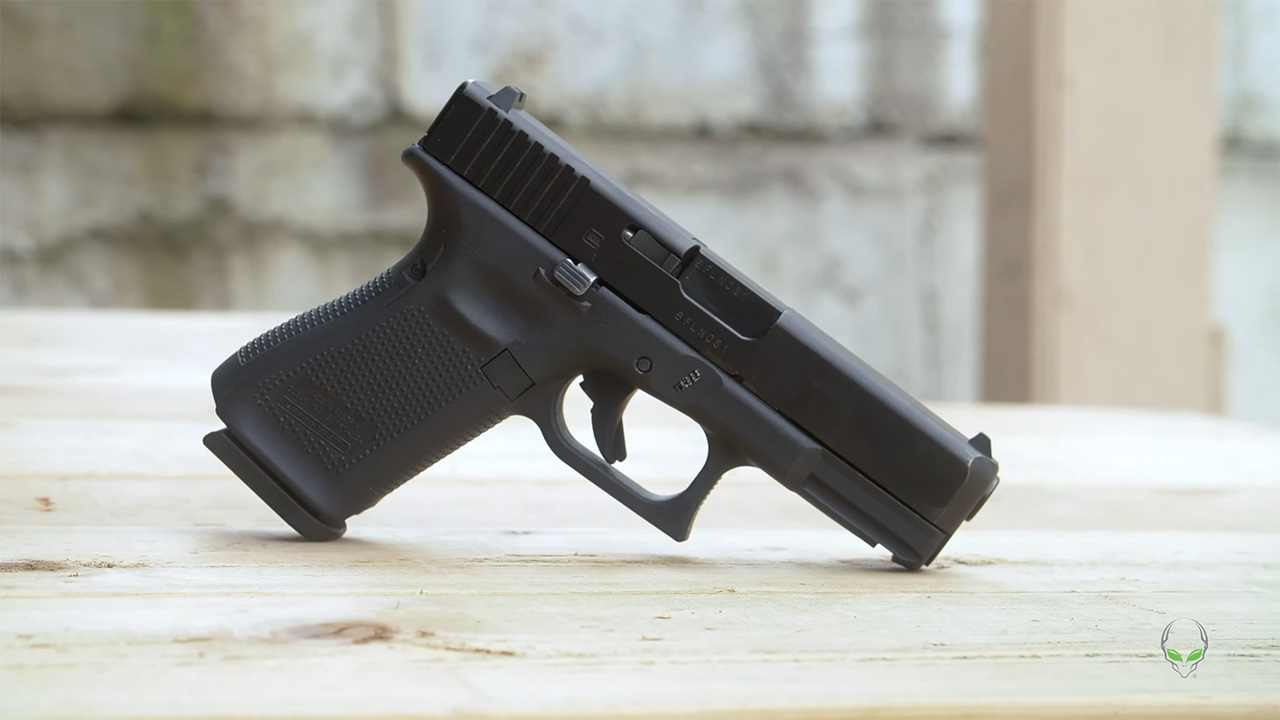
Glock 19s were never exactly “rare,” but there was a period where used ones were cheap enough that you didn’t overthink it. You’d buy one, toss in a fresh recoil spring, and call it good.
Then the whole world decided the G19 is the default answer to everything. Police trade-ins still pop up, but the days of truly cheap, clean Gen 2/Gen 3 guns have faded in a lot of places.
7. CZ 82

If you know, you know. The CZ 82 came in as a surplus oddball, and for a while it was the best deal in a compact handgun: good sights, good ergonomics, and it shot better than it had any right to for the money.
8×18 Makarov isn’t everyone’s favorite cartridge, and magazine sourcing can be a little more annoying than modern 9mm pistols. Still, that little gun earned its reputation honestly, and the market eventually noticed.
8. CZ 75B (Pre-owned imports)

For years, the CZ 75B lived in that space where serious shooters respected it but the general public chased other names. Used ones were priced like a secret. Great trigger potential, points naturally, and it’s one of those pistols that makes you shoot better than you are on a good day.
Now, CZ isn’t a secret anymore. Between competition use and plain word-of-mouth, the prices have climbed, especially on clean guns with original mags.
9. Remington 870 Wingmaster

The Wingmaster isn’t the same thing as the bargain-bin 870s that showed up later. An older Wingmaster has that smooth, slick pump stroke that feels like it’s on ball bearings, and the bluing and wood usually look like somebody cared.
These used to be common in closets and on used racks. Now everyone wants “old Remington,” and if you find a clean Wingmaster for an old price, you don’t leave it sitting there.
10. Mossberg 590 (older production)

There was a stretch where the 590 was just a tough shotgun that didn’t get the same romantic attention as certain other pumps. But the heavy-walled barrel, the metal trigger guard on many older examples, and the simple controls made it a real-deal working gun.
Once buyers started prioritizing durability over polish, the 590 moved from “good value” to “harder to snag cheap,” especially in certain configurations.
11. Ruger Mini-14 (180/181-series)

Mini-14s used to be the rifle you bought when you didn’t want an AR vibe, or you wanted something that looked more ranch than range day. The older thin-barrel guns can string shots when they heat up, and that’s a real complaint.
But for a truck rifle or a coyote gun inside practical distances, they’ve always handled well. Add in magazine availability improving over time, and suddenly everybody’s “always wanted one.”
12. Colt 6920
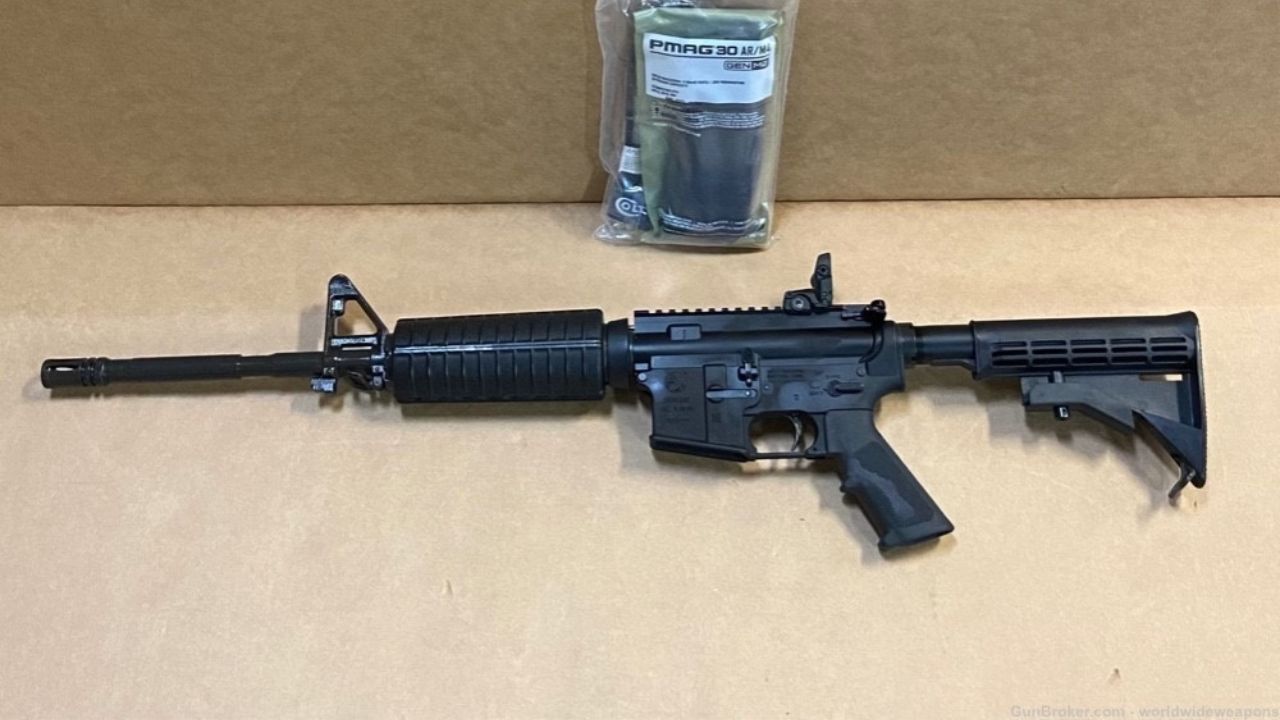
The 6920 was once the baseline “buy once, cry once” AR that regular guys could still find at sane prices. Not a boutique rifle, not a race gun, just a solid carbine from a name that means something in that world.
Then supply swings, politics, and the Colt roller coaster happened. There are other great ARs out there, but the 6920 stopped being the easy, affordable no-brainer in a hurry.
13. Saiga AK (Izhmash import)

Saiga rifles were the sleeper AK buy. They came in “sporting” configuration, and a lot of folks ignored them because they didn’t look like what they expected an AK to look like. Ask me how I know.
Once imports tightened and everyone realized an Izhmash gun is an Izhmash gun, prices didn’t just rise—they jumped. Even if you prefer other AK patterns, it’s hard not to miss the days when these were stacked up and treated like generic inventory.
14. Saiga-12
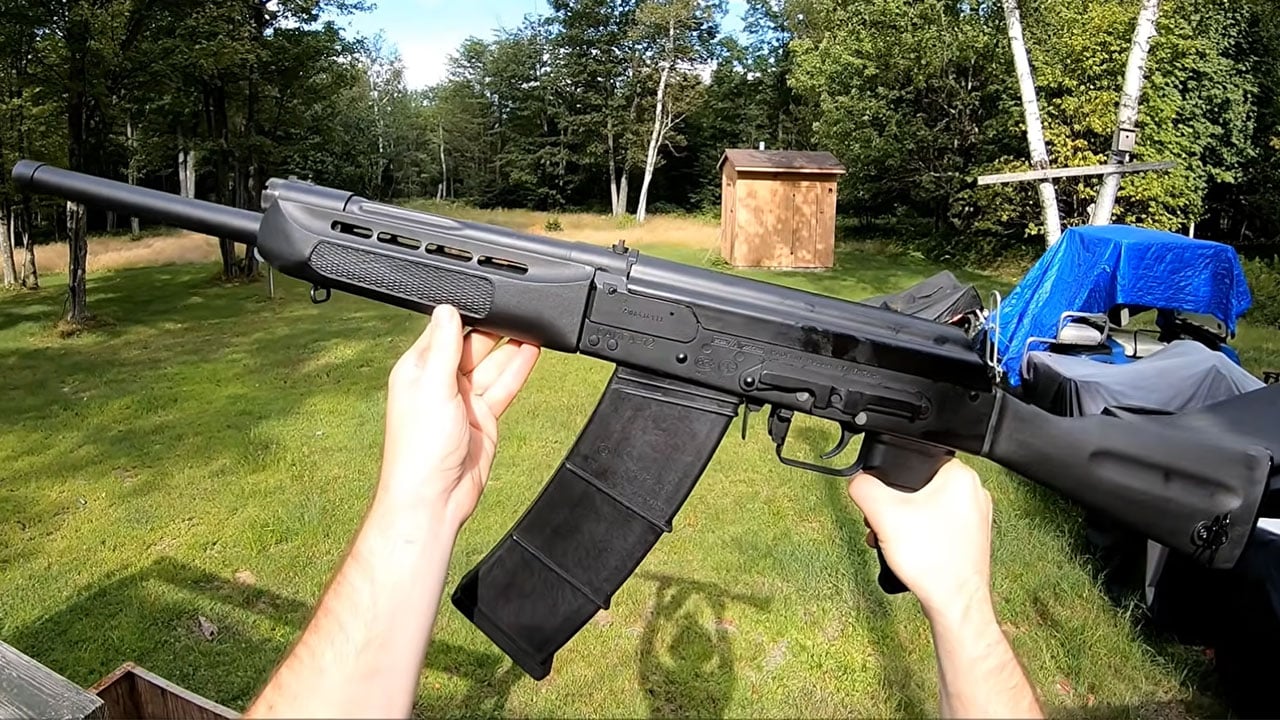
The Saiga-12 was the shotgun people bought because it was fun, not because it was practical. And to be fair, a lot of them were finicky depending on ammo and setup. Still, when they ran, they were a riot.
Then the supply dried up, and suddenly everyone wanted the same “fun gun” they used to walk past. Magazines and drums became part of the cost equation too, and that’s where it really starts to sting.
15. Marlin 336 (JM-stamped)

There’s nothing fancy about a .30-30 lever gun, and that is kind of the point. The Marlin 336 shoulders quick in thick timber, carries well one-handed, and it’s about as honest a deer rifle as exists.
The older JM-marked guns became their own category once newer production got a mixed reputation for a while. That drove demand straight into the used market, and prices followed.
16. Ruger 10/22 (older used carbines)
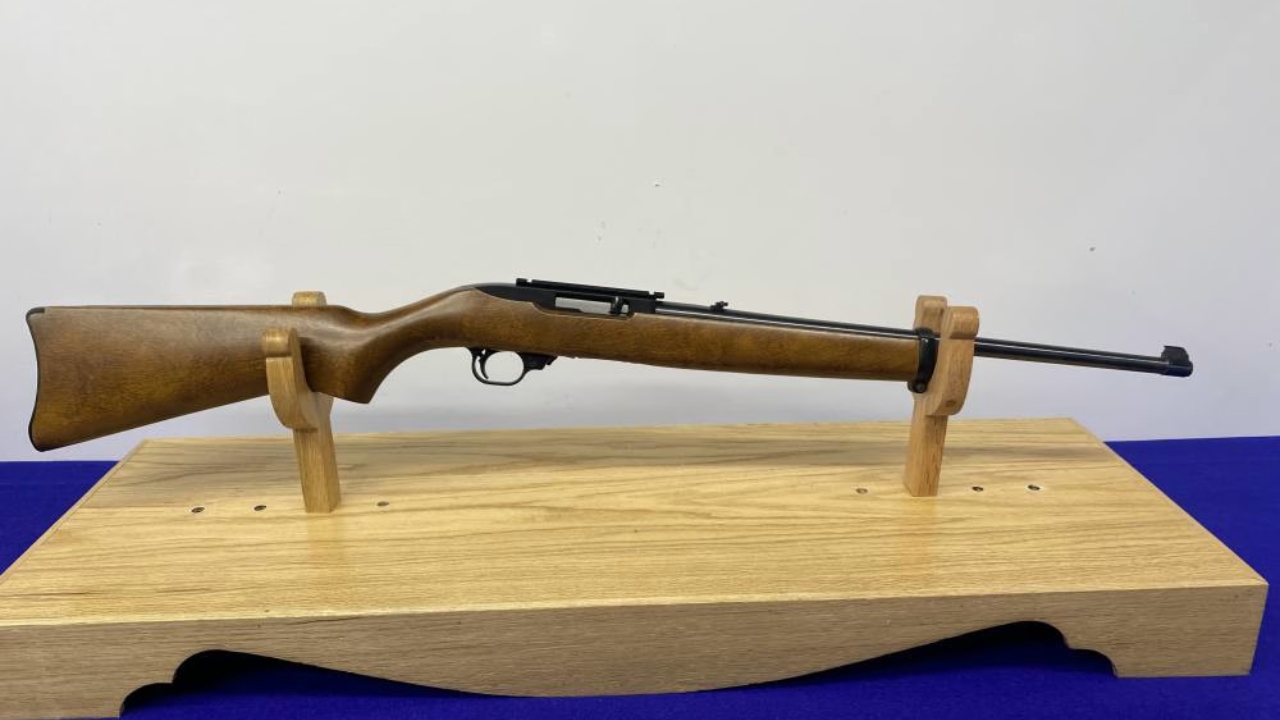
The 10/22 is still common, but the “cheap used 10/22” has become less common. Everybody wants a rimfire that actually runs, can be upgraded, and has mags everywhere. The 10/22 checks every box.
Older carbines with decent barrels and triggers used to be easy to grab for a song. Now they get snatched up fast, especially if they’re clean and not already “customized” into something weird.
17. Savage Model 110 (pre-AccuTrigger)

These were the rifles guys bought when they cared more about filling tags than impressing anybody. Ugly stocks, basic finishes, and accuracy that embarrassed more expensive rifles if you fed them what they liked.
Before everyone started chasing budget precision trends, you could find these everywhere. They’re still a little plain, but the secret is out: a boring old 110 can be a real shooter.
18. Remington 700 ADL (older production)

The 700 has had its share of arguments online, and I’m not here to re-litigate the internet. What I will say is older ADLs used to be the default “first deer rifle,” and used ones were priced accordingly.
Now, anything “older Remington” tends to pull extra attention, especially if it’s unmolested and wears a basic scope. It’s not that every one is magic. It’s that they’re familiar, parts are everywhere, and they’ve put a lot of venison on a lot of tables.
19. Beretta 92FS (police trade-ins)

There was a period where trade-in 92s were one of the best handgun deals going. Big, soft-shooting, and reliable with quality mags. If you like a DA/SA pistol, it’s hard not to enjoy a 92 on the range.
They’re not small for carry, and the grip isn’t for everybody. But the pricing on clean examples has tightened up as fewer deals float around and more shooters circle back to metal-framed pistols.
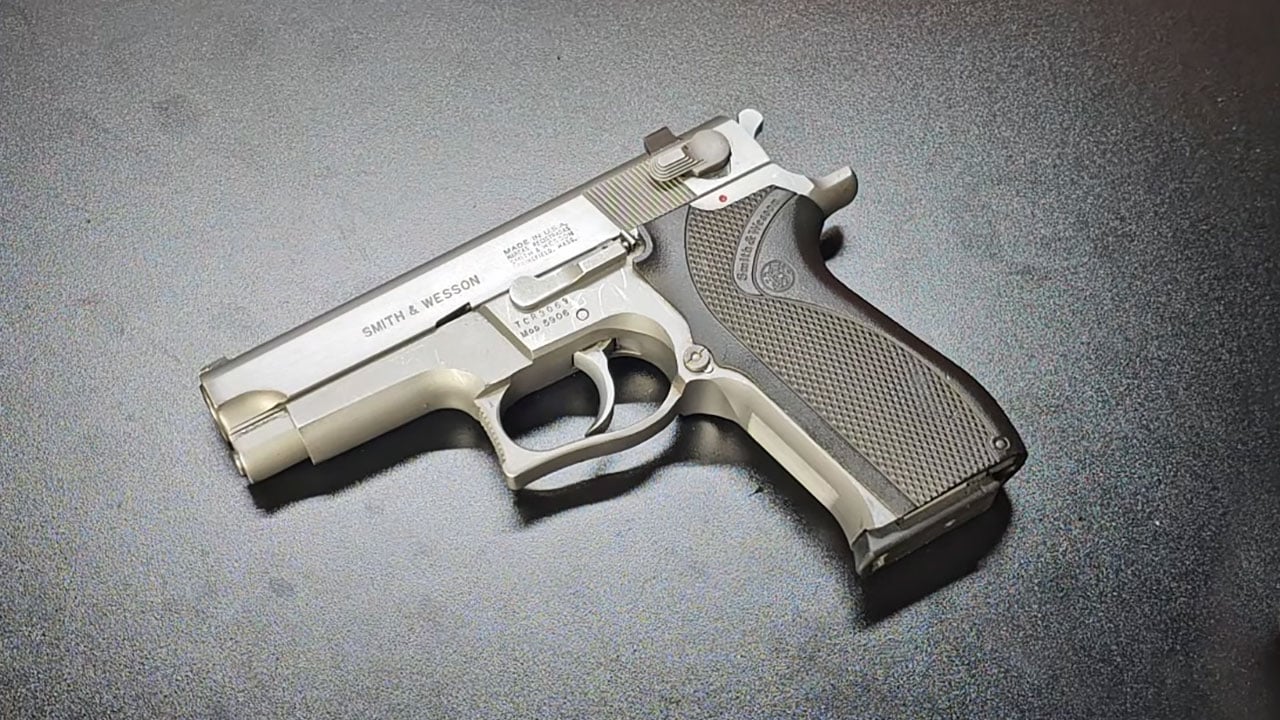
20. Smith & Wesson Model 5906
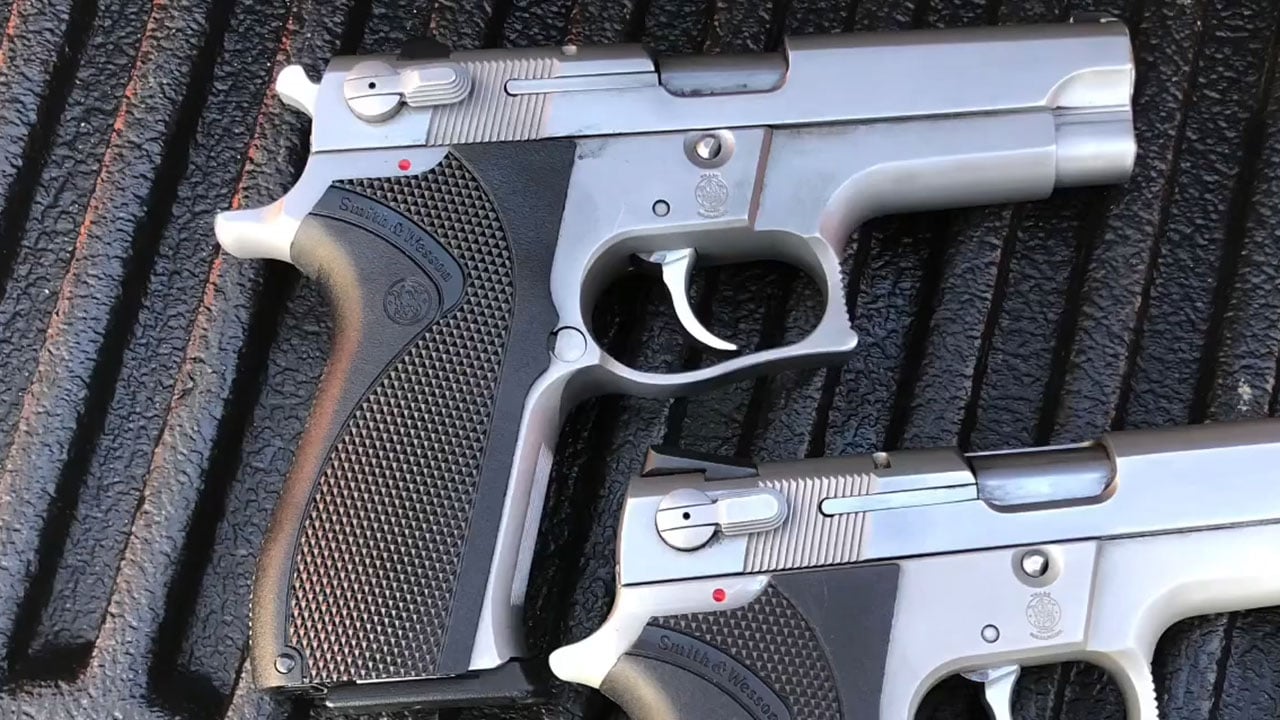
The 3rd Gen Smith autos used to be the definition of “used but useful.” Stainless, heavy, built like they were designed by a committee that didn’t believe in the word “lightweight.” The 5906 is a tank, and it shoots like one—in a good way.
For a while, they were cheap because they weren’t trendy. Then folks started actually shooting them again and realized the triggers smooth out, the recoil is mild, and they’re just solid. Finding one with a couple factory mags at a throwaway price isn’t as easy as it used to be.
The funny part is none of these guns got better overnight. What changed was attention. If you’ve already got one or two of these sitting in the safe, you don’t need to treat them like gold bars—but you also don’t need to be quick to trade them off for the next shiny thing. The older I get, the more I appreciate the plain firearms that do their job every season without a speech.
Like The Avid Outdoorsman’s content? Be sure to follow us.
Here’s more from us: