Photo credit: TFB TV/Youtube
Revolvers get treated like they’re all the same until you actually try to carry one every day. Weight on the belt matters. A grip that feels fine at the bench can print like crazy under a flannel. And a smooth trigger you can run well is worth more than an extra round you can’t hit with.
Over the years, a handful of wheelguns changed what folks expected from a carry revolver. Not just “it goes bang,” but “it disappears,” “it doesn’t beat me up,” “I can shoot it fast,” or “I can actually see the sights in bad light.” Here are 20 that pushed those expectations forward—some in a good way, a few in a “learn the hard way” kind of way.
1. Smith & Wesson Model 36 Chief’s Special
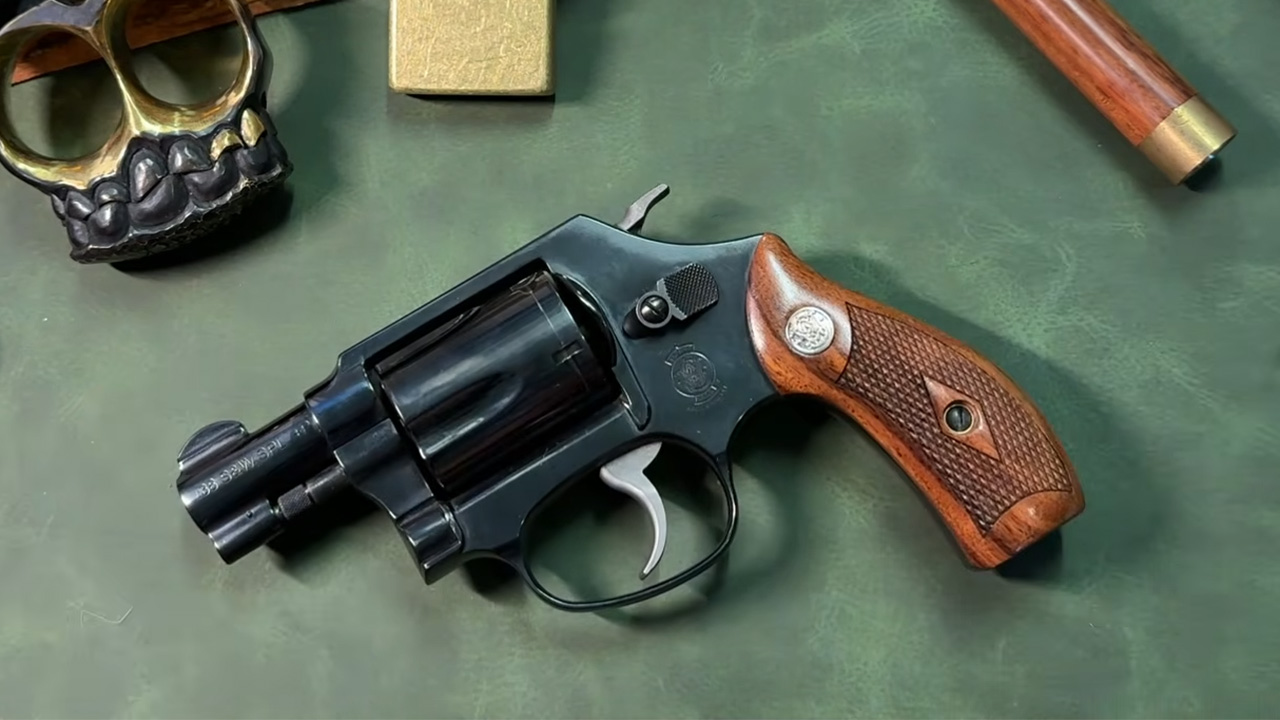
This is one of the guns that made the short, five-shot .38 feel normal instead of like a compromise. The size made sense for a coat pocket, glovebox, or waistband carry before “EDC” was a marketing word.
It also set the expectation that a carry revolver should have decent sights and a trigger you can learn, not just a last-ditch belly gun. Plenty of them are still out there with honest wear, and they still point naturally if you do your part.
2. Smith & Wesson Model 60 (stainless J-frame)
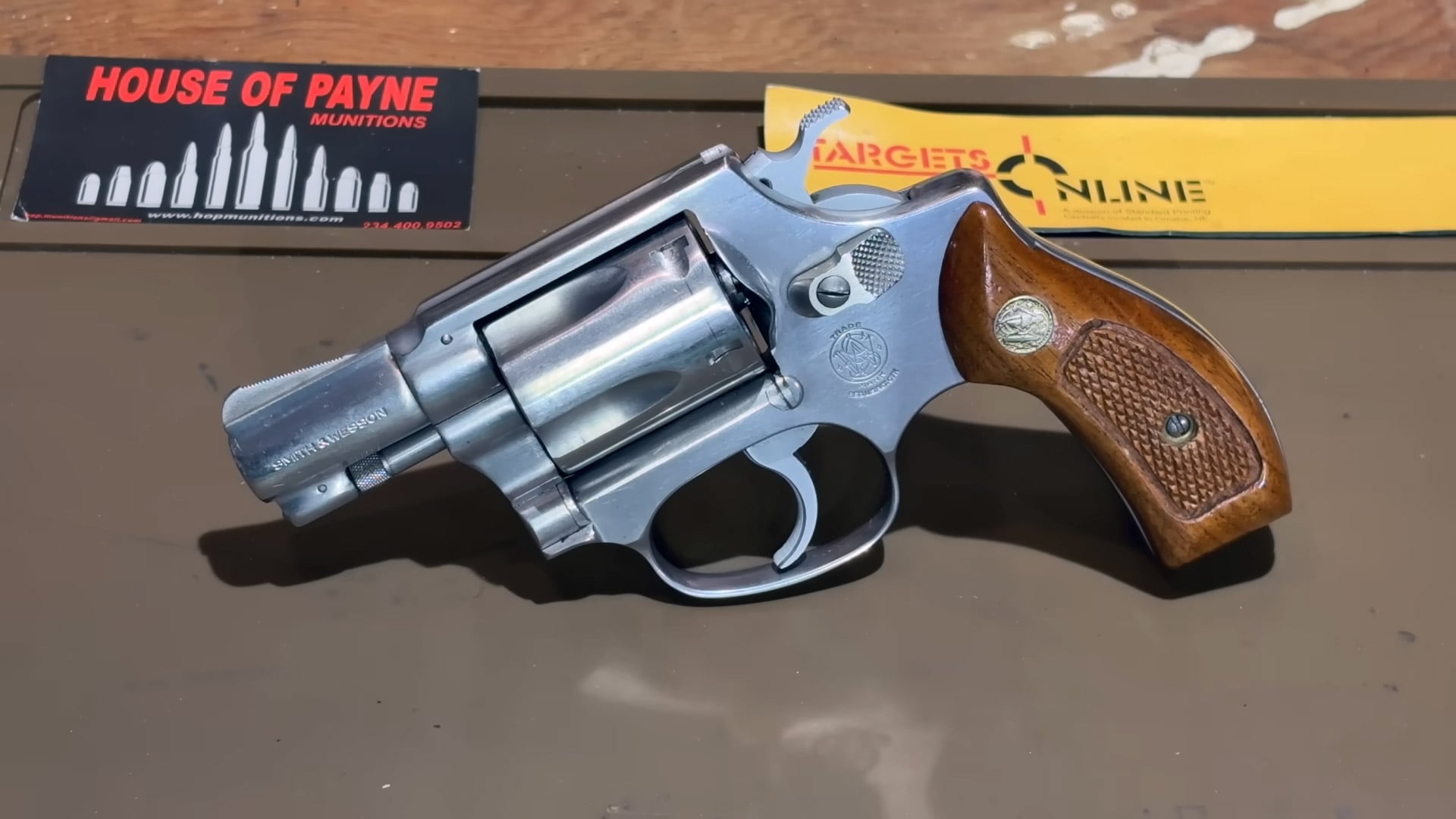
The Model 60 made “rust resistance” a real carry feature instead of a nice-to-have. Sweat happens. Rain happens. Getting caught fixing fence in August happens. Stainless changed the ownership experience.
It also normalized the idea that a revolver can be an everyday tool without turning into a brown, pitted mess. If you’ve ever pulled a blued pocket gun out after a humid summer, you already understand why this one mattered.
3. Ruger SP101

The SP101 showed up like a little tank. It’s not the lightest, not the slickest, and it’s definitely not the most “easy to pocket,” but it made folks expect durability from a small revolver.
You can run hot .357s in it without feeling like the gun is trying to leave your hand. The tradeoff is you feel it on your belt by the end of the day, but it bought a lot of shooters confidence that a compact revolver didn’t have to be fragile.
4. Ruger LCR

The LCR is one of the biggest expectation-changers of the modern era. Ruger took a hard look at what actually made small revolvers hard to shoot well and did something about it with the trigger geometry and the grip setup.
Lightweight carry revolvers used to mean “bring a Band-Aid for your palm.” The LCR made light feel more manageable, and it helped a lot of people realize a pocket revolver can be shootable, not just carriable.
5. Smith & Wesson 642 Airweight

The 642 is boring in the best way. It’s a snag-free, hammerless-style carry gun that just goes where you put it, and it doesn’t ask for attention. For a lot of folks, it became the baseline for what a simple revolver should be.
It also taught a lesson: light weight is great on the belt and rough at the range. The 642 made people start expecting better grips, better loads, and better practice habits if they wanted a featherweight wheelgun to work under pressure.
6. Smith & Wesson 340PD

This one pushed the “light as possible” idea into the extreme. Scandium frame, titanium cylinder, and a number on the scale that makes you grin—until you touch off full-power .357.
The 340PD changed expectations by proving a point: just because a revolver can chamber a cartridge doesn’t mean you’ll realistically train with it in that chambering. Plenty of owners end up carrying .38 +P because it’s the difference between practice and flinching.
7. Colt Detective Special
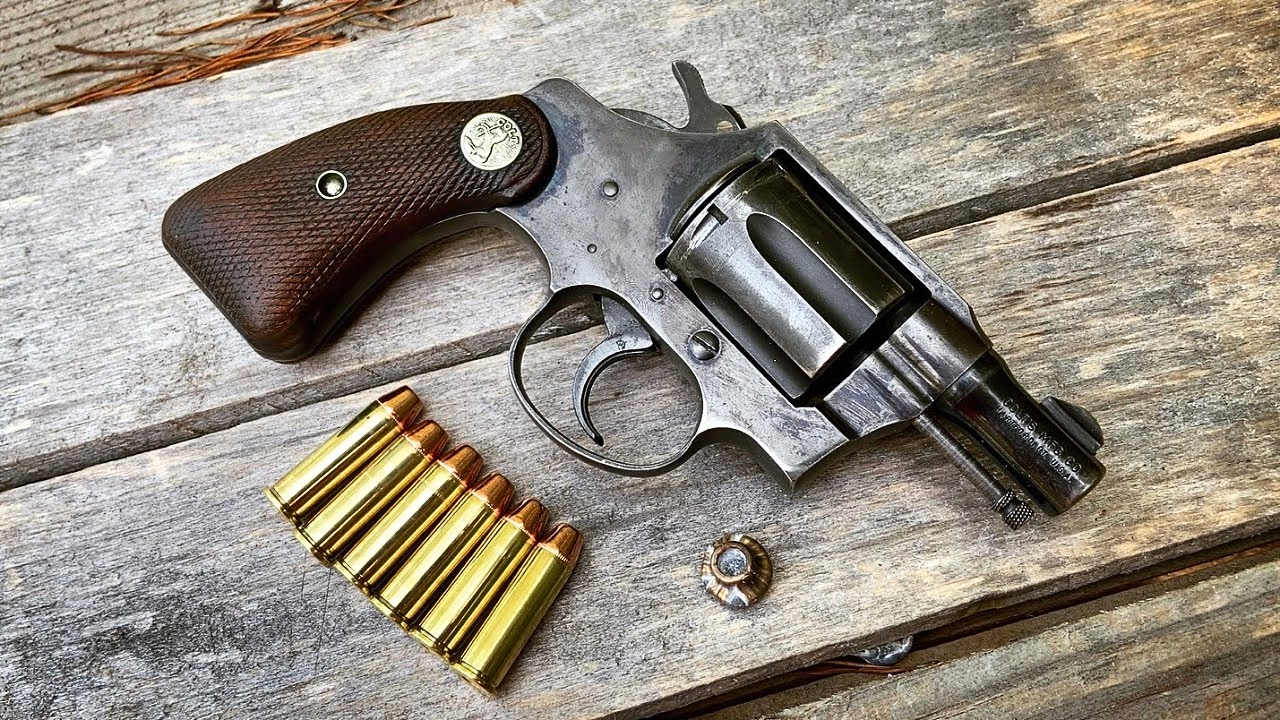
The Detective Special gave people something they still talk about: six shots in a compact package. That extra round changed the mental math for a lot of carriers, especially back when reloads were slower and holster options were fewer.
It also delivered that classic Colt double-action feel when it’s in good shape—smooth, stacking a bit, and very shootable. Downsides? Older Colts can be pricier to service, and you don’t want a “kitchen-table gunsmith special” as a carry piece.
8. Colt Cobra (classic alloy-frame)
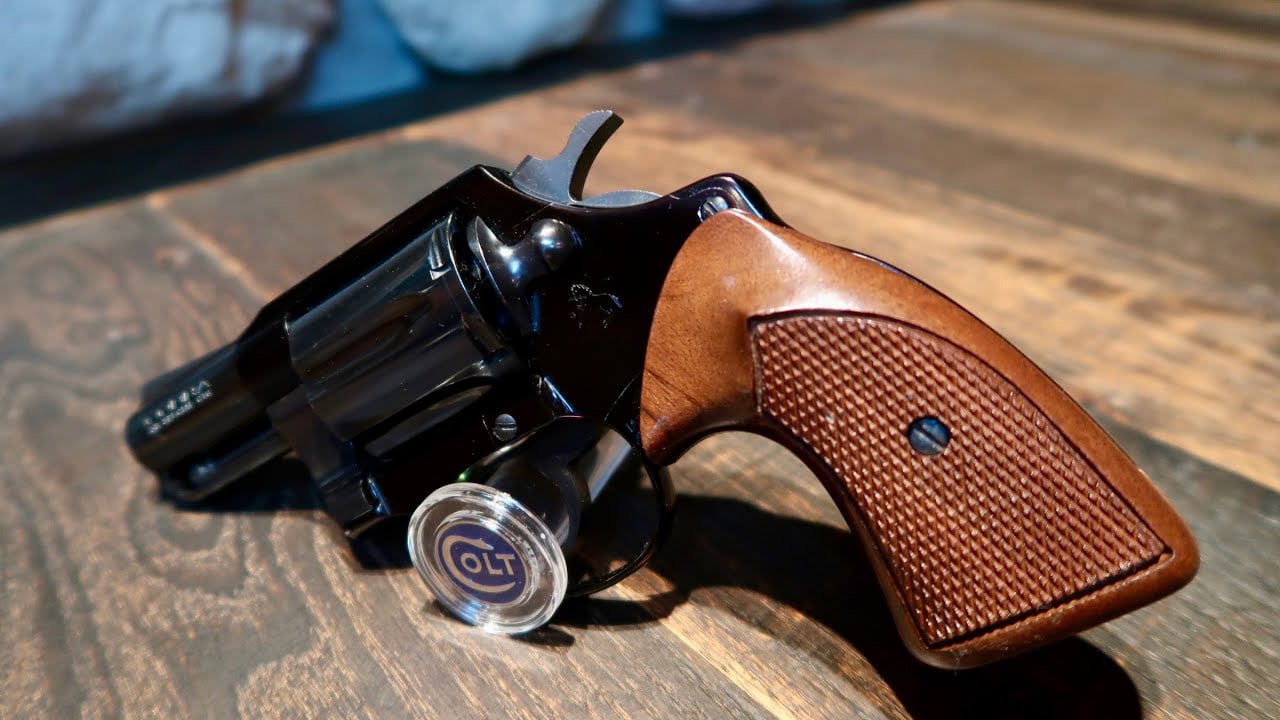
Take the Detective Special idea and trim weight, and you’ve got why the Cobra mattered. It pushed the idea that you can have capacity and comfort, not just one or the other.
It’s not a gun you buy to abuse, and steady diets of hot loads aren’t what it was made for. Still, it helped shape what people wanted: a revolver you’ll actually keep on you, not leave in the truck because it drags your belt down.
9. Smith & Wesson Model 19 Combat Magnum
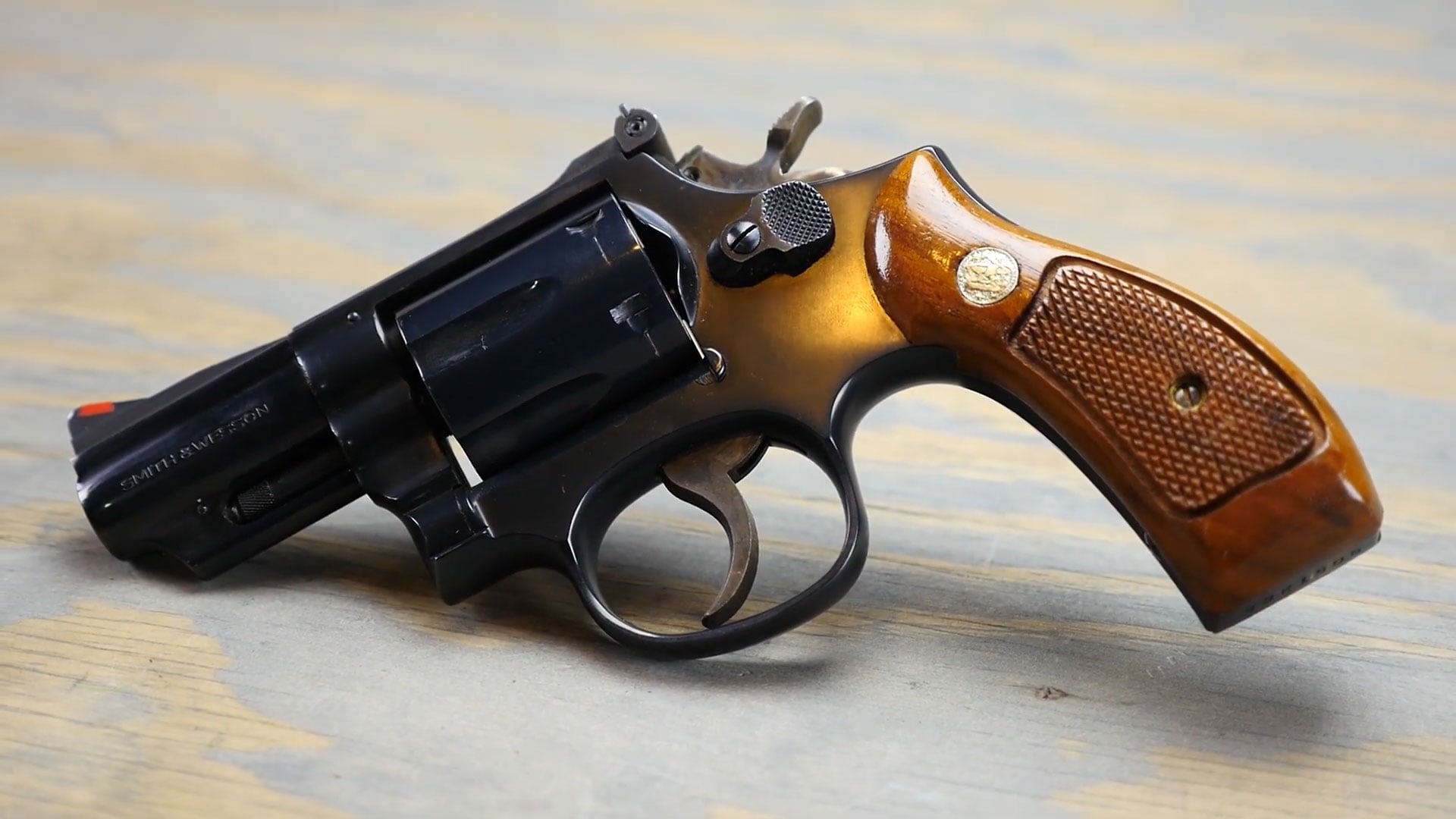
Carrying a K-frame .357 sounds normal now, but this model is a big reason why. It blended “fighting revolver” handling with a size that still rides well under a jacket.
It also set expectations on balance. The Model 19 points quick, the sights are usable, and the trigger can be excellent. The cautionary part is also well known: high-volume, light-and-fast .357 loads can be hard on K-frames. Most folks who love them learn to practice smart.
10. Smith & Wesson Model 66
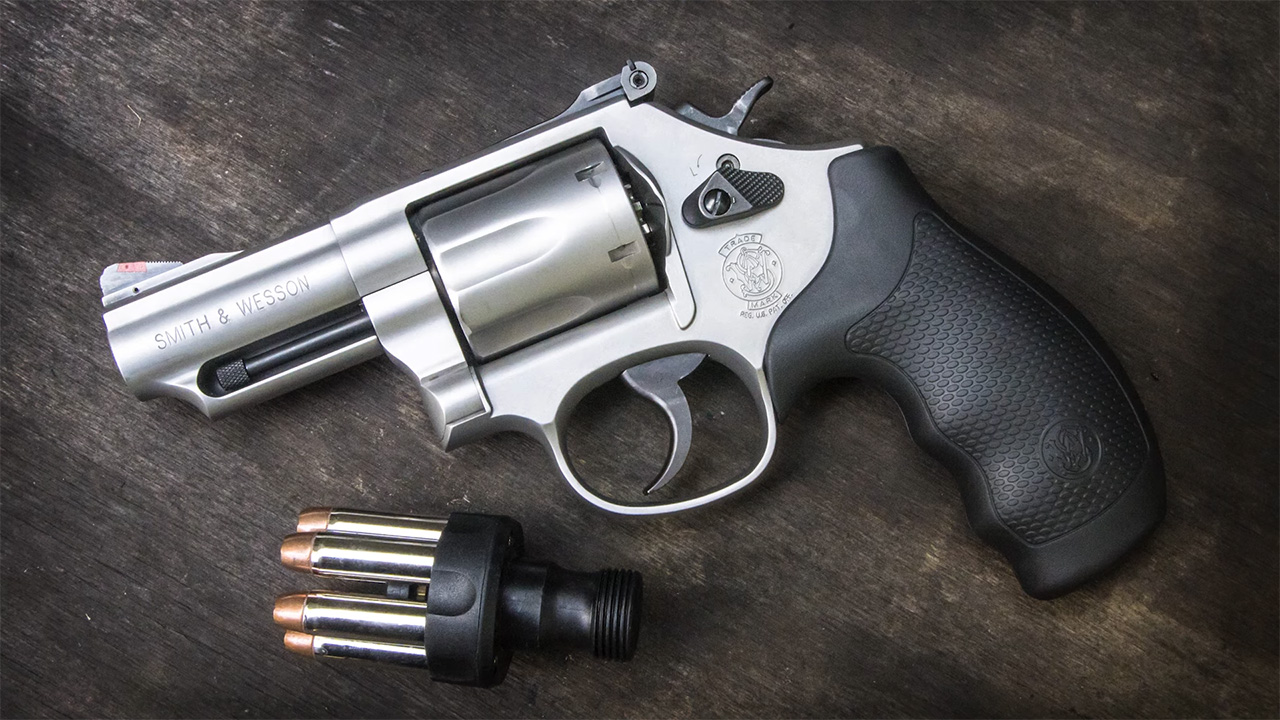
Stainless Model 19, basically—and that mattered more than it sounds. The Model 66 made it easier to carry a “serious” revolver in wet weather, on boats, around camp, and during sweaty months without babying it.
This is one of those guns that feels like it belongs on a belt in the woods but still works as a town carry gun. It helped cement the idea that carry revolvers can be tough and weatherproof without turning into a brick.
11. Smith & Wesson Model 10 (Military & Police)
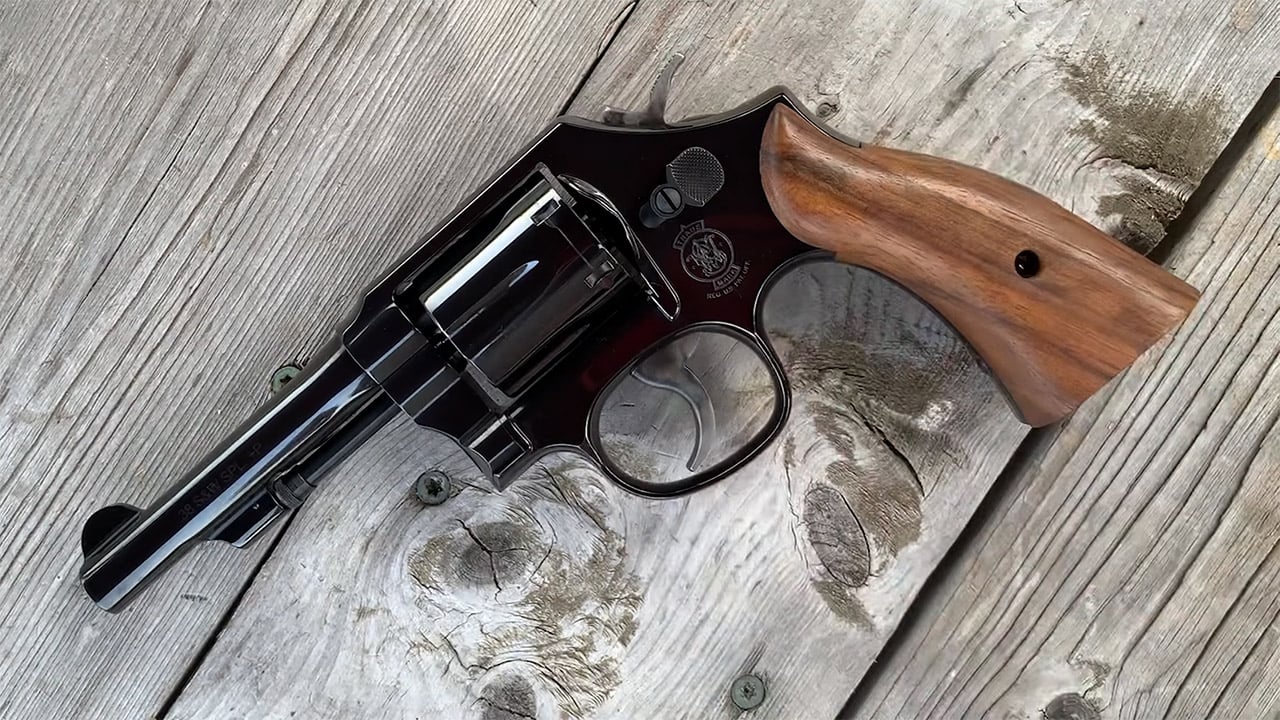
It’s not trendy, and it’s not small, but the Model 10 shaped expectations for reliability and practical accuracy. A lot of people learned double-action shooting on one, and that training shows.
As a carry gun, it taught the “service revolver” lesson: a slightly bigger gun can be easier to shoot well, and that matters more than internet arguments. If you can actually conceal it with your lifestyle, it’s a dependable, no-drama choice.
12. Smith & Wesson Model 686 (L-frame)

The 686 made the promise of .357 durability feel real for folks who actually shoot. The L-frame filled the gap between “nice handling” and “won’t loosen up when you practice.”
Is it big for concealment? Yep. But it changed expectations by making people think about carry as a system—belt, holster, cover garment—because the gun itself was so shootable and controllable that some were willing to dress around it.
13. Ruger GP100
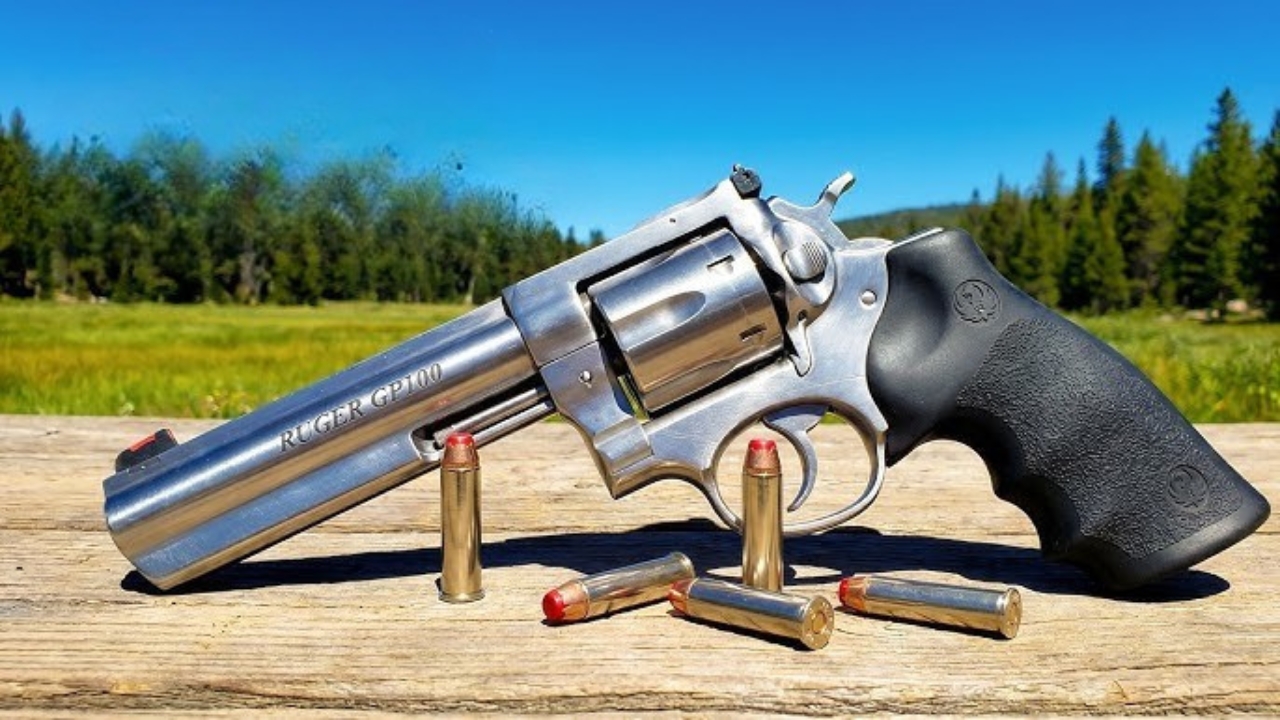
Like the SP101, the GP100 has that Ruger reputation for being overbuilt. It made a lot of folks expect their revolver to handle hard use, steady practice, and heavy loads without feeling delicate.
For carry, it’s more of a “woods sidearm” for many people, but plenty still conceal them with the right rig. If you’ve ever shot a loose, tired .357 and then tried a tight GP100, you understand why this model reset expectations on strength.
14. Charter Arms Undercover
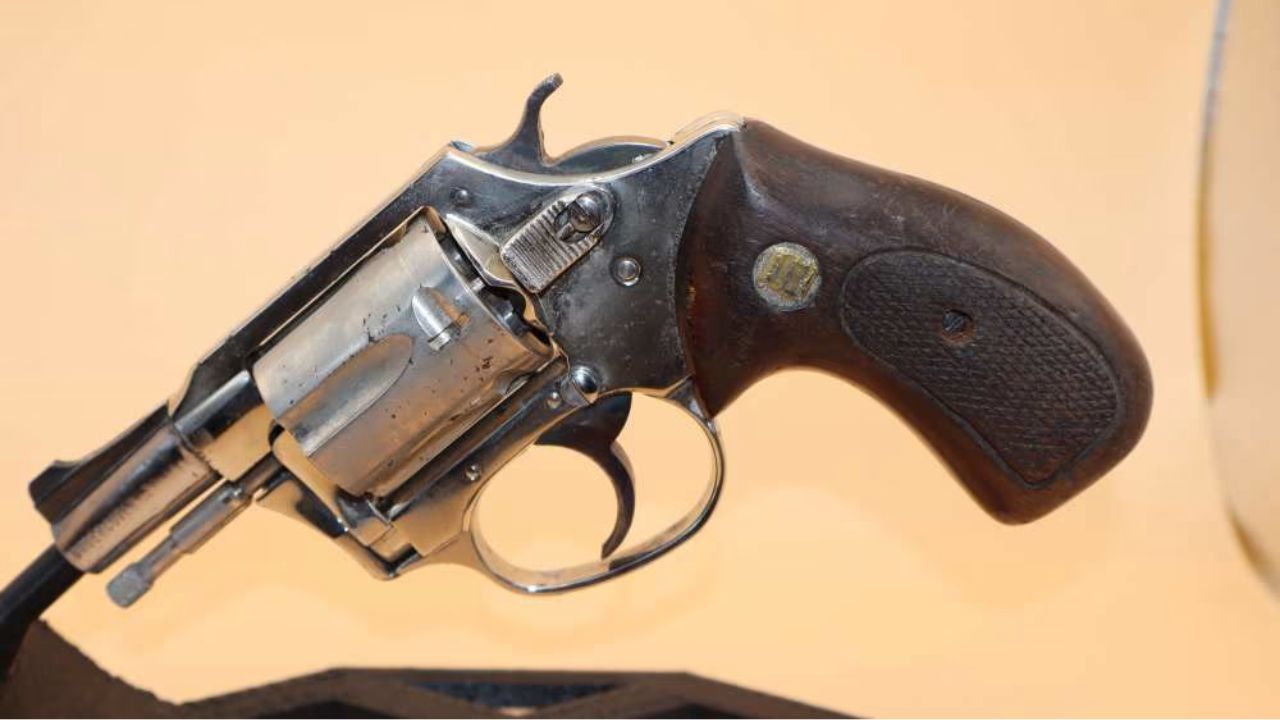
Charter put an affordable snubnose in a lot of hands. That changed expectations too, because it showed a carry revolver didn’t have to cost “new rifle” money to be a real option.
They can be hit or miss depending on era and individual gun, and you should test any of them before trusting it. Still, it pushed the market toward the idea that a basic, light .38 can be an everyman tool.
15. Taurus Model 85

This one is part of the same story: getting a small revolver into the budget lane. The Model 85 became a common first carry gun for folks who weren’t ready to drop premium money.
Some run great, some don’t, and that’s the honest truth. But it changed expectations by forcing the conversation about what “good enough for carry” really means, and it made a lot of people start doing something smart—actually putting rounds through their carry gun before calling it reliable.
16. Smith & Wesson Model 38 Bodyguard Airweight

The shrouded hammer is not a gimmick if you’ve ever had a pocket gun snag at the wrong time. The Model 38 let you keep the option of cocking the hammer while still staying relatively snag-free.
It influenced what folks wanted from a carry revolver: smooth draw, fewer sharp edges, and still some flexibility. I get why people ignore it for the fully enclosed-hammer guns, but the design made sense and still does.
17. Colt Python (2.5-inch)
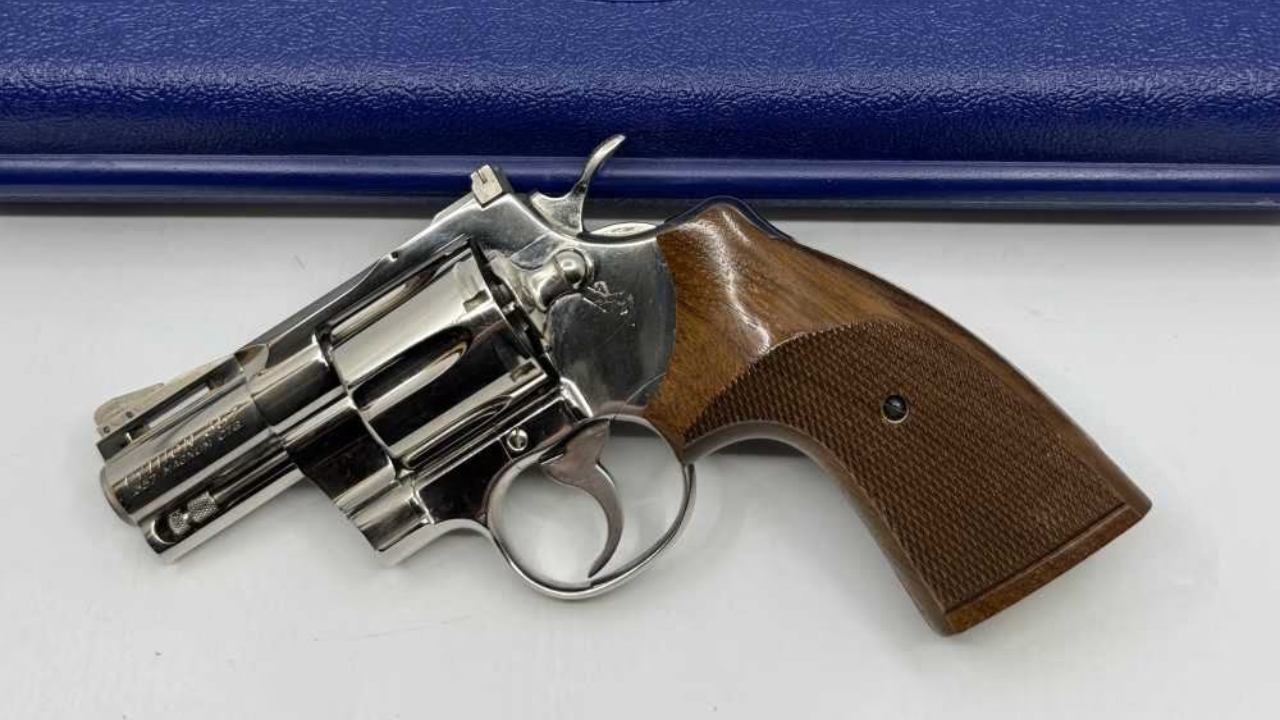
A short Python is a flashy answer to a practical question, but it changed expectations anyway. It showed that a “carry revolver” could have premium sights, premium fit, and a trigger that feels like it’s on bearings.
Most people aren’t going to daily-carry a collector-priced revolver, and I don’t blame them. But it raised the bar. After handling one, a gritty, heavy trigger on a defensive revolver feels a lot less acceptable.
18. Smith & Wesson Model 629 (3-inch)
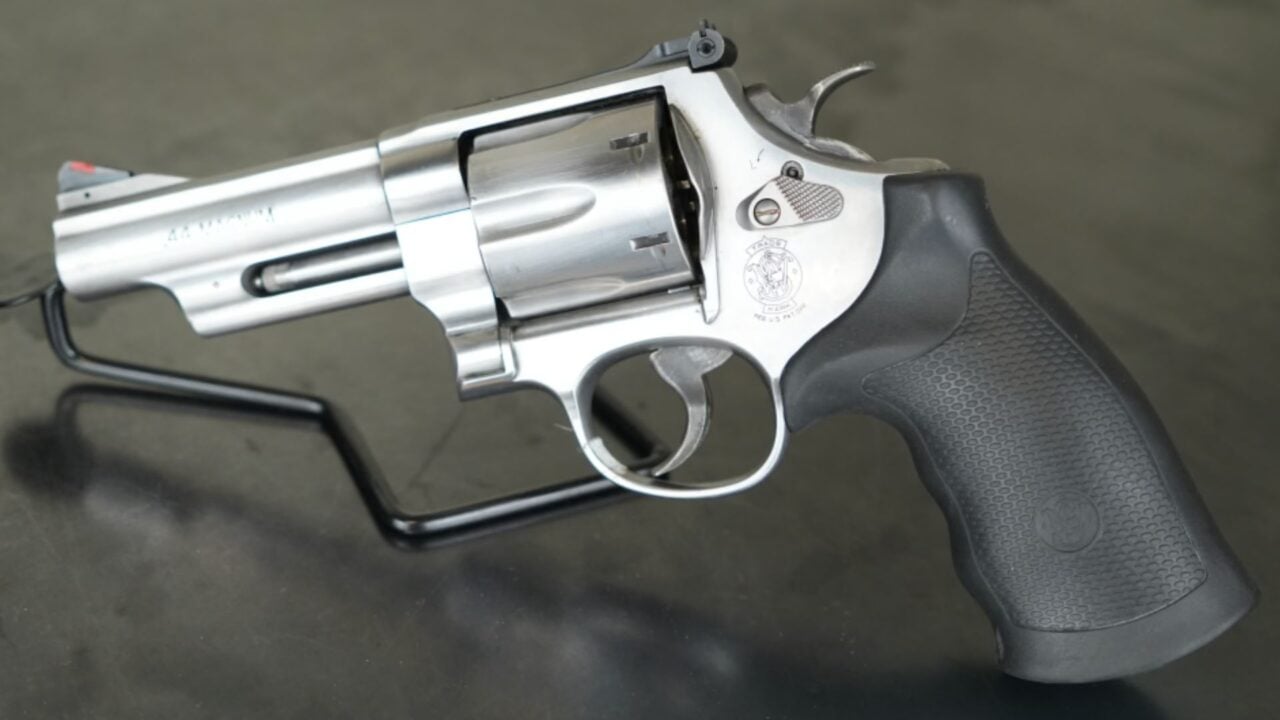
This is more woods-carry than grocery-store carry, but it absolutely shifted expectations for what a “carry revolver” could be in bear country. A 3-inch .44 Magnum on a strong belt is a different kind of confidence.
It’s heavy, recoil is real, and it’s not for everyone. Still, it made the point that a defensive sidearm isn’t always about concealment—sometimes it’s about a gun you can access fast while packing meat, checking trail cams, or walking in at dark.
19. Kimber K6s

The K6s made a modern play that a lot of people had wanted for years: six shots in a compact, carry-friendly revolver with real sights and a decent trigger. And it did it without feeling oversized.
It also pushed the idea that revolvers can be “modern” without going full space-gun. The best versions carry well, reload well with speedloaders designed for it, and they’re a reminder that five shots doesn’t have to be the default in a small frame.
20. Smith & Wesson 327 Federal Magnum (Night Guard / lightweight N-frame variants)
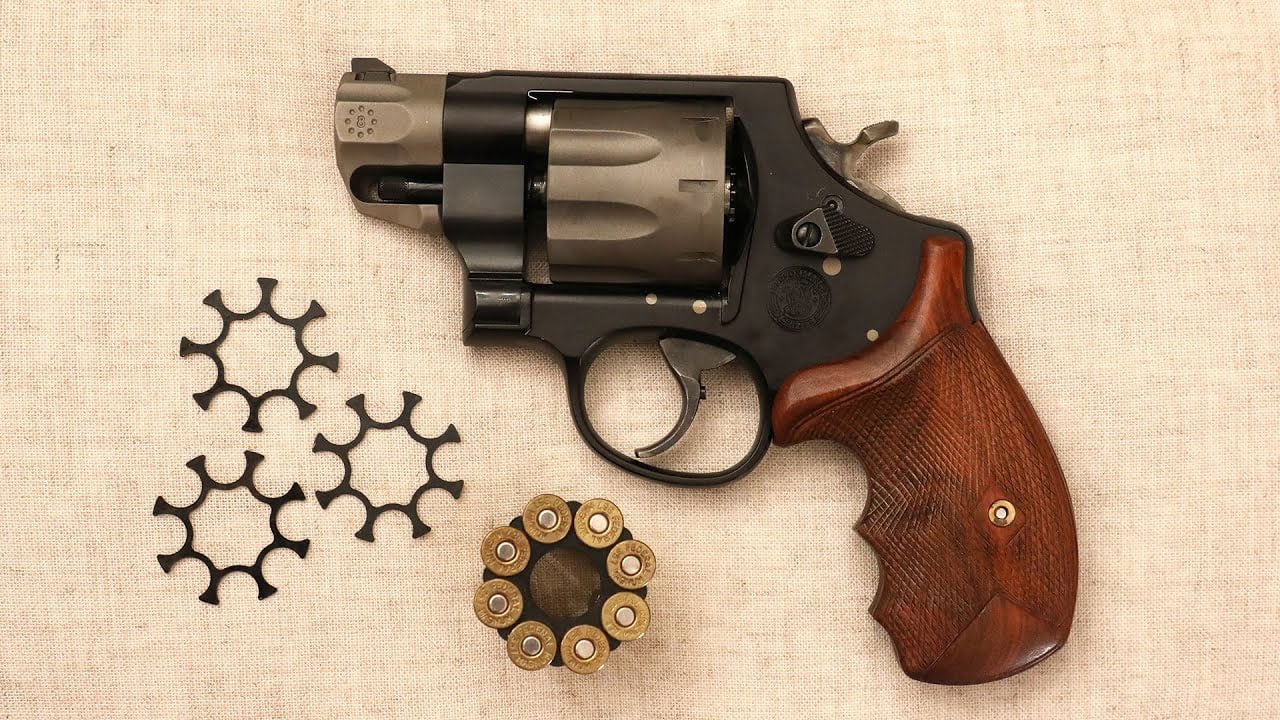
Eight shots of .357 in a gun you can actually carry was a head-turner. These lightweight N-frame variants made people rethink what was possible if you were willing to carry a bigger footprint without carrying full steel weight.
They’re not cheap, and blast from shorter barrels is no joke. But they expanded expectations: capacity, shootability, and power don’t have to live in separate categories if the design is smart and the holster setup is solid.
Revolvers aren’t dead, and they’re not just nostalgia pieces either. The best ones taught the same lesson over and over: a carry gun has to fit your life, not your ego. If it carries comfortably, points naturally, and you’ll practice with it, you’re already ahead of most of the noise.
Like The Avid Outdoorsman’s content? Be sure to follow us.
Here’s more from us: