Photo credit: C4 Defense/YouTube
Some guns don’t win people over with the first photo. They look too plain, too strange, too cheap, too late to the party, or too different from what shooters already trust. The easy reaction is to shrug, make a joke, and assume the market already has better answers.
Then people start shooting them. The trigger feels better than expected, the accuracy is real, the reliability holds up, or the price makes too much sense to ignore. A gun that looked easy to dismiss suddenly becomes the one people recommend. These are the guns that turned doubters into buyers.
Taurus TX22
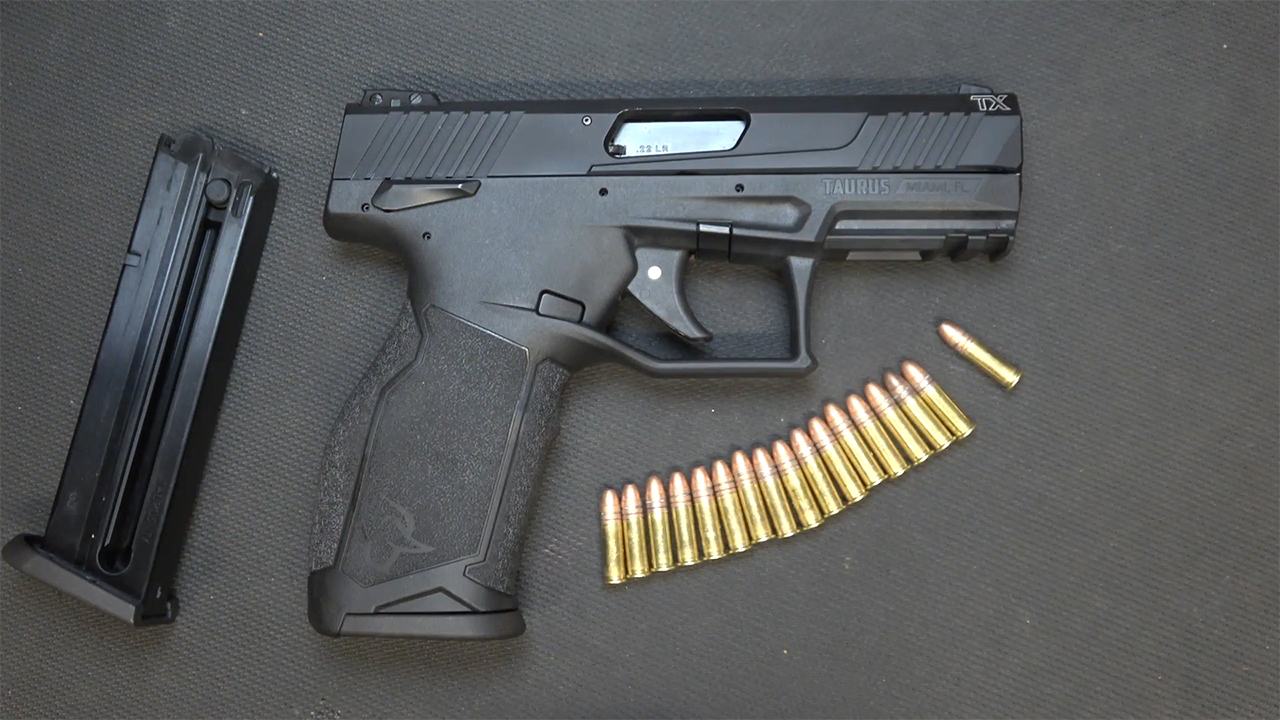
The Taurus TX22 had to fight the Taurus name before anything else. A lot of shooters heard “polymer .22 pistol from Taurus” and immediately expected feeding problems, cheap feel, or the kind of rimfire frustration nobody wants during a relaxed range day. That skepticism was understandable given the brand’s mixed history.
Then the TX22 started proving itself. It held more rounds than many rimfire pistols, felt comfortable in the hand, and ran better than a lot of people expected. The trigger was good enough to surprise owners, and the pistol made cheap practice feel useful instead of annoying. Shooters who would have laughed at it on the shelf started buying one after seeing friends run them hard.
Ruger American Rifle

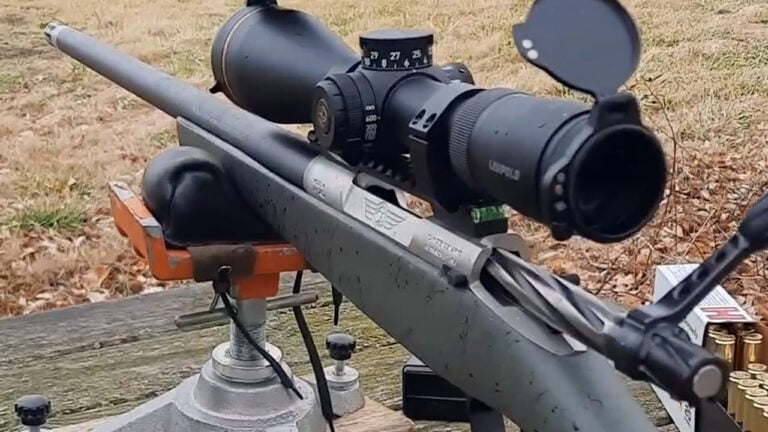
The Ruger American Rifle looked like another budget bolt gun when it first showed up. The stock felt hollow, the styling was plain, and traditional hunters had no trouble dismissing it as a cheap rifle for people who didn’t care about walnut, blue steel, or smooth old actions.
The rifle changed minds by shooting well. Plenty of owners found out the American could group better than its price suggested, carry easily, and handle rough weather without drama. It was not fancy, and it still doesn’t pretend to be. But hunters who cared about results had a hard time ignoring it. The more deer camps saw those budget Rugers make clean shots, the more doubters turned into buyers.
Canik TP9SF Elite

The Canik TP9SF Elite came into a market where people were already suspicious of inexpensive imported striker-fired pistols. It looked like another budget handgun trying to compete with Glock, Smith & Wesson, and Walther. Plenty of shooters assumed the price told the whole story.
Range time made that harder to say. The trigger was better than expected, the accuracy was solid, and the pistol felt more refined than many buyers assumed it would. It gave regular shooters a lot of performance without the usual price tag. Once people started seeing them run reliably in classes, matches, and range sessions, the old doubts started fading. Canik didn’t win everyone over at once, but this pistol helped move the brand into serious conversations.
CZ P-10 C
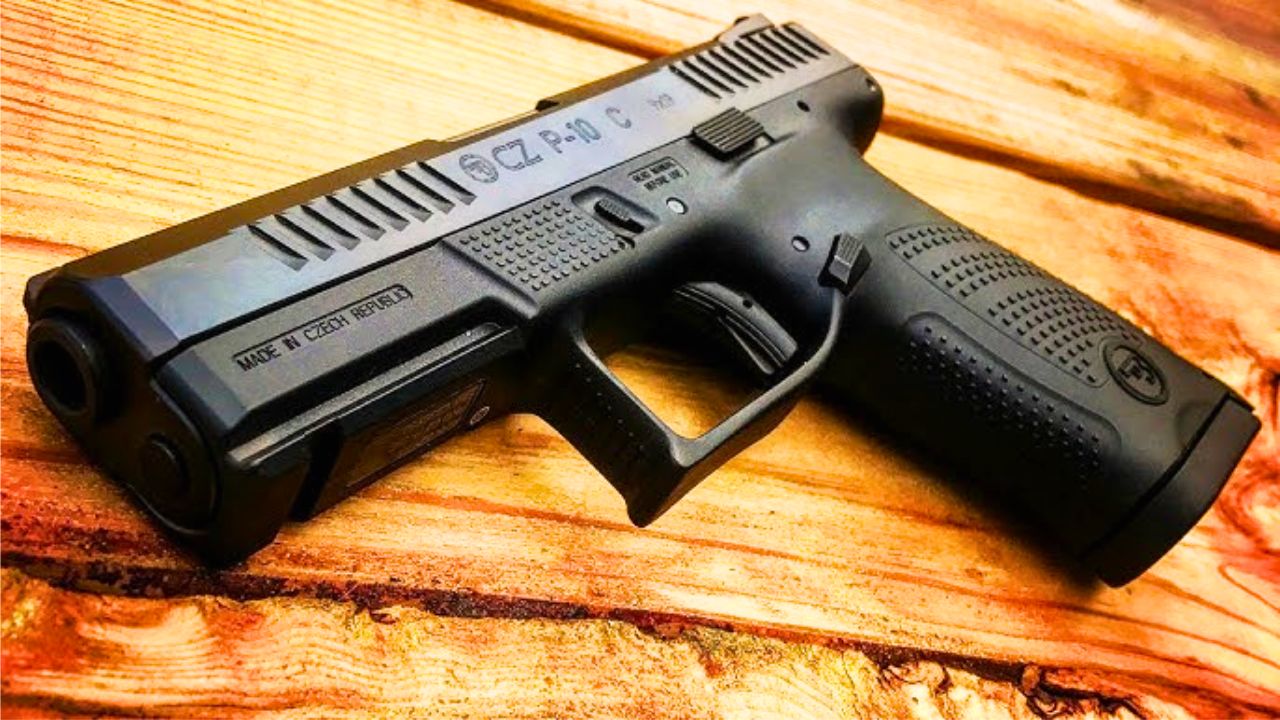
The CZ P-10 C sounded like CZ was just chasing the Glock 19. Another compact striker-fired 9mm did not feel especially exciting, even from a company with real pistol history. Shooters who loved the CZ 75 line were not all convinced that a polymer striker gun was where CZ needed to go.
Then people shot it. The grip angle, trigger, and natural pointing made the P-10 C feel less like a copy and more like a real contender. It had a crisp enough trigger to stand out and enough reliability to earn trust. Doubters who expected a forgettable Glock alternative found a pistol that could actually compete. It did not just ride CZ’s name. It gave shooters a reason to buy in.
Smith & Wesson Shield Plus

The Shield Plus had doubters because the original Shield was already old news by the time higher-capacity micro-compacts took over. Some shooters assumed Smith & Wesson was just updating yesterday’s carry gun and trying to keep it alive in a market the P365 had already changed.
Then the Shield Plus made the update feel obvious. It kept the slim, carry-friendly shape people liked and added the capacity and trigger improvement they needed. It didn’t feel like a gimmick or a desperate refresh. It felt like the Shield finally caught up without losing what made it practical. Shooters who had moved away from the original Shield often came back once they realized the Plus fixed the right things.
Glock 43X MOS
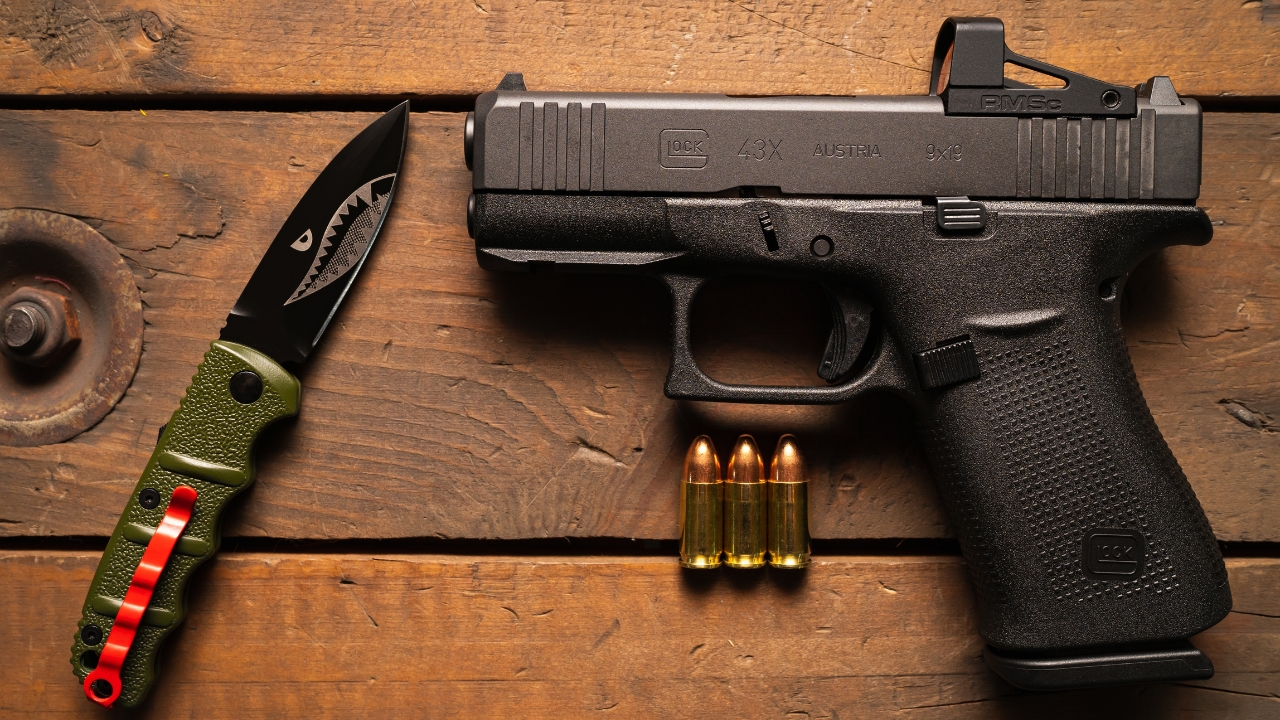
The Glock 43X MOS caught criticism because it seemed like Glock was late to the high-capacity slim carry market. The factory magazine capacity bothered people, and the MOS optic setup had its own complaints. On paper, plenty of rival pistols looked more impressive.
Still, the gun won over a lot of shooters because it felt like a Glock in a size people could actually carry and shoot well. The longer grip gave better control than tiny pocket-sized 9mms, while the slim slide concealed easily. Add an optic, a good holster, and enough practice, and the 43X MOS made sense. Doubters kept arguing about capacity while owners quietly carried them every day.
Walther PDP

The Walther PDP looked bulky to some shooters when it first landed. The slide was tall, the styling was aggressive, and people wondered whether it was really that much better than the PPQ it replaced. In a crowded striker-fired market, another optics-ready pistol had to do more than look modern.
The PDP won people over with the things shooters feel immediately. The trigger was strong, the grip texture worked, and the pistol made dot tracking feel easy for many owners. It was not the smallest or sleekest option, but it was easy to shoot well. Once people got behind one at the range, the criticism softened fast. The PDP turned plenty of skeptics into buyers because the performance was easier to feel than explain.
Springfield Armory Hellcat Pro

The Hellcat Pro had to overcome the idea that it was just a stretched Hellcat chasing the same micro-compact trend. Some shooters already found the original Hellcat snappy, so a slightly larger version sounded like a half-step rather than a major improvement.
Then people realized the Pro hit a useful size. It carried smaller than a traditional compact but shot better than many tiny micro 9mms. The longer grip, added capacity, and optics-ready setup made it feel like a better training gun without becoming hard to conceal. For shooters who wanted one pistol to carry often and practice with seriously, the Hellcat Pro made sense. It turned skeptics by fixing the exact part of the original that many people struggled with.
Ruger LCR
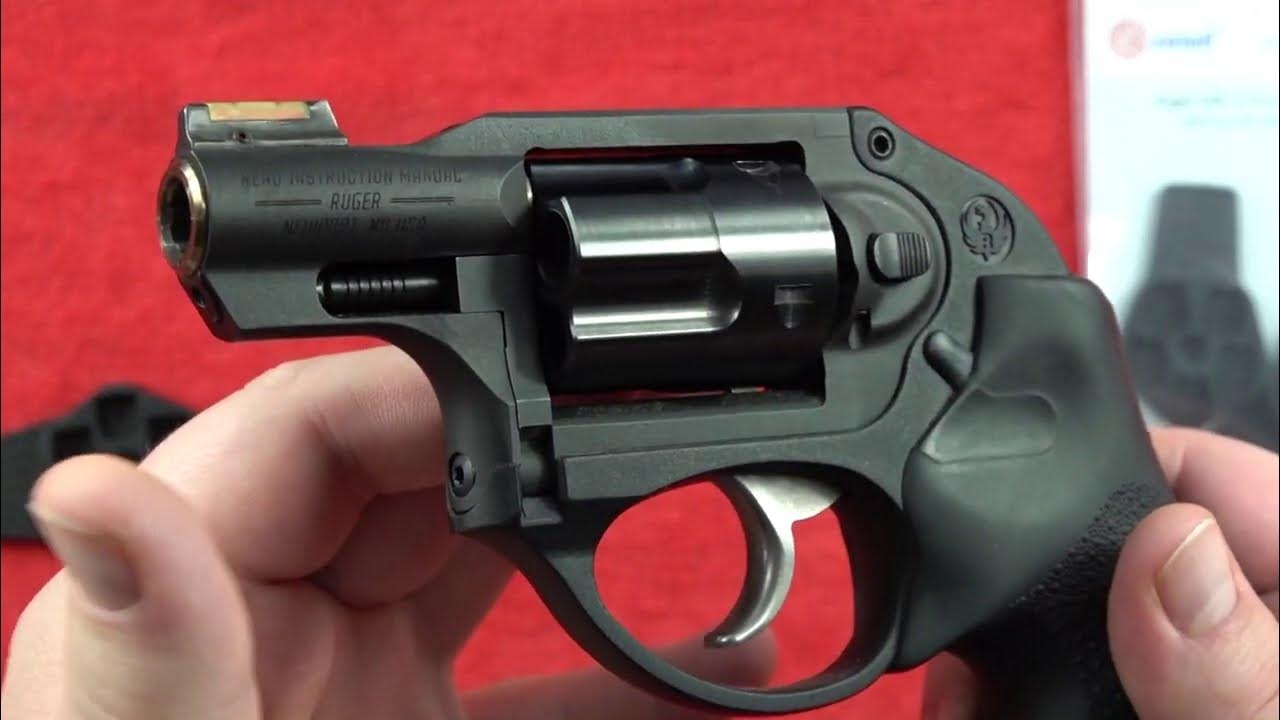
The Ruger LCR looked odd when it first appeared. A polymer-framed revolver did not sit right with shooters who loved classic steel and alloy wheelguns. Some dismissed it as an ugly modern answer to a problem older snubnoses had already solved.
The trigger changed a lot of minds. The LCR has one of the better factory triggers in the small revolver world, and its light weight made it easy to carry. It was not built to win beauty contests. It was built to be a practical defensive revolver that normal people could actually live with. Once shooters tried the trigger and carried one for a while, the strange looks mattered less. Ruger made the weird idea work.
Bergara B-14 Ridge
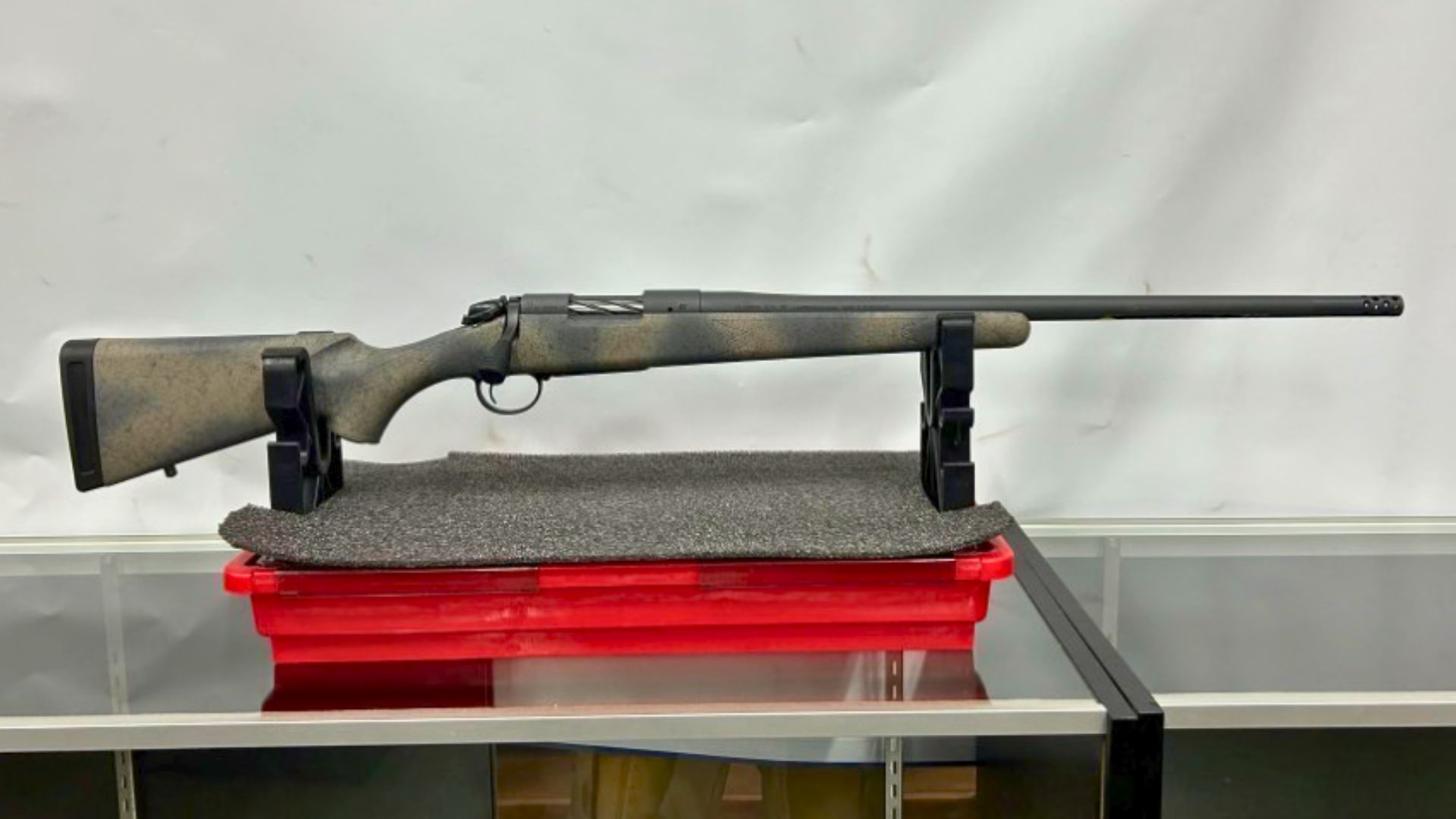
The Bergara B-14 Ridge had some doubters because Bergara’s rise felt fast. A lot of hunters were used to Remington, Ruger, Winchester, Savage, and Tikka, so a newer name getting praised everywhere made some people suspicious. It was easy to assume the buzz was just barrel talk and internet momentum.
Then owners started showing real results. The B-14 Ridge offered a familiar Remington 700-style footprint, solid stock, good barrel quality, and accuracy that many hunters could actually repeat. It wasn’t magic, but it was legitimately good. Hunters who doubted the hype often changed their minds after seeing one shoot. The rifle became a buyer because it backed up the talk better than critics expected.
SIG Sauer P365 XL

The P365 XL had doubters because the original P365 had already made such a big splash. Some shooters wondered whether the XL version was just SIG stretching the platform to sell another model. Others thought it might defeat the whole purpose of a tiny carry pistol.
The XL turned out to be the version many people actually shot better. The longer grip and slide gave more control, while the pistol still carried easily for most owners. It balanced concealability and shootability better than the smallest version. Doubters who dismissed it as unnecessary often changed their minds after running drills with both guns side by side. The XL proved that slightly bigger can be a lot smarter.
Tikka T3x Lite
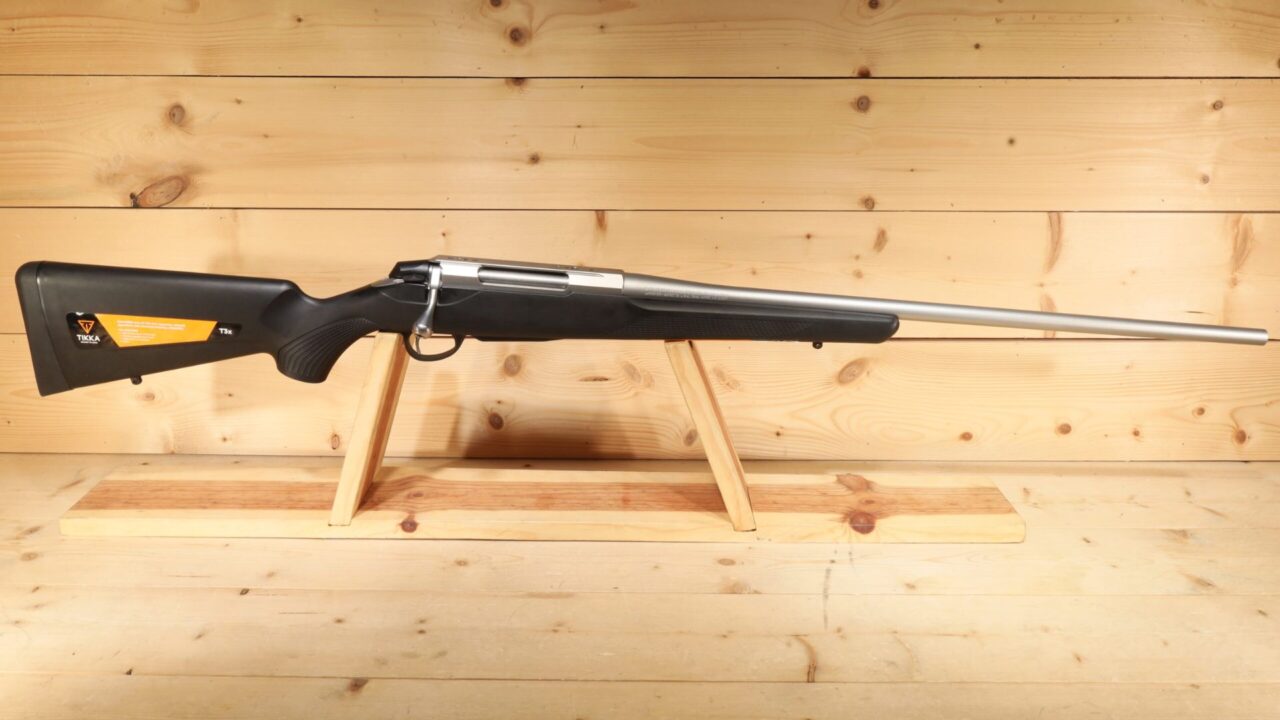
The Tikka T3x Lite did not always impress hunters at first glance. The stock was plain, the rifle looked simple, and some buyers had trouble understanding why people praised it so heavily. It did not have the visual pull of a fancy walnut rifle or the rugged look of some tactical-style hunting rigs.
Then they worked the bolt and shot it. The action was smooth, the trigger was clean, and the accuracy was usually easy to find. It carried well, handled bad weather, and did exactly what a hunting rifle is supposed to do without making the owner chase fixes. Doubters who thought Tikkas were overpraised often became buyers after one range trip. The rifle felt plain until the results made it obvious.
IWI Zion-15
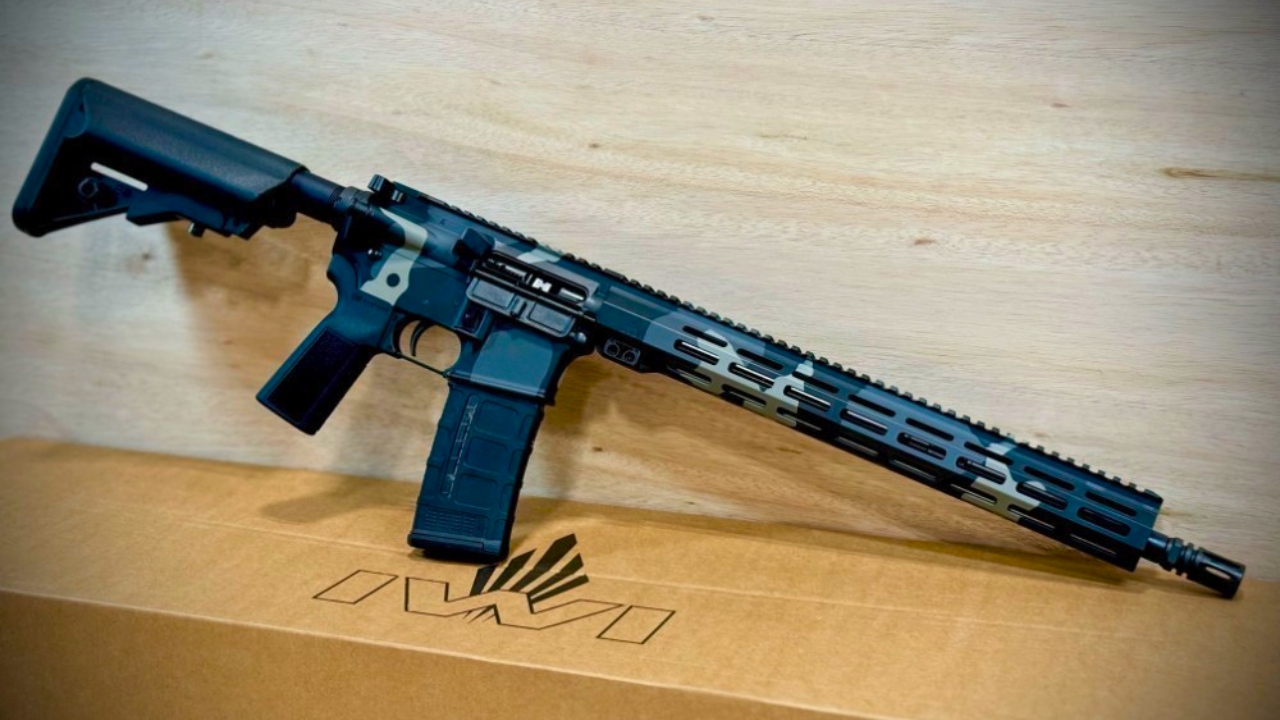
The IWI Zion-15 had doubters because the AR-15 market is already packed. When another factory AR shows up, shooters naturally ask why it matters. IWI had a strong name, but buyers still had endless options from established AR brands, budget builders, and premium manufacturers.
The Zion-15 won people over by being a solid rifle at a fair price. It came with practical features, good reliability reports, and a level of fit that made it feel like more than a parts-bin carbine. It did not try to be flashy, and that helped. Shooters who expected just another AR found one that felt well thought out. In a crowded market, simply being dependable and fairly priced was enough to change minds.
Smith & Wesson M&P 2.0 Compact

The M&P 2.0 Compact had doubters because it lived in the shadow of the Glock 19. Every compact striker-fired pistol gets compared to the Glock, and many shooters assumed the Smith was just another alternative for people who wanted to be different.
The pistol proved itself by being comfortable, controllable, and easy to shoot well. The grip texture was aggressive in a useful way, the size made sense for carry or home defense, and the platform had strong support. A lot of shooters who tried one realized it did not need to beat Glock at being Glock. It just needed to fit their hands better and perform. For many, that was enough to turn doubt into a purchase.
Henry X Model .357
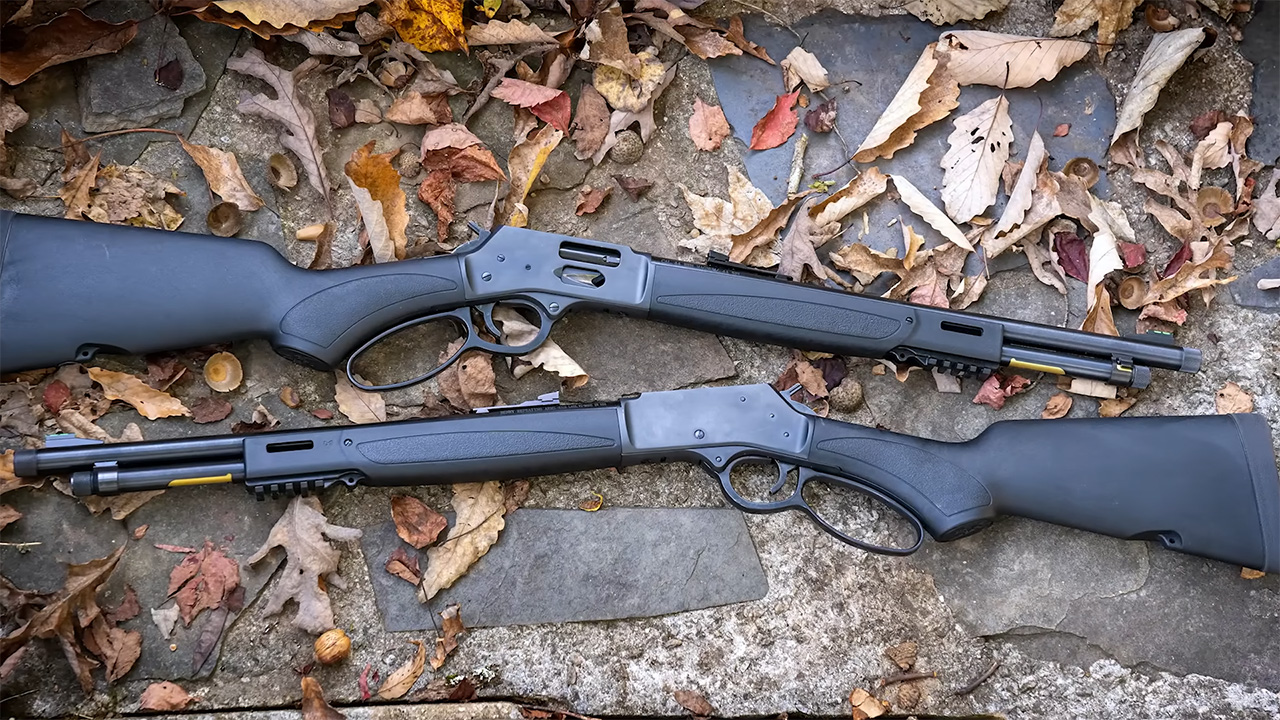
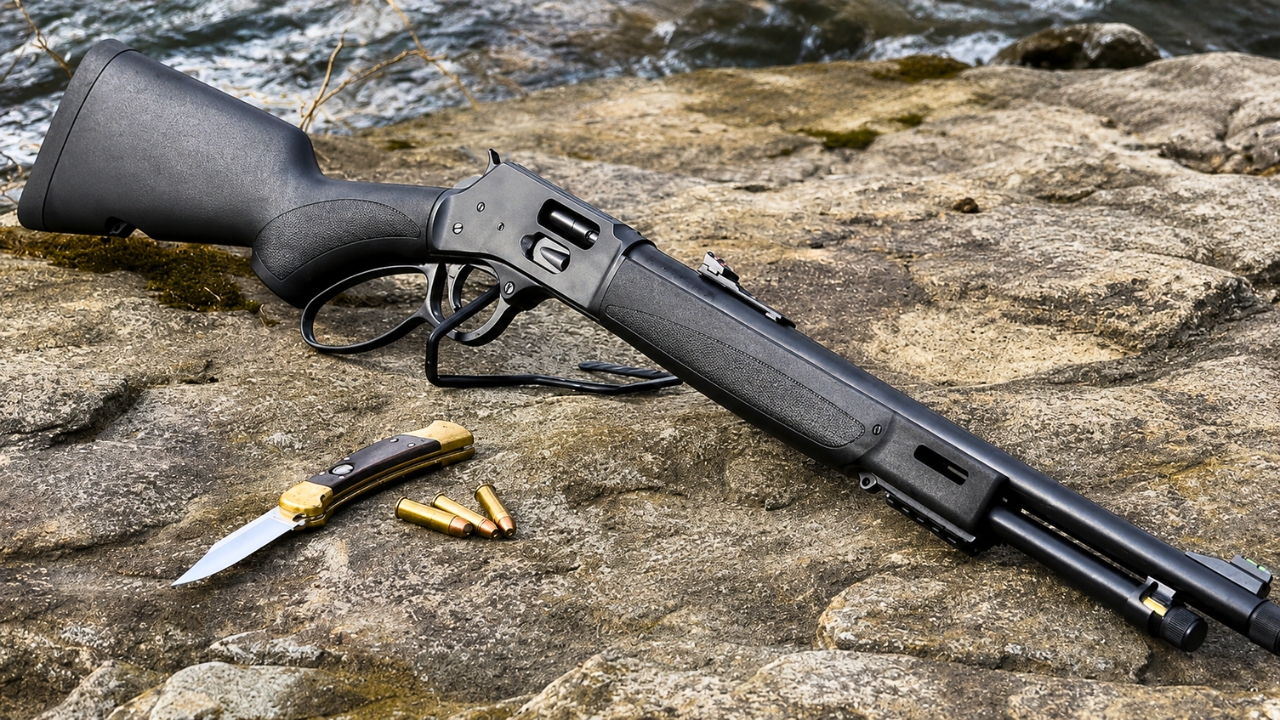
The Henry X Model in .357 looked strange to some lever-gun fans. Black synthetic furniture, threaded barrel, rails, and modern features on a lever action felt wrong to people who wanted walnut and blued steel. It looked like Henry was chasing a trend instead of respecting tradition.
Then hunters and shooters started using it. A threaded .357 lever gun is genuinely useful, especially with a suppressor and the right loads. It is handy, mild, versatile, and fun in a way that makes the modern features feel practical instead of forced. Doubters who laughed at the look often changed their tune once they saw the point. It proved a lever action could modernize without losing its usefulness.
Like The Avid Outdoorsman’s content? Subscribe to our newsletter so you never miss an article.
Here’s more from us: