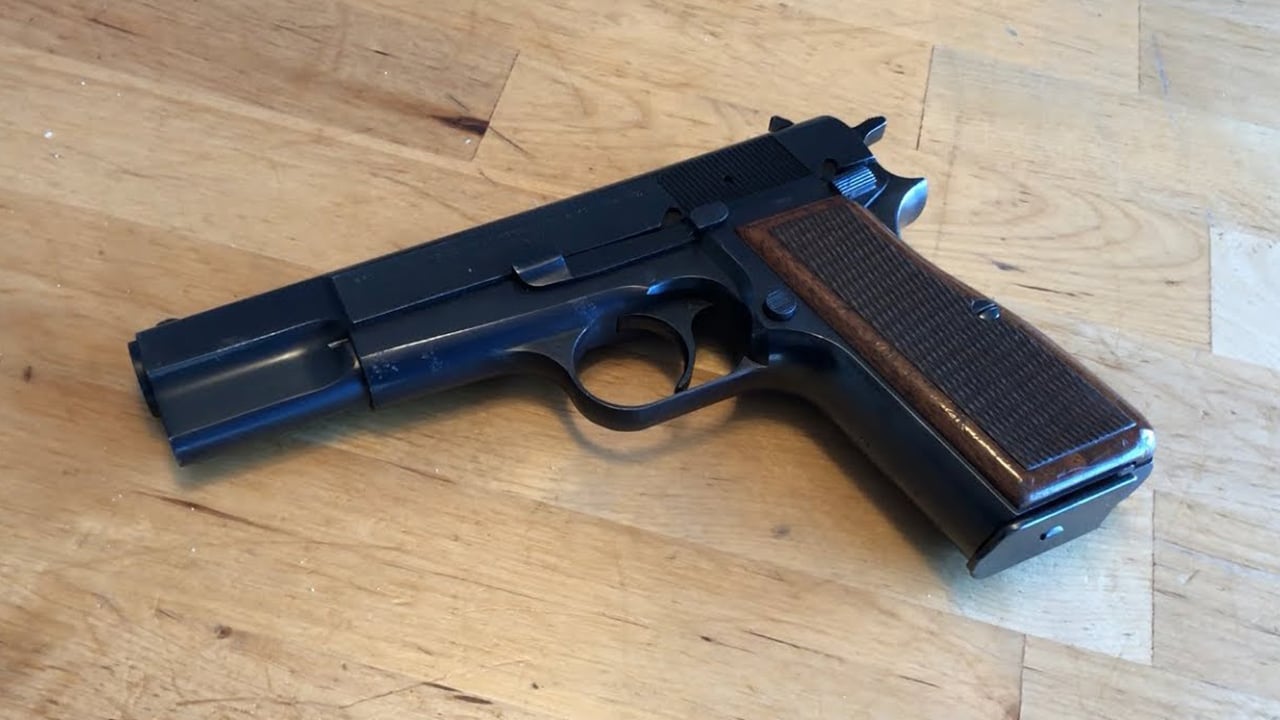
Photo credit: Gun News & Reviews/Youtube
I like new guns as much as the next guy, but there’s a certain feel you only get from older hardware. The kind where the edges are broken in, the bluing is honest, and the action feels like it’s running on oiled rails instead of gritty gravel. Not everything old is better, and not everything heavy is “quality,” but there was a stretch of time when manufacturers seemed less interested in shaving ounces and more interested in making something you’d hand down.
Here are 20 firearms that come to mind when I think about the era when machining marks mattered, walnut was real, and somebody clearly spent extra minutes fitting parts together. Some are classics, some are workhorses, and a few are downright imperfect. But they all carry that old-school “built to last” vibe.
1. Winchester Model 70 (pre-64)
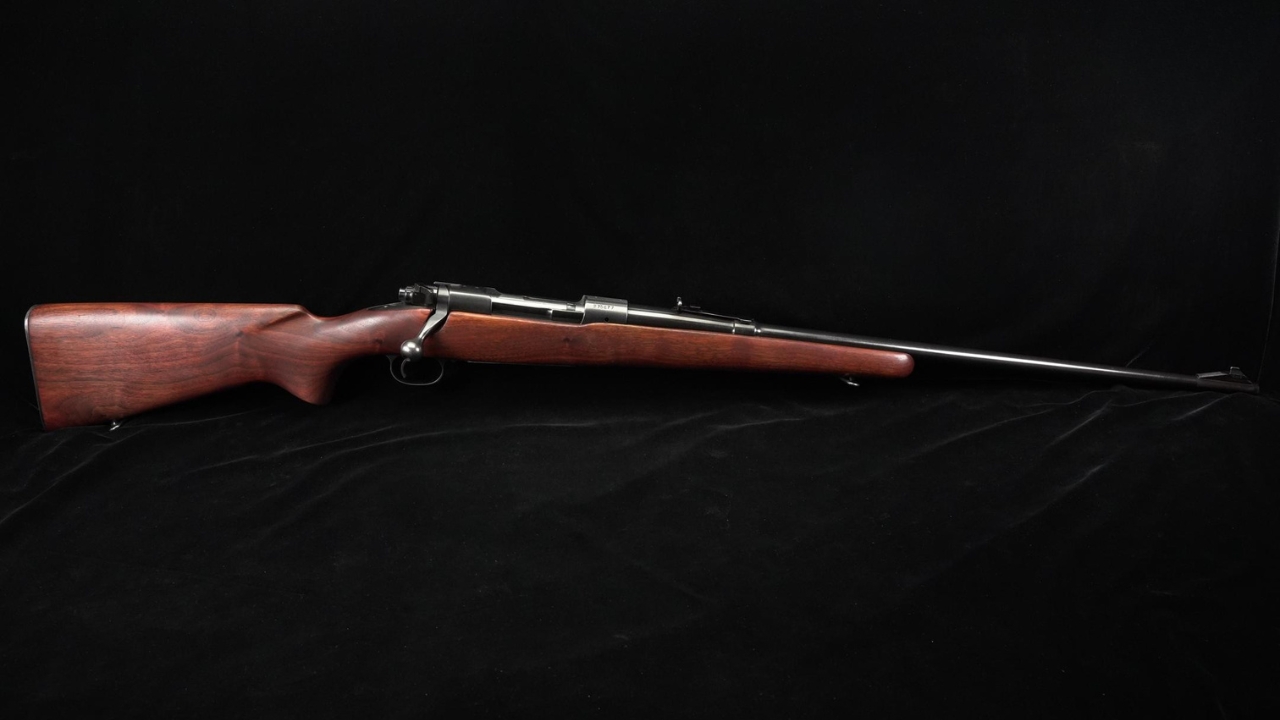
If you’ve ever cycled a clean pre-64, you understand why the “Rifleman’s Rifle” nickname stuck. The controlled-round feed and that big claw extractor just feel like insurance when you’re cold, tired, and trying to run the bolt without thinking about it.
They aren’t magic. They’re still rifles that can shoot worse than expected if the barrel is tired or someone did a bad bedding job years ago. But when you shoulder one and it points like it was made for you, it’s hard not to get attached.
2. Remington Model 700 BDL (1960s–1980s)
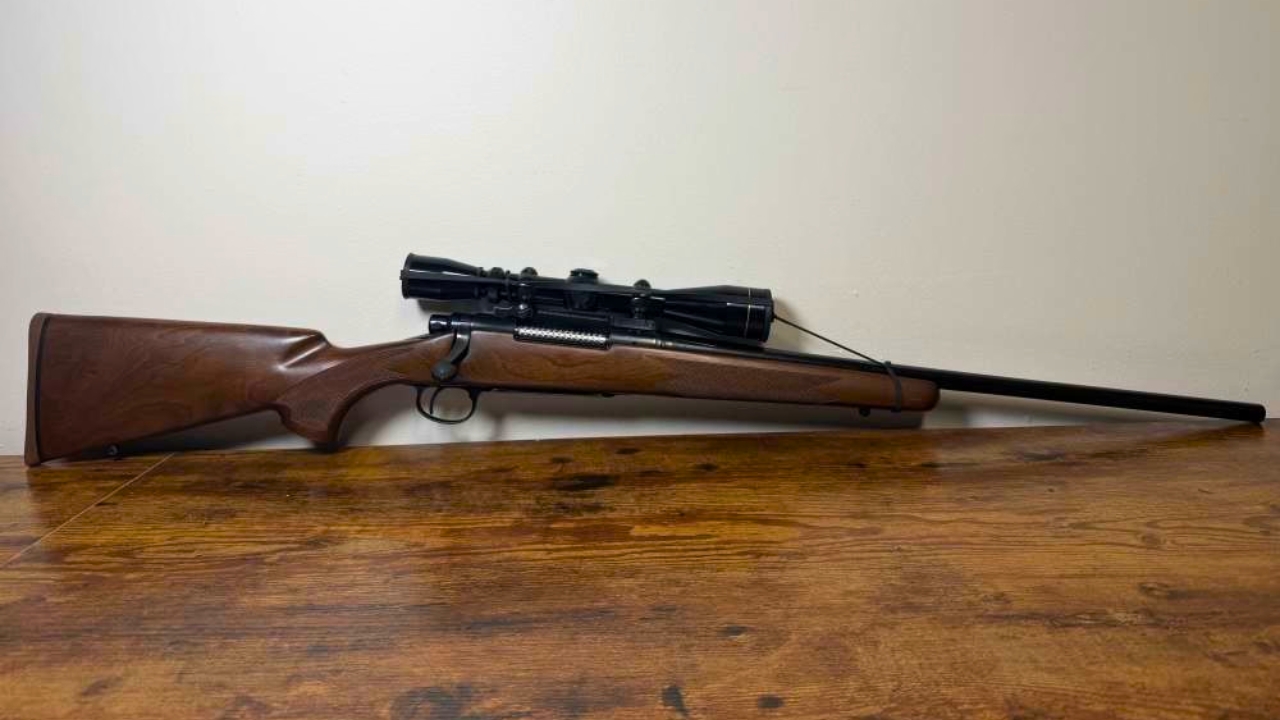
There’s a reason so many deer camps still have a 700 BDL leaning in a corner. The fit of the floorplate, the checkering, and that glossy walnut-and-blued-steel look screams “classic American hunting rifle.”
They’re not immune to issues, and I’m not interested in pretending every 700 ever built is perfect. Still, the older ones tend to have a feel that’s hard to find today, and they balance well for a rifle that lives in real woods, not just on a bench.
3. Ruger M77 (tang safety)

The tang safety M77 is one of those rifles that just makes sense in the hand. Safety placement is natural, and the whole gun feels like it was meant to be carried with one hand while you push brush with the other.
Some of them aren’t tack drivers without a little load work, and the triggers were never everybody’s favorite. But for a hunt-anywhere rifle that shrugs off bad weather, they’ve earned their reputation.
4. Savage Model 99

The 99 is what happens when somebody decided a lever gun should be more than a saddle scabbard prop. It’s sleek, it carries flat, and the rotary magazine setup gave it a “different” factor that still feels smart today.
You don’t buy one because you want cheap magazines or easy parts support. You buy it because it’s a serious woods rifle with class, and because it still makes sense for deer inside normal ranges.
5. Marlin 336 (JM-stamped)

A good JM 336 is about as honest as a deer rifle gets. It shoulders fast, runs smooth, and doesn’t feel like it’s going to rattle itself loose after a season of riding behind a truck seat.
They’re not fancy, and they don’t need to be. In thick timber, that quick lever stroke and slim profile are still hard to beat.
6. Winchester Model 94 (pre-64)
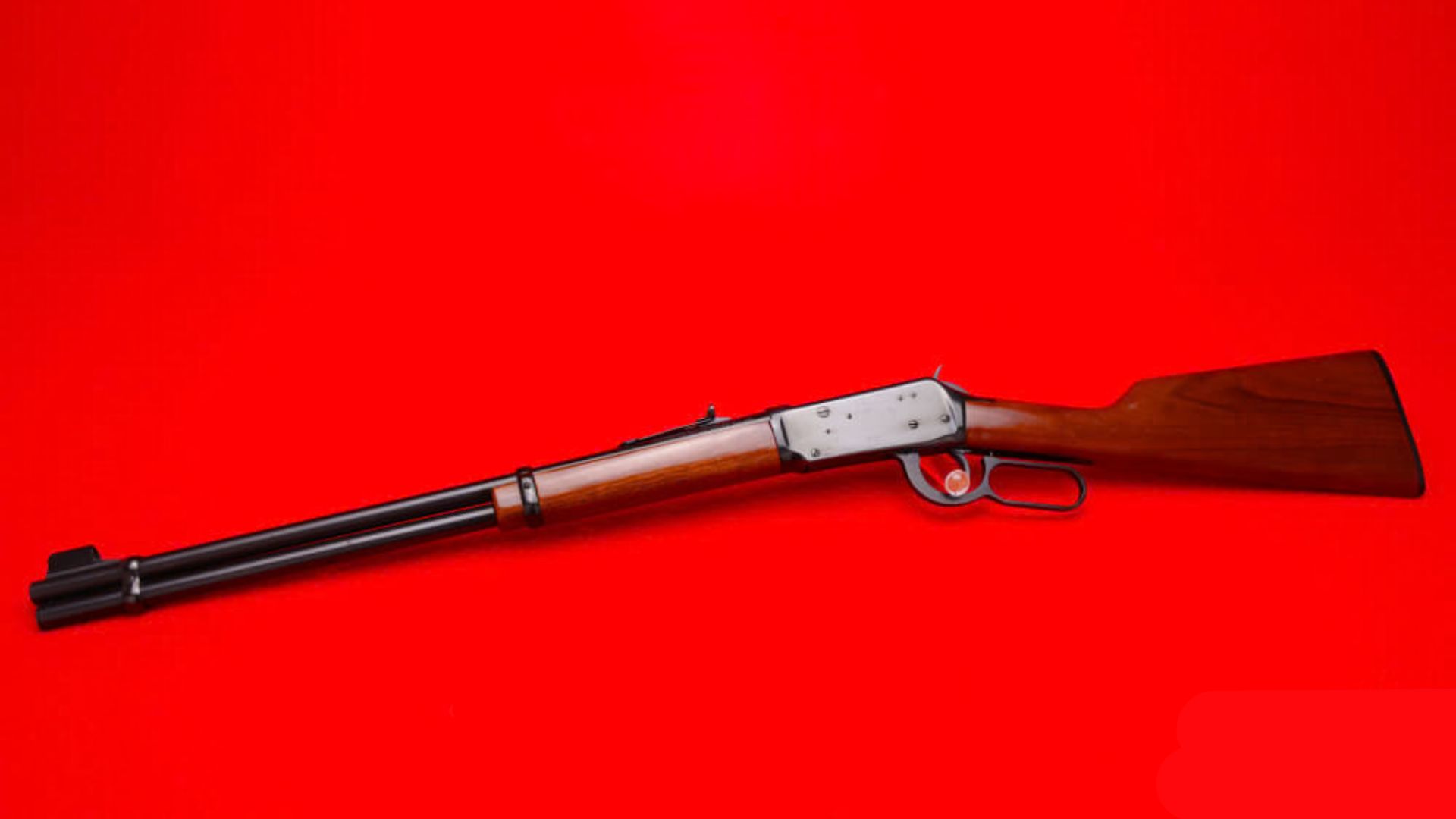
This is the rifle that shows up in old family photos for a reason. A pre-64 94 is light, lively, and built with the kind of steel and workmanship that makes you stop and look twice.
Not every one of them shoots tiny groups, and that’s fine. In the real world, they were meant to be carried a lot and fired a little, and they do that job better than most modern “woods guns” marketed today.
7. Browning BAR (Belgian-made, early production)
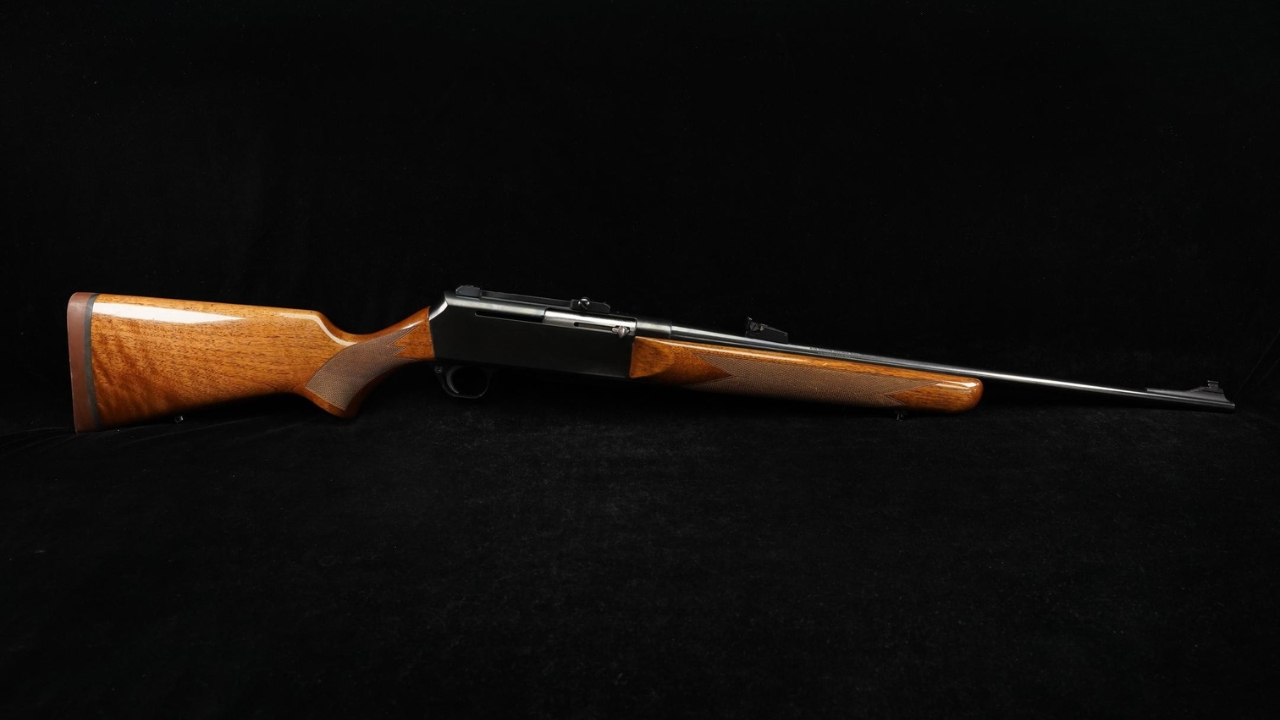
The early Belgian BAR hunting rifles have a solid, almost overbuilt feel. They’re not delicate, and they don’t feel like a disposable semiauto. They feel like a serious machine.
They’re also not light, especially with a scope. But for hunters who want a soft-shooting .30-06 class rifle that stays on target and cycles reliably, it’s easy to see why they’ve stayed in so many families.
8. Springfield Armory M1 Garand
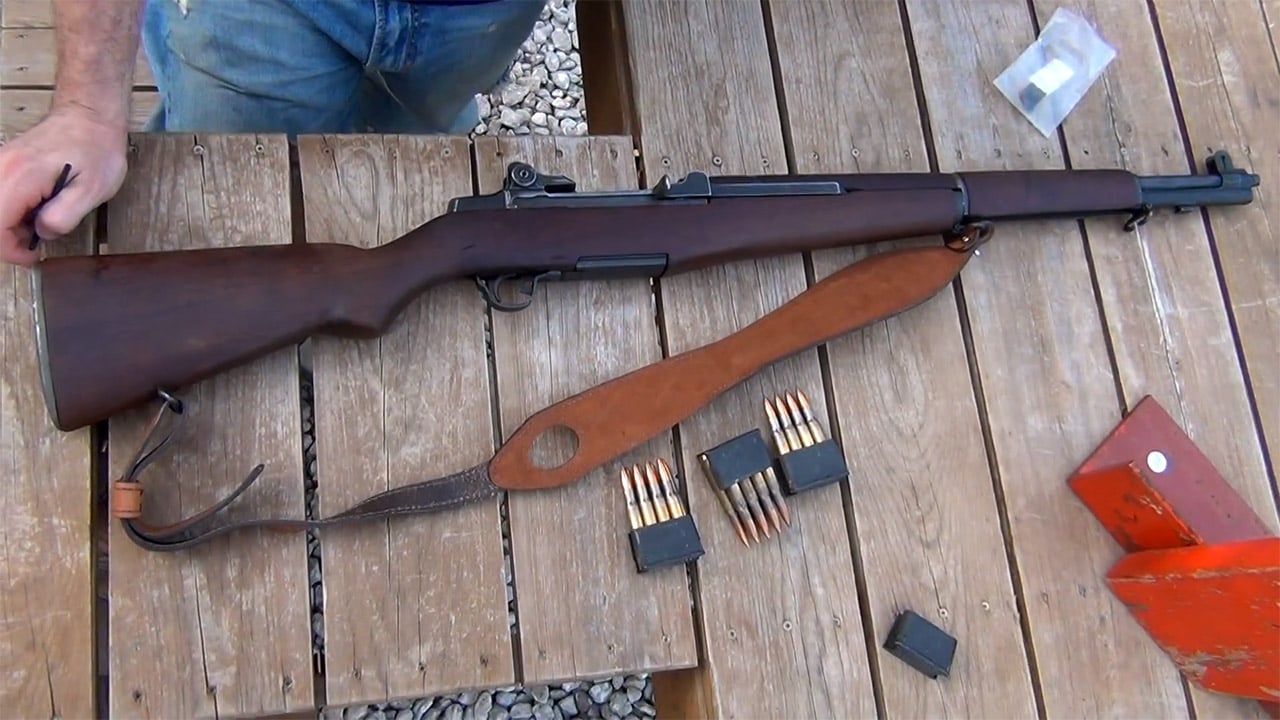
Yes, it’s a military rifle, and yes, it’s heavy. But pick one up and you can feel the “made to win” mindset in the metal. The sights are still some of the best ever put on a service rifle, and the whole thing has a mechanical confidence to it.
It’s not the rifle I grab when I want to walk all day. Still, as an ownership experience, it’s hard to match. Every time you run that action, you remember this was built for young men whose lives depended on it.
9. Springfield Armory M1903 (and 1903A3)

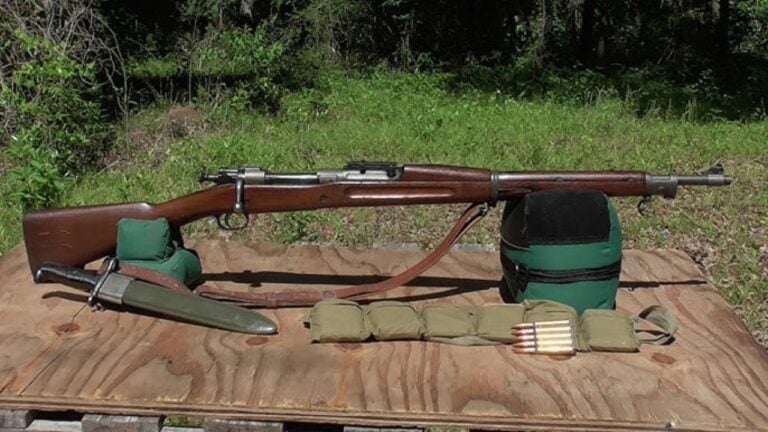
These rifles have a kind of old-world craftsmanship baked into them. The bolts feel long and deliberate, the sights are practical, and everything about them says “this was made when labor was cheaper than shortcuts.”
They’re also a reminder that not all progress is comfort. The stocks and ergonomics are dated. But as a piece of functional history that still shoots well, they’re hard not to respect.
10. Lee-Enfield No. 4 Mk I

If you want to understand “fast bolt gun,” run a No. 4 the way it was meant to be run. The action has a springy smoothness that’s different from a Mauser-style bolt, and the rifle just keeps going.
They aren’t all tack drivers with surplus ammo, and some have seen rough lives. But for a field rifle with real steel and a no-nonsense attitude, the No. 4 still holds its own.
11. Mauser 98 (original military actions)
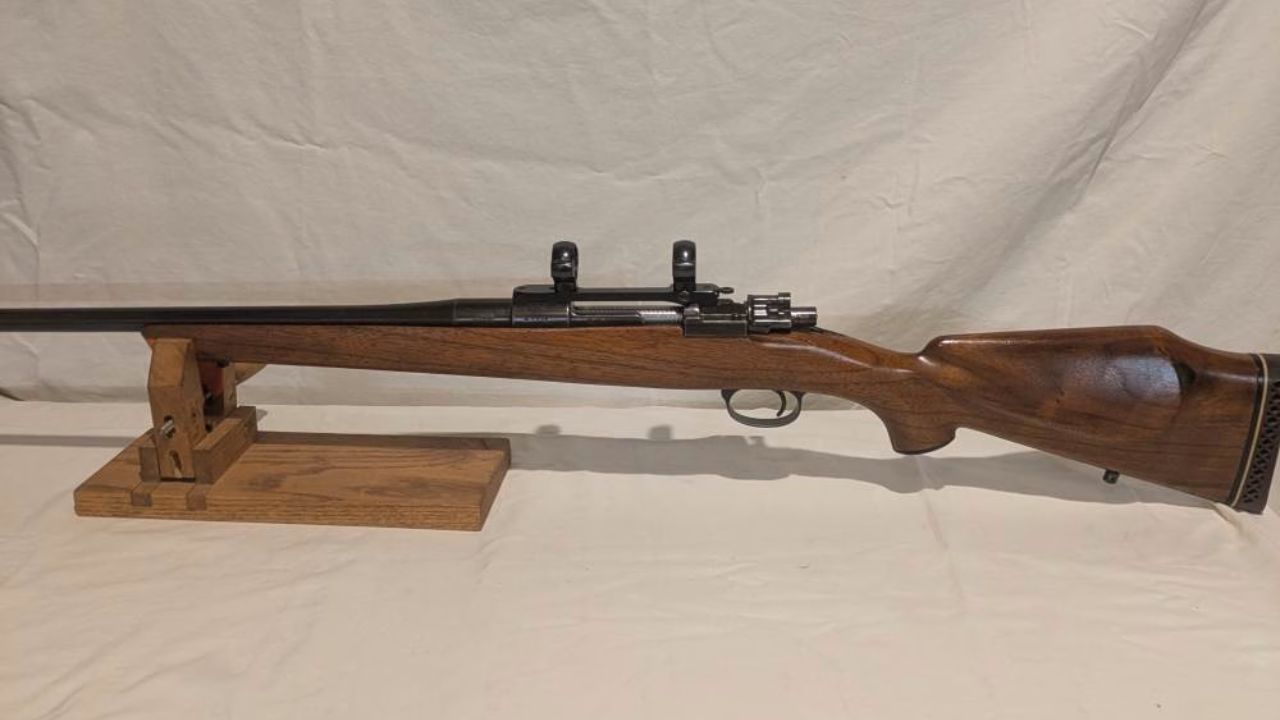
The 98 action is the backbone of a whole lot of hunting rifles for a reason. Strong, controlled-feed, and built with margins that make modern “just enough” designs look skinny.
A lot of them got sporterized, sometimes well, sometimes terribly. The good ones are a reminder that you don’t need gimmicks when the foundation is right.
12. Colt Python (original production)

The old Pythons have a trigger feel that makes you understand why revolver guys get protective. The lockup, the finish, the way the cylinder closes—it’s all “time was taken.”
They’re not the revolver I’d pick for rough duty around a farm. They’re almost too nice for that. But if you’ve ever dry-fired one (carefully) and felt that glass-rod break, you don’t forget it.
13. Smith & Wesson Model 29 (pinned and recessed)

The classic .44 Magnum carries a lot of “Dirty Harry” baggage, but the old pinned-and-recessed guns are genuinely well made. They’re hefty without feeling clumsy, and the finish work on older examples can be excellent.
Full-power loads are still full-power loads, and no amount of craftsmanship makes recoil fun. But as a hunting revolver or a serious woods sidearm, it’s a piece of gear you can build real confidence in.
14. Smith & Wesson Model 10 (older K-frame)

The Model 10 is boring in the best way. It’s the kind of revolver that just keeps running, keeps shooting to the sights, and keeps doing its job without drama.
These are the guns that taught a lot of folks what a good double-action trigger feels like. You may not show it off at the range, but you’ll quietly trust it.
15. Ruger Security-Six

The Security-Six always felt like a revolver built for real life. Not a safe queen, not a showpiece—just solid steel and a design that takes use without getting temperamental.
They’re a little underappreciated compared to some flashier names. But if you want a .357 you don’t have to baby, this is one of those “they don’t make them like that anymore” answers.
16. Colt Government Model 1911 (Series 70)

There’s something about a good Series 70 Colt that feels right. Not “tight like a bank vault” tight, but fitted. The slide-to-frame feel, the way it returns to battery, the overall balance—it’s what a lot of modern 1911s are still chasing.
It’s also a reminder that not every older gun is automatically ready for modern defensive expectations. Sights are small, and reliability depends on mags and springs. Still, as a baseline 1911 experience, it’s hard to beat.
17. Browning Hi-Power (FN, Belgian production)
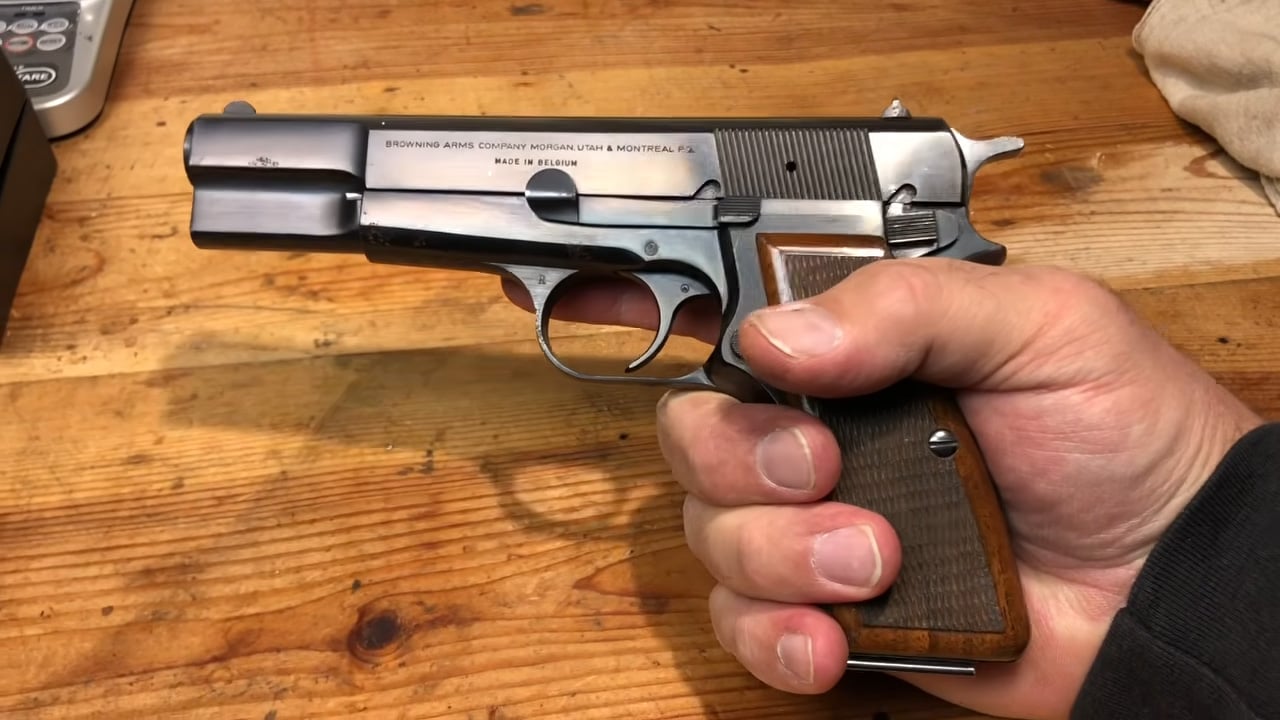
The Hi-Power is one of those pistols that points like your finger. Slim grip, good balance, and an elegance that’s hard to copy with today’s blocky polymer shapes.
The trigger can vary, and the magazine disconnect is not everyone’s favorite. But for a classic 9mm that still carries well and feels “made,” the old FN guns are easy to appreciate.
18. SIG Sauer P210 (Swiss/German production)

The P210 has a reputation for a reason. The machining and fit can feel almost unreal, like somebody built it the way you’d build a target pistol if budgets didn’t matter.
It’s not the most practical choice if you want cheap mags and a flood of aftermarket parts. But as an example of what happens when precision and time are prioritized, it’s a standout.
19. Remington 870 Wingmaster (older production)
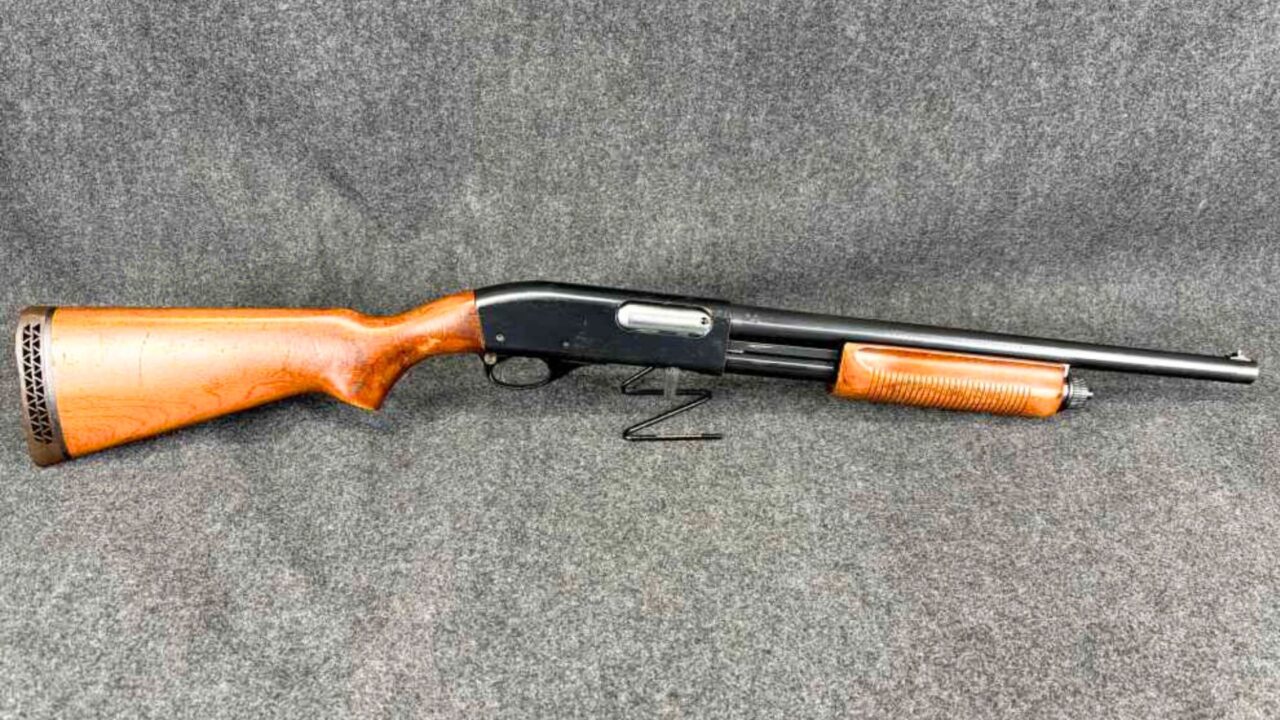
An older Wingmaster is one of the best arguments for blued steel and walnut. The action on a well-used one can feel like it’s on ball bearings, and the gun just has a steadiness to it when you mount it.
They’re not all maintained well, and a neglected bird gun can be a rusty mess inside. But a cared-for Wingmaster is the kind of shotgun you keep reaching for even when you own “nicer” stuff.
20. Browning Auto-5 (Belgian-made)

The old humpback is heavy, long-recoiling, and not remotely modern. And yet, it has a presence. The A5 feels like it was built in an era when a shotgun was expected to last through decades of duck blinds and pheasant fields.
They can be picky if the friction rings aren’t set up right for the load, and they’re not as soft-shooting as today’s gas guns. Still, when you shoulder one and feel that solid thump of quality, you get why so many folks kept theirs instead of trading up.
Modern guns are better in plenty of ways—materials, coatings, optics mounting, and sometimes plain old accuracy. But if you’ve ever handled one of these older classics that’s been cared for, you know the difference isn’t just nostalgia. It’s the feeling that somebody, somewhere, took an extra step because the gun was supposed to outlive the original owner. And honestly, that mindset still matters.
Like The Avid Outdoorsman’s content? Subscribe to our newsletter so you never miss an article.
Here’s more from us: