Photo credit: TheOl1911/Youtube
Every gun show has that one table where the seller acts like you’re doing him a favor just by looking. Then you remember seeing the same pistol five years ago in a dusty pawn case for half the money, and it stings a little. Collectors have a habit of ignoring certain handguns right up until a show, a movie, a police trade-in wave, or a parts shortage turns them into “must-haves.” Ask me how I know.
These are the pistols that get shrugged off as too common, too weird, too “old cop,” or not tactical enough. Then the price quietly climbs, and one day the same gun is three times what you passed on. I’m not telling you to speculate. I’m telling you to stop letting good, useful pistols walk out of your life for cheap when you know you’ll miss them.
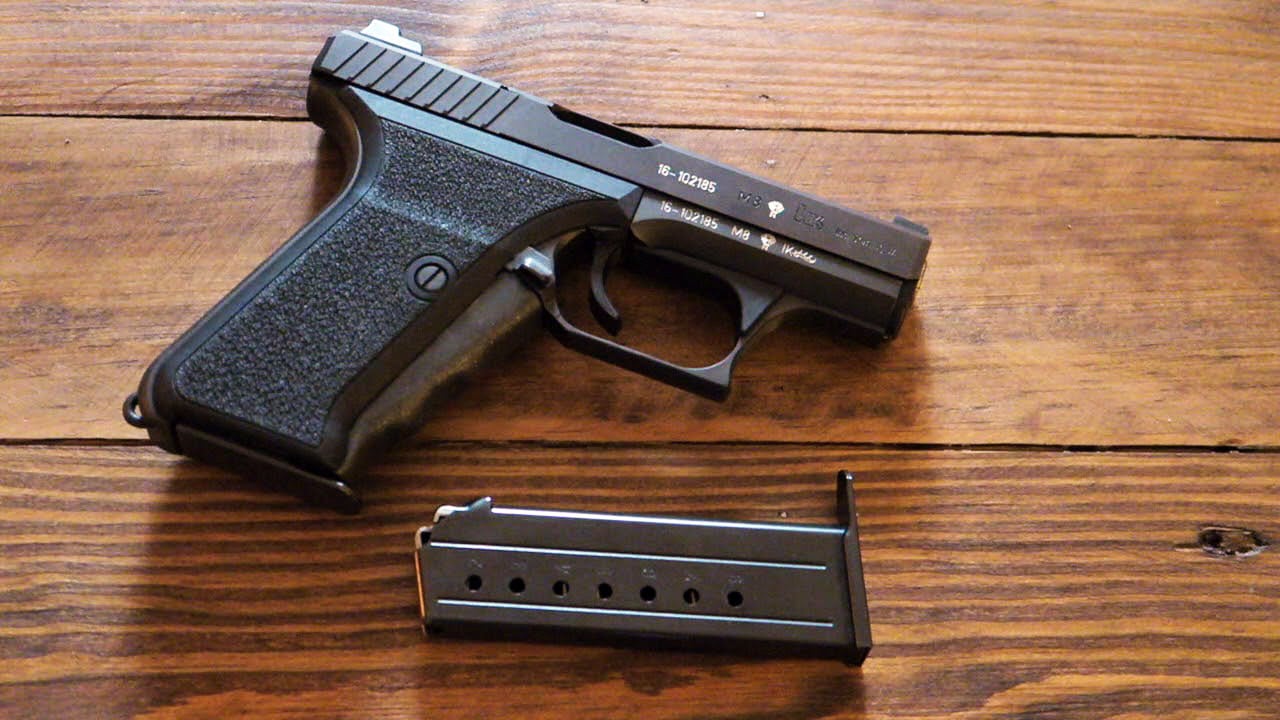
1. Heckler & Koch P7 (PSP/M8)
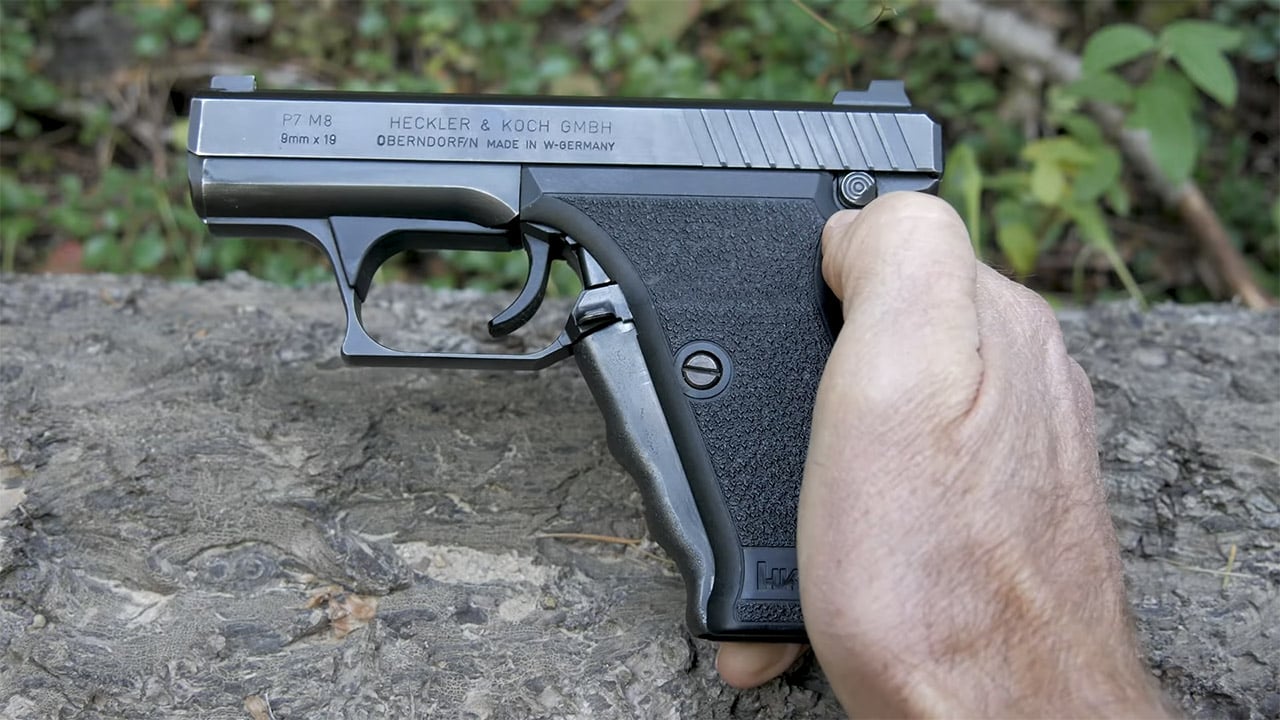
For years, the P7 was “cool but expensive,” and that kept a lot of normal shooters away. The squeeze-cocker felt odd, mags weren’t cheap, and it wasn’t the kind of gun you just toss in a tackle box. Then the surplus dried up and everybody remembered it’s one of the most accurate, shootable carry-size 9mms ever made.
They do get warm when you run them hard, and the manual of arms is different. Still, the build quality is on another level, and collectors love anything HK that isn’t being made anymore. If you let one go because it didn’t match your holsters, you probably still think about it.
2. SIG Sauer P228 (German/early production)
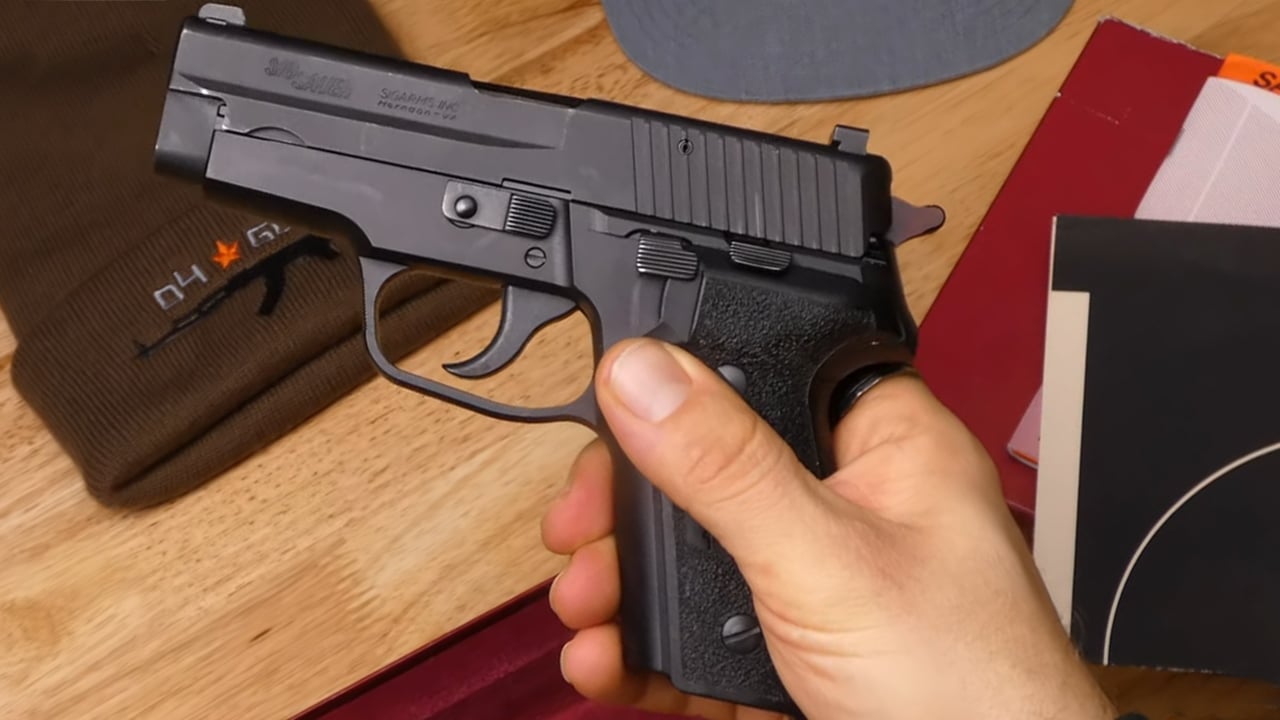
The P228 used to live in the shadow of the P226 and later the P229. It’s “just a compact,” right? Not to anyone who’s carried one all day and shot it well. The balance is about perfect, and the old stamped-slide guns have a feel that newer ones don’t quite match.
What sneaks up on people is the combination of nostalgia, limited supply of certain runs, and SIG fans being SIG fans. Magazines are still around, parts support is decent, and it’s actually useful, not just a safe queen. That’s a recipe for prices creeping, then jumping.
3. SIG Sauer P239 (especially 9mm)
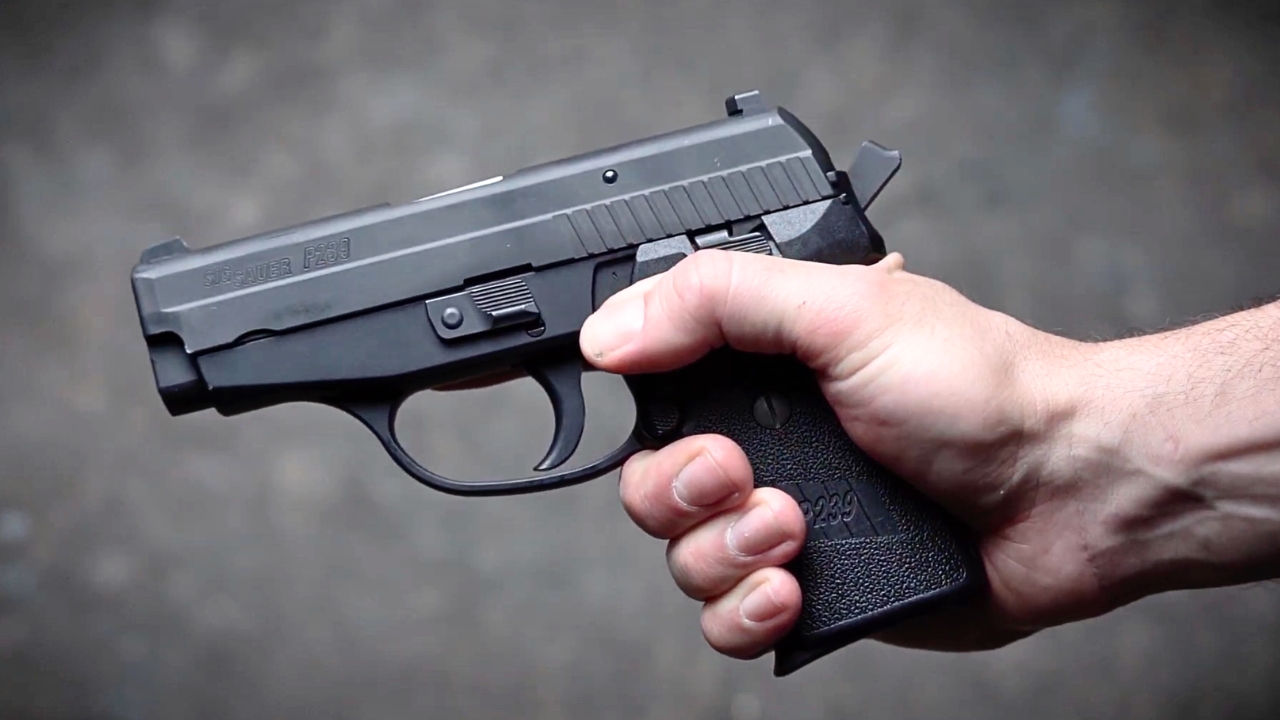
The P239 was the “boring single-stack” for a long time, and then micro-compacts took over and people dumped them. I get why. It’s heavier than the new wonder-nines, and the capacity isn’t winning any contests.
But it carries flat, shoots soft, and the trigger on a good one is better than most of what folks pretend is “just as good” today. The supply isn’t infinite, and once the clean ones are gone, they don’t come back. That’s when you see the used price stop being friendly.
4. Beretta 92G (decocker-only variants)
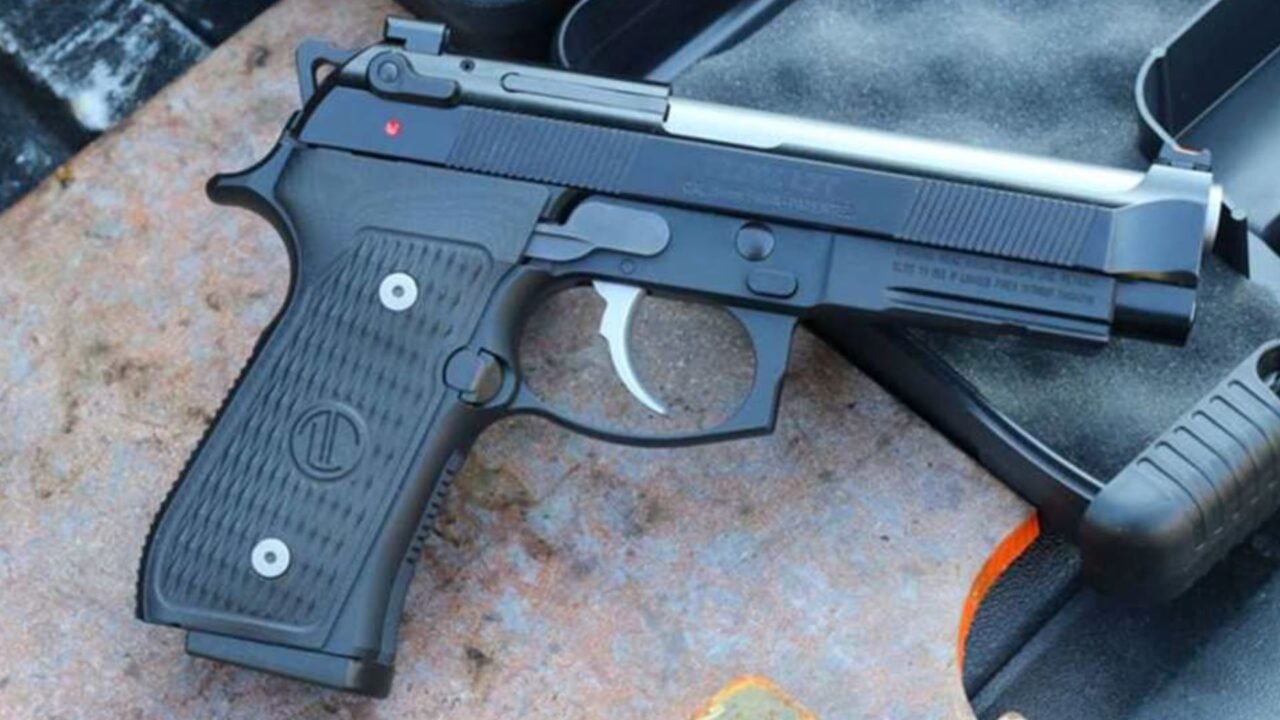
Most people know “Beretta 92” in a generic way. The G-models are where it starts getting collector attention because they’re the setup a lot of serious shooters prefer: decock, no manual safety left on by accident. For a long time, you could find them without paying any real premium.
Then departments cycled them out, certain variants got harder to find, and folks realized the G is the one they actually want to run. It’s not a tiny gun, but it points naturally and lasts. A clean 92G is the kind of pistol that suddenly has ten guys circling the table.
5. Beretta 92FS Inox (Italian, early runs)
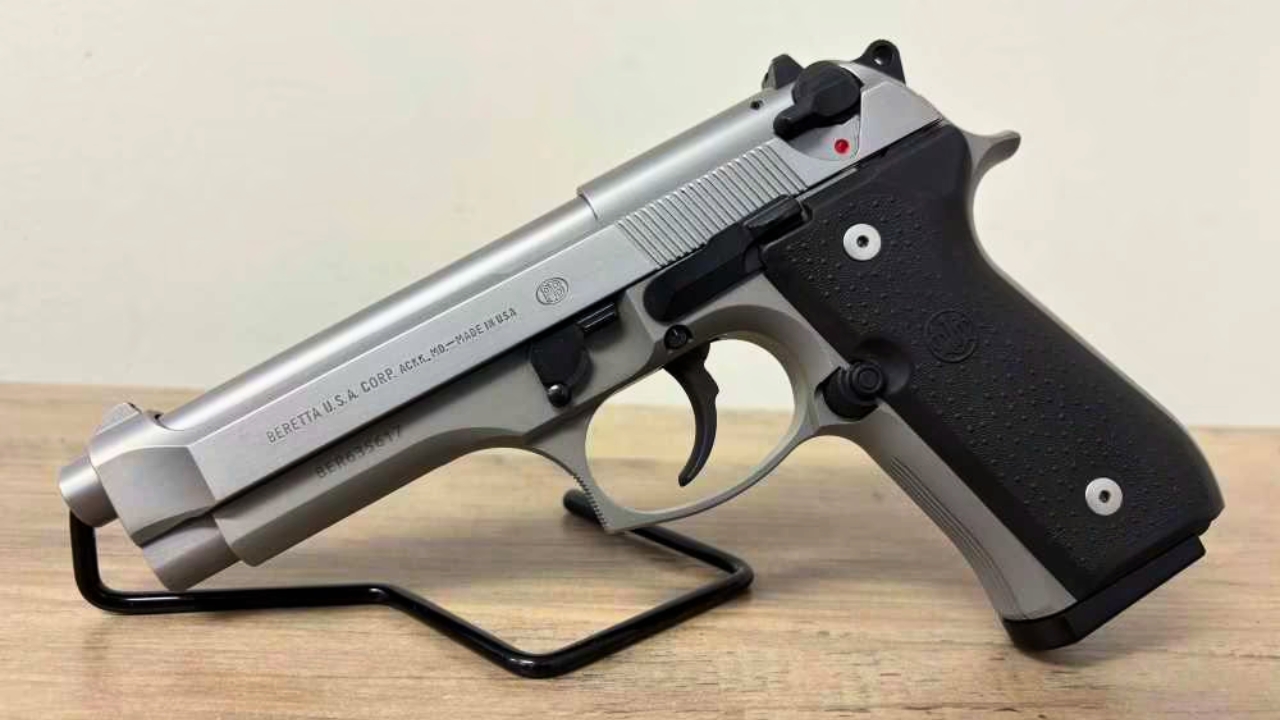
Inox guns were “just stainless” until they weren’t. Early Italian Inox pistols, especially with matching parts and the right markings, have a collector pull that plain black guns don’t. The funny part is they were often treated like range toys, so a lot of them got used hard.
When nice ones show up now, they don’t sit long. It’s a classic service pistol with real-world durability, plus the looks. That combination doesn’t age out.
6. CZ 75B (pre-B, early Czech production)

CZs used to be the smart-guy pick: great shooters, lower price, not much hype. Early CZ 75s, especially pre-B examples, got overlooked because they weren’t wearing a “collector” label in the case. Then people started paying attention to finish, roll marks, and the older profile.
They’re also legitimately pleasant to shoot. Low bore axis, steel frame weight, and that classic ergos that feel like the gun was molded to your hand. Once collectors start chasing condition and originality, the cheap days disappear fast.
7. CZ 82 (9×18 Makarov)

The CZ 82 hit the market as a budget surplus gem, and a lot of folks treated them like a glovebox gun. That was a mistake. They’re accurate, reliable, and more refined than most pistols in their “surplus price” bracket ever were.
Ammo availability has its ups and downs, and the finish can show wear. But the supply is not what it used to be, and collectors love a well-made Cold War pistol that shoots better than it has any right to. Prices on clean examples have a habit of surprising people.
8. Makarov PM (Russian/Bulgarian imports)
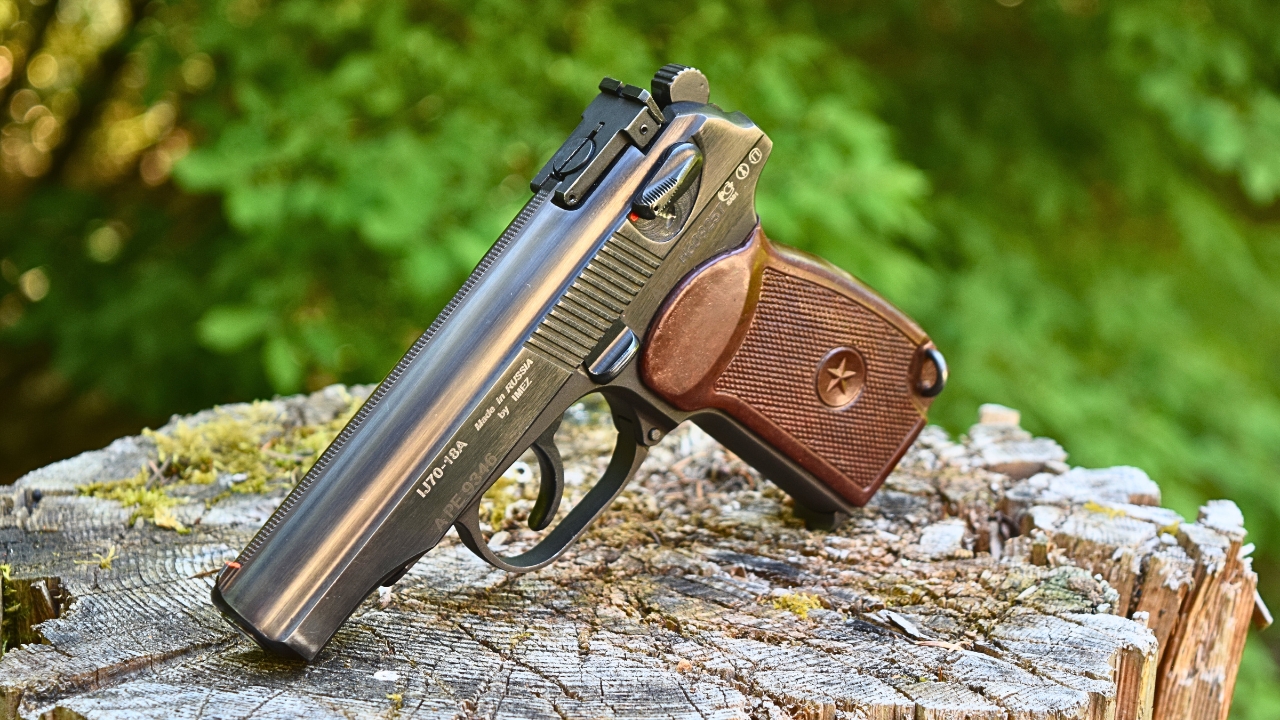
Makarovs were the definition of “cheap and tough” for years. Simple blowback, easy to maintain, and they just run. People bought them because they were affordable, then sold them because they were “only” 9×18 and didn’t have modern sights.
Now you’ve got fewer imports and more interest in anything with real history. The good ones—matching, clean, correct markings—are not bargain-bin pistols anymore. It’s still a basic gun, and that’s kind of the point.
9. Walther PPK/S (Interarms and early U.S. production)

The PPK/S is famous, but for a long stretch it wasn’t expensive in the used market unless it was pristine or truly old. A lot of them got carried, and a lot of them got “improved” with questionable parts swaps. Then collectors started caring about era, proof marks, and condition.
They’re not the most comfortable .380 to shoot, and the beavertail situation can bite some hands. Still, it’s an icon that people actually recognize, and icons don’t usually get cheaper when supply tightens.
10. Walther P1 (postwar alloy-frame P38)
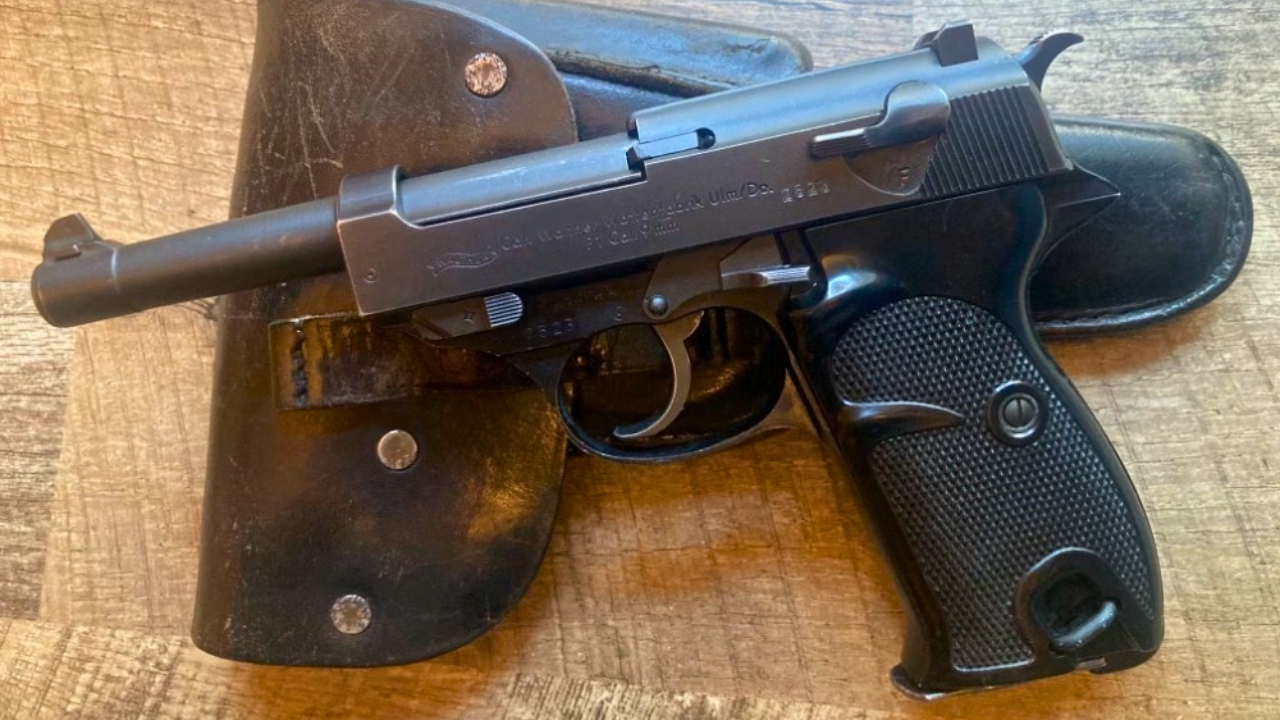
The P1 was long treated like the less-cool cousin of the wartime P38. “It’s not the real one,” guys would say, and keep walking. Meanwhile, it’s a piece of postwar history that’s still a functioning, shootable 9mm with a distinct feel.
Some examples show hard use, and you want to pay attention to condition. But once the affordable piles dried up, collectors started filling gaps in their Walther and German service pistol lines. That’s when prices stop being polite.
11. Browning Hi-Power (FN and Browning-marked, especially Belgian)
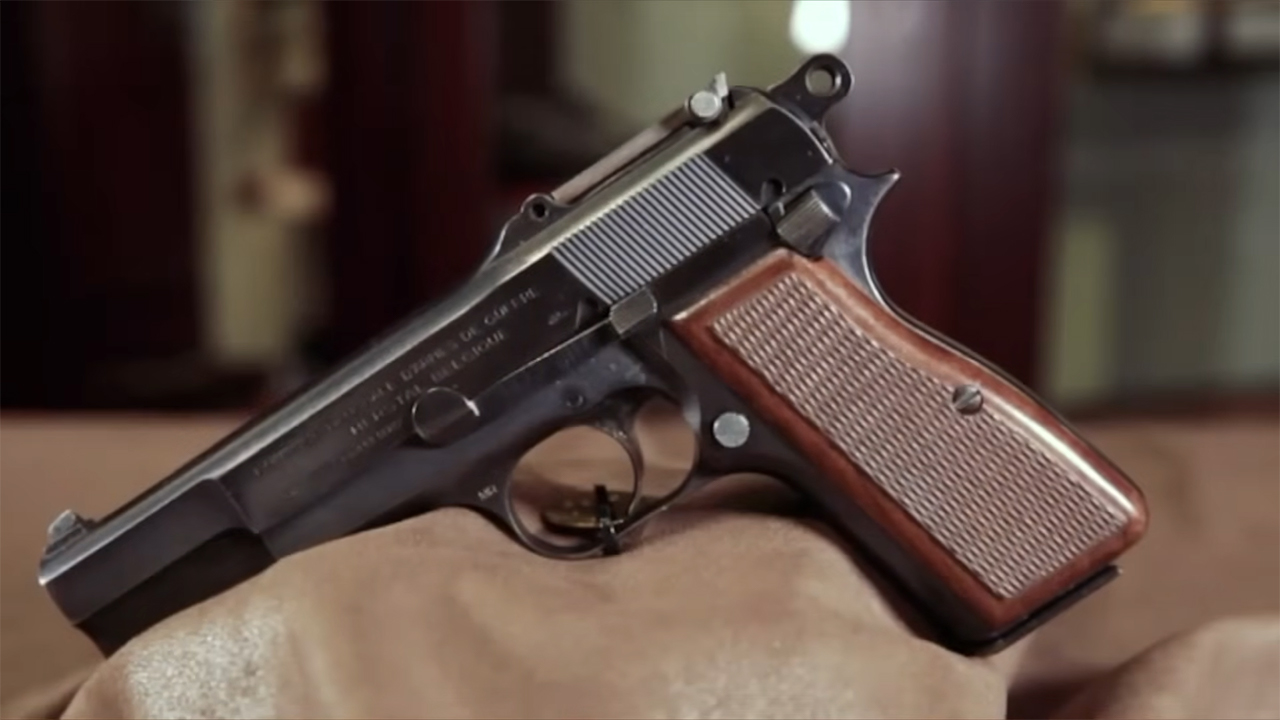
For a while, the Hi-Power was just “another classic” that everybody respected but didn’t always buy. Then production changes, discontinuations, and the modern clone market reminded folks what the originals are. A clean Belgian gun is not something you trip over every weekend.
They carry well, point well, and have that old-school steel feel. Yes, the trigger can vary and some need a little attention to be their best. But collectors love them, shooters love them, and those two groups pushing together makes prices do wild things.
12. Colt Detective Special (older blued guns)
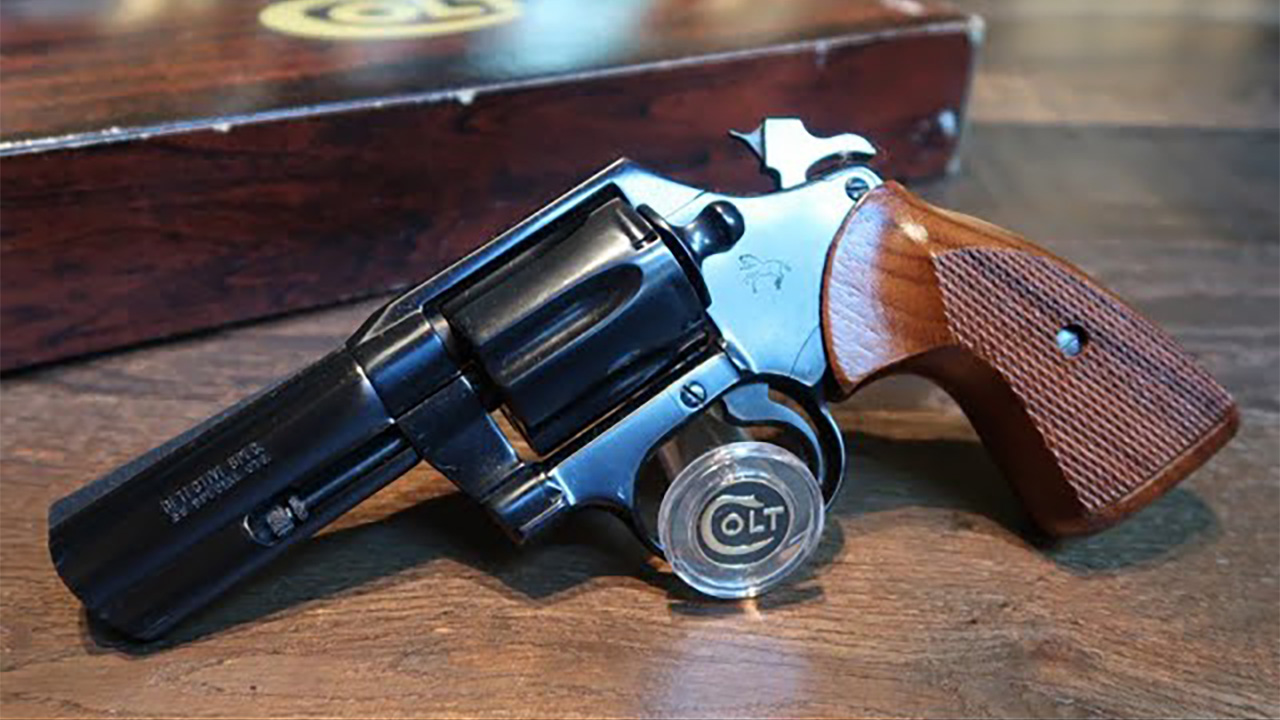
Snub-nose revolvers get written off until somebody actually tries to buy a nice one. The Detective Special is one of those guns that used to be “grandpa’s revolver” and now is a serious collector target, especially in solid condition with proper grips and finish.
It’s also a practical carry revolver if you’re into that world. Colts in general don’t stay cheap once collectors decide they want them. The pool of clean ones shrinks every year.
13. Smith & Wesson Model 39-2
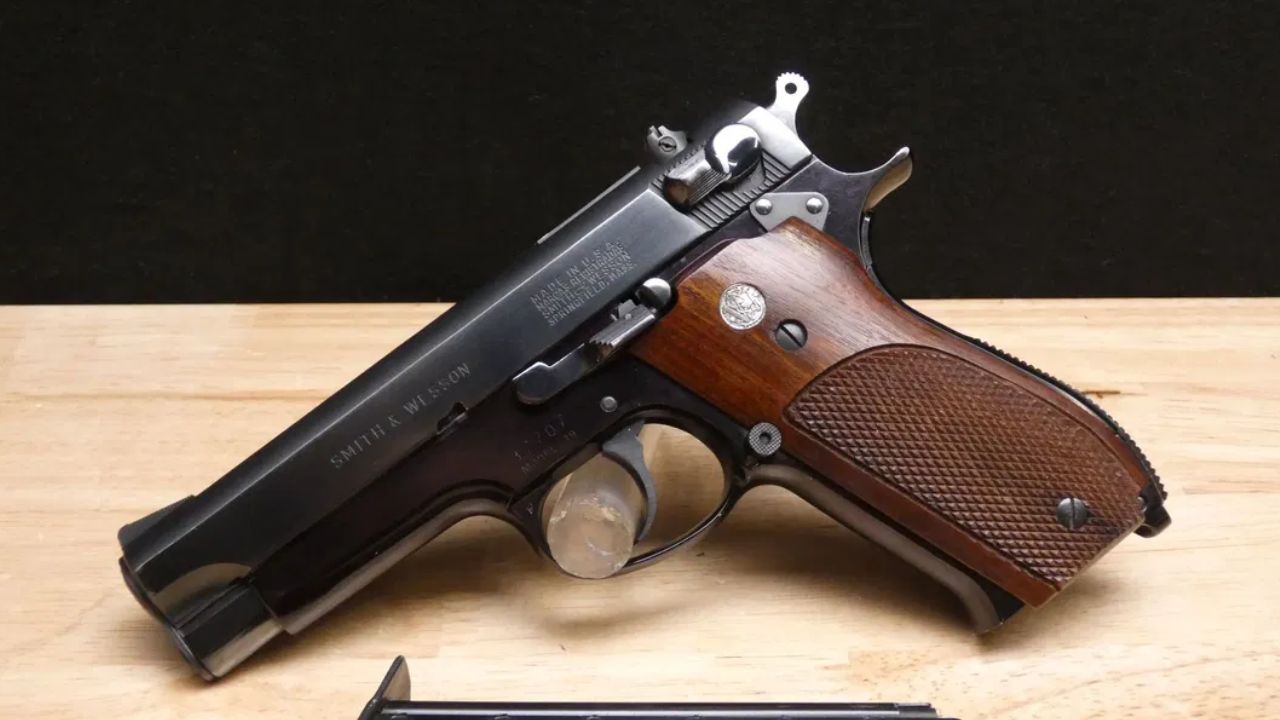
The Model 39-2 doesn’t get the attention of a Model 29 or a pre-lock revolver, but it should. It’s a landmark American double-action 9mm with a slim profile and a very “period correct” feel. For years it was a sleeper, sitting in cases because it wasn’t a high-cap wonder.
Then people started building collections around early semi-auto service pistols. Suddenly the 39-2 isn’t just an old gun—it’s an important one. And important guns don’t like staying inexpensive.
14. Smith & Wesson Model 5906
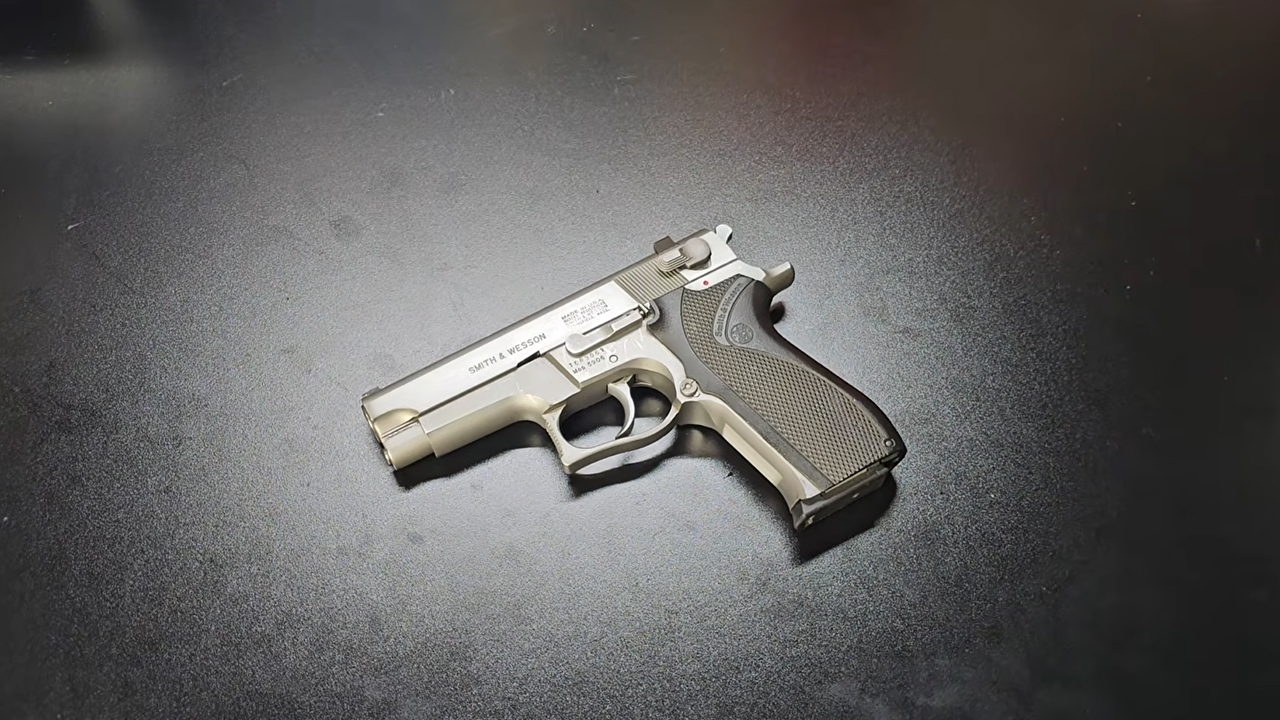
The 5906 was the classic stainless police pistol. Heavy, durable, and about as exciting as a fence post. Then the trade-ins mostly dried up, and the folks who actually ran them remembered how reliable they are and how well they shoot for what they are.
Magazines are still around, parts are out there, and the all-metal construction feels better than a lot of polymer guns when you’re sending rounds downrange. It’s not trendy, but it has a following now—and those guns don’t stay cheap forever.
15. Ruger P89
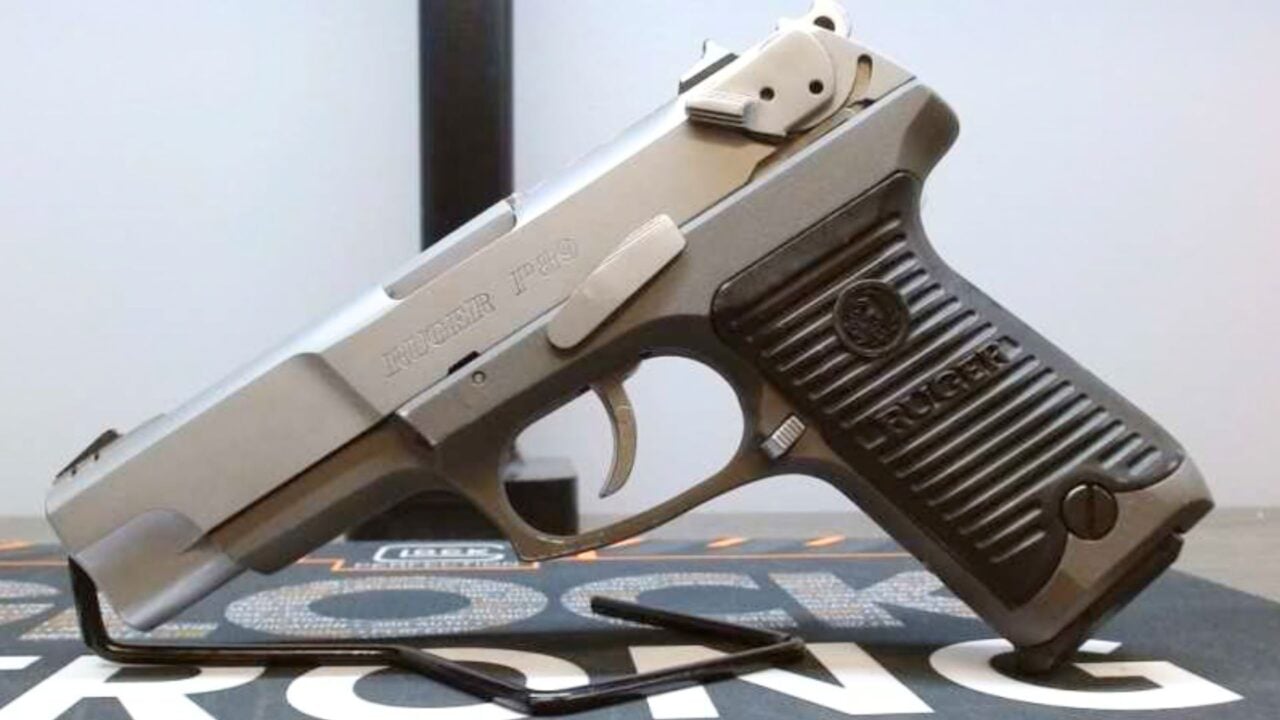
The P89 is the kind of pistol that got made fun of for being chunky and ugly. It’s not going to win a beauty contest, and the trigger won’t make you poetic. But it’s tough as nails, and a ton of them lived hard lives and kept working.
What flips the switch is when folks realize they sold a reliable “truck gun” for pocket change and now every decent example costs real money. Ruger discontinued the P-series, and nostalgia hits hard when you can’t just go buy another one new.
16. Ruger Mark II (Government Target and early variants)

The Ruger Mark pistols are common, sure, but certain Mark II variants are getting chased harder every year. The Mark II has that sweet spot combination: classic lines, great accuracy, and the old-style controls a lot of rimfire shooters prefer. People underestimate how many got modified or shot into the ground.
Find a clean one with the right barrel and original parts and it won’t be “cheap used .22” money anymore. Rimfire collectors are picky, and they’re patient—until they aren’t.
17. Colt Woodsman (all series, but especially early)

The Woodsman is one of those .22s that makes you slow down and shoot well. The grips, the balance, the way the sights sit—it feels like a serious pistol, not a toy. For years, guys would pass because “it’s just a .22” and they wanted a centerfire to show off.
Collectors don’t think that way, and neither do serious rimfire shooters. Condition matters a lot, and originality matters even more. When you see what a clean Woodsman brings now, you realize the bargain days are gone.
18. Remington XP-100 (original bolt-action pistol)

The XP-100 is weird, and that’s why it gets underestimated. It’s not a typical handgun, it doesn’t fit typical holsters, and a lot of folks don’t know what they’d even do with it. Then you shoot one off bags and realize it’s a legitimate precision tool with a cult following.
Collectors like the oddballs, especially when they’re tied to a real era of handgun hunting and silhouette shooting. Once people start chasing chamberings and configurations, the prices go from “huh, that’s neat” to “why is that so much?” quick.
19. Thompson/Center Contender (early frames and desirable barrels)
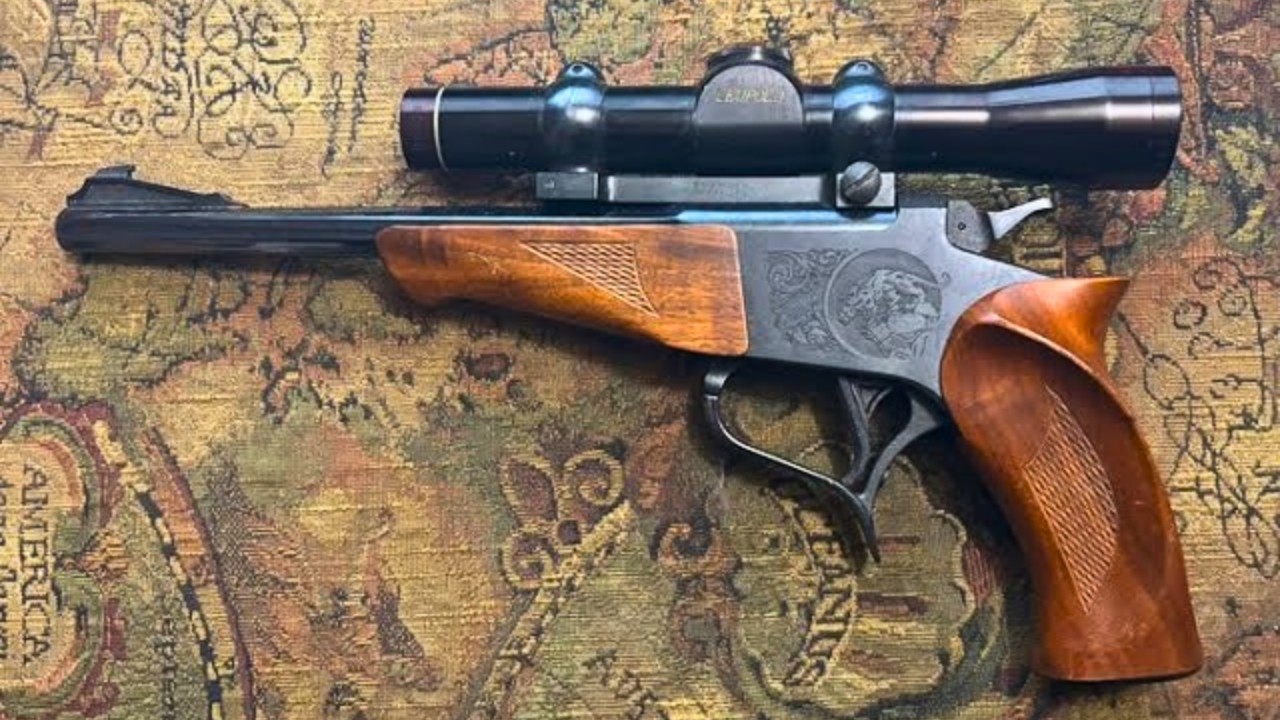
The Contender world is its own rabbit hole. Guys buy a frame, a barrel, and then ten years later they’ve got a case full of barrels and stories. For a long time, you could piece together a nice setup without sweating the cost.
Barrels in certain chamberings and lengths have become the real money items, and early frames get collector attention. It’s also still useful for hunting where legal, especially for folks who like to keep things simple and accurate. When utility and collectability overlap, prices don’t stay friendly.
20. Glock 17 (early Gen 1 and Gen 2, Austrian proofed)

Yes, a Glock. And not because it’s rare in the normal sense, but because early examples are getting treated like artifacts now. Gen 1 and clean Gen 2 guns with the right markings and original parts are not just “another used Glock” anymore, especially to the guys who watched the polymer revolution happen in real time.
They’re still dead-reliable, still easy to feed, and still easy to maintain. But once collectors start caring about small details—finish, box, mags, matching paperwork—the prices climb in a way that surprises the guy who figured a Glock would always be cheap and plentiful.
If there’s a theme here, it’s this: the stuff everyone ignores tends to get expensive right after it stops being easy to replace. If you’ve got one of these and it runs, don’t be too quick to trade it off for the next shiny thing. The new gun excitement fades fast. Safe regret sticks around a lot longer.
Like The Avid Outdoorsman’s content? Subscribe to our newsletter so you never miss an article.
Here’s more from us: