Photo credit: Smith & Wesson/Youtube
Handgun accuracy claims can be slippery. A pistol might be mechanically capable from a rest, with perfect ammunition, in controlled conditions, and in the hands of someone who really knows what they are doing. That does not always mean regular shooters will see the same results.
That is where disappointment starts.
Some handguns look accurate on the box, in ads, or in online chatter, but real-world groups open up fast. The sights are poor. The trigger is rough. The grip is too small. The recoil makes people flinch. The barrel is too short to help the shooter. These handguns may not be “bad” in every case, but they often pattern worse than buyers expect once they leave the marketing copy behind.
Taurus Judge
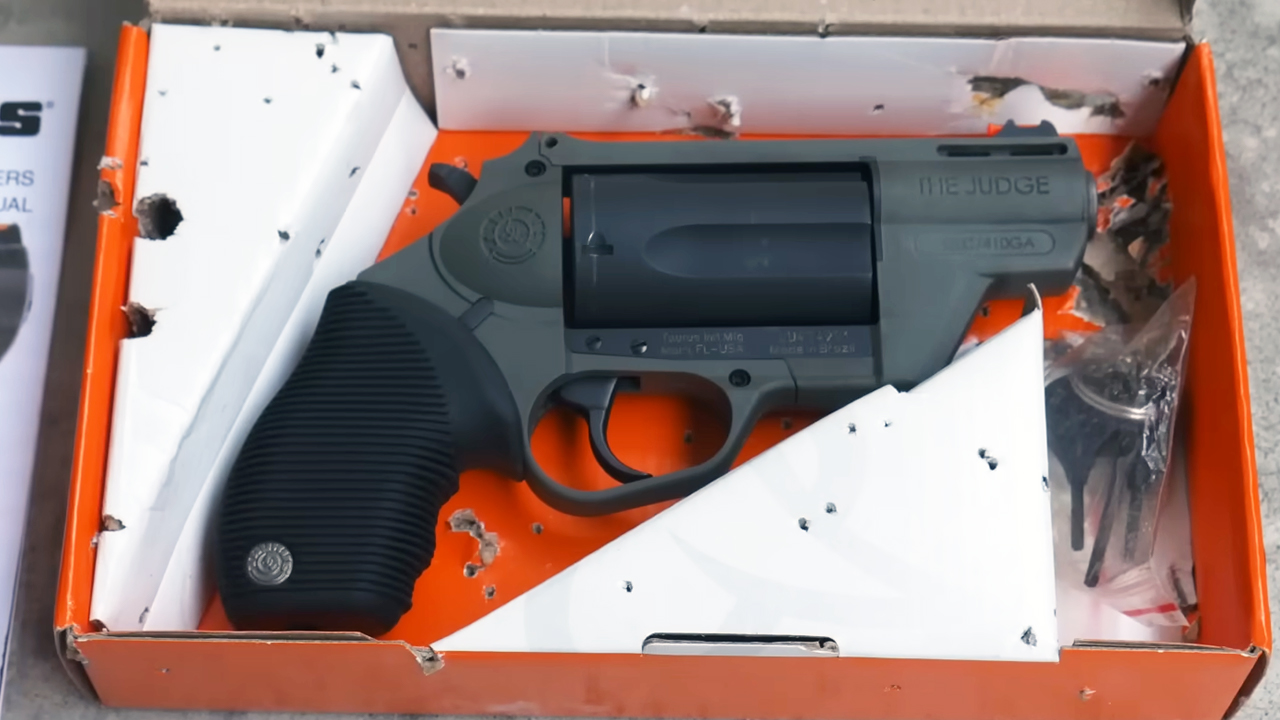
The Taurus Judge is almost built around the idea of patterning. A revolver that fires .410 shotshells sounds like it should give the shooter a comforting spread at close range. That promise is a huge part of the gun’s appeal.
The problem is that .410 shells from a short handgun barrel do not behave like .410 shells from a proper shotgun. Patterns can be inconsistent, spread quickly, and vary heavily by load. Some defensive loads are designed specifically for these revolvers, but even then, buyers need to test them on paper instead of trusting the idea. With .45 Colt, accuracy can also be less impressive than people expect from such a large handgun. The Judge sells confidence. The target sometimes tells a messier story.
Smith & Wesson Governor
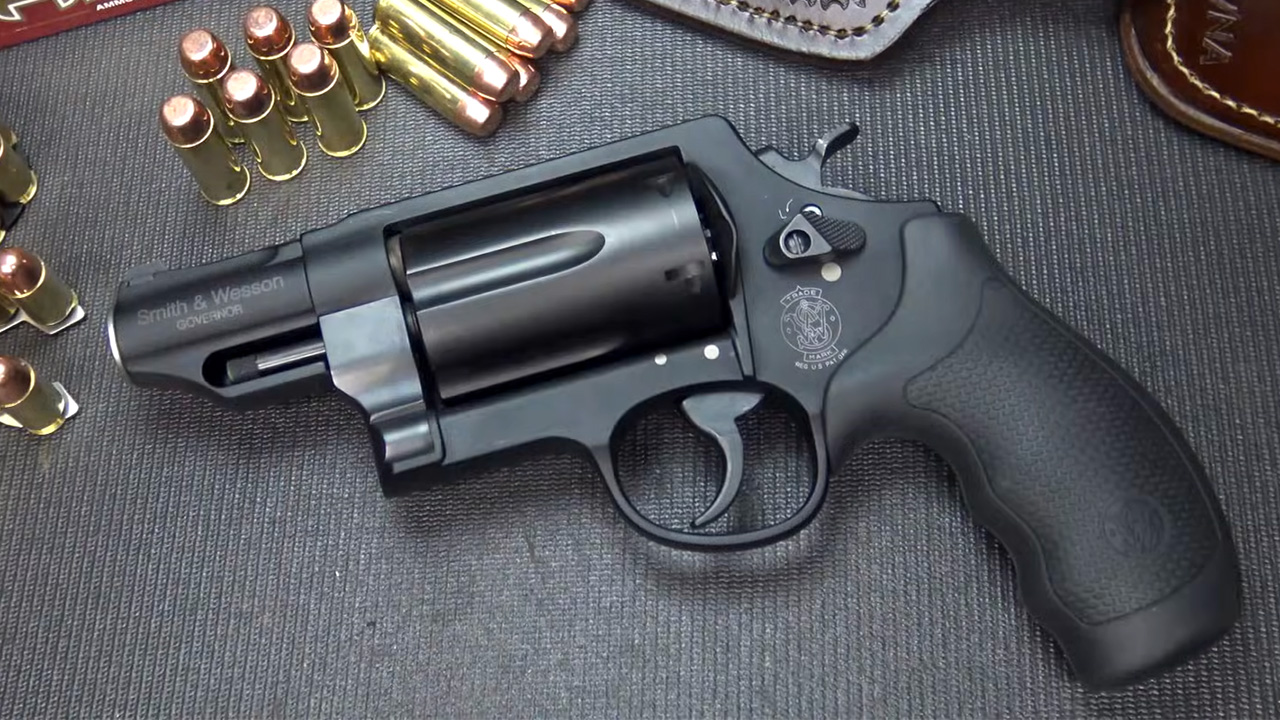
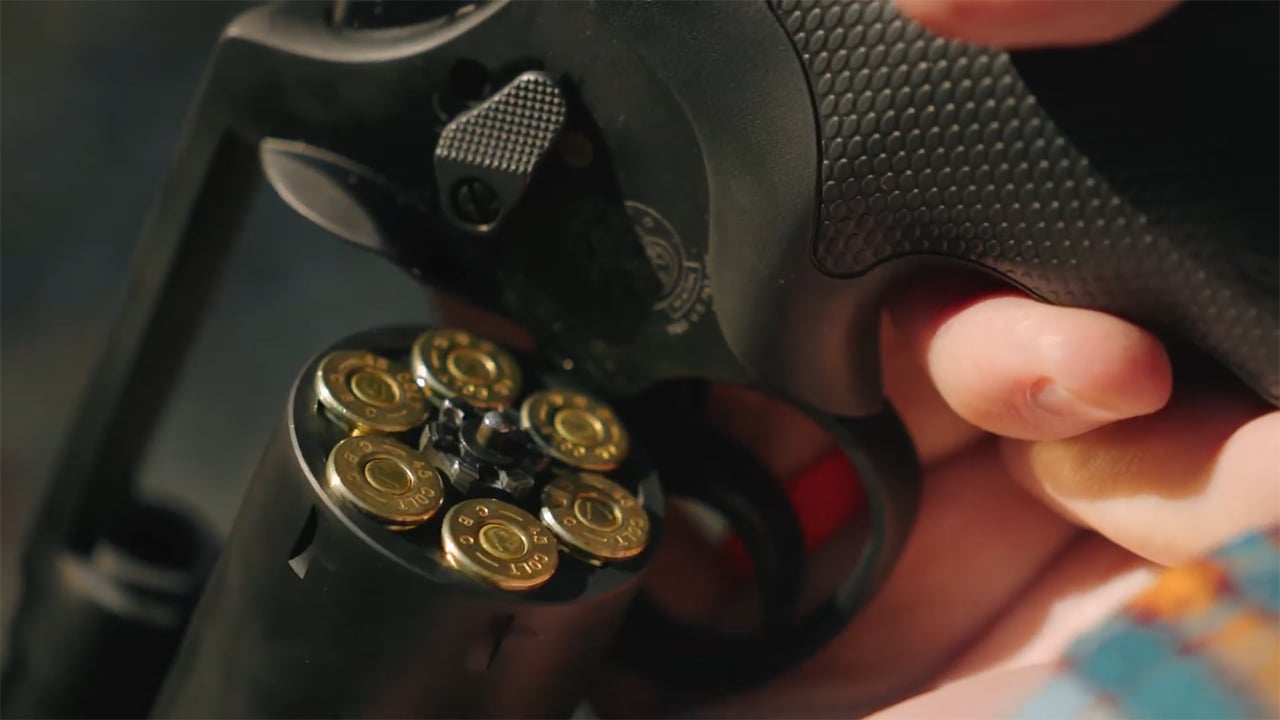
The Smith & Wesson Governor shares the same basic promise as the Judge: .410 shotshells, .45 Colt, and .45 ACP in one revolver. That sounds versatile, and versatility is easy to sell. A buyer may assume all those options mean the gun can handle almost any close-range problem.
At the range, the tradeoffs show. Patterns with .410 loads still depend heavily on ammunition, distance, and the short barrel. The revolver is large, but that does not automatically make it precise. Switching between cartridges can also change point of impact and expectations. The Governor can be fun and interesting, but it is not a magic pattern machine. Owners who expected shotgun-like performance from a handgun often leave the range with a much more cautious view.
North American Arms Mini Revolvers

North American Arms mini revolvers are fascinating little guns, but nobody should confuse tiny size with easy shooting. They are well-made for what they are, and they carry almost anywhere. The problem is that they give the shooter almost nothing to work with.
The sights are minimal, the grip is extremely small, and the short barrel gives a very short sight radius. Even in .22 Magnum, the muzzle blast and tiny hold can make hits harder than expected. At very close range, a careful shooter can do better than skeptics assume, but casual buyers often find their shots spreading quickly. These revolvers may be marvels of miniaturization, but the target makes one thing clear: small guns demand big attention.
Bond Arms Derringers
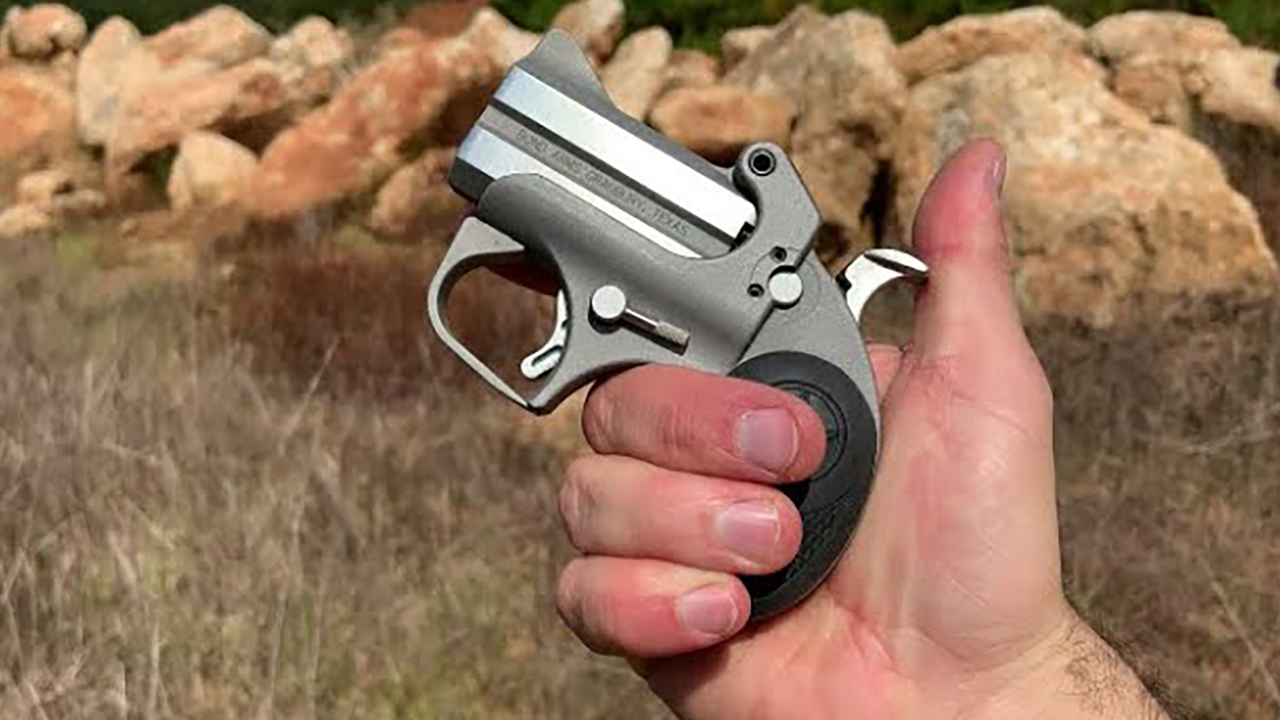
Bond Arms derringers feel solid and serious. They are far better made than the cheap derringer stereotype, and they come in chamberings that make people raise their eyebrows. That heft and build quality can make buyers assume they will shoot better than they do.
The issue is the platform itself. A derringer has a short sight radius, a heavy trigger feel compared with normal pistols, limited grip area, and only two shots before reloading. In stronger chamberings, recoil can be sharp enough to make precise shooting even harder. These guns are fun, rugged, and full of personality, but they are not target pistols. Owners who expect tidy groups often discover that the gun’s charm does not automatically translate into clean paper.
Ruger LCP
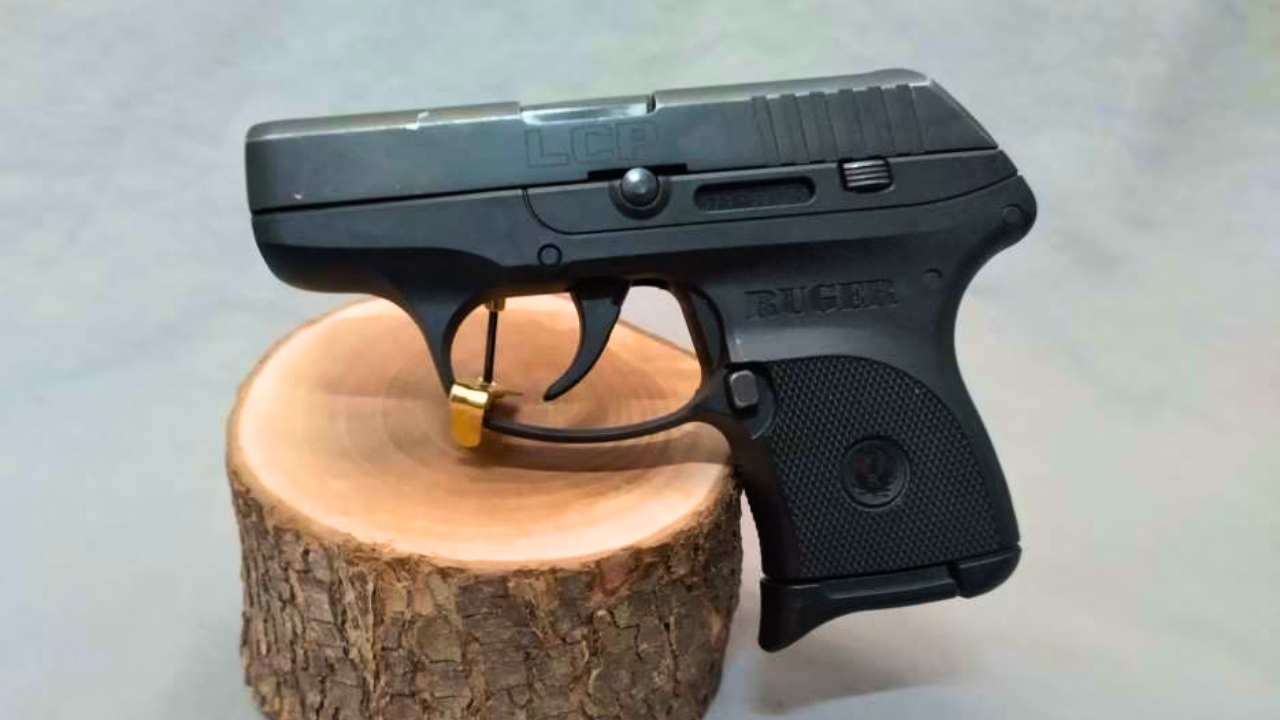
The Ruger LCP is often bought because it is easy to carry, not because anyone expects match-grade accuracy. Still, some buyers assume that because it is a close-range defensive pistol, it will be simple to shoot well at close-range distances.
That is not always the case. The tiny grip, minimal sights on older models, long trigger pull, and snappy recoil make groups open up fast for inexperienced shooters. The pistol may be mechanically capable enough for its role, but the human interface is unforgiving. It is easy to carry because it is tiny. It is hard to shoot well for the same reason. Many owners learn that pocket pistols are not shortcuts. They require more practice, not less.
KelTec P-3AT
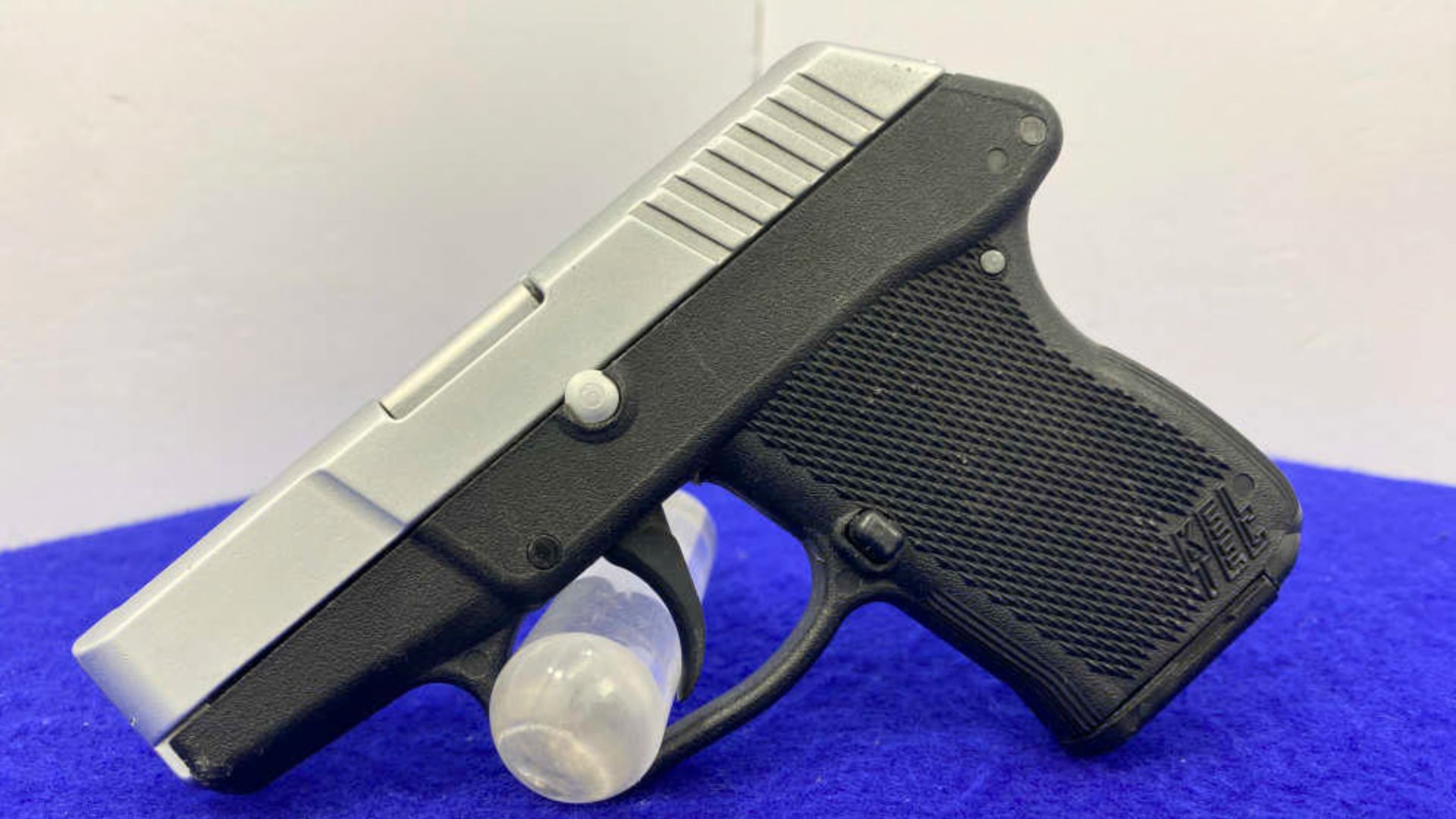
The KelTec P-3AT helped define the ultra-light pocket .380 category. It is thin, simple, and extremely easy to hide. For someone who wants a pistol that disappears, it makes sense.
On paper, though, it often disappoints new shooters. The small sights, long trigger, light weight, and short grip make practical accuracy difficult. The pistol can feel jumpy in the hand, which makes follow-up shots spread wider than expected. It was never meant to be a pleasant range pistol, but plenty of buyers still underestimate how hard it is to shoot a tiny .380 well. The gun carries like a dream. It may pattern like a warning if the shooter does not practice.
SCCY CPX Pistols

SCCY CPX pistols attract buyers because they are affordable, compact, and chambered in 9mm. The price makes them tempting, especially for someone who needs a defensive pistol without a large budget.
The trouble is that the long, heavy trigger can make accuracy difficult for many shooters. A pistol may be reliable enough and still be hard to shoot well if the trigger fights the owner. Add a compact grip, light weight, and snappy recoil, and groups can open quickly. Some owners adapt and shoot them decently, but many discover that saving money at the counter can cost confidence at the range. A defensive pistol should make practice easier, not turn every group into damage control.
Taurus Curve
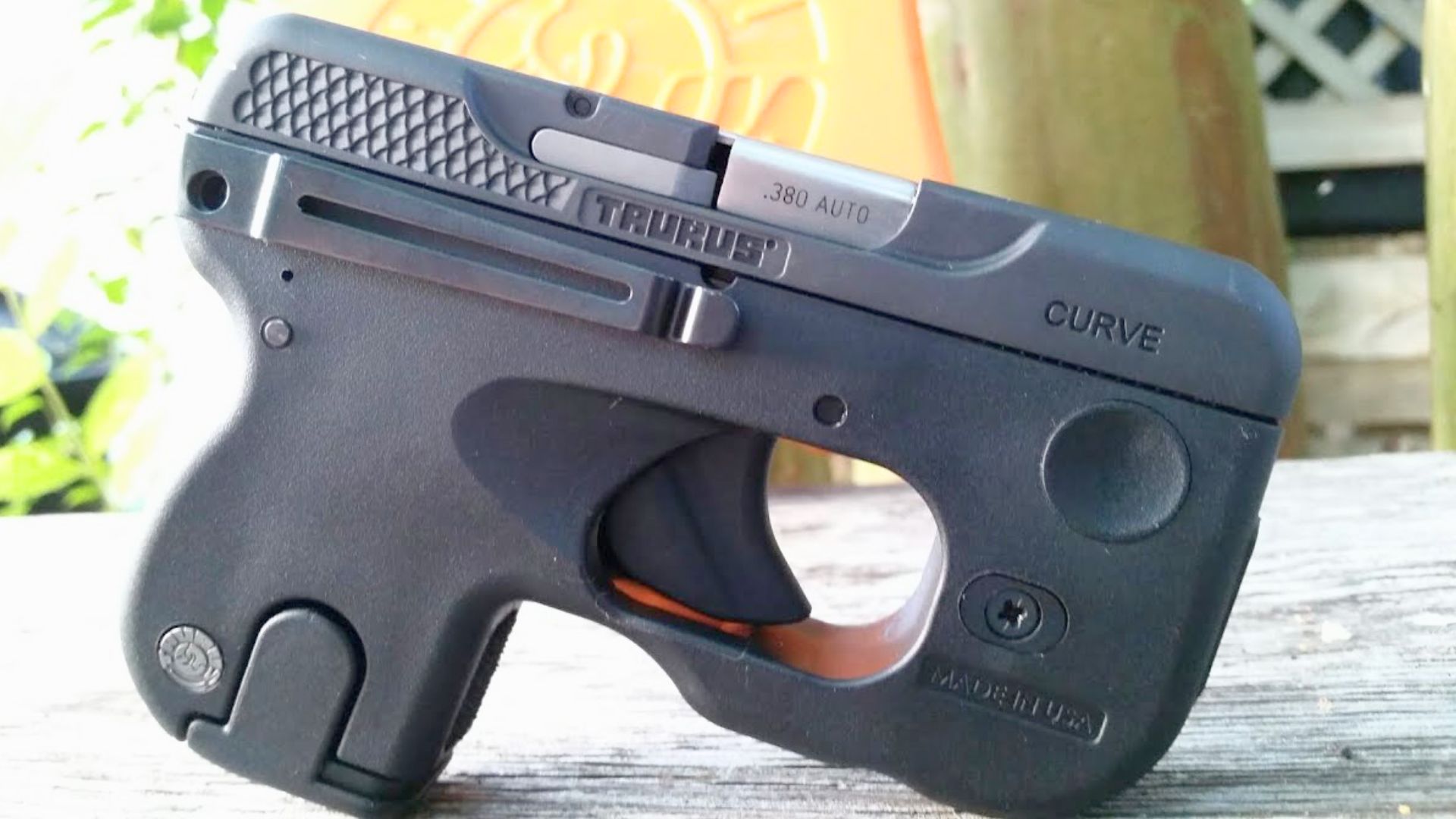
The Taurus Curve was marketed around deep concealment and body-hugging shape. It was one of those guns that immediately got attention because it looked so different. The concept was bold, but bold design does not always lead to easy accuracy.
The Curve’s unusual shape, lack of traditional sights on some versions, and tiny size made it a challenging gun to shoot well. It was built around close-range carry, not precision. That is fine if the buyer understands the role, but many people expect even a small pistol to give them clearer feedback and better control. The Curve was interesting, but interesting does not always put shots close together. For many shooters, the target made the design feel more like a gimmick than a solution.
Smith & Wesson Bodyguard .380

The Smith & Wesson Bodyguard .380 is a very carryable pistol with a recognizable brand behind it. That gives buyers confidence. It is slim, light, and easy to tuck away, which is exactly what many people want from a pocket .380.
The range can be less confidence-building. The trigger on earlier versions is long and heavy, the sights are small, and the short grip gives limited control. That combination can make groups spread more than buyers expect, especially beyond very close distances. The Bodyguard can fill a pocket-carry role, but owners need to be honest about the practice required. A small pistol with a hard-to-master trigger can make even good ammunition look bad on paper.
Diamondback DB9

The Diamondback DB9 promises a lot simply by being so small for a 9mm. Buyers see the size and think they are getting pocket-gun convenience with a more serious cartridge than .380 ACP. That is the hook.
The downside is that the DB9 can be difficult to shoot tightly. The grip is small, recoil is sharp, and the lightweight frame gives the shooter very little help. Even if the pistol is functioning properly, practical accuracy can be a challenge. Tiny 9mm pistols often punish weak grip and poor fundamentals immediately. The result is that groups may look much worse than the shooter expects from a 9mm. The cartridge is capable. The platform makes the owner work for every hit.
Glock 42

The Glock 42 is one of the softer-shooting pocket .380s compared with many tiny competitors, and it has Glock’s familiar simplicity. Because of that, some buyers expect it to shoot like a scaled-down service pistol.
It is better than many pocket guns, but it is still a small .380 with a short sight radius and compact grip. Shooters who expect effortless accuracy may still be disappointed, especially if they are used to larger pistols. The Glock 42 can shoot well in practiced hands, but it does not erase the limits of the category. It may pattern better than harsher pocket pistols, but the box-size promise of easy Glock perfection can still run into the reality of tiny-gun fundamentals.
Charter Arms Bulldog
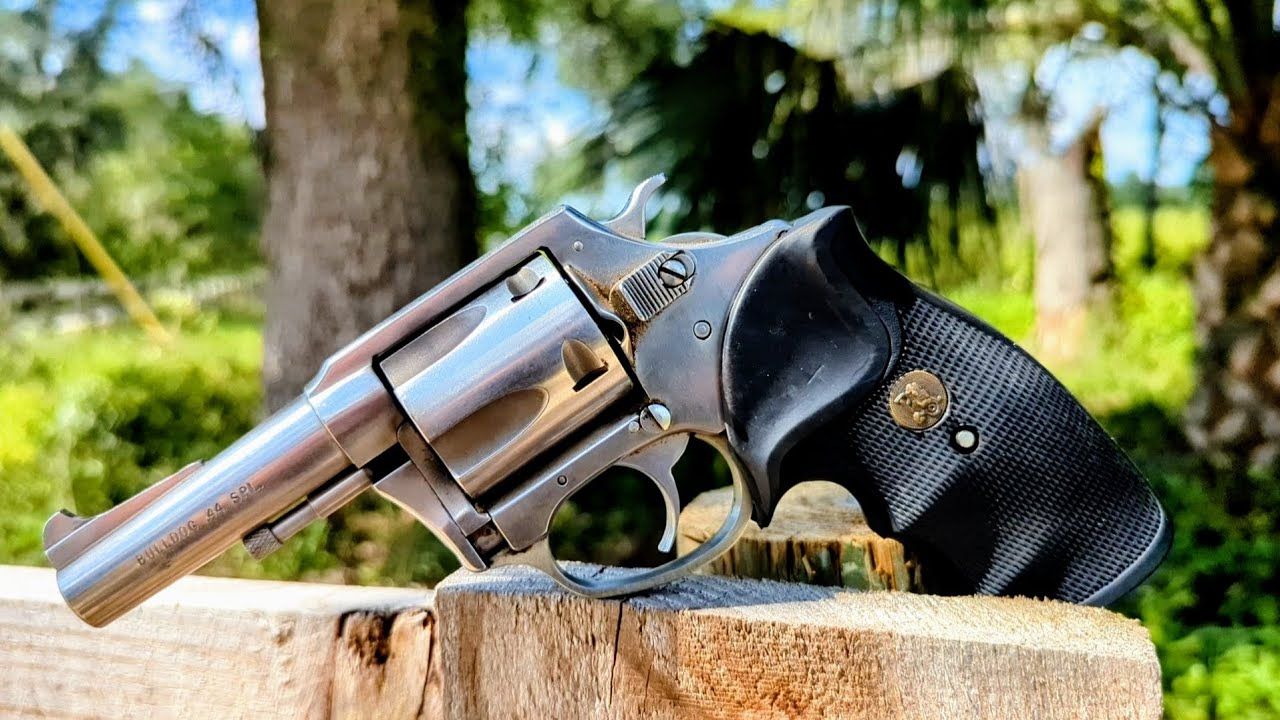
The Charter Arms Bulldog has a strong old-school appeal because it gives shooters .44 Special in a compact revolver. The idea sounds simple: big bullet, small gun, straightforward operation.
But compact big-bore revolvers are rarely easy accuracy machines. The sights are usually basic, the trigger may not feel as refined as more expensive revolvers, and recoil can be enough to open groups quickly. Ammunition is also not cheap, which can discourage the practice needed to master it. The Bulldog can be useful in its lane, but buyers expecting smooth, tight groups from a lightweight .44 may be disappointed. Big holes on paper are nice. Big groups are less exciting.
Micro 1911s
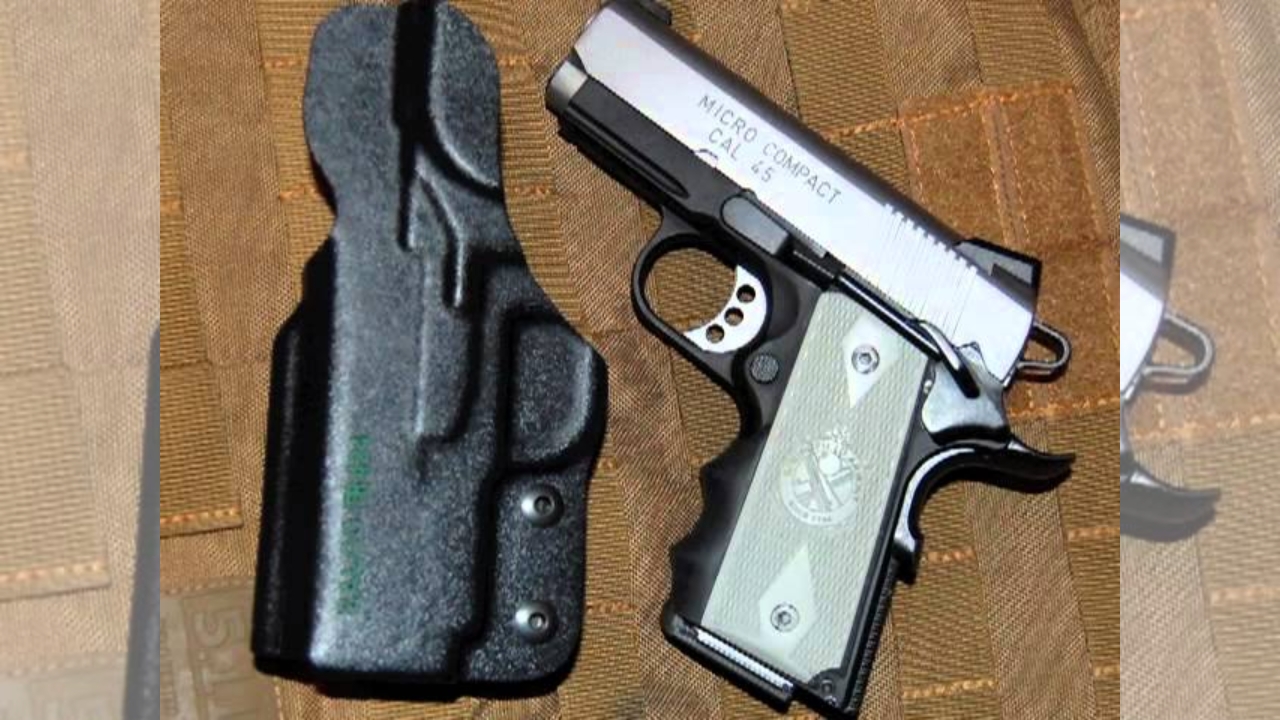
Micro 1911s look like they should shoot well because the 1911 platform has such a strong accuracy reputation. A crisp single-action trigger, metal frame, and classic grip angle all sound promising. Shrinking the pistol, though, changes the experience.
Short barrels, short sight radius, small grips, and snappy recoil can make groups open up fast. Some micro 1911s are mechanically accurate enough, but they are simply harder to run than their full-size relatives. The shorter slide cycles quickly, and the shooter has less weight and grip area to manage the gun. Buyers often expect a tiny version of the pleasant Government Model experience. The target often reminds them that small 1911s are their own animal.
Hi-Point C9
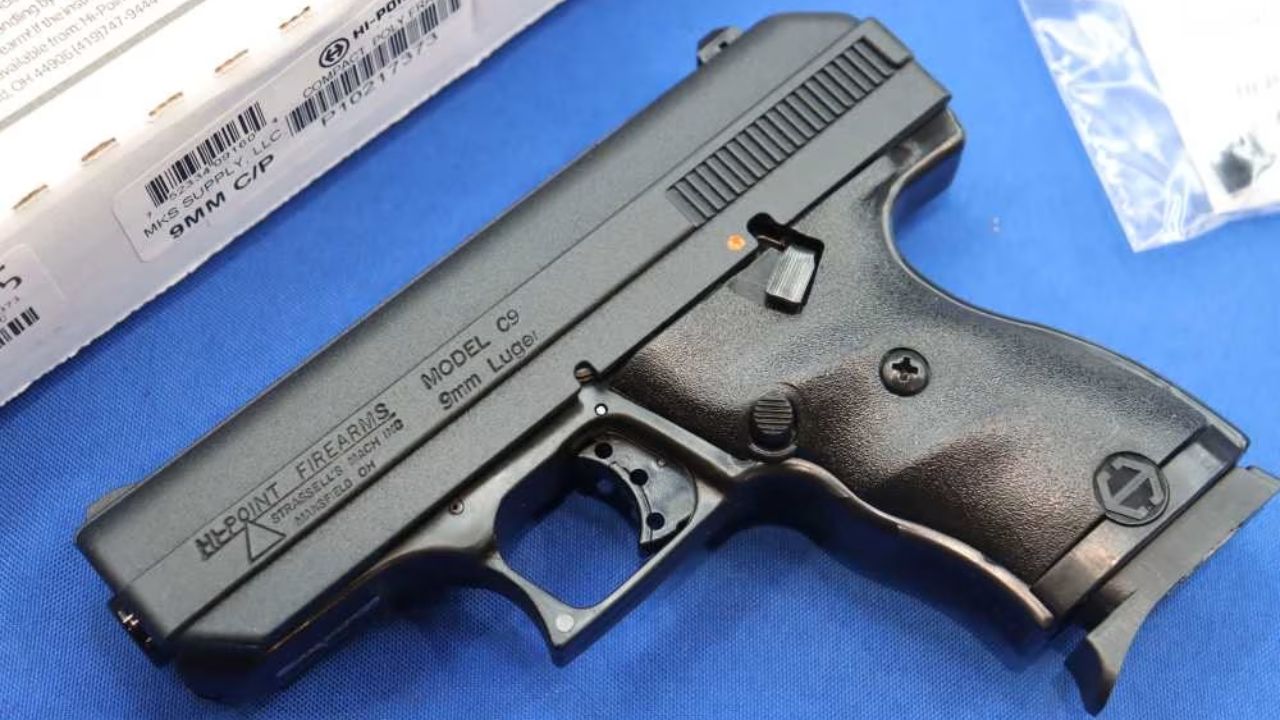
The Hi-Point C9 is famous for being affordable, bulky, and functional enough to build a strange kind of loyalty. It is not pretty, and it does not pretend to be premium. Many buyers choose it because the price is low and the gun is simple.
Accuracy can be better than some critics expect, but the shooting experience still leaves many owners underwhelmed. The heavy slide, odd balance, basic sights, and rougher trigger can make it harder to shoot well than more refined pistols. For the money, some people are satisfied. But if the box or counter talk makes the buyer expect easy precision, disappointment can follow. The C9 may work, but it does not always make the shooter look good.
Snubnose Revolvers With Fixed Sights
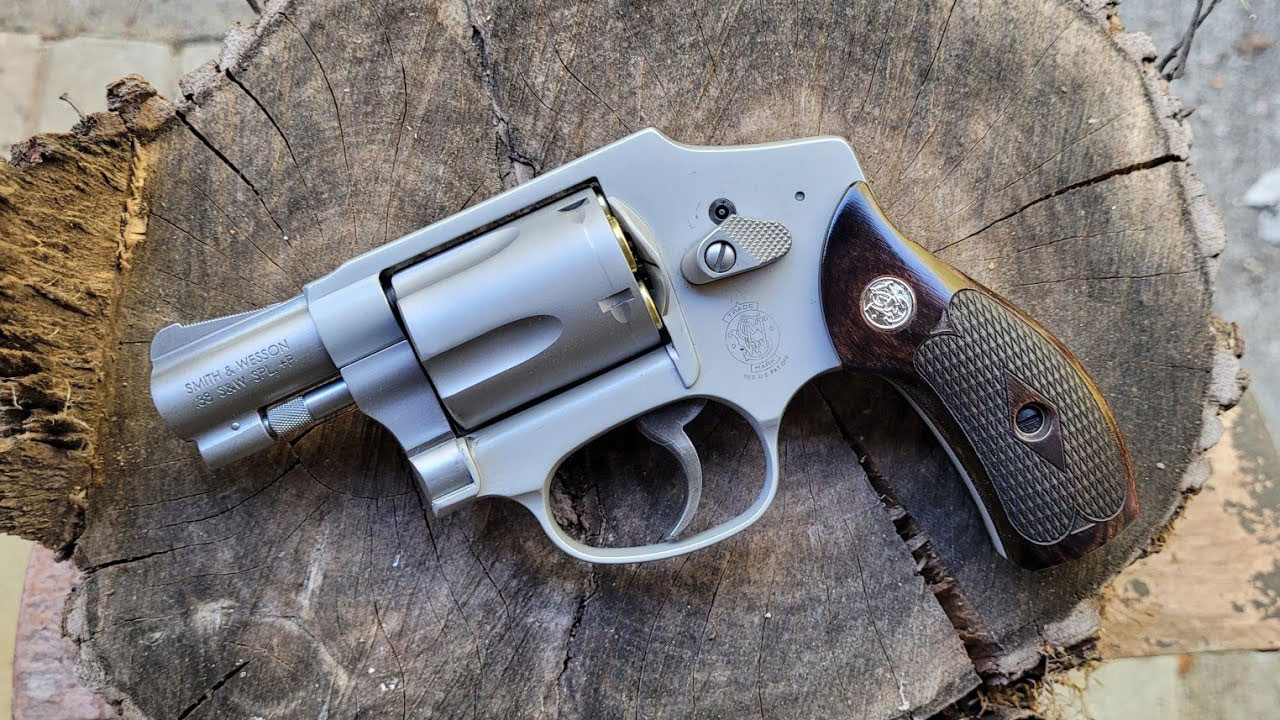
Snubnose revolvers have a long defensive history, and many are mechanically capable within their intended range. The issue is that new shooters often assume simple operation means simple accuracy. It does not.
A short barrel, short sight radius, small grip, heavy double-action trigger, and fixed sights can make groups spread quickly. Lightweight versions make the problem worse because recoil interrupts the shooter’s rhythm. A skilled revolver shooter can do impressive work with a snubnose. A casual owner may struggle to keep shots tight even at modest distances. The gun is not necessarily inaccurate. It is just brutally honest about the shooter’s fundamentals.
Like The Avid Outdoorsman’s content? Be sure to follow us.
Here’s more from us: