Photo credit: Theavidoutdoorsman.com
When you live on a little bit of land, you get used to certain sounds—tractors, dogs, coyotes lighting up after dark. Gunfire can be part of that mix, too, especially in rural pockets where folks sight-in before deer season or knock down varmints near a hayfield. But there’s a big difference between somebody shooting on their own place and rounds cracking close enough that you’re checking windows and listening for impacts.
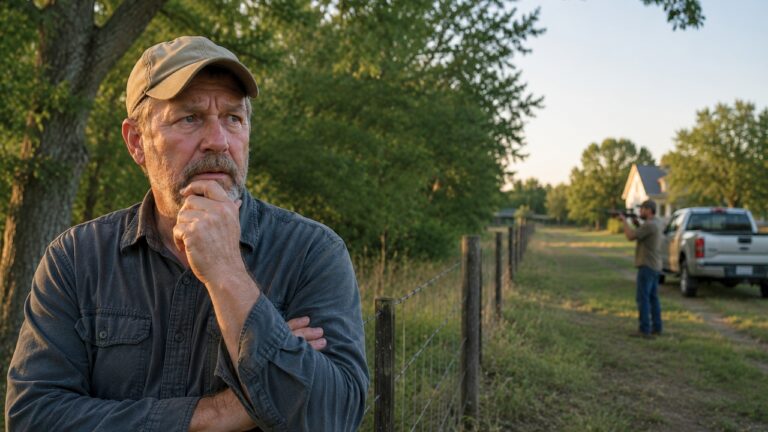
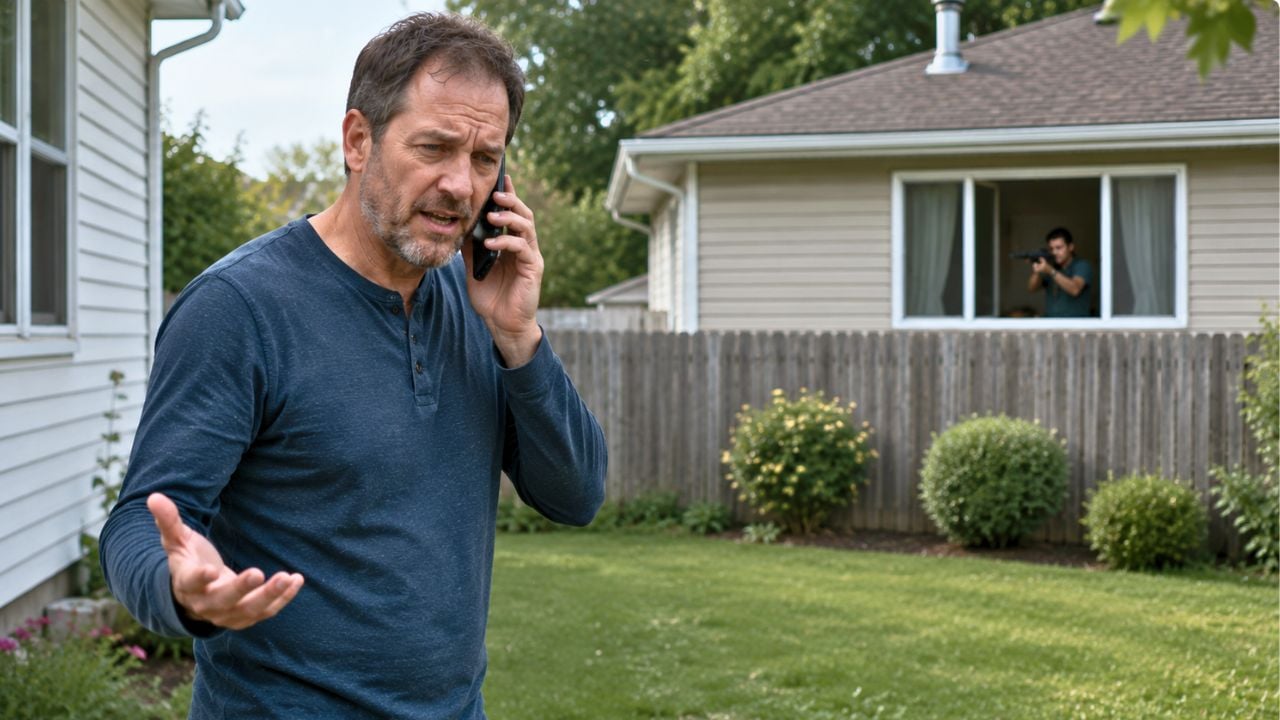
That’s where one homeowner found himself after three straight weeks of hearing shots from the same direction, at roughly the same times, and with the uneasy feeling that at least some of those rounds were traveling toward his house. He did what most reasonable landowners do first: tried to pay attention, get his facts straight, and keep it from turning into a neighbor war. Then he called the police—and walked away feeling like he’d been told to wait until someone got hurt.
The shots weren’t the problem at first—where they were going was
In the beginning, it sounded like typical backyard shooting. A handful of cracks on a weekend afternoon. Then it became a pattern: short strings of fire, several days a week, coming from a nearby property line that sat uphill from the homeowner’s house.
The homeowner started noticing little things that make your stomach tighten. The dog flinching and heading for cover. The kids being kept inside when they’d normally be riding bikes. Time spent on the porch turning your head, trying to place the exact direction and distance. The kind of listening you do when you’re not just hearing noise—you’re judging risk.
He wasn’t trying to stop someone from shooting. He wanted them to stop shooting in a direction that made his home and yard part of the downrange area.
Three weeks of “maybe” turns into a safety issue you can’t ignore
Most folks who’ve been around firearms for any length of time know the rule that matters most: know your target and what’s beyond it. That’s not just a range slogan. That’s what keeps a “harmless” afternoon of plinking from turning into a nightmare.
After about three weeks, the homeowner said the shots weren’t occasional anymore—they were frequent enough that he started altering his routine. In rural areas, that’s a big tell. People don’t change how they use their own property unless something feels off.
He also started thinking about angles. If the neighbor was shooting from an elevated spot, even a missed shot could carry. If there was no proper berm, no backstop, or if they were firing across open ground toward other homes, that’s not a “live and let live” situation. That’s negligence waiting for a calendar date to attach itself to it.
Trying to handle it like an adult can still put you in a bad spot
There are two instincts that kick in when you’re dealing with a neighbor and gunfire. One is to go talk to them man-to-man, keep it calm, and solve it with common sense. The other is to stay far away, because confronting someone who may already be careless with a firearm can go sideways fast.
The homeowner reportedly leaned toward the cautious route—document first, don’t escalate. He paid attention to times, listened for where the shots were coming from, and watched his property for anything that might confirm rounds were coming his way.
That’s the hard part about suspected unsafe shooting: unless you have clear evidence—strikes on a building, a visible bullet hole, ricochet marks, recovered projectiles—people can brush it off as “just noise.” And the person who’s worried starts feeling like they have to prove they deserve to be safe in their own living room.
When he called police, the response felt like a shrug
Eventually, he called law enforcement. Not because he wanted to jam somebody up for target practice, but because he wanted a uniform to take it seriously before something bad happened.
Instead, the homeowner said he was essentially told to call back if anyone got hit. That kind of response—whether it was meant as a literal policy statement or just a poor choice of words—lands wrong for anyone who understands what bullets do. You don’t get a “warning strike” with centerfire rounds. If someone gets hit, the damage is already done.
Plenty of rural folks already feel like they’re on their own when it comes to property issues. A response like that doesn’t just frustrate people—it pushes them into a corner where they feel like they have to solve a public-safety problem privately. And that’s the last thing you want when firearms are involved.
Commenters homed in on documentation, backstops, and who to call next
Whenever a story like this makes the rounds, the same practical crowd shows up: hunters, landowners, and range regulars who’ve seen what careless shooting looks like. Most of them don’t argue about whether someone “should” be allowed to shoot. They argue about whether someone is doing it safely.
A lot of people focus on documentation because it’s the one thing that cuts through the he-said/she-said fog. Photos of impacts. Video of the shooter’s lane relative to nearby homes. A record of dates and times. If a landowner has trail cameras, that’s often the first tool that gets mentioned—not to spy, but to establish what’s happening and when.
Others point out that in many areas, the sheriff’s office, code enforcement, or a state-level agency may handle parts of it differently depending on local ordinances. Some places have strict rules about discharge distances from dwellings and roads. Other places are looser, but still enforce reckless endangerment when rounds are traveling where they shouldn’t.
And nearly everyone agrees on one thing: don’t walk over there heated up and try to “win” the conversation in the moment. If the other person is already acting irresponsibly, you don’t want to be standing in their yard arguing while they’ve got guns out.
What a homeowner can do when shots are coming their way
The options aren’t always satisfying, but there are steps that tend to help—especially when emotions are running high.
First, treat it like a safety incident, not a feud. Stay calm and keep your distance. If you believe rounds are actually impacting your property, that’s not a “neighbor disagreement.” That’s a real threat.
Second, document without putting yourself in danger. If you find damage that looks like a bullet strike—siding, fence posts, outbuildings—photograph it and note where it is. If it’s safe, preserve anything that could matter later. Don’t go hunting for bullets in a way that puts you downrange.
Third, call again and be specific about the safety concern. “Shooting toward my house” is one thing. “Possible rounds impacting my structure” or “unsafe discharge with homes in the line of fire” communicates urgency differently. If the first call goes nowhere, a follow-up through a supervisor or a different channel sometimes changes the outcome.
Finally, consider the unglamorous tools: property surveys, posted boundary signs, and, if necessary, legal advice. In the real world, the paper trail often matters as much as the story you can tell.
Gun owners with any maturity don’t want bullets flying where they don’t belong. If this situation is as ongoing as it sounds, somebody needs to step in before a “close call” becomes the kind of tragedy that ruins two families and stains a whole community. Nobody should have to wait for blood to prove they were in danger.