Photo credit: Rifleman2.0/YouTube
Every family has that one rifle that never gets traded. It might have a thin spot in the blueing where a saddle scabbard rubbed it for 20 seasons. It might wear an old leather sling that smells like gun oil and wet wool. You can buy newer, lighter, more accurate rifles all day long, but these lever guns stick around because they work, they carry right, and they’re tied to memories you can’t replace.
None of these are “perfect.” Some have quirky safeties, some kick harder than they should, and some aren’t getting cheaper. But if you’ve ever watched an uncle quietly slide one out of a soft case like it’s a family photo album, you already get it. Here are 20 lever-action rifles I keep seeing in racks, cabins, and pickup gun racks that aren’t going anywhere.
1. Winchester Model 1894 (pre-64)

A pre-64 94 is the kind of rifle that makes grown men talk softer. The actions on the good ones have a slick, worn-in feel that you don’t get from a brand-new gun, and the balance is just right for still-hunting through timber. If you grew up around one, you learned what “carry all day” really means.
They aren’t target rifles, and nobody should pretend they are. But inside 150 yards with .30-30, they’ve put an unbelievable number of deer in freezers. The reason they stay in families is simple: they did the job when money was tight, and they still do.
2. Marlin Model 336 (JM-stamped)

That little “JM” stamp on the barrel is a big reason some folks won’t let a 336 leave the family. The rifles are straightforward, accurate enough to make you look good, and they run dirty without drama. The side-eject design also makes it easy to mount a scope without awkward workarounds.
I’ve seen 336s with bluing worn nearly white on the receiver edges that still cycle smooth and shoot straight. If you’ve got one that’s been fed a steady diet of 170-grain soft points, it’s already proven itself. Keep it clean, don’t baby it too much, and it’ll outlast you.
3. Henry Repeating Arms H001 (.22 LR)
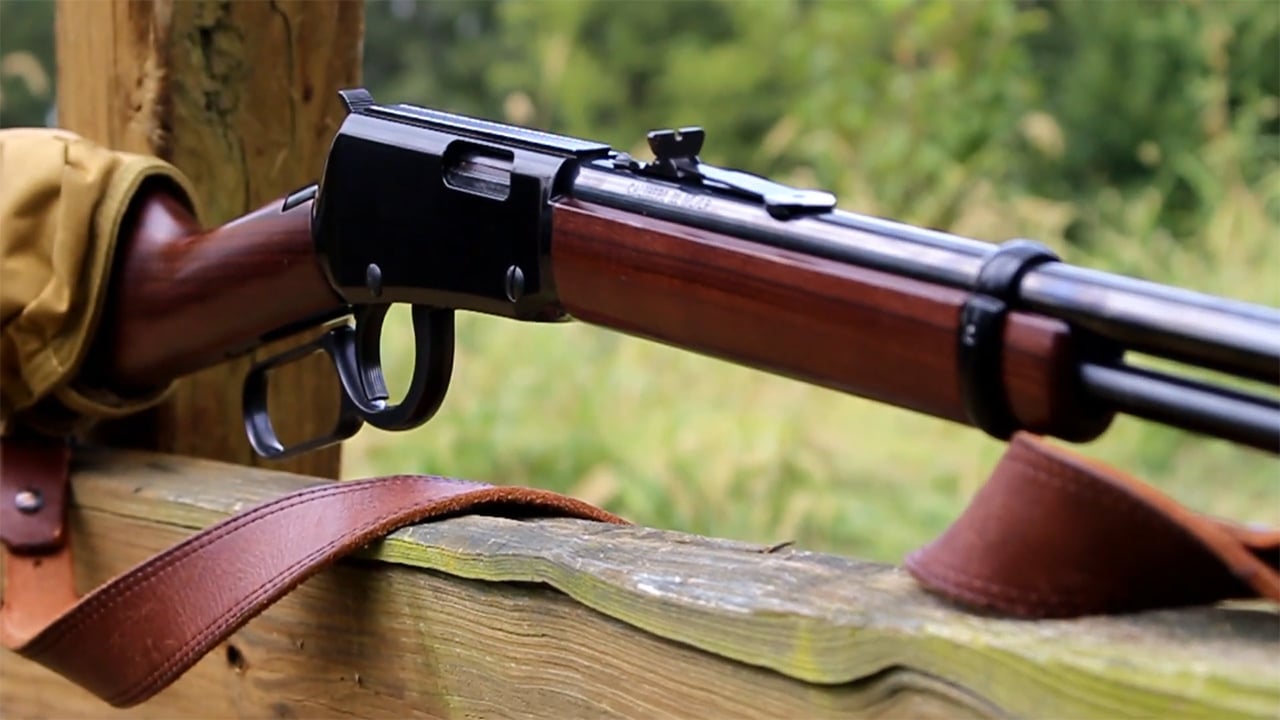
This one is the “first lever gun” for a lot of kids, and it turns into the “last one I’ll ever sell” for a lot of adults. It’s light, quiet, and fun in a way that reminds you why you started shooting in the first place. A brick of .22 and an afternoon behind the barn makes problems feel smaller.
It’s not fancy, and the sights are basic, but it just runs. The real magic is how often it comes out for new shooters, pest control, and camp plinking. A family H001 tends to end up with the smoothest action of the bunch because it gets used constantly.
4. Winchester Model 1892 (originals and good reproductions)

The 1892 is one of those designs that feels like it shouldn’t be as strong and smooth as it is. In pistol calibers it points fast, cycles quick, and carries like a walking stick. If you’ve ever run one on steel plates, you know how addictive it can be.
Families hang onto them because they’re handy and they’re honest. A .357 or .44-40 92 is a rifle you can keep by the back door for critters and still enjoy at the range. Originals bring collector money now, and that alone keeps a lot of them “in the family only.”
5. Marlin Model 1894 (.357 Magnum)
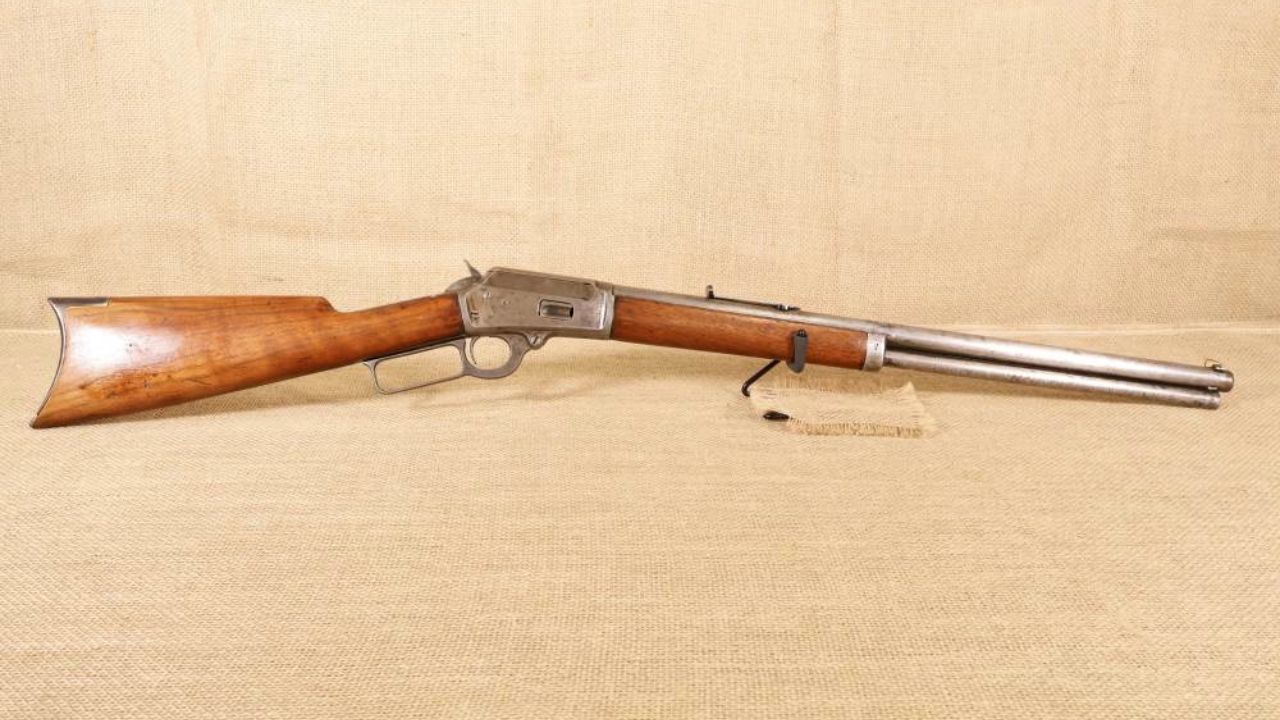
If you want a lever gun that actually earns its keep year-round, the 1894 in .357 is hard to beat. It’s mild with .38 Special, serious enough with hot .357 loads, and it’s easy to carry in thick brush. It also doesn’t scare new shooters the way big-bore levers can.
Plenty of families like the “one ammo can” convenience if they also own a .357 revolver. I’ve seen these rifles used for everything from coyotes to close-range deer, depending on bullets and local rules. They’re practical, and that’s why they stick around.
6. Winchester Model 1895 (in .30-06)
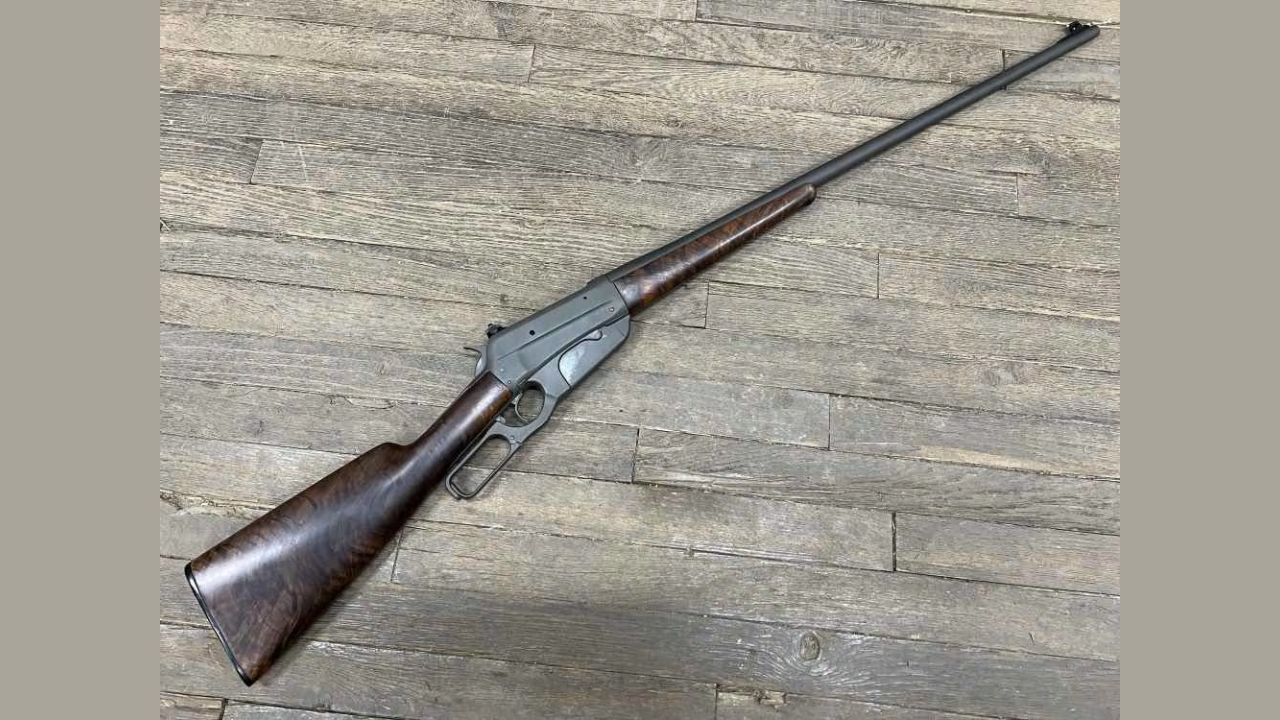
The 1895 is not your dainty saddle gun. It’s longer, a little awkward compared to a 94, and it has a serious, old-world feel. But in .30-06 it’s a lever rifle that can play in the same field as bolt guns for real hunting cartridges.
These end up in families because they’re different and because they mean something to history-minded hunters. When someone drags one out for elk camp, everyone notices. It’s the kind of rifle you pass down because the story is half the reason it exists.
7. Browning BLR (lightweight takedown and standard models)
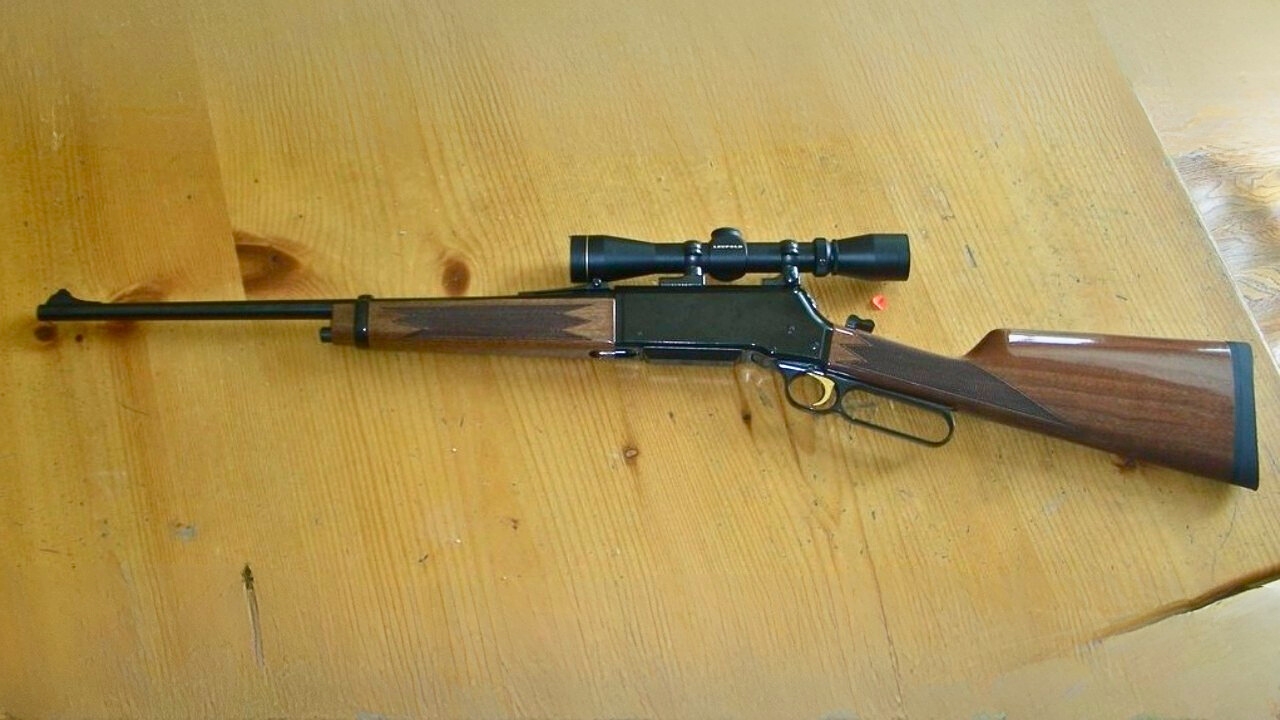
The BLR is what happens when you want lever-action handling with modern cartridge capability. Detachable magazine, strong lockup, and chamberings like .308 and .30-06 mean it can hunt almost anywhere. It’s not the cheapest lever gun, but it’s one of the most useful.
They don’t always have that “cowboy” vibe, and the trigger can feel different because of the design. Still, a BLR that’s been carried a lot tends to become a trusted tool. Folks keep them because replacing one with the same fit and feel later can be a headache.
8. Savage Model 99 (in .300 Savage)

The Savage 99 has a way of turning gun guys into ramblers. Rotary magazine, sleek receiver, and a classy profile that doesn’t look like anything else. In .300 Savage it’s a proven deer rifle that hits harder than it gets credit for.
They’re also the kind of rifle someone’s granddad bought once and never felt the need to “upgrade.” Many of them wear old fixed-power scopes that look wrong until you shoot them and realize they still print tight. A good 99 is a keeper, even if it isn’t the easiest rifle to find parts for.
9. Winchester Model 71 (.348 Winchester)
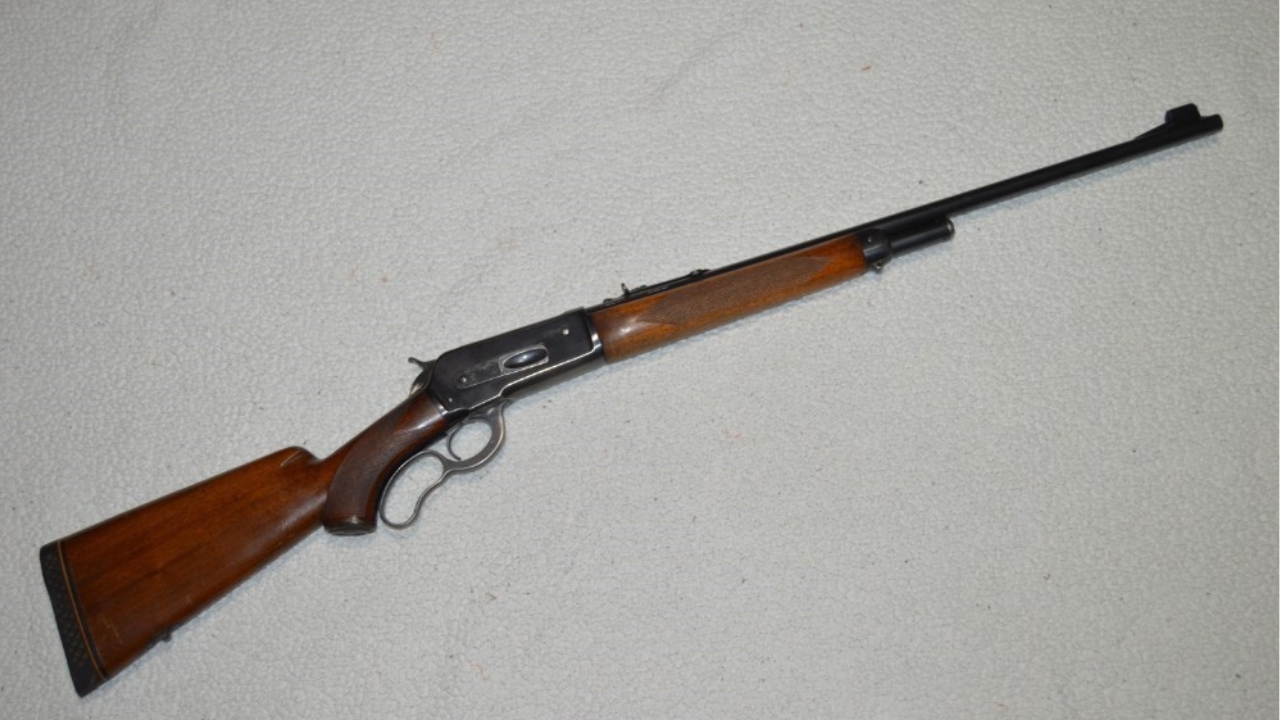
This is one of those rifles that feels like a freight train in the hands, in a good way. It’s heavier than what most folks want to tote all day, but it steadies up and shoots like it means business. The .348 cartridge is a hammer on big-bodied deer and bear at woods ranges.
The downside is obvious: ammo isn’t on every shelf, and it isn’t cheap. That’s exactly why the rifles stay in families once someone has one set up with dies, brass, and a load that works. Nobody wants to be the guy who sold granddad’s 71 and then spent the next decade trying to get it back.
10. Marlin Model 39A (.22 LR)
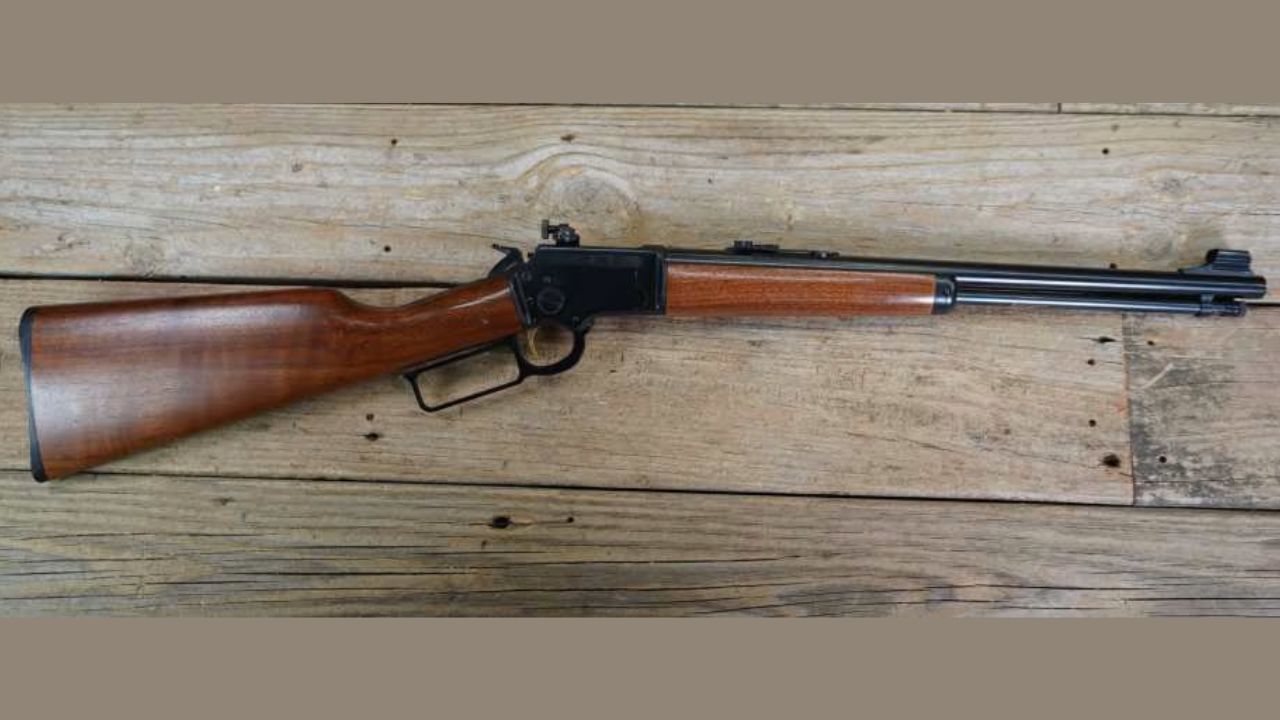
If you grew up in a family that hunted squirrels, there’s a good chance a 39A was in the mix. They’re accurate, they have a solid feel, and they point like a “real rifle,” not a toy. The takedown feature makes them easy to clean and easy to pack.
They also quit being “cheap .22s” a long time ago. A clean 39A is a serious piece of craftsmanship, and the folks who own them usually know it. Even when newer .22s show up, the 39A stays because it’s part of how kids learned to shoot.
11. Rossi Model 92 (especially older, well-smoothed ones)
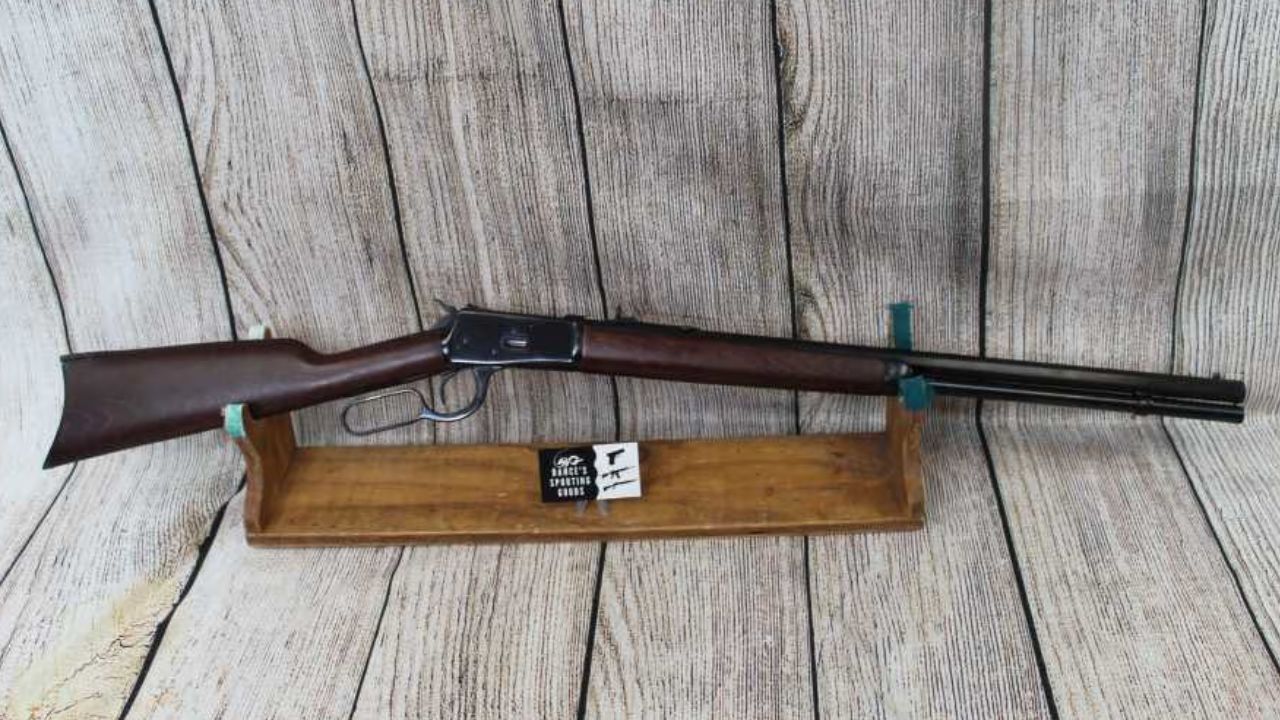
Rossi 92s aren’t heirlooms out of the box, and I’ll be honest about that. Some come a little rough, and you can feel it in the action until it wears in. But once a family gets one that runs right and they put honest rounds through it, it can become the “loaner lever gun” everyone likes.
They stick around because they’re affordable, handy, and chambered in common pistol calibers. A .357 Rossi that’s been used for chores and camp use often turns into a trusted piece of gear. There’s nothing fancy about it, and that is kind of the point.
12. Henry Big Boy Steel (.357 or .44 Mag)
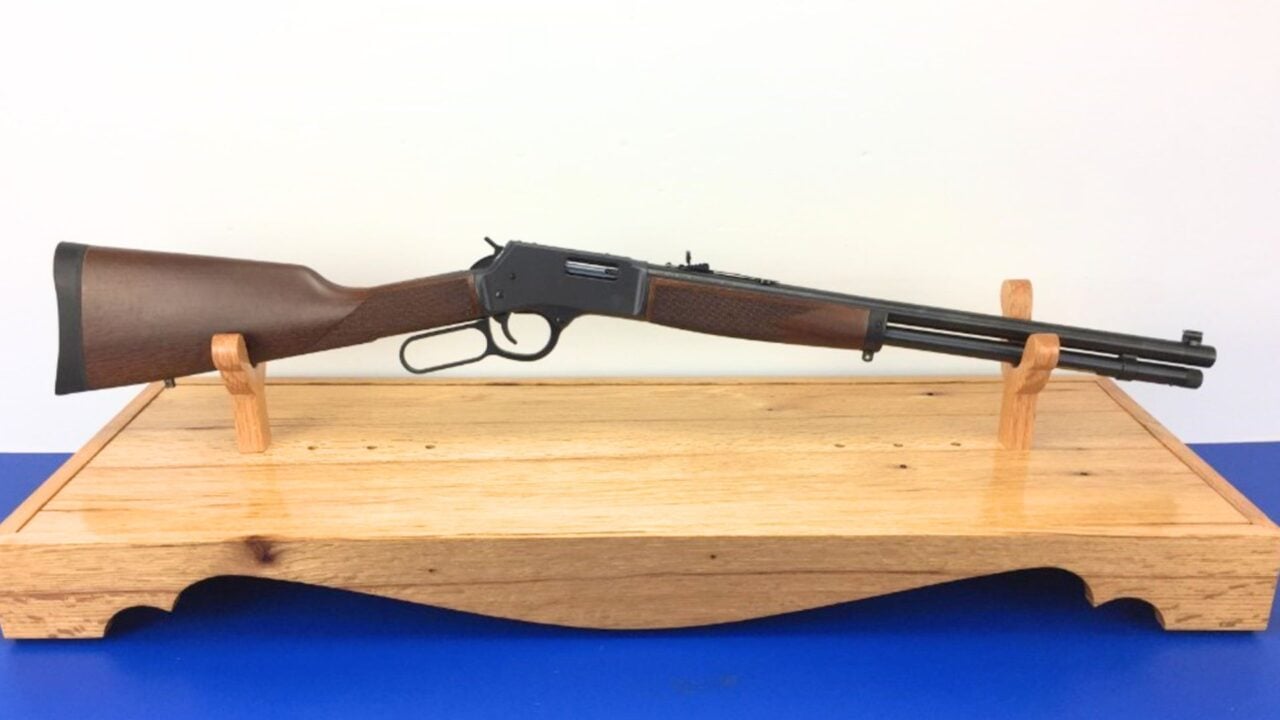
The Big Boy Steel is the Henry for the guy who wants a little more traditional feel than the brass models. They’re heavier than you expect, but that weight helps with recoil and makes offhand shots steadier. The actions are usually smooth right away, which is nice for a rifle that might get shot by a lot of different hands.
They end up as family rifles because they’re friendly to shoot and they look good without being fragile. A lever gun that doesn’t beat you up gets brought along more often. More range time means more memories, and that’s what locks a rifle into the family story.
13. Winchester Model 94 (post-64 “working guns”)
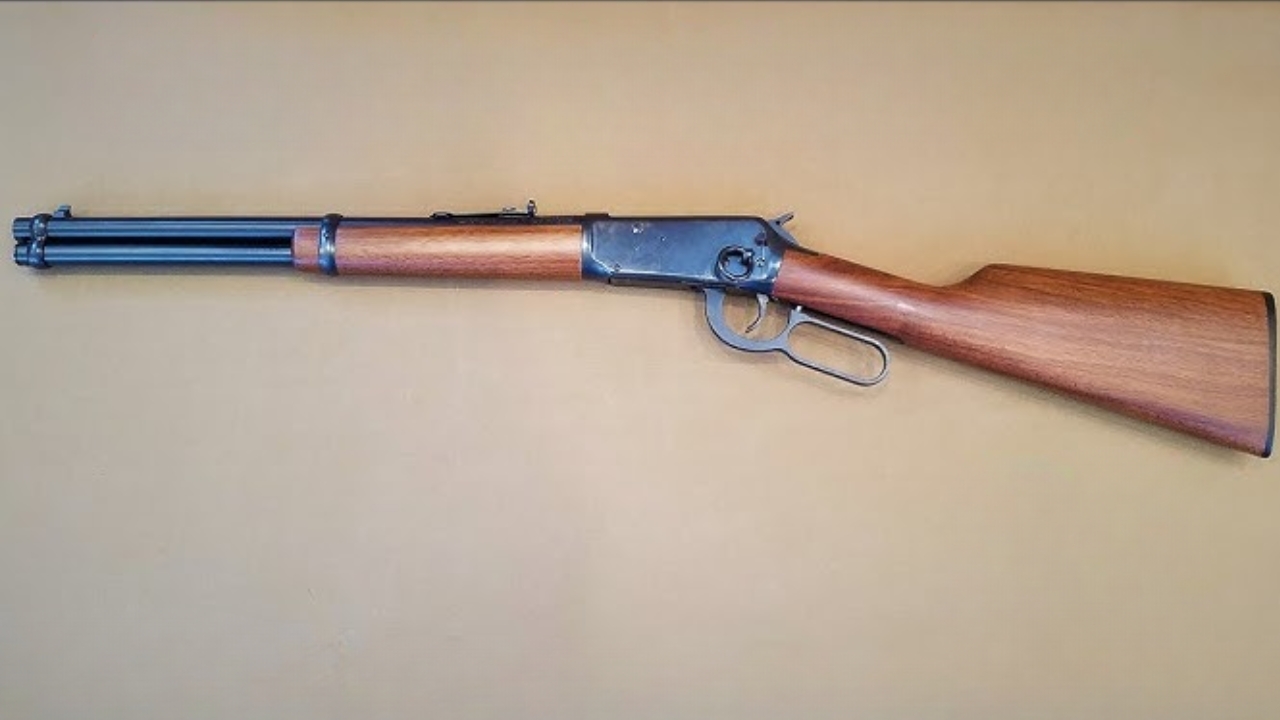
Not every family lever gun is a collector piece. A lot of them are plain post-64 94s that rode behind truck seats and leaned in closet corners. Some have dented stocks and faded bluing, and they’re loved harder because of it.
Are they all butter-smooth? No. Are they still deadly on deer in the woods? Absolutely. They stay because they’re the rifle that got dragged through weather and still showed up ready when someone needed meat.
14. Marlin Model 1895 (.45-70 Government)

A .45-70 lever gun has a way of becoming “the rifle we bring when we might need it.” Thicker cover, bigger animals, or just a camp where black bears roam the edges—this is the one that gets leaned against a tree nearby. The Marlin 1895 carries surprisingly well for what it is.
Recoil can be no joke depending on the load, and that alone keeps some rifles from getting shot much. But the ones that do get used build confidence fast. A family that has one dialed in doesn’t usually feel any urge to replace it.
15. Browning Model 1886 (originals and modern Brownings)
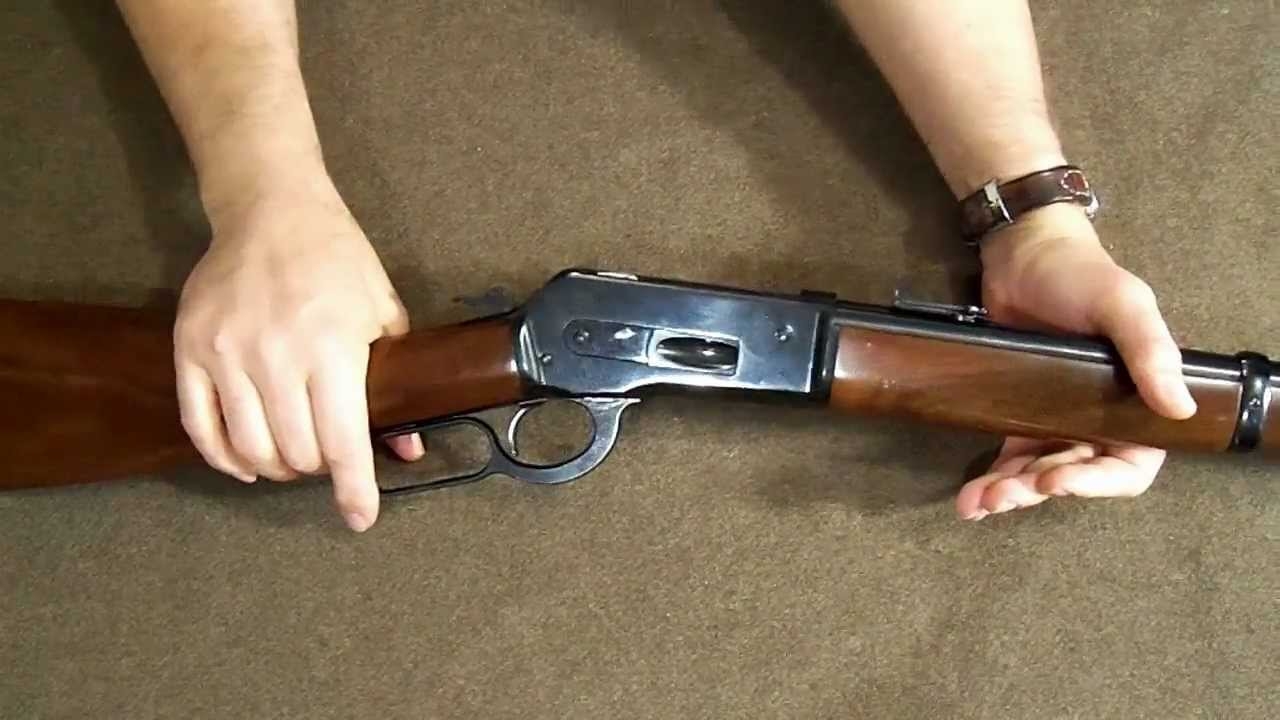
The 1886 is a classic big-frame lever action that feels like it was built to last through hard times. They’re not light, and they’re not cheap, but they have a mechanical solidity that modern rifles sometimes lack. In the field, they feel steady and sure.
They stay in families because they’re special. Not everybody owns one, and once you do, it becomes a “keep it and take care of it” rifle. It’s also one of those guns that makes you slow down and shoot better, just because it feels like it deserves it.
16. Winchester Model 73 (Uberti and Winchester/Miroku reproductions)
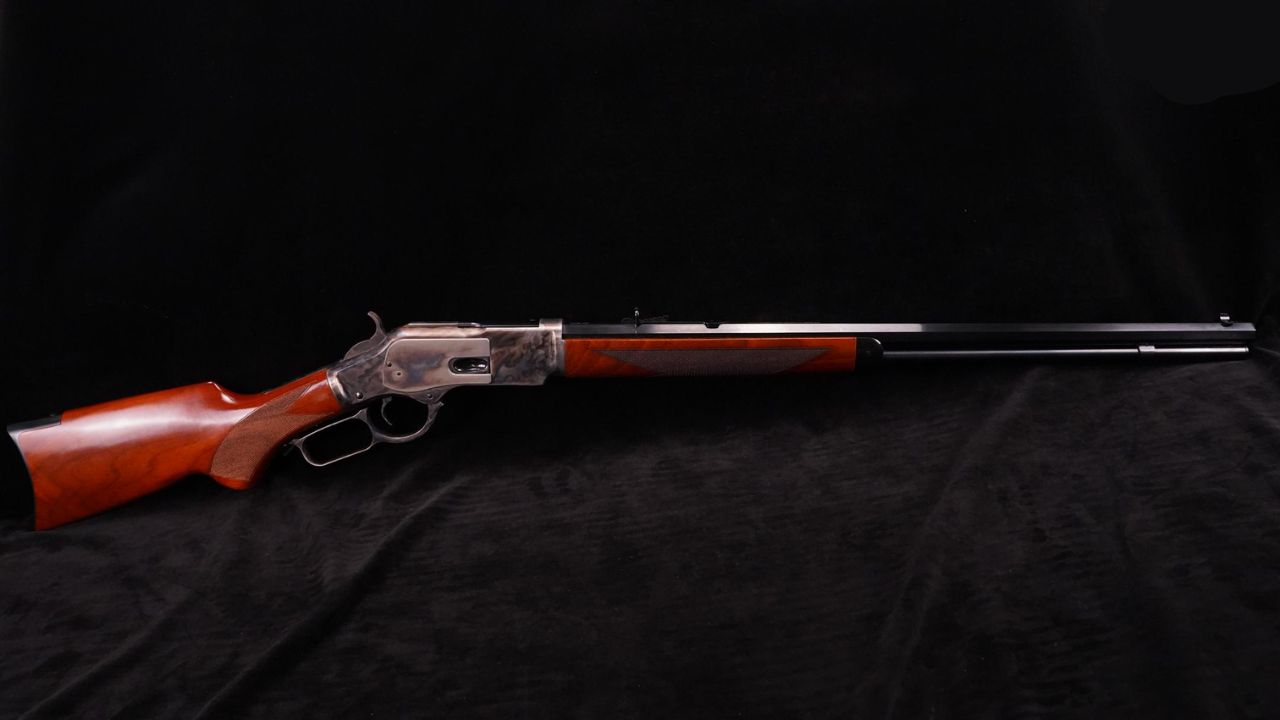
Most families didn’t pass down original 1873s in perfect shape, but plenty have a good reproduction that’s become the “fun gun” at reunions and range days. They’re smooth, they’re fast, and they make people smile. A .357 or .44-40 73 is just plain enjoyable.
This is the rifle that gets handed to cousins who “don’t really shoot much” and suddenly they’re asking where to buy one. The value here isn’t raw hunting utility. It’s the way it brings folks together without being intimidating.
17. Winchester Model 88 (.308 Winchester)

The Model 88 is the lever gun for the guy who never really cared about tradition—he cared about performance. It’s got a more modern feel, runs box magazines, and shoots cartridges that make sense in open country. It’s also one of those rifles you either appreciate or you don’t.
Families keep them because they’re different and because they work. When you see an 88 that’s been hunted hard, it usually wears honest scratches and a no-nonsense scope. It’s a practical rifle that just happens to run on a lever.
18. Savage Model 1899 (early 99 variants)
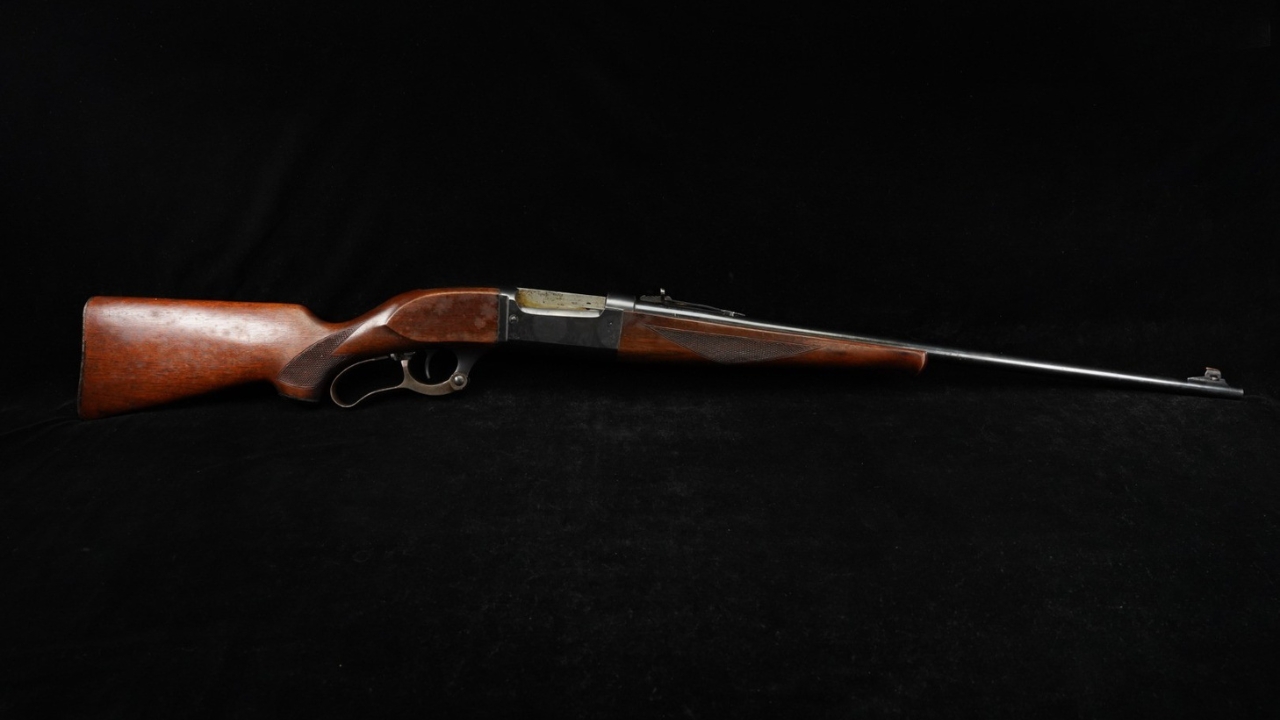
Older 1899-marked Savages show up in families where someone cared about nice rifles but still hunted with them. They’ve got that slim, classy look, and many of them shoot better than their open sights suggest. You don’t have to baby them, but you do have to respect what they are.
The reason they don’t leave is partly because they don’t “fit” into modern buying cycles. You can’t replace one with a quick trip to a big-box store. When a rifle is tied to a specific person and era, it doesn’t get traded for something trendy.
19. Marlin Model 444 (.444 Marlin)
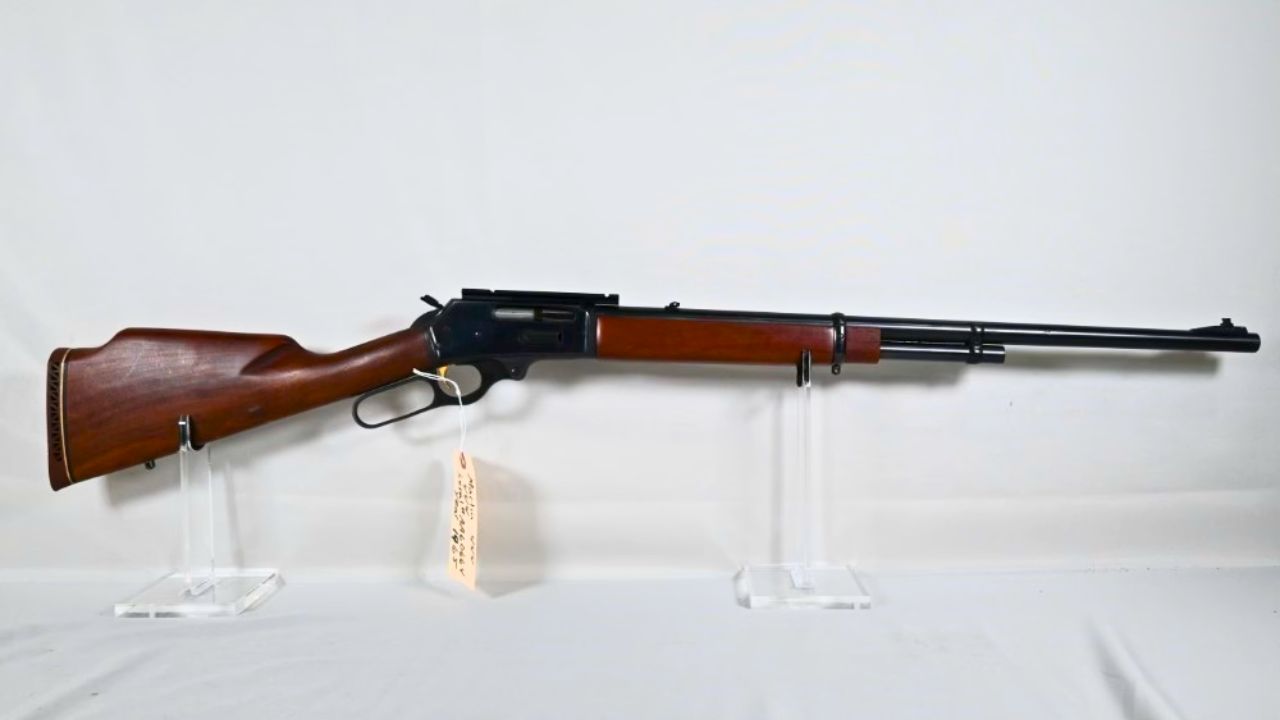
The .444 Marlin is an oddball that makes a lot of sense if you hunt thick country and like big holes. It hits hard, shoots flatter than many expect inside normal woods ranges, and it has a certain thump that settles arguments with tough angles. The rifles themselves tend to be a little bulky, but they carry fine with a good sling.
A 444 often becomes a “my rifle” gun—meaning it fits one person and they learn it well. That’s a big part of why it stays in a family. Nobody else wants to mess with the recoil and the ammo search, but the owner trusts it, and trust is sticky.
20. Mossberg 464 (.30-30 Winchester)

The Mossberg 464 doesn’t get the same love as the classic Winchesters and Marlins, and that’s okay. What it does get is used. It’s a straightforward .30-30 that a lot of folks bought as a working rifle when prices on older guns got silly.
I’ve seen them fill the same role the old beater 94 used to fill: behind the truck seat (legally and safely stored, of course), in a camp closet, or as the rifle a new hunter borrows. If a family has one that’s been reliable, it won’t take long before it has stories attached to it. And once it has stories, it’s not going anywhere.
The funny thing about heirloom lever guns is that most of them weren’t bought as “heirlooms.” They were bought because they were what a working hunter could afford and trust. If you’ve got one of these in your safe, write down what you know about it, keep it clean, and don’t be in a hurry to trade history for something new and shiny.
Like The Avid Outdoorsman’s content? Be sure to follow us.
Here’s more from us: