Photo credit: AlaskanFrontier1/YouTube
There’s a certain kind of knife that never shows up on the “hot new gear” posts. It’s not trendy. It might not even be pretty anymore. But when a guy has dressed a pile of deer with the same blade, figured out how it sharpens, how it rides on his belt, and how it behaves when your hands are cold and slick, that knife stops being “gear” and turns into part of the kit.
Those are the knives I see getting handed down quietly. Not because they’re all rare collectibles, but because they’ve earned trust the hard way. Here are 20 hunting knives that experienced outdoorsmen tend to keep in the family instead of trading off at a yard sale.
1. Buck 119 Special
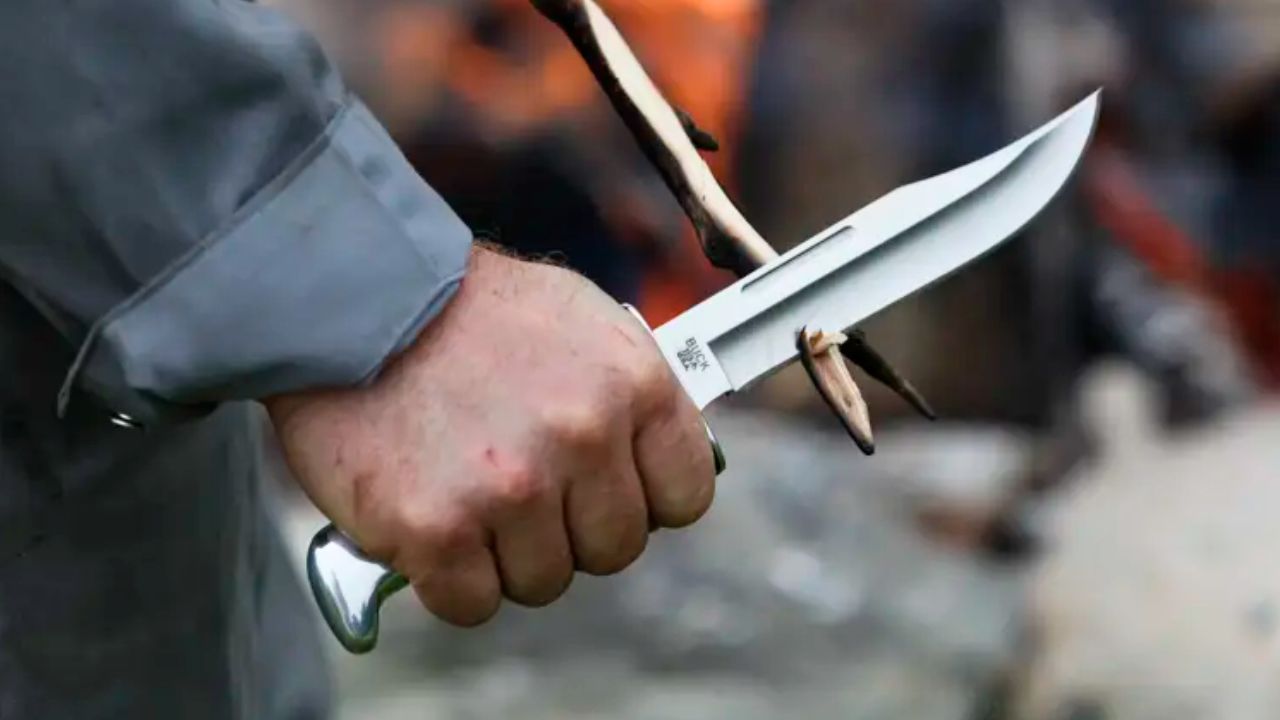
If you grew up around hunters, you’ve probably seen a 119 in a cracked leather sheath somewhere near the back door. It’s a classic fixed blade that just plain works on deer-sized game without needing a bunch of excuses. The clip point is handy for opening up the hide, and the handle fills your hand even with gloves on.
It’s not a delicate knife, and it’s not trying to be. The reason these get passed down is simple: they’re familiar, they’re dependable, and replacement “equivalents” never quite feel the same once you’ve used one for years.
2. Buck 110 Folding Hunter

This is the folding knife that made a lot of men believe a folder could do real work. It’s heavy in the pocket, no doubt, but it locks up solid and gives you a lot of blade for a folder. Plenty of deer have been gutted on a tailgate with a Buck 110 and a roll of paper towels.
What keeps it around is that it’s still serviceable decades later. A worn 110 doesn’t look cool; it looks used. That’s kind of the point.
3. Case XX Trapper (CV or Tru-Sharp)

A Trapper isn’t a “field dressing knife” on paper, but in the real world it’s the knife that’s in a pocket when a knife is needed. Two blades means you can dedicate one to dirty work and keep one a little cleaner for detail cuts. The size is right for everyday life, which is why they’re always nearby when hunting season rolls around.
Old carbon steel (CV) ones patina and stain and get character fast. Guys hand them down because they remember the knife being there at camp year after year, not because it was the fanciest tool in the drawer.
4. Case XX Sod Buster Jr.
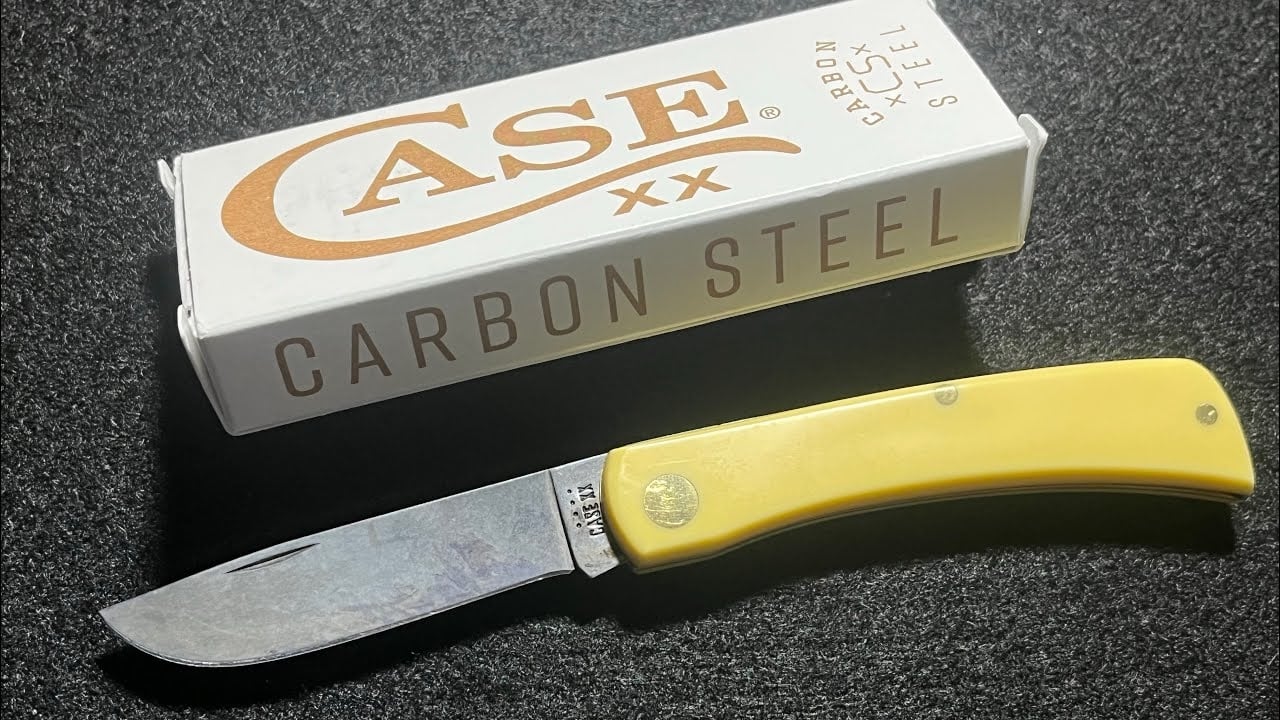
Nothing tactical about it. It’s a simple working pocket knife that cuts what you tell it to cut. The blade shape is forgiving, easy to sharpen, and tough enough for the kind of small chores that happen constantly during a hunt.
The Sod Buster Jr. ends up as a “daily carry” for ranch work, fence fixes, and pocket chores, and then it’s the same knife that rides along for deer camp. That overlap is why it gets kept.
5. Ka-Bar Becker BK2 “Campanion”
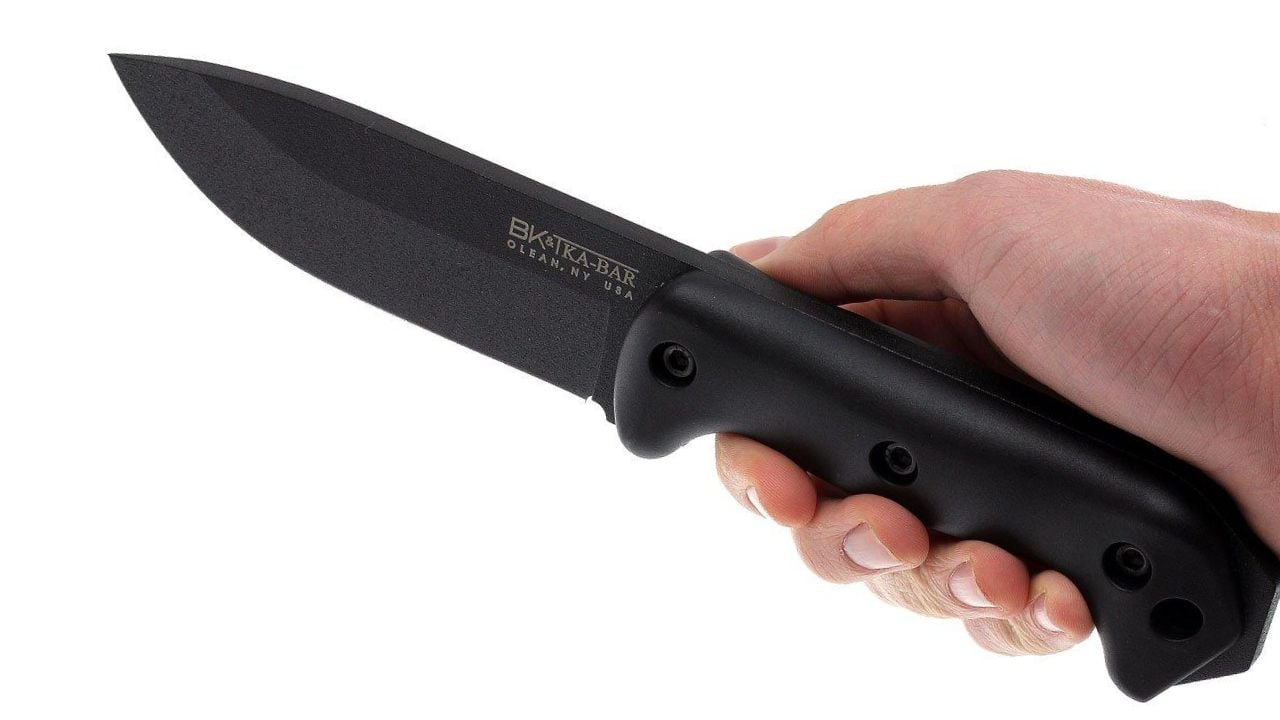
This one’s more camp knife than delicate game knife, and that’s exactly why it stays in the family. The BK2 is thick, overbuilt, and almost boringly hard to kill. If you’ve ever needed to split kindling, pry a stubborn joint, or do rough chores in wet weather, you understand the appeal.
It’s heavy on the belt, and it isn’t the first pick for caping. But the guy who owns one learns he can quit babying it. That confidence is what gets passed down.
6. Ka-Bar USMC (1217)

Not everybody wants a fighting-style knife for hunting chores, but the Ka-Bar earned its place by being reliable in ugly conditions. The leather handle is comfortable, the blade takes a working edge, and it has that “I’ve seen some miles” vibe when it gets worn.
It’s also one of those knives a dad or granddad might have carried for reasons bigger than deer season. That alone is enough to keep it out of the “for sale” pile.
7. Gerber Gator Fixed Blade
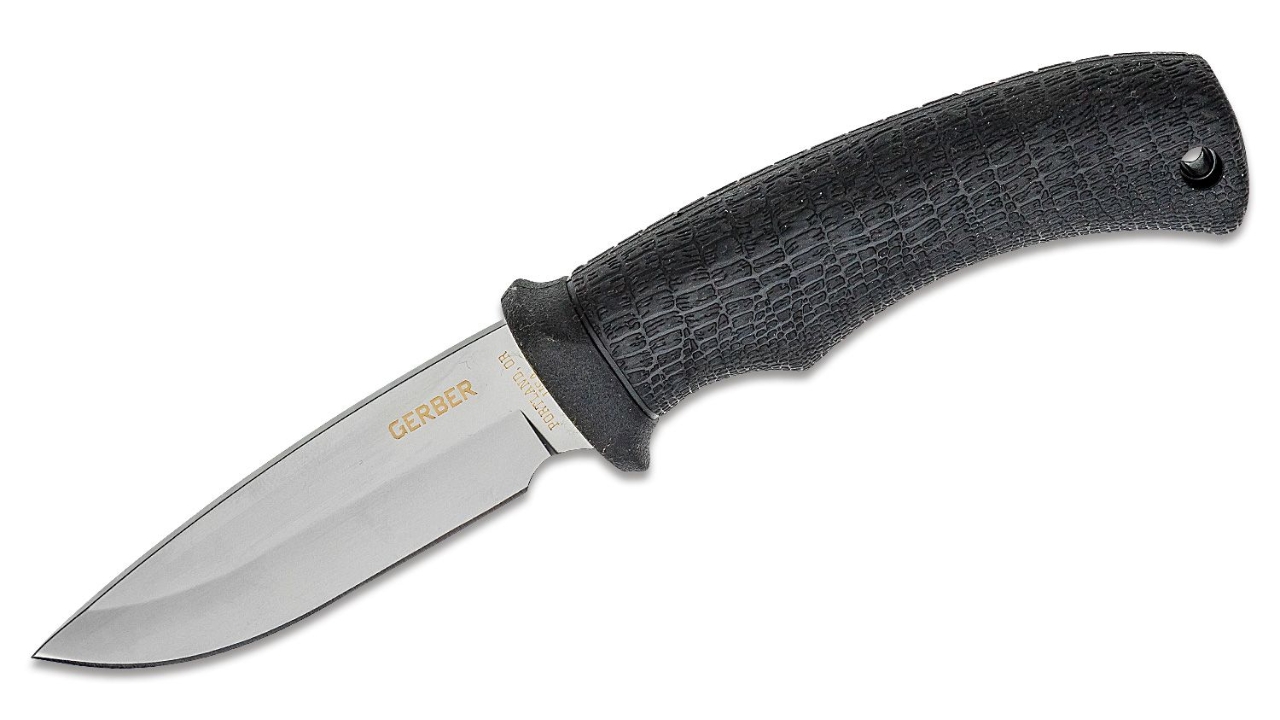
The Gator handle isn’t glamorous, but it sticks to your hand when things get slick. That matters when you’re elbow-deep and trying not to rush. The blade shape is practical, and the whole package is designed around work instead of looks.
These don’t always get the respect they deserve because they aren’t “cool” anymore. But plenty of hunters keep theirs because it simply does what it’s supposed to do, season after season.
8. Gerber Gator Folding Knife
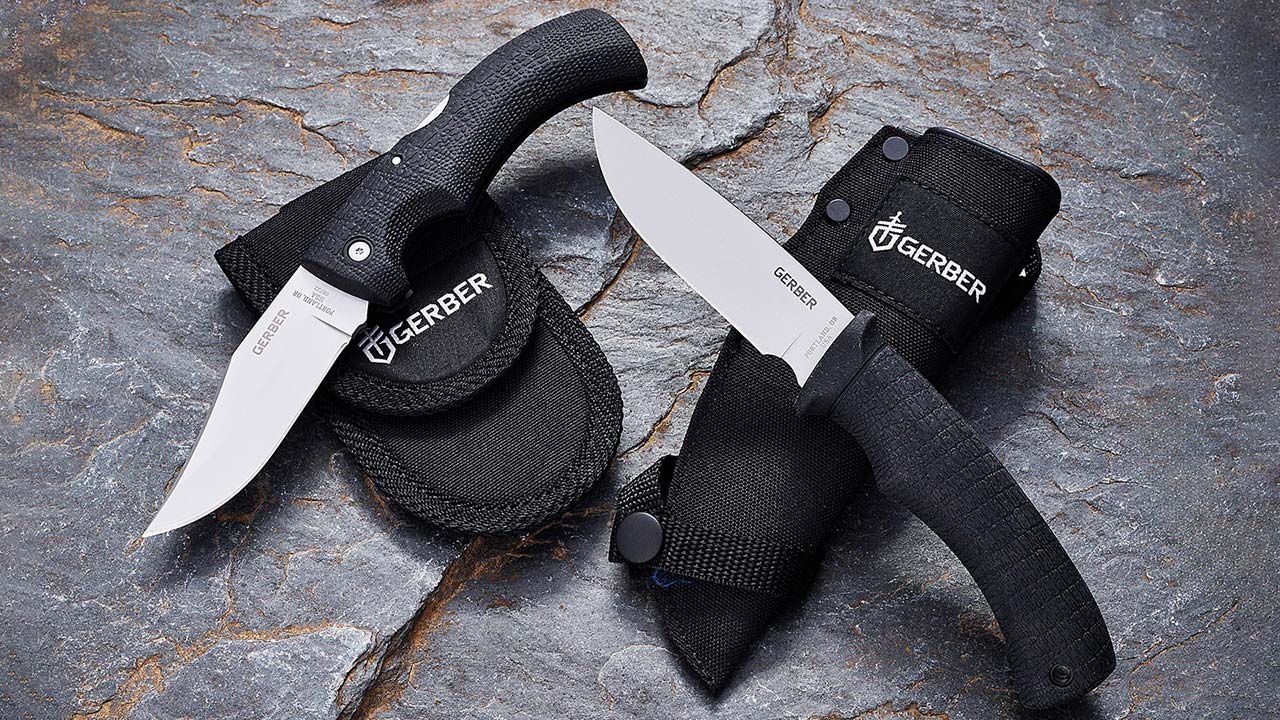
There are fancier folders, sure. The Gator folder is one that a lot of guys actually carried hard, which is why you see them with worn thumb studs and polished bolsters. It’s easy to control, the grip is secure, and it’s a solid one-hand knife for quick tasks around camp.
It’s also the type of knife that ends up in a truck console for years. When a knife lives there long enough, it becomes “that knife,” and nobody wants to be the one who gets rid of it.
9. Benchmade 15002 Saddle Mountain Skinner

This is one of those knives that’s pricey enough that you think twice, then you use it and understand why it costs what it costs. It’s made for skinning and field work, not for prying or baton-ing through firewood. The blade geometry bites into hide and meat the way it should.
When a guy finds a skinner that feels right in his hand, he sticks with it. A good skinner becomes personal fast, and that’s why it gets handed to a kid who hunts the same way.
10. Benchmade 162 Bushcrafter

The Bushcrafter is more “woods knife” than “deer knife,” but a lot of experienced outdoorsmen want one blade that can handle camp chores and still do animal work if needed. The handle shape is comfortable for long sessions, and the steel holds up when you’re far from a sharpener.
It’s also a knife that tends to become a go-to on trips where you don’t want to gamble. When something has that role, it’s hard to sell.
11. ESEE-4
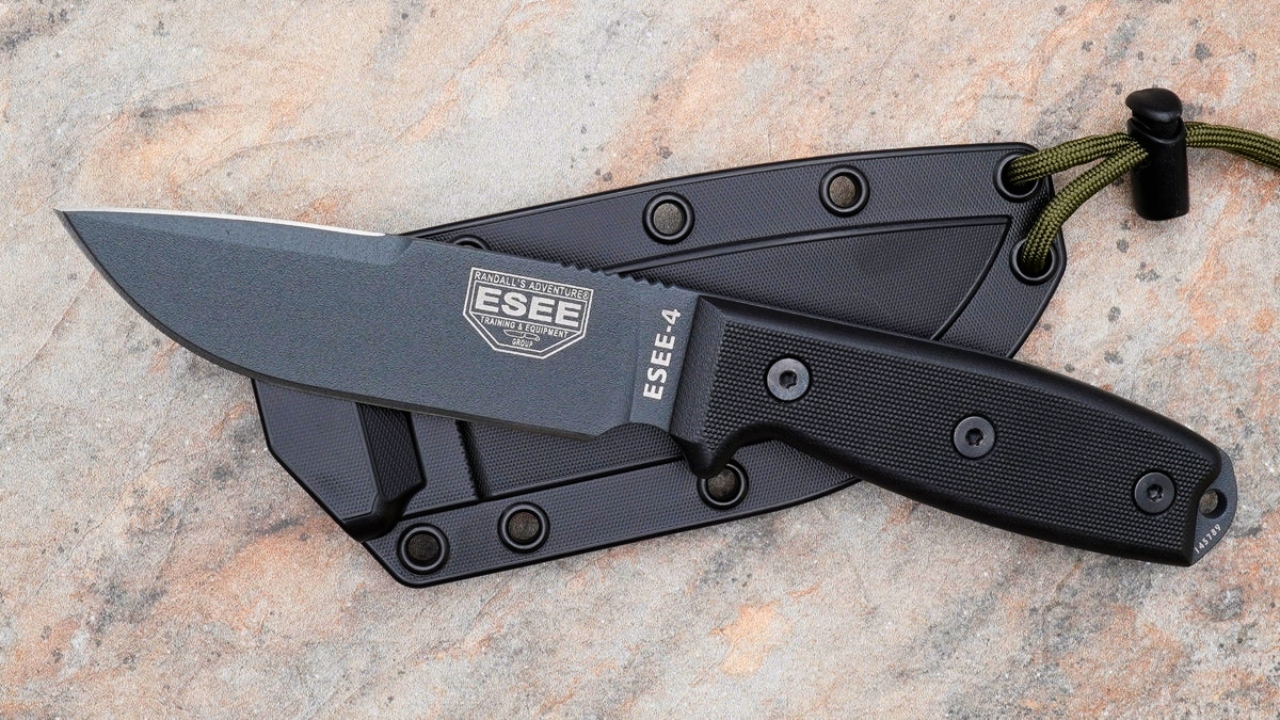
ESEE knives have a reputation for being simple, strong, and honest about what they are. The ESEE-4 is a sweet spot: big enough to do camp work, small enough to control, and tough enough that you don’t worry about it. The coating wears, the handle scales get scuffed, and it keeps going.
Outdoorsmen pass these down because they trust them. There’s nothing fancy about it, and that is kind of the point.
12. ESEE-3

The ESEE-3 is a little more “belt knife” sized for hunting and general use. It’s easy to carry, easy to sharpen, and it won’t fight you when you’re trying to do careful work. For a lot of hunters, it’s the knife that’s actually on them instead of back in the pack.
It’s not the best at any one thing, and it doesn’t need to be. It’s the knife that’s there when you need it, and those are the ones that stick around.
13. Mora Companion (Carbon or Stainless)
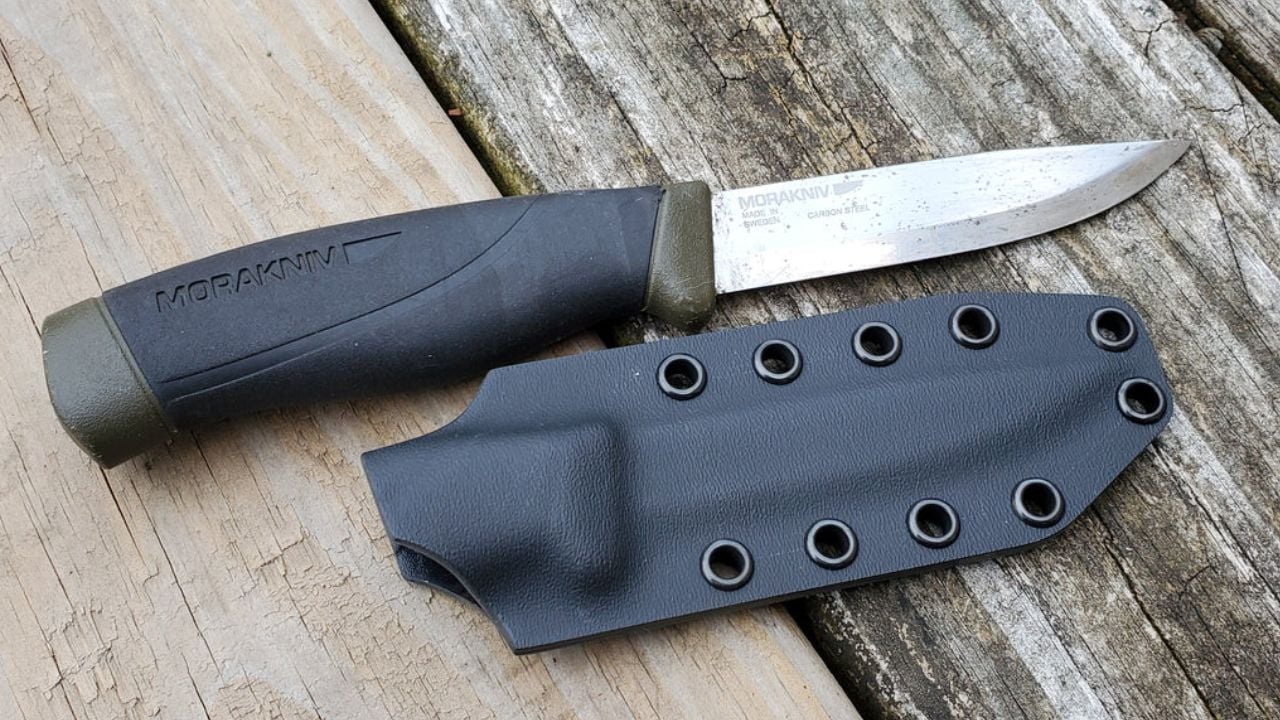
Moras are the great equalizer. They’re inexpensive, scary sharp, and they cut above their price in the field. Plenty of hunters toss one in a pack as a backup and end up using it more than the “nice” knife.
The reason they get handed down isn’t collector value. It’s because a kid can learn to sharpen one, learn to respect a sharp blade, and not be afraid to actually use it.
14. Mora 2000
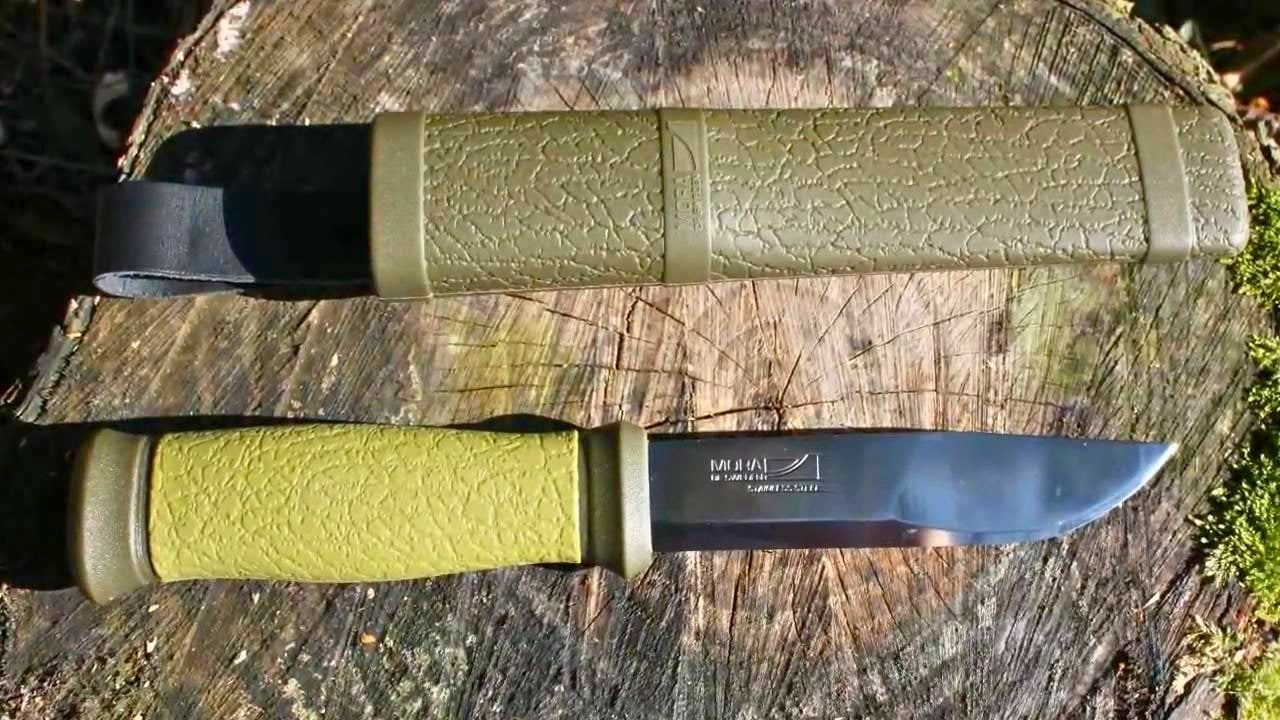
The Mora 2000 has been around long enough to prove itself, and it’s a step up in feel from the basic models. It rides light, handles well, and is a great all-around outdoors knife that can do food, camp, and game chores without drama.
It’s also a knife that doesn’t intimidate. When a young hunter gets one from an older hunter, it’s basically a message: use it, don’t worship it.
15. Havalon Piranta (replaceable blade system)

I get why some guys roll their eyes at replaceable blades. They feel disposable, and nobody wants to snap a tip at a bad moment. Still, the Havalon-style knives changed the game for caping and fine work, especially when you’re trying to save every inch of hide on a shoulder mount.
The reason these get passed down is funny: it’s not the handle that matters, it’s the habit. The older hunter teaches the younger one how to carry spare blades safely, how to slow down, and how to keep things clean. That’s knowledge in knife form.
16. Outdoor Edge RazorLite
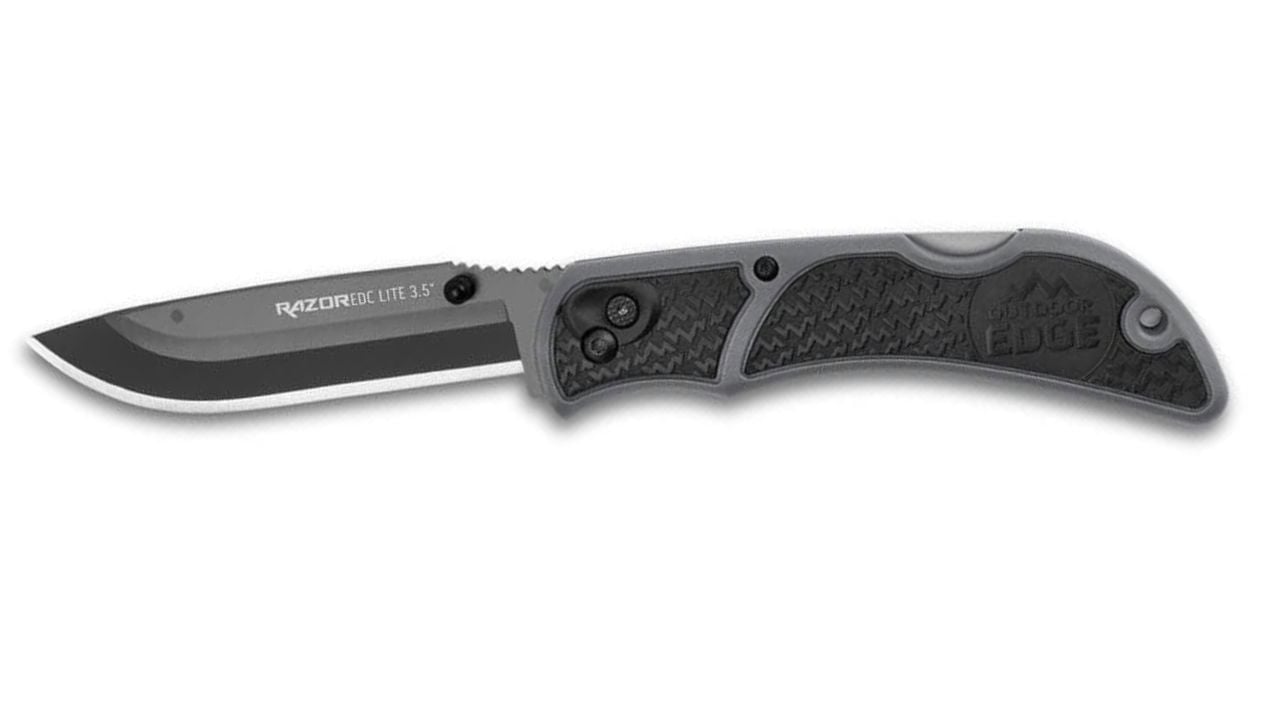
The RazorLite sits in that same replaceable-blade world, but with a more “hunting knife” feel in the hand. For guys who want the scalpel sharpness without the super-thin vibe, it’s a comfortable middle ground. The blade changes are straightforward, and the knife does what it advertises.
A lot of these end up as dedicated pack knives for out-of-state hunts. When a knife is tied to memories of a long drive, a hard pack-out, or a first elk, it’s not getting sold.
17. Victorinox Swiss Army Hunter XT

Multi-tools aren’t romantic, but they’re useful. The Hunter XT brings a big locking blade and a wood saw, and that saw earns its keep more than you’d think. Clearing a shooting lane, cutting a drag pole, trimming brush around camp—stuff happens.
These get passed down because they’re “always handy” tools that a younger hunter will actually carry. It’s a practical heirloom, not a display case item.
18. Leatherman Wave+

Not a “hunting knife” in the traditional sense, but I’ve watched a Wave+ save hunts. Loose scope ring screw, stuck zipper pull, a broken strap buckle, a tag that needs attached, a quick cut on paracord—it handles all the little problems that can wreck a day afield.
Most guys don’t baby them, and that’s why they look right after a few seasons. A well-used Wave+ ends up being the tool that’s always within reach, and it becomes hard to separate from.
19. Bark River Bravo 1

Bark River makes knives that feel like they were designed by someone who actually goes outside. The Bravo 1 is stout, comfortable, and built to be used hard. It’s more than you “need” for a simple whitetail gut job, but it shines when hunting turns into an all-day woods problem.
They aren’t cheap, and that’s part of why they get handed down. When you spend that kind of money and then you trust it, you stop thinking of it as a purchase and start thinking of it as part of your kit for life.
20. Old Timer 152OT Sharpfinger
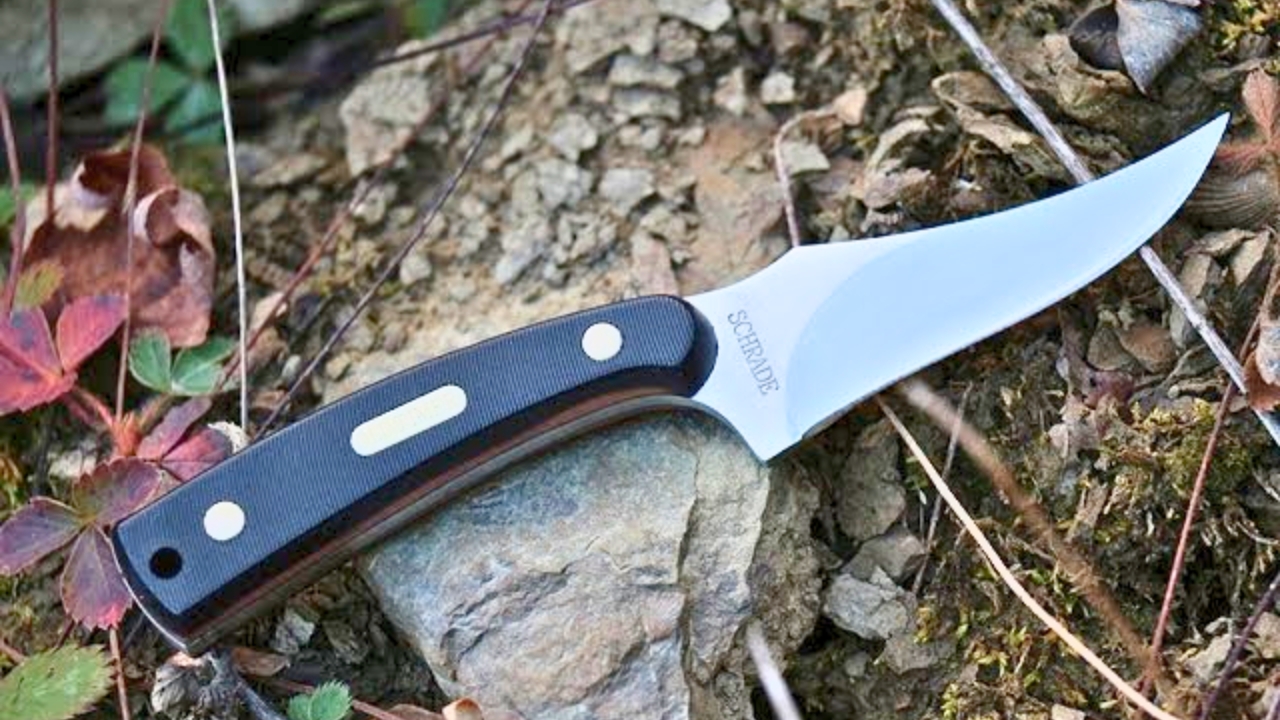
The Sharpfinger is one of those knives that doesn’t seem impressive until you watch it work. The blade shape makes sense for skinning, it’s easy to control, and it’s compact enough that it doesn’t feel like you’re wearing a short sword on your belt.
Plenty of older hunters had one back when they were common, and a lot of them wish they’d never let theirs go. When one gets passed down, it’s usually because the owner remembers exactly what it did well and doesn’t want that to disappear.
If you want one takeaway, it’s this: the knives that stick around aren’t always the most expensive or the most “advanced.” They’re the ones that proved themselves in bad light, cold hands, and long nights. If you’ve got a blade like that, clean it up, touch up the edge, and write down the story behind it. That’s what turns a knife into something worth keeping.
Like The Avid Outdoorsman’s content? Be sure to follow us.
Here’s more from us: