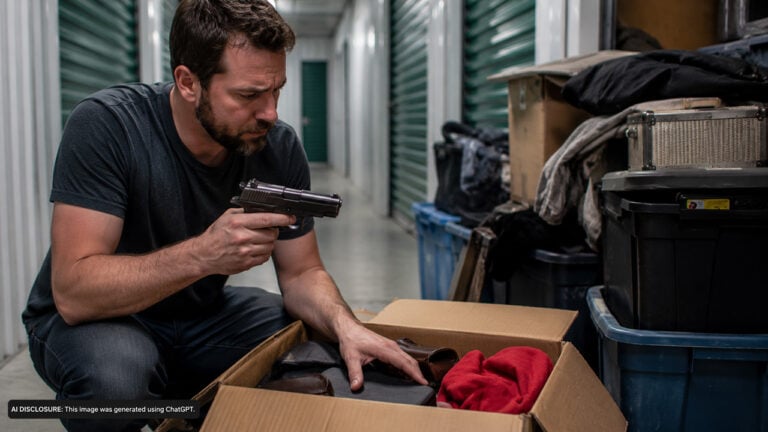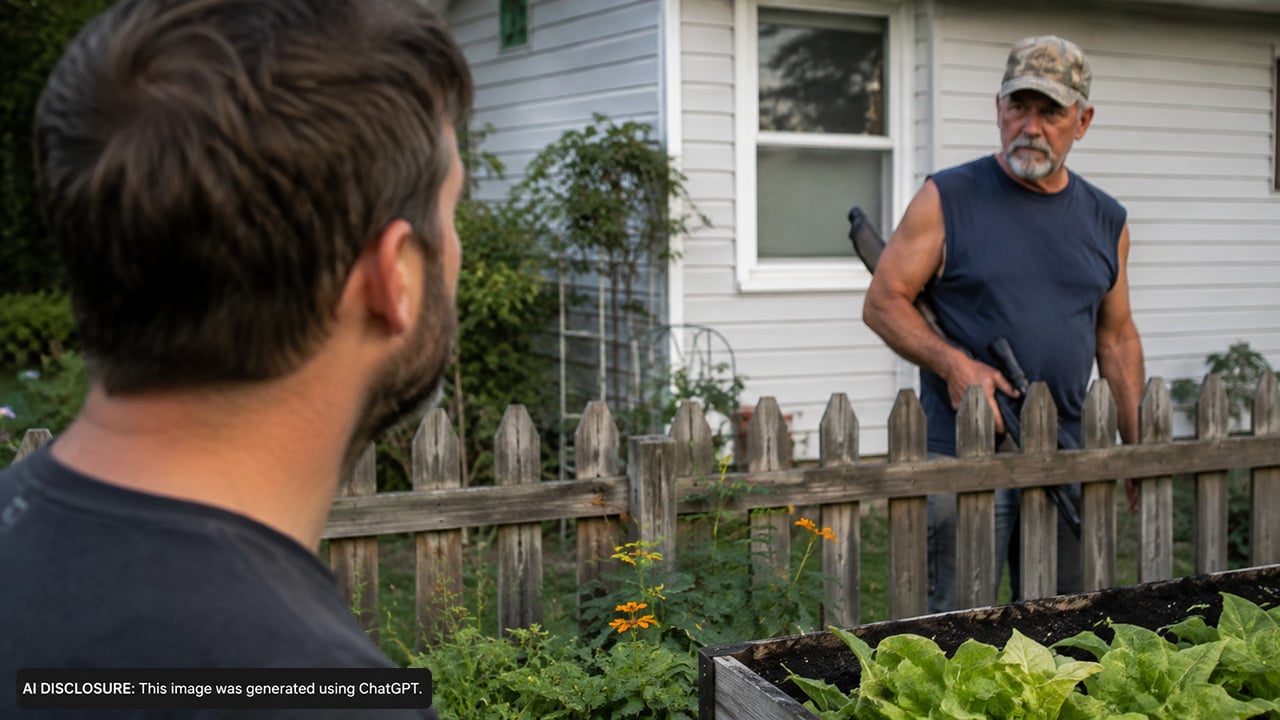
Photo credit: AI-generated image created using ChatGPT. Illustrative only
Out in the country, folks tend to give each other space. Cats roam, dogs slip collars, and most neighbors handle it with a quick conversation over the fence. But one Missouri man says his morning went sideways fast when he got a text from a neighbor admitting he’d shot the man’s cat for “messing around” in a garden.
The account, shared in the original post, lays out a tense, familiar rural problem—free-ranging pets, property lines, and what happens when somebody decides a gunshot is the answer.
A cat got out, and the “normal” risks weren’t what happened
The man explained that earlier in the day his grandmother was at the house when the cat got outside and she couldn’t get him back in. In his mind, that wasn’t an emergency. They’re far from a highway, and while coyotes exist in the area, he said they “rarely come out this far.”
He also described living in a small neighborhood where the cat “never really goes off our yard.” In other words, he wasn’t picturing the animal wandering half a mile and starting trouble. He expected the usual: the cat making a loop and showing back up.
The neighbor didn’t complain—he texted a confession
Instead of a knock on the door or a phone call asking him to come get his pet, the neighbor sent a text while the man was still at work. The message, as described, was blunt: the neighbor said he shot the cat because it was “messing around in his garden.”
That kind of admission changes the temperature immediately. The man said he was angry enough that his girlfriend took his keys and had him stay put for the night, which tells you everyone around him knew this was the sort of thing that could turn into a bad face-to-face fast.
From an outdoorsman’s perspective, that’s one of the few decisions in this story that’s clearly the right one. When guns, dead pets, and hot tempers are involved, distance and a cool head are worth more than getting the last word.
What makes it worse: a pattern of killing other people’s animals
In an edit, the man added information that takes this beyond a one-time “garden protector” moment. He said the same neighbor has done it before—shooting a neighbor’s dog after it got off a leash, and drowning kittens that a neighbor’s cat had on his property.
If accurate, that’s not just somebody trying to protect tomatoes. That’s a repeat history of deciding other people’s pets are disposable the moment they cross onto his ground. It also raises a practical concern for anybody living nearby: if this neighbor is comfortable shooting a pet in a neighborhood setting, what does that say about his judgment when he’s angry, surprised, or “protecting” something?
Rural folks are used to handling nuisances and predators, and plenty of us have dealt with animals getting into chicken coops, gardens, or feed. But there’s a hard line between lawful pest control and taking shots at domestic animals in a neighborhood, especially when you don’t control what’s beyond that target.
In rural neighborhoods, the real issue is safety and backstops
A lot of people hear “cat in a garden” and think the whole thing is just a property dispute. But any time someone is firing a gun near homes—especially in a “small neighborhood” environment—the bigger concern is where that bullet went if the shot wasn’t perfectly controlled.
Most responsible gun owners think in backstops before they think in triggers. Dirt berm, heavy timber, a safe direction with nothing but earth behind it—those are the basics. Shooting at ground level across a yard, toward outbuildings, or anywhere close to a house is exactly how accidents happen, and accidents don’t care who “started it.”
Even if someone believes they’re within their rights to protect property, that doesn’t magically make it safe to discharge a firearm in a residential area or toward neighboring property. The outdoorsman rule is simple: if you can’t guarantee a safe shot, you don’t take it.
The options people kept circling back to: report it, document it, don’t escalate
The man’s main question was straightforward: can law enforcement do anything, and was it legal? He didn’t describe any contact with police yet in the material provided, but he was clearly weighing whether to report it and what might happen if he did.
When situations like this pop up in rural communities, the practical playbook tends to look the same: document everything, save messages (especially a text that reads like an admission), take photos, write down dates and times, and make a report instead of trying to “handle it” personally in the dark.
There’s also a neighbor-to-neighbor reality here. Even if you’re furious—and most folks would be—showing up to argue at the other guy’s place after he’s already proven he’ll shoot pets is a good way to create a second incident that’s even worse than the first.
The hard lesson for pet owners who live “out a ways”
This story has an uncomfortable truth baked into it: letting a cat roam feels normal in the country, until it runs into the one person who doesn’t tolerate it. The man believed the cat stayed on his yard, but the neighbor’s message suggests it crossed a property line at least that day.
Outdoorsmen understand property boundaries can be both obvious and invisible. A cat doesn’t care about survey pins or fence corners, and a garden is a magnet—fresh soil, movement, smells, birds. If you’ve got a neighbor who takes “my property” seriously, free-ranging pets are rolling dice, even when the risks you’re thinking about are coyotes and traffic.
None of that excuses shooting somebody’s pet. But it does explain why these fights keep happening: one side sees a companion animal doing what animals do, the other sees a repeated trespass and damage, and everybody loses their temper. The difference is, one side has a gun and chooses to use it.
For the man in Missouri, the immediate steps sounded less like revenge and more like figuring out what’s lawful and what’s enforceable. In the long run, living next to someone with a history of killing pets changes how you operate—how you manage animals, how you communicate, and how careful you are about avoiding a face-to-face blowup. In the country, peace with neighbors is valuable, but safety and accountability matter more.
Like The Avid Outdoorsman’s content? Subscribe to our newsletter so you never miss an article.
Here’s more from us: