Photo credit: SUNDAY GUNDAY/Youtube
Every few years the gun counter fills up with the same conversation: “Newer is better.” Then somebody lays an older pistol on the glass, runs the slide a couple times, and you can feel the room change. Not because it’s nostalgic, but because it still does the job. Some designs were so far ahead of their time that they’re still hanging with the latest optics-ready, micro-compact, “revolutionary” offerings.
This isn’t a museum tour. These are pistols that earned reputations when they showed up, and they still make sense today for carry, home defense, training, and even competition—if you can shoot. A couple are heavy. A couple are weird. And a couple are the kind of “boring” that wins you over after you’ve chased enough hype.
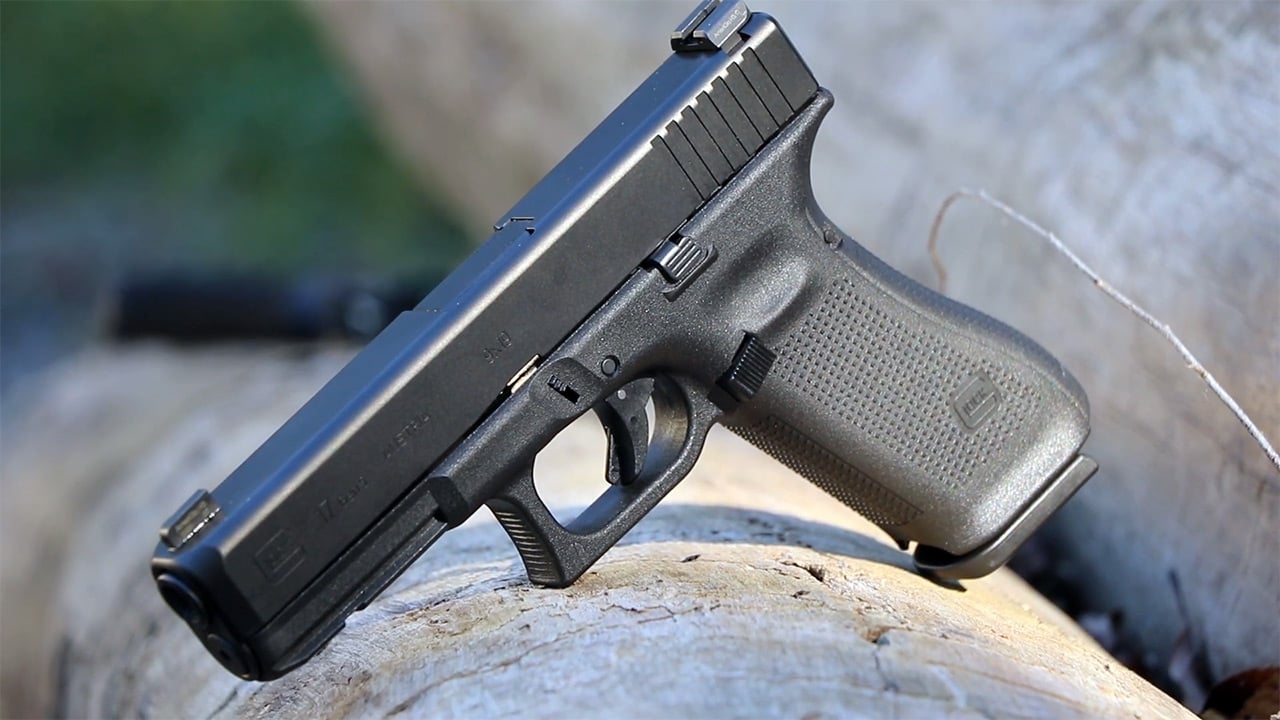
1. Glock 17 (Gen 3/4/5)
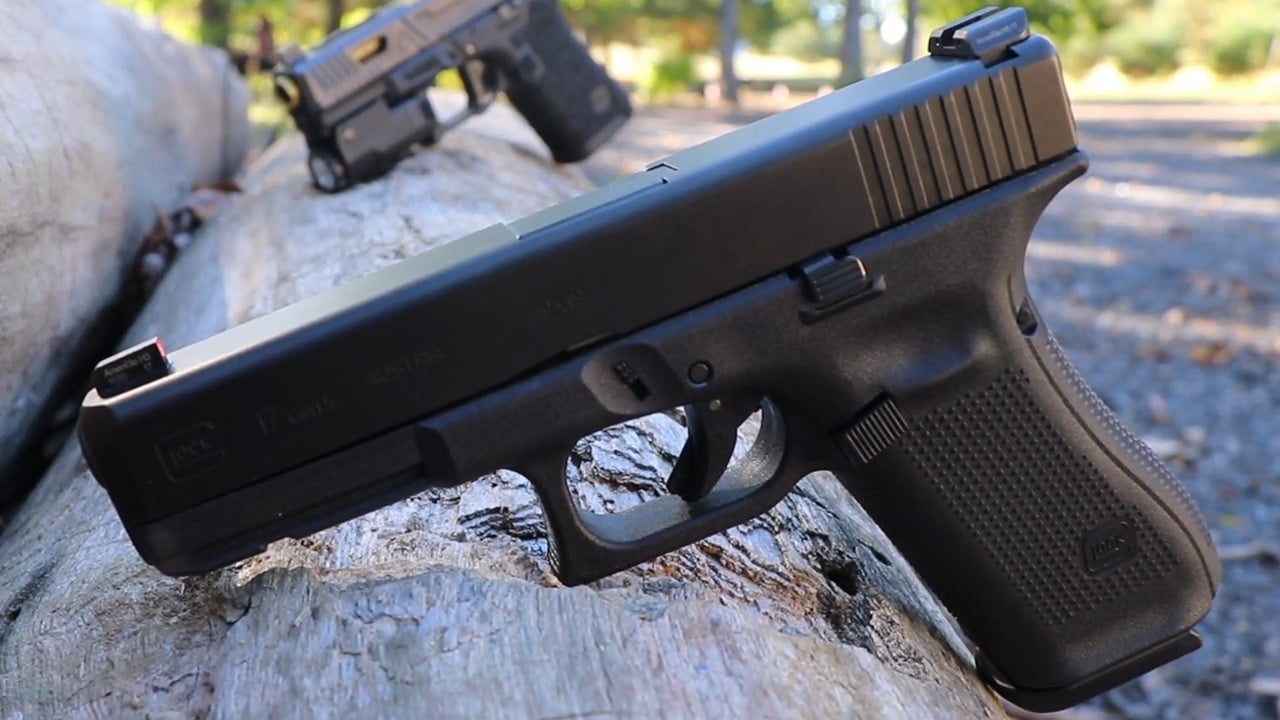
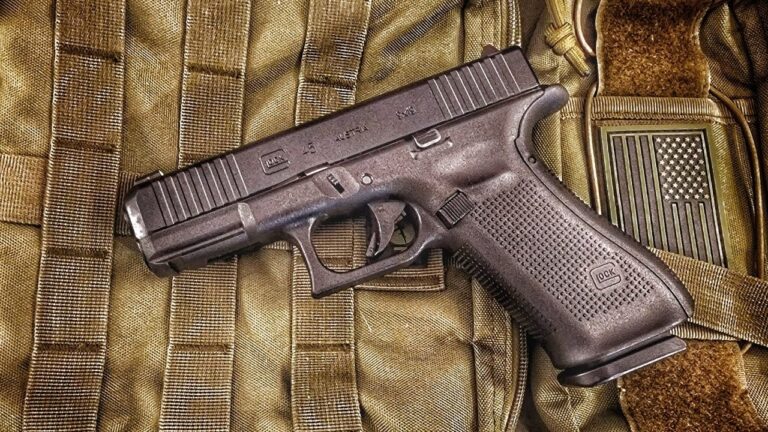
The Glock 17 was a slap in the face to the old guard when it showed up: polymer frame, simple internals, and a reputation for running dirty. Folks argued about looks and “plastic guns,” but range days settled most of that. It points naturally for a lot of shooters, and it’s easy to keep running without being a tinkerer.
It’s still competitive because magazines are everywhere, parts are everywhere, and holsters are everywhere. It’s also forgiving: decent sight radius, controllable recoil, and it doesn’t punish you for high round counts. There’s nothing fancy about it, and that is kind of the point.
2. SIG Sauer P226
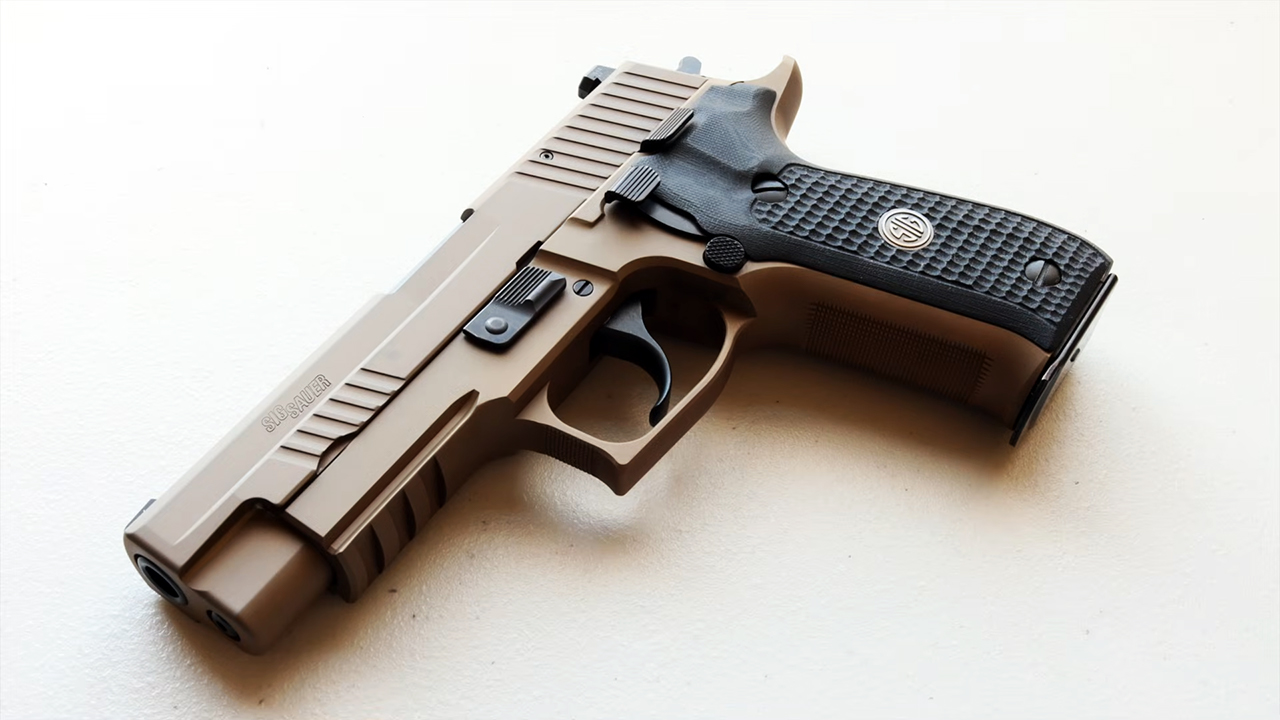
The P226 has that “bank vault” feel when you rack it. In its day it was a modern service pistol done right—reliable, accurate, and built to take abuse. You pick one up and it still feels like a serious tool, not a disposable accessory.
Yes, it’s bigger than today’s carry trend. Still, for home defense, duty-style use, or range work, it’s hard to argue with the way it shoots. The trigger (especially in SA) is a confidence builder, and it’s the kind of pistol that makes you look like a better shot than you are.
3. Beretta 92FS / M9
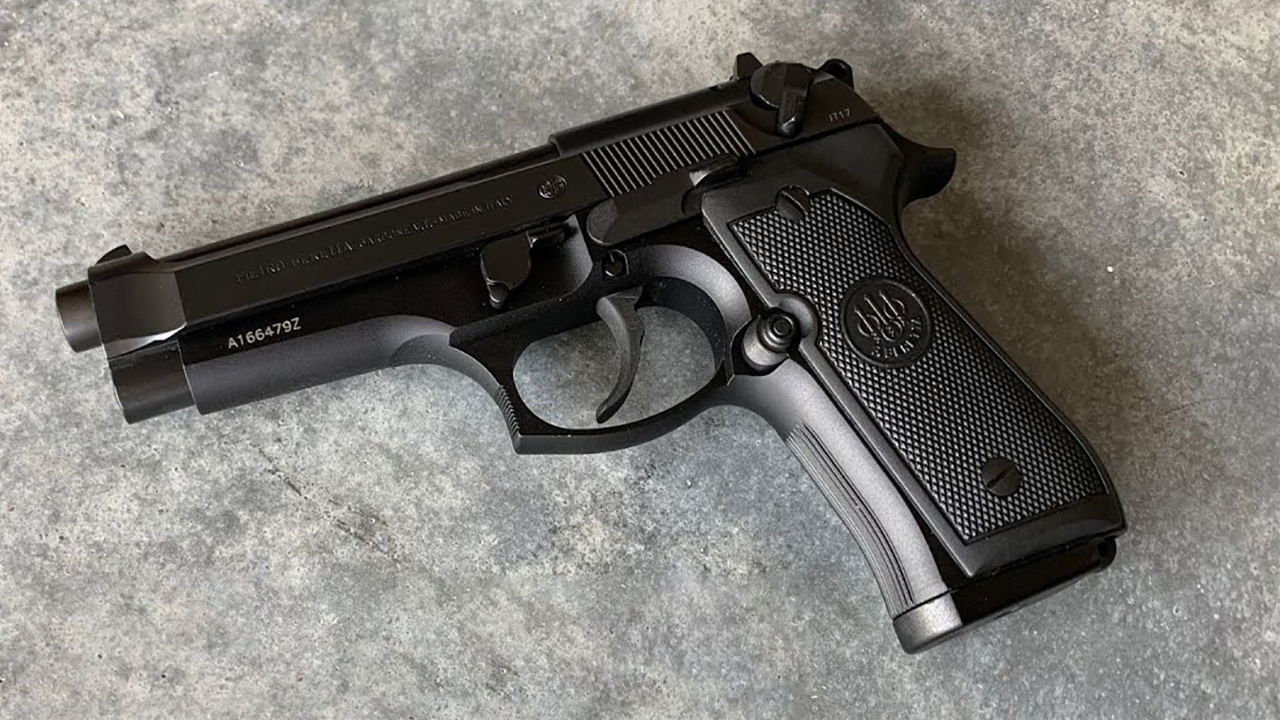
Long slide, open-top design, smooth recoil impulse—there’s a reason the 92-series has so many fans even after folks moved on to striker guns. It was “space age” compared to a lot of what came before it, and it runs fast when you do your part.
It’s not for everyone as a daily carry gun, but it’s still a great shooter. Magazines are easy to find, the platform has decades of support, and it’s one of the softer 9mms for new shooters who struggle with snappy compacts.
4. CZ 75B
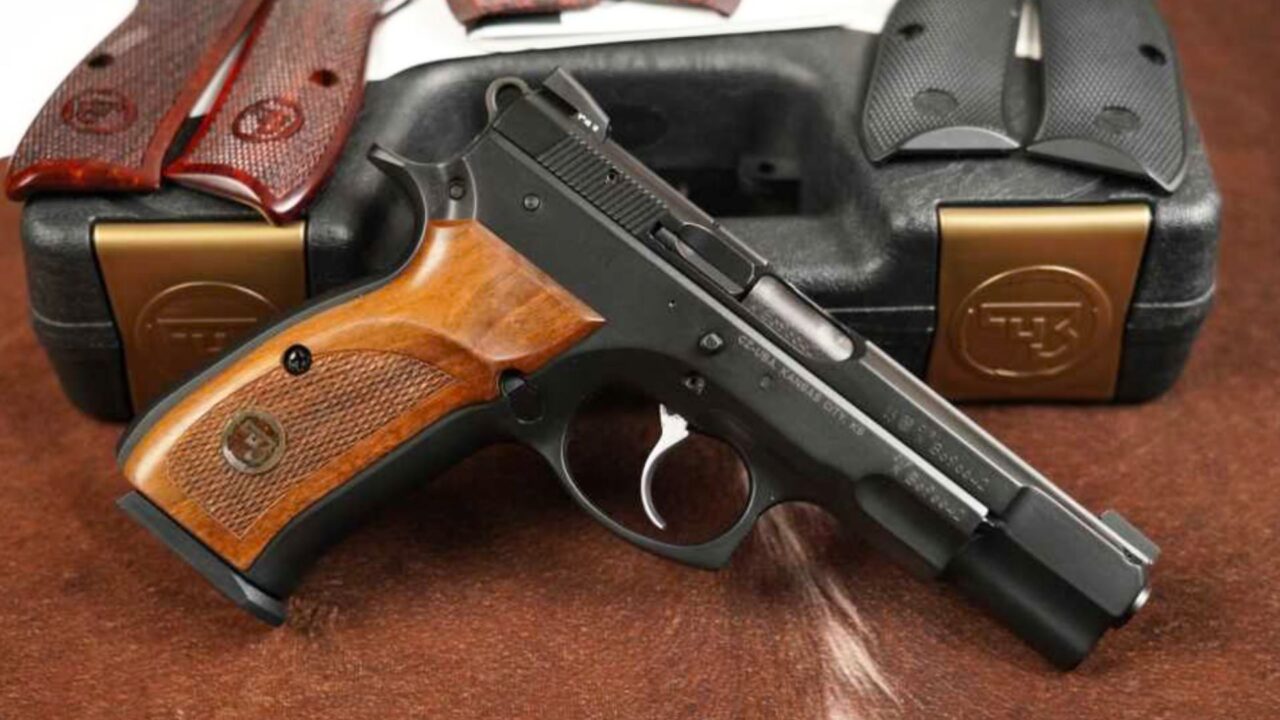
The CZ 75 was a quiet revolution: steel frame, excellent ergonomics, and that inside-the-rails slide that makes the gun track flat. A lot of pistols feel like you’re holding a tool; the CZ feels like it’s fitted to a hand.
Even today, a stock CZ 75B will embarrass “better” guns on paper if the shooter is solid. The aftermarket is strong, and the design is proven in competition circles. It’s a little heavier on the belt, but it’s a joy on the range.
5. Browning Hi-Power

There’s a reason older shooters light up when a Hi-Power comes out of the case. High-capacity 9mm before that was common, classic lines, and it carries flatter than you’d expect. In its time it felt like the future.
It’s still competitive in the real world because it points so naturally and carries so well. The downside is you’re dealing with an older design that may need spring refreshes and careful magazine selection. Still, I would not be quick to let one go.
6. Colt Government Model 1911 (Series 70 pattern)

The 1911 isn’t “cutting edge” because it’s new. It’s cutting edge because it solved problems in a way that still works: crisp trigger, slim profile, and shootability that keeps it relevant. A good Government Model will make you understand why the platform refuses to die.
Is it more maintenance-minded than a Glock? Usually, yes. But as a serious range gun, a competition base, or a carry pistol for someone who actually trains, it’s still a contender. The trick is being honest about magazines and quality—cheap 1911s can teach hard lessons.
7. Smith & Wesson Model 39 / 59 (family legacy)
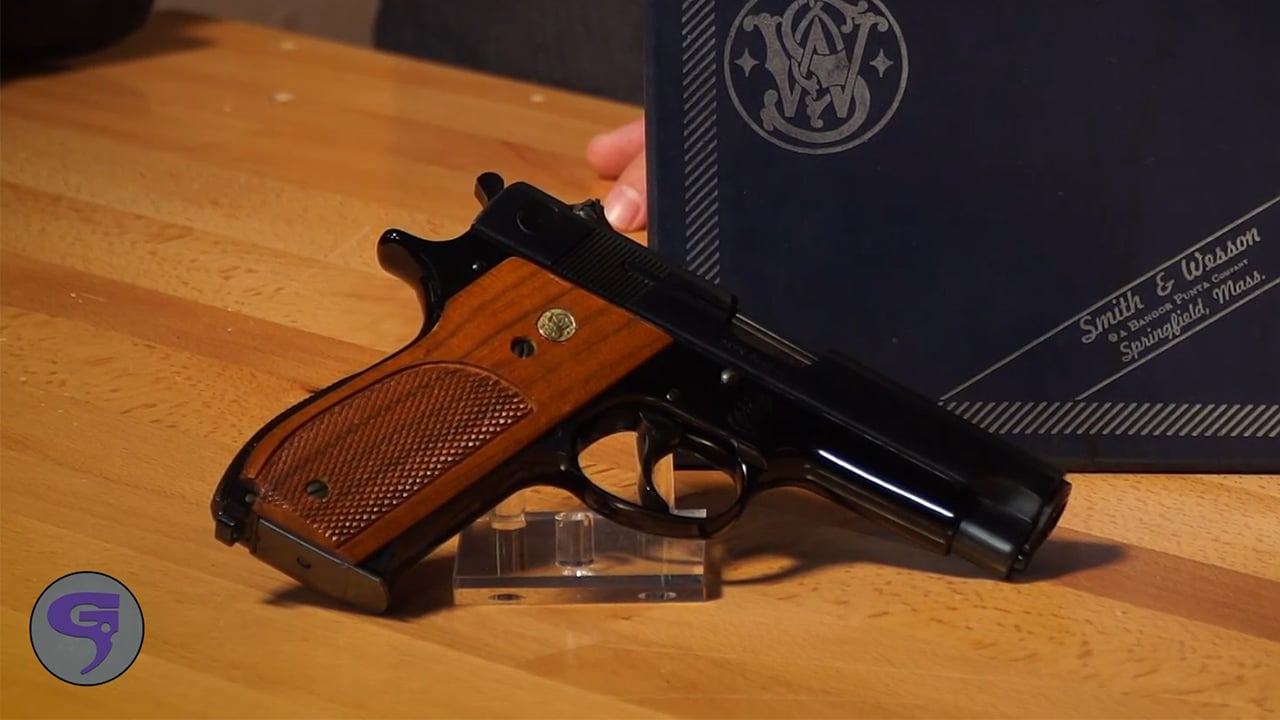
The Model 39 and its double-stack cousin the 59 were early American moves into modern 9mm semi-autos. They weren’t perfect, but they pushed the idea that a service pistol could be lighter, faster, and higher capacity than the old standards.
Today they’re more “still usable” than “top pick,” but a good one runs fine with quality mags and springs. If you like metal guns and want a piece of the transition era that still works at the range, these are legitimate shooters—not just safe queens.
8. Heckler & Koch USP
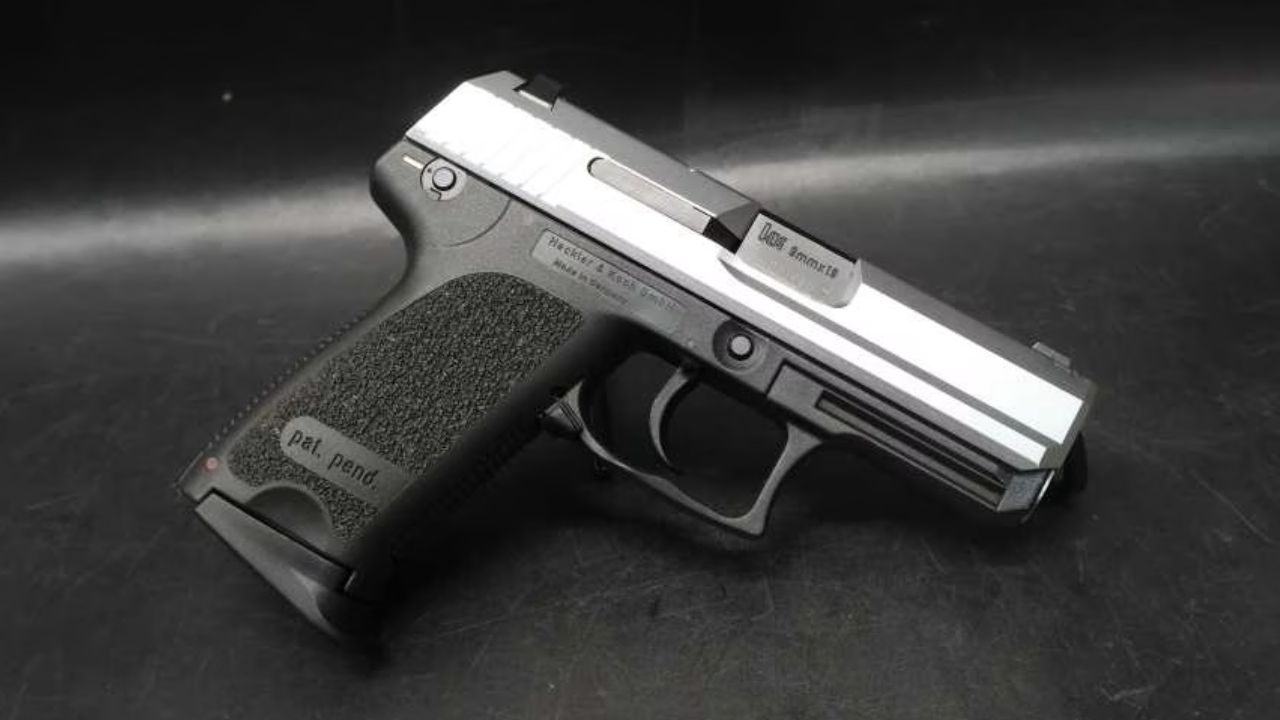
The USP showed up with a reputation: overbuilt, durable, and designed around hard use. It was one of those pistols that made you think, “Okay, somebody engineered this like it was going to be dropped, soaked, and shot a lot.”
It’s still competitive because it’s reliable and accurate, and the recoil system does feel different—especially in larger calibers. The downside is cost and a blocky feel in the hand for some folks. If it fits you, it’s a long-term gun.
9. Heckler & Koch P7

The P7 is the “weird German” pistol that makes people grin. The squeeze-cocker was legitimately advanced, and the gun shoots flat and fast with a low bore axis that still feels modern. It’s the kind of pistol that makes you want to shoot one more magazine.
Downside? Heat. If you run it hard, it gets warm in a hurry. Magazines and parts aren’t cheap either. But for pure performance and unique engineering, it’s still competitive in capable hands.
10. Ruger Mark II
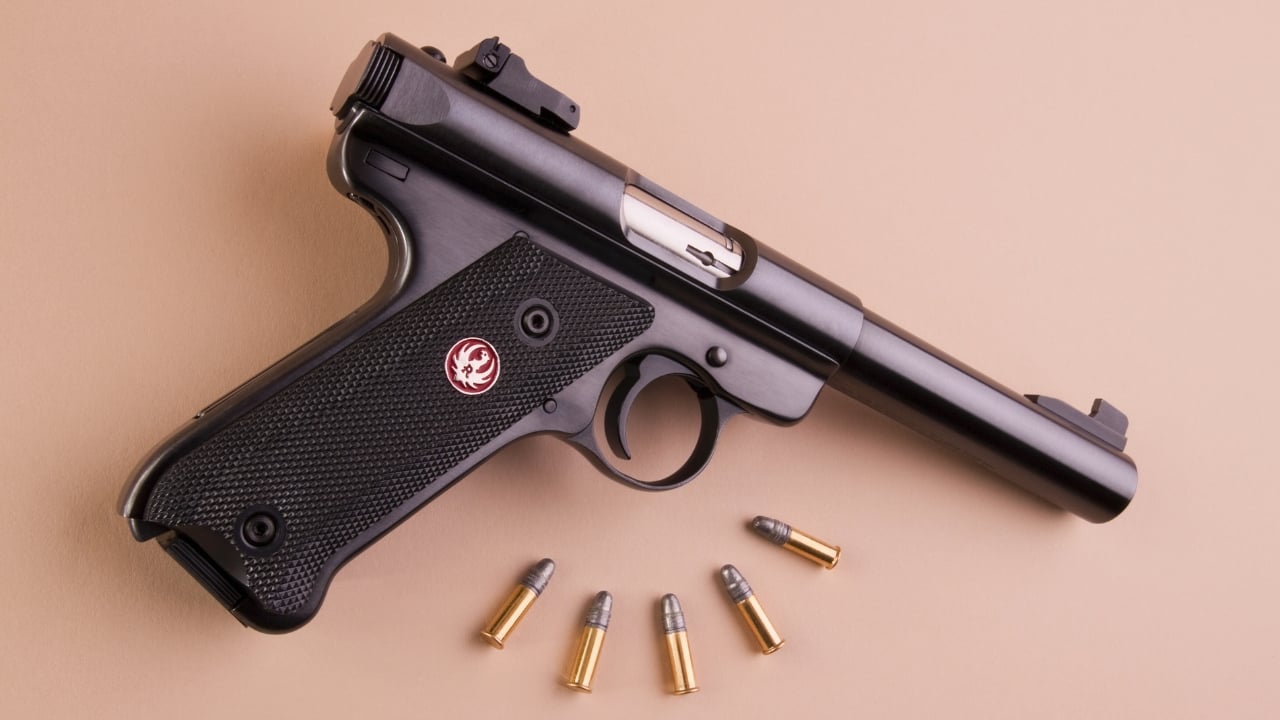
Serious shooters don’t apologize for a good .22. The Ruger Mark II was a big deal because it gave you target-level accuracy and durability without being delicate. A lot of us learned trigger control on one, whether we meant to or not.
It’s still competitive because it just keeps going, and it’ll make you honest about your shooting. The takedown isn’t everyone’s favorite, but once you understand it, it’s fine. If you hunt small game or just want cheap practice that matters, this one earns its slot.
11. Smith & Wesson Model 41

The Model 41 has been “nice” for so long people forget how advanced it was as a purpose-built target pistol. The trigger is what everybody talks about, and for good reason. It’s clean and predictable in a way that makes bad habits stand out.
Competitive today? Absolutely—especially in bullseye-style shooting. It’s not a field beater, and it’s not cheap, but it’s one of those pistols that can outshoot most of us forever if it’s cared for.
12. Walther PPK
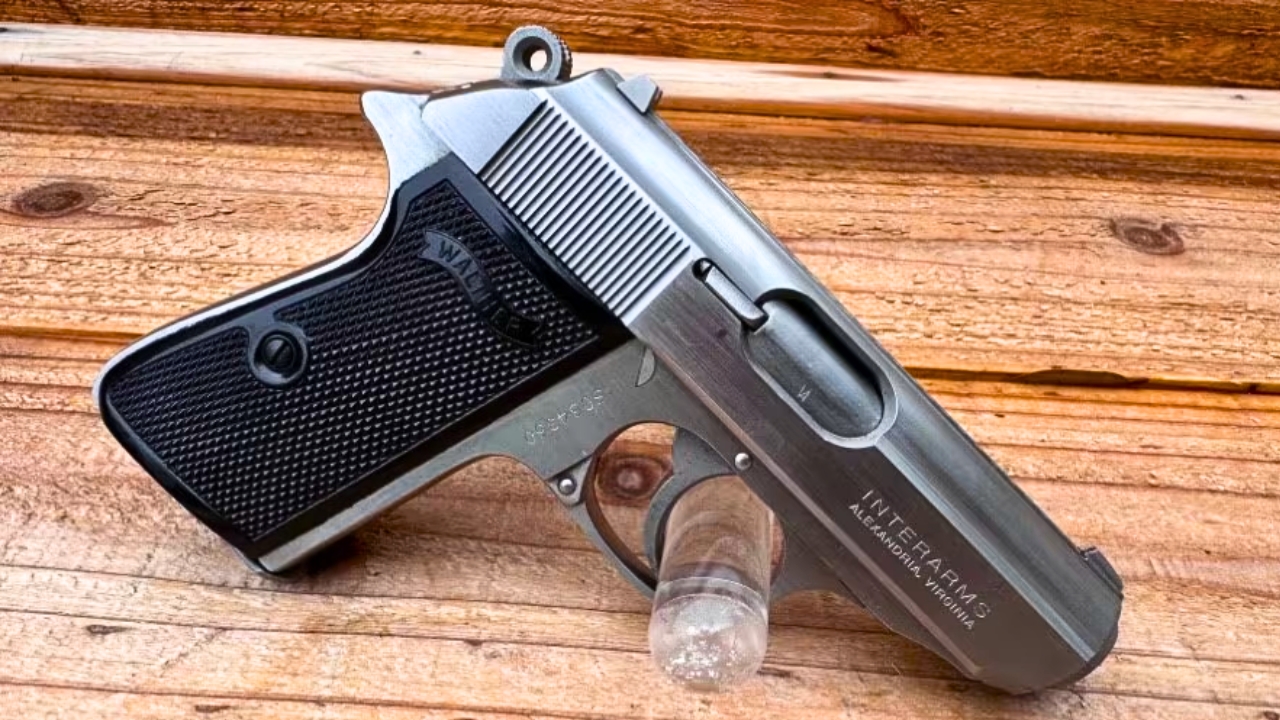
The PPK was a major step in compact defensive pistols: slim, recognizable, and surprisingly shootable for its size once you learn it. In its time it was a premium carry idea, not an afterthought.
It’s not the softest shooter, and the sharp edges can remind you it’s an older design. Still, it carries well, it’s accurate enough, and it has that solid steel feel that a lot of modern micros don’t. Just don’t expect it to behave like a modern striker gun.
13. Walther P99

The P99 doesn’t get the credit it deserves. When it landed, the ergonomics and modular grip options felt like the next step, not a gimmick. It’s one of those pistols that just seems to “fit” more hands than you’d think.
It’s still competitive because it’s a reliable, accurate polymer gun with a great track record. The only real knock is that it got overshadowed by other platforms, so some parts and magazines aren’t as common as Glock-level stuff. If you already have one, it’s worth keeping.
14. Glock 19
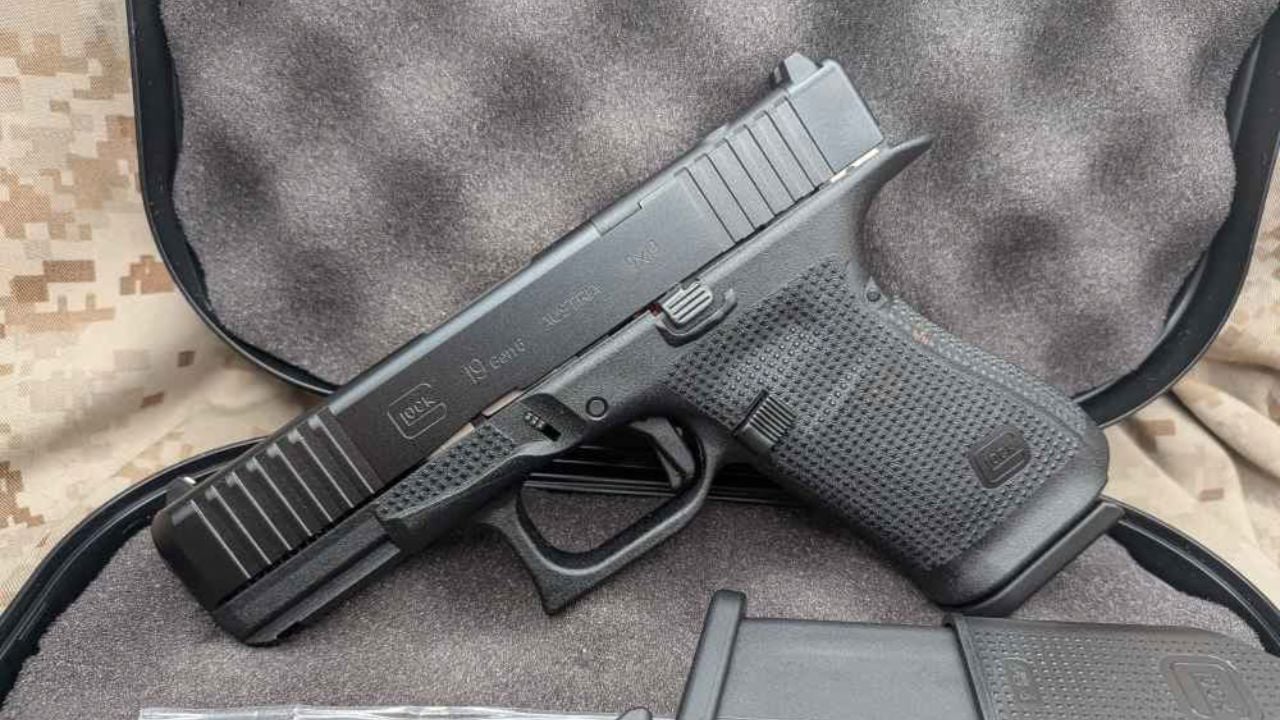
If the Glock 17 is the do-it-all service pistol, the Glock 19 is the do-it-all practical pistol. When it hit the scene, it nailed the size compromise that a lot of folks didn’t realize they wanted. It carries easier, shoots bigger than it is, and doesn’t ask for much.
It’s still competitive because it sits in that sweet spot: enough grip, enough barrel, enough capacity. For outdoors folks who want one pistol that can be a carry gun, a nightstand gun, and a range gun, it’s hard to beat without getting picky.
15. SIG Sauer P229

The P229 is what happens when a duty gun gets shrunk without turning into a compromise. It still feels solid, still shoots flat, and still has that SIG balance that makes fast follow-up shots feel natural.
It’s competitive today because it’s accurate and durable, and it gives you a serious defensive pistol in a size that works for a lot of body types. It’s not light, and it’s not cheap, but it’s a “buy once, cry once” kind of gun if you like DA/SA.
16. Smith & Wesson Model 19 (Combat Magnum)

There was a time when a K-frame .357 felt like the perfect answer: powerful, packable, and fast-handling. The Model 19 balanced better than many larger revolvers, and it carried like a real-world sidearm instead of a boat anchor.
It’s still competitive as a trail gun, a woods carry option, and a practical revolver for someone who actually shoots revolvers. Full-house .357 loads can be hard on K-frames over time, so use some sense with ammo choices and keep it maintained.
17. Smith & Wesson Model 10
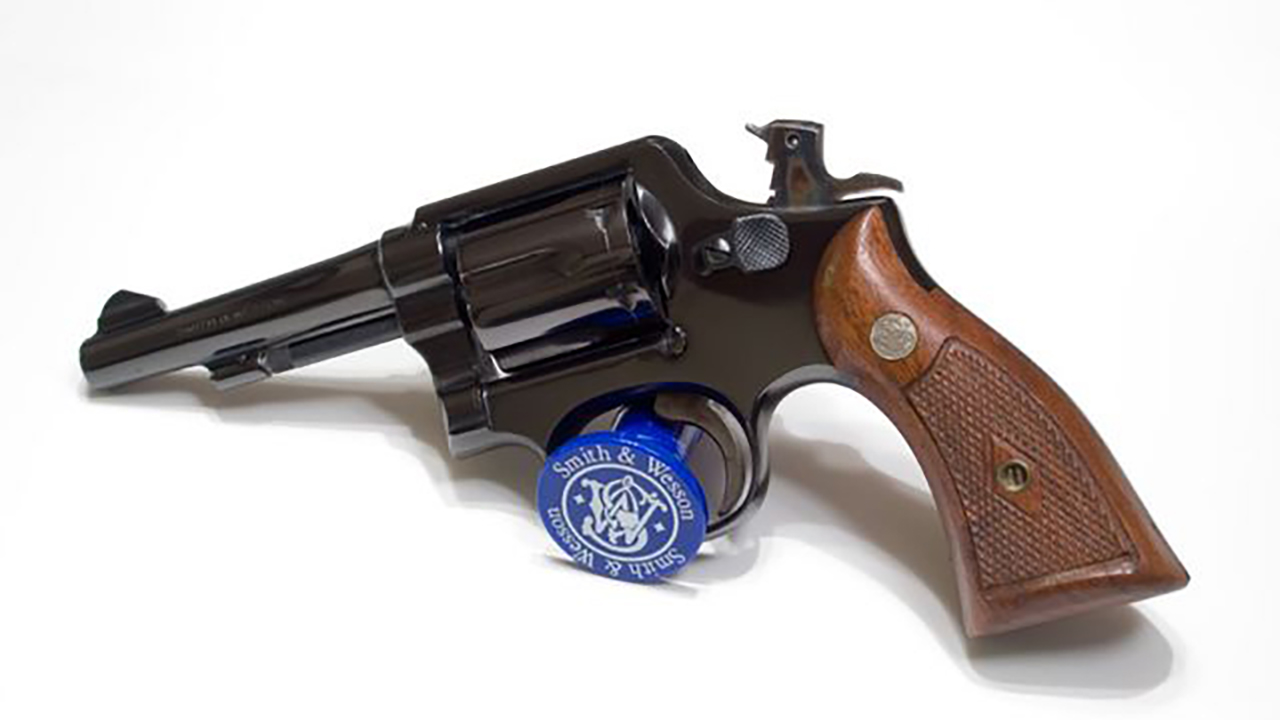
The Model 10 is the plain-jane revolver that trained generations. It wasn’t flashy, but it was dependable and easy to shoot well. When it was king, it represented modern police and defensive thinking, not cowboy nostalgia.
Today it’s still competitive because it’s simple, accurate, and .38 Special is manageable for almost anyone. It’s also a great “teach a new shooter” revolver. If you find a clean one, don’t assume it’s outdated—it’s just honest.
18. Ruger GP100
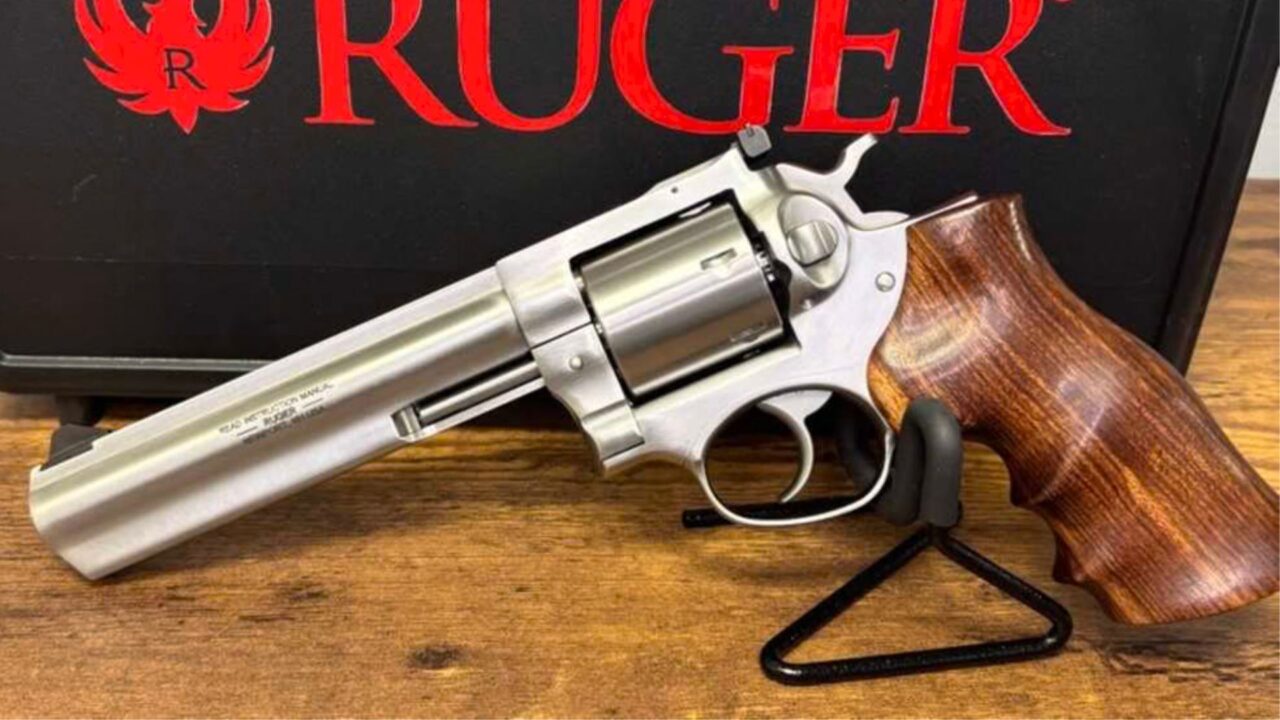
The GP100 showed up with a different attitude than a lot of classic revolvers: built stout, meant to be shot a lot, and not precious about it. For a working revolver, that mattered then and it matters now.
It’s still competitive as a woods gun and a range revolver because it digests heavy .357 loads without acting like you’re committing a crime against history. It’s heavier on the hip, sure. But that weight helps when you’re practicing, and practice is what counts.
19. Ruger Redhawk

The Redhawk was cutting edge in the “built like a tank” sense. Big-bore revolvers aren’t everyone’s idea of practical, but for hunting sidearms and serious backcountry use, this platform earned its keep.
It’s still competitive if you need what it offers: strength, reliability, and the ability to handle heavy loads within normal safe use. It’s not a casual belt gun, and it’s not fun for folks who don’t like recoil. But in the right role, it’s still the real deal.
20. FN Five-seveN

Love it or hate it, the Five-seveN was genuinely futuristic when it hit the mainstream: lightweight, high capacity, flat shooting, and different from the usual 9mm/.45 conversations. It felt like something from a different decade.
It’s still competitive in its niche because it’s easy to shoot fast and it carries light for its size. The limiter is cost and ammo availability compared to common calibers, which matters if you actually train. If it fits your budget and your needs, it’s a unique tool—just don’t buy it expecting it to magically replace solid fundamentals.
New pistols come out every month, and some of them are truly great. But a lot of “innovation” is just a new grip texture and a new marketing push. The guns above were legit steps forward when they arrived, and the best part is they still hold their own if you keep them maintained, feed them good mags, and put in range time. Ask me how I know: the newest gun in the case doesn’t help much if you don’t shoot it better than the old one.
Like The Avid Outdoorsman’s content? Subscribe to our newsletter so you never miss an article.
Here’s more from us: