Photo credit: Krasula/Shutterstock.com
Most predators would rather avoid people. That natural caution is one of the main reasons humans and wildlife can live relatively close together without constant conflict.
The trouble starts when that fear disappears. Feeding, garbage, unsecured livestock, pet food, repeated exposure to neighborhoods, or people intentionally approaching wild animals can teach predators that homes and humans mean easy food instead of danger. Once that happens, behavior can change fast. These are the predators that can become a serious problem when they stop keeping their distance.
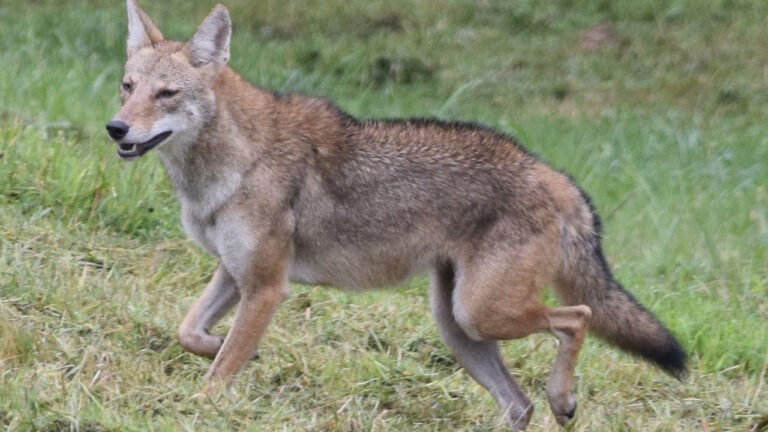
Coyote

Coyotes are probably the best example of a predator that can adapt almost too well to people.
A wary coyote slipping through a field at night is usually not a major concern. A coyote that repeatedly walks through yards in daylight, ignores shouting, or begins watching pets from close range is different. Once coyotes associate neighborhoods with food, they may start checking the same yards every night. Small dogs, cats, poultry, and young livestock can become targets, and bold individuals may become increasingly difficult to discourage.
Black Bear

A black bear that fears people usually disappears as soon as it realizes somebody is nearby.
A food-conditioned bear can behave very differently. Garbage, bird feeders, pet food, grills, livestock feed, and intentional feeding can teach bears that homes are worth approaching. Once that association forms, they may return repeatedly, tear into buildings, damage vehicles, or refuse to leave when people appear. The bear does not have to become outright aggressive for the situation to become dangerous.
Mountain Lion
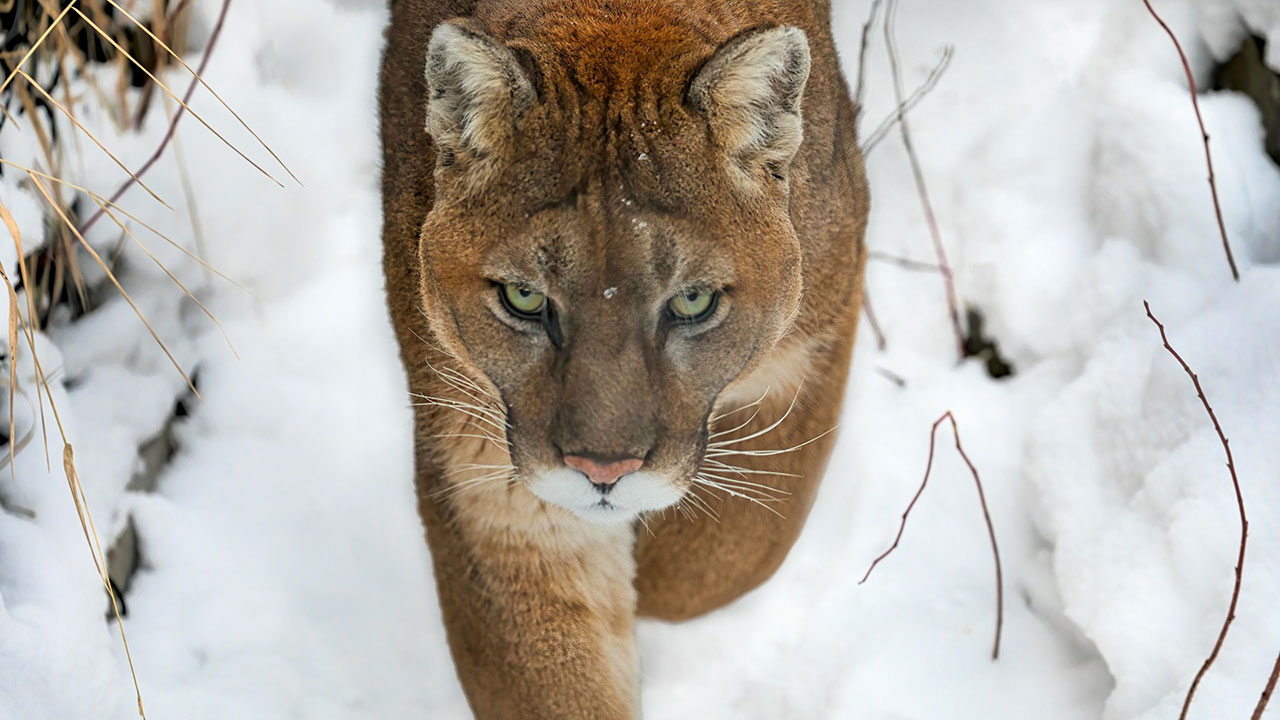
Mountain lions normally depend on secrecy and avoidance.
That is why a cat repeatedly lingering around homes or showing little concern about people gets attention. Deer, pets, and livestock can draw lions into developed areas, especially where neighborhoods border good habitat. A mountain lion that becomes accustomed to seeing people without negative consequences may tolerate increasingly close encounters. With an ambush predator that powerful, losing that natural distance is something nobody wants.
Gray Wolf
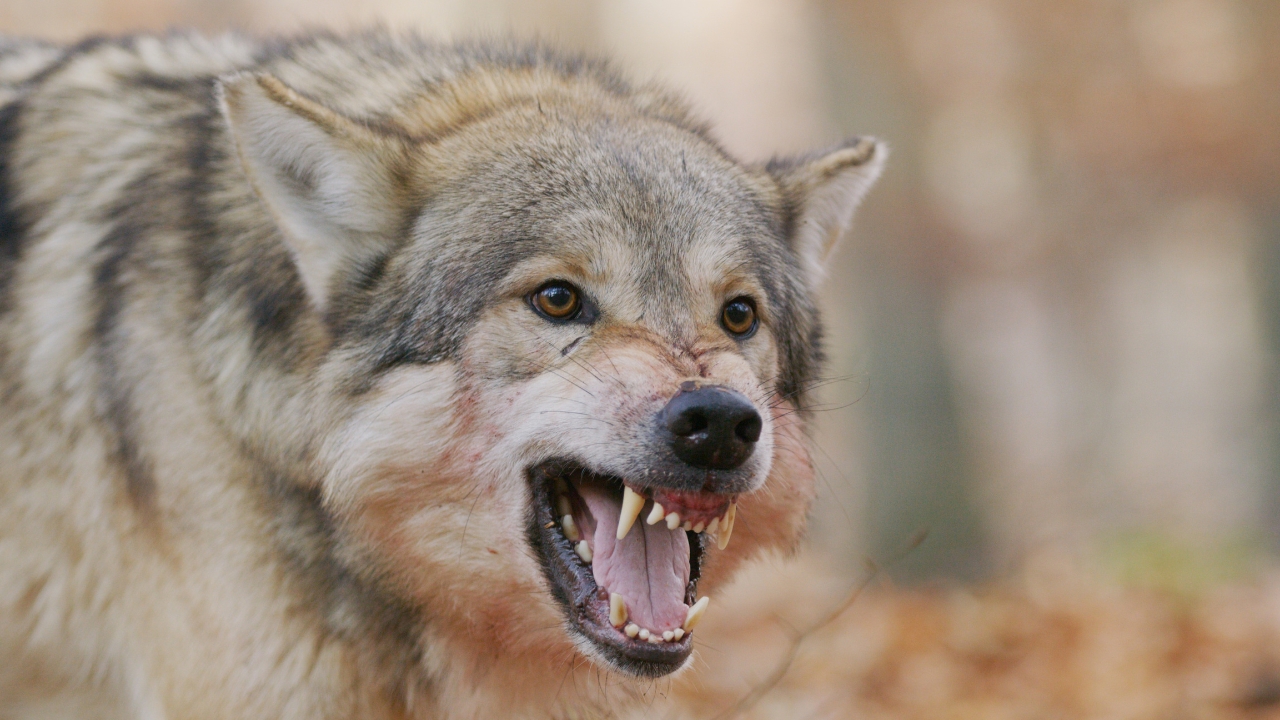
Wild wolves usually avoid close human contact, even when they live in areas with plenty of people.
Habituation can change the equation. Wolves that repeatedly find food around camps, communities, or livestock operations may begin approaching more closely and reacting less strongly to people. Livestock conflicts can also become persistent if a pack learns where vulnerable animals are kept. A wolf does not need to view humans as prey to become a serious problem. Simply losing its reluctance to operate around homes and livestock can create major conflict.
Raccoon
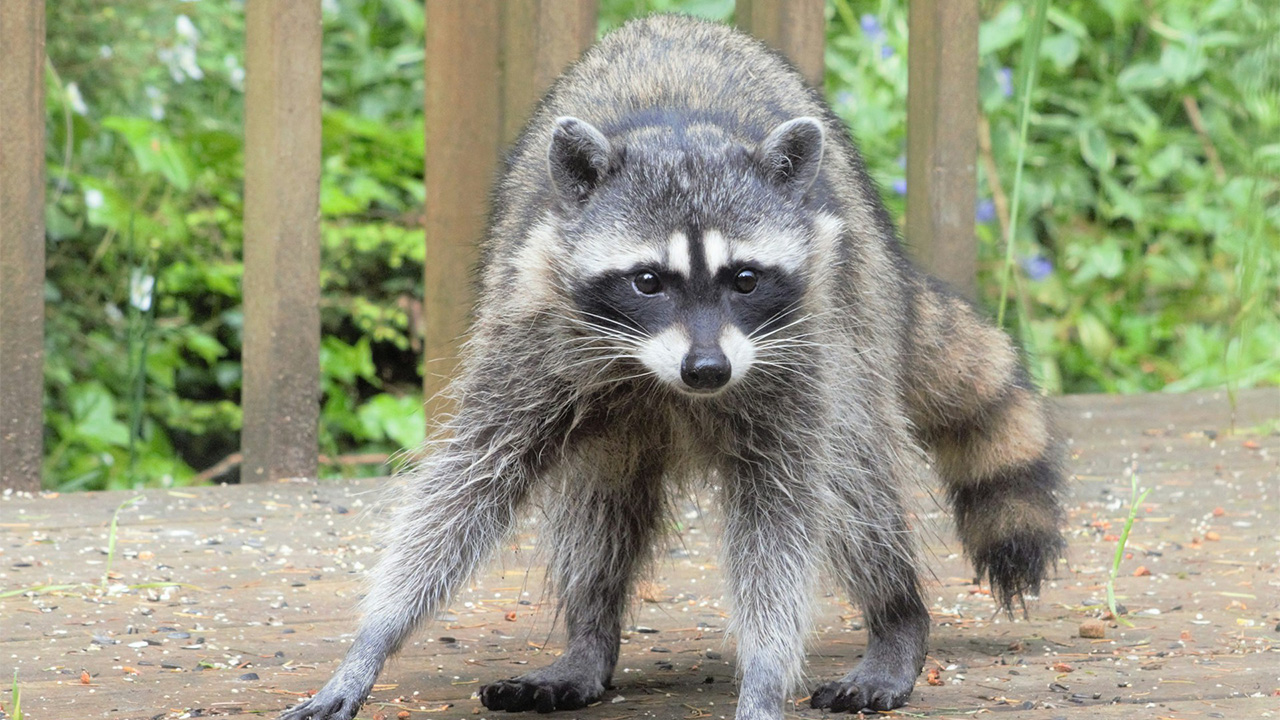
Raccoons are predators and opportunistic feeders that become incredibly comfortable around humans.
Many already show very little fear in urban areas. That is when they start raiding garbage, entering attics, stealing pet food, and testing chicken coops night after night. A raccoon accustomed to being fed may even approach people directly. Corner one in a garage or have a dog confront it, and the cute backyard visitor can turn into a surprisingly aggressive animal with sharp teeth and claws.
Red Fox

Foxes generally keep their distance, even when they regularly pass through neighborhoods.
Repeated access to food can make them much bolder. A fox that learns poultry, pet bowls, or garbage are available may begin appearing earlier in the evening and approaching houses more closely. Small pets and backyard chickens can become especially vulnerable. Once a fox successfully raids a coop, there is good reason to expect it to check the property again.
Bobcat
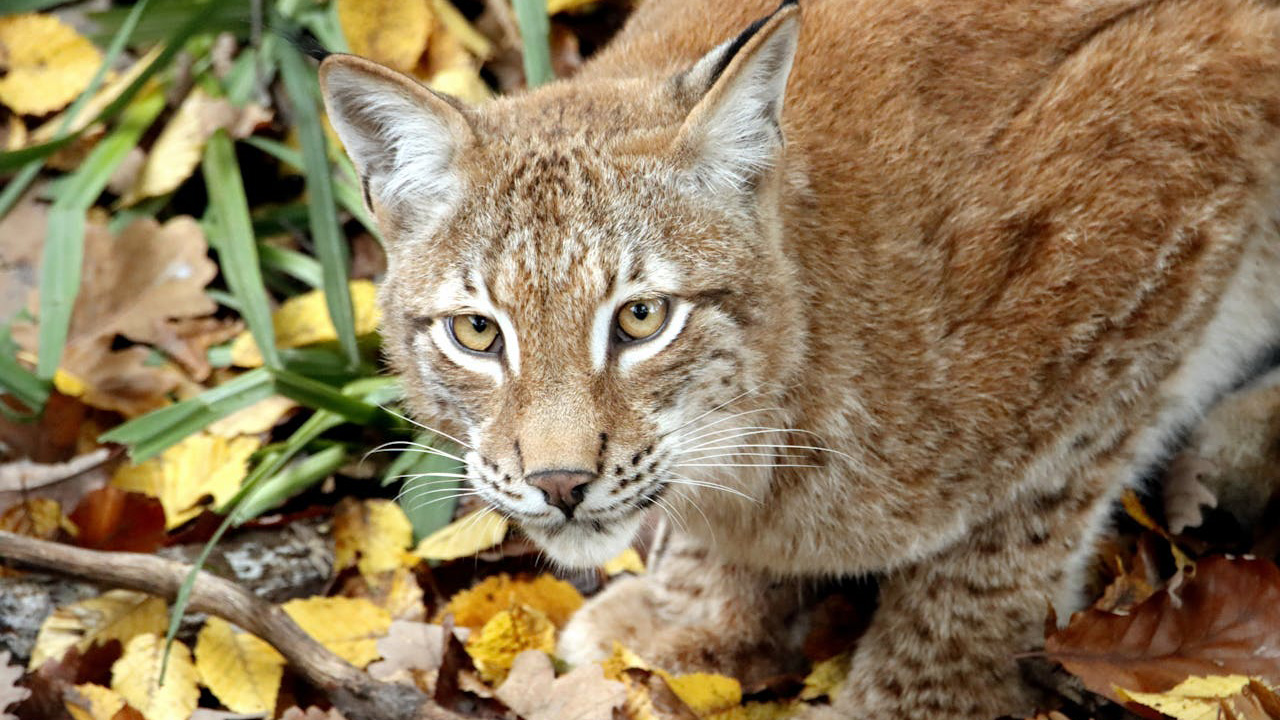
Bobcats are naturally secretive enough that many people live beside them without ever seeing one.
That makes repeated close appearances more significant. A bobcat that becomes comfortable around homes may start hunting rabbits, poultry, or other small animals directly around yards. Feeding wildlife can indirectly attract them by concentrating prey. Most still avoid direct confrontation with people, but a predator that no longer feels pressure to leave developed areas can become a persistent problem for pet and livestock owners.
Alligator
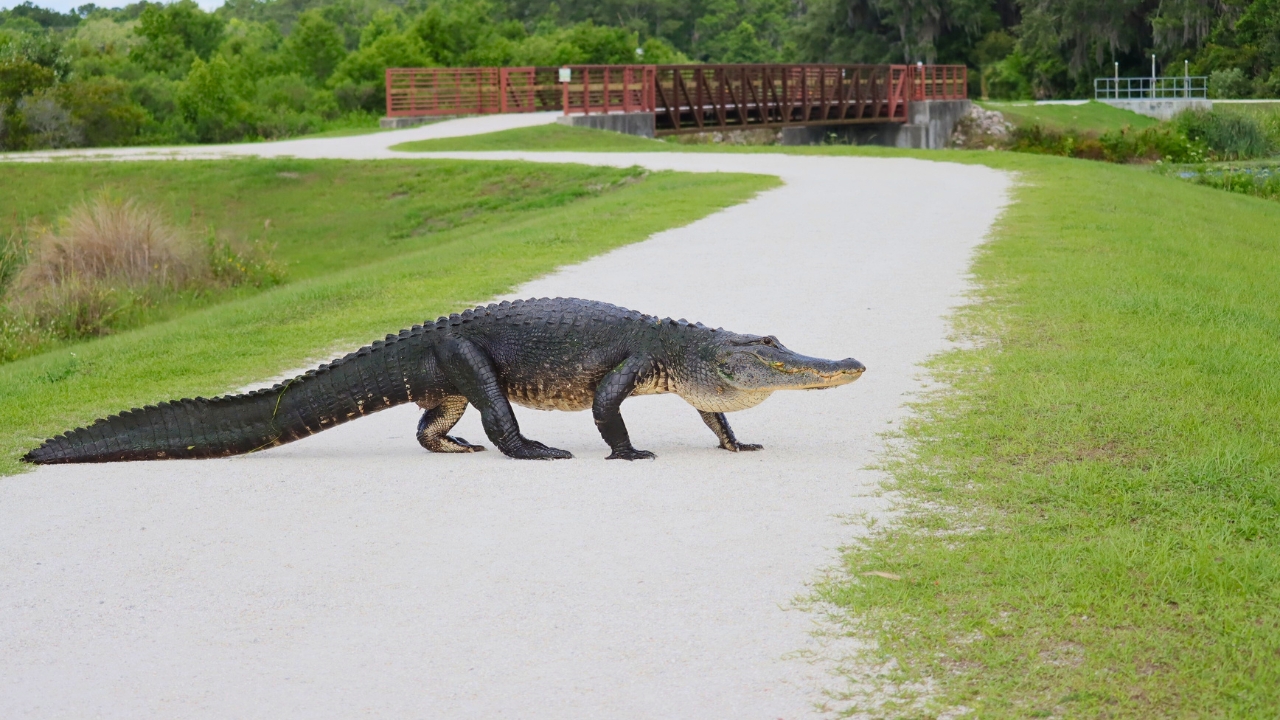
Alligators naturally learn very quickly where food comes from.
That is why feeding them is such a serious problem. An alligator that begins associating humans with food may approach docks, shorelines, boats, or people instead of retreating. Pets near the water can also attract attention. A wild alligator keeping its distance is one thing. A large reptile deliberately moving toward people because it expects something to eat is an entirely different situation.
Polar Bear
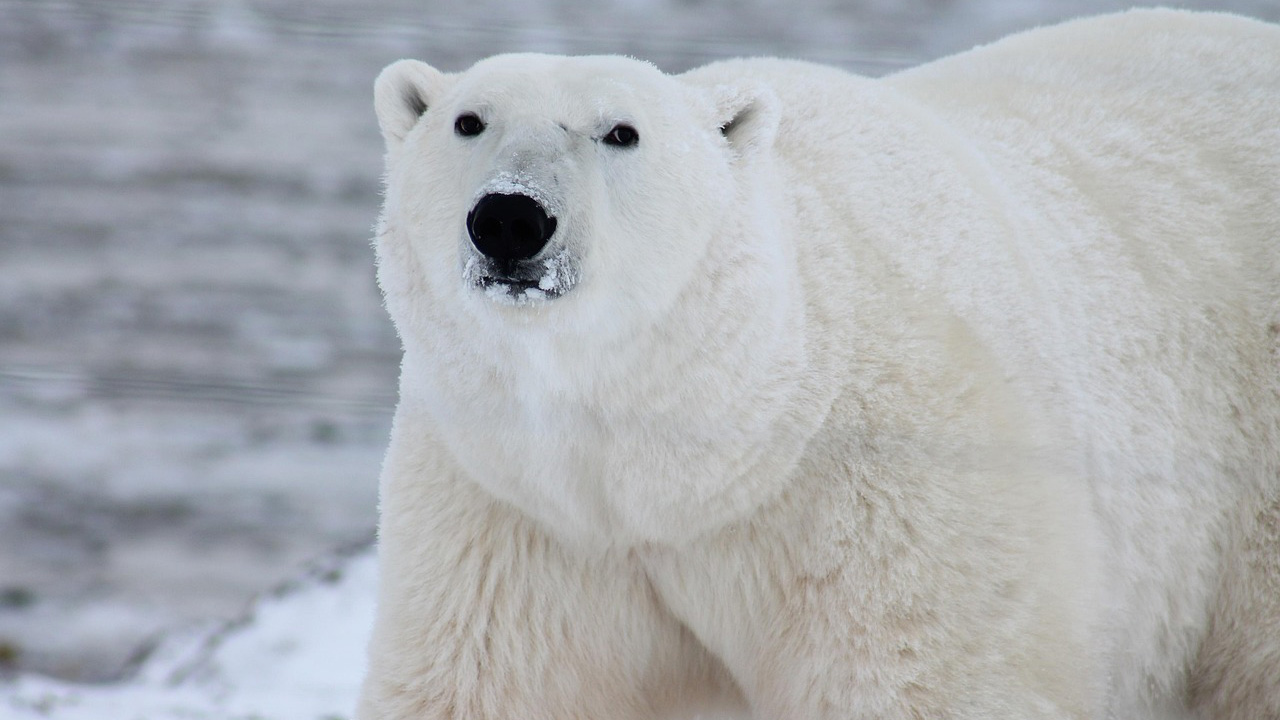
Polar bears are different from many predators because they are already more willing to investigate humans as potential food.
That makes habituation especially dangerous. In northern communities, unsecured garbage and other food sources can encourage bears to return repeatedly. They are enormous, powerful, and capable of breaking into structures. When a polar bear stops avoiding a settlement, wildlife officials have to take the situation seriously because the consequences of a close encounter can be catastrophic.
Brown Bear

Brown bears usually have little interest in hanging around people unless something rewards the behavior.
Food can provide that reward quickly. Campsites, garbage, fish remains, livestock feed, or careless storage can teach bears to investigate human areas. Once a large brown bear becomes food-conditioned, simply yelling at it may not be enough to make it leave. Its size and strength mean even nonpredatory defensive behavior can be extremely dangerous.
Leopard
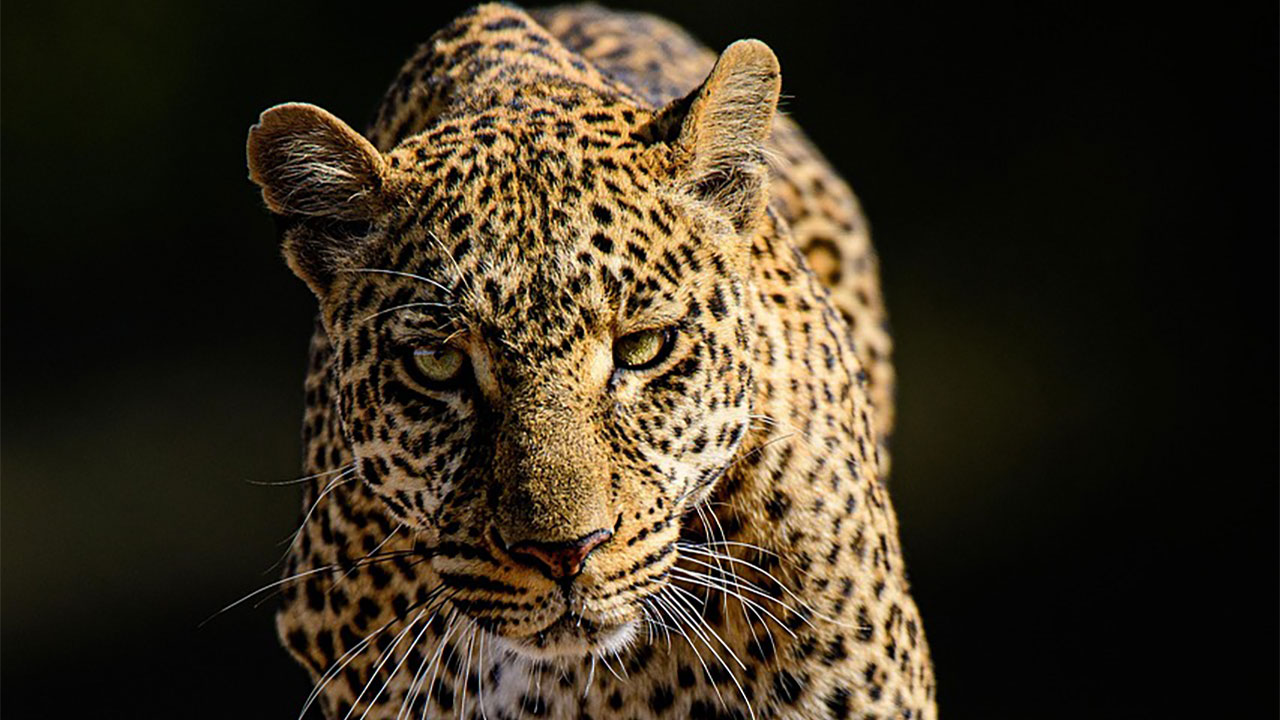
Leopards are exceptionally adaptable predators and can live much closer to people than many realize.
In parts of Asia and Africa, they use agricultural land, village edges, and even densely populated landscapes while remaining mostly hidden. Problems increase when livestock, dogs, garbage, or other easy food sources bring them close to homes. A leopard that becomes habituated to people can be extremely difficult to detect before an encounter because concealment is one of its greatest strengths.
Hyena

Spotted hyenas can become remarkably comfortable around human settlements where food waste is available.
They are powerful predators and scavengers capable of taking livestock and defending food aggressively. When they learn that towns or villages provide predictable meals, they may travel directly through developed areas at night. Losing fear does not mean they suddenly hunt every person they see, but it removes an important barrier that normally keeps a large predator at a safer distance.
Jackal
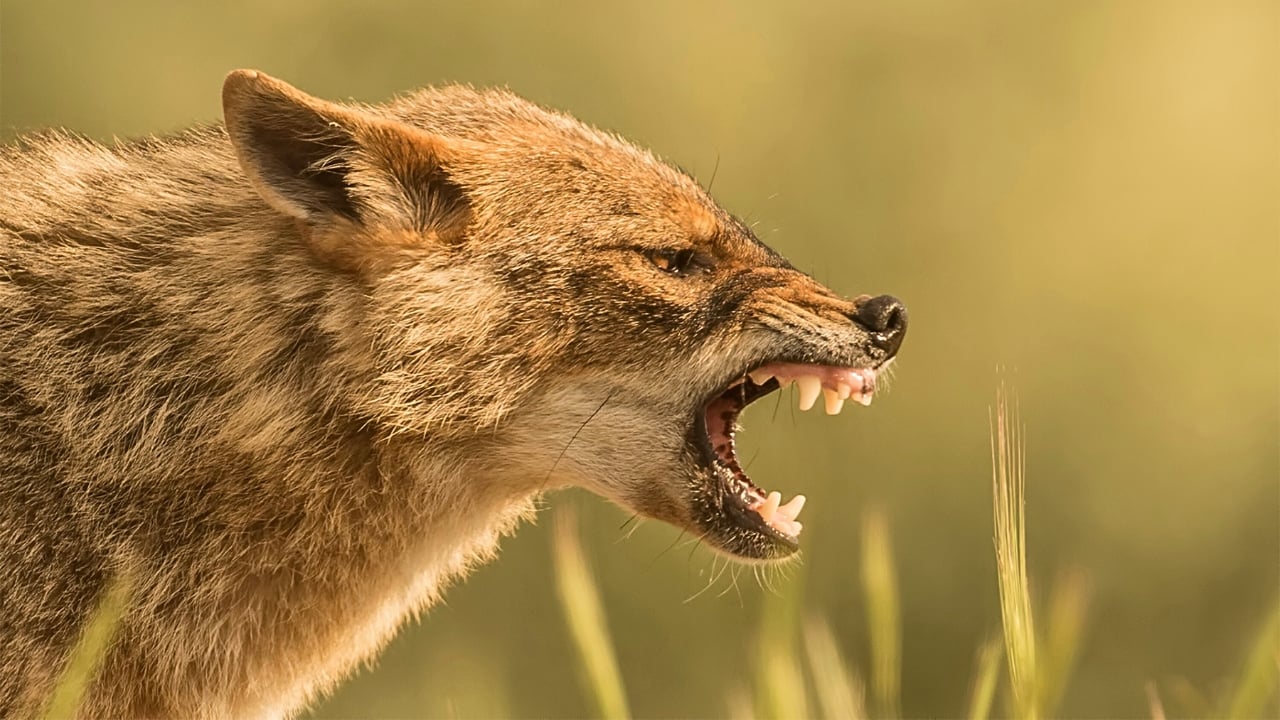
Jackals occupy a similar niche to coyotes in many parts of the world.
They are intelligent, opportunistic, and quick to exploit human food sources. Garbage, livestock remains, and unsecured poultry can encourage them to spend more time around settlements. Once accustomed to people, they may become increasingly bold around livestock and pets. Their smaller size makes them seem less threatening, but persistent predators do not need to be huge to create expensive problems.
Fisher

Fishers are generally shy forest predators, but they can adapt to suburban environments where food and cover are plentiful.
They hunt rodents, rabbits, and other small animals and can occasionally cause problems around poultry. A fisher repeatedly visiting the same yard is likely finding something worthwhile there. They are not normally a danger to people, but an animal that loses its natural caution can become much more difficult to discourage from coops, sheds, and other structures.
Feral Dog

Feral and free-ranging dogs can become more dangerous as they lose normal social restraint around people.
A single loose dog may avoid confrontation, but packs can behave very differently. They can chase livestock, attack wildlife, and become territorial around food or denning areas. Unlike truly wild predators, they may already be comfortable approaching human structures, which removes one of the natural barriers that keeps most predators at a distance.
Dingo
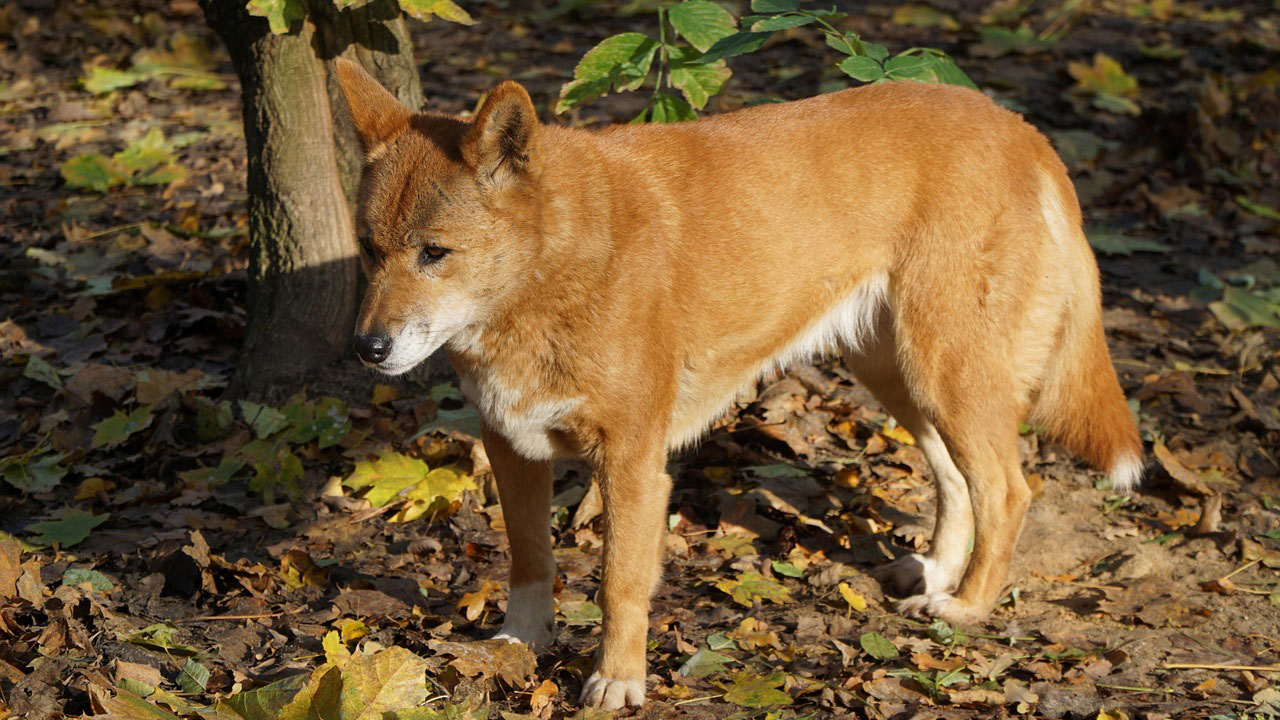
Dingoes generally avoid people, but repeated feeding around campsites and tourist areas can produce serious behavioral changes.
Animals that associate humans with food may approach closely, steal from camps, and become increasingly persistent. Once that wariness disappears, bites and aggressive encounters become more likely. The problem is similar to coyotes and bears: human food rewards the exact behavior people later want the animal to stop.
Wolverine

Wolverines are naturally secretive and occur at low densities, so close encounters are uncommon.
A wolverine repeatedly attracted to camps, stored food, or carcasses could become a significant nuisance simply because of how strong and determined the animal is. They can tear into food caches and defend resources aggressively. Fortunately, their natural tendency is usually to stay far from people. Losing that distance would remove one of the biggest protections humans normally have.
Komodo Dragon

Komodo dragons are apex predators with very little reason to be intimidated by smaller animals.
Where they regularly encounter people, food conditioning can make an already dangerous predator far more concerning. Carrion, livestock, and food waste can draw them toward developed areas. Their size, strong bite, and willingness to investigate potential food make close habituated animals a serious management problem.
Nile Crocodile

A crocodile does not need to become friendly with people to become dangerous.
What matters is learning that humans, livestock, fishing activity, or food waste regularly occur at the same places along the water. Large crocodiles can become extremely predictable about visiting those areas. Once a predator this powerful begins associating human activity with feeding opportunities, the margin for mistakes around the shoreline becomes very small.
Like The Avid Outdoorsman’s content? Subscribe to our newsletter so you never miss an article.
Here’s more from us: