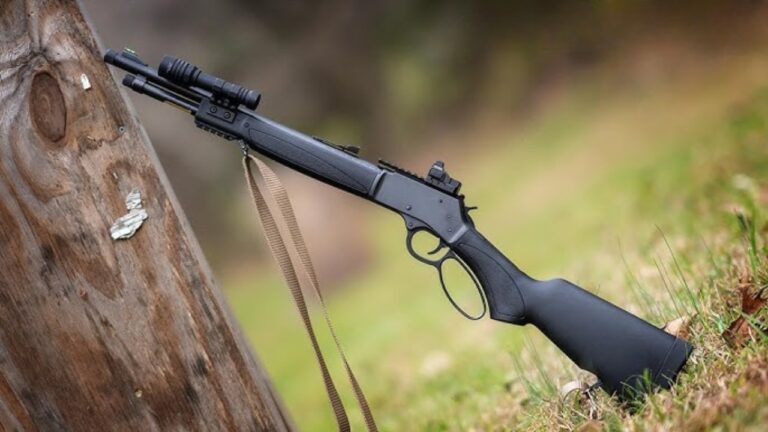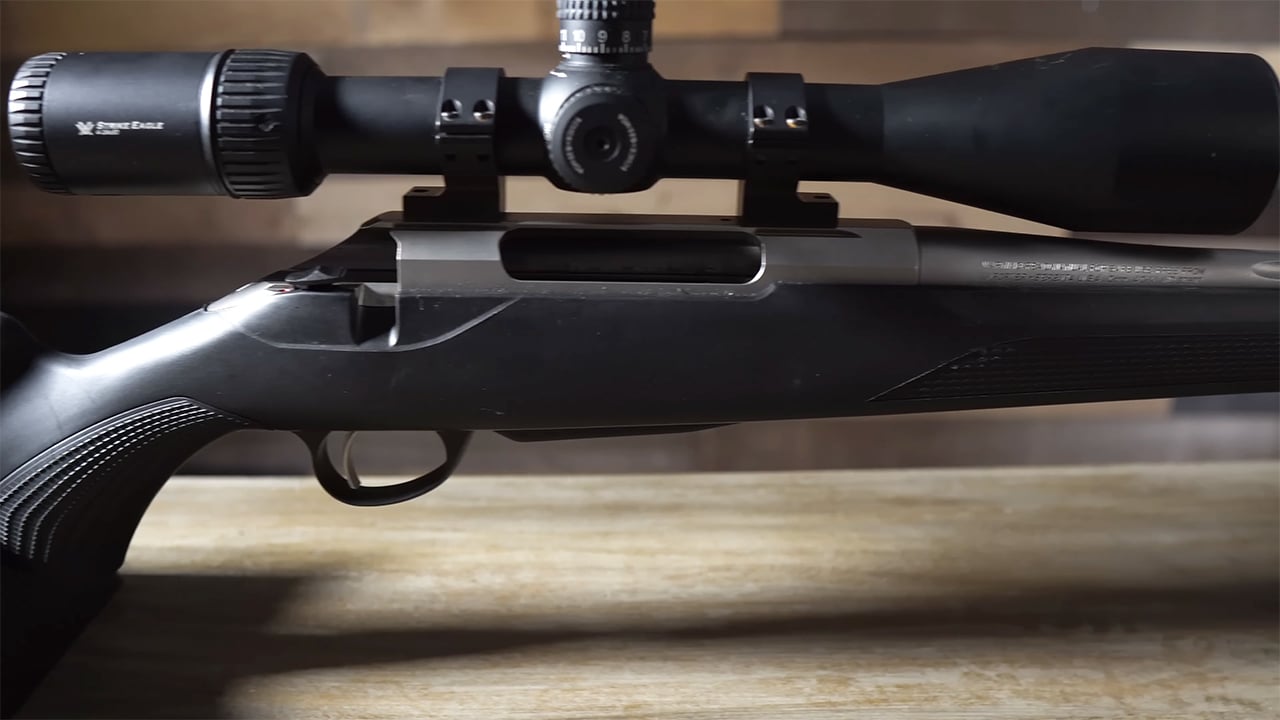
Photo credit: Backfire/Youtube
Walk into a gun shop today and you’ll see plenty of rifles—just not always the ones you got used to seeing stacked deep in the racks a few seasons back. The weird part isn’t that “everything is expensive.” It’s that certain models that used to be easy, boring purchases have turned into “call us if one comes in” rifles.
Some of this is production priorities shifting to higher-margin SKUs. Some of it is import flow getting choked up. Some is just plain old demand—folks buying what they know works when ammo, primers, and spare parts feel like they could get scarce again. Here are 20 rifles that were regular sightings not long ago, and now you’re more likely to stumble on one by accident than just go buy one on lunch break.
1. Ruger American Rimfire
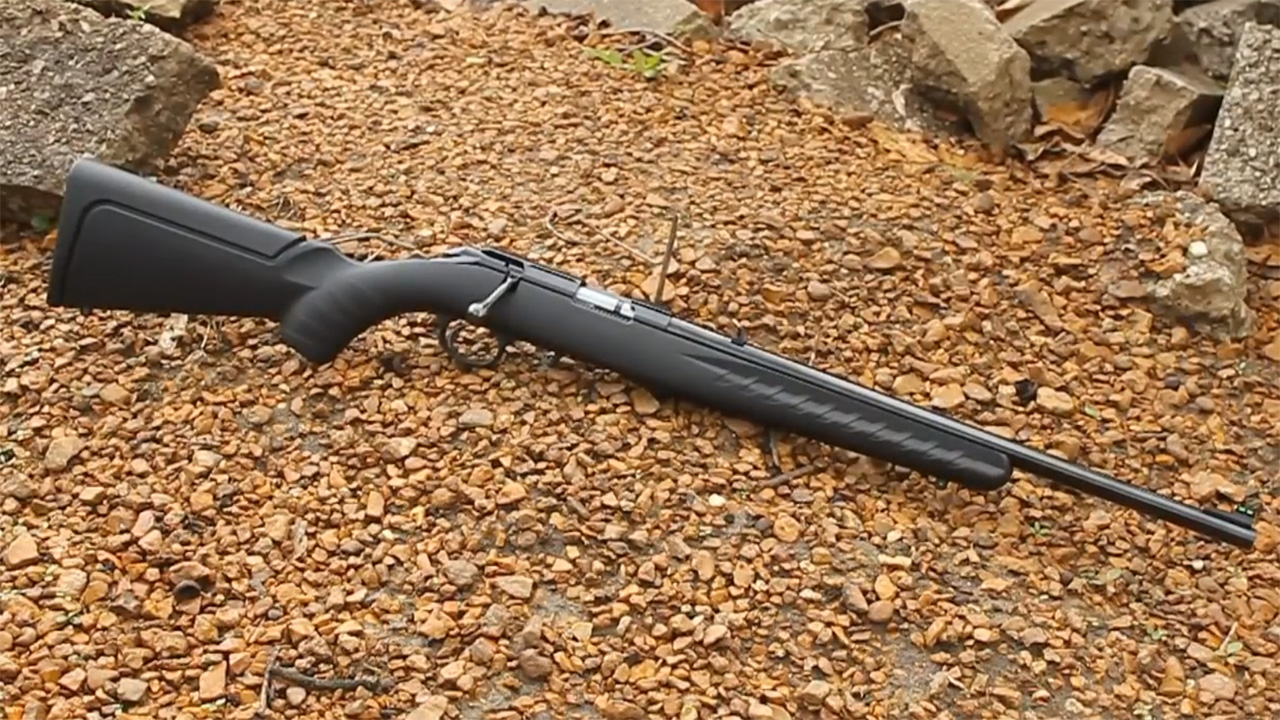
Five years ago, these were the definition of a “grab one while you’re here” .22. Every store had a few, usually in different stock styles, and you could pick your flavor without thinking too hard.
Now they pop up in waves, and the exact version you want is the trick. The appeal is obvious: they shoot better than they should for the money, they take common mags (depending on model), and they’re the kind of rifle you’ll actually hand to a kid or toss behind the truck seat without babying it.
2. Marlin 1894 (pre-Remington-era and early Ruger-era runs)
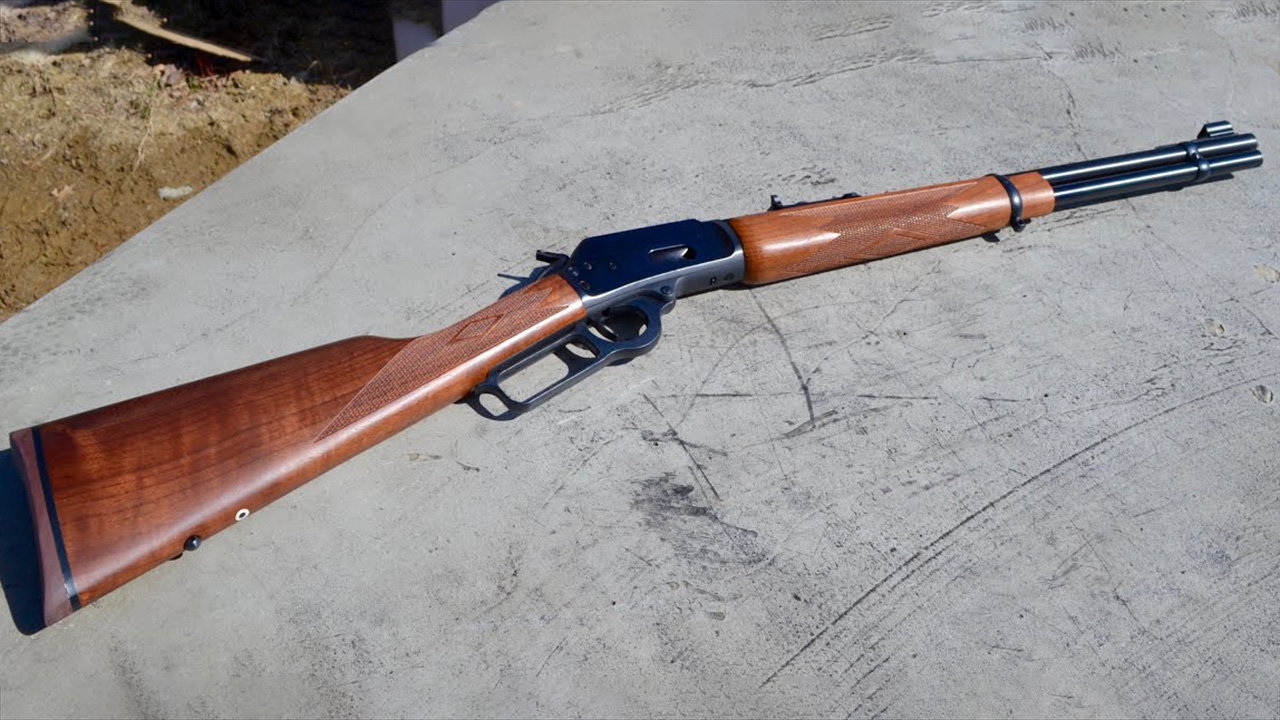
For a long time, a pistol-caliber lever gun was something you could find used, maybe a little worn, but available. Then everyone decided they needed one for deer drives, suppressor hosts, “ranch rifle” duty, and just plain fun.
The 1894 is a prime example. When you do find one, you’ll see two extremes: beat-up rifles priced like collectibles, or brand-new ones that disappear the day they hit the shelf. That handy little carbine balance is addictive, and the market knows it.
3. Winchester Model 70 (certain hunting-grade configurations)
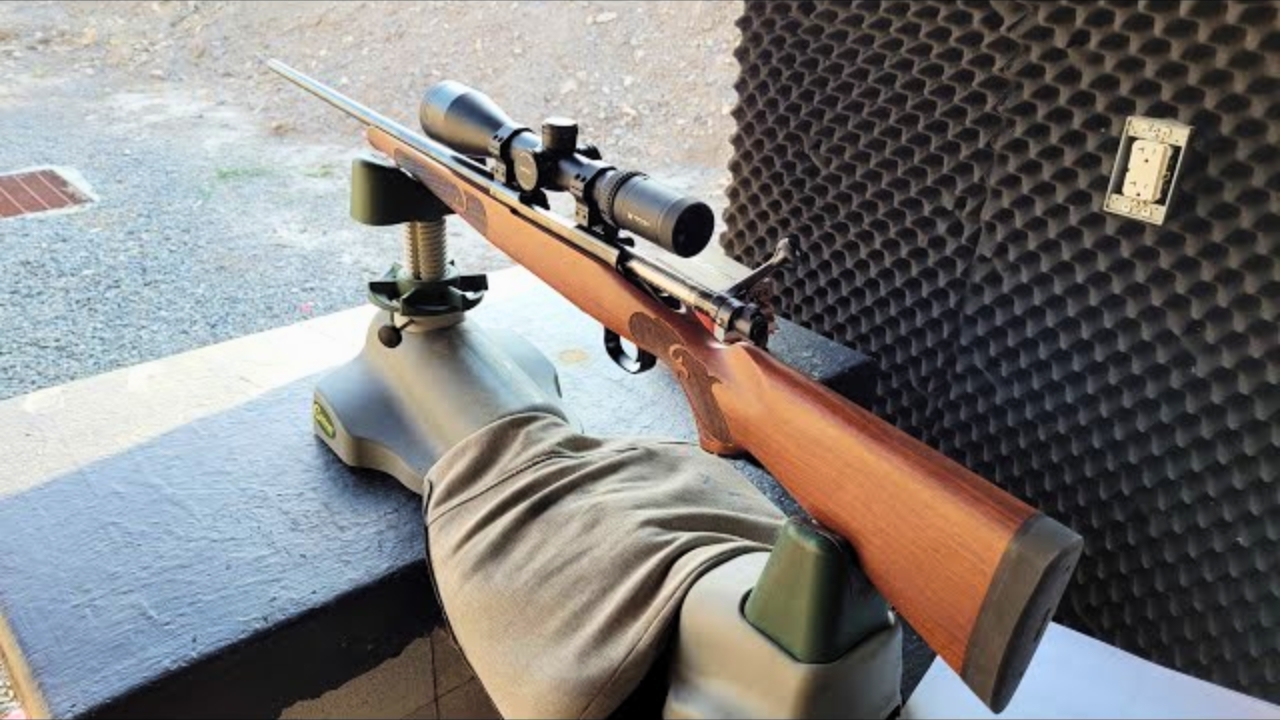
The Model 70 never really goes away, but the common, “normal guy” versions have gotten harder to find on demand. You’ll see a high-end variant here, a special run there, and then long stretches with nothing that matches what you actually want for the woods.
It’s still a classic for a reason: controlled-round feed on many versions, good triggers in modern trims, and it carries like a hunting rifle should. The issue is you can’t always just pick one up in .30-06 or .270 in the exact stock and finish you’ve always seen.
4. CZ 457 (especially the training and varmint favorites)
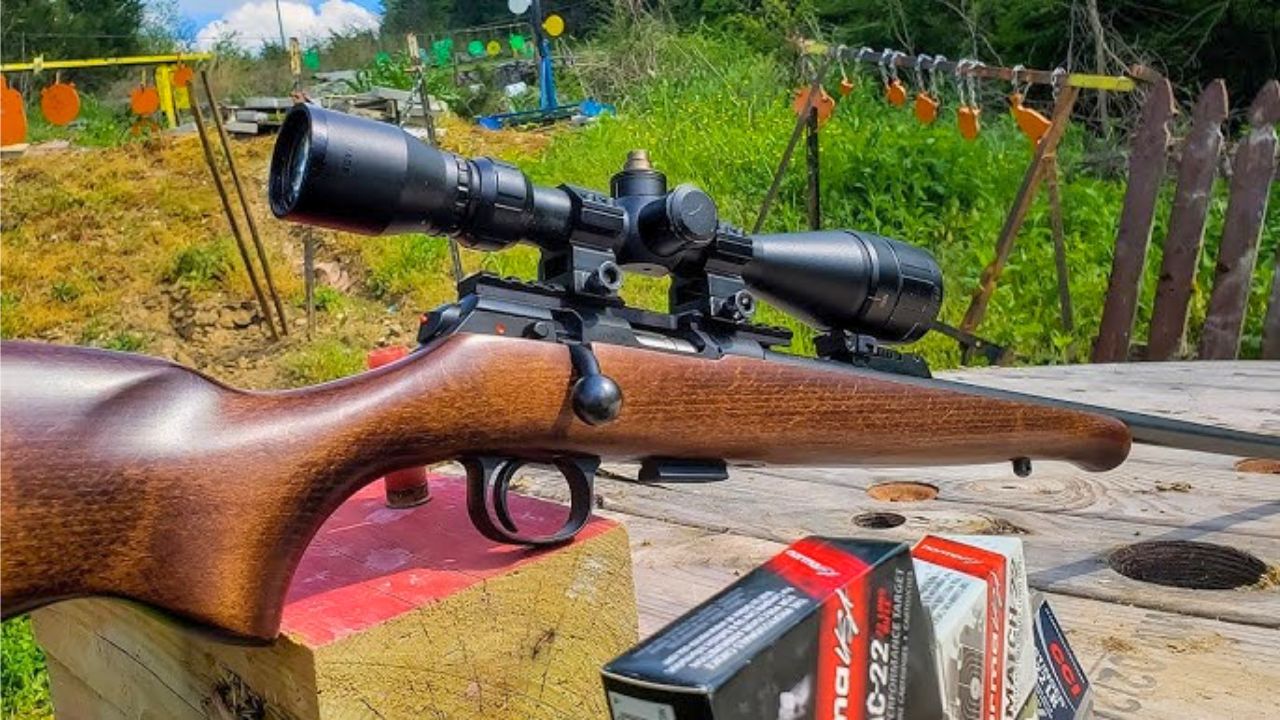
There was a time you could compare a couple CZ rimfires side-by-side and walk out with the one that felt right. Now, when a 457 shows up—particularly the popular barrel profiles—it tends to have a buyer already circling.
They’re accurate, smooth, and the fit and finish punches above most “working” .22s. A lot of folks bought one, saw what it could do with decent ammo, then went back for a second. That second one is where the hunt begins.
5. Ruger Mini-14 Ranch Rifle

This one hurts, because it used to be the easy answer for folks who wanted a simple semi-auto .223 without the AR vibe. Minis sat on shelves. You’d pick between stainless and blued, maybe a wood stock if you were feeling old-school.
Now they’re not impossible, but they’re far less “always there.” And when people find them, they don’t always let them go. A Mini carries great, points fast, and for farm and truck duty it just makes sense—especially for the guy who doesn’t want to mess with a pile of accessories.
6. Ruger Gunsite Scout Rifle
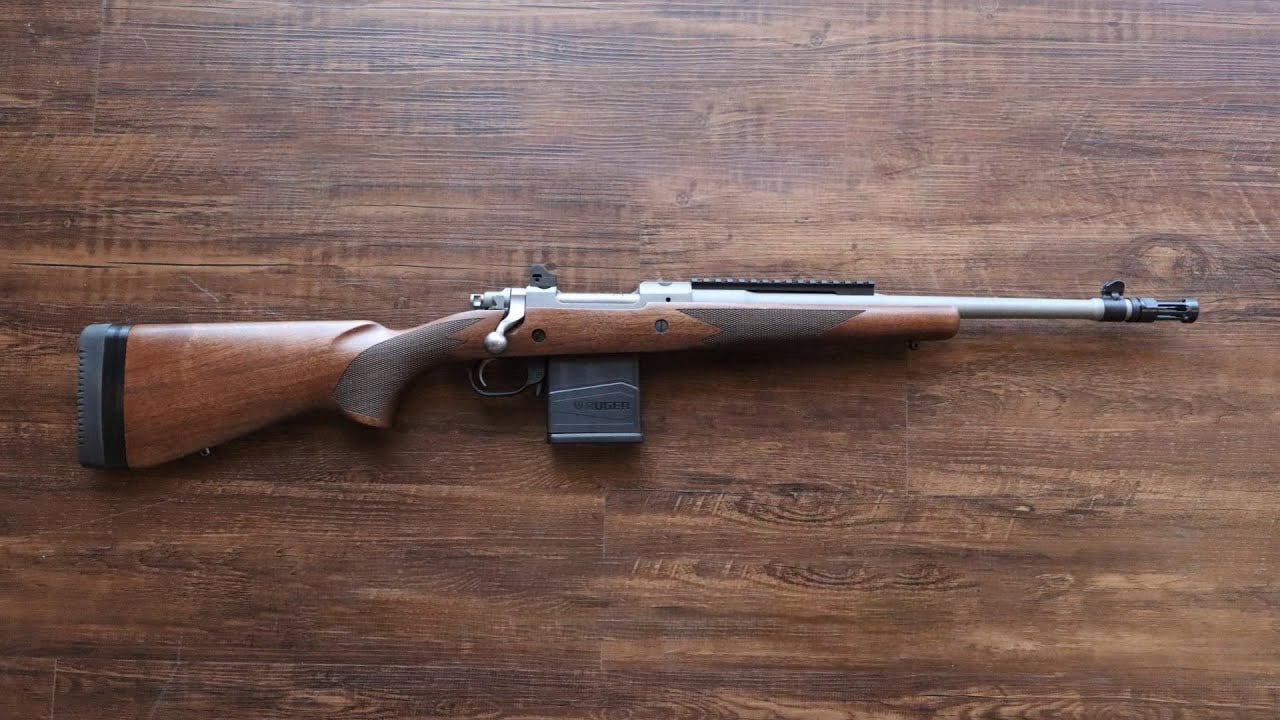
The Scout rifle concept has its critics, but Ruger’s version built a loyal following. Short, handy, iron sights, detachable mags, and a general-purpose feel you can’t really fake with a long, heavy rifle.
These used to be a regular rack item. Lately, the exact caliber and magazine pattern you want can be a waiting game. It’s not everyone’s deer rifle, but if it fits your style, you tend to stick with it.
7. Tikka T3x (base hunting models in common chamberings)
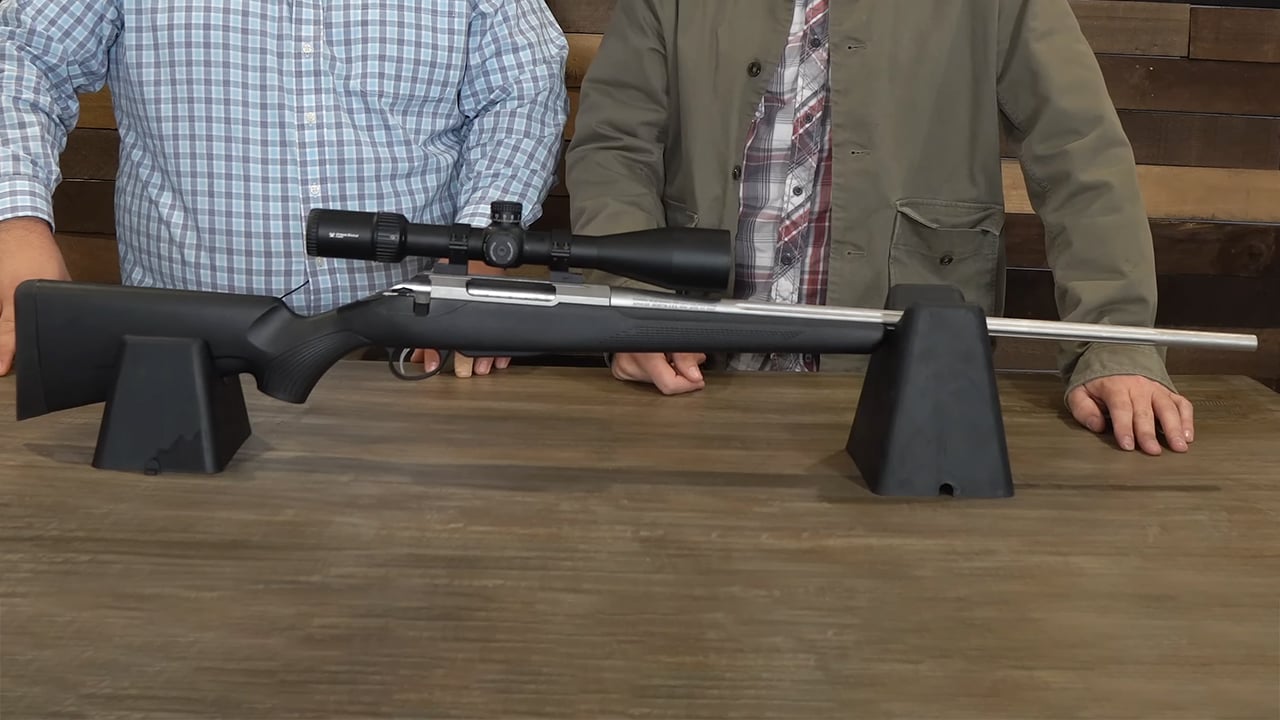
Tikkas have a reputation for a reason: smooth actions, good barrels, and they usually shoot. A few years ago, you could walk into a store and there’d be at least one “plain” T3x Lite sitting there in a normal caliber.
These days the higher-end variants might show up, but that basic, do-it-all model can be oddly scarce when you’re actually ready to buy. And once you’ve worked a Tikka bolt fast on a cold day with gloves on, you understand why people won’t part with them.
8. Bergara B-14 Ridge
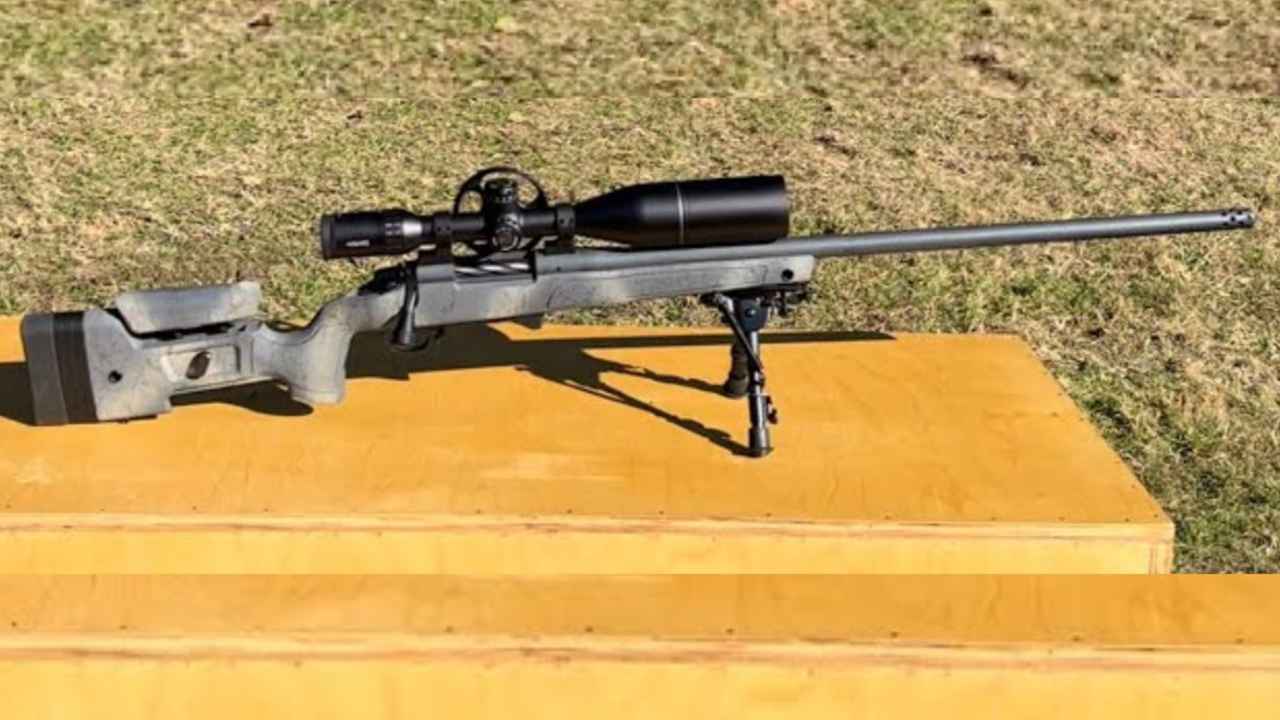
There was a stretch where the B-14 Ridge was almost the default “I want a nice hunting rifle without going custom” choice. Good feel, solid accuracy, and it didn’t beat you up on the price.
Now the Ridge still exists, but availability can be hit-or-miss. And used ones don’t sit long. The Ridge is one of those rifles that isn’t flashy until you carry it for a week and realize it just does everything right.
9. Savage 110 Ultralite
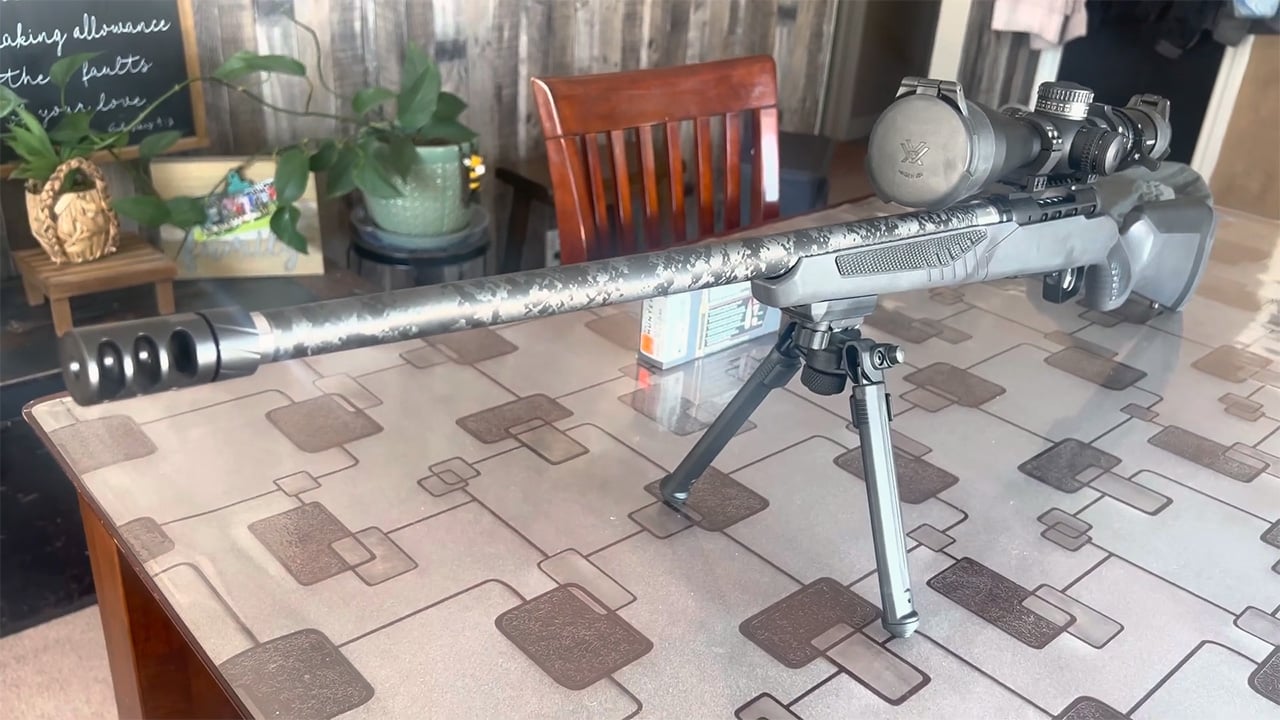
Light rifles sell when mountain hunting gets popular, and they sell even faster when regular guys realize they don’t enjoy dragging a nine-pound rig through laurel thickets. The 110 Ultralite hit a sweet spot for weight and cost.
For a while they were around. Then they started getting tougher to find, especially in the chamberings folks actually want to hunt with. The down side is recoil can get snappy. The upside is you’ll actually carry it all day without hating life.
10. Remington 700 SPS (new-production, in-stock, normal pricing)
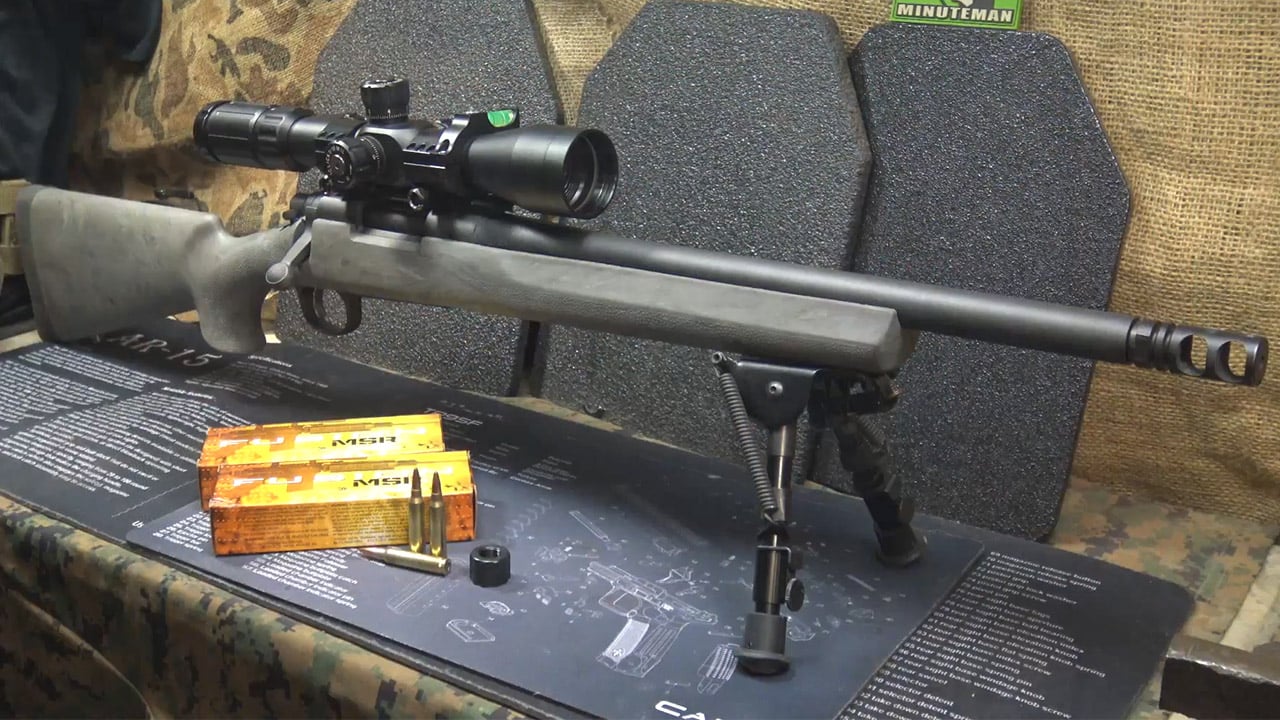
Regardless of how you feel about Remington’s past ups and downs, the 700 SPS used to be everywhere. It was the “starter 700,” the base for a budget build, and the rifle you bought because you could find it anywhere.
Now it’s not that simple. You’ll see gaps in supply and weird pricing swings. The bigger issue is that the 700 ecosystem still matters—rings, bases, triggers, stocks, and smith familiarity—and when the baseline rifle isn’t easy to grab, everything downstream feels harder too.
11. Mossberg MVP Patrol
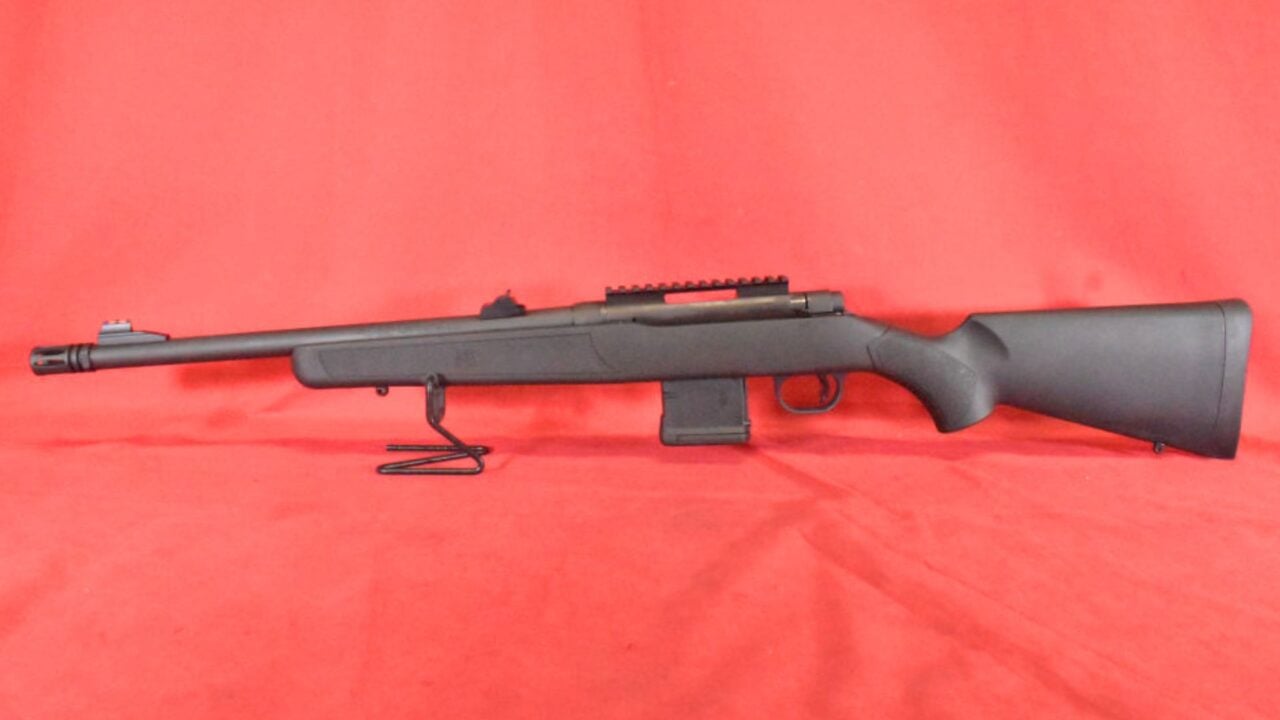
The MVP Patrol was one of those practical oddballs: a bolt gun that takes AR magazines, in a handy length, usually with decent sights. It wasn’t a benchrest rifle, but it was useful.
Five years ago, you could trip over them. Now they’re not common rack-fodder, and when you find one, it’s usually priced like people finally figured out what they’re good for—simple manual action, common mags, and a “farm rifle” vibe that doesn’t need batteries.
12. Henry Side Gate Lever Action (steel models)
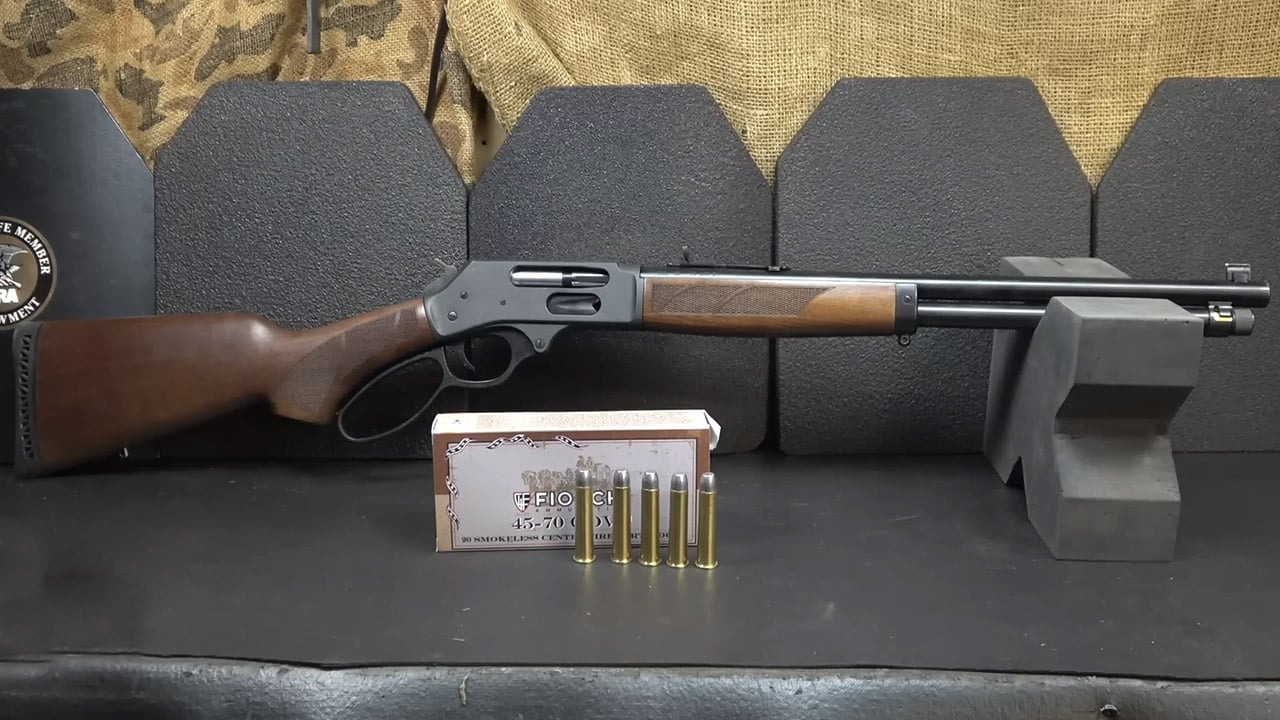
Henry used to be the lever-gun you could actually find without begging. Then the side gate models took off and lever guns became everybody’s favorite “do it all” rifle again.
They’re smooth, they run, and they feel good in the hands. The downside is they’re not always sitting there when you want one, and certain calibers vanish quick. If you hunt thick stuff or want a rifle that carries like a walking stick, you get it.
13. Ruger Hawkeye (standard hunting trims)

The Hawkeye is another “boring in the best way” rifle. Controlled-round feed, solid build, and it’s a real hunting rifle, not a range toy pretending to be one.
Finding the exact Hawkeye you want can be a pain now. Stores might have one in an odd caliber, or a special finish, but not the plain-Jane .308 or .30-06 that you’d expect to be sitting there. When you do snag one, it’s usually a keeper.
14. CZ 527 (used market)
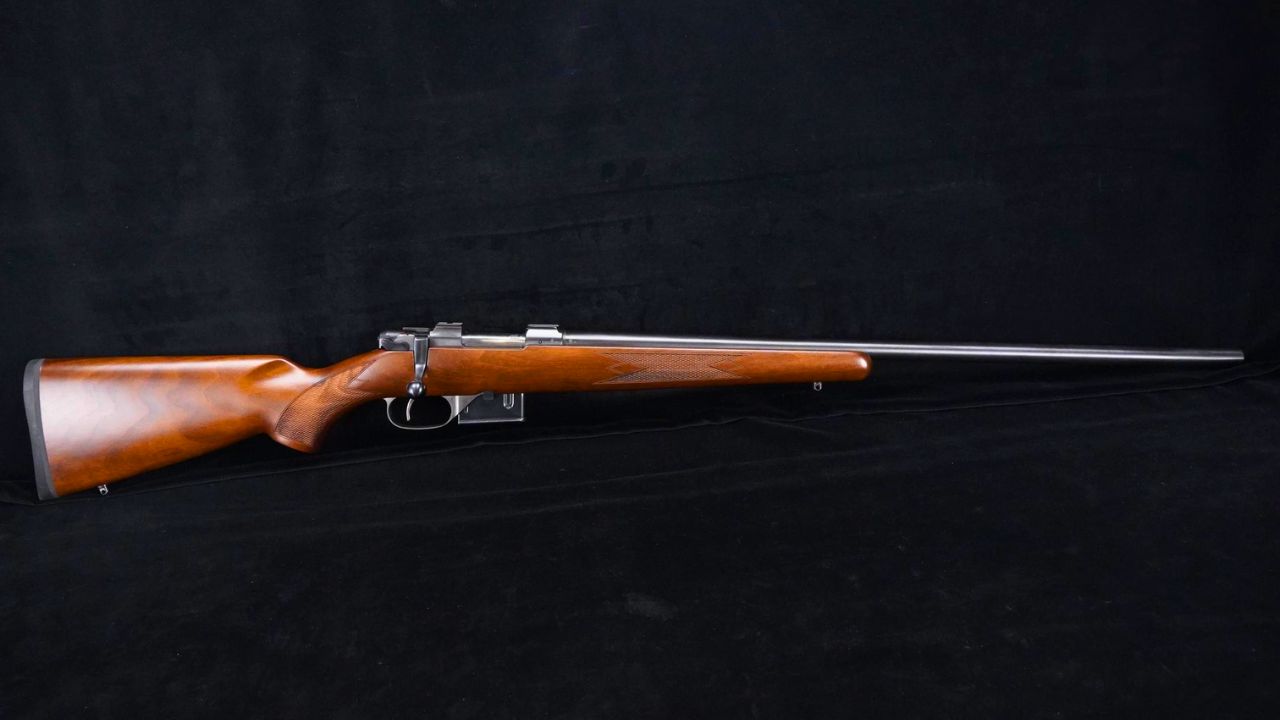
The CZ 527 was the little bolt gun a lot of us didn’t appreciate until it was gone. Handy, light, and it had that mini-Mauser feel that just works for calling predators or carrying all day.
Once they were discontinued, the used market got tight. The ones that show up are either priced high or already spoken for. If you’ve got one in .223 or 7.62×39 that shoots, I would not be quick to let it go.
15. Ruger No. 1

Single-shots aren’t everyone’s thing, but the Ruger No. 1 has always had a loyal crowd. Five years ago you could find them, maybe not in every chambering, but they weren’t unicorns.
Now they come and go, and if you’re picky about caliber and stock style you might wait a long time. They’re classy rifles, sure, but they also carry well and balance in a way a lot of bolt guns don’t. There’s nothing fancy about it, and that is kind of the point.
16. Springfield Armory M1A Standard
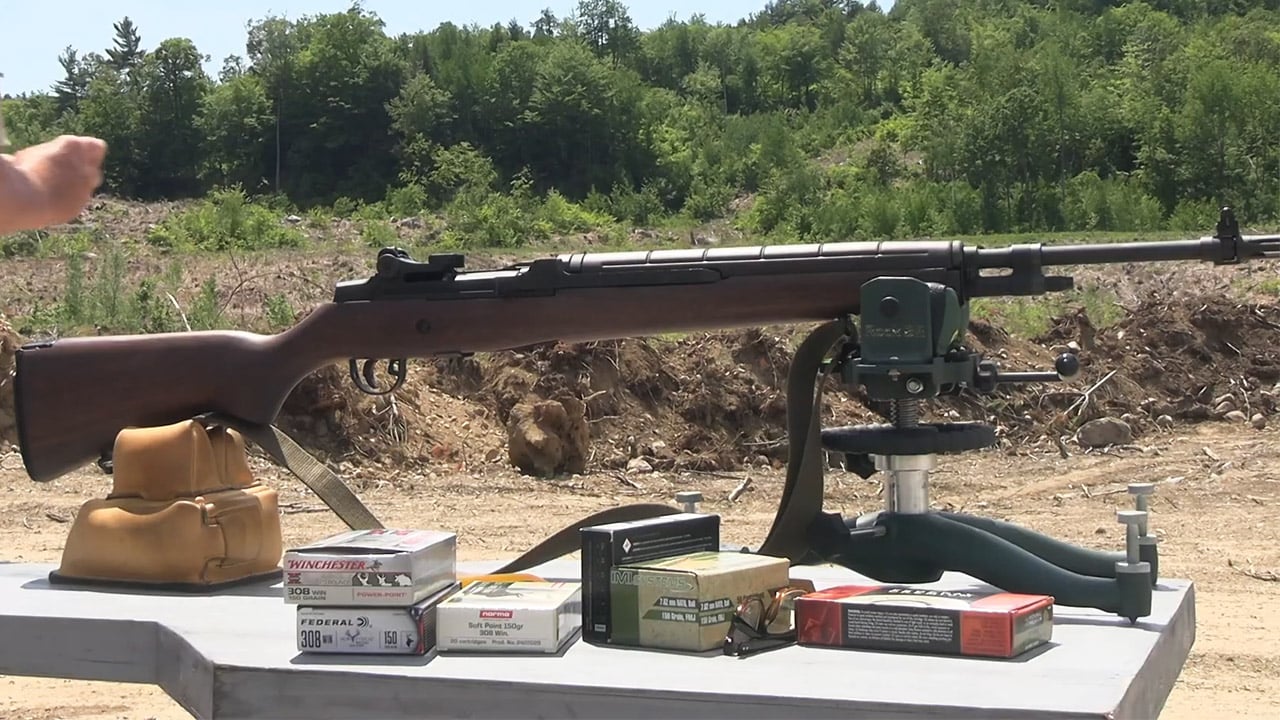
There was a time the M1A was just “around.” You’d see a couple in the rack, and they weren’t cheap, but they were there. Then the market got jumpy, and .308 semi-autos started moving again.
The M1A isn’t the most practical rifle for everyone. It’s heavier than it needs to be and it’s not an optics-friendly platform unless you commit. Still, when you want that feel and that style of shooting, there’s not really a substitute—and that keeps them from sitting long.
17. IWI Tavor X95

Bullpups have their own crowd, and the X95 is the one that a lot of folks actually trust to run. A few years ago, you’d see them fairly often—maybe not cheap, but available.
Imports and production runs can make these come in bursts. When they dry up, the price jumps and the used market gets weird. It’s a compact rifle that still gives you a full-length barrel, and for certain home-and-property setups, that matters.
18. SIG Sauer MCX (carbine and rifle variants)

The MCX has been on a lot of “someday” lists. Five years ago you could find them if you had the money. Lately it feels like you either stumble into one or you don’t.
They’re soft shooters, they suppress well, and they’re modular. The downside is parts and specific variants can be a scavenger hunt, and that makes folks cling to the one they have. If you’re the guy who wants one setup and leaves it alone, it’s a great rifle. If you like changing everything, plan ahead.
19. Zastava ZPAP M70 (imports in steady supply)

There was a window where the ZPAP M70 was one of the easiest “good AK” buys. You could find them, mags were everywhere, and it felt like a stable option.
Import guns live and die by timing. When shipments slow down, shelves empty fast. The M70 is heavier than some AKs, but it’s robust and it runs. If you’re buying one for real use and not just pictures, the weight is a trade you can live with.
20. Ruger PC Carbine

These were everywhere for a while. The PC Carbine was the practical pistol-caliber rifle that took common mags, shot cheap-ish ammo (at the time), and didn’t require a bunch of tinkering.
Now it’s one of those rifles that comes in, goes out, and leaves you wondering why it’s not always stocked. It’s not a long-range tool, and it’s not glamorous, but it’s easy to shoot well. When you can share mags with a handgun and ring steel all afternoon, it’s hard not to like.
The main lesson in all this is simple: if you’ve got a rifle that actually fits your hunting and range life, don’t assume you can replace it next week. Cycles change fast. If you’re shopping right now, be patient, handle what’s actually in front of you, and don’t ignore the “boring” rifles—those are usually the ones that are hardest to replace when the racks go thin.
Like The Avid Outdoorsman’s content? Be sure to follow us.
Here’s more from us: