Photo credit: Anna Averianova/Shutterstock.com
Apartment life can work for plenty of dogs if the owner is honest about time, training, and daily exercise. But there are certain breeds that were built for big country, long days, and a job to do. Put them in a small box with thin walls, elevator rides, and a quick lap around a parking lot, and you’re setting the dog up to be anxious, loud, destructive, or downright miserable.
This isn’t about shaming anybody. It’s about matching a dog to the life you actually live, not the life you wish you lived. If you’re a hunter, a runner, or you’ve got acreage and a routine, some of these dogs can be the best partner you’ll ever own. In a typical apartment? Here are 20 that usually don’t fit the bill.
1. Border Collie
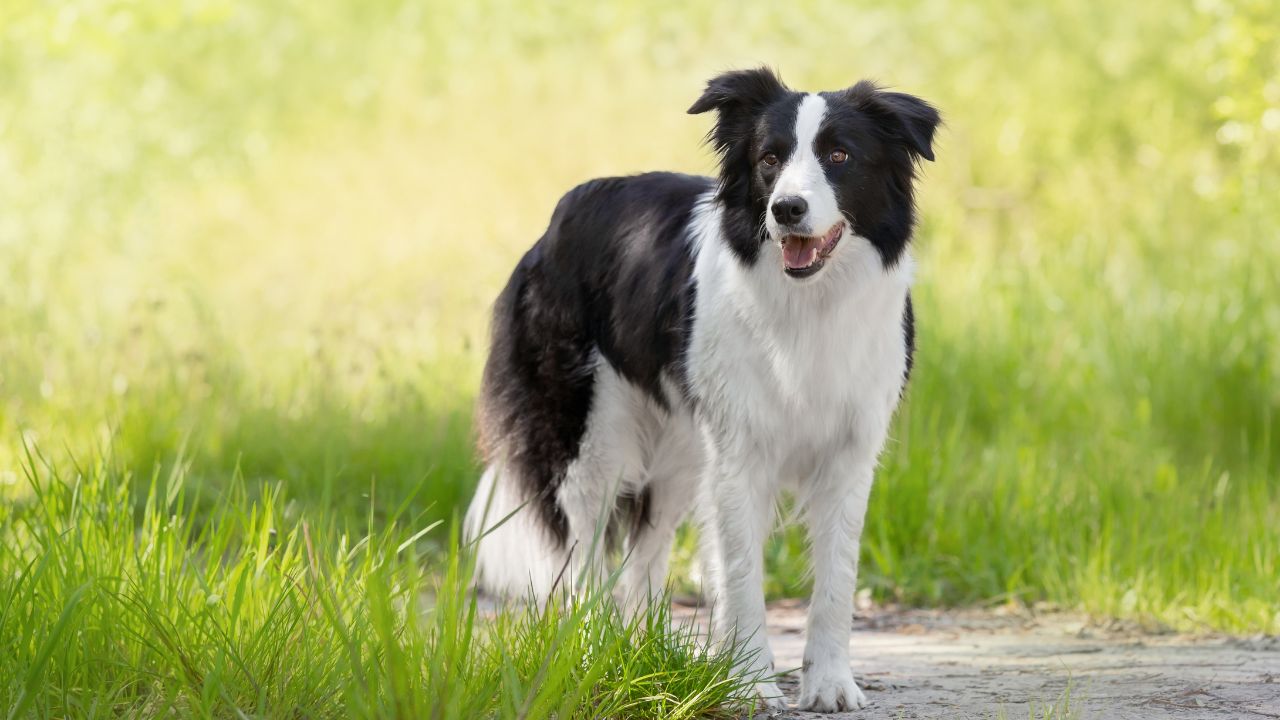
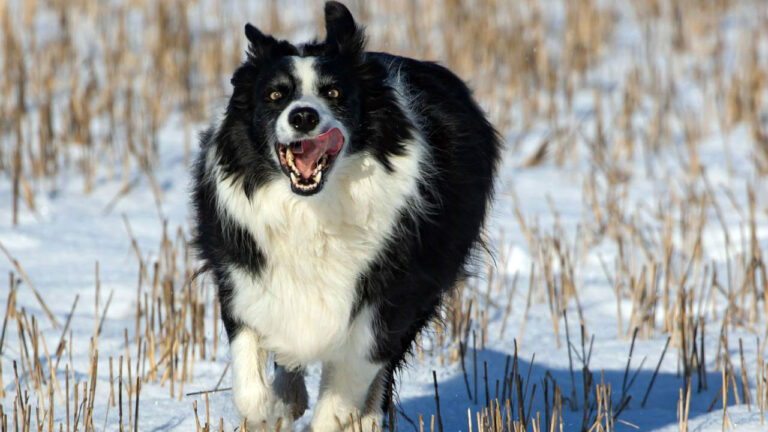
Border Collies are a working machine with fur. They were bred to control livestock all day using their brains, their eyes, and a kind of intensity you don’t turn off with a chew toy. In an apartment, that mental energy has nowhere to go, and it comes out as pacing, obsessive barking, herding kids, nipping heels, or shredding anything left on the floor.
A quick walk doesn’t touch it. They need real work: long runs, structured training, and tasks that make them think. Folks underestimate that because the dog is medium-sized and looks “manageable.” Size isn’t the problem. The motor is. If you can’t give one a job, you’re better off admiring them from a distance.
2. Belgian Malinois
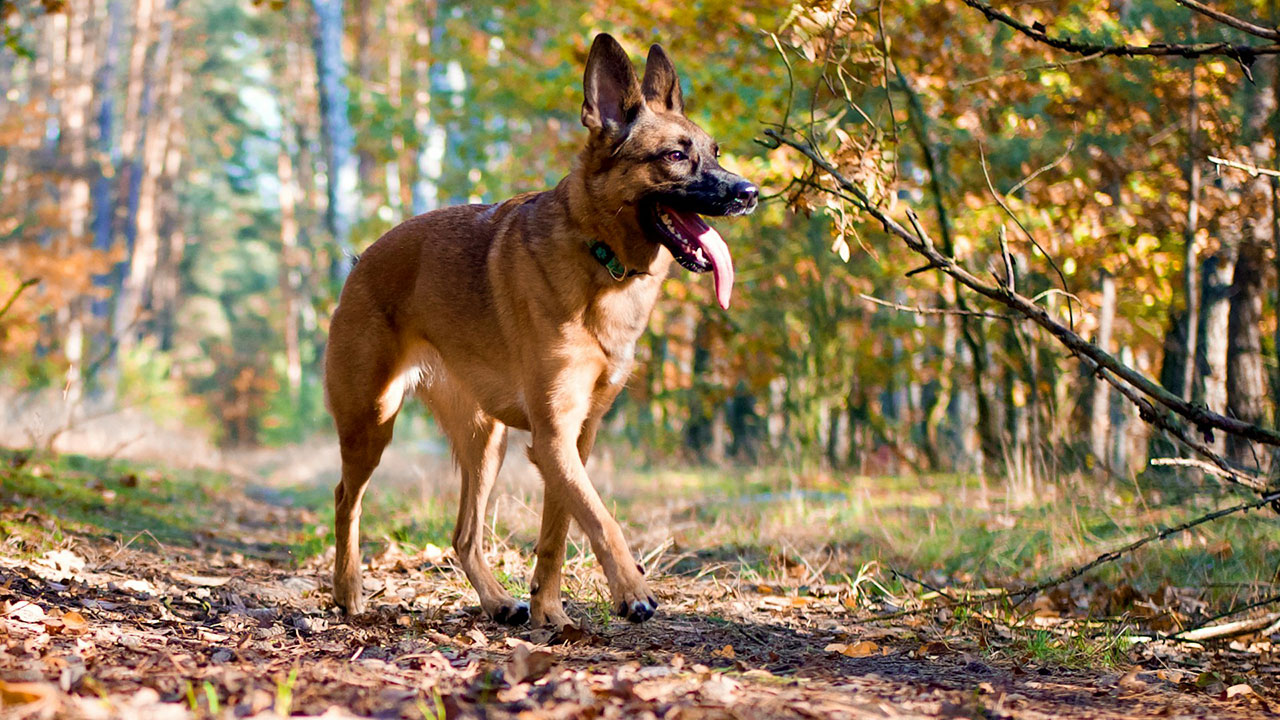
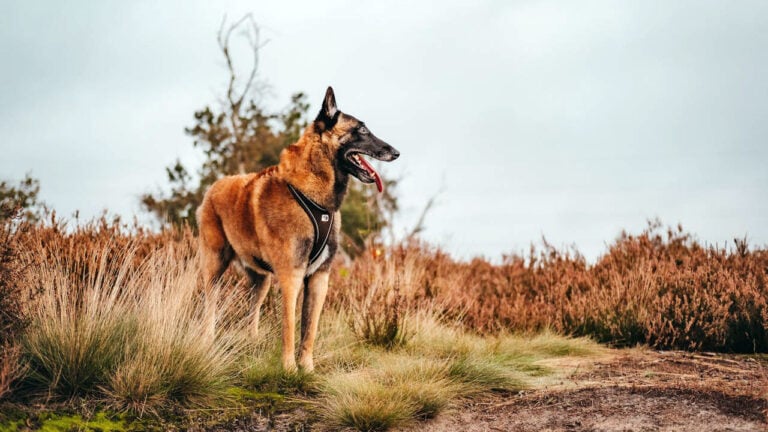
The Malinois is a serious dog for serious handlers. You see them in police and military roles for a reason: athletic, driven, fast, and always looking for the next assignment. In an apartment setting, that drive often turns into reactivity, noise complaints, and a dog that’s constantly on edge because it’s under-stimulated.
They can also be mouthy and rough when they’re young, and that’s a tough combo in tight quarters with neighbors on the other side of drywall. A Malinois needs a plan every day: obedience, bite-work sports, tracking, hard exercise, and strong boundaries. If you’re gone all day and you’re counting on a dog walker to “wear him out,” this is the wrong pick.
3. German Shepherd

German Shepherds can live in smaller spaces if the owner is extremely dedicated, but most apartment routines don’t match what this breed needs. Shepherds are built to patrol, protect, and stay aware of everything around them. That can turn into constant alert barking when they hear hallway traffic, doors closing, and strangers moving near “their” space.
They also need structured exercise, not just a bathroom break. Without it, you’re risking anxiety and destructive behavior, especially in adolescent years. Add in the fact that many complexes have breed restrictions and insurance rules, and you may be fighting the system even if you’re doing everything right. They’re fantastic dogs, but they do better when they’ve got room and a predictable job.
4. Siberian Husky
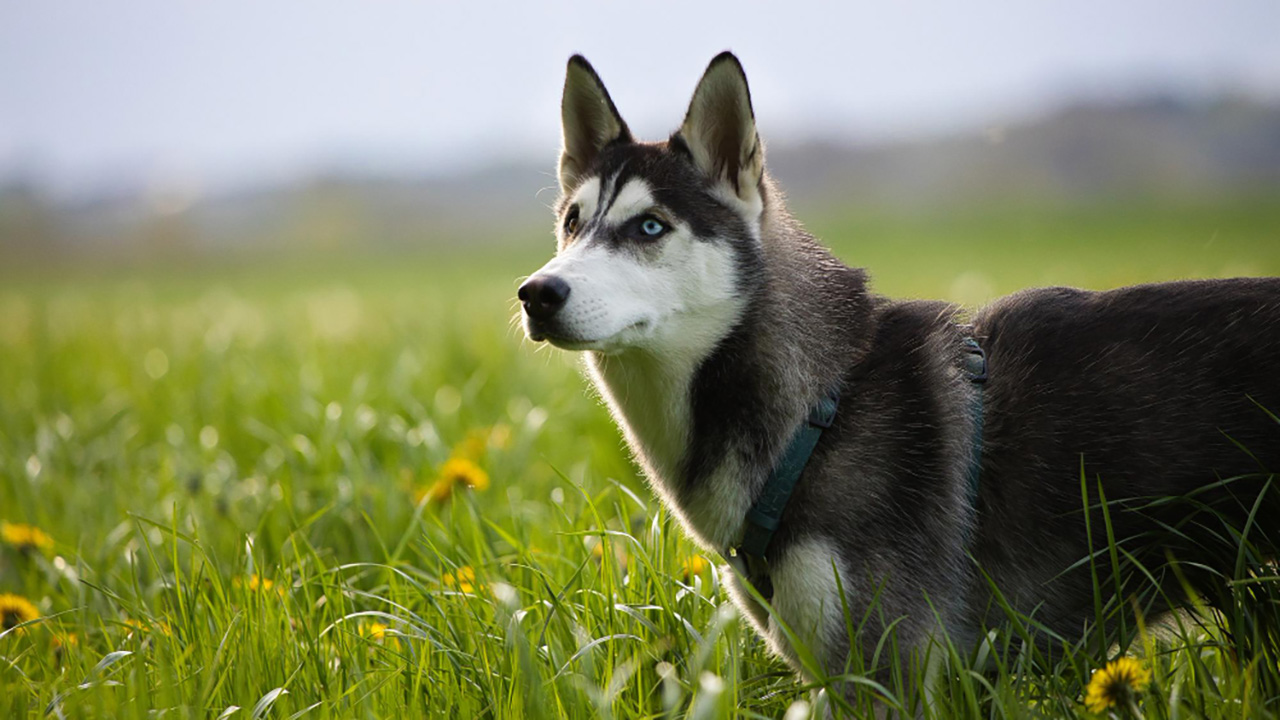
Huskies are born to run, pull, and roam. An apartment turns that into a recipe for escape attempts and noise. If you’ve never heard a Husky “talk” when it’s bored, you’ll learn quick, and your neighbors will learn with you. They’re also famous for digging, chewing, and testing boundaries when they don’t get enough exercise.
The other issue is heat management and daily time. A tired Husky is usually a decent Husky, but “tired” means real miles, not a casual stroll. If you don’t have access to safe running, hiking, or pulling work, they’ll invent their own entertainment. Ask me how I know. You can be a good owner and still be in over your head with this breed in a small place.
5. Alaskan Malamute
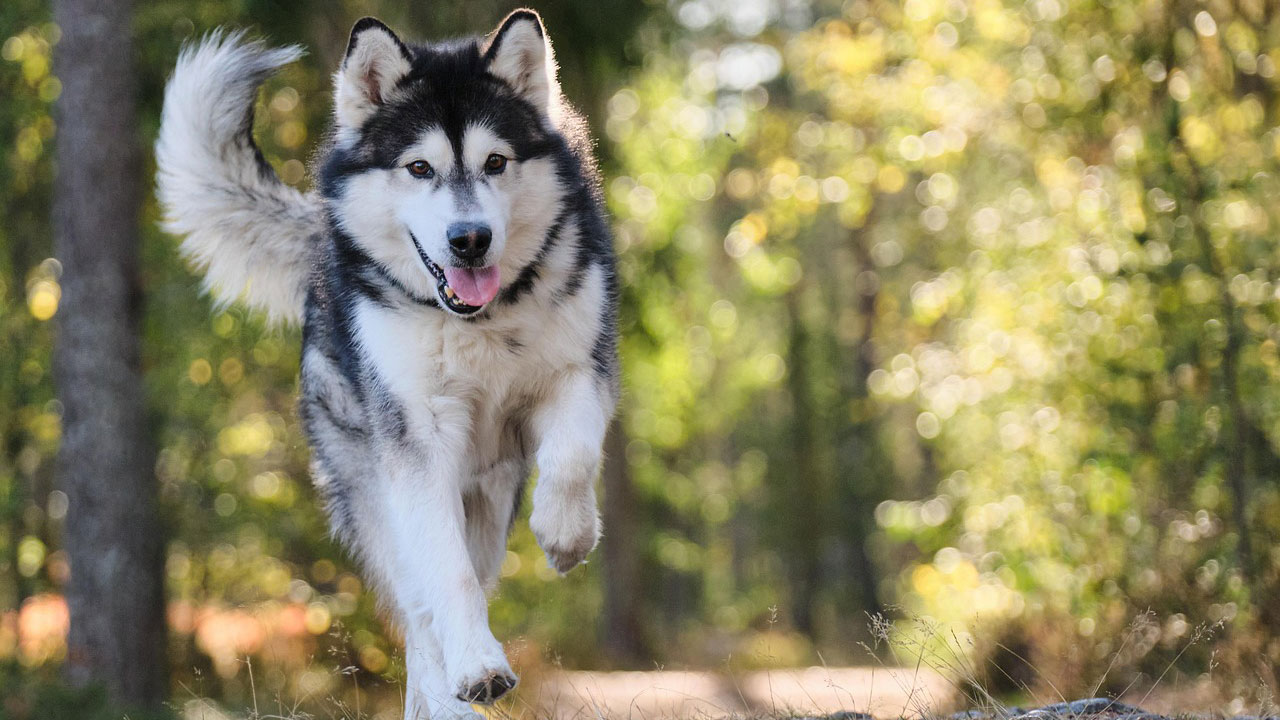
Take a Husky, add more size and more power, and you’re getting close. Malamutes are heavy-boned, strong, and built for hauling weight over distance. That doesn’t pair well with stairwells, slick apartment floors, and tiny living rooms. When they’re bored, they can be destructive in a way that costs real money, not just a ruined pillow.
They also shed like it’s their job, and in a small space that turns into constant cleanup. Temperament-wise, many Malamutes are friendly, but they can be stubborn and independent. In an apartment, independence plus pent-up energy is trouble. They’re better suited to people with space, cold-weather tolerance, and the time to work them hard without burning out.
6. Australian Cattle Dog
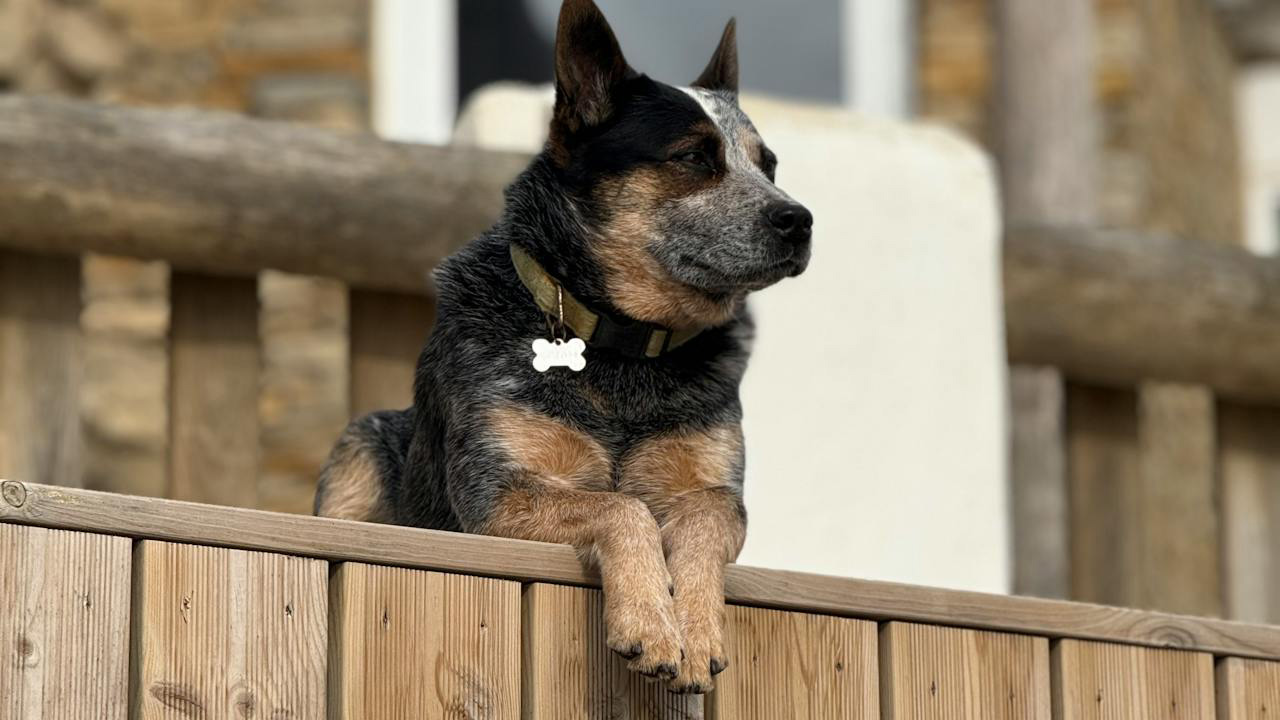
Cattle Dogs are tough, sharp, and built to take pressure from livestock all day. They’re not couch ornaments. In an apartment, a bored Cattle Dog will find work, and you may not like the job it chooses. That can look like guarding the doorway, chasing anything that moves, or turning into a bossy little foreman that controls the whole household.
They also need more than physical exercise. This breed wants a mission: training sessions, agility, scent work, or something that makes them solve problems. Without that, they can get nippy and pushy, especially with kids. They’re an awesome ranch dog and a solid outdoor companion, but tight living spaces amplify their intensity in a bad way.
7. Australian Shepherd

Aussies are smart, athletic, and often glued to their people. That sounds great until you live in an apartment and leave for work. Separation issues aren’t rare, and bored Aussies can chew, bark, and pace like they’re trying to wear a groove into the floor. They’re herders, and herders need movement, novelty, and structure.
They also tend to be “always on.” Apartment hallways, neighbors, and constant foot traffic can keep them in a state of alert. If you’re the kind of owner who runs trails before sunrise and trains daily, you might pull it off. Most folks aren’t. A yard isn’t magic, but having space to decompress makes a big difference with this breed.
8. Labrador Retriever
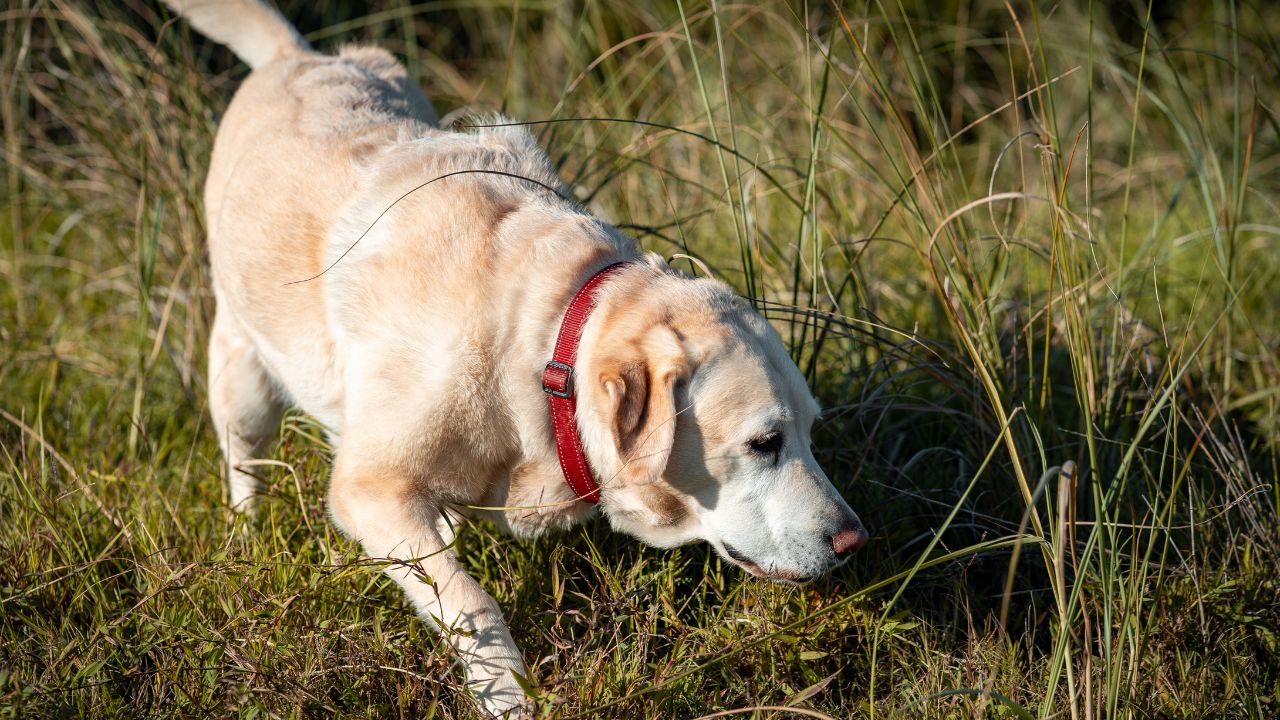
Labs are popular because they’re usually friendly and trainable, but a young Lab in an apartment can be a wrecking ball. They’re big, energetic, and slow to mature. If you don’t give them a real outlet—fetch sessions, swimming, hunting training, long walks—they’ll burn that energy on your furniture and the baseboards.
The other thing is how “mouthy” they can be when young. They carry everything. In a small space, that can mean shoes, remotes, kids’ toys, and whatever else they can grab. An older, calmer Lab might do fine in an apartment with a committed owner, but if you’re bringing home an 8-week-old pup and hoping it’ll just chill, you’re in for a long year or two.
9. Golden Retriever

Goldens have a great reputation, and many of them earn it. But they’re still sporting dogs, and they still need room to move and daily exercise that’s more than “down the sidewalk and back.” A young Golden in an apartment can get restless and loud, especially if it’s under-trained and under-worked.
They’re also social, and social dogs can struggle when they’re alone all day. That can show up as barking, whining, or destructive chewing. Goldens do better when they have routines, training, and a chance to run. If you’re committed to daily field-style exercise, it can work, but most apartment schedules don’t provide the time these dogs deserve.
10. Weimaraner
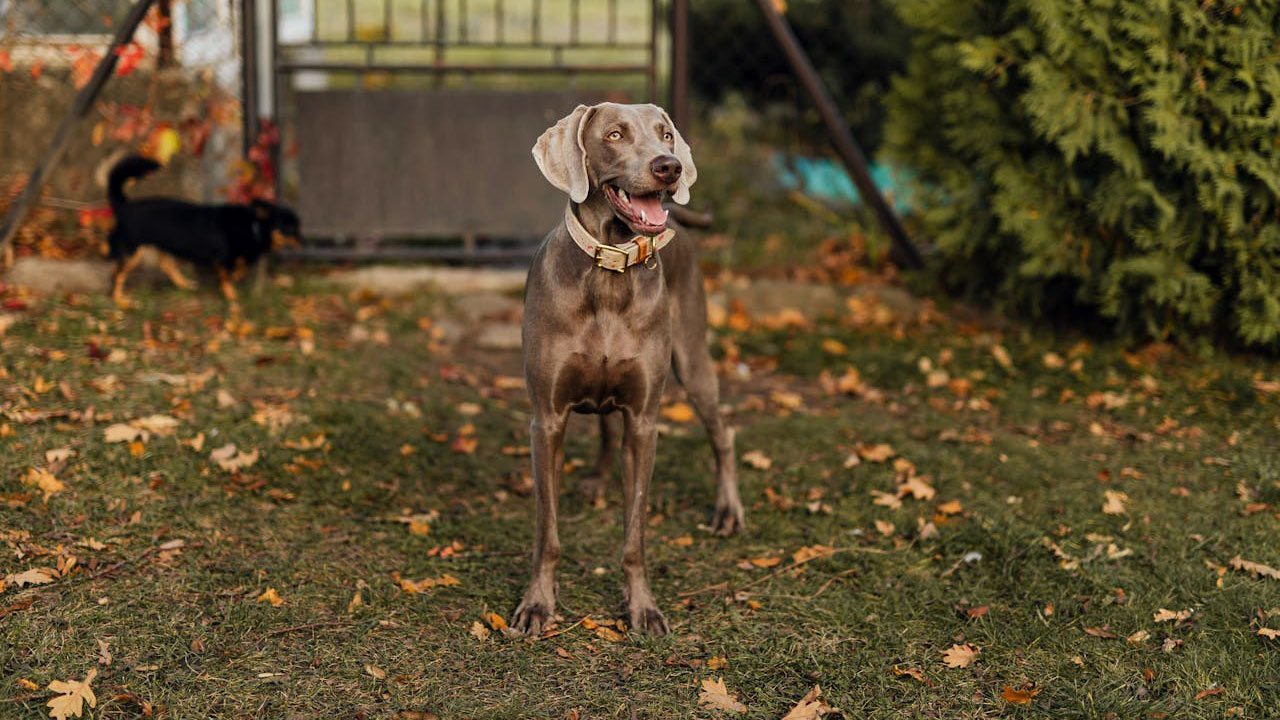
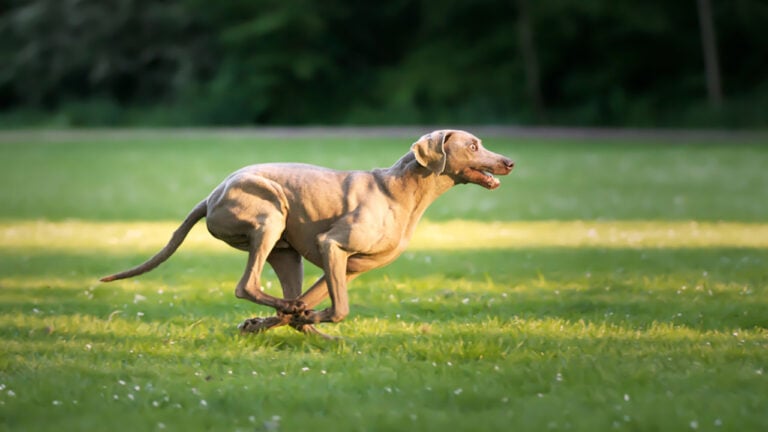
Weimaraners are sleek, good-looking, and loaded with energy. They were bred to hunt, cover ground, and stick close to their person. In an apartment, that closeness can become clinginess, and clinginess can turn into separation anxiety. A bored Weim is famous for chewing and wrecking stuff like it’s getting paid for it.
They need hard exercise and training that keeps their mind busy. Just being “walked” doesn’t usually cut it. They’re also big enough to knock things over in a tight space without meaning to. If you’re an active outdoors family and the dog goes everywhere with you, fine. If you’re trying to make a high-octane hunting breed fit a small indoor lifestyle, you’re going to have problems.
11. German Shorthaired Pointer

The GSP is a field dog through and through. They’re wired to run, search, and hunt, and they’ll gladly do it for hours. Put that in an apartment and you’ll see the downside: bouncing off walls, constant pacing, and a dog that can’t settle because its body is waiting for the next command to go.
They’re also smart enough to get into trouble creatively. Cabinets, counters, trash cans—nothing is safe if you leave the dog bored. A GSP can be an incredible partner for upland birds and general outdoor life, but it’s not fair to keep one cooped up with minimal outlet. If you don’t have time for daily high-intensity exercise, this is one to pass on.
12. English Springer Spaniel
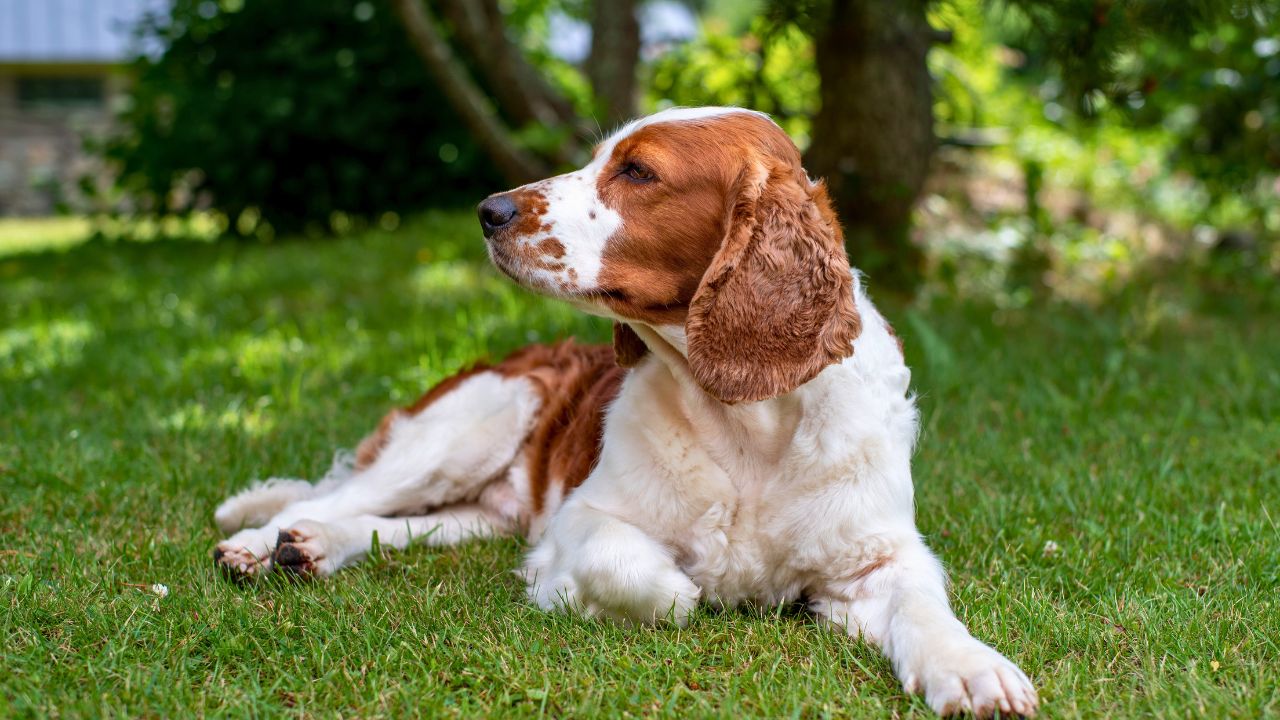
Springers can be sweet family dogs, but they’re still sporting dogs with a lot of go. In the field, that energy is perfect. In an apartment, it can become constant motion and attention-seeking. If the dog isn’t trained and exercised, it will find ways to make you pay attention, and your neighbors might hear the whole negotiation.
They also tend to be people-oriented, so long hours alone aren’t ideal. You can make it work with daily training, fetch, and real outside time, but many apartment owners underestimate how much movement a Springer actually needs. They’re not a “just a couple quick potty breaks” kind of dog. They want to be part of a full day.
13. Jack Russell Terrier

Jack Russells are small, and that fools people. They’re a stick of dynamite in a little body. This is a breed that was made to hunt and dig and chase, and they have no respect for your quiet hours. In an apartment, that intensity can show up as nonstop barking, bolting for doors, and tearing apart rugs like they’re digging after something.
They also have a strong prey drive, which can make passing dogs and hallway cats a daily circus. Training helps, but the baseline energy is still there. If you’re a runner who wants a tough little companion and you’ve got time to work them, they’re a blast. If you want a calm lap dog in a small space, this one will humble you.
14. Beagle
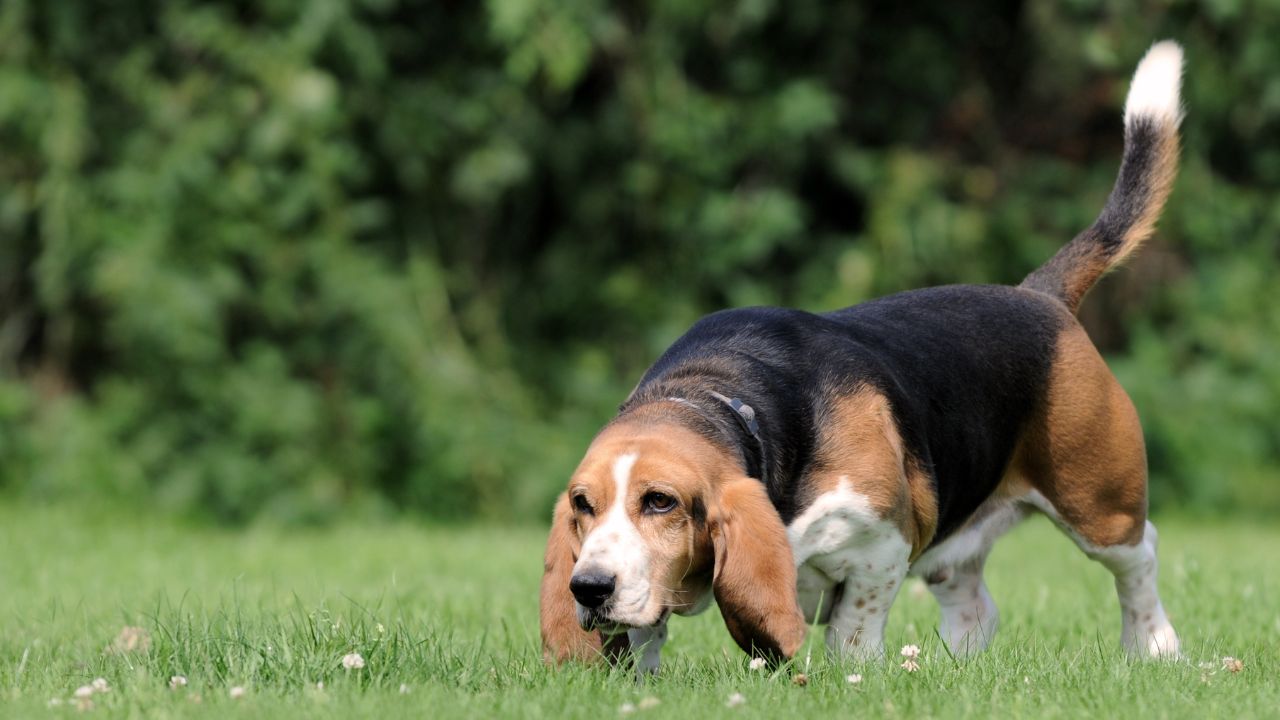
Beagles are friendly and fun, but that nose is a problem indoors. When a Beagle catches a scent, the brain shuts off and the mission starts. In an apartment, that can mean pulling on the leash in common areas, getting into trash, and following smells like a little vacuum with legs.
The other issue is the voice. A Beagle’s bay was built to carry through woods so a hunter could hear it. It carries just as well down apartment hallways. Even a well-trained Beagle can get noisy when it’s bored or when it hears something outside the door. If you have understanding neighbors and you’re committed to daily exercise and scent games, you might manage it. Most apartments aren’t set up for that kind of forgiveness.
15. Bloodhound

Bloodhounds are amazing at what they do, and what they do is follow scent with total commitment. They’re big, strong, and stubborn in the way only a scent hound can be. In an apartment, that size and strength becomes a management issue, especially in elevators, narrow hallways, and shared spaces with other dogs.
They also drool, shed, and carry a distinct “hound” smell that some folks can’t handle in tight quarters. A bored Bloodhound can howl, and it’s not a little yap. It’s a deep voice that travels. They’re generally gentle dogs, but they do best with room to roam, long walks that actually go somewhere, and owners who understand you’re negotiating with a nose, not a people-pleaser.
16. Great Dane
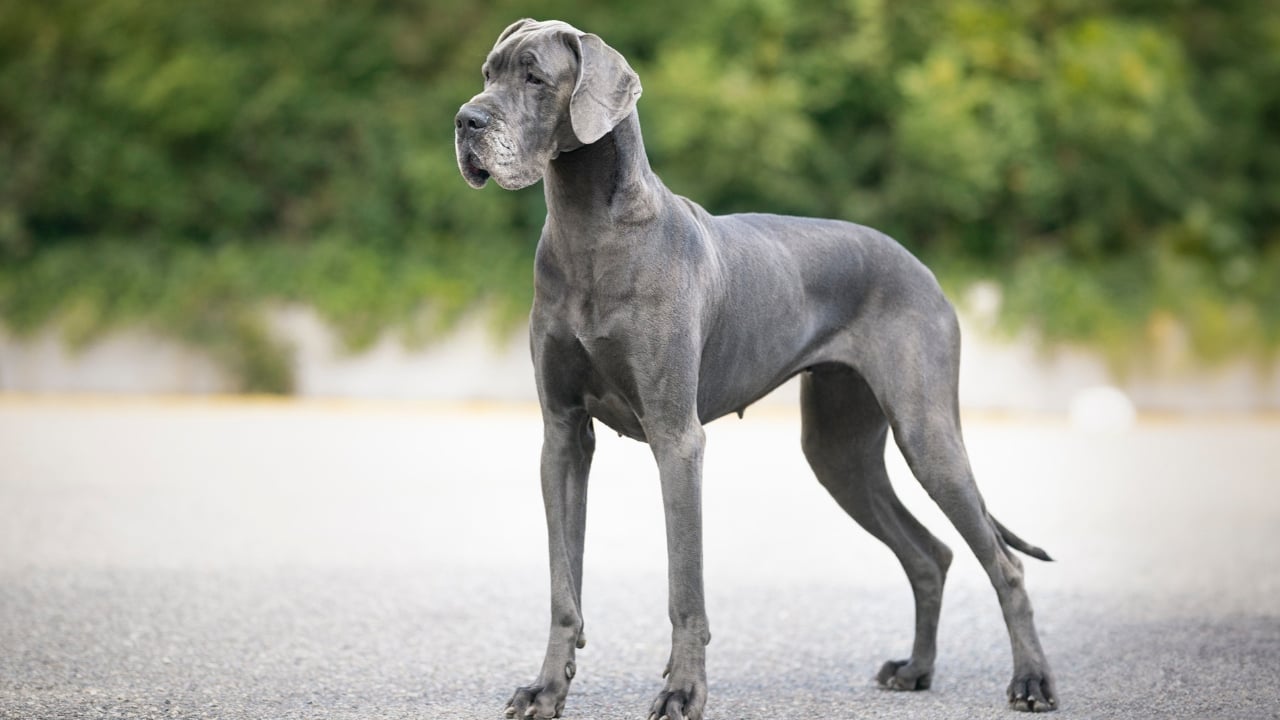
Great Danes are sometimes called apartment-friendly because they can be calm indoors, but I still don’t love them for typical apartment living. Even a calm Dane is enormous. Turning around in a kitchen can clear a coffee table with one tail swipe. Stairs can be hard on their joints, and many apartment buildings basically require stairs as part of daily life.
Then there’s the logistics: getting a 140-pound dog to the vet, managing them in tight spaces, and dealing with building rules. They also need room to stretch out and move without constantly bumping into furniture. A Dane with a mellow temperament and a ground-floor setup might do okay, but most apartments make ownership harder than it needs to be, and the dog pays for it.
17. Saint Bernard

Saint Bernards are gentle giants, but they’re still giants. They need space, they shed heavily, and they drool like it’s part of the contract. In an apartment, that turns into a constant cleaning battle and a dog that’s always in the way, not because it’s bad, but because there’s nowhere else to put all that dog.
Heat is another big deal. Many apartments run warm, and this breed does better in cooler conditions. Daily potty breaks in summer heat, plus cramped indoor space, can make them uncomfortable. They’re also not the kind of dog you casually pick up and move if it decides it’s done walking. If you’ve got a cool climate, plenty of room, and a laid-back routine, they can be wonderful. In a small apartment, it’s a rough match.
18. Bernese Mountain Dog

Berners are friendly and beautiful, and they can be pretty calm, but they’re still a large working breed. They were meant for farm life, pulling and moving, not living on a rug between a couch and a wall. In an apartment, they can get bored, and boredom in a big dog comes with chewed furniture and frustrated behavior.
They also shed hard, and warm indoor temperatures can make them uncomfortable. Add the fact that many of them don’t do great with lots of stairs over time, and the average apartment setup starts looking like the wrong environment. If you’re committed to daily long walks and you’ve got a cool place with easy access outside, you might manage it. But most apartment living doesn’t give this breed the space and routine it needs.
19. Akita

Akitas are powerful, independent, and not always tolerant of strange dogs. In an apartment, you’re sharing hallways, lobbies, elevators, and dog-walk areas with strangers every single day. That constant close contact can create tension if your Akita is dog-selective or simply doesn’t appreciate other dogs in its bubble.
They also aren’t a breed for casual training. You need experience, consistency, and strong handling habits to keep things calm and predictable. The apartment environment adds a lot of forced interactions and surprise encounters that you can’t always control. Akitas can be loyal and steady with their family, but they do better when they’ve got space, fewer random run-ins, and owners who know how to manage a strong-willed dog without turning every walk into a standoff.
20. Cane Corso

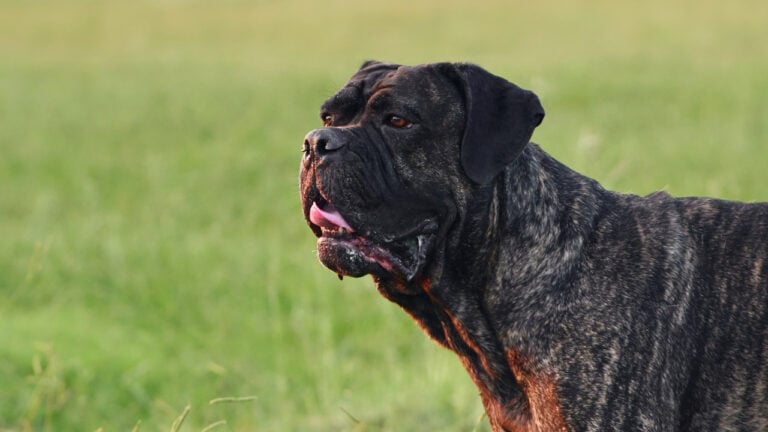
The Cane Corso is a serious guardian breed, and apartment life stacks the deck against both the dog and the owner. These dogs are large, strong, and naturally protective. In a building full of unfamiliar noises and constant foot traffic, a Corso can become overly alert and territorial if it isn’t expertly trained and well-socialized.
There’s also the practical side: breed restrictions, insurance problems, and the simple fact that managing a powerful dog in tight spaces is harder when something goes wrong. If you’ve got a Corso, you need a routine that includes obedience work, controlled exposure to people and environments, and enough exercise to keep the dog settled. I’m not saying it can’t be done, but most apartment situations don’t offer the space or control that makes this breed a good idea.
None of these dogs are “bad.” They’re just built for more than an apartment usually offers. If you’re dead set on one of them, be honest about your schedule and whether you can provide real daily work, not wishful thinking. Otherwise, pick a breed that fits your square footage and your routine. You’ll have a calmer home, better neighbors, and a dog that’s actually enjoying its life.
Like The Avid Outdoorsman’s content? Subscribe to our newsletter so you never miss an article.
Here’s more from us: