Photo credit: bentleyjj/GunBroker
Every gun shop has that one lonely rifle on the used rack that everybody walks past. The bluing is worn thin where a hand carried it for years. The stock’s got honest dings. It’s not wearing a trendy optic, and the tag looks “fair” instead of “steal.”
Then you watch an auction end on a Tuesday night and that same kind of rifle brings serious money. Not because it’s magic, but because the right mix of scarcity, nostalgia, craftsmanship, and “they don’t make them like that anymore” is hard to fake. Here are 20 rifles that regularly surprise folks when the bidding gets real.
1. Ruger No. 1
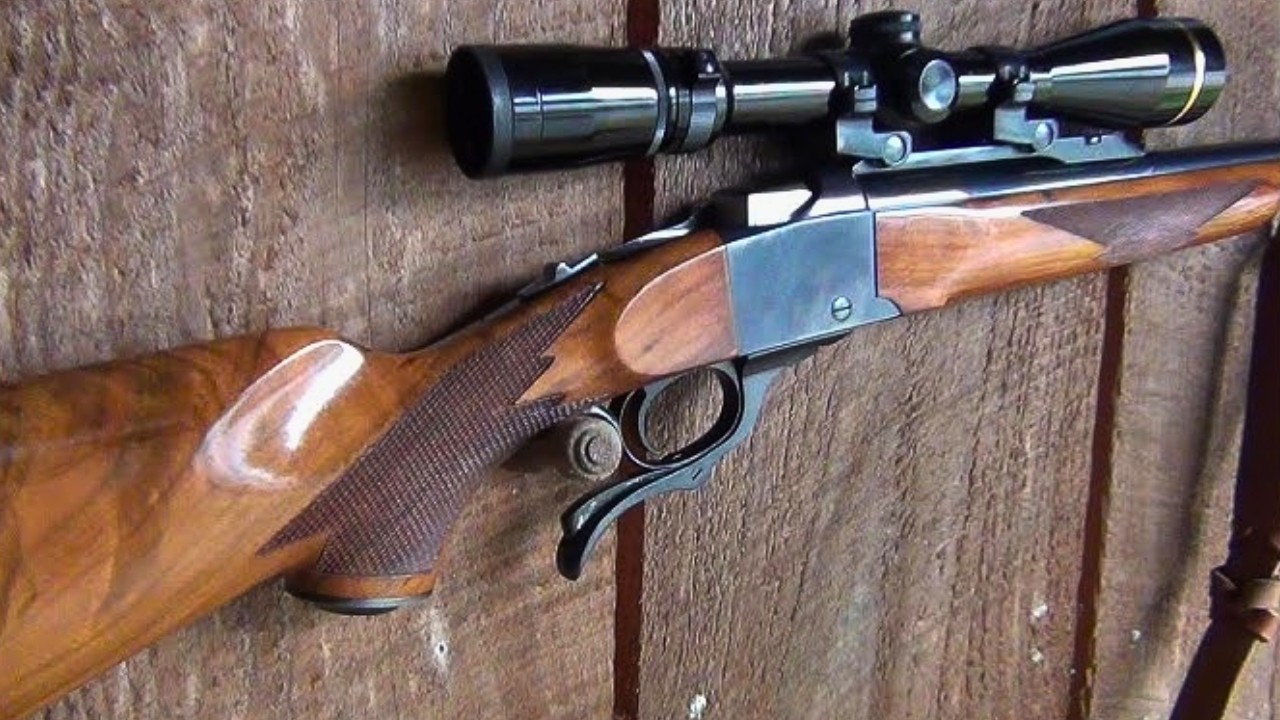
I’ve seen more than one Ruger No. 1 get shrugged off as “just a single-shot.” That’s exactly why they sneak up on you at auction. They look like something you’d hang over a fireplace until you work the lever and feel how tight and smooth they can be.
The value jumps around by configuration and chambering, but the theme stays the same: strong actions, classy lines, and limited runs that make certain versions tough to replace. Even guys who don’t “collect” will chase a clean No. 1 when it’s the right caliber and the wood has some life in it.
2. Winchester Model 70 (pre-64)

Everybody’s heard the “pre-64” talk, but plenty of hunters still underestimate what it means when a Model 70 shows up in honest condition with correct parts. The controlled-round feed and the fit-and-finish from that era still have a feel you can’t explain to somebody who hasn’t cycled one.
What gets folks is that a “plain” .30-06 can bring more than a newer rifle with a fancy stock and a threaded muzzle. Originality matters here, and so does avoiding extra holes in the receiver and cut stocks.
3. Winchester Model 94 (pre-64)
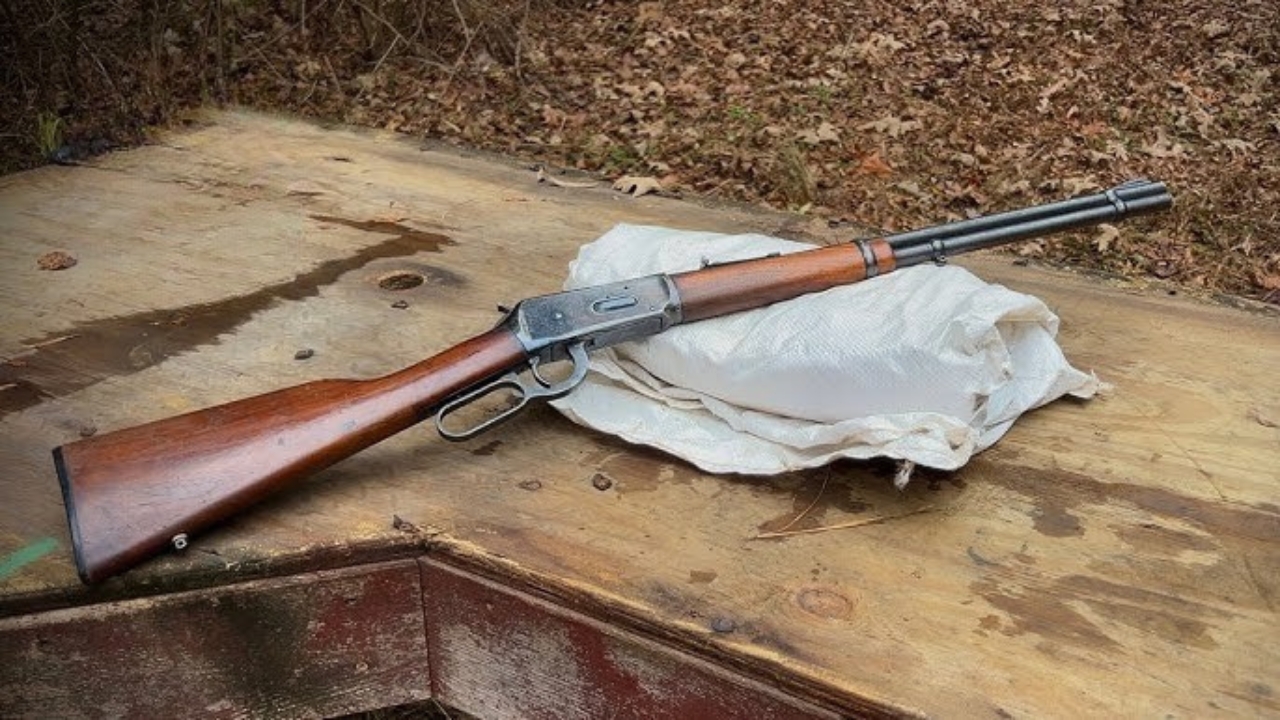
There are a lot of Model 94s out there, and that fact makes people lazy when they’re eyeballing one. But early guns in clean shape, especially with desirable features, can heat up fast when bidders start thinking about the ones they grew up seeing in the corner of a truck cab.
The surprise isn’t that a classic lever gun brings money. The surprise is how much condition and the “right” details matter: crisp markings, honest finish, correct sights, and no kitchen-table gunsmithing.
4. Marlin Model 39A

On paper it’s “just” a .22 lever gun. In the woods, it’s the kind of rifle that gets handed down because it flat works and feels like a real rifle, not a toy. The 39A has weight, balance, and a slickness that makes new rimfires feel disposable.
When production paused and prices climbed, a lot of folks got caught off guard. A clean 39A with good wood and a sharp bore can bring more than you’d ever expect from a squirrel rifle, especially if it hasn’t been drilled, tapped, and tinkered with.
5. Remington Model 742/7400 (clean examples)

I get why the old Remington semi-auto hunting rifles get side-eyed. Some of them were run hard, put away dirty, and then blamed for being “junk.” Still, when you find one that’s been maintained and not shot loose, they can pull surprising bids.
Part of it is pure deer-camp nostalgia. Part of it is that certain calibers and nicer grades don’t show up every day in unmolested condition. Just don’t confuse auction interest with a recommendation to ignore maintenance—these are rifles that reward care and punish neglect.
6. Remington Model 760/7600 Gamemaster

The pump rifle crowd is loyal for a reason. A 760 or 7600 carries quick, points like a shotgun, and makes sense in thick woods where a fast follow-up might happen inside 60 yards. There’s nothing tactical about it, and that’s kind of the point.
At auction, the right Gamemaster in a classic deer cartridge can run up higher than the casual buyer expects. Magazines and parts availability play into it too—if you already own one, you don’t want a “maybe” spare, you want the real thing.
7. Browning BAR (Belgian-made and early production)
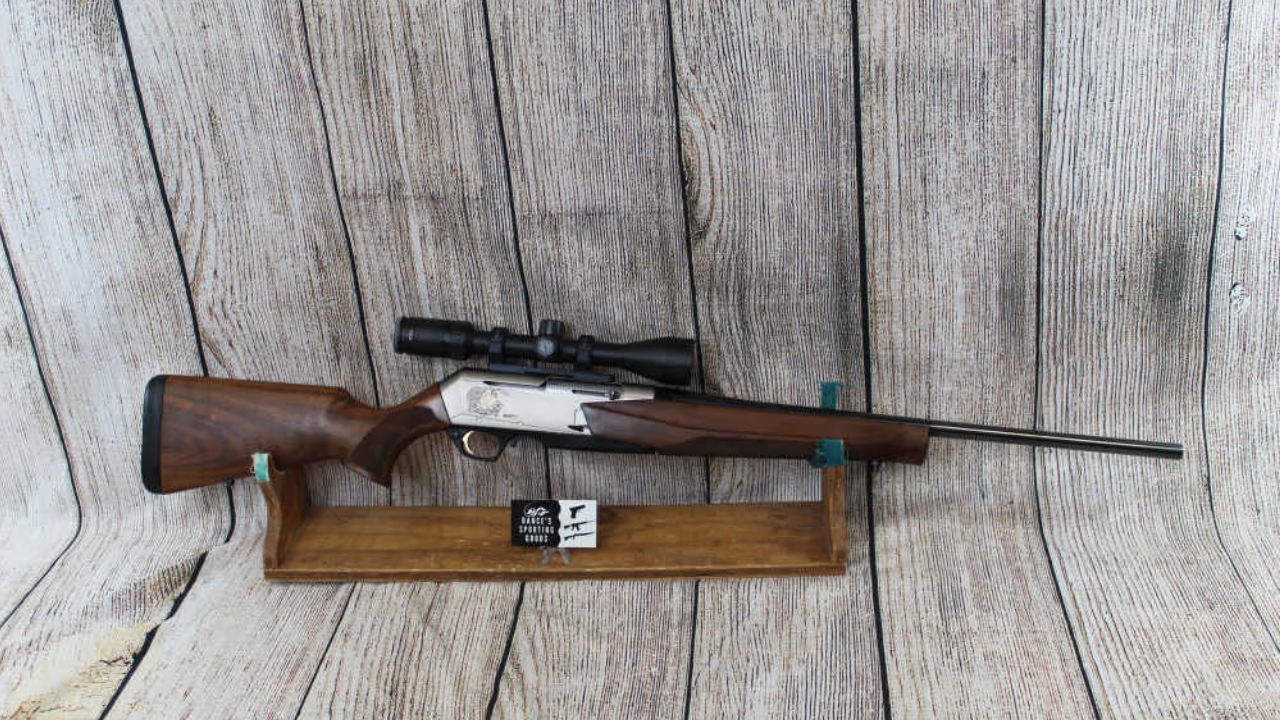
The BAR name gets confusing because there are different eras and versions, but the early sporting BARs have a following. They’re not light, and they’re not cheap to service if something goes sideways, yet they shoot well and feel like a serious piece of gear.
Belgian guns and certain chamberings bring the bidders out. And when a BAR shows up with its original finish intact, no rust freckles, and clean wood, it’s hard for a semi-auto fan to walk away.
8. Savage Model 99

The Savage 99 is one of those rifles that looks almost too “old-timey” to be worth real money… until you hold it and realize how forward-thinking the design was. Rotary magazine, sleek action, and a profile that carries flat against your side.
Condition, caliber, and specific variants matter a lot, but the bigger driver is that they don’t make them anymore, and nothing new feels quite like it. If you see a 99 that hasn’t been sanded down and re-finished to death, don’t assume it’s just a $500 antique.
9. Springfield Armory M1 Garand (CMP-era bargains are gone)
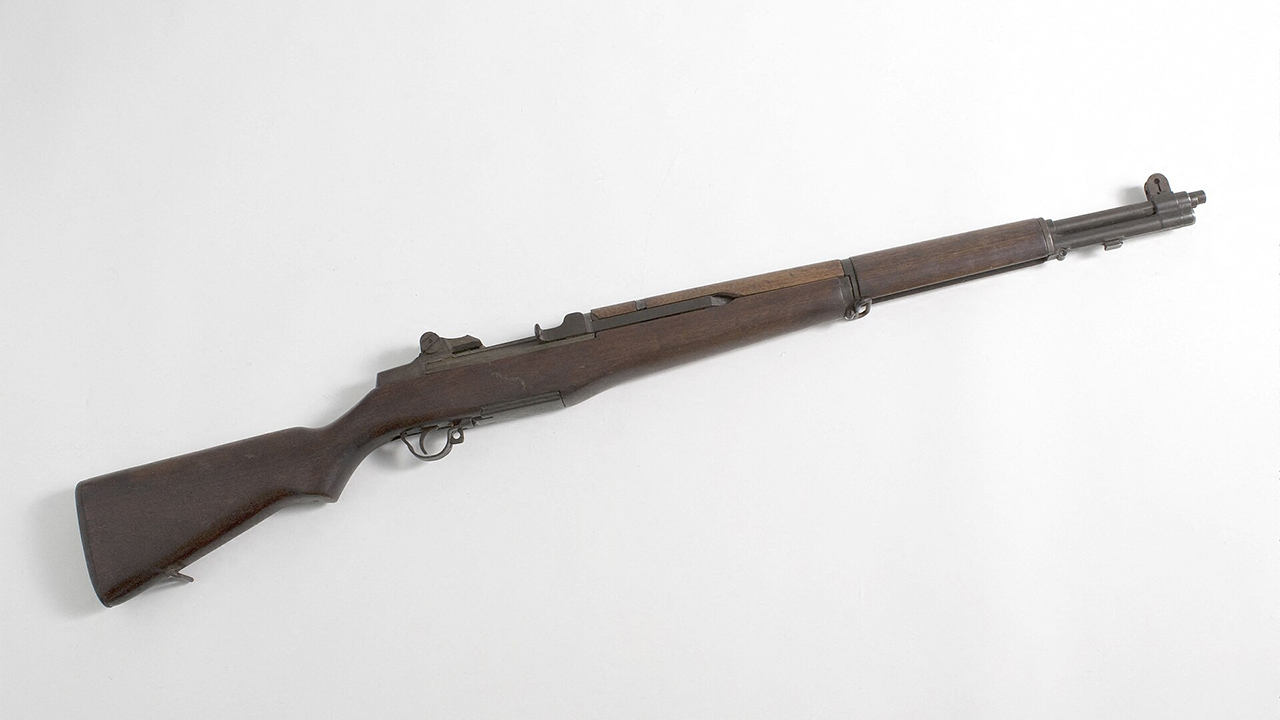
For years, guys got used to the idea that an M1 Garand was a “someday” rifle you could always pick up without pain. Those days have been fading. Original parts, correct manufacturers, and overall condition are pushing values up in a way casual buyers don’t always notice.
Even a basic shooter-grade Garand has gravity. The ping, the heft, the history—bidders respond to that. And when one’s been kept right, with a good barrel and no sketchy modifications, it tends to bring more than a modern rifle that shoots tighter groups.
10. U.S. Rifle, Caliber .30, M1 Carbine (Inland, Winchester, etc.)

The M1 Carbine looks small and almost harmless to folks who only know ARs and big bolt guns. Then they see what original carbines are bringing, and it’s a hard stop. Real U.S. military carbines with honest markings and correct parts don’t sit around long.
The market gets extra spicy because there’s a lot of mix-master stuff out there. The more original it is, the more serious the money. Magazines and accessories matter too, but the rifle itself is what starts the bidding war.
11. Swiss K31 (Schmidt–Rubin)

For a while, Swiss K31s were the best “how is this so cheap?” rifle on the rack. Straight-pull action, excellent barrels, and accuracy that embarrasses rifles that cost twice as much. Plenty of guys bought one just because it was different.
Now the tide’s shifted. Nice K31s with clean bores and matching numbers are getting harder to stumble onto, and the auction crowd knows it. If it still has the troop tag under the buttplate, expect more attention than you think.
12. Swedish Mauser m/96 (Carl Gustafs)
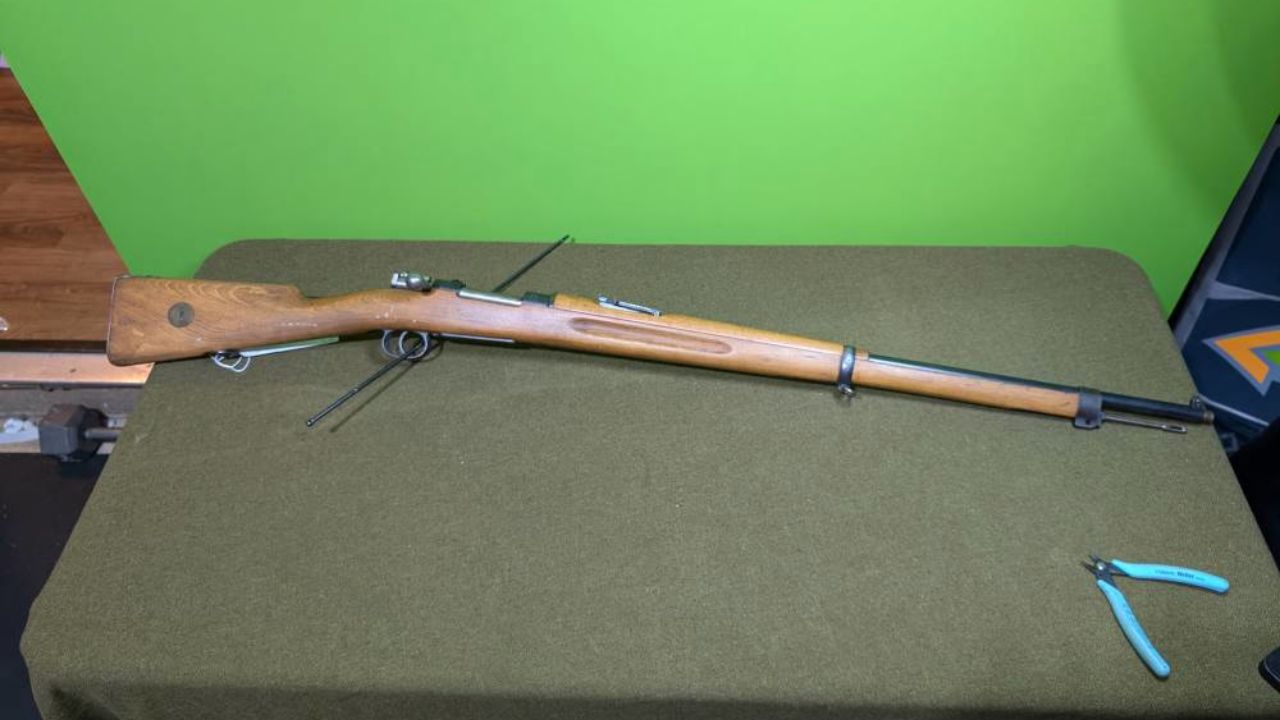
The Swedish Mausers don’t look fancy, but they have a quiet quality to them. Smooth bolt travel, good steel, and bores that often look better than rifles that should’ve had an easier life. The 6.5×55 crowd is loyal, and for good reason.
Values jump when the rifle hasn’t been “improved” with drilling, sanding, or sporter hacks. An intact m/96 with crisp markings and a strong bore can bring more than a lot of modern hunting rifles, and it won’t surprise the guys who’ve shot one.
13. Mosin-Nagant M44 (true matching, clean example)
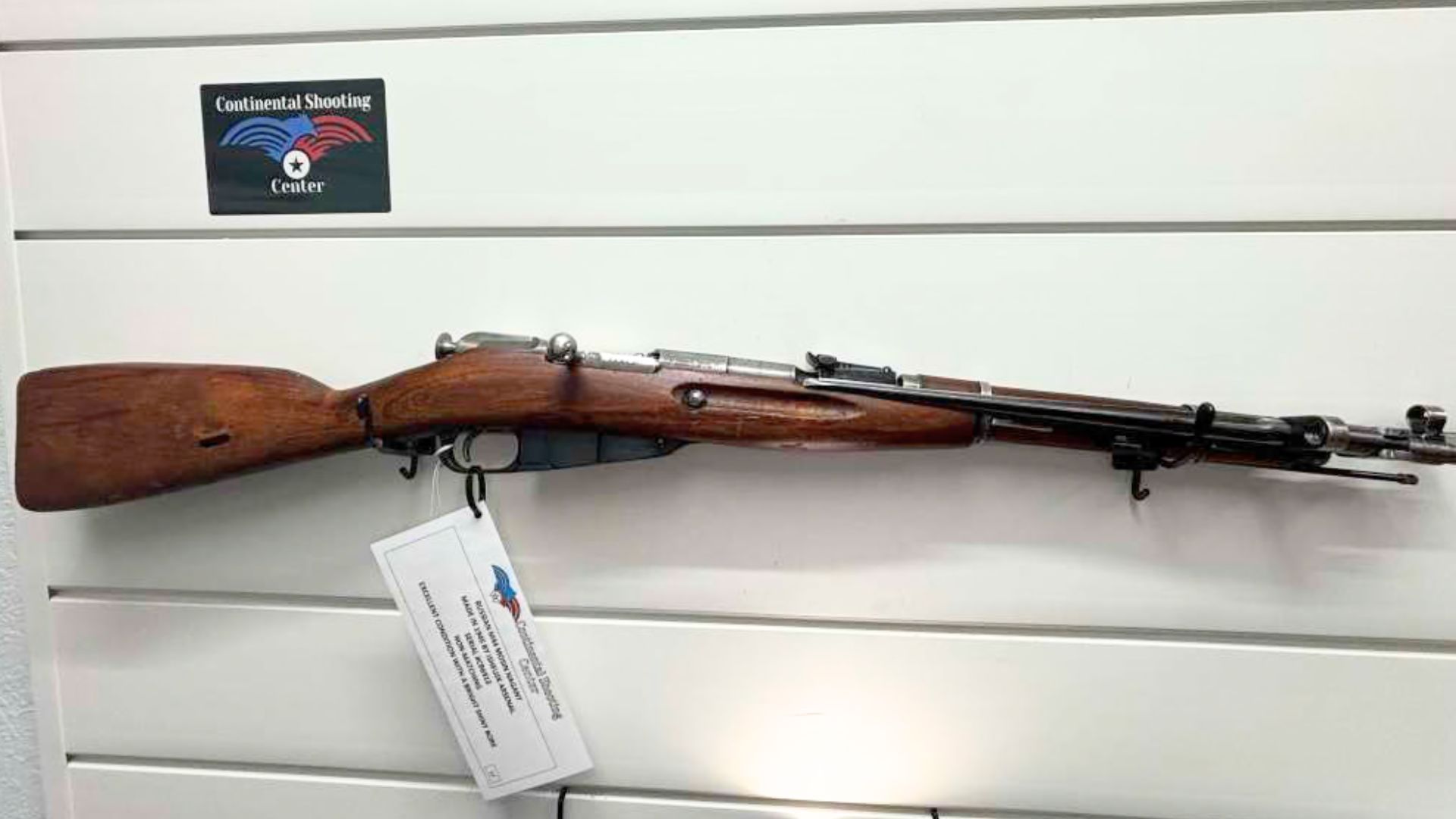
I know, I know. For years Mosins were stacked like cordwood, and the whole point was that they were cheap. That’s why it stings to watch a truly clean M44 climb at auction when you remember passing on them for pocket money.
Most are rough, counterbored, mismatched, or beat up. The ones that aren’t—especially with matching numbers and a good bore—pull collector interest and “truck gun nostalgia” at the same time. Just don’t pay a premium for a sewer-pipe barrel because it has a bayonet.
14. SKS (Russian and early imports)
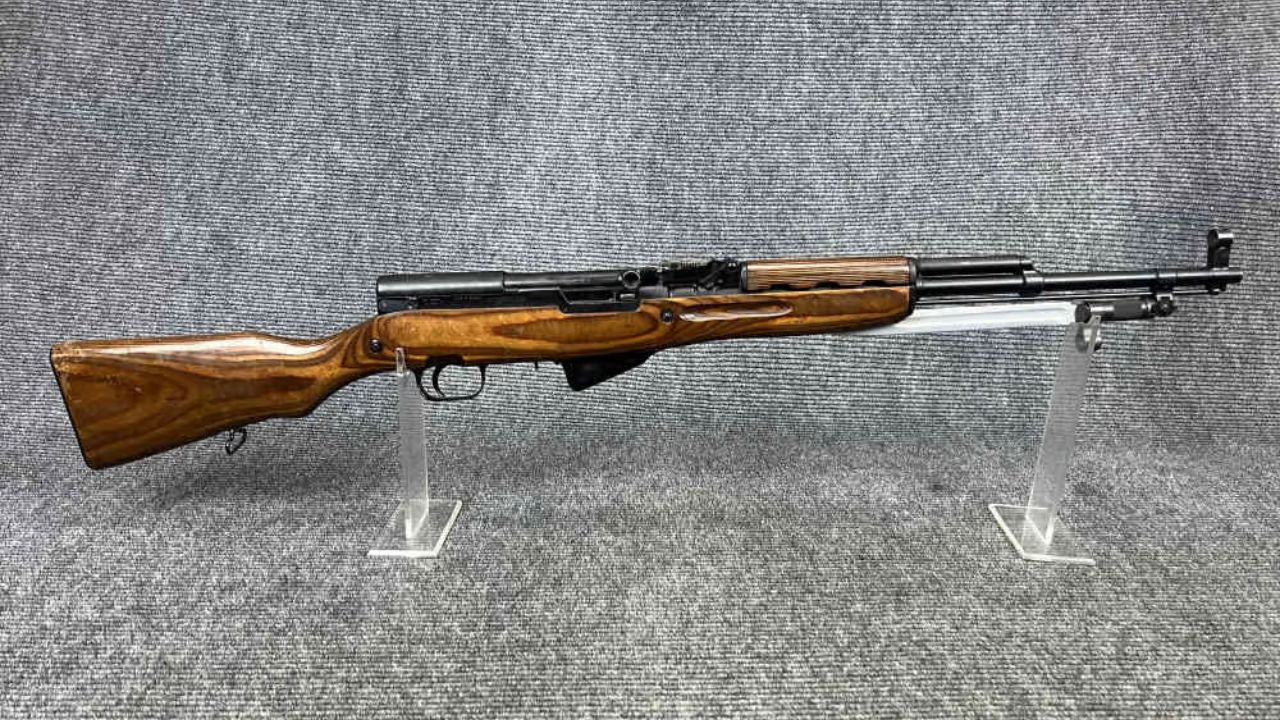
The SKS used to be the rifle you bought when you couldn’t afford an AK. Now, depending on origin and condition, the SKS can be the one bringing the nicer money. Russian guns, early imports, and rifles that haven’t been dragged through the plastic-stock era tend to rise.
What kills value is the usual stuff: cut stocks, missing parts, cheap aftermarket magazines, and bubba optics mounts. An original-ish SKS with a clean bore and correct furniture is the one that surprises people when the auction clock hits zero.
15. Ruger Mini-14 (early 180-series and certain variants)

The Mini-14 gets unfairly dismissed as “not an AR.” Sure, it’s not an AR. It’s also a handy, ranch-friendly rifle that carries like a .30-30 and doesn’t scream for attention. That counts for something in the real world.
Early 180-series guns and certain factory configurations can bring more than the average buyer expects. Original magazines help, too. The trick is understanding that not every Mini is a collector piece, but some of them absolutely are.
16. Colt AR-15 SP1

Old-school AR collectors aren’t messing around anymore. A Colt SP1 looks simple, even dated, compared to modern carbines stacked with rails and lights. But “simple and correct” is exactly what drives auction value in this corner.
Original finish, correct furniture, and lack of amateur modifications are what separate a big-money SP1 from a parts gun wearing an old lower. If you’ve got one, keep the original parts together. That’s what bidders pay for.
17. Remington Model 700 BDL (older, high-gloss walnut era)

The 700 is common enough that it’s easy to assume none of them are special. But the older BDLs with the shiny walnut and the classic checkering hit a nerve with hunters who like traditional rifles. They point well and feel “right” in the hands.
A clean BDL in a standard hunting cartridge can bring a surprising premium over a newer synthetic-stock rifle, even if the newer gun might shoot smaller groups. Nostalgia is part of it, but so is the fact that those older rifles had a level of fit that’s harder to find now.
18. Sako L461/L579/L61R (Finnbear and friends)

Sako rifles don’t always get recognized at first glance by the guy scanning auction listings at midnight. Then the bidders who know what they’re looking at show up. The machining, the slick bolt, the clean lines—these rifles have a feel that’s hard to copy.
They also tend to show up in honest hunting condition, which makes pristine examples stand out even more. If the rings, sights, and stock are correct, that number can climb fast. You’re paying for craftsmanship and scarcity, not hype.
19. Steyr Mannlicher Schönauer (classic full-stock models)
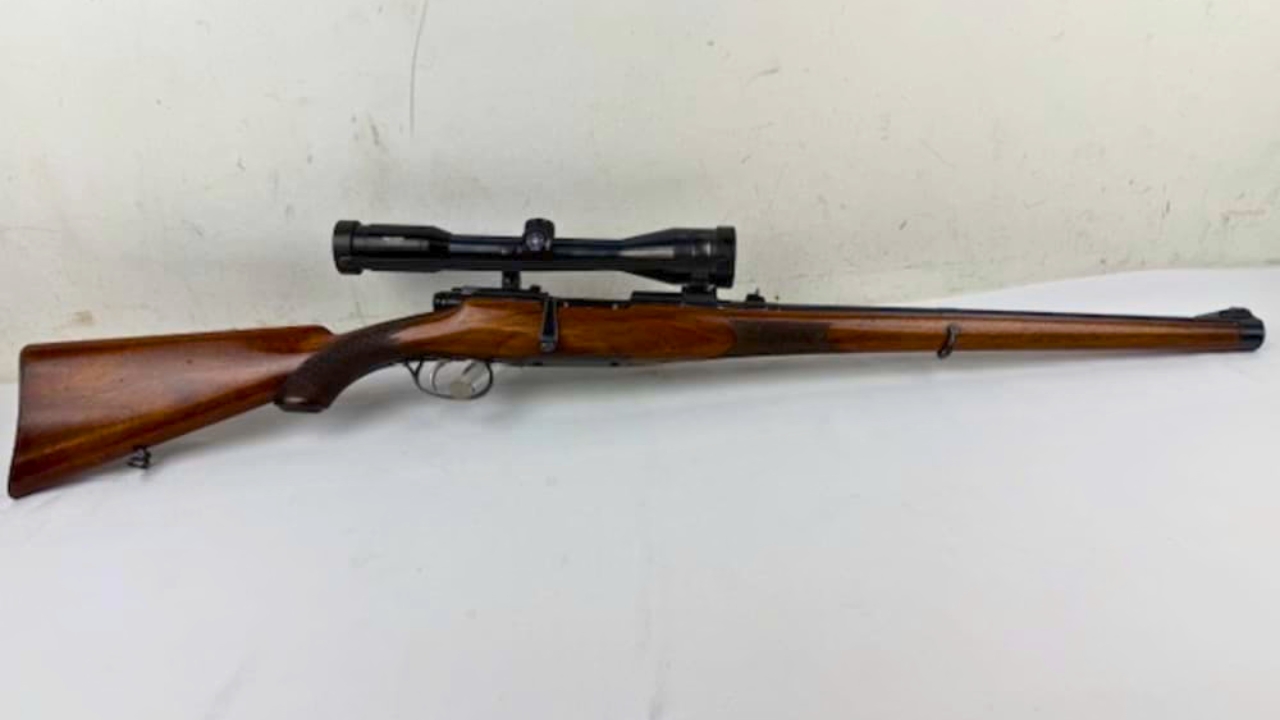
Full-stock rifles can look like a novelty until you carry one in the hills. A Mannlicher-style rifle rides close, balances well, and feels like it was meant to be in your hands all day. The Schönauer name adds a whole extra layer of collector interest.
They’re not for everyone, and some calibers can be a pain for ammo sourcing. Still, at auction, elegance and old-world build quality do things a polymer stock just can’t. When one shows up clean, it doesn’t stay “reasonable” for long.
20. CZ 550 (especially the American and FS models)

The CZ 550 line didn’t always get the respect it deserved while it was sitting on store shelves. Solid controlled-round feed, good barrels, and a stock shape that works in the field. They feel like honest rifles built for hunters, not just for marketing photos.
Once a rifle is discontinued, reality sets in. Try replacing a nice 550 in the exact configuration you like, and you’ll see why auction prices can creep up. The clean ones with good wood and minimal “owner upgrades” are the ones that sting when you realize you let yours go.
None of these rifles are guaranteed lottery tickets, and not every example is worth chasing. Condition, originality, and documentation matter more than internet stories. But if you’ve got one of these sitting in the safe, don’t treat it like a throwaway just because it isn’t new and trendy. The auction crowd has a long memory, and they pay for the stuff they can’t easily replace.
Like The Avid Outdoorsman’s content? Be sure to follow us.
Here’s more from us: