Photo credit: AI-generated image created using ChatGPT. Illustrative only
It’s one thing to find fresh boot tracks on a two-track you haven’t driven in weeks. It’s another thing entirely to walk an “empty farmstead” you own and spot a trail camera pointed where you know you didn’t put it.
That’s the situation one landowner laid out in the original post: a trail cam showed up on their property without permission, and the first round of neighbor-checking didn’t turn up an obvious explanation. The big question was simple—do you pull it, check the card, or leave it alone?
Finding a camera on private ground changes the whole feel of the place
Hunters use trail cameras for good reasons: patterning deer, watching a gate, keeping tabs on predators, or just learning what uses a creek crossing. But when a camera appears where it doesn’t belong, it stops being “hunting gear” and turns into a boundary problem.
In this case, the landowner described the property as an empty farmstead—exactly the kind of place that can attract trespassers. No one living there day-to-day means fewer eyes on the lane, and that can invite people to treat it like public ground. A camera on a tree can be a clue that somebody has been treating it that way for a while.
The landowner did what most of us would do first: ask around
Before making any move, the landowner spoke with neighbors and acquaintances to see if the camera belonged to someone local. That’s a smart first step. Sometimes a well-meaning neighbor thinks they’re “helping” by watching a property, or a family friend believes they’ve got a standing invitation from years ago.
But those conversations didn’t solve it. Nobody they spoke to claimed the camera. That’s when the tone shifts from awkward misunderstanding to possible trespass—and when you need to start thinking about safety and documentation instead of emotion.
The temptation to “see what’s on the card” is real, but it’s not the cleanest play
The landowner floated the same ideas you hear any time this happens: remove it, pull the SD card, or even do something petty with it. That last one—talking about “sighting in my rifle with it”—reads like frustration blowing off steam, and most rural folks understand the feeling.
Still, it’s worth saying out loud: messing with somebody else’s equipment can drag you into a mess, even when it’s on your ground. And escalating a property dispute with threats or destruction is a good way to turn a simple “get off my place” situation into a confrontation that no one needs.
The cleaner path is usually to treat it like any other trespass issue: control the scene, document what you found, and bring in the right authority before you do something you can’t take back.
A call to the game warden brought the key detail: the placement itself was illegal
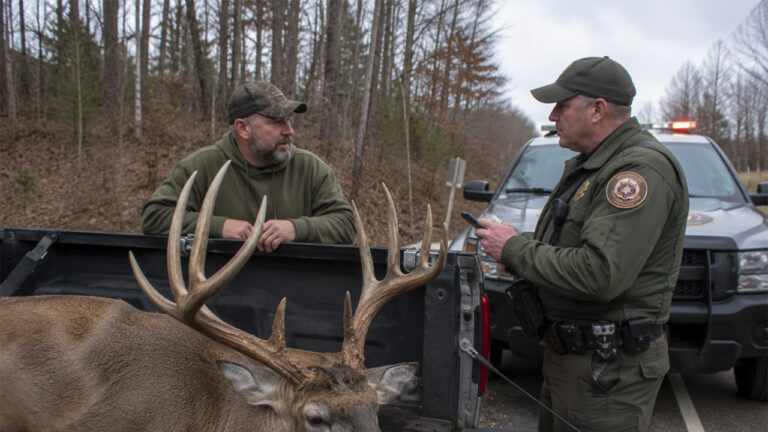
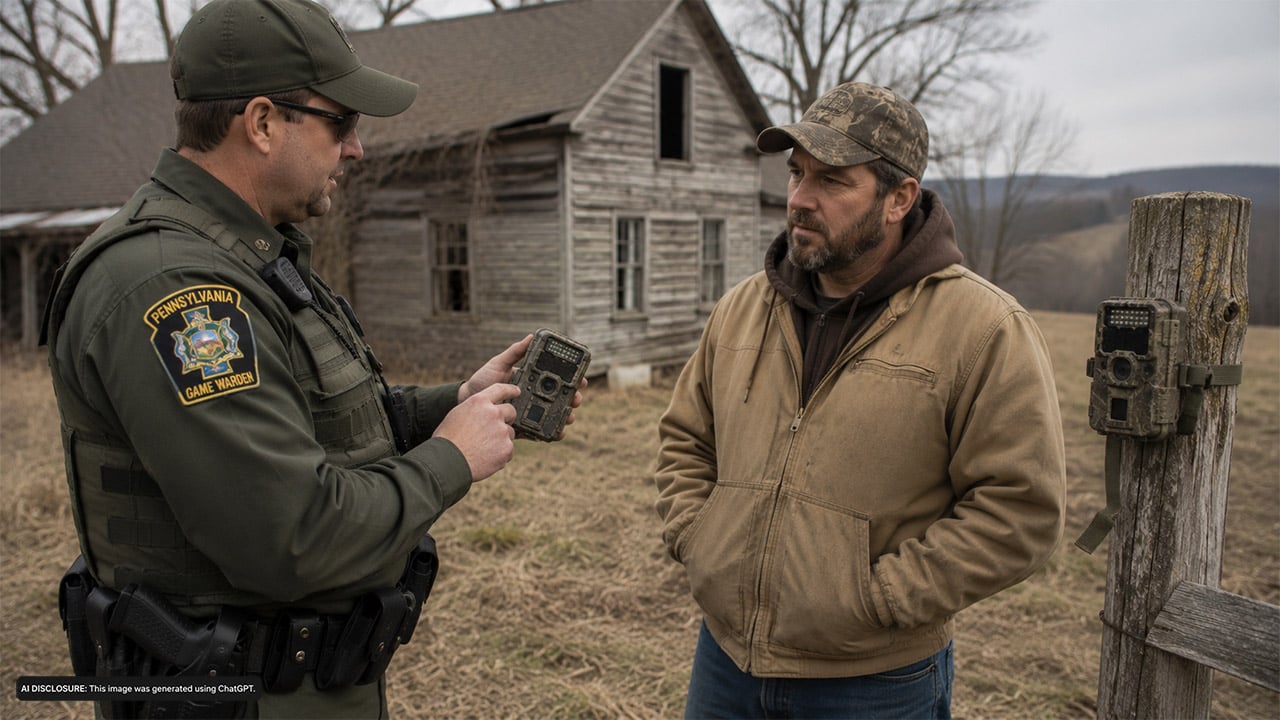
The update is where this story gets practical. The landowner contacted their local game warden, and the warden clarified that placing the trail camera there was illegal and that the landowner was within their rights to take it down.
That confirmation matters. A lot of outdoorsmen assume the rules are the same everywhere—“It’s on your tree, so do whatever you want,” or “Trail cams are just cameras.” In reality, states and even specific seasons can have different rules about trail camera use, placement, and what’s considered lawful while hunting.
In this case, the landowner didn’t have to guess. They got a straight answer: the camera didn’t just feel wrong—it was wrong under the rules the warden enforces.
The warden didn’t dictate revenge—he pointed out options and offered a smart next step
According to the update, the warden told the landowner that what happens after taking it down was up to them—leaving a note, destroying the camera, and so on. That’s not the warden encouraging anyone to get carried away. It reads more like a reality check: once the landowner removes an illegally placed camera from their property, the next move becomes a personal-property and conflict-management decision.
The most useful part of the warden’s response was the offer to place another camera to watch the location, one the warden would monitor. That’s a practical, de-escalating tool. If someone comes back to check or replace the camera, you’re far more likely to identify them without a direct confrontation at the farmstead gate.
It also turns the situation into something that can be handled with evidence instead of assumptions.
If you find a mystery trail camera, here’s the grounded way to think about it
This landowner’s move—ask around, then call the game warden—is about as solid as it gets. It avoids the two common traps: ignoring it and letting trespass become a habit, or reacting so hard that you create your own problems.
If you’re dealing with something similar, the best mindset is “secure, document, report.” Take note of where it was, how it was mounted, what it was pointed at, and any fresh sign in the area. Then lean on your local wildlife officer or whoever handles trespass and hunting complaints in your area. The laws on cameras, baiting, and surveillance gear can be surprisingly specific, and you want to be on the right side of them.
And if an officer offers to help monitor the spot, that’s worth considering. A second set of eyes—and a badge—can keep a small problem from turning into a bigger one.
At the end of the day, a trail camera is cheap compared to a ruined hunting season or a dangerous run-in on a back corner of your property. The landowner in this case did the smart thing: they got clarity from the person whose job is to know the rules, and they kept their options open without forcing a confrontation.
Like The Avid Outdoorsman’s content? Be sure to follow us.
Here’s more from us: