Photo credit: BoomStick Tactical/Youtube
There’s a special class of gun that looks perfect in a square photo. Clean lines, cool roll marks, a tasteful light, a full mag of trendy ammo, and a caption about “the perfect setup.” Then you take it out in the rain, or you carry it for ten hours, or you try to run it hard on a dusty range day, and the romance goes away fast.
None of these are “bad” in every sense. Plenty of them can be made to work. But these are the ones I keep seeing win the online popularity contests while quietly frustrating owners in the real world—where hands sweat, gloves get worn, budgets aren’t infinite, and you don’t get to edit out the malfunctions.
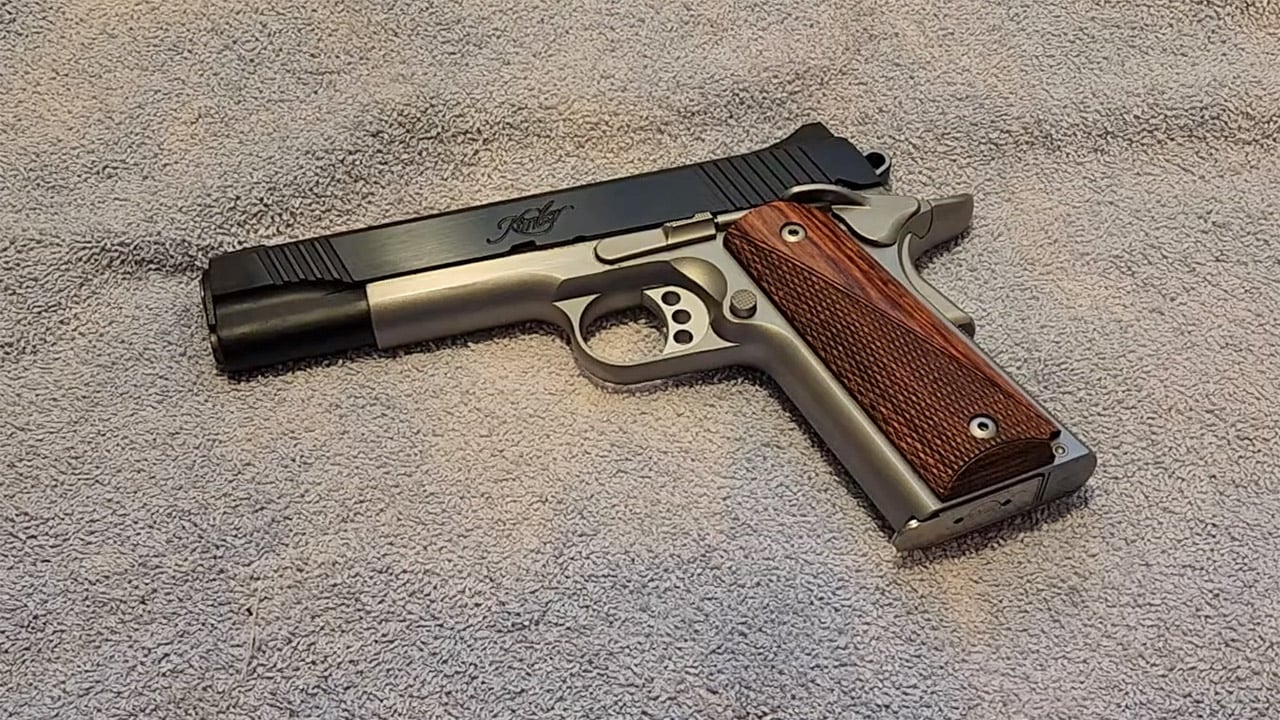
1. Kimber Custom II (1911)
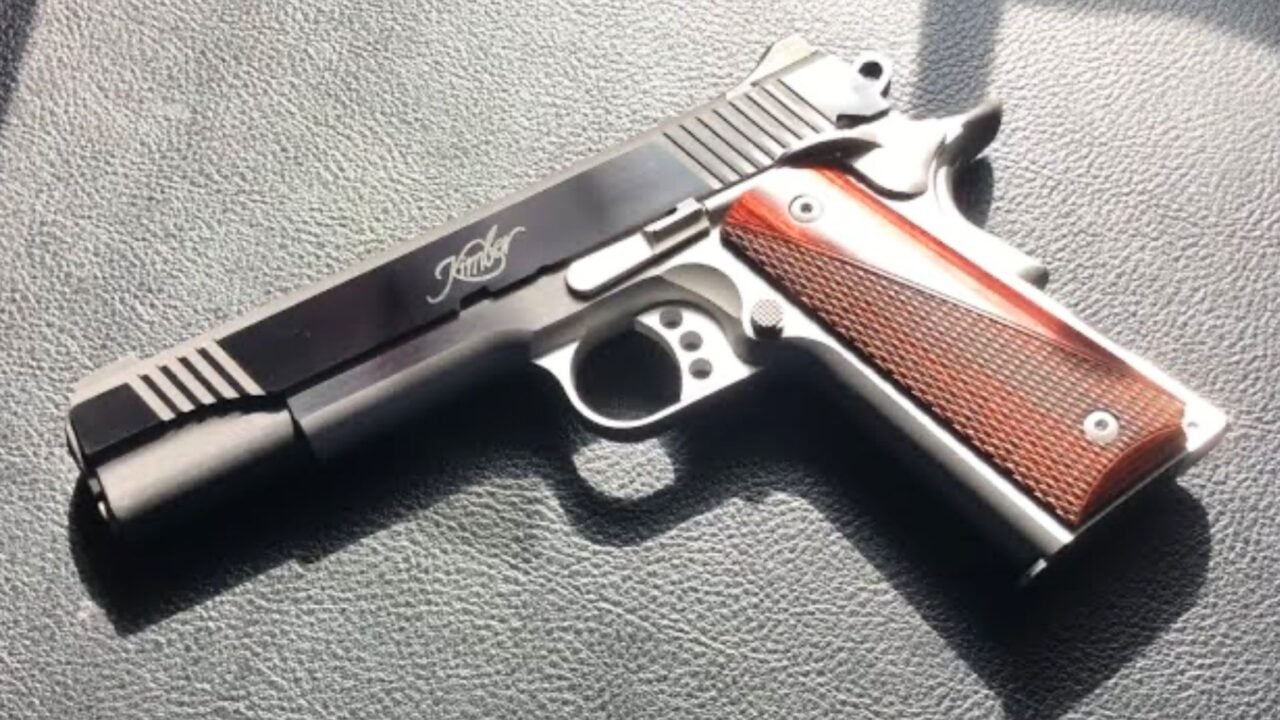
Kimber photos well. A 1911 with nice finishes and sharp serrations always does. The problem is a lot of them run like a sewing machine right up until they don’t, and then the troubleshooting starts—mags, ammo pickiness, extractor tension, and the usual 1911 “stack of tolerances” stuff.
If you’re the kind of shooter who enjoys tuning a 1911 and keeping it on a steady diet of proven magazines, fine. If you’re buying a “fancy carry gun” and expecting striker-fired boring reliability, that’s where the disappointment lives.
2. SIG Sauer P365 (standard micro-compact)

This one wins polls because it changed the market. Great size-to-capacity, decent sights, and it carries easy. Out in real conditions, micro-compacts punish sloppy grip, limp-wristing, and rushed reloads more than people want to admit.
It’s not that the platform is junk. It’s that a lot of owners treat it like a full-size gun in training and a pocket gun in handling. Under stress, that short grip and snappy recoil can turn good intentions into low hits.
3. Springfield Armory Hellcat (micro-compact)

The Hellcat looks like it was engineered to win a spec-sheet fight. And it kind of was. But the truth is it’s a small, light 9mm, and those are never as pleasant as the internet makes them sound.
On the range, you’ll see shooters start strong, then their groups open up as their hands get tired. In a cold deer-camp morning with stiff fingers, the little controls and short sight radius don’t do you any favors either.
4. Glock 43X MOS
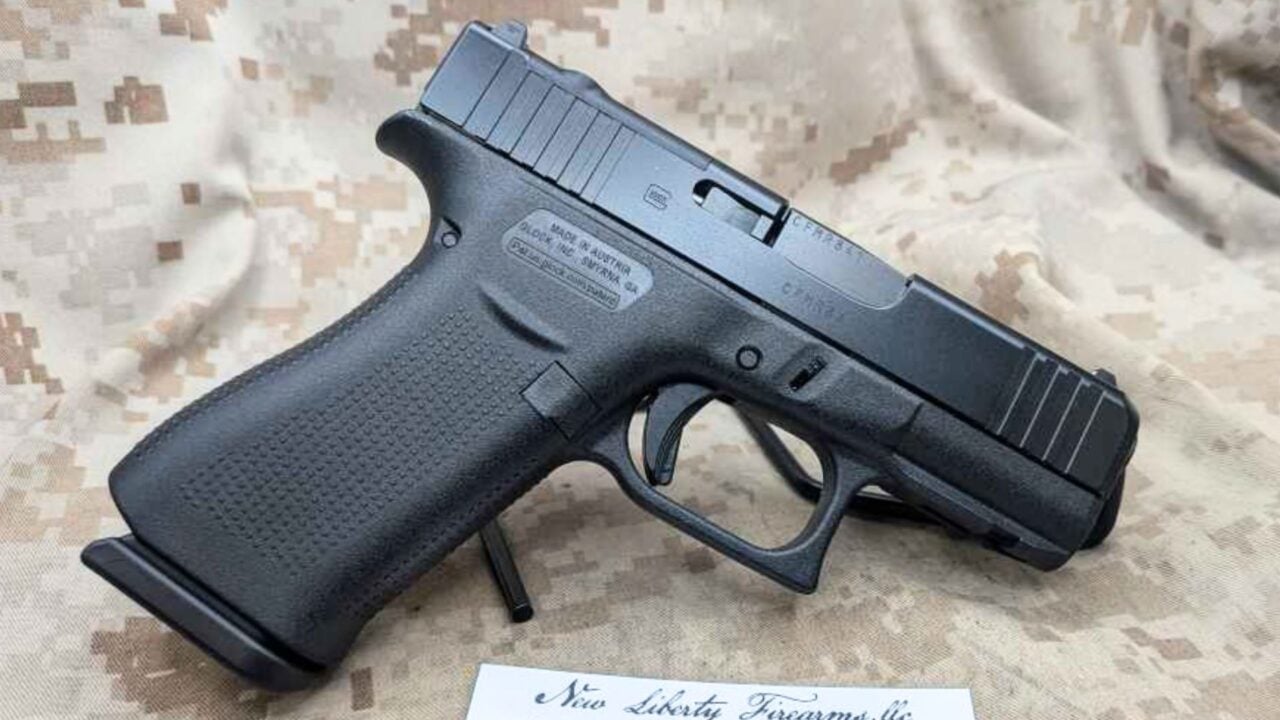
Everyone posts the 43X with an optic and a light like it’s the final form of concealed carry. In real carry, it’s still a thin gun with a grip long enough to print on a lot of normal-bodied folks once you start bending, reaching, and getting in and out of trucks.
And if you’re leaning on aftermarket magazines for the “real” capacity you want, you’ve added another variable. Sometimes it’s fine. Sometimes it’s the reason your range day turns into a clearing-drills day.
5. Glock 19 Gen5
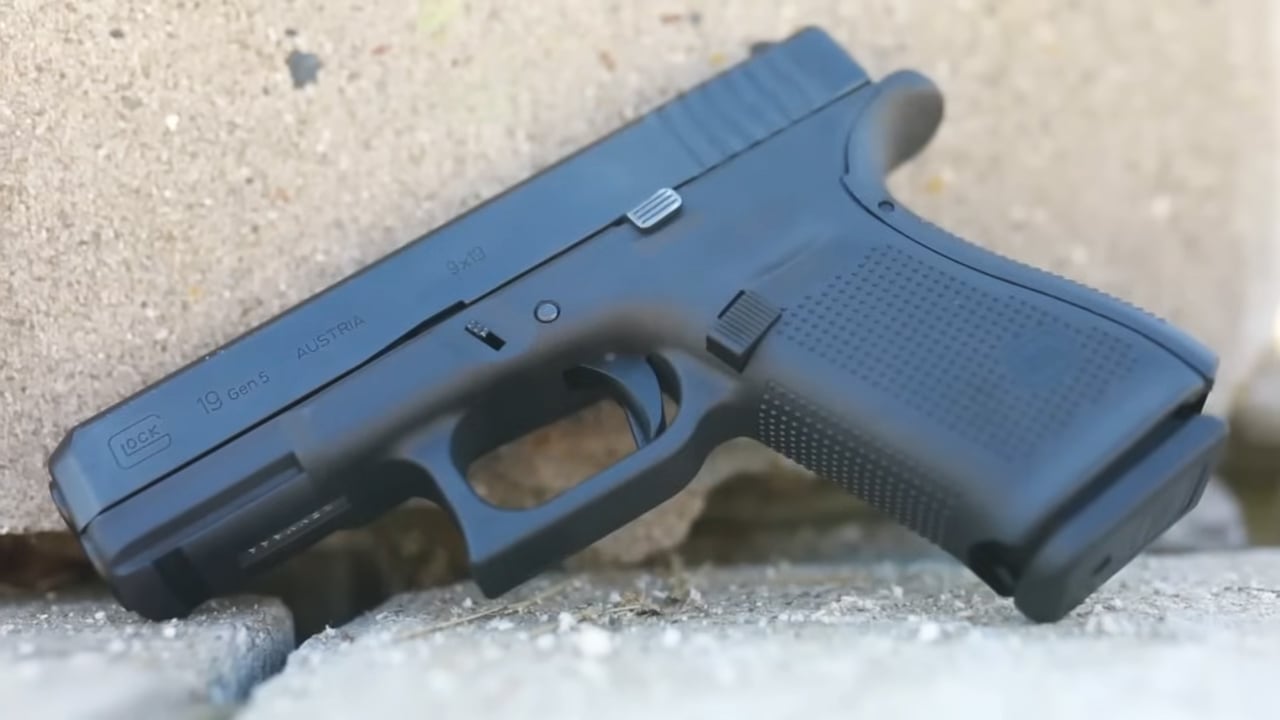
I know. The Glock 19 is the “default answer,” and it wins every popularity contest for a reason. The underperformance comes from owners trying to make it do everything—duty, concealment, nightstand, competition—without committing to any one setup.
Real-world issue: bulky carry for a lot of people, especially with a light and optic. It’s not too big until you carry it every day for a month. Then the “just right” gun starts getting left at home.
6. Staccato P (2011)
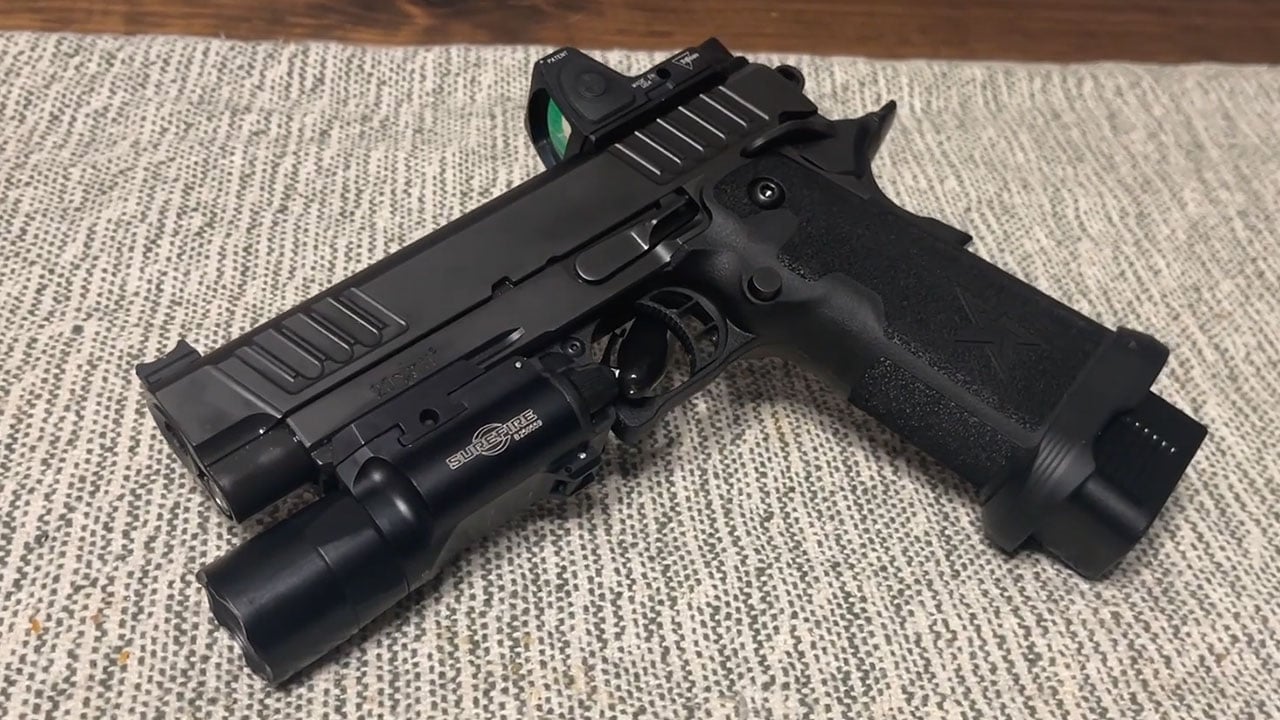
These look incredible online: flat shooting, crisp trigger, high capacity, premium vibe. In real conditions, you’re dealing with cost of magazines, maintenance expectations, and the reality that not every holster, light, and optic combo is as plug-and-play as a Glock.
Also, a great trigger doesn’t replace practice. I’ve watched shooters “outgun” their ability with a 2011 and then act surprised when they don’t shoot it better than their plain pistol under pressure.
7. Desert Tech MDRX

Bullpups win style points. The MDRX especially looks like the future. Out on the range, the future often shows up as picky gas settings, odd balance, and an ergonomics learning curve that doesn’t feel worth it after the novelty wears off.
If you need compact storage or a certain overall length, bullpups can make sense. But if you just want a rifle that runs in heat, dust, and cheap ammo without drama, the standard layout keeps winning for a reason.
8. IWI Tavor X95

The X95 is another bullpup that photographs like a movie prop. It’s also a solid gun in many ways. Where it underwhelms is real-world handling: triggers that feel like work, awkward reloads for folks used to ARs, and weight that sits back in a way some shooters never warm up to.
For a range toy, it’s fun. For a serious “one rifle” purchase, plenty of owners end up wishing they’d bought a quality AR and a case of ammo instead.
9. Springfield Armory SAINT (entry-level AR)

The SAINT shows up in a lot of “first AR” photos with a fresh red dot and a slogan-y caption. In normal use, many entry-level ARs are fine until they get hot, dirty, or under-lubed—and then you find out what corners were cut on small parts and QC.
If you shoot a couple mags a year, you’ll never notice. If you take a carbine class or run it hard during a dusty summer, you might. The gun didn’t change. The conditions did.
10. Smith & Wesson M&P15 Sport II
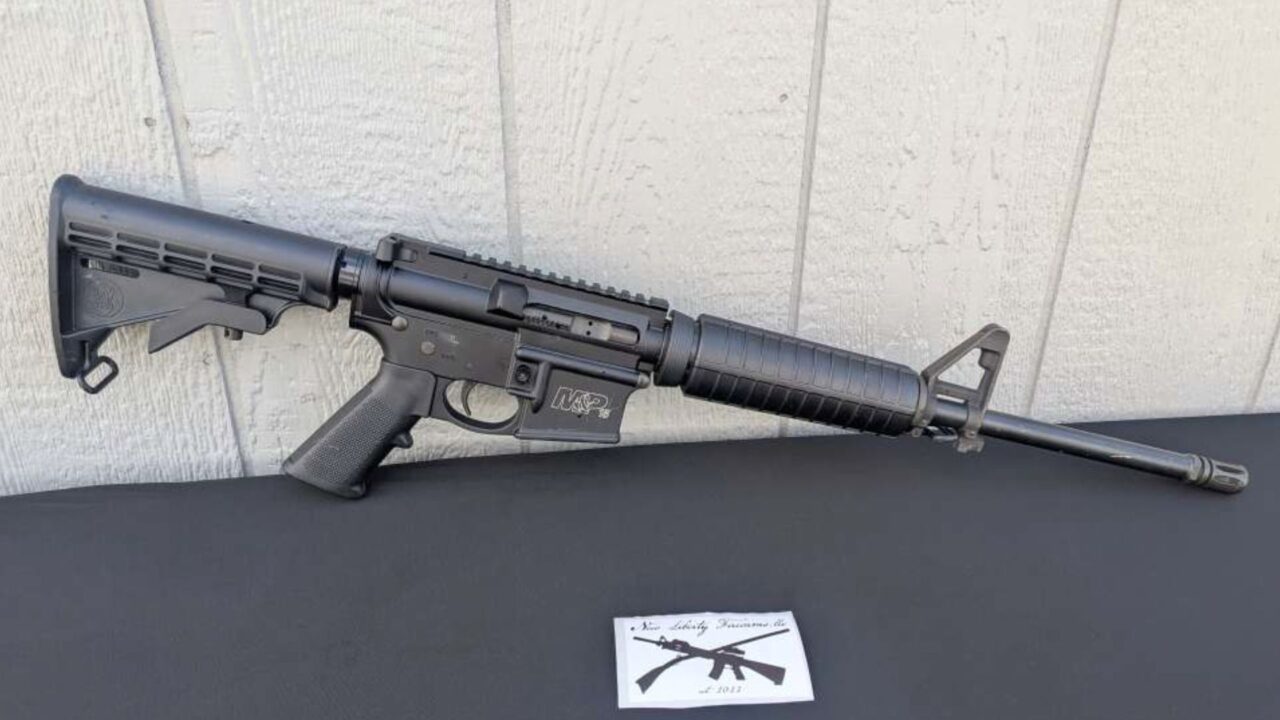
This rifle has probably started more AR journeys than anything else, and it’s hard to argue with the value. The underperformance happens when it’s treated like a duty-grade gun with bargain optics and zero maintenance.
It’s light, it’s simple, and it can be plenty reliable. But you’ll see limitations show up with high round counts, heat, and “mystery meat” ammo—especially if the owner never verifies magazines and never tests the setup beyond a casual bench session.
11. FN SCAR 17S

The SCAR wins polls because it’s the cool .308 that everybody recognizes. In real life, it’s expensive to feed, expensive to outfit, and it’s not always friendly to optics setups if you don’t pay attention to what you’re doing.
Also, a .308 that light has a personality. Great rifle, but plenty of owners realize they don’t actually enjoy training with it. A rifle you don’t practice with is a rifle that underperforms when it matters.
12. Barrett M82A1 / M107
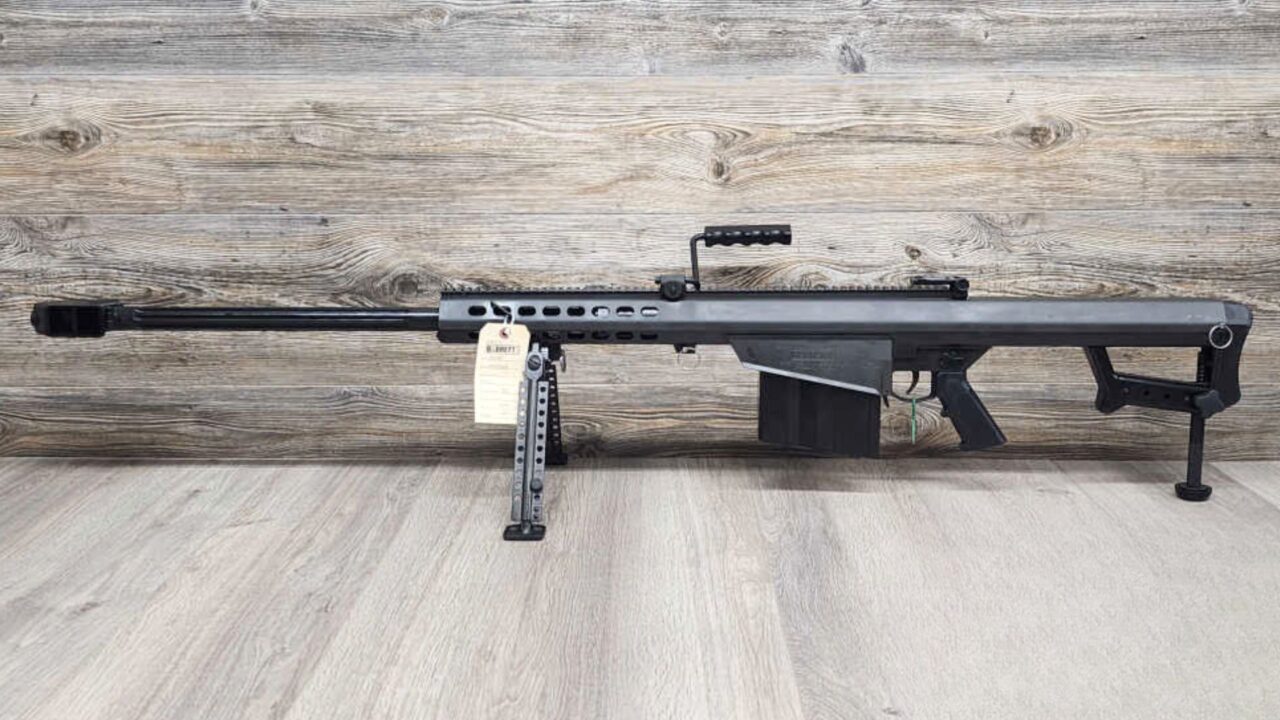
Everybody wants the big .50 in a photo. In real conditions, it’s a heavy, loud, expensive-to-run specialty tool. Most owners don’t have easy access to a place where it makes sense, and most don’t want to deal with the logistics more than once in a while.
That’s not a knock on the gun. It’s a knock on the expectation that owning one equals using one. For most folks, it turns into a safe queen with a shoulder bruise memory attached.
13. Rossi Circuit Judge
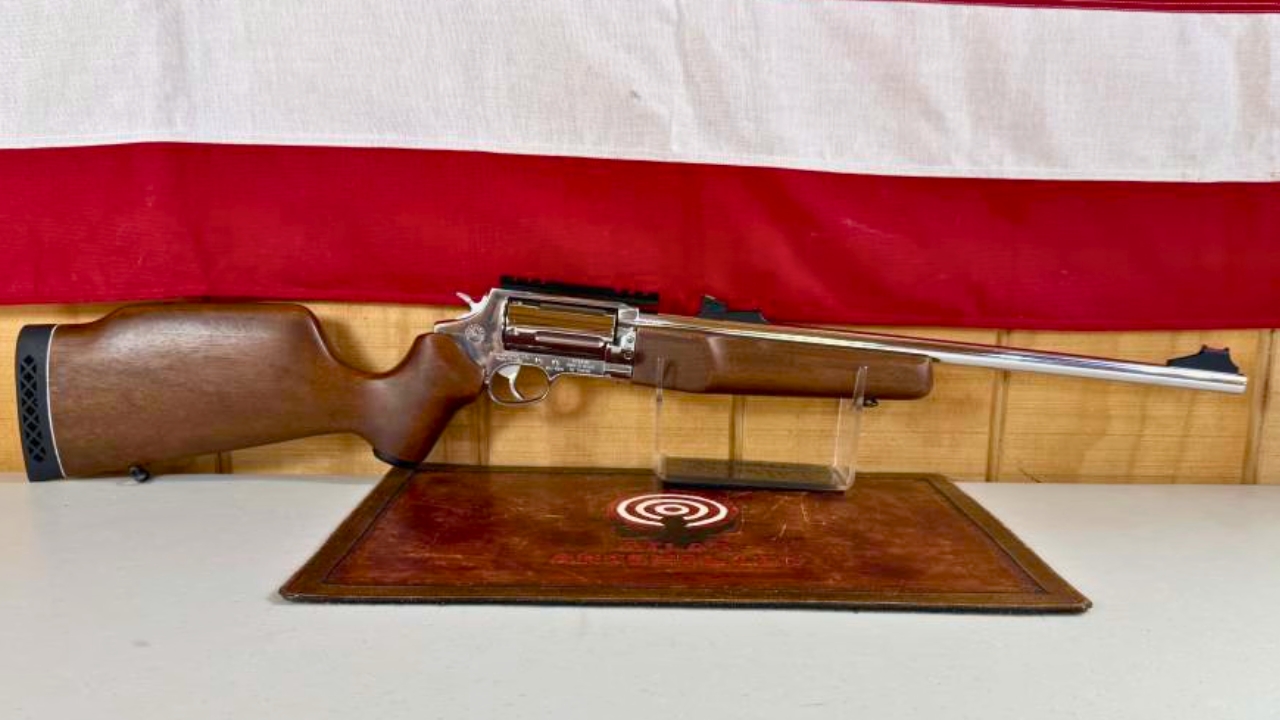
The revolving rifle concept sells itself online: “one gun that shoots .410 and .45 Colt.” In the field, cylinder gap blast, limited pattern performance, and quirky handling are what you live with.
It’s a niche tool. If you want a handy small-game gun, a basic .22 or a real shotgun does the job with less noise and less weirdness. Ask me how I know.
14. Taurus Judge (revolver)
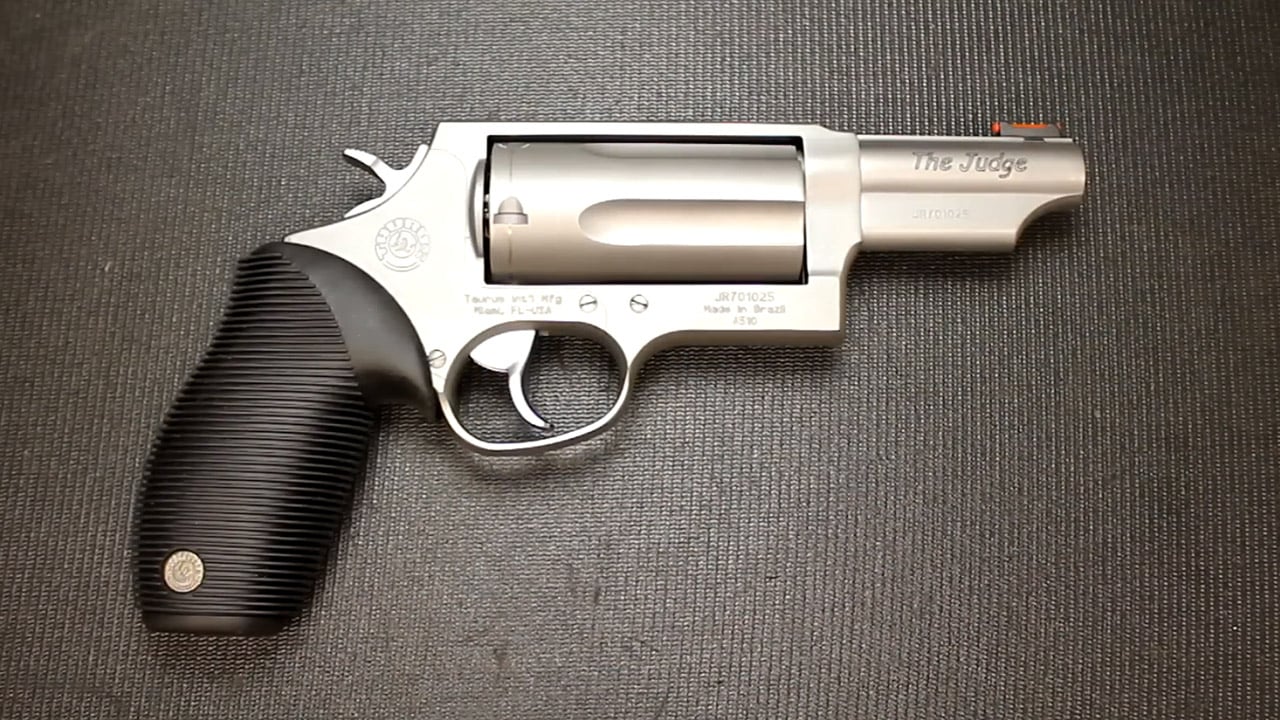
The Judge is an internet legend. Big revolver, shotshell capability, lots of swagger in a photo. In real-world shooting, patterns can be disappointing, recoil is not mild, and accuracy with .45 Colt depends on the specific load and the specific gun.
It can be fun. But if you bought it thinking it replaces a compact 9mm for carry or a 20-gauge for pests, you’re going to learn the limits pretty fast.
15. Taurus G3C

The G3C wins budget polls all day long because the price is right and the feature list looks good. In real conditions, the “budget tax” can show up as inconsistent triggers, magazine quirks, and long-term durability questions once you stop babying it.
Some run great. Some don’t. That uncertainty is what bites, especially when the gun is bought as a primary defensive tool and never really vetted with a few hundred rounds.
16. Canik TP9SFx

Canik makes a lot of sense on paper: good trigger, good value, competition-ready vibes. In real life, the long-slide setup can be a little much for an all-purpose handgun, and holster/parts compatibility isn’t always as effortless as the big legacy brands.
For range games, it’s a blast. For a “do everything” pistol that needs to live through rain, dust, and rough handling with easy support everywhere, it’s not always the easy button.
17. Remington R51 (reintroduced model)
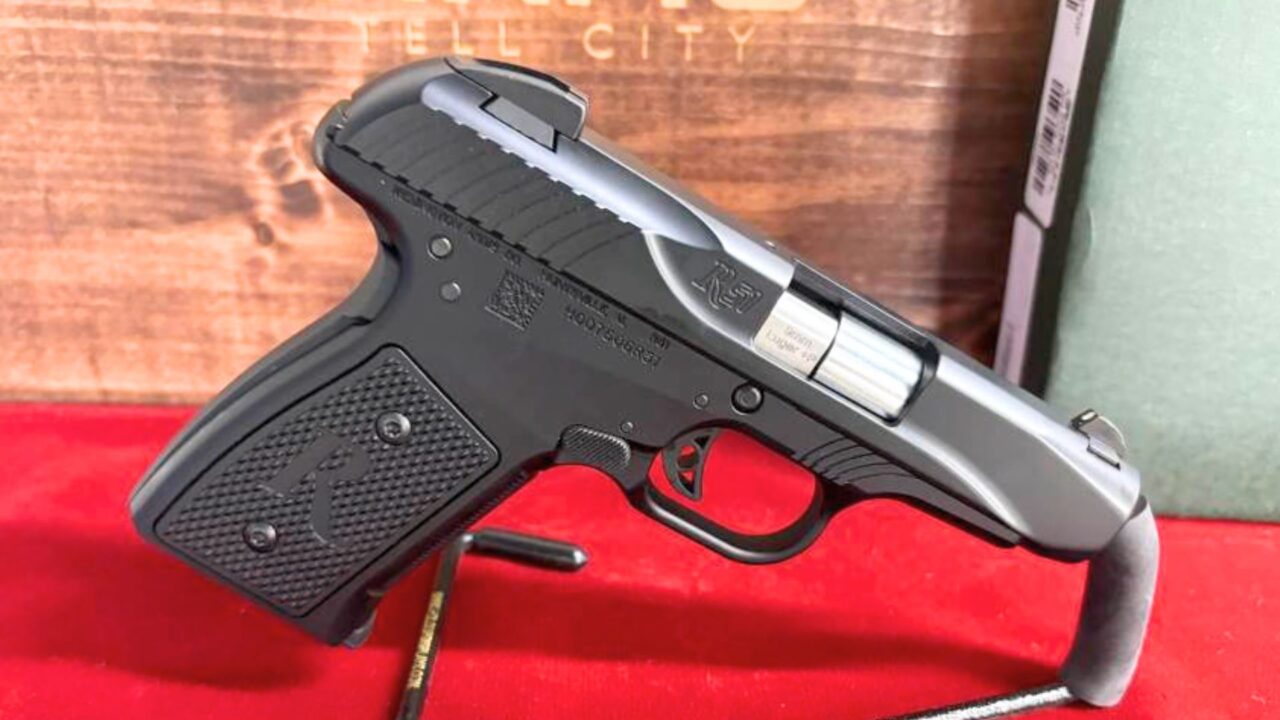
The R51 had nostalgia and looks going for it, and that’s catnip online. In real conditions, this gun earned a reputation for being finicky, and once a gun gets that label, it follows it around forever.
Even if you get a good one, you’re still dealing with the “support” problem. When something breaks, you don’t want a scavenger hunt for parts and mags. You want it fixed.
18. Remington 870 Express (late-production)
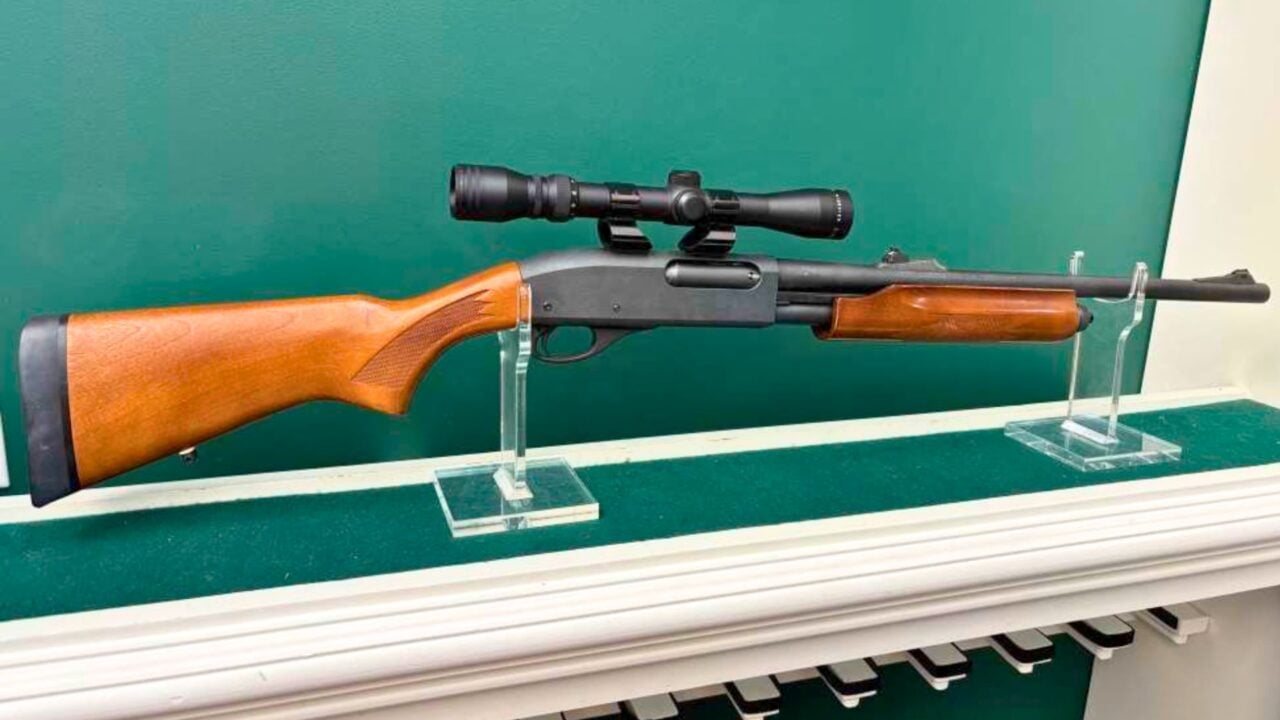
The 870 is an icon, and the Express version shows up in countless “truck gun” photos. The underperformance is tied to certain eras where finish and QC weren’t what they used to be—rust issues, rough actions, and small annoyances that show up when the gun rides behind a seat all season.
Older 870s can be phenomenal. Some newer ones needed extra attention right out of the box, which is not what you want in a working shotgun.
19. Mossberg 590 Shockwave

This one is a social media superstar. Short, mean-looking, and it screams “home defense.” In real-world use, it’s hard to shoot well for most folks, especially under stress, and it’s easy to develop bad habits because it feels like a gimmick more than a tool.
There are ways to run it safely, but it takes practice and discipline. Most buyers don’t put in that work. They just post the picture and call it good.
20. Henry Big Boy X Model (lever action)
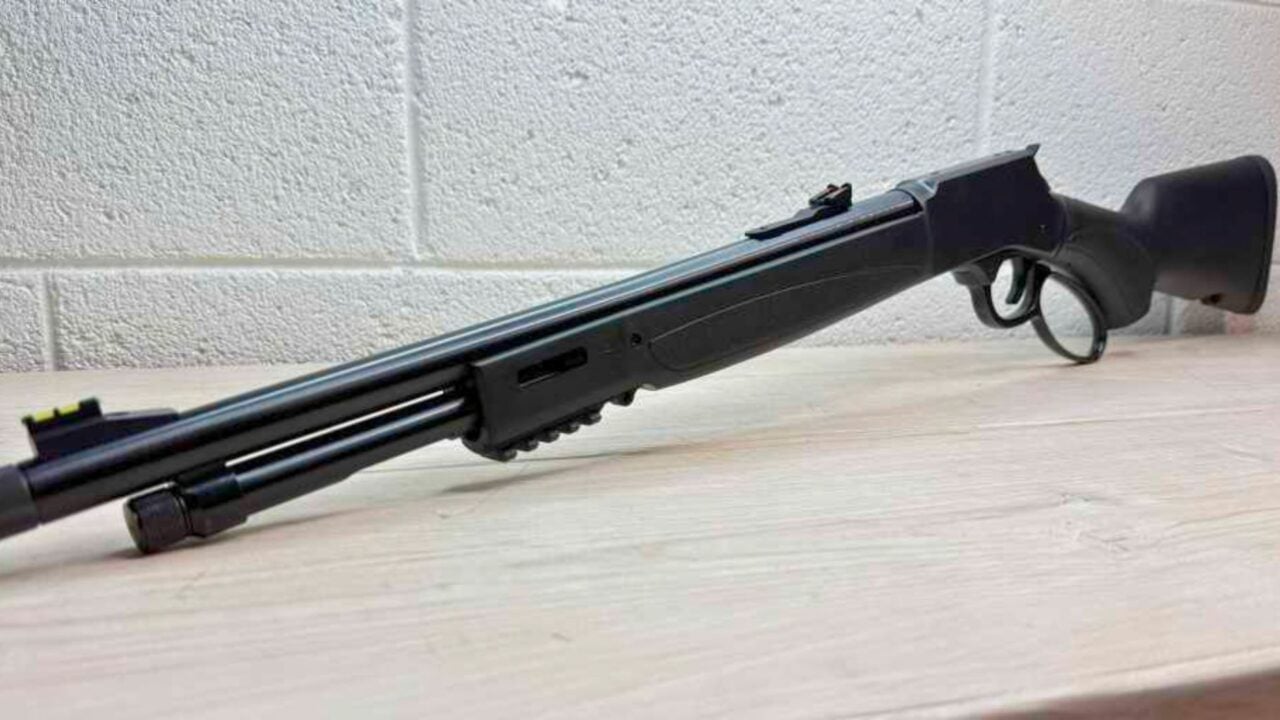
Lever guns are back, and the Big Boy X looks the part with modern furniture and a rail. In real conditions, you feel the weight, you notice how it carries on a sling, and you learn that “tactical lever gun” is still a lever gun when it comes to reload speed and magazine management.
They’re fun and they can be effective, especially with the right ammo for the job. But they’re not a magic hybrid that replaces a good bolt gun for hunting or a semi-auto for sustained shooting. The cool factor is real, though.
If you own one of these and it runs great for you, good. Keep running it, keep testing it, and don’t let anybody shame you out of a gun that’s proven itself in your hands. Just don’t confuse poll results with performance. The woods, the range, and real carry days have a way of telling the truth—whether the camera likes it or not.
Like The Avid Outdoorsman’s content? Be sure to follow us.
Here’s more from us: