Photo credit: TriggerFinger78/Youtube
Every time I pick up a well-worn old rifle at a gun shop, I do the same thing. I run the bolt a few times. I check the safety. I look at the crown. I feel the trigger. And I can usually tell in about ten seconds if it came from an era when the maker expected that gun to last longer than the first owner’s attention span.
Modern stuff can be excellent. I own modern stuff. But there’s a “standard” a lot of manufacturers quietly walked away from: deep bluing that doesn’t look like paint, walnut that doesn’t feel like a pallet, machined steel parts that don’t feel like they were rushed, and tolerances that make the action feel like it’s on oiled glass. Some of these guns are expensive now. Some are still a bargain. All of them were built with the assumption that you’d carry them in bad weather, shoot them a lot, and hand them down.
1. Winchester Model 70 (pre-’64)

If you’ve ever cycled a clean pre-’64 and then cycled a lot of new production “value” bolt guns, you know exactly why this one is on the list. The controlled-round feed isn’t just a forum argument; it’s a real-world reliability edge when you’re loading fast, working from odd angles, or dealing with cold hands.
They aren’t light, and they aren’t cheap anymore. Still, the fit of the metal to the stock, the way the bolt cams, and the overall “finished” feel is what folks mean when they talk about old-school standards. You can hunt hard with one and not feel like you’re babysitting a tool.
2. Remington Model 700 BDL (older production)
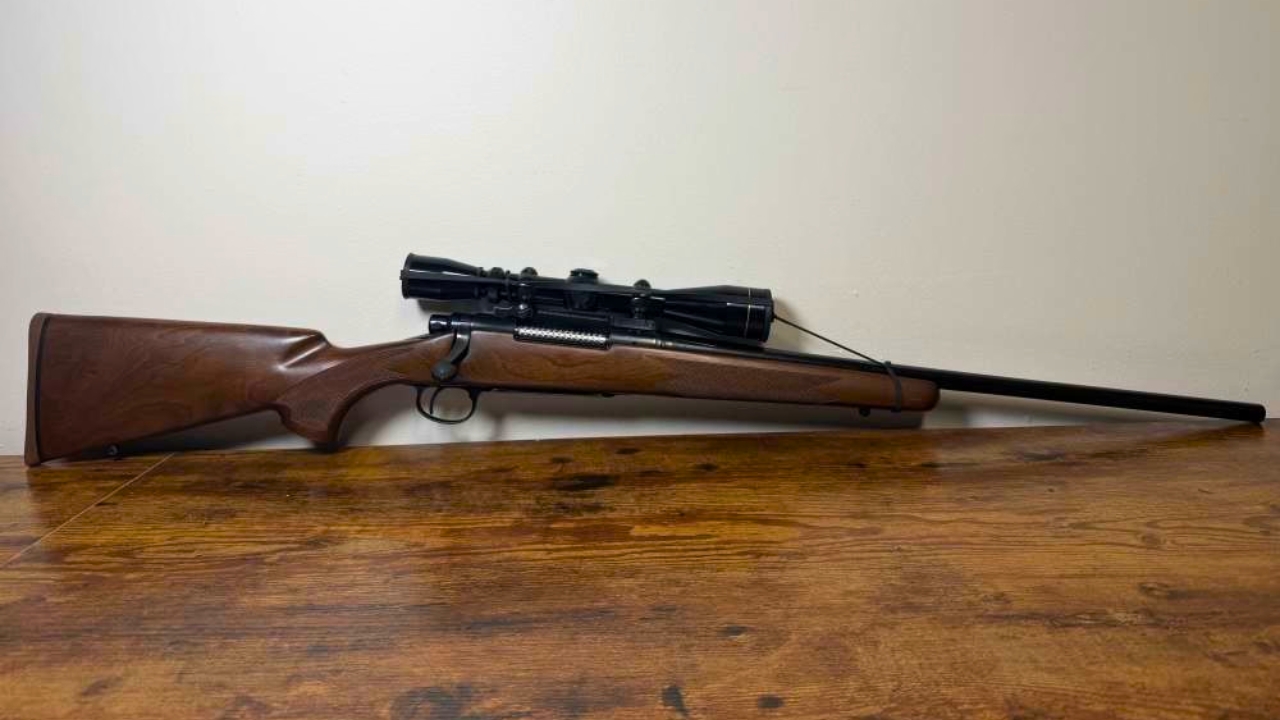
The older BDLs were the kind of rifle you could pull from a case and just trust. Gloss walnut, deep blue, and an action that felt like it was made to be tuned rather than replaced. They also tended to shoot, even with basic hunting loads.
Yes, the 700 story has chapters, and not all of them are cheerful. But the older BDLs represent a time when the “deluxe” part meant something besides a different SKU and a higher price tag.
3. Ruger M77 Mk II
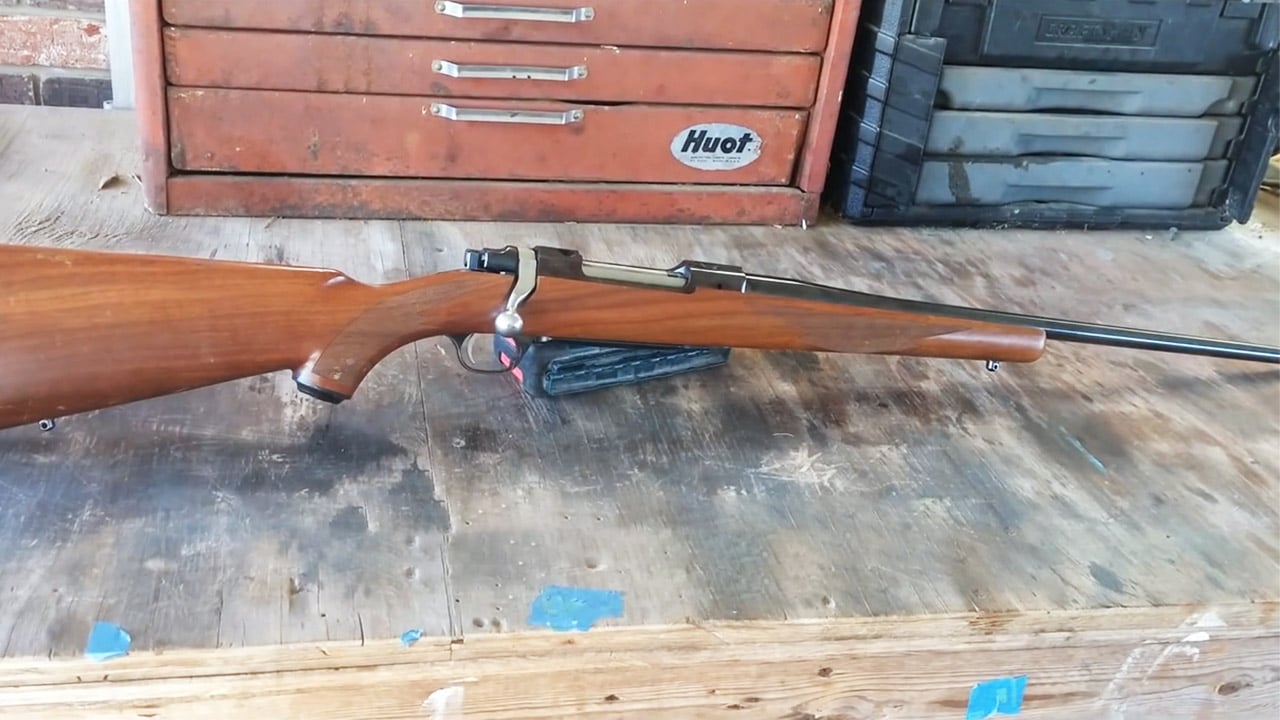
This is one of those rifles that never tried to be fashionable. The M77 Mk II is stout, a little chunky, and usually boring in the best way. The controlled-round feed and the big claw extractor are confidence builders when you’re a long walk from the truck.
It’s not a benchrest darling and the factory trigger wasn’t everybody’s favorite. But as a hunting rifle that gets banged around, carried in rain, and cleaned on a tailgate, it feels like it was designed by people who actually hunted.
4. CZ 452 (bolt-action .22 LR)

The CZ 452 is what happens when a company treats a rimfire like a “real rifle.” The little details—machining, bluing, the way the bolt lifts—feel a step above the plastic-fantastic world.
A good 452 will shoot better than most people can. It’s also the kind of .22 you don’t outgrow. It just becomes the one you compare everything else to.
5. Marlin 39A
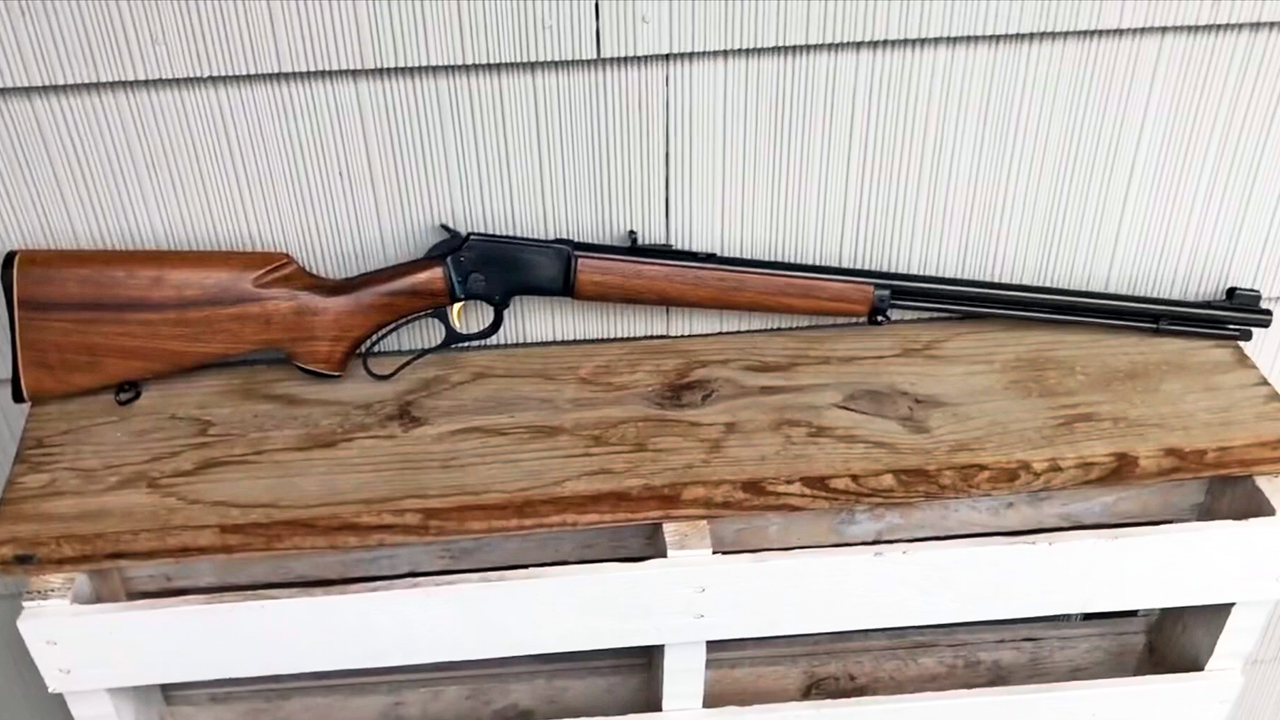
There’s nothing tactical or trendy about a 39A. It’s just a lever-action .22 that feels like it was made to be used for decades. The takedown design is practical, and the heft gives it a steady hold on squirrels and cans alike.
These have gotten expensive, which is painful if you remember what they used to cost. But when you shoulder one, you understand the appeal. It’s a rimfire built with centerfire pride.
6. Winchester Model 94 (pre-’64)

The pre-’64 94s have a slickness that later runs don’t always match. The lines are right, the balance is right, and they carry in one hand like they were born there. For thick timber deer hunting, it’s still hard to beat.
They aren’t target rifles and nobody should pretend they are. But the old ones were built with a kind of honest care that modern “nostalgia models” often charge for without fully delivering.
7. Marlin 336 (JM-stamped)

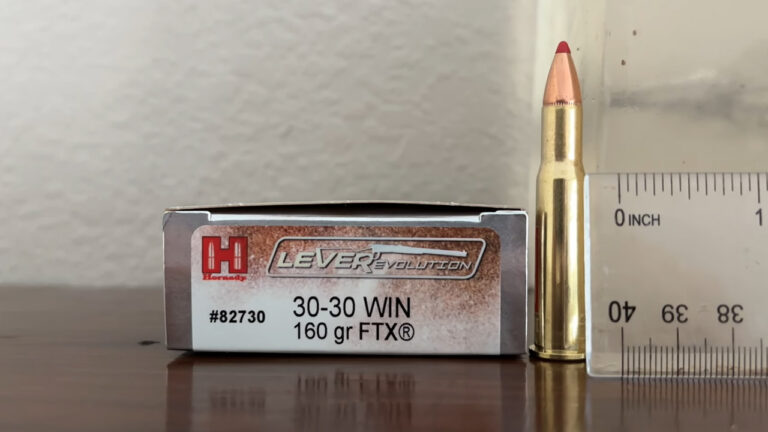
A good 336 in .30-30 is about as useful as a pocket on a shirt. The JM-era guns have that solid feel when you work the lever, and the wood-to-metal fit tends to look like someone actually checked it before it left.
They’re also field-friendly. You can carry one all day, wipe it down at night, and go again. In a world of disposable everything, an older 336 feels like a tool, not a product.
8. Browning BLR (early steel-receiver models)
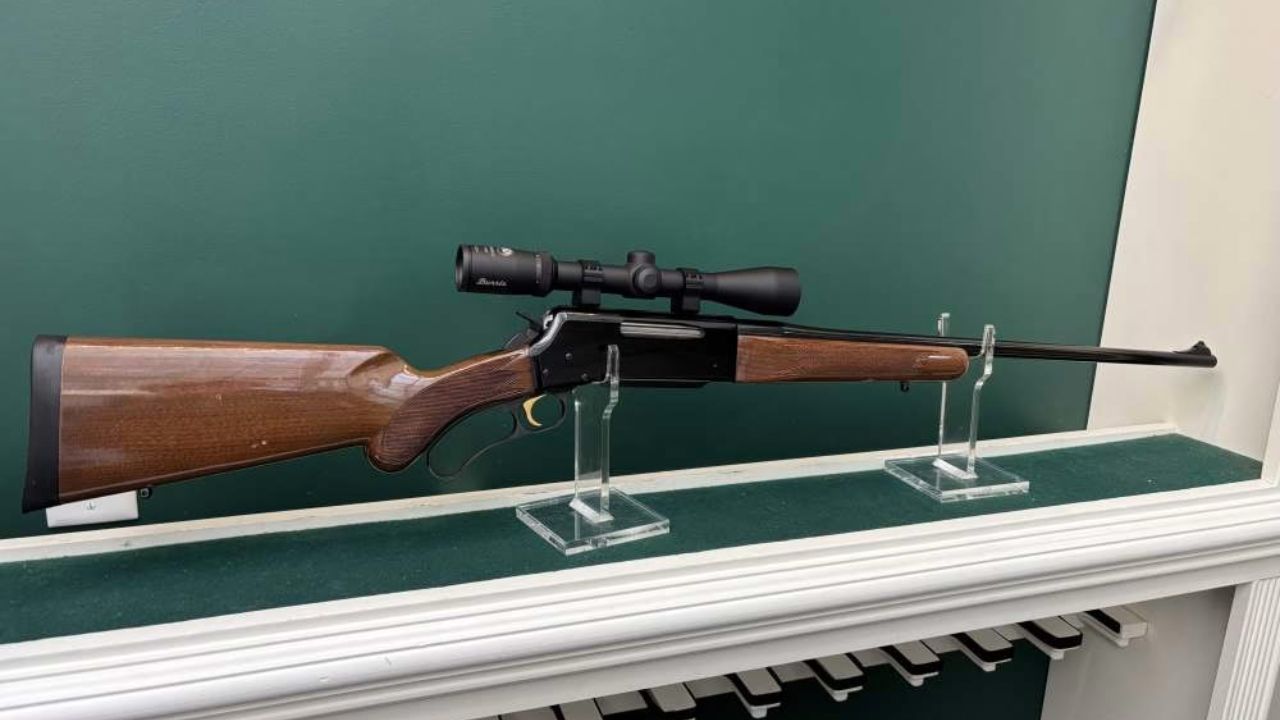
The BLR is a lever gun for people who like lever guns but want modern cartridges and a box magazine. The early steel-receiver guns have a quality vibe that’s hard to fake—tight, smooth, and substantial.
They’re not cheap and they’re a little more complex than a 94 or 336. But if you want a lever rifle that can run .308-class cartridges and still handle like a woods gun, this one earns respect.
9. Ruger No. 1

Single shots force you to slow down, and that’s not a bad thing in the deer woods. The Ruger No. 1 has a kind of “finished” feel you don’t see much anymore, and the design is compact for the barrel length.
Some are picky about loads and some triggers are better than others. Still, they’re handsome rifles that don’t feel like they were built to hit a price point first and a standard second.
10. Springfield Armory M1 Garand (USGI)
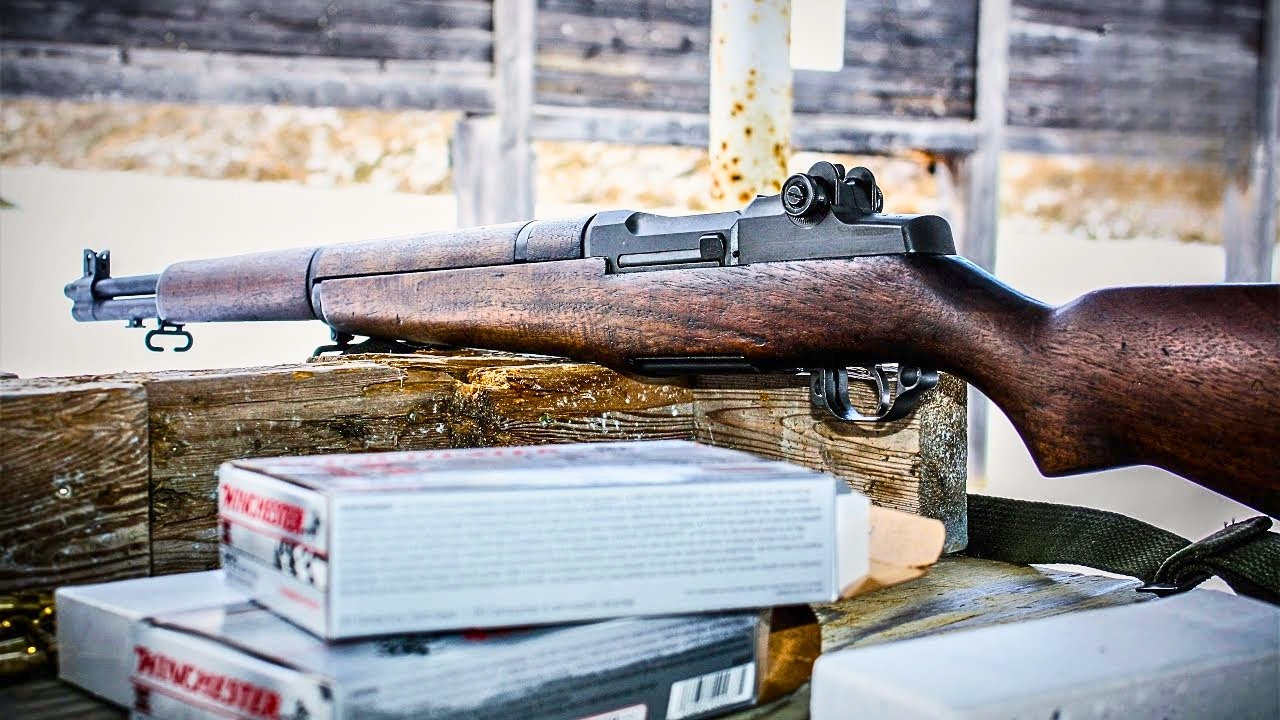
Pick up a real USGI Garand and you feel the difference in steel and intent. It was built for war, sure, but the knock-on effect is a rifle that can take real use without feeling fragile or disposable.
It’s heavy and it’s not the most convenient thing to feed compared to modern magazines. But the action, the sights, and the overall ruggedness show what happens when “good enough” isn’t acceptable.
11. Springfield Armory M1A (early production)
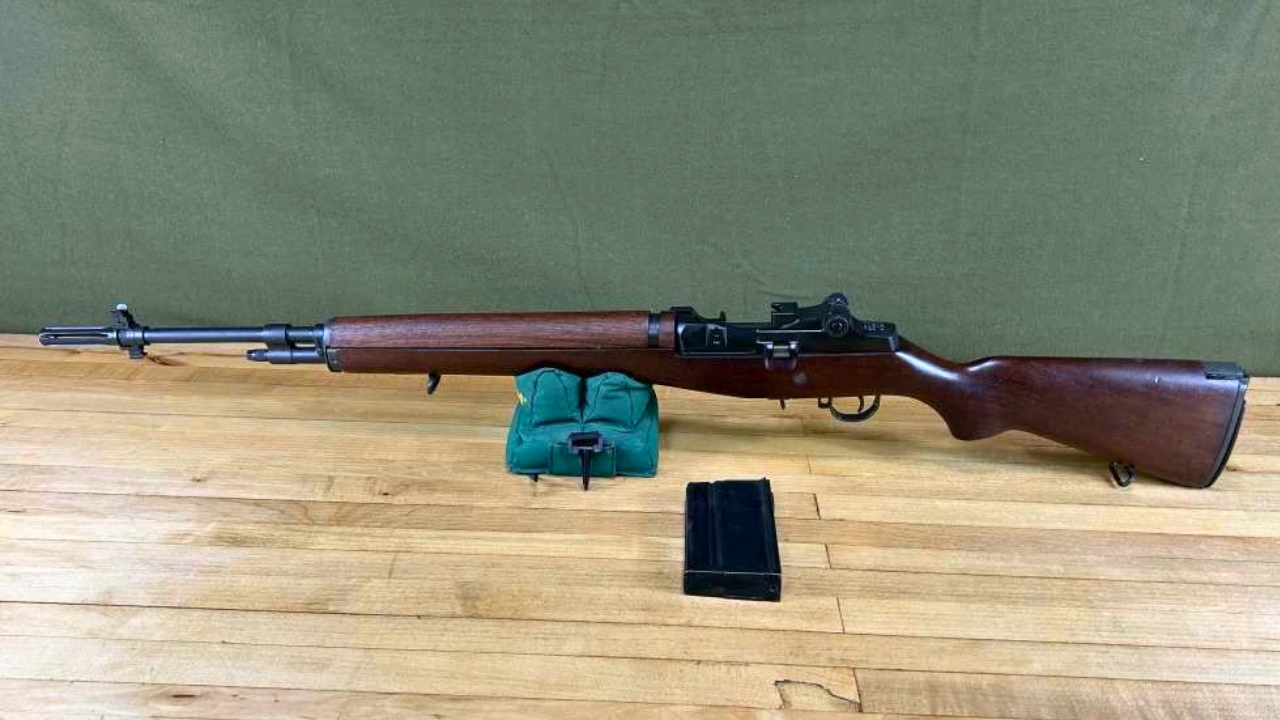
The M1A isn’t a perfect rifle, and it’s not the cheapest way to shoot .308 by a long shot. But the early guns have that solid, well-fit feel, and the platform points naturally for a lot of shooters.
It’s also a rifle that makes you want to practice. Iron sights done right will do that. When manufacturers cut corners today, iron sights are often the first casualty.
12. Colt Python (older production)
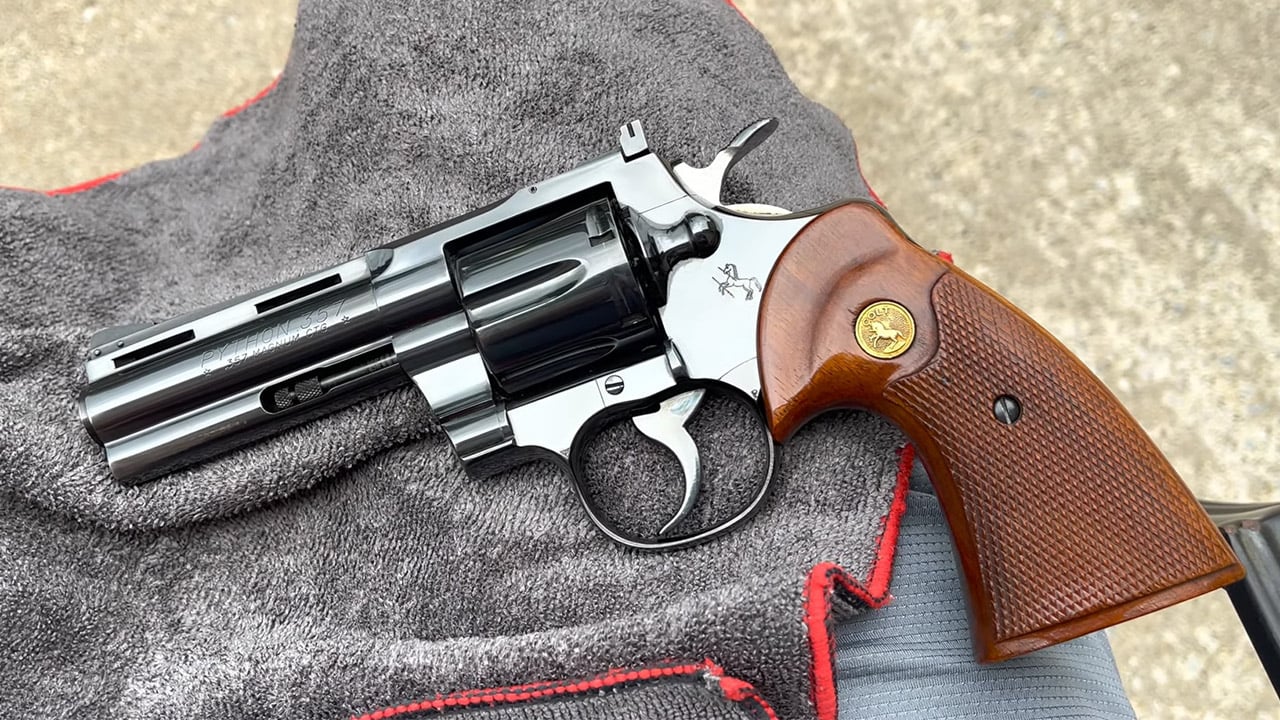
A classic Python isn’t just “a revolver.” It’s a revolver that feels like it was fitted by somebody who cared. The double-action pull on a good one is the kind of thing you remember after you put it down.
They’re expensive and collector fever has made them even worse. But the old ones represent a level of polish and hand-fit that modern mass production doesn’t chase very often.
13. Smith & Wesson Model 27
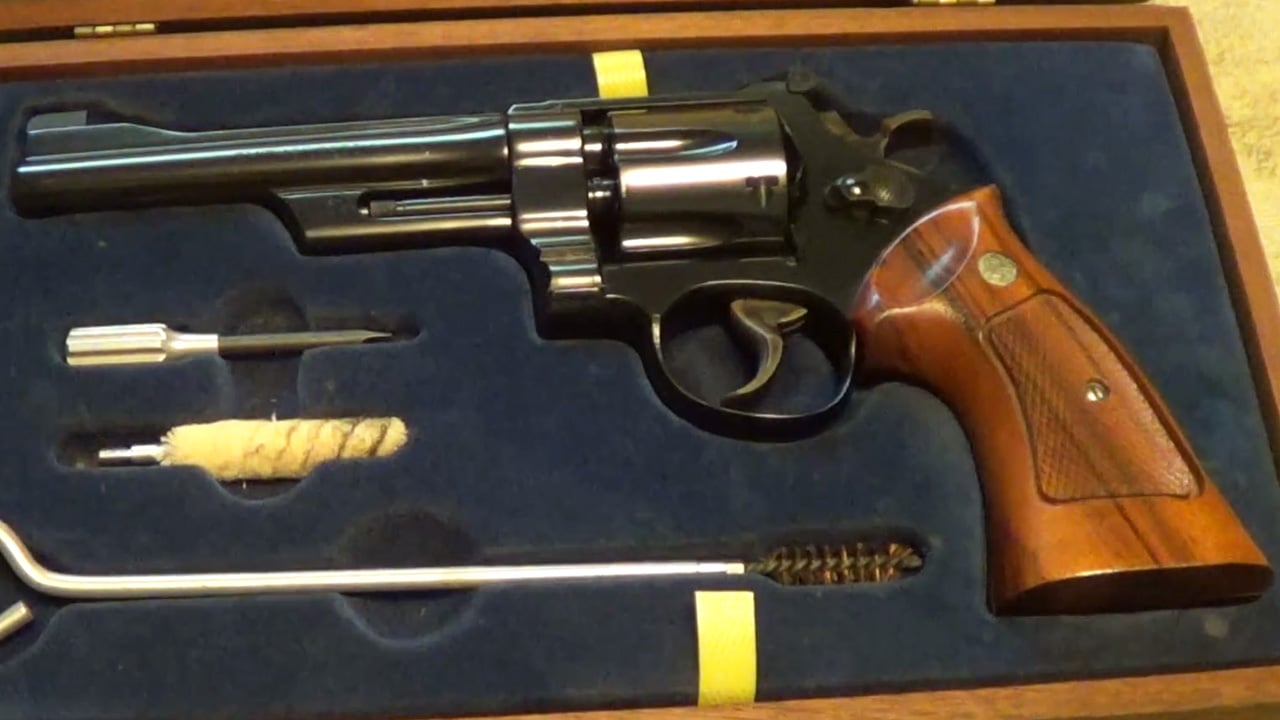
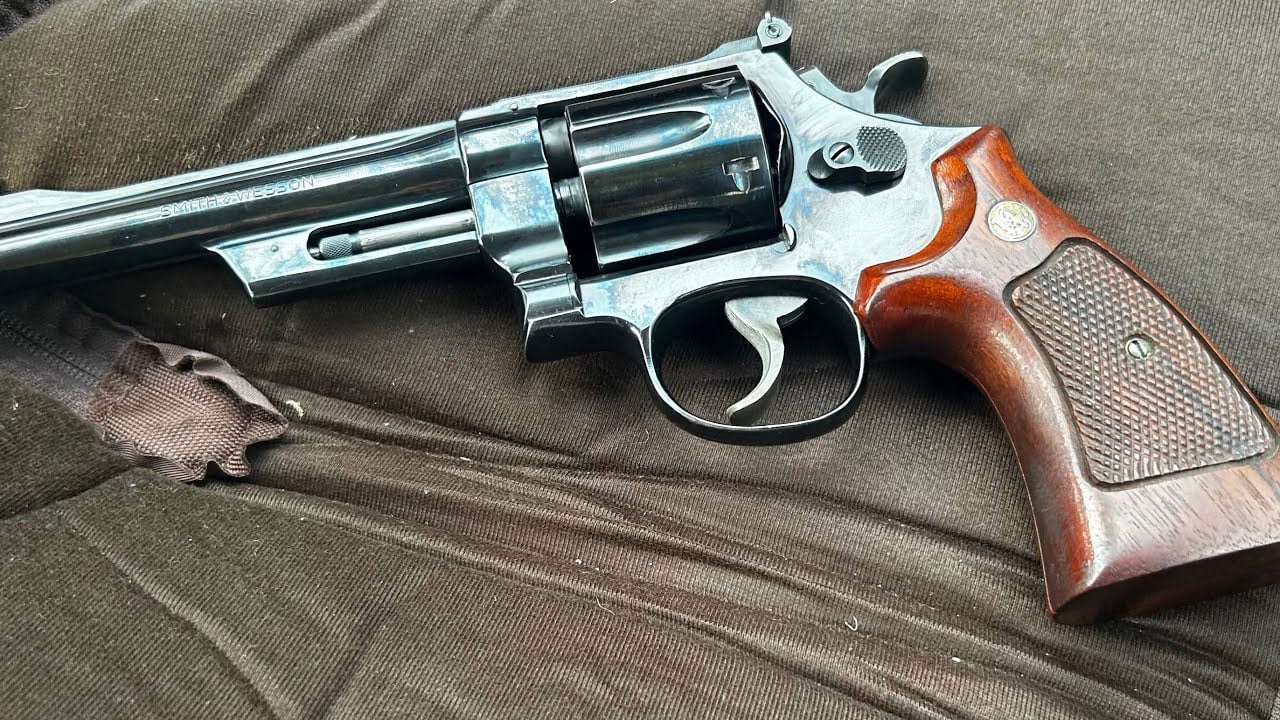
The Model 27 is an N-frame .357 that feels overbuilt in the best way. Checkering on the top strap, high polish, and a weight that soaks up recoil. It’s not a “carry all day” gun for most people, but it’s a shoot-all-day gun.
Modern revolvers can be good, but a lot of them don’t feel like this anymore. The 27 feels like it was meant to impress you when you opened the box, and keep impressing you decades later.
14. Smith & Wesson Model 19 (pinned and recessed)
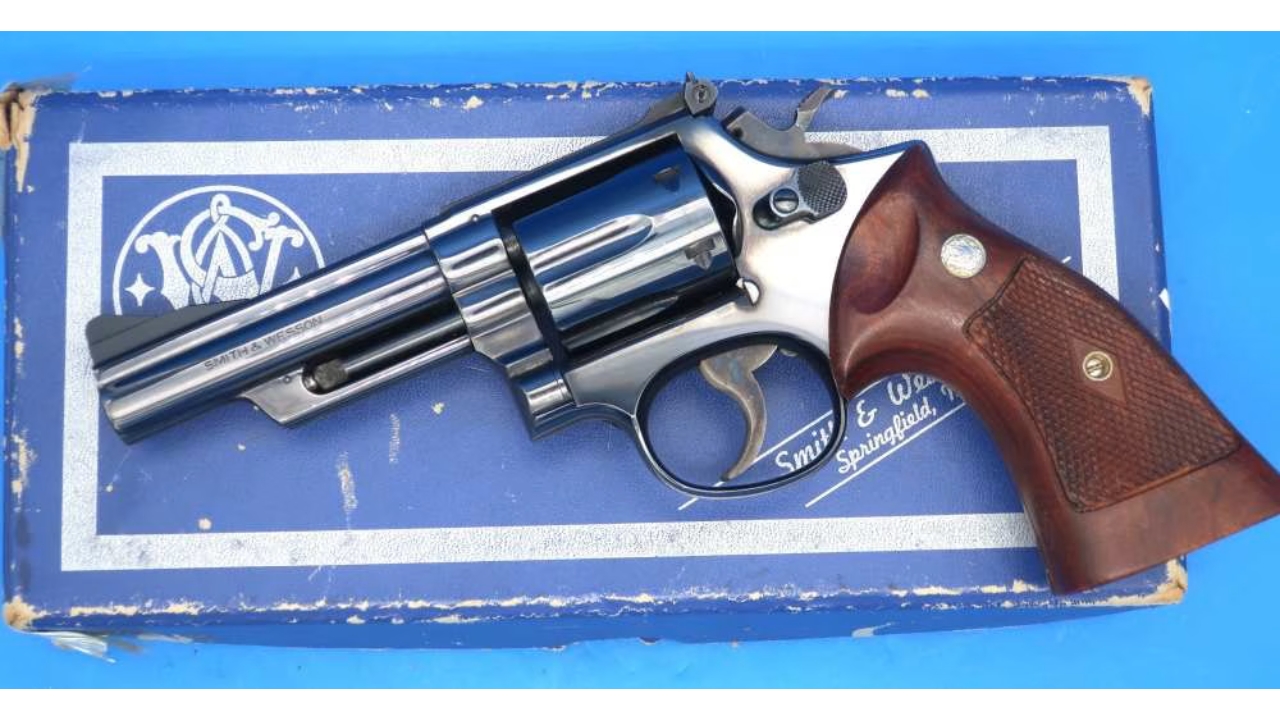
The Model 19 is what happens when a fighting revolver also gets to be handsome. The older pinned-and-recessed guns have a fit and finish that’s hard to ignore, and they balance like a real sidearm instead of a boat anchor.
No, it’s not the best choice for a steady diet of hot .357 loads. But for sane ammo and real-world use, it’s a classic for a reason. They feel alive in the hand.
15. Colt Detective Special

This is one of those revolvers that disappears until you need it. The older Detective Specials have good steel, good timing when they’re cared for, and a practical size that still makes sense.
There are lighter guns today, and some are easier to maintain. But a well-kept Detective Special has that “built to be carried” feel that’s getting rare, especially in smaller-frame handguns.
16. Browning Hi-Power (FN production)

The Hi-Power is not the easiest pistol to shoot well for everybody, and the trigger can be a whole conversation. But the way it sits in the hand, the way it points, and the overall quality of the older FN guns is something you notice immediately.
It’s also a pistol that makes you appreciate steel. A lot of modern pistols are great tools, but they don’t have that same sense of permanence. A good Hi-Power feels like it’s going to be around for your grandkids to argue over.
17. SIG Sauer P210
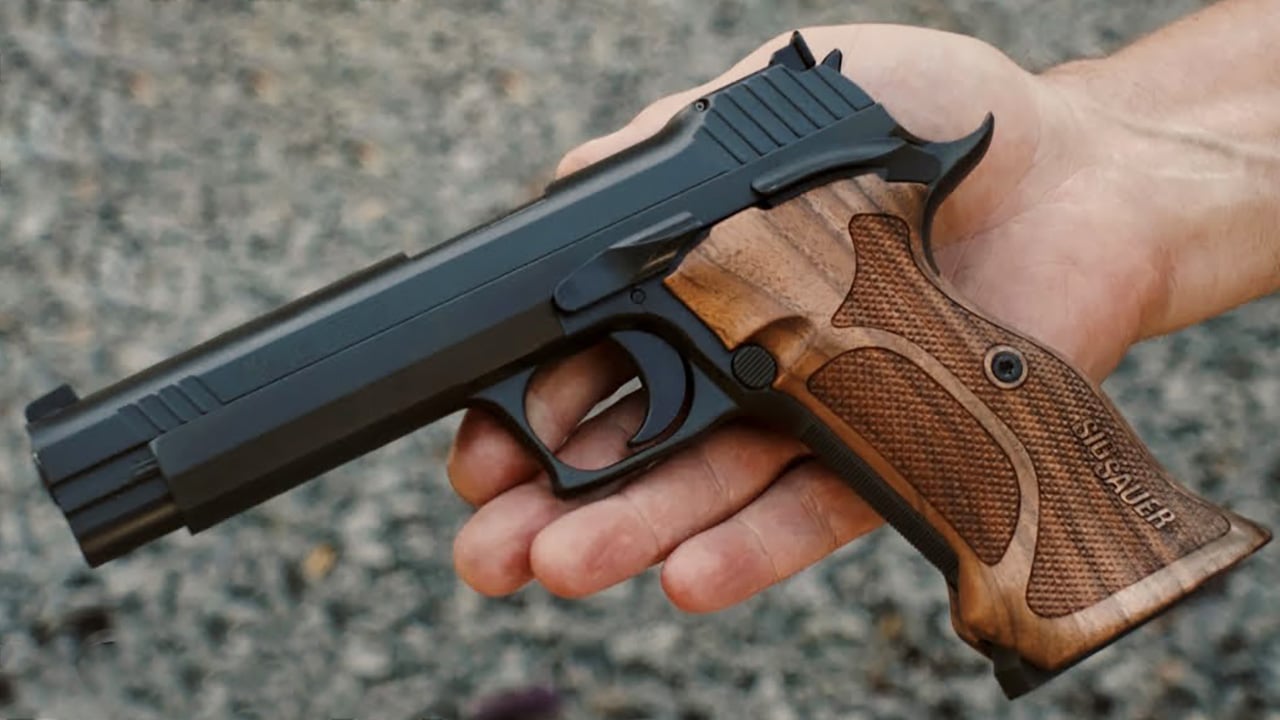
The P210 is the kind of pistol that makes you slow down and shoot groups on purpose. The machining and the lockup are what people mean when they say “built like a Swiss watch,” even if that phrase gets abused.
It’s not a high-capacity wonder and it’s not cheap to buy or feed. But if you want to see what a manufacturer can do when the goal is excellence instead of volume, the P210 is a loud answer.
18. Colt Government Model 1911 (Series 70)
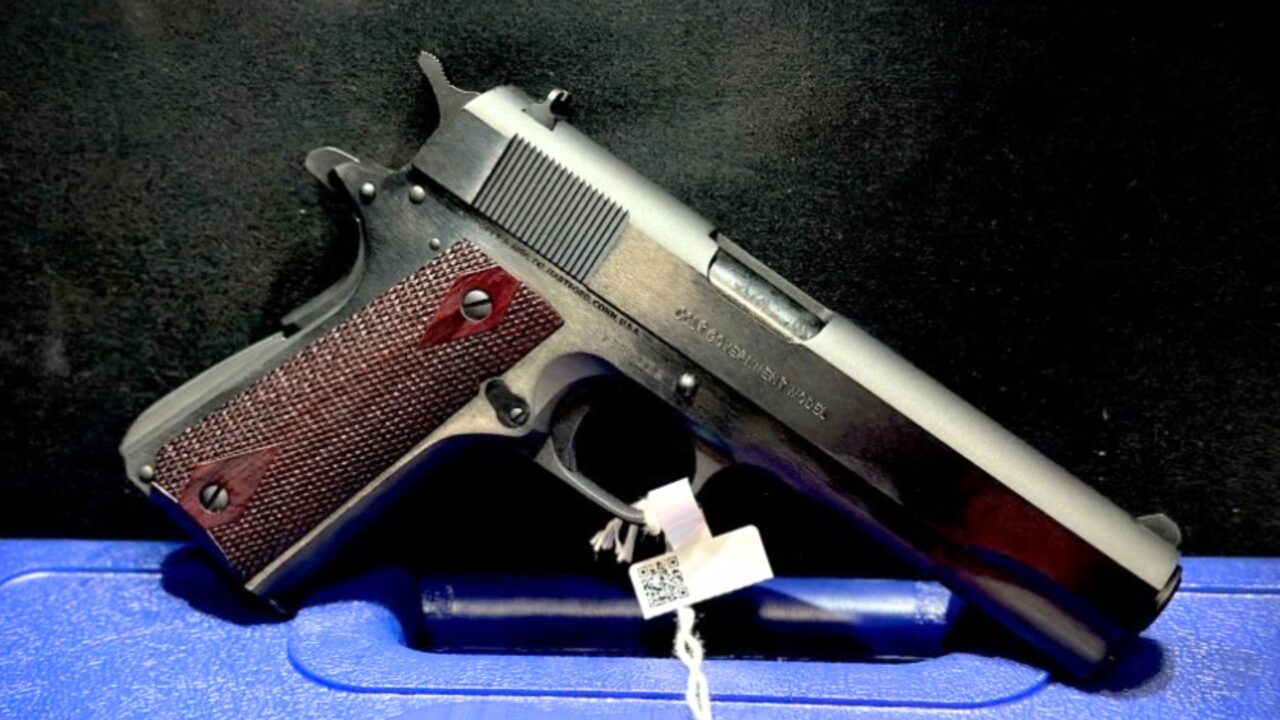
A good Series 70 has a feel that’s hard to replicate with a budget 1911 built fast. Slide-to-frame fit, clean lines, and the way the safety clicks on and off like it means it. They aren’t all perfect, but the good ones set a baseline.
Modern 1911s range from fantastic to frustrating. The older Colts remind you that “basic” doesn’t have to mean rough, and that a duty pistol can still have pride in the details.
19. Benelli M1 Super 90

If you’ve run shotguns in bad weather—duck blinds, snow, freezing rain—you learn what “it just runs” really means. The Benelli M1 earned its reputation the hard way, and it did it without needing to be babied.
It’s not soft shooting compared to a gas gun, and it’s not the cheapest path to a reliable semi-auto. But the standard here is reliability first, frills last. That’s a standard I wish more companies still chased.
20. Remington 870 Wingmaster
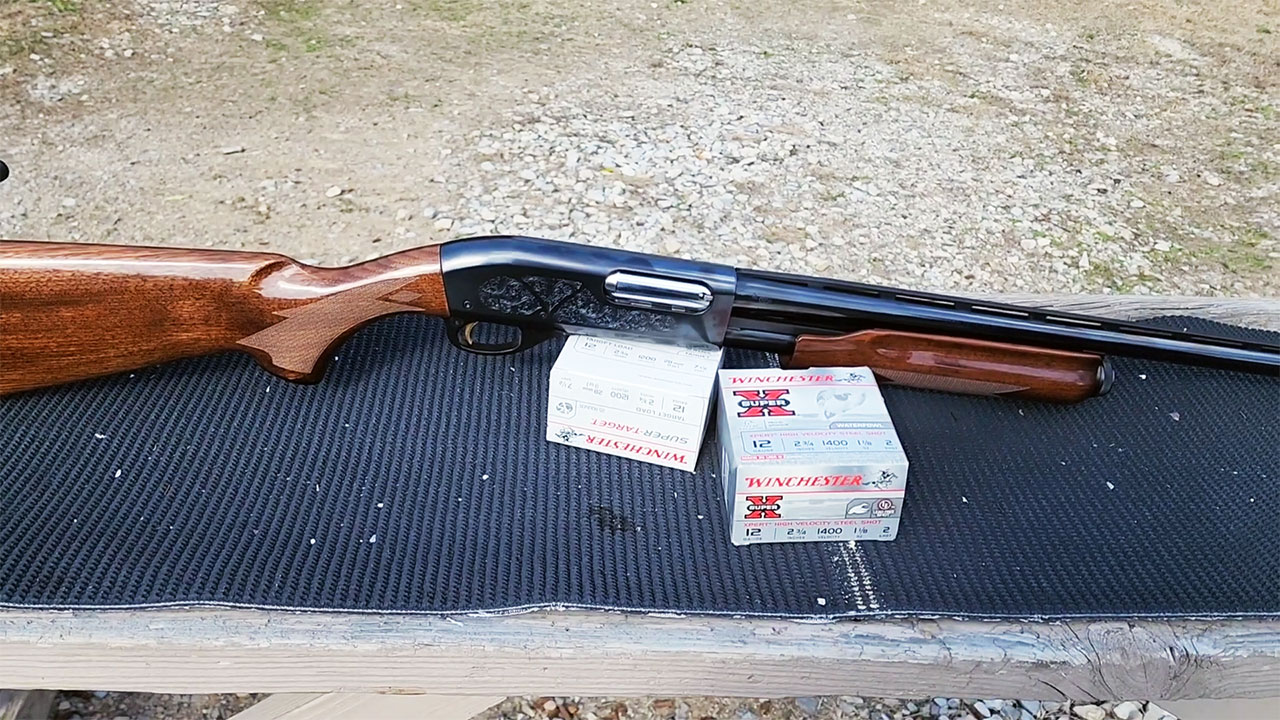
An older Wingmaster is the pump gun that makes other pump guns feel gritty. The action bars, the polish inside the receiver, the finish—everything about it feels like it was built when a shotgun was expected to last a lifetime of bird seasons.
It’s not fancy, and it doesn’t need to be. If you’ve ever handled one that’s been hunted hard for 30 years and still runs smooth, you know why folks hang onto them. Ask me how I know.
The funny part is none of these guns are “magic.” They’re just what you get when manufacturing aims at durability, consistency, and pride instead of shaving every last cost and hoping the buyer won’t notice. If you’ve got one of these—or something like them—take care of it, shoot it, and don’t be in a hurry to trade it off for the newest thing on the rack.
Like The Avid Outdoorsman’s content? Be sure to follow us.
Here’s more from us: