Photo credit: Giedriius/Shutterstock.com
When we think of wildlife injuries, we often picture encounters with dangerous animals like bears, snakes, or mountain lions. But in reality, some of the animals that cause the most injuries are ones you’re more likely to find in your backyard than out in the wild. These creatures may not carry the same intimidating reputations, but their interactions with humans can lead to serious accidents, especially when they feel threatened or cornered.
From aggressive squirrels to seemingly harmless pets, the wildlife around your home can cause a surprising number of injuries. Many of these creatures, driven by instinct or fear, might lash out when they feel their territory is in danger, or simply because they’re not accustomed to human interaction. While most injuries are minor, some can be more severe, even life-threatening. Understanding these animals and learning how to stay safe can help reduce your risk and keep your backyard a peaceful place.
Squirrels
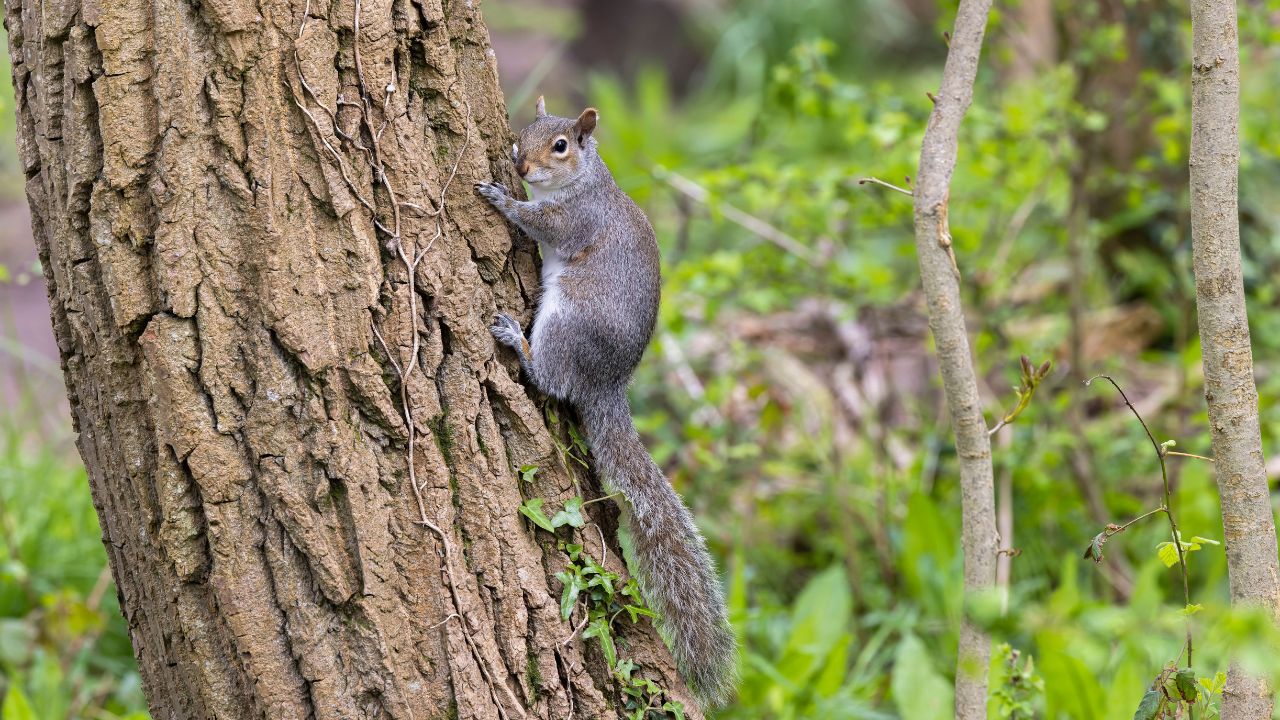
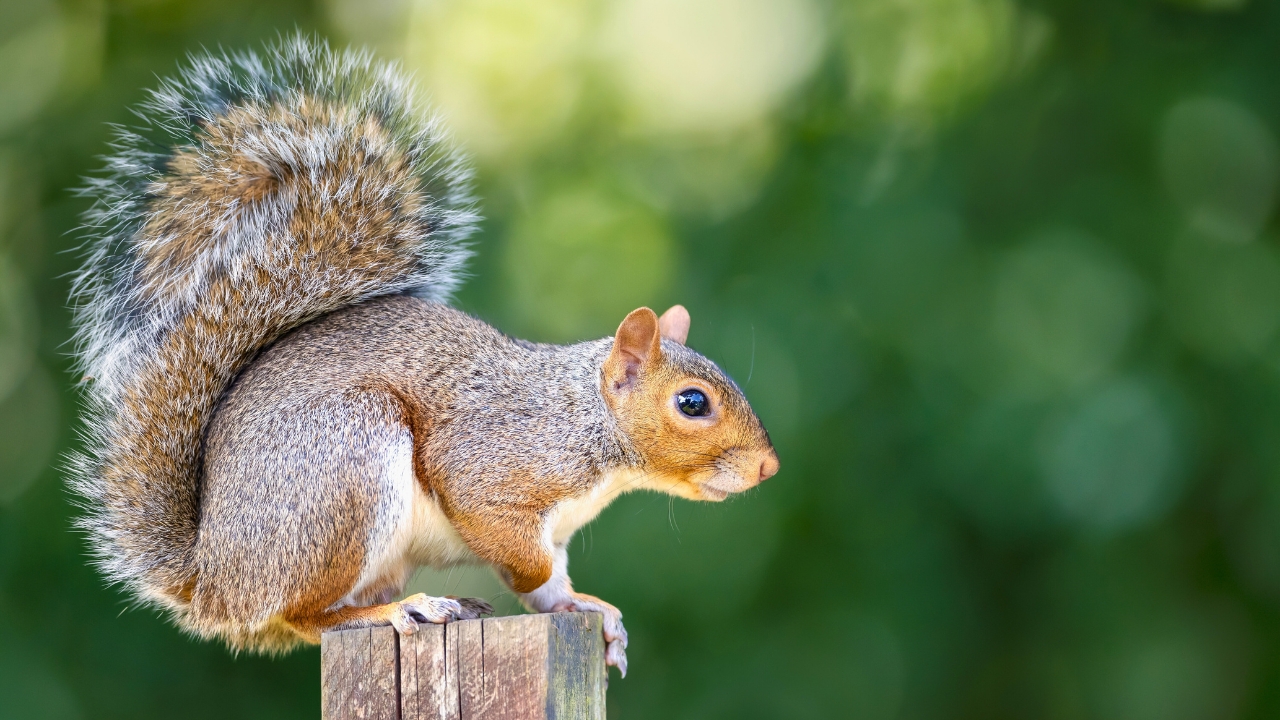
Squirrels are often seen as cute little creatures, hopping around in trees or scavenging for food. However, when they feel cornered or threatened, they can be surprisingly aggressive. Their sharp claws and teeth can cause serious bites, and while these injuries are usually not life-threatening, they can become infected if not treated properly.
The real danger comes when people try to feed squirrels or handle them, thinking they’re harmless. These animals have strong instincts, and if they feel provoked, they’ll fight back. Squirrel bites are common, especially in urban or suburban areas where people frequently encounter them. It’s best to observe them from a distance and avoid tempting them with food.
Deer

While deer are often thought of as graceful and peaceful, they are responsible for more injuries than you might imagine. In fact, deer-related incidents often happen when humans inadvertently get too close to their territory. When startled or threatened, deer can become aggressive, using their sharp hooves and antlers to defend themselves.
Accidents with deer are most common during the fall mating season, when their behavior becomes unpredictable. Deer are also notorious for causing car accidents when they dart into traffic. Their sharp hooves and antlers can lead to serious injuries if you come into contact with them. Always exercise caution, especially if you live in an area with a high deer population.
Raccoons

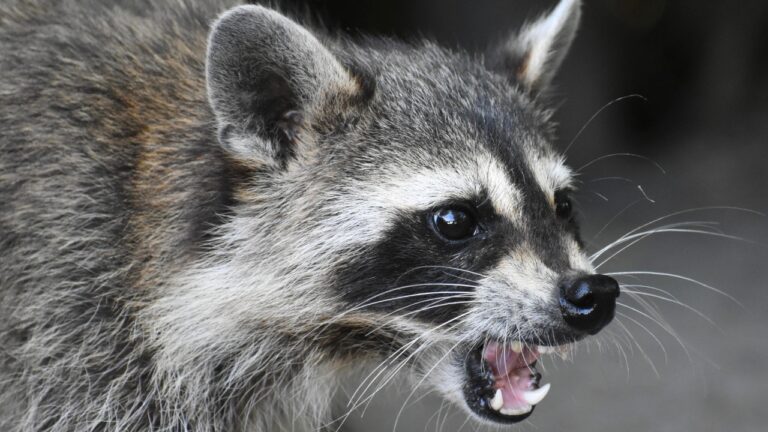
Raccoons are clever, resourceful creatures that will often venture into suburban backyards looking for food. While they may appear cute and curious, raccoons are known to carry diseases such as rabies, which can make them dangerous when they feel threatened. Raccoon bites and scratches can lead to infections and, in rare cases, rabies transmission if not treated immediately.
These nocturnal animals tend to be more active at night and are attracted to food scraps and garbage. If you encounter one, it’s important not to try to handle it or get too close, as their sharp claws and teeth can cause significant injuries.
Coyotes

Coyotes are becoming more common in suburban areas, and while they usually avoid humans, they can become aggressive when provoked or cornered. They are known to be bold, especially during their mating and hunting seasons, and will sometimes approach people or pets in search of food. Though rare, coyote attacks on humans have occurred, particularly when the animals are hungry or feel their territory is threatened.
Most incidents with coyotes involve dogs or other pets, so it’s important to keep pets inside, especially at night, and to be cautious when walking in areas known to have coyote populations. Avoid leaving food outside, as it can attract them to your yard.
Snakes

While many snakes are shy and will avoid humans, there are a few species that can pose a danger, especially if they feel threatened. In areas where venomous snakes like rattlesnakes or copperheads are common, accidental bites are a real risk. Most snake bites occur when people unknowingly step on or get too close to a snake.
The best way to avoid snake bites is to remain aware of your surroundings. Keep your yard clear of debris and tall grass, as these are prime hiding spots for snakes. If you encounter a snake, don’t try to handle it or provoke it. Instead, give it space to move away.
Bees and Wasps
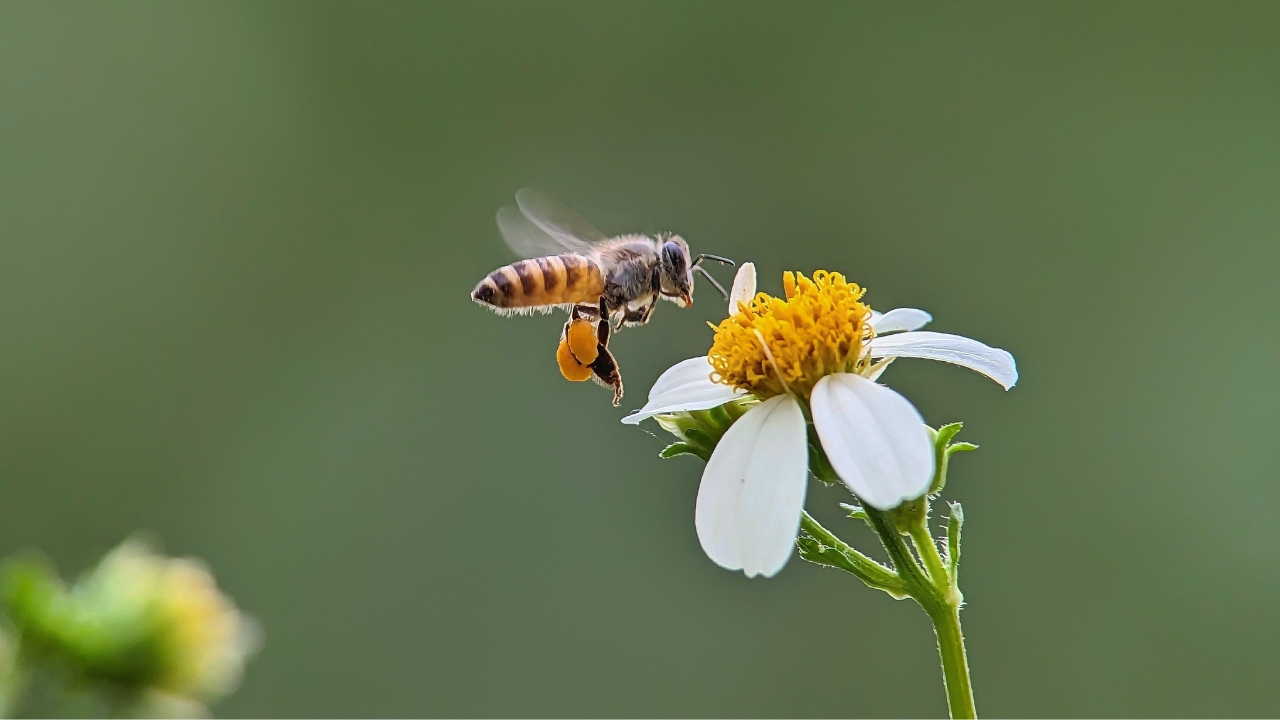
Bees and wasps may not be wild in the traditional sense, but their presence in your backyard can lead to injuries if they feel threatened. A single sting from a bee or wasp might cause a mild reaction in most people, but for those who are allergic, it can be life-threatening. Even non-allergic individuals can suffer from severe pain, swelling, or infections if stung multiple times.
Avoid disturbing nests and be cautious when working in your garden. Wearing protective clothing while handling plants and flowers can reduce the risk of being stung. If you’re allergic to bee stings, always carry an epinephrine injector with you when spending time outdoors.
Skunks

Skunks are infamous for their ability to spray a powerful, foul-smelling liquid when threatened. While their spray is the most common cause of human injury, skunks can also become aggressive if provoked or cornered. Their sharp claws and teeth can lead to painful bites, and if the skunk is rabid, there’s a significant risk of disease transmission.
The best way to avoid skunk-related injuries is to avoid approaching or trying to handle them. If a skunk feels cornered, it may become defensive and lash out. If you do get sprayed, be sure to use a specialized odor neutralizer to eliminate the scent.
Opossums

Opossums are nocturnal creatures that are often found rummaging through garbage cans in urban and suburban neighborhoods. While they generally prefer to avoid humans, opossums can become aggressive if they feel threatened. They have sharp teeth and claws, and while their bites are rarely serious, they can cause infections if not properly treated.
Opossums are also known to carry diseases such as leptospirosis, and while rare, they can transmit these illnesses through bites or scratches. If you encounter an opossum in your backyard, it’s best to leave it alone and allow it to move on.
Wild Turkeys

Wild turkeys may seem harmless, but they can be surprisingly aggressive, especially during their mating season in the spring. Male turkeys will often try to defend their territory and may approach humans aggressively. Their sharp spurs and strong legs can cause injuries, particularly if they’re cornered or feel threatened.
These birds are also known to attack vehicles and their occupants if they feel provoked. If you find yourself in close proximity to a wild turkey, it’s best to move slowly and give it space. Avoid feeding them, as it can cause them to become more territorial.
Foxes

Foxes are generally elusive and shy, but when they feel threatened or cornered, they can become aggressive. While fox bites are rare, they do occur, especially in areas where the animals have become habituated to human presence. Foxes can also carry diseases such as rabies, which makes encounters particularly risky.
Most injuries involving foxes occur when people try to interact with or feed them. Foxes have sharp teeth and claws, and they’ll use them to defend themselves. If you see a fox in your backyard, it’s best to leave it alone and avoid feeding it.
Groundhogs

Groundhogs are burrowing animals that can cause significant damage to your yard, but they can also be a danger to humans, especially if they feel cornered. Their sharp teeth can cause painful bites if you try to handle them or get too close. Additionally, groundhogs are known to carry diseases such as rabies and leptospirosis, which can be transmitted through bites or scratches.
Groundhogs are most active during the spring and summer, so it’s important to be cautious when working around their burrows. If you encounter a groundhog, it’s best to avoid handling it and allow it to move away on its own.
Crows

While crows are intelligent and fascinating birds, they can become territorial and aggressive, particularly during the nesting season. Crows are known to swoop down and strike at humans they perceive as threats. Their sharp beaks and claws can cause painful scratches and, in rare cases, more serious injuries.
If you live in an area with a large crow population, be cautious when walking near trees where they nest. Wearing a hat or carrying an umbrella can help protect yourself from sudden attacks. Crows are smart and will remember you, so it’s best to avoid disturbing them while they’re nesting.
Beavers

Beavers are generally peaceful creatures, but when they feel their territory is threatened, they can be surprisingly aggressive. Known for their large, sharp teeth, beavers can bite in self-defense. The injuries from a beaver bite can be severe, especially if the animal is cornered.
Beavers are most active in the evening, so if you encounter one near a river or pond, keep your distance. Avoid approaching their dams or lodges, as these are areas they consider critical to their survival.
Snapping Turtles

Snapping turtles are one of the most aggressive species of turtles and can deliver a painful bite if they feel threatened. While they usually prefer to stay in the water, snapping turtles will come onto land to lay eggs, and this is when most human interactions occur.
If you get too close to a snapping turtle, they can snap at you with surprising speed and force. Their bites can cause serious injury, and they don’t back down easily. If you see a snapping turtle on land, it’s best to give it plenty of space and avoid picking it up.
Like The Avid Outdoorsman’s content? Subscribe to our newsletter so you never miss an article.
Here’s more from us: