Photo credit: FOX 61/YouTube
Black bears do not need remote wilderness to become a problem. In state after state, wildlife agencies keep warning about the same pattern: unsecured trash, bird feeders, pet food, grills, compost, and other easy calories are pulling bears into yards, driveways, porches, neighborhoods, and trailhead communities. When that keeps happening, bears get used to people faster than people realize.
This list is not saying black bears are aggressive everywhere. It is saying these are states where officials repeatedly talk about bears around homes, residential areas, and developed spaces because the overlap is real and growing. For an MSN-style gallery, these are some of the strongest states for that angle.
North Carolina
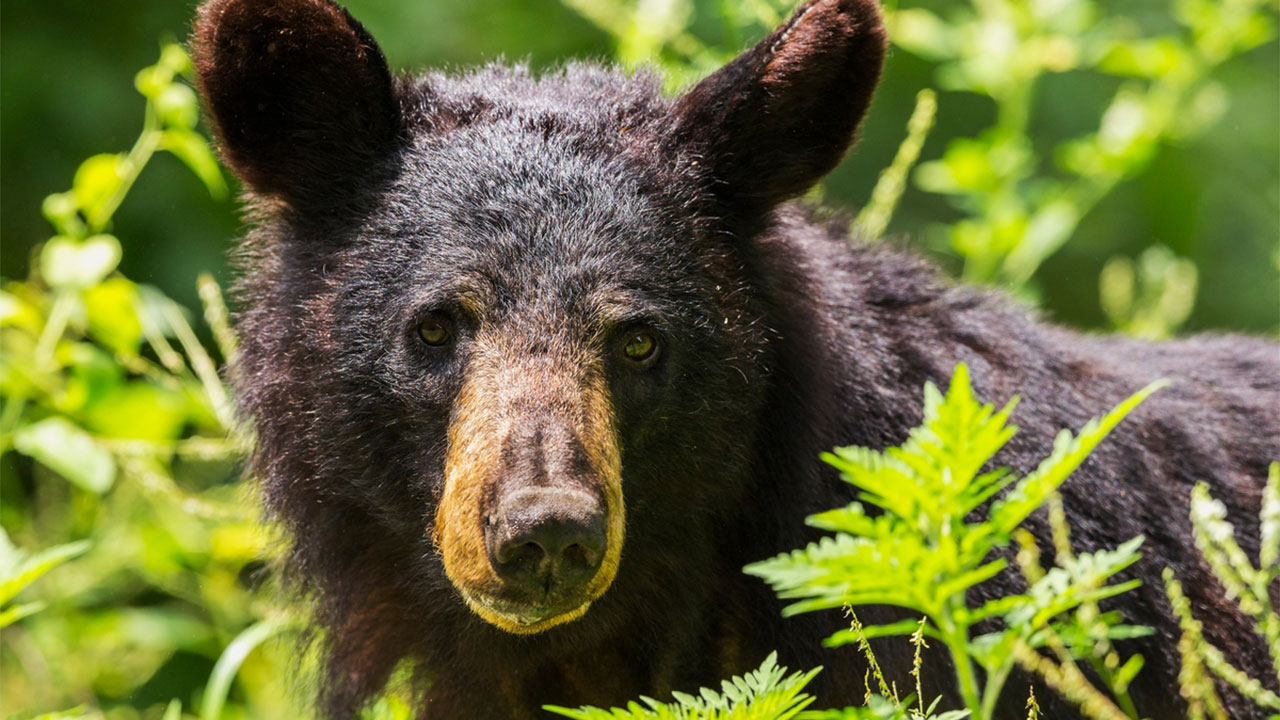
North Carolina belongs near the top because the state has an entire page devoted to bears in residential areas, warning people not to feed bears and to secure garbage, grills, compost, pet food, and bird feeders. That is not “occasional woods bear” language. That is “bears are showing up where people live” language.
Virginia
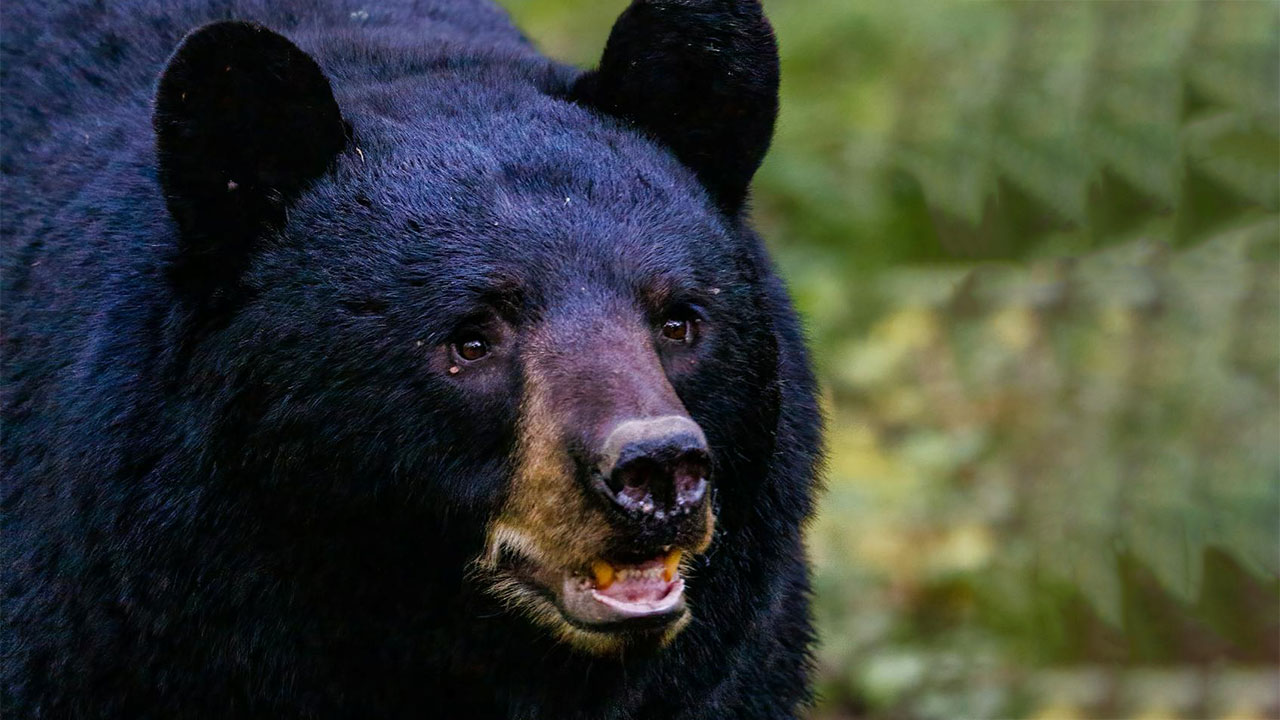
Virginia is a clear fit because the state says black bears occur throughout most of the Commonwealth and specifically notes that residential areas are encroaching into forested lands used by bears. Local Virginia guidance also warns that bears seek food in residential areas.
Pennsylvania

Pennsylvania absolutely belongs here because the Game Commission says bears that become accustomed to people can be attracted into backyards if food is present, and that bird feeders, garbage cans, and backyard grills all draw bears. That is about as direct as this headline gets.
Massachusetts

Massachusetts works very well for this headline because the state says it is not unusual for bears to use residential areas and that they are often attracted to yards by bird feeders and unsecured trash. The state also says bears spend more time in residential areas when they can easily find food.
Connecticut
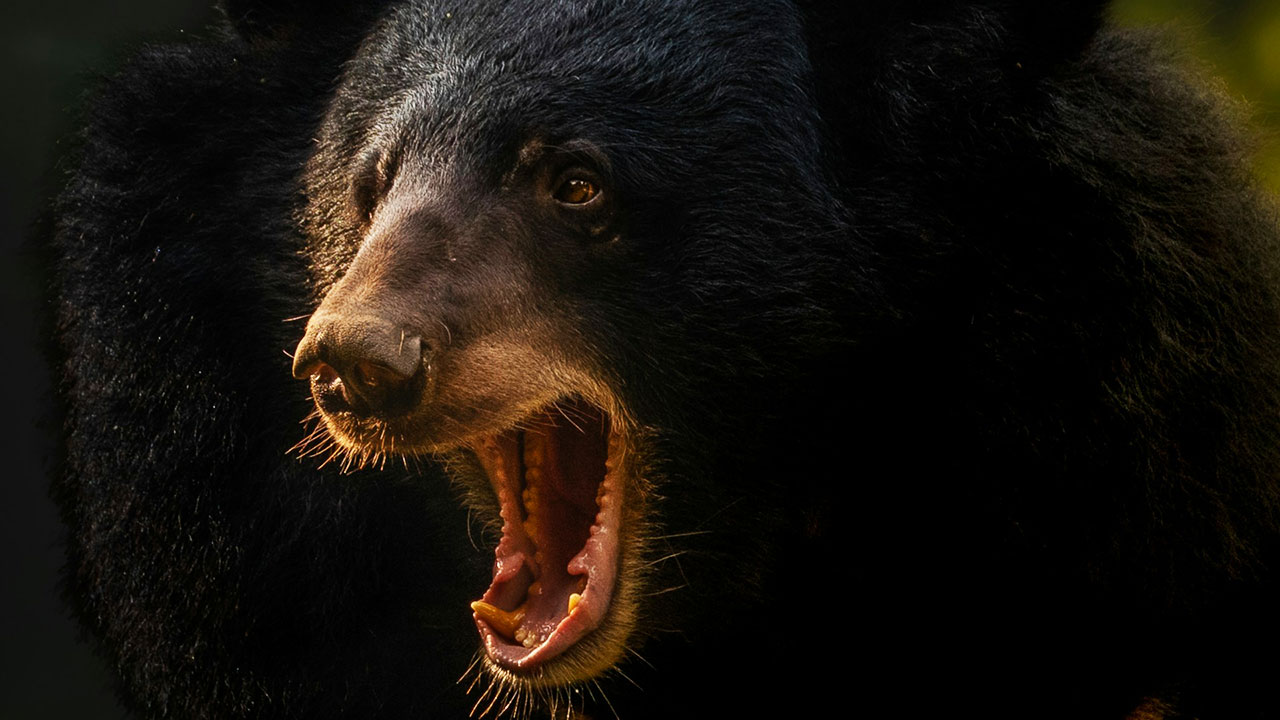
Connecticut is one of the strongest home-angle states on the list. State guidance has a section titled “Bears near your home” and tells residents that if there is regular bear activity in the area, they should avoid putting out bird feeders and should secure garbage. That tells you the state sees neighborhood bear activity as a routine enough issue to address head-on.
New Jersey
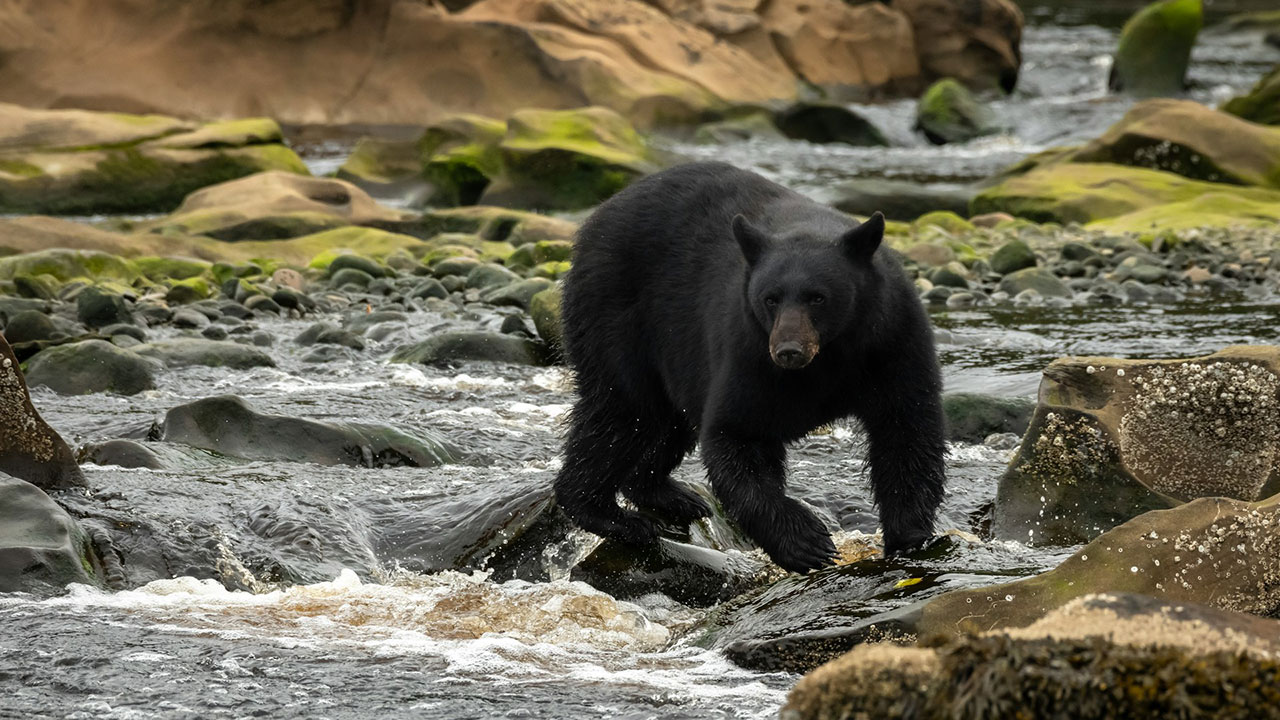
New Jersey belongs here because state officials keep reminding the public to secure trash and other food sources as bear activity rises, and the state warns that bears attracted to neighborhoods may learn to associate people with food. That is exactly the kind of comfort-around-people pattern this headline is about.
New York

New York makes the list because DEC’s BearWise guidance exists for living responsibly with black bears at home, and state-linked guidance says bears will readily use human-created food sources, which can make them bolder and increase conflicts around homes and residential areas. Local guidance tied to DEC also says the leading cause of bear complaints is residential garbage and birdfeeders.
New Hampshire
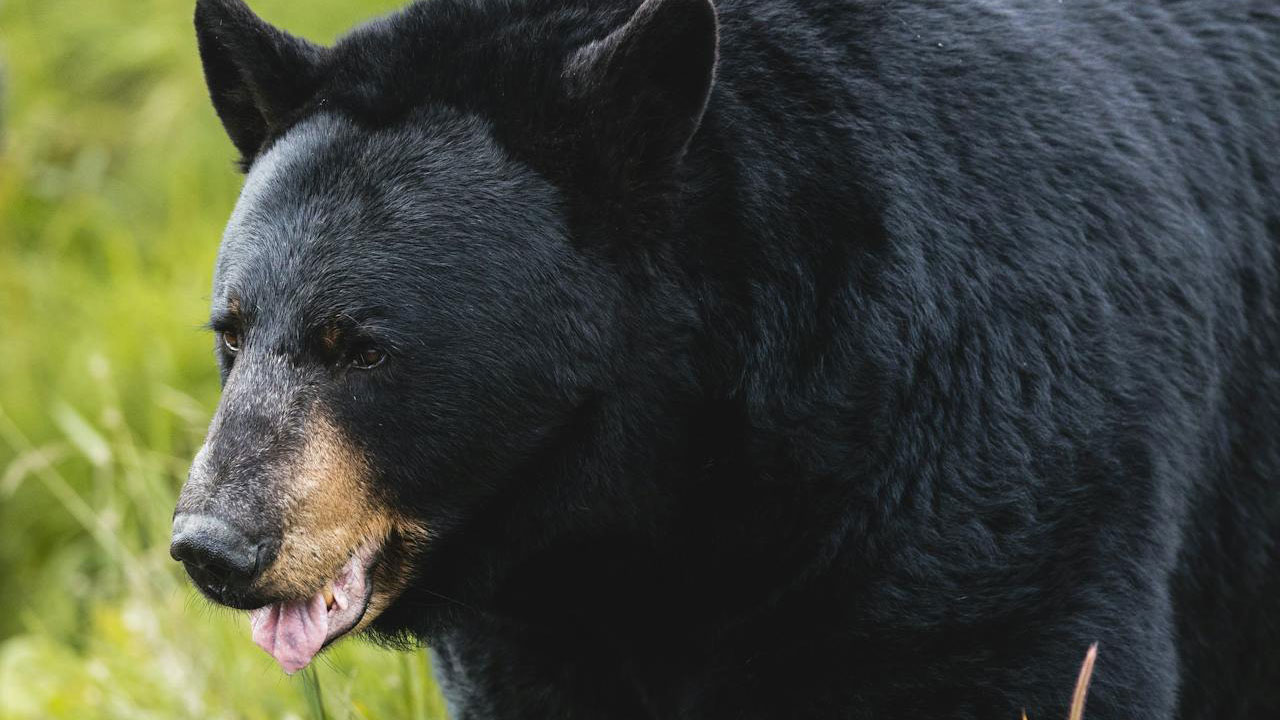
New Hampshire fits because the state says intentional feeding can create problems within residential areas and makes it illegal to intentionally feed bears. When a state has to frame the issue that way, it usually means bears near people are not some fringe scenario.
Maine

/Unsplash.com
Maine belongs on this list because state guidance says bears often turn to suburban attractants such as bird feeders, pet food, and unsecured garbage bins, and the state’s bear-conflict guidance tells residents to take feeders down and store garbage securely. That is a classic “bears getting too comfortable around yards and neighborhoods” setup.
Washington

Washington is a very strong fit because the Department of Fish & Wildlife says state offices receive hundreds of black bear complaints each year regarding urban sightings, property damage, and bear-human confrontations. It also says chances of seeing and interacting with black bears in residential areas are rising because attractants are not being secured.
Wisconsin

Wisconsin belongs here because the DNR’s 2025 reminder specifically warns that if bears find a consistent food source around people, they will make a habit of visiting the area or approaching people. It also tells residents to secure garbage, remove feeders when bears are active, and never leave pet food outdoors.
Tennessee

Tennessee makes sense because TWRA says sightings of bears within areas of human population centers should be reported immediately, and that laws aimed at reducing bear-human conflicts exist for a reason. That is a strong sign the state deals with bears showing up uncomfortably close to people on a regular basis.
South Carolina

South Carolina fits because the state says that as coastal development encroaches on bear habitat, the public is more likely to see bears, and it has separate residential guidance telling people to store garbage securely, avoid leaving pet food out, and stop feeding birds if bears have visited. That is a textbook comfort-around-homes pattern.
Louisiana

Louisiana belongs because its Bear Wise guidance says the most common reported nuisance behavior of Louisiana black bears is related to unsecured garbage, and that bears will take advantage of even small food sources near residential areas. Once they find food, the state says, they will come back.
Utah

Utah is a strong pick because state wildlife officials explicitly tell residents to bear-proof garbage and remove items that attract bears to the house, including birdfeeders, fruit trees, compost piles, pet food, and grills. The state even notes that this is especially important if you live in foothills or mountainous parts of Utah.
California

California rounds out the list because the state says black bears may cause concern as they search for food, including pet food, human food, and trash, and that they can become habituated to and lose their fear of humans. Once a state wildlife agency starts using language like that, it is fair to say some bears are getting far too comfortable around people.
Like The Avid Outdoorsman’s content? Subscribe to our newsletter so you never miss an article.
Here’s more from us: