Photo credit: The Turkey's Opinion/Youtube
Every gun counter has the same quiet pattern: somebody walks in fired up about a carry pistol they defended to the death online, and six months later they’re back with the case in hand and a tired look on their face. They’re not mad, exactly. They’re just done. The gun didn’t fit their life the way it fit the comment section.
The funny part is most of these pistols aren’t “bad.” They’re just picky, sharp, heavy, snappy, finicky with ammo, hard to shoot well, or they require more practice than the average working person is going to give them. Here are 20 specific carry pistols that get a lot of keyboard loyalty—and then end up on trade-in shelves when reality shows up.
1. SIG Sauer P365 (early production guns)

I’ve watched more than one new carrier buy a P365 because “it’s the standard now,” then show up later complaining it feels like a sewing machine full of sand when it gets dry or dirty. The gun can be great, but the tiny grip and short sight radius can make average shooters look worse than they are.
Another thing: little guns punish sloppy grip and trigger work. If you don’t put in reps, you’ll start dreading range time, and the pistol you “carry every day” turns into the pistol you don’t really trust. Plenty of folks circle back and buy the XL or a compact that’s easier to run.
2. Springfield Armory Hellcat

The Hellcat sells on capacity and size, and it’s a smart pitch. Then you shoot it fast. A lot of shooters find it lively in the hand and less forgiving than they expected, especially with hotter defensive loads.
The sights are decent, the gun is reliable for many, but comfort matters. If a pistol rubs you raw inside the waistband or beats your hands up at the range, it doesn’t stay on your belt long.
3. Smith & Wesson M&P 9 Shield Plus (with the wrong holster)
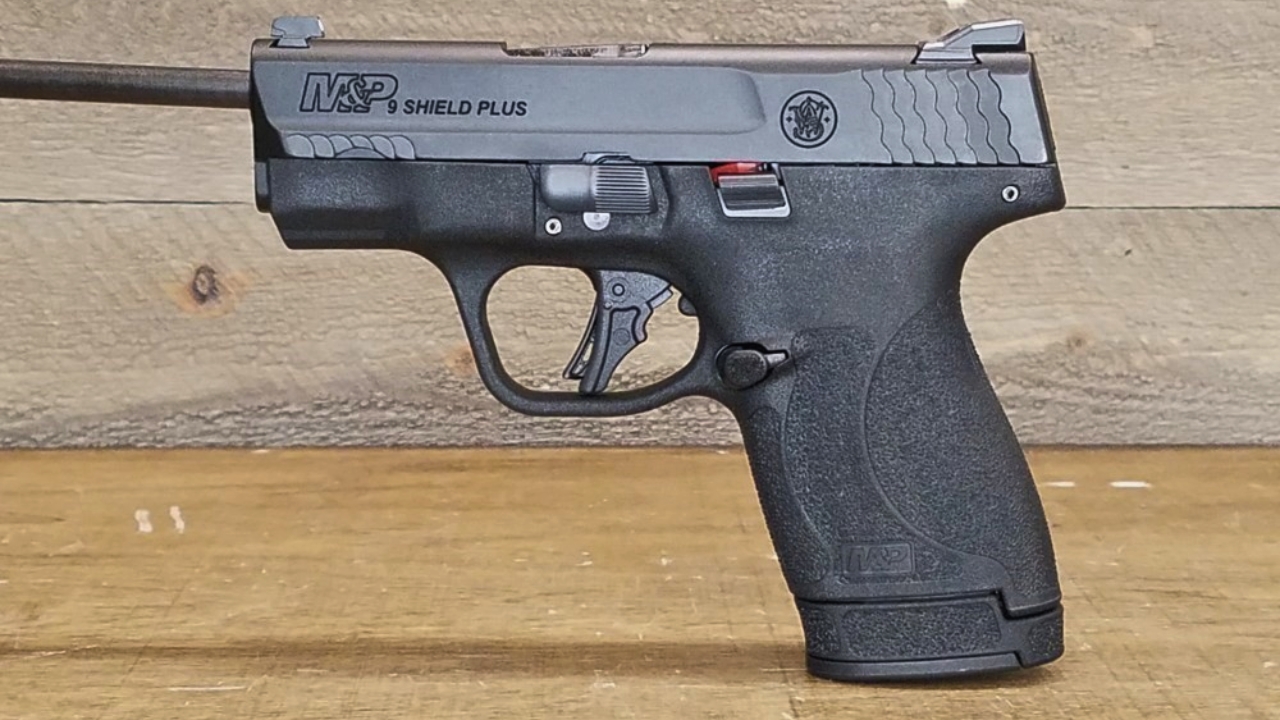
This one hurts because the Shield line is solid and has saved a lot of folks from bad choices. But I keep seeing the same mistake: new owner buys the gun, buys a cheap floppy holster, then blames the pistol for printing, shifting, and feeling “too thick.”
Six months later it’s traded for something “smaller,” even though the real fix was a better belt and holster setup. The Shield Plus is a keeper if you carry like you mean it, not like you’re clipping a tape measure to gym shorts.
4. Glock 43X (MOS) — and then the optic becomes the problem
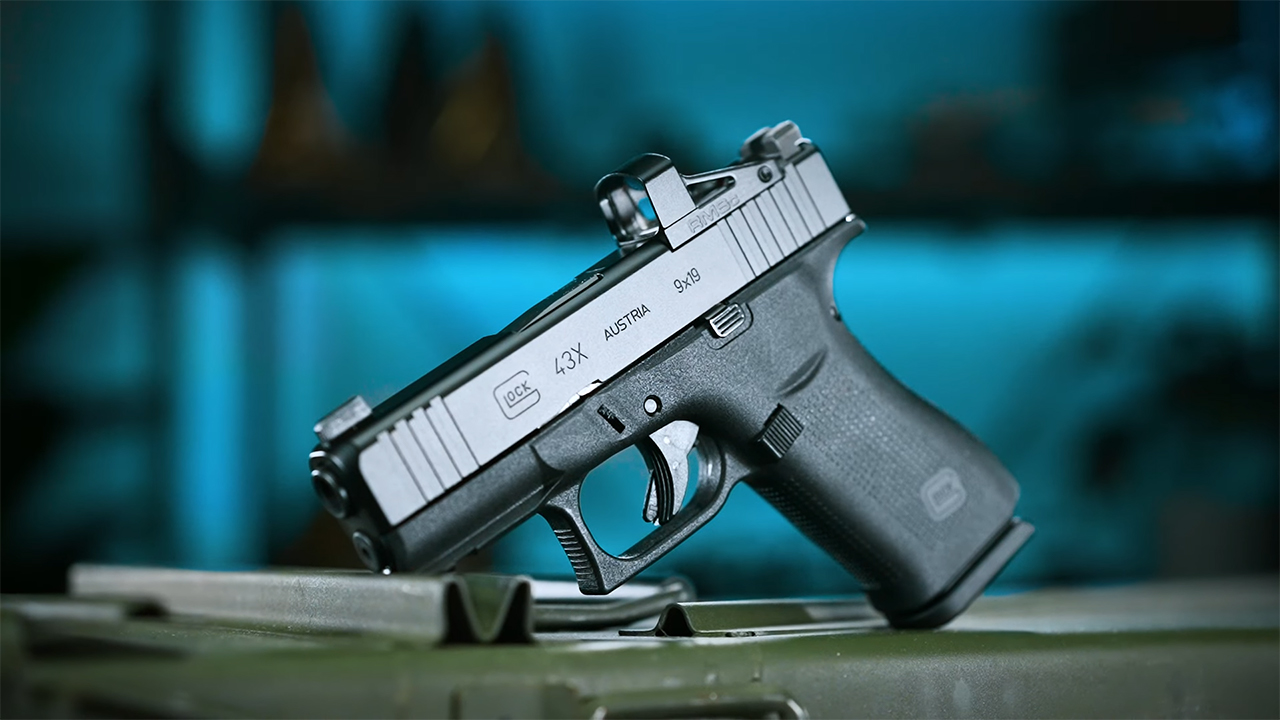
The 43X is a sweet spot for a lot of people. The trade-ins usually come from folks who jumped into the micro red dot world too fast, mounted something questionable, and spent months chasing screws, dead batteries, or a dot that disappears under recoil.
Iron-sight 43Xs don’t show up nearly as often. A small gun with a big learning curve becomes a project, and most carriers don’t want a project—they want something boring that works.
5. Glock 42
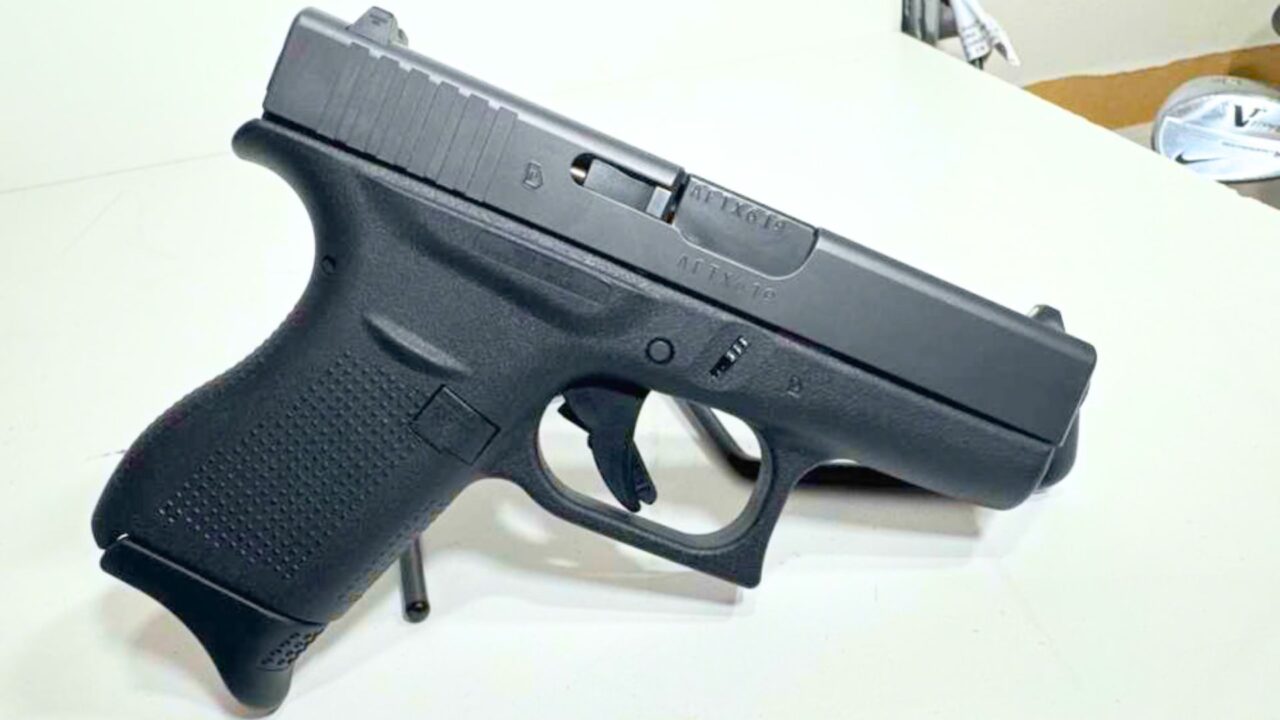
It’s soft for what it is, easy to rack, easy to carry, and it points like a Glock. The trade-in happens when the owner finally admits .380 is expensive to feed, harder to find in some places, and not as confidence-inspiring as they thought it would be.
Nothing wrong with .380 for the right job, but a lot of buyers chose it because it sounded comfortable. Then they realize they can carry a slightly bigger 9mm about the same way and shoot it just as well.
6. Ruger LCP II
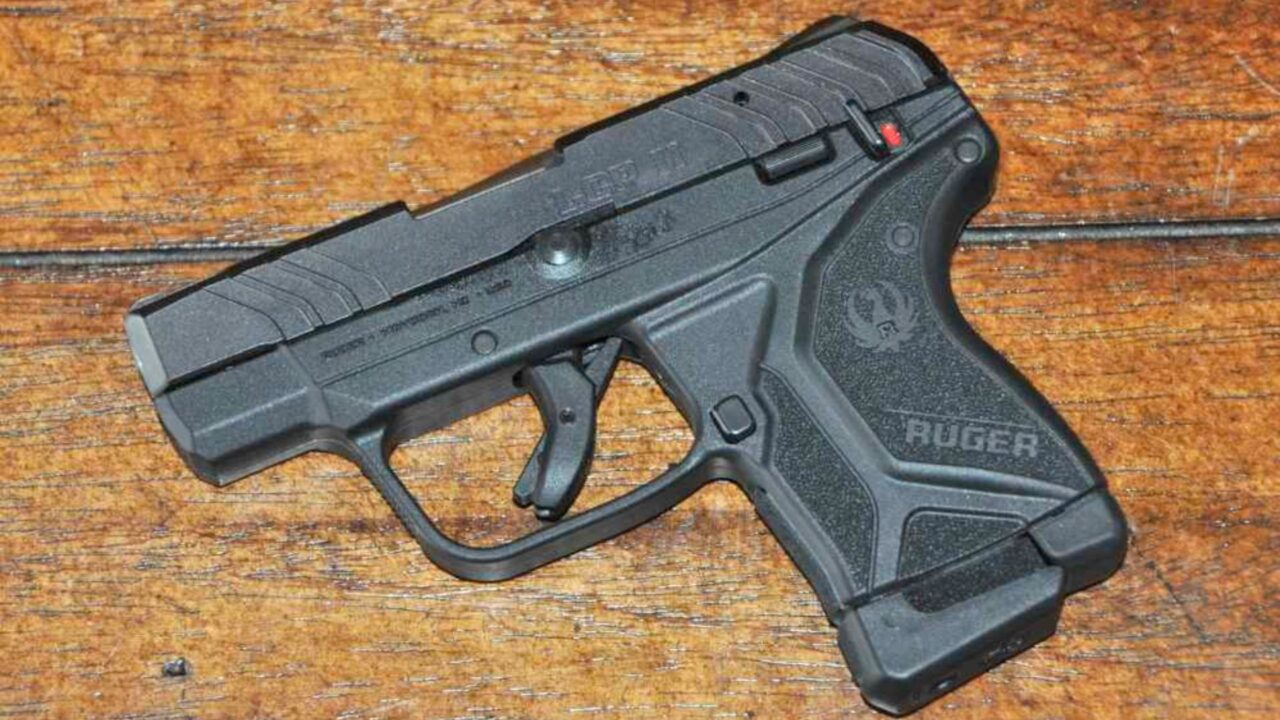
The LCP II is the kind of pistol you buy because you want something you’ll actually carry. Then you take it to the range and remember it’s a true pocket gun, not a range toy. Short grip, snappy recoil, tiny sights—pick your poison.
It can be dependable, and it disappears in a pocket holster, but the shooting experience isn’t friendly. Folks trade it when they start prioritizing shootability over absolute smallest size.
7. Ruger LCR (.357 Magnum)

On paper it sounds perfect: light revolver, simple manual of arms, .357 power. In the hand it can feel like it’s trying to slap your soul out through your palm. A steady diet of .357 out of a light snub makes believers out of people, just not in the way they expected.
Many end up loading .38 +P and wondering why they didn’t just buy the .38 version to begin with. Lightweight magnum snubs are a classic “internet tough guy” purchase.
8. Smith & Wesson 642 Airweight

The 642 gets defended hard because it’s a proven tool. The trade-in usually has nothing to do with reliability and everything to do with reality: shooting a light snub well takes practice most folks don’t do.
Also, five rounds is five rounds. When someone finally carries a small semi-auto with 10–15 rounds and easier reloads, the Airweight starts feeling like a nostalgia piece instead of a daily answer.
9. Kimber Micro 9

These little metal guns look sharp in the case. They also have small, 1911-ish controls, and they demand more attention than a striker-fired pistol. Some run great. Some don’t, and when a carry gun becomes ammo-picky, it loses its job.
The other factor is cost. You pay a lot for compact metal and nice finish, then you realize you still need magazines, springs, and practice ammo. The shine wears off fast when the bill shows up.
10. SIG Sauer P938

I like the P938 more than most people do, but I get why it gets traded. It’s small, it’s slick, and the single-action manual safety is a non-starter for folks who thought they wanted “cocked and locked” until it’s actually on them all day.
Then there’s recoil. It’s not brutal, but it’s sharp. A lot of owners end up moving to a slightly bigger gun that’s easier to shoot quickly without thinking about it.
11. Springfield Armory XD-S Mod.2

The XD-S was a big deal for a while, and you’ll still see them in holsters. The trade-ins come when owners compare it to newer slim 9mms and realize the trigger feel and grip safety setup just isn’t what they want anymore.
Grip safeties don’t bother me if the gun runs, but they can add one more variable when you’re shooting from odd angles or under stress in training. A lot of carriers drift back to simpler controls.
12. Walther PPS M2
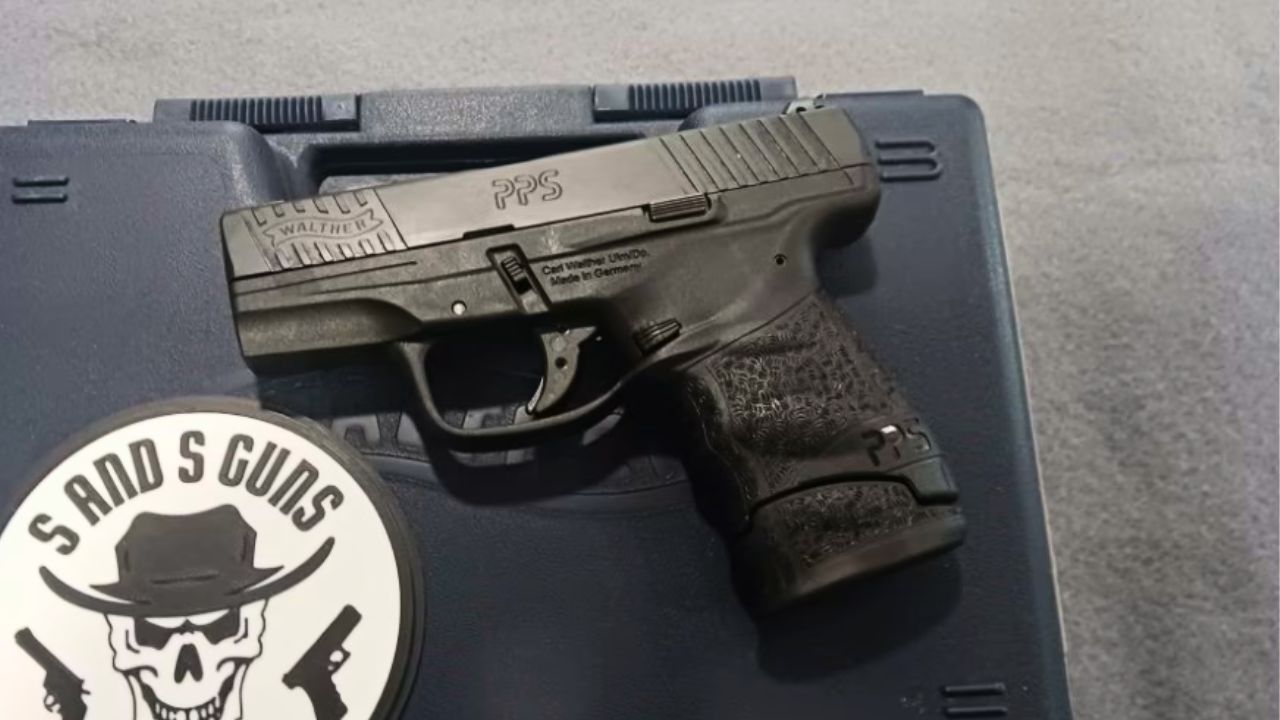
The PPS M2 is accurate and feels good in the hand, which is why it gets defended by folks who shoot it well. The problem is it’s kind of the “forgotten good gun” now, and magazine availability and pricing can be a drag compared to more common platforms.
When someone wants a second set of mags, a new holster, or spare parts, they start thinking about the ecosystem. Great pistol, but the support network matters if you’re going to live with it.
13. FN 509 Compact Tactical

It’s a tank. It’s also a tank. Big optic-ready slide, threaded barrel, tall sights—cool on the range and with a suppressor, but a lot of folks don’t love carrying that much bulk every day.
They buy it because it’s “do-it-all,” and then they realize daily carry is mostly about comfort and concealment. The gun ends up being a nightstand or range pistol, and something simpler takes its place.
14. Beretta APX Carry
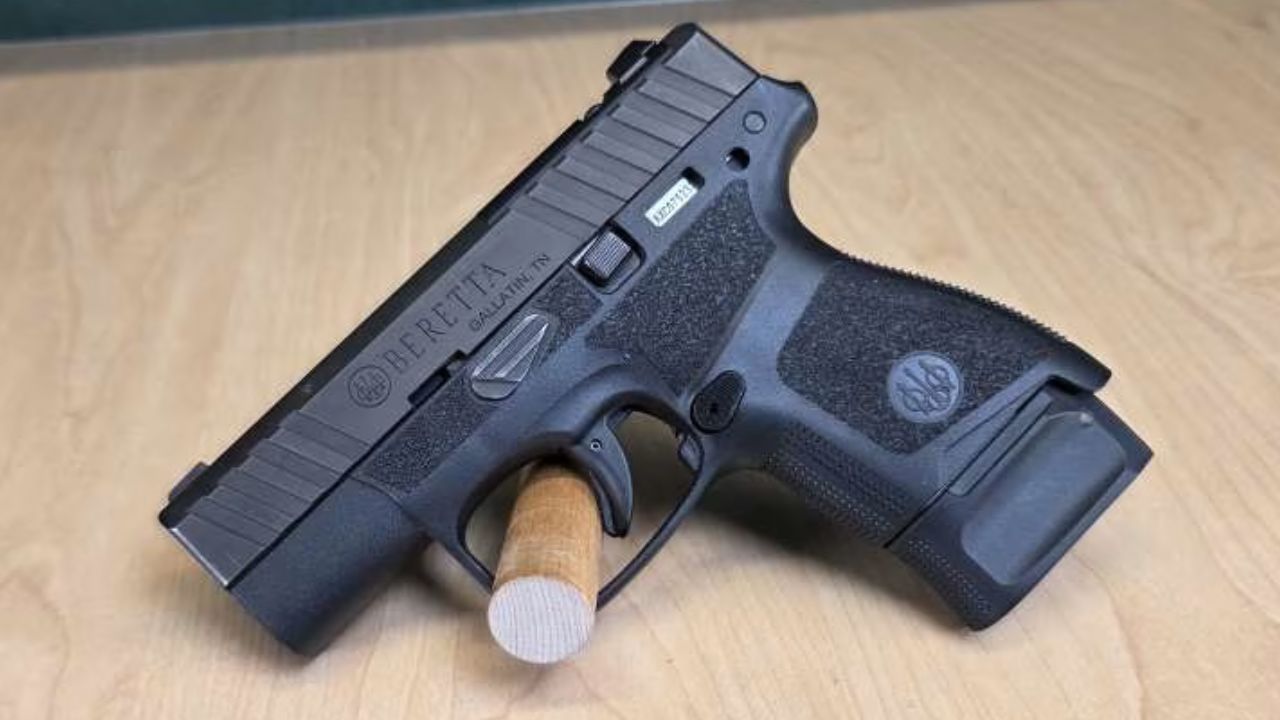
This one shows up when someone wanted a bargain micro 9mm and got what they paid for. The APX Carry isn’t worthless, but the trigger and overall shootability aren’t winning many hearts.
If your carry gun makes you rush shots or hate practice, you’ll stop practicing. That’s the quickest way for a pistol to become a trade-in.
15. Taurus G3c
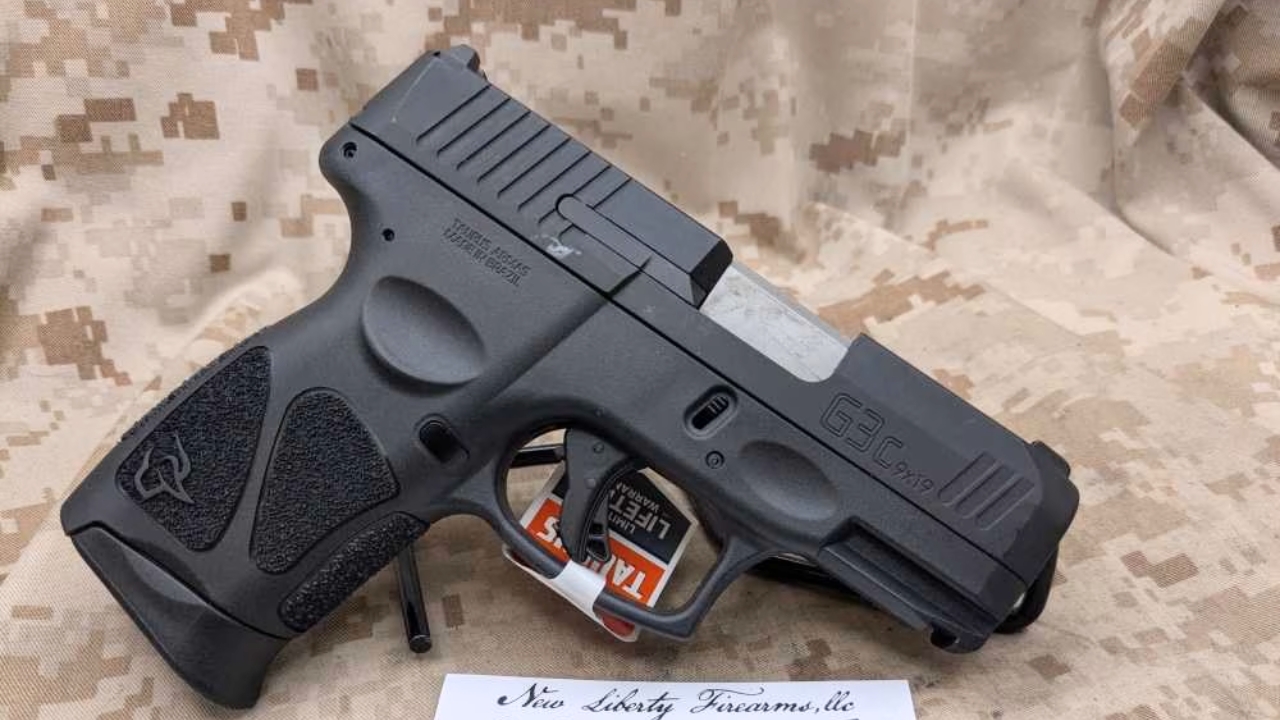
The G3c sells because it’s affordable, it comes with features, and a lot of them run fine. The trade-in happens when the owner starts upgrading lights, holsters, and mags and realizes they built a “budget” carry setup that isn’t budget anymore.
Also, consistency matters. If you got a good one, you’ll defend it. If you got one with quirks, you’ll get tired of wondering if today is the day it acts up.
16. Taurus GX4
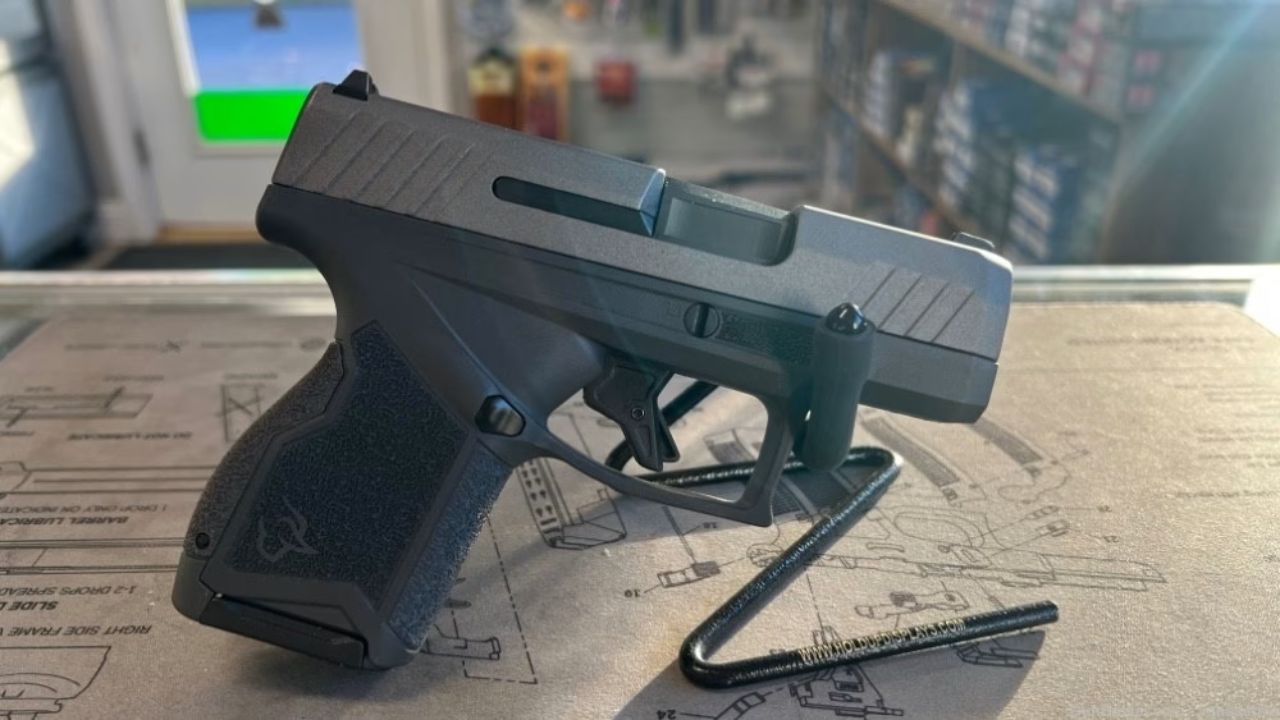
This pistol hit the market with a ton of excitement. The size is right, capacity is competitive, and it feels like the company aimed straight at the P365 crowd.
The trade-ins come from owners who don’t want to be early adopters anymore. When a carry gun is new and updates, revisions, and chatter start swirling, a lot of folks decide they’d rather carry something with a longer track record.
17. Canik TP9 Elite SC

Canik fans are loyal, and I get it. The triggers are good and the value is strong. But the Elite SC is chunky for what it is, and it carries like a brick compared to the slimmer options people end up preferring.
It’s also a pistol that begs you to shoot it a lot, which is great—until you realize you bought a carry gun that prints more than you want in summer clothes. Then it’s back to the counter.
18. CZ P-10 S
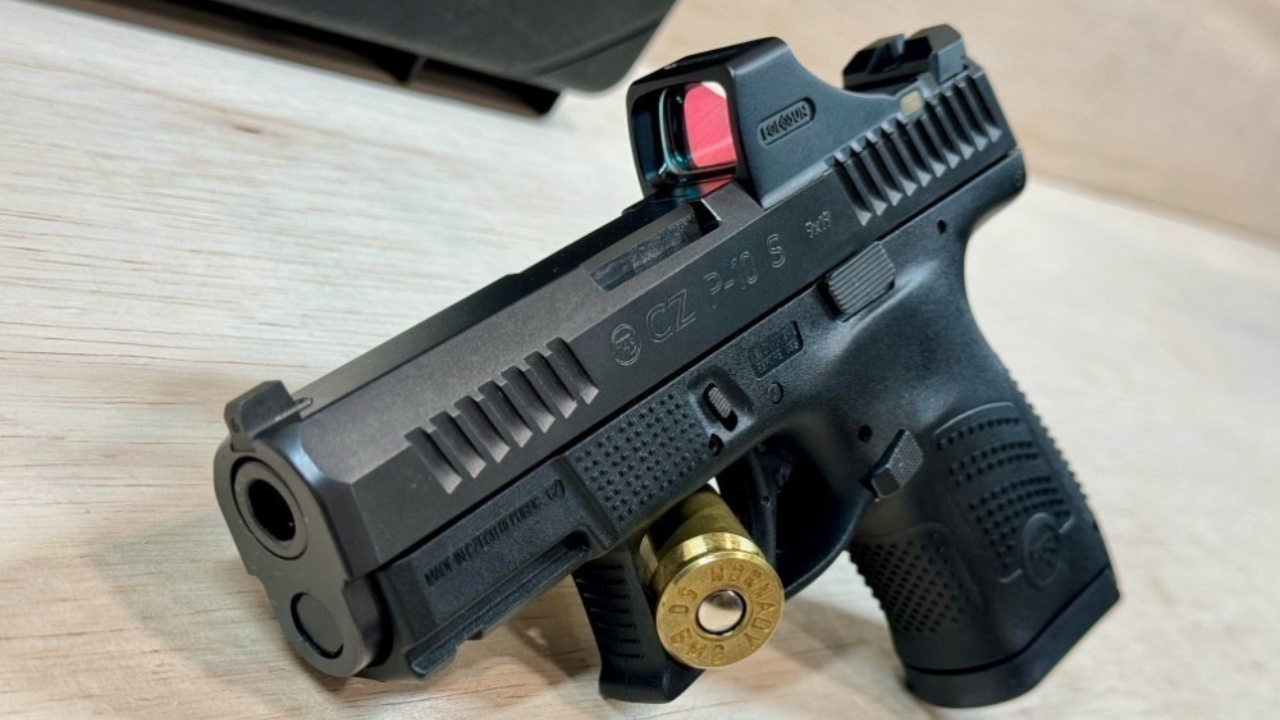
The P-10 S is a shooter. The grip texture is aggressive, the trigger is solid, and it points naturally for a lot of hands. The trade-in reason is usually comfort: that texture and those edges can chew up skin and shirts if your holster and undershirt game isn’t dialed.
Some also find it just thick enough to be annoying compared to the newest micro-compacts. Great range gun, solid carry gun for the right person, but not everybody wants “duty gun manners” on a small frame.
19. H&K VP9SK
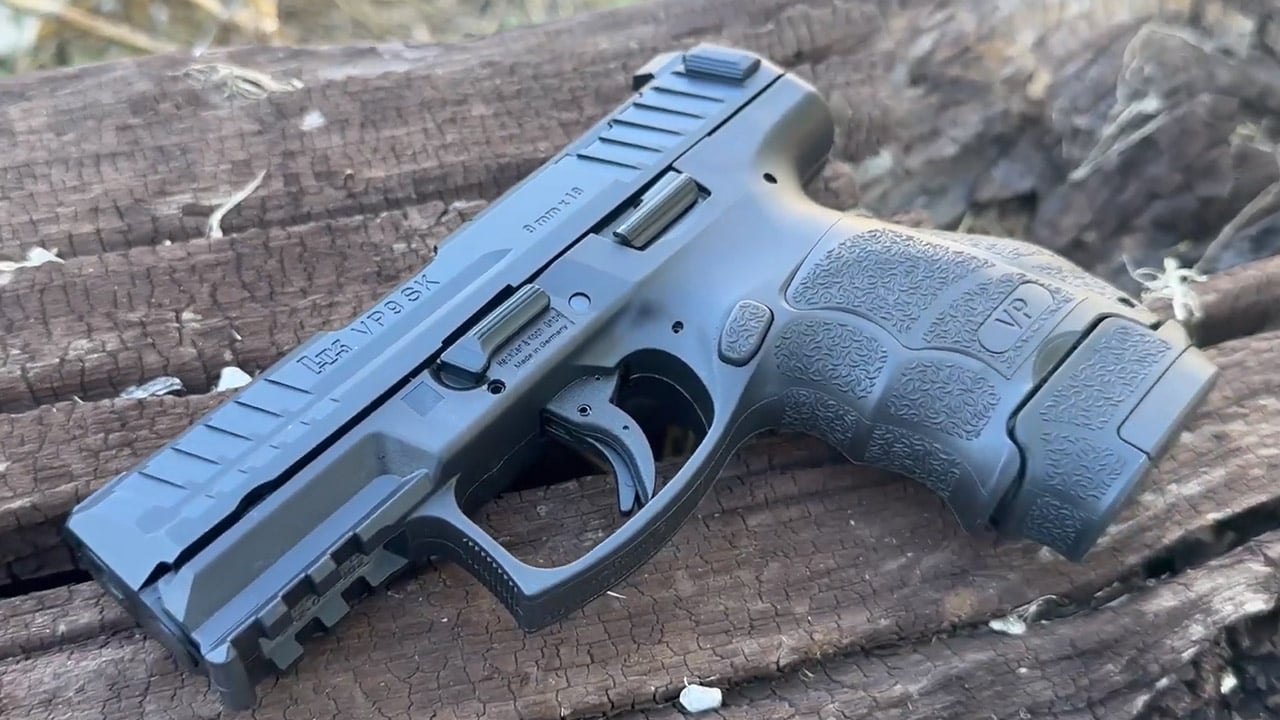
There’s nothing fancy about how well this gun runs, and that’s kind of the point. The problem is it’s not small for its capacity, and it’s not cheap to feed with magazines and accessories.
VP9SK trade-ins often come from folks who loved how it shot, then realized they were leaving it at home because it was heavier and thicker than they wanted. A carry gun you don’t carry is just an expensive safe ornament.
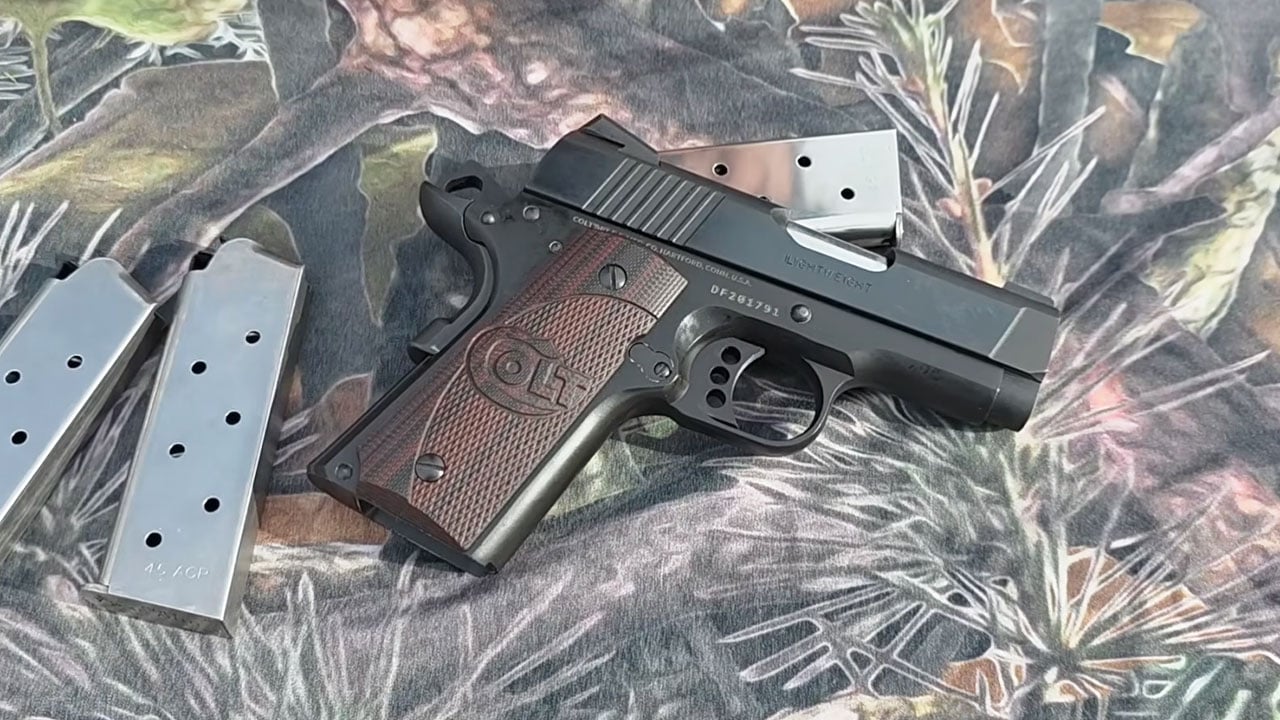
20. Colt Defender (1911)
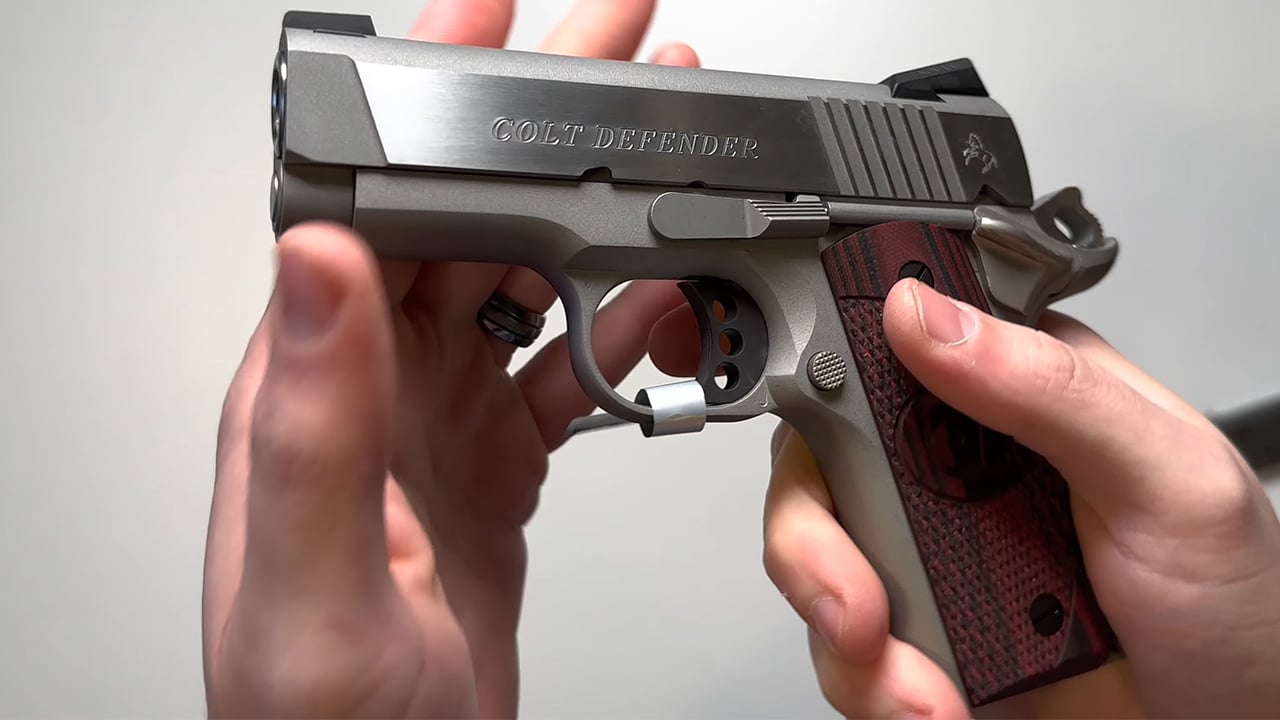
The compact 1911 has a romance to it, and the Defender is one of the better-known examples. But short 1911s can be temperamental if you don’t stay on top of springs and magazines, and they’re less forgiving of grip and maintenance than modern striker guns.
Then there’s the manual safety and the single-stack capacity. Folks defend it because it’s a Colt and it’s a 1911, but plenty quietly move on to something that’s simpler, lighter, and carries more ammo without being wider.
If you’re shopping for a carry pistol, don’t buy the one that wins arguments. Buy the one you’ll actually train with, carry comfortably, and keep running when you’re tired, sweaty, and in a hurry. The best carry gun is the one that stays on your belt after the new-gun excitement wears off—and still shoots straight when it matters.
Like The Avid Outdoorsman’s content? Be sure to follow us.
Here’s more from us: