Photo credit: Gun Master Corporation/Youtube
Every few years the gun world acts like it just invented the pistol. New coatings, new cuts on the slide, an optic footprint everybody swears is “the one,” and a new name that sounds like a fighter jet. Then you get a chance to shoot an old design that was “revolutionary” back when phones had cords, and it still runs circles around the flavor-of-the-month stuff.
Revolutionary doesn’t always mean the fanciest. Sometimes it’s a pistol that made a caliber practical, made a safety system workable, made a double-stack feel normal, or made a duty gun reliable enough that boring people trusted it. Here are 20 handguns that genuinely moved the needle when they hit the market, and they still hold up when you quit reading specs and start doing the work.
1. Colt M1911 Government Model
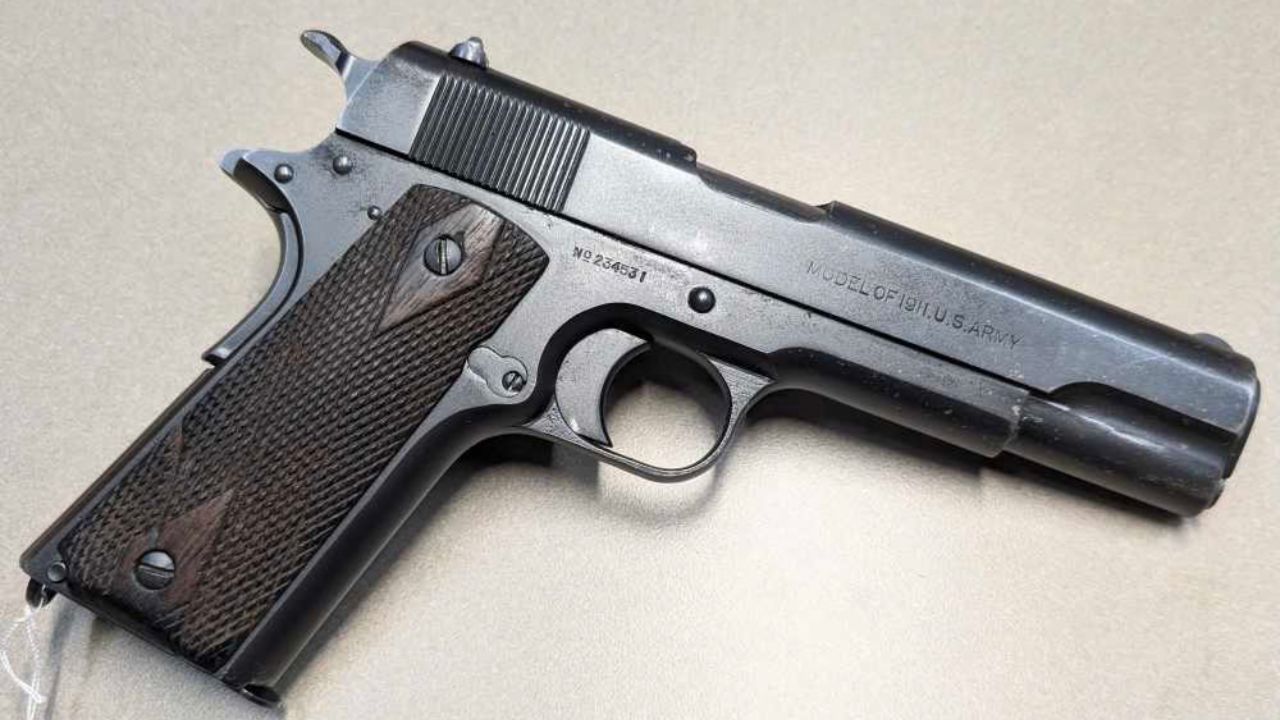
There’s a reason the 1911 won’t die, and it’s not just nostalgia. When it showed up, it brought a serious fighting cartridge and an ergonomics package that still feels “right” in the hand. Even guys who don’t like manual safeties tend to admit it points naturally.
Today, a good Government-length 1911 still shoots flat, carries thinner than most double-stacks, and has a trigger that makes you look like a better shot than you are. Downsides are real: it can be maintenance-picky, magazines matter more than folks want to admit, and cheap ones can be heartbreak. But the basic design is still relevant because it just works when it’s built right.
2. Browning Hi-Power

The Hi-Power made “high capacity” feel normal before polymer frames were even a thought. It’s slim for what it is, balances well, and it’s one of those pistols that makes you want to shoot one more magazine. Ask me how I know.
It’s not a modern rail-and-optic platform, and the factory sights on older ones can be pretty dated. Still, as a practical shooter and a carryable steel 9mm, it holds up. Parts and mags are still around, and a clean Hi-Power is one of those guns you’ll regret selling if you ever do.
3. Walther P38

The P38 doesn’t get the love it deserves, mostly because it isn’t glamorous. But it pushed the double-action/single-action concept into the mainstream in a way that shaped decades of service pistols. That first long pull, then a crisp single-action follow-up, changed expectations.
Even now, the layout makes sense, and it’s a good reminder that “modern” isn’t always better—sometimes it’s just different. It’s a little chunky, and you’re not buying it because it’s the easiest thing to mount a dot on. You’re buying it because it still shoots well and still teaches good trigger control.
4. Smith & Wesson Model 39
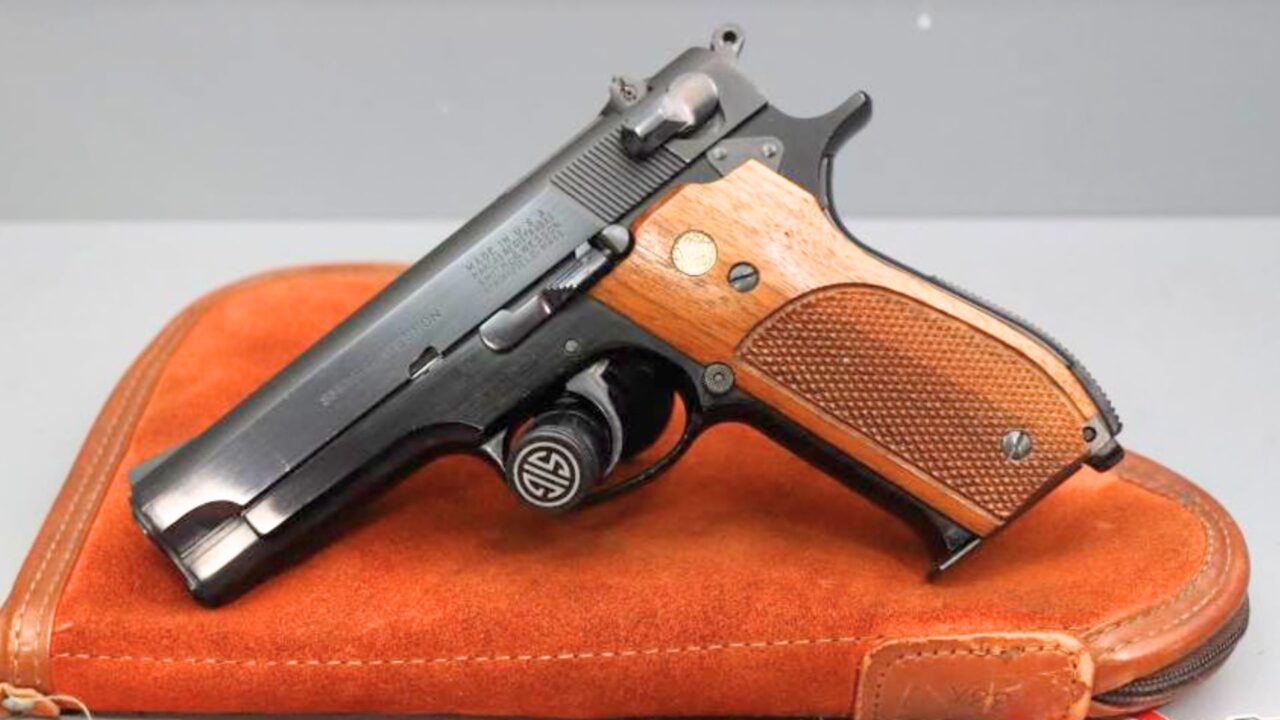
The Model 39 was America getting serious about a modern 9mm service pistol. Single-stack, DA/SA, light enough to carry, and simple enough for real-world duty use. It was a big step away from “all-steel, single-action only” being the default answer.
Today, it’s not the highest capacity option, and it’s not a “cold weather with gloves” kind of controls. But it still handles well and carries flat, which matters if you actually spend your day in a truck, in the woods, or moving around a farm.
5. Heckler & Koch VP70

The VP70 was weird, and that’s why it belongs here. Polymer frame way before polymer was cool, and it was thinking about high-capacity 9mm in a time when a lot of people weren’t. It felt like something from the future, even if that future was a little awkward.
Does it “hold up” in the sense of being everyone’s best choice today? Not really. But it holds up as a concept gun that proved polymer could survive real use, and it’s still a reliable shooter when you find a good one. The trigger is not going to win you friends, though.
6. Beretta 92FS

If you’ve spent any time around military folks, you’ve heard Beretta opinions. The 92-series brought high-capacity 9mm reliability and a smooth DA/SA action that just eats ammo. It also brought a slide design that runs dirty and keeps going.
It’s big for concealed carry, and that’s the main knock for most outdoorsmen. But as a range gun, duty-style handgun, and “I want something proven” home gun, it still earns its keep. Magazines are everywhere, parts are everywhere, and the recoil impulse is soft for a 9mm.
7. SIG Sauer P226
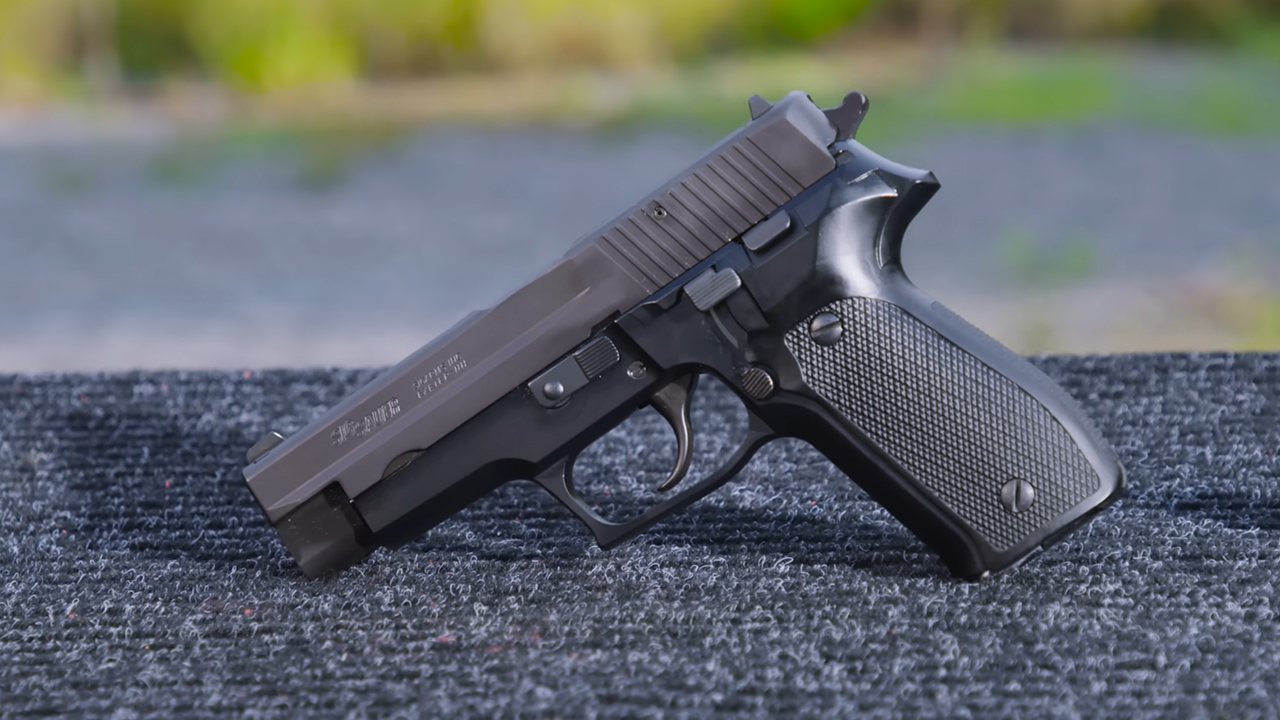
The P226 is what happens when a service pistol is built like the company expects you to actually shoot it a lot. When it hit the scene, it was a serious answer to the “wonder nine” era, but with a fit and finish that felt a notch above.
Today it’s not light, and it’s not cheap. Still, it shoots like a real gun, not a compromise. If you’ve ever run one hard on a cold day and it just kept humming, you understand why so many people stop experimenting once they land on a P226.
8. Glock 17
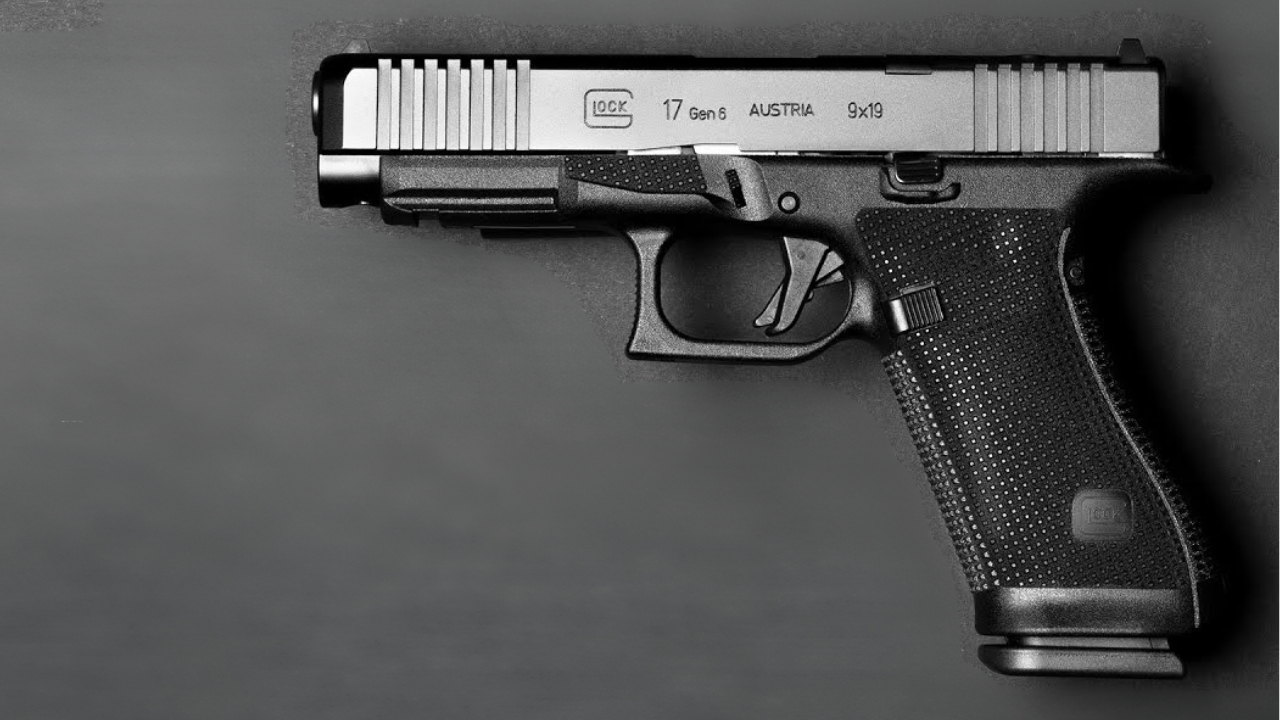
Love it or hate it, the Glock 17 changed the handgun world. A striker-fired pistol that was simple, durable, high-capacity, and consistent from the first trigger press to the last. It made a whole lot of departments rethink what “reliable” and “easy to maintain” could look like.
It still holds up because it’s still the baseline. It’s not the most ergonomic gun for everybody, and the trigger isn’t going to feel like a tuned 1911. But mags are cheap, parts are everywhere, and it just works. There’s nothing fancy about it, and that is kind of the point.
9. Glock 19
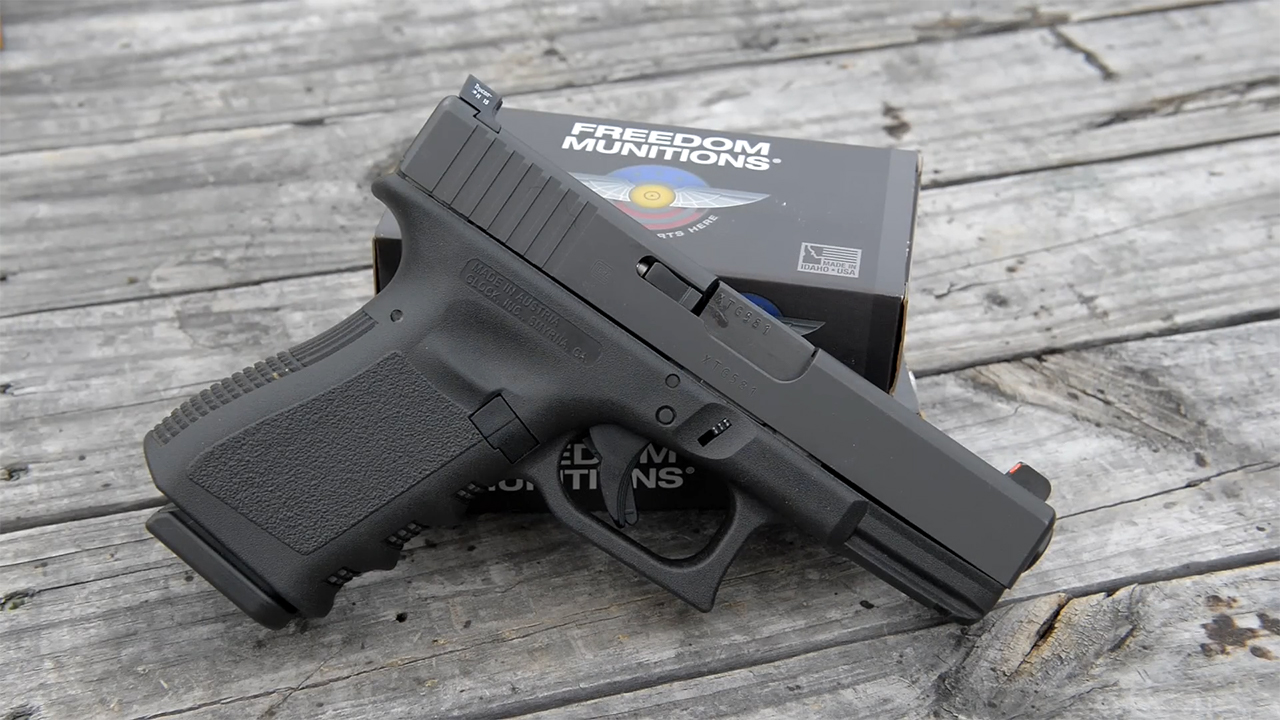
The Glock 19 did something that seems obvious now: it hit the sweet spot. Big enough to fight with, small enough to carry, and common enough that you can find magazines in a glovebox, a range bag, or a buddy’s nightstand. That matters more than internet debates.
It holds up because the size is still right for real life. If you only owned one 9mm to do a little of everything—range, carry, truck gun (secured properly), and home—it’s hard to argue against. Not exciting, just effective.
10. CZ 75

The CZ 75 brought ergonomics that feel custom, plus a steel gun that shoots like it’s on rails. When shooters first got their hands on one, a lot of them had the same reaction: “Why doesn’t everything feel like this?” It pointed naturally and ran with authority.
Even today, it’s one of the best values in “serious pistol” territory. It can be heavy, especially compared to polymer carry guns, but it’s a joy to shoot well. For a lot of folks, the CZ 75 is the handgun that turns casual range trips into actual practice.
11. Ruger Mark II
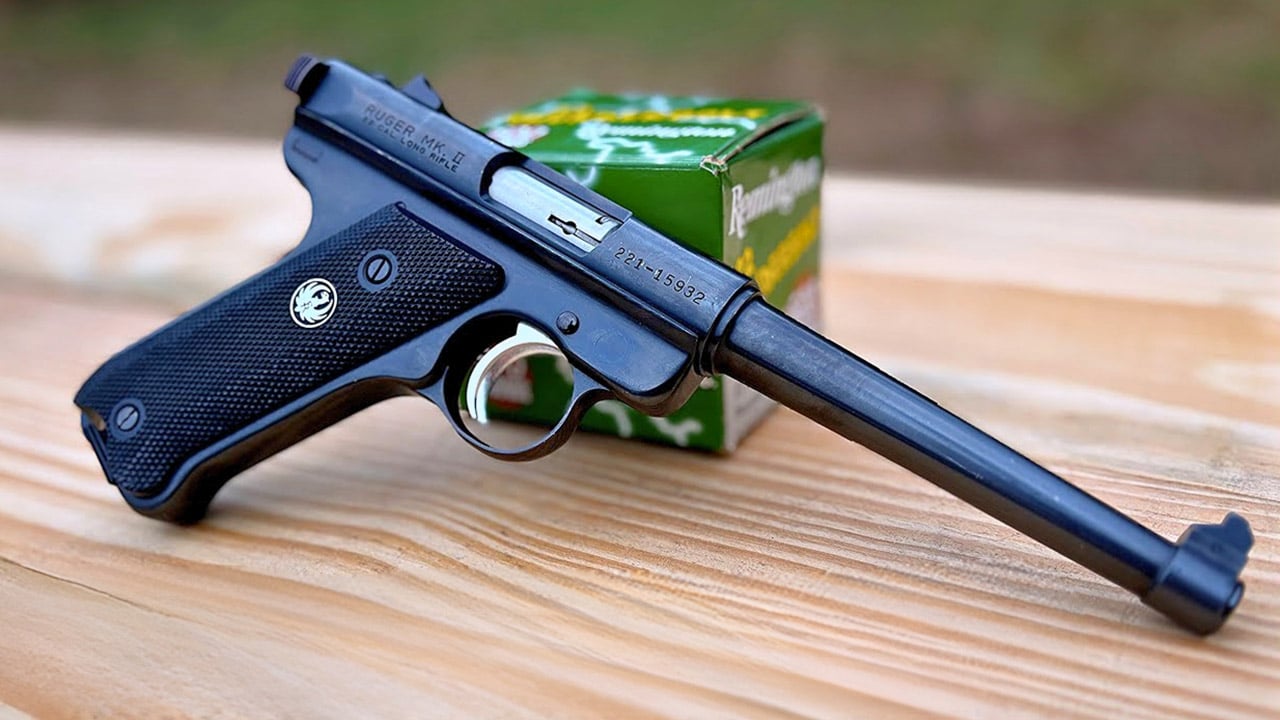
A .22 pistol doesn’t sound revolutionary until you’ve tried to train without one. The Ruger Mark II gave shooters a tank-tough rimfire that would run and run, and it made accuracy affordable. Plenty of hunters have dropped more small game with one of these than they’ll ever admit.
It still holds up because .22 is still how most people get good. The one gripe is takedown on older Marks can make you question your life choices. But once you learn it, you’re set, and the aftermarket support is massive.
12. Smith & Wesson Model 10
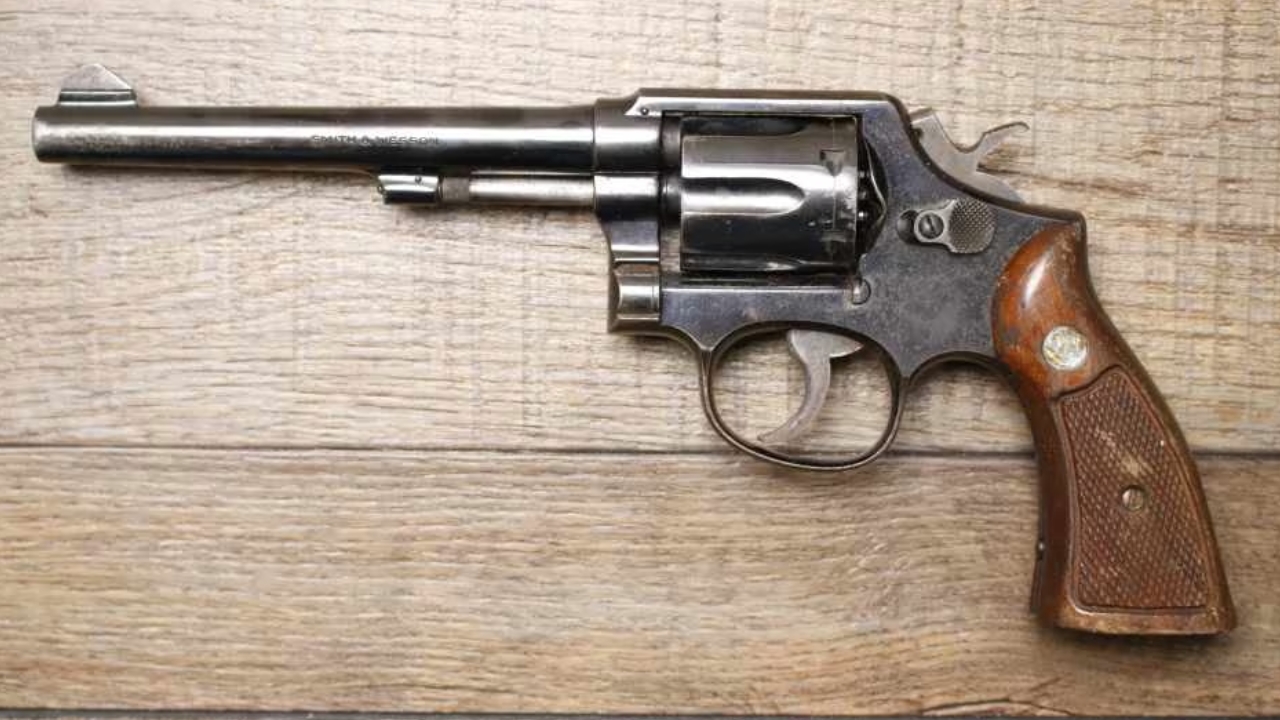
The Model 10 is the working man’s revolver, and for a long time it was the definition of “service handgun.” Simple, accurate, and durable. It didn’t need a marketing campaign because it lived in holsters and got used.
Today, it still does what it always did: shoot where you point it and go bang with minimal drama. .38 Special is manageable, ammo is still common, and a good K-frame still has one of the best double-action pulls out there. If you want a nightstand revolver that isn’t a gimmick, this is it.
13. Smith & Wesson Model 19

When the Model 19 arrived, it made the .357 Magnum practical for carry in a way the bigger N-frames didn’t. It was the “carry a magnum without carrying a boat anchor” idea brought to life. And it’s a sweet-handling revolver.
It holds up because it’s still one of the best-balanced wheelguns ever made. The caution is simple: don’t treat it like a steady diet of the hottest .357 loads is free. Run reasonable ammo, keep it maintained, and it’ll outlast you.
14. Colt Python

The Python became a legend for a reason: fit, finish, and a trigger that made other revolvers feel rough. It was the high-end standard, and it set expectations for what a premium wheelgun should be. Even folks who aren’t “Colt people” get quiet when they handle a nice one.
It still holds up as a shooter, not just a safe queen, if you treat it like the finely fitted machine it is. The reality is they’re expensive and you don’t want to abuse one. But if you want a .357 that feels special every single time you close the cylinder, that’s the one.
15. Ruger GP100

The GP100 showed up as the opposite of delicate. Ruger built it like it was meant to be shot hard, carried in bad weather, and kept for life. It was a working revolver for people who actually use gear instead of babying it.
It still holds up because strength and simplicity never go out of style. It’s heavier than some, but that weight soaks up recoil, which makes real practice more likely. If you live rural and want a .357 that doesn’t mind dust, sweat, and truck seat lint, the GP100 is hard to beat.
16. Ruger LCP
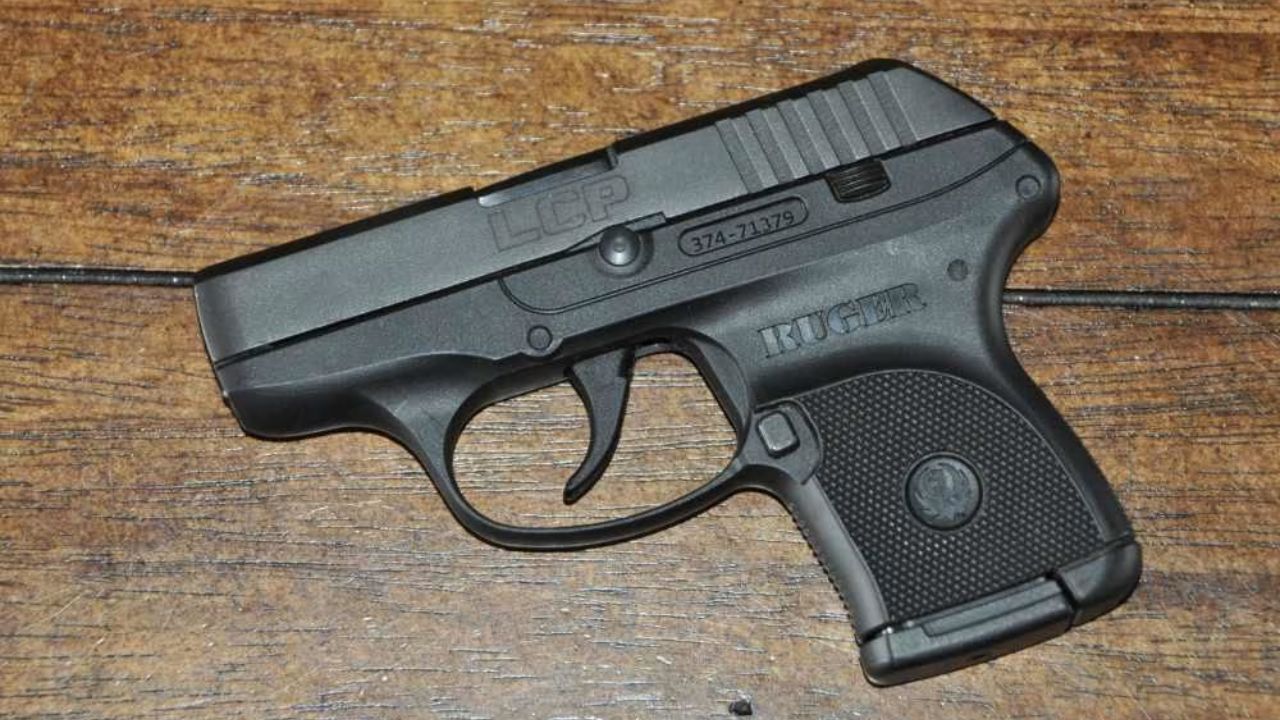
The LCP changed concealed carry more than a lot of “duty” pistols did. It made pocket carry realistic for regular folks who weren’t going to dress around a handgun. When it came out, it was a permission slip for a lot of people to actually carry.
It holds up because it’s still the gun you’ll actually have on you when running to the feed store or checking trail cams. It’s not fun to shoot, and the sights are basic. But it’s reliable, light, and it fills a real niche that bigger pistols pretend they can cover.
17. Kahr PM9
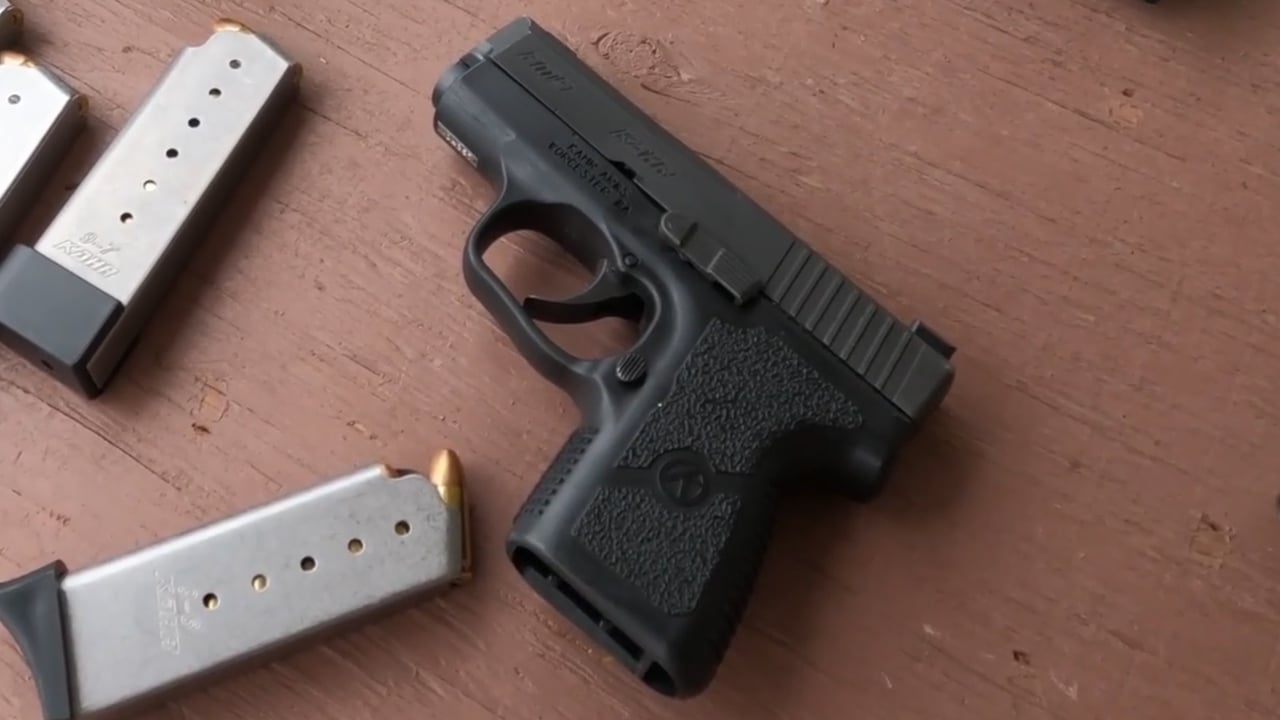
Before micro-9s were everywhere, Kahr was out there making a small 9mm that was legitimately carryable. The PM9 proved that thin, compact, and shootable could exist in the same sentence. A lot of early adopters quietly stuck with them for years.
It still holds up as a deep-carry 9mm with good manners. The trigger is long but smooth, and that’s not an accident—it’s part of the design. Not everyone loves it, but for folks who want slim and simple without going down to .380, it still makes sense.
18. Heckler & Koch USP

The USP brought “overbuilt” into the polymer era. It wasn’t just a plastic gun; it was a serious service pistol with multiple variants, robust controls, and a reputation for taking abuse. It felt like it was designed by people who assumed you’d drop it in mud and keep moving.
It holds up because it’s still durable and accurate, and it’s still a dependable choice if you want a hammer-fired polymer gun. The grip can feel big, especially for smaller hands, and it’s not cheap. But it’s a confidence gun, and that matters.
19. Smith & Wesson M&P9
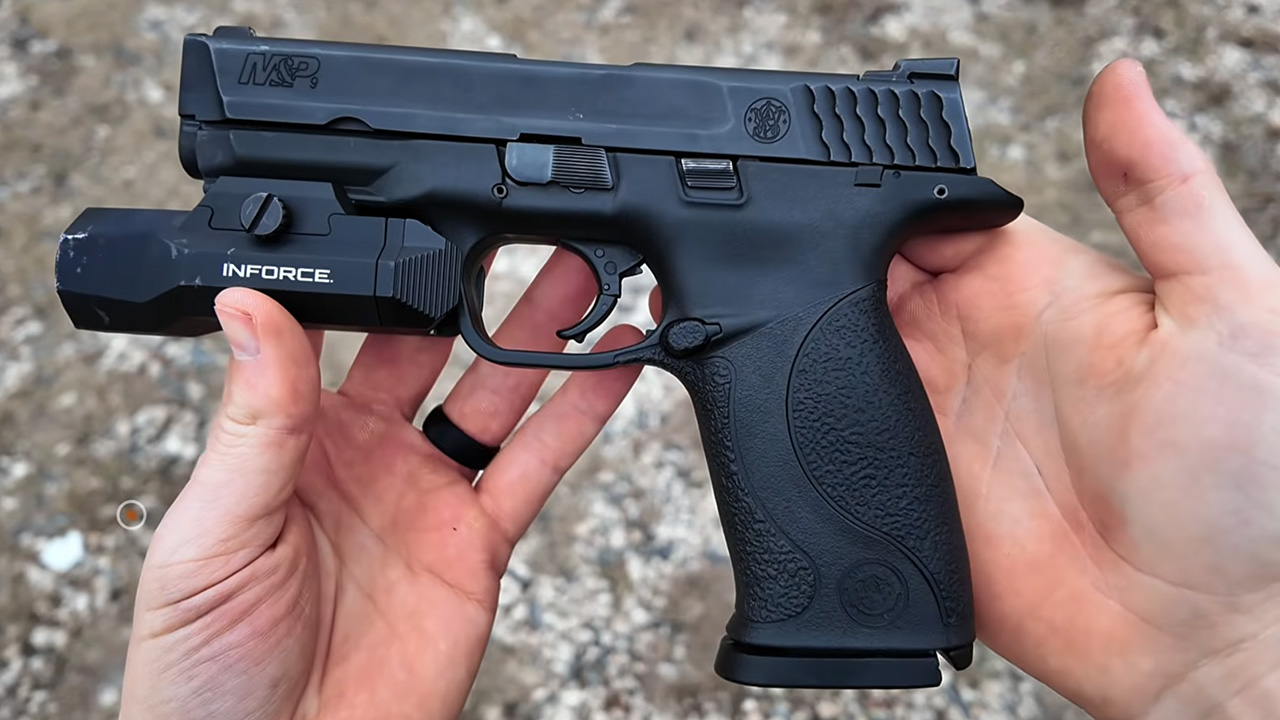
The M&P line was a major answer to the striker-fired dominance that had settled in. Better ergonomics for many hands, a low bore axis feel, and a duty-ready design that departments could adopt without reinventing training. It wasn’t a gimmick; it was a real competitor.
It holds up because it’s still a solid working pistol with good support and plenty of holsters and magazines out there. Triggers vary by generation, and some shooters care a lot about that. But in terms of reliability and practical accuracy, it’s right where it needs to be.
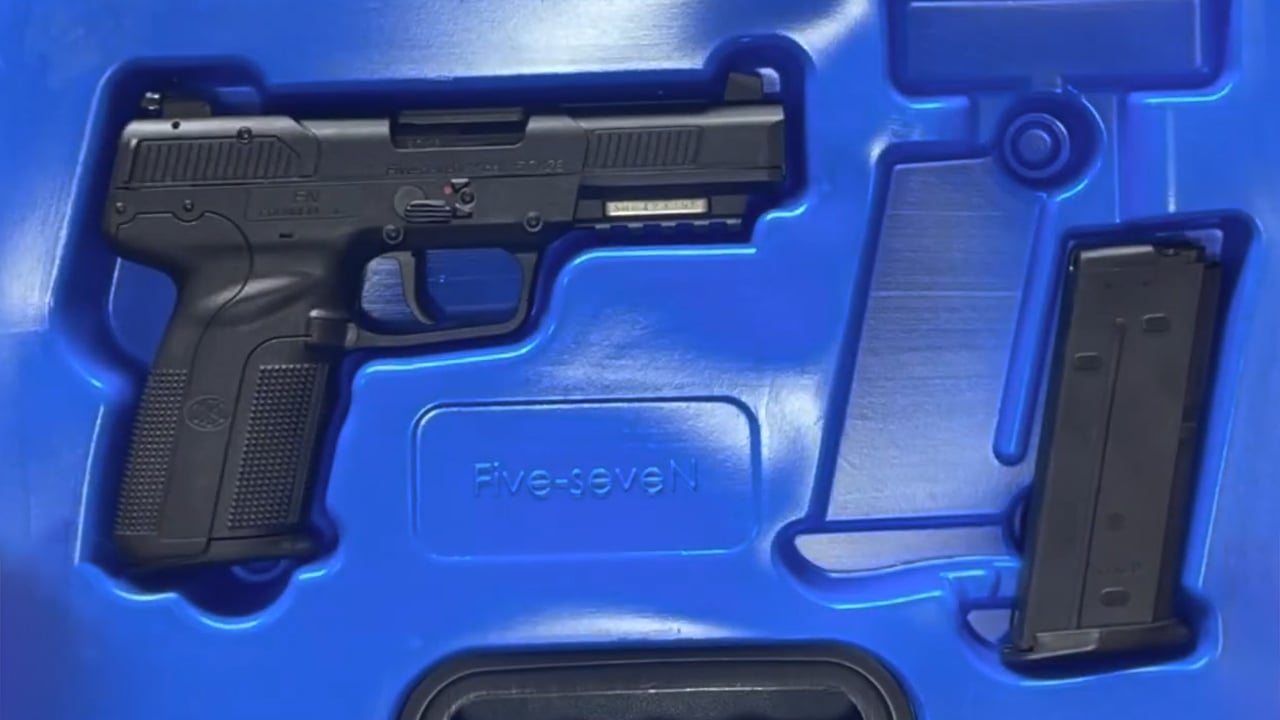
20. FN Five-seveN
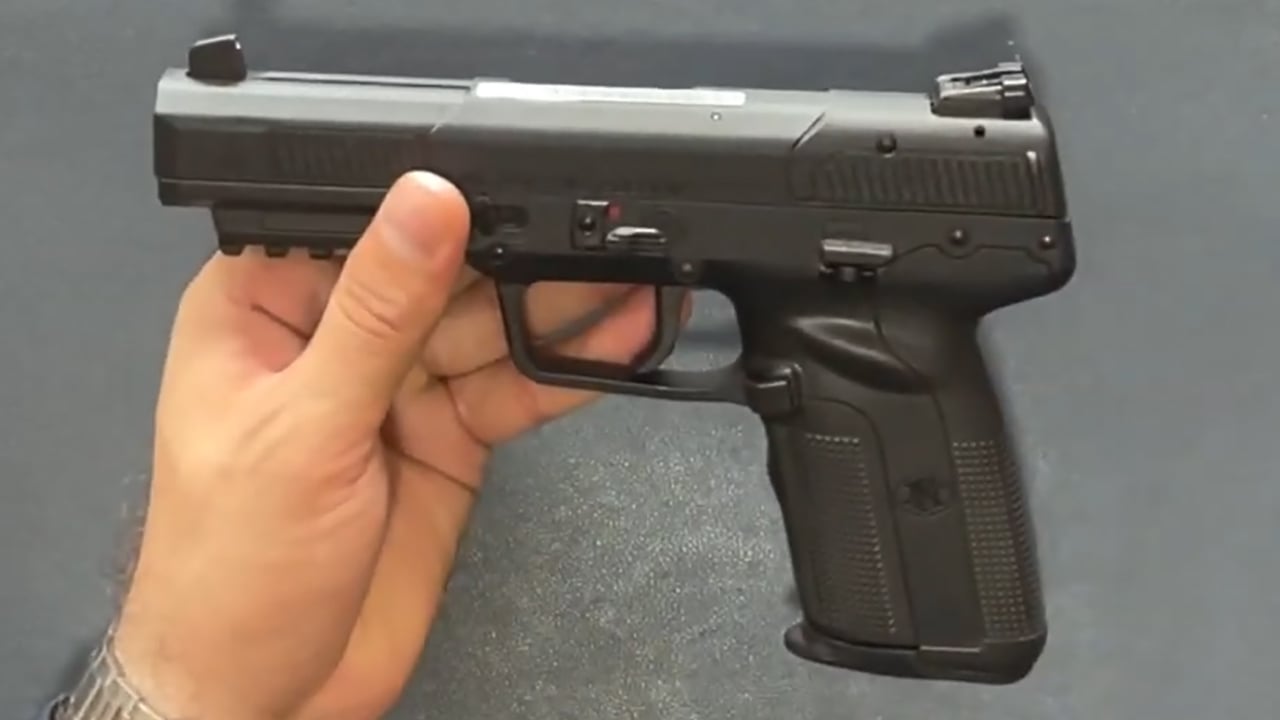
This one is controversial, and I get it. The Five-seveN felt like science fiction when it landed: light recoil, high capacity, and a cartridge most folks had never handled. Whether you think it’s clever or pointless, it was absolutely different.
It still holds up because it’s easy to shoot fast and it’s surprisingly accurate. The hang-up is cost—both the gun and the ammo—and that alone keeps it out of a lot of safes. But if you’ve spent time behind one, you know why it kept a following all these years.
The common thread with these pistols isn’t that they’re “best” on a spreadsheet. It’s that they solved real problems in their day, and they still solve real problems now: carry comfort, shootability, durability, and being easy to keep running when life gets busy. Trends come and go. A handgun that still earns range time after the new-gun smell is gone—that’s the one worth keeping.
Like The Avid Outdoorsman’s content? Be sure to follow us.
Here’s more from us: