Photo credit: Shooting Stuff/Youtube
Most of us didn’t “get into” shooting. We just grew up around it. A .22 behind the kitchen door, a deer rifle that came out when the leaves turned, and a shotgun that lived in the truck during bird season. Then life happened. Guys traded guns to pay bills, downsized when kids came along, or sold “old stuff” to fund the newest thing that looked good on the internet.
And years later, you catch yourself staring at a used rack thinking, I used to have one of those. Not because it was rare. Because it worked, it felt right, and it fit the kind of shooting you actually do. Here are 20 specific guns I see lifelong shooters wanting back again and again.
1. Ruger 10/22 Carbine
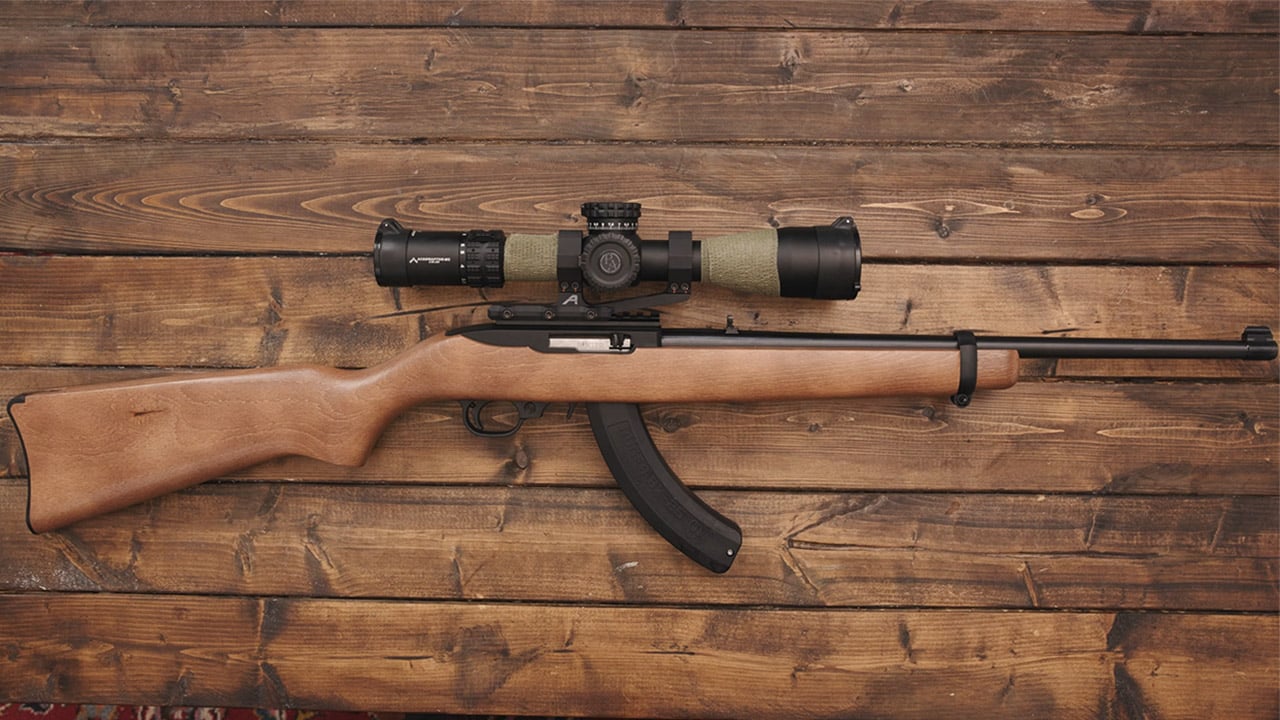
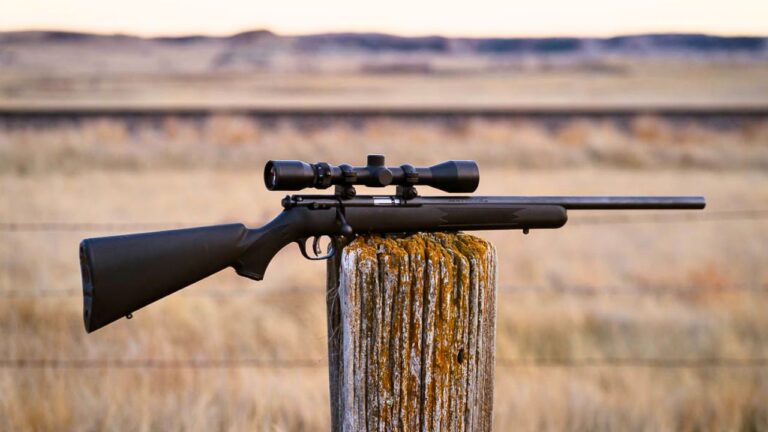
This is the rifle that taught a lot of folks what a clean trigger press feels like. Not because it has a match trigger from the factory, but because it’s forgiving and you can shoot it all day without flinching. A 10/22 carries easy, points natural, and it’s the kind of gun that makes you better without you noticing.
What gets people is they sell it thinking they’ll “upgrade” later, then realize nothing replaces a plain carbine that eats bulk ammo and keeps running. Magazines and parts are everywhere, and that’s the point. It’s the rimfire you grab when you want to shoot, not when you want to impress anybody.
2. Marlin Model 60
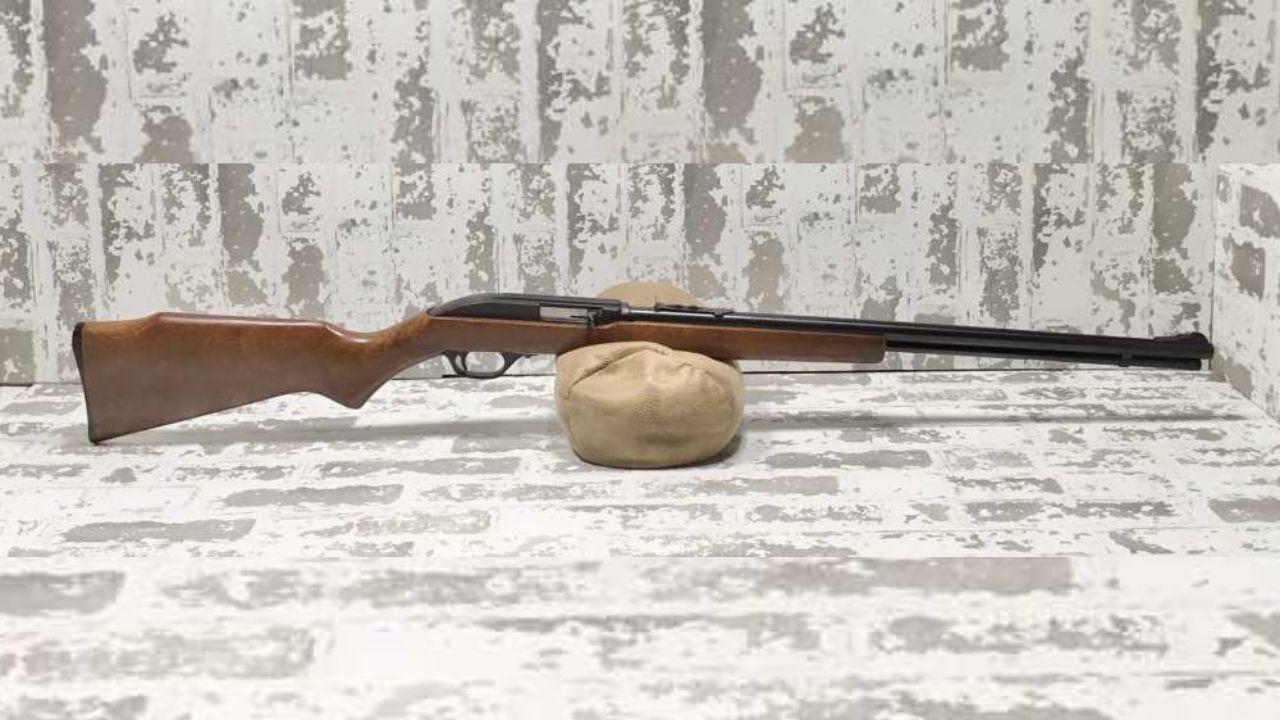
Tube-fed .22s have their own kind of charm, and the Model 60 is right in that sweet spot. No magazines to lose in the leaves, just drop rounds in and go. For squirrels, cans, and plinking at camp, it’s hard to beat.
Older ones especially have that “been there” feel—slick action, worn blueing, and a stock that’s been leaned against a lot of trees. When somebody sells one, it’s usually because it’s “just a .22.” Then they go looking for a .22 again and realize the simple ones are the most useful.
3. Remington 870 Wingmaster

A real Wingmaster has a sound when you run the action that newer pumps don’t always match. It’s not magic, it’s just fit and finish, and a lot of them have been cycled a hundred thousand times. They balance well and carry flat against the body in the uplands.
Plenty of people let one go because they wanted a lighter semi-auto, or because they thought any 870 is an 870. Then they handle an old Wingmaster again and remember why they liked it. That one hurts.
4. Mossberg 500

If the 870 Wingmaster is the smooth classic, the Mossberg 500 is the farm-truck reliable. The tang safety makes sense with gloves, the gun runs dirty, and you don’t baby it. It’s a tool you can lean in a corner and not worry about.
Guys sell them because they want a “nicer” shotgun, or because the finish looks plain. Later, when they need a do-everything 12 gauge for deer, birds, and the occasional range day, they realize the boring option was the right one.
5. Ithaca 37
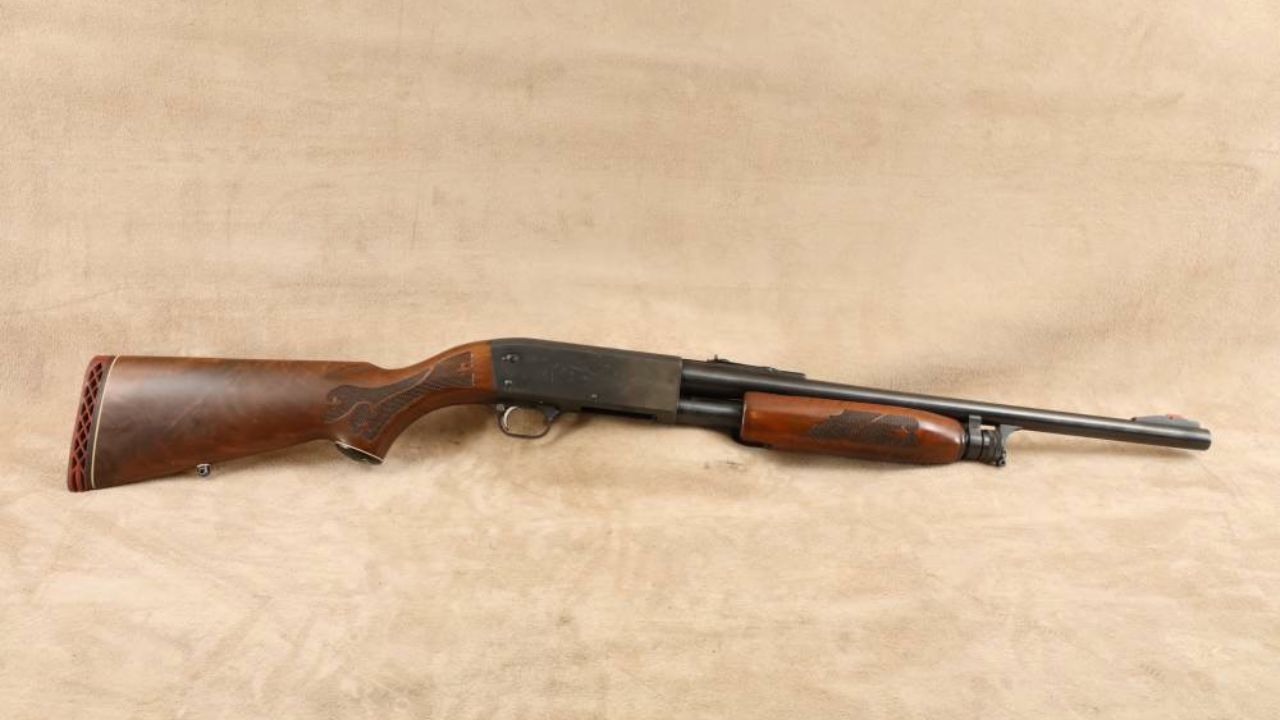
Bottom-eject pumps don’t get enough love until you carry one in nasty weather. No side ejection means less crud blowing into the action and less hulls bouncing off your buddy in the blind. The Ithaca 37 also carries like it wants to be in your hands.
They can be slick, but they’re not always cheap to replace in the same condition you remember. When a shooter sells one and later tries to find another that feels the same, they learn fast that not all “old pumps” are equal.
6. Winchester Model 94 (especially in .30-30)
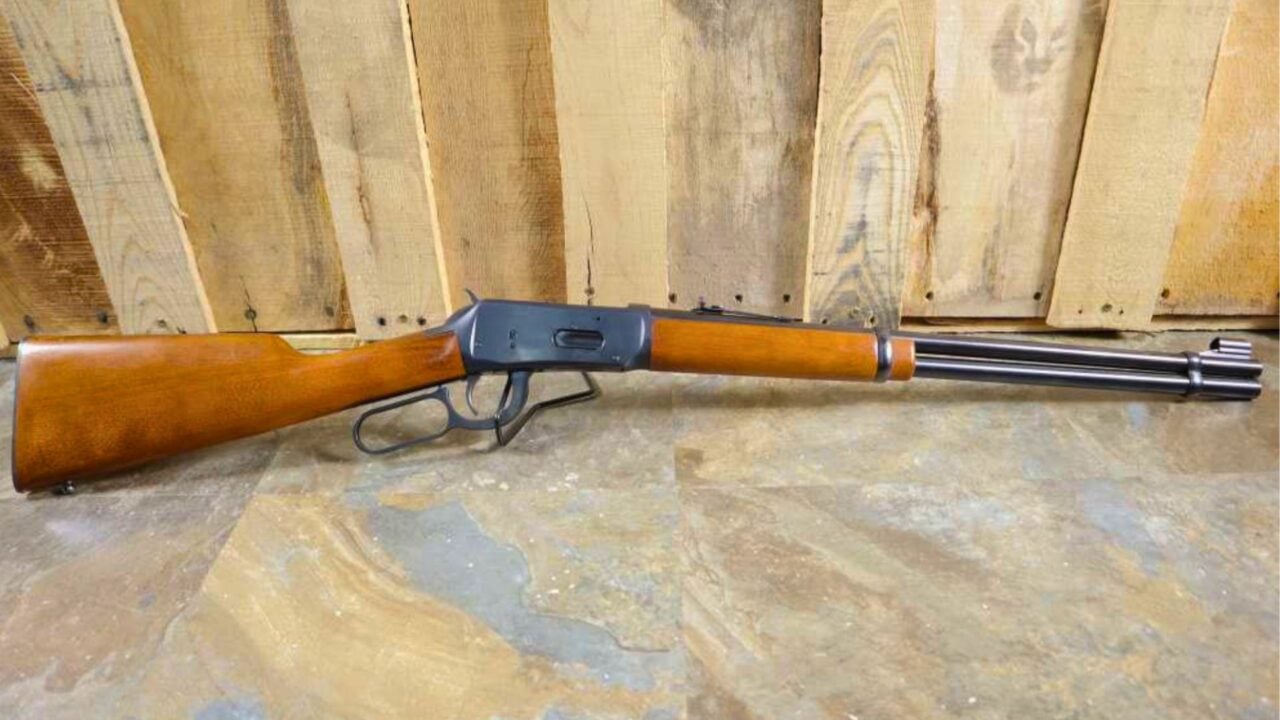
There’s a reason the Model 94 shows up in deer camp even when everybody else is running scoped bolt guns. It’s light, it comes up fast, and it doesn’t snag on brush the way a big optic can. In thick woods, it just makes sense.
People let them go because they think they’ve outgrown lever guns, or they move to flatter-shooting cartridges. Then they hunt a season in tight cover and start missing that quick handling and simple carry. A .30-30 doesn’t need to win arguments online to kill deer clean.
7. Marlin 336

The 336 has a different feel than a 94—more solid in the hands, with a side-eject design that makes scoping easy. It’s a deer rifle that doesn’t feel like a fence post. If you’ve ever still-hunted with one, you know what I mean.
Some folks sold theirs when prices were low, back when they were “just a woods rifle.” Then the market changed, and the good ones started getting harder to find without paying a premium. Even so, it’s not nostalgia if it still works better for the job.
8. Ruger Mini-14 Ranch Rifle
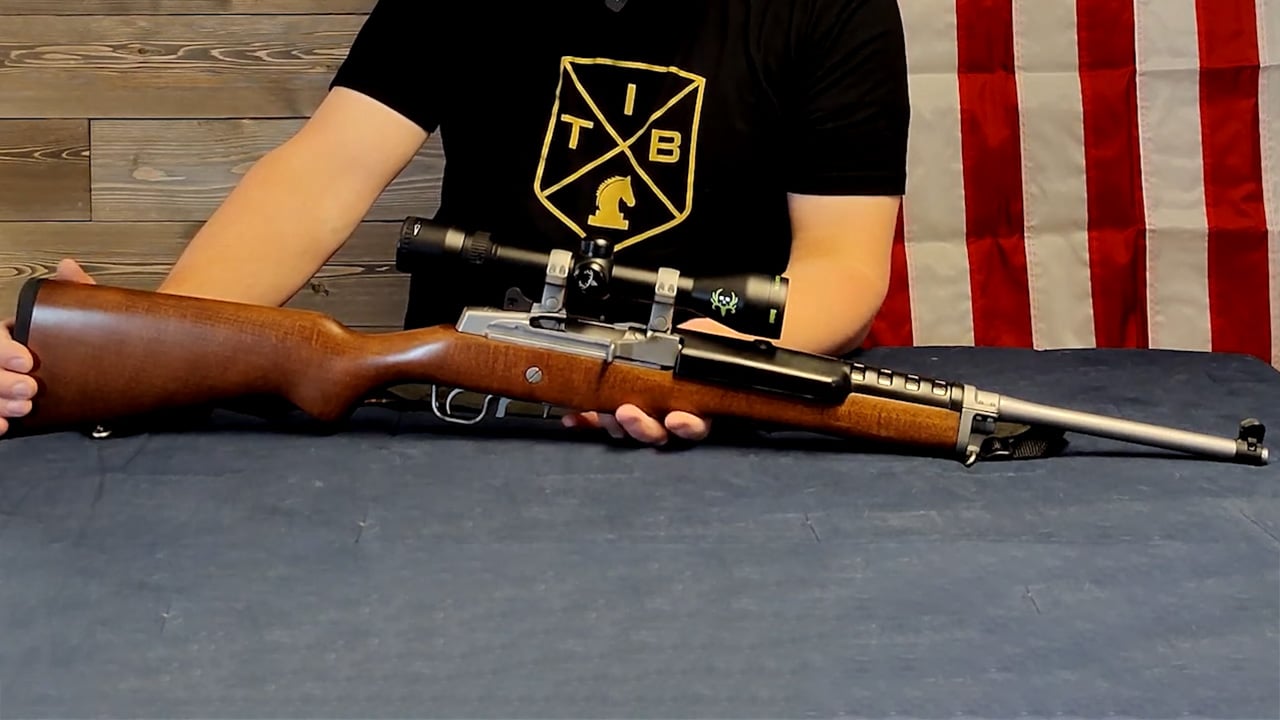
The Mini-14 is one of those rifles you either understand or you don’t. It’s handy, it carries well, and it feels like a rifle instead of a project. For ranch chores, predators, and knocking around in a truck (with safe handling and legal transport), it does fine work.
Sure, some aren’t tack drivers, and magazines used to be a pain. But a lot of shooters who grew up with one miss the simple manual of arms and the way it points. ARs are great. The Mini just hits different.
9. Colt AR-15 SP1

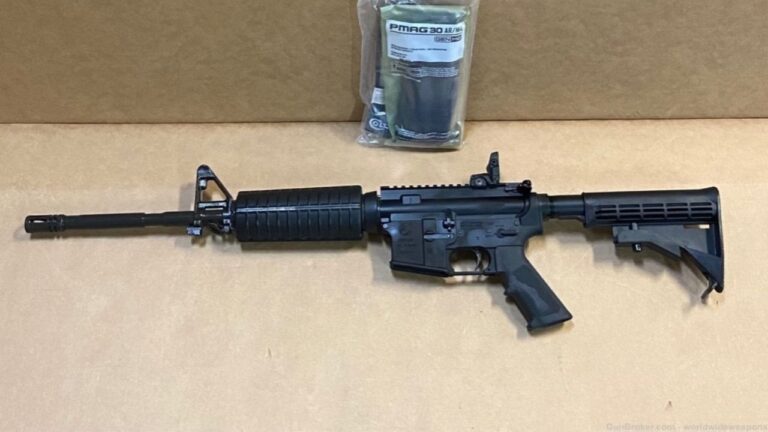
Ask older shooters what an “AR” looked like in the early days, and a lot of them picture an SP1. Lightweight, simple, and a piece of the platform’s history that still shoots well. It’s not a modern duty setup, but it’s not trying to be.
These were sold off in waves when folks wanted newer rails and optics-ready everything. Then the same shooters realize they miss the slick, pencil-barrel feel and the straightforward controls. It’s the kind of rifle you take out just to remember.
10. SKS (Norinco or Yugoslavian variants)
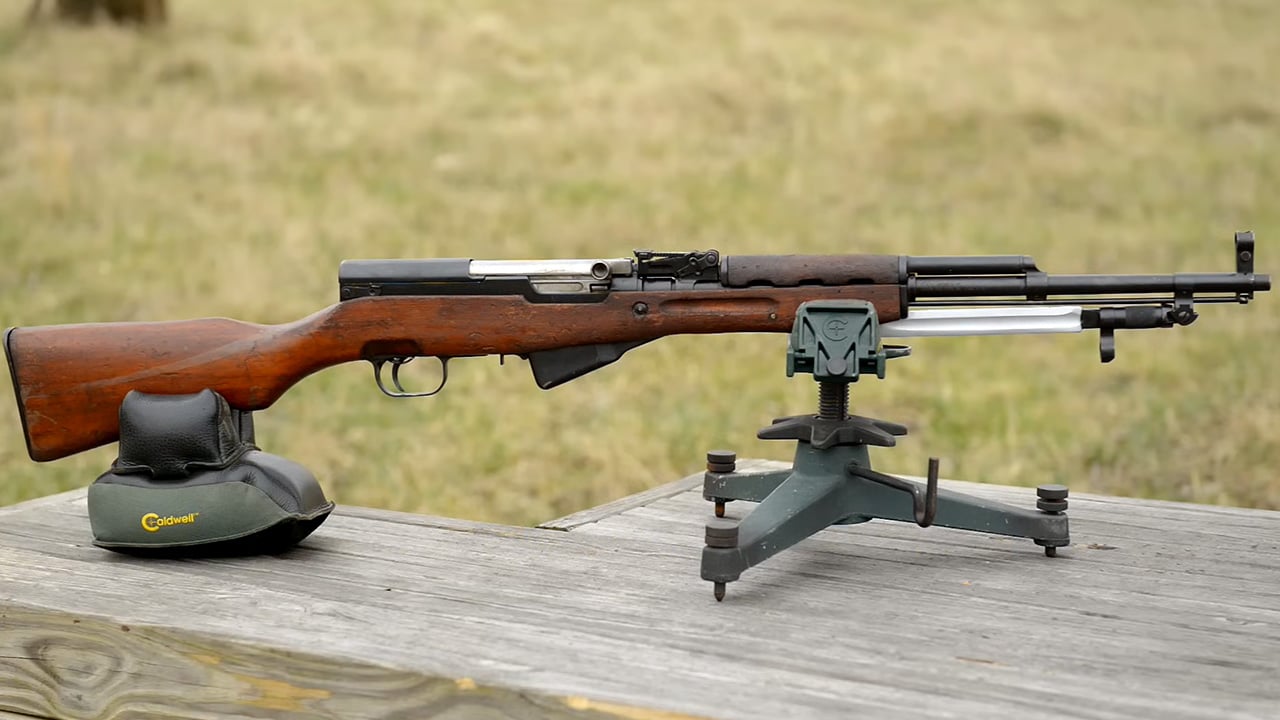
The SKS is what a lot of people learned centerfire rifle basics on because it was affordable and dependable. Stripper clips, iron sights, and a stout little 7.62×39 thump that makes steel plates honest. They’re heavier than you remember, but they’re honest guns.
Guys sold them when the “tactical” craze took over, or when ammo prices changed and it seemed smart to thin the herd. Then they want one again because they’re tired of finicky add-ons and just want a rifle that runs.
11. Ruger Blackhawk (in .357 Magnum)
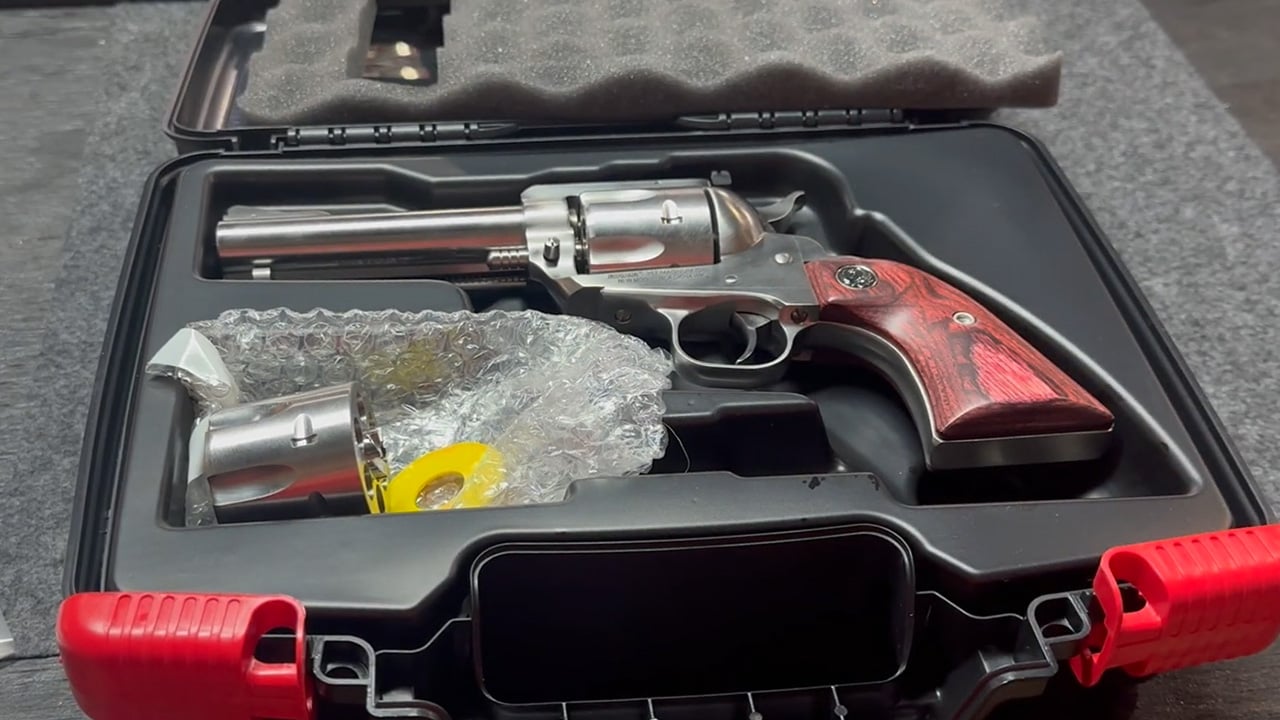
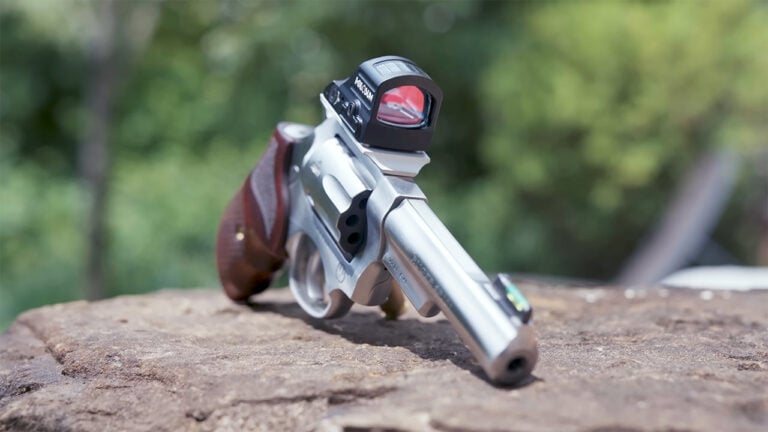
A .357 Blackhawk is a working revolver with a cowboy soul. You can shoot light .38s all afternoon, then load .357s and feel like you’re doing something serious. The grip shape and single-action rhythm slow you down in a good way.
They get sold because they’re “old-fashioned,” or because someone decides they’re only going to keep practical carry guns. Later, the same person wants a woods sidearm that’s simple, durable, and fun to shoot. There is nothing fancy about it, and that is kind of the point.
12. Smith & Wesson Model 10
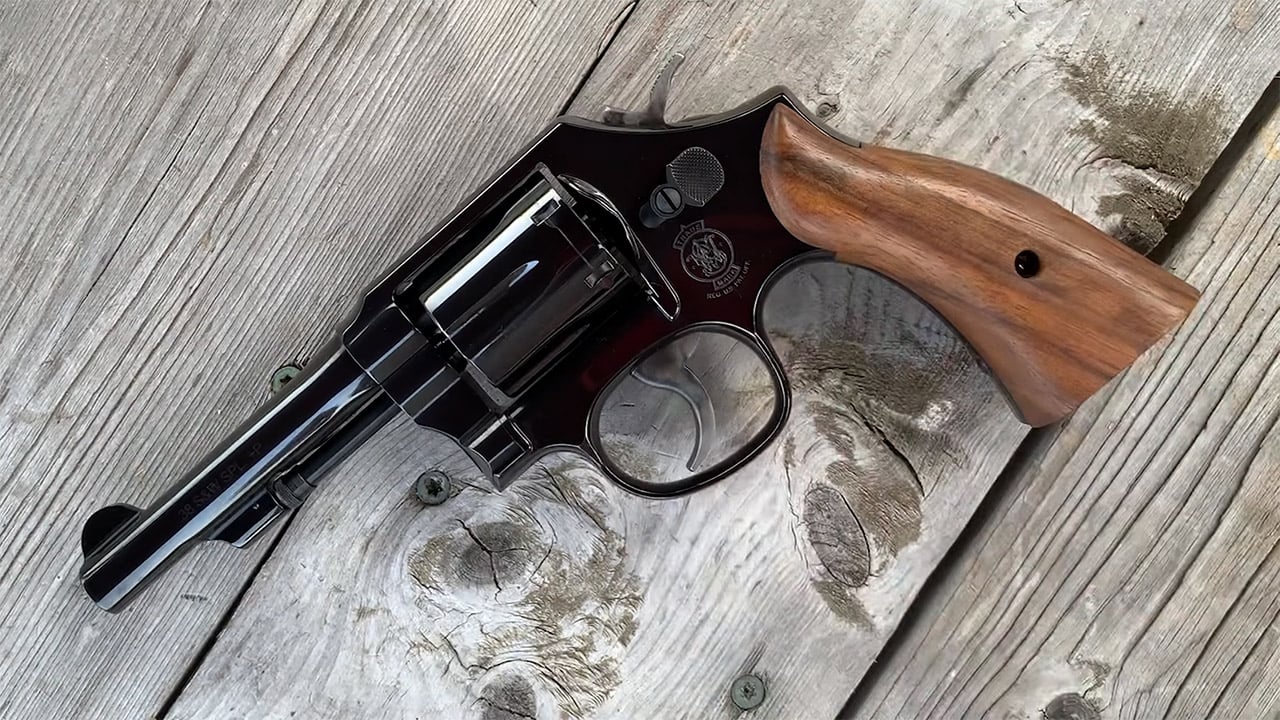
If you want to understand why people trusted revolvers for generations, handle a Model 10 with a decent trigger. It’s not flashy, it’s not rare, and it’s not trying to be a safe queen. It’s a straightforward .38 that points like your finger.
These got traded away for polymer pistols and higher capacity, which I get. Still, plenty of shooters end up wanting a Model 10 back because it’s the revolver that just works, and it teaches discipline fast.
13. Smith & Wesson Model 19

The Model 19 is that classic “carry a magnum, practice with .38s” revolver done right. It balances well and doesn’t feel like a brick on the belt. A good one has a trigger that makes you wonder why you ever tolerated gritty pulls.
Some were run hard on hot loads, and that’s something to watch when buying used. But when you find a clean one, it’s easy to see why folks miss them. They’re classy without being delicate.
14. Ruger GP100 (4-inch)
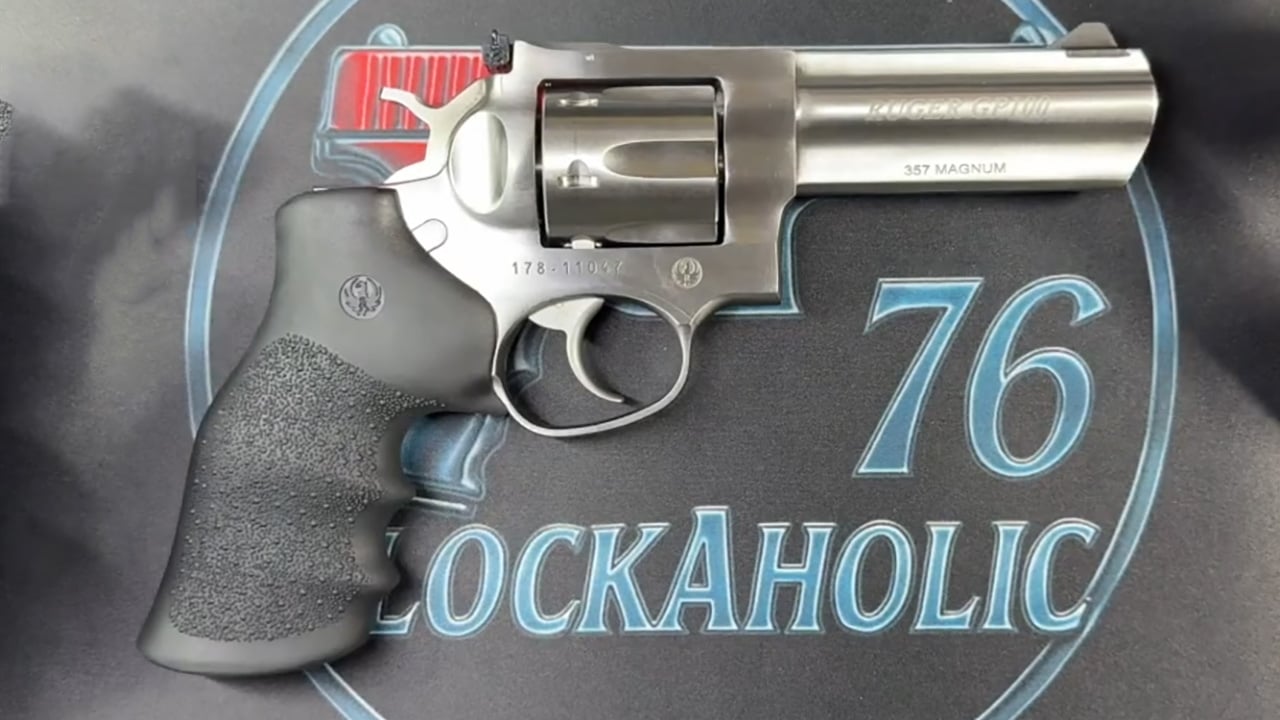
The GP100 is the revolver you buy when you’re tired of babying things. It’s stout, it soaks up recoil, and it can live in a holster in bad weather without drama. For a lot of outdoorsmen, it’s the first “real” handgun they trusted in the woods.
They get sold because they’re heavy, and they are. Then somebody moves to a lighter gun and realizes recoil and shootability matter more than ounces when you actually practice.
15. Colt Python

Not everybody grew up with one, but plenty of shooters grew up wanting one, and a few were lucky enough to own one before prices went nuts. The Python isn’t magic, but the smoothness is real, and the looks don’t hurt either.
People sold them when they were “just a nice revolver,” not a retirement plan. Then they try to buy that same experience back and realize the market has a long memory. Even the new ones don’t replace the story you had with the old one.
16. Browning Hi-Power

The Hi-Power has a grip that fits a lot of hands like it was measured. It’s slim, points naturally, and it’s one of those pistols that makes you want to shoot better. For guys who came up around steel guns, it feels “right” in a way polymer sometimes doesn’t.
They were traded off for lighter, higher-capacity, easier-to-maintain options. Fair enough. But if you learned on one, you tend to miss that balance and that old-school feel when you draw and the sights land where they should.
17. Colt Government Model 1911 (Series 70 style)
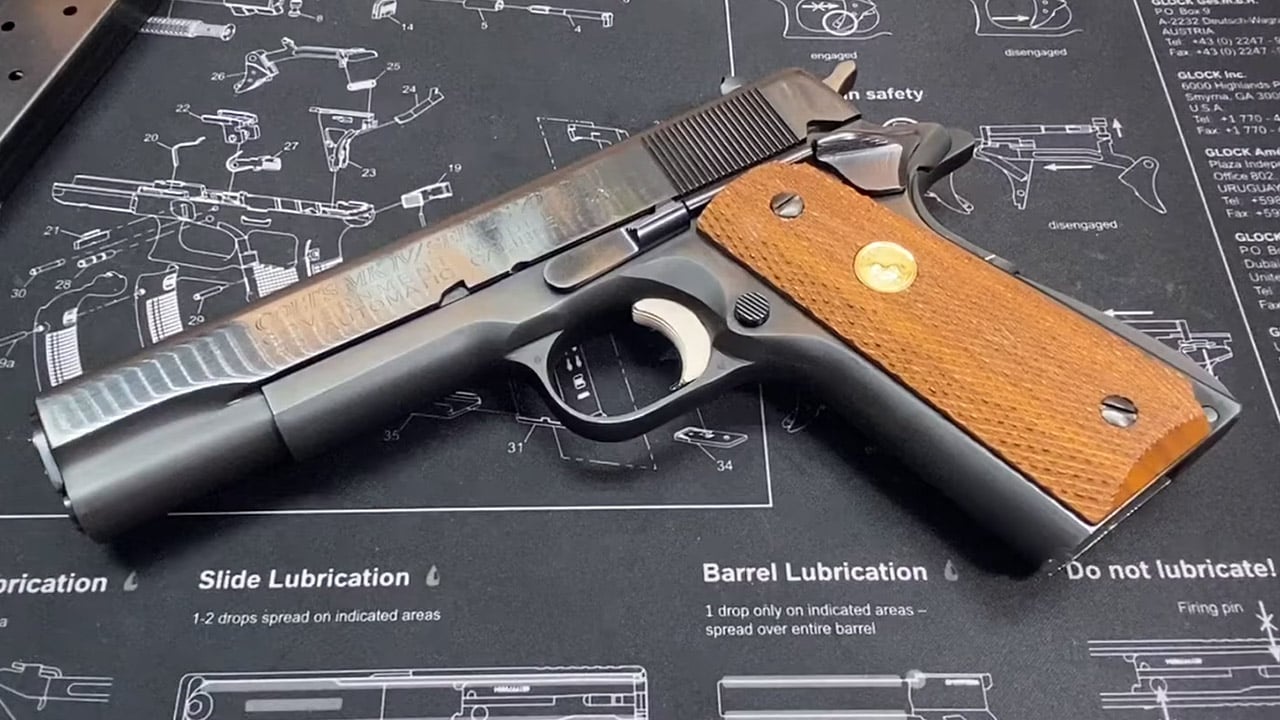
A full-size 1911 isn’t the easiest pistol to own if you don’t like maintenance or if you only shoot once a year. But for folks who grew up shooting them, the trigger and the way the gun tracks in recoil can spoil you. A good one makes you feel like a better shot than you are.
They get sold when someone decides they’re done with single-action safeties or wants a lighter carry option. Then a few years go by, and they realize they miss the whole experience—loading mags, thumbing the safety, and punching clean holes like it’s supposed to.
18. Glock 19 (Gen 3 or Gen 5)
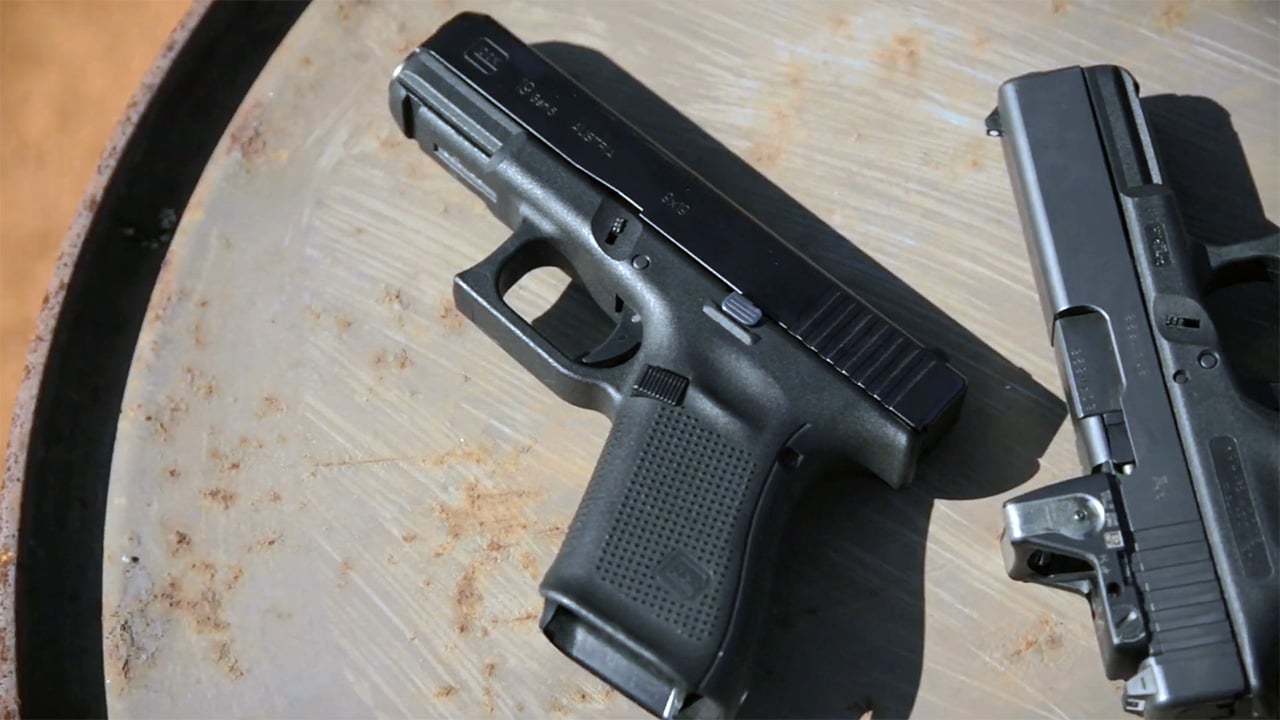
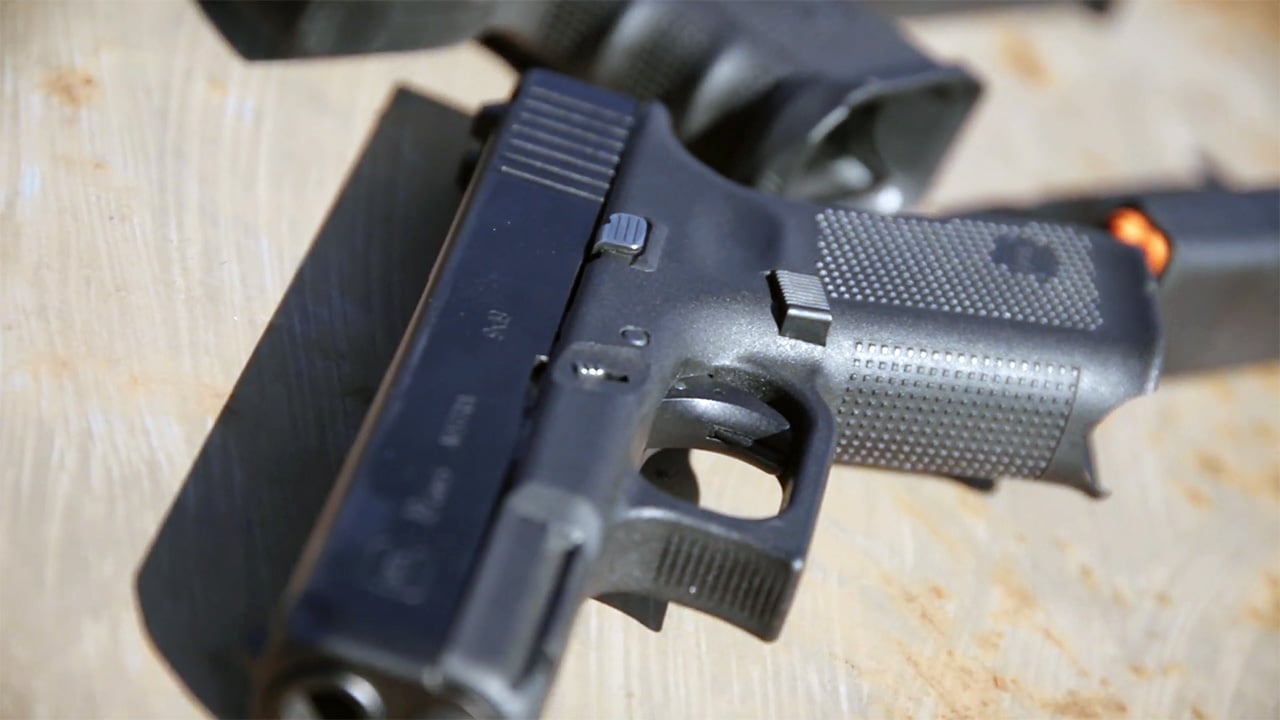
It’s almost funny to put a Glock on a list like this, but it belongs here. A Glock 19 is the gun people sell because it’s “boring,” then they end up buying another because boring works. It carries well, it shoots well enough, and magazines are everywhere.
When you’ve tried a handful of trendy pistols and you’re tired of chasing the next fix, the Glock 19 starts looking smart again. Ask me how I know.
19. Remington Model 700 (BDL-style hunting rifle)

The Model 700 is a whole chapter in American deer hunting. Plenty of them have lived their lives in .30-06, .270, or .308 and done everything asked without complaint. A BDL-style rifle with decent blueing and walnut still feels like a hunting rifle should.
Some folks moved to lighter mountain rifles or switched to a different action because the internet told them to. Then they go to shoulder a rifle in the cold and realize that familiar stock, that bolt lift, and that plain dependability were worth keeping around.
20. Winchester Model 70 (pre-’64 and Classic variants)
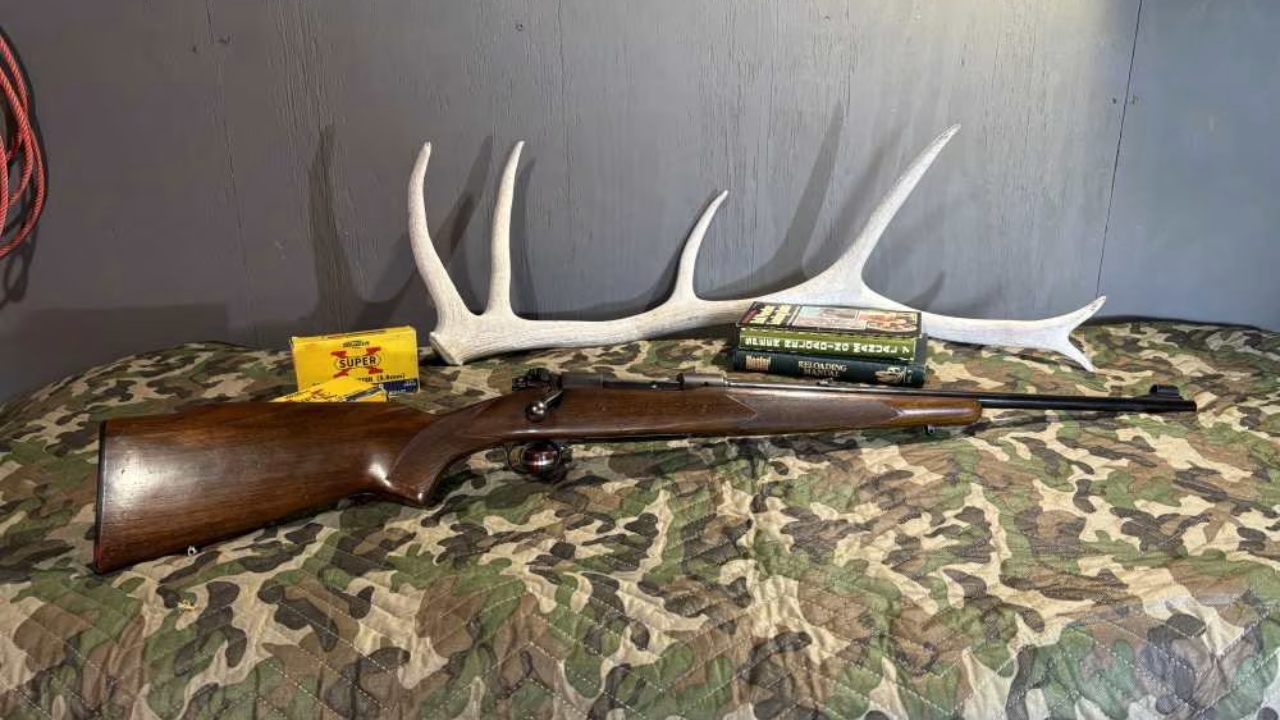
The Model 70 is one of those rifles that feels like it was built to be carried and used hard, not just admired. Controlled-round feed matters to some hunters and doesn’t to others, but the bigger point is the rifle’s overall feel: solid, steady, and confident.
These get sold when somebody decides they’re simplifying, or when a lighter rifle starts sounding good. Then they find themselves missing the way a Model 70 settles on target and how it behaves under real hunting pressure. It’s not trendy. It’s just right.
If you’re looking at your safe and thinking about what to move, I’m not here to tell you to hoard guns you don’t shoot. But I will say this: the guns you learned on, hunted with, and trusted when you didn’t know everything yet tend to be the ones you chase later. Before you trade off that “old reliable,” take it to the range one more time. Sometimes the best reminder is five shots and a grin you forgot you still had.
Like The Avid Outdoorsman’s content? Subscribe to our newsletter so you never miss an article.
Here’s more from us: