Photo credit: KIm B Photography/Shutterstock.com
A lot of people assume a sick animal is a weak animal. Sometimes that is true. A sick deer may hang back. A sick bird may look ragged and slow. A mangy coyote may look like it is barely hanging on. But that “it’s sick, so it’s not much of a threat” mindset is exactly how people get themselves into trouble. Illness changes behavior. Pain changes behavior. Fever, dehydration, neurological problems, infection, and starvation can all make an animal move in ways that make no sense at first glance. That is when a normal amount of caution stops being enough.
A healthy animal usually wants to avoid a bad fight if it can. A sick animal may not make clean decisions, may not flee when it should, and may lash out hard at anything that gets too close. Some get more desperate. Some get more defensive. Some lose fear altogether. That is a bad combination around trails, barns, campsites, pets, and people. Here are 15 animals that can become a whole lot more dangerous when they are sick.
Raccoons
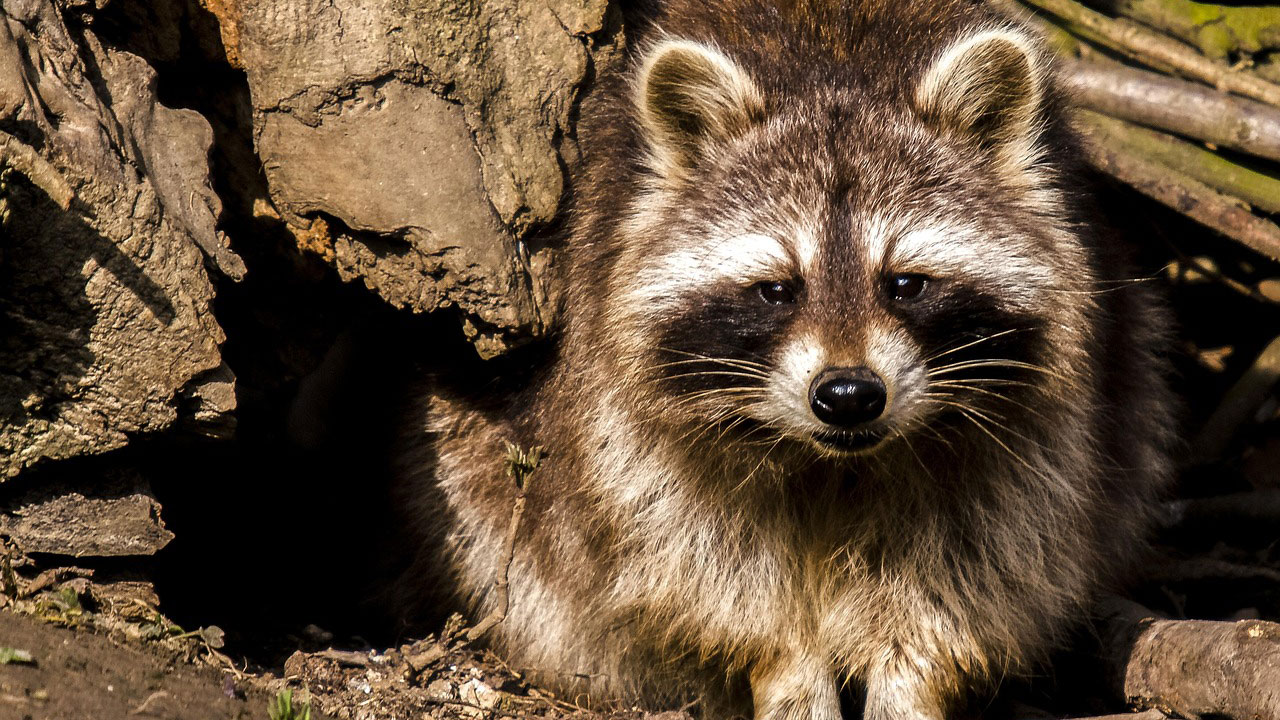
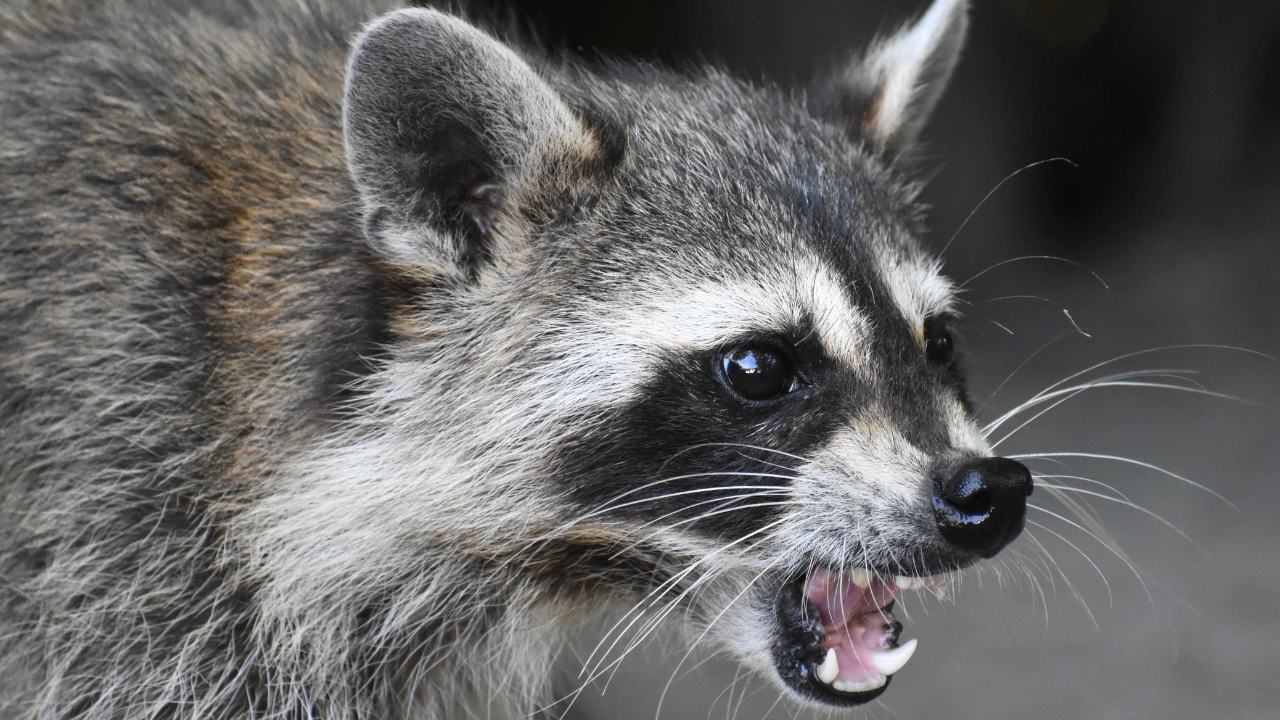
A healthy raccoon is already trouble around feed rooms, trash cans, chicken coops, and pet food bowls, but a sick one can go from nuisance to real hazard fast. Rabies is the big one people think about, and for good reason. A rabid raccoon may stagger, circle, show unusual aggression, make strange sounds, or walk right up in broad daylight like nothing is wrong. That is not normal behavior for an animal that usually prefers to keep a little distance when it can. Distemper can cause some of that odd behavior too, which is why any raccoon acting “friendly” or confused should raise immediate red flags.
What makes them dangerous is the mix of sharp teeth, fast hands, and unpredictable movement. People underestimate raccoons because they are common and do not look especially intimidating. Then they try to shoo one away with a broom, corner one in a garage, or let the dog investigate. That is a mistake. A sick raccoon is one of the clearest examples of an animal that can look pitiful one second and come apart on you the next. If one is out in daylight and acting wrong, treat it like a real threat.
Skunks

Skunks get laughed off too often because people think of the smell first and the bite second. That is backwards when sickness is involved. A sick skunk, especially one carrying rabies or severe neurological issues, can become shockingly bold. Instead of slipping off into cover, it may wobble toward people, wander around a yard in broad daylight, or stop reacting to normal noise and movement. That alone ought to tell you something is off. Healthy skunks generally want to avoid trouble if they can. A sick one may not have that instinct working right.
They are dangerous because people make dumb decisions around them. Somebody sees a slow, weird-looking skunk and figures it is easy to run off. Then the dog gets too close, a kid tries to “help,” or somebody corners it near a porch. Even without rabies, an animal in pain is more likely to bite when it feels trapped. Add the disease risk and the fact that a skunk can still spray while everything is going sideways, and you have an animal that can ruin a whole lot more than your evening.
Foxes

Foxes usually keep to themselves and avoid people pretty well, which is why a sick fox stands out so much. If one is hanging around houses in daylight, showing no fear, stumbling, snapping at things that are not there, or circling aimlessly, that is not something to shrug off. Rabies is a major concern in foxes, and when it shows up, the animal can become far more aggressive than most folks would expect from something that usually seems skittish and lightweight. Mange can also change behavior, especially when the animal is starving, exhausted, and desperate for easy food.
The danger with foxes is that their size tricks people into thinking they are minor. They are not large, but they are fast, sharp, and capable of tearing up a pet or biting a person who misreads the situation. A healthy fox may slip out of sight before you get close. A sick fox might hold ground, act confused, or charge when pressured. Around barns, poultry runs, and backyard pets, that makes them a whole different problem than the healthy version most people picture.
Coyotes
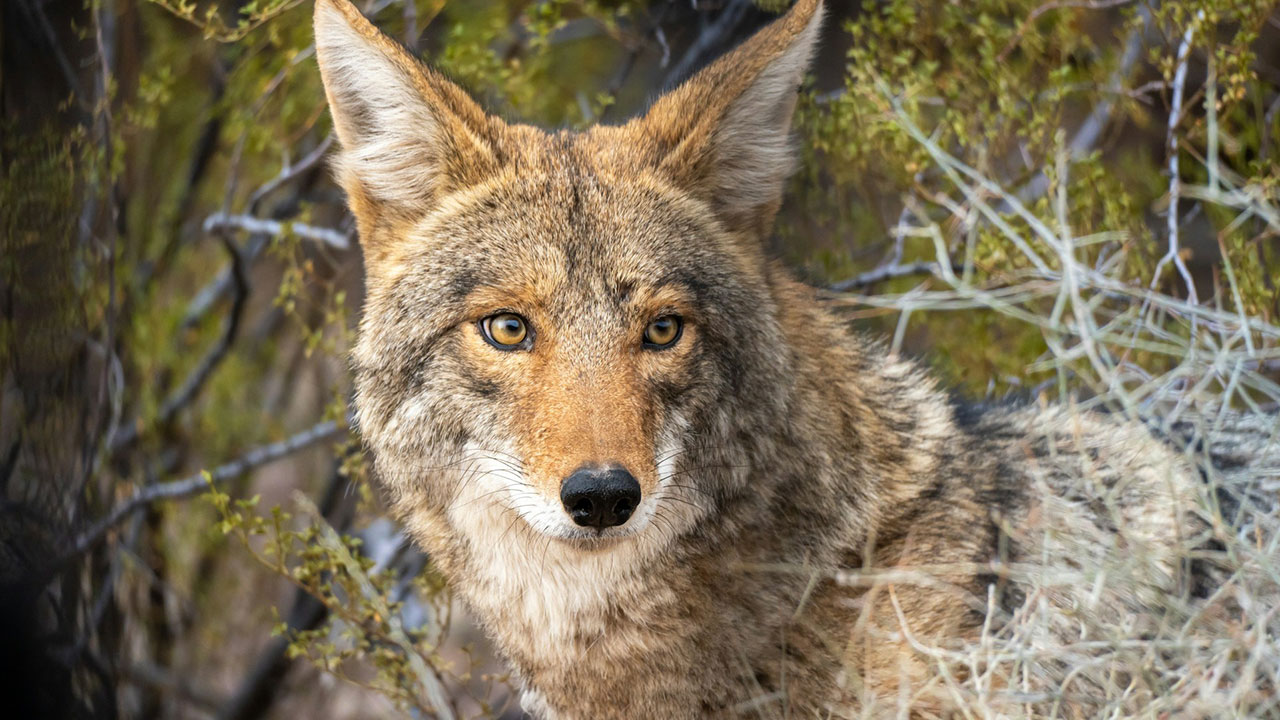
Coyotes are smart enough and adaptable enough when they are healthy. When they are sick, they can become downright erratic. A coyote dealing with rabies, distemper, severe mange, or starvation may stop behaving like the cautious ghost most hunters and landowners are used to seeing. It may show up in daylight, hang around near people, ignore yelling, move stiffly, act disoriented, or keep pushing into areas where a healthy coyote would have backed out. That makes it dangerous, because people read that behavior as weakness instead of instability.
A sick coyote is bad news for pets in particular. Small dogs, barn cats, and penned animals become easy targets when a coyote gets desperate or stops thinking clearly. Even larger dogs can get in trouble if they close on a sick one that has nothing left to lose. That is what people forget. A healthy coyote usually wants favorable odds. A sick one may not care. If one looks rough and keeps hanging around like it has lost its sense of caution, take that seriously.
Bats

Bats are one of the biggest disease-warning animals people deal with, mostly because rabies is such a serious issue even though the percentage of infected bats is low overall. A healthy bat should not be lying out in the open, grounded on a porch, fluttering around indoors in daylight, or letting people get close. When you see that, something is wrong. It may be injured, exhausted, or sick, and in any of those cases it needs to be treated carefully. The problem is that sick bats are small enough that people get careless and think they can just scoop one up.
That is how exposure happens. Their teeth are tiny, bites can be hard to notice, and people often realize too late that direct handling was a terrible idea. Kids are especially at risk because a bat can look helpless instead of dangerous. Around cabins, attics, sheds, and camps, bats deserve more caution than they usually get. Sick or grounded bats are not an animal to mess with barehanded, period. The risk is not just the bite itself. It is what that bite may mean afterward.
Bobcats
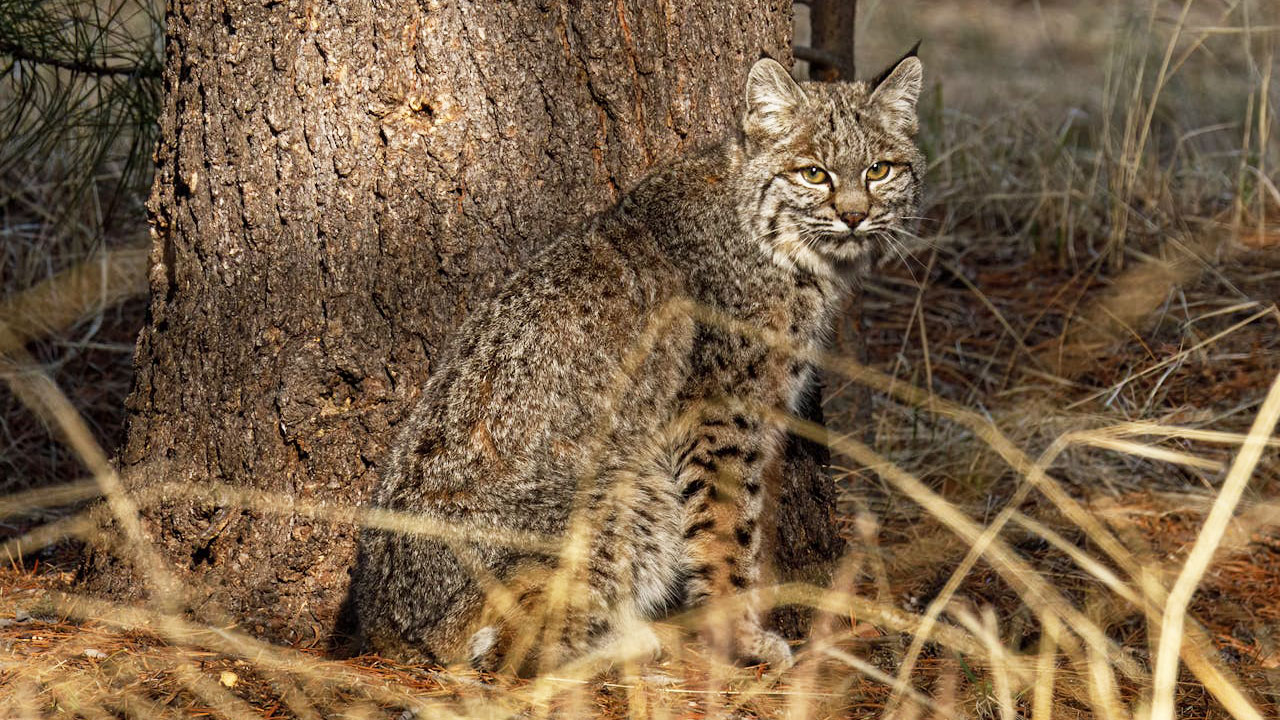
Bobcats do not usually want a fight with people, but when one is sick, injured, or neurologically compromised, all the normal rules start to wobble. A healthy bobcat is secretive, quiet, and hard to get a good look at. A sick one may show up in daylight, stay out in the open, move awkwardly, or lash out in a way that seems out of proportion to the situation. That is especially dangerous around homes where people are not expecting a wild cat to hold ground near a porch, shed, or chicken coop.
The main risk is how much damage they can do in one fast burst. Bobcats are compact, but they are all teeth, claws, and explosive movement once they commit. A dog trying to run one off can get cut up fast, and a person who gets too close trying to “help” or trap it can get hurt in a hurry. A sick bobcat is not common, but when it happens, it is one of those animals you want absolutely no direct contact with.
Mountain lions

A mountain lion that is sick, injured, starving, or dealing with neurological problems can become much more unpredictable than a healthy one that is still hunting and moving normally. Healthy lions usually avoid people when they can. They may watch, circle, or pass through without showing themselves. A sick lion may take bigger risks. It may stay closer to homes, target easier prey, linger in places it should have left, or close distance in a way that does not fit the usual pattern. That is part of what makes compromised big cats so concerning.
When an apex predator is not functioning normally, it can start making bad choices that are still more than good enough to hurt somebody. Pets, goats, calves, and even people become more vulnerable when the animal quits relying on clean ambushes and starts chasing whatever seems easiest. A mountain lion does not need to be fully aggressive all the time to be dangerous. It just needs one bad decision at the wrong moment. That risk goes up when the cat is sick and no longer acting like a healthy lion should.
Bears

Bears are dangerous enough when everything is normal. Add sickness, severe injury, parasites, neurological disease, starvation, or a rough food shortage, and that danger changes shape fast. A healthy bear often reads a situation and leaves if it has room. A sick or badly stressed bear may stay in the area, respond slower to pressure, or blow up harder when it finally reacts. That is a bad combination in camps, near dumpsters, around cabins, or in neighborhoods where bears are already pushing close to people because food is easy.
The part that makes sick bears so risky is their size and margin for error. A raccoon or fox can hurt you. A bear can kill you before you have time to rethink the situation. A bear that looks sluggish, confused, or fearless around humans is not something to watch from too close hoping to figure out what is wrong. Whether it is disease or simple physical decline, the problem is the same: a powerful animal that is not operating by normal bear logic anymore.
Moose

Moose do not get enough credit for how dangerous they are in the first place, and sickness only makes that worse. A healthy moose can already be bad-tempered, especially in rut or around calves. A sick, injured, or heavily stressed moose may react even faster and with less warning. People see a slow, bulky herbivore and think it works like livestock. It does not. A moose can cover ground quickly, strike with those front hooves, and keep stomping once it starts. If the animal is weak, feverish, or dealing with parasites, it may tolerate less pressure before exploding.
They are especially dangerous because people drop their guard around them. Tourists, hikers, and even locals sometimes treat moose like oversized yard animals until one pins its ears or starts walking them down. A sick moose may stand oddly, drool, look rough-coated, or act disoriented, but none of that makes it safer. In some ways it makes it worse, because the usual body language can be harder to read. When one is not right, give it even more space than you normally would.
Deer
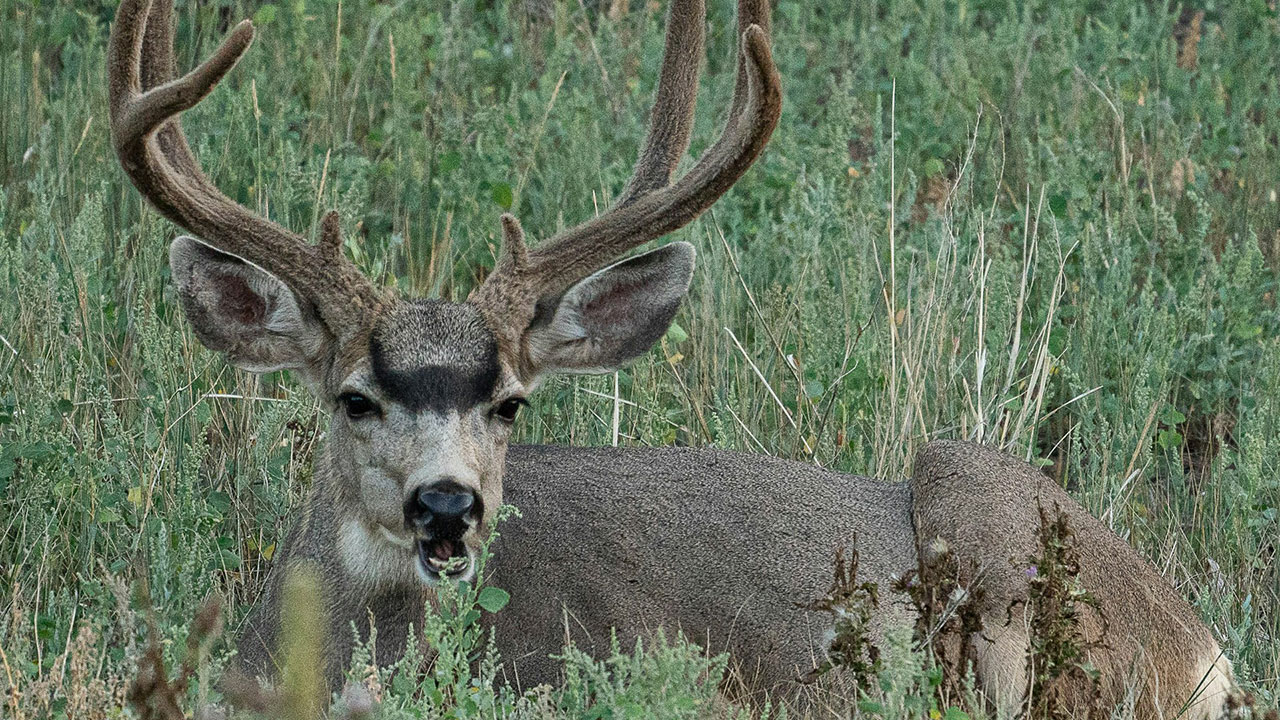
Most people do not think of deer as dangerous unless it involves a car windshield, but a sick deer can absolutely hurt people and pets. A healthy deer usually bolts. A sick deer may stumble into yards, get tangled in fencing, circle, drool, crash into things, or fail to flee when approached. Disease, head trauma, severe parasites, or wasting-related neurological decline can all create strange behavior. Bucks can be especially risky if they are already aggressive from rut or stress and then something physical is pushing them even farther off normal.
The danger is not always from an intentional attack either. It can come from panic. A cornered or tangled deer can thrash hard enough to break bones, slice skin with hooves, or smash through gates, windows, and anybody standing in the wrong spot. People get hurt trying to cut one loose or guide one out of a barn because they assume it is too weak to fight. That is not how panic works. A sick deer can still bring a whole lot of force when it is scared.
Wild hogs

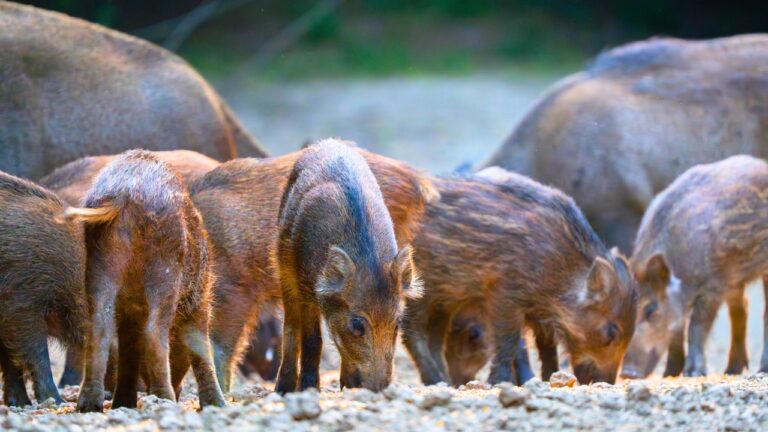
Wild hogs are ugly customers when they are healthy, and sickness does not take that edge off. If anything, a sick hog can be even more dangerous because it may stop avoiding conflict and lean harder on aggression. A boar dealing with infection, injury, fever, or extreme stress may still have more than enough strength to charge, slash, and keep coming. Hogs already live close to that defensive/aggressive line, especially when cornered. Take away some caution and add pain, and you have a bad setup.
This is one people on rural land need to respect. A hog that looks rough, moves strangely, or hangs around in a weird place can still wreck a dog or put a person in the hospital. Tusks do not care whether the animal is at full health. Even smaller hogs can cut deep, and a big boar can do serious damage in seconds. Folks sometimes think a sick hog will be easier to deal with. That might be true right up until it decides not to back down.
Beavers
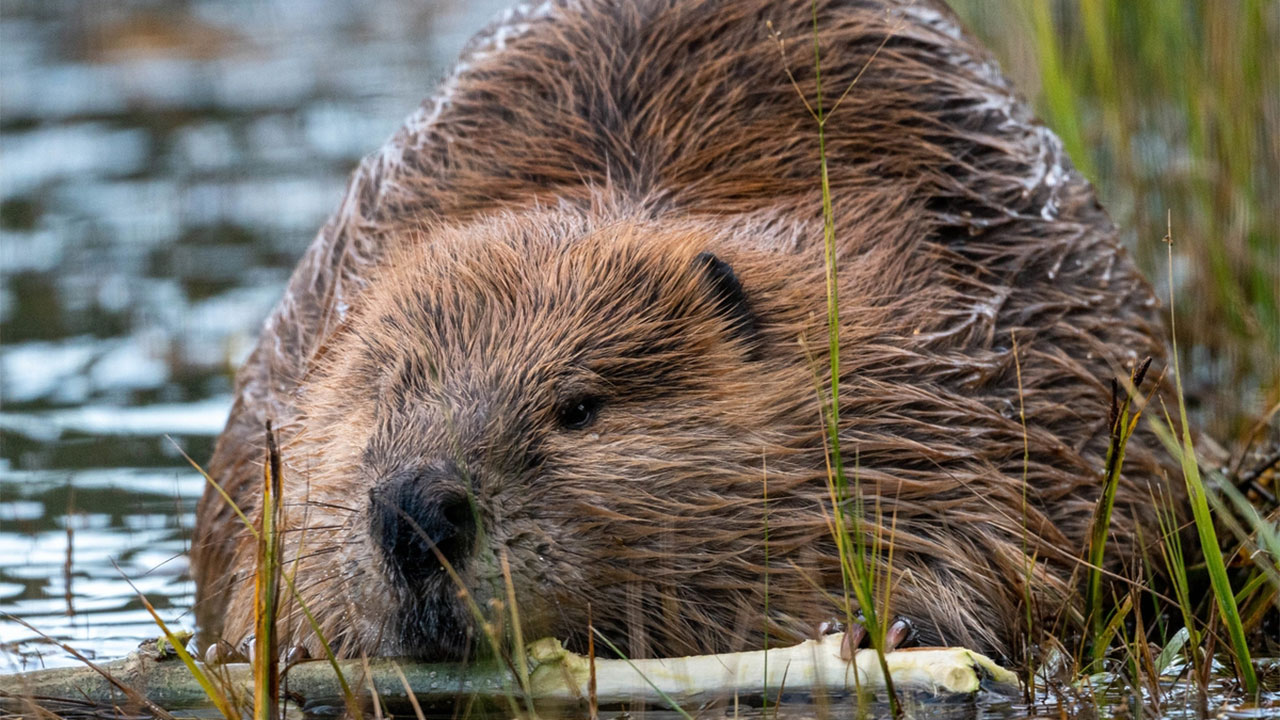
Beavers do not look like danger to most people, which is exactly why they deserve a spot here. A healthy beaver usually wants to get back to water and avoid trouble. A sick or cornered beaver can turn aggressive fast, especially if it feels trapped on land. Those incisors are not a joke. They are built to cut wood, and flesh is no challenge at all by comparison. Add sickness or disorientation and you get an animal that may not choose the sensible escape route it normally would.
Most bad run-ins happen when somebody finds one in an odd place and assumes it is safe to handle, herd, or help. That is a mistake. A sick beaver can lunge, bite, and hold on, and because people do not mentally file them under “dangerous,” they often get much too close. Around drainage ditches, ponds, and creek edges, any beaver acting confused or staying out in the open should be treated with caution. Weird behavior in a beaver is not cute. It is a warning sign.
Otters
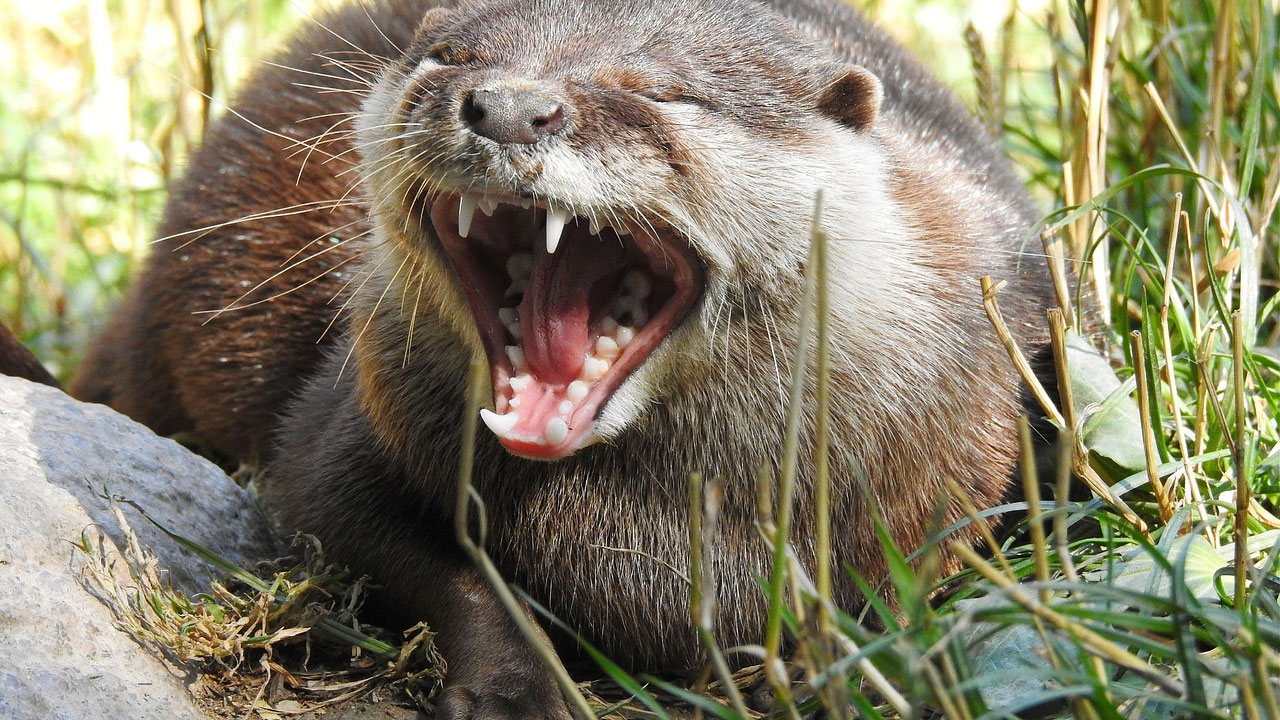
People love to think of otters as playful little river clowns, but they are predators with sharp teeth, speed, and a nasty streak when pushed. A sick otter can become much more unpredictable than the healthy version splashing around in everybody’s imagination. If one is out of place, lethargic, circling, showing no fear, or acting aggressive toward dogs or people, something is wrong. They are quick enough to close distance before most people understand what they are dealing with, and they do not need to be large to open you up.
This matters around docks, ponds, marinas, fish-cleaning spots, and riverbanks where dogs or kids may be nearby. People underestimate them because they are not on the usual list of scary wildlife. That is a mistake. A healthy otter has enough bite power and attitude to cause a problem. A sick one that has lost fear or is suffering neurologically is an even worse bet. Cute does not mean safe, and with otters, that difference matters more than people think.
Stray and feral dogs
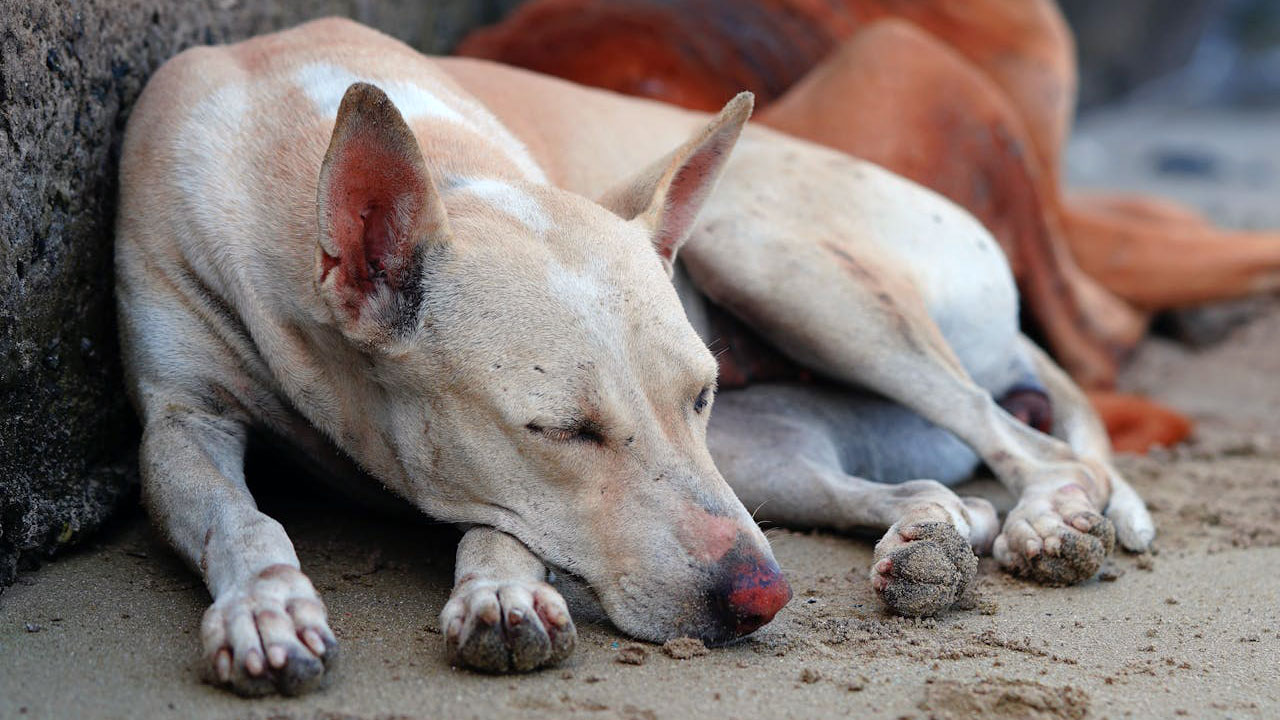
People sometimes separate “wild animal danger” from “dog danger” like the second one does not count, but a sick stray or feral dog can be one of the most immediate threats around homes, roadsides, barns, and trailheads. Rabies is the nightmare case, but even without that, pain, infection, starvation, or injury can make a loose dog far more volatile. A dog that is scared, confused, and in rough shape may not read human intention correctly at all. It may come in low, bite fast, and keep fighting harder than expected.
This one catches people because dogs feel familiar. They see a limping, rough-looking dog and want to help before stopping to think about disease or aggression. That instinct is understandable, but it can go bad fast. A sick stray may be more dangerous than a healthy coyote simply because it is willing to come closer and mix it up. The same goes for pets meeting it nose to nose at the fence or out on a walk. Familiar shape, unfamiliar risk.
Rodents
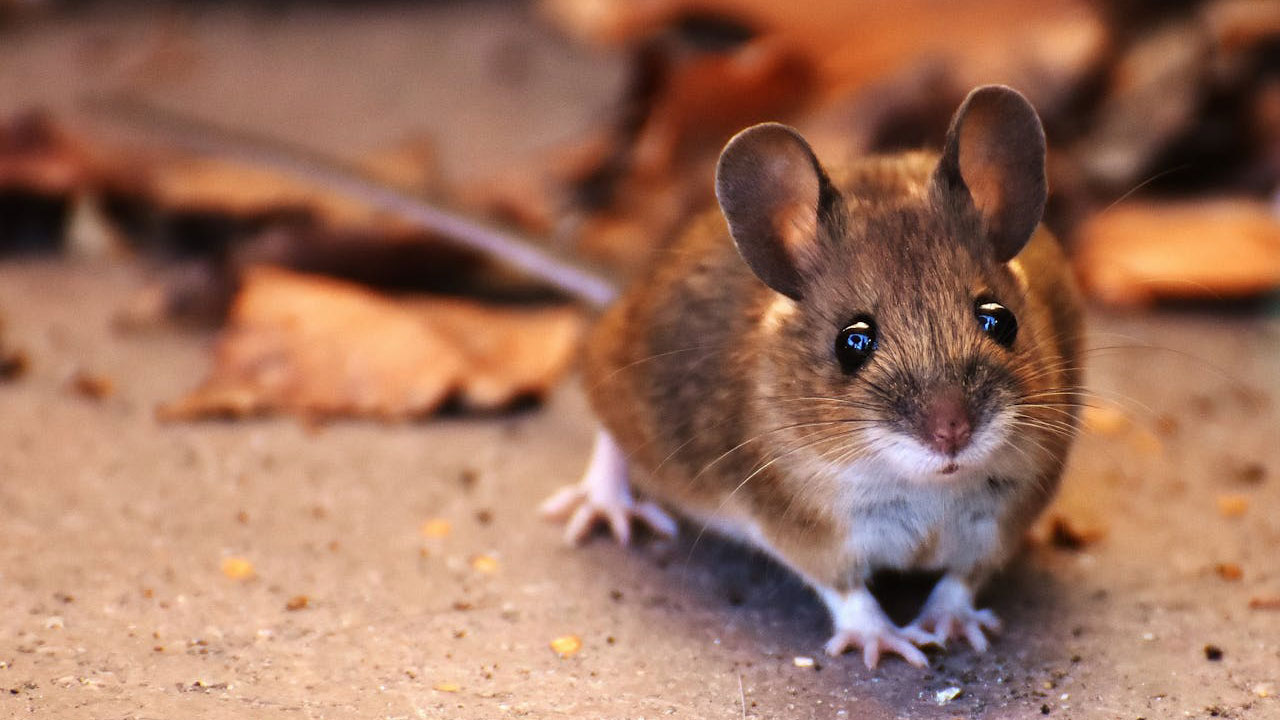
Mice, rats, squirrels, and other rodents do not usually get described as “most dangerous,” but sickness changes the equation because the problem is often bigger than the bite itself. A sick rodent may move oddly, fail to flee, wobble in circles, or show up in open daylight where it normally would stay hidden. People see something small and assume the threat is low. But a sick rodent can bite hard, carry disease, contaminate feed, and expose pets or people to more than they bargained for in a very short time.
Rats in particular get bolder when they are cornered, and squirrels or other rodents with neurological issues can act shockingly aggressive. The risk is magnified because people are more likely to try to handle, trap, or move them personally. That is where bad decisions happen. Around barns, sheds, feed rooms, garages, and crawl spaces, a rodent acting wrong should not be touched barehanded or treated casually. Small animal does not always mean small problem.
Like The Avid Outdoorsman’s content? Subscribe to our newsletter so you never miss an article.
Here’s more from us: