Photo credit: Viridian Weapon Tech/Youtube
Most guns will outshoot most shooters, but there’s a sneaky exception: the sights you’re trying to use. I’m not talking about “bad groups because I flinched.” I’m talking about sights that fight your eyes, snag on your life, wash out in real light, or sit so high you end up chasing the dot instead of pressing a clean trigger.
Some of these are classics that deserve respect. Some are pure “what were they thinking” design choices. Either way, the end result is the same: you miss easy shots, you shoot slower than you should, and you come home annoyed when you didn’t need to be.
1. Smith & Wesson Bodyguard 380
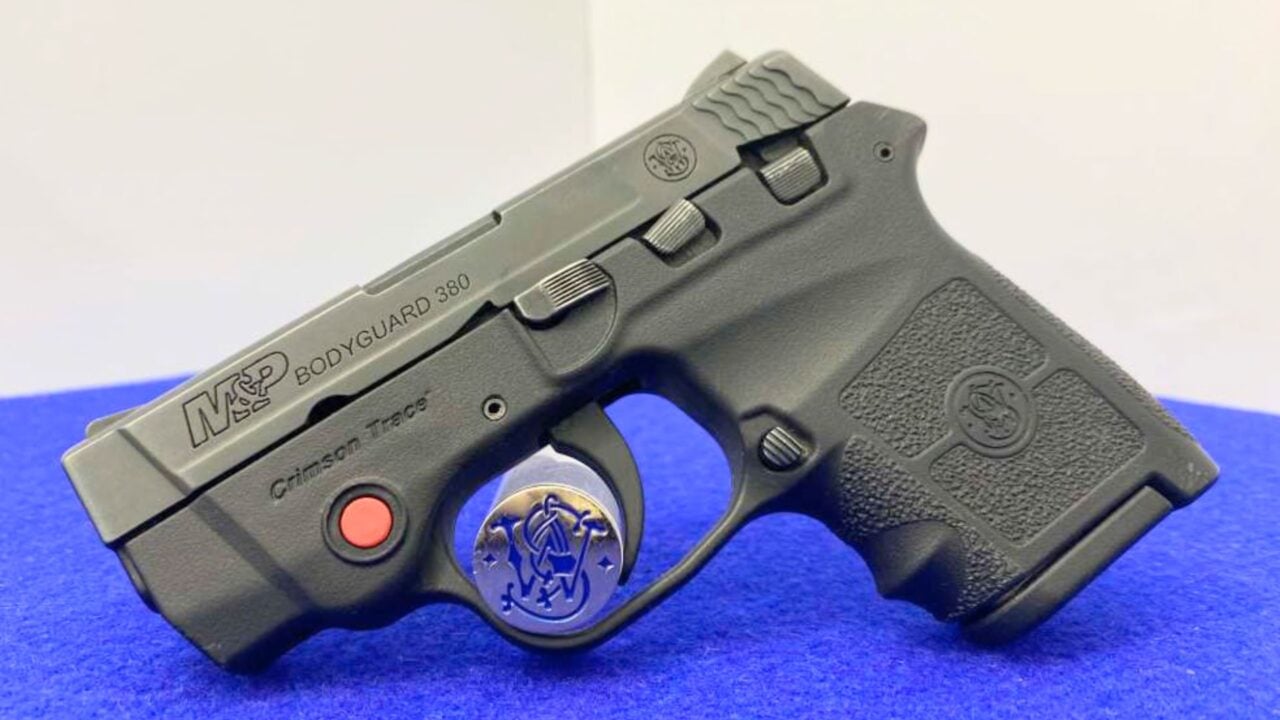
I’ve watched more than one good shooter turn into a guesser with this one, and it’s mostly the sight picture. The little trench-and-bump style sights are hard to pick up fast, and in anything but bright light they can disappear on you.
It’s a pocket gun, so nobody expects bullseye performance, but you still need a repeatable front sight. When the sights are that small and that dark, the gun ends up getting “point shot” even when you’re trying to be careful, and accuracy suffers past spitting distance.
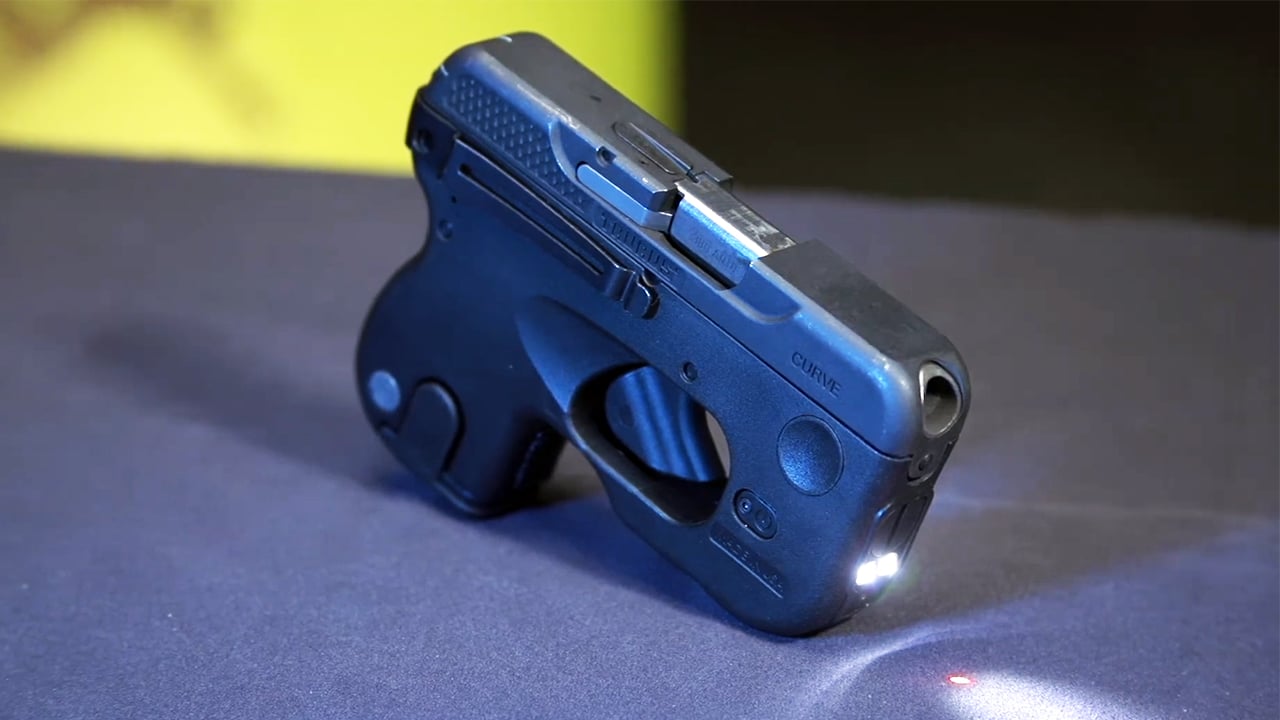
2. Taurus Curve
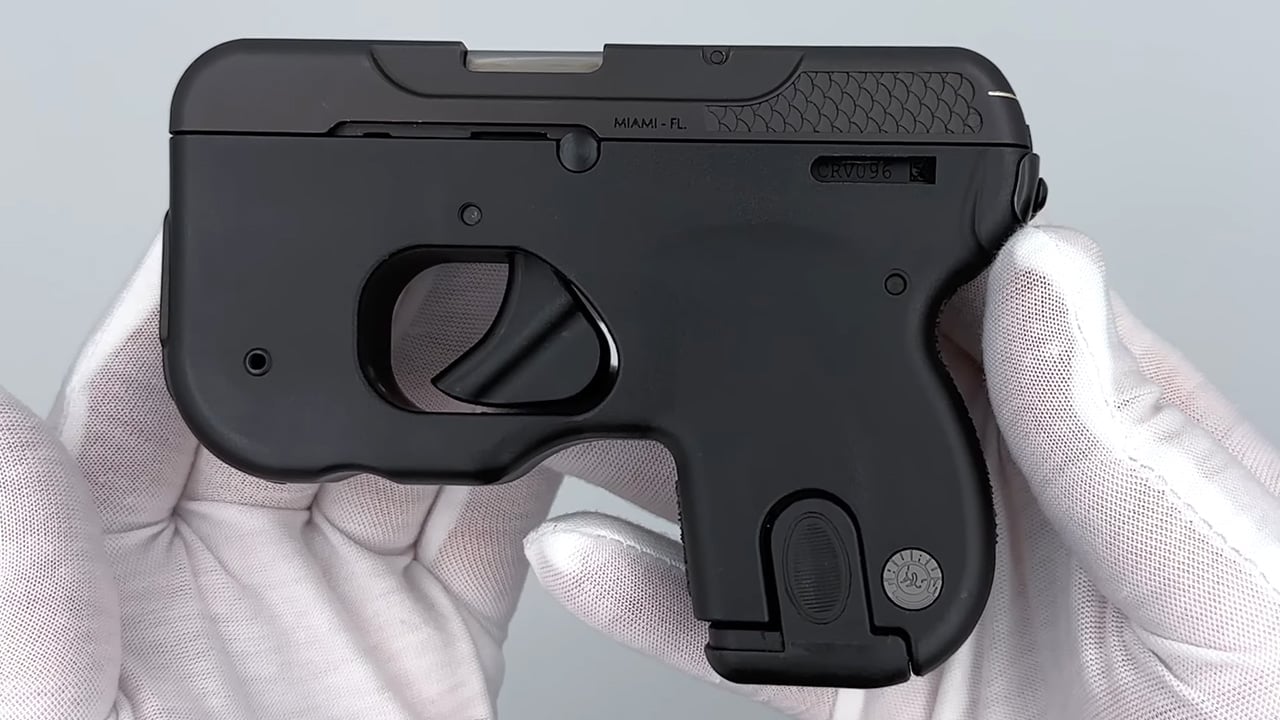
The Curve is one of those ideas that sounds clever until you actually try to aim it. The integrated sighting setup is more of a reference than a real sight picture, and the “always-on-you” concept doesn’t matter much when you can’t hit what you’re looking at.
Curved frame, odd grip angle, and sighting that feels like an afterthought makes consistent alignment tough. If you want a deep-carry pistol, there are better choices that don’t make you fight your eyeballs.
3. Glock 42 (factory polymer sights)
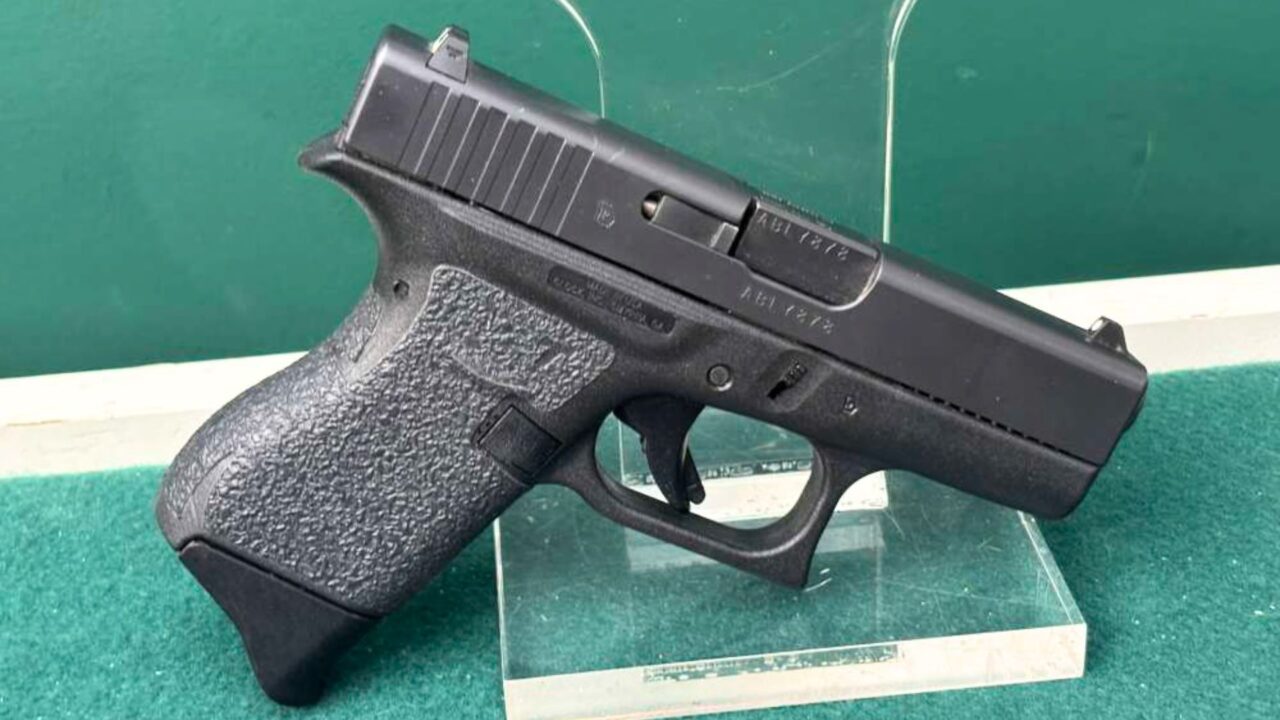
The G42 is a soft-shooting little .380, and it’s easy to carry. But the stock plastic sights are not doing it any favors. They’re usable, sure, but they’re also easy to ding up, and they aren’t exactly high-contrast.
On small guns, tiny sight errors become big misses fast. Swap to a quality steel set and the pistol suddenly feels like it “shoots better,” even though nothing else changed.
4. Glock 43 (factory polymer sights)
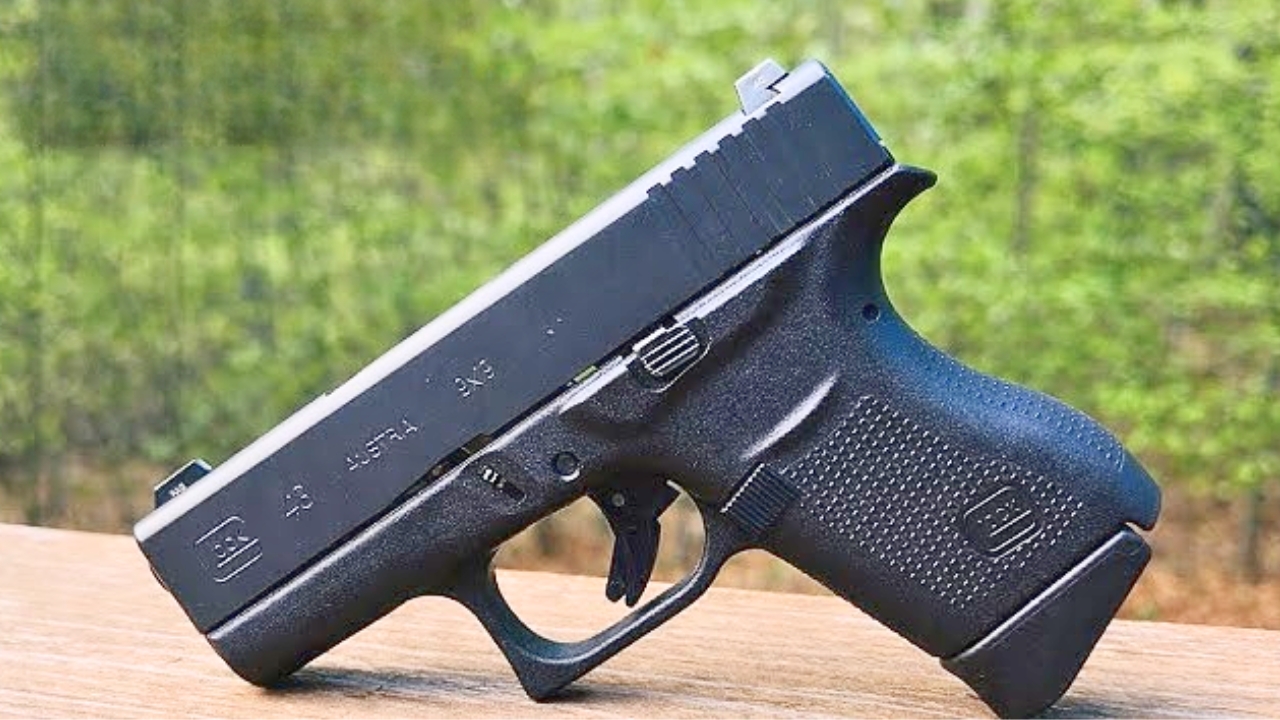
Same story, just in 9mm. The G43 is a legitimate carry gun, but those stock sights can be a weak link, especially when you’re trying to shoot it like a real pistol instead of a belly gun.
Under pressure, your eyes want a clean front sight. The factory setup can look fuzzy and low-contrast, and it turns “aim small” into “hope big.”
5. SIG Sauer P365 (early X-Ray3 sight dimness issues)

The P365 changed the carry world, and I’m not arguing that. But some of the early front sights weren’t as bright as folks expected after a little use, especially if the gun lived in a holster and got daily grime.
When that front dot goes dull, you start hovering the gun around trying to confirm it. You can still shoot it well, but the sights should help you, not make you double-check everything.
6. Springfield Armory Hellcat (U-Dot learning curve)
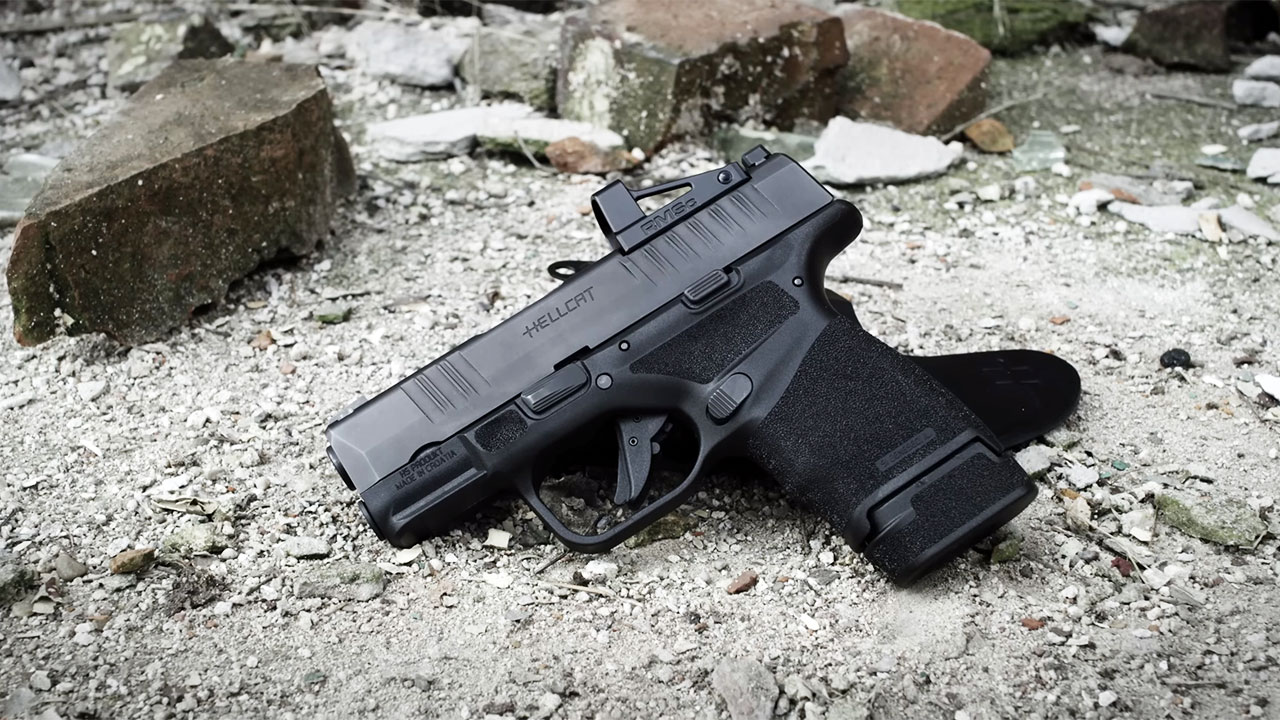
I get what Springfield was doing with the U-notch setup. Some shooters love it. Others never fully warm up to it, especially if they bounce between guns with traditional three-dot or plain black sights.
If you don’t see that front dot clean and centered in the “U,” you can drift left or right without realizing it. The gun’s accurate, but the sight system can slow down new owners and can absolutely open up groups until you adapt.
7. Ruger LCP (original model sights)
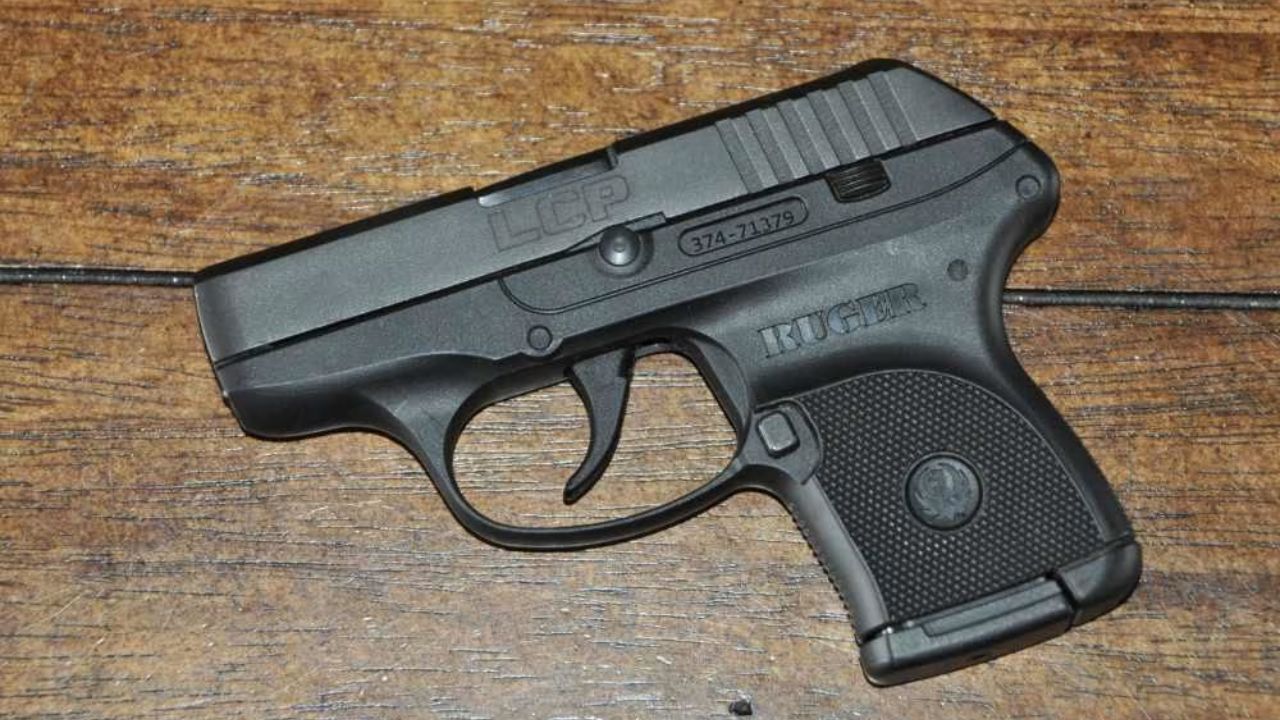
The original LCP is famous for being easy to carry and not much fun to shoot. The tiny, nearly vestigial sights are a big reason it prints “patterns” instead of groups for the average person.
On a calm range day you can make it work. In the real world—dim light, weird angles, cold hands—those sights are more like decoration than aiming equipment.
8. Ruger LCR (ramp front with shallow rear notch, depending on variant)
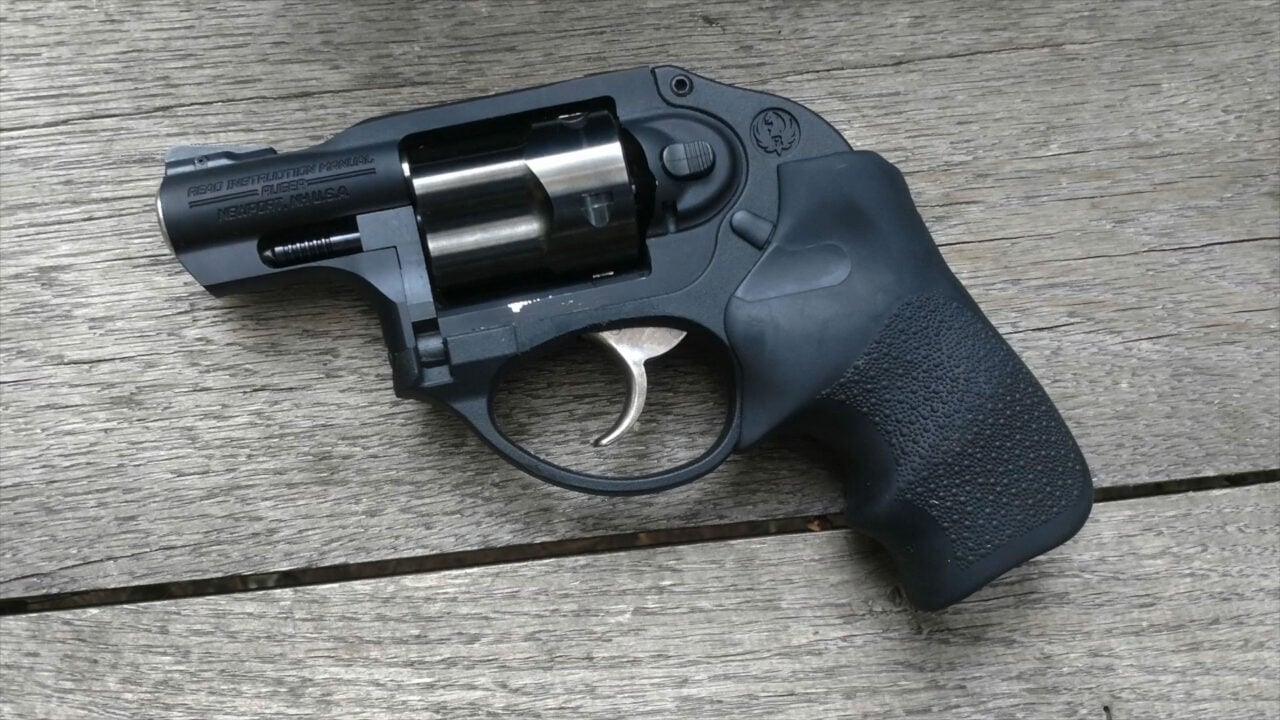
The LCR is a great little revolver, but some versions come with a sight picture that’s quick up close and not so great for precise work. The front ramp can wash out, and the rear notch can feel shallow when you’re trying to be exact.
If you’re shooting defensive distances, it’s fine. If you’re trying to ring steel or keep tight groups, your eyes can struggle to “lock in,” and you’ll see it on paper.
9. Charter Arms Undercover (small fixed sights)
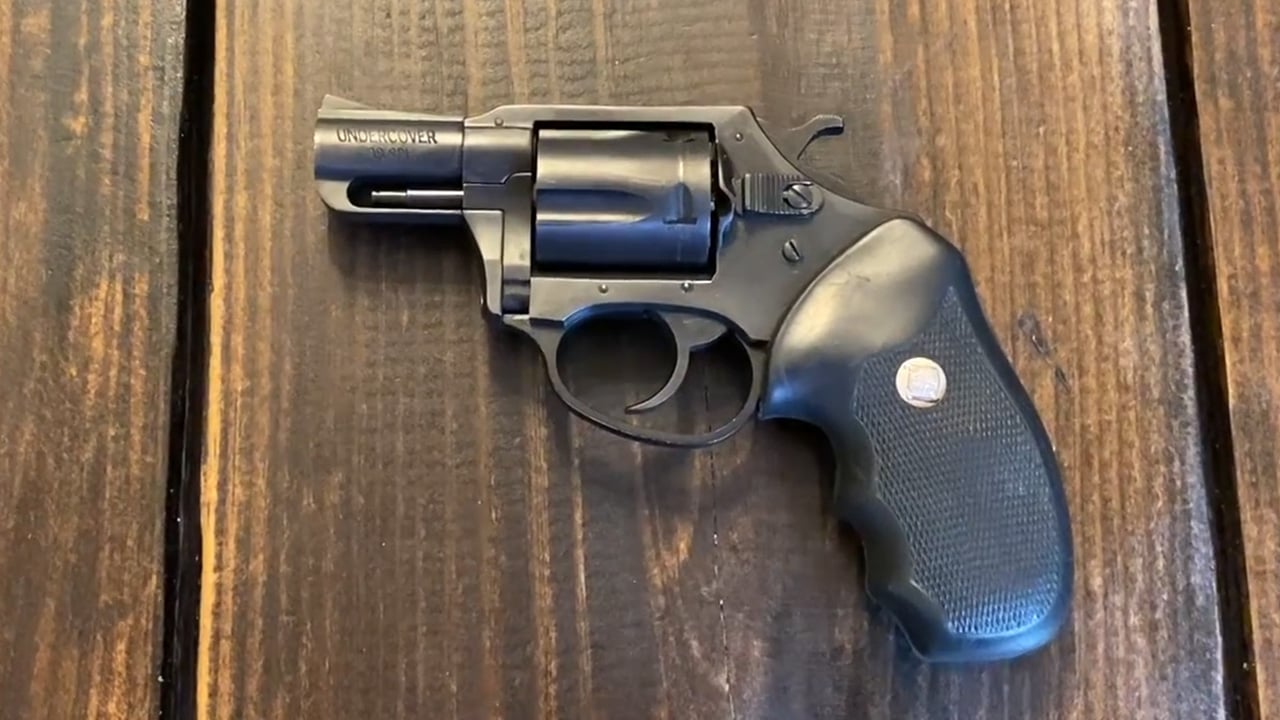
These little snub-nose revolvers have their place, but the sights are usually minimal fixed affairs. They’re built to be carried a lot and shot a little, and the sight setup reflects that.
Small, dark, and often not especially crisp. If your goal is accuracy beyond close range, you’re working harder than you should, especially with a short sight radius.
10. Colt Detective Special (classic fixed-sight snub setup)
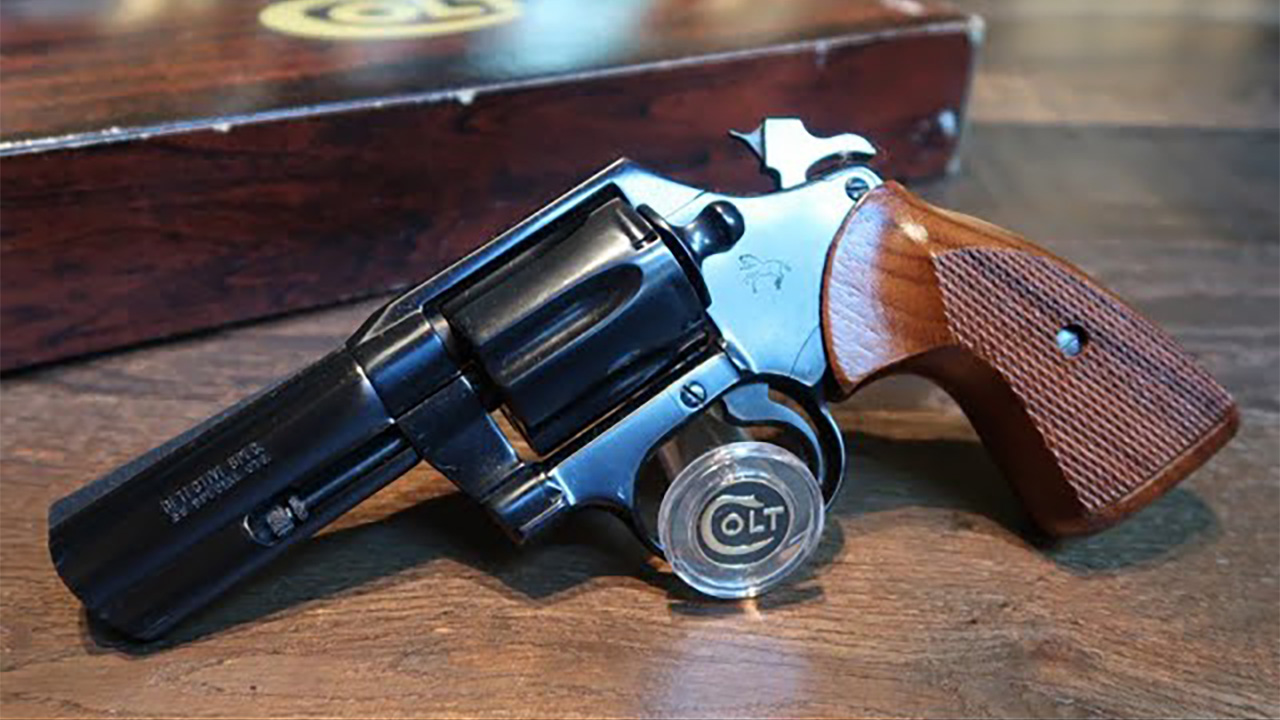
I like old Colts. Still do. But the traditional snub fixed sights are not friendly if your eyes aren’t twenty anymore. The narrow notch and small front blade can blend into the target.
They’re slick for carry and they won’t snag, which is why they were built that way. But “snag-free” often means “harder to see,” and that shows up when you’re trying to shoot carefully.
11. Beretta 92FS (three-dot sight design and sight height quirks)

The 92FS is reliable and shoots soft, but the older style three-dot sights can be a little busy, and the factory setup isn’t always ideal for fast, precise work. On some guns the front dot can feel small and the rear dots can pull your attention away from the front.
For bullseye slow fire, you can learn it. For practical shooting, that “dot chasing” can widen groups and slow splits. Modern sights on the same pistol often feel like a different gun.
12. Walther PPK (small sights, bite, and sight focus problems)
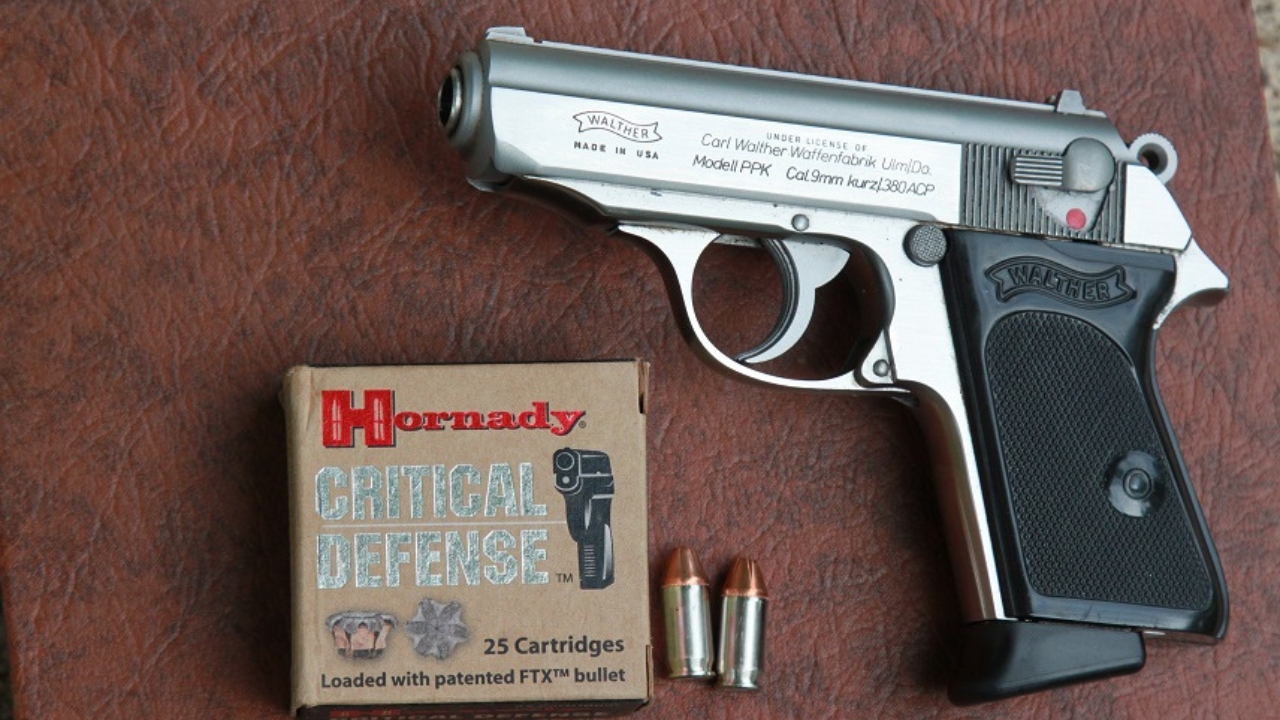
The PPK has style. It also has tiny sights that can be tough in real light, especially on darker targets. Add the fact that many shooters get distracted by the gun’s tendency to nip the hand, and accuracy goes downhill.
If you’re blinking and adjusting grip after each shot, you’re not building consistency. The sights don’t give you much help, and you end up “steering” the gun more than aiming it.
13. CZ 75B (low-profile factory sights on many variants)

The CZ 75 platform can be scary accurate, but some factory sights sit low and don’t give much daylight in the notch. If you’re used to a more open rear sight, the CZ can feel cramped.
Cramped sight pictures make people over-confirm alignment, which slows shots, and sometimes they start snatching the trigger once it “looks good enough.” That one hurts because the pistol deserves better.
14. AKM-pattern rifles (common military notch sights)

The AK rear notch and front post system is rugged, but it isn’t doing most American shooters any favors for precision. The notch can be coarse, and the sight radius and post thickness don’t help when you’re trying to be exact at distance.
You can absolutely learn it, and plenty of folks do. But for the average range day, many shooters would tighten up immediately with a cleaner rear aperture or a quality optic mounted properly.
15. SKS (standard tangent rear sight)
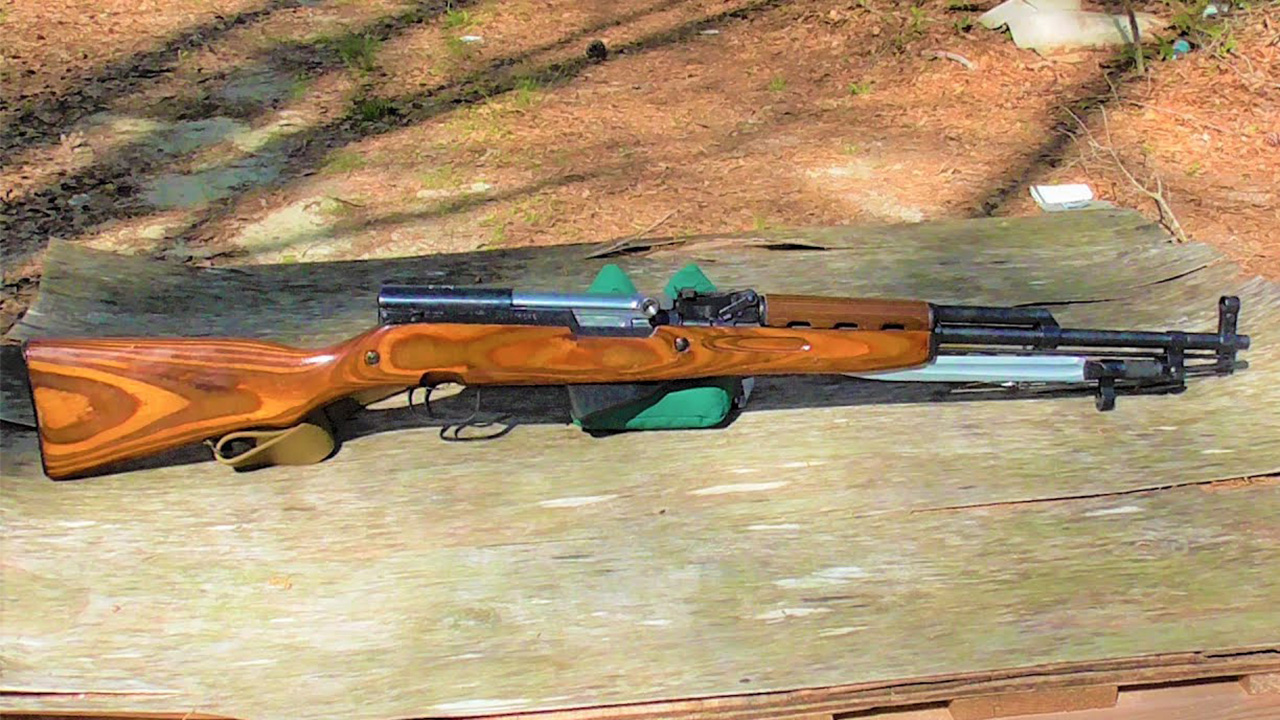
The SKS tangent sight is another “battle sight” that works fine for what it was built for. The problem is that most of us aren’t shooting man-sized targets at moderate distance anymore. We’re shooting small steel, paper circles, and sometimes hunting situations where you want a precise hold.
The rear leaf can be hard to read, the notch isn’t crisp, and the whole setup can encourage a sloppy sight picture. It’s a fun rifle, but the stock sights can hold you back.
16. Marlin Model 336 (buckhorn sights)

Buckhorns look right on a lever gun, and they carry well in the woods. But they can absolutely cost you precision, especially if you’re trying to shoot small groups or stretch the distance in open timber.
Your eyes can get pulled into the “horns” instead of focusing on the front bead. In low light, that bead can flare or disappear depending on the background. A simple aperture rear sight often makes a 336 feel like it just gained a new barrel.
17. Winchester Model 94 (traditional buckhorn setup)

Same deal here. The 94 points fast, and for close deer in thick stuff it’s hard to beat. But those classic sights can be more tradition than performance for most shooters.
If you grew up on them, you may be fine. If you didn’t, you’ll likely see horizontal stringing and inconsistent holds, especially as light fades. That’s not you being “bad,” that’s the sight picture being fuzzy.
18. Remington 870 Express (factory bead-only setup)

A plain bead is great for wingshooting and quick pointing. It’s not great when someone buys an 870 as a do-it-all gun and then tries to shoot slugs at 75 yards like it’s a rifle.
With just a bead, the gun will print wherever your cheek weld and head position decide that day. Add stress or awkward shooting positions and it gets worse. Rifle sights or a proper sighting system makes slug accuracy far more consistent.
19. Mossberg 500 (receiver-top safety and bead sighting issues for some shooters)

The Mossberg 500 is a workhorse, but the “bead plus tall receiver” setup can lead to inconsistent head position. Some shooters float the bead, some bury it, and the pattern or slug impact shifts more than they expect.
This isn’t a knock on Mossberg reliability. It’s a reality of trying to aim a shotgun precisely with a minimal sighting reference. If you want repeatable slug hits, give yourself real sights.
20. Ruger Mini-14 (older Ranch Rifle sights and sight radius limitations)

The Mini-14 has a loyal following, and it’s handy as can be. But older setups, depending on the exact variant, can leave you wanting a cleaner, more modern sight picture. The sight radius and the way some factory sights present can make it harder to wring out the accuracy the rifle actually has.
When you’re chasing groups, little sighting compromises show up fast. A better rear aperture arrangement or a well-mounted optic often turns the Mini from “minute of coyote-ish” to something you trust a lot more.
None of this means these guns are junk. It means sights matter more than most folks want to admit, because they’re not as exciting as triggers and calibers. If your groups don’t match what the gun should be doing, don’t automatically blame the barrel or the ammo. Take a hard look at what your eyes are being asked to see, especially in the light you actually hunt, carry, or keep a gun for.
Like The Avid Outdoorsman’s content? Be sure to follow us.
Here’s more from us: