Photo credit: WHO_TEE_WHO/YouTube
A cartridge does not become harmless the moment it crosses 150 yards. The real concern is whether it still carries enough velocity for the bullet to expand, penetrate, and create the wound channel the hunter expects.
Large, blunt bullets and lightweight projectiles often shed speed much faster than streamlined rifle bullets. Some remain excellent inside woods distances but become increasingly dependent on exact range, broadside angles, and carefully selected ammunition once the target moves farther away. These 20 calibers are most useful when hunters respect that limitation instead of treating them like flat-shooting, full-power rifle rounds.
.357 Magnum

The .357 Magnum gains significant velocity when fired through a rifle barrel. With proper hunting ammunition, it can be highly effective on deer and hogs at close range.
The problem is that most .357 bullets have blunt profiles and relatively poor ballistic coefficients. They slow rapidly after leaving the muzzle, and many loads approach handgun-like impact velocities as the distance passes 150 yards. Expansion becomes less predictable, while the curved trajectory makes precise placement more difficult. A .357 lever gun is a good woods rifle, but it is not a general-purpose 200-yard deer cartridge.
.41 Magnum

The .41 Magnum offers more bullet weight and energy than the .357 while producing less recoil than many heavy .44 Magnum loads. Fired from a carbine, it can hit deer-sized game extremely hard at moderate range.
Its bullets are still designed around revolver cartridges and usually carry wide, blunt noses. That shape produces rapid velocity loss and substantial drop beyond 150 yards. The cartridge may retain enough energy to kill, but energy alone does not guarantee reliable expansion or an easy hit. The .41 Magnum works best when used as a powerful short-range round.
.44 Magnum
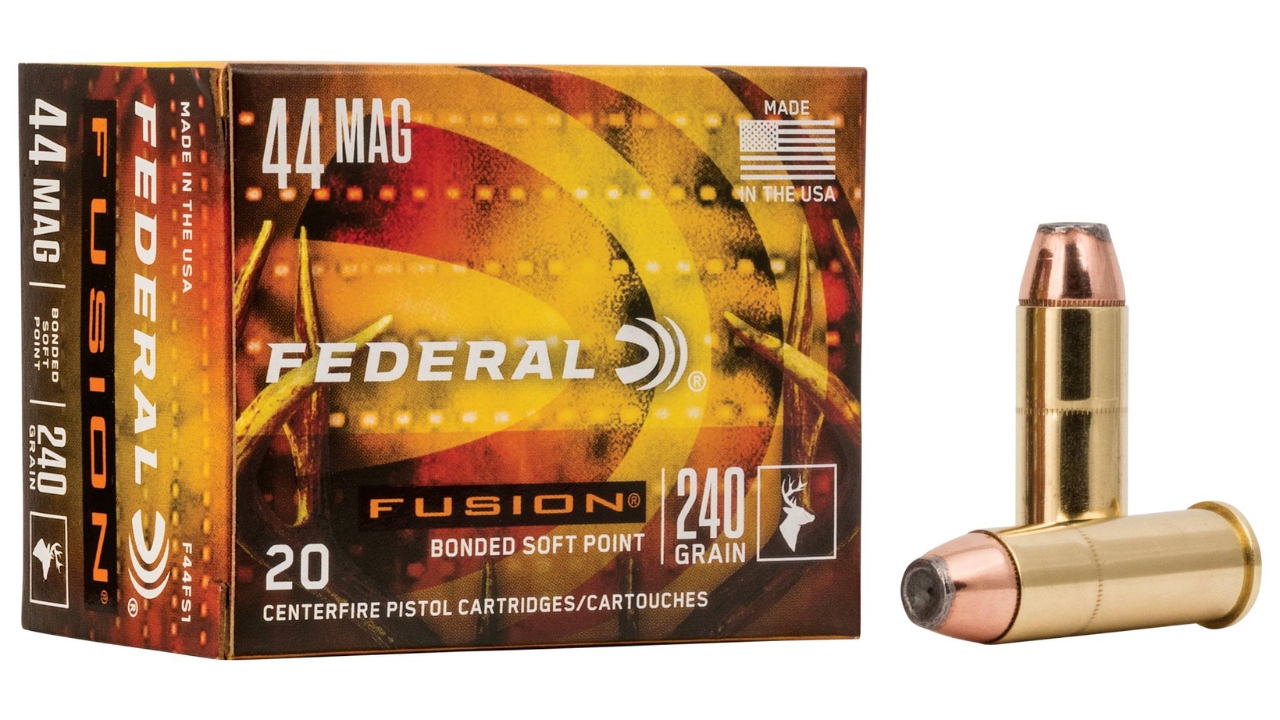
The .44 Magnum is one of the most established pistol-caliber hunting rounds. From a rifle, heavy expanding bullets can deliver excellent penetration and tissue damage inside typical timber ranges.
Past 150 yards, its low ballistic coefficient becomes impossible to ignore. The bullet slows quickly, drop increases sharply, and the difference between a 125-yard and 175-yard shot can be greater than hunters expect. Some heavy bullets retain momentum well, but their expansion may become less dramatic as velocity fades. The .44 Magnum is powerful, not flat shooting.
.45 Colt

Modern .45 Colt hunting loads can produce impressive power when fired from strong lever actions. Heavy bullets offer deep penetration and perform well on deer, hogs, and black bear at close range.
Even the strongest loads push wide bullets with poor aerodynamic efficiency. Velocity falls rapidly, and the trajectory becomes increasingly arched past 150 yards. Traditional-pressure ammunition reaches that limitation much sooner. A hunter must know whether the rifle is loaded with mild cowboy ammunition or a true hunting load because the two provide completely different levels of downrange performance.
.454 Casull

The .454 Casull generates tremendous handgun energy and becomes even faster from a carbine. At close range, it offers serious penetration on large animals.
Its high muzzle velocity can make it seem more capable at distance than other revolver cartridges. It still fires blunt handgun bullets that shed speed much faster than pointed rifle projectiles. By 150 to 200 yards, trajectory and expansion thresholds become major considerations. It works well in compact rifles, but its performance envelope remains closer to a powerful woods cartridge than a conventional bottleneck rifle round.
.460 S&W Magnum

The .460 S&W Magnum was designed partly to extend the useful range of revolver hunting. It drives bullets much faster than the .45 Colt or .454 Casull and can produce impressive short-range energy.
The cartridge still cannot overcome the drag created by large-diameter handgun bullets. Velocity and energy decline quickly compared with aerodynamic rifle cartridges, particularly when using heavy bullets with broad noses. The .460 can reach beyond 150 yards in skilled hands, but range estimation and load selection become critical. Its muzzle numbers can create more confidence than its trajectory deserves.
.480 Ruger
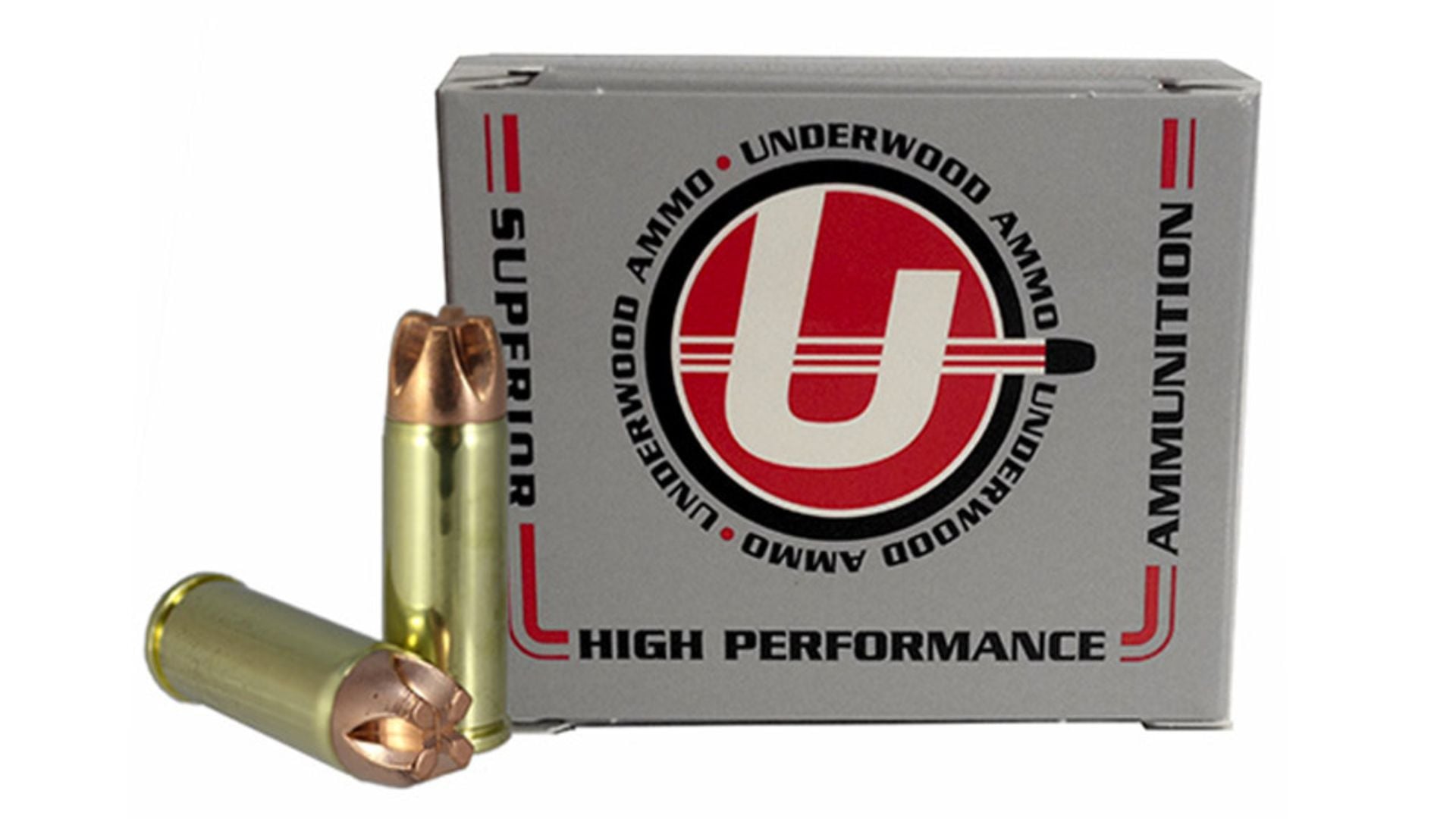
The .480 Ruger emphasizes heavy bullets and deep penetration rather than extreme speed. It is a serious close-range handgun cartridge for hunters who want a large frontal diameter without moving to the .500 S&W Magnum.
That design gives it limited reach. Its heavy, blunt bullets begin relatively slowly and continue losing velocity rapidly. Past 150 yards, bullet drop becomes severe and impact speed may fall below the level needed for strong expansion. The .480 is excellent when the hunter gets close and places the bullet correctly. Distance removes too much of what makes it effective.
.500 S&W Magnum

The .500 S&W Magnum launches enormous bullets with enough energy to handle nearly any North American game animal. At the muzzle, its numbers rival some rifle cartridges.
Those comparisons become less impressive downrange. A wide 325- to 500-grain handgun bullet experiences substantial drag, and many loads lose velocity quickly after 100 yards. Heavy bullets may continue penetrating even at reduced speed, but trajectory becomes difficult and expansion can vary. It carries tremendous power, yet it is still primarily a close- to moderate-range hunting cartridge.
.44-40 Winchester
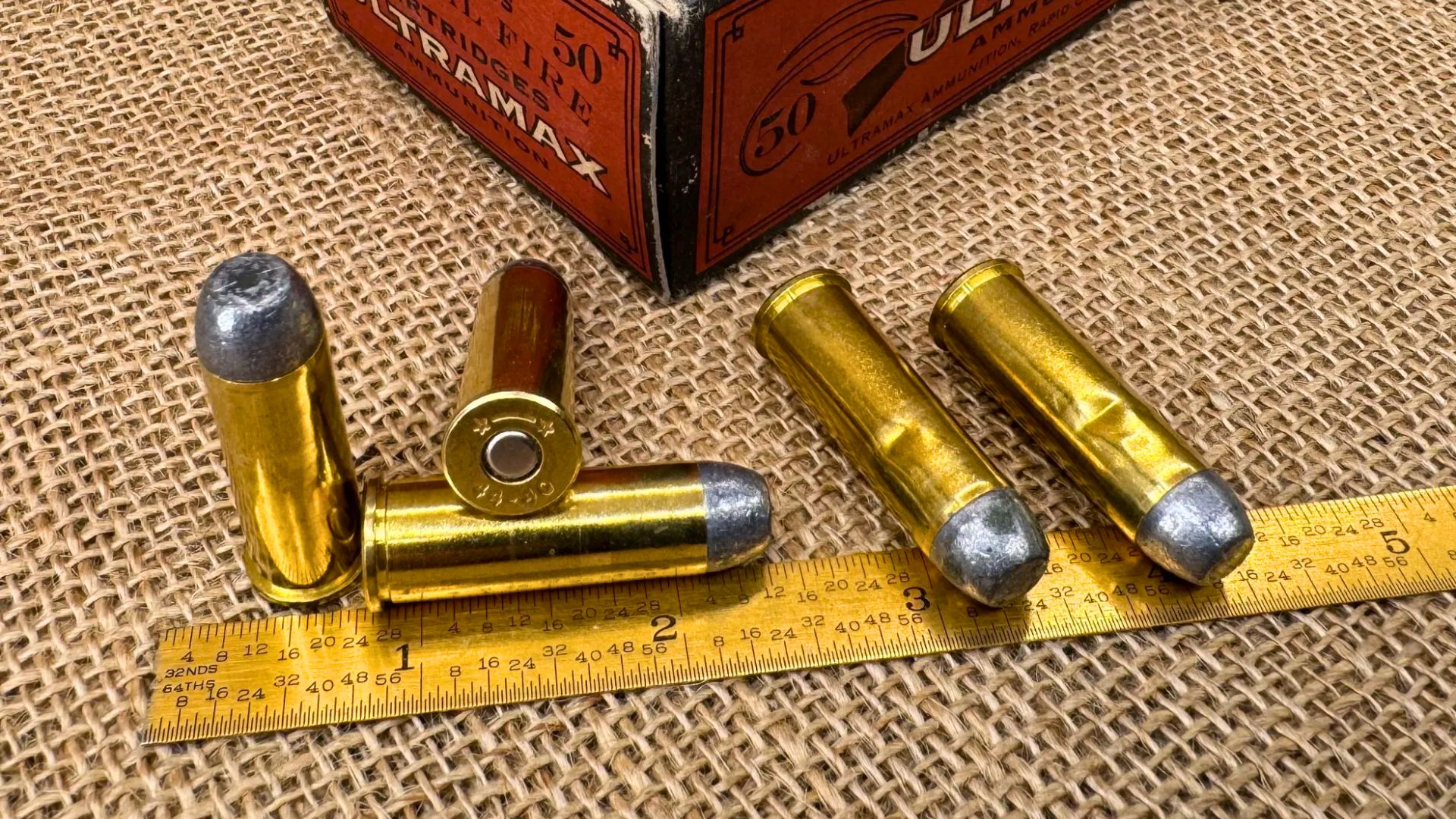
The .44-40 was widely used in rifles and revolvers during the late 19th century. Modern hunters still appreciate its mild recoil and historical appeal.
Traditional loads begin with modest energy and use flat- or round-nosed bullets required by tubular magazines. By 150 yards, the cartridge has lost much of its velocity and follows a noticeably arched path. It can still work on deer-sized animals under careful conditions, but it leaves little extra performance for a bad angle or inaccurate range estimate.
.38-40 Winchester

Despite its name, the .38-40 fires a bullet around .40 caliber. It can be useful on small deer and similar game from properly loaded rifles at close range.
Its traditional ballistics are mild, and its blunt bullets lose speed quickly. The cartridge also uses a relatively thin case, limiting how far performance can safely be increased in many older firearms. Past 150 yards, both trajectory and terminal performance become questionable. It belongs in the same close-range category as other historic revolver-and-rifle cartridges.
.32-20 Winchester

The .32-20 was developed during an era when one mild cartridge could serve in both a rifle and revolver. It remains enjoyable for small game, varmints, and historical shooting.
It does not retain enough energy for hunters to treat it like a modern centerfire rifle cartridge. Light bullets slow rapidly, while heavier loads start at modest velocities. Beyond 150 yards, wind and drop become increasingly important even on small targets. For larger game, the cartridge runs out of useful terminal margin much sooner.
.30 Carbine

The .30 Carbine fires a light, round-nosed bullet at moderate velocity. From an M1 Carbine or modern reproduction, it is easy to control and effective for close-range defensive or hunting roles.
Its bullet shape causes it to lose velocity much faster than pointed .30-caliber rifle rounds. At 150 yards and beyond, energy falls sharply and trajectory becomes less forgiving. Expanding ammunition can still work, but bullet performance depends heavily on maintaining enough impact velocity. The cartridge should not be confused with a reduced-power .308 Winchester.
.300 AAC Blackout

The .300 Blackout is optimized for short barrels, suppressors, and efficient performance at close range. Supersonic hunting loads can be highly effective on deer and hogs inside moderate distances.
Most loads use relatively heavy bullets at modest velocity. Past 150 yards, drop becomes pronounced and impact energy falls more quickly than it does with .308 Winchester or common high-velocity deer rounds. Some bullets also require a minimum speed to expand properly. The Blackout can reach farther, but its practical hunting envelope is narrower than its rifle-like appearance suggests.
9x39mm
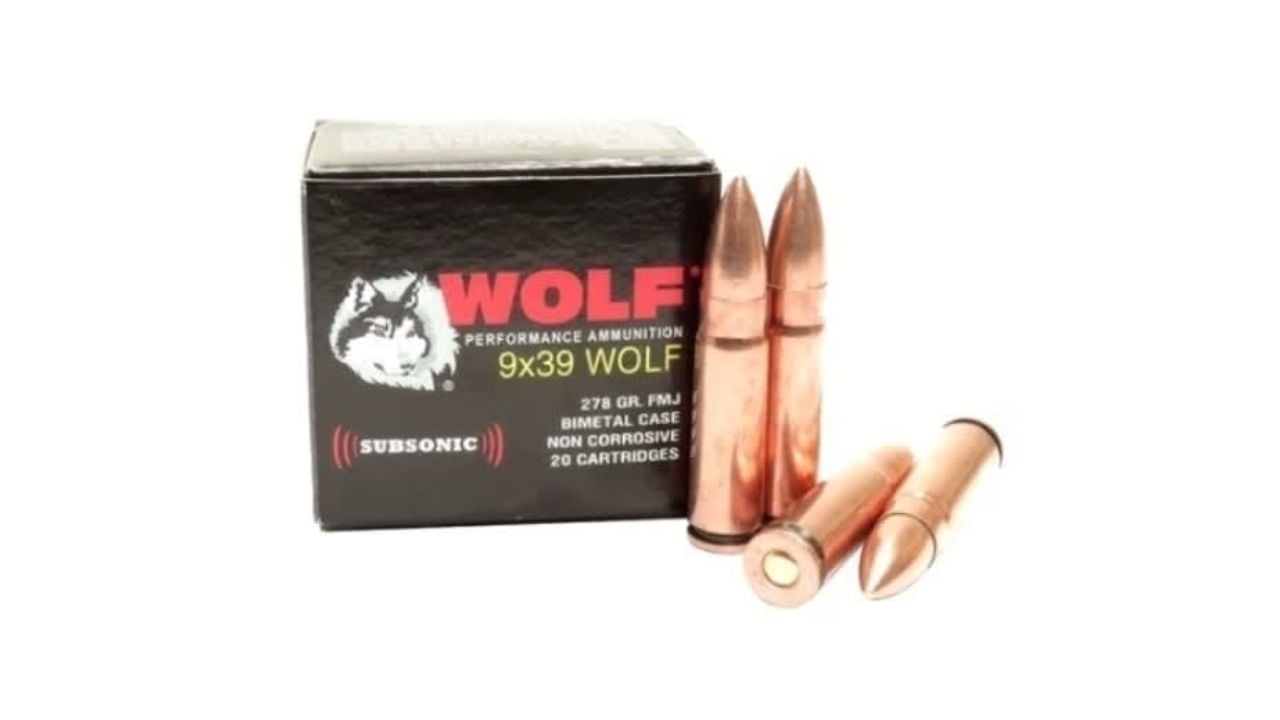
The 9x39mm was developed to launch heavy .35-caliber bullets at subsonic velocities from suppressed military firearms. It emphasizes quiet operation and close-range penetration.
Starting below the speed of sound means it has very little velocity to spare. The heavy bullet retains momentum, but trajectory becomes extremely curved as distance increases. Past 150 yards, even a small range-estimation error can produce a major vertical miss. It may remain dangerous, but accurate hunting use becomes highly demanding.
.350 Legend

The .350 Legend offers mild recoil and useful performance in states that restrict hunters to straight-wall cartridges. It is effective on deer at the ranges for which it was designed.
Its relatively blunt bullets lose velocity faster than streamlined .30-caliber hunting bullets. Past 150 yards, the cartridge begins surrendering energy and accumulating drop rapidly. Some loads remain viable near 200 yards, but bullet expansion and exact zero become increasingly important. It performs best when hunters treat it as a straight-wall woods round rather than a replacement for the .308 Winchester.
.400 Legend
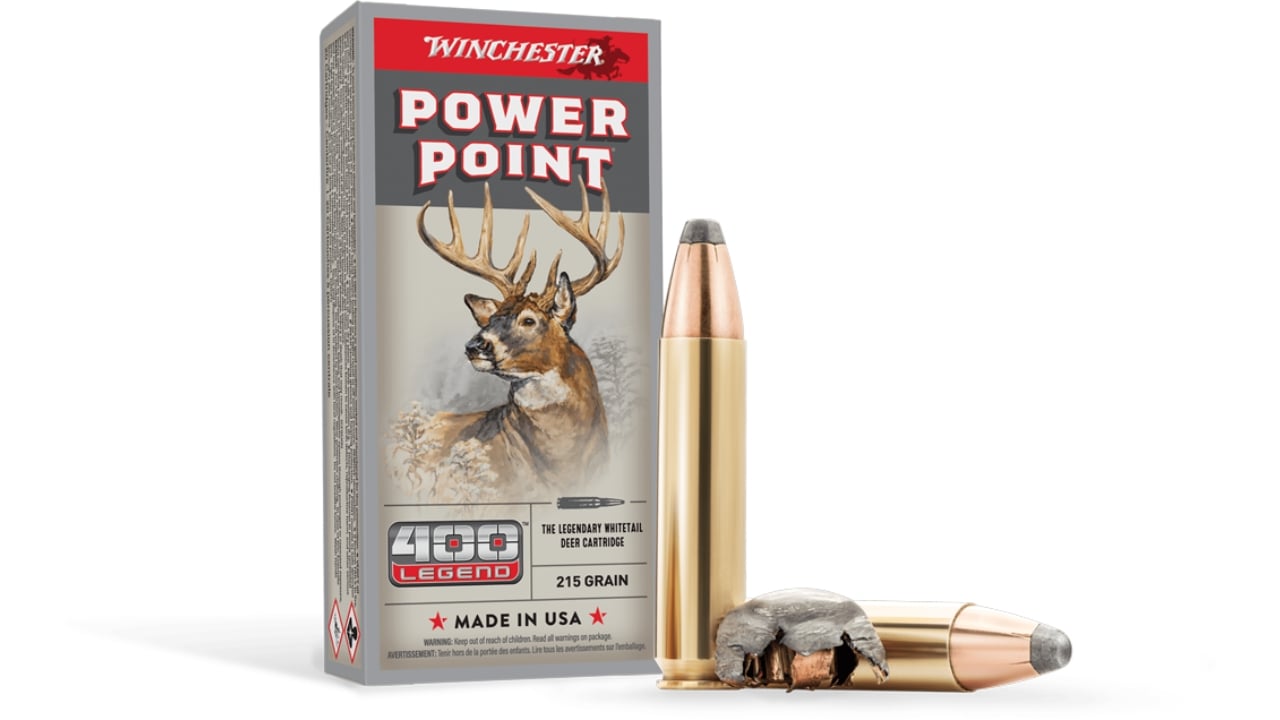
The .400 Legend was developed to provide more frontal diameter and energy than the .350 Legend while maintaining less recoil than the .450 Bushmaster. It offers strong close-range performance on deer and hogs.
The larger bullet creates more drag, so velocity falls quickly once distance increases. The cartridge can retain useful power past 150 yards, but it does not carry energy as efficiently as a pointed bottleneck round. Hunters also have fewer loads and field results to compare. Its strongest advantage is close-range authority, not long-range reach.
.450 Bushmaster

The .450 Bushmaster hits hard and works well from compact semiautomatic or bolt-action rifles. It has become especially popular in straight-wall hunting states.
Its heavy .45-caliber bullet loses speed quickly because of its large frontal area and modest ballistic coefficient. Beyond 150 yards, drop and energy loss accelerate enough that exact range matters greatly. It may still be effective around 200 yards with a proper zero, but it offers much less forgiveness than its impressive muzzle energy suggests.
.444 Marlin

The .444 Marlin drives heavy .44-caliber bullets faster than the .44 Magnum and provides excellent close-range performance on deer, hogs, and black bear.
Even with the increased velocity, most loads use flat- or soft-point bullets suited to tubular magazines. Those bullets experience heavy drag and begin dropping quickly after 150 yards. The cartridge retains good penetration, but hunters must understand the trajectory and confirm that the selected bullet still expands at reduced impact speeds.
.45-70 Government

The .45-70 can produce everything from mild historical ballistics to powerful modern hunting loads. Heavy bullets deliver tremendous penetration and make it one of the best close-range cartridges for large animals.
The bullet’s size and shape work against it in flight. Even fast modern loads lose velocity rapidly, while traditional loads may drop dramatically past 150 yards. The cartridge can be used farther with precise range information and suitable optics, but guessing distance is risky. Its power does not eliminate the need to understand its steep trajectory.
12-Gauge Foster Slug

A 12-gauge Foster slug creates a large wound channel and carries substantial close-range energy. From a properly sighted shotgun, it remains a proven option for deer in restricted areas.
The soft, blunt slug has extremely poor aerodynamic efficiency. Velocity and energy fall quickly, while wind drift and drop become serious past 100 to 150 yards. Accuracy can also vary greatly between individual guns and loads. Sabot slugs fired through rifled barrels extend the range, but a conventional Foster slug should be treated as a close-range projectile.
20-Gauge Foster Slug

The 20-gauge Foster slug offers less recoil than a comparable 12-gauge load and can be highly effective on deer at woods distances. It is particularly useful for smaller or recoil-sensitive hunters.
It starts with less mass and energy than the 12-gauge version while retaining the same blunt shape. By 150 yards, velocity and terminal performance have fallen substantially. The slug may still reach the animal, but the combination of drop, wind drift, and reduced expansion leaves little room for error. A rifled barrel with sabot ammunition is a much better choice when longer shots are expected.
Like The Avid Outdoorsman’s content? Be sure to follow us.
Here’s more from us: