Photo credit: Target Focused Life/Youtube
Walk into a big sporting goods store in September and you can almost predict what’s sitting at eye level. Same “flagship” semi-autos, same camo pumps, same sales pitch. They’re not bad guns. Most of them work. But the outdoors doesn’t care what the endcap says, and plenty of solid hunting shotguns live in that space between “old and boring” and “new and hyped.”
This is the lane for guys who actually carry a shotgun in the rain, lean it against a fence post, wipe it down with a shop rag, and still expect it to run when the covey blows out or the mallards drop in. Some of these are sleepers. Some are ugly. A few are flat-out heavy. But they’ve earned their keep in the field.
1. Browning BPS
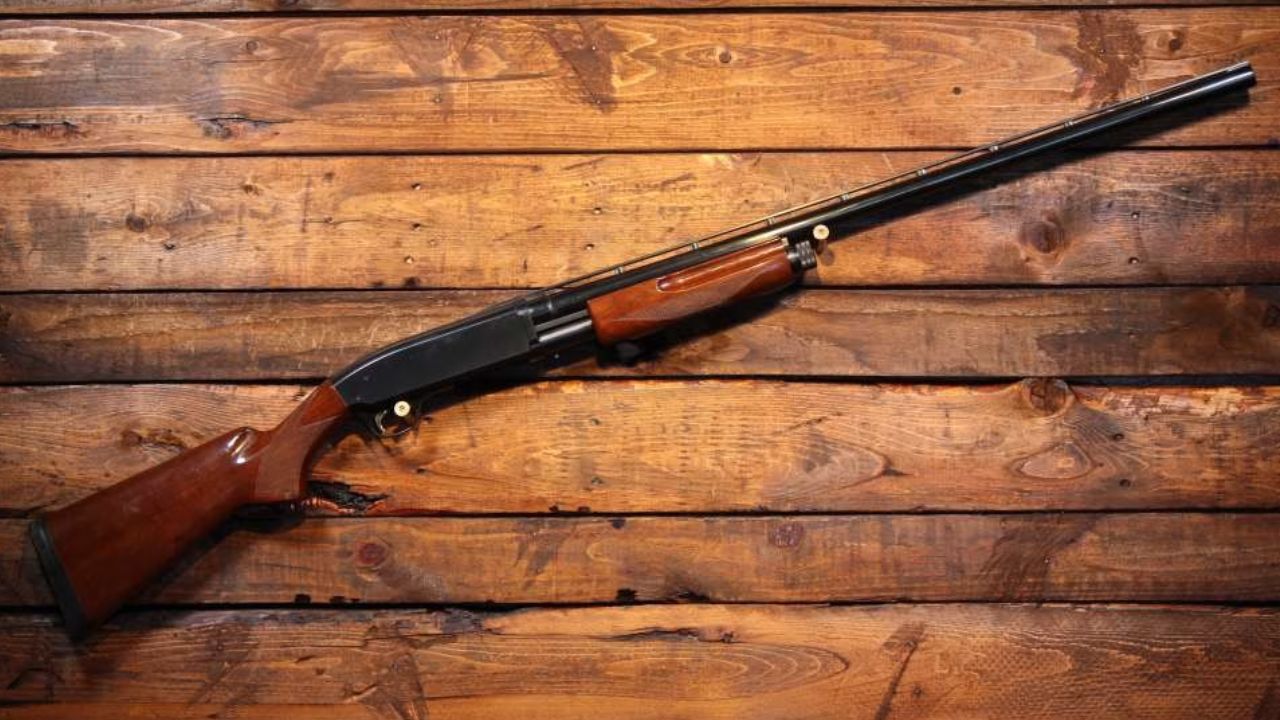
The BPS is the pump gun that doesn’t get talked about enough because it isn’t trendy. Bottom-eject, tang safety, steel receiver feel. In the field, that bottom-eject matters more than folks think, especially if you’re left-handed or you just don’t like hulls bouncing off your jacket.
They can be a little heavier than the plastic-fantastic options, and that weight is either a blessing or a complaint depending on your day. For waterfowl blinds and pass shooting, it steadies you down. For miles of upland walking, you’ll notice it. Still, it points honest and it lasts.
2. Franchi Affinity 3

If you want a simple inertia gun that doesn’t come with the usual price tag, the Affinity keeps showing up in duck boats and dove fields for a reason. It carries light, cycles well with most hunting loads, and the stock geometry just fits a lot of shooters without drama.
Inertia guns can feel snappy with heavy stuff compared to gas guns, and this one is no exception. But it stays cleaner than most gas setups, and you don’t have to baby it when the weather turns. It’s the kind of shotgun you buy and then stop thinking about, which is a compliment.
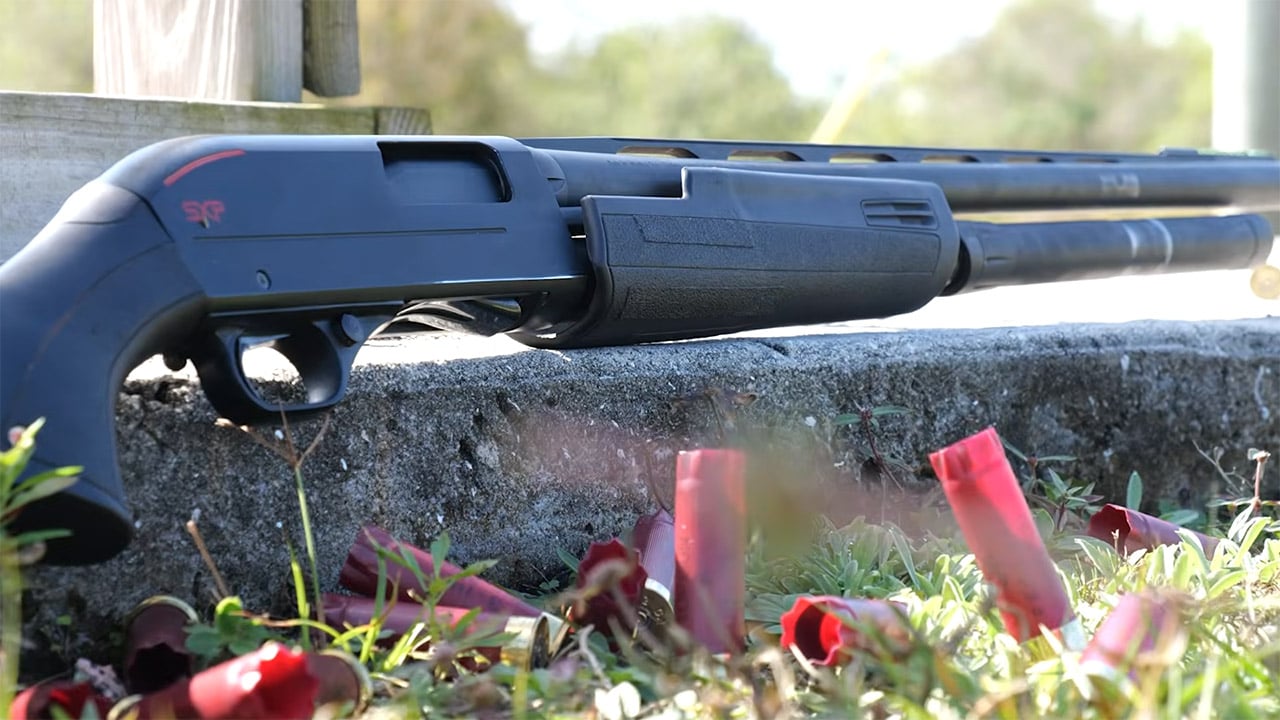
3. Winchester Super X Pump (SXP)
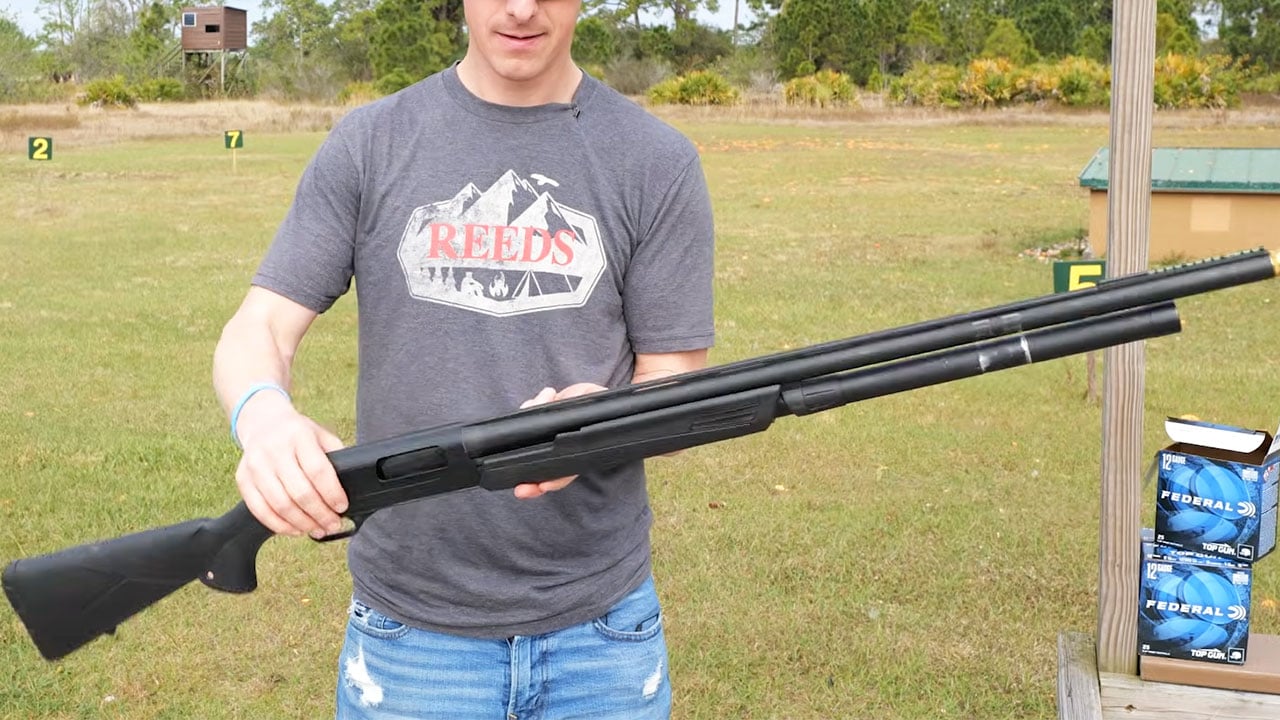
The SXP is one of those guns that gets overlooked because it isn’t “classic” enough for the old-school crowd and not “premium” enough for the brand-chasers. The action is fast, and it does that slick, almost-assisted feel when you run it right.
I’ve seen them take a season of mud and cattails and keep feeding. The finish isn’t boutique, and the furniture can feel a little hollow compared to older walnut-and-steel pumps, but it’s a hunting tool. If you want a pump that doesn’t beat up your wallet, it belongs in the conversation.
4. CZ 1012

The 1012 is a budget-friendly semi-auto that’s more field-ready than some folks expect. It’s inertia-driven, simple to maintain, and it doesn’t come with a bunch of gimmicks. You shoulder it, it goes bang, it spits hulls, and you move on.
The factory fit can vary a bit gun-to-gun, so it’s worth shouldering before buying if you can. But in terms of reliability for the money, it’s hard to ignore. It’s not a heirloom. It is a doer.
5. Beretta A300 Ultima
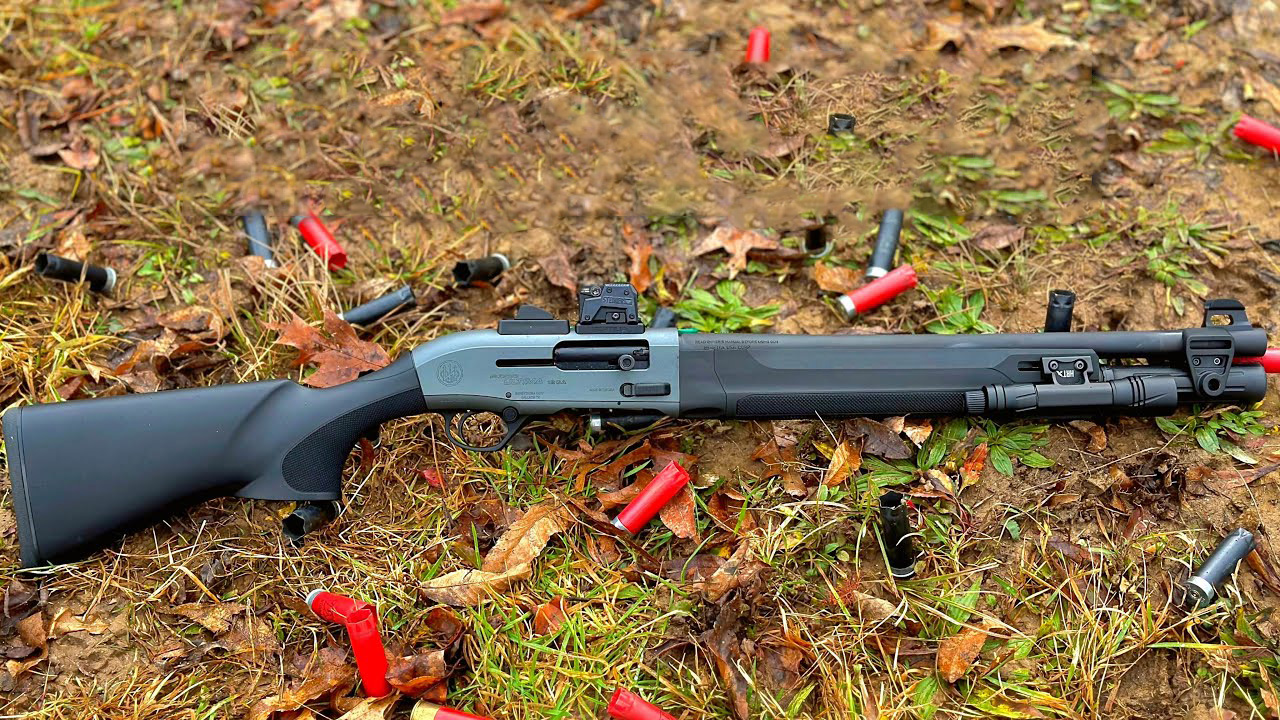
Beretta’s A300 line has been a quiet workhorse for years, and the Ultima version is a sweet spot for hunters who want gas-gun manners without paying A400 money. Softer recoil, good cycling, and it isn’t picky like some finicky semi-autos can be.
Gas guns ask for cleaning, and you should actually do it. If you’re the kind of person who never wipes anything down, buy a pump and be honest with yourself. But if you’ll maintain it like an adult, the A300 is a comfort machine in the blind.
6. Remington 870 Wingmaster (older production)
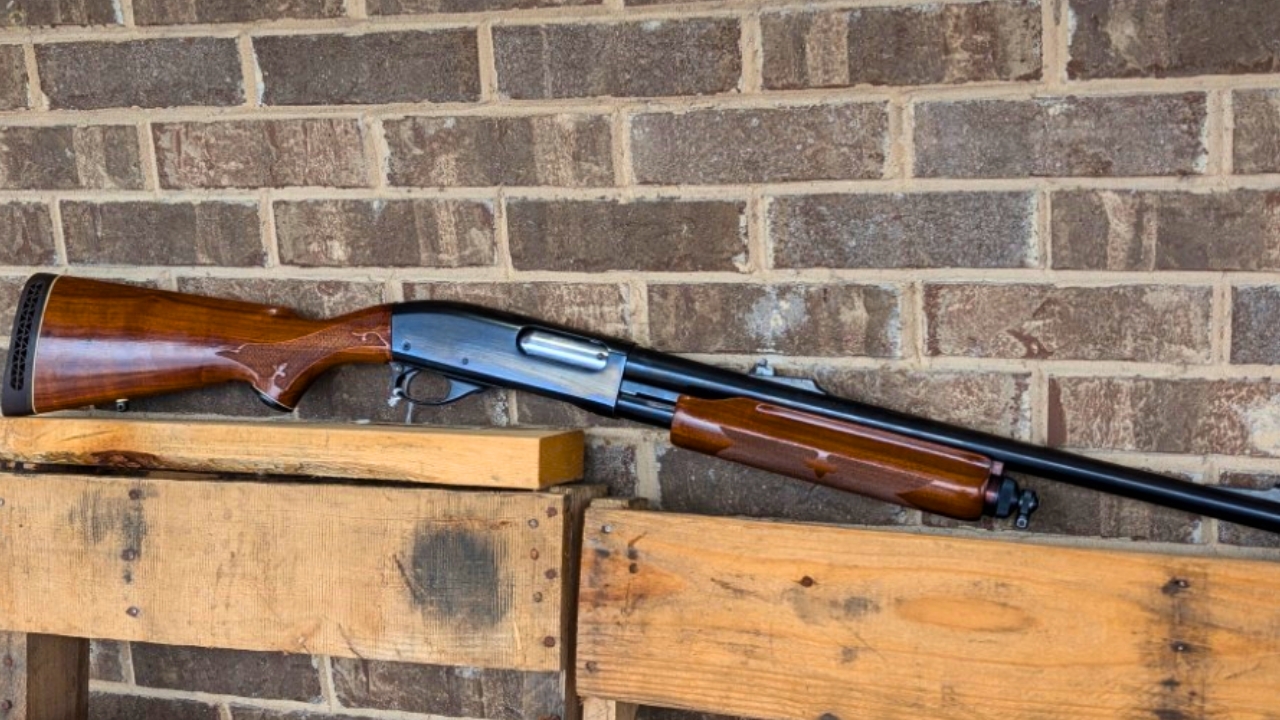
There’s an 870 in almost every family that hunts, but the older Wingmasters are their own thing. Smooth action, good blueing, real walnut, and they tend to run forever if they weren’t abused. The newer stuff has had ups and downs; the older guns are where the magic lives.
The downside is you’re buying used, so condition matters. Check the chamber, check the action bars, and don’t ignore a rough extractor. A good Wingmaster carries like a proper field gun and points like it’s reading your mind.
7. Mossberg 835 Ulti-Mag
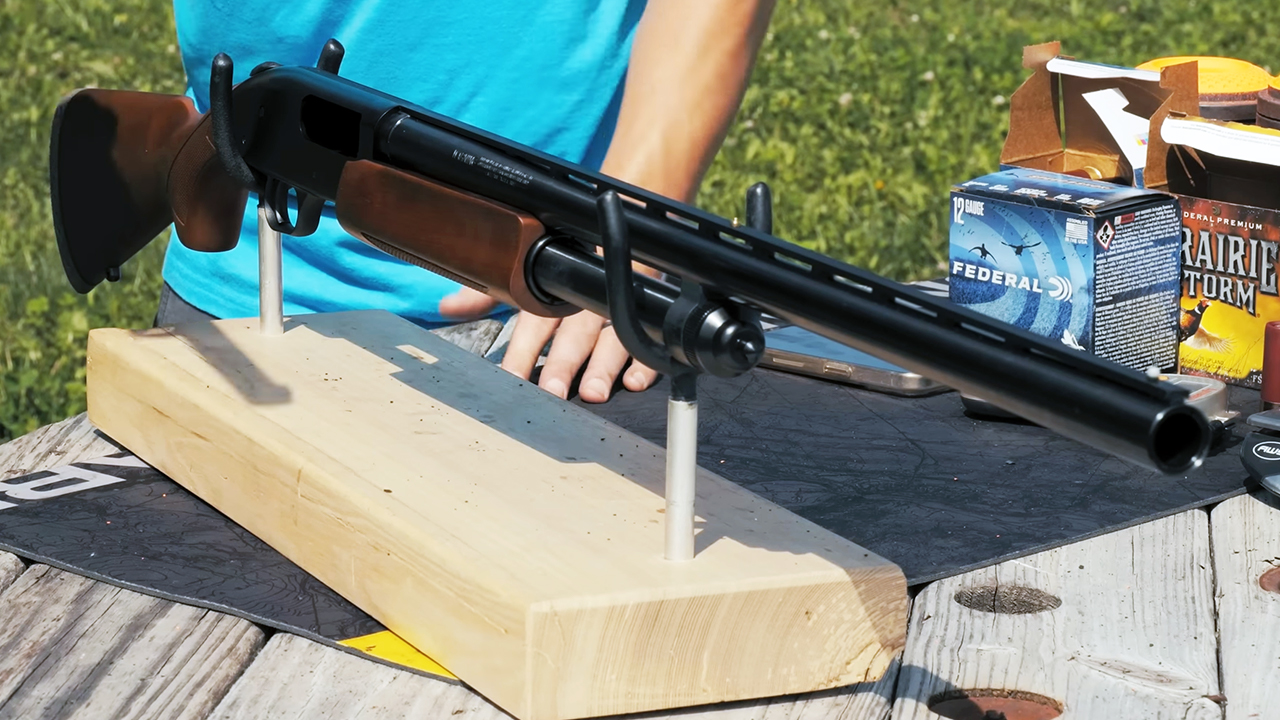
The 835 is not graceful. It’s a big 12-gauge built for 3.5-inch shells, and it feels like it. But if you’re the guy who actually hunts late-season geese or wants a dedicated heavy-load waterfowl pump, it earns its keep.
Recoil can be rude with magnums, and if you’re sensitive to it, you won’t love this gun. Still, it’s tough, the tang safety is excellent with gloves, and it keeps working when the marsh turns into a freezer.
8. Ithaca Model 37

Bottom-eject again, but with a different personality. The Model 37 is slick, trim, and feels like it was built to be carried all day. If you’ve never handled one, you’ll understand the moment you pick it up. There’s nothing fancy about it, and that is kind of the point.
Parts and service depend on which era you’ve got, so do your homework. But as a field pump for upland or general hunting, it’s hard not to respect. It’s an honest shotgun that doesn’t need marketing.
9. Benelli Montefeltro
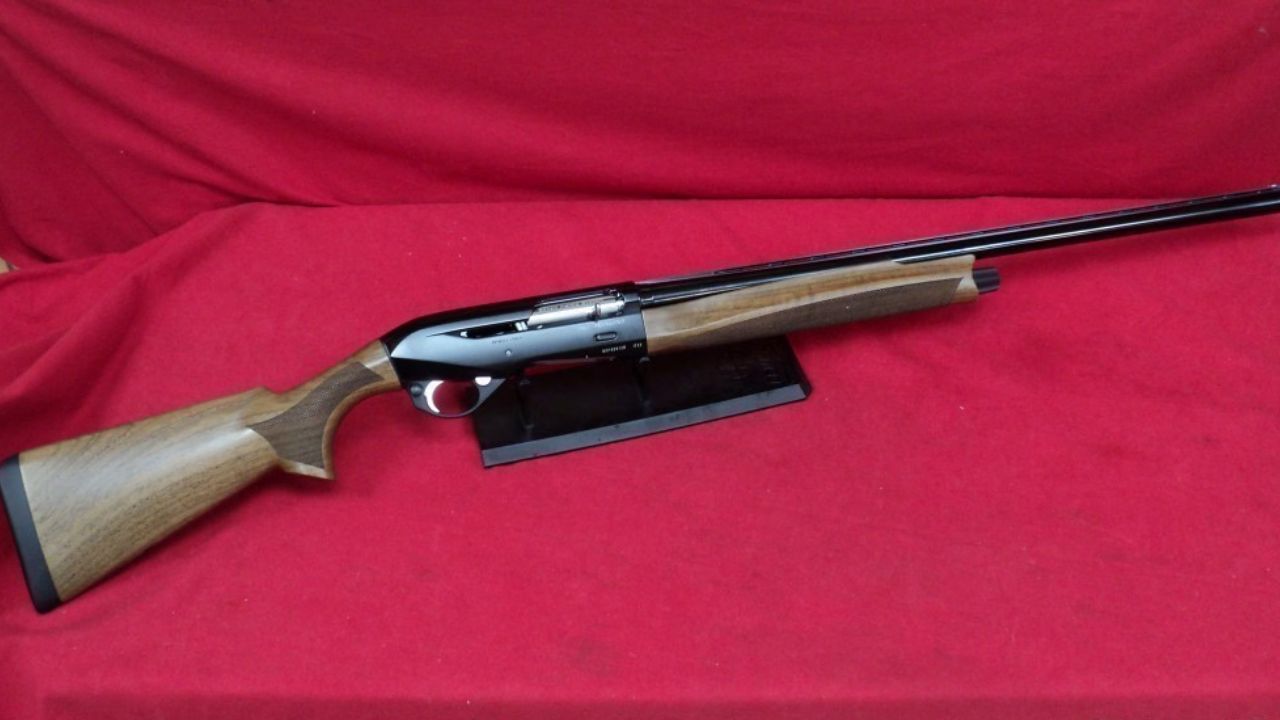
Benelli makes plenty of guns that get pushed hard, but the Montefeltro sometimes gets overshadowed by the bigger names in their own lineup. It’s light, quick, and the inertia action is about as “set it and forget it” as a semi-auto gets.
Light guns recoil more. That’s physics. If you shoot a lot of heavy waterfowl loads, you may want a gas gun instead. For upland, dove, and general hunting where you’re carrying more than shooting, the Montefeltro is a gem.
10. Weatherby Element
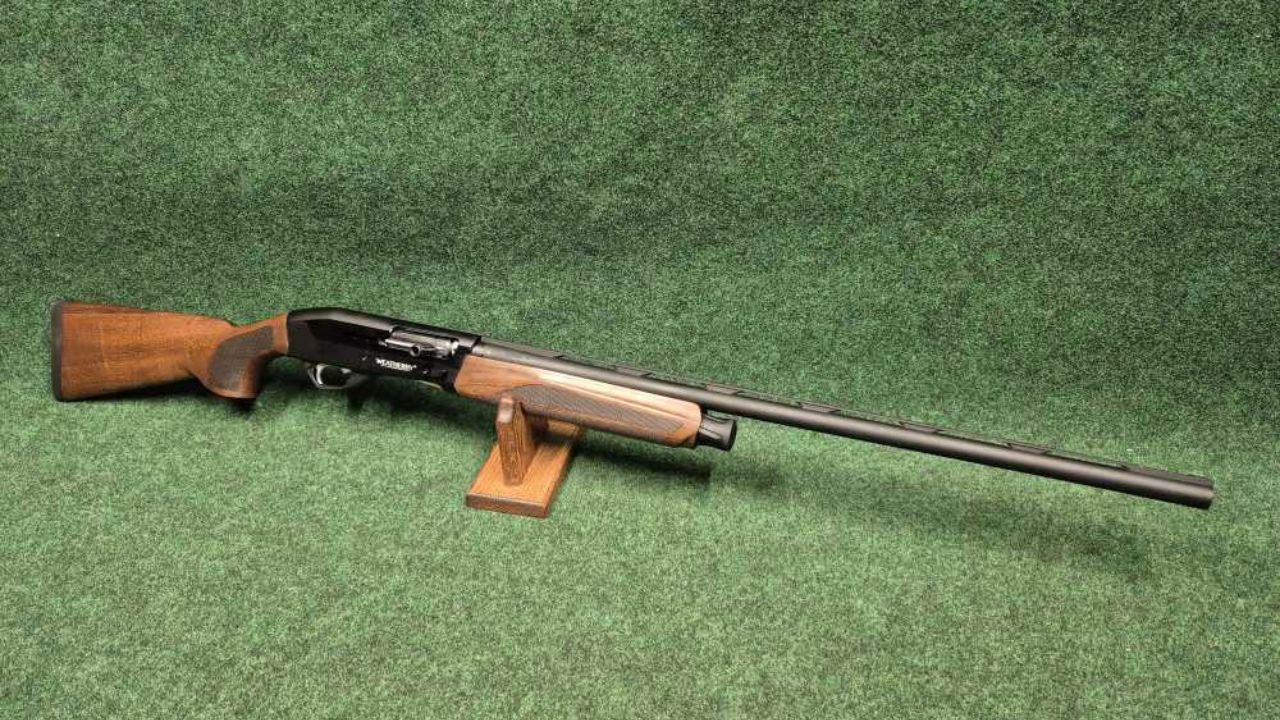
The Element is a straightforward inertia semi-auto that has surprised a lot of hunters. It’s usually priced where a guy can buy it without financing his hobbies, and it still feels like a real shotgun in the hands.
The fit and finish won’t make you write poetry, but it runs. Mag tube springs and small parts are easy enough to manage, and it’s not a nightmare to clean. For a “regular guy” hunting semi-auto, it does the job.
11. Stoeger M3000

The M3000 is a working man’s inertia gun. It’s not refined like the higher-dollar Italian stuff, and the trigger can be nothing special. But I’ve seen these take a beating and keep cycling when they’re broken in.
Some need a little time to smooth out, and I wouldn’t buy one expecting it to feel like a premium gun on day one. If you judge it by what it costs and what it accomplishes in the field, it makes a lot of sense.
12. Fabarm XLR5
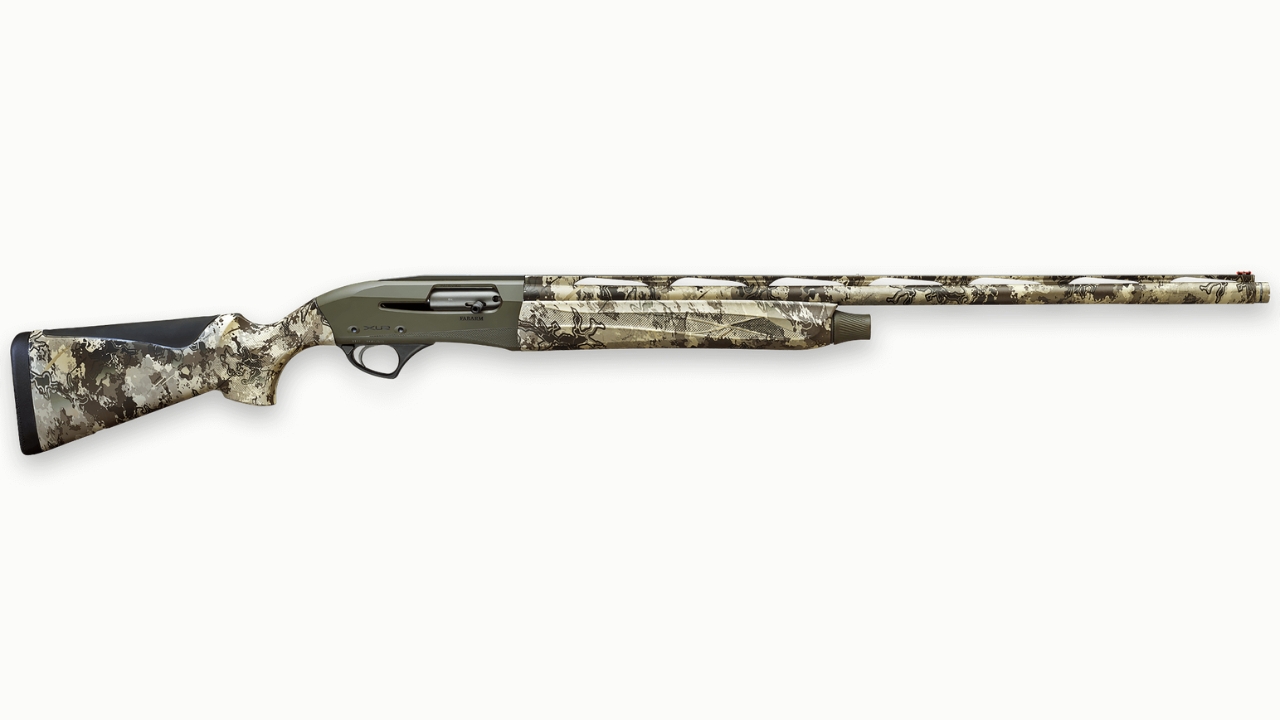
Fabarm doesn’t get the shelf space it deserves in a lot of stores, which is exactly why it belongs on a list like this. The XLR5 is a soft-shooting gas gun with excellent barrels and a “finished” feel that you notice immediately.
They aren’t cheap, but they often get overlooked because they aren’t the usual household name. If you like a shotgun that swings smooth and doesn’t punish you on volume shooting days, this one is worth handling. It’s a serious piece of gear.
13. Browning Maxus II
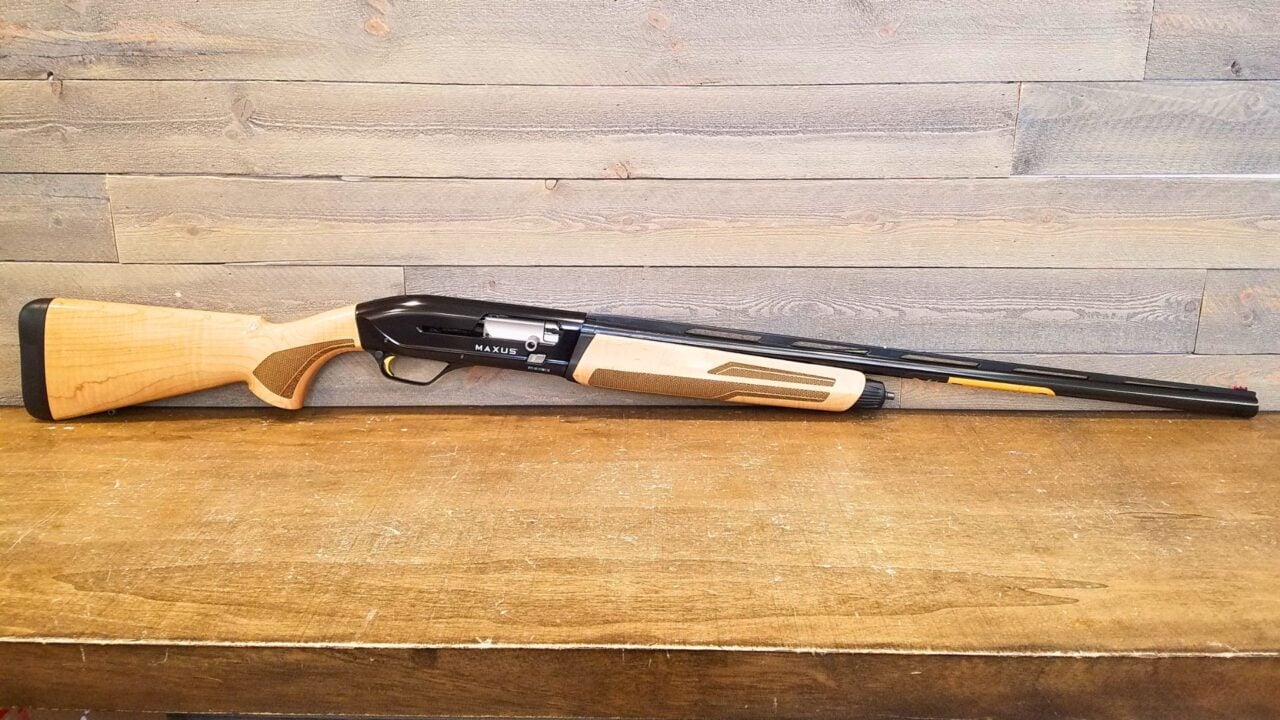
Everybody knows Browning, but the Maxus II still feels like it lives in the shadow of other “must-have” autos. It’s a modern gas gun that balances well, stays reliable, and doesn’t require you to be a gunsmith to keep it running.
If you shoot a lot of clays in the off-season and hunt hard when it counts, a softer-recoiling semi-auto is not a luxury. It keeps you honest on follow-up shots. The Maxus II is built for that life.
14. Remington 1100 (well-maintained)

The 1100 is old enough to be your dad’s duck gun and still modern enough to keep stacking birds if you treat it right. When an 1100 is tuned and clean, it’s one of the sweetest-shooting semi-autos ever made. That smooth push instead of a slap matters.
The catch is maintenance and parts condition. O-rings, seals, and springs are not optional. If you’re willing to keep one up, it’s a hunting shotgun with real soul. If you’re not, you’ll be mad at it at the worst time.
15. Winchester Model 12
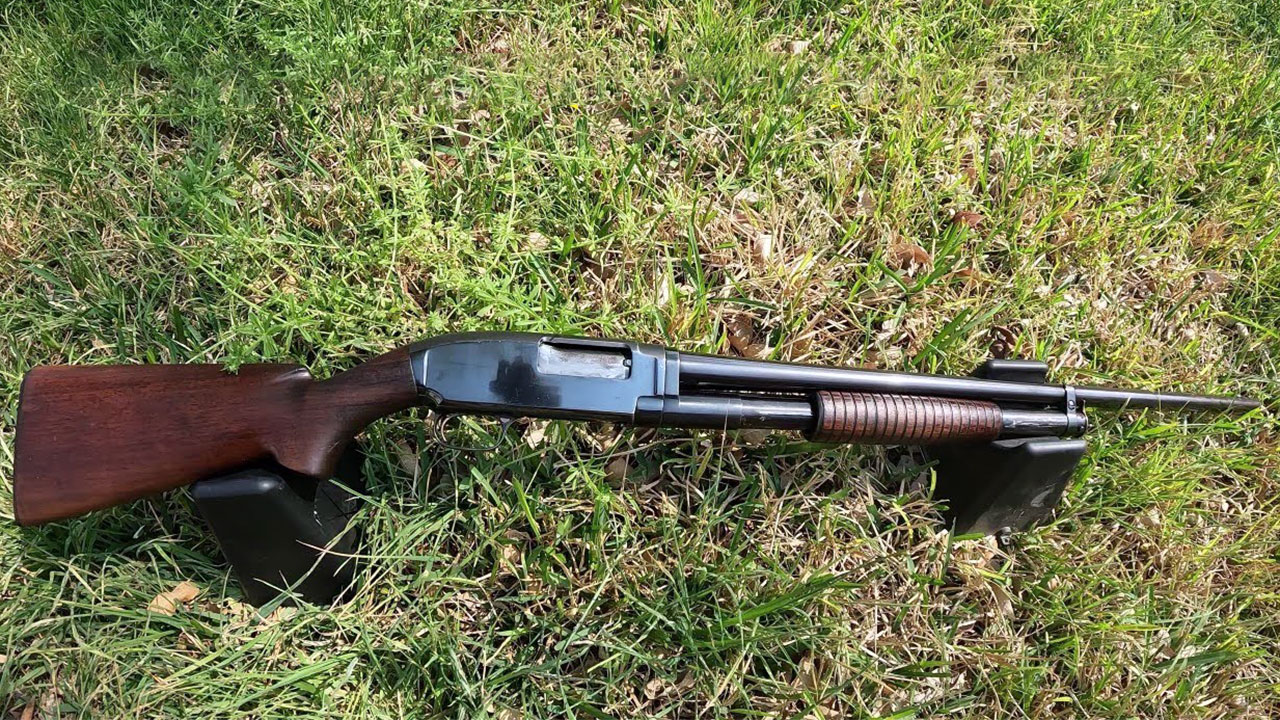
The Model 12 is the pump gun that makes you understand why older hunters talk the way they do. The action can be butter-smooth, the balance is classic, and it just feels right on a quail rise. There’s a reason it’s still loved.
It’s also an older design, and you don’t treat it like a disposable tool. Find one in good shape, run the right loads for the chambering, and don’t try to make it something it isn’t. For upland hunters, it’s hard to beat for pure handling.
16. Beretta 3901 / 390

The Beretta 390 family is one of the best “used rack” buys in the shotgun world. They’re reliable gas guns with good manners and a reputation for cycling loads that choke other semi-autos. They aren’t flashy, which is why you can sometimes find deals.
They do best with basic care. Keep the gas system from turning into a science project and they just run. If you’re hunting waterfowl and want a soft shooter that won’t quit, this is a solid path.
17. CZ Bobwhite G2
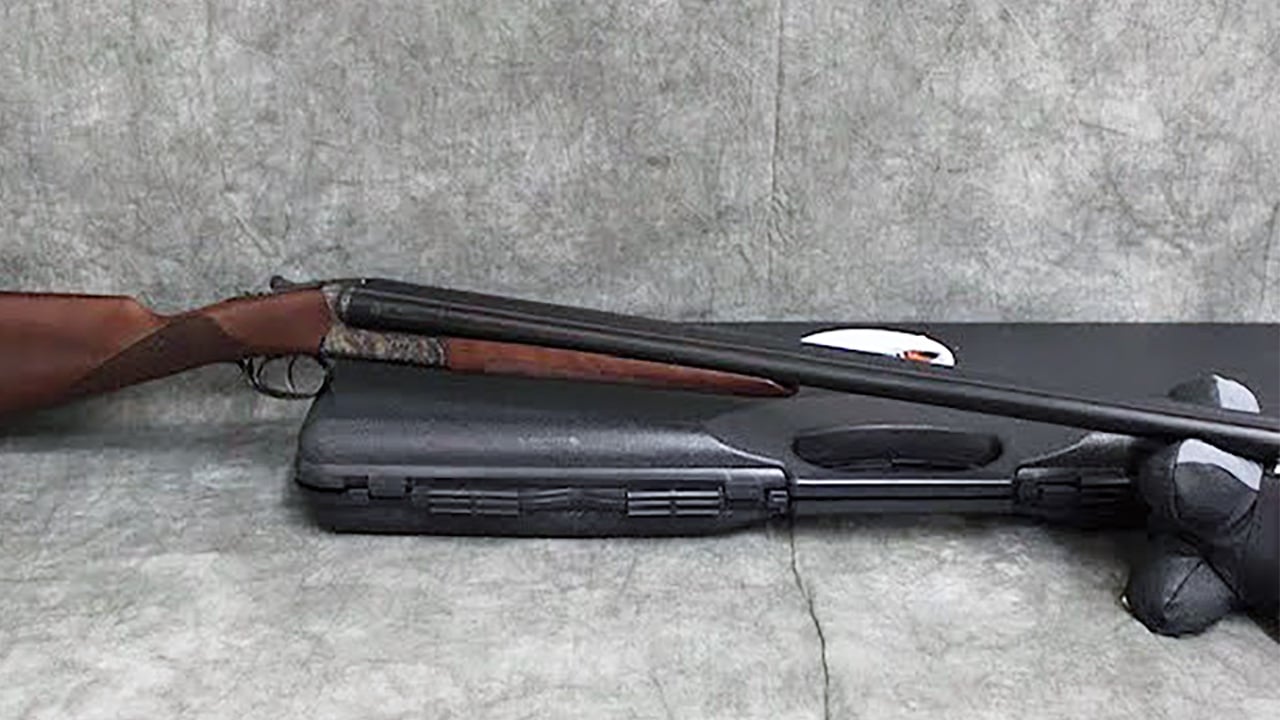
A side-by-side isn’t everybody’s answer, but the Bobwhite G2 is one of the more approachable doubles for a hunter who wants to walk fields and carry light. It’s simple, it’s quick, and it looks like a bird gun should look.
You give up a third shot and some easy optics options, and that’s fine. The whole point is being present and shooting well, not spraying the sky. For quail, grouse, and woodcock, it’s a fun gun that still works for a regular guy.
18. Ruger Red Label (used)
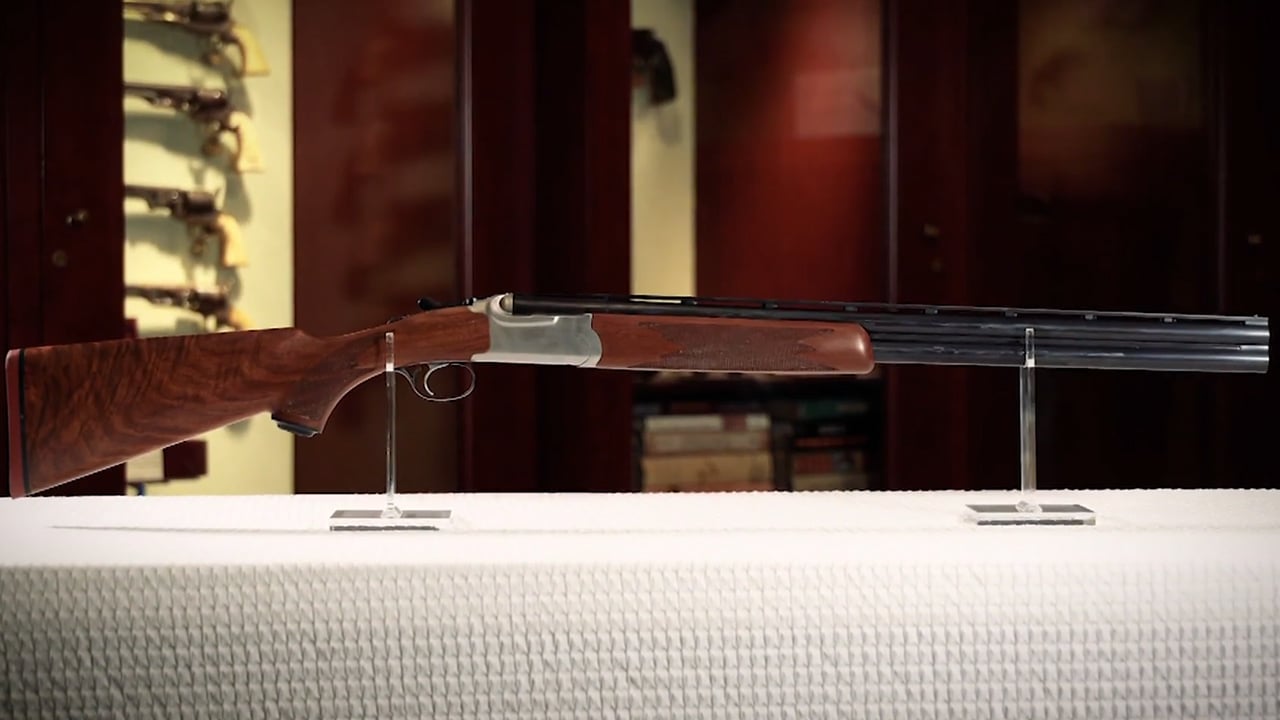
The Red Label has its fans and its critics, but it’s a real over/under that can be found used without the “European tax.” They handle nicely, and for upland hunters who also like clays, it can be a one-gun solution.
They’re not featherweight, and some examples feel bulkier in the receiver than others. Still, if you find one that fits you, it’ll do honest work. Fit is everything with an O/U. Don’t buy it blind.
19. Stevens 555 (field models)
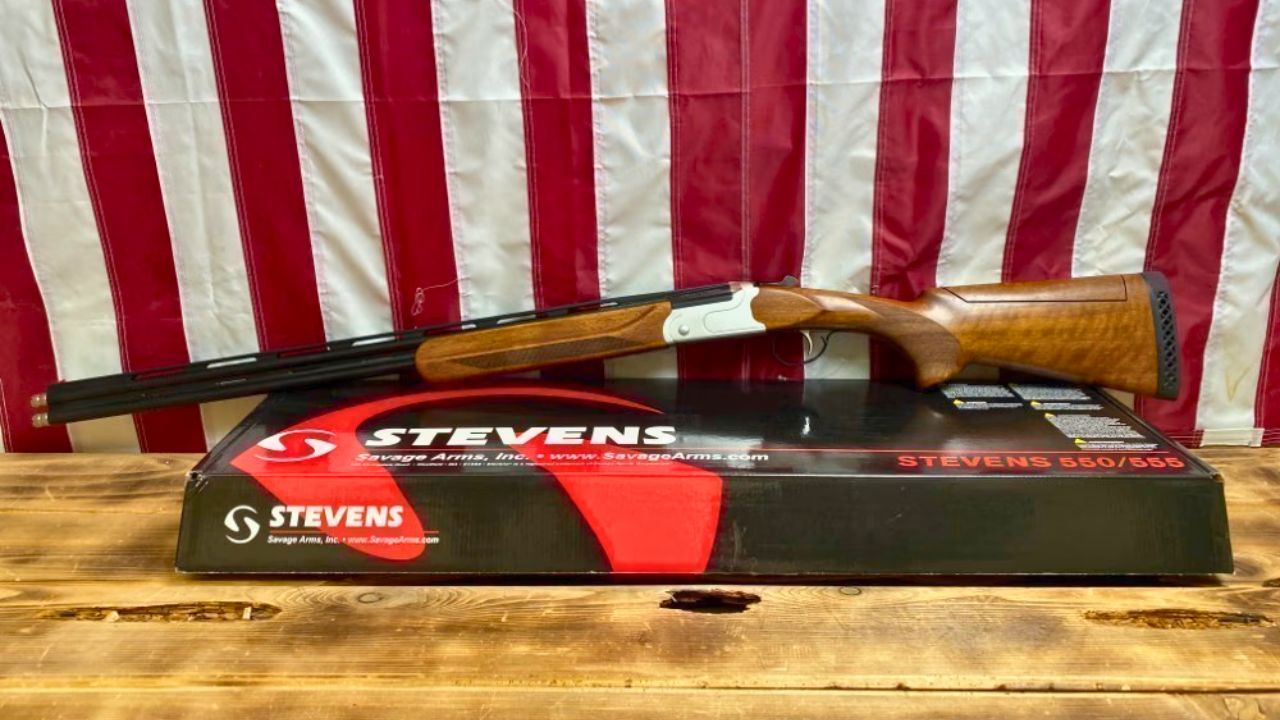
Xtreme Guns/GunBroker
The 555 is not a luxury over/under, and it’s not pretending to be. It’s an accessible double that gets hunters into the upland game without dropping a pile of cash. For the guy who hunts a few weekends and shoots a few rounds of clays, it can make sense.
I wouldn’t call it indestructible, and I wouldn’t treat it like a hard-use waterfowl gun. But carried in the uplands, kept clean, and fed reasonable shells, it’s a practical entry into the double-gun world.
20. TriStar Viper G2
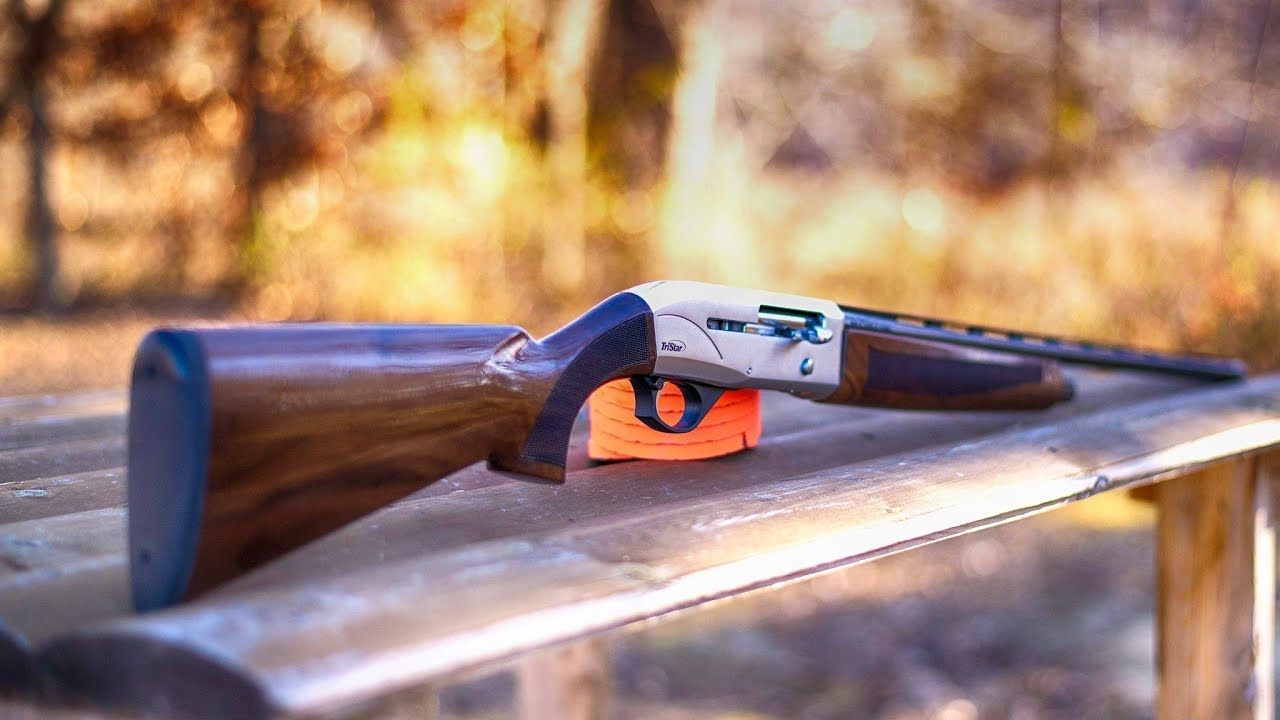
The Viper G2 is a gas gun that has put a lot of birds in game bags for hunters who didn’t want to spend premium money. They tend to shoot soft, and they’ll cycle light-ish loads better than some budget inertia guns.
Long-term durability can depend on how hard you run it and how well you maintain it, so I’m not going to pretend it’s the same as a top-tier auto. But if you need a semi-auto that can do dove, ducks, and the occasional turkey season without punishing your shoulder, it’s worth a look.
A good hunting shotgun isn’t the one with the loudest marketing. It’s the one you’ll actually carry, that fits you, that runs in ugly weather, and that you trust when the moment shows up fast. Handle as many as you can, shoulder them with your hunting coat on, and be honest about what you really hunt. The “best” gun is usually the one that disappears in your hands when the bird flushes.
Like The Avid Outdoorsman’s content? Be sure to subscribe to our newsletter.
Here’s more from us: