Photo credit: 704 TACTICAL/Youtube
Some guns only look ordinary while they are easy to buy. They sit in used cases, show up in pawn shops, get passed around in trades, and feel like something a person could replace any time. That feeling can be dangerous, because the market has a way of correcting bad assumptions.
A firearm does not have to be rare from the beginning to become valuable later. Sometimes it just has to be useful, discontinued, well-made, or tied to a kind of shooting that people eventually miss. These are the guns owners didn’t fully appreciate until prices started proving them wrong.
Remington 700 Mountain Rifle

The Remington 700 Mountain Rifle was easy to overlook when lightweight hunting rifles were not as trendy as they are now. To some buyers, it looked like a slimmer Model 700 with a thinner barrel and a little less weight. Useful, sure, but not necessarily something to protect.
That changed when hunters started realizing how well the Mountain Rifle carried. It was light enough for long walks, handy in thick woods, and still familiar enough for anyone who liked the Model 700 action. The slim barrel was never meant for long strings at the bench, but in the field it made perfect sense. Clean examples now get more attention because they represent a kind of simple, graceful hunting rifle that newer budget guns do not always duplicate. Owners who sold one cheaply often wish they had checked today’s prices first.
Smith & Wesson Model 63
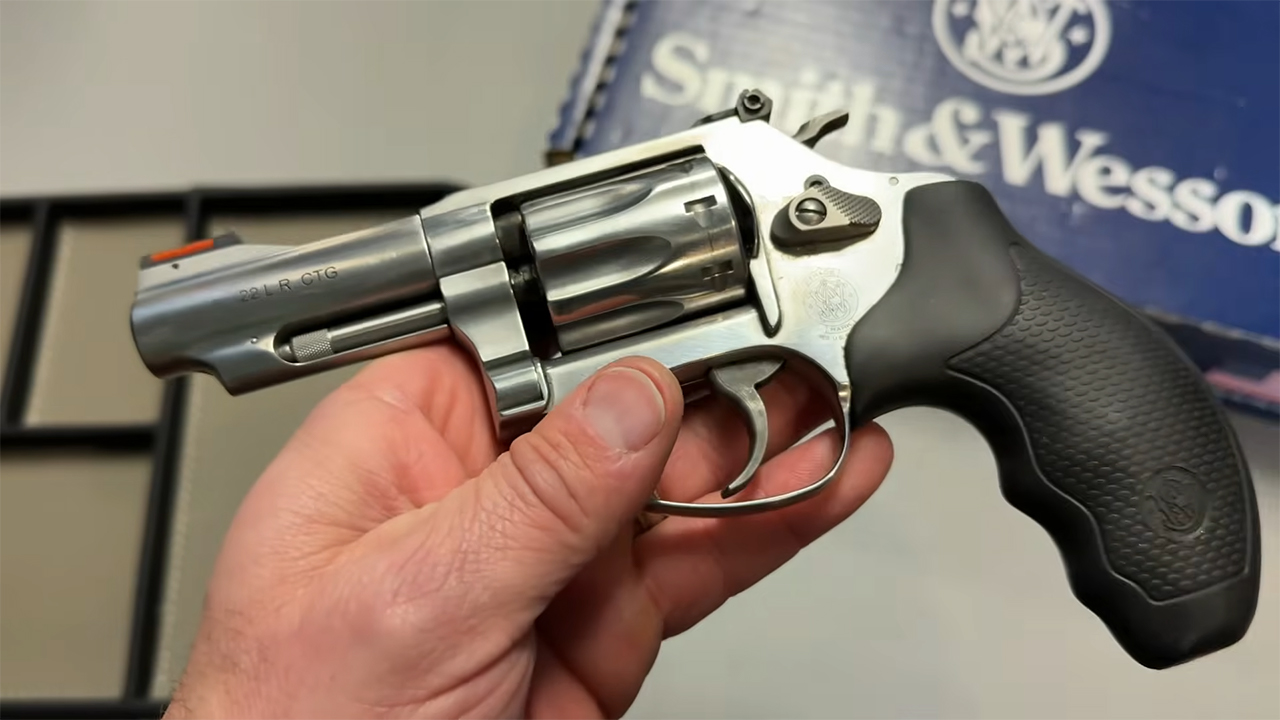
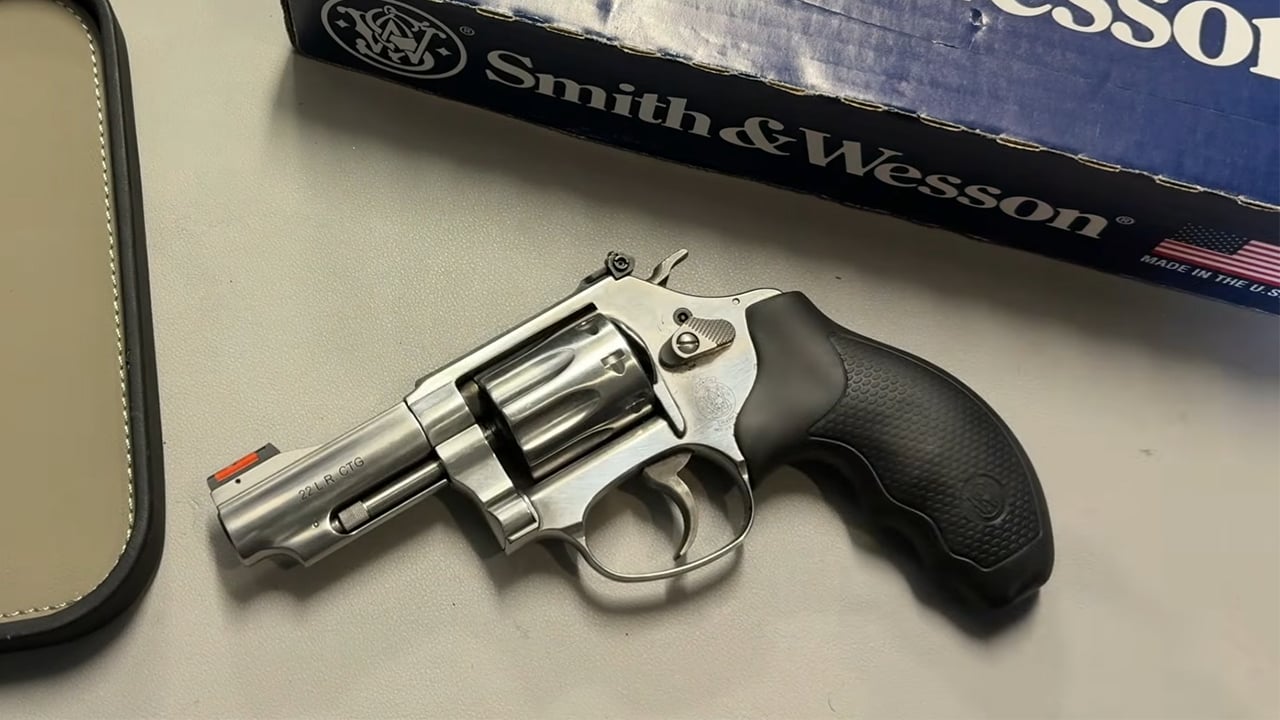
The Smith & Wesson Model 63 is a .22 revolver that many people once treated like a nice little trail gun and nothing more. Because it was chambered in .22 LR, some owners underestimated it from the start. Rimfires often get treated casually, even when they are beautifully made.
Prices have taught a different lesson. A stainless J-frame .22 with adjustable sights, classic Smith & Wesson quality, and real utility is not easy to replace. The Model 63 works as a trail companion, training revolver, small-game handgun where legal, or just an enjoyable range gun. It is also far more pleasant and refined than many cheap rimfire pistols. Owners who kept theirs look smart now. Owners who sold them like ordinary plinkers may not enjoy seeing what clean examples bring.
Browning BL-22

The Browning BL-22 is the kind of rimfire rifle people should have appreciated more when prices were easier. It looked like a nice lever-action .22, but that category does not always get enough respect. Many buyers saw it as a fun little gun rather than a rifle worth keeping carefully.
The BL-22’s short lever throw, smooth action, and quality feel have aged very well. It is friendly for younger shooters but still satisfying for experienced adults. It works for plinking, small game, and family range days, but it also has enough craftsmanship to feel special. As better rimfires became more expensive and older examples became more desirable, owners started realizing the BL-22 was never just a casual .22. The prices simply made that harder to deny.
Ruger M77 RSI International
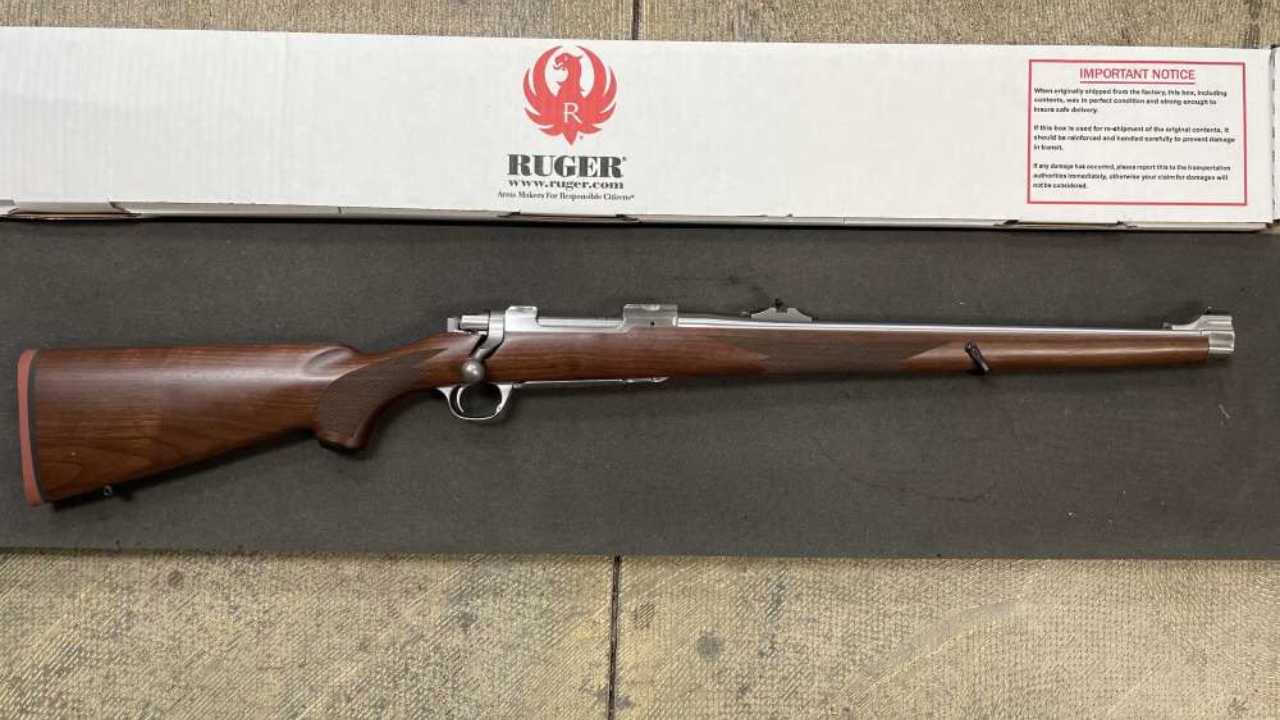
The Ruger M77 RSI International was never the most practical rifle in every sense. The full-length Mannlicher-style stock gave it a distinctive look, but also made some hunters see it as more of a novelty than a serious do-everything rifle. That kept plenty of people from appreciating it fully.
Now that styling is exactly why people chase them. The RSI has character in a market full of synthetic-stocked rifles that often look alike. It is compact, classic, and memorable, especially in desirable chamberings and clean condition. It may not be the rifle a hunter chooses for every situation, but it has a personality that makes it hard to replace. Owners who once saw it as an odd little Ruger learned that odd little Rugers can become expensive when enough people start missing them.
Colt Cobra
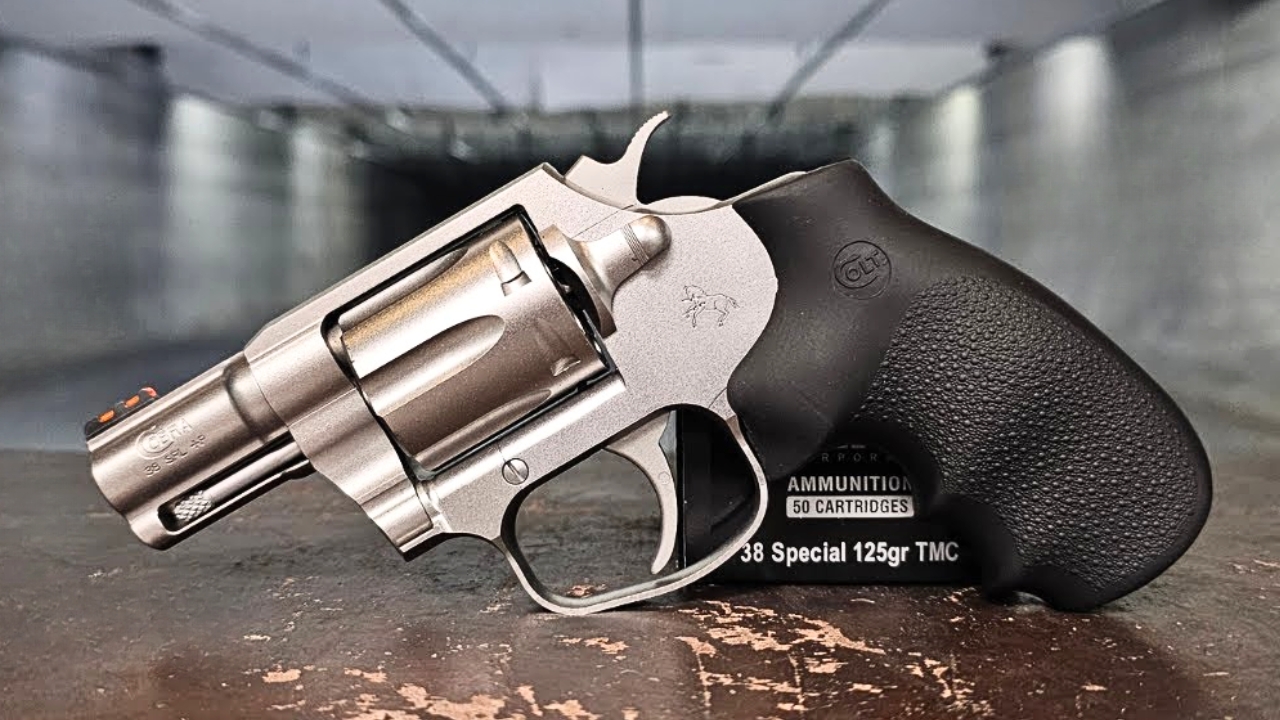
The Colt Cobra spent years as a lightweight snubnose that some people treated like a practical carry revolver rather than something especially collectible. It had the Colt name, but for a long time, small-frame revolvers did not always get the same attention as Pythons, Diamondbacks, or larger classics.
That changed as older Colt revolvers became more desirable across the board. The Cobra’s lightweight frame, six-shot capacity, and classic Colt lines made it stand out against many five-shot snubs. Good condition matters, and older carry revolvers often show wear, which makes clean examples more attractive. A revolver that once looked like a modest defensive tool now carries collector and shooter interest. Prices proved that even the smaller Colts deserved more respect than they were getting.
Winchester Model 94 Trapper
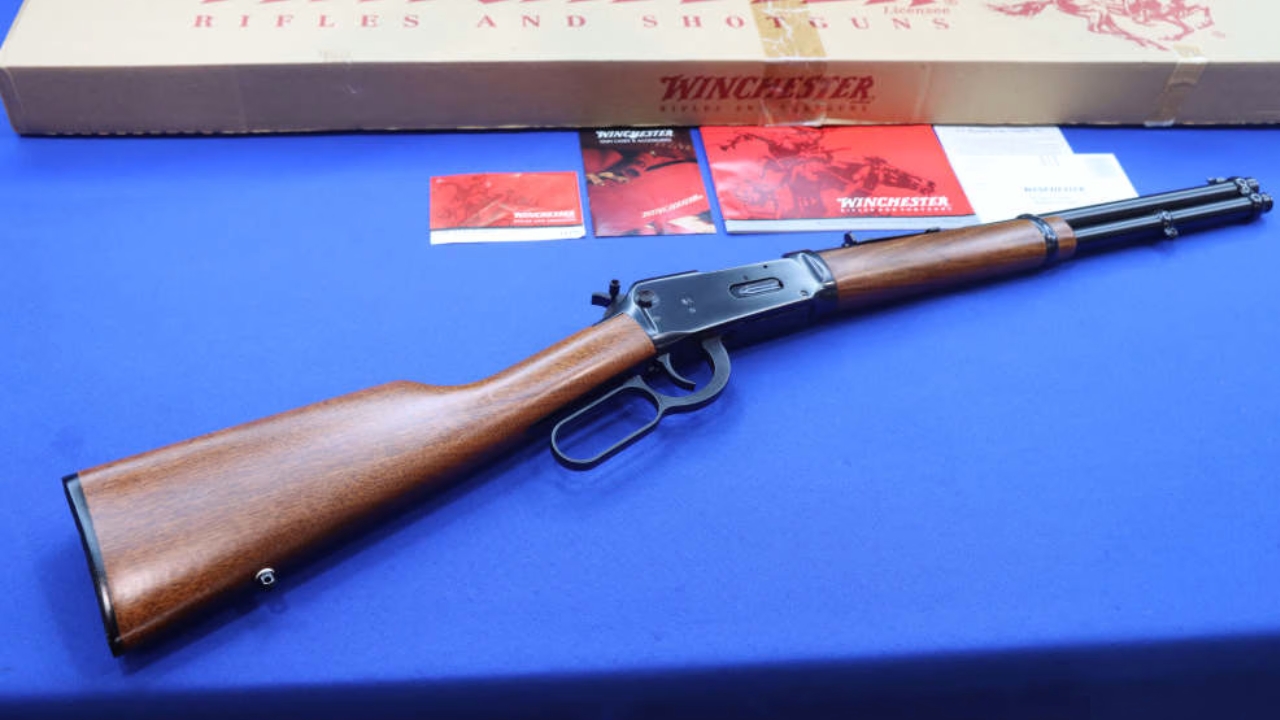
The Winchester Model 94 Trapper was easy to undervalue because it looked like a shortened version of a rifle everyone already knew. A compact lever-action carbine is handy, but if buyers assumed Model 94s would always be everywhere, there was no urgency.
That assumption did not age well. The Trapper’s short barrel and quick handling make it especially appealing for thick woods, truck use where legal, and anyone who likes compact lever guns. In chamberings like .30-30 Winchester or pistol-caliber versions depending on model, it filled a useful role with classic Winchester feel. Clean examples are not always cheap now because shooters have rediscovered how practical short lever guns can be. Owners who treated them like ordinary carbines got a market correction.
Beretta 85 Cheetah
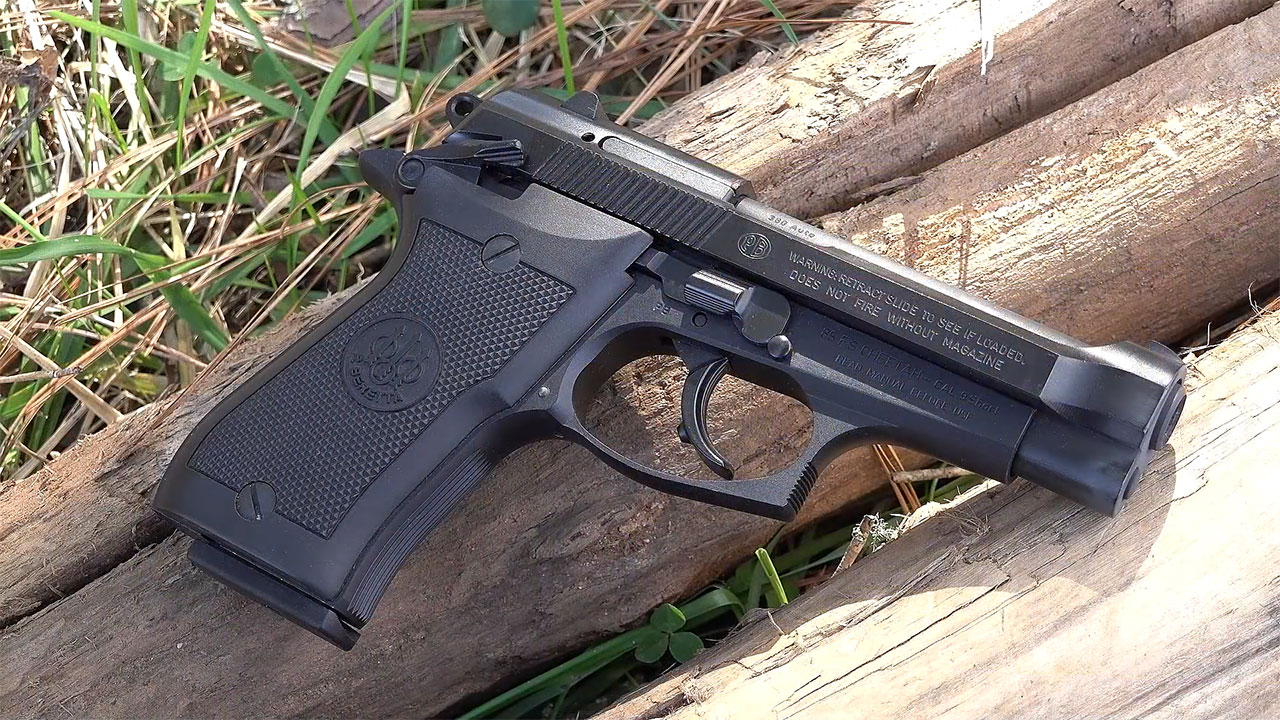
The Beretta 85 Cheetah is a pistol many owners underestimated because it was “only” a .380. It is larger than many modern pocket pistols and lower-powered than compact 9mms, so spec-sheet buyers had plenty of reasons to ignore it.
Then prices started proving that feel and quality matter. The 85 Cheetah is slim, elegant, soft-shooting, and beautifully made. It feels like a real pistol instead of a tiny compromise gun. It may not be the most efficient defensive choice today, but it is extremely enjoyable to shoot and collect. Clean examples have become more appreciated because they offer a level of refinement most modern small pistols do not. Owners who dismissed them as outdated .380s missed the point.
Ruger Old Model Blackhawk
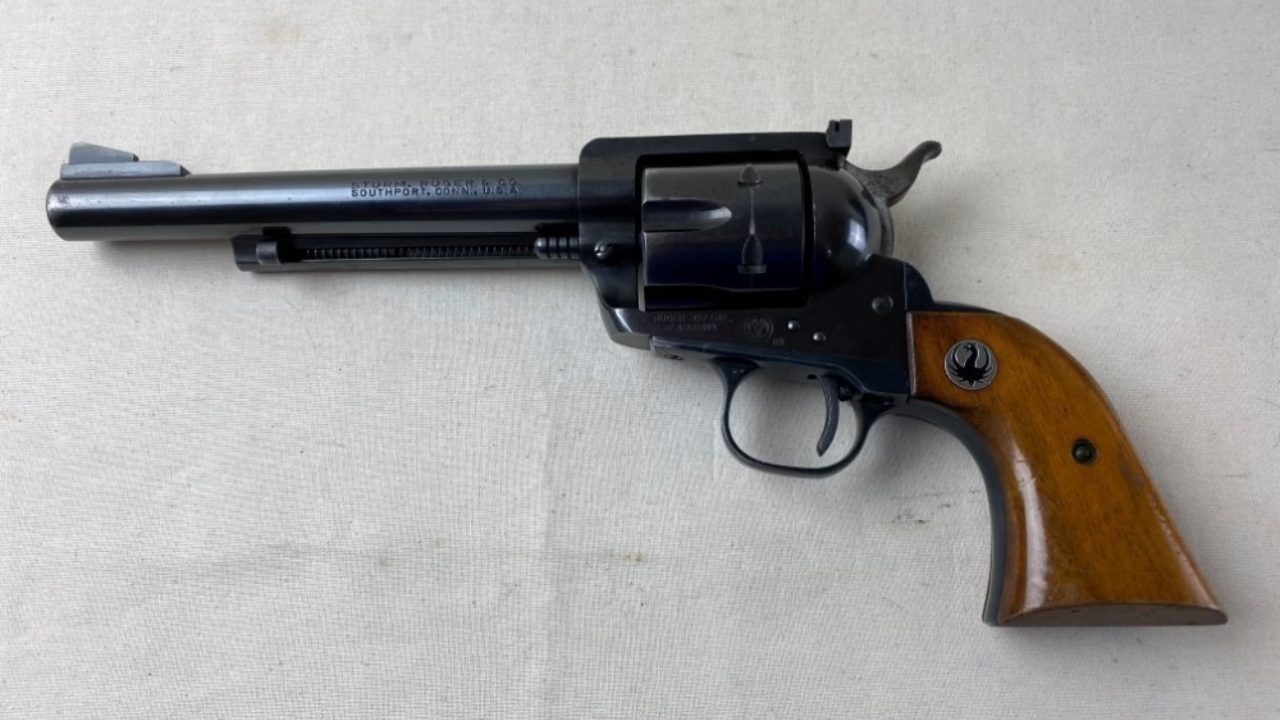
The Ruger Old Model Blackhawk was once simply an older single-action revolver to many shooters. Some owners converted them, traded them, used them hard, or treated them like any other rugged Ruger. That made sense when they were easier to find and not as heavily chased by collectors.
Today, unconverted Old Model Blackhawks in clean condition draw much more attention. The three-screw action, classic feel, and old Ruger character give them appeal beyond ordinary single-action use. They are still strong working revolvers, but originality matters more now than many owners expected. A revolver that once seemed like a tool now feels like a piece of Ruger history. Prices have a way of making people wish they had kept the box, papers, and original parts.
Marlin 1895 Guide Gun
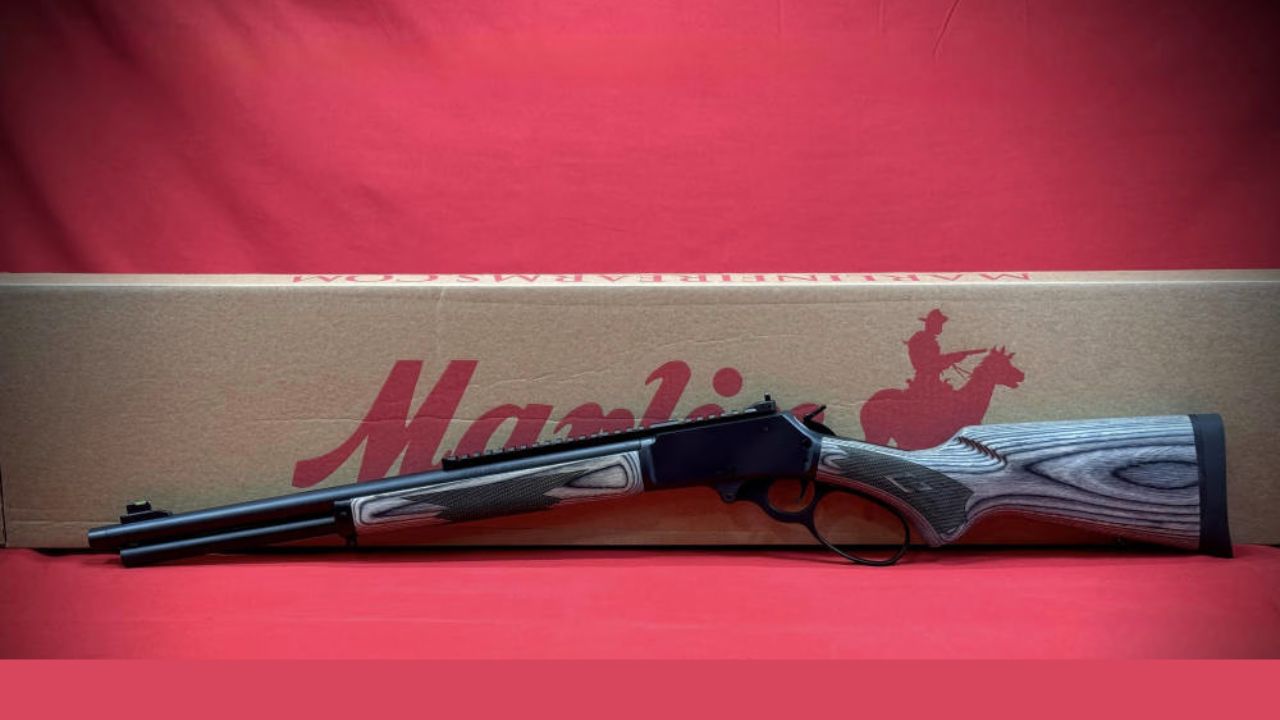
The Marlin 1895 Guide Gun looked like a practical big-bore lever gun when it was more common. It was short, powerful, and built for hunters who wanted .45-70 authority in a compact package. Plenty of owners appreciated it, but not everyone realized how desirable clean examples would become.
The Guide Gun’s appeal has only grown as big-bore lever actions became more popular and older Marlins gained more attention. It is handy in thick cover, reassuring around large animals, and powerful enough for serious close-range hunting with appropriate loads. Recoil is real, and it is not a casual plinker for everyone. But as a purposeful lever gun, it hits a very specific nerve. Prices proved that a compact .45-70 Marlin was worth holding onto.
Smith & Wesson Model 617

The Smith & Wesson Model 617 is another rimfire that many owners did not fully appreciate at first. A stainless .22 LR revolver may sound like a luxury plinker, and some shooters have a hard time justifying serious money for a rimfire handgun.
The market has shown why it matters. The 617 is accurate, durable, easy to shoot, and perfect for building revolver skills without centerfire ammo costs. It has the weight and feel of a serious handgun, not a toy. That makes it useful for training, range fun, and introducing new shooters. Clean examples hold strong interest because good .22 revolvers are not cheap throwaways anymore. Owners who bought them early got a better deal than they may have realized.
Browning A-Bolt Medallion
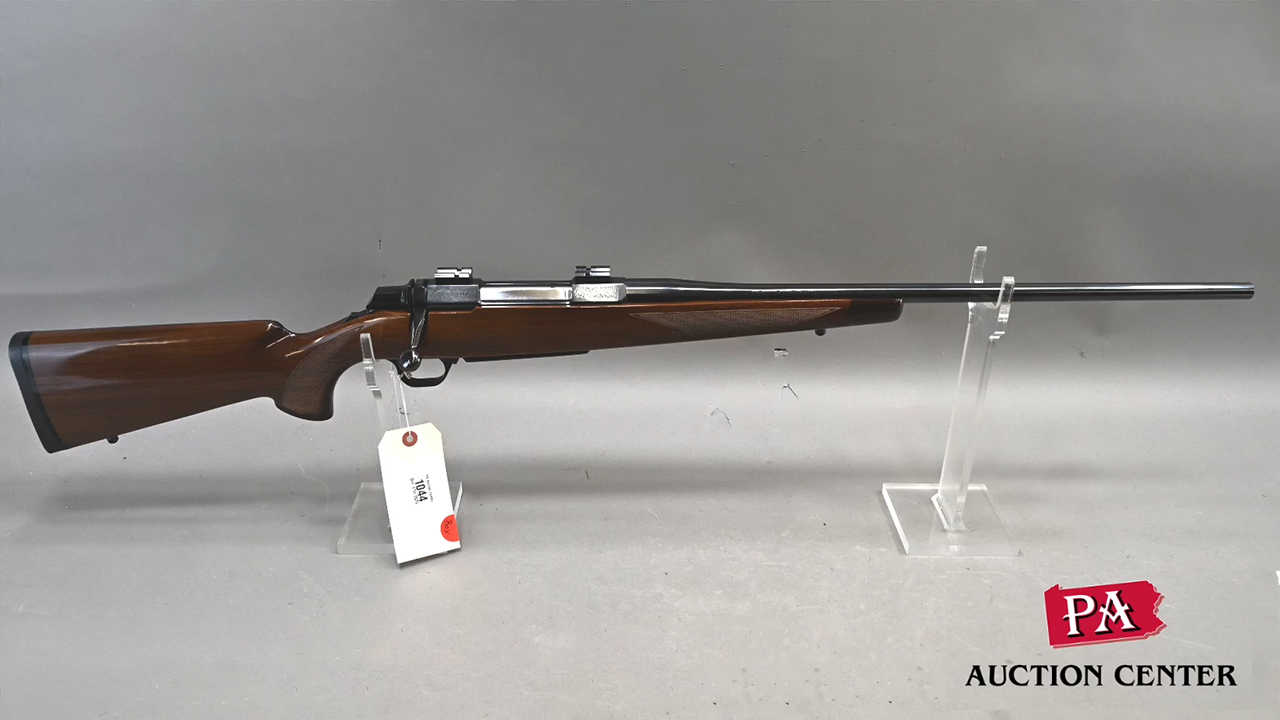
The Browning A-Bolt Medallion was easy to admire, but some hunters still treated it like a pretty used rifle rather than something that might become harder to replace. It had glossy wood, deep finish, and Browning styling, but the market at times moved toward synthetic stocks and lighter working rifles.
Now nice A-Bolt Medallions stand out because they feel like a different era of hunting rifle. The short bolt lift, smooth action, detachable magazine system, and polished appearance give them a kind of pride-of-ownership appeal many modern utility rifles lack. They are not rifles most owners want to drag through rough brush carelessly. Prices have reminded people that attractive, well-made hunting rifles do not stay ordinary forever.
CZ 452
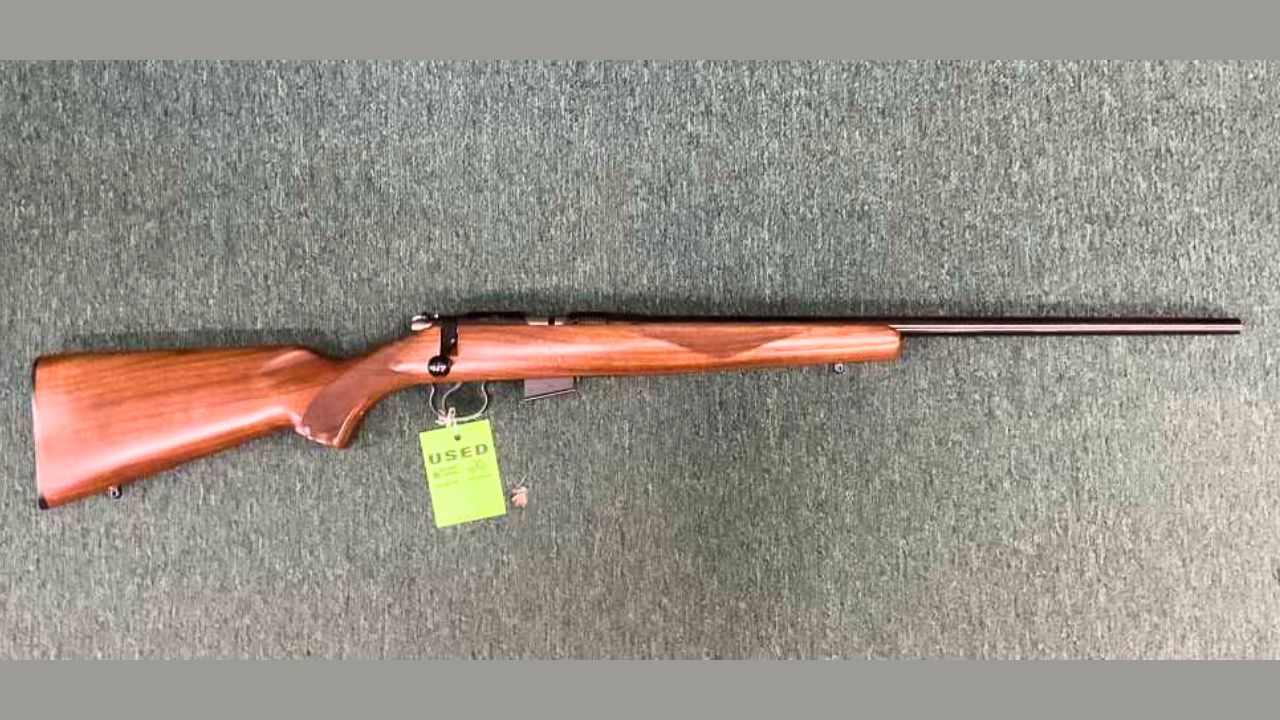
The CZ 452 became more appreciated after shooters realized not every bolt-action .22 feels this good. For a long time, it was simply a respected rimfire at a reasonable price. Many owners bought one to shoot, not to preserve.
Then the 452 gave way to newer CZ rimfire designs, and people started looking back with more affection. The 452 has old-world charm, good accuracy potential, and a feel that makes it more satisfying than many basic .22 rifles. It works for small game, target shooting, and quiet practice. A clean 452 now draws attention because shooters understand that good rimfires are lifetime guns. Prices proved that the little CZ deserved more appreciation all along.
Colt King Cobra
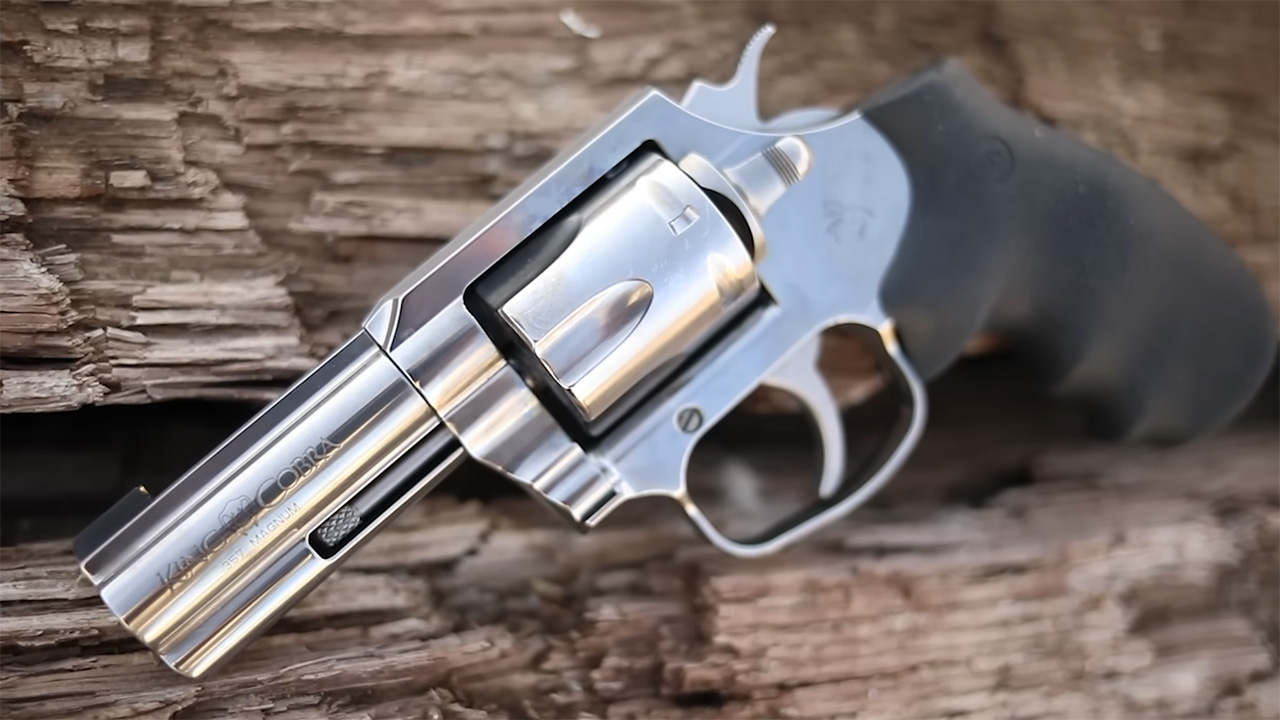
The original Colt King Cobra once lived in an awkward shadow. It was not a Python, and that made some shooters underestimate it. It was a sturdy Colt .357 Magnum with a different personality, but many buyers chasing prestige looked past it.
That view has changed. Original King Cobras have become much more desirable as older Colt revolvers climbed in value. The stainless construction, strong frame, and snake-gun name all matter now. It is a practical revolver, but it also carries collector interest that many owners did not expect when prices were lower. Anyone who sold one because it “wasn’t a Python” probably understands the mistake now. The market eventually remembered that other Colt snakes had teeth too.
Remington Nylon 66

The Remington Nylon 66 is one of those rifles that seemed almost too odd to become collectible. Its synthetic stock, lightweight feel, and semi-auto .22 chambering made it look more like a quirky plinker than a serious keeper. Plenty of them were used hard because owners saw them as durable little utility rifles.
That durability became part of the legend. The Nylon 66 is light, reliable with the right ammunition, and distinctive in a way modern rimfires are not. It has a loyal following because it feels unlike almost anything else. Clean examples, especially in desirable colors or condition, can bring more money than people expect. Owners who once treated them like cheap camp guns may be surprised to learn how much affection and value the little rifle built over time.
Kimber 84M Montana

The Kimber 84M Montana was not cheap, but some hunters still did not fully appreciate what it offered until lightweight rifles became even more popular. It looked plain with its synthetic stock and stainless metal, and the appeal was not flashy. It was all about carry weight and field handling.
That has made it more desirable over time. The 84M Montana gives hunters a light controlled-round-feed rifle that feels purpose-built for long walks, mountain hunts, and practical field use. Lightweight rifles require good shooting form, and not every rifle or owner combination is perfect. But when one shoots well, it becomes a serious keeper. Prices and demand showed that a truly light hunting rifle with real quality was not something to take for granted.
Like The Avid Outdoorsman’s content? Be sure to follow us.
Here’s more from us: