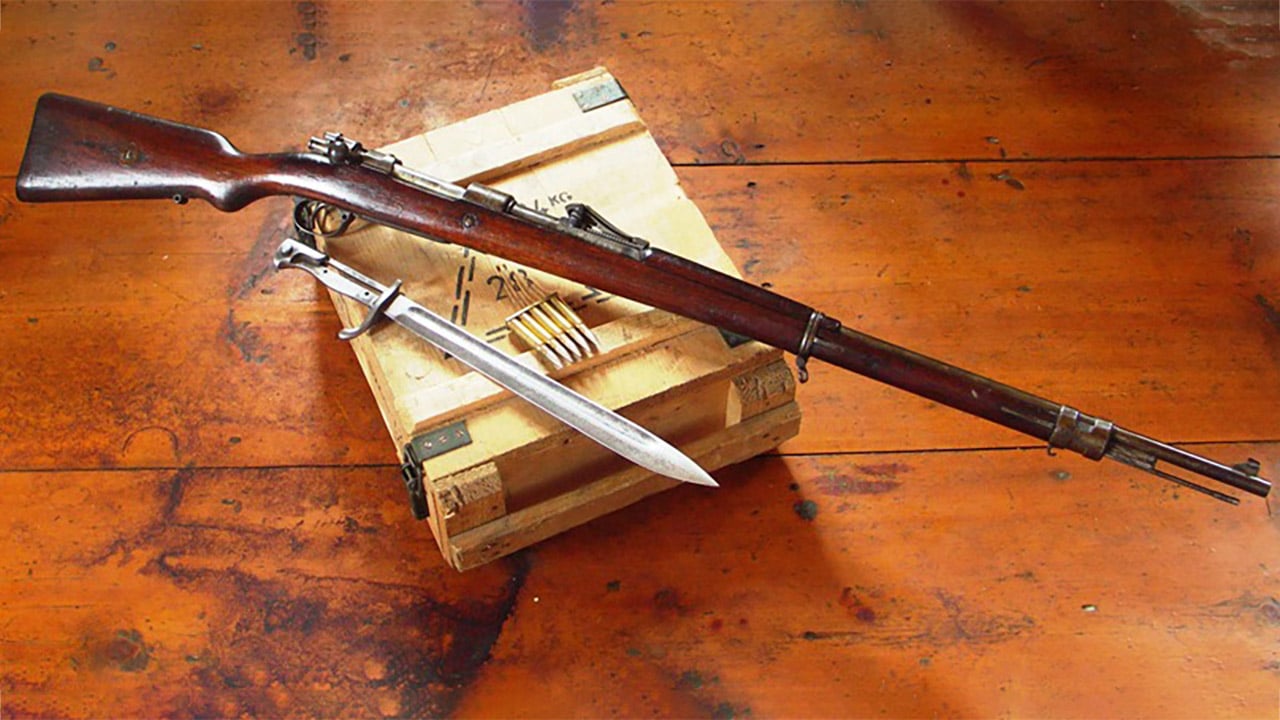
Photo credit: Bryan986, Public Domain/Wiki Commons
Every season has a moment where you stop thinking about gear and start thinking about outcomes. Maybe it’s a bull that hangs up at 240 in a crosswind, or a whitetail that steps out with five minutes of legal light left. That’s when you find out which rifles are just fun to talk about and which ones are quiet workhorses that keep showing up and doing the job.
I’m not saying these are the only answers, and I’m not saying every rifle here is perfect. Some are heavy. Some are plain. A few aren’t “cool” anymore. But they’ve got a track record for feeding tags, holding zero after miles of bouncing in a truck, and not turning into a project when you’d rather be glassing.
1. Winchester Model 70 (Controlled Round Feed)

If you’ve carried one for a few seasons, you get why guides still nod when they see it. The action feels like it’s on rails, and the extractor setup just works when the rifle’s dirty, cold, and you’re not babying it.
It’s not the lightest thing going, and it’s not always the cheapest on the rack. Still, for big game where you might cycle a follow-up shot fast and awkward, I trust this pattern more than most. There’s nothing fancy about it, and that is kind of the point.
2. Remington Model 700 (BDL/SPS patterns)

Say what you want about the internet arguments—there’s a reason the 700 became the default “rifle rifle” in so many camps. The footprint is everywhere, the triggers and stocks are everywhere, and most of them will shoot better than the hunter if you do your part.
I’ve seen 700s ride in scabbards, slide around in truck beds, and still put a first shot where it needed to go. If you’re the kind of person who likes simple logistics—easy rings, common bases, common parts—this one still makes sense.
3. Ruger M77 Hawkeye
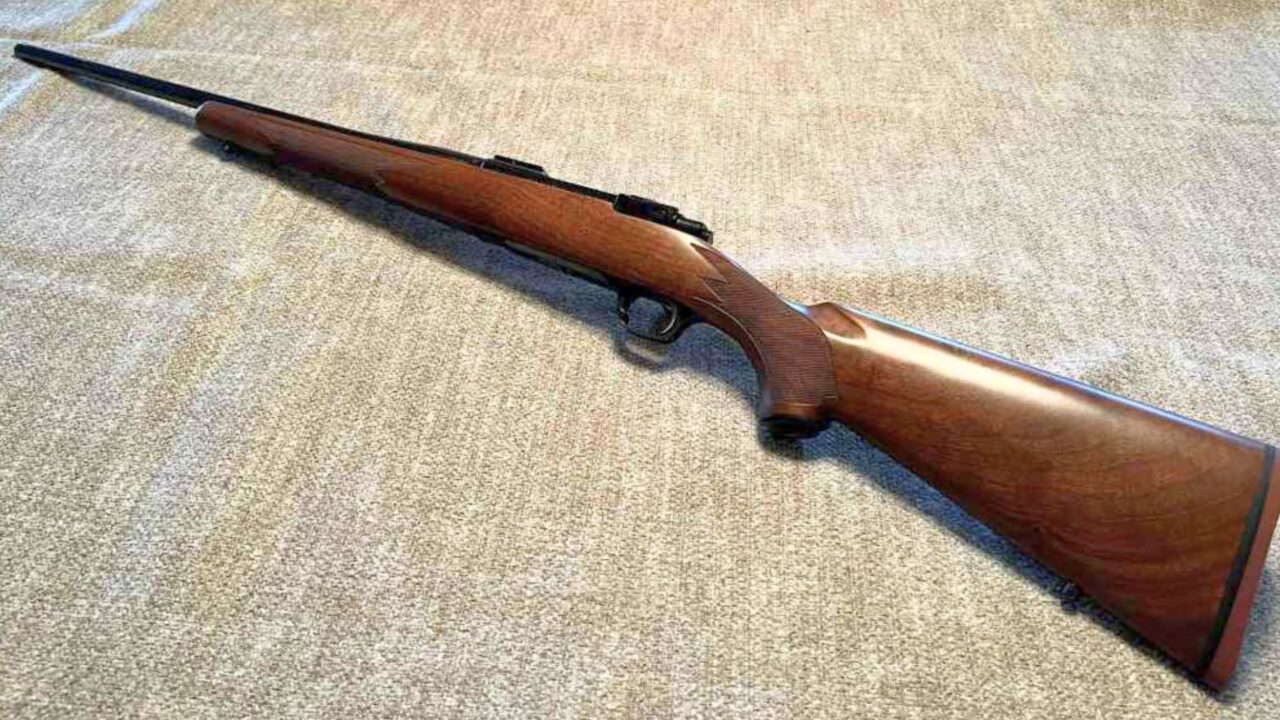
Ruger builds these like they expect you to actually hunt with them, not just post pictures. The controlled-feed style and the “solid” feel are confidence builders, especially when weather turns ugly.
Some Hawkeyes aren’t as slick as a polished custom action, and they can feel a bit stiff when new. Give it a little time, keep it clean, and you end up with a rifle that’s happy living behind a pickup seat all fall.
4. Tikka T3x Lite
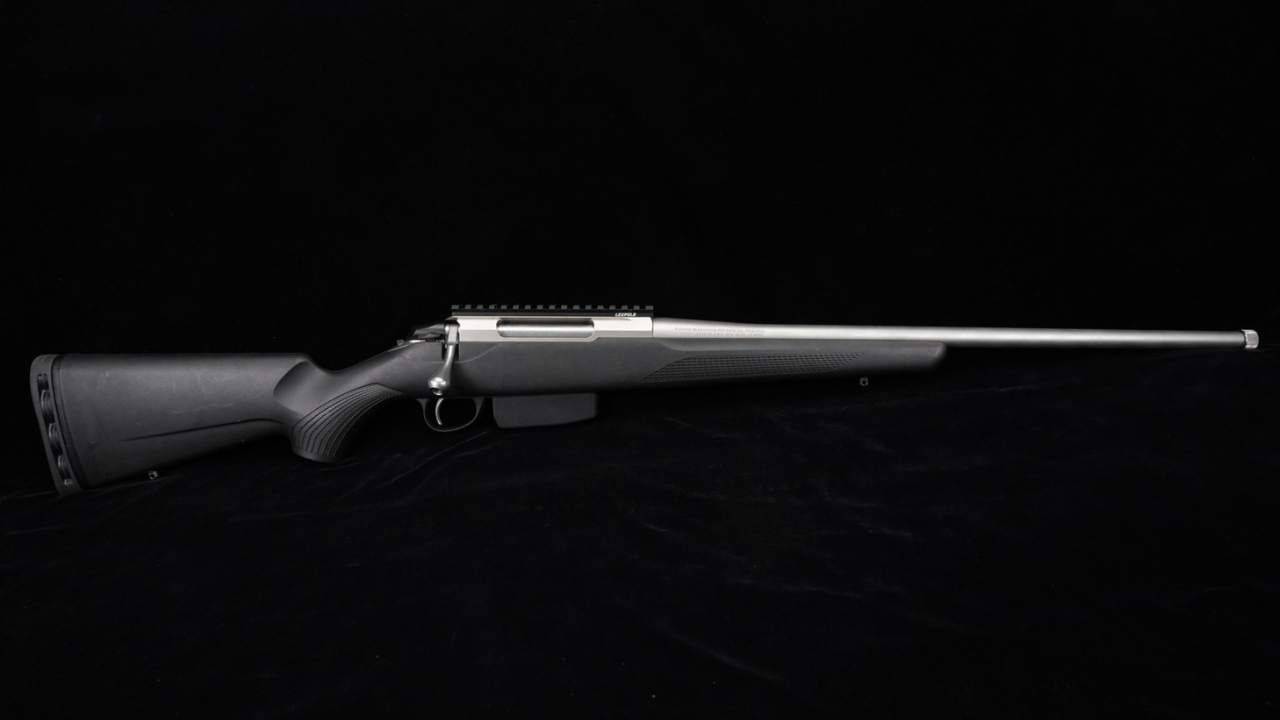
Tikka makes a rifle that’s hard to argue with if you care about first-shot accuracy and easy carrying. The bolt is smooth, the triggers are consistently good, and they tend to shoot factory ammo like they’re supposed to.
Are the magazines everyone’s favorite? No. Is it a “heirloom walnut” vibe? Also no. But when you want a light rifle that doesn’t feel like a gamble, this one stays on the short list.
5. Sako 85

This is one of those rifles that makes you slow down and do things right, because everything about it feels precise. The fit, the finish, the feeding—it’s all buttoned up.
They’re not cheap, and they don’t need to be. If you’re the hunter who buys one rifle and keeps it for life, the 85 is the kind of gun that keeps its manners decade after decade.
6. Browning X-Bolt

I’ve watched a lot of X-Bolts show up at camp as “new rifle” excitement and then quietly become the main rifle. They balance well, they carry easy, and they tend to group without a bunch of drama.
The rotary magazine setup isn’t for everybody, but it’s reliable and tidy in the field. For the hunter who wants modern features without a tactical vibe, it’s a solid pick.
7. Browning A-Bolt (classic models)

The A-Bolt is one of those rifles that folks sell and then later admit they shouldn’t have. It’s light, handy, and feels like it was designed by someone who actually climbs ridges.
They aren’t as common on shelves now, but they’re out there, still working. If you find a clean one that fits you, I would not be quick to let it go.
8. Weatherby Vanguard
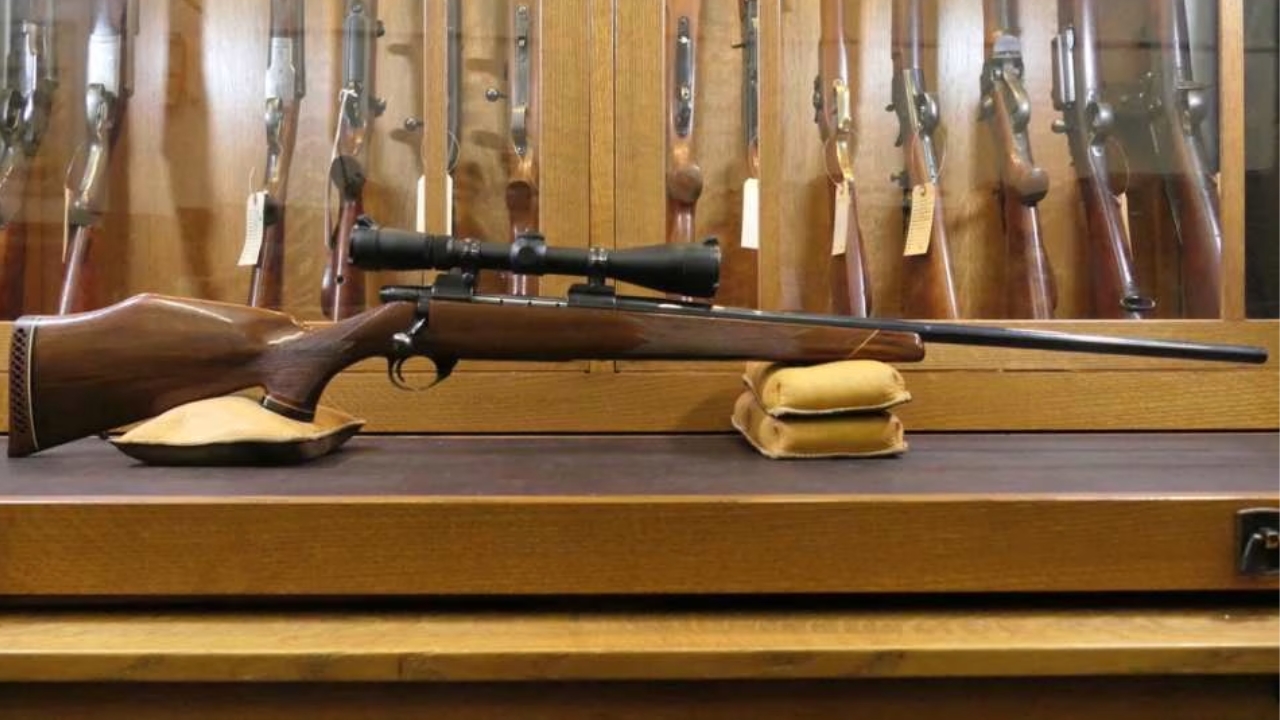
Not everyone wants to pay Mark V money, and the Vanguard is exactly why they don’t have to. These rifles have a reputation for honest accuracy and dependable function, without being finicky.
They can be a touch heavier than the featherweight crowd wants. That weight also tends to make them pleasant to shoot, which matters when you’re practicing enough to be ready.
9. Weatherby Mark V

This is the rifle that shows up when someone’s serious about magnum country and long shots in real wind. The action is strong, the build is high-end, and it has a certain “don’t worry about it” feel.
Yes, they can be spendy. Yes, some of the hotter chamberings aren’t cheap to feed. But if you’re going to own one rifle for big landscapes and big animals, the Mark V has earned its reputation.
10. Savage 110

The Savage 110 isn’t always pretty, and it’s rarely anyone’s idea of a safe queen. What it is, though, is consistent. These rifles get shot, get hunted, and keep stacking up tags.
The barrel nut system has made them easy to keep running and easy to reconfigure, and aftermarket support is huge. If you want a rifle that you don’t have to pamper, this is one of the best answers.
11. CZ 550
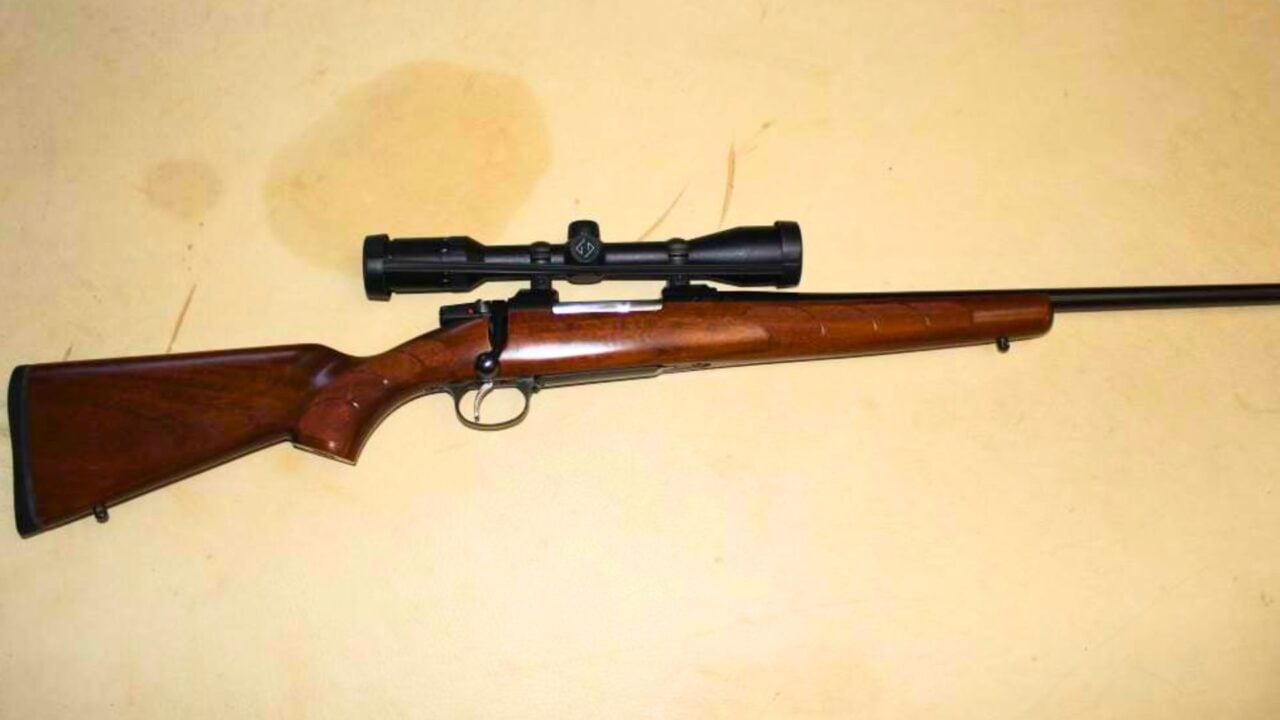
The 550 is old-school in a good way. It feels like a rifle meant for real hunting—controlled-feed, robust build, and a sense that it’s not going to get bullied by rough handling.
They can be a little heavier and a little longer than modern mountain rifles. If you hunt timber, mixed terrain, or you just appreciate a rifle that feels “serious,” the 550 is tough to beat.
12. Mauser M98 (quality sporters)
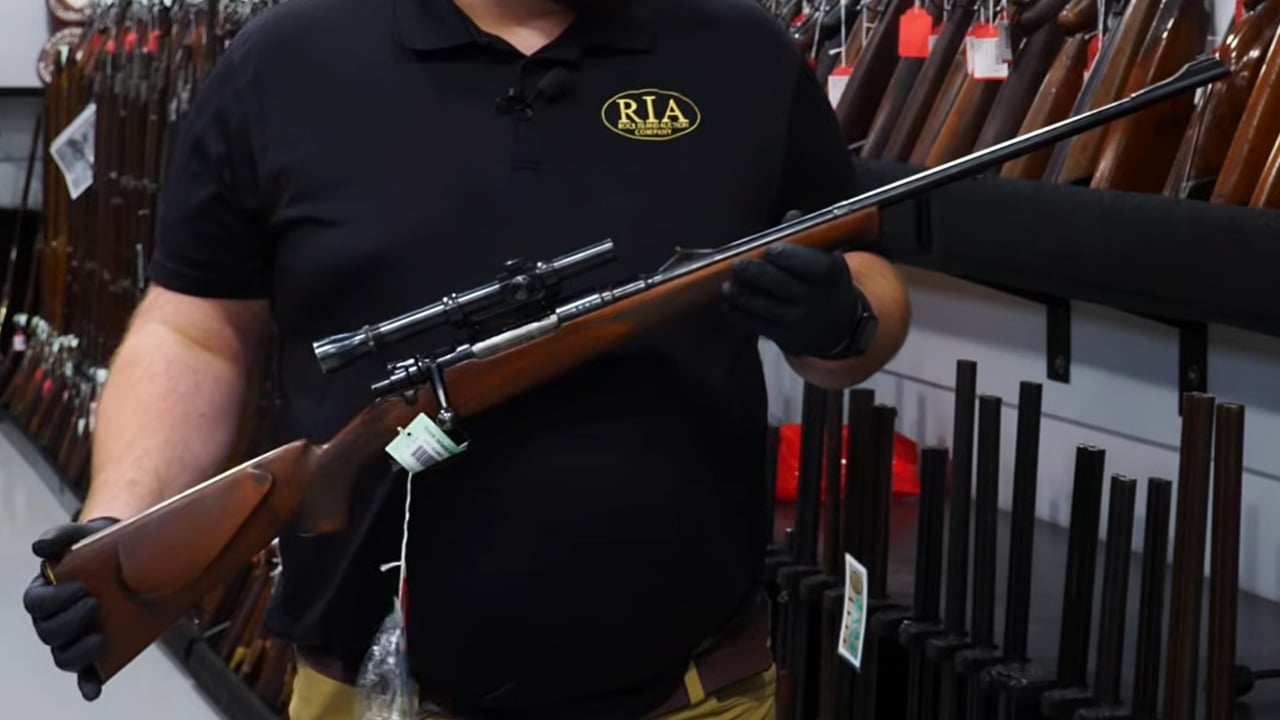
There’s a reason the 98 pattern keeps getting copied. When built right, it feeds like it wants to feed, extracts like it means it, and shrugs off conditions that make some modern rifles feel delicate.
Not every old sporter has been treated kindly over the decades, so you have to use your head when buying. But a good M98-based rifle is a lifetime tool, not a trend.
13. Ruger American Rifle
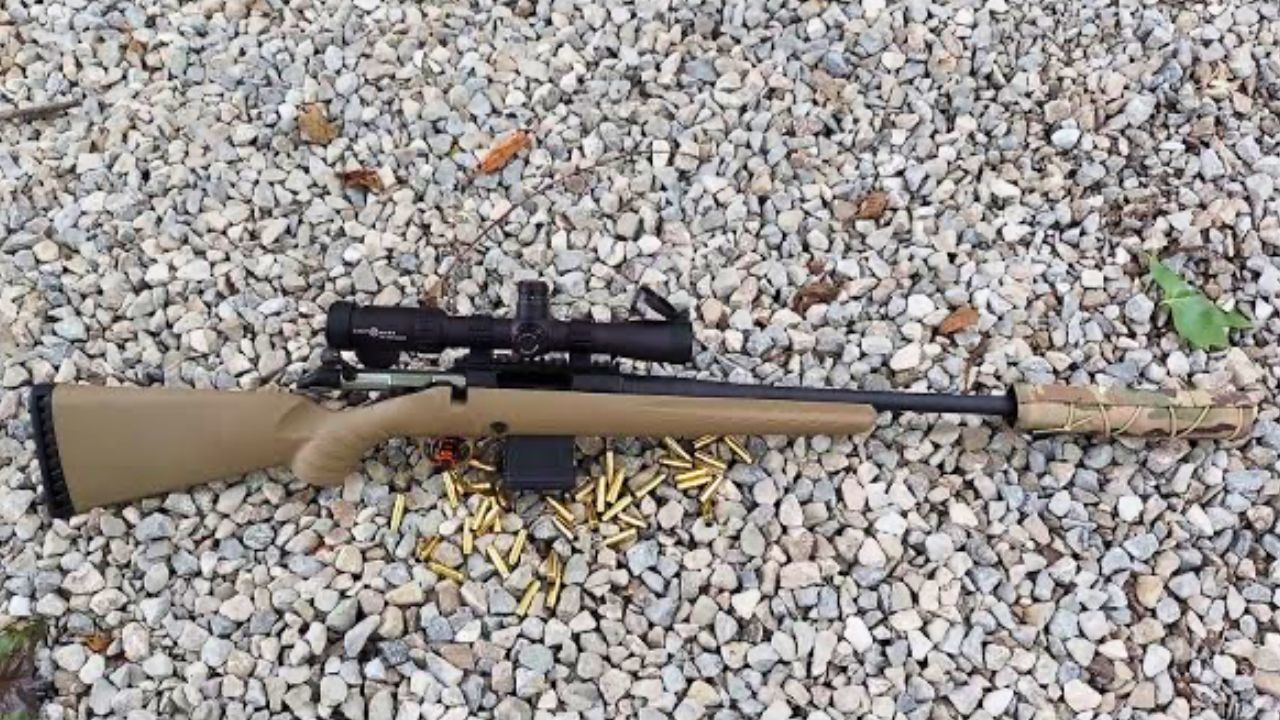
This one surprises people who equate “budget” with “unreliable.” The Ruger American has put a lot of meat in freezers because it’s accurate enough, light enough, and simple enough that it doesn’t become a distraction.
The stock feel isn’t luxurious, and the bolt can feel a little hollow compared to higher-end guns. Still, for the hunter who wants a rifle that just goes hunting, it’s a strong value.
14. Winchester XPR
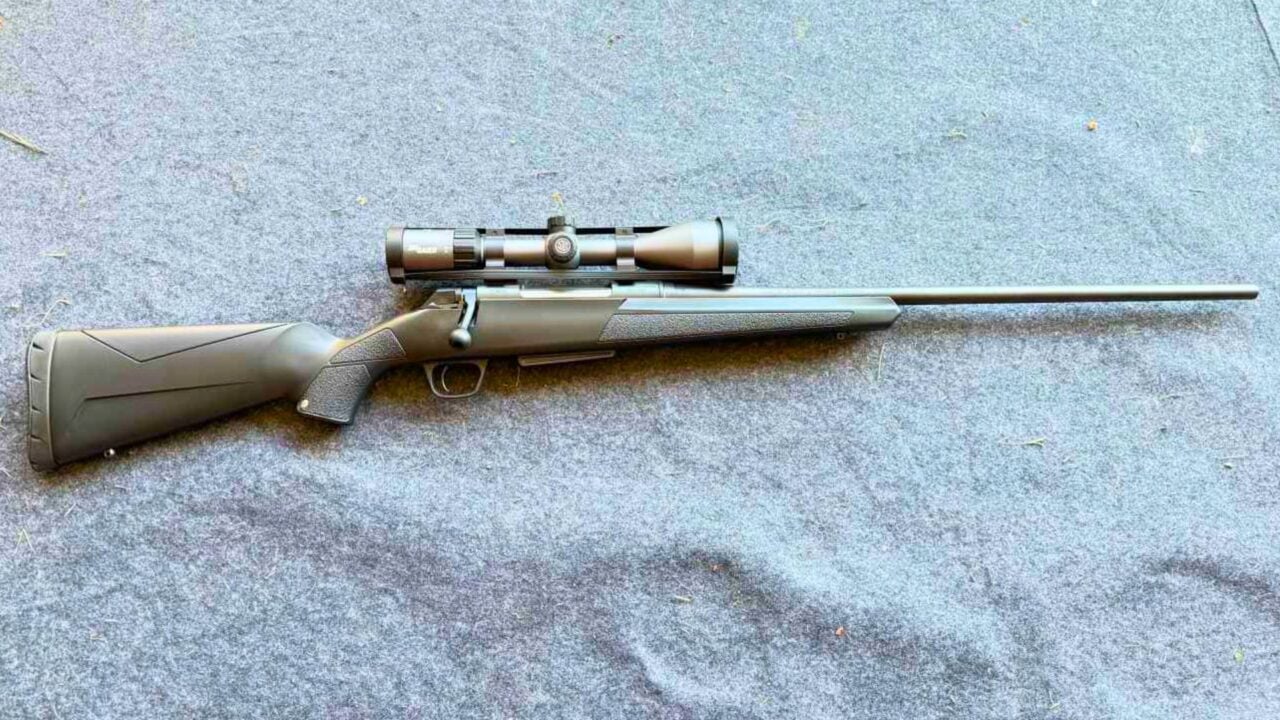
The XPR is another rifle that doesn’t get a lot of campfire poetry written about it, and that’s fine. The ones I’ve been around tend to shoot well and run without weird surprises.
It carries nicely and points naturally, which matters when you’re slipping through brush and get a quick window. If you’re trying to keep the whole setup sane—rifle, scope, ammo—the XPR can do that.
15. Mossberg Patriot

Is it fancy? No. Is it a rifle you can hand to a new hunter, sight in, and not worry that it’ll turn into a temperamental mess? Most of the time, yes.
The Patriot’s biggest strength is that it’s straightforward. It’s also one of those guns that’s more accurate than its price tag suggests, which is why they keep showing up every fall.
16. Kimber 84M

When you start counting ounces for real—steep country, long days—the 84M makes a lot of sense. It carries like a walking stick and comes to the shoulder fast.
Ultra-light rifles can be picky about shooter technique, and you’ll feel recoil more than you would on a heavier gun. But for the hunter who practices and wants a legit mountain tool, this is one that keeps getting packed for a reason.
17. Bergara B-14 Hunter
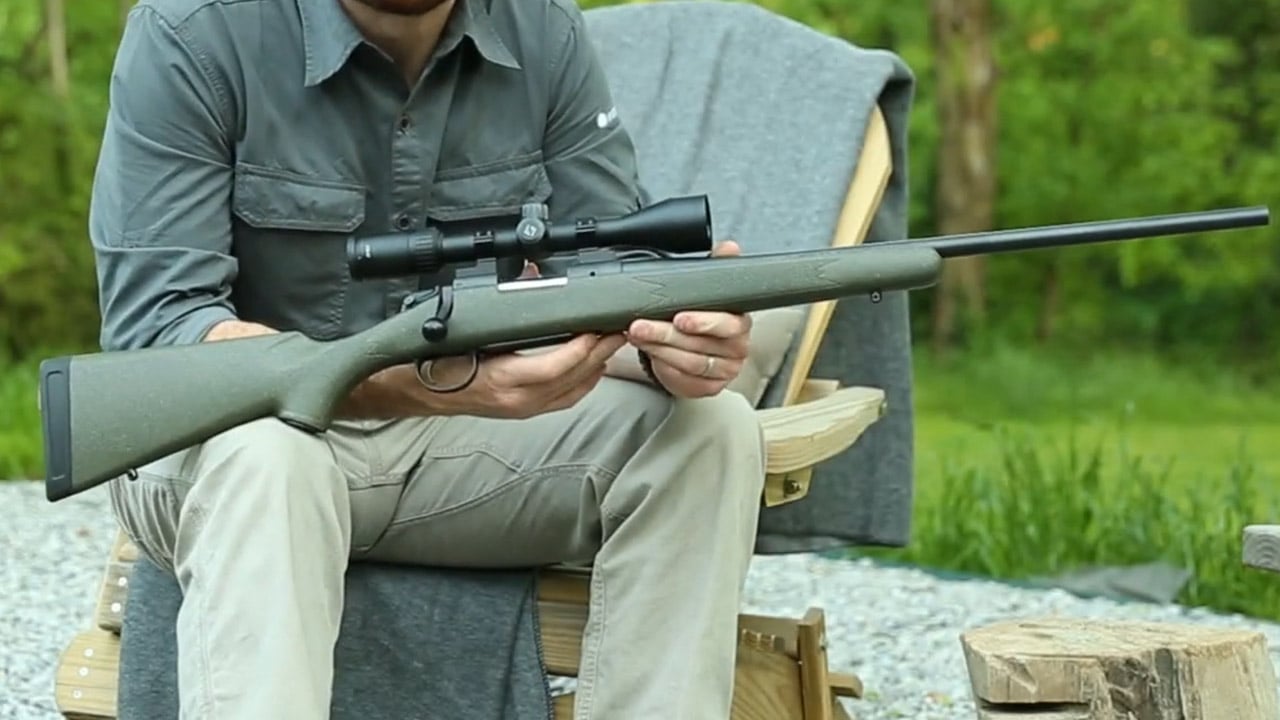
Bergara built a reputation by making rifles that shoot, period. The B-14 Hunter is a “normal-looking” rifle with a very un-normal habit of printing tight groups with factory ammo.
The action feel is a big part of it—smooth without being sloppy. If you want a modern rifle that doesn’t need a bunch of tinkering, the B-14 Hunter is hard to ignore.
18. Howa 1500

Howa 1500s are quiet winners. They don’t get as much attention in some circles, but the actions are solid, the barrels tend to shoot, and they hold up to real use.
It’s also a rifle that’s easy to keep fed and running. Magazines and parts aren’t a scavenger hunt, and plenty of stock options exist if you decide to change the feel later.
19. Springfield Armory M1A (Loaded/Standard)
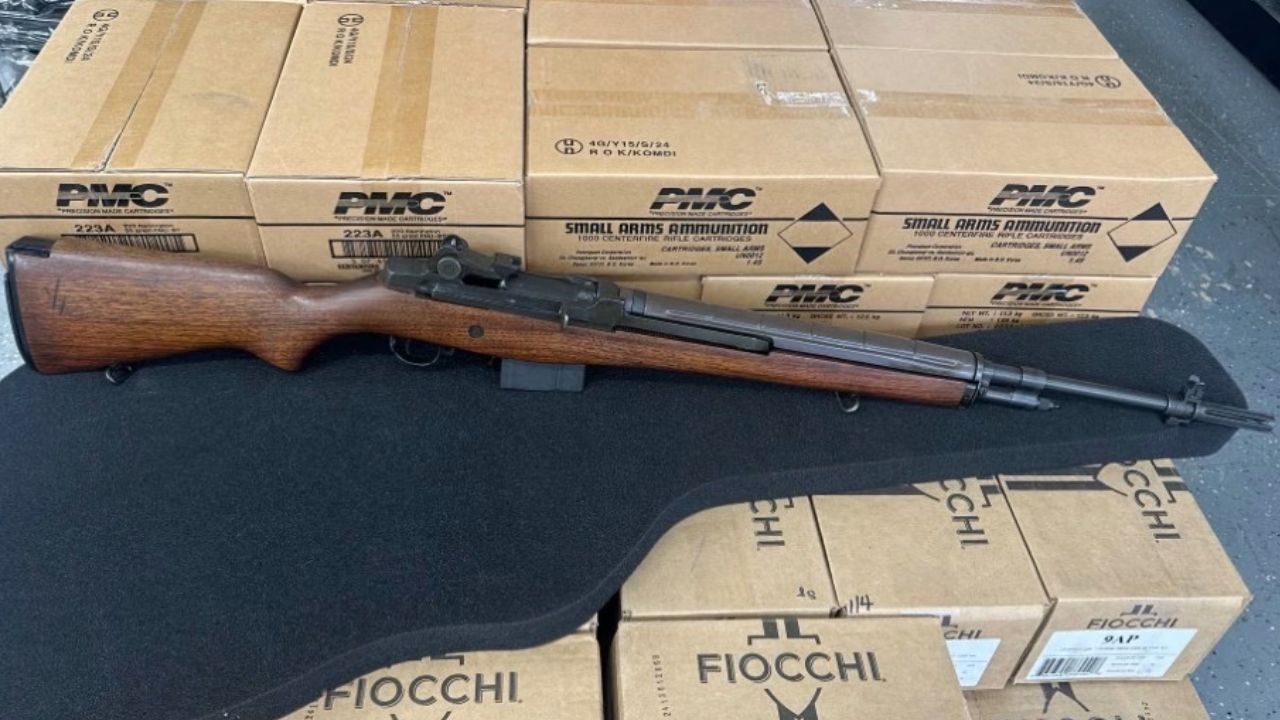
For big game, this one is more niche than the typical bolt gun, but it has earned a place in plenty of hands that hunt hogs, elk in timber, and any situation where quick second shots might matter.
They’re heavier, and they’re not the simplest system to mount optics on compared to a bolt rifle. Still, when set up right and kept maintained, the M1A is dependable in a way that makes sense if you grew up around battle-proven designs.
20. Marlin 1895 (Guide Gun and similar)
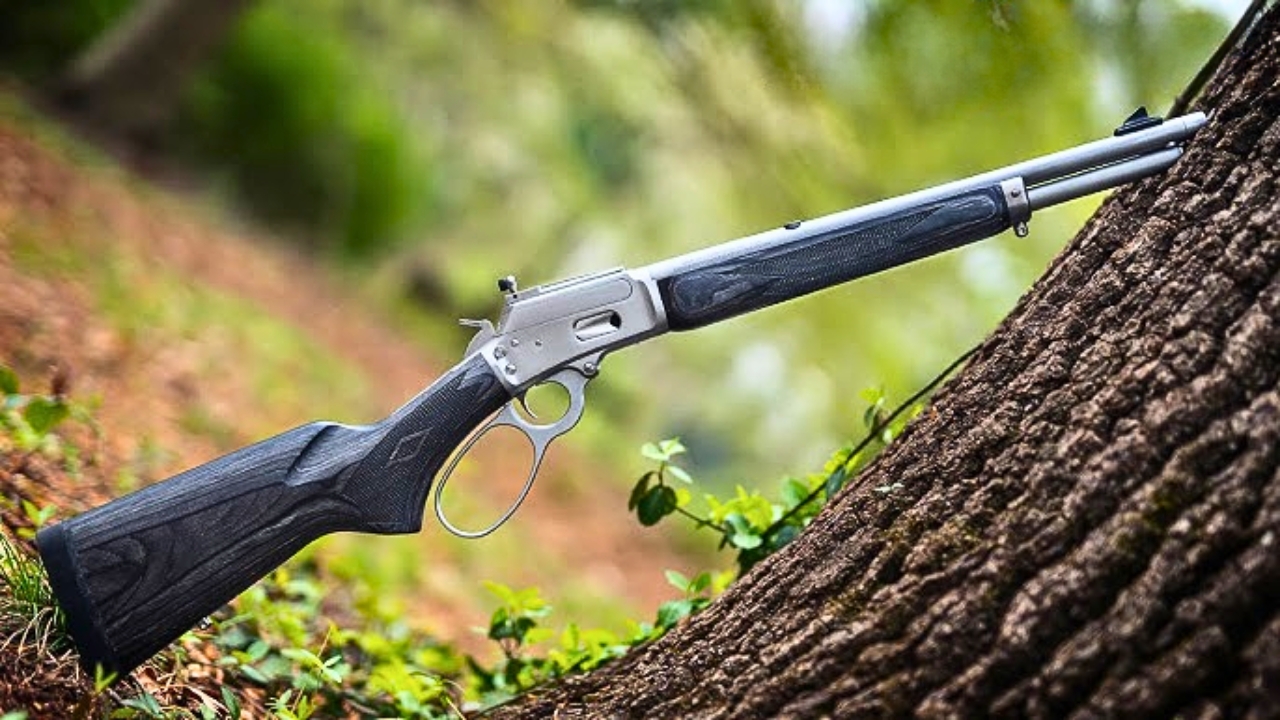
If you’ve hunted thick cover where shots happen fast and close, you already know why a big-bore lever gun stays relevant. The 1895 carries easy, points naturally, and hits with authority inside sensible ranges.
It’s not a long-range rig, and nobody should pretend it is. But for bear country, hogs in brush, and timber hunts where a quick, steady rifle matters, this one has bailed out a lot of hunters who didn’t have time for “perfect.”
A rifle “never letting you down” usually looks boring on paper. It’s the one that feeds when you’re wearing gloves, holds zero after a bumpy road, and doesn’t make you second-guess your shot because something feels off. Pick one that fits your body, buy good rings and a trustworthy scope, and spend more time confirming dope and less time chasing the next big thing.
Like The Avid Outdoorsman’s content? Be sure to follow us.
Here’s more from us: