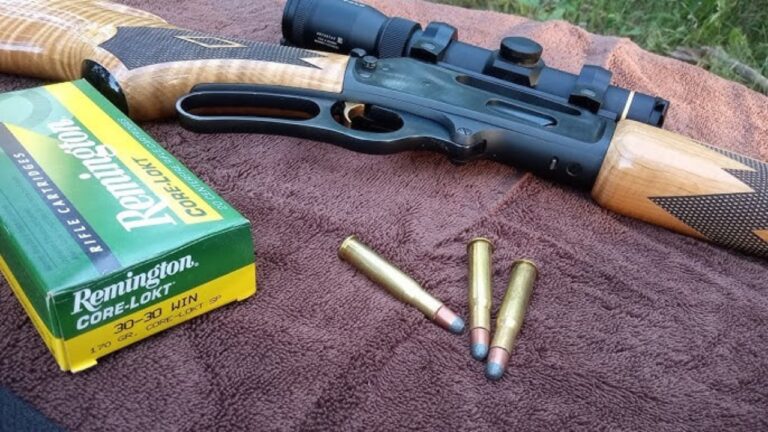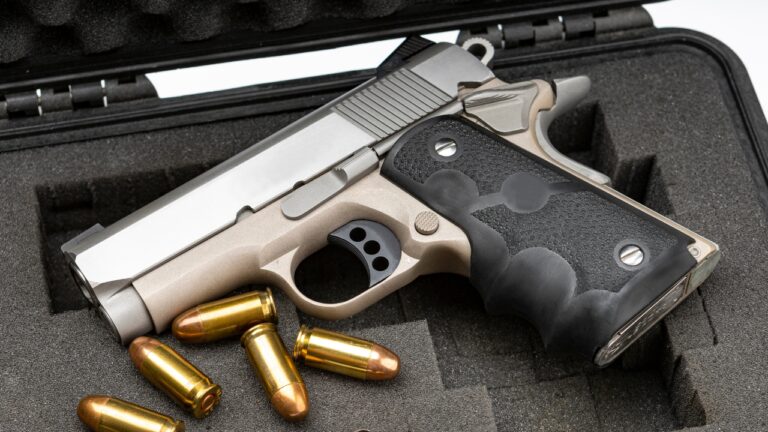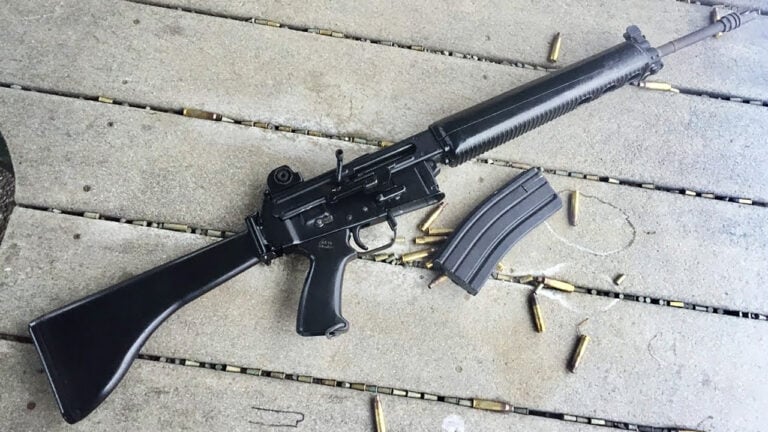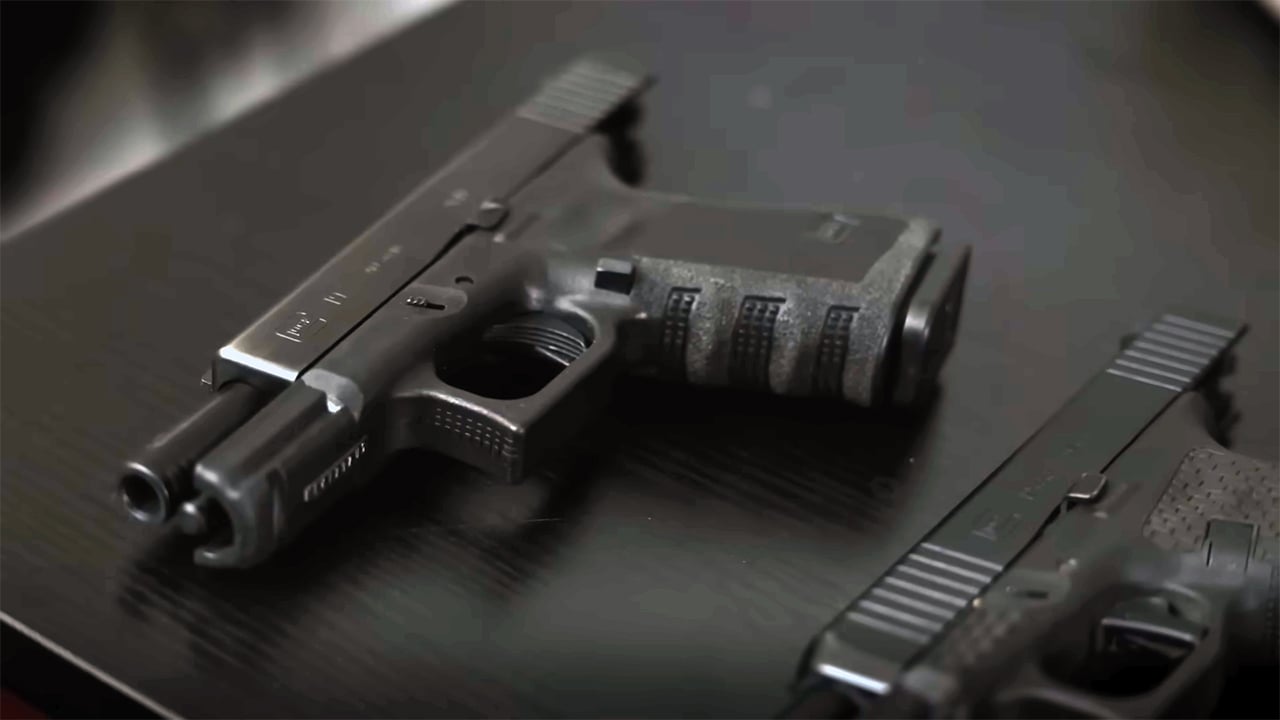
Photo credit: Massad Ayoob – Facts and Firearms/Youtube
You can tell who actually carries by the way they talk about calibers. The internet turns it into a brand war, but real life turns it into a boring checklist: can you shoot it fast, can you afford to practice, will the gun run, and can you get decent defensive ammo without driving to three stores and ordering online anyway.
I’m not here to sell you on a single “best.” There isn’t one. What I can do is lay out the cartridges that keep showing up in holsters, nightstands, and truck consoles for a reason, along with the tradeoffs you only learn after a couple range trips and a few seasons of actually living with the thing.
1. 9x19mm (9mm Luger)
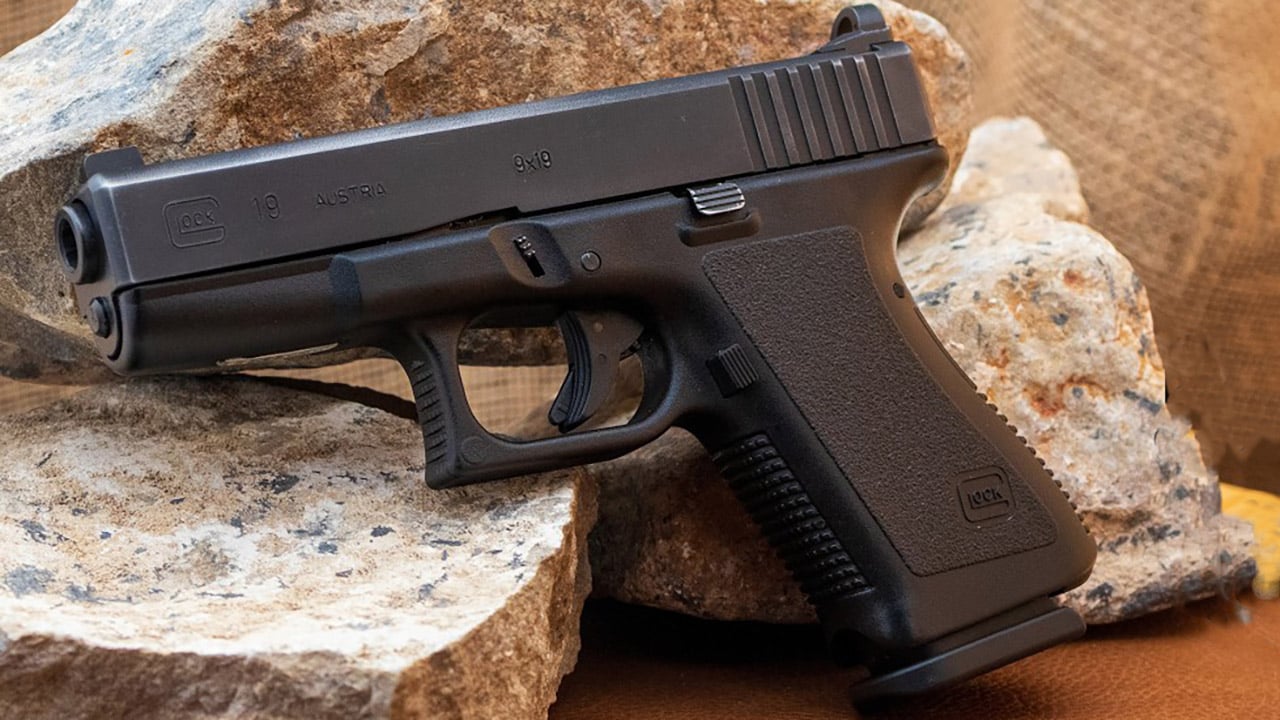
If you only own one defensive handgun caliber, it’s hard to argue against 9mm. It’s controllable, widely available, and modern defensive loads have come a long way. You can find good 9mm in just about any town that has a farm store and a hardware counter with ammo behind glass.
What matters more than energy charts is that most shooters can run 9mm quickly and accurately without getting beat up. More practice for the same money is a big deal, and 9mm usually wins that fight.
2. .380 ACP

.380 gets dismissed until you carry a pocket pistol all summer and realize a “smaller gun that’s actually on you” beats the bigger one left in the truck. The recoil can be snappy in tiny guns, but it’s still manageable for most folks with the right grip and some honest practice.
The downside is cost and performance margin. Good .380 defensive ammo isn’t always cheap, and you want to be picky about what you load because not every .380 option performs the same.
3. .38 Special
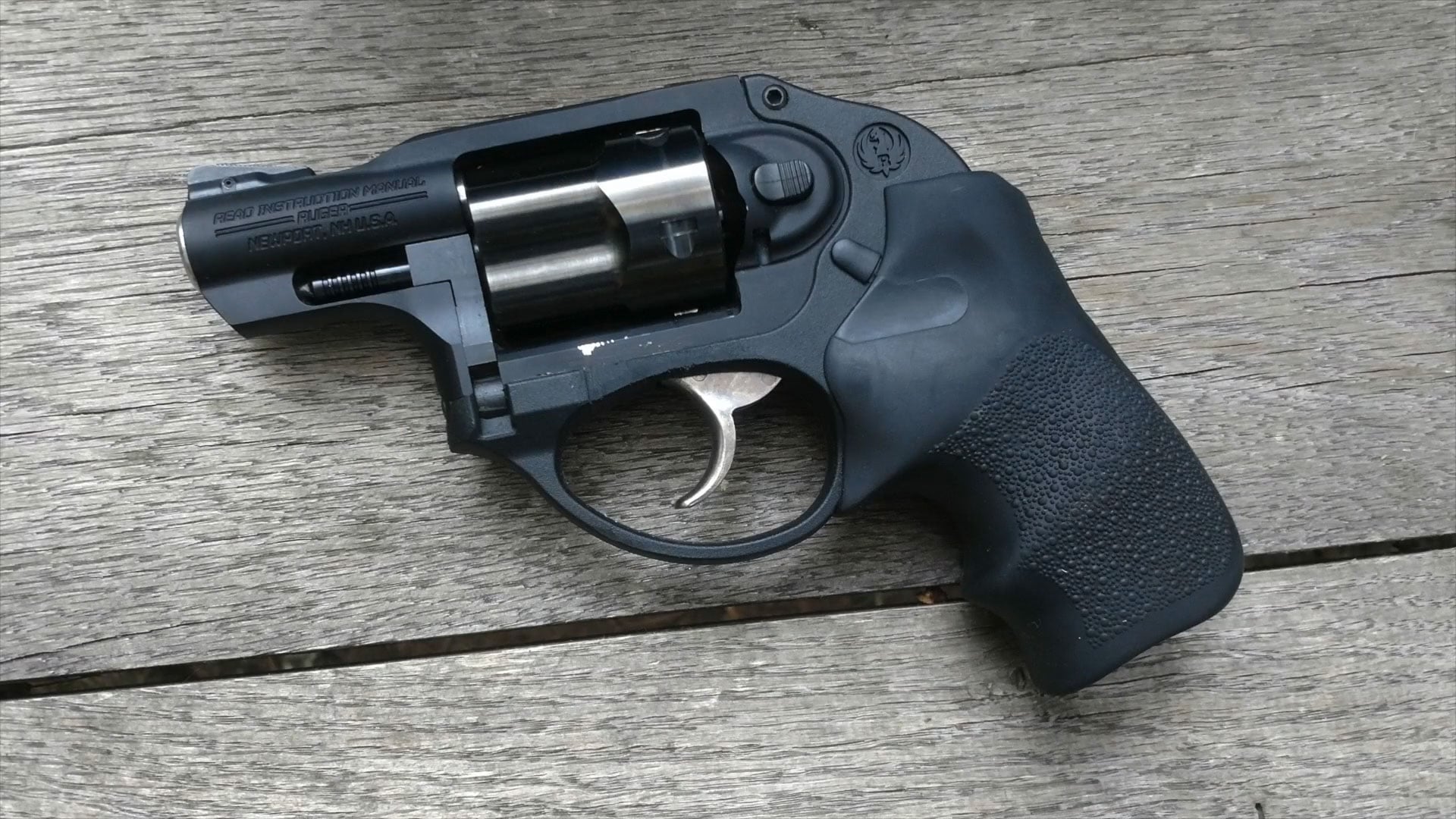
.38 Special is the old reliable revolver round that refuses to go away, and I get it. A good .38 snub rides easy, points naturally, and works even when it’s been riding in a dusty console or under a coat for too long. There’s nothing fancy about it, and that is kind of the point.
Load selection matters here, too. Standard-pressure options are easy to shoot, and +P can bump performance if your revolver is rated for it. Either way, the strength is simplicity.
4. .357 Magnum
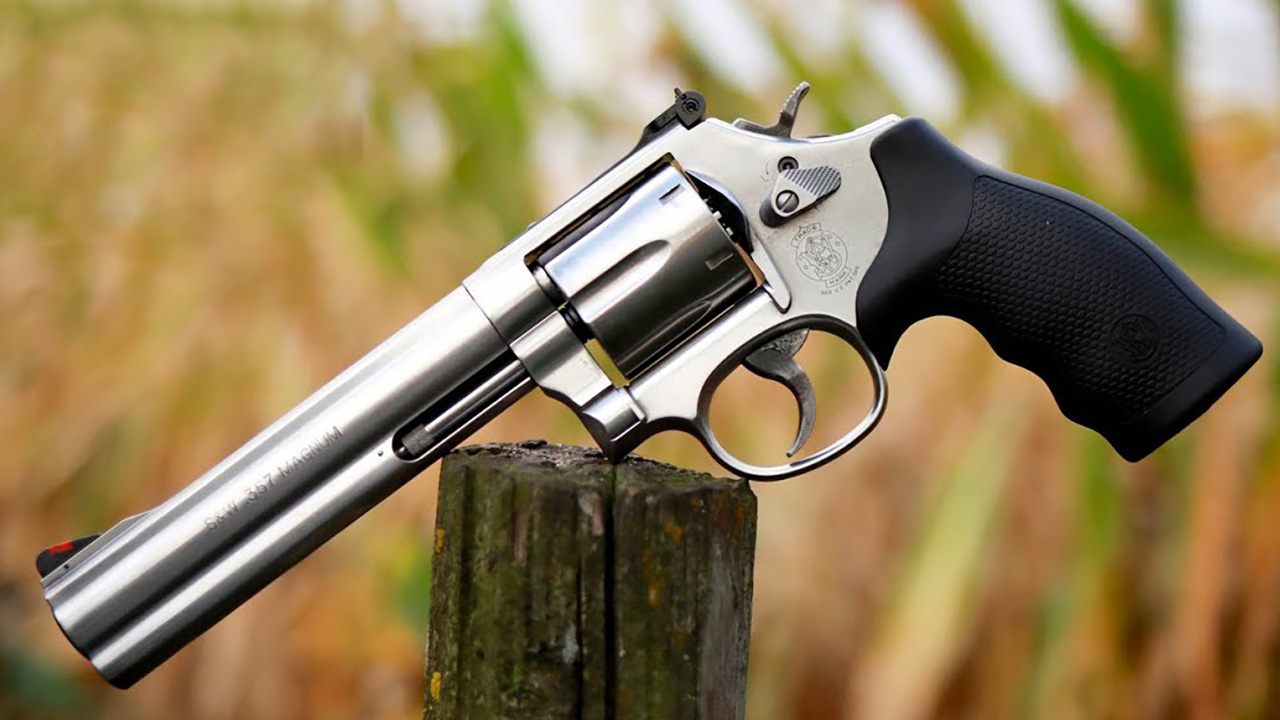
.357 Magnum is a hammer, especially out of a 3- to 4-inch revolver. It’s also loud enough indoors to make you wish you’d taken hearing protection more seriously. Out in the sticks, though, it’s a serious “do-it-all” cartridge for two-legged problems and a little extra peace of mind around critters.
The best part is versatility. You can practice with .38 Special and carry .357 if recoil doesn’t make you flinch. Just be honest about what you can control fast.
5. .40 S&W
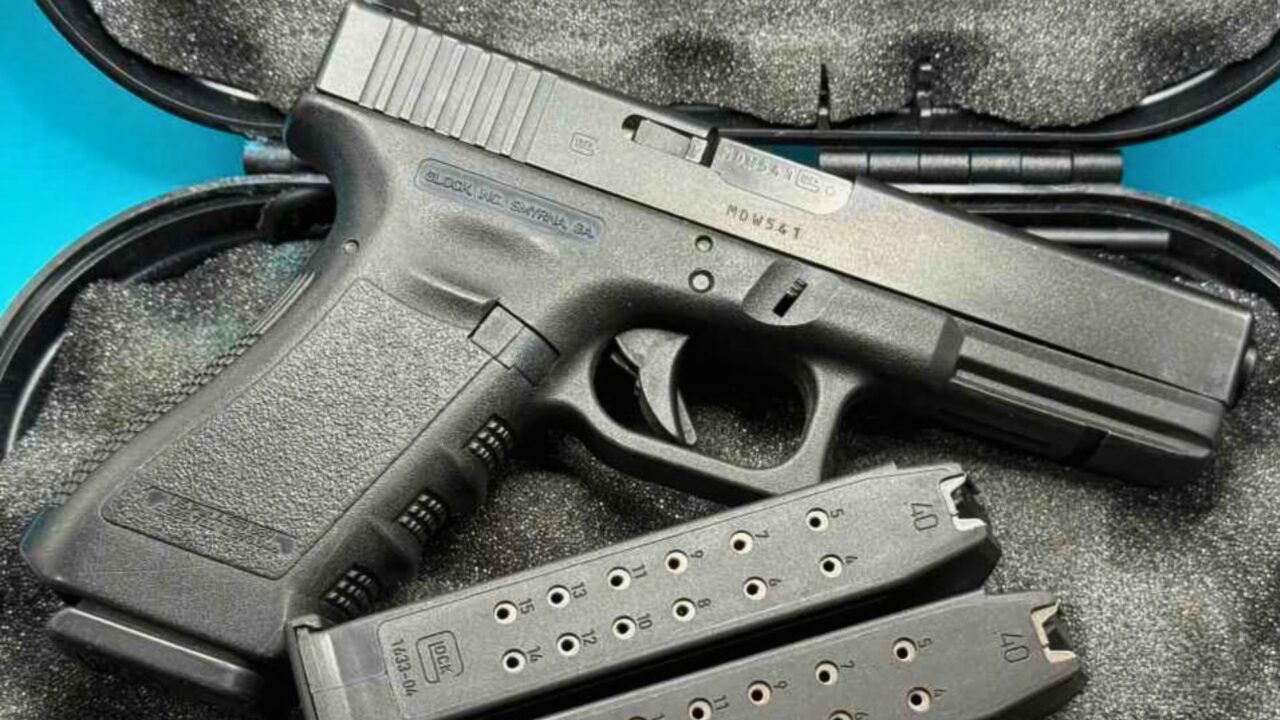
.40 used to be everywhere, and you still see piles of it at gun counters and in buddy’s range bags. It hits harder than 9mm on paper, and some folks shoot it extremely well. In compact guns, though, it can be a little “spicy,” and that slows down follow-up shots for a lot of shooters.
Where it shines is if you already own a proven .40 and you actually train with it. There’s no rule that says you have to switch just because the crowd did.
6. .45 ACP

.45 ACP is big, slow, and has been ending arguments for a long time. In a full-size pistol it can feel more like a shove than a snap, and many shooters find it comfortable. The guns are often heavier, which helps control but can be a chore to carry.
Ammo costs and capacity are the practical drawbacks. Still, if you shoot a .45 well and don’t mind the weight, it’s a legitimate choice.
7. 10mm Auto
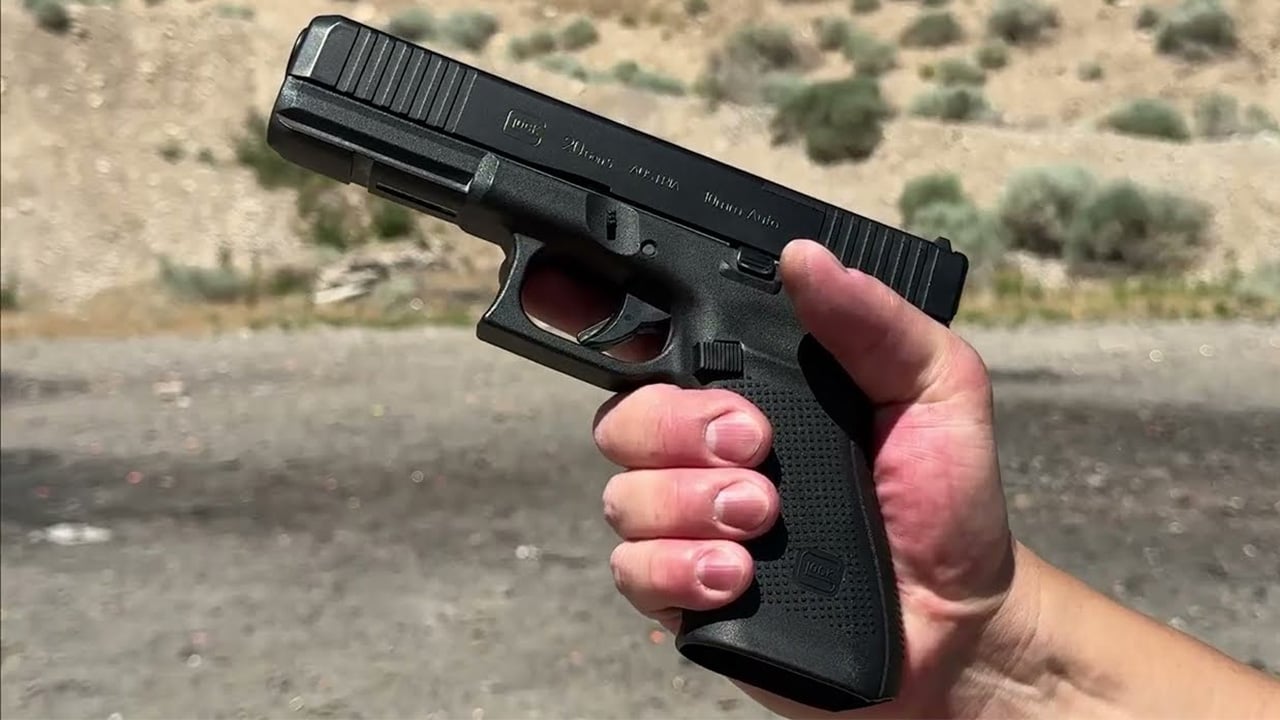
10mm is the caliber that makes sense once you’ve actually spent time outdoors with a handgun, not just on a square range. It can do defensive duty, and it also gives you more reach into “woods carry” territory where you might want deeper penetration.
The tradeoff is recoil and gun size. Full-power loads aren’t for everybody, and you need to be realistic about how fast you can put accurate rounds on target.
8. .22 LR
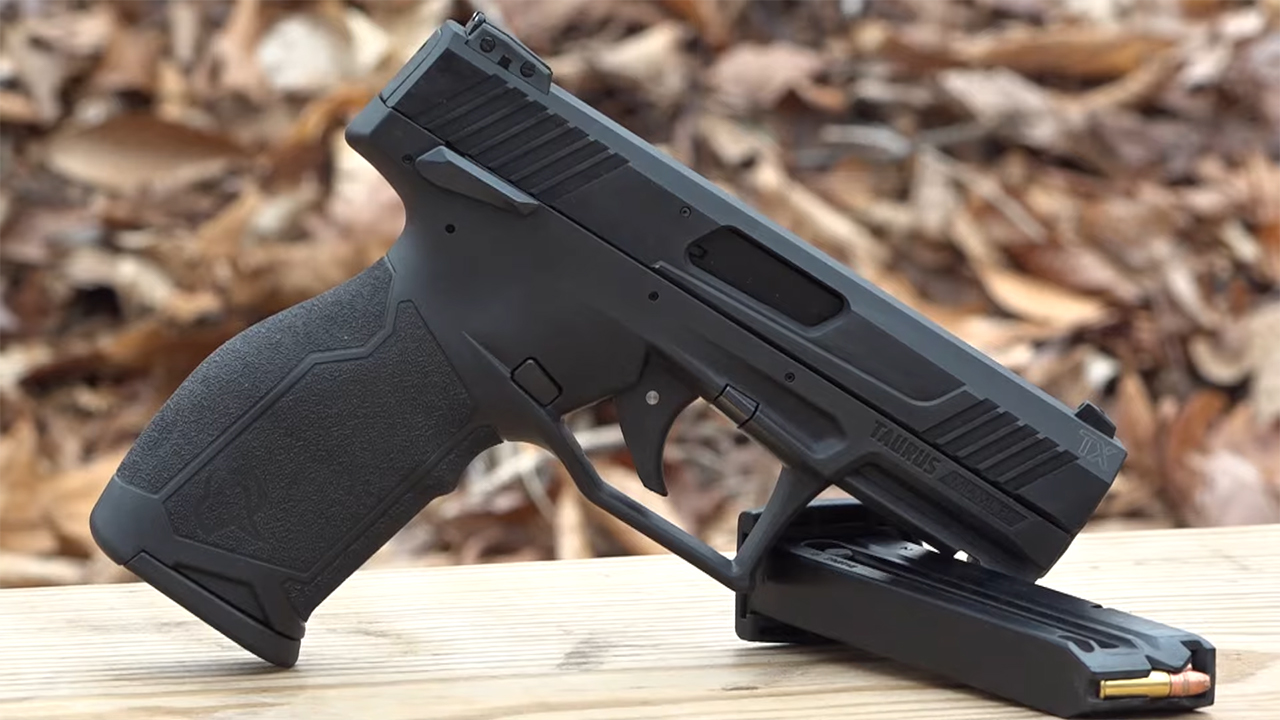
Here’s the uncomfortable truth: .22 LR can work, but it’s not what most folks should bet their life on. Rimfire ignition isn’t as consistent as centerfire, and that’s a real issue when everything is on the line. Still, a .22 you can shoot well beats a larger caliber you can’t control at all.
It’s also the best training cartridge ever made. If recoil sensitivity is the barrier keeping someone from practicing, .22 is how you build skills without developing a flinch.
9. .22 WMR (22 Magnum)

.22 Magnum sits in a weird spot: more speed than .22 LR and often better penetration, but still a rimfire. In small revolvers and certain pistols it’s a viable “better than nothing” choice, especially for folks who can’t manage centerfire recoil.
Ammo selection and reliability vary by gun. If you go this route, test the exact load you plan to carry. Not a box. Several boxes.
10. .32 ACP

.32 ACP is one of those calibers that sounds outdated until you shoot a good little .32 and realize how soft it is. In small pistols, that mild recoil can mean faster, more accurate strings than .380 for some shooters. Ask me how I know.
The downside is availability. In some areas it’s a special-order caliber, and you don’t want to be hunting for carry ammo the week you finally decide to take it seriously.
11. .32 H&R Magnum
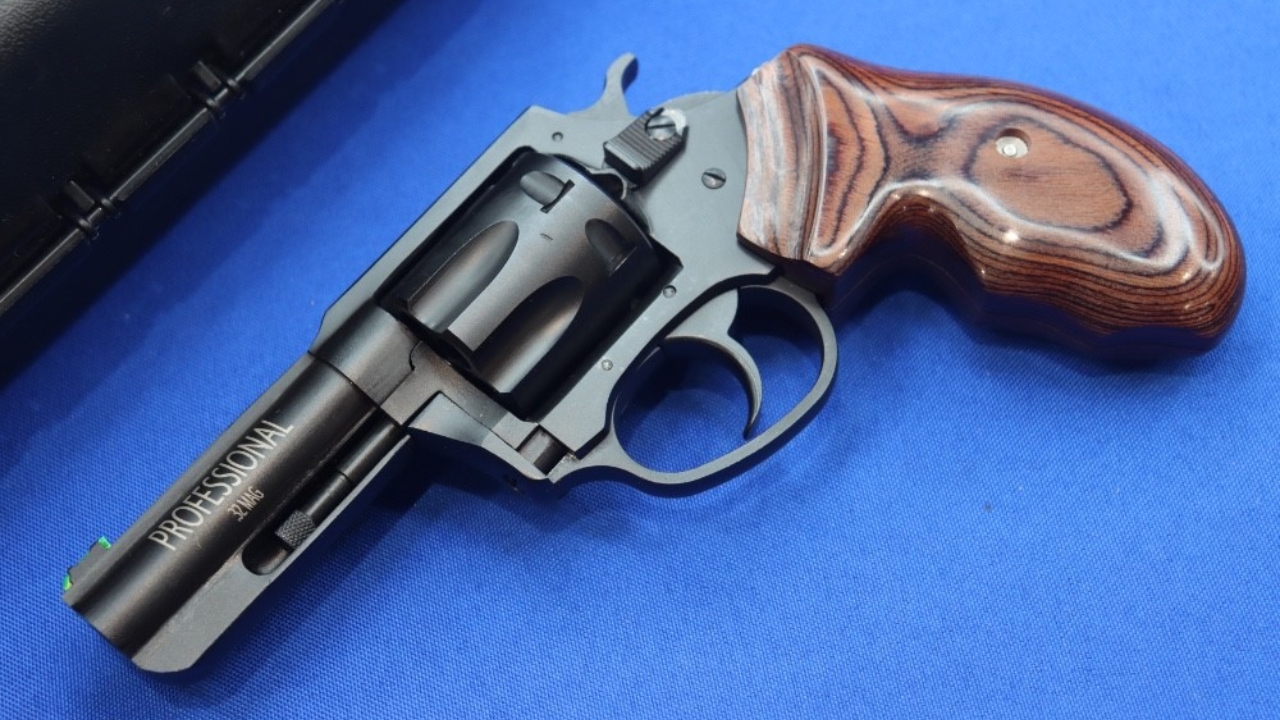
.32 H&R Magnum doesn’t get enough attention. In a small-frame revolver it can offer an extra round compared to .38 Special, and recoil is often friendlier. That combination matters for shooters with smaller hands or limited grip strength.
You do have to hunt a little more for ammo, and not every shop keeps defensive loads on the shelf. If you’re willing to plan ahead, it’s a smart revolver option.
12. .327 Federal Magnum
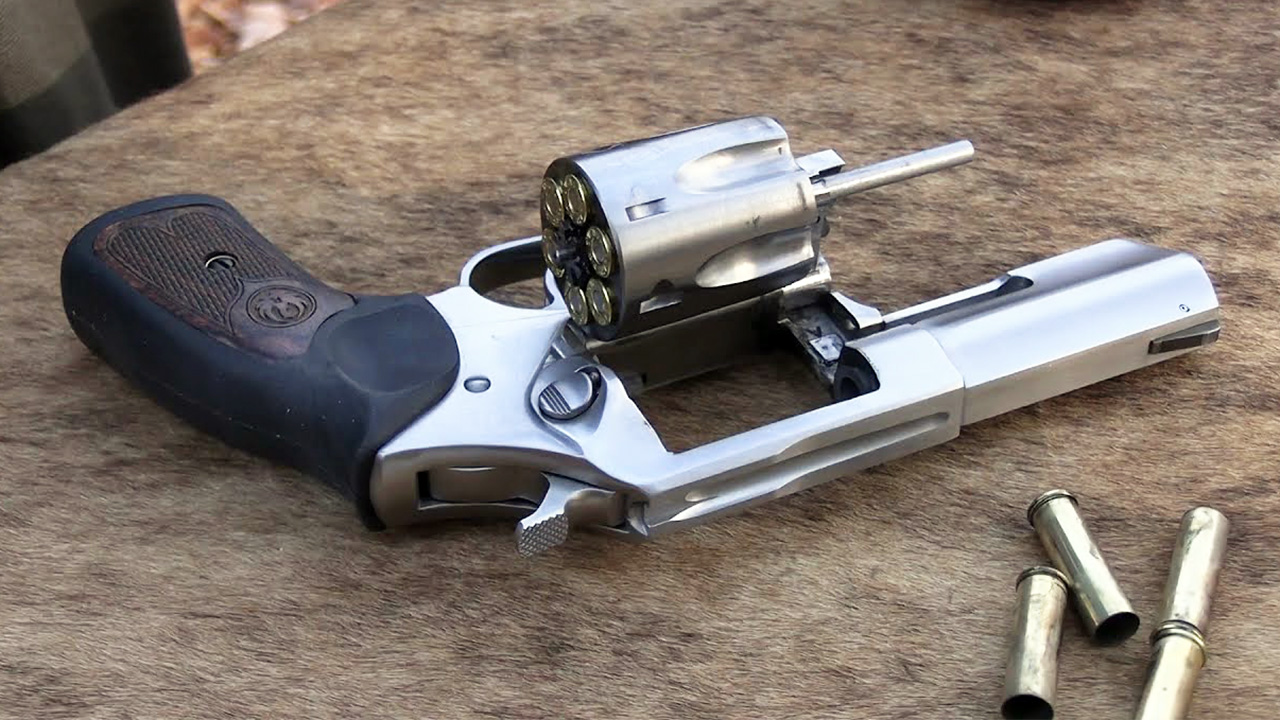
.327 Federal Magnum is the “hot rod” .32 that gives you serious performance in a small revolver, often with one more round than comparable .357 guns. It’s loud, and in lightweight revolvers it can be sharp, but it’s capable.
The real-world drawback is ammo. When shelves get thin, .327 is one of the first cartridges you stop seeing. If you commit to it, stock a reasonable supply and keep practicing.
13. .44 Special
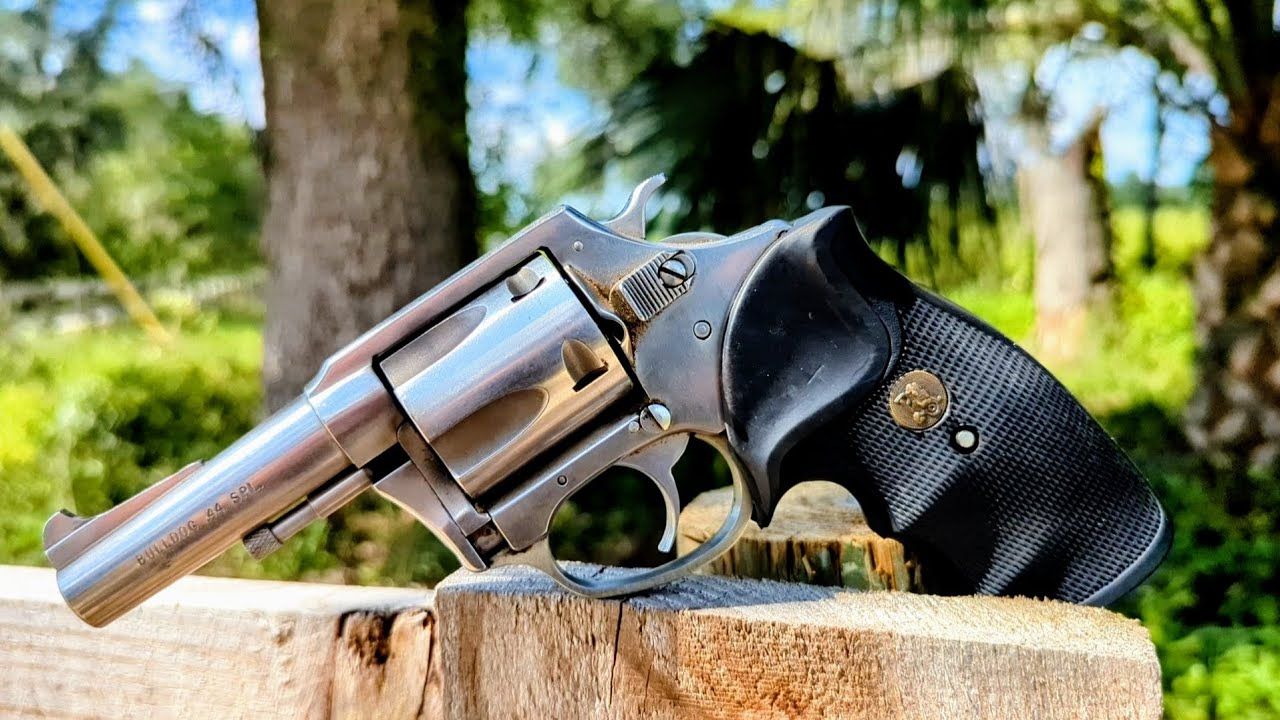
.44 Special is a classic defensive revolver round with a reputation for controllable big-bore performance when loaded appropriately. It’s not the cannon people picture when they hear “.44,” and in a mid-size revolver it can be very shootable.
The problem is expense and selection. You won’t find .44 Special everywhere, and you’ll pay for it when you do. It’s a “know what you’re doing” caliber, not a casual pick.
14. .44 Magnum
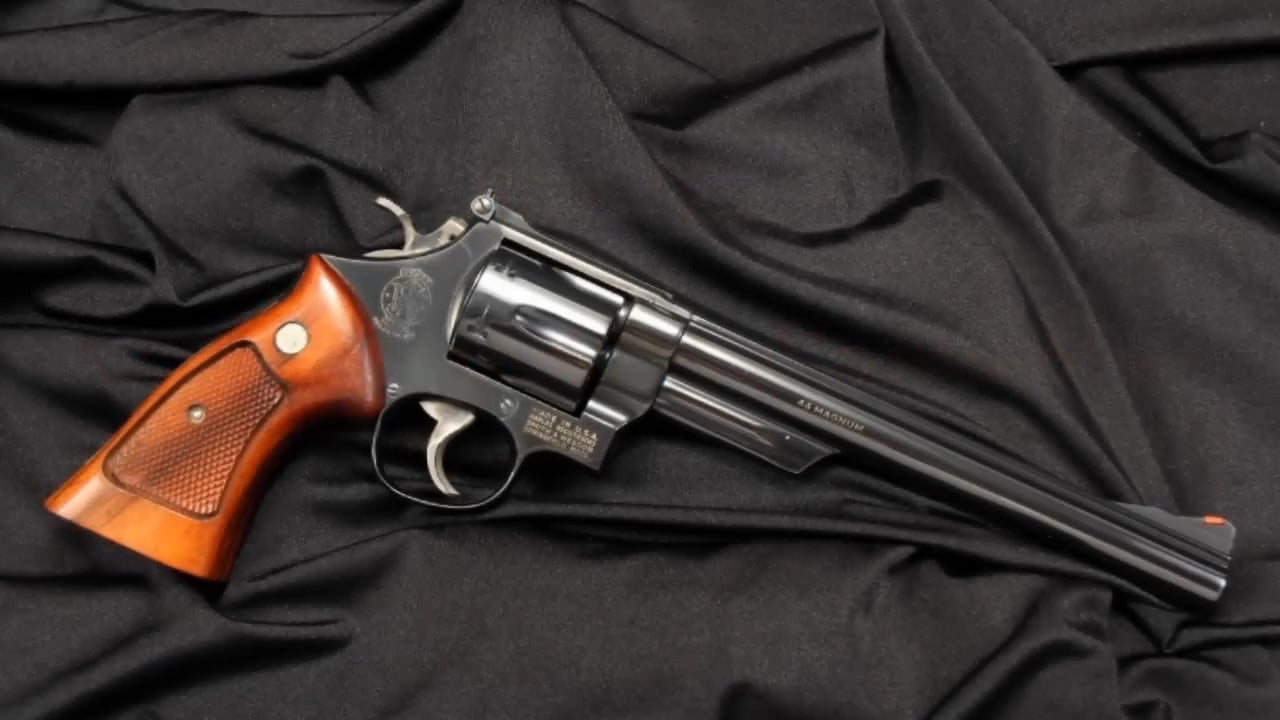
.44 Magnum is a lot of cartridge for typical self-defense scenarios, and in many handguns it’s flat-out unpleasant for fast, accurate shooting. Still, it shows up in rural life for a reason. If you’re dealing with serious animal threats and you already run a .44 well, it’s hard to ignore.
For most people, the smarter move is carrying a .44 loaded with milder ammo or choosing a more controllable caliber. The best defensive gun is the one you can shoot without hesitation and without flinching.
15. .45 Colt
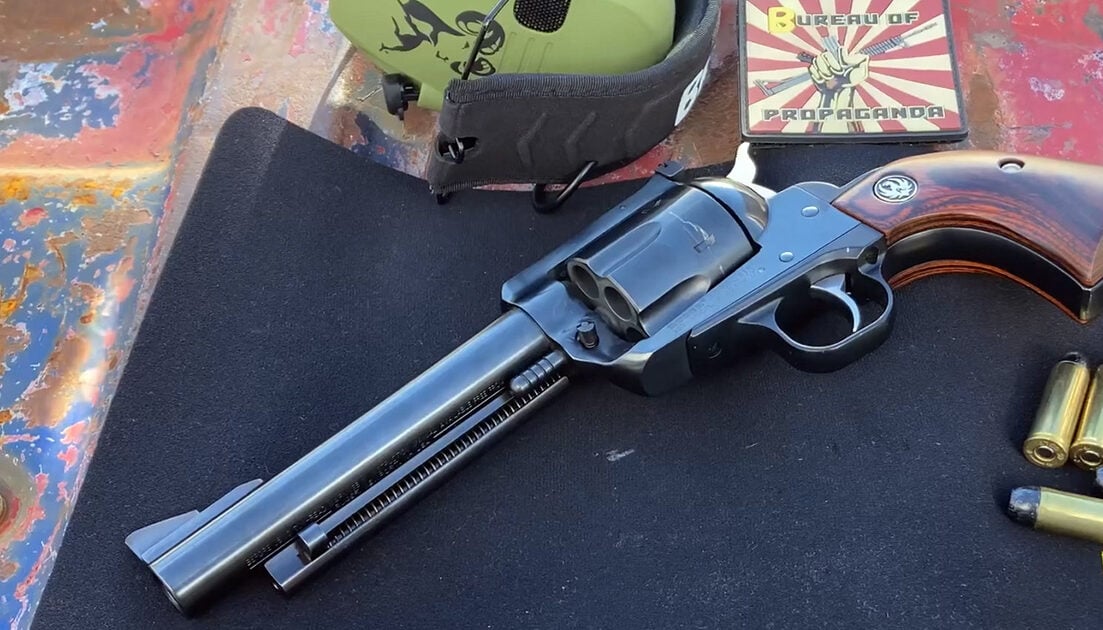
.45 Colt can be a very effective defensive round in the right revolver, especially with modern defensive loads. It also has that “big hole, moderate pressure” character that many shooters find manageable. In a strong revolver, it can be loaded stout, but that’s not the point here.
The point is carry practicality and consistency. If you pick .45 Colt, don’t turn it into a handloading science project unless you really know what you’re doing. Factory defensive ammo and steady practice beats experimenting.
16. .45 GAP
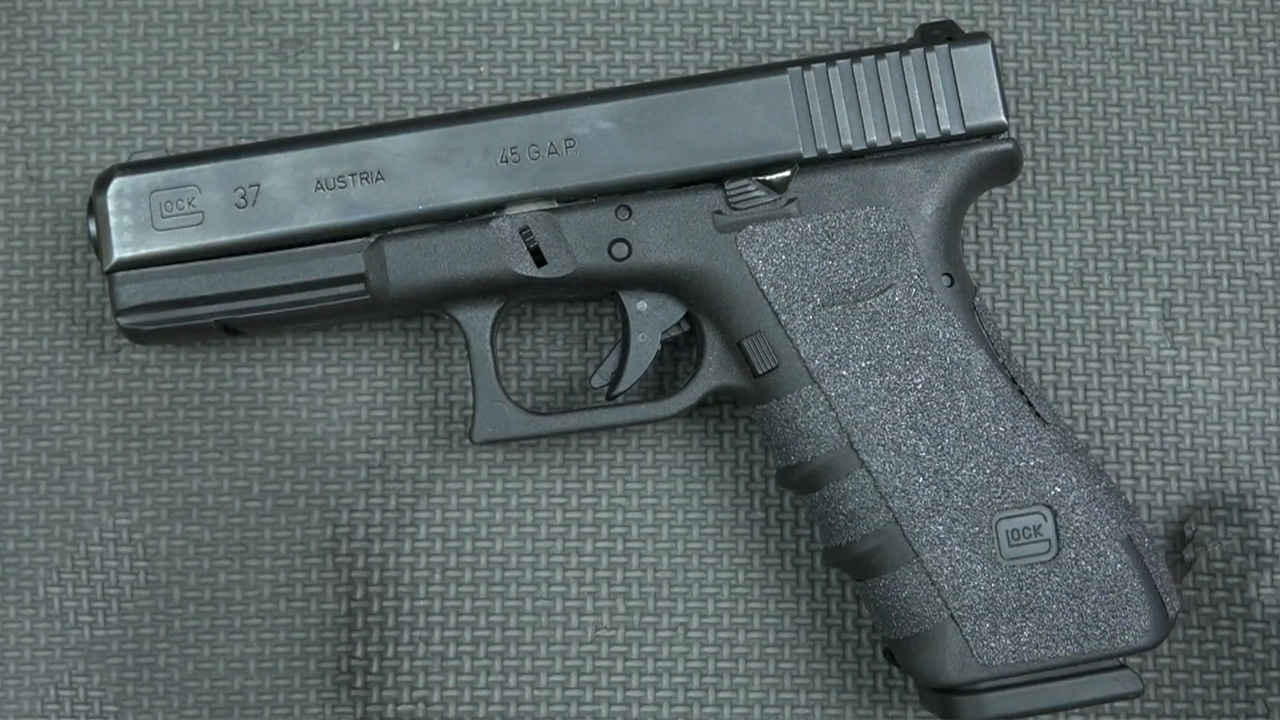
.45 GAP is the caliber you’ll hear about from a guy who bought one years ago and refuses to admit it’s a pain. It does what it was designed to do—.45 performance in a shorter case—but it never took over the world. Ammo can be scarce depending on where you live.
If you already own a reliable .45 GAP pistol and you can feed it, fine. If you’re choosing fresh, most folks are better served with .45 ACP just for availability.
17. 5.7x28mm

5.7 is fast, flat, and easy to shoot well. The recoil is mild, and many shooters can stay on target quickly. That’s the part that’s not hype. Where it gets messy is cost and the way people talk about it like it’s magic.
Defensive use comes down to using reputable loads and understanding that you’re still responsible for every round. If you won’t practice because it’s expensive, the advantages disappear fast.
18. .30 Super Carry
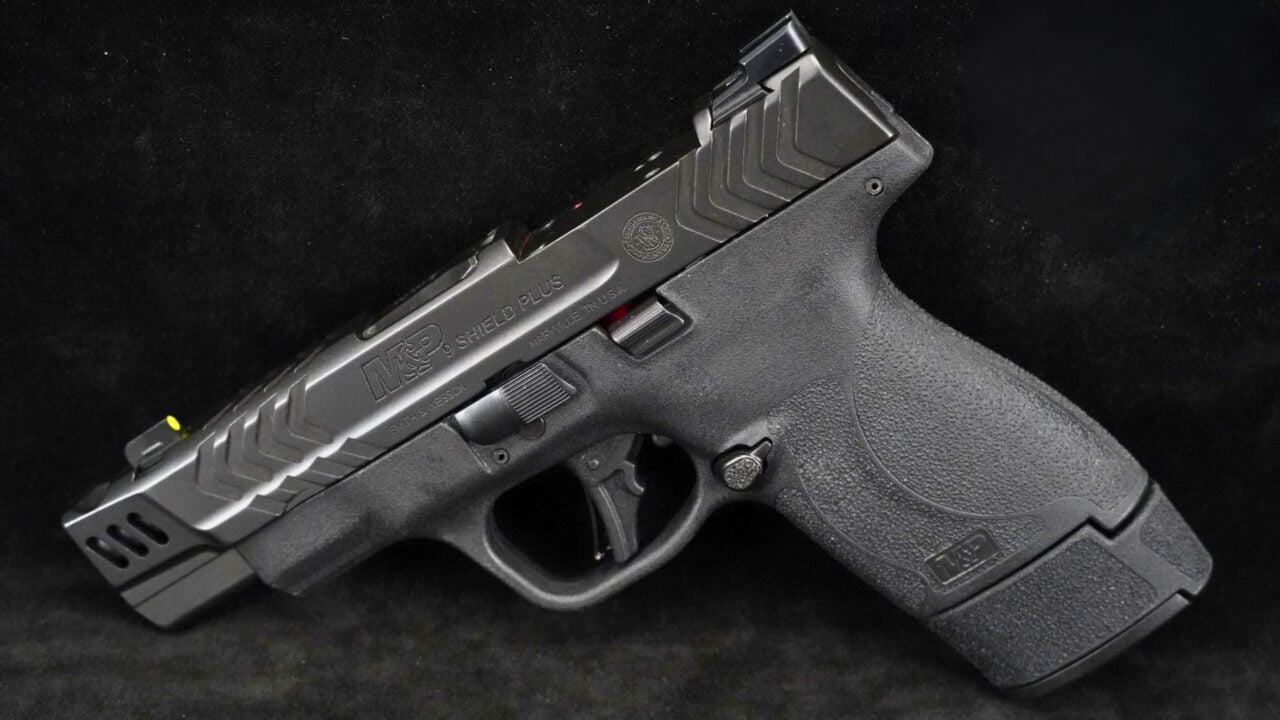
.30 Super Carry is one of the more interesting “new” defensive rounds because it tries to give you a little more capacity with manageable recoil. In practice, it can shoot well, and it’s not difficult to control in compact pistols.
The catch is support. Fewer gun options, fewer ammo options, and less shelf presence. If it sticks around, it could be a solid niche. For now, it’s a commitment.
19. .25 ACP
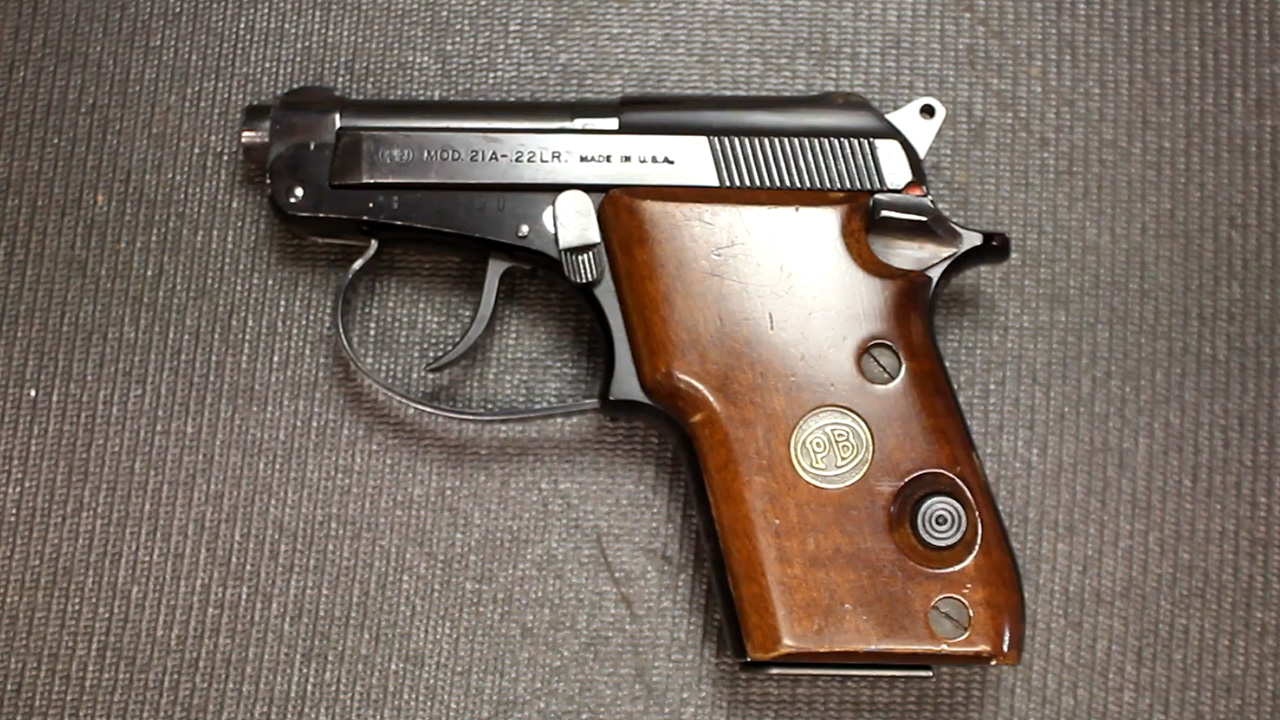
.25 ACP is not anybody’s first-choice defensive caliber, and it shouldn’t be. But it’s centerfire, and in tiny pistols it can be more reliable than rimfire. It also tends to feed smoothly in guns designed around it.
This is the “deep concealment, last-ditch” category. If it’s what you can realistically carry every day, it’s better than harsh language and a pocketknife. Just don’t let it replace training and common sense.
20. .357 SIG

.357 SIG is a caliber that earned a loyal following because it feeds well and tends to be accurate, with a sharp, high-velocity feel. It also has a distinct muzzle blast that will get your attention. In duty-size guns it can be a very effective setup.
The downside is cost and availability, plus wear-and-tear considerations compared to milder cartridges. If you love it and you shoot it well, it’s a strong option. If you’re on the fence, 9mm is the easier life.
If you read this list looking for permission to carry what you already shoot best, you probably found it. The caliber is only one slice of the pie. A reliable handgun, quality defensive ammo, a holster that actually holds the gun, and regular range time will do more for you than chasing the “perfect” cartridge ever will.
Like The Avid Outdoorsman’s content? Be sure to follow us.
Here’s more from us: