

Photo credit: S&R BALLISTICS/YouTube
Gun owners have short memories. A model can spend ten years earning a reputation as a dependable hunting rifle, carry pistol, or field shotgun, then disappear almost immediately once the manufacturer releases something newer. A few years later, people talk about the old gun as though it was merely an outdated stepping stone rather than a firearm that actually worked extremely well.
That happens especially often with guns that were never glamorous. They were bought to be carried, hunted with, left behind truck seats, or fired until the finish started wearing away. They rarely became safe queens, so the internet tends to remember the problems more clearly than the thousands of examples that simply did their jobs. Some of the guns below are discontinued and others are merely overshadowed. Either way, I think all 20 deserve more credit than shooters usually give them today.
Ruger SR9c
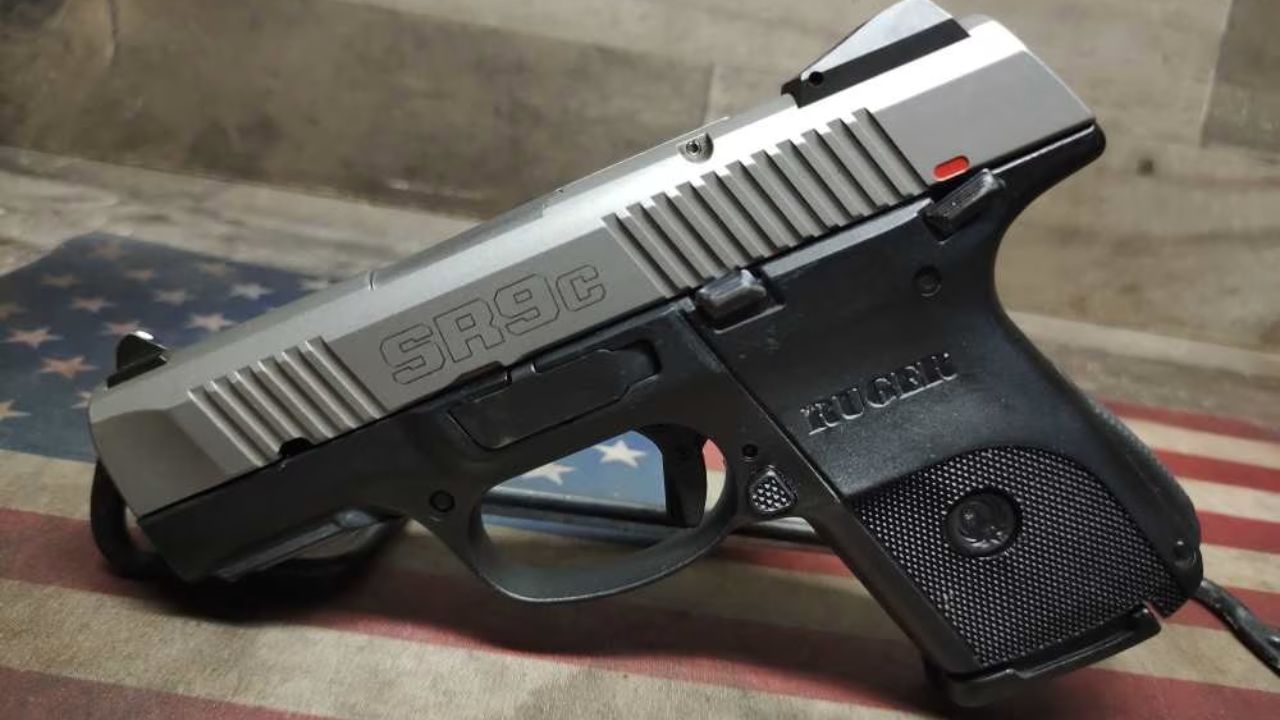
The SR9c arrived when compact striker-fired pistols were becoming one of the most competitive parts of the handgun market. Ruger gave it a relatively slim grip, compact dimensions, good magazine capacity for the period, and a trigger that was considerably better than some people expected from the company’s first serious attempt at a striker-fired service pistol. It was never as fashionable as a Glock 19, which probably explains why people rarely mention it now.
Shoot one today and the gun holds up better than its forgotten status suggests. The grip is comfortable, the recoil is mild, and the extended magazine gives you a surprisingly versatile compact pistol. It also has a manual safety and loaded-chamber indicator that some shooters disliked, but neither prevents it from being a genuinely good shooter. Ruger moved on to newer platforms, yet a proven SR9c remains much more capable than its resale value or current popularity implies.
Smith & Wesson Model 457
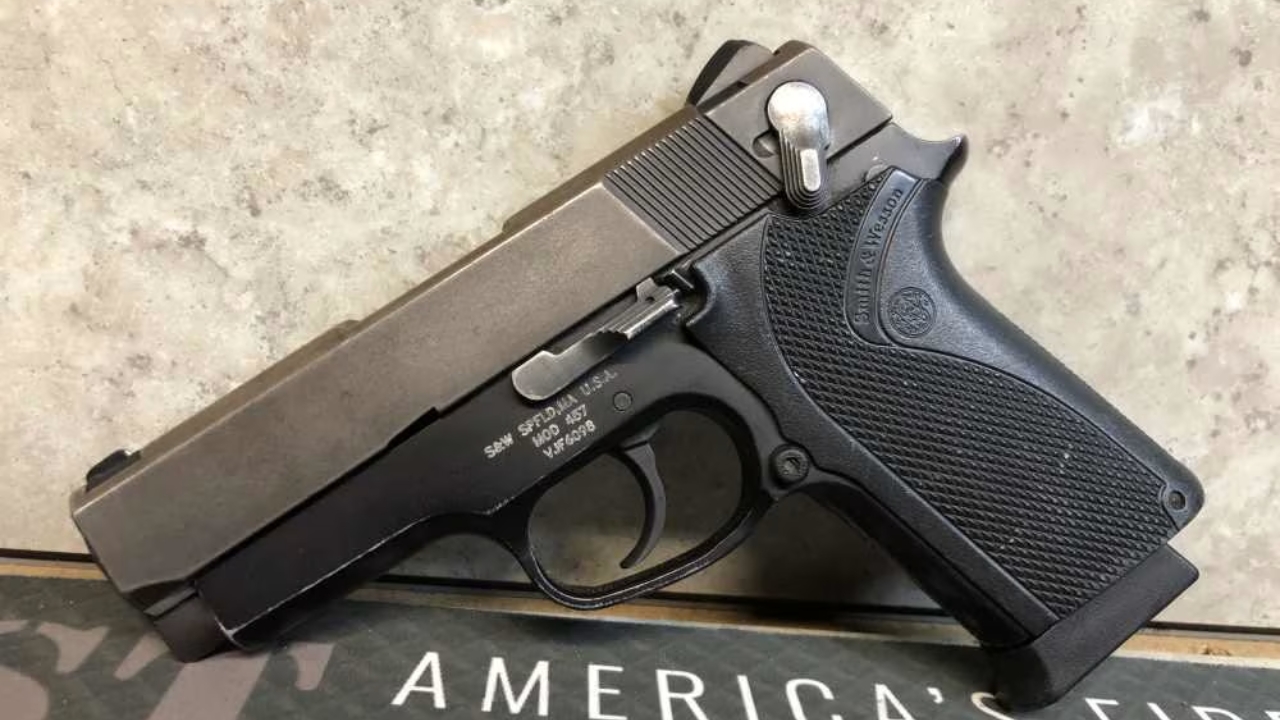
The Model 457 was never one of Smith & Wesson’s glamorous semiautomatics. It was essentially a practical compact .45 ACP designed to provide the company’s traditional DA/SA operating system without the cost or finish of its more upscale third-generation pistols. That modest positioning caused a lot of people to treat it as merely a budget Smith.
The gun deserves better than that. Its relatively compact dimensions, alloy frame, and single-stack magazine make it surprisingly comfortable to carry for a .45. There is enough grip and slide mass that the cartridge remains manageable, while the traditional Smith controls are familiar to anyone who has spent time with the company’s older service pistols. It is not light by today’s standards and it does not hold much ammunition. What it does offer is a stout, straightforward compact .45 that often runs far better than people remember.
SIG Sauer P232

The P232 tends to be remembered as an expensive .380 from an era before micro 9mms made the entire category look outdated. That description is technically fair, but it ignores how refined the pistol actually is. The slim frame, beautifully shaped grip, exposed hammer, and smooth DA/SA trigger make it feel more like a scaled-down European service pistol than a pocket gun.
Recoil can still be sharper than expected because of the blowback action, but the pistol handles beautifully once you become familiar with it. The fixed barrel also contributes to excellent practical accuracy, and the overall quality is immediately obvious beside cheaper polymer .380s. No, I would not argue that a P232 beats every modern carry pistol on capacity or weight. It beats plenty of them in handling, craftsmanship, and the sheer pleasure of shooting something that feels like a finished mechanical object.
FN FNP-45
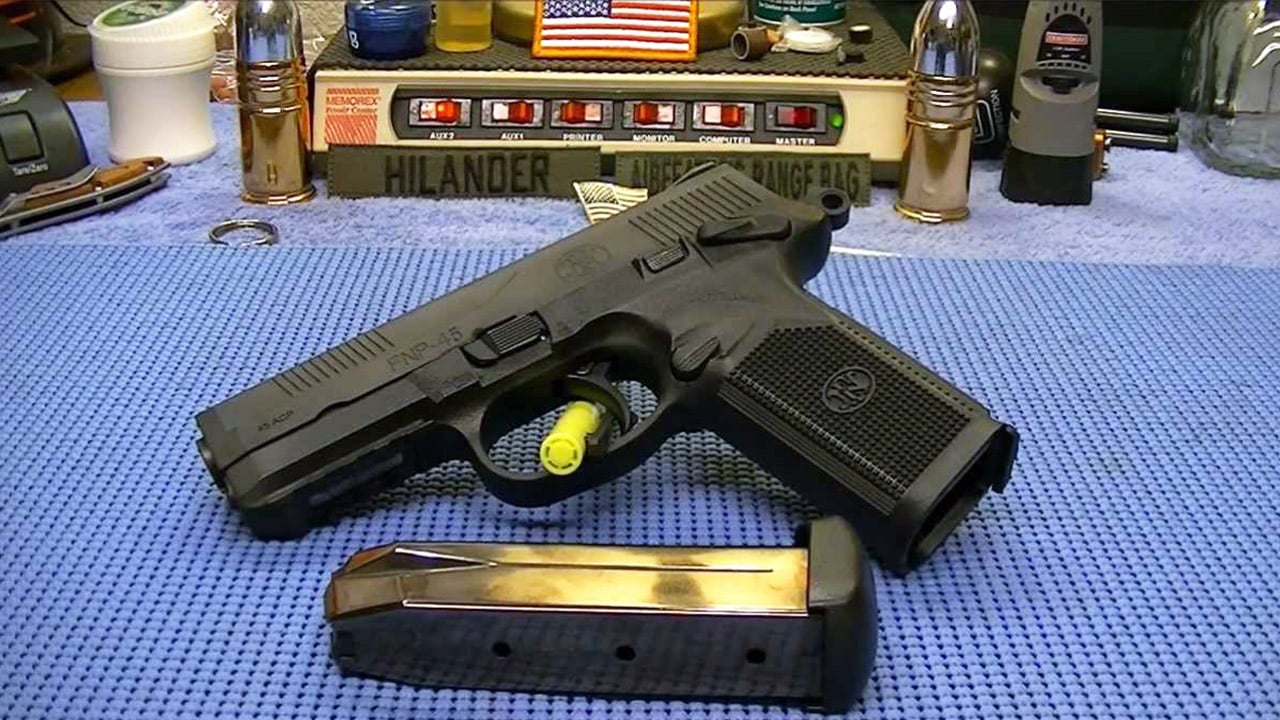
The FNX-45 eventually became the big FN .45 everyone remembers, which pushed the earlier FNP-45 almost completely out of the conversation. That is unfortunate because the FNP was already a very capable pistol. It combined a polymer frame with a traditional hammer-fired action, generous .45 ACP capacity, interchangeable backstraps, and controls that felt designed around serious service use.
The pistol is undeniably large. That size is also why it shoots .45 ACP so comfortably. There is enough grip to get both hands involved, enough slide mass to control the cartridge, and enough capacity that the gun still compares favorably with many newer .45s. The FNP never had the optics-ready features of later tactical pistols, but not everyone needs them. As a basic high-capacity hammer-fired .45, the old FN remains far better than its lack of current attention suggests.
Walther PPX
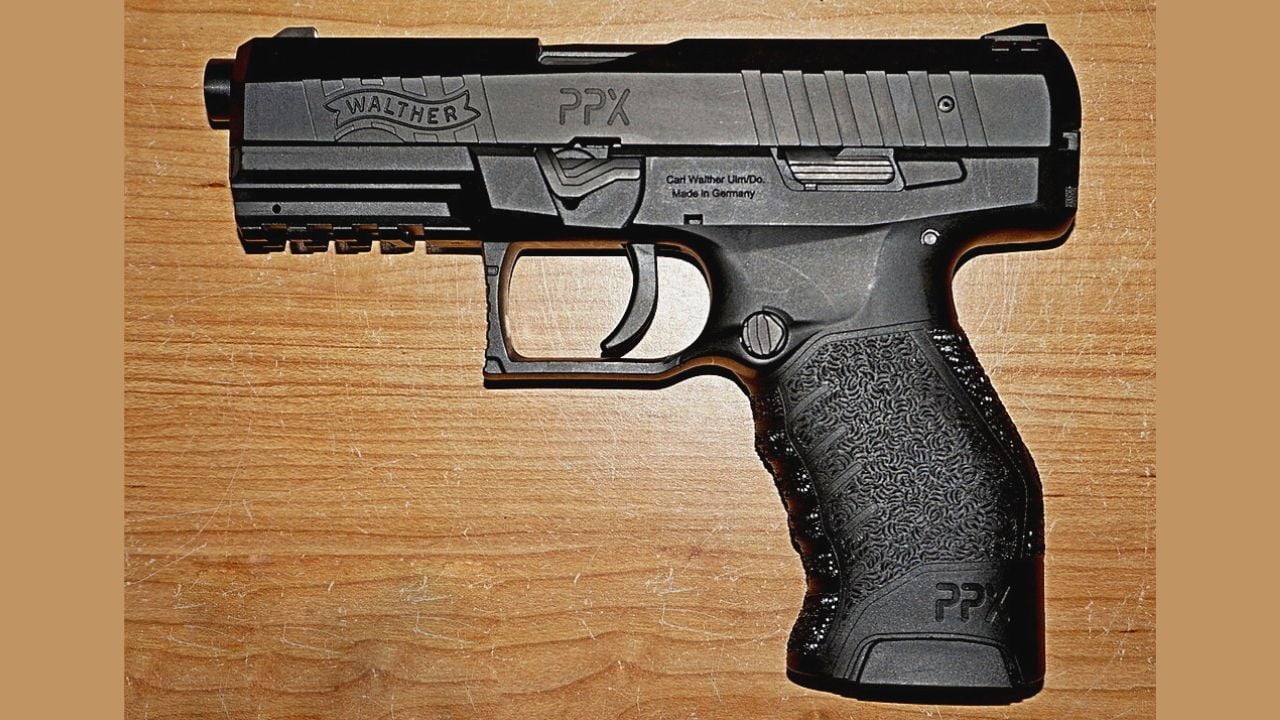
The PPX may be one of the strangest-looking pistols Walther ever released, and appearance probably hurt it more than performance did. The oversized slide, unusual trigger guard, and bulky profile made the gun look almost crude compared with the elegant PPQ that sat above it in Walther’s lineup.
Actually shooting one tells a different story. The trigger is much better than the exterior leads you to expect, recoil is easy to manage, and the pistol has enough grip area to make rapid shooting comfortable. Walther used an internal hammer-fired system rather than the conventional striker setup found on many competitors, yet operation remained straightforward.
The PPX was inexpensive when new and was treated accordingly. That caused shooters to forget that the basic gun worked extremely well. It is not pretty, but pistols do not need to be pretty to put rounds exactly where you want them.
Beretta 90-Two
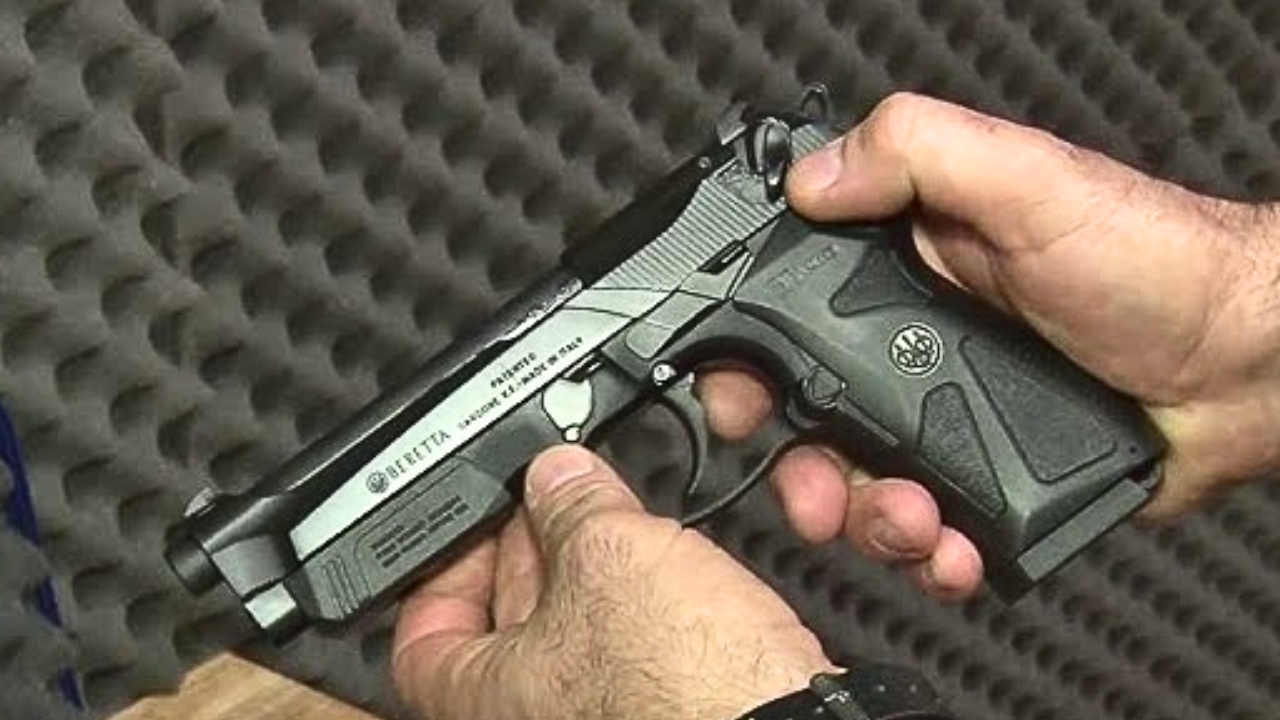
The 90-Two appeared between the classic 92-series pistols and the later modernized variants, and it never seemed to develop a permanent identity of its own. Beretta wrapped the familiar locking system and DA/SA action in smoother contours, added an accessory rail, and used a removable grip sleeve that gave the frame a more contemporary appearance.
A lot of shooters simply preferred the looks of the traditional 92. That does not mean the 90-Two was worse. Mechanically, it retains the smooth cycling, mild recoil, and dependable operation that make Beretta’s full-size 9mms so enjoyable. The grip sleeve system is unusual, but the pistol itself shoots extremely well.
I would not necessarily choose one over every current Beretta. I would absolutely choose one over many people’s memory of the model as some awkward failed experiment. Underneath the styling is an excellent service pistol.
Savage Model 10 FP
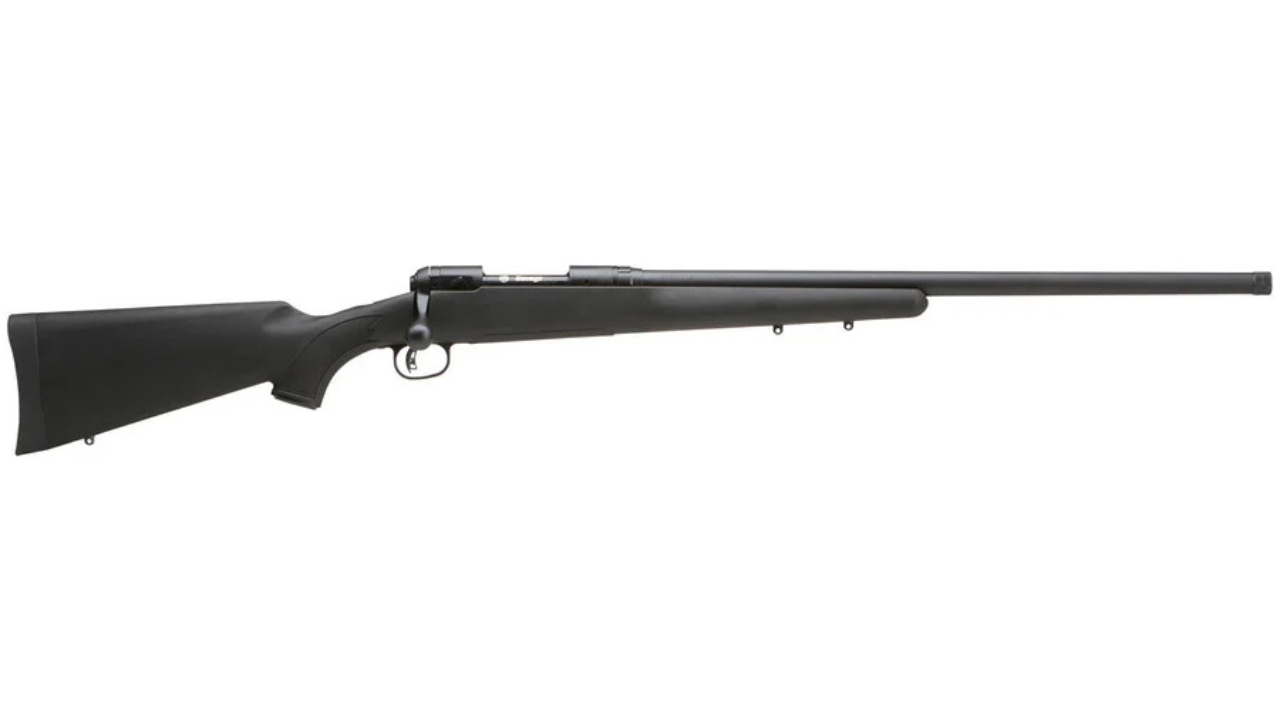
The Model 10 FP was one of the rifles that helped shooters realize a factory bolt action did not need a beautiful stock or enormous price tag to shoot extremely well. Savage built these heavy-barreled rifles primarily around practical accuracy, giving them the kind of plain synthetic furniture and workmanlike finish that kept attention focused on what happened downrange.
That was where the rifle usually impressed. Savage’s floating bolt head, barrel-nut system, and later AccuTrigger-equipped versions gave ordinary shooters access to accuracy that previously seemed associated with much more expensive rifles. The stock on some versions was hardly inspiring, but the barreled action could be excellent.
Modern precision rifles now come covered in chassis systems, adjustable combs, and modular accessories. An old Model 10 FP looks primitive beside them. Put both on a bench, though, and the Savage may remind you that rifles were capable of tight groups long before every stock had an M-Lok slot.
Remington Model 700 ADL Synthetic
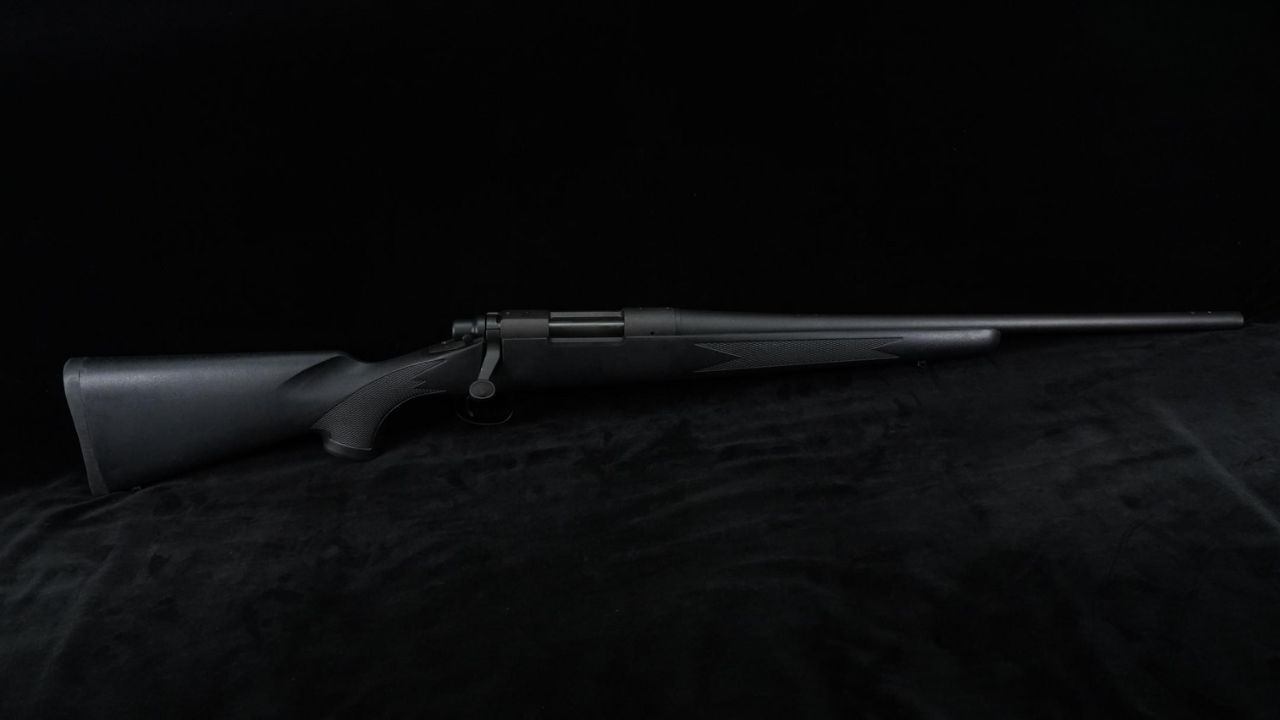
The basic ADL Synthetic has spent so long being treated as the cheap Model 700 that people sometimes forget it is still built around the same core action that made the 700 famous. The blind magazine, inexpensive molded stock, and plain finish kept the price low, but none of those things automatically prevented the rifle from shooting well.
Plenty of hunters bought these as affordable deer rifles and discovered they had barrels capable of very respectable accuracy. The rifle is also wonderfully straightforward. There is no detachable magazine to lose, no complicated chassis, and very little hanging off the gun that does not need to be there.
A modern rifle can offer a better stock and far more adjustability right out of the box. That does not erase the fact that many old ADLs simply shoot. If I found one with a good bore and known accuracy, I would care far more about its groups than its cheap furniture.
Remington Model 7400
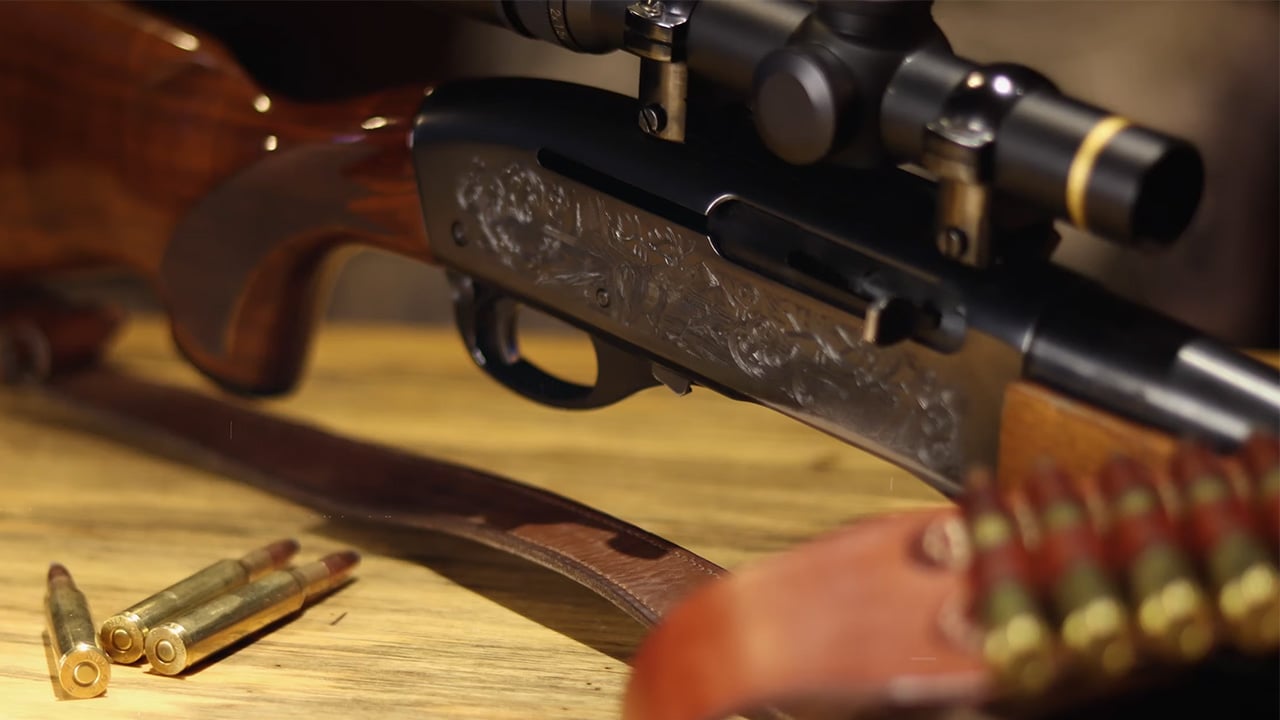
The 7400 is often remembered mostly through stories about neglected examples that became unreliable. That reputation has some basis because these rifles do not tolerate endless abuse the way a bolt action might, but it also obscures what a properly maintained 7400 actually does well.
For the deer hunter working in woods and fields at ordinary distances, the rifle provides fast follow-up shots, familiar sporting-rifle ergonomics, and cartridges such as .30-06 and .270 Winchester in a package that does not look or handle like a military-style semiautomatic. That made it extraordinarily practical for generations of hunters.
The key is condition and maintenance. I would inspect a used one carefully rather than assuming every 7400 is excellent. A good example, however, is much more useful than its internet reputation suggests. Thousands of deer camps did not keep these rifles around for decades because none of them worked.
Ruger Deerfield Carbine

The Deerfield Carbine took the basic appeal of Ruger’s earlier .44 Magnum semiautomatic rifles and modernized it with a rotary magazine and updated action. It was compact, fast-handling, and chambered for a cartridge that makes a great deal of sense at close woods distances.
The rifle never stayed in production long enough to become as common as it deserved. That is unfortunate because a short semiautomatic .44 Magnum occupies a useful niche. Recoil is manageable, the rifle carries easily, and the cartridge gains meaningful performance from the longer barrel compared with a revolver.
Modern shooters often jump immediately to pistol-caliber carbines in 9mm or lever guns in .44 Magnum. The Deerfield sits between those categories in a way few current rifles do. People who remember it only as another discontinued Ruger are missing how clever the package really was.
Free for gun owners: If something happened to you tomorrow, would your family know where the guns are, who has the safe combination, or what to do first? Our free Gun Owner’s Family Checklist walks them through it. It takes about 15 minutes to fill out. Get your free copy here.
Marlin 917V
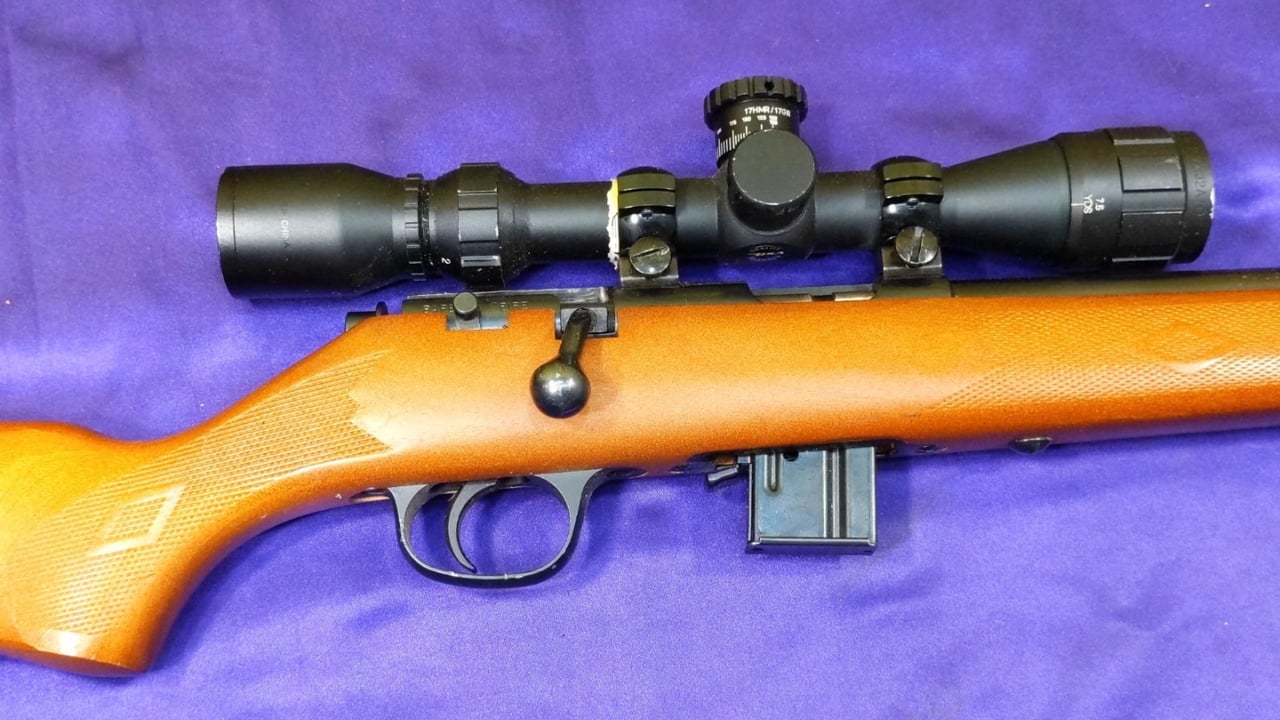
The 917V arrived during the early explosion of interest in .17 HMR, when manufacturers were rushing to produce rifles for the fast little rimfire cartridge. Marlin’s version was not flashy. It was essentially a straightforward bolt-action rimfire with a heavy barrel and basic stock.
That combination worked extraordinarily well. The .17 HMR cartridge is already capable of excellent small-game and varmint accuracy, and the heavy-barreled Marlin gave shooters a stable platform without forcing them into expensive target-rifle territory. The trigger on some examples was not perfect, but once everything came together these rifles could be remarkably precise.
New rimfire rifles now offer better stocks, adjustable triggers, and threaded barrels almost as standard equipment. None of that changes what a good 917V can do on paper. Some inexpensive older rifles remain worth keeping simply because they figured out the accuracy part early.
Browning Gold Hunter

The Gold Hunter tends to disappear from discussions because Browning’s newer semiautos have replaced it in the catalog and Benelli or Beretta often dominate online recommendations. The old Gold deserves far more respect. Its gas-operated action makes it wonderfully soft-shooting, and the shotgun was offered in configurations capable of handling a tremendous variety of hunting.
The gun has enough weight that it is not the first shotgun I would choose for climbing mountains after upland birds. That mass becomes a major advantage when shooting heavy waterfowl loads or spending an afternoon breaking clays. The action also has a smooth, substantial feel that many owners still appreciate.
A clean Gold Hunter is not suddenly useless because newer Browning designs exist. For someone who wants a dependable gas semiauto and does not care about owning the latest model, the older Browning remains remarkably capable.
Beretta AL391 Urika

The AL391 Urika comes from a period when Beretta had already figured out how to build an excellent gas semiautomatic but had not yet moved into the current A400 generation. That left the 391 in an awkward position today: too new to feel truly vintage and old enough that many people have forgotten just how good it was.
The gas system makes recoil wonderfully mild, and the gun’s balance works equally well on sporting clays and in the field. It also has the smooth mechanical feel that made Beretta semiautos such a common sight among serious shotgun shooters.
Newer designs may run cleaner and offer bigger controls or more advanced recoil systems. I still would not feel undergunned with a good 391. For most ordinary bird hunting and clay shooting, it provides practically everything a shooter actually needs.
Franchi I-12
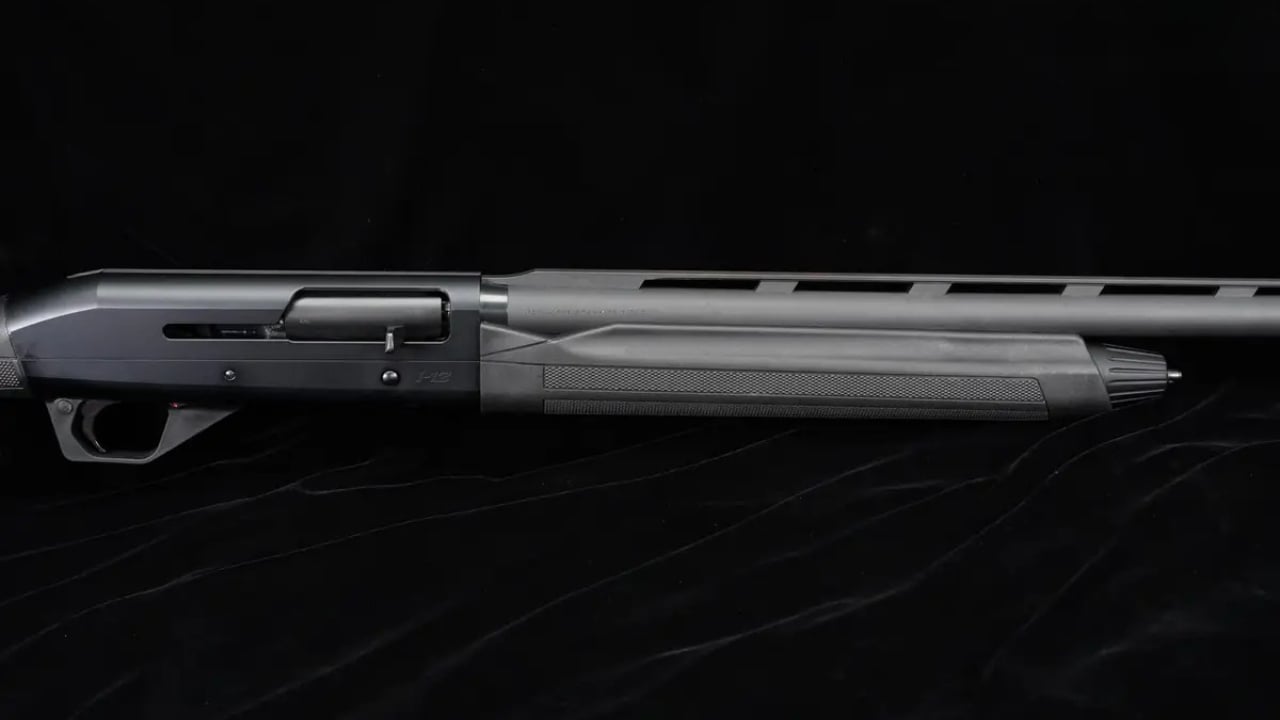
The I-12 never became one of Franchi’s best-known semiautomatic shotguns, partly because the brand lived in the shadow of Benelli and because later Affinity models became easier to explain to buyers. The I-12 used an inertia-driven action and offered the same basic advantages that make that system appealing: relatively clean operation, straightforward maintenance, and light overall weight.
That makes it an especially good field shotgun. Carrying one all day is easier than carrying a heavy gas gun, and the gun points quickly when birds flush unexpectedly. You do feel more recoil because there is less weight and no gas system helping soften the impulse, but that is a trade many hunters happily accept.
The I-12 is not a revolutionary shotgun. It is simply a good one that arrived without enough attention. Sometimes that is all it takes for a capable gun to disappear from memory.
SKB Model 500
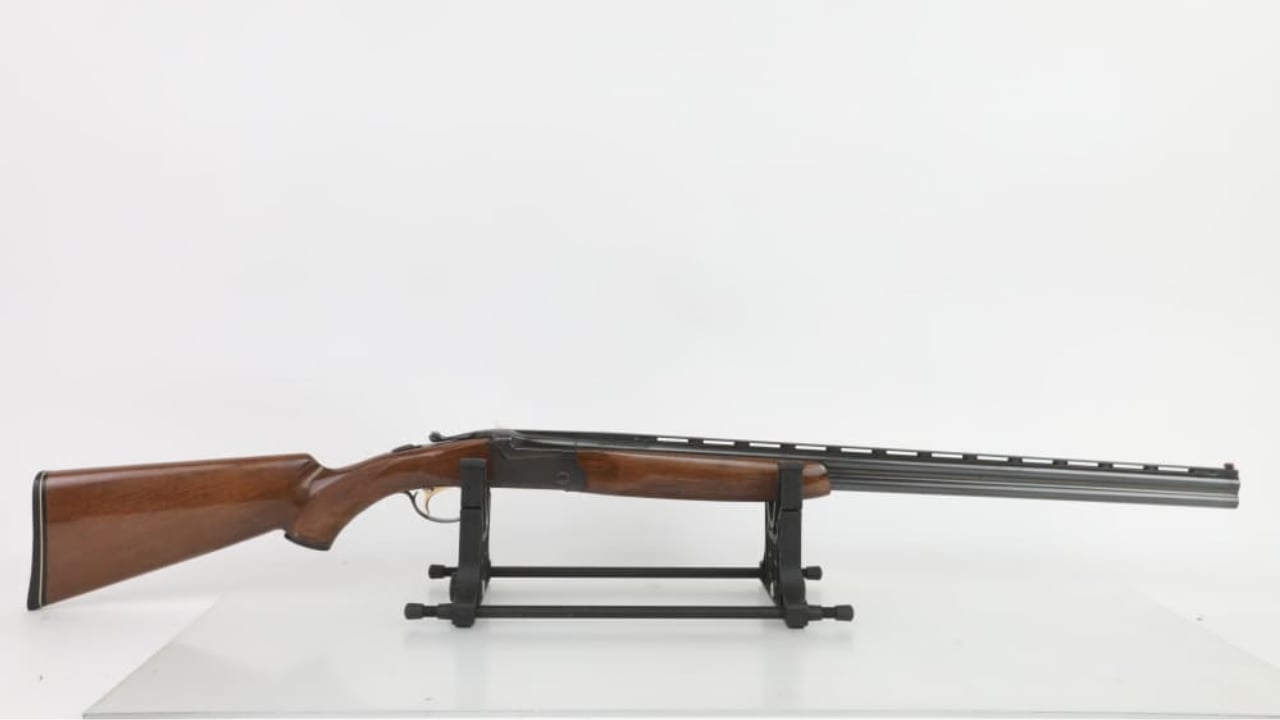
The SKB 500 is exactly the sort of older Japanese over-under that people walk past while focusing on Browning and Beretta. That can be a mistake. SKB built well-made sporting shotguns with solid lockup, good balance, and fit and finish that often seems surprisingly high when compared with the prices these guns once commanded.
The Model 500 works particularly well as a field and recreational clay gun. It lacks the brand recognition of a Citori or Silver Pigeon, but when the gun fits the shooter properly, birds and clay targets do not care what name appears on the receiver.
Parts availability deserves consideration with any discontinued shotgun, which is why condition matters. A clean example that locks up tightly can provide an enormous amount of shooting for someone willing to look beyond the most recognizable names. Older SKBs deserve much more respect than they usually receive.
Mossberg 930 Field
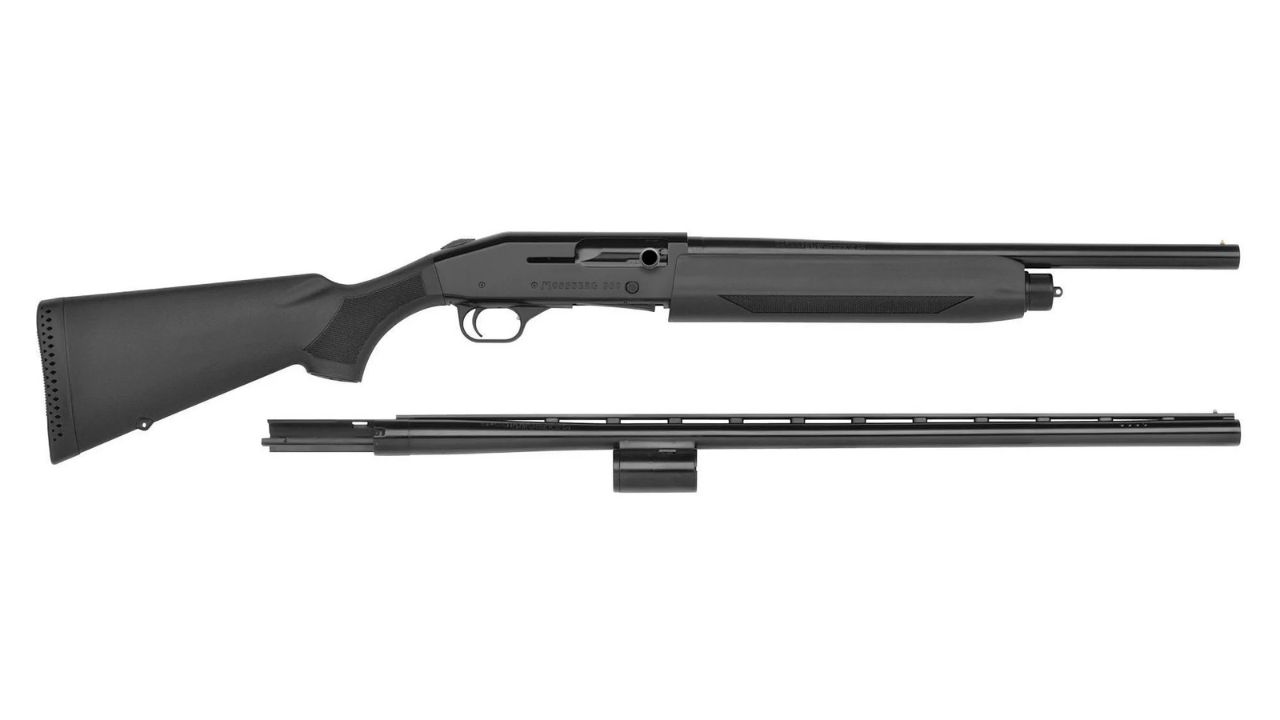
The 930 spent years being treated as the less glamorous alternative to more expensive gas-operated semiautos. Some early or heavily neglected guns developed reputations for needing more cleaning than inertia-driven competitors, and those stories eventually became a large part of how shooters remembered the platform.
A properly maintained 930 Field can be an extremely pleasant shotgun. The gas action keeps recoil down, the controls are easy to understand, and the gun provides enough weight and stability for long days of dove shooting or clay practice. Mossberg also priced it so that owners were not afraid to actually use the thing.
The later 940 addressed several areas where the 930 could be improved, but improved does not mean the older gun became bad overnight. If an individual 930 runs well, there is very little reason to apologize for owning it.
Smith & Wesson Model 649 Bodyguard

The Model 649 is sometimes lost in the endless discussion of lighter J-frame revolvers. Its stainless-steel construction makes it heavier than the tiny Airweights people tend to recommend for deep concealment, while the shrouded hammer gives it an appearance that is less familiar than the classic exposed-hammer Model 60.
That extra weight is exactly why I like it. Lightweight .357 revolvers can be miserable with serious ammunition, while the steel 649 gives your hand substantially more mass to work with. The shrouded hammer also allows thumb-cocking for a deliberate single-action shot while remaining much less likely to snag during a draw.
It is not as light as modern buyers expect a small revolver to be. That does not make it worse. Sometimes the ounces everyone removed were helping more than shooters remember.
Charter Arms Bulldog .44 Special
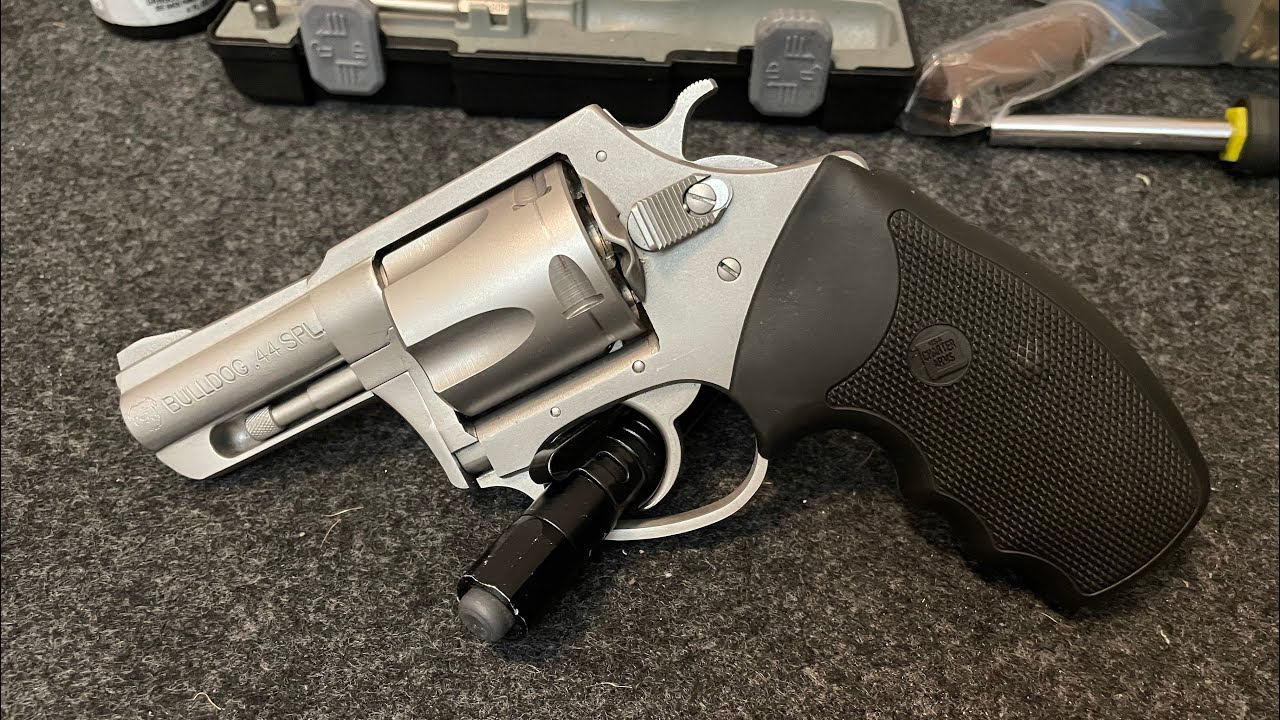
The Bulldog has spent decades being treated as a strange little revolver that exists mainly because it chambers a large bullet in a relatively small package. That description misses why the concept has remained alive for so long. The .44 Special cartridge can provide substantial performance without requiring the size and weight of a full .44 Magnum revolver.
The Bulldog itself is light enough to carry but large enough to remain usable. It is not a premium revolver with the polish of an expensive Smith or Colt, and nobody should buy one expecting that level of finish. What you get is a compact big-bore revolver with an unusually straightforward purpose.
Modern semiautomatics have made the capacity look limited, but the Bulldog was never trying to compete on capacity. It was trying to put a large, controllable cartridge into a gun ordinary people could actually carry.
Ruger Mark III 22/45
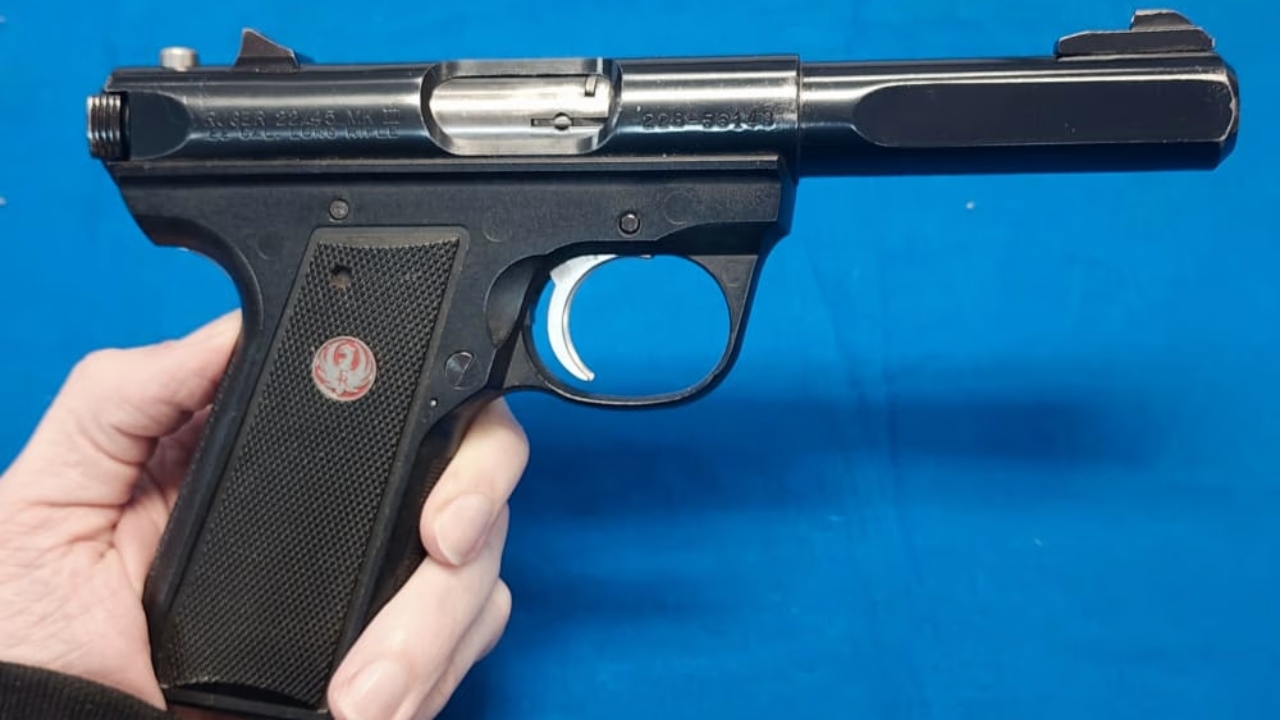
Mention the Mark III and somebody will immediately complain about taking it apart. That reputation is completely deserved. Reassembly could turn a pleasant afternoon of rimfire shooting into an argument with a mainspring housing, hammer strut, and the laws of geometry.
The problem is that the annoying takedown procedure has become so dominant in people’s memories that they sometimes forget how well the pistol actually shoots. The 22/45 grip angle mimics a 1911 more closely than the traditional Ruger rimfire frame, the fixed barrel provides excellent accuracy, and the substantial upper assembly makes recoil essentially nonexistent.
The Mark IV solved the takedown problem brilliantly, but it did not suddenly make every Mark III a bad pistol. If you can tolerate the maintenance ritual, the old 22/45 is still an outstanding rimfire shooter.
Weatherby SA-08
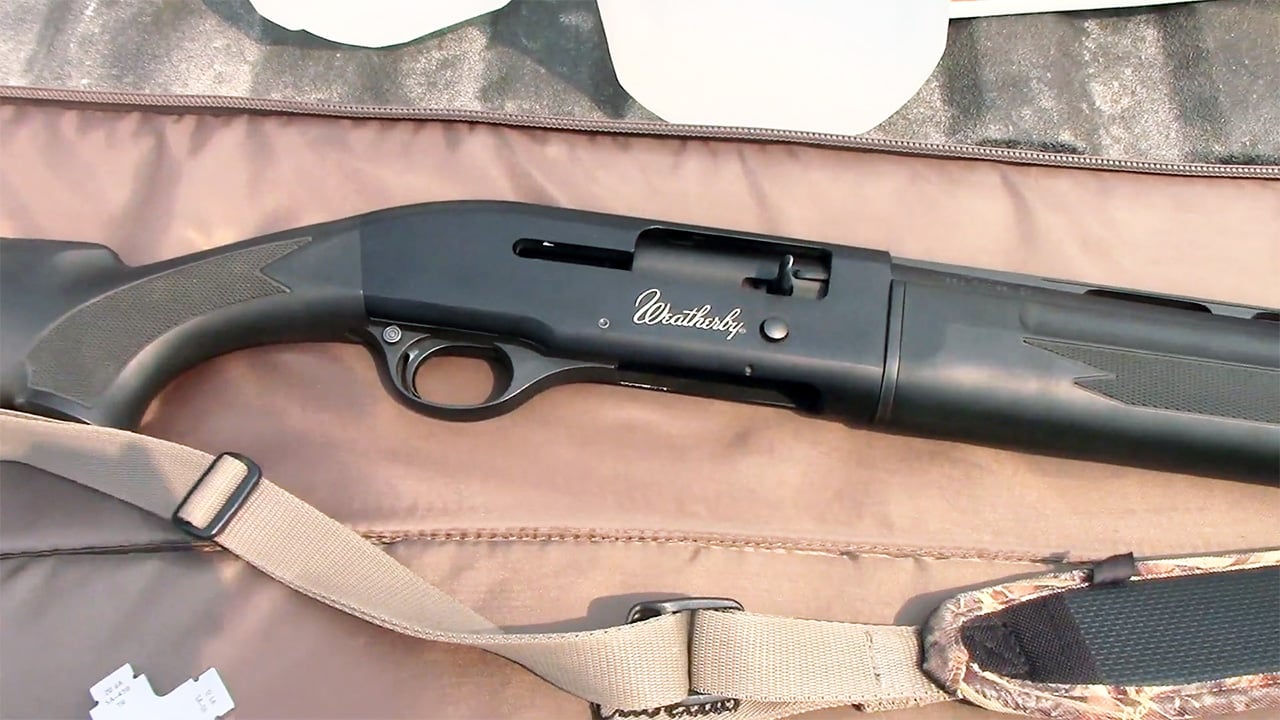
The SA-08 never attracted the same attention as Weatherby’s rifles, and that may be why many shooters barely remember the shotgun. It was a reasonably priced gas-operated semiautomatic offered in useful gauges and field configurations, designed to provide a straightforward hunting gun rather than something overloaded with premium features.
What owners often discovered was how pleasant the gun was to shoot. The gas operation helped control recoil, the shotgun carried reasonably well, and the basic layout made it suitable for doves, upland birds, clays, and other ordinary field work. It delivered exactly what many hunters actually need.
Weatherby eventually moved on to newer shotgun designs, but that does not erase the SA-08’s strengths. A clean, reliable example still does the same jobs it always did, and it often does them for far less money than shooters expect from a competent gas semiautomatic.
Like The Avid Outdoorsman’s content? Subscribe to our newsletter so you never miss an article.
Here’s more from us:


