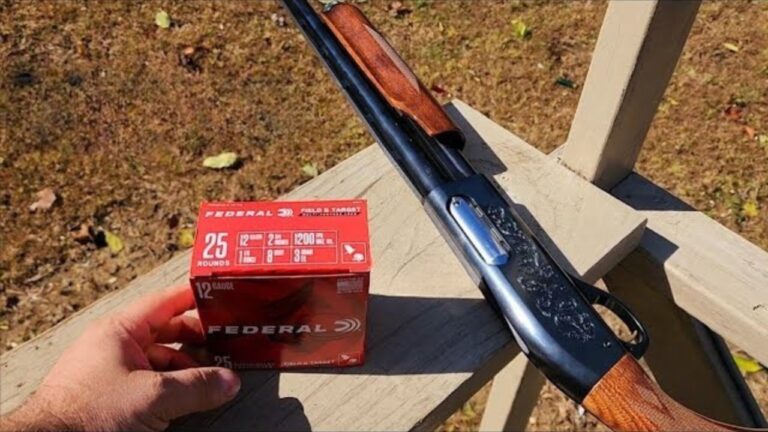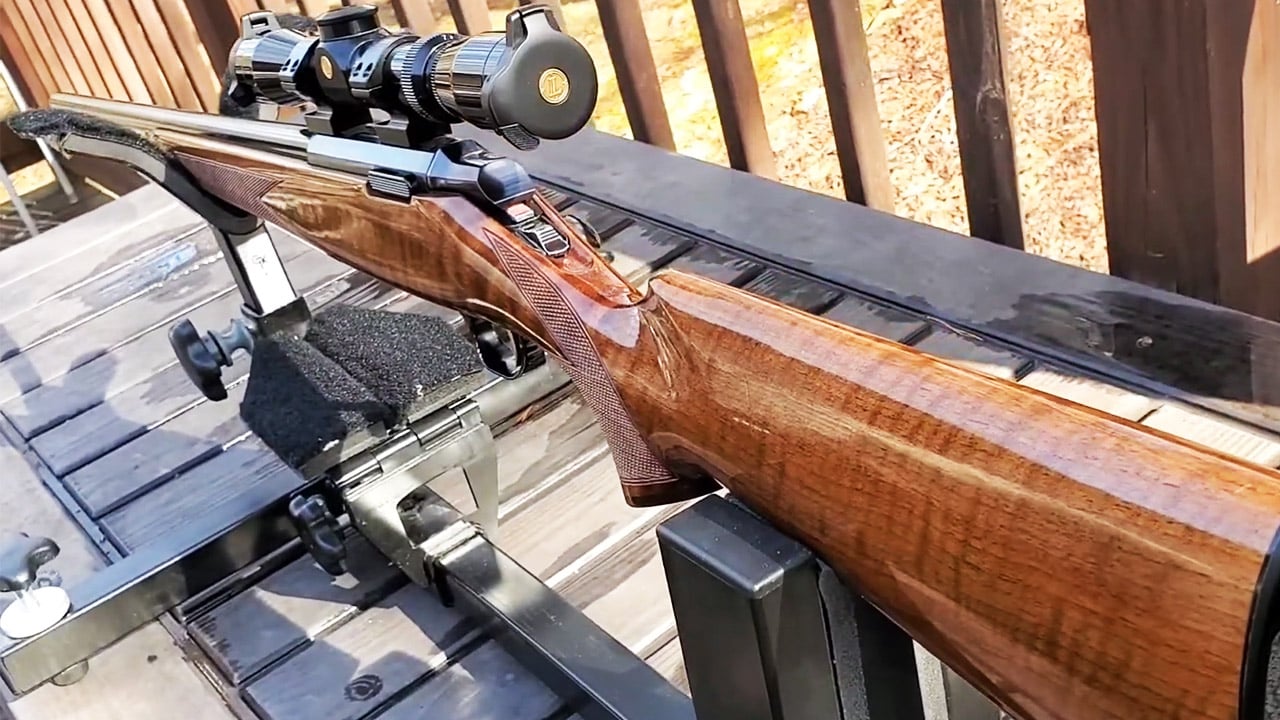
Photo credit: BlueLightBandit/Youtube
Every deer camp has at least one rifle that “isn’t made anymore,” and the owner mentions it like a warning label. Not because it’s rare and fancy, but because it does a job so well the owner doesn’t trust the replacement options. Discontinued doesn’t always mean “better,” but it often means the good ones are getting harder to find in clean shape, with the right magazines, the right rings, and the little parts nobody thinks about until something breaks.
Here are 20 rifles I keep seeing folks hang onto long after the catalogs moved on—because they hunt right, carry right, and flat-out work.
1. Remington Model 700 ADL (older production)

There are plenty of opinions about the 700, but the older ADL rifles are still riding behind pickup seats and in scabbards for a reason. They’re not fancy. They just balance well, the aftermarket is endless, and they tend to shoot “good enough” with boring old hunting ammo.
The best part is how easy they are to live with. Parts, bases, triggers, stocks—if you’ve got a worn ADL with honest blueing and a smooth bolt, it’s hard to talk yourself into selling it for the latest budget rifle that feels like a stapler.
2. Winchester Model 70 (pre-’64)
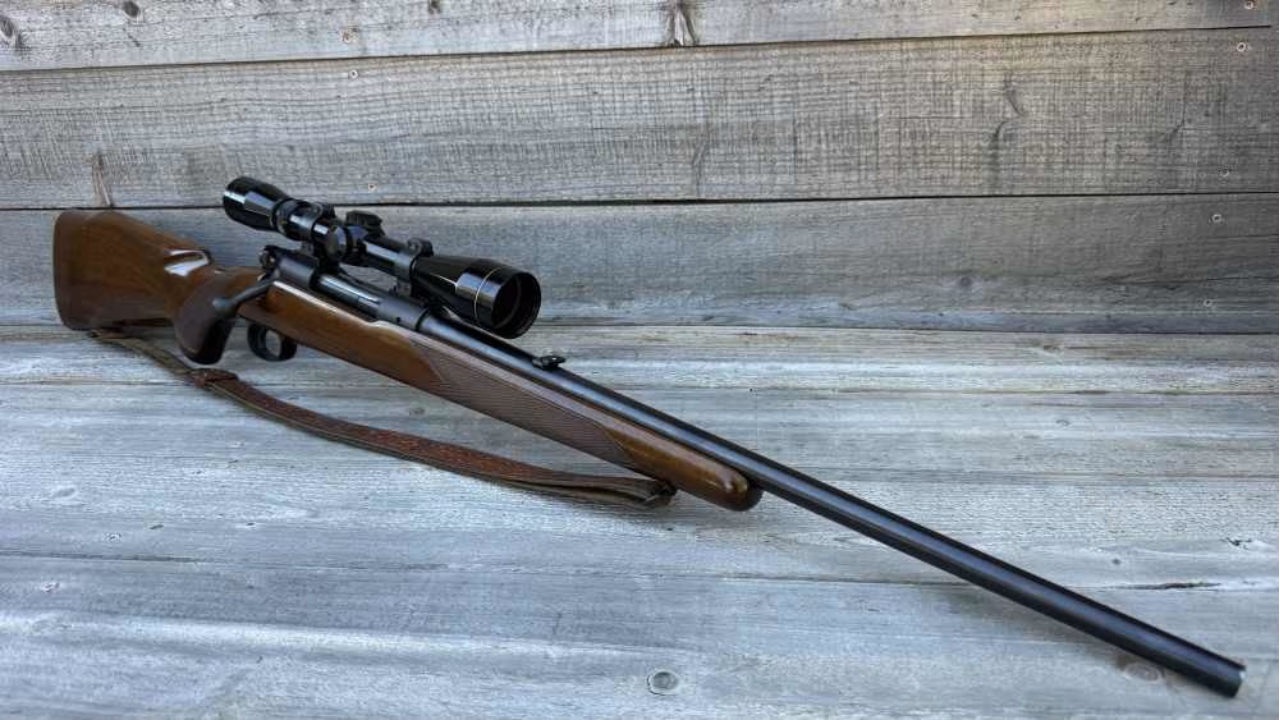
These are the classic ones that old-timers won’t shut up about, and I get it. The controlled-round feed is confidence-inspiring when you’re working the bolt fast in the cold, and the whole rifle has that “built by people” feel.
They’re not lightweight, and they’re not cheap anymore, but they’re the kind of rifle you can hand to the next generation without an apology. If you’ve got one that shoots and the stock isn’t cracked, there’s a reason it never makes it to the gun show table.
3. Ruger M77 Mark II (tang safety fans will argue, but this one sticks)
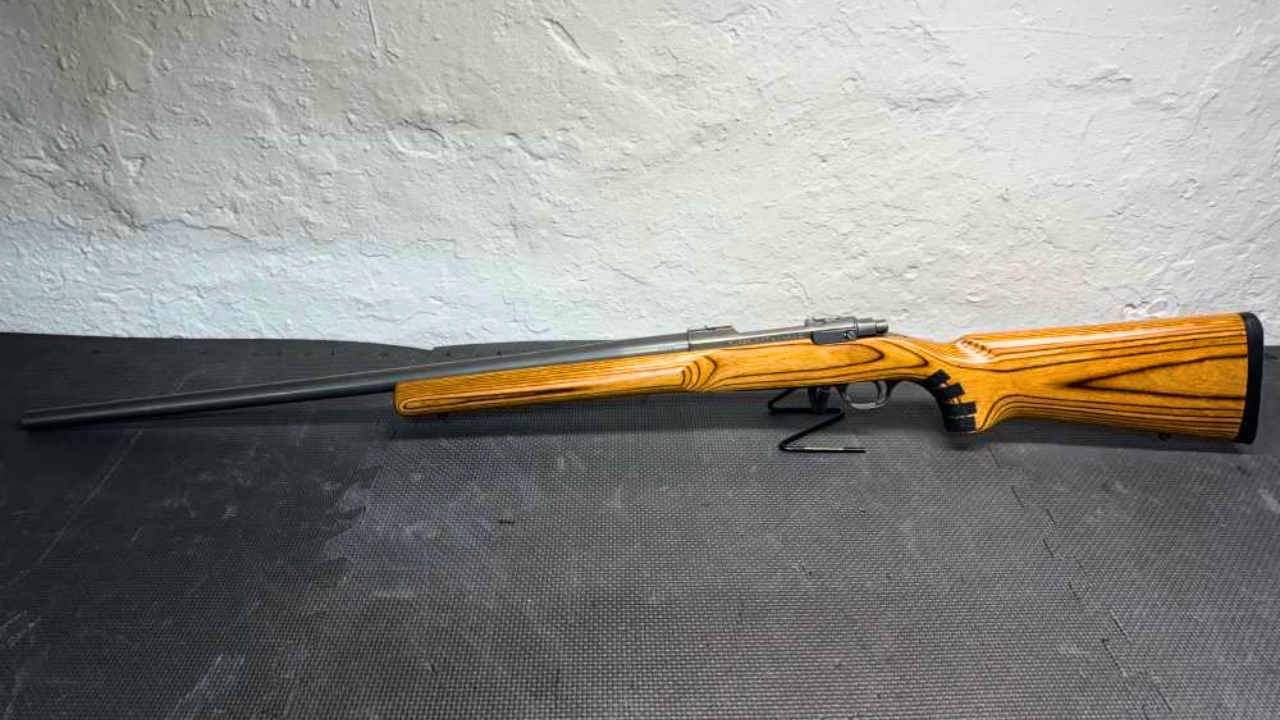
The Mark II is one of those rifles that feels like a tool, not a product launch. The action is stout, the extractor is serious, and they tend to be reliable in dirty, wet hunting conditions where you don’t get do-overs.
They’re not always the slickest bolt you’ll ever run, and triggers vary, but the overall package just works. A lot of guys who sold theirs end up hunting down another one later because the newer stuff didn’t feel as trustworthy.
4. Ruger M77 (original tang safety)
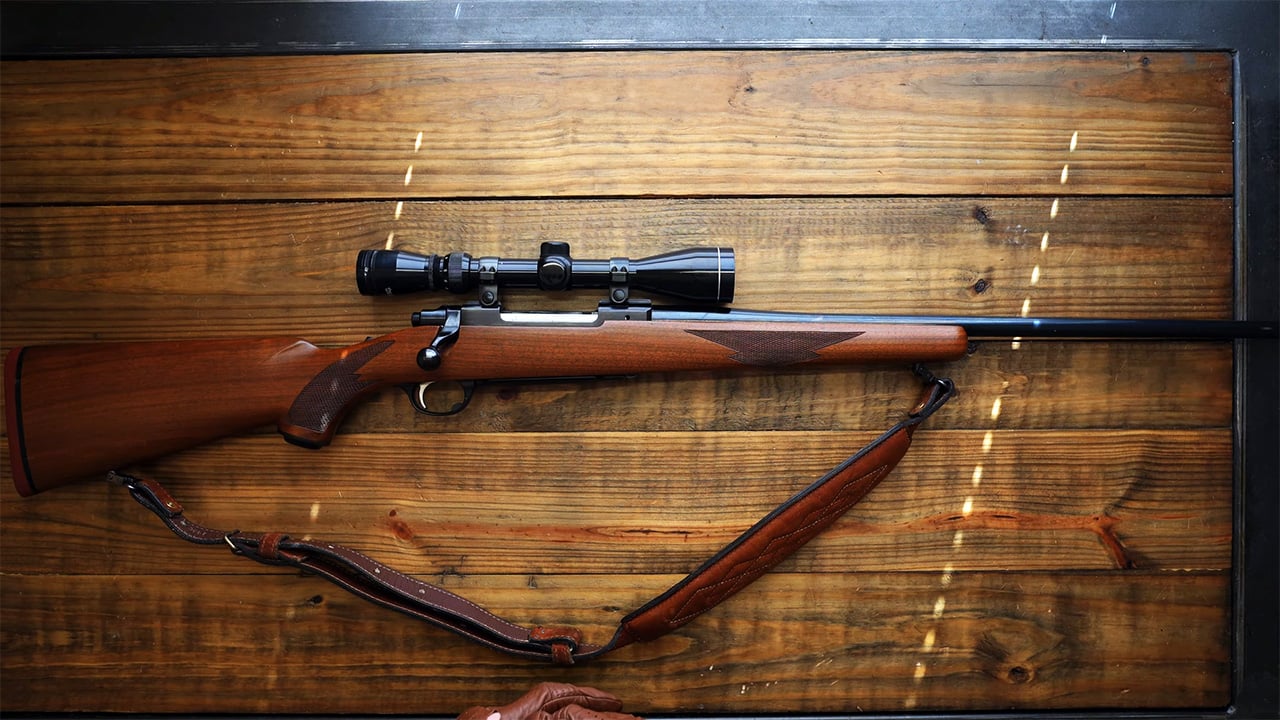
This is the one that feels “right” to a lot of hunters who grew up with them. That tang safety is natural with gloves, and the rifle carries nicely, especially in the common hunting chamberings.
They can be a little quirky depending on the year, and some have seen hard use, but a good tang safety M77 is a keep-forever rifle. When you find one that prints tight groups with a simple 3-9x, you stop shopping.
5. Browning A-Bolt (original A-Bolt)

The A-Bolt is a slick, fast-cycling rifle that feels almost too smooth the first time you run it. They often shoot well, they’re usually lighter than people expect, and they carry like a hunting rifle should.
What keeps owners holding on is the combination of accuracy and handling. The detachable magazine setup is a love-it-or-hate-it thing, but once you’ve got your spare mag situation squared away, it’s hard to replace the feel of an A-Bolt in the woods.
6. Browning X-Bolt Micro Midas (youth/compact)
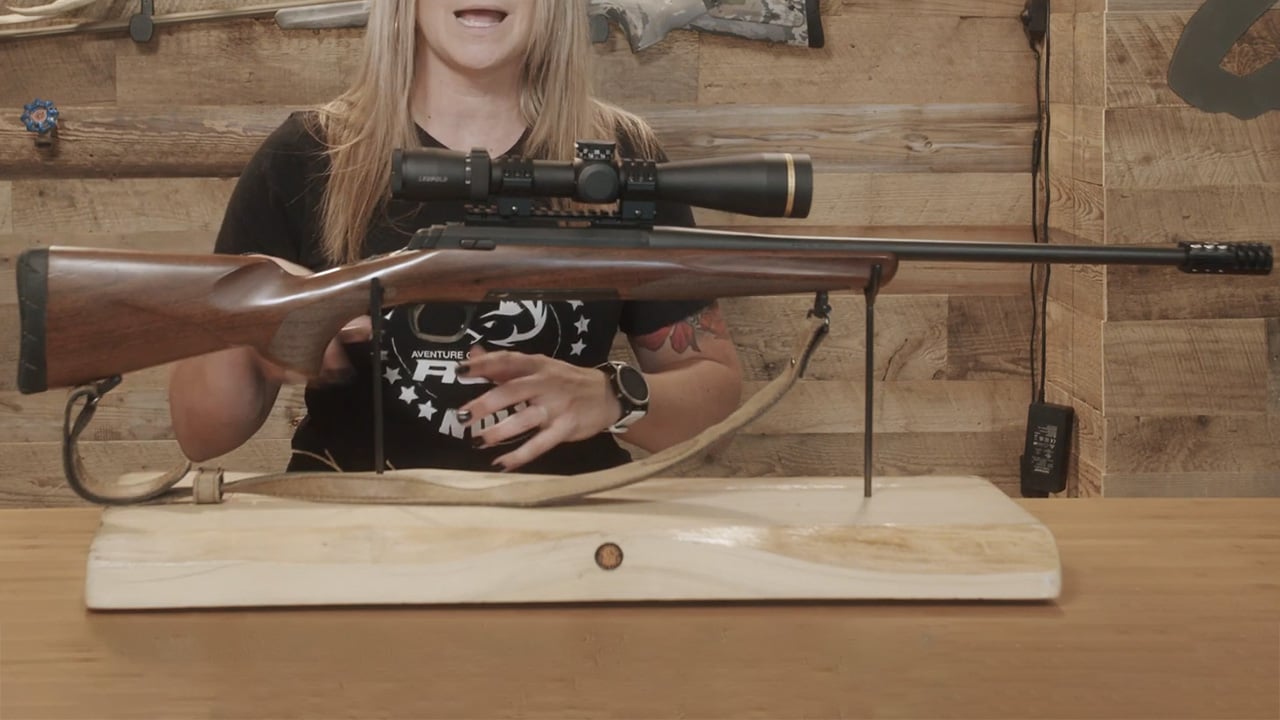
Finding a real compact rifle that isn’t a cheap compromise is harder than it should be. The Micro Midas versions fit smaller-framed shooters and younger hunters without feeling like a toy, and they still shoot.
Owners hang onto these because they solve a problem. You can cut stocks, add spacers, swap pads—sure—but a factory rifle that fits your kid (or your smaller spouse) from day one is worth keeping around.
7. Remington Model Seven (especially the classic versions)
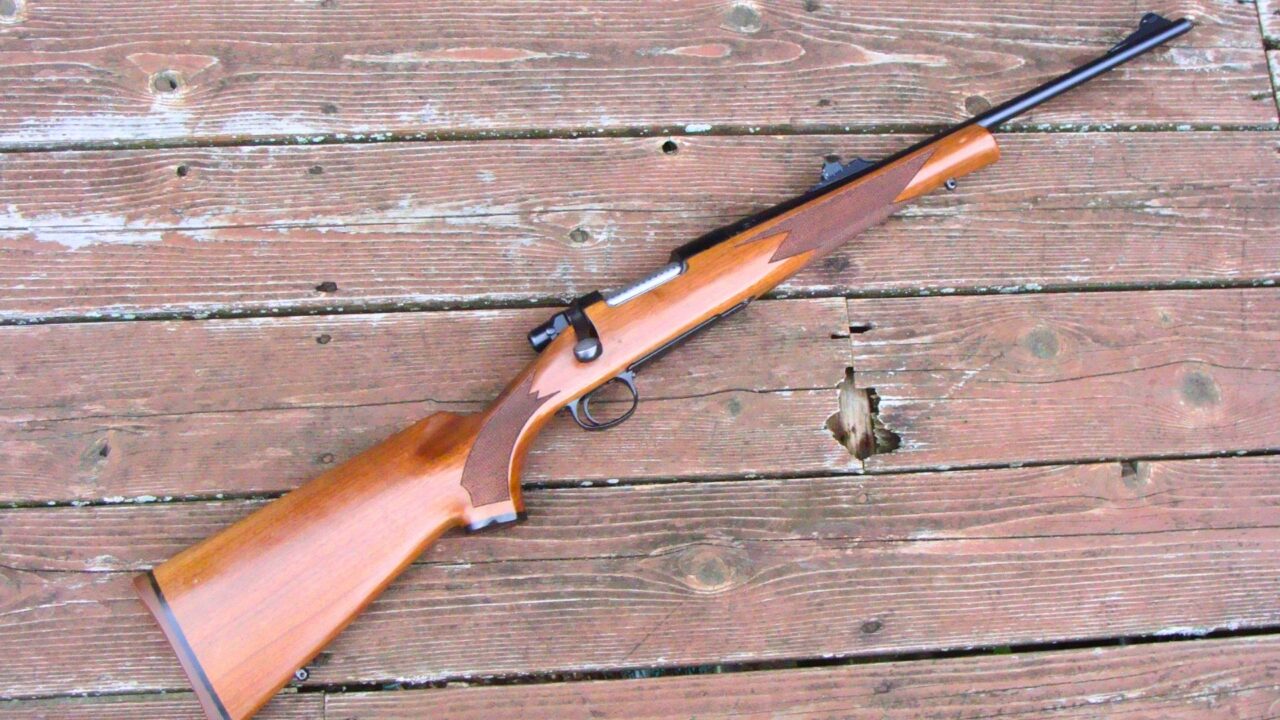
The Model Seven is handy. Not “short in the store” handy—actually handy in thick brush, getting in and out of a truck, or still-hunting where a long barrel is always snagging on something.
When folks find one that feeds well and groups nicely, it becomes their go-to woods rifle. The newer micro-actions aren’t always the same, and that’s why the older Sevens disappear into safes and don’t come back out for sale.
8. Winchester Model 94 (pre-safety, classic carbines)
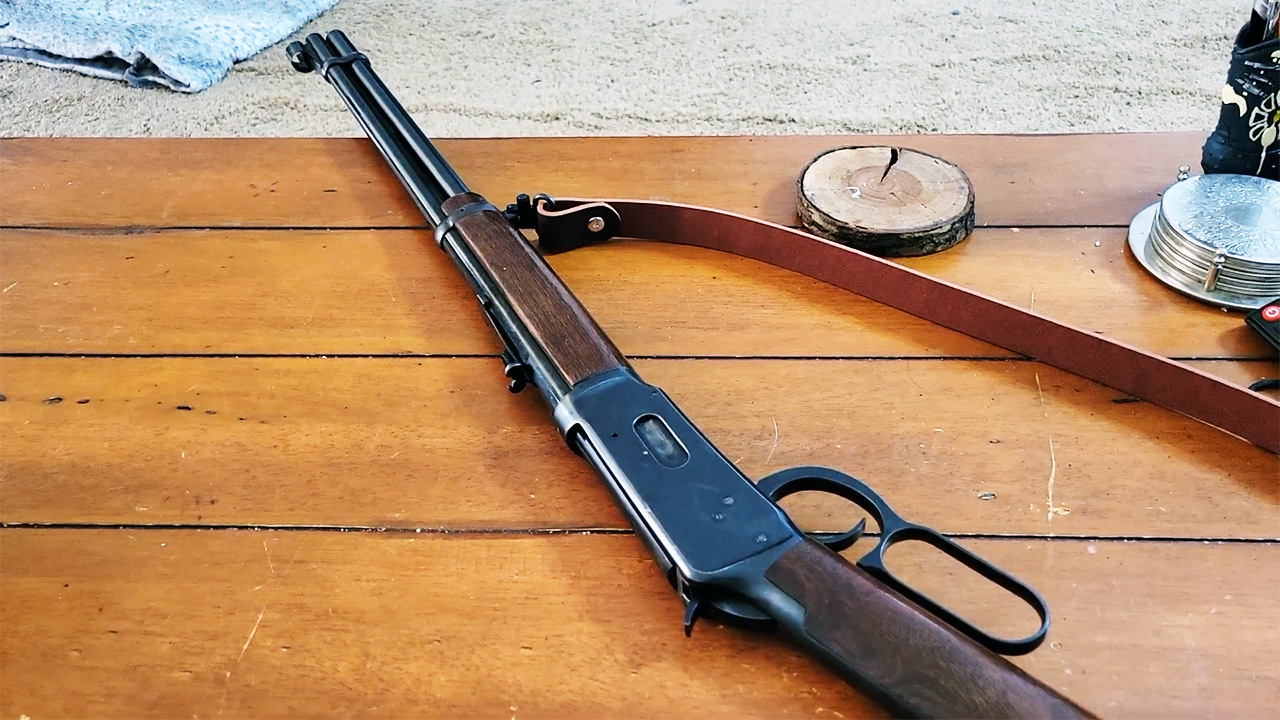
This is a rifle that rides easy, points fast, and just feels like hunting. In .30-30, it’s still one of the best “real world” deer rifles ever made inside normal woods ranges.
Owners keep them because they’re part of the season. Also, the older ones tend to have a better feel—crisper actions and cleaner lines—before extra lawyer buttons and changes showed up. If you’ve got one that cycles smooth, you don’t let it go lightly.
9. Marlin Model 336 (JM-stamped)

If you’ve carried one in the rain and brush, you already know. The 336 shoulders naturally, the side-eject makes scope mounting easy, and the whole rifle feels solid without being clunky.
The JM-stamped guns especially have a reputation for fit and finish that people trust. The newer production has improved a lot, but there’s still something about those older rifles that keeps them in the “never sell” category.
10. Savage Model 99
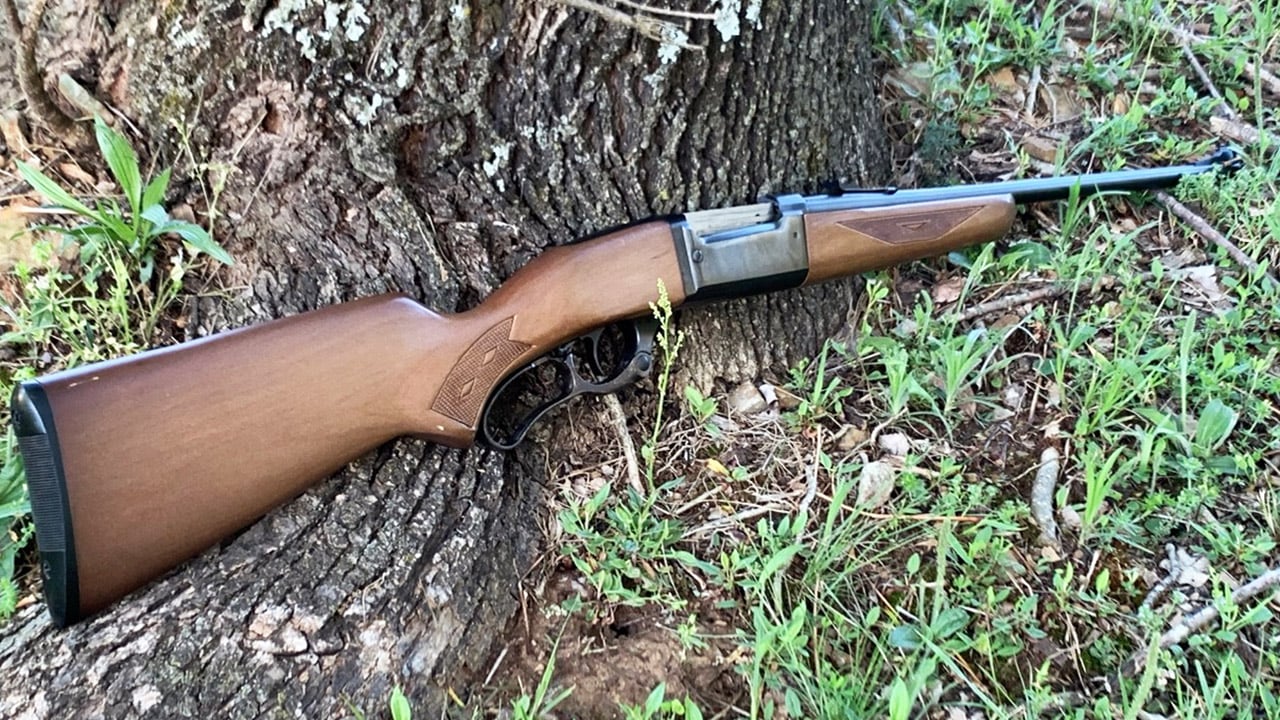
This one is different. A lever gun that can run spitzer bullets, with a rotary magazine, and a balance that feels almost like a fine shotgun. It’s not the rifle for everybody, but it’s a rifle that makes owners stubborn.
They’re also not getting cheaper, and clean ones aren’t common at the local shop. If you’ve got a 99 that shoots straight, it’s the kind of rifle you take out on a crisp morning just because it feels good to carry.
11. Ruger 77/44
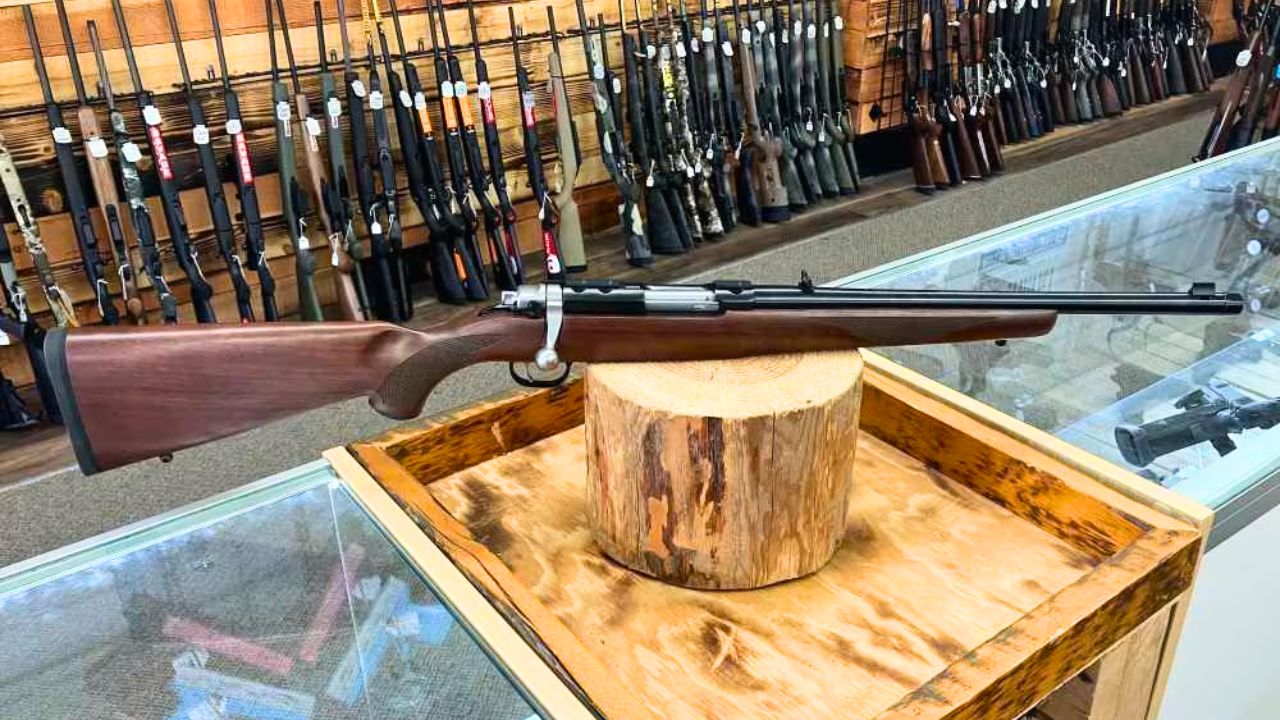
Call it a niche rifle if you want, but in the right places it’s the perfect tool. Light, handy, and quick to the shoulder, it’s a great deer-and-hog rifle for thick cover where you’re not shooting across canyons.
Owners hang onto them because they’re simple and they work. The recoil is mild, the report isn’t obnoxious, and the rifle does what a short, practical hunting rifle is supposed to do without pretending to be something else.
12. Ruger 77/357
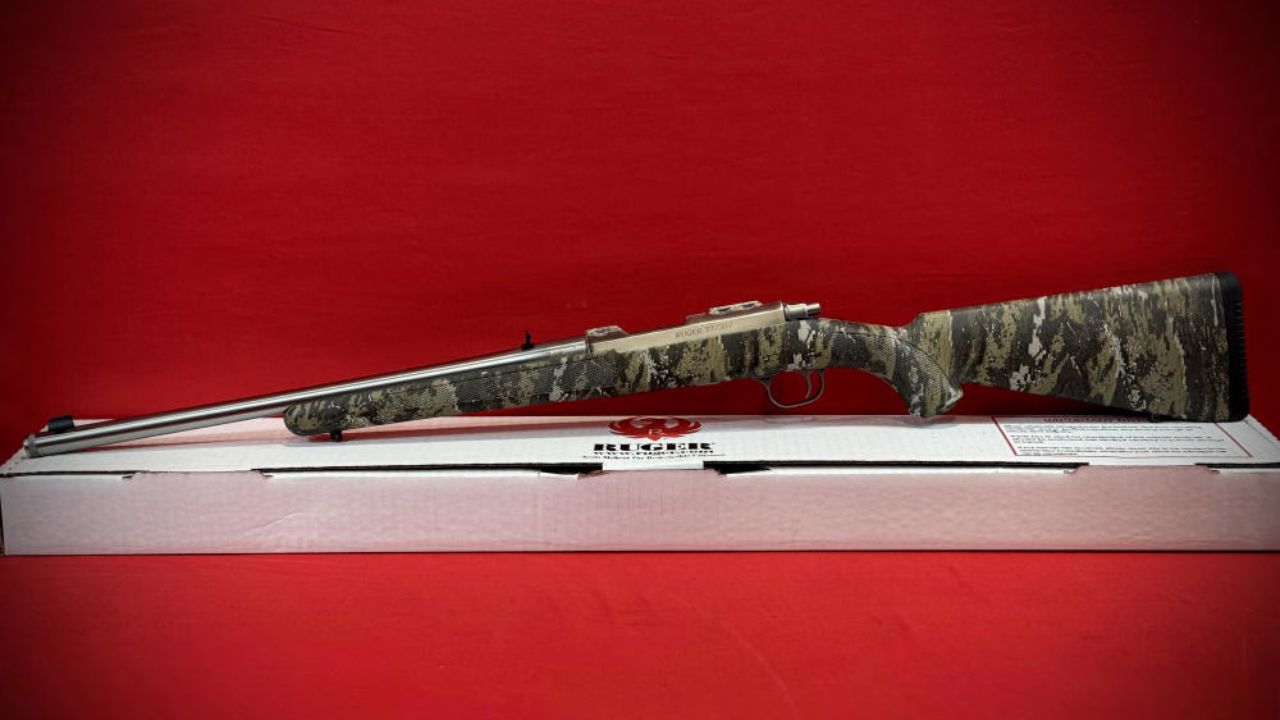
This rifle makes a lot of sense for folks who already shoot .357 revolvers. It’s easy to handle, cheap to feed (comparatively), and it’s a fun rifle that can still put venison in the freezer where straight-wall or pistol-caliber hunting is a thing.
The downside is it can be picky about certain loads, and not every one is a tack driver. Still, when you find one that shoots your preferred ammo well, you stop looking. It’s a practical rifle that doesn’t take itself too seriously.
13. CZ 550 (American and Full Stock versions)
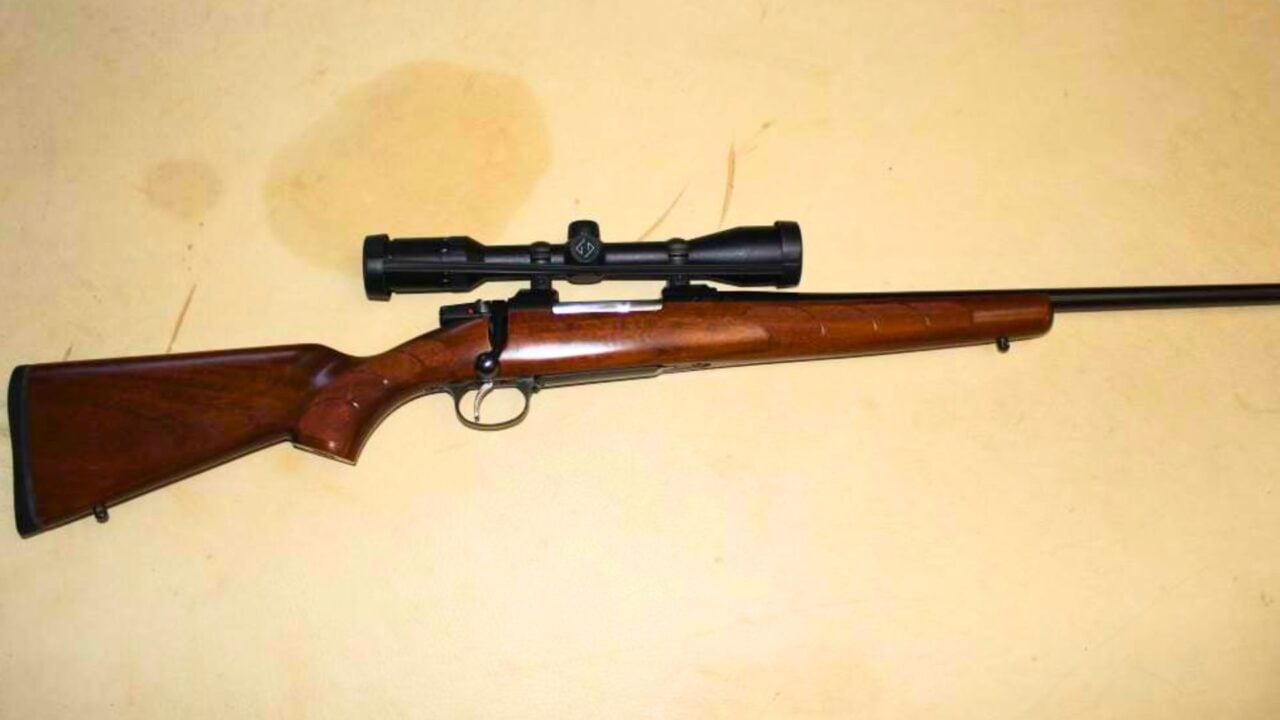
The CZ 550 feels like an old-world rifle. Controlled-round feed, sturdy build, and a stock that looks like it belongs in deer camp instead of a marketing brochure.
These got discontinued and owners immediately started acting like they’d just found out their favorite diner was closing. The set trigger setup isn’t for everyone, but as a hunting rifle with some class, the 550 is a hard one to replace without spending real money.
14. CZ 527 (especially in 7.62×39 and .223)
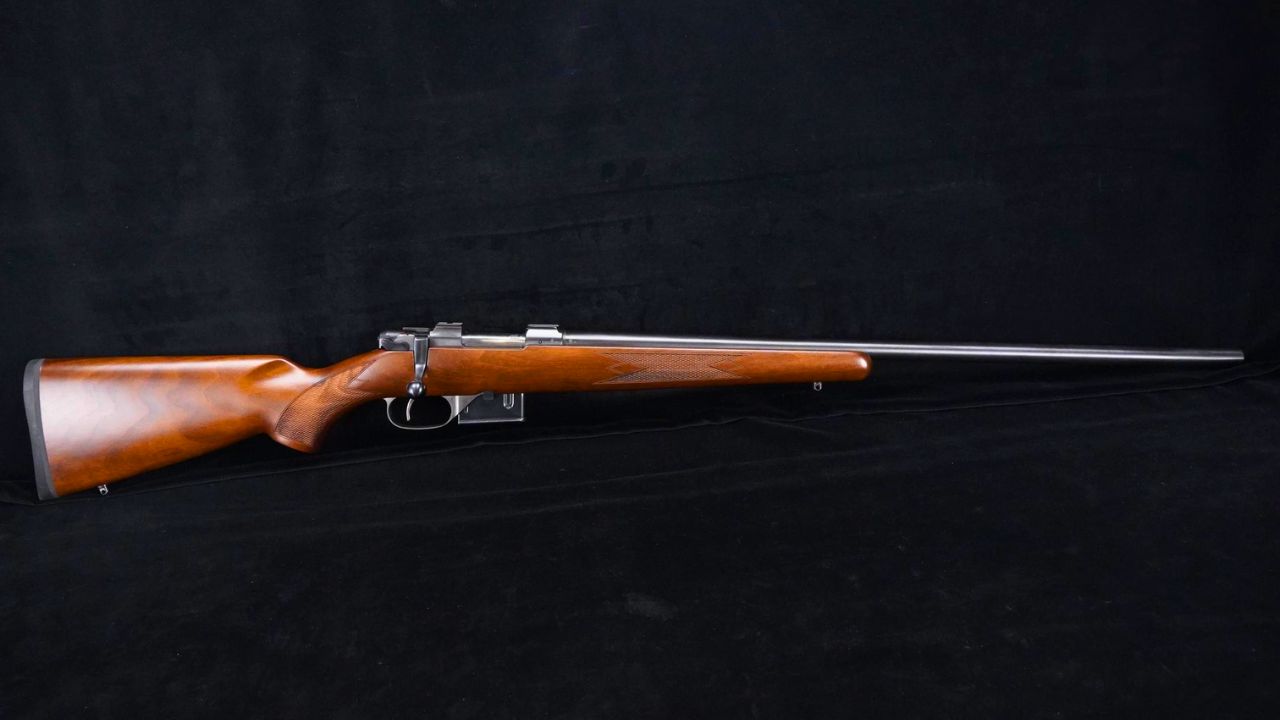
The 527 is small, light, and just plain enjoyable to shoot. In .223 it’s a great walking varmint rifle. In 7.62×39 it’s a surprisingly useful woods and farm rifle that doesn’t beat you up.
The magazine sticks down and looks odd to some folks, but in the field it’s not the problem people claim. The bigger issue is they’re getting scarce, and the ones that show up used are often beat or priced like collectibles. Owners who have a good one tend to keep it.
15. Remington 7600 (pump rifle)

Pump rifles are underrated until you hunt with someone who’s fast and accurate with one. The 7600 points quickly, follows up fast, and runs well in thick timber where a semi-auto might not be legal or desired.
They also share some familiarity with pump shotguns, which matters for hunters who grew up on that manual of arms. If you’ve got a 7600 that cycles smoothly and your magazines are sorted, you’ve got a rifle that does a specific job better than most.
16. Ruger Gunsite Scout Rifle (original run)
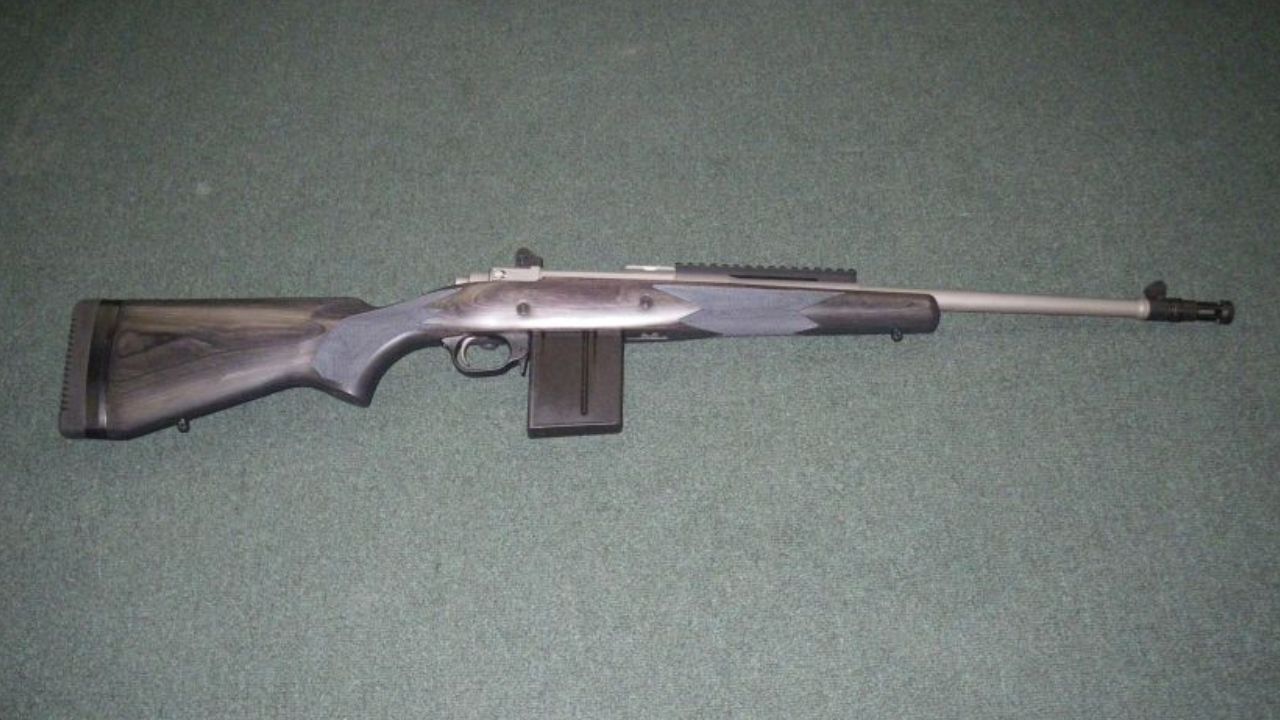
This rifle is not for everybody, and that’s okay. It’s a “do a lot of things pretty well” rifle with a handy length, iron sights you can actually use, and options for forward mounting or conventional glass.
Owners who clicked with it tend to keep it because it’s a real-world rifle. Not a benchrest toy, not a safe queen. It’s the kind of rifle you grab when you don’t know what the day is going to turn into.
17. Steyr Scout
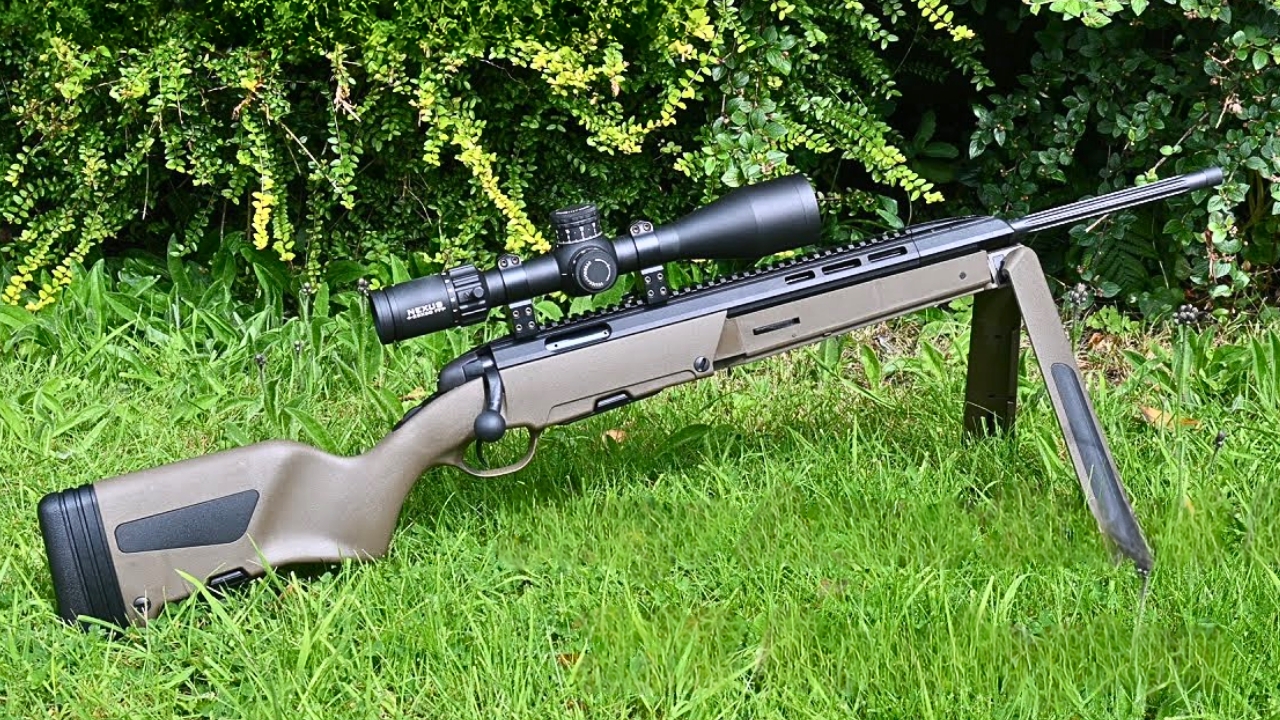
Here’s the original modern scout concept that still feels ahead of its time. It’s light, it carries like a dream, and it’s built with hunting utility in mind—sling setup, spare mag storage, the whole deal.
It’s also expensive and a little weird if you’re used to traditional rifles. That “weird” is exactly why owners won’t sell them. Once you’ve hunted with a rifle that carries that well all day, a lot of other rifles start feeling like fence posts.
18. Remington 798 (Mauser-style value rifle)
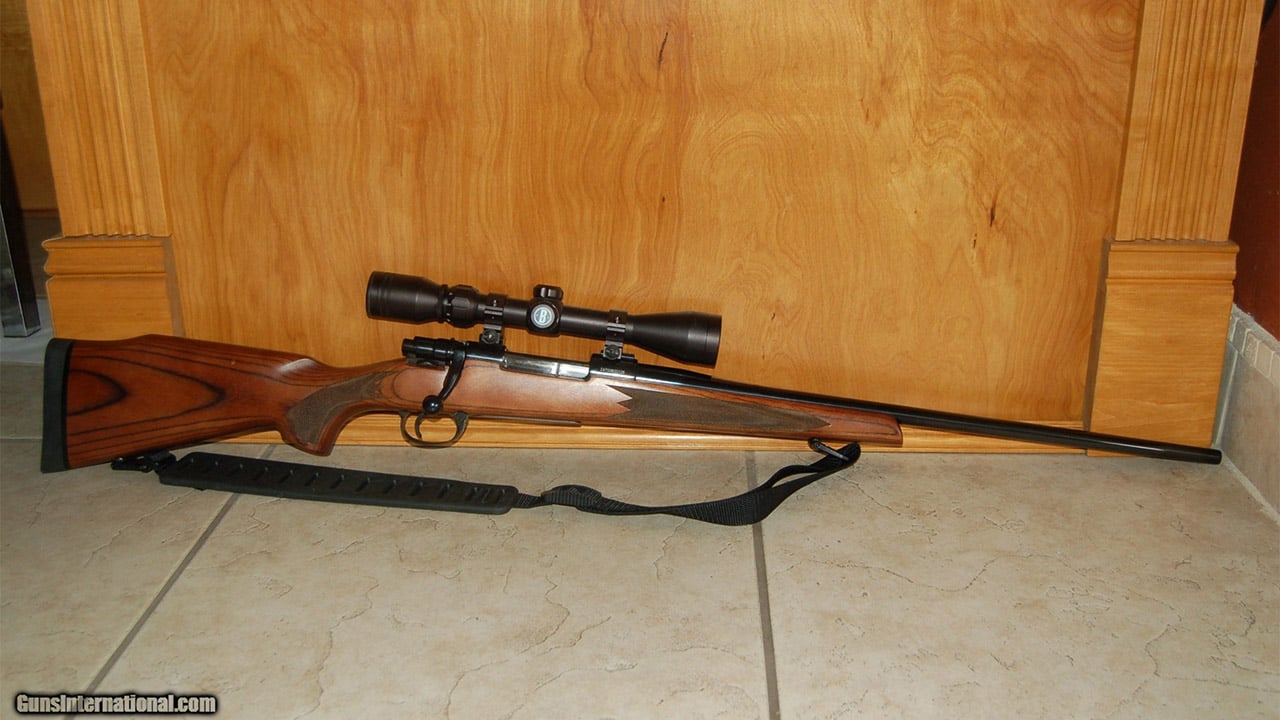
The 798 never got the love it deserved, mostly because it wasn’t flashy and it showed up at a time when everybody was chasing different trends. But it’s a solid Mauser-style action at a price that used to be downright reasonable.
Guys who bought them and actually hunted with them figured out they were dependable and accurate enough for real work. They’re not common now, and the ones that are out there usually belong to someone who knows what they have.
19. Weatherby Vanguard Series 1 (early Howa-built guns)

The Series 1 Vanguards are not glamorous. The stocks can be chunky, and they don’t always feel sleek. But they’re often very accurate rifles that take abuse and keep shooting.
Owners hang onto them because they’re the rifle that never caused a problem. It’s easy to get distracted by new features, but when you’re on a cold ridge and your hands are numb, “boring and reliable” starts sounding pretty smart.
20. Colt Match Target HBAR (ban-era AR-15)
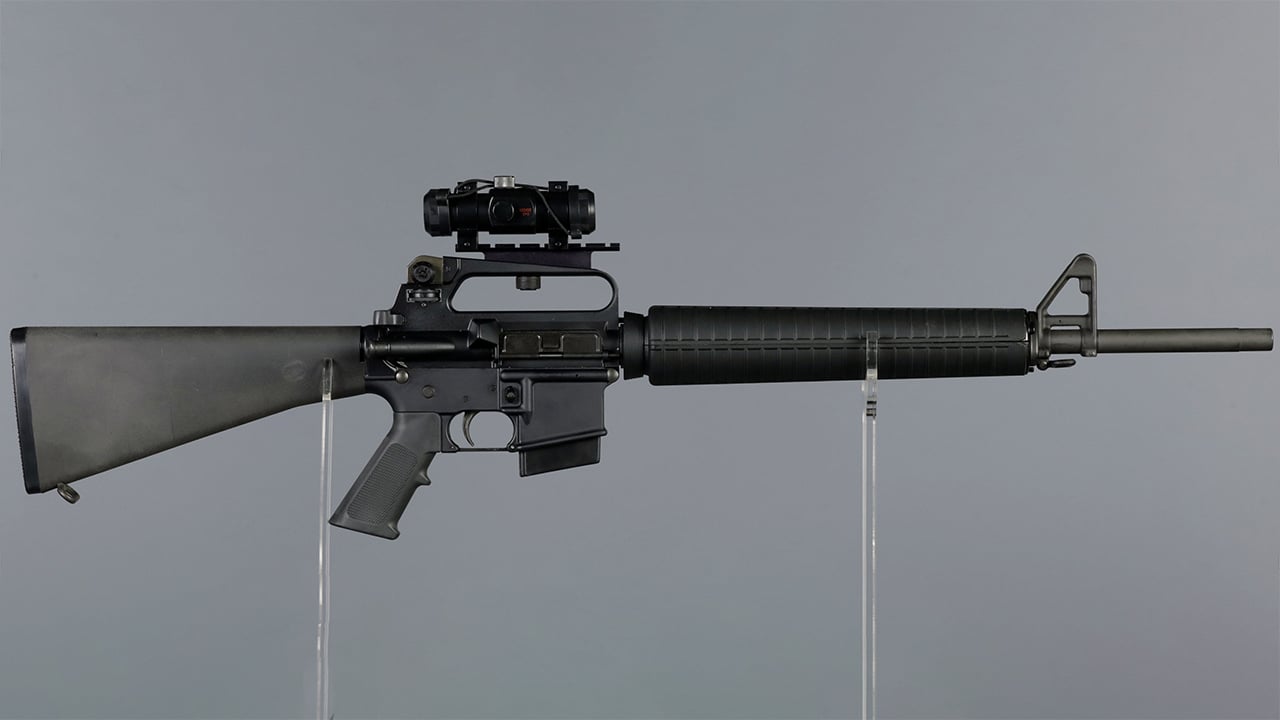
These heavy-barrel Colts are a snapshot of a specific time, and they’re built like it. They’re not lightweight, they’re not the handiest rifle to carry all day, and they don’t pretend to be a modern slick-handguard build.
Still, the accuracy can be excellent, and they have that Colt feel that collectors and shooters both appreciate. Owners keep them because they’re dependable, they hold their place in AR history, and they’re one of those rifles that you kick yourself for selling when you want a “real” Colt again later.
Not every discontinued rifle deserves to be treated like gold. Some were dropped for good reasons. But the ones above tend to stick around because they fit real hunting and range life better than whatever replaced them. If you’ve already got one that shoots straight, feeds right, and carries well, it might be worth keeping—because the day you decide you want it back is usually the day you can’t find it.
Like The Avid Outdoorsman’s content? Be sure to follow us.
Here’s more from us: