Photo credit: TheOl1911/YouTube
A nightstand gun should be easy to shoot well, dependable, easy to identify and operate when you are half awake, and capable of handling a defensive role without unnecessary compromises. Tiny carry guns, hard-kicking magnums, awkward designs, and pistols with questionable reputations may have other uses, but that does not make them good choices beside the bed.
Taurus Curve
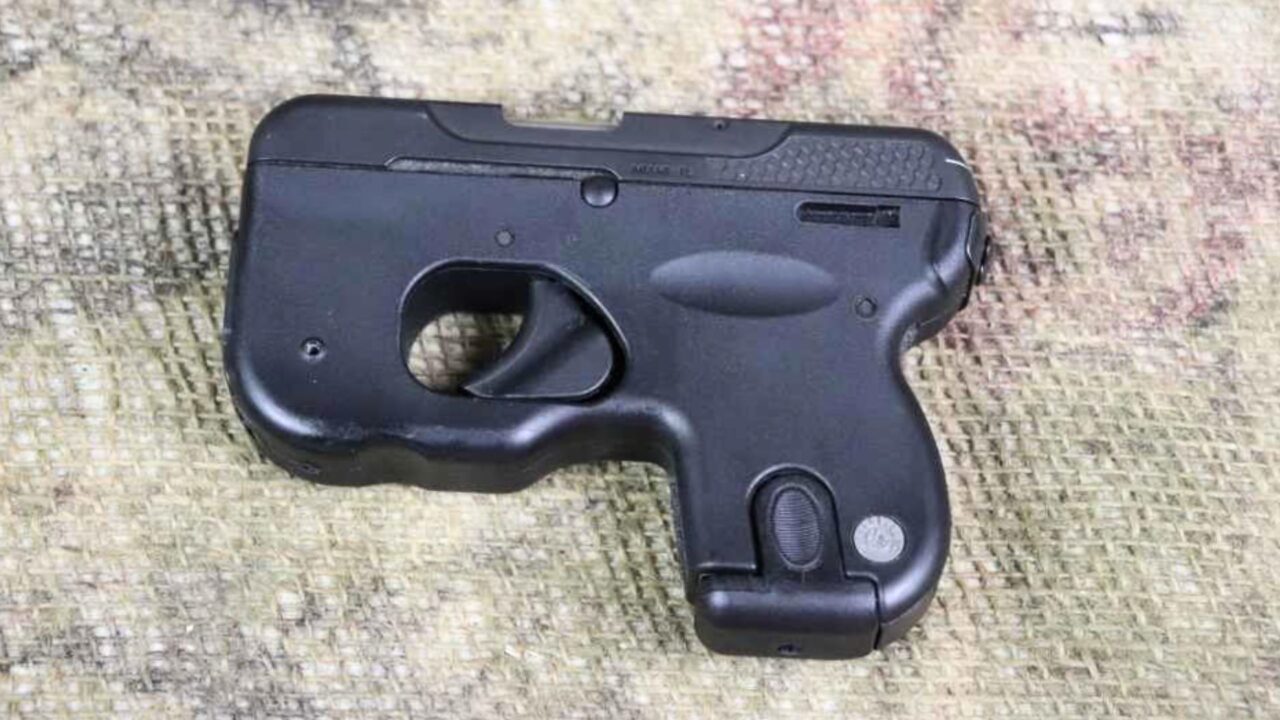
The Taurus Curve gives up too much shootability for a gun that does not need to be concealed. Its unusual shape, minimal sights, short grip, and small .380 ACP platform all make it harder to shoot quickly and accurately than a conventional defensive pistol.
Those compromises make some sense in a pistol designed around deep concealment. They make almost no sense on a nightstand, where size and weight are barely factors. A larger 9mm gives you a better grip, better sights, more capacity, and far easier handling.
Remington R51

The R51 had enough reliability controversy surrounding its launch that I would have a hard time trusting one as a dedicated defensive handgun. Even later-production examples never developed the kind of widespread reputation for dependability that you get from established duty pistols.
That matters on a nightstand. There are too many proven options available to choose a pistol that leaves you wondering whether yours is one of the good ones. A defensive handgun should eliminate uncertainty rather than introduce it.
North American Arms Mini Revolver
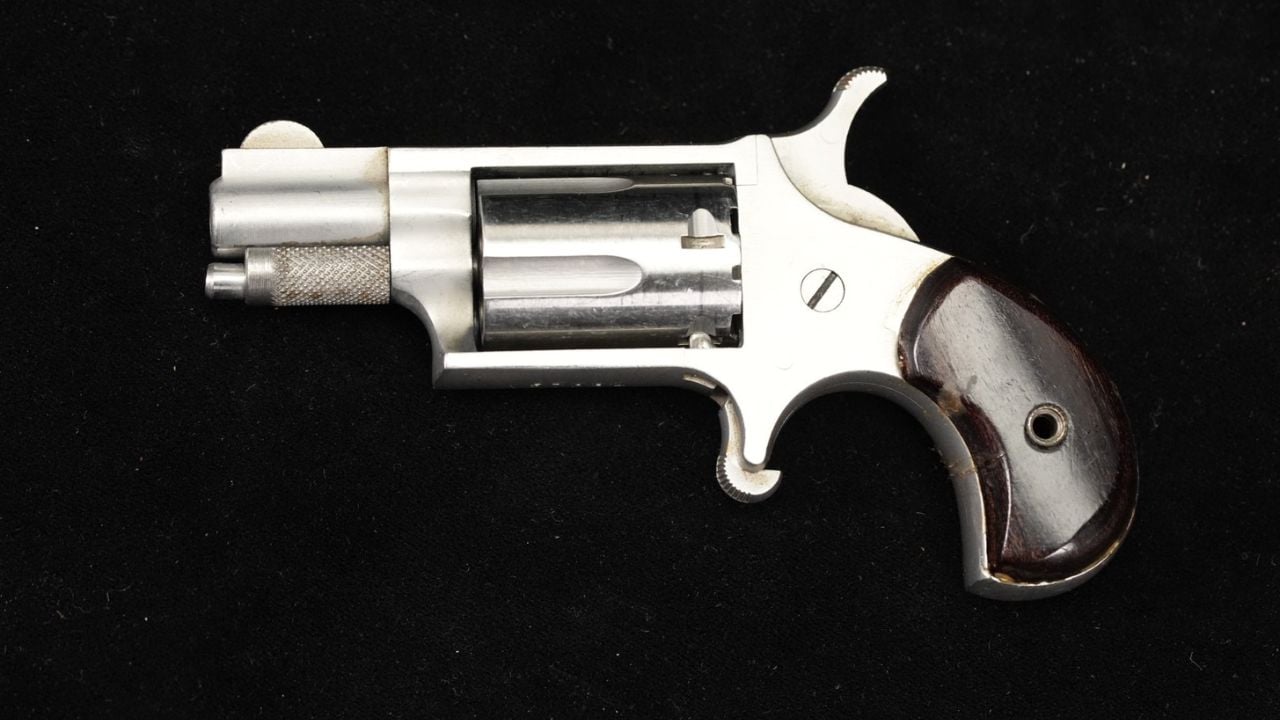
A North American Arms Mini Revolver is incredibly easy to carry, but that advantage disappears completely when the gun stays beside your bed. What remains is a tiny grip, minimal sights, low capacity, and a single-action mechanism requiring the hammer to be cocked for every shot.
That is too much extra work for a defensive gun. Even a basic compact semiautomatic is dramatically easier to grip, aim, and fire repeatedly. The NAA makes sense as an ultra-small backup gun, not as the firearm you intentionally choose when concealment does not matter.
Bond Arms Derringer
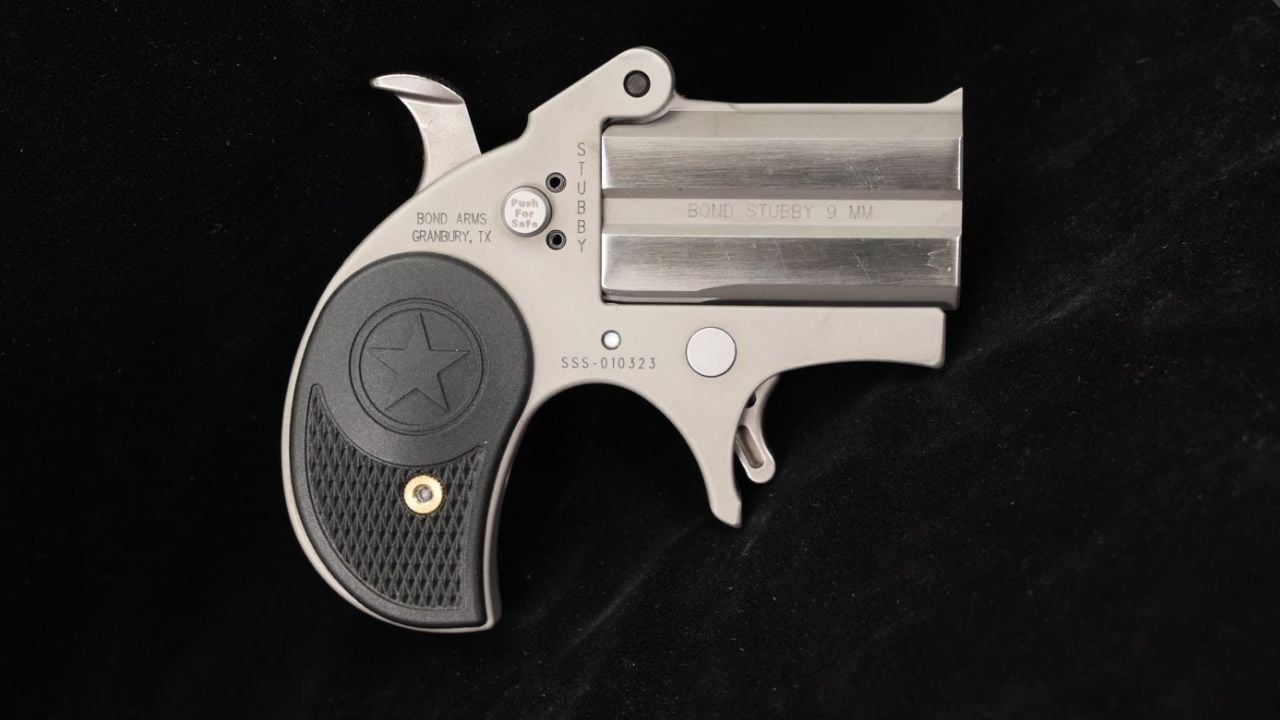
A Bond Arms derringer can be chambered in powerful cartridges, but power does not make up for having only two shots. Once those are gone, reloading requires opening the action, removing the spent cases, inserting fresh rounds, and closing it again.
The heavy trigger and short grip do not help either. A nightstand gives you enough room for a conventional handgun with far greater capacity and much easier handling. There is little reason to handicap yourself with a two-shot defensive firearm.
Ruger LCP
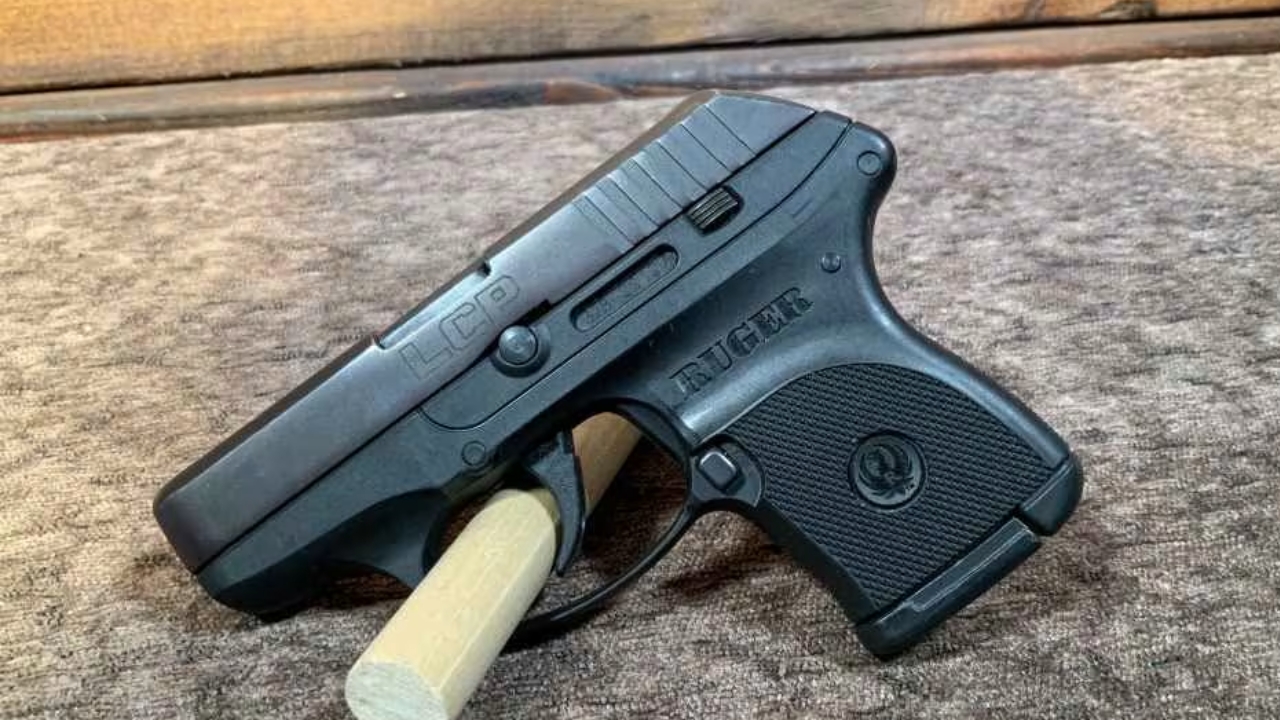
The original Ruger LCP earned its popularity because it is extremely easy to conceal. That is exactly why it makes less sense for nightstand duty. Its tiny grip, small sights, short sight radius, and snappy shooting characteristics are compromises designed around pocket carry.
None of those compromises benefit you at home. A larger pistol will generally be easier to control and easier to aim while providing substantially more capacity. The LCP can be a useful carry gun without being the gun I would choose beside my bed.
KelTec P32
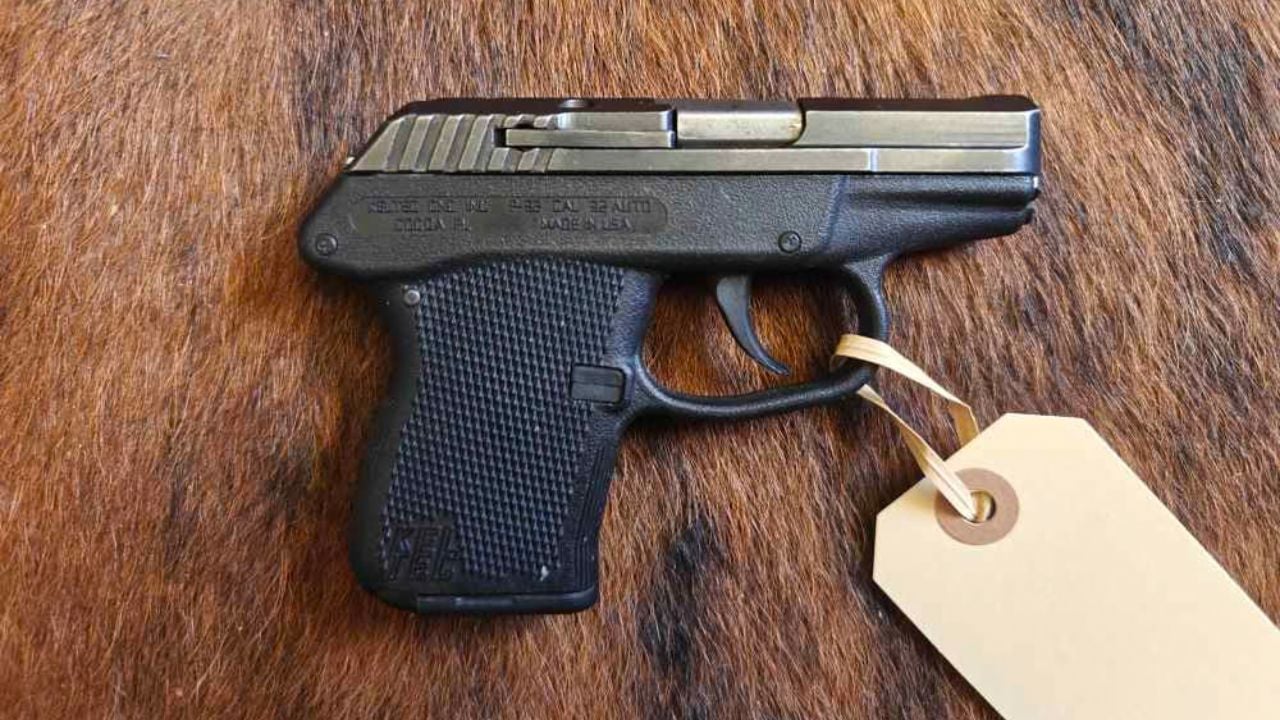
The P32 is another pistol whose greatest strength disappears when it is used as a nightstand gun. Its incredibly thin and lightweight design makes it convenient to carry, but its tiny dimensions also make it harder to grip and shoot well.
It is also chambered in .32 ACP, when the same nightstand could easily hold a larger handgun chambered in a more common defensive cartridge. If you do not have to hide the pistol in a pocket, there is little reason to accept the P32’s limitations.
Smith & Wesson Model 329PD
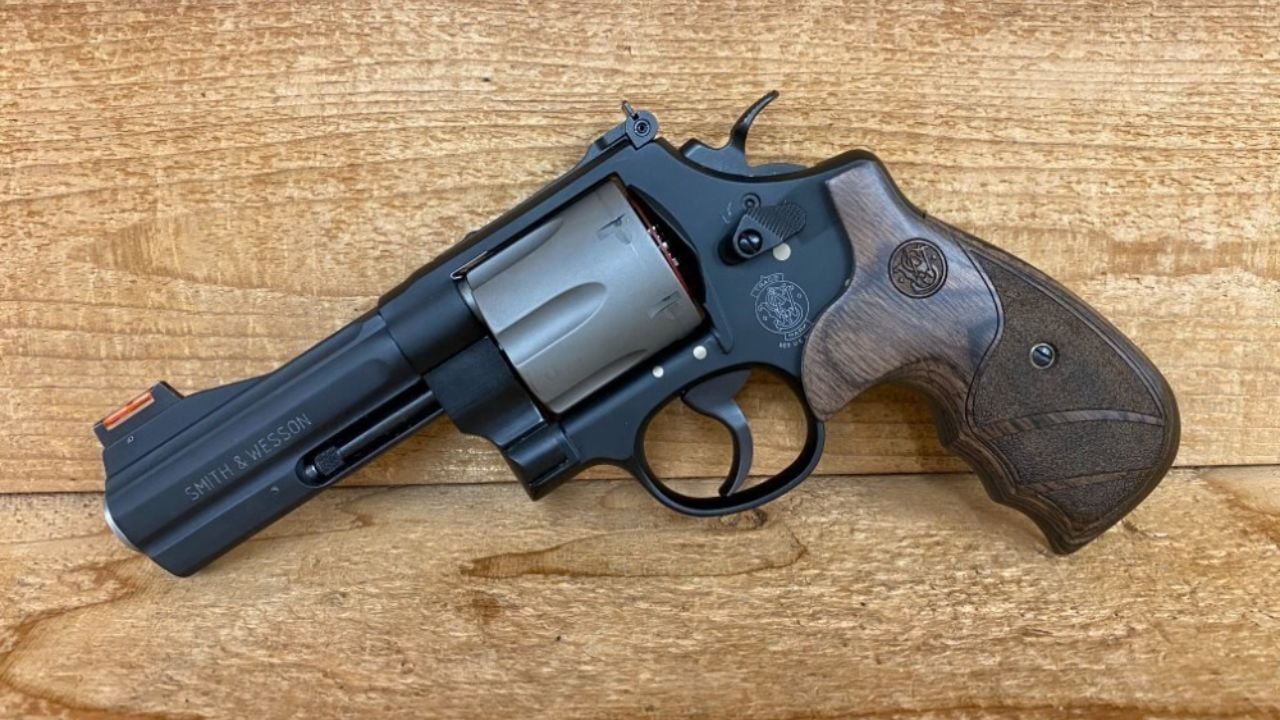
The 329PD combines a lightweight revolver with the .44 Magnum cartridge, producing the kind of recoil that can make rapid follow-up shots difficult even for experienced shooters. That makes sense for a backcountry revolver where low weight and serious power are priorities.
Inside the house, those priorities change. You do not need an ultralight frame, and extreme recoil becomes a disadvantage rather than a feature. A heavier, easier-shooting defensive handgun is much better suited to nightstand duty.
Taurus PT22
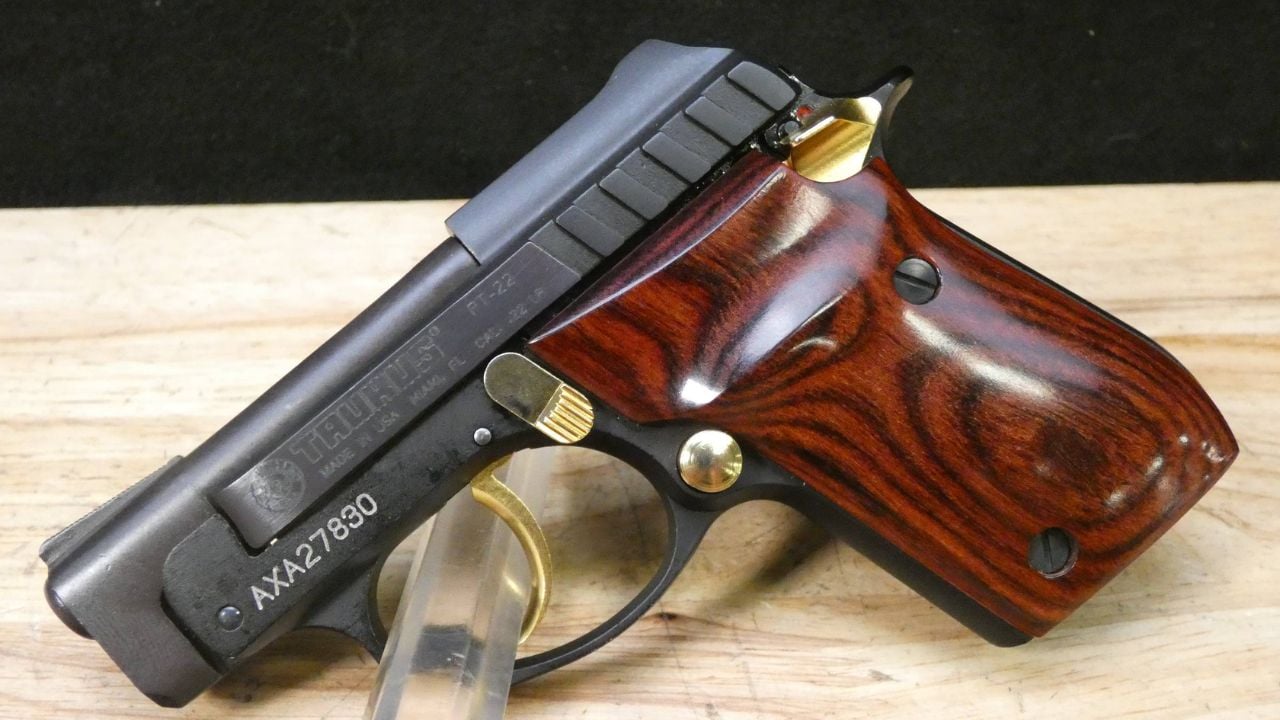
The Taurus PT22’s tip-up barrel and tiny dimensions give it some niche appeal, but it is not what I would choose as a primary defensive gun. The small grip and basic sights make it harder to shoot accurately, while .22 LR introduces ammunition reliability concerns that centerfire cartridges largely avoid.
There is also no concealment advantage to exploit when the pistol is sitting beside the bed. A compact or full-size centerfire handgun gives you substantially more gun to work with without creating any meaningful inconvenience.
Charter Arms Bulldog

The Bulldog puts .44 Special into a compact five-shot revolver, which can be attractive for concealed carry. For home defense, however, the combination is much less compelling.
You are accepting limited capacity, slower reloads, and more recoil than you would experience with many modern 9mm pistols. Since you are not carrying the gun all day, the Bulldog’s small dimensions provide very little advantage. A larger handgun gives you considerably more control and capacity.
Smith & Wesson Model 351C
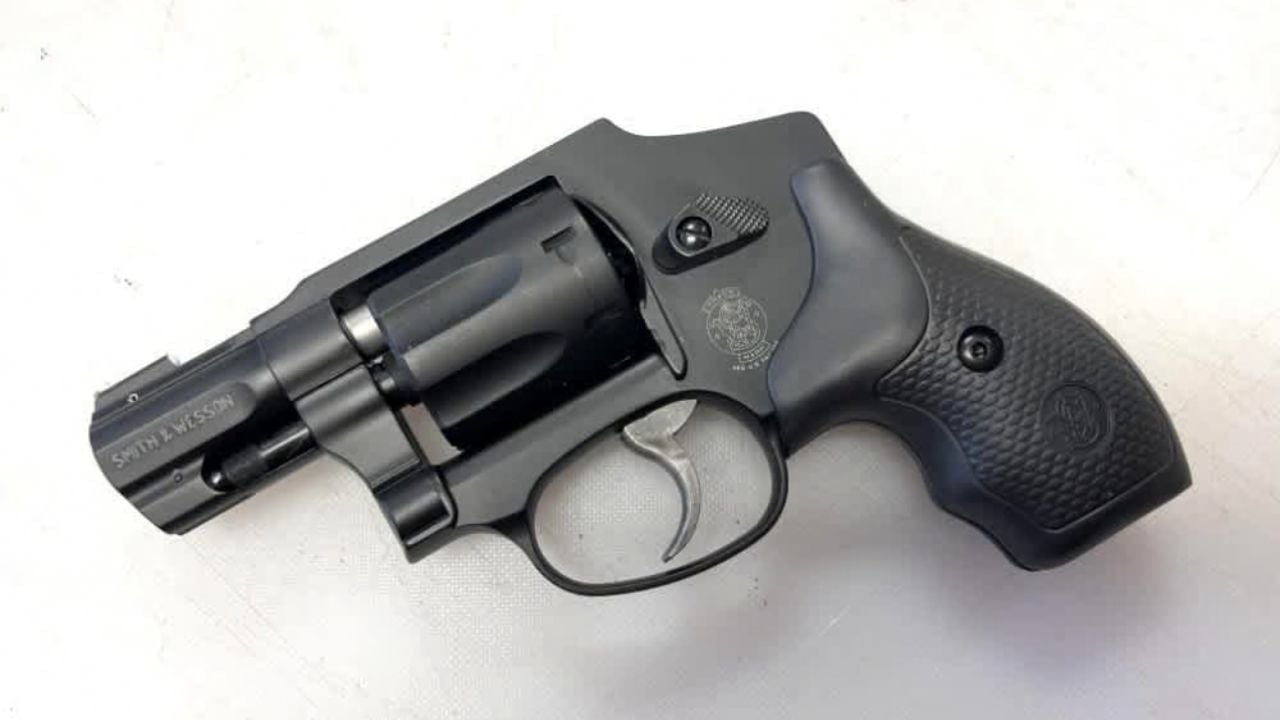
The Model 351C is lightweight, compact, and holds seven rounds of .22 Magnum. Those qualities make it an interesting carry revolver for someone specifically looking for a low-weight rimfire option.
A nightstand lets you choose something much easier to shoot without worrying about ounces. The small frame, heavy double-action trigger, and rimfire chambering all represent compromises you do not have to make. There are much better options when portability is not the priority.
Magnum Research Desert Eagle .50 AE

The Desert Eagle is powerful, accurate, and undeniably entertaining, but almost none of its strengths make it a better nightstand gun. It is huge, heavy, produces substantial recoil and blast, and requires considerably more effort to handle than a conventional defensive pistol.
Home defense does not require the largest handgun cartridge you can fit into a semiautomatic. Easier control, quicker handling, and a more manageable overall package matter far more. The Desert Eagle belongs at the range long before it belongs beside the bed.
Smith & Wesson Model 500
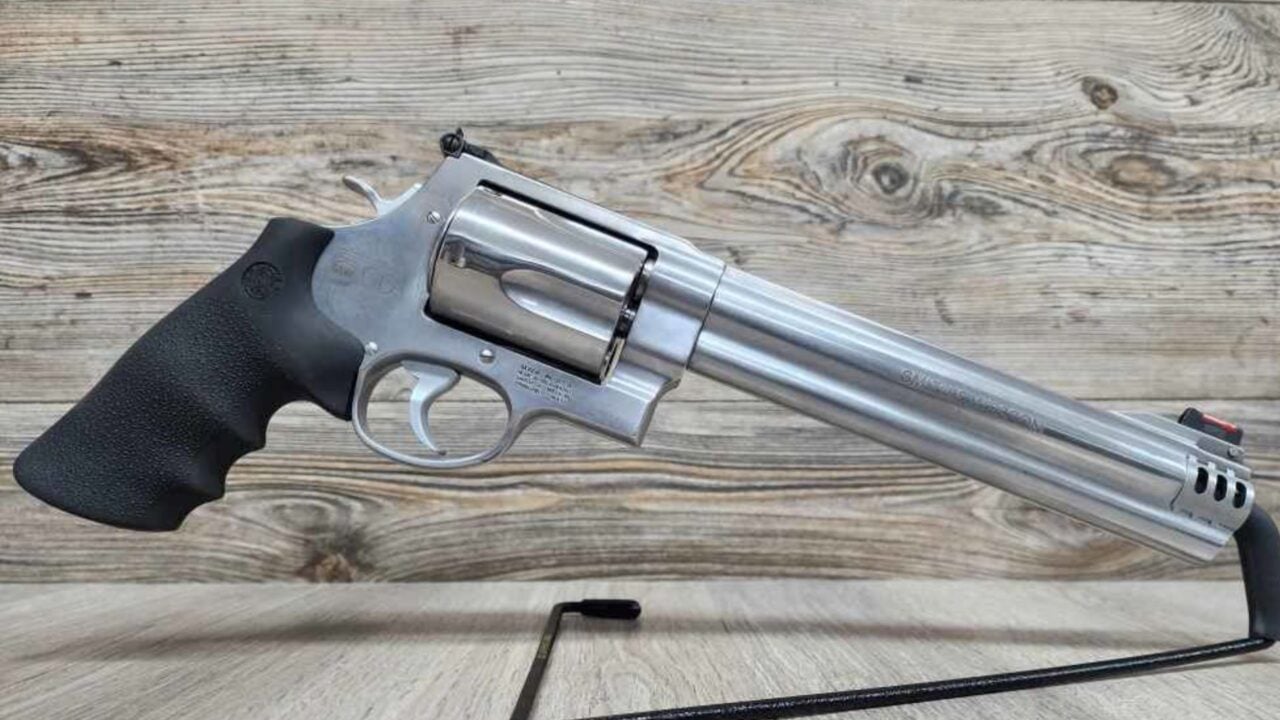
The Model 500 delivers staggering handgun power, but that is exactly why it is poorly suited to ordinary home defense. Recoil, muzzle blast, enormous size, and substantial weight all make it far more difficult to handle than necessary.
There is no practical advantage to choosing this much revolver for nightstand duty. A defensive handgun should make accurate follow-up shots easier, not turn every trigger pull into an event. The Model 500 has legitimate uses, but this is not one of them.
Taurus Judge
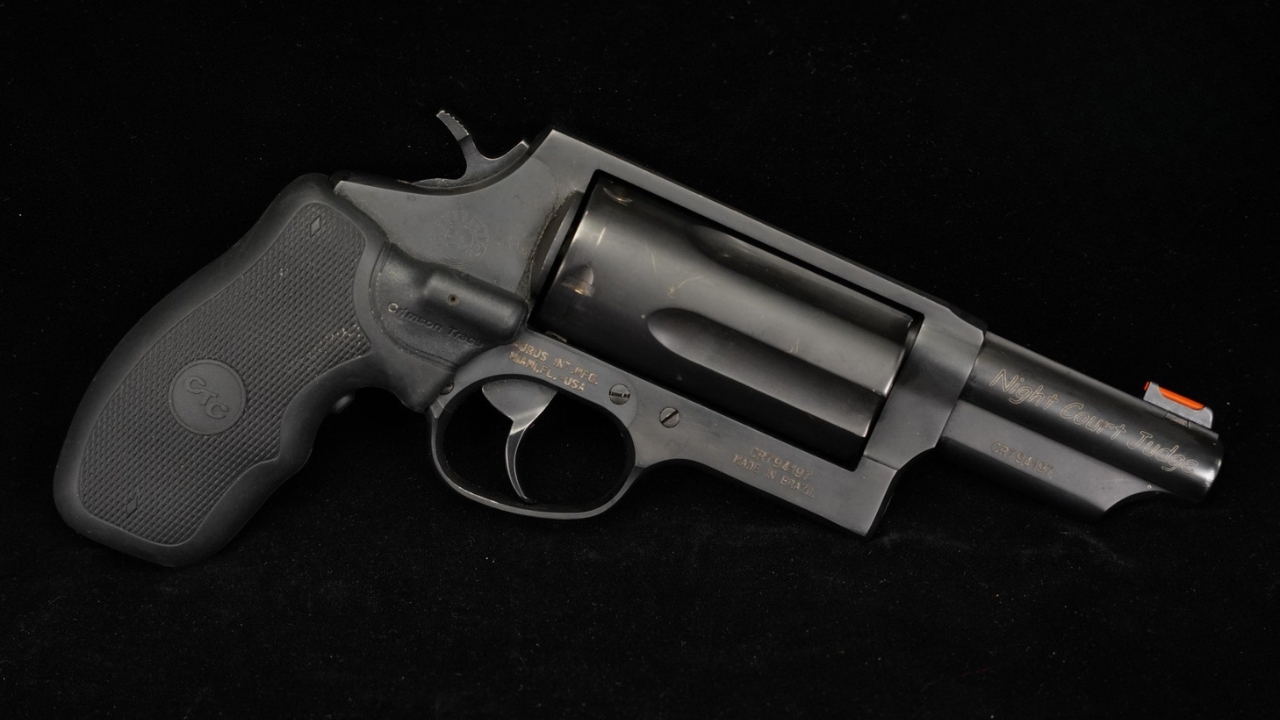
The Judge sounds appealing because it can fire both .45 Colt and .410 shotshells, but versatility alone does not make it an ideal defensive handgun. The cylinder is large, the revolver is bulky, and its unusual chambering means you are accepting compromises that conventional defensive pistols avoid.
A modern 9mm or conventional defensive revolver is easier to set up around one known purpose. For a nightstand gun, I would rather have predictable handling and ammunition performance than the ability to fire two very different cartridge types.
Bond Arms Cyclops
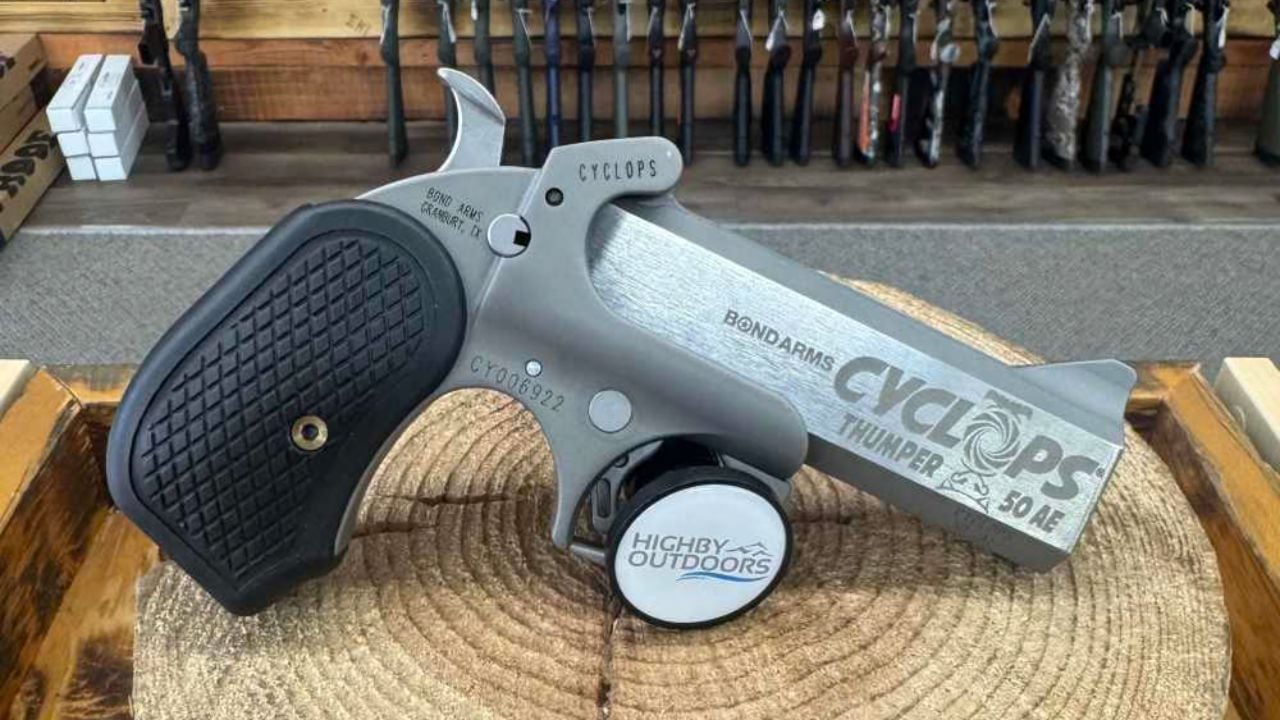
The Cyclops takes the already limited derringer concept and chambers it in extremely powerful cartridges. That makes for an interesting firearm, but it is almost the opposite of what you want from a nightstand gun.
You get one shot, substantial recoil, and a platform that is far slower to bring back into action than a repeating handgun. There is simply no good reason to choose a single-shot pistol when a nightstand can just as easily hold a proven semiautomatic or revolver.
Glock 42
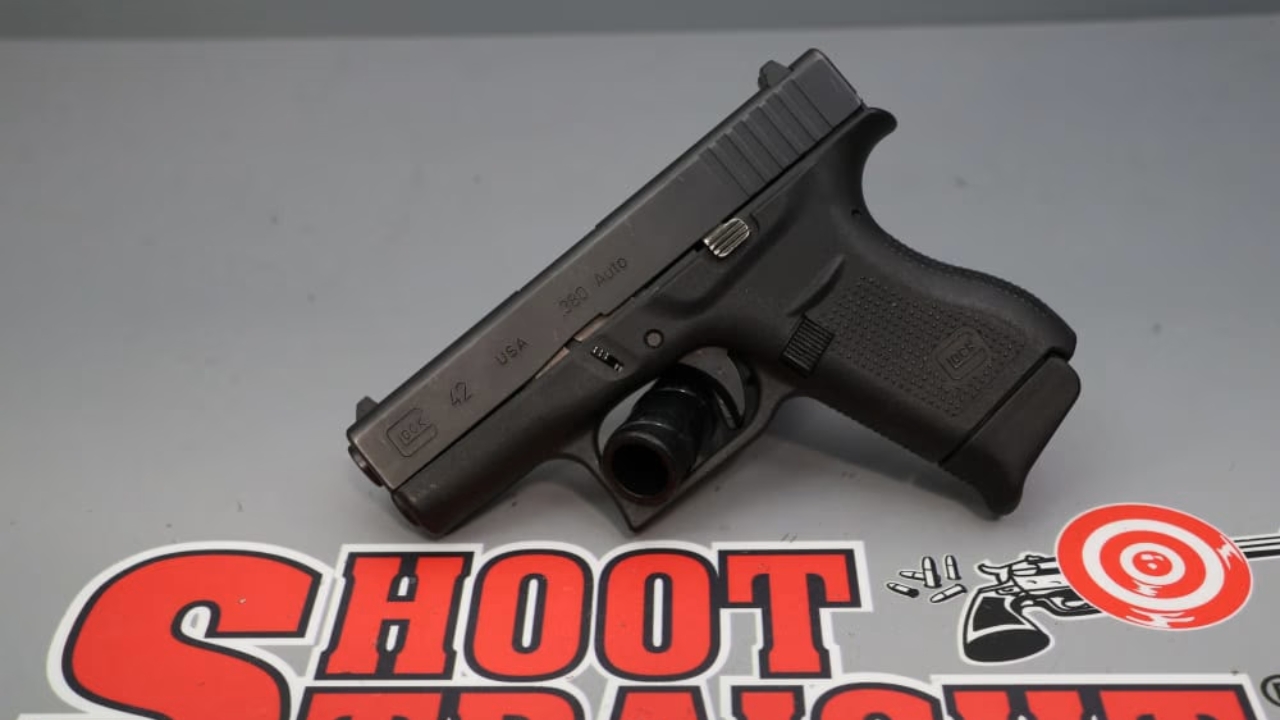
The Glock 42 is a dependable and easy-to-carry .380, but its biggest advantages matter far more on your belt than beside your bed. It has a relatively small grip and only modest capacity compared with larger Glock models.
If this is the handgun someone already owns and shoots well, it can certainly serve a defensive role. But when choosing specifically for a nightstand, moving up to a larger 9mm gives you more capacity, a fuller grip, and easier shooting without any real penalty.
Ruger LCR .357 Magnum

The LCR is an excellent lightweight carry revolver, but the .357 Magnum version can be punishing with full-power ammunition. A small grip combined with a lightweight frame makes fast, accurate follow-up shots considerably harder than they are with a heavier handgun.
That tradeoff is understandable when you are trying to keep a concealed revolver light enough to carry all day. On a nightstand, weight is irrelevant. There is no reason to accept extra recoil just to save ounces that you never have to carry.
Smith & Wesson Model 340 PD
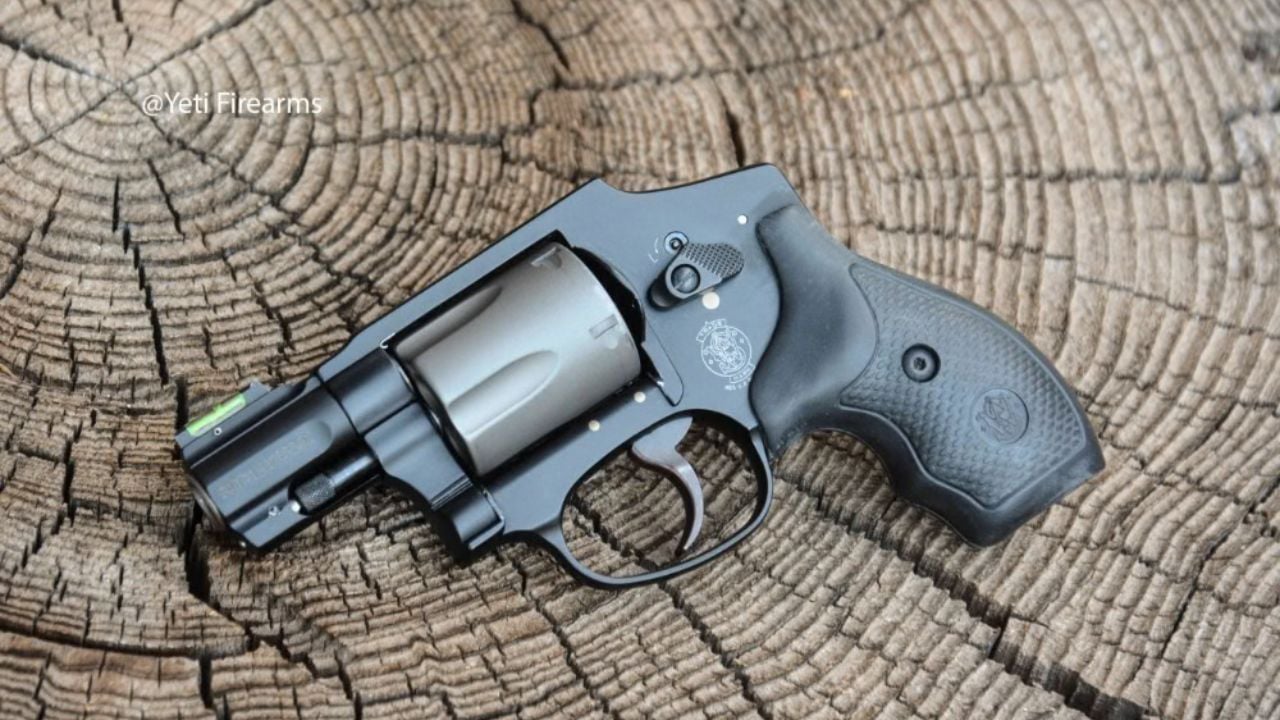
The Model 340 PD pushes the lightweight revolver concept even further. It is incredibly easy to carry, but firing .357 Magnum through such a light frame can be downright unpleasant.
That is a bad trade for home defense. The gun only holds five rounds, reloads relatively slowly, and is significantly harder to control than a larger defensive pistol. Its extremely low weight is impressive in a pocket and almost meaningless on a table.
KelTec P50
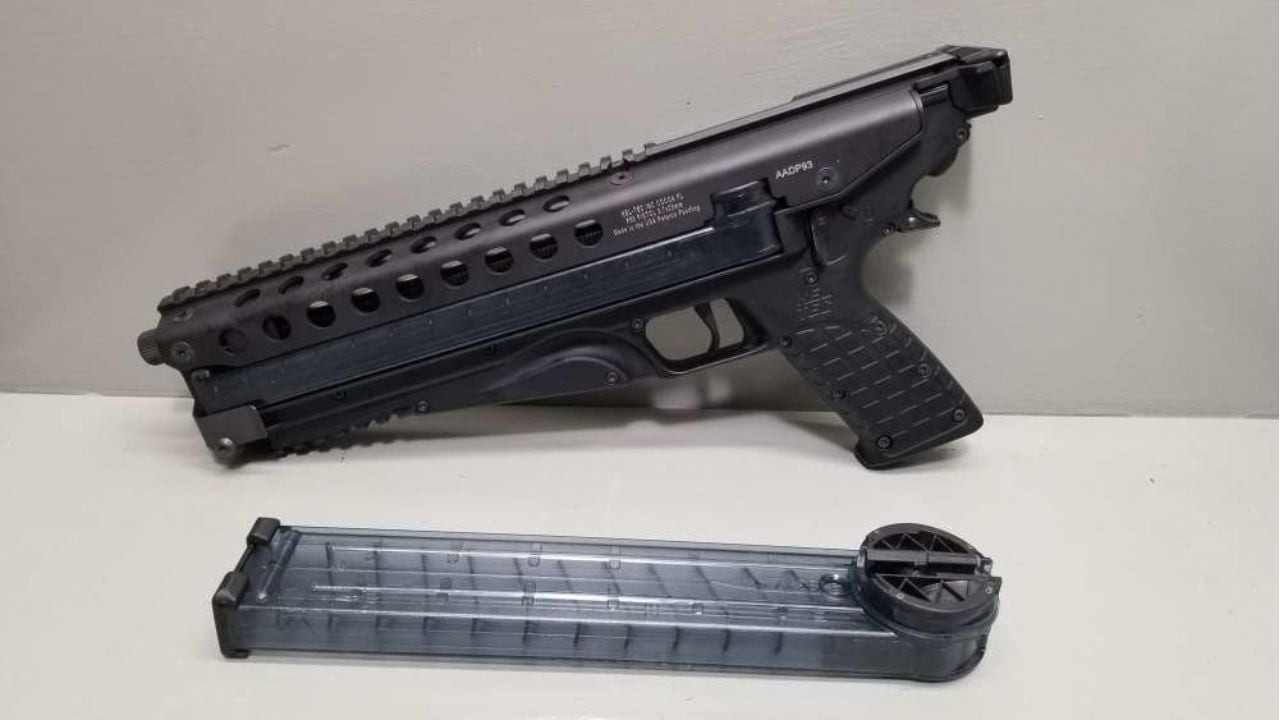
The KelTec P50 is interesting, has plenty of capacity, and looks unlike almost anything else on the market. That does not automatically make it a good bedside firearm.
It is much larger and more unconventional than a typical handgun, and its controls and handling are not nearly as familiar as those of mainstream defensive pistols. For something you may need to operate immediately under stress, conventional controls and straightforward handling are major advantages.
Heizer Defense PKO-45
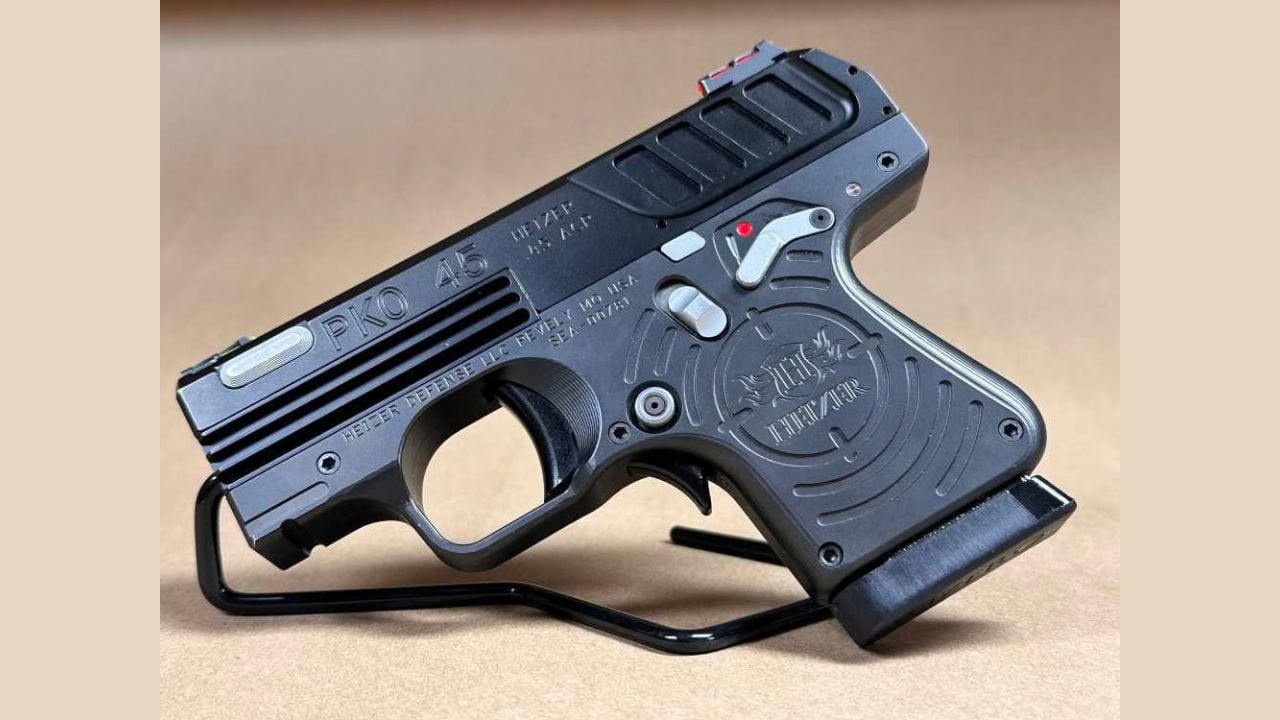
The PKO-45 attempts to put .45 ACP into an extremely compact semiautomatic package. That combination creates exactly the type of compromise a nightstand gun does not need.
A tiny defensive pistol can be difficult to grip and control, especially when paired with a relatively large cartridge. Since concealment is irrelevant beside the bed, there is no advantage to going this small. A larger .45 or 9mm provides a much more manageable shooting experience.
Standard Manufacturing S333 Thunderstruck
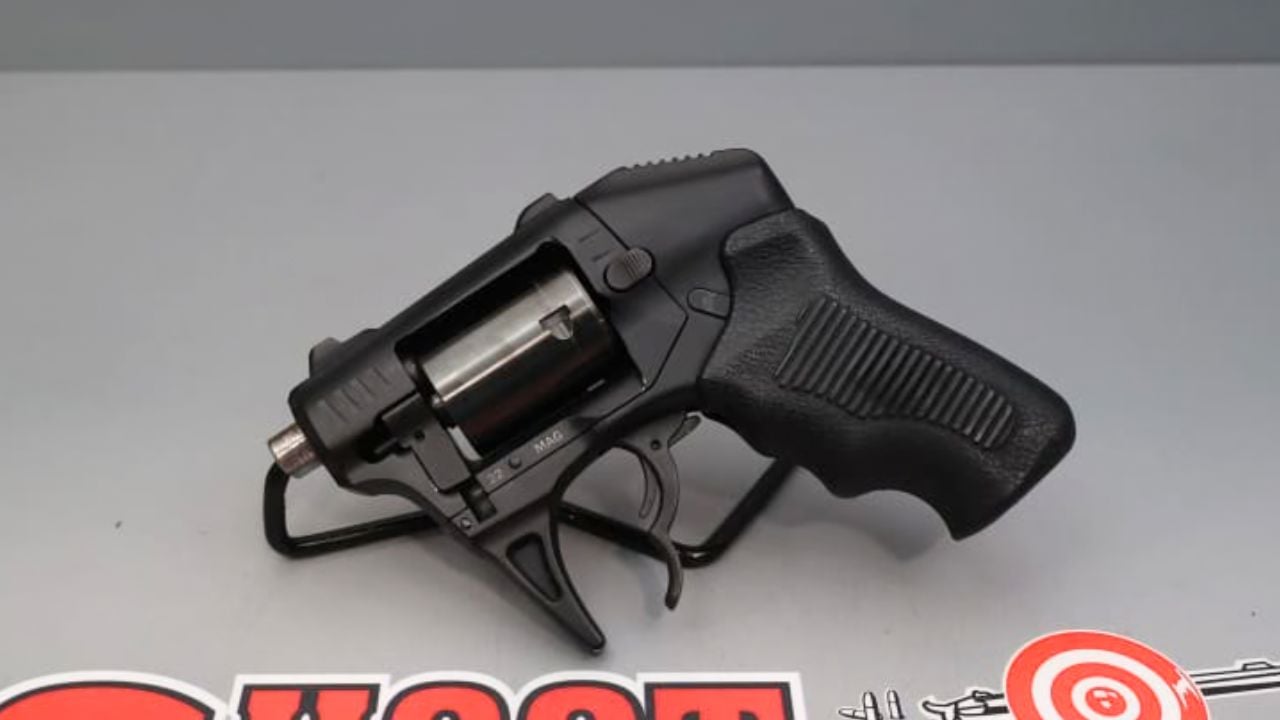
The S333 Thunderstruck fires two .22 Magnum rounds simultaneously with each pull of the trigger. It is certainly unusual, but unusual is not what I am looking for in a primary home-defense handgun.
The unconventional trigger, limited firing cycles before reloading, small grip, and rimfire chambering all make it harder to recommend over established defensive designs. A nightstand gun should be boringly predictable. When conventional pistols offer proven reliability, straightforward controls, and greater practical capacity, there is little reason to complicate the job.
Like The Avid Outdoorsman’s content? Be sure to follow us.
Here’s more from us: