Photo credit: WildMedia/Shutterstock.com
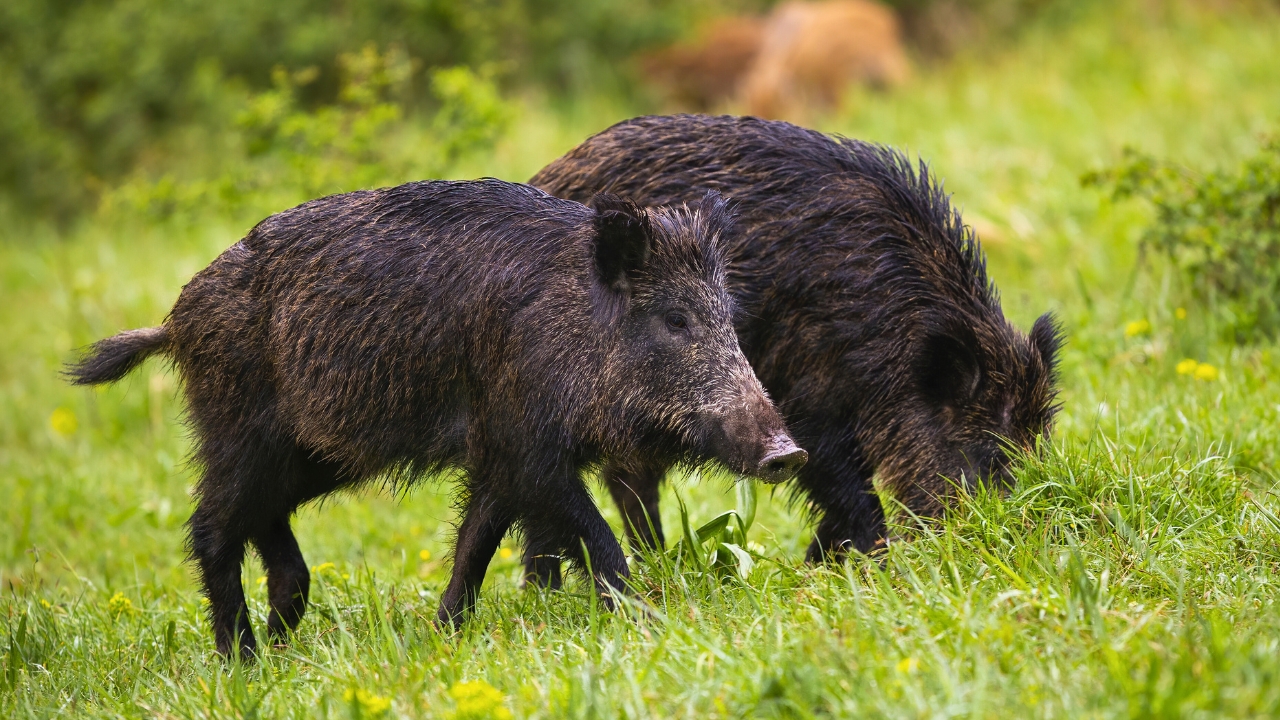
Wild hogs are one of the few game animals where shooting more does not automatically mean you are solving the problem. Hunters can remove a lot of pigs from a property and still watch the population rebound, shift its movement, or become harder to hunt. That is because feral hog management is less about individual animals and more about how entire groups respond to pressure, food, cover, and repeated removal.
Once you understand how hogs reproduce, travel, learn, and reorganize after hunting pressure, the strategy starts looking very different. A hunter trying to fill a freezer can approach pigs one way. A landowner trying to reduce damage has to think on a much larger scale. These 20 facts explain why hog control often takes more planning than simply shooting every pig that walks past a feeder.
Hogs Can Replace Lost Animals Surprisingly Fast

One of the biggest management mistakes is assuming that removing a handful of hogs creates the same kind of population decline it might with a slower-reproducing species. Feral hogs can reproduce at a pace that allows a population to recover quickly when conditions are favorable. Females can breed relatively young, litters commonly contain several piglets, and good food years can support high survival. That means a property holding a healthy breeding population can produce a lot of replacement animals before hunters realize how many pigs are actually present.
This changes the goal completely. If the objective is population reduction rather than recreation, occasional removal may barely keep up with reproduction. Consistent, large-scale removal matters far more than sporadic success.
Shooting One or Two Hogs Can Make the Rest Harder to Kill

Hogs learn quickly from pressure. If a sounder regularly visits a feeder and a hunter shoots one pig while the others escape, the survivors may change when they arrive, approach from another direction, or avoid the location altogether. They can become increasingly nocturnal and much less predictable after repeated encounters with hunters. That creates the frustrating situation where a property still has plenty of hogs, but sightings suddenly collapse.
This is why management hunters often think differently from recreational hunters. Removing an entire group at once can be far more effective than repeatedly educating survivors by shooting a single animal whenever an opportunity appears.
The Sounder Matters More Than the Individual Hog

Most female feral hogs and their young live in social groups commonly called sounders. That means the group, rather than the individual pig, is often the most useful management unit. A camera showing eight pigs is not necessarily showing eight independent animals that can be removed one at a time without consequences. Those animals travel, feed, and react to danger together.
Once hunters start thinking in sounders, trapping strategies make much more sense. The goal becomes getting the whole group comfortable entering a trap before triggering it. Removing an entire sounder eliminates breeding females and young animals together instead of leaving survivors that may immediately change their behavior.
Big Boars Are Not Usually the Population Driver

Large solitary boars get attention because they are impressive animals, but killing one mature male usually does far less for population control than removing multiple breeding females. A single boar may breed with several females, and another male can replace him. The reproductive potential sits much more heavily with the females that are producing litters.
That does not mean hunters should pass big boars. They can cause damage and make excellent hunting targets. It simply means that if population reduction is the goal, a management program centered around trophy-sized males is attacking the wrong part of the population.
Removing Breeding Females Has Outsized Value

A mature sow represents more than one hog. She represents the future litters she could produce and, eventually, the offspring those piglets could produce. Removing breeding-age females therefore has a much greater long-term population effect than selectively targeting only males.
This is one reason indiscriminate group removal tends to outperform recreational-style selection. When an entire sounder is removed, the landowner is not just removing the visible pigs. They are eliminating much of that group’s future reproductive potential at the same time.
Hogs Do Not Need Wilderness to Thrive

Hunters sometimes imagine serious hog problems as something limited to huge remote ranches or swamp country. Feral hogs can thrive in agricultural land, river bottoms, timber, suburban edges, cattle country, and fragmented properties as long as they have food, water, and cover. Crops, feeders, mast-producing trees, livestock feed, and even human waste can help support them.
That makes management more difficult because a single property rarely operates in isolation. You can remove hogs aggressively on your acreage while neighboring land continues providing everything necessary for another group to move in.
A Property Can Be Reinfested After Good Control

Removing every hog currently using a property does not mean the problem is permanently solved. Hogs travel, and vacant habitat can eventually be occupied by animals from surrounding areas. If the property has water, cover, feeders, crops, or other reliable food, it remains attractive whether or not the original pigs are gone.
For a landowner, that means hog management often becomes maintenance rather than a one-time project. Cameras and continued monitoring still matter after a successful removal effort because catching the next group early is easier than allowing another population to become established.
Hunting Pressure Can Push Hogs Almost Completely Nocturnal

Feral hogs are perfectly capable of moving during daylight, especially in areas where they feel secure. Heavy hunting pressure can shift much of that activity into nighttime hours. A hunter may conclude there are fewer pigs because daytime sightings disappear, even while trail cameras reveal heavy movement after dark.
This is an important distinction because reduced visibility does not necessarily mean reduced population. Effective management requires looking at sign, cameras, rooting activity, and other evidence instead of judging success only by how many hogs hunters see during normal shooting hours.
Feeders Can Help Hunters and Hogs at the Same Time

Feeders are extremely effective for concentrating hog activity, which makes them useful for cameras, hunting, and trapping. The downside is obvious once you think about it: a reliable food source can also improve the attractiveness of the property to hogs. Animals that might otherwise travel farther for food can learn that a particular location provides an easy meal repeatedly.
That does not mean feeders should never be used. It means landowners managing hogs need to understand that feeding creates both an opportunity and a responsibility. If pigs are being consistently fed but rarely removed, the setup may be benefiting them more than the hunter.
Hogs Can Travel Farther Than Their Daily Pattern Suggests

A trail camera can make a sounder look like it belongs entirely to one property because the animals appear at the same feeder repeatedly. In reality, hog home ranges can extend well beyond a single hunting tract, especially when food or water availability changes. Their movements can expand when crops mature, mast drops, drought concentrates water, or hunting pressure increases.
That makes neighboring land especially important. The pigs you see every night may spend significant time somewhere else. Coordinated management across multiple properties can therefore accomplish far more than one landowner working alone.
Acorns Can Completely Change Hog Movement

A feeder that gets hammered all summer may suddenly appear abandoned when acorns begin falling. Hogs strongly respond to natural food availability, and mast crops can pull them away from predictable artificial food sources. The population may still be there while camera activity around feeders collapses.
Hunters who understand this stop assuming the pigs disappeared. They shift scouting toward oak bottoms, creek drainages, and other mast-producing areas. Management becomes much more effective when tactics follow food availability instead of expecting hogs to keep following the same pattern year-round.
Water Can Be More Important Than Food During Hot Weather
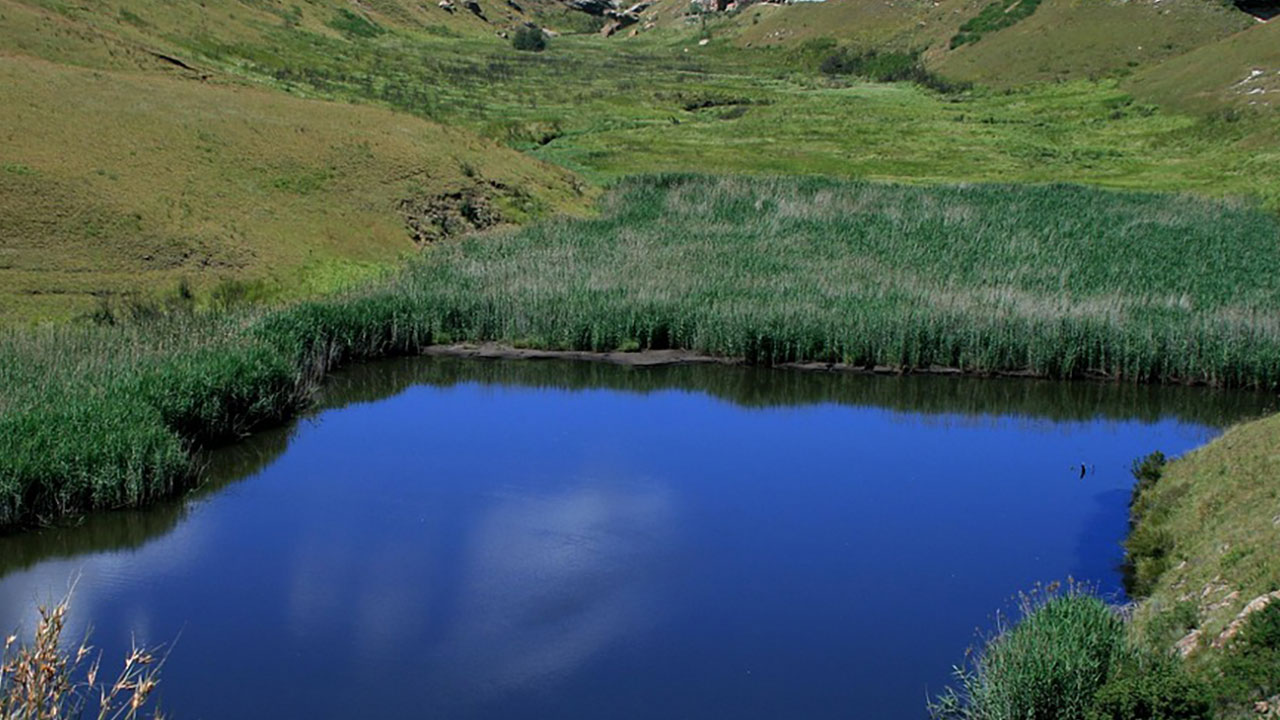
In warm climates, dependable water can be one of the strongest influences on hog movement. Hogs do not sweat efficiently and use water and mud to help regulate body temperature. During hot, dry periods, ponds, creeks, stock tanks, wet bottoms, and wallows can become major concentration points even when food is widely available.
That gives landowners another way to think about scouting. Finding the water hogs depend on can sometimes reveal their travel patterns more reliably than locating another feeding area. In dry country, water can become the anchor around which everything else revolves.
Rooting Damage Can Continue Even When Crops Are Not Present

Hogs are often associated with crop damage, but agricultural fields are only part of the problem. They root for underground plant material, insects, worms, tubers, and other food, disturbing pastures, creek banks, roadsides, lawns, food plots, and forest floors. That rooting can overturn surprisingly large areas and create repair costs even where no commercial crop exists.
This changes the cost calculation for landowners. A few hogs may not seem like a major problem until equipment starts hitting rooted ground, pastures need repair, or food plots are repeatedly destroyed. Management is often cheaper when it begins before visible damage becomes severe.
Hogs Compete With Native Wildlife for Food
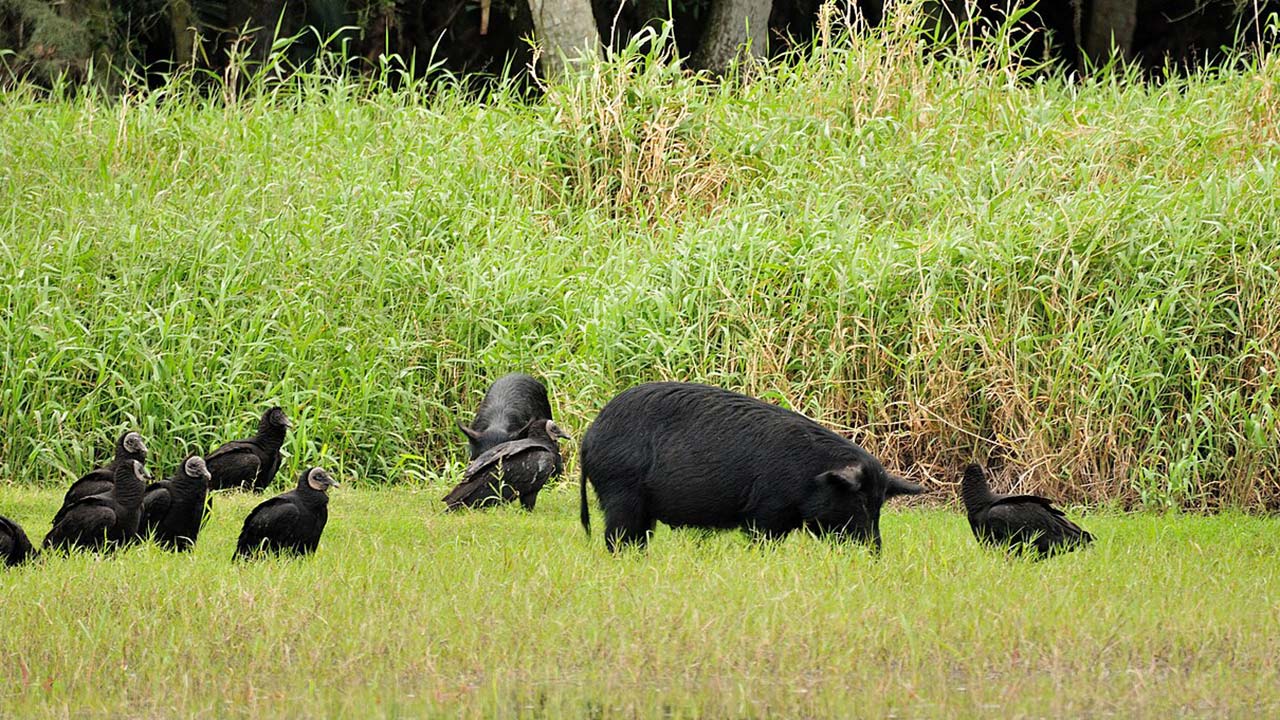
Wild hogs eat many of the same foods relied on by deer, turkey, squirrels, and other wildlife. Acorns are a major example. A large sounder feeding through an oak bottom can consume substantial amounts of mast that would otherwise be available to native species. Hogs can also consume agricultural crops and supplemental feed intended for deer.
That means hog management is not just about stopping property damage. Hunters who care about deer and turkey habitat have another reason to keep pig numbers down. Every food source does not automatically belong exclusively to one species, and hogs can be extremely efficient competitors.
Hogs Will Eat Animal Matter Too

Feral hogs are opportunistic omnivores, not strict plant eaters. Their diet can include insects, carrion, eggs, reptiles, small animals, and other available animal matter. They will exploit whatever food source is easiest and most abundant at the time.
For habitat managers, that matters because the impact is broader than lost corn or acorns. Hogs can disturb nests and consume wildlife food resources while simultaneously altering the ground through rooting. Their effect on a property can therefore extend well beyond the visible damage around a feeder.
Smart Trapping Usually Requires Patience Before the Gate Drops
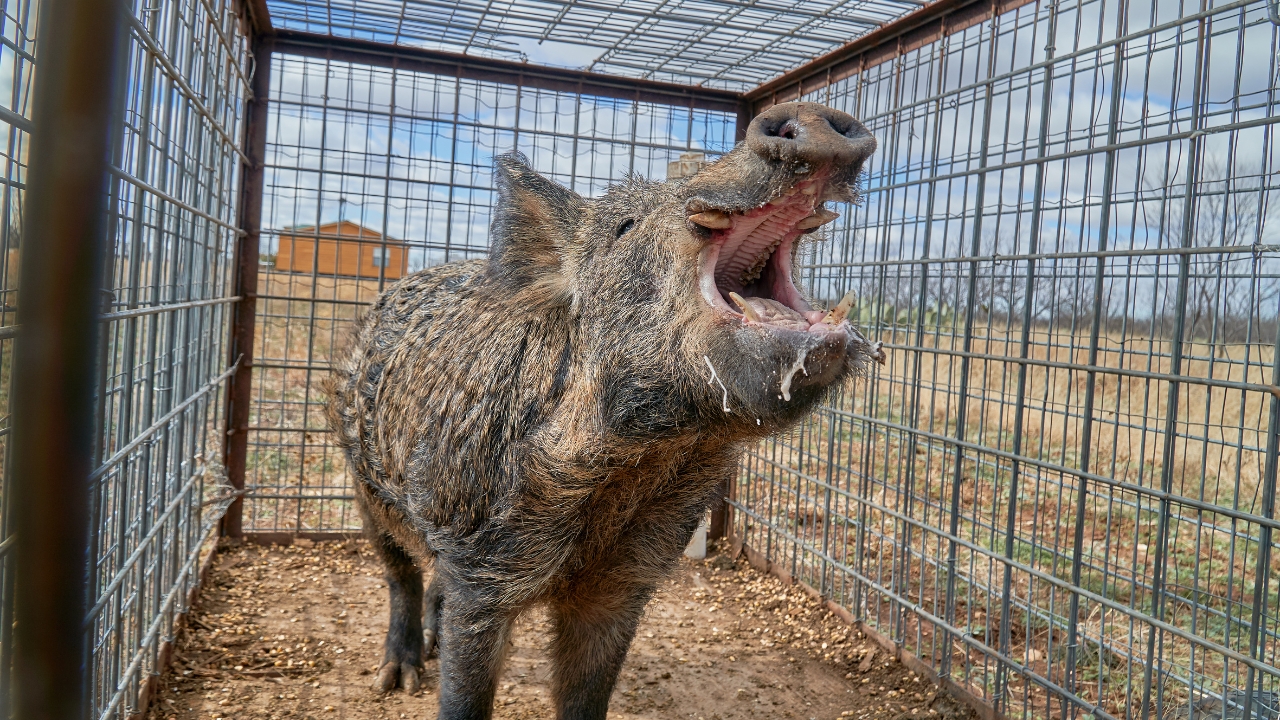
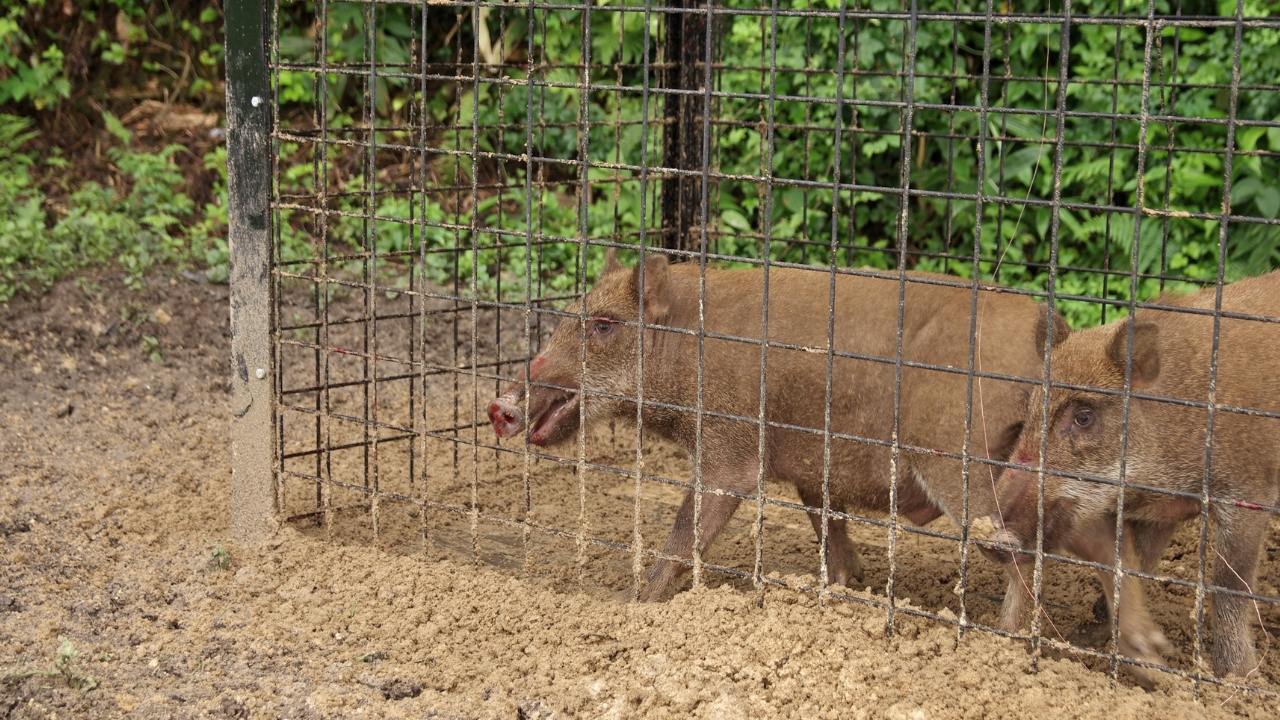
One of the easiest ways to reduce trapping success is triggering a trap as soon as the first few hogs enter. If a sounder contains a dozen animals but only four are inside when the trap closes, the remaining pigs may become much more suspicious of that location. Those educated survivors can be considerably harder to catch.
That is why experienced trappers often pre-bait and allow the entire group to become comfortable entering. Cameras help determine when the whole sounder is routinely inside. Waiting longer before the first capture can ultimately remove far more pigs.
Small Traps Can Create Big Problems
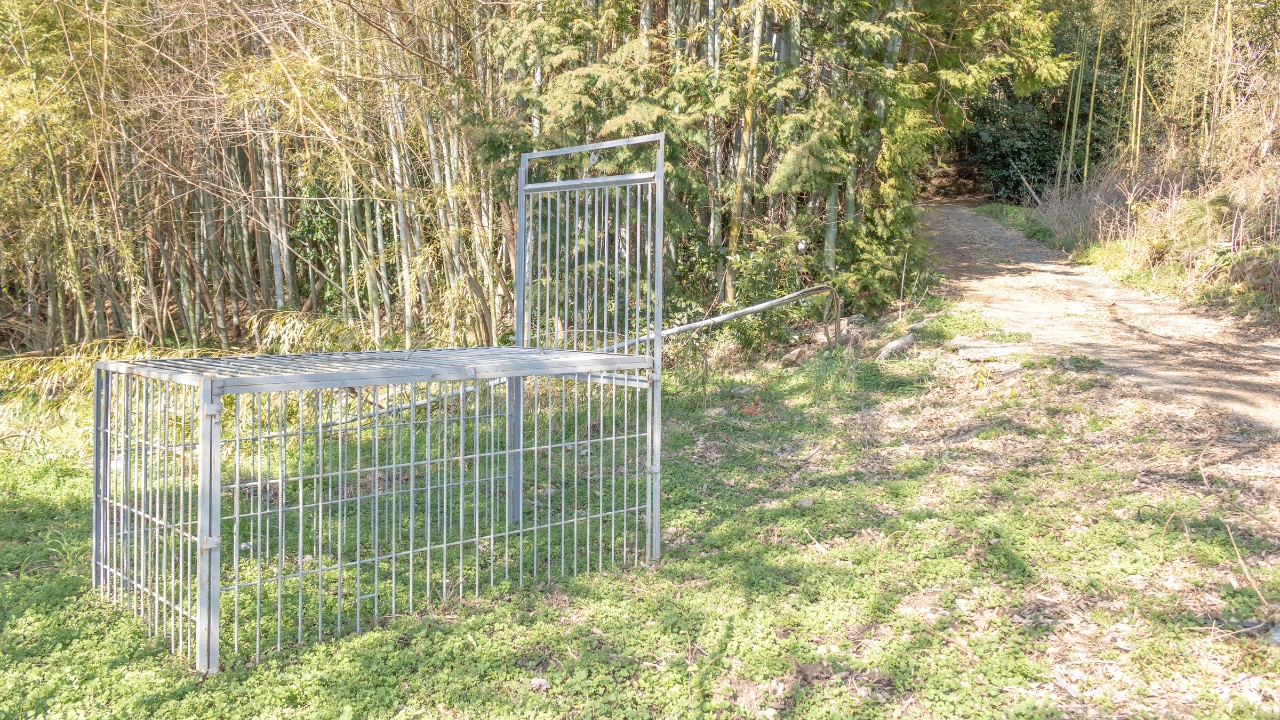
A trap that physically cannot hold an entire sounder may guarantee that some pigs remain outside. Those survivors have just watched members of their group get caught, which can make future trapping more difficult. A trap intended for population control needs enough space and the right configuration to handle the group using the site.
This is another example of why hog control requires thinking beyond the first capture. Catching three pigs feels productive, but catching twelve at once can be dramatically more valuable if those twelve represented the local sounder.
Dogs and Spot-and-Stalk Hunting Serve Different Goals Than Mass Removal
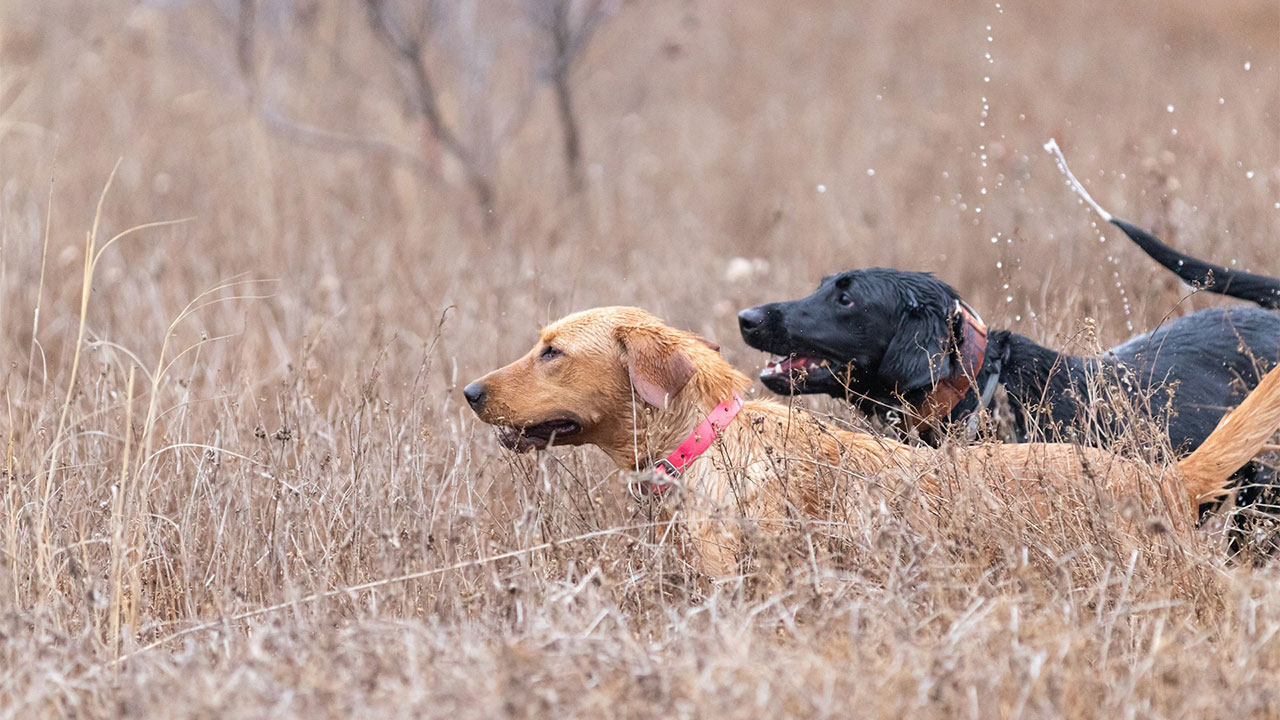
Hunting hogs with dogs or stalking individual animals can be extremely effective for recreation and for removing particular pigs. It can also reach animals in terrain where trapping is difficult. But those methods generally approach hogs individually or in smaller numbers compared with a well-run whole-sounder trapping program.
That distinction matters when setting expectations. A method can be excellent hunting without being the most efficient population-control tool. Landowners should decide whether the primary objective is sport, meat, immediate damage control, or long-term population reduction before deciding which method deserves most of their effort.
No Single Control Method Solves Every Hog Problem
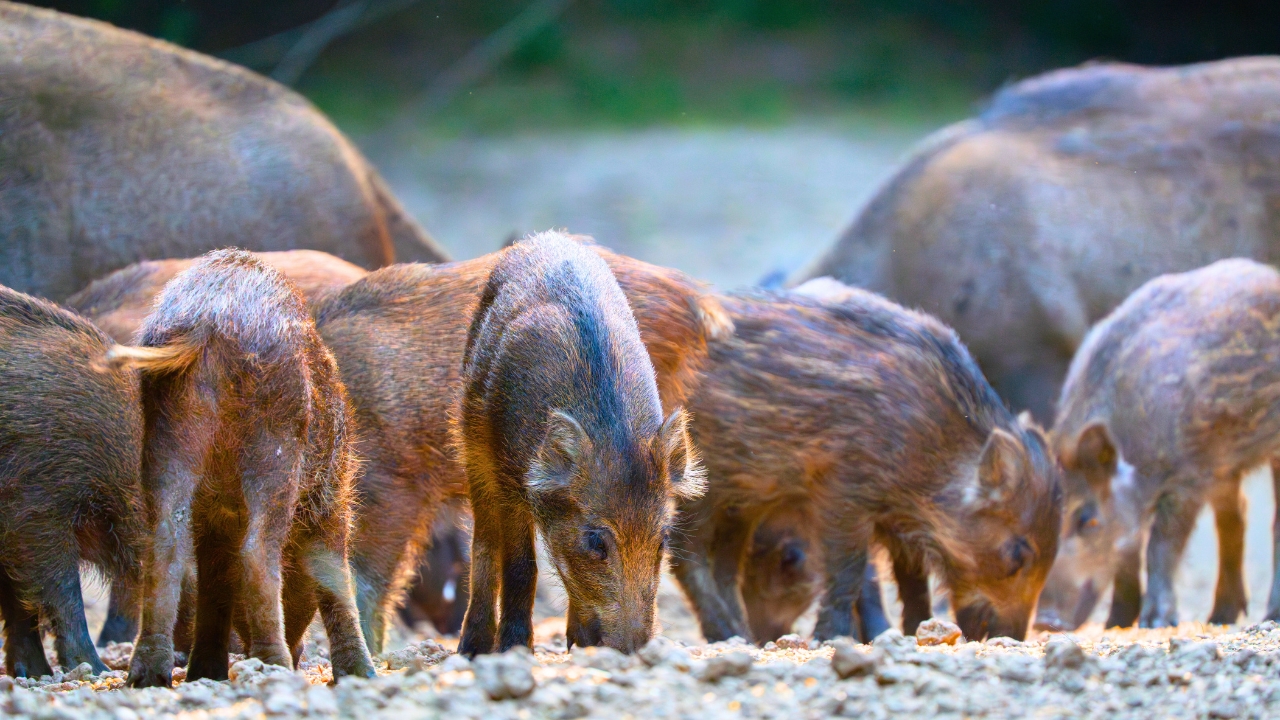
Trapping works extremely well when sounders can be conditioned to bait. Hunting can remove individual animals and maintain pressure. Night shooting where legal can target hogs when they are most active. Dogs can reach pigs in cover. Professional control efforts may bring additional equipment and expertise to large or persistent problems.
The strongest management programs often combine methods instead of expecting one technique to do everything. Hogs adapt quickly enough that flexibility matters. When one location, bait, or method stops producing results, the management strategy needs to change with the pigs.
Real Hog Management Is Measured Over Years, Not Weekends
A successful weekend can produce a trailer full of hogs and still have very little effect on the long-term population. Real management means repeatedly removing enough animals to stay ahead of reproduction and immigration while monitoring how the remaining pigs respond. That may involve trapping one month, hunting another, changing bait locations, coordinating with neighbors, and continuing surveillance even after activity drops.
This is probably the biggest mindset change of all. Hog control is not defined by how many pigs were killed on one hunt. It is defined by whether rooting, crop loss, camera counts, and overall hog activity remain lower months and years later. Once hunters start measuring success that way, their entire approach usually changes.
Like The Avid Outdoorsman’s content? Be sure to follow us.
Here’s more from us: