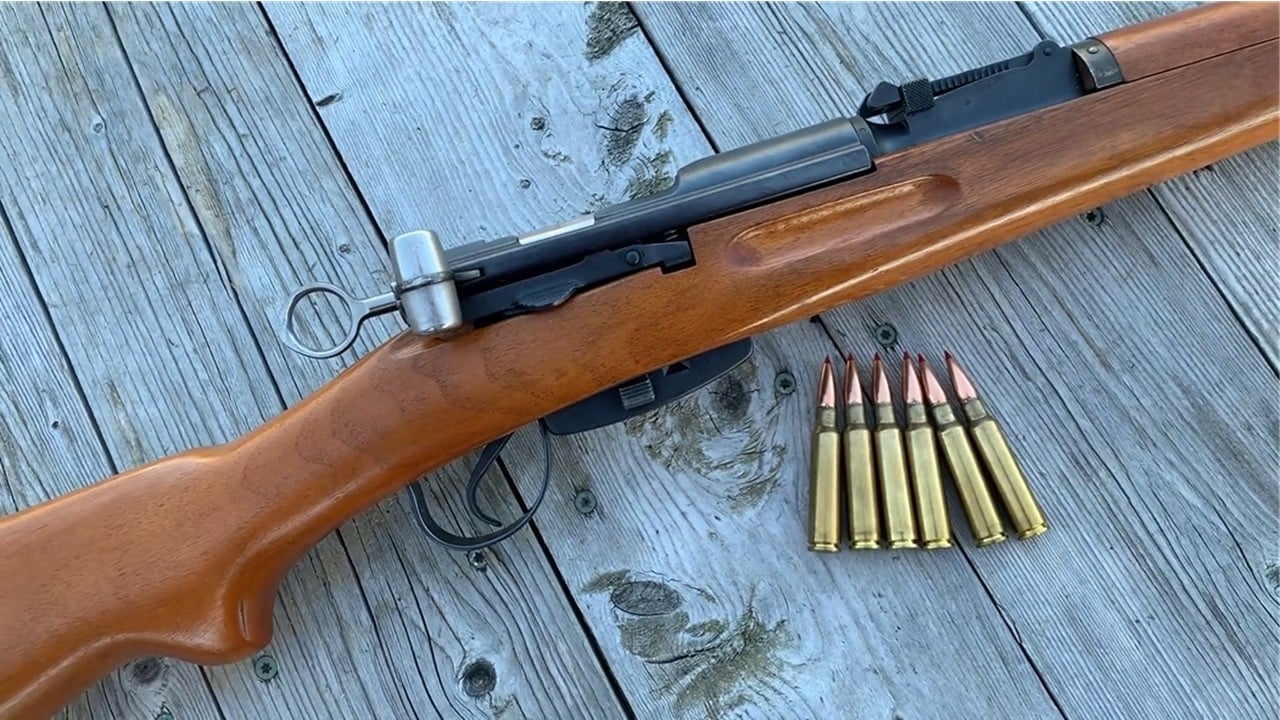
Photo credit: Misha's Guns/YouTube
Every rifle has a story, but the ones that stick around usually have a second story: the day you almost let it go. I have watched guys walk into a gun shop with a “safe queen” they never shoot, ready to trade it for the newest thing on YouTube. Then they start talking about what that rifle actually did for them—how it carried, how it grouped, how it behaved in cold weather—and you can see the gears turning.
These are the rifles that tend to get “almost sold” until the owner finally understands what he’s holding. Some are classics. Some are ugly-duckling workhorses. A few are just plain smarter than the market gave them credit for. And yes, a couple are the kind that only make sense after you’ve owned one long enough to learn its quirks.
1. Winchester Model 70 (pre-64)

There’s a reason old-timers talk about these like they’re family members. The pre-64 action is smooth in a way that’s hard to explain until you run one fast, from the shoulder, in the cold. Controlled-round feed isn’t a magic spell, but it does buy peace of mind when the stakes are real and the bolt is getting worked hard.
Most of the near-sales happen because somebody inherited one, sees a few honest scratches, and assumes it’s just “an old .30-06.” Then they shoot it and realize it settles into the pocket the same way every time, and it keeps putting bullets where the crosshair was. Once that clicks, it stops being “old” and starts being “right.”
2. Remington 700 BDL (older walnut guns)

The 700 has been argued to death, but the older BDLs in walnut with that classic floorplate have a feel that newer rifles don’t always match. They balance well, carry flat in one hand, and they point naturally when you’re slipping through timber. They also tend to shoot better than their owners think they do.
Where folks get sideways is when they treat it like a parts donor or trade bait. A clean, older BDL with a good barrel is a forever deer rifle. Not fancy. Just dependable, accurate, and easy to live with.
3. Ruger M77 Mark II

These get dumped because they’re not trendy. The tang-safety crowd chases earlier Rugers, the internet chases lighter rifles, and the Mark II sits there being a brick with a bolt. Then you hunt one for a few seasons and start appreciating how it feeds, how it locks up, and how it shrugs off weather.
It’s also a rifle you can run hard without feeling like you’re babying it. When a gun can ride in a truck, get rained on, and still put meat in the freezer, you stop thinking about what it’s “worth” and start thinking about what it does.
4. Savage Model 99

The first time you shoulder a 99 that fits you, you understand why guys get sentimental about them. They carry like a lever gun should, but they don’t feel whippy. The rotary magazine is part of the charm and part of the practicality—pointed bullets in a lever gun is still a neat trick.
They get sold because ammo can be odd depending on chambering, and because some hunters don’t want to fuss with older iron. Then someone sees what a clean 99 costs now, or they realize how nicely it slips through brush, and suddenly that sale feels like a mistake avoided.
5. Marlin 336 (JM-stamped)
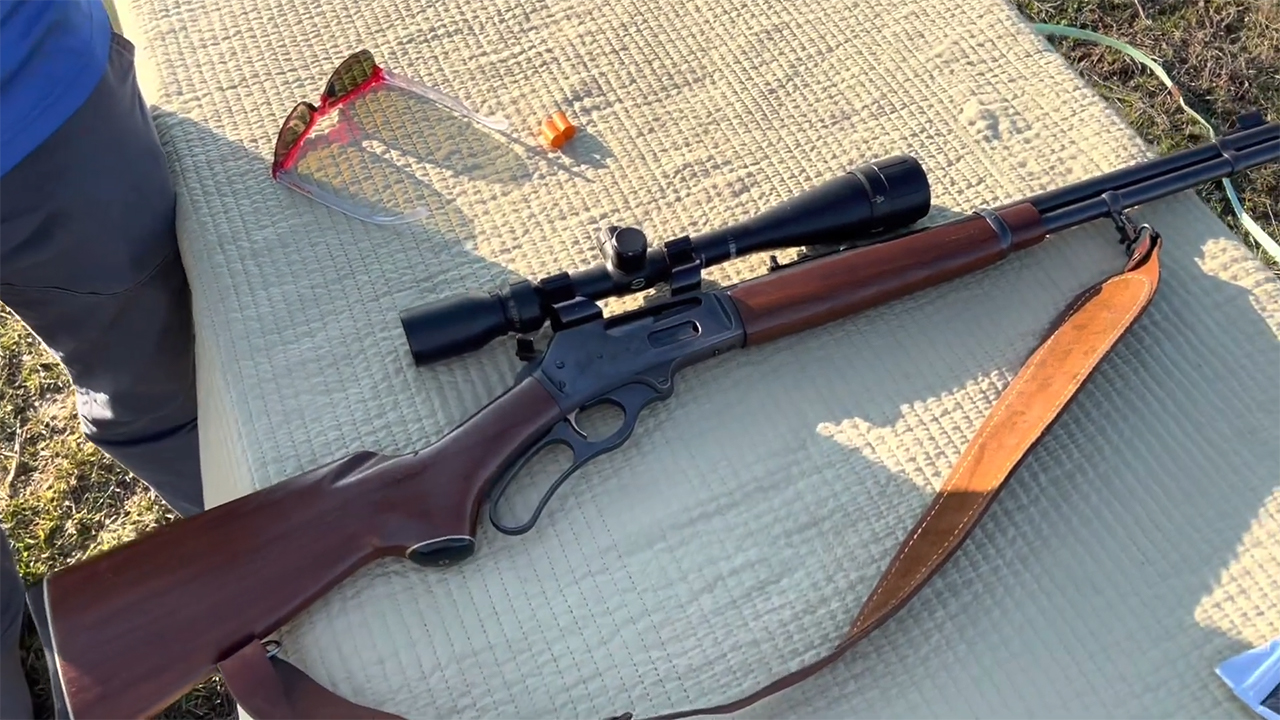
Plenty of lever guns kill deer, but the older Marlin 336s with the JM stamp have a particular kind of “right” to them. The action cycles without that gritty spot, the wood-to-metal fit looks honest, and they tend to be accurate enough that you stop making excuses for lever guns.
These often leave a safe because a hunter moves to a scoped bolt rifle and convinces himself the lever gun is outdated. Then the next season he’s still-hunting thick stuff and realizes he misses the way the 336 carries and comes up on target. That one hurts.
6. Winchester Model 94 (pre-64)
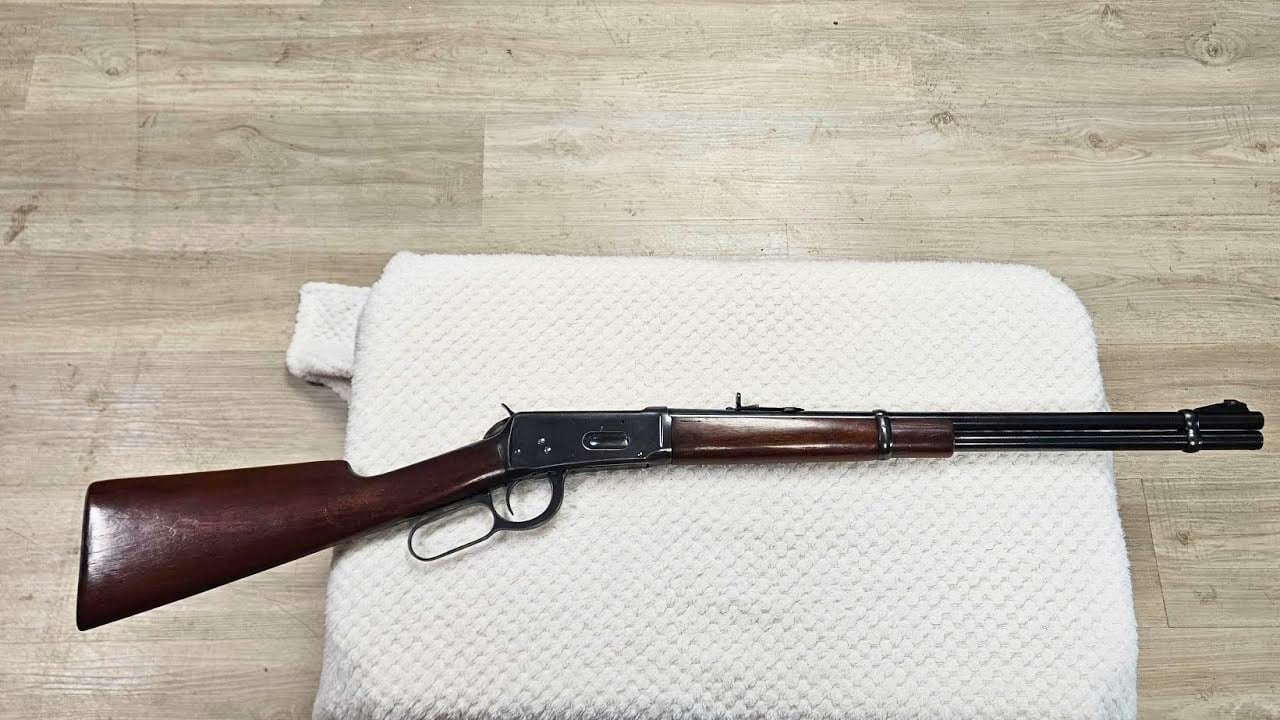
The Model 94 is almost too common to get respect, and that’s exactly why people let them go. They’re “grandpa’s rifle” until you take it on a day-long walk and realize your shoulders aren’t sore at dark. They carry like a walking stick you can hunt with.
Pre-64 examples also have a slickness and finish that stand out once you’ve handled newer, rougher guns. Nobody needs one to be a serious hunter, but once you’ve got a good one that runs, it’s tough to replace that exact feel.
7. Browning BAR (Safari, older Belgian/early Japanese)

These get sold because they’re heavier than most modern deer rifles and because semi-autos make some folks nervous. Then you hunt with one and figure out why they earned their following. The recoil impulse is friendly, the rifle stays on target, and it’s steady in field positions.
A good BAR is also boring in the best way. It just runs if you keep it reasonably clean and feed it ammo it likes. If your hunting involves cold hands and quick follow-ups, the BAR starts looking less like extra weight and more like extra capability.
8. CZ 550 (American or FS)
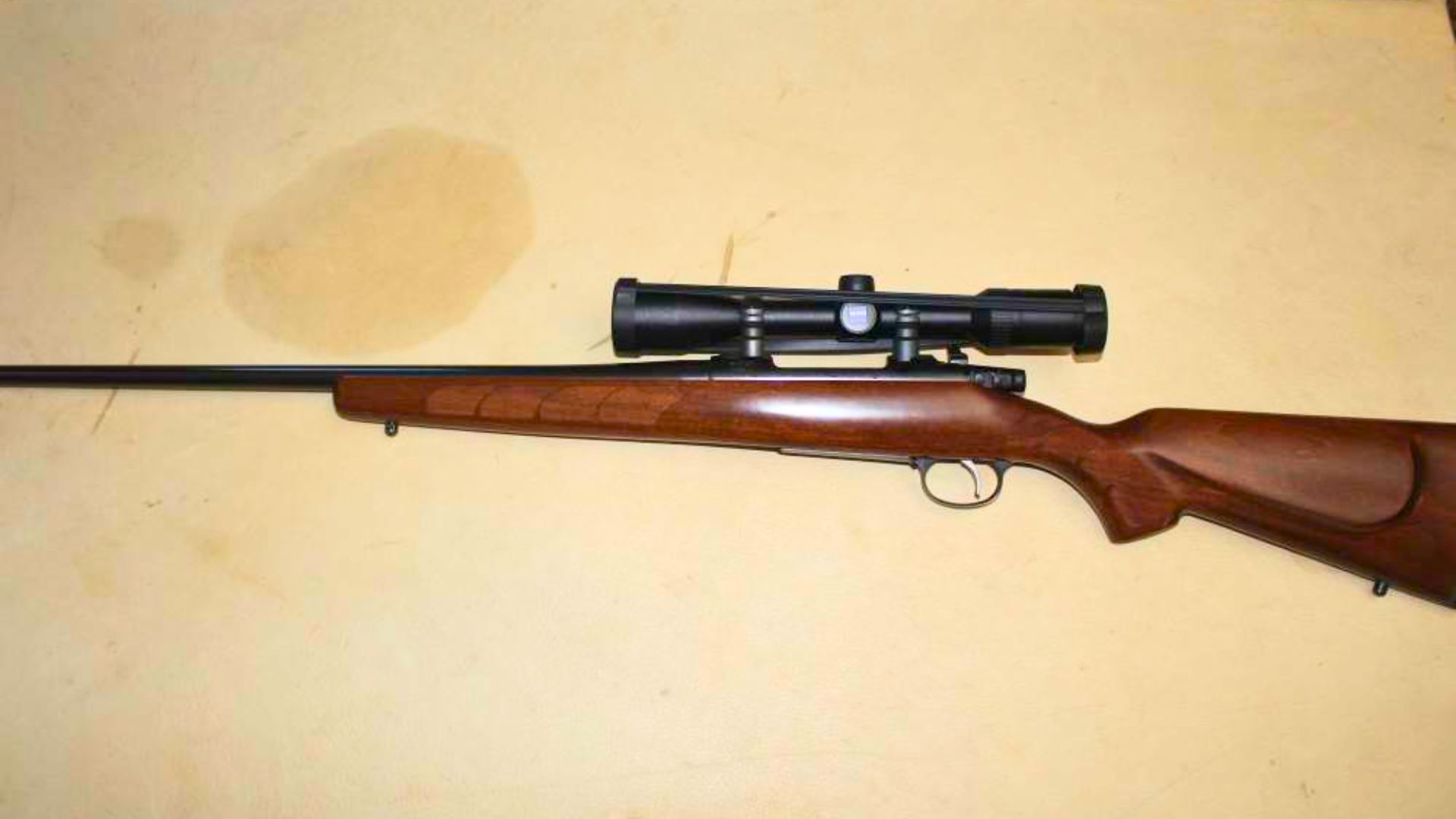
When these were still common on racks, a lot of hunters handled them, noticed the “European” vibe, and passed. Then they shot one. The single-set trigger (if you use it safely and correctly) is a real tool for precision, and the controlled-round-feed action is confidence-building.
The full-stock FS versions also do something odd: they make you want to carry the rifle, not just shoot it. They’re not for everyone, but once a guy bonds with a CZ 550, he usually stops looking for replacements.
9. Tikka T3 (original, not the newest variant)

Tikkas get dismissed as “plastic” until you actually use one in ugly weather. The bolt lift is light, the action is smooth, and they tend to shoot straight with regular factory loads. More than one hunter sold a T3 because it wasn’t exciting, then spent years trying to buy that same level of no-drama performance again.
The magazine system isn’t everybody’s favorite, and I get why someone would want metal. Still, in the field, a rifle that feeds clean and prints tight groups is hard to argue with.
10. Sako Finnbear (L61R)

The Finnbear is one of those rifles you don’t fully appreciate until you’ve handled enough rifles to notice the little things. The machining, the bolt travel, the way the rifle feels like one piece instead of assembled parts—it’s all there. They’re not light, but they’re not clumsy either.
These show up in trades when someone wants cash for a new project. Then they try to replace it with “something similar” and find out similar isn’t the same. Once you understand what a good Sako action feels like, you quit calling it “just another hunting rifle.”
11. Springfield Armory M1A (Standard)
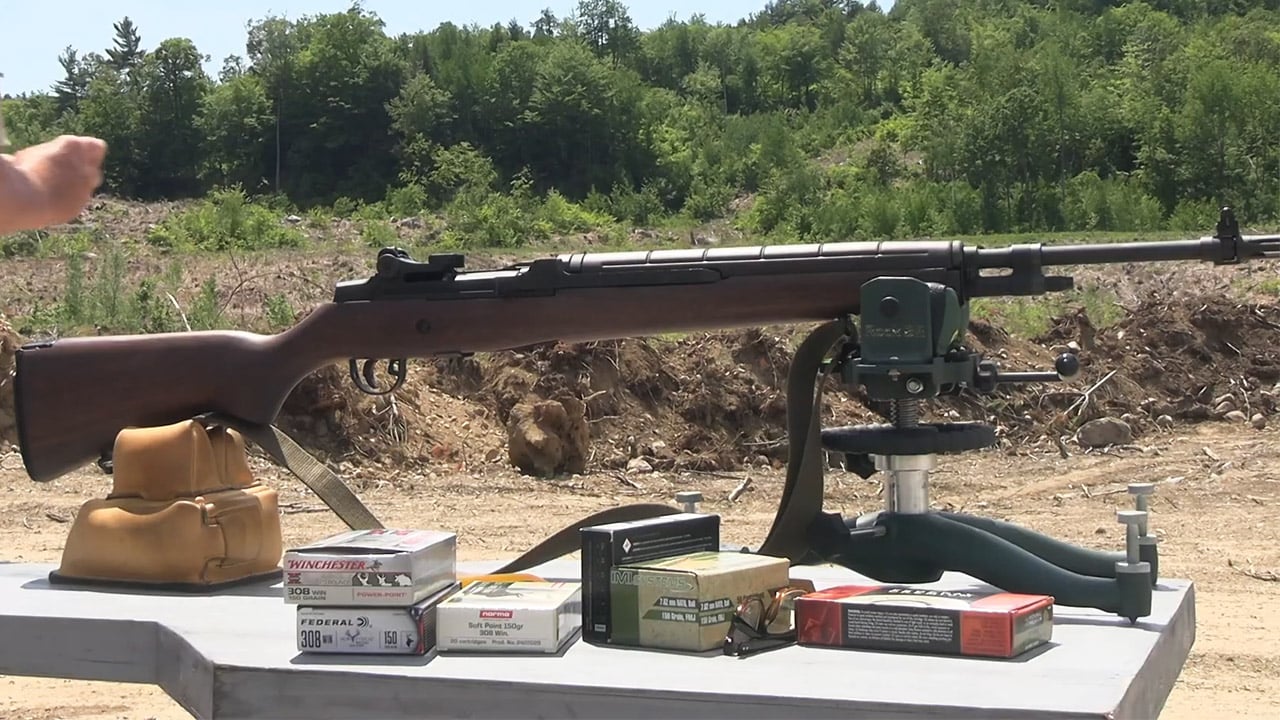
Here’s a rifle that gets sold because it’s heavy and because .308 isn’t cheap to feed. Fair points. But an M1A that runs right is a serious rifle, and it does a lot of jobs well enough that it earns its keep—range time, hogs, property defense, and just plain enjoyment.
Magazines are easy to find, parts are out there, and it has a mechanical honesty that’s hard to explain. When owners finally accept it for what it is—not a featherweight and not a benchrest gun—they usually stop trying to trade it off.
12. Ruger No. 1

Single-shots make practical hunters roll their eyes, and I understand that. But a Ruger No. 1 has a way of slowing you down in a good way. It carries like a compact rifle because of the short overall length, and it has a balance that feels lively without being nervous.
A lot of guys sell them after realizing it isn’t their “main rifle.” Then they miss it because it’s the rifle they actually enjoyed carrying and shooting. There is nothing fancy about one well-placed shot, and the No. 1 is built around that idea.
13. Steyr Mannlicher M95 sporters (and other old-school conversions)
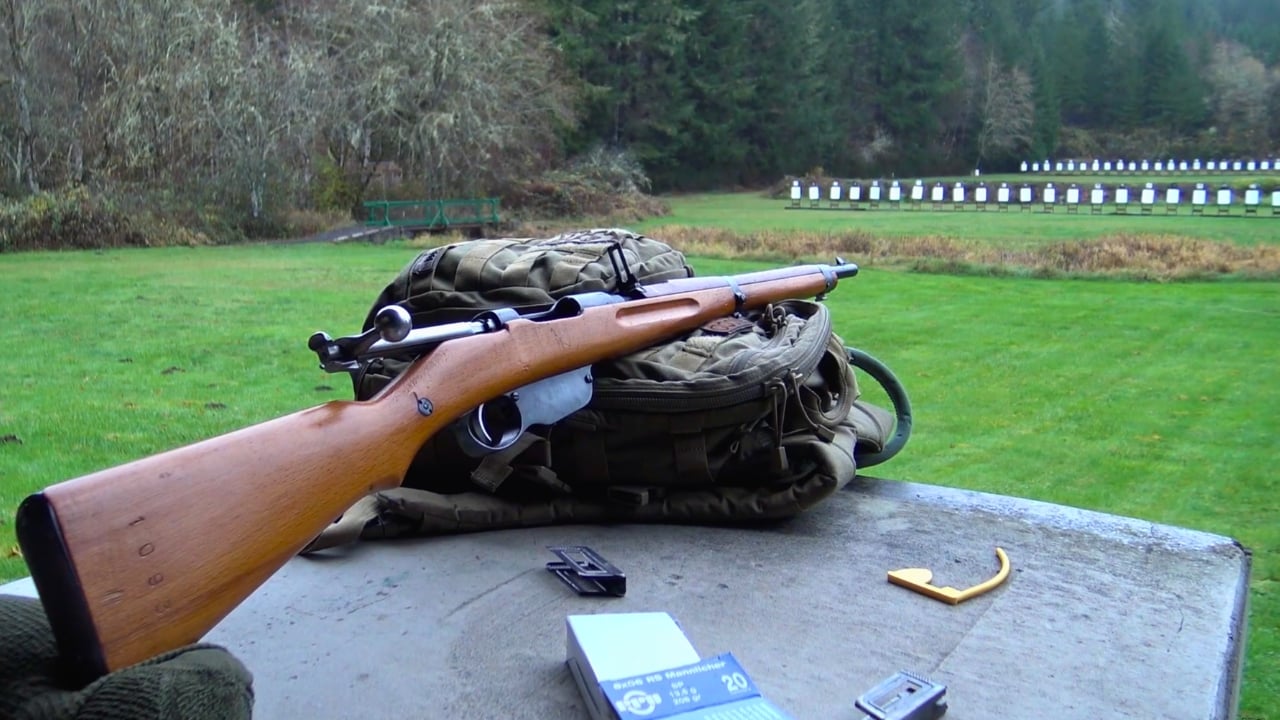
Not everyone’s cup of coffee, and some of them are rough. But the guys who learn what they’re looking at tend to hang onto them. The straight-pull action is fast, the history is real, and a decent sporter can be a handy woods rifle if it’s been done right.
The mistake is treating them like a cheap oddball. Once you understand the clips, the quirks, and what good condition actually looks like, you stop tossing them into the trade pile just because ammo takes a little planning.
14. Mosin-Nagant M91/30 (well-sorted example)

Mosins used to be cheap enough that folks treated them like fence posts. A lot were abused, sure. But a clean, properly set-up M91/30 with a good bore is a different animal than the “sticky bolt at the gun show” stereotype.
They also taught a generation of hunters and shooters what recoil feels like, what surplus ammo smells like, and how to run a bolt with authority. Once the bargain-bin days ended, the guys who kept the good ones were glad they did.
15. Ruger Gunsite Scout Rifle

Scout rifles get talked about like they’re either the answer to everything or totally pointless. The Gunsite Scout sits in the middle: it’s not magic, but it is handy. Short overall length, decent sights, and a magazine system that actually works make it a practical field rifle.
Where owners get tripped up is trying to force it into being a long-range rig or a featherweight mountain rifle. If you accept it as a tough, general-purpose hunting rifle that carries well and hits hard enough, it starts making a lot of sense.
16. Remington Model 7

The Model 7 gets sold because it’s “just a compact 700” and because it doesn’t always get the attention it deserves. Then you carry one in thick cover and realize how nice a short, quick bolt gun can be. It shoulders fast, and it doesn’t snag on everything.
In the right chambering, it’s one of the best whitetail rifles ever made for regular hunters. Not collectors. Not internet commandos. Just guys who walk and hunt.
17. Kimber 84M (Classic/Select Grade type rifles)

Kimbers can be picky, and I won’t pretend every one is perfect. But a good 84M is a rare thing: a truly light rifle that still feels like a rifle, not a toy. When you’re climbing, that matters more than people admit at the gun counter.
These get sold after a rough range day, usually tied to ammo choice or a scope setup that isn’t doing the rifle any favors. When someone finally gets one sorted and learns how it likes to be shot, they quit talking about selling it and start planning hunts around it.
18. Weatherby Mark V (older Japanese/US production, not the entry-level line)
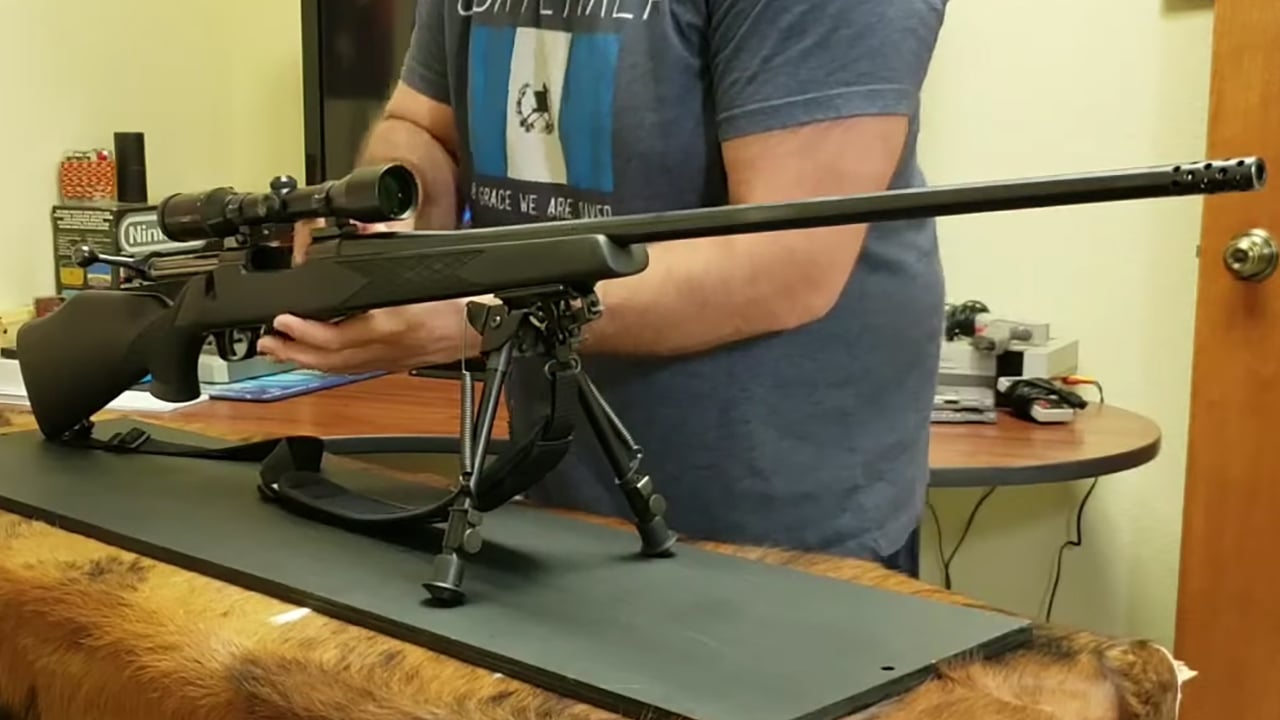
Mark Vs get tagged as flashy, and some of them are. But the action is strong, the bolt is slick, and a lot of them shoot extremely well. They’re also built like they expect to be used, not just admired.
Where owners get buyer’s remorse is recoil, especially in the hotter chamberings, or the fact that the rifle feels “too nice” to scratch. Then the first real season puts a few honest marks on it, and they realize it was meant to hunt, not sit pretty.
19. Ruger 10/22 (older, basic carbine)
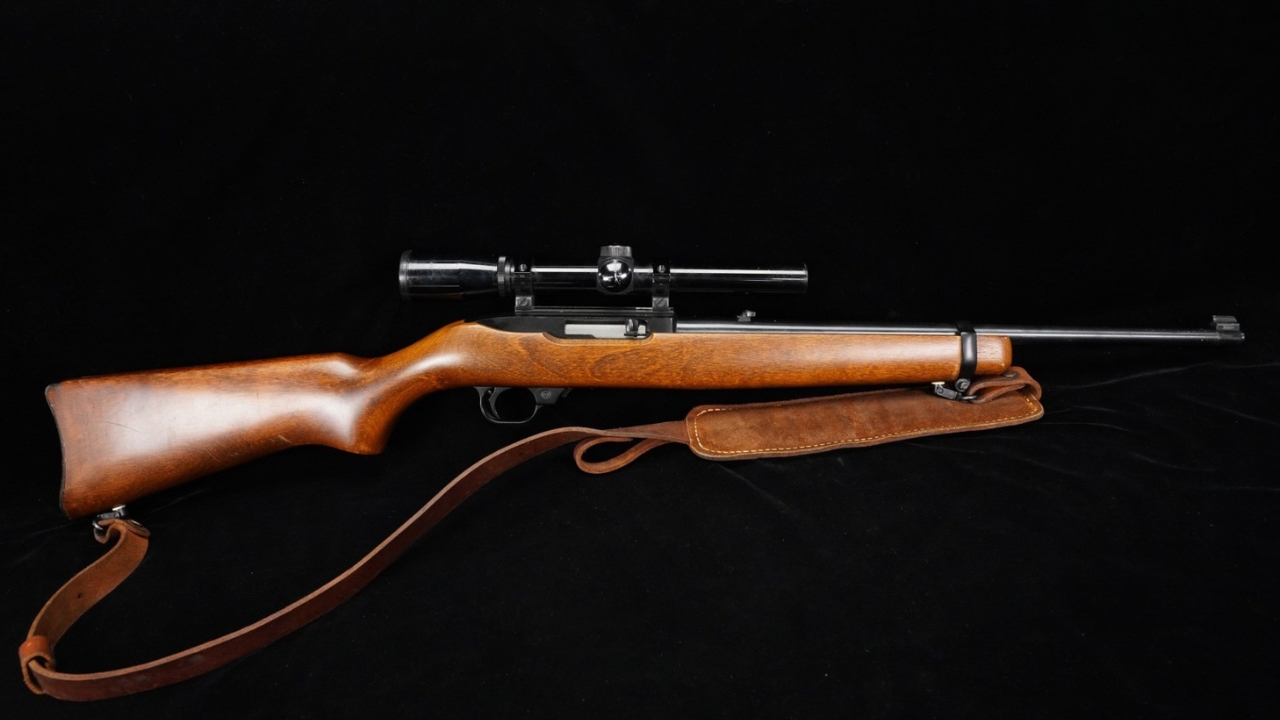
This is the rifle everyone thinks they can replace anytime. Then they go looking. A simple older carbine that runs, feeds, and groups well is more valuable than it looks, especially when you consider how much time a .22 gets used around a farm or camp.
Parts and magazines are everywhere, which makes people treat it as disposable. But the “good” 10/22s have a way of being the ones that always come out for pests, plinking, and teaching kids safe shooting habits. Once you sell your reliable one, the next one isn’t always as sweet.
20. Swiss K31

The K31 is the classic example of a rifle that looks odd until you shoot it. The straight-pull action is smooth, the triggers are usually excellent, and the accuracy can be embarrassing for modern rifles that cost a lot more. They feel like they were built by people who cared about details.
They also get sold because the ammo situation takes a little thought and because the rifle doesn’t fit the typical American hunting image. Once someone learns what GP11 is, understands the rifle’s reputation, and actually puts it on paper, the K31 stops being a “cool surplus gun” and becomes a “don’t touch it” rifle.
A rifle doesn’t have to be rare to be worth keeping, and it doesn’t have to be perfect either. Most of the time, the keeper guns are the ones that fit your kind of hunting and keep working when the weather turns lousy and your hands are cold. If you’re staring at a rifle in the safe and thinking about trading it off, do yourself a favor: shoot it again first. You might remember why it came home in the first place.
Like The Avid Outdoorsman’s content? Be sure to follow us.
Here’s more from us: