Photo credit: Academy Sports
Some firearms never recover from a bad launch, an ugly appearance, or a reputation built by people who barely used them. A few get dismissed because they come from a budget brand. Others are compared against a legendary predecessor they were never meant to replace. Once that negative opinion starts spreading, it can follow a gun for years even after the design improves or shooters begin proving it works.
That does not mean every criticism is invented. Several guns on this list have real weaknesses, limited aftermarket support, or early production issues that deserve to be remembered. The difference is that their worst qualities often receive far more attention than their strengths. These 20 firearms may not be perfect, but they are more accurate, reliable, useful, or enjoyable than their reputations suggest.
Taurus TH9
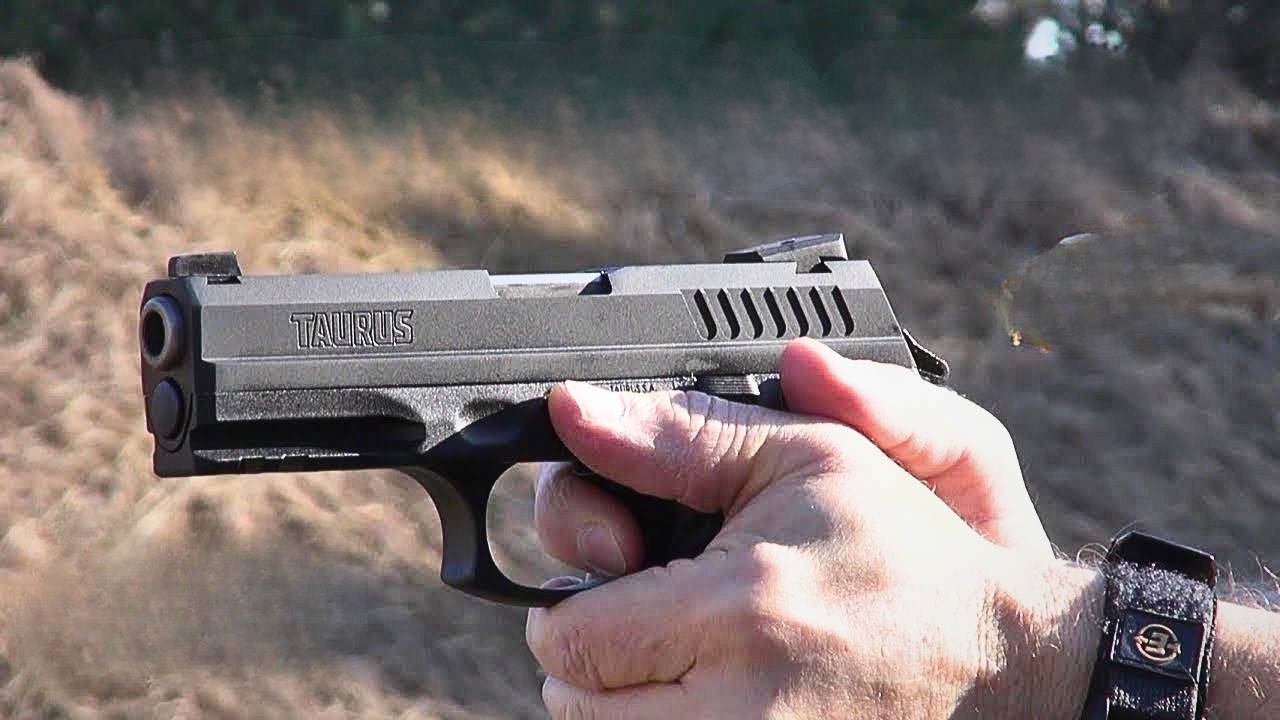
The Taurus TH9 gets overlooked because many shooters see the Taurus name and immediately expect a cheap pistol with inconsistent quality. It also arrived during a period when striker-fired handguns dominated the market, making a polymer-framed double-action and single-action pistol feel dated before many buyers even handled one.
The TH9 is far more capable than its reputation suggests. It offers a full-size grip, good magazine capacity, ambidextrous controls, and the ability to carry with either the hammer down or the safety engaged. The trigger is not match-grade, but the single-action pull is usable and the pistol tends to shoot comfortably because of its size. It lacks the polish and support of a Beretta or CZ, yet it provides a traditional hammer-fired system at a price where most competitors offer only basic striker guns.
Ruger Security-9

The Ruger Security-9 is often treated like a disposable entry-level pistol because of its low price, internal hammer system, and plain appearance. It does not have the aggressive slide machining, optic cuts, or modular chassis systems that attract attention to newer handguns.
What it does offer is straightforward reliability, light weight, and a trigger that is usually better than buyers expect. The internal hammer produces a relatively clean pull, while the grip shape works well for a broad range of hand sizes. It is not built like a premium duty pistol, and the sights and finish reveal the cost savings. For home defense, range use, or a first handgun, however, the Security-9 performs its basic job with fewer problems than its budget reputation implies.
Smith & Wesson SD9 2.0

The original Smith & Wesson Sigma damaged the reputation of every pistol that followed from the same general family. Even after Smith & Wesson improved the design through the SD and SD VE series, many shooters continued treating the guns as cheap Glock copies with miserable triggers.
The SD9 2.0 is considerably better than that description. Smith & Wesson improved the trigger, updated the slide, and retained the comfortable grip shape that was always one of the platform’s stronger qualities. It still lacks the refined feel of an M&P M2.0 and does not have the same aftermarket support. It also costs substantially less. Buyers who want a dependable full-size 9mm without paying for features they may never use should not dismiss it solely because of the Sigma’s history.
Beretta APX A1 Full Size

The original Beretta APX struggled partly because of its unusual slide serrations and because it entered a crowded striker-fired market. It was dependable, but it never developed the excitement attached to Glock, SIG Sauer, or Smith & Wesson duty pistols. That lukewarm reception followed the redesigned APX A1.
The APX A1 is a much more competitive pistol than its reputation suggests. It has improved ergonomics, a better-looking slide, optic compatibility, and a low purchase price that often drops further through rebates. The trigger is not the best in the category, but the pistol tracks well and feels solid under recoil. Its biggest weakness is limited aftermarket support and Beretta’s uneven promotion of the platform. On the range, it performs more like a serious duty handgun than the clearance-rack prices sometimes imply.
CZ P-10 F

The CZ P-10 F has always lived in the shadow of the Glock 17, Walther PDP, and CZ’s own hammer-fired pistols. Early complaints about stiff magazine releases and small production changes gave critics enough material to dismiss the entire platform.
Later P-10 F pistols are strong performers. The grip texture provides excellent control, the bore axis feels low, and the trigger is cleaner than what comes in many basic service pistols. Its full-size frame makes recoil easy to manage, and optic-ready versions are widely available. The gun lacks the massive accessory market of Glock, but it does not need much work to shoot well. Experienced shooters who try one without bringing brand expectations often discover a pistol that delivers far more performance than its used-market prices suggest.
IWI Jericho 941

The IWI Jericho 941 is sometimes dismissed as a heavy CZ 75 copy or purchased mainly because of its appearance in popular culture. Import changes, different safety configurations, and multiple frame designs have also made the model line confusing to buyers.
The steel-framed Jericho is an extremely pleasant pistol to shoot. Its weight absorbs recoil, the grip points naturally, and the slide riding inside the frame creates a low profile. The double-action trigger can be heavy, but the single-action pull usually improves with use. It is less practical for daily carry than a lightweight polymer gun, and magazine or holster support can require more searching. At the range or in a home-defense role, however, the Jericho offers solid construction and smooth shooting that its “clone” reputation fails to acknowledge.
Grand Power P1

Grand Power pistols remain unfamiliar to many American shooters, and unfamiliar guns are often assumed to be difficult to support or unreliable. The P1 also uses a rotating-barrel system that makes some buyers suspicious simply because it differs from the usual tilting-barrel design.
The P1 is more refined than its limited popularity suggests. The rotating barrel creates a smooth recoil impulse, while the double-action and single-action trigger is generally excellent for a production pistol. Its compact size provides a useful balance between concealability and control. Magazines, holsters, and parts are not as easy to find as they are for mainstream brands, and that is a legitimate concern. Still, the actual shooting experience competes with pistols costing significantly more.
Bersa Thunder 380

The Bersa Thunder 380 is regularly described as a cheap Walther PPK copy. That comparison follows it everywhere and causes shooters to assume it is a low-quality substitute for a more prestigious European pistol.
In several practical ways, the Bersa can be easier to live with. Its grip is comfortable, recoil is manageable, and the fixed barrel supports good accuracy. The controls are familiar to anyone who has used a traditional double-action pistol, and the gun often sells for far less than premium .380s. The finish and machining are not luxurious, and some versions have small sights or heavy double-action pulls. It remains a useful carry and range pistol that has proven more dependable than its bargain-bin image suggests.
Canik TP9SF Elite
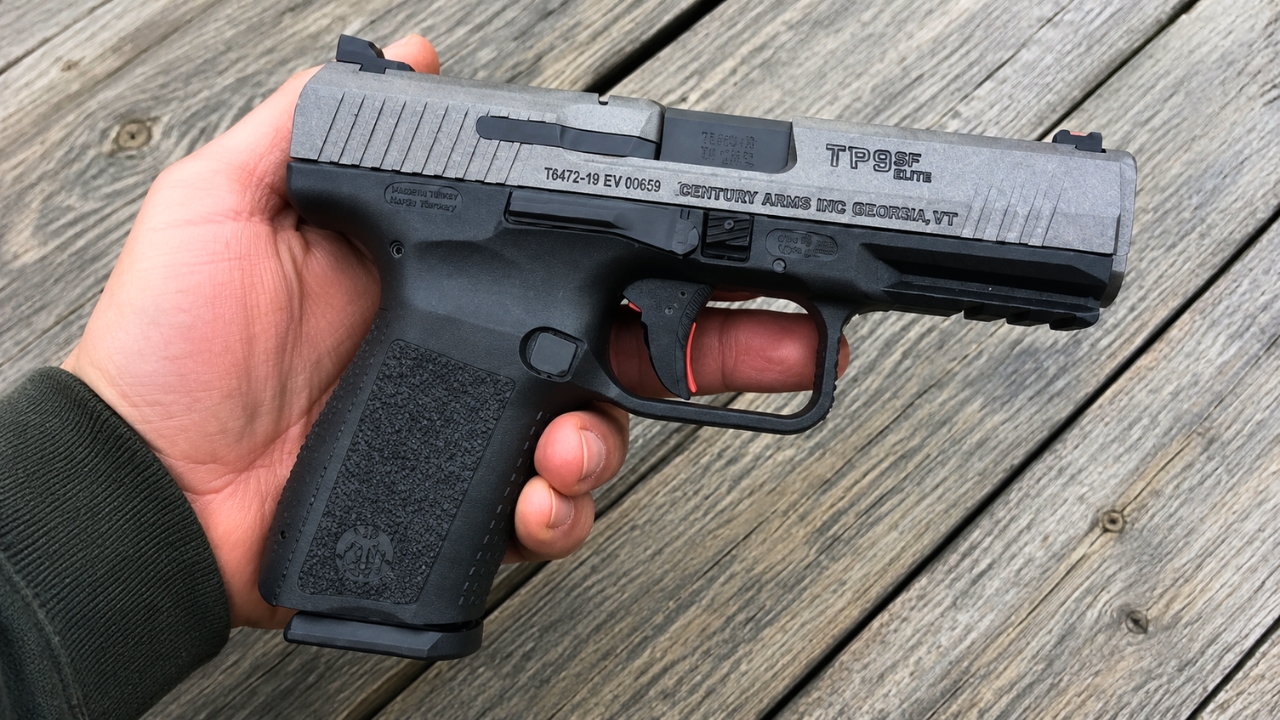
Canik pistols initially gained attention because of their low prices, which also caused many shooters to treat them as temporary budget alternatives rather than serious handguns. Questions about parts support, long-term durability, and Turkish manufacturing kept the TP9 family from receiving immediate respect.
The TP9SF Elite helped change that conversation. It offers a very good factory trigger, comfortable ergonomics, usable sights, and enough weight to shoot smoothly. It is slightly bulky for concealed carry, but that makes it easier to control than many small pistols. Holster and magazine support have improved as the brand has grown. The TP9SF Elite may not have the service history of a Glock or Beretta, but its performance is far closer to those guns than its original budget reputation suggests.
Stoeger STR-9

Stoeger is known primarily for affordable shotguns, so the STR-9 entered the handgun market with little built-in credibility. Many shooters viewed it as another generic polymer pistol from a company trying to compete in a category that already had too many options.
The STR-9 is a competent and comfortable handgun. The grip is well shaped, recoil is manageable, and the trigger is perfectly usable for defensive or recreational shooting. Several packages include interchangeable backstraps and multiple magazines while remaining inexpensive. Its aftermarket is small, and it does not offer a compelling reason for someone already invested in another platform to switch. As a first pistol or affordable home-defense gun, however, it performs better than the lack of attention would suggest.
Mossberg MC2c

The Mossberg MC1sc failed to create much excitement, and that weak first impression carried over to the larger MC2c. Many shooters assumed Mossberg’s handgun line was an unnecessary side project from a shotgun company.
The MC2c is a better pistol than that reputation. It is thin for its capacity, has a comfortable grip, and conceals more easily than many traditional compact handguns. Later versions added optic-ready slides and improved feature packages without pushing the price into premium territory. The trigger is not class-leading, and aftermarket support remains limited. Shooters looking for a practical carry gun rather than a brand ecosystem may find the MC2c surprisingly capable.
Ruger American Compact

The Ruger American Compact is frequently criticized for being chunky, heavy, and unattractive. Those complaints are fair. It does not have the slim profile or refined styling that helps newer carry pistols sell quickly.
Its strengths become clearer during actual shooting. The added mass helps control recoil, the grip modules allow some adjustment, and the pistol was built around durability rather than minimum weight. The controls are easy to reach, and the gun tends to feel stable during rapid strings. It is not the best concealed-carry choice for most people and has limited aftermarket support. As a rugged range, home-defense, or field pistol, it performs better than its awkward appearance suggests.
Winchester SXP
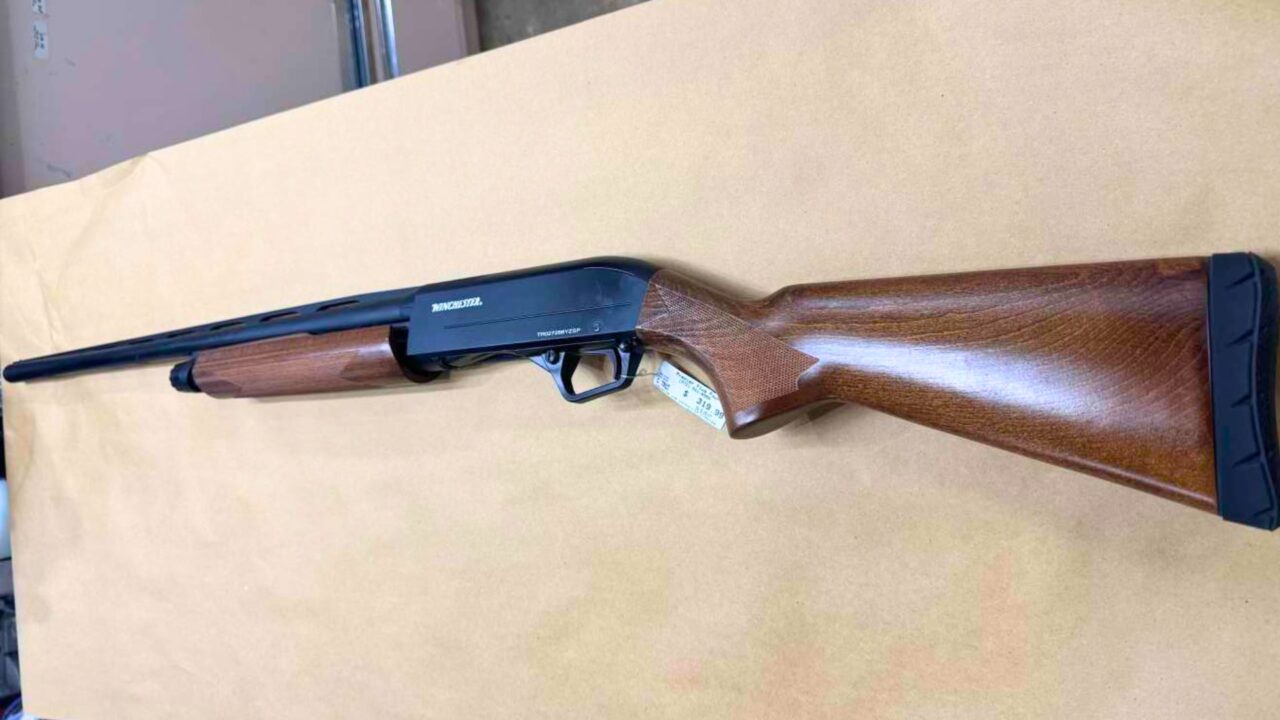
The Winchester SXP is often dismissed as a cheaper, imported alternative to the classic Model 12 or as a pump shotgun that cannot match the Mossberg 500 and Remington 870. Its inertia-assisted action also feels unusual to shooters accustomed to manually pulling the forend through the full cycle.
Once familiar with it, the SXP can be extremely fast. The rotating bolt locks securely, the action runs smoothly, and hunting versions balance better than their price implies. The shotgun is light, which increases felt recoil, and it does not have the massive aftermarket of its American competitors. It remains a practical field gun that can cycle quickly and survive hard use. Its reputation suffers more from comparison with legendary Winchester models than from serious failures of its own.
Mossberg 930

The Mossberg 930 developed a reputation for being less reliable than premium semi-automatic shotguns, especially when neglected or pushed through high round counts without cleaning. That criticism became so common that many shooters refuse to consider one.
The 930 can run well when properly maintained and matched with suitable ammunition. Its gas system softens recoil, the controls are straightforward, and field versions offer solid performance for hunting and clay shooting. Competition models may require more upkeep or upgraded parts, especially under heavy use. It is not a Benelli M4 or Beretta 1301, but it also costs much less. Owners who treat it like a gas-operated shotgun instead of expecting it to run indefinitely while filthy often get far better results than the internet reputation predicts.
Remington V3
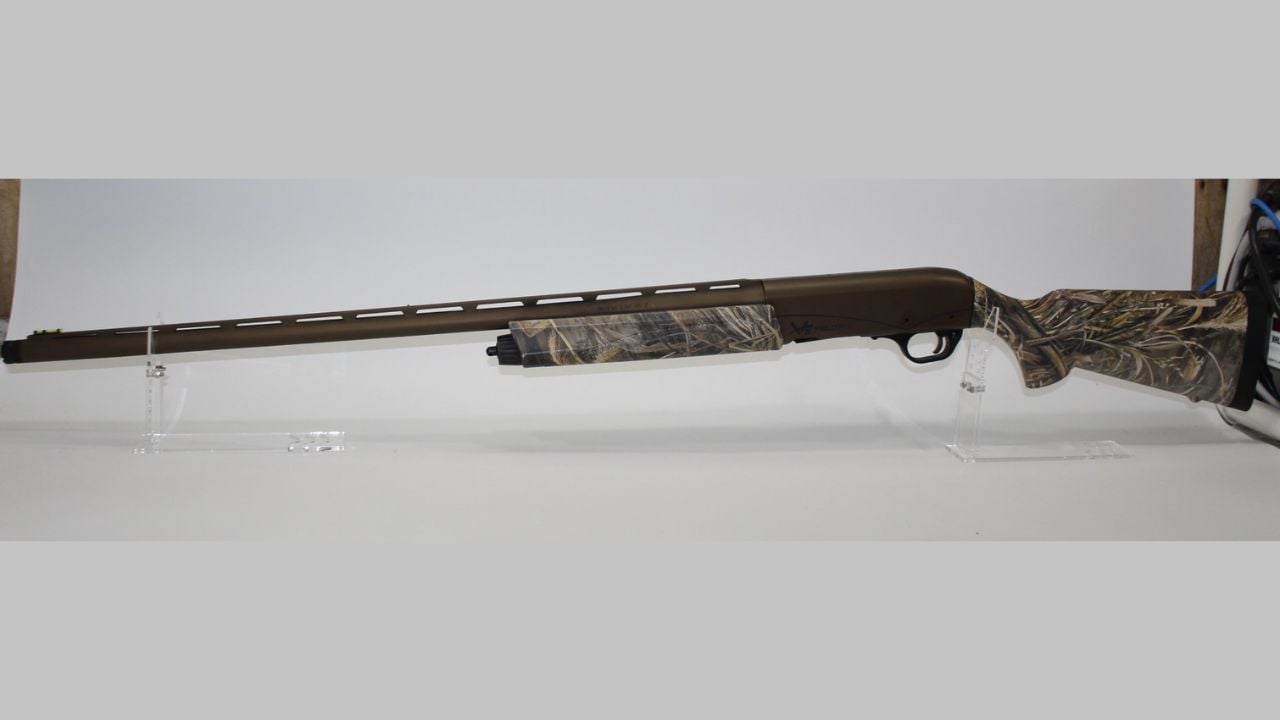
The Remington V3 arrived during a period when confidence in Remington quality was collapsing. Even though the shotgun used an intelligent gas system and received positive reviews, many buyers assumed it would suffer from the same problems associated with other late-era Remington products.
The V3 is one of the better sporting shotguns Remington introduced in its final years before bankruptcy. Its gas ports are located in the chamber area, allowing the system to regulate pressure based on shell length. That design keeps recoil soft and helps the gun cycle a broad range of loads. It is not as elegantly finished as premium Berettas or Benellis, and company turmoil hurt long-term support. As a shooter, however, the V3 deserved far more success and respect than it received.
Savage Model 11 Lightweight Hunter
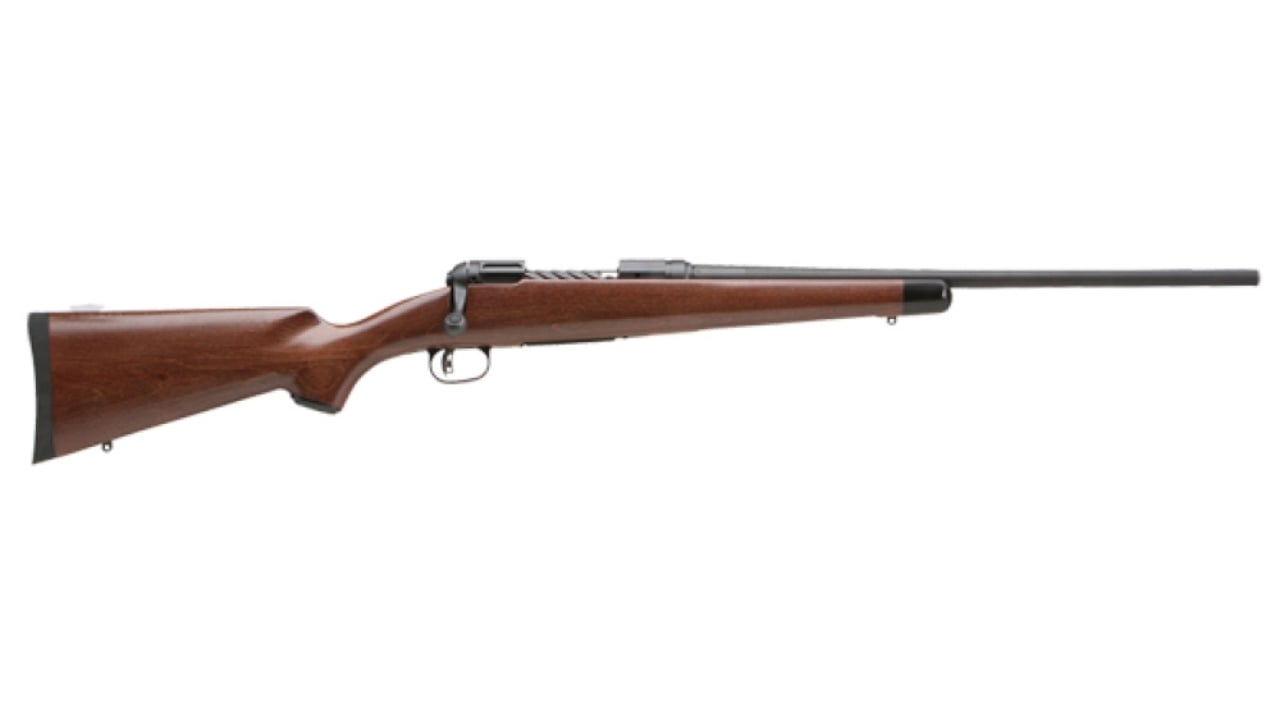
The Savage Model 11 Lightweight Hunter was sometimes criticized for feeling too light, having an ordinary stock, and lacking the refined action of more expensive mountain rifles. Savage rifles also carried a budget reputation that made premium-minded hunters overlook it.
The rifle offered legitimate field advantages. Its light weight made it easy to carry, the AccuTrigger was user-adjustable, and many examples delivered excellent accuracy. It could be lively from unsupported positions and unpleasant in heavier chamberings, but those are common compromises with any lightweight rifle. In sensible deer cartridges, the Model 11 Lightweight Hunter provided a practical combination of portability and precision at a price below most dedicated mountain rifles.
Browning A-Bolt
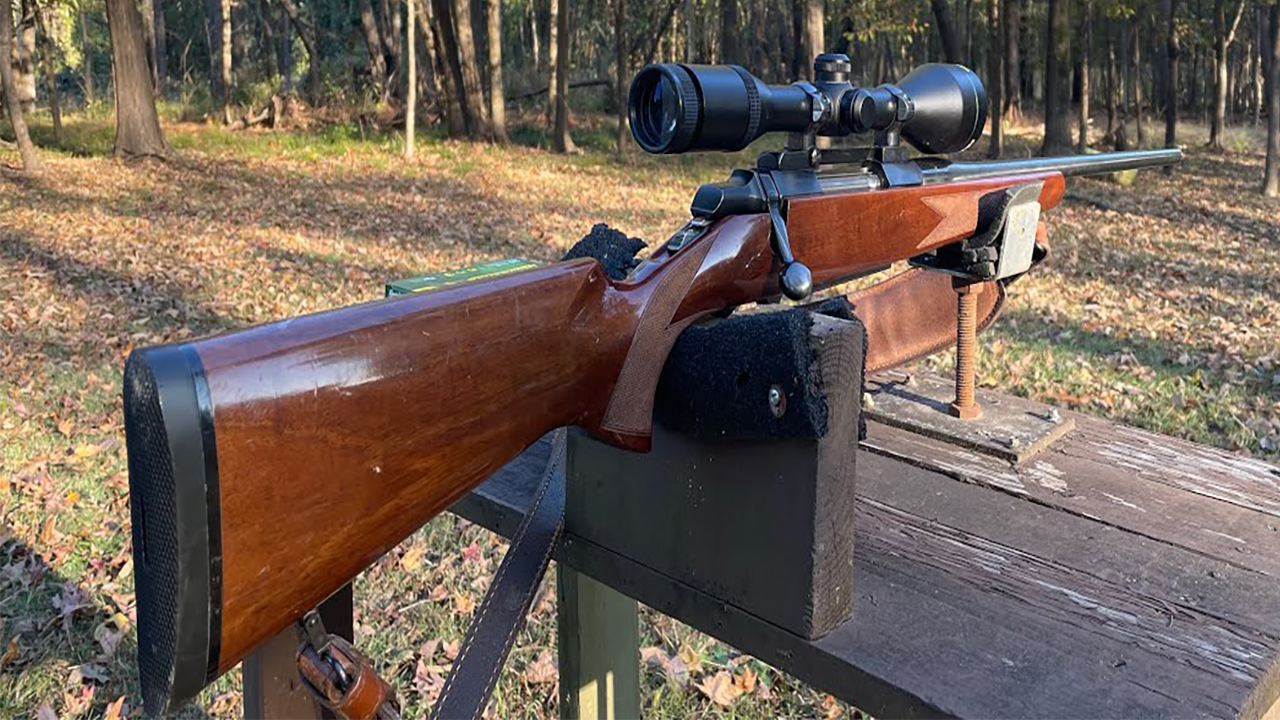
The Browning A-Bolt became overshadowed by the newer X-Bolt and is sometimes treated as an outdated design that no longer deserves attention. Used rifles also vary by generation and configuration, making it easier for buyers to ignore them.
A good A-Bolt remains an excellent hunting rifle. The short bolt lift provides fast operation, the detachable box magazine attached to a hinged floorplate is secure, and the actions are generally smooth. Browning stocks also tend to fit hunters well from field positions. Parts and magazines can be more difficult to source now, which limits its appeal as a project rifle. As a complete hunting gun, the A-Bolt often feels more refined than many new rifles selling at similar used prices.
Remington Model Seven
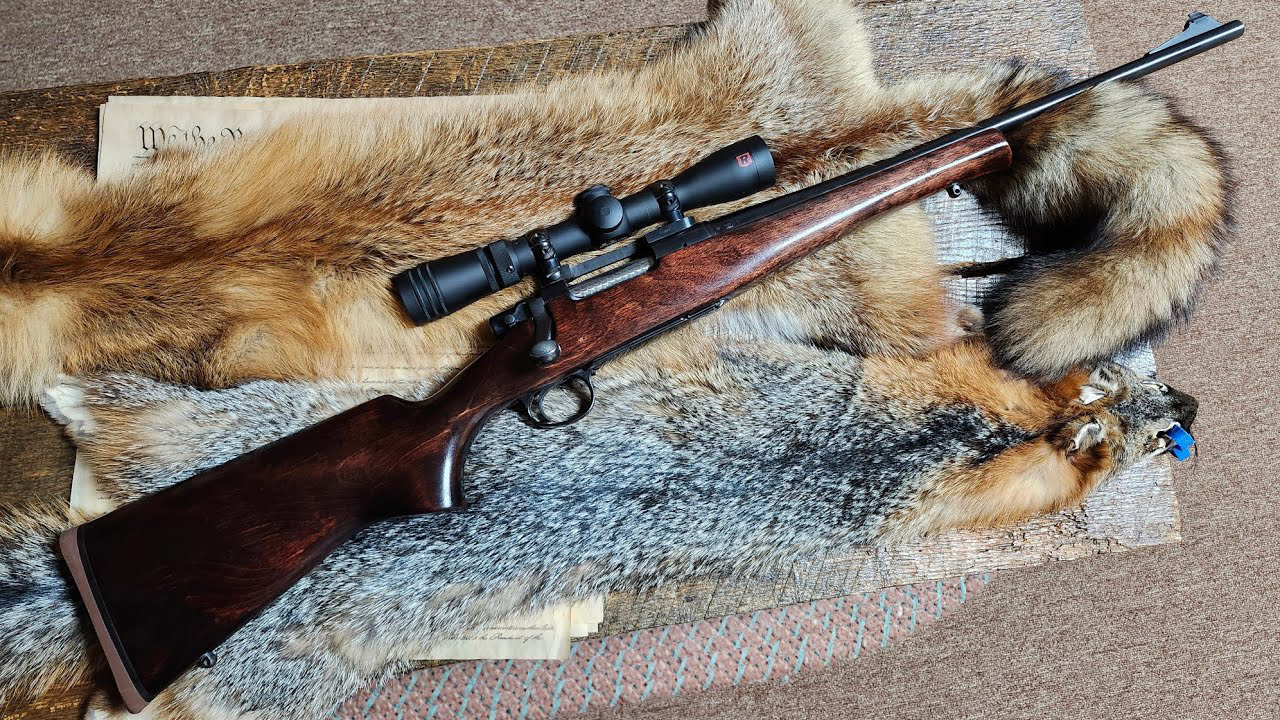
The Remington Model Seven is sometimes dismissed as a shortened Model 700 or treated only as a youth rifle. Its compact action, shorter barrel, and lighter stock can make it seem less serious than a full-size hunting rifle.
That compactness is exactly what makes it useful. The Model Seven carries easily in thick woods, fits comfortably in blinds, and handles quickly when deer appear at close range. Chamberings such as .243 Winchester, 7mm-08 Remington, and .308 Winchester provide more than enough capability for most hunting. Lightweight versions can produce sharper recoil and muzzle blast, but the rifle is not underpowered or fragile. It is one of the better examples of a compact bolt action that adults can appreciate as much as younger hunters.
Ruger Mini-14
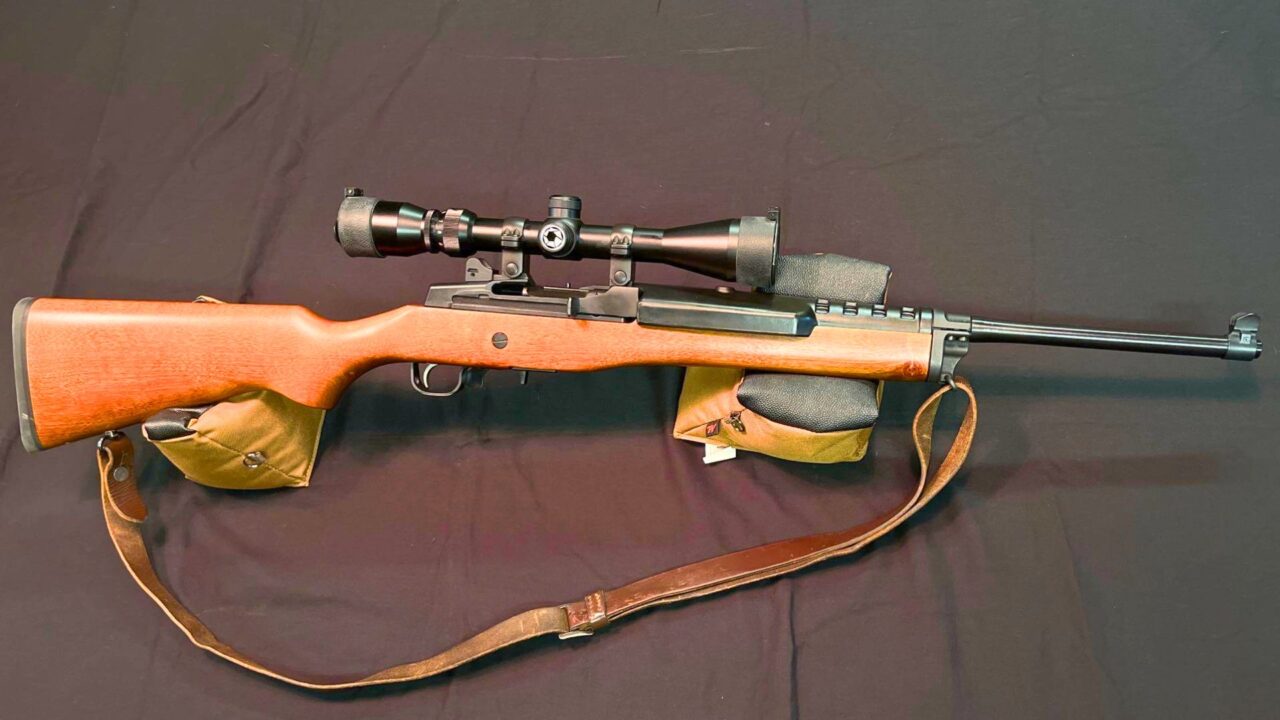
The Ruger Mini-14 has spent decades being criticized for mediocre accuracy, expensive magazines, and a lack of AR-15 modularity. Older rifles earned much of that reputation, particularly when shooters expected tight groups after barrels heated.
Newer Mini-14 rifles are generally more consistent than the worst early examples. They remain light, fast-handling, and reliable enough for ranch work, pest control, and general field use. The traditional stock and enclosed action also appeal to owners who do not want an AR-style rifle. It is still expensive for the accuracy and features provided, and factory magazines remain the safest choice. The Mini-14 is not a precision rifle, but it performs its intended role better than critics who judge it solely against the AR-15 admit.
Century Arms WASR-10

The WASR-10 developed a rough reputation from early imports with canted sights, magazine wobble, crude finishes, and inconsistent conversion work. For years, shooters treated it as the bottom of the AK market.
Modern examples are often far more dependable than the old jokes suggest. The Romanian rifles use proven forged components, chrome-lined barrels, and a straightforward military-style operating system. The finish remains basic, and buyers should still inspect alignment and magazine fit. A good WASR-10 can run for enormous round counts without needing cosmetic care or constant upgrades. It will never have the refinement of a premium milled AK, but its durability and simplicity make it better than the reputation created by the worst early imports.
Like The Avid Outdoorsman’s content? Be sure to follow us.
Here’s more from us: