Photo credit: Buckeye Ballistics/Youtube
Most guns don’t get more exciting when they’re gone. They get inconvenient. A model disappears, and all of a sudden the “I’ll grab one later” plan turns into scouring pawn shop counters, watching used listings like a hawk, and learning the hard way that spare mags and small parts aren’t as common as they used to be.
What makes a discontinued firearm “more interesting” isn’t always collector hype, either. Sometimes it’s because the design was ahead of its time. Sometimes it’s because the replacement options aren’t as good as the internet says. And sometimes it’s because you owned one, sold it, and now you’ve got that empty spot in the safe that still annoys you.
1. Remington Model 700 ADL (older production)

You can still buy a 700, but the older ADL rifles have their own vibe: plain stock, blind magazine, no frills, and they just plain worked. They weren’t “cool,” which is exactly why so many got traded off for the next shiny thing. Then deer season rolls around and you remember what a simple, dependable bolt gun feels like.
The older ones also have a parts and aftermarket universe built around them, and plenty of smiths know them inside and out. When production eras shift, even within the same model name, the used market starts separating “that one” from “this one.” That’s when the boring ADL turns into the one you wish you’d left alone.
2. Winchester Model 70 Classic (controlled-round feed)

Controlled-round feed is one of those arguments that never really dies, and the Classic-era Model 70 keeps it going. In the field, the difference shows up when you’re working the bolt from weird angles, cold hands, awkward positions, or hurrying a follow-up. The action has a confidence to it that’s hard to describe until you’ve carried one.
Once the market flooded with push-feed options, the Classic became a “know what you’re looking at” rifle. They aren’t rare, but the good ones don’t sit long. If you hunt hard and don’t baby rifles, it’s also a sweet spot where you can still use it like a tool without feeling like you’re beating up a museum piece.
3. Ruger P95 (P-series 9mm)
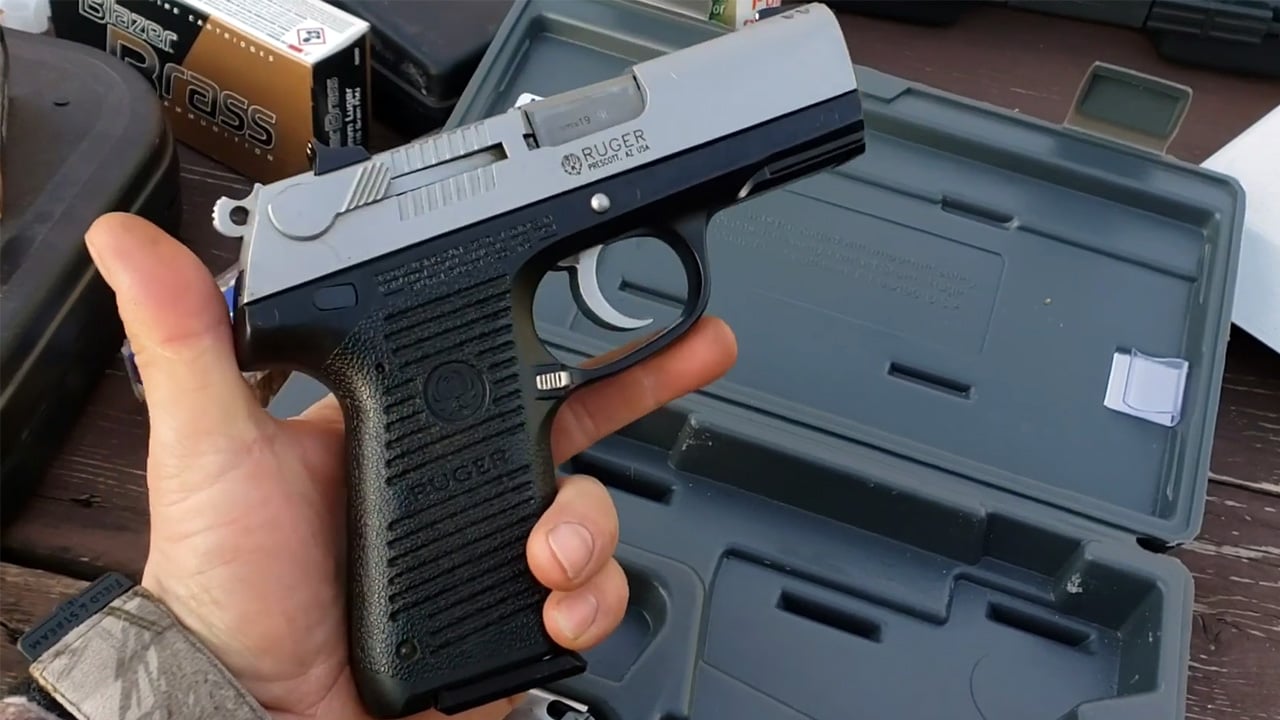
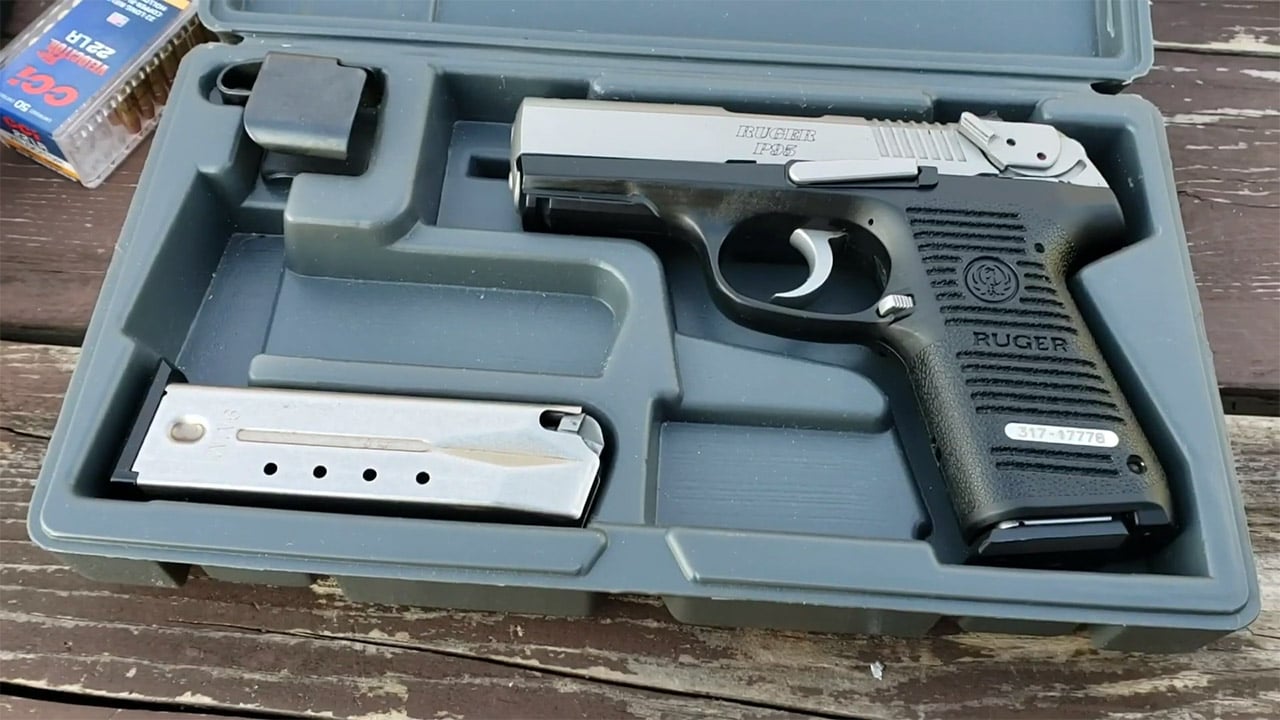
The Ruger P95 is not a beauty contest winner. It’s chunky, the trigger is what it is, and it feels like a toolbox gun. But it runs. You can hand it to a new shooter, leave it in a truck lockbox (safely), or keep it as a nightstand pistol and it won’t act like it needs special treatment.
After production ended, it became more interesting because folks realized what “overbuilt” really meant. Newer pistols are lighter and slicker, but the P95 has that old Ruger stubbornness. If you find one with a couple mags at a fair price, it’s hard not to respect it.
4. Smith & Wesson Model 3913
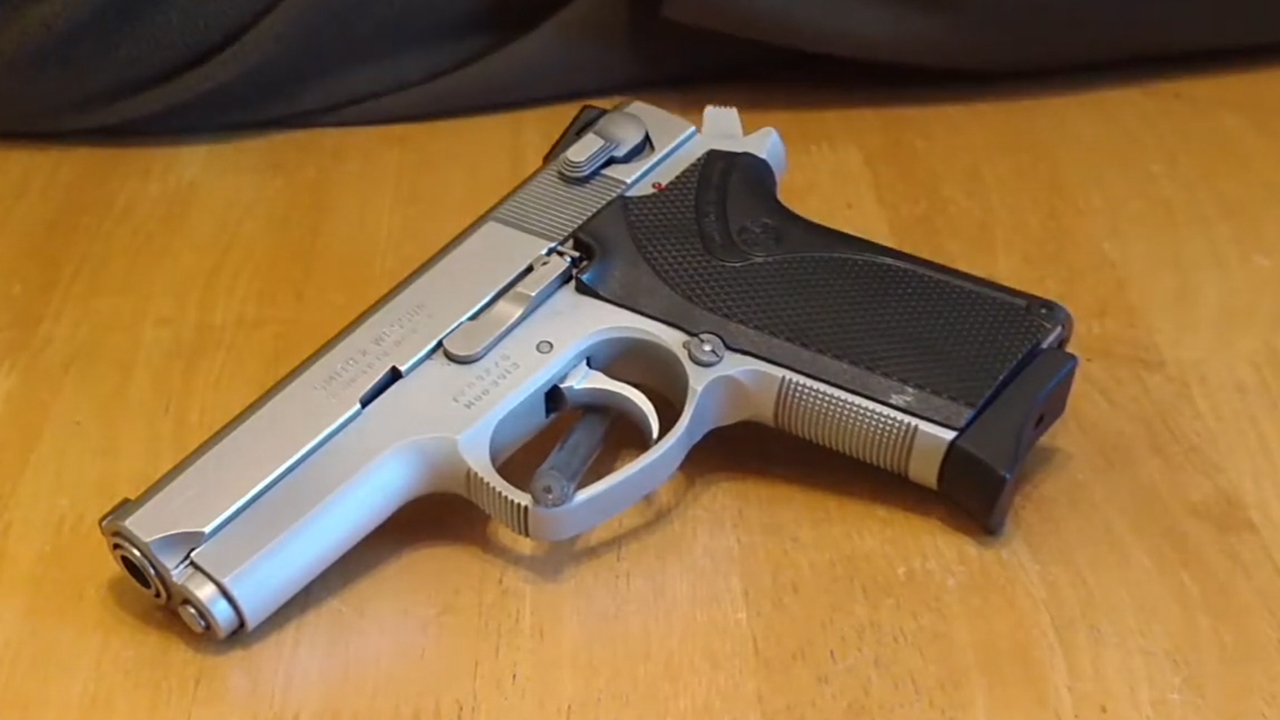
Single-stack 9mms are back in style, but the 3913 was doing that job before it was trendy. Slim, reliable, easy to carry, and it points naturally. It’s the kind of pistol that disappears on your belt and doesn’t demand a wardrobe change.
The kicker is that S&W doesn’t really make this exact thing anymore. There are modern alternatives, sure, but the 3913 has a feel that’s hard to replace. When they stopped making them, the used prices didn’t jump overnight. They just kept creeping up, one satisfied owner at a time.
5. Browning Hi-Power (FN/Browning P-35)

The Hi-Power is one of those guns that makes sense the second you pick it up. It’s thin for a double-stack, balances well, and carries flatter than you’d expect. It also has history, and not the forced “limited edition” kind.
After production ended, interest didn’t just come from collectors. Shooters realized that a well-made steel 9mm with good ergonomics is still a joy. The downside is parts and smithing can be more specialized now, and some examples need a little attention. Still, a good Hi-Power is hard to improve on for what it is.
6. Colt Detective Special (classic snubnose)
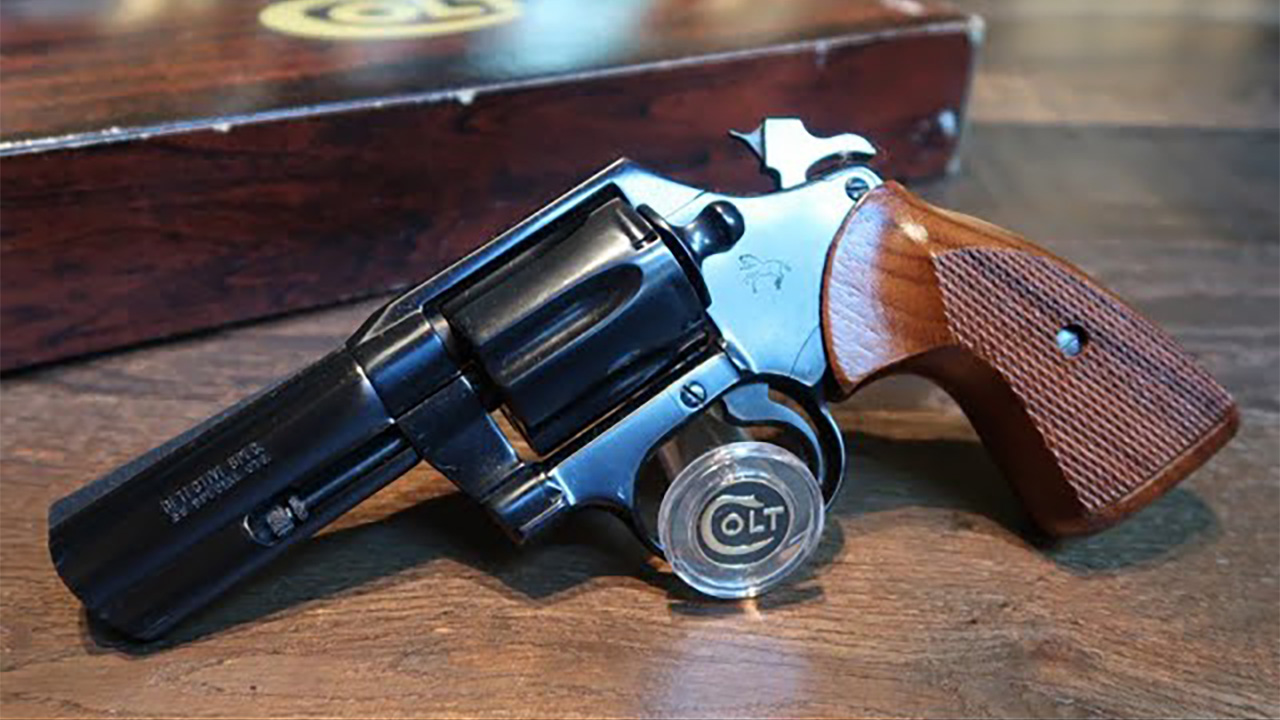
Before lightweight snubbies were everywhere, the Detective Special was a serious little revolver. It carries well, shoots better than tiny revolvers usually do, and the extra weight helps when you’re actually practicing. That matters more than most folks admit.
Once Colt moved away from a lot of the old double-action revolver line, these became “check the timing” guns at the counter. A good one is great. A worn one can be a headache. That’s part of what makes them more interesting now—you need to know what you’re looking at, or bring someone who does.
7. Marlin 336 (pre-Remington production)

The lever gun crowd is loyal for a reason. A good 336 in .30-30 is about as honest a deer rifle as you can own in thick woods. It carries easy, points fast, and it’s not picky about being dragged through brush.
When production changed hands over the years, “pre-” versions started to matter. Not because every newer one is bad, but because consistency got talked about a lot. A clean older 336 with smooth cycling is the kind of rifle you can hand down, and folks know it now.
8. Ruger Model 77 Mark II (especially the tang-safety era fans chase)
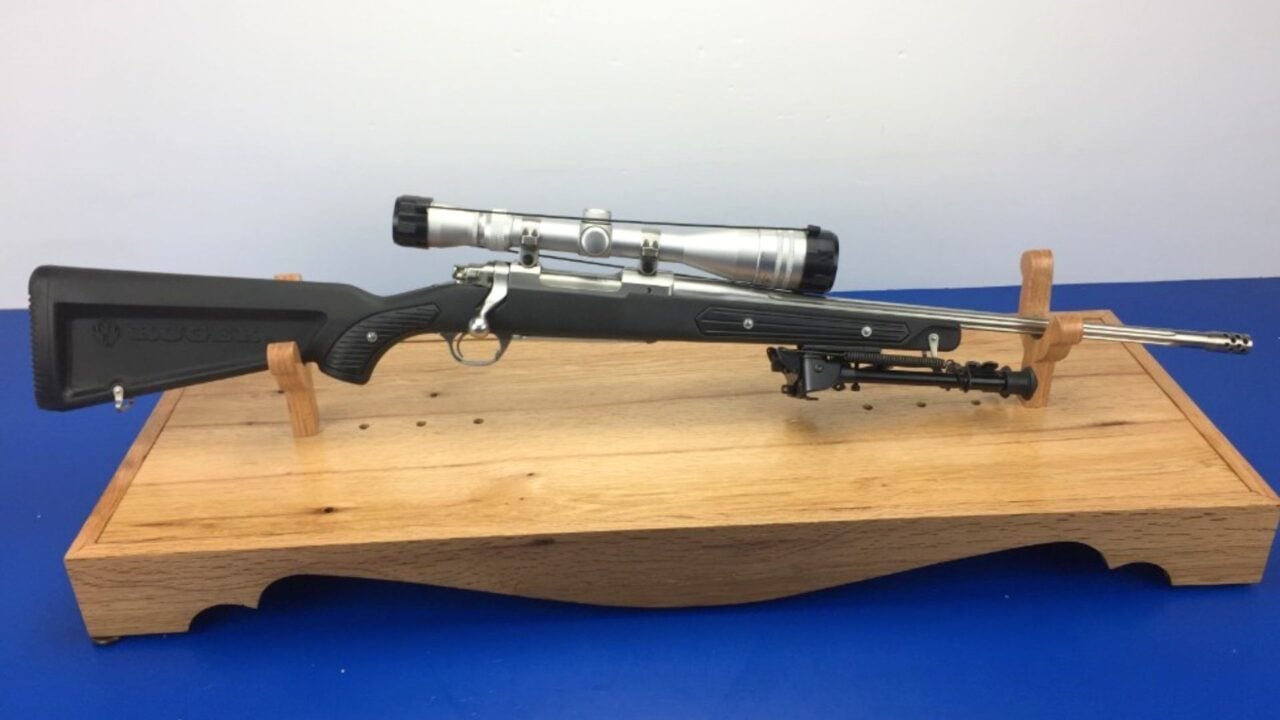
Ruger’s bolt guns don’t always get the love they deserve because they aren’t as flashy as whatever is hot this year. The 77 Mark II is solid, has that Ruger feel, and many of them shoot better than their owners ever bothered to test.
Once you get into discontinued variants and older configurations, it turns into a “find the one you want” hunt. Some have great stocks and iron sights from the factory, which is a feature you don’t appreciate until you’re in rough country with a scope that took a bump.
9. CZ 527 (mini-Mauser bolt rifle)
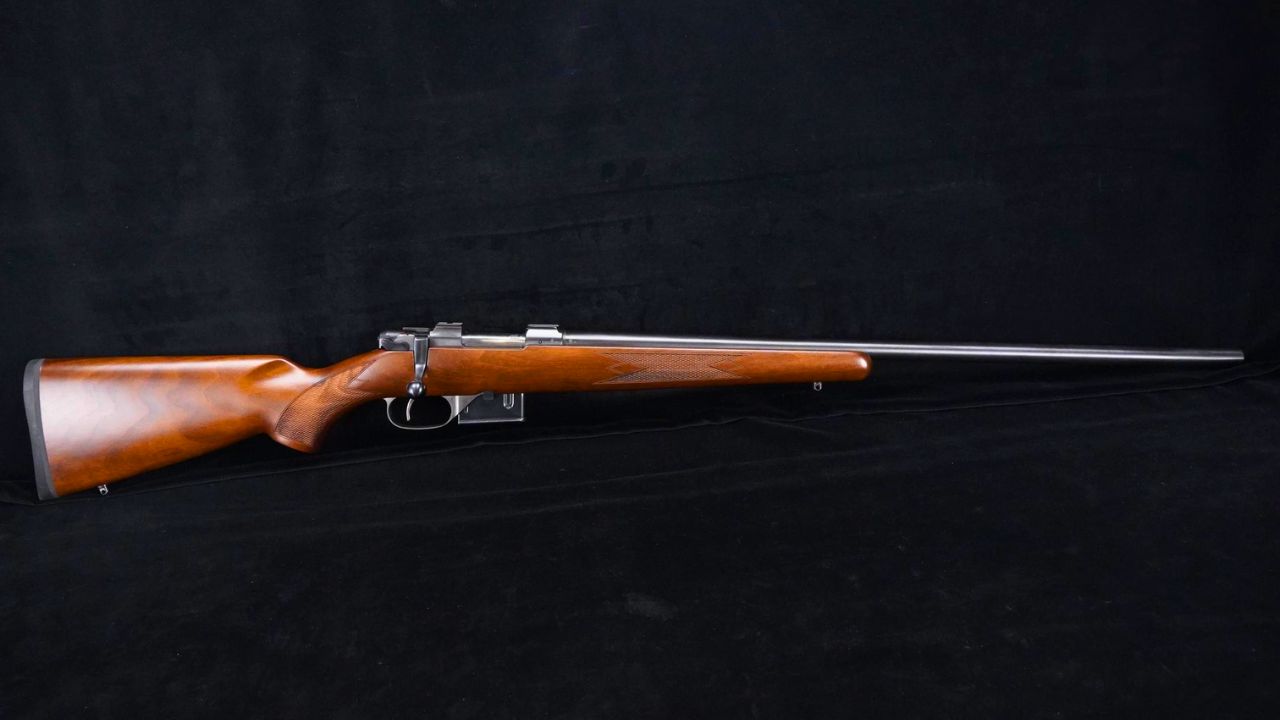
The CZ 527 is one of those rifles that makes you grin when you run the bolt. Small action, light in the hands, and just right for cartridges like .223 or 7.62×39. It’s a walking varmint rifle that doesn’t feel like carrying a fence post.
When it got discontinued, the demand didn’t come from tacticool trends. It came from hunters who actually use rifles. The 527 fills a niche that not many current-production guns hit with the same charm and handling.
10. Remington Model 1100 (classic gas shotgun)
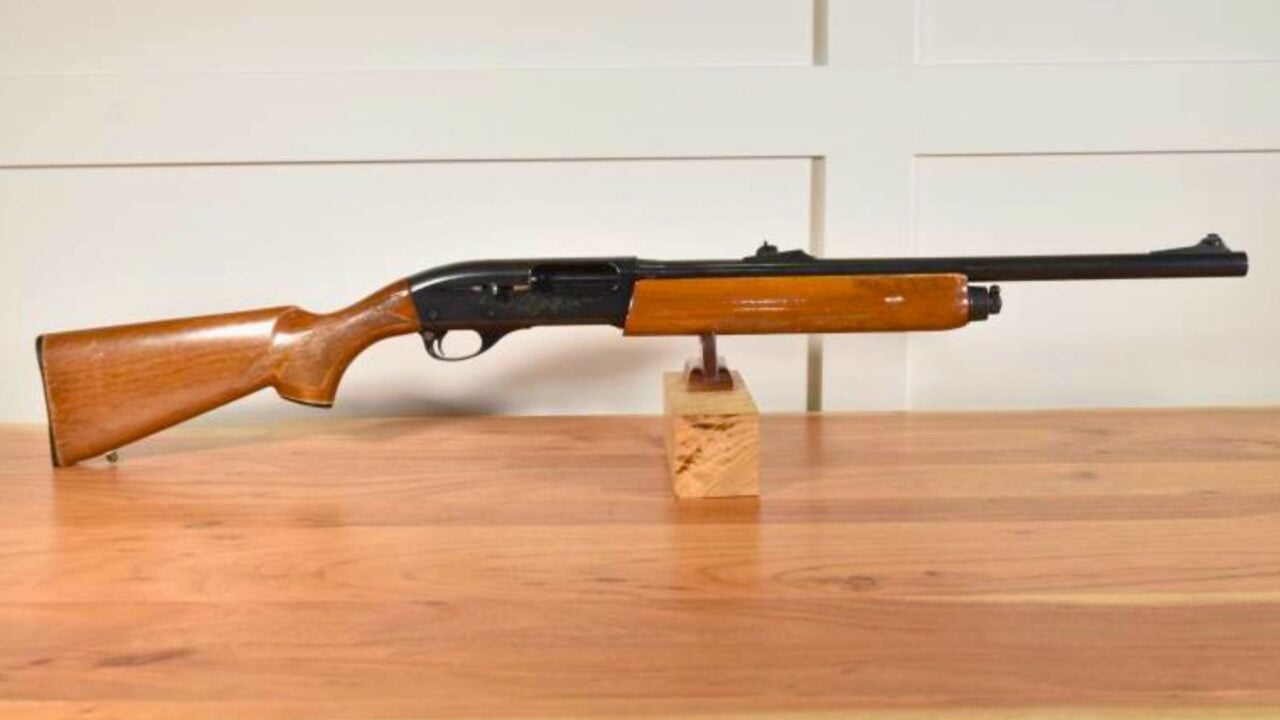
If you’ve shot enough clays or birds, you’ve probably run an 1100. Soft recoil, smooth cycling, and it just has a rhythm to it. Plenty of them are still out there, but the days of finding a clean one cheap are fading.
Once production tapered and newer shotguns took over the shelves, the 1100 became the “granddad gun” people suddenly wanted back. Parts are still around, but condition matters. A well-kept 1100 is a pleasure; a neglected one can nickel-and-dime you.
11. Ithaca Model 37

Bottom-eject pumps have their own fan club, and the Model 37 earned it. It’s slick, it carries well, and for left-handed shooters it’s one less annoyance in a world that forgets they exist. It’s also a shotgun that feels trim compared to a lot of modern pumps.
When production runs changed and availability got spotty, the “good old 37” became something you actually go looking for. The used rack can be full of them one month and empty the next. That’s how it goes with guns that quietly do their job.
12. Ruger Red Label
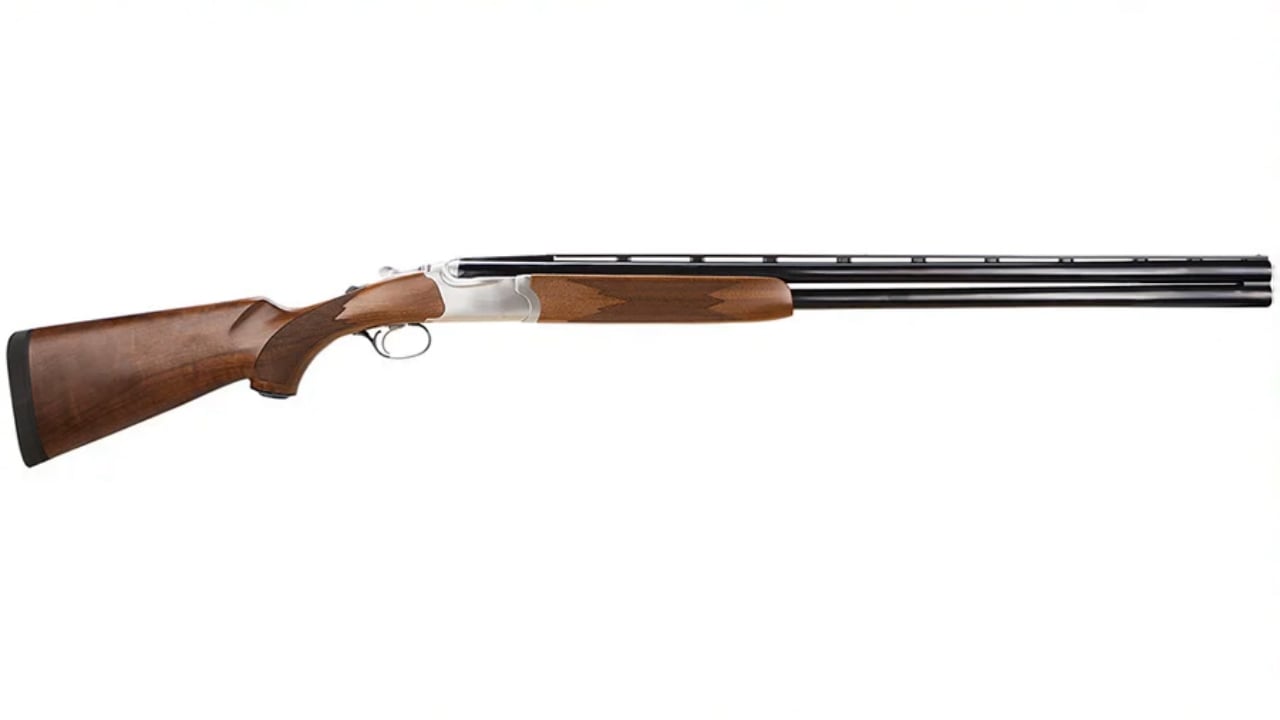
Over/unders are a rabbit hole, and the Red Label has always been a little different. It’s an American-made O/U that got carried in the uplands and used hard, not just admired. It isn’t the lightest, and it won’t fit everyone, but it has a practical sturdiness.
After it left regular production, it became more interesting because the alternatives at similar price points can feel disposable. If you find one that locks up tight and fits you, it’s the kind of shotgun you hang onto.
13. SIG Sauer P225 (West German-era appeal)
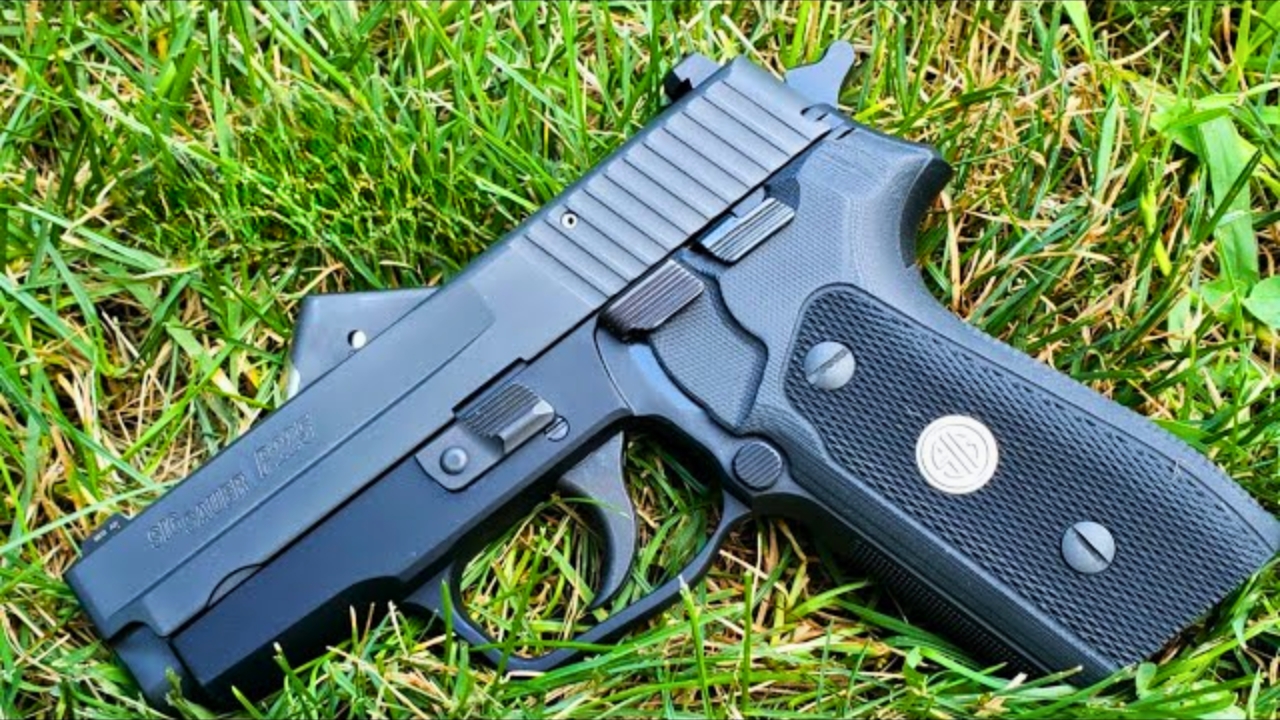
The P225 sits in that sweet spot of “service pistol that carries like a carry pistol.” Single-stack grip, classic SIG controls, and it tends to shoot better than it has any right to for its size. It also has that older SIG build feel that fans chase.
Discontinuation turned it into a sleeper. Not everyone wants a metal-framed DA/SA gun now, which is fine—more for the folks who do. The downside is mags and parts aren’t as casual as they were, so you buy it with the mindset of keeping it running.
14. Heckler & Koch P7
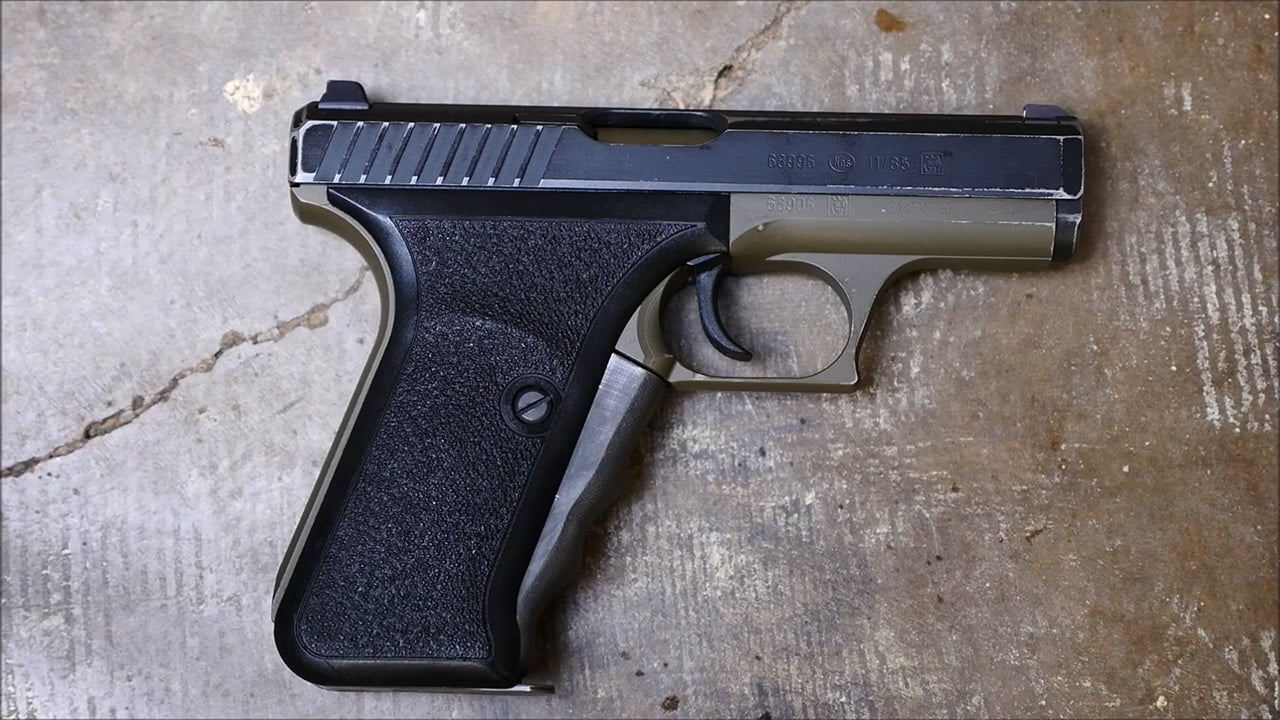
The P7 is the definition of “weird until you get it.” It’s accurate, flat, and has a squeeze-cocking system that feels like it came from a different timeline. It also heats up when you run it hard, and it’s not cheap to feed with parts and mags.
Once production ended, it became a legend that regular shooters still actually want to shoot. It’s not just a safe queen gun. It’s a reminder that engineering used to get real strange, in a good way, before everything converged on the same general striker-fired pattern.
15. Beretta 84FS (Cheetah series in .380)

There are plenty of .380s, but the 84FS is a different animal. It’s larger, easier to shoot well, and the quality is there. It’s a “carryable” .380 that doesn’t punish you at the range, which means you’ll practice with it instead of just owning it.
After production shifted and availability tightened, the price climbed. The reason is simple: it’s a refined pistol in a caliber many people still like for recoil reasons, and it’s one of the few that feels truly solid without being huge.
16. Mossberg 590M (mag-fed pump)
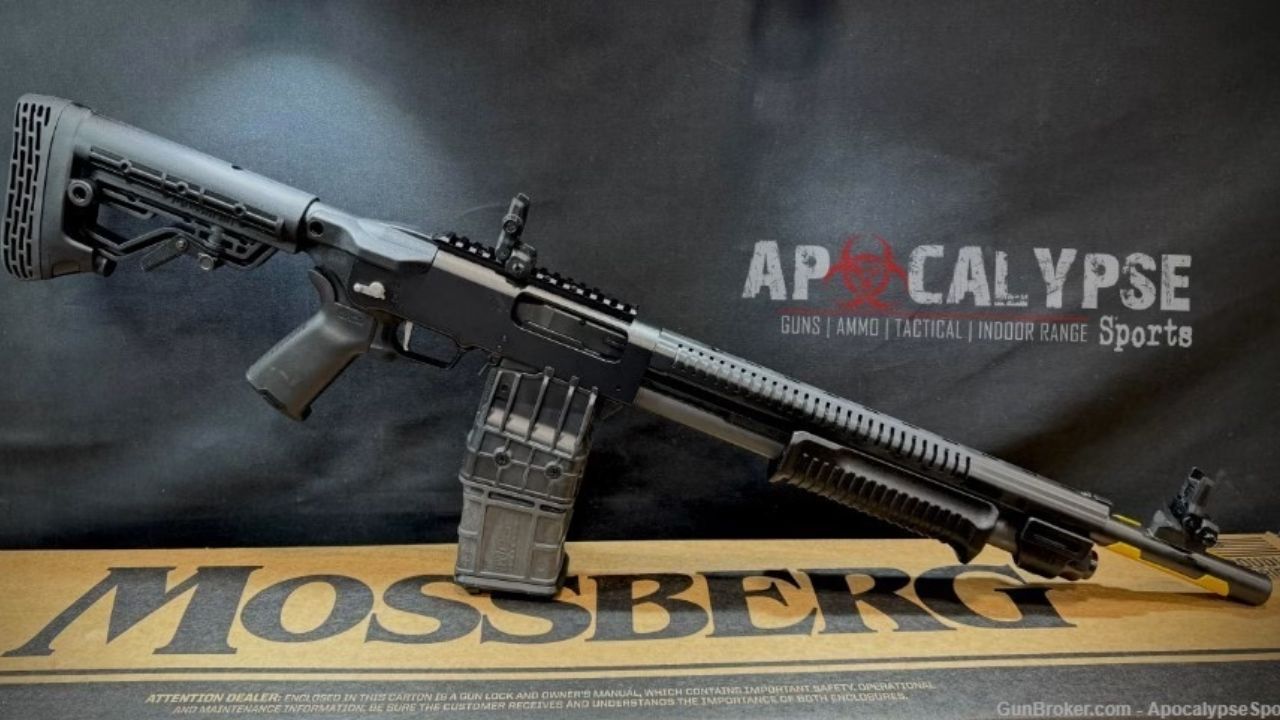
Mag-fed shotguns are a niche, but the 590M did it in a way that actually worked better than most. It’s not as sleek as a tube-fed pump, and the magazines are their own ecosystem, but it fills a particular role for folks who like repeatable loading and organization.
Once it wasn’t sitting on every shelf, interest went up for the simple reason that not many manufacturers do a mag-fed pump right. If you already bought into the mags, you understand why discontinuation changes the math.
17. Springfield Armory XD-E
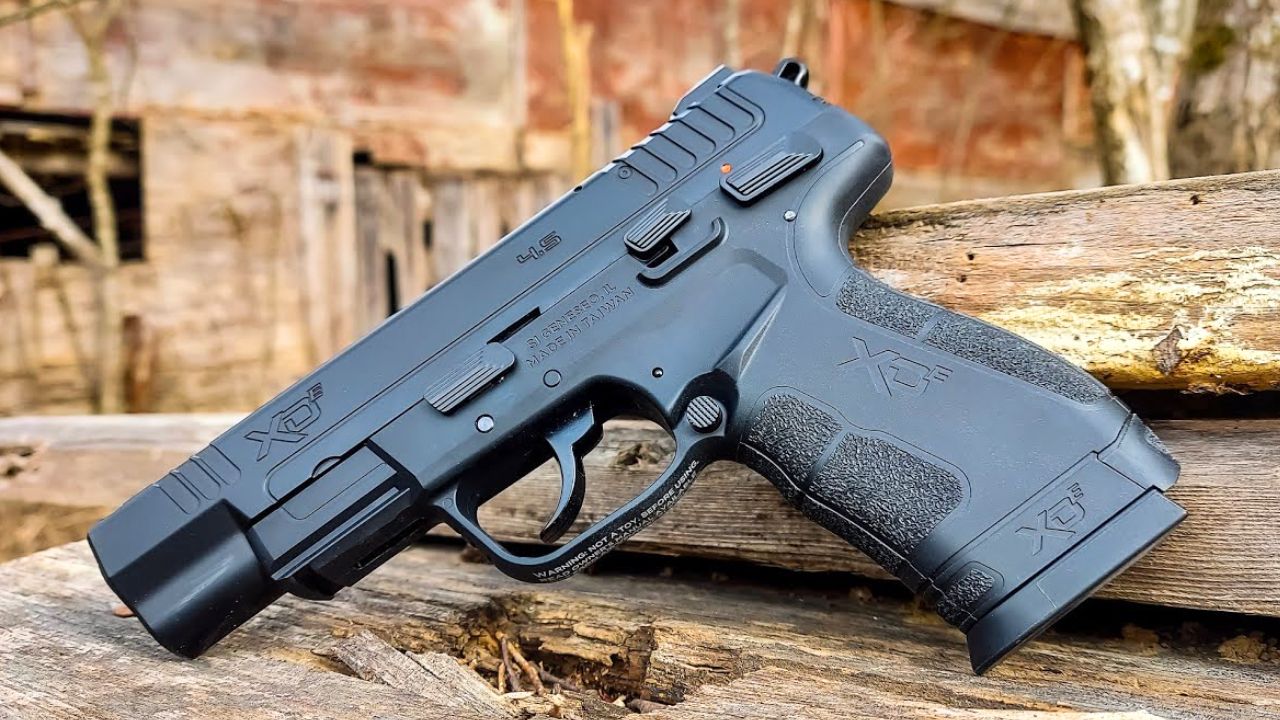
The XD-E never got the love it deserved, probably because it showed up when everyone wanted striker-fired simplicity. But for shooters who prefer a DA/SA trigger with a decocker, it was one of the more affordable ways to get there in a modern-ish package.
When it disappeared, it became one of those “wait, why did they stop that?” guns. It isn’t perfect, and the aftermarket isn’t endless, but it’s a practical carry pistol for folks who actually want that first long pull and a decock at the end of the day.
18. Ruger SR9 (and SR9c)
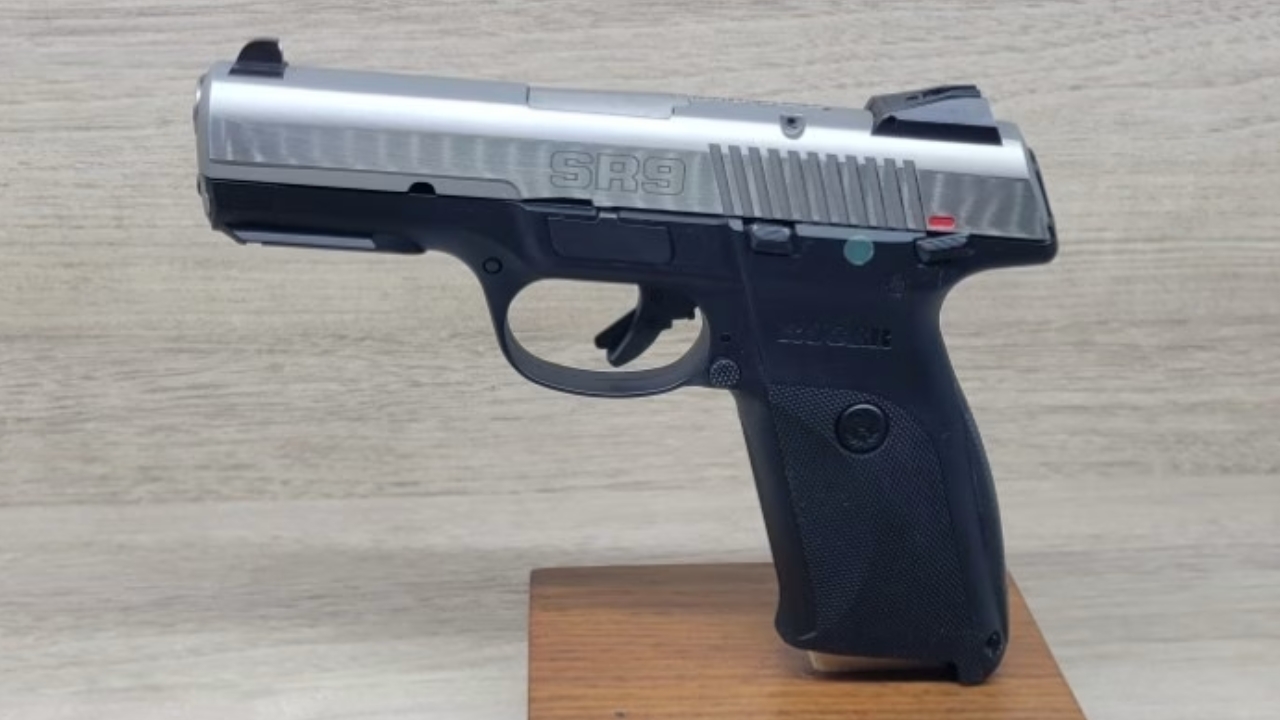
The SR9 line was Ruger’s earlier swing at a slim, modern 9mm, and it shot flat with good capacity. Ergonomics worked for a lot of hands, and the guns generally ran. They never had the trend momentum of some competitors, but they were honest performers.
After they got dropped, they became more interesting because they’re a reminder that “obsolete” doesn’t mean “bad.” Mags and parts are still around, but you can feel the slow shift when the new-production pipeline dries up.
19. Savage Model 99

There’s lever-action, and then there’s the Model 99. It’s a different level of design, and it feels like a rifle built by someone who wanted to out-think the limitations of the day. They carry well in the deer woods and have a classic look without being delicate.
Since they aren’t made anymore, knowledge matters. Calibers vary, condition varies, and not all scopes and mounts play nice with older setups. But if you’ve ever watched a hunter cycle a 99 smoothly and drop a deer clean, you understand why the interest only grows over time.
20. Thompson/Center Contender
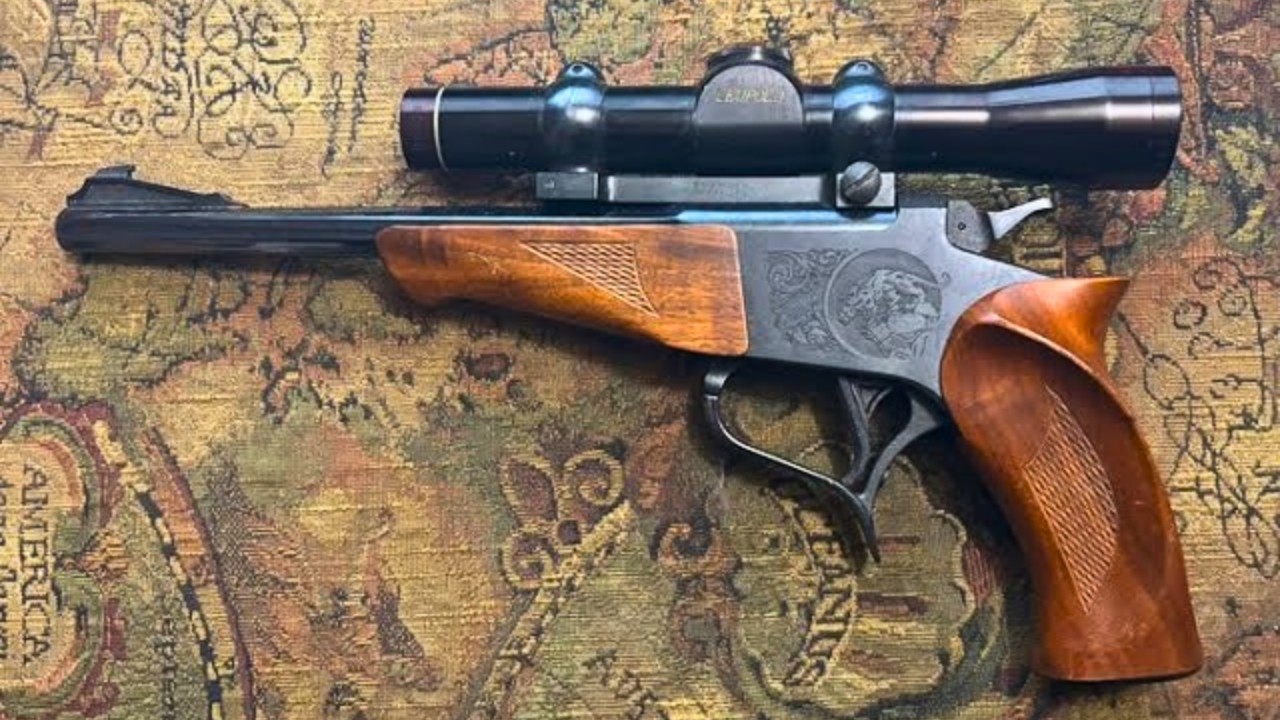
The Contender is one of those guns that can turn a normal shooter into a tinkerer. Swappable barrels, rifle or pistol configurations depending on setup, and a strong single-shot action that’s just plain fun. It’s also the kind of firearm that teaches you to slow down and make the first shot count.
When production ended, it didn’t just become “collectible.” It became harder to replicate without jumping through brand and parts hoops, and that’s where the appreciation kicks in. If you’ve got a Contender with a couple barrels you actually use, I wouldn’t be quick to let it go. Ask me how I know.
Discontinued doesn’t always mean better, and it definitely doesn’t mean you should overpay just because a gun is older. But once a model is gone, the market gets honest in a hurry. The stuff that was genuinely useful, well-made, or simply unique tends to rise to the top—usually right after we convinced ourselves we didn’t need it anymore.
Like The Avid Outdoorsman’s content? Subscribe to our newsletter so you never miss an article.
Here’s more from us: