Photo credit: NRApubs/Youtube
Every few years, the used-gun market shifts in a way that makes regular guys shake their heads. The “just a Ruger” revolvers that sat lonely in the case for months suddenly get treated like they’re rare coins. Part of it is nostalgia, part of it is production changes, and part of it is folks realizing a tough, honest wheelgun is still one of the most useful tools you can own.
I’m not talking about museum pieces you’re scared to holster. I mean the Ruger revolvers that actually ride in a truck console, bounce around a trapline pack, sit on a nightstand, or get carried during deer season when you’re checking cameras. Some of these are already climbing. Others still hide on pawn shop shelves because the average buyer doesn’t know what they’re looking at.
1. Ruger Security-Six
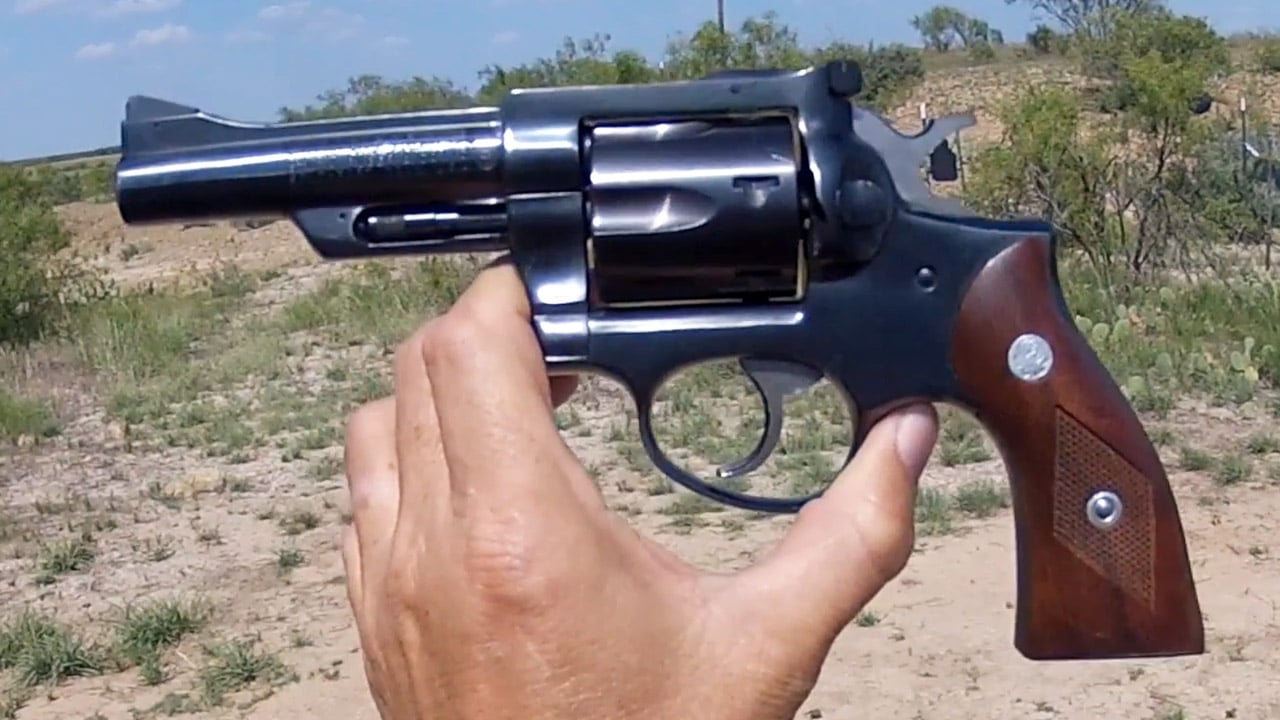
The Security-Six is one of those revolvers that feels like it was built for working people. Not dainty, not pretty, just solid. The grip frame makes it easy to fit with different stocks, and the gun carries flatter than you’d expect for a service-size wheelgun.
They got traded in by the boatload when departments and private citizens went to semi-autos, which kept prices friendly for a long time. That supply is drying up. If you find one with a decent bore and timing, it’s a real do-all .357 that won’t complain about being used.
2. Ruger Service-Six
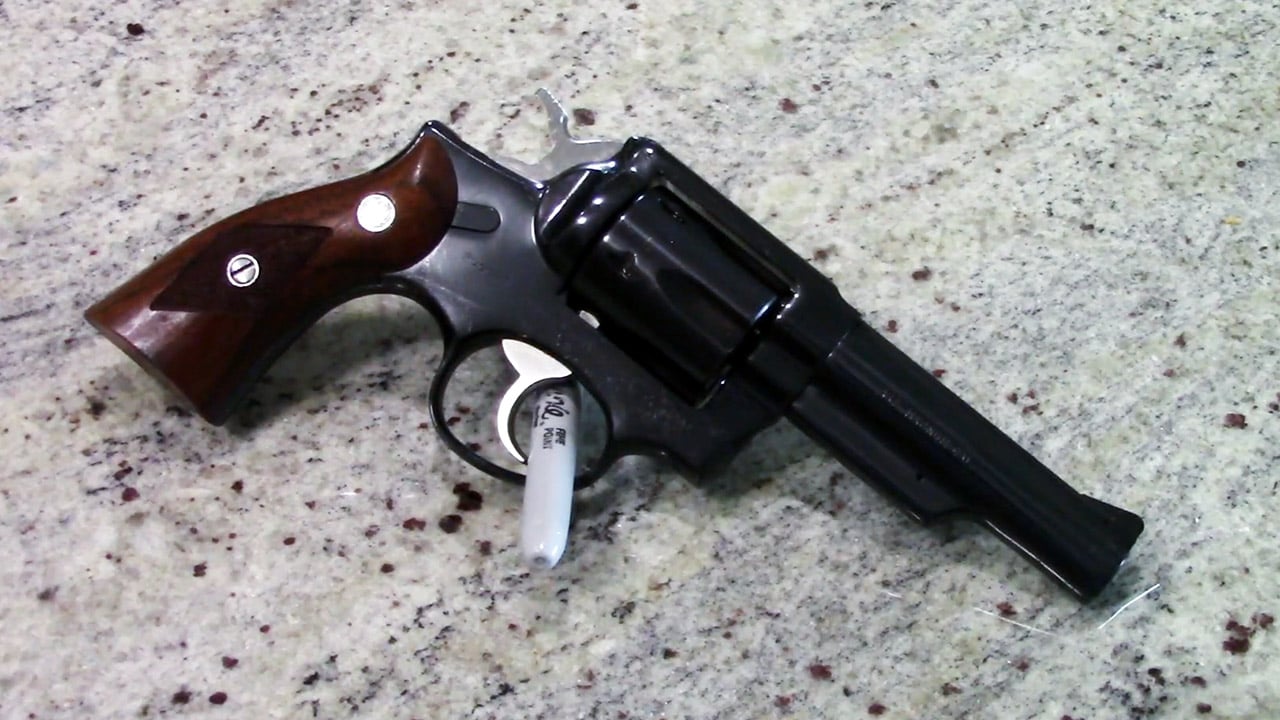
Same family, a little more duty-minded in feel. The Service-Six has that straightforward, no-nonsense balance that points naturally when you’re not thinking about it. That matters in the woods when your gloves are on and your hands are cold.
It’s not the smoothest trigger you’ll ever feel, but it’s the kind that cleans up with use. These get overlooked because they aren’t flashy, and that’s exactly why they’re worth grabbing while they’re still priced like “just an old police gun.”
3. Ruger Speed-Six
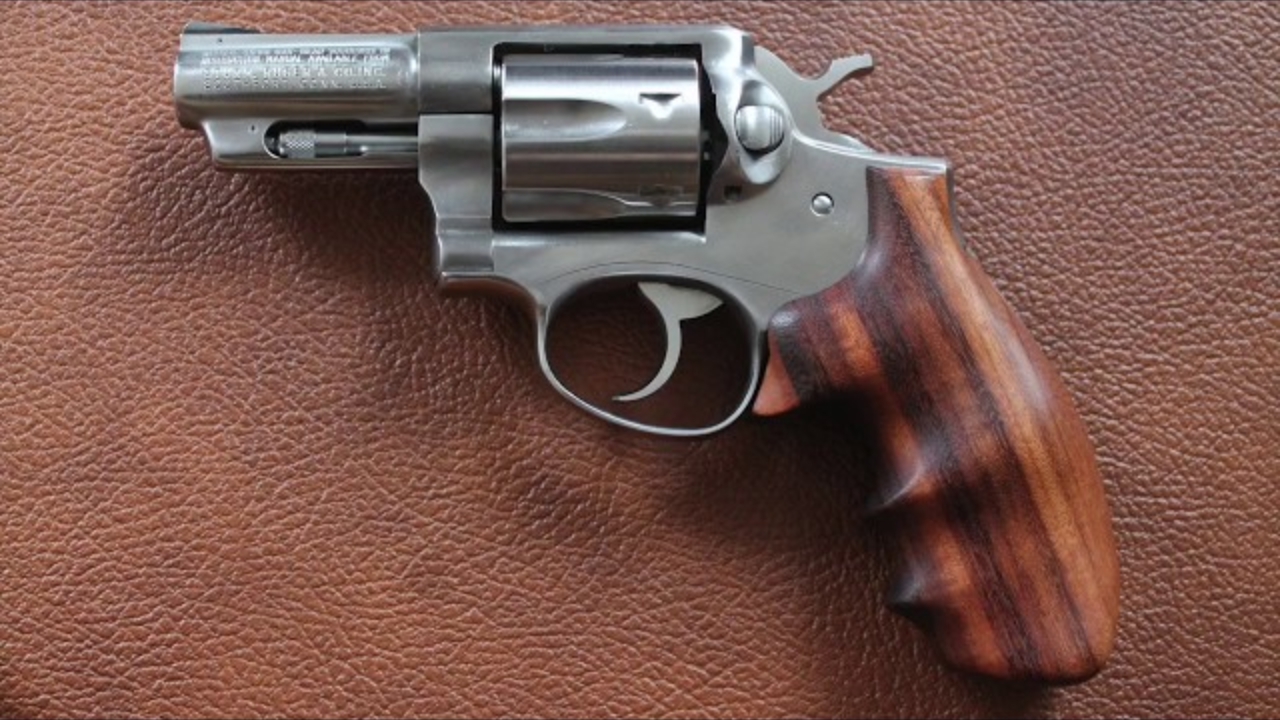
If you’ve ever handled a Speed-Six and thought, “Well, that feels right,” you’re not alone. Shorter, handier, and just easier to live with than the longer-barreled versions. It’s one of those revolvers you can actually carry without making a big production out of it.
The downside is they don’t show up as often, and when they do, they disappear fast. A clean Speed-Six is the kind of gun you buy once and then stop shopping for that niche.
4. Ruger GP100 (early production)

The GP100 is not rare, but certain early examples and configurations are getting harder to stumble across cheap. What you’re really buying is a tank that digests real .357 loads without turning into a rattlebox. If you shoot a lot, that matters more than internet arguments.
It’s heavy, yes. But that weight is why it’s such a pleasant range gun and a steady sidearm in the woods. If you want one revolver that you can shoot forever, it’s still hard to beat.
5. Ruger SP101 (2.25-inch)

There’s nothing fancy about the SP101, and that is kind of the point. In a world of featherweight snub-noses that beat you up, the SP101 is a steel little brick that’s actually shootable. It carries well, but you can still practice without hating life.
The 2.25-inch version is the one I see folks regret selling because it’s so easy to tuck into real life. It’s not the lightest, but it’s one of the few small revolvers that doesn’t feel like it’s punishing you for choosing it.
6. Ruger SP101 (3-inch)
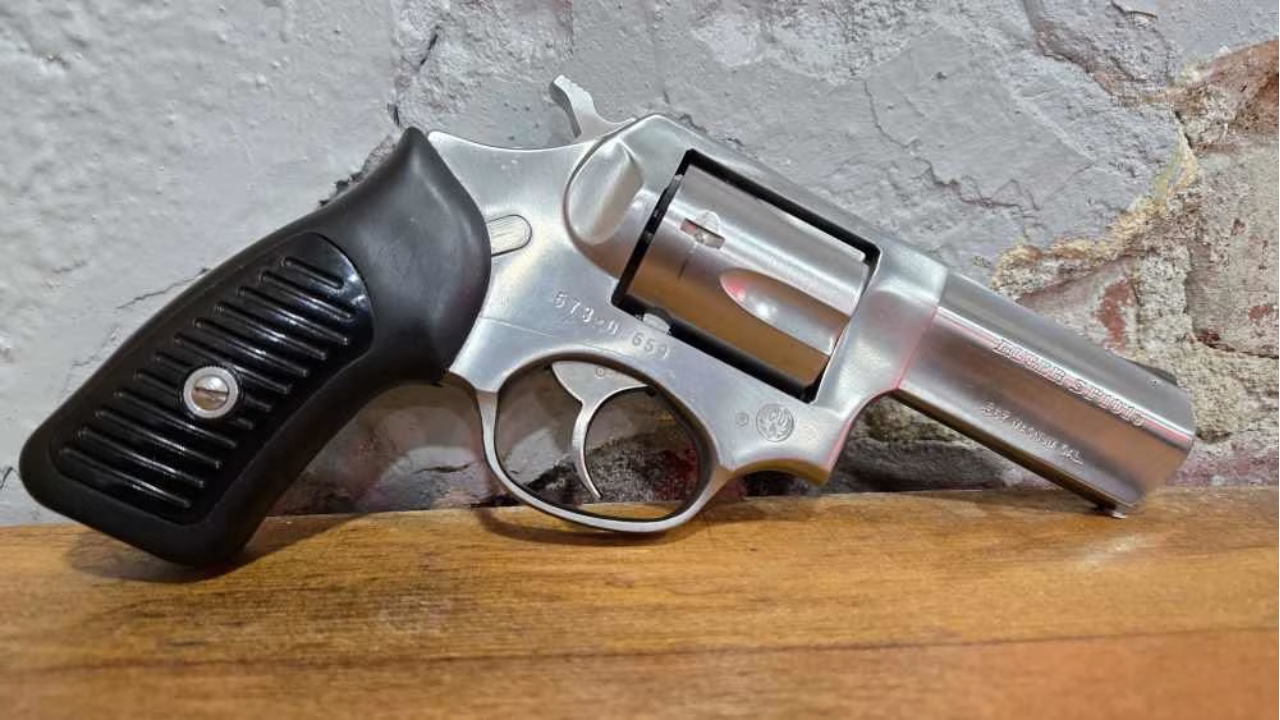
The 3-inch SP101 is the sweet spot for a lot of outdoorsmen. You get a longer sight radius, a little more velocity, and an ejector rod that’s just more forgiving when you’re doing things with numb fingers. On the belt, it still feels compact.
These tend to bring more money than the shorter ones, and for good reason. If you want a small revolver that can legitimately pull double duty for carry and woods use, this one does it without drama.
7. Ruger LCR .357 Magnum

I get why people side-eye the LCR at first. It looks like a modern plastic thing until you actually carry it. Then you realize the shape and weight make it disappear in a pocket or light holster where a steel gun starts to drag your pants down.
The .357 version gives you flexibility, even if you mostly run .38s. It’s not a range toy, and nobody should pretend it is. But as a real-life carry revolver that’s easy to live with, it’s better than many folks want to admit.
8. Ruger LCR .22 LR

This one isn’t about power; it’s about utility. The LCR in .22 is a kit gun for people who don’t want a target pistol taking up space. It’s for snakes, cans, and the kind of camp chores where you want a light revolver that always works.
Rimfire triggers can be heavier, and that’s the trade. Still, when you find one used at a fair price, it’s the kind of revolver that ends up going everywhere because it’s so easy to justify tossing in the pack.
9. Ruger Blackhawk .357 Magnum (three-screw)

Old three-screw Blackhawks have a feel that newer guns don’t quite copy. The action, the click, the whole vibe of it. If you know, you know. And if you don’t, handle one and you’ll understand why collectors and shooters both chase them.
They’re not for everyone, especially if you’re in a hurry. But for a woods revolver that’s durable and satisfying to shoot, they hold their place. Just pay attention to condition and whether it’s been altered, because that’s where value swings.
10. Ruger Blackhawk .45 Colt (flattop and early variants)
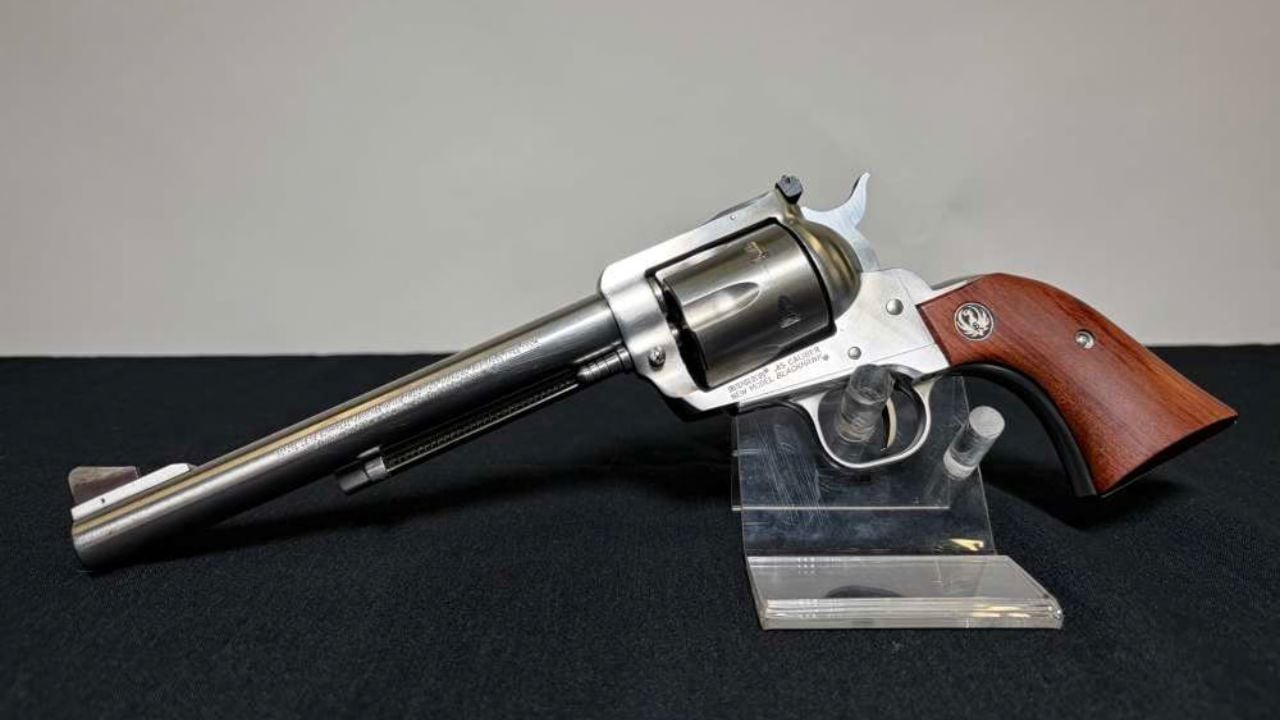
The .45 Colt Blackhawks are a rabbit hole. Some are basic working guns, and some configurations get folks’ attention in a hurry. The reason outdoorsmen like them is simple: big-bore capability in a revolver that’s built to take use.
Ammo costs and recoil depend on what you feed it, so be honest about your needs. Still, a good .45 Colt Blackhawk is one of those revolvers that can be a hunting sidearm, a trail gun, and a “because I like it” gun all in one.
11. Ruger Super Blackhawk .44 Magnum (old-school 7.5-inch)

This is the classic big Ruger wheelgun that shows up in deer camps. Long barrel, heavy frame, and it settles down on target like it’s got a job to do. If you hunt with a handgun or just like having a serious sidearm in bear country, it’s a proven setup.
It’s also not something you casually carry all day unless you’ve got the right rig. But if you find one that’s been cared for, it’s a revolver that will outlast most of us with normal maintenance.
12. Ruger Super Blackhawk Hunter
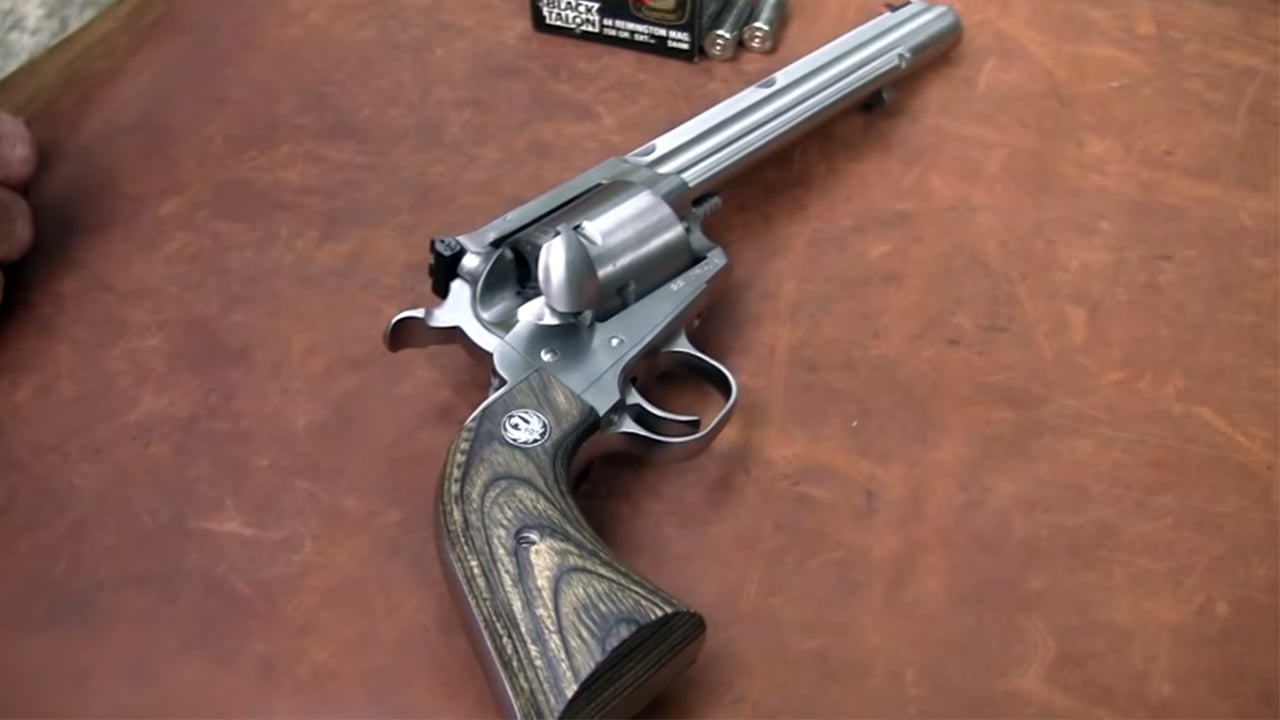
The Hunter models were made with optics in mind, and for some folks that makes all the difference. A red dot or scope on a .44 can turn a “maybe” handgun hunter into a consistent one. The gun is still a beast, but it’s a useful beast.
I’ve watched these creep up as more hunters decide they want a dedicated revolver for the job. If you’re on the fence, handle one with a good holster in mind, because carrying it wrong is how you end up hating it.
13. Ruger Vaquero (original, large frame)
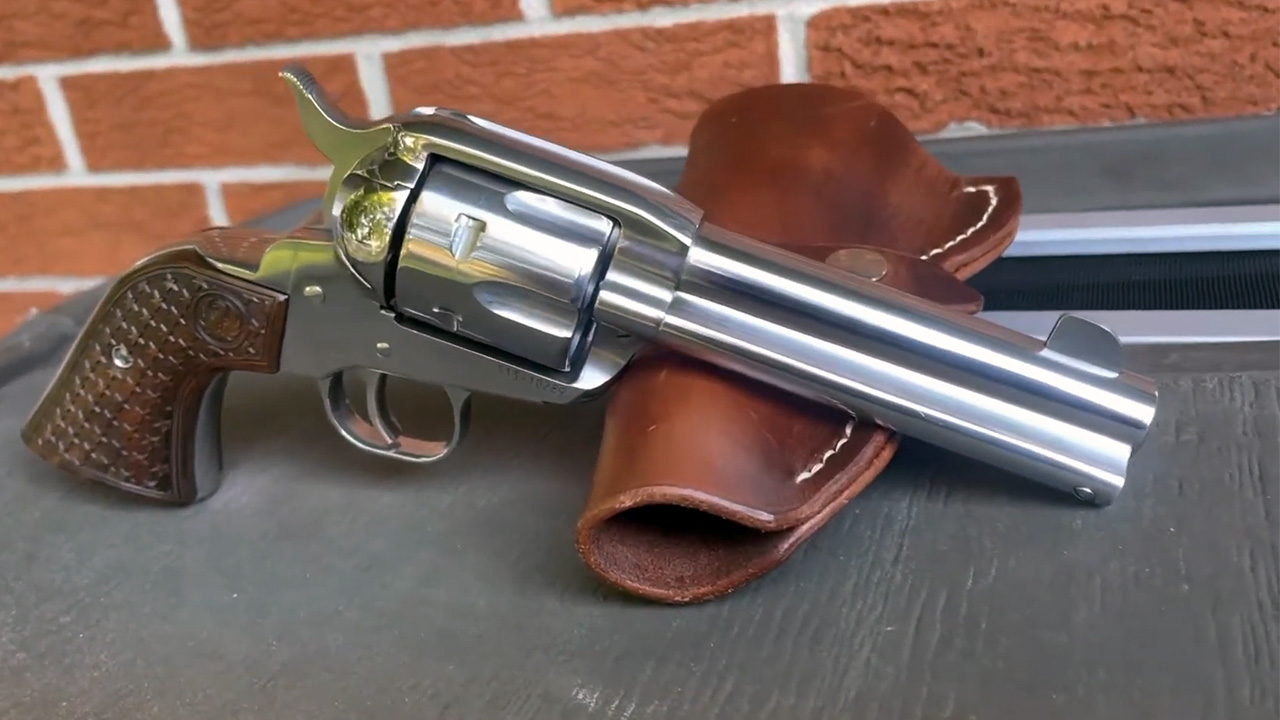
The original Vaquero is not the same gun as the New Vaquero, and that matters if you care about frame size and strength. The big-frame Vaqueros have a solid reputation and a certain heft that feels right if you grew up around single-actions.
They also scratch that “cowboy gun” itch without being fragile. Even if you never shoot a match, they’re fun, dependable revolvers that tend to hold value better than folks expect.
14. Ruger New Vaquero (smaller frame)

The New Vaquero fits more hands comfortably and balances in a way that makes it lively. It’s a better choice for a lot of shooters who aren’t trying to wring every last bit of horsepower out of a cartridge. For carry around the ranch, it’s a natural.
These get bought as “fun guns” and then sold when someone chases the next thing. If you can pick one up used, you’re getting a well-made single-action that’s easy to shoot well and easy to appreciate over time.
15. Ruger Bisley Blackhawk

Bisley grips aren’t just for looks. For heavier recoil, they can make a big difference in control and comfort, especially if your hands are bigger or you’re shooting stout loads. A Bisley Blackhawk feels like it wants to stay put when it goes off.
They’re not always sitting in the case, and when they are, they sometimes get priced like a normal Blackhawk. That’s the moment to pay attention. If you shoot big-bore Rugers a lot, the Bisley configuration can turn “tolerable” into “enjoyable.”
16. Ruger Redhawk .44 Magnum
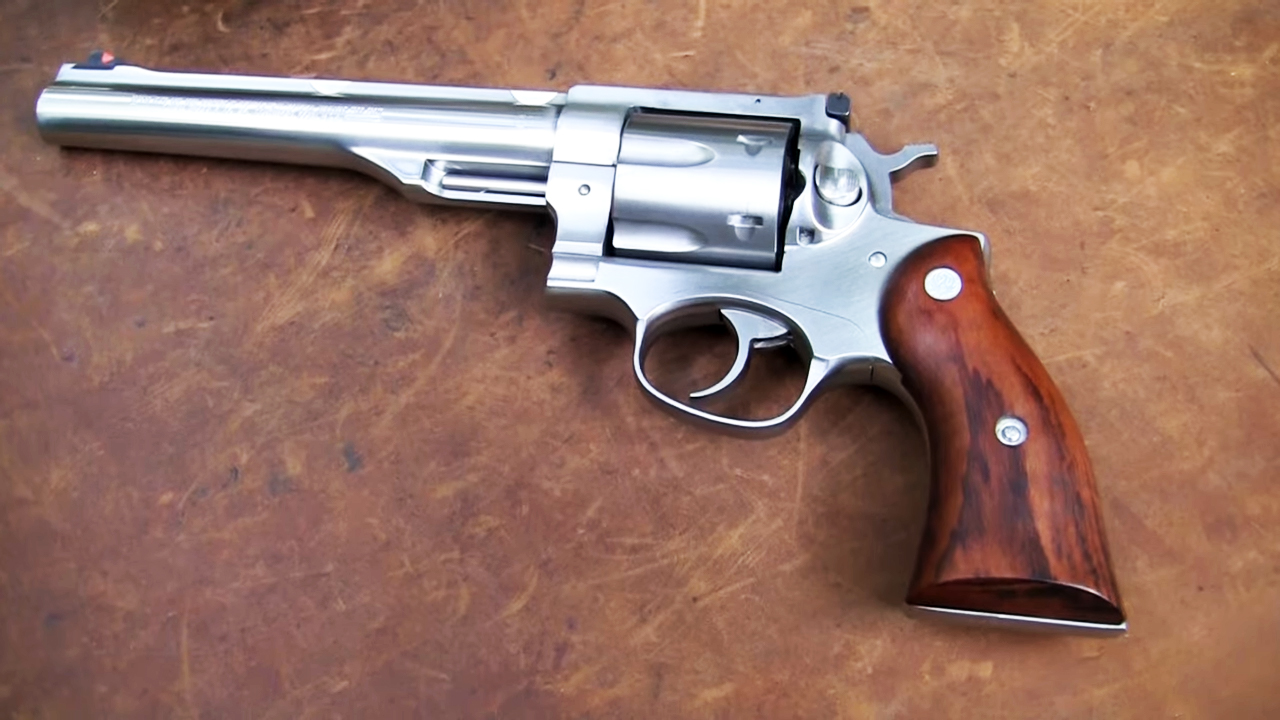
The Redhawk is the big, blunt instrument of the double-action Ruger world. If the GP100 is a tank, the Redhawk is farm equipment. It’s heavy, it’s strong, and it has a reputation for taking a steady diet of serious loads.
It’s not dainty on the hip, and the trigger can vary by example. But when you want a .44 that’s built for hard use and not babied, the Redhawk is a straight answer.
17. Ruger Super Redhawk .454 Casull

This one is specialized, and you should admit that before buying it. The .454 Super Redhawk is a lot of revolver, and it’s overkill for most folks’ day-to-day woods walking. Still, for hunters and for serious backcountry use, it’s a legitimate tool.
These often show up used after the first owner figures out recoil is a real thing. If you’re the second owner and you actually have a purpose for it, you can sometimes land a deal. Just don’t buy it to impress your buddies at the range unless you like wasting money on ammo.
18. Ruger Super Redhawk .480 Ruger

The .480 Ruger doesn’t get talked about as much, which is exactly why it ends up undervalued. It hits hard, and it does it in a way many shooters find more manageable than the screaming-high-pressure stuff. It’s a serious hunting revolver cartridge in a serious frame.
Availability is the catch. Ammo isn’t on every shelf, and that turns buyers away. If you’re the kind of guy who plans ahead and keeps a stash, this is one of those “buy it when you see it” revolvers.
19. Ruger Single-Six (old models and convertible sets)
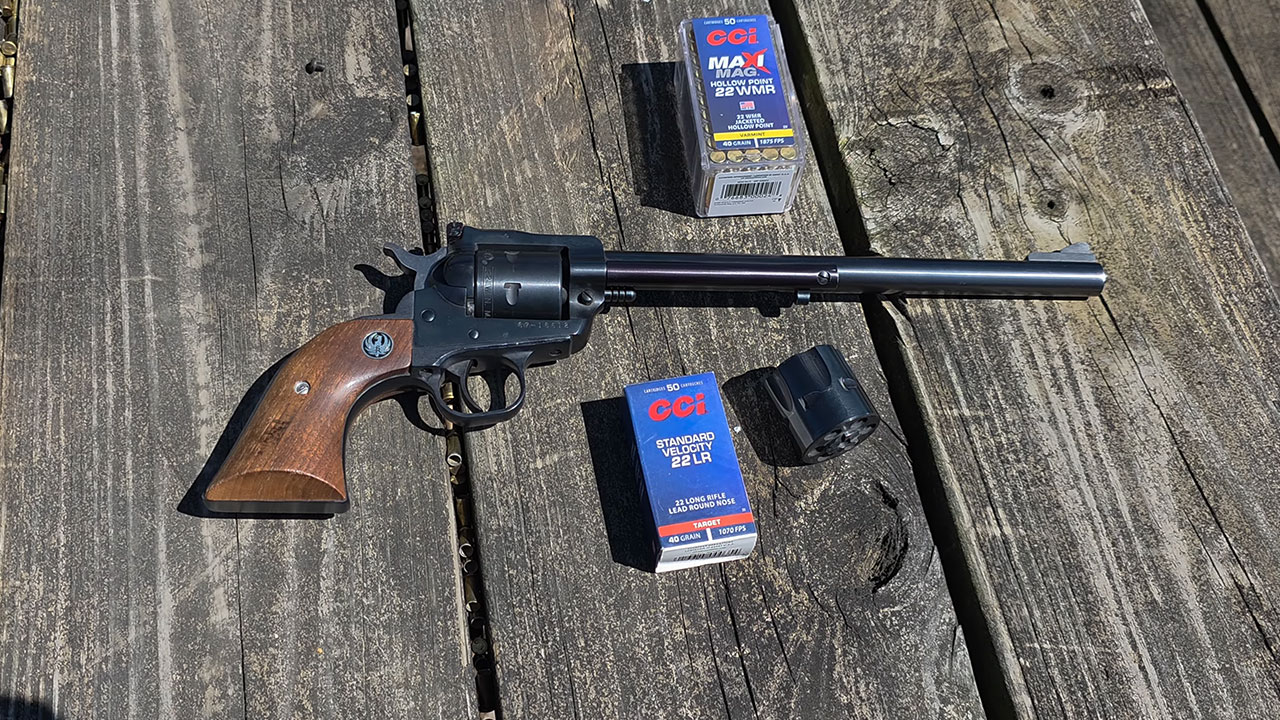
A Single-Six is the revolver that makes you a better shot without beating you up. It’s the gun you toss in the ATV box, teach a kid on, or carry on a trapline because a .22 solves a lot of small problems. The older ones with character have a charm that new guns don’t replicate.
The convertible versions are especially handy if you like options, but even the standard .22 LR models are worth having. Prices have already risen compared to what they used to be, and I don’t see them getting cheaper as good examples get harder to find.
20. Ruger Bearcat
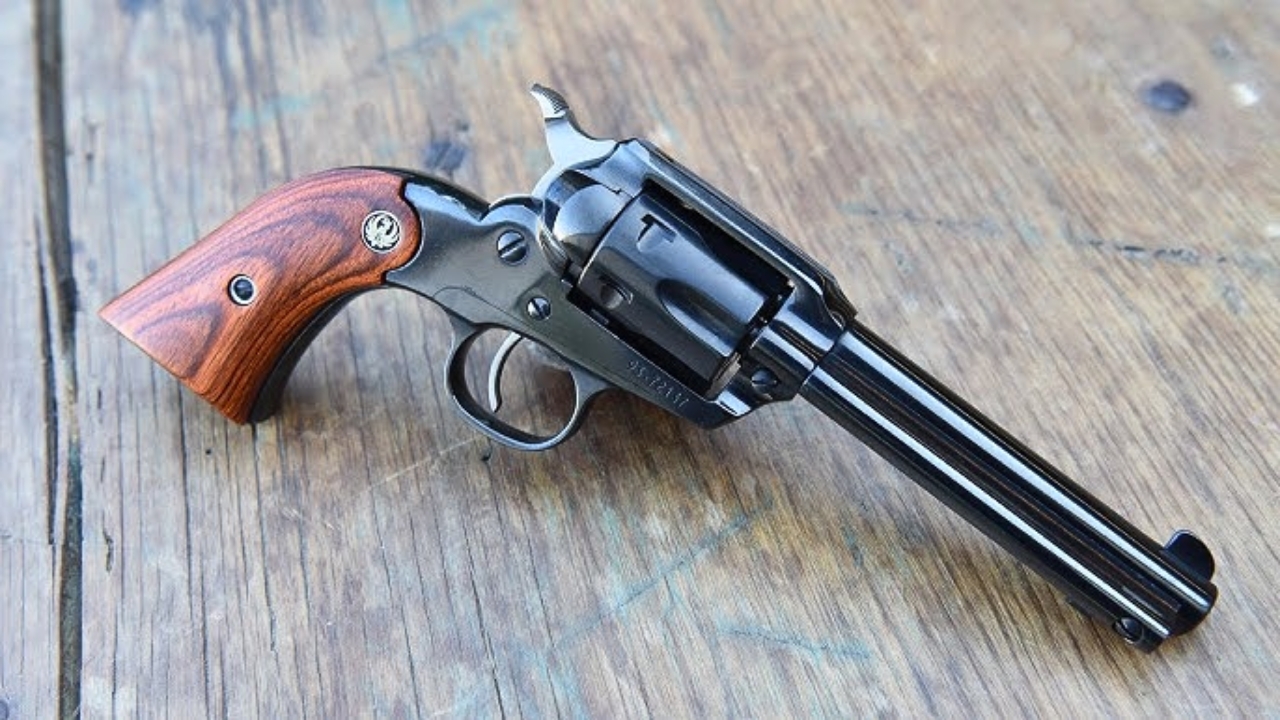
The Bearcat is small, simple, and easy to dismiss until you spend a day in the woods with it. It’s the revolver you forget is on you, which is why it ends up being the one you actually have when you need to pop a grouse for the pot or deal with camp pests.
It’s not a do-it-all gun, and the sights are not target-grade. Still, a good Bearcat has a loyal following for a reason. If you find one that hasn’t been abused, it’s a classic little trail companion that tends to stay in families once it lands there.
None of these are magic, and none of them will fix bad shooting habits or replace time on the range. But Ruger has a way of making revolvers that take real use and keep on going, and the market is slowly rewarding that. If you’ve been thinking about adding one solid wheelgun to the safe, the smartest move is usually the same: buy the right used one when you see it, not when everybody else starts bidding it up.
Like The Avid Outdoorsman’s content? Subscribe to our newsletter so you never miss an article.
Here’s more from us: