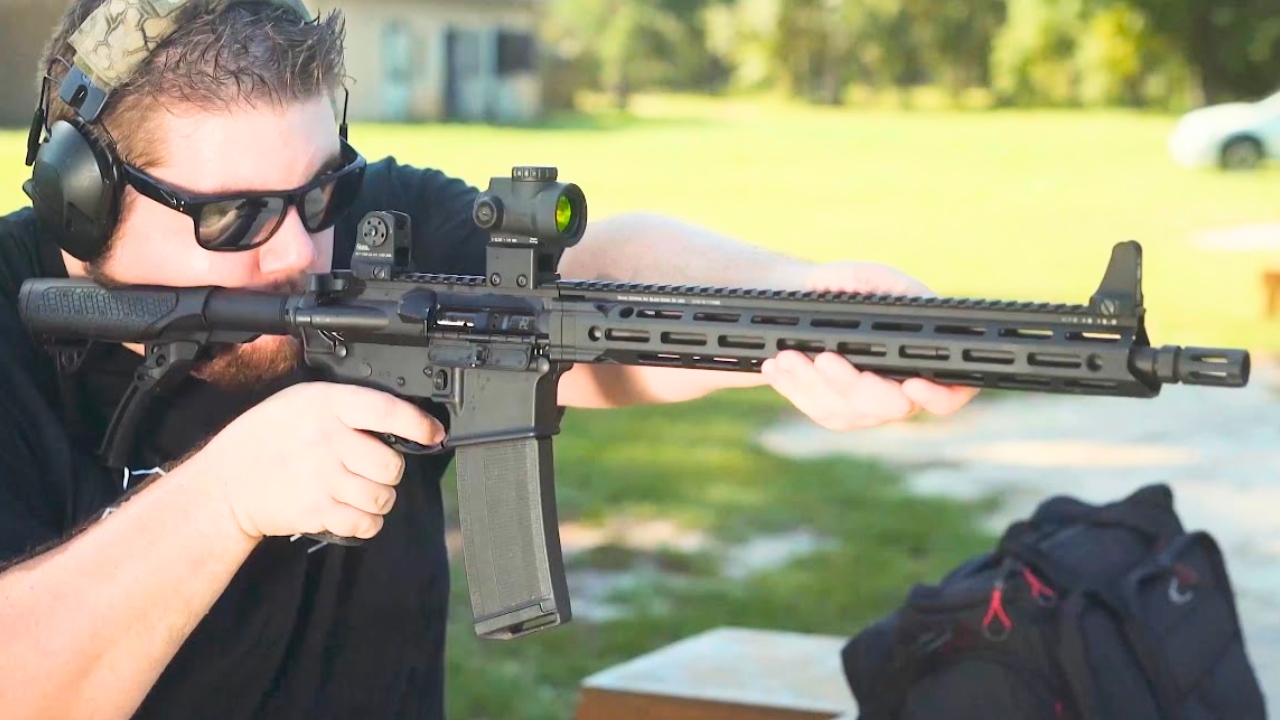
Photo credit: TheGunCollective/YouTube
You ever put a “nice” gun on the bench, hang a fresh target at 100, and then spend the next 40 minutes wondering if you forgot how to shoot? It’s a particular kind of frustration because the price tag had you expecting cloverleafs, or at least something you can hunt with confidence without playing ammo roulette.
To be fair, accuracy is a messy subject. Some guns are picky. Some barrels need time. Some triggers are heavy for a reason. And yes, some of the blame is on the guy behind the gun. But there are also firearms that just don’t group like their cost implies, either because of design choices, inconsistent QC, a bad barrel here and there, or because they’re built to do something other than print tiny groups.
Here are 20 I’ve seen disappoint enough times that they belong on the “manage your expectations” list.
1. Remington 783 (heavy trigger, bargain barrel lottery)
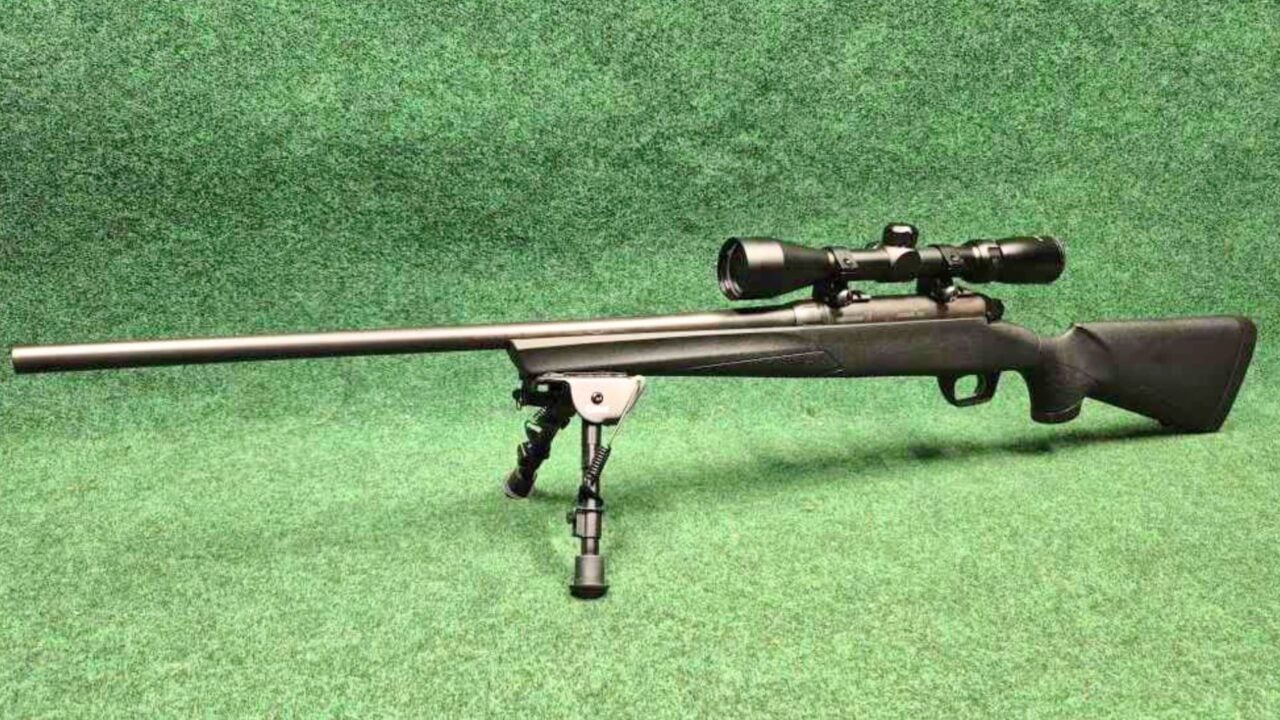
The 783 gets pitched as a sleeper “budget tack-driver,” and some of them are. Others spray like a tired farm rifle, especially with the cheap factory ammo most folks actually buy. The trigger can feel heavy and gritty, and that alone opens groups up fast when you’re trying to shoot off bags.
If you get a good one, you’ll think everyone else is exaggerating. If you get a bad one, you’ll spend a bunch of money chasing the problem with different loads, optics, and mounts before you admit the barrel just isn’t special.
2. Ruger American Rifle (lightweight hunting win, benchrest disappointment)

I like the Ruger American for what it is: light, affordable, and usually dependable. But the same skinny barrel that makes it easy to carry also heats up quick, and groups tend to walk as the string goes on. That’s not a moral failure, it’s physics.
Guys buy one, shoot three shots, and brag. Then they try to confirm a load with 10-shot strings and suddenly it’s a “problem rifle.” It’s a deer rifle, not a paper-punching hobby gun.
3. Ruger Mini-14 Ranch Rifle (older thin-barrel models)
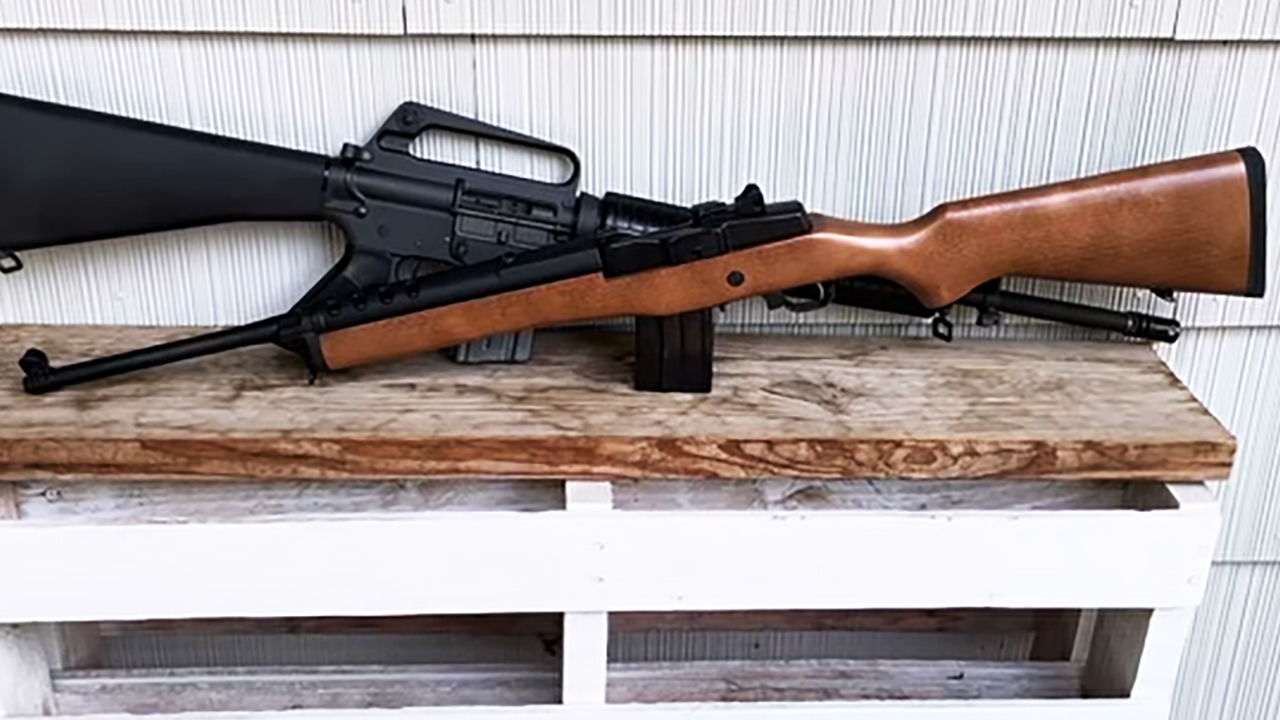
This one hurts because the Mini-14 is handy, reliable, and points fast. But plenty of the older thin-barrel guns were never known for tight groups, and heat can turn a decent first group into a scattered second and third. You can hunt coyotes with one, sure, but it’s not a “stack holes at 100” rifle.
The Mini’s price has climbed into territory where folks expect AR-type accuracy. That expectation is usually where the disappointment starts.
4. Springfield Armory M1A Standard (battle rifle reality check)
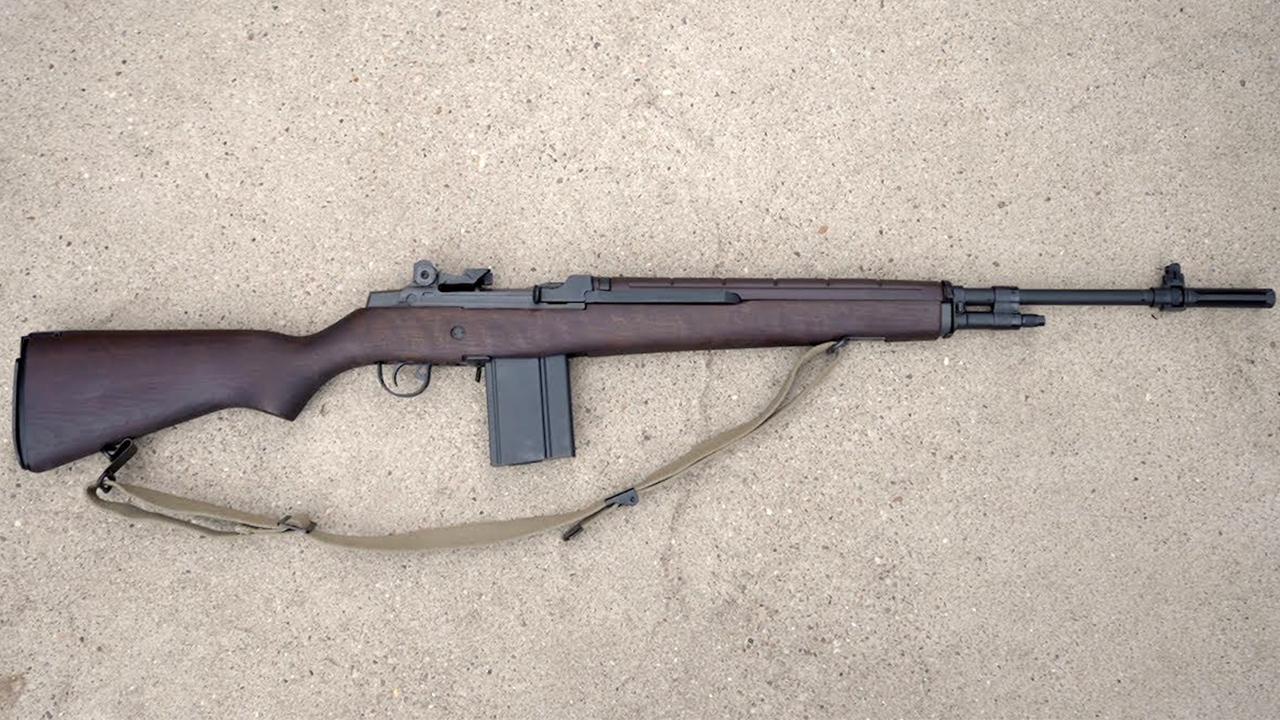
The M1A looks like it should shoot like a dream. It’s heavy, it’s classic, it’s got that “serious rifle” vibe. Then you buy one, feed it basic .308, and realize you’re holding a battle rifle design that’s often happier at “minute of steel” than “tiny group hero.”
Some M1As do shoot well, especially with tuned loads and careful setup. But plenty of owners end up learning that a pretty walnut stock doesn’t automatically mean precision.
5. SIG Sauer Cross (light chassis, inconsistent early examples)
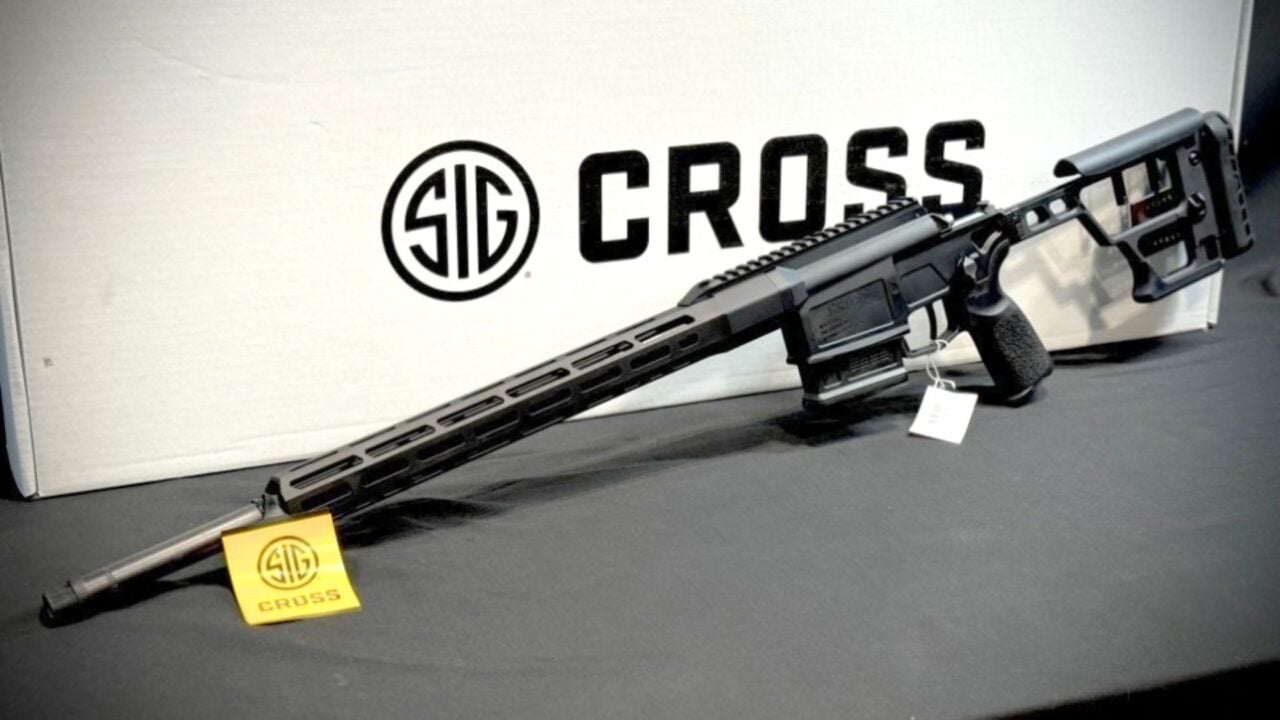
The Cross is a slick concept: light, compact, modern, and expensive enough to make you expect it to behave like a custom gun. I’ve seen examples that shoot great, and I’ve also seen ones that never settled down no matter what ammo you fed them. That’s a bad place to be when the rifle costs what it costs.
It carries nicely in the mountains, no doubt. But if you’re paying premium money, “pretty good most days” isn’t what you had in mind.
6. Christensen Arms Ridgeline (ultralight carbon… and a reputation for flyers)
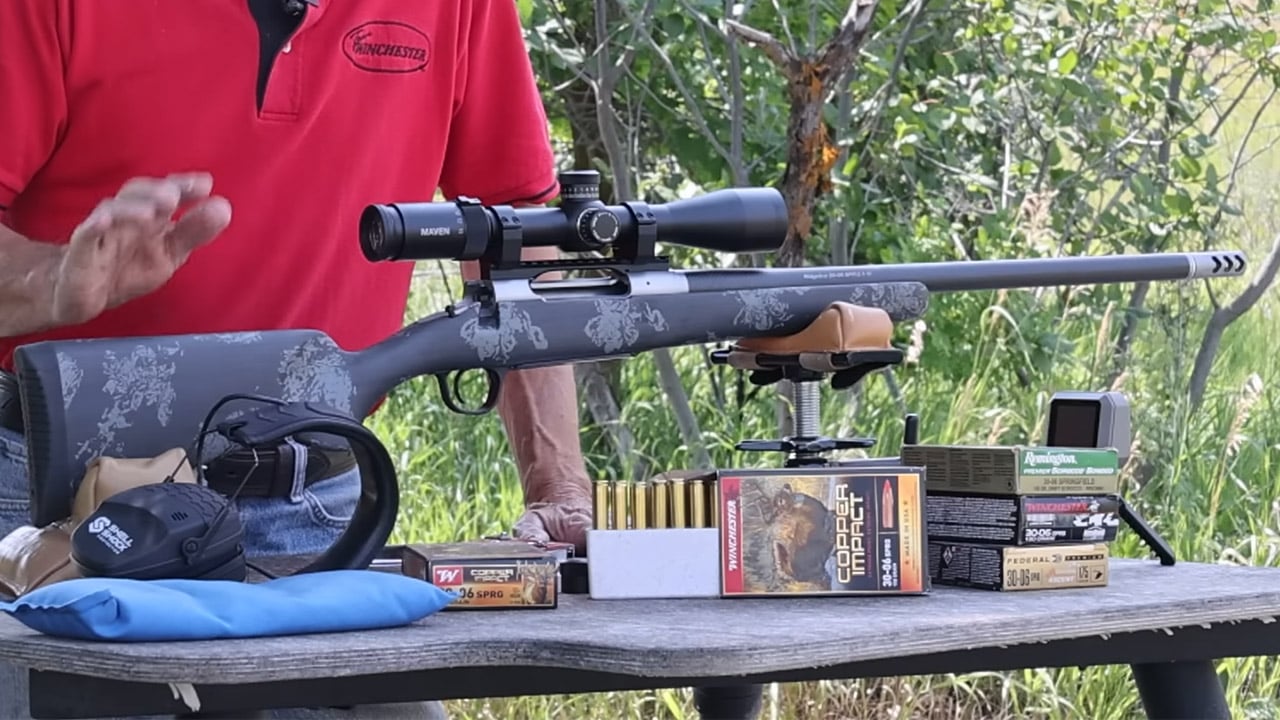
When a rifle costs like a custom build, you shouldn’t be making excuses for random flyers. Yet the Ridgeline has been a repeat conversation at ranges and gun counters: “It’ll shoot, but it throws one.” Sometimes that’s bedding. Sometimes it’s torque. Sometimes it’s just not right.
Light rifles are harder to shoot well, and carbon barrels aren’t magic. If you buy one expecting instant half-MOA groups because the internet said so, you might be buying aspirin too.
7. Browning BAR (hunting semi-auto convenience, not a precision rig)

The BAR is a classic for fast follow-ups on deer and elk. It also has more moving parts than a bolt gun, and that doesn’t help consistency. Some BARs group fine for hunting, but plenty won’t impress you on paper for what they cost.
It’s a “kill deer in thick timber” tool, not a “shoot tiny clusters off a bench” toy. If you keep it in that lane, it makes more sense.
8. Winchester SXP (cheap shotgun, patterns that don’t match expectations)
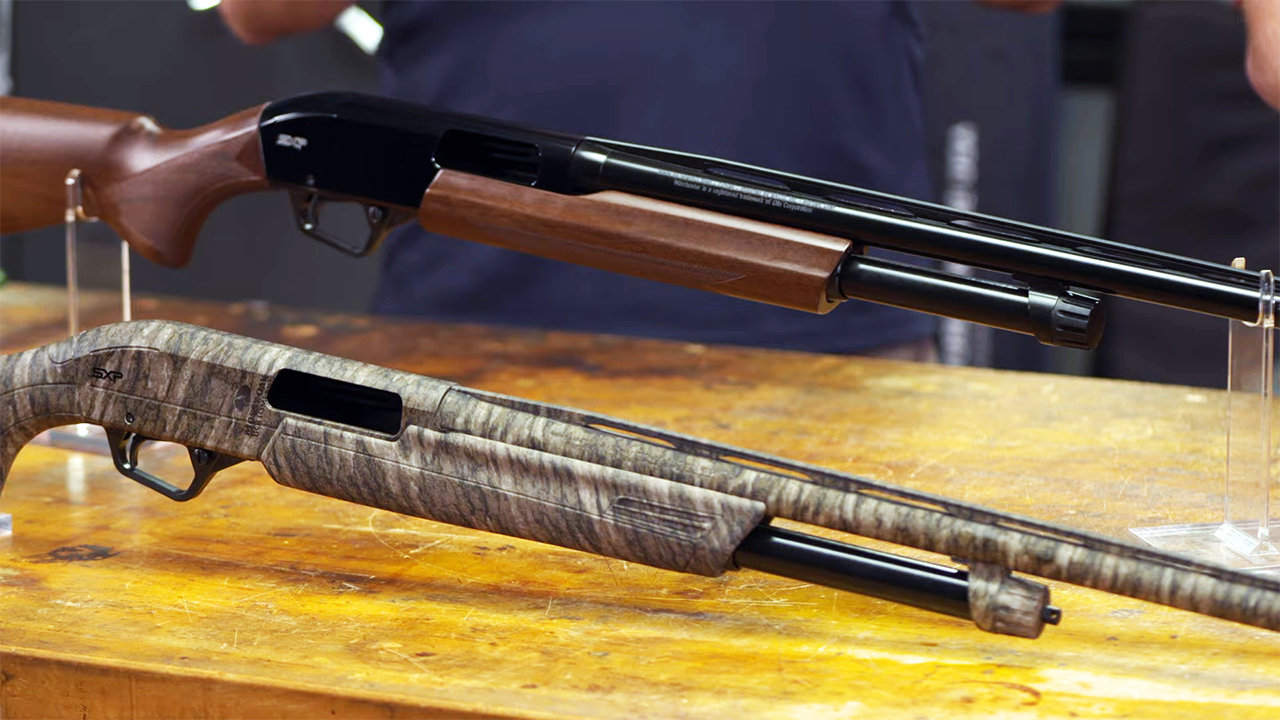
Shotguns aren’t about groups, but bad patterns ruin hunts all the same. The SXP is affordable and cycles fast, but I’ve seen them throw uneven patterns with certain loads and chokes, and that’s a hard problem to diagnose without burning through shells.
When a turkey gun won’t pattern consistently, it’s not a small annoyance. It’s the difference between confidence and second-guessing every bead-on-bird moment.
9. Remington 870 Express (late-production roughness and inconsistent results)
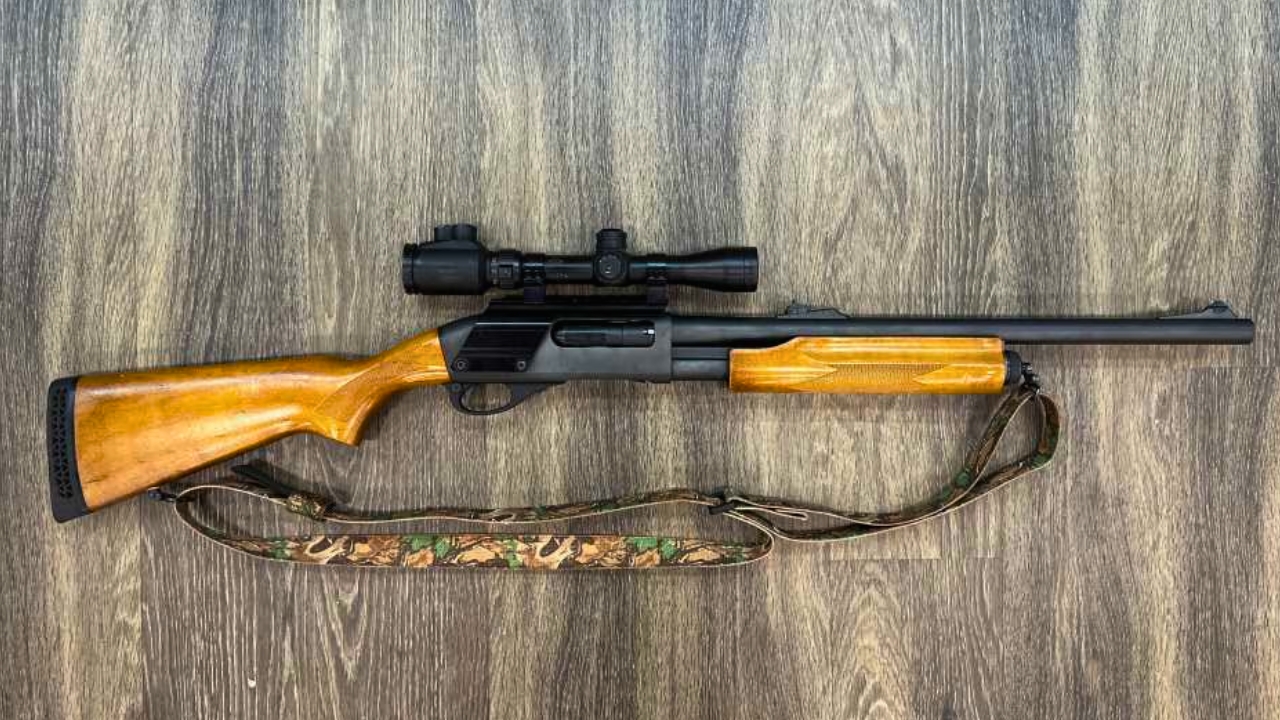
The old 870s earned their reputation. Some of the later Express guns, though, came with rough chambers, gritty actions, and a general “mass-produced” feel that didn’t match the legend. With slugs, I’ve seen accuracy that’s fine, and I’ve seen “why is this all over the paper” results.
It’s still an 870, and it can still be made right. But when you pay more because of the name, you expect less drama out of the box.
10. Mossberg 930 (semi-auto shotgun that can be ammo-picky)
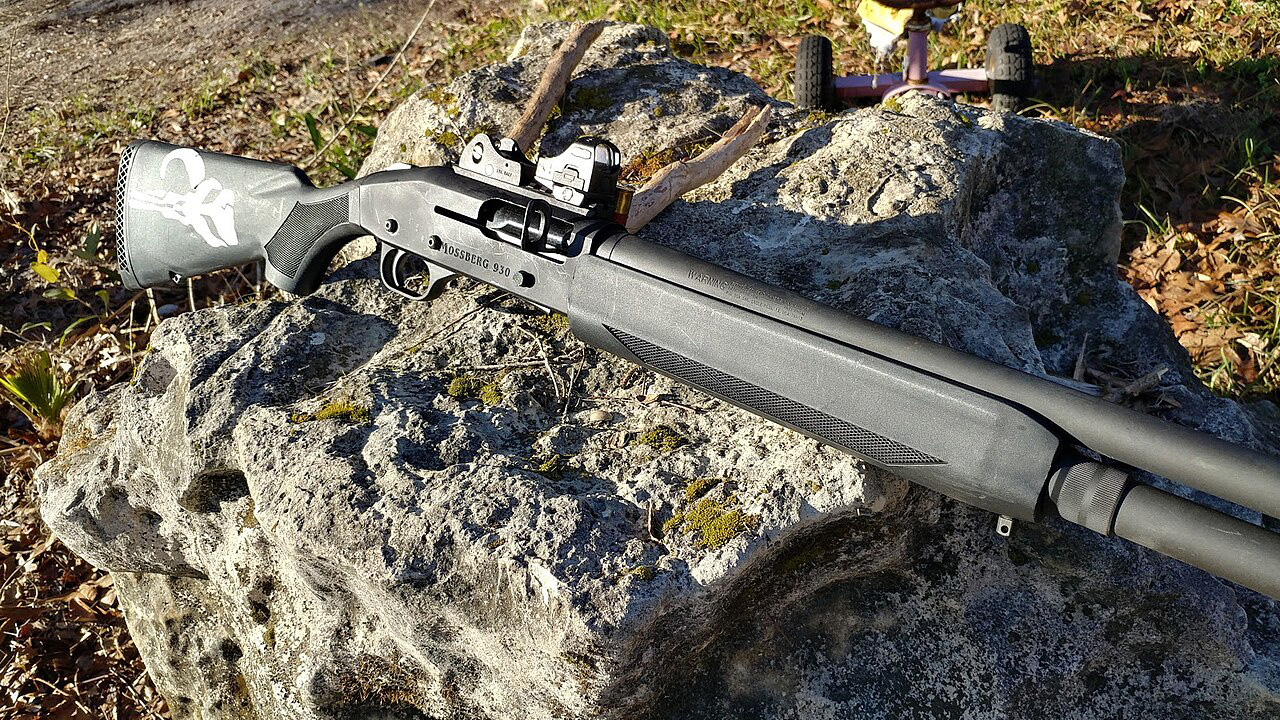
The 930 can run, but it can also be finicky about loads, and that can show up in patterns and consistency. If you’re trying to build a do-it-all shotgun—ducks, turkey, maybe a slug barrel—this is where frustration shows up.
A shotgun that won’t behave the same from one load to the next feels like it’s got a mind of its own. That’s not what you want when shells cost what they cost.
11. Kimber Custom II (pretty 1911, accuracy varies by example)
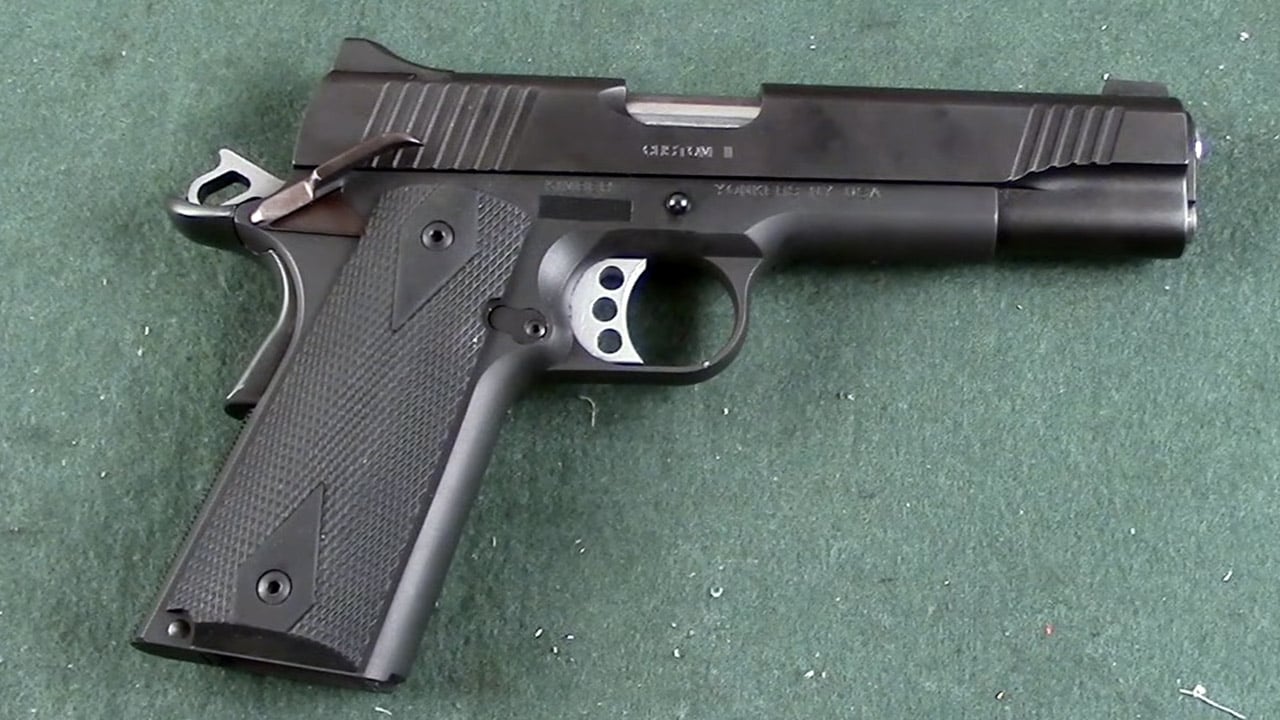
Personal Defense and Firearm Education/Youtube
Kimber 1911s can be accurate. They can also be fussy, and I’ve seen more than one that didn’t shoot like it looked like it should. When the trigger is decent but the groups still aren’t, you start looking at barrel fit and consistency.
Part of the problem is expectations. Kimber prices and marketing set you up to believe you’re getting a semi-custom experience. Sometimes you do. Sometimes you don’t.
12. Springfield Armory Saint Victor (good rifle, but not always a “group gun”)

The Saint Victor is a solid, slick AR, and a lot of them run great. But I’ve watched guys buy one expecting it to print tiny groups with bulk 55-grain ammo and a red dot. Then they’re mad it shoots like a normal fighting-style AR.
AR accuracy depends on barrel, ammo, optics, and the shooter’s ability to hold steady. If you want precision, you buy for precision. The Victor is more about handling and reliability.
13. Daniel Defense DDM4 (premium AR money, sometimes ordinary accuracy)
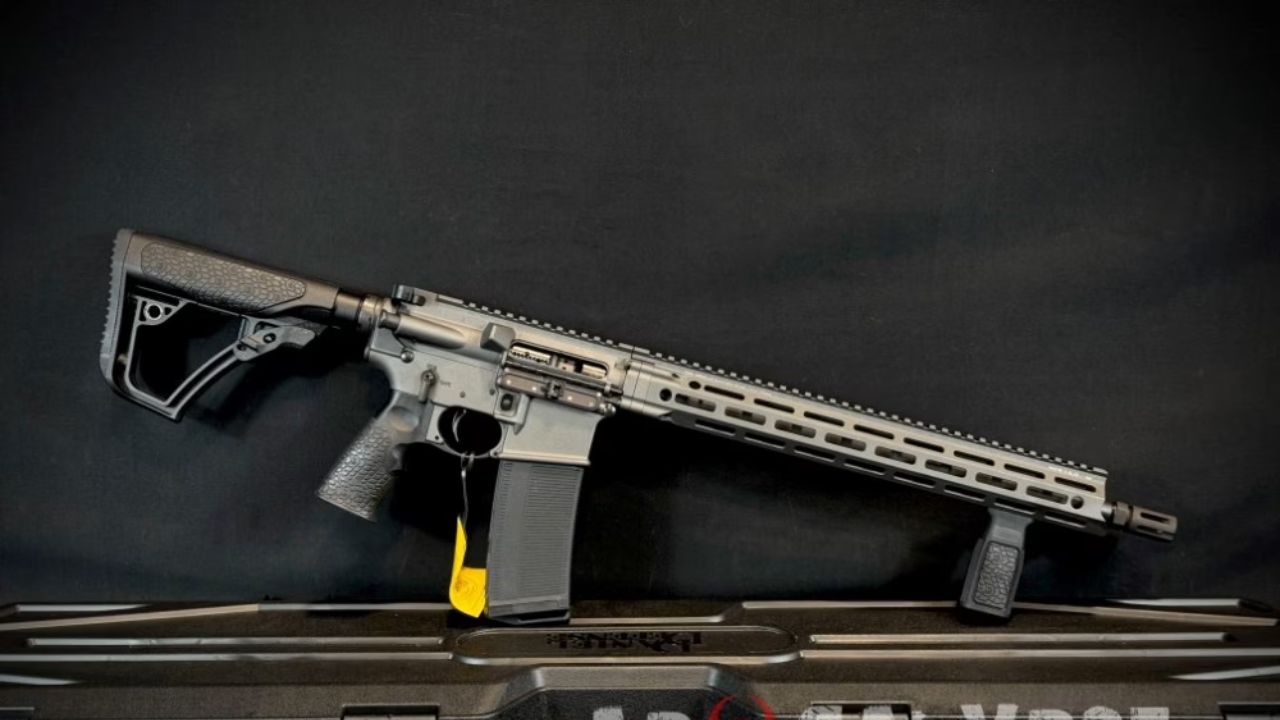
Daniel Defense makes tough rifles. They’re built to run hard. But “hard-use” doesn’t automatically mean “benchrest.” Plenty of DD rifles shoot well, but I’ve seen more than one that grouped like a mid-tier carbine, and that stings when you’re into it for premium dollars.
If you’re buying DD for durability and a top-shelf build, you’ll probably be happy. If your whole goal is small groups, you may feel like you paid extra for features that don’t tighten the target.
14. FN SCAR 16S (cool factor is real, precision expectations get crushed)
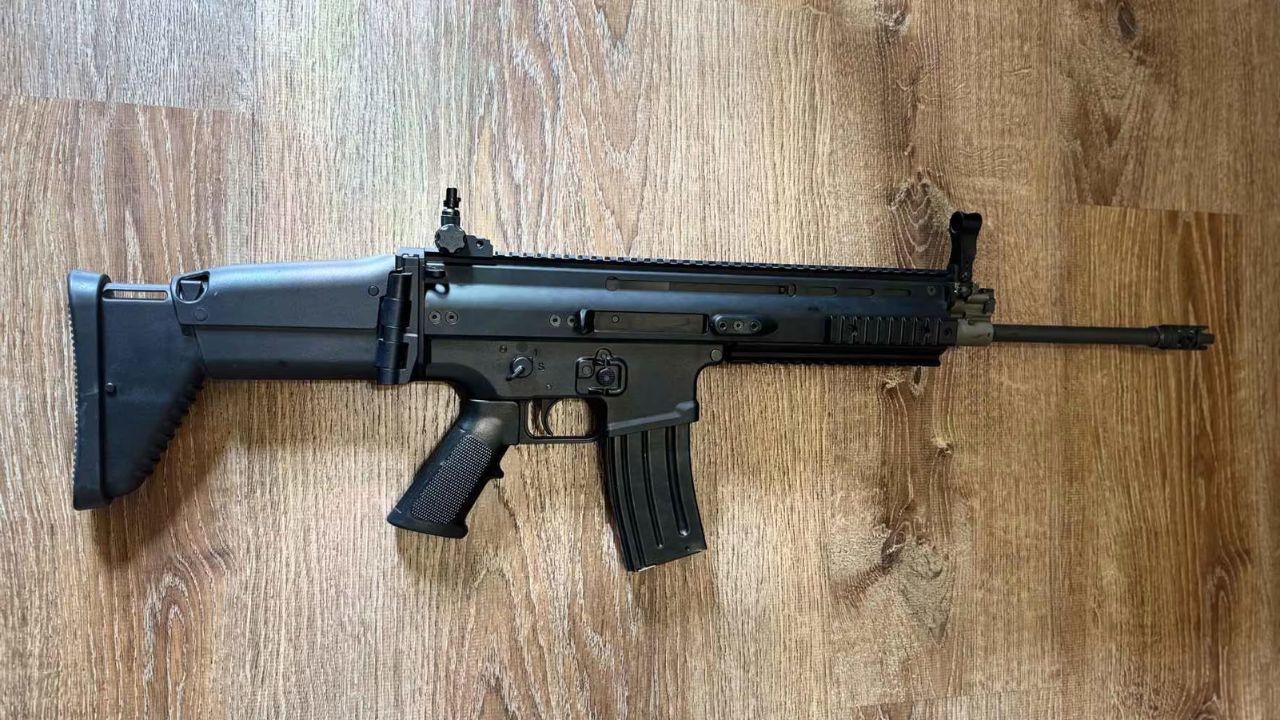
The SCAR is one of those rifles that people buy with their heart. It’s light, it’s iconic, it’s expensive. Then the range day comes and the groups aren’t anything special, especially with common ball ammo.
It’s a fighting rifle with a price tag that makes you think “precision.” Those are not the same thing. The SCAR’s value is in weight, reliability, and design—not in printing bugholes.
15. Century Arms C39V2 (AK vibe, accuracy you tolerate)
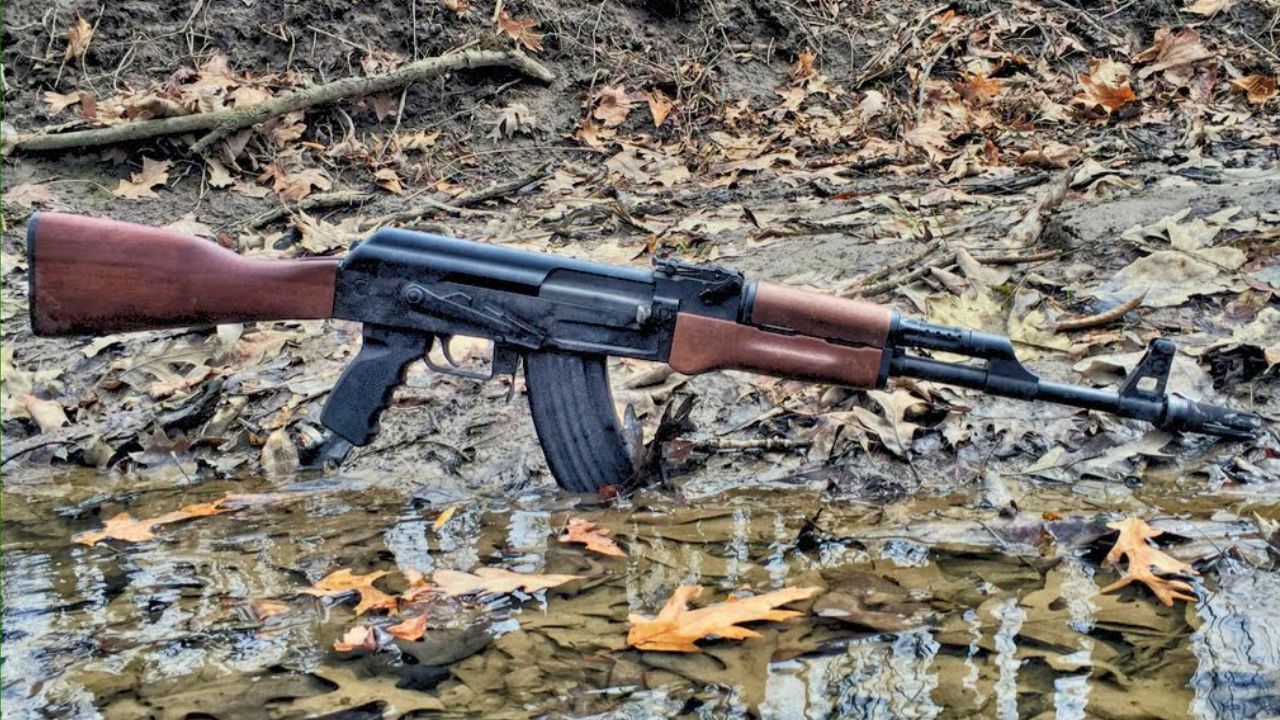
If you buy an AK expecting it to be a precision rifle, you’re already setting yourself up. The C39V2, in particular, has had enough complaints over the years that it’s hard to recommend with a straight face, and accuracy is part of that conversation.
Even when they run, they tend to shoot like an AK: acceptable for close work, not impressive on paper. If you paid more than “beater rifle” money, you feel it.
16. IWI Tavor X95 (bullpup handling, triggers and groups)
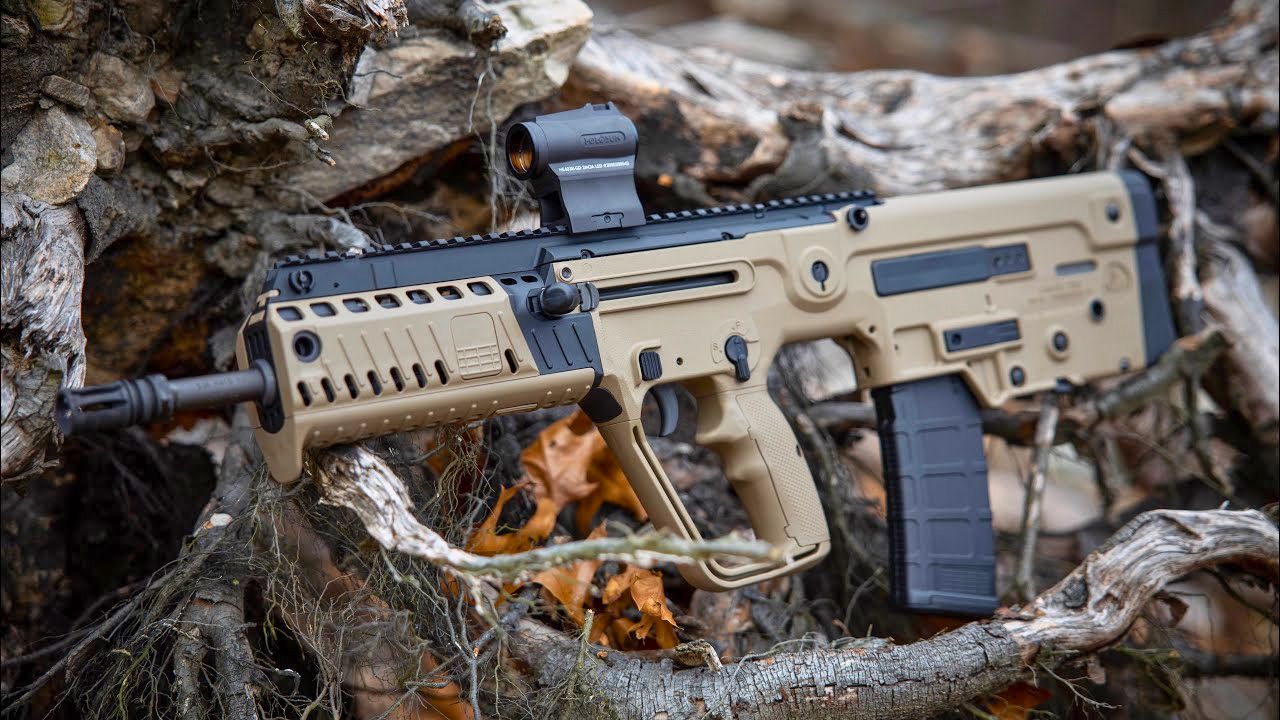
The X95 is handy in tight spaces and balances in a way that makes it feel shorter than it is. But bullpups often have triggers that fight you, and a fighting trigger makes groups bigger. It’s not complicated.
Some folks can shoot them very well, but for the average shooter, it’s not the easiest rifle to wring accuracy out of. Paying premium money doesn’t make the trigger magically crisp.
17. Smith & Wesson Model 29 (big-bore romance meets real-world groups)
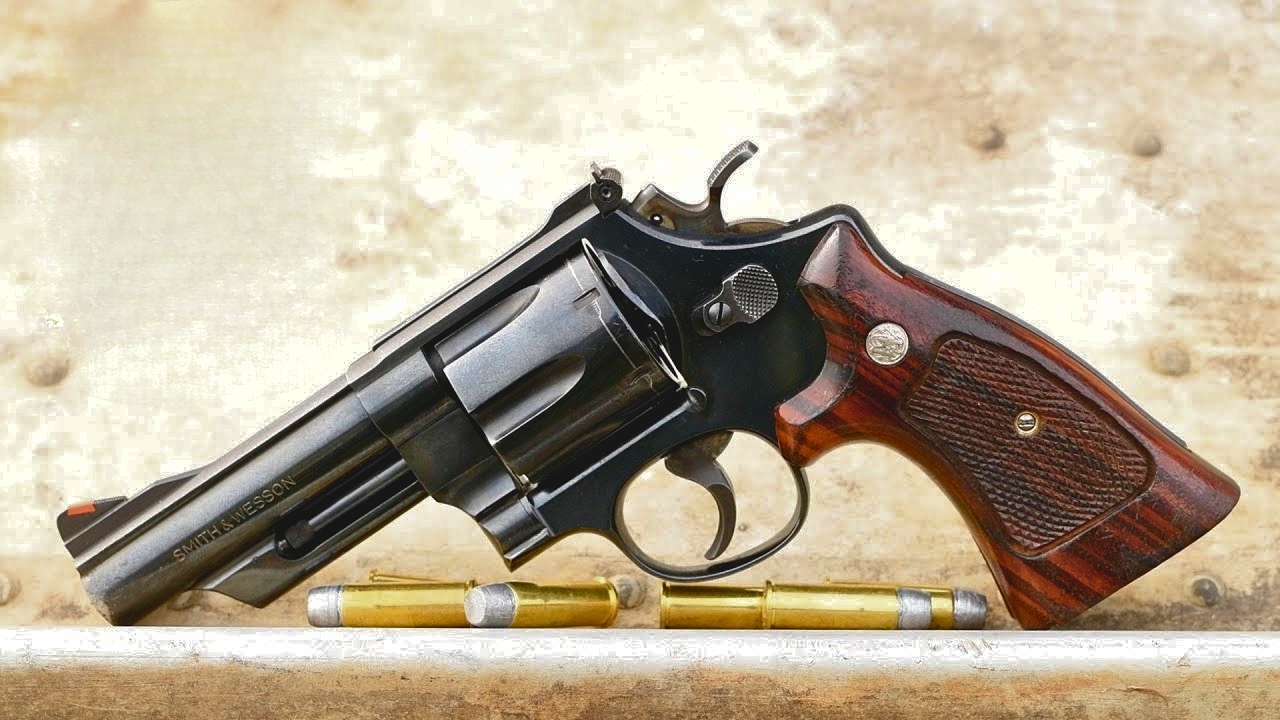
The Model 29 is a legend, and it’s still a fine revolver. But heavy recoil and a long, deliberate trigger pull can turn groups into a mess, especially for shooters who don’t practice with magnum loads. A lot of “accuracy problems” are really “flinch problems.”
Still, for what these cost now, you’d like to see consistent performance with the loads you actually plan to use. Some do it. Some don’t.
18. Taurus Raging Bull (big bore, heavy, not always consistent)
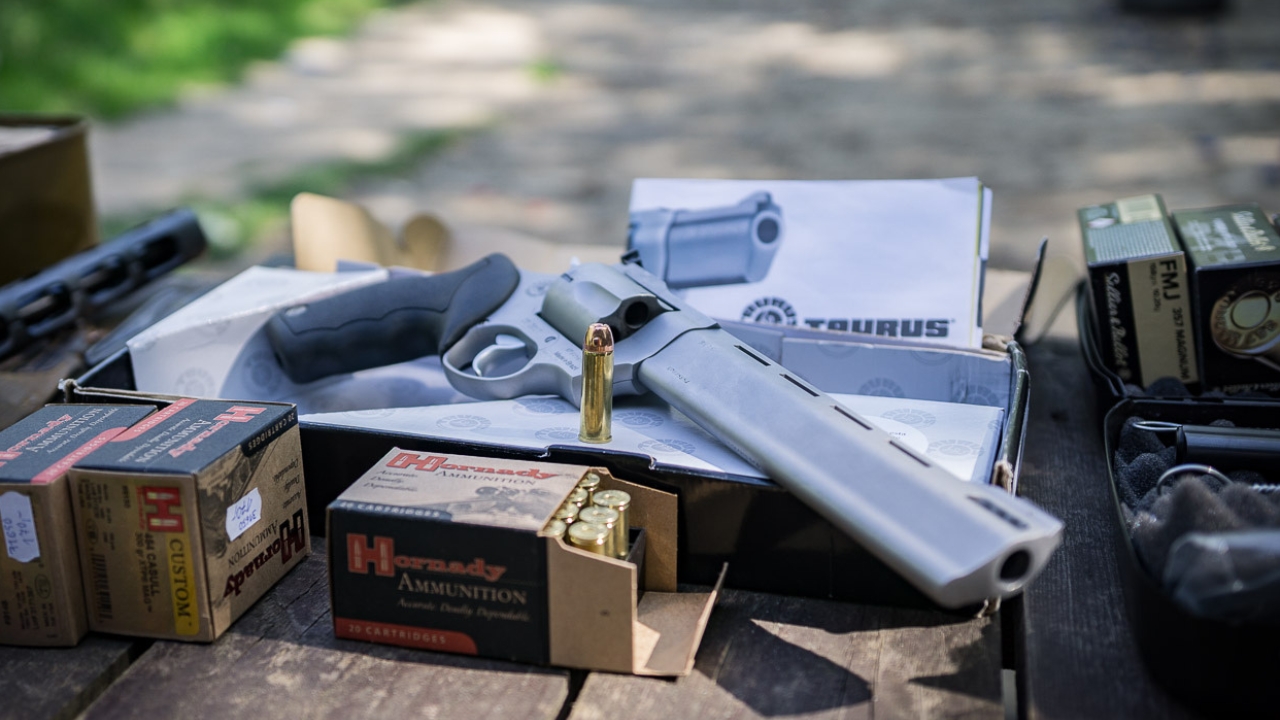
These revolvers look like they should be stable because they’re big and heavy. Then you get one that doesn’t shoot tight with anything you try, and you’re stuck wondering if it’s the ammo, the shooter, or the gun. Ask me how I know.
When a revolver is marketed for power and hunting, you expect it to at least keep things together at sensible handgun ranges. If it won’t, the whole purpose falls apart.
19. Glock 43 (tiny carry gun reality)

The Glock 43 is easy to carry. It’s also small enough that it magnifies every little mistake you make, and the short sight radius doesn’t forgive much. I’ve watched good shooters shoot disappointing groups with them simply because the gun is working against comfort and control.
If you buy it thinking it’ll shoot like a compact duty pistol, you’re going to be irritated. It’s a “carry a lot, shoot enough” pistol, not a range favorite.
20. SIG Sauer P365 (great concept, not everybody shoots it well)

The P365 changed the carry market, and I’m not denying that. But not everyone shoots it accurately, especially the first few range trips. The grip is short, the gun is snappy, and some folks fight the trigger press more than they expect.
It can be very accurate in capable hands, but the price and hype make people expect effortless tight groups. For plenty of owners, it takes real work and the right ammo before it settles into “trust it” territory.
None of this means these guns are “junk,” and it doesn’t mean you made a bad choice if one of them is in your safe. It means the price tag and the expectation don’t always line up—especially when you mix lightweight hunting guns, hard-use carbines, and small carry pistols into the same accuracy conversation. If you want tight groups, buy for that job, feed it ammo it likes, and be honest about what you’re asking the tool to do.
Like The Avid Outdoorsman’s content? Be sure to follow us.
Here’s more from us: